Paměť národa
Menu
Abecedný index
Epochy
Témy
Spolupracujeme
Archive Memory of Nations
e-bádateľňa
Vstup do e-badatelny
Přihlásit se
Zapomenuté heslo?
Zaregistrovat se
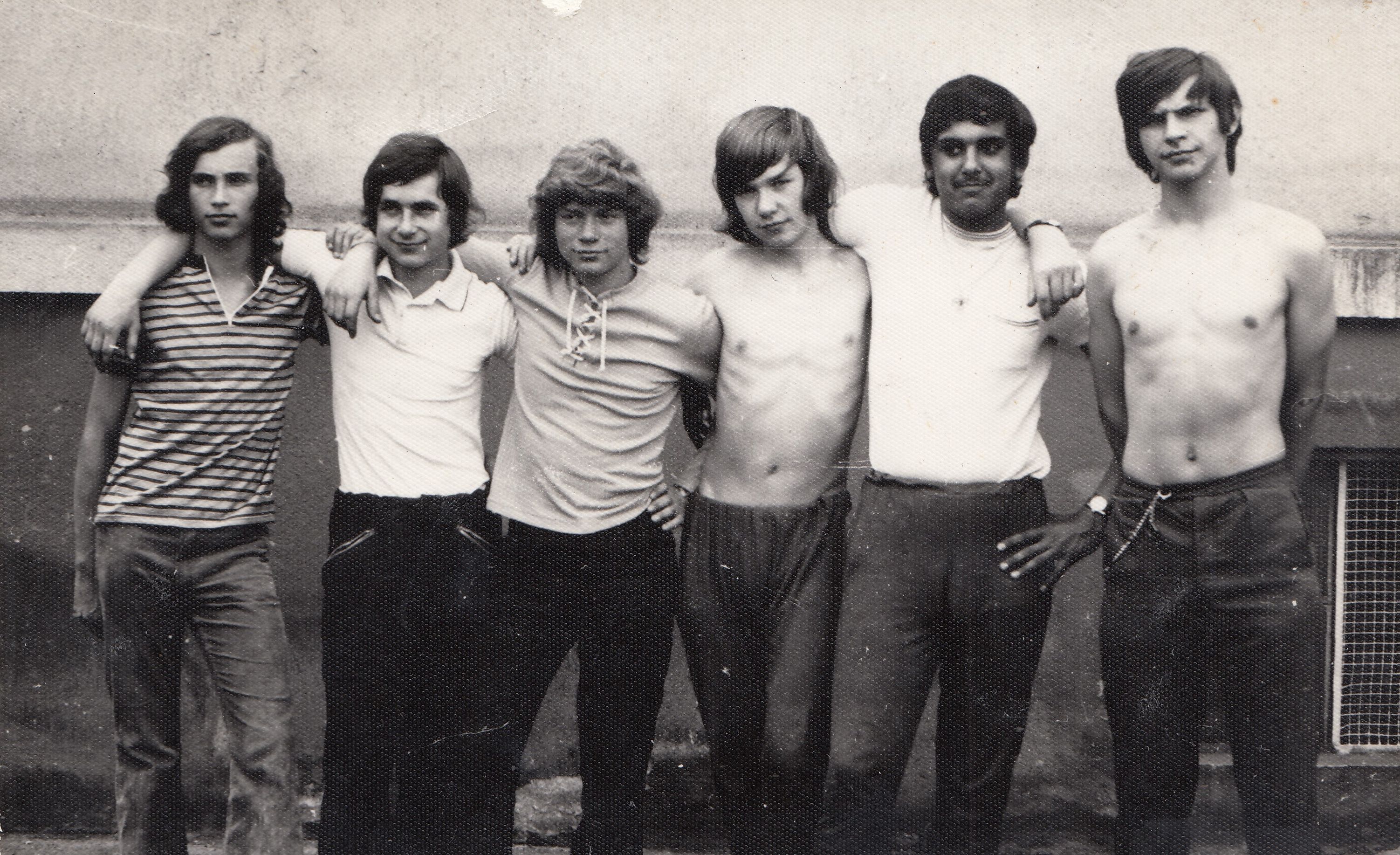
Na fotografii zcela vlevo Jiří Löwy s učni v Pardubicích (Julínek, Škrobal a další)
Na fotografii zcela vlevo Jiří Löwy s učni v Pardubicích (Julínek, Škrobal a další)
Jiří Löwy (* 1957)
zdroj: Archiv pamětníka
Stáhnout obrázek
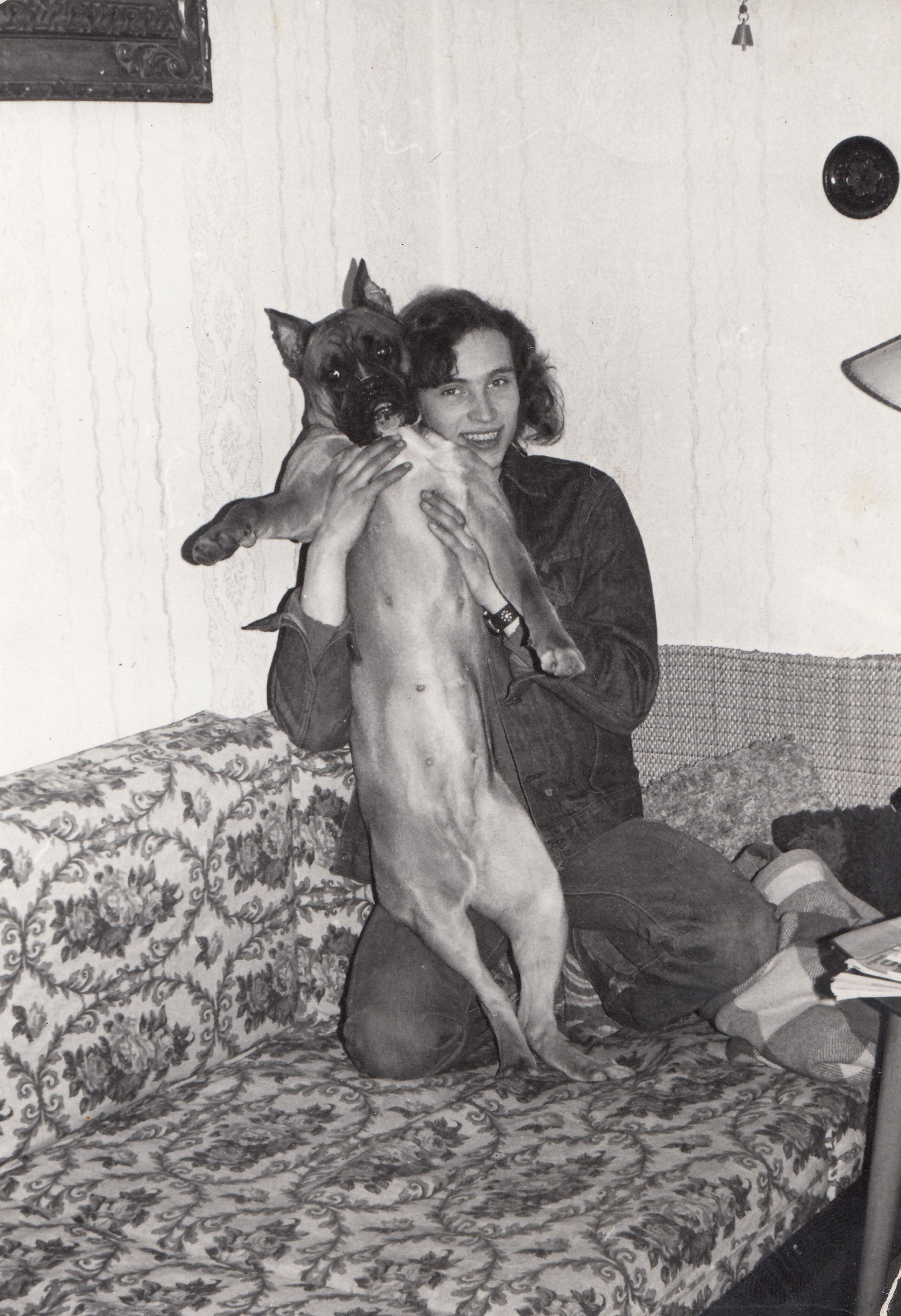
Jiří Löwy with boxer Badyna one year after apprenticeship
Jiří Löwy with boxer Badyna one year after apprenticeship
Jiří Löwy (* 1957)
zdroj: Witness archive
Stáhnout obrázek
Jiří Löwy s boxerkou Badynou rok po učení
Jiří Löwy s boxerkou Badynou rok po učení
Jiří Löwy (* 1957)
zdroj: Archiv pamětníka
Stáhnout obrázek
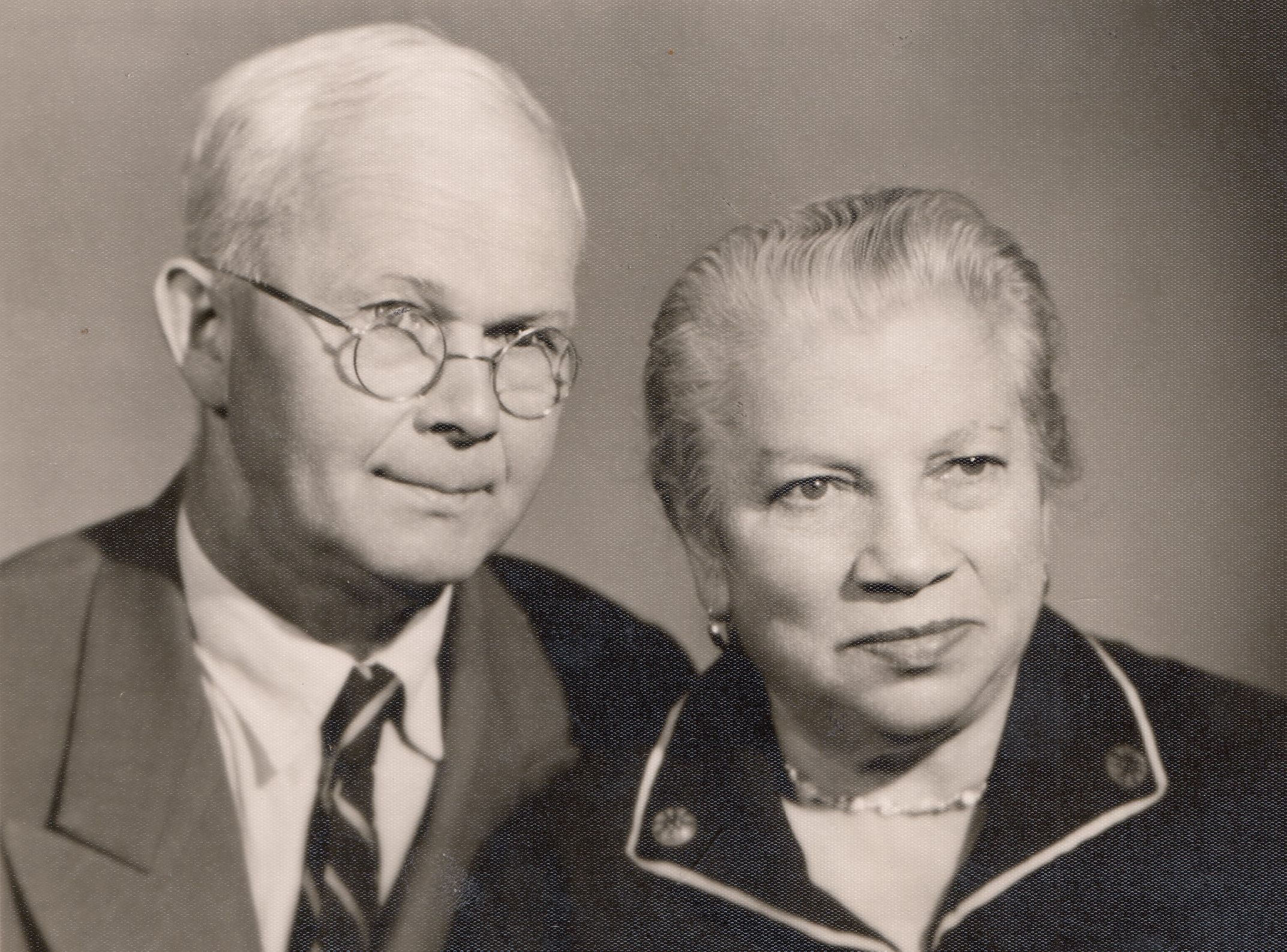
Leontýna and Václav Fialkas, grandmother and grandfather of Jiří Löwy from his mother's side, in 1961
Leontýna and Václav Fialkas, grandmother and grandfather of Jiří Löwy from his mother's side, in 1961
Jiří Löwy (* 1957)
zdroj: Witness archive
Stáhnout obrázek
Leontýna a Václav Fialkovi, babička a dědeček Jiřího Löwyho z maminčiny strany, v roce 1961
Leontýna a Václav Fialkovi, babička a dědeček Jiřího Löwyho z maminčiny strany, v roce 1961
Jiří Löwy (* 1957)
zdroj: Archiv pamětníka
Stáhnout obrázek
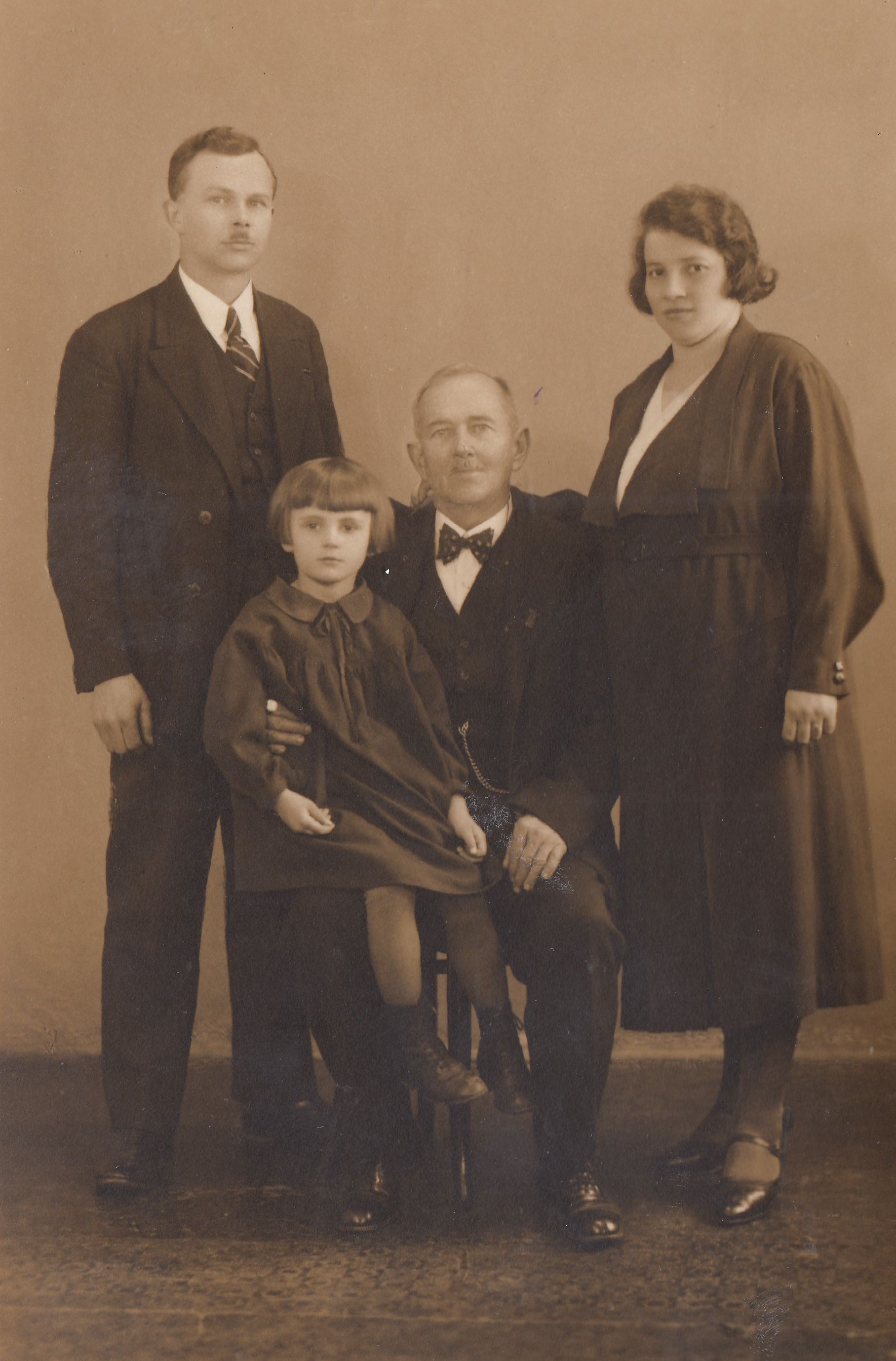
Grandmother Leontýna Fialková, grandfather Václav Fialka, Fialka's dad or older brother, Jiří Löwy's mother as a little girl
Grandmother Leontýna Fialková, grandfather Václav Fialka, Fialka's dad or older brother, Jiří Löwy's mother as a little girl
Jiří Löwy (* 1957)
zdroj: Witness archive
Stáhnout obrázek
Babička Leontýna Fialková, dědeček Václav Fialka, Fialkův tatínek nebo starší bratr, maminka Jiřího Löwyho jako malá holčička
Babička Leontýna Fialková, dědeček Václav Fialka, Fialkův tatínek nebo starší bratr, maminka Jiřího Löwyho jako malá holčička
Jiří Löwy (* 1957)
zdroj: Archiv pamětníka
Stáhnout obrázek
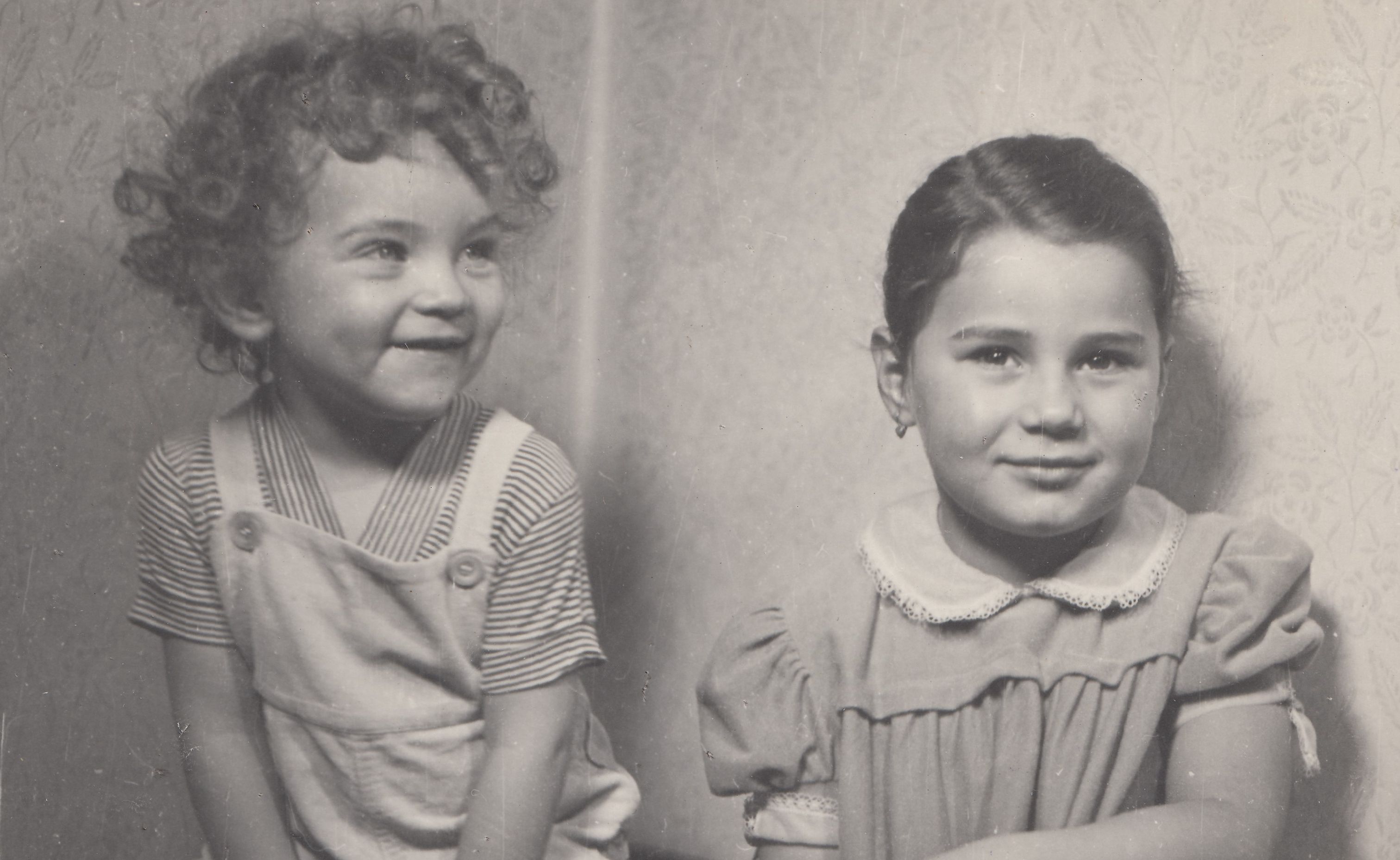
Jiří Löwy with his four years older sister Věra in 1959
Jiří Löwy with his four years older sister Věra in 1959
Jiří Löwy (* 1957)
zdroj: Witness archive
Stáhnout obrázek
Jiří Löwy se svou o čtyři roky starší sestrou Věrou v roce 1959
Jiří Löwy se svou o čtyři roky starší sestrou Věrou v roce 1959
Jiří Löwy (* 1957)
zdroj: Archiv pamětníka
Stáhnout obrázek
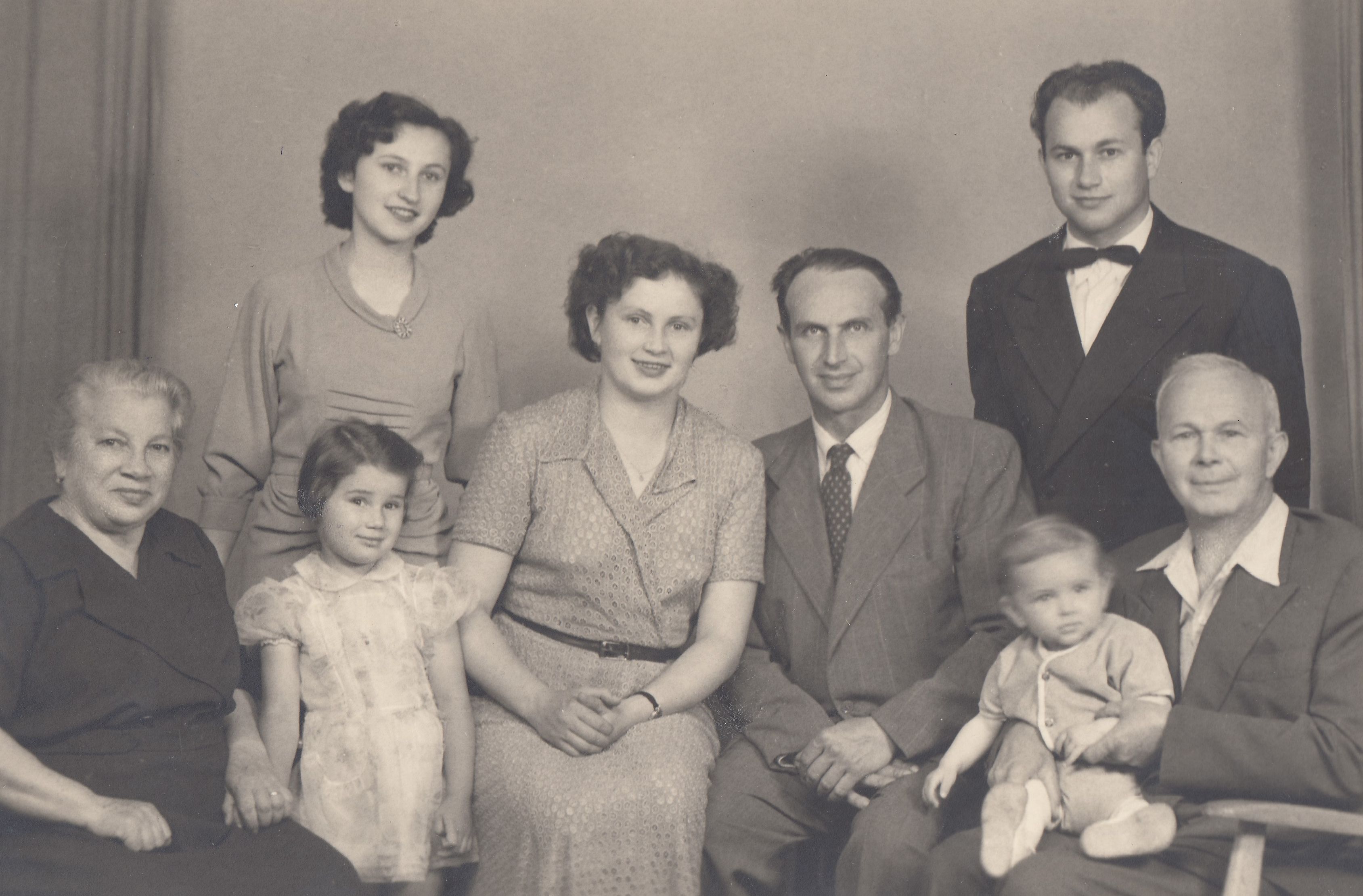
Jiří Löwy as a little boy with his family
Jiří Löwy as a little boy with his family
Jiří Löwy (* 1957)
zdroj: Witness archive
Stáhnout obrázek
Jiří Löwy jako malý chlapec s rodinou
Jiří Löwy jako malý chlapec s rodinou
Jiří Löwy (* 1957)
zdroj: Archiv pamětníka
Stáhnout obrázek
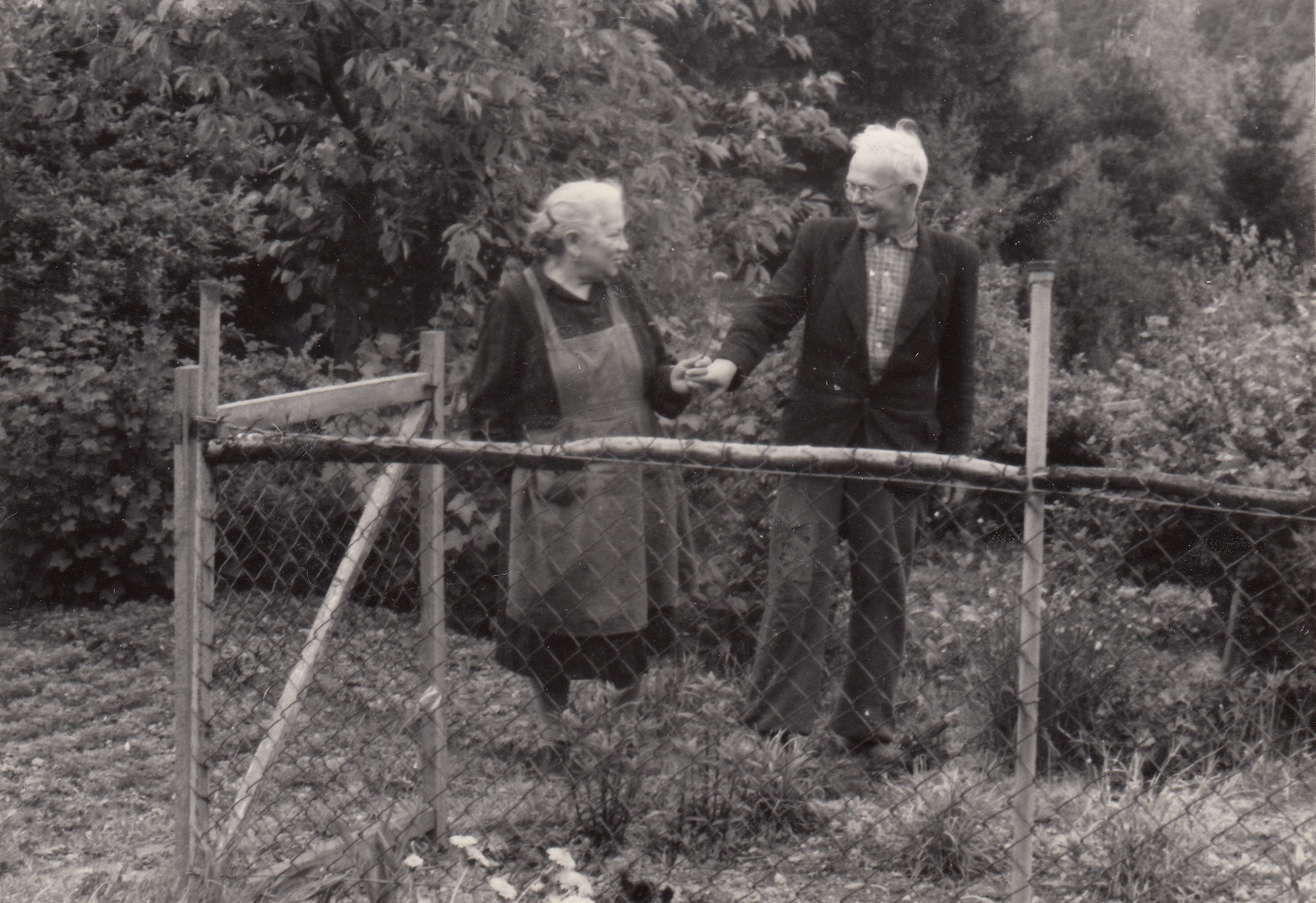
Grandmother Leontýna with grandfather Václav at the cottage in 1960
Grandmother Leontýna with grandfather Václav at the cottage in 1960
Jiří Löwy (* 1957)
zdroj: Witness archive
Stáhnout obrázek
Babička Leontýna s dědečkem Václavem na chatě v roce 1960
Babička Leontýna s dědečkem Václavem na chatě v roce 1960
Jiří Löwy (* 1957)
zdroj: Archiv pamětníka
Stáhnout obrázek
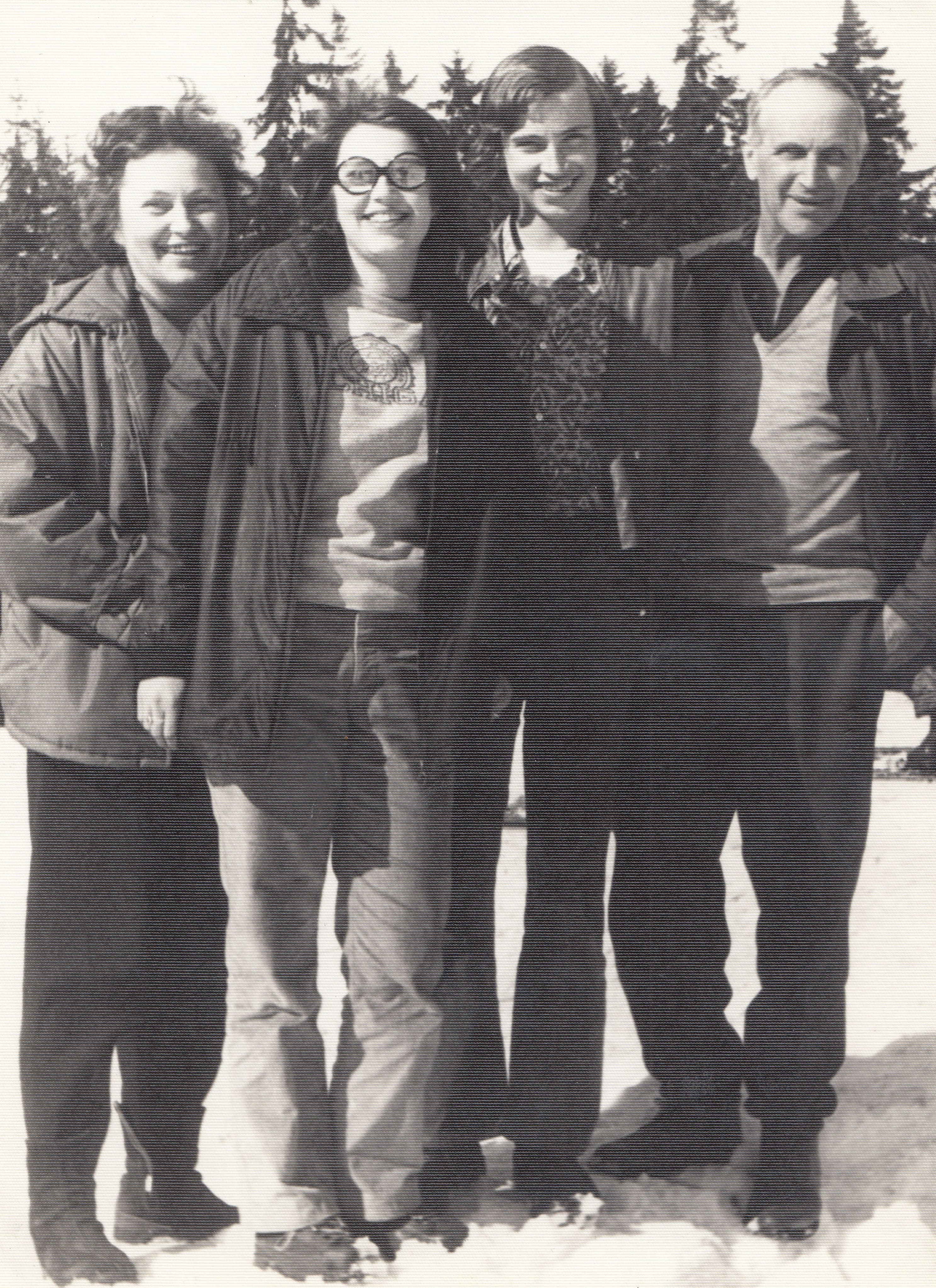
Jiří Löwy with his parents and sister Věra in Šumava
Jiří Löwy with his parents and sister Věra in Šumava
Jiří Löwy (* 1957)
zdroj: Witness archive
Stáhnout obrázek
Jiří Löwy s rodiči a sestrou Věrou na Šumavě
Jiří Löwy s rodiči a sestrou Věrou na Šumavě
Jiří Löwy (* 1957)
zdroj: Archiv pamětníka
Stáhnout obrázek
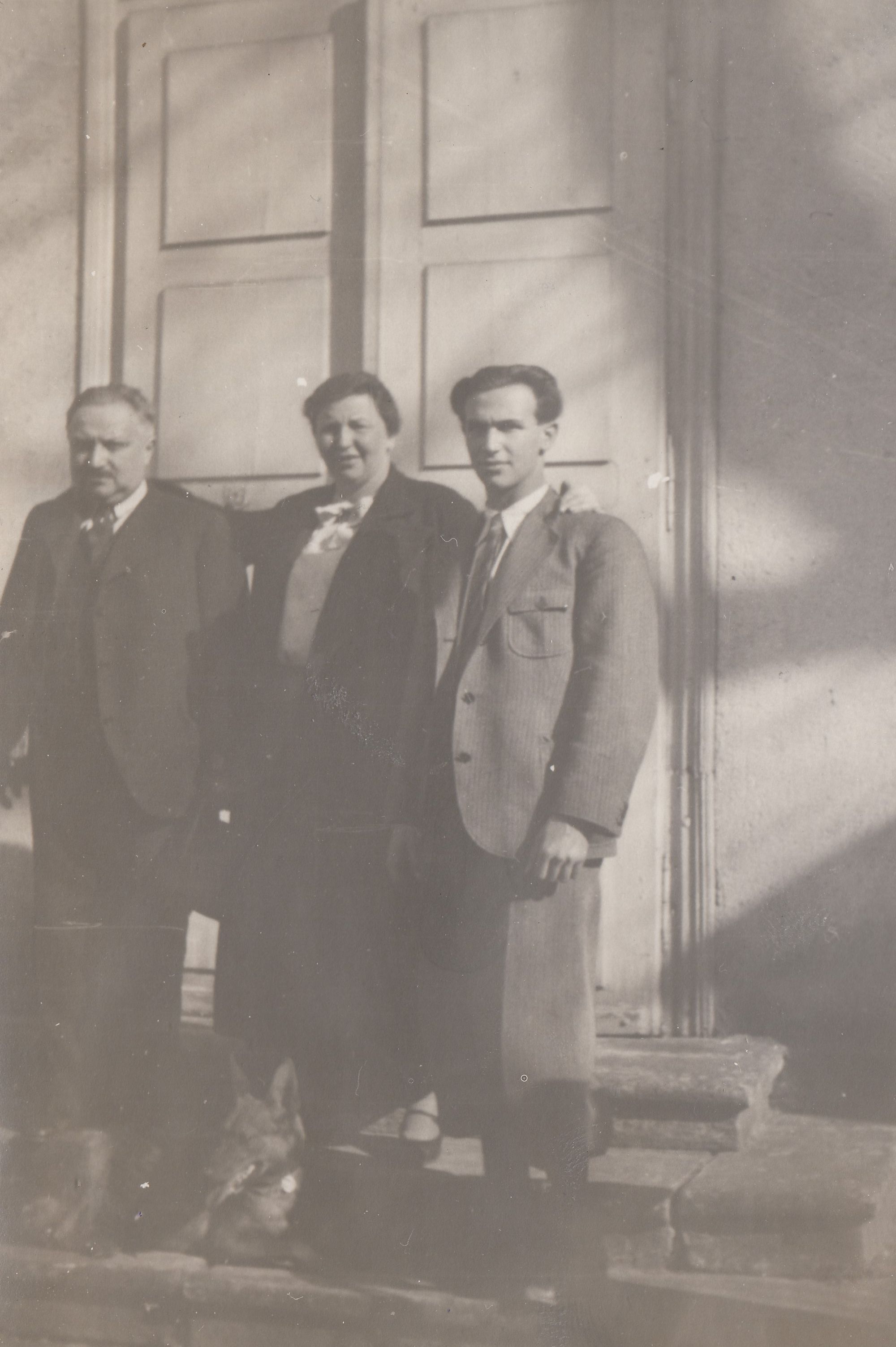
From the left: Moritz, Berta and Rudolf Löwy on the farm in Kunějovice in 1935
From the left: Moritz, Berta and Rudolf Löwy on the farm in Kunějovice in 1935
Jiří Löwy (* 1957)
zdroj: Witness archive
Stáhnout obrázek
Zleva: Moritz, Berta a Rudolf Löwyovi na statku v Kunějovicích roku 1935
Zleva: Moritz, Berta a Rudolf Löwyovi na statku v Kunějovicích roku 1935
Jiří Löwy (* 1957)
zdroj: Archiv pamětníka
Stáhnout obrázek
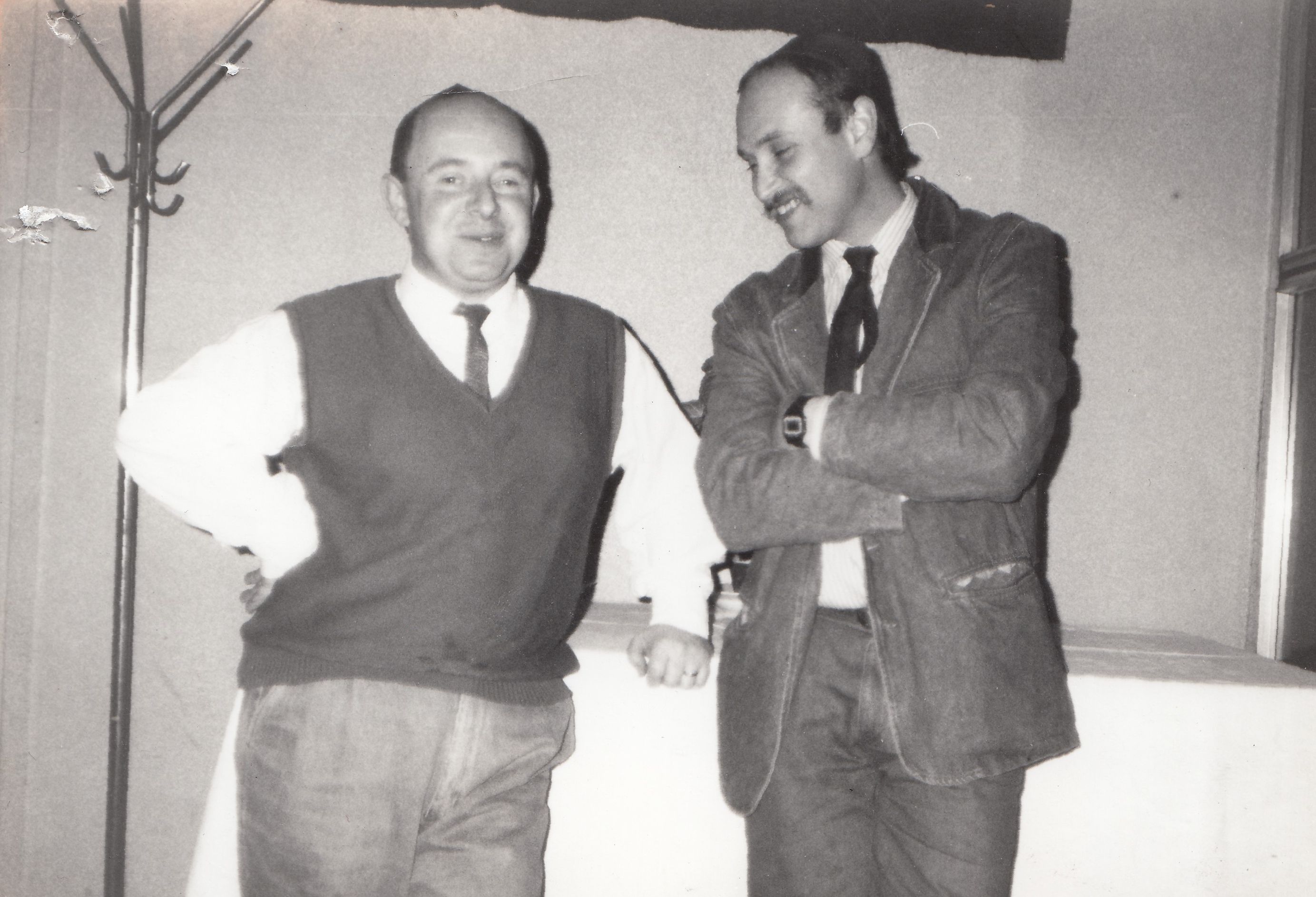
Jiří Löwy as vice-chairman of the Jewish Community of Pilsen and Arnošt Bergmann, who was chairman of the Jewish Community after the Velvet Revolution
Jiří Löwy as vice-chairman of the Jewish Community of Pilsen and Arnošt Bergmann, who was chairman of the Jewish Community after the Velvet Revolution
Jiří Löwy (* 1957)
zdroj: Witness archive
Stáhnout obrázek
Jiří Löwy jakožto místopředseda Židovské obce Plzeň a Arnošt Bergmann, který byl předsedou židovské obce po sametové revoluci
Jiří Löwy jakožto místopředseda Židovské obce Plzeň a Arnošt Bergmann, který byl předsedou židovské obce po sametové revoluci
Jiří Löwy (* 1957)
zdroj: Archiv pamětníka
Stáhnout obrázek
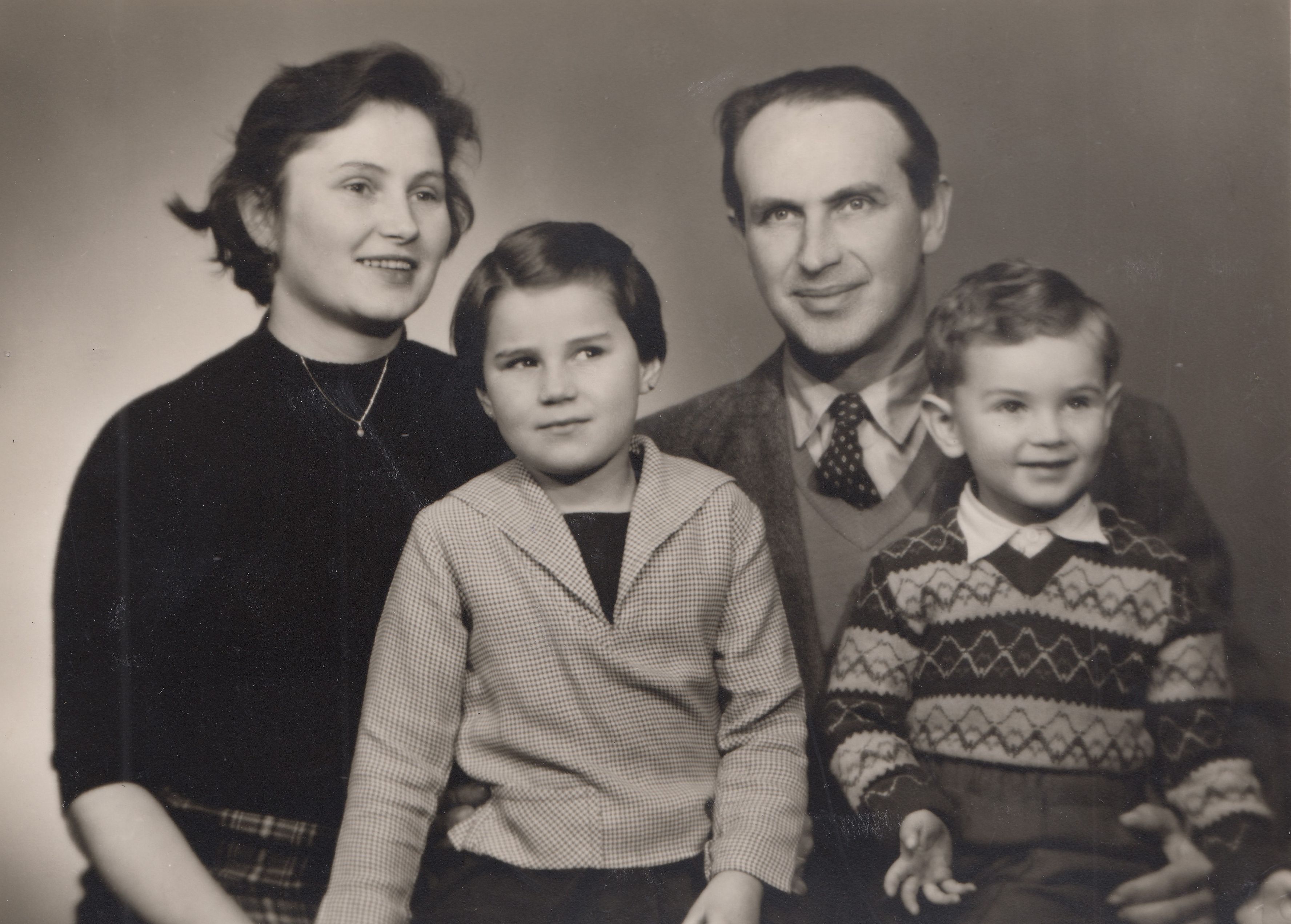
Jiří Löwy as a little boy with his sister Věra and his parents
Jiří Löwy as a little boy with his sister Věra and his parents
Jiří Löwy (* 1957)
zdroj: Witness archive
Stáhnout obrázek
Jiří Löwy jako malý chlapec se sestrou Věrou a rodiči
Jiří Löwy jako malý chlapec se sestrou Věrou a rodiči
Jiří Löwy (* 1957)
zdroj: Archiv pamětníka
Stáhnout obrázek
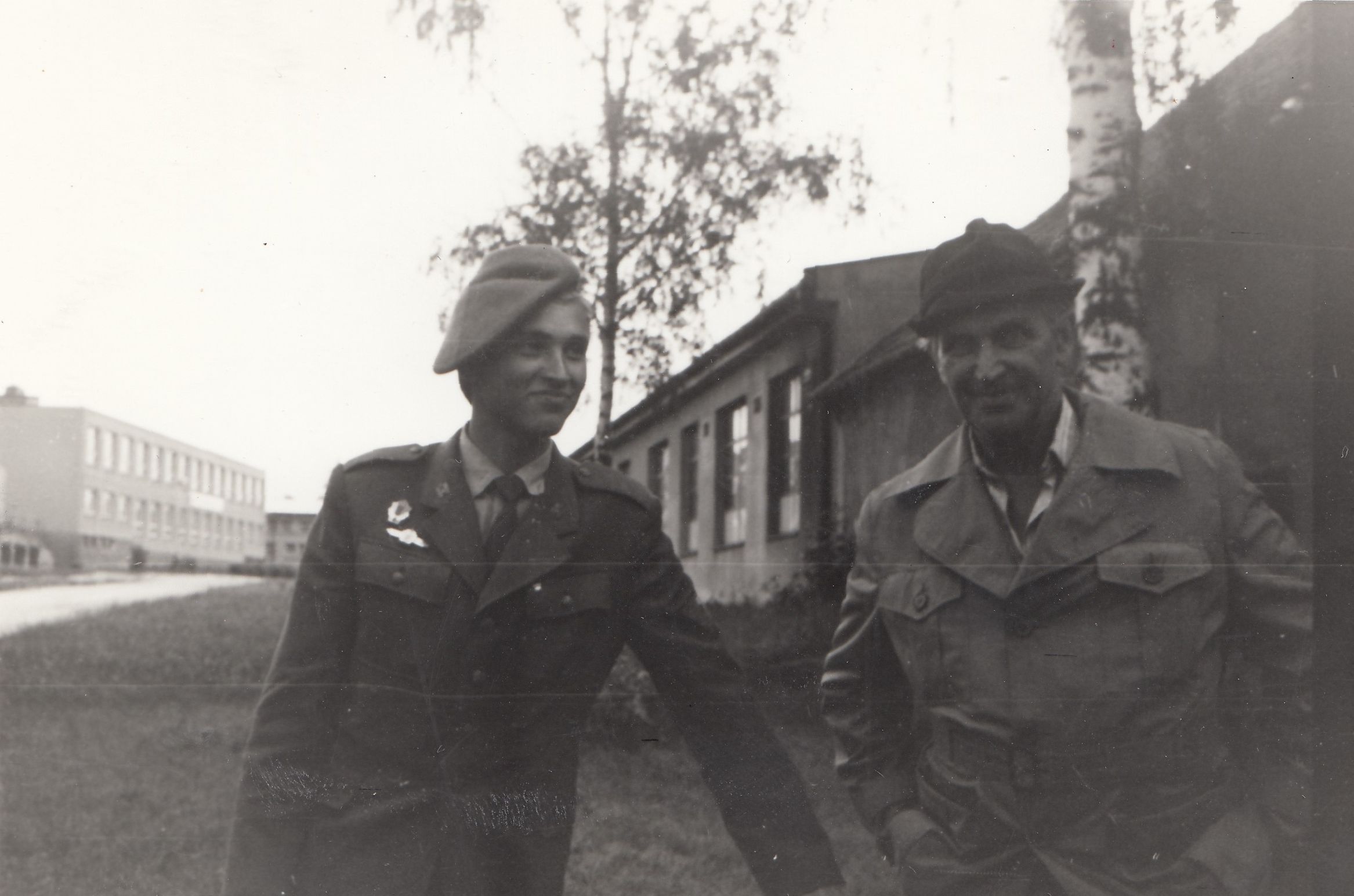
Jiří Löwy in the military service in Bechyně with his father, who came to visit him
Jiří Löwy in the military service in Bechyně with his father, who came to visit him
Jiří Löwy (* 1957)
zdroj: Witness archive
Stáhnout obrázek
Jiří Löwy na vojně v Bechyni s tatínkem, který za ním přijel na návštěvu
Jiří Löwy na vojně v Bechyni s tatínkem, který za ním přijel na návštěvu
Jiří Löwy (* 1957)
zdroj: Archiv pamětníka
Stáhnout obrázek
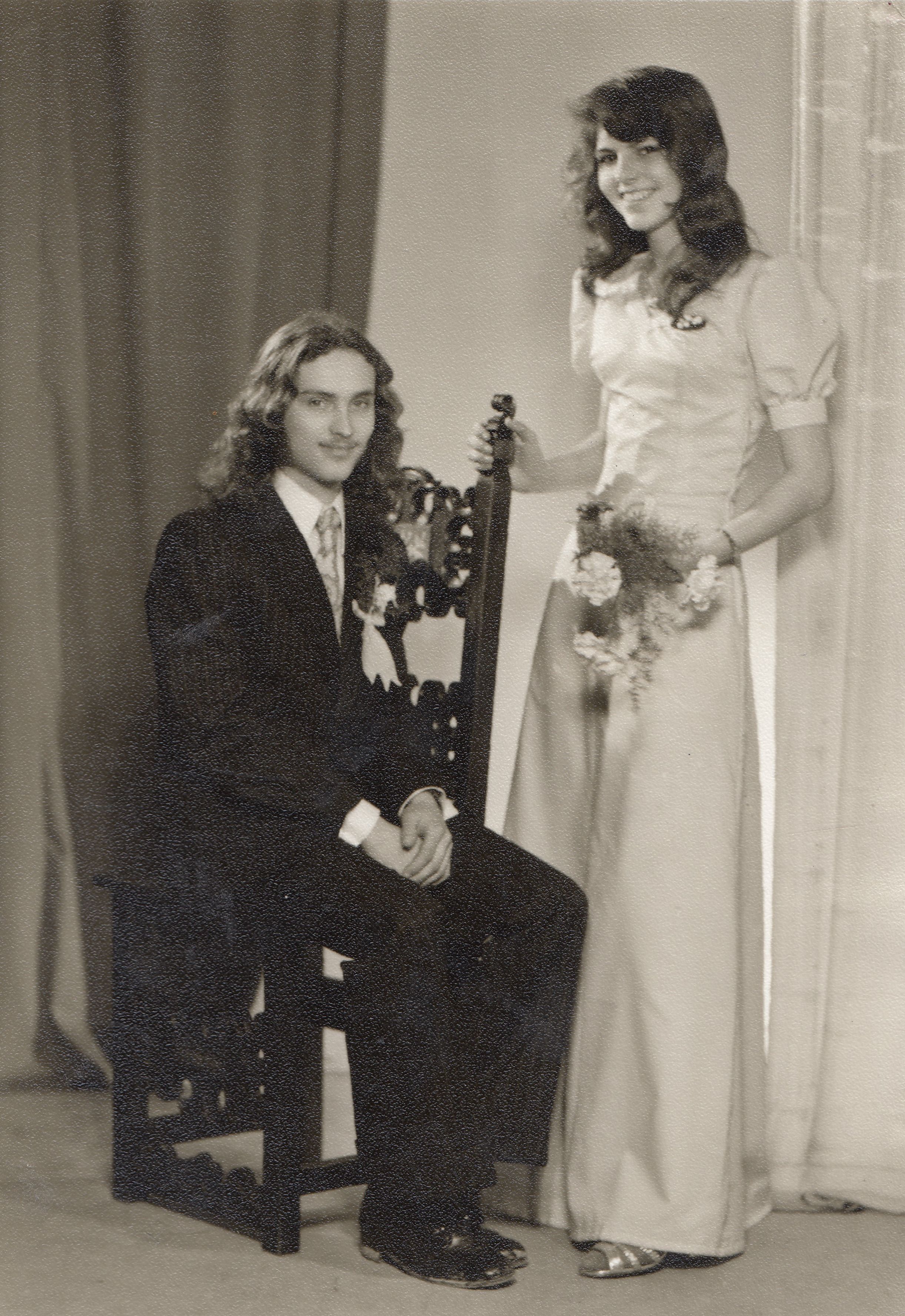
With his bridesmaid Dana Petrovková, his second great love, at a wedding
With his bridesmaid Dana Petrovková, his second great love, at a wedding
Jiří Löwy (* 1957)
zdroj: Witness archive
Stáhnout obrázek
S družičkou Danou Petrovkovou, jeho druhou velkou láskou, na svatbě
S družičkou Danou Petrovkovou, jeho druhou velkou láskou, na svatbě
Jiří Löwy (* 1957)
zdroj: Archiv pamětníka
Stáhnout obrázek
Předchozí stránka
‹ Předchozí
First page
1
…
Stránka
7431
Stránka
7432
Stránka
7433
Aktuální stránka
7434
Stránka
7435
Stránka
7436
Stránka
7437
…
Poslední stránka
12189
Následující stránka
Další ›