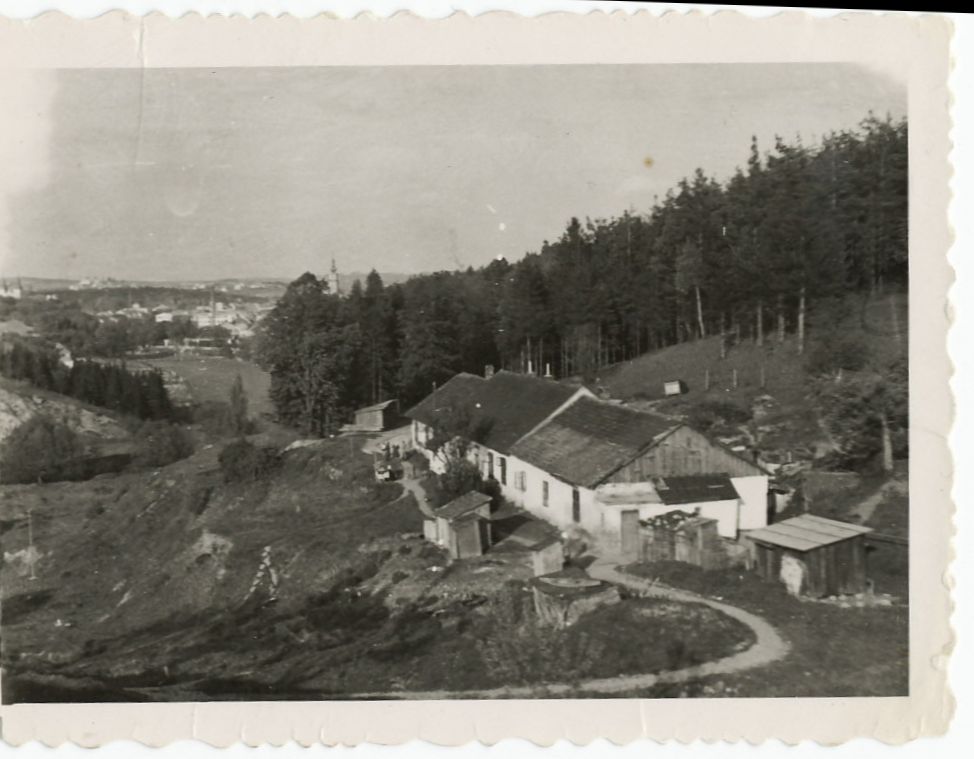
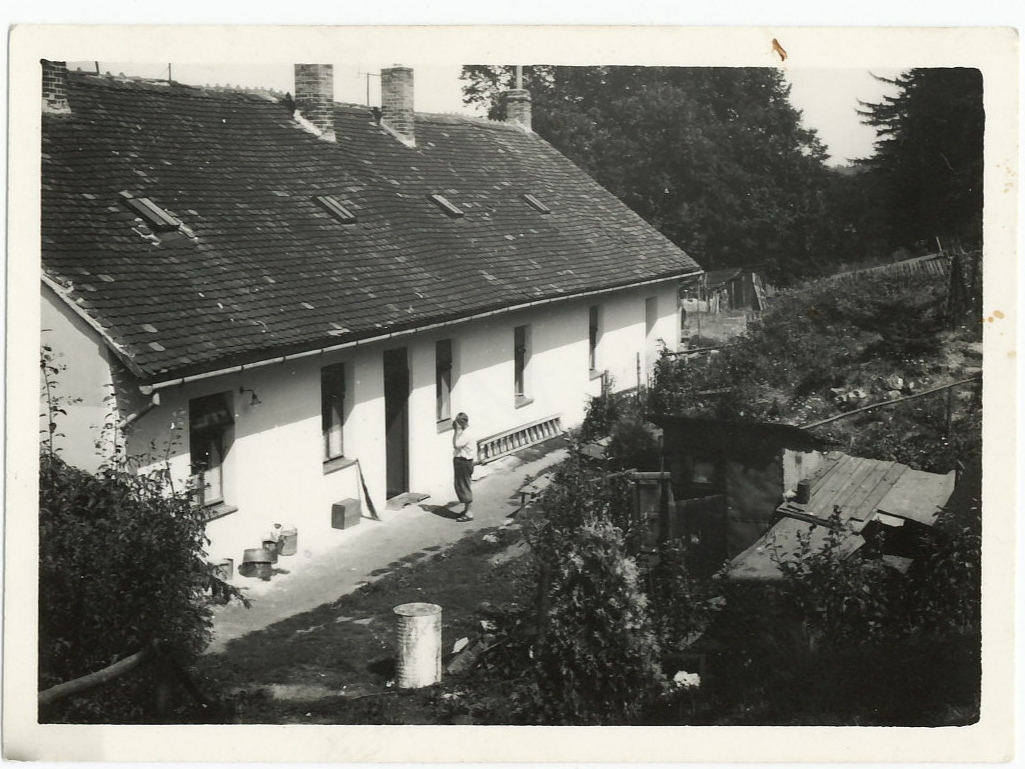
When the male monasteries were liquidated in 1950, I ended up in internment in Broumov
Stáhnout obrázek
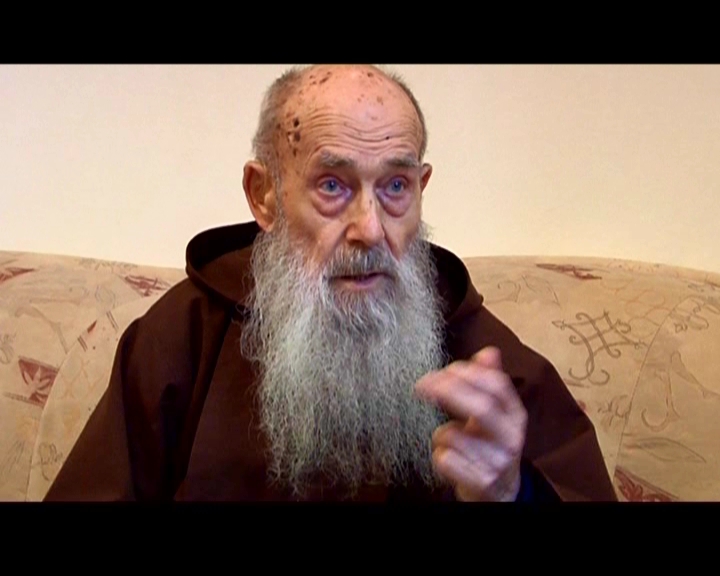
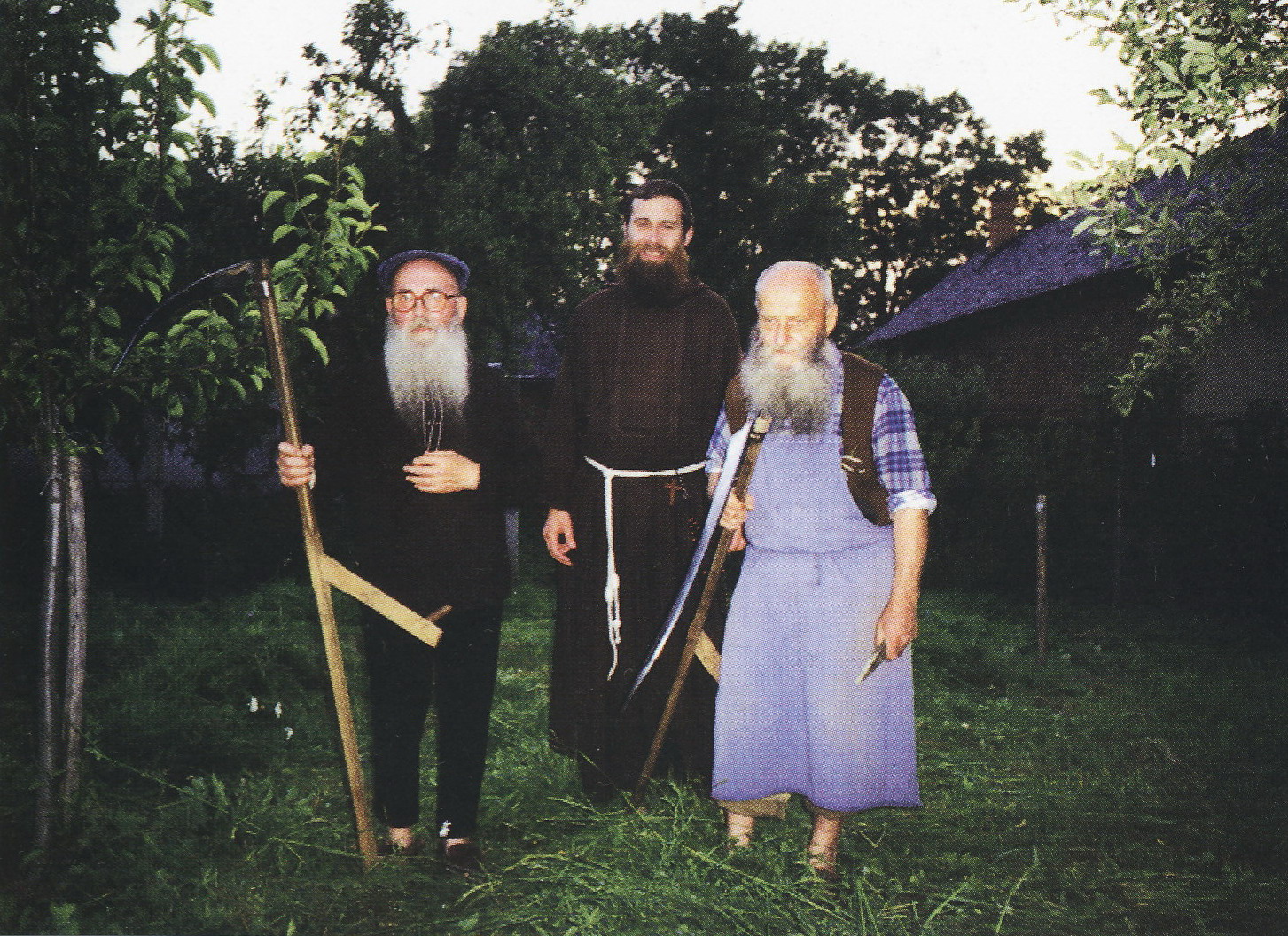
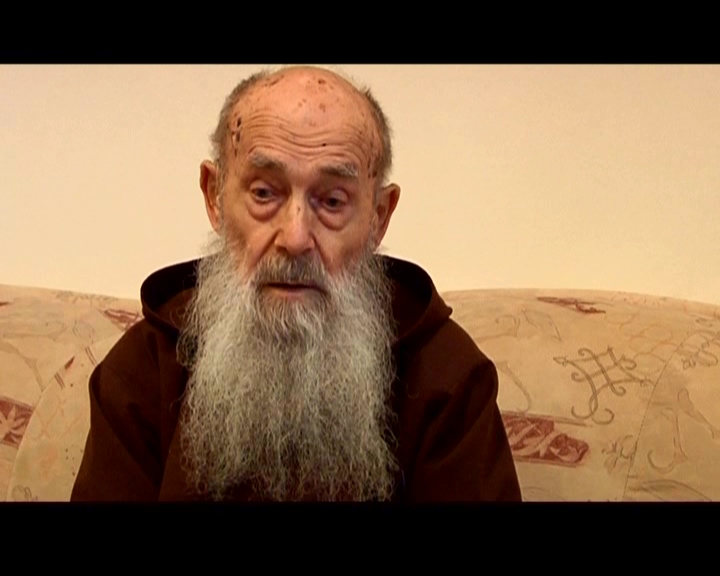
Jaroslav Vavřinec Zimmermann was born on September 2, 1923 in Třebíč. His father was a blacksmith. Jaroslav had four siblings from his mother‘s first marriage and four more from the second. Jaroslav wanted to become a tailor, but ended up working as a shoemaker. In 1942 he was totally deployed to work in the Reich. He ended up in Wroclaw in what was then German Silesia, where he worked as a shoemaker in the countryside. When the front approached in early 1945, he joined the refugees and made his way through Frýdlant to Bělá pod Bezdězem, where he worked for some time in the shoemaking workshop of a Sudeten German in Kuřivody. After his displacement, he took over the state administration of the shop. In 1946 he was called up to the army in Broumov. Already during the military service, a vocation to the clerical career was germinating in him, so after his return to civilian life in August 1949, he entered the novitiate of the Capuchin Order at Loreto in Prague, where his brother Eduard had been working for two years. Jaroslav chose the name Vavřinec as his religious name. When in the spring of 1950 the male monasteries were displaced by the communist regime, he was sent to the internment monastery in Broumov, where he took temporary religious vows in August. From Broumov Jaroslav Zimmermann was sent to Hejnice. He worked as a shoemaker and in the local ceramics factory. He refused to leave the order, so in 1951 he was first transferred to the monastery in Hájek near Prague and then to Želiv, where his brother Eduard was already. He worked again in a shoemaker‘s workshop, and fell ill there with lifelong rheumatism. In 1955 both brothers were released and returned to Třebíč to live with their mother. My father had died in the meantime. Jaroslav earned his living as a labourer, and trained as a bricklayer. Then he found a job in the cemetery. In 1968, they unsuccessfully tried to renew religious life in Třebíč at the Capuchin rectory. Jaroslav worked as a bricklayer for a living, retired in 1983 and became a churchwarden in the Třebíč Basilica. After the fall of communism, both Jaroslav and Eduard worked from 1990 in the novitiate house in Újezd near Uničov. When his brother Eduard died, Jaroslav returned to Loreto in Prague in 2007 after half a century. He died on September 4, 2010.