"I signed the documents. They believed that I was carrying out a sabotage mission, some kind of espionage task. They demanded that I confess. They named an SBU officer whom I knew and said, 'You were carrying out his orders.’
I explained that I had many acquaintances in the SBU and law enforcement agencies due to my work. 'No, you're wrong. You must write that you were carrying out his orders.’
Of course, I understood that if I didn't sign now, if I didn't confess, I simply wouldn't survive. After a while, I said, ‘Guys, I'll sign everything, just stop beating and torturing me.’ And I signed.
After a while, they took me to another room, I don't know where it was. They sat me in front of a camera and tried to force me to testify that I was a spy and saboteur. At that moment, I wasn't feeling very well, but I realised that I had to resist somehow, to let those who would see this from my editorial office know that I was fighting. I kept changing my position on the chair.
They said, ‘Read this text and say that you were carrying out an assignment for the Ukrainian special services.’ I read and kept getting confused. 'Read it, it's okay. We'll edit it later.’
I wanted it to be obvious that they edited it, that it would be clear that it was cut. Not a continuous text that would incriminate me.
In the end, the video was never released, because they probably rejected it."
"They took me to the basement. They stripped me naked. They held me by my arms and legs. They put loops around my ears and ran electricity through me. They tortured and beat me. At first, they did everything in silence — to break my resistance. I once wrote that I later compared it to how, in concentration camps, victims were stripped naked to make them lose their ability to resist. They used the same method — Nazi or NKVD, it doesn't matter. To break a person's will, they stripped them completely naked. They did the same to me.
And all this time — more than a day — they beat me, asked me questions, and worked through my phone book. If I couldn't remember something, they put the loops back on my ears and turned on the electricity. This went on for quite a long time. The only thing was that they sometimes took me to the toilet. My mouth started bleeding, I began to spit, and they gave me water to drink. Everything was completely routine, as if it were a production process."
"At that moment, no one understood how it would end. There were checkpoints at the exits from the cities. Everyone was checking you. Although it was unclear why: some civilians were looking in your boot, searching for something there. There were Cossacks, and next to them stood police officers in Ukrainian uniforms. And at the same time, you don't understand why this is necessary.
Then they show Crimean Tatars, Chubarov, who explains that this is unfair, that this is a seizure of power by Russia. And you see the seizure of the Black Sea headquarters. I went there. At that time, I had just started filming. I don't even know why I started doing it. Well, I just wanted to capture these moments: pensioners standing there, Cossacks nearby, people without insignia but with rifles or Kalashnikov machine guns in front of the Black Sea Fleet headquarters.
UAZ vehicles are driving around the city, with machine gunners or grenade launchers on top. Armoured personnel carriers are driving around. And you realise that a coup is taking place. And there's nothing you can do about it."
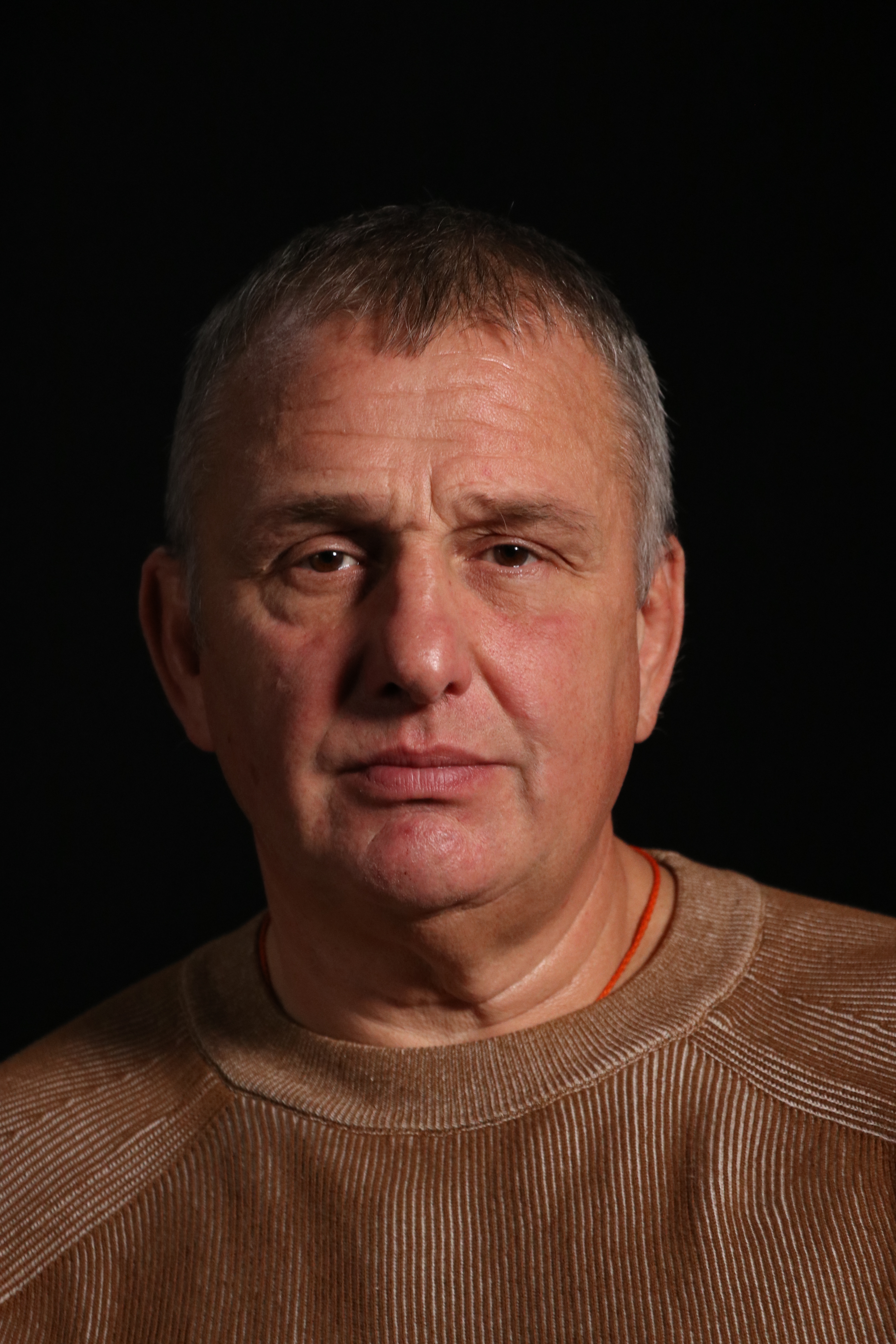
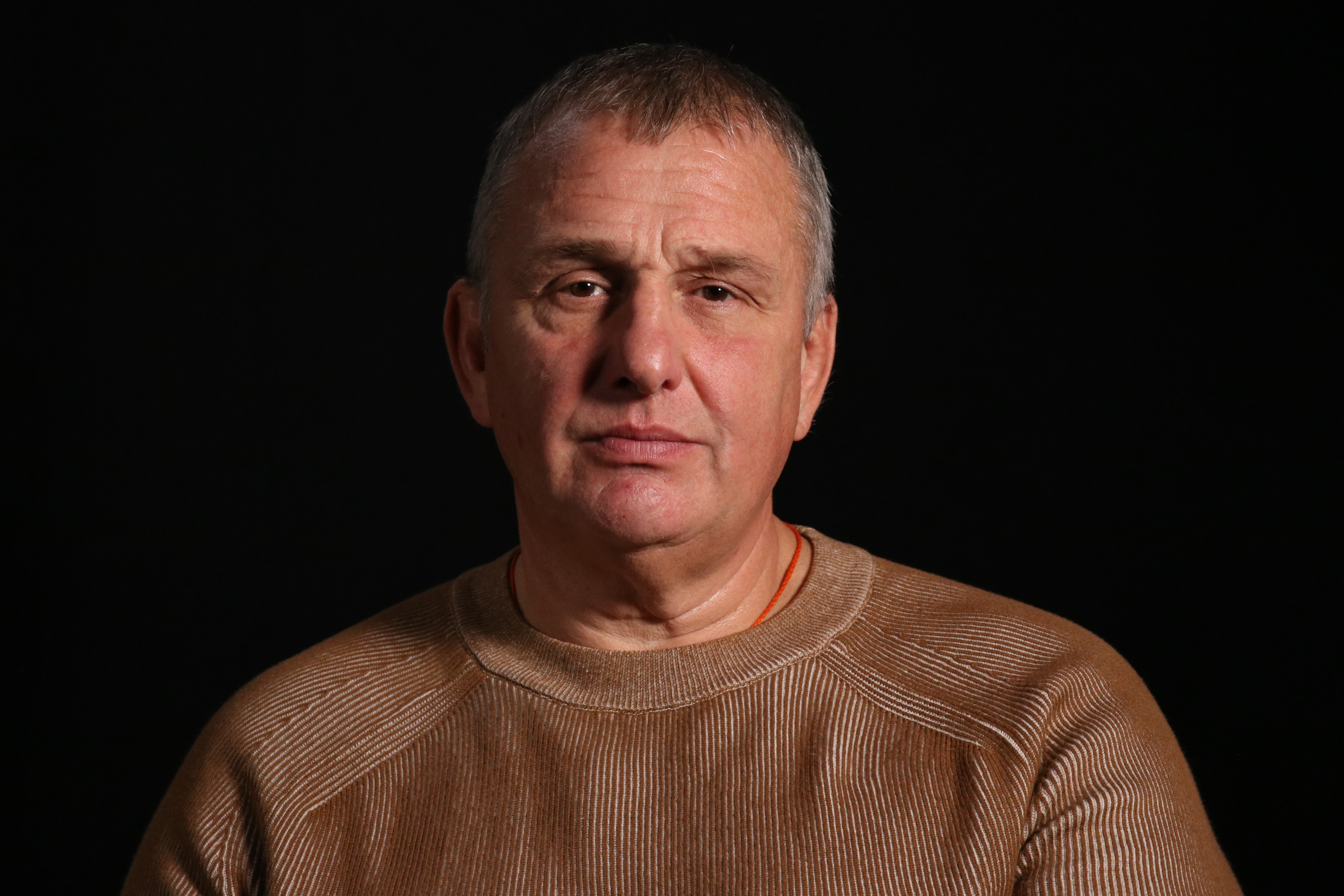
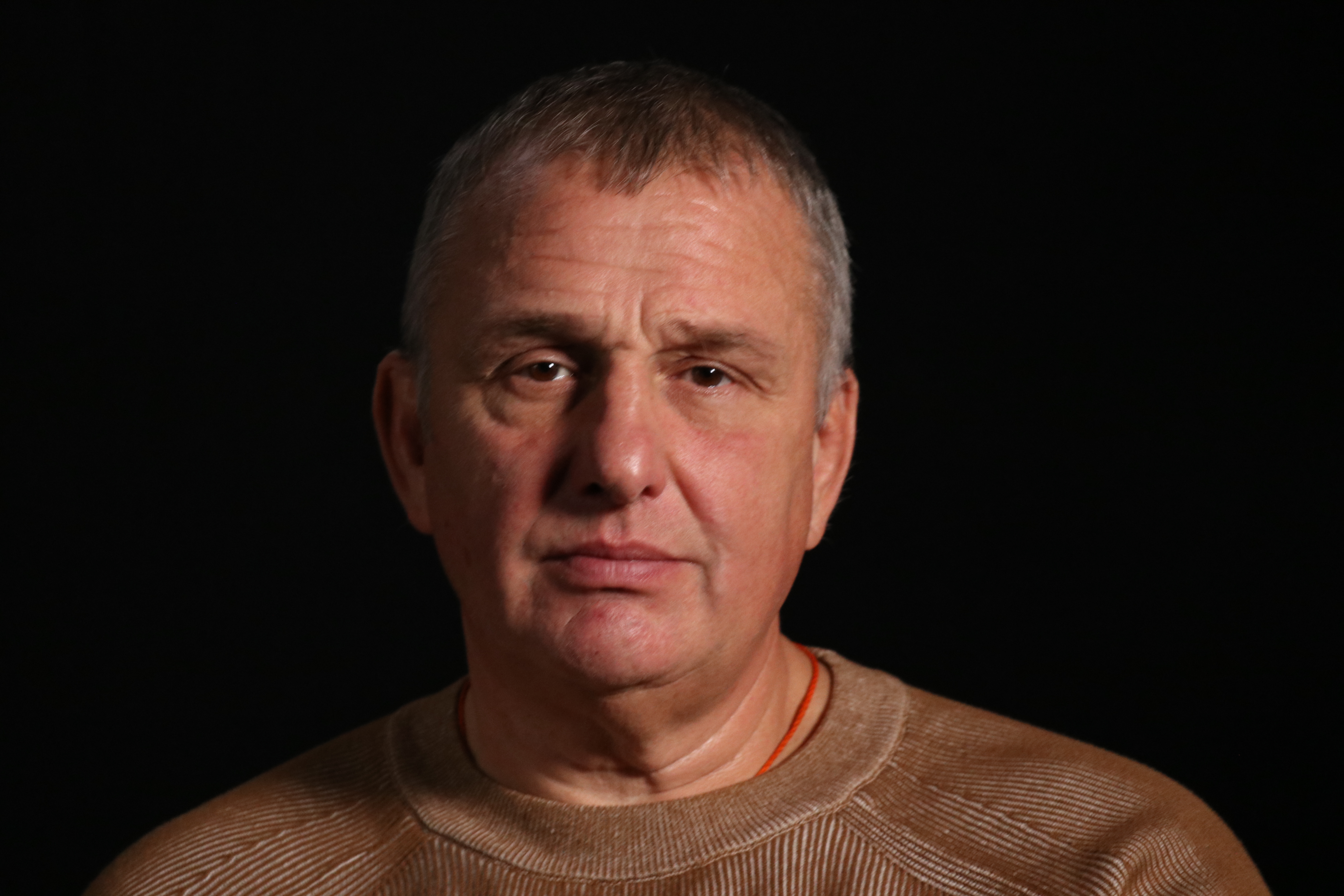
Vladyslav Yesypenko (born 13 March 1969, Kryvyi Rih, Ukrainian SSR, USSR) is a Ukrainian journalist and human rights activist. He was born into a family of workers who had come to Kryvyi Rih to build a metallurgical plant. His maternal grandfather, Afanasy Fursa, was repressed and shot in 1937. From 1987 to 1989, he did his military service in the Soviet Forces in Germany.
In 1991, he opened one of the first private real estate agencies in Kryvyi Rih. After moving to Sevastopol in 2013, he kept working in this field. After Russia‘s annexation of Crimea in 2014, he began to document what was happening on the peninsula in photos and videos. Since 2016, he has worked as a correspondent for the Crimea.Realities project (Radio Liberty), covering the socio-political situation and investigating the activities of Western companies violating the sanctions regime. On 10 March 2021, he was detained by FSB officers in the village of Perevalnoye near Simferopol. He was charged with storing and transporting explosives (a grenade), which, according to the defence, had been planted in his car. Yesypenko and his lawyers claimed that his confession was obtained under torture (beatings, use of electric shock, death threats). On 16 June 2022, the Simferopol District Court sentenced him to six years in a general regime colony. Later, the Supreme Court of Crimea reduced the sentence to five years. He was held in a pre-trial detention centre in Simferopol and then in Colony No. 2 in Kerch. He was recognised by human rights organisations as a political prisoner and prisoner of conscience. He was released on 25 June 2025. He is married for the second time to Kateryna Yesypenko, who actively campaigned for his release during his imprisonment. He has a daughter. Since his release, he has been involved in human rights activities.