Erich Veselý

* 1926

  • "I had a watch that I got from a worker where I used to work. For a pound bag of beans. My mother grew all kinds of vegetables in the garden, all kinds of things. So I brought him a kilo of beans and he gave me the watch. When the Russians came around the house, they took the watch away from me. So I lost it. Otherwise, the boys were trading watches in the playground behind Anthropos. That was the field of the former Moravian Slavia. They parked their cars there and had German cameras in many cars. Nicons, Leicas, they gave a camera for a watch. So these guys exchanged watches for cameras. I still have pictures from that one. A friend had that one. I didn't have any more watches, so I didn't get any cameras. But my friend had one, and I took pictures with his camera. Otherwise, for the camera, when the boys went to Prague, they got a whole race bike. In Prague for the camera they got a whole bicycle, a galuska racing bicycle. So it was a kind of business with the Russians."

  • "Russian soldiers were stationed here in the house. In the passage there was already a Studebaker, an American car, and on it were mounted the katyusha, or those 'Stalin organs'. The missiles flew towards Myšárna [Monks' Mountain], the field where the houses now stand. There was a field opposite, so they shot there. There was this huge box on the car and it was full of sardine boxes. So I, when the guard wasn't there, stole the sardines. How many years I used to pull them off the nightstand in my bedroom by the bed. It was lined with these Portuguese sardines. "They picked the stock somewhere and I stole the sardines."

  • "I think it was Thursday, when the first soldiers came across the street from where my aunt lived. So they banged on the door. Otherwise, before that they were shooting in the direction of Bráfova Street, as today the tram goes from Kamenný mlýn towards Žabovřesky. There was a former factory there, called Erdálka, where they used to make cleaning products. Then it was apartments for poor people. From here the tanks fired into Jundrovo. Some houses in Jundrovo were bombed. We watched it from Háječek, above today's playground, where a friend had a shelter dug in the woods. From there we could see from that forest when the Russians were shooting at Jundrov. When I was at home and the Russians came, I called my father. My father had boarded up all the windows in the house. Across the garden there were some Germans lying in a trench with armoured fists. My father told them to leave, that they would break his house. He spoke perfect German. So they were in our yard, drinking water at the well, and my father was cutting them the bread my mother always made. That's what the German soldiers ate. There were five young boys. They drank the water, ate the bread, and then they said goodbye and left, left the trenches. Well, the Russians, when I saw them, I called my father into the corridor where there were these little original windows, and my father, when he looked, his first words were, 'They're going to free us from everything. Nothing good will come of them.'"

  • "For war production we made base casings for artillery shells, or for the grenade. And then we made what we called hydraulics for submarines, various cast steel-alloy parts, all the fittings that were for the hydraulics in the submarine. That was all made by us. I was actually involved in that production, whatever it was. What was made was all war production."

  • Celé nahrávky
  • 1

    Brno, 24.06.2025

    (audio)
    délka: 01:10:43
    nahrávka pořízena v rámci projektu Příběhy regionu - JMK REG ED
Celé nahrávky jsou k dispozici pouze pro přihlášené uživatele.

„Nothing good will come of them,“ my father said when he saw the Soviet soldiers outside the house
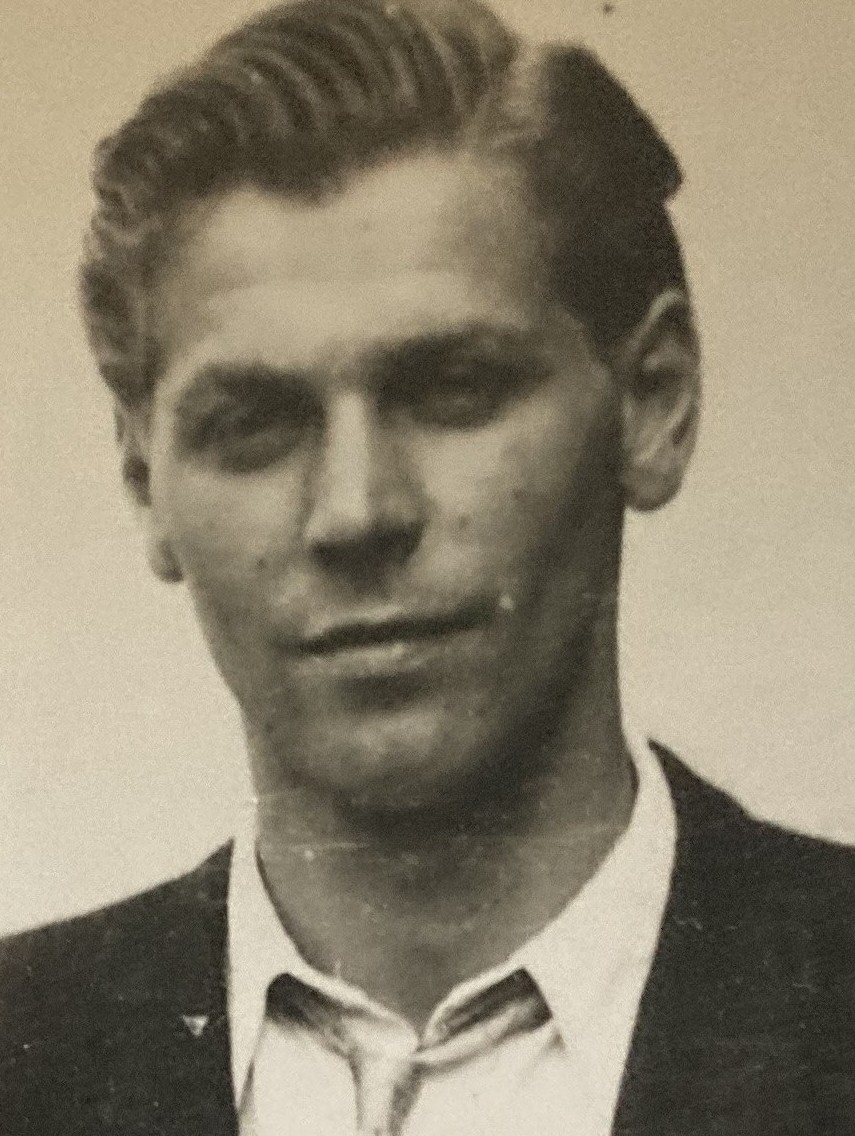
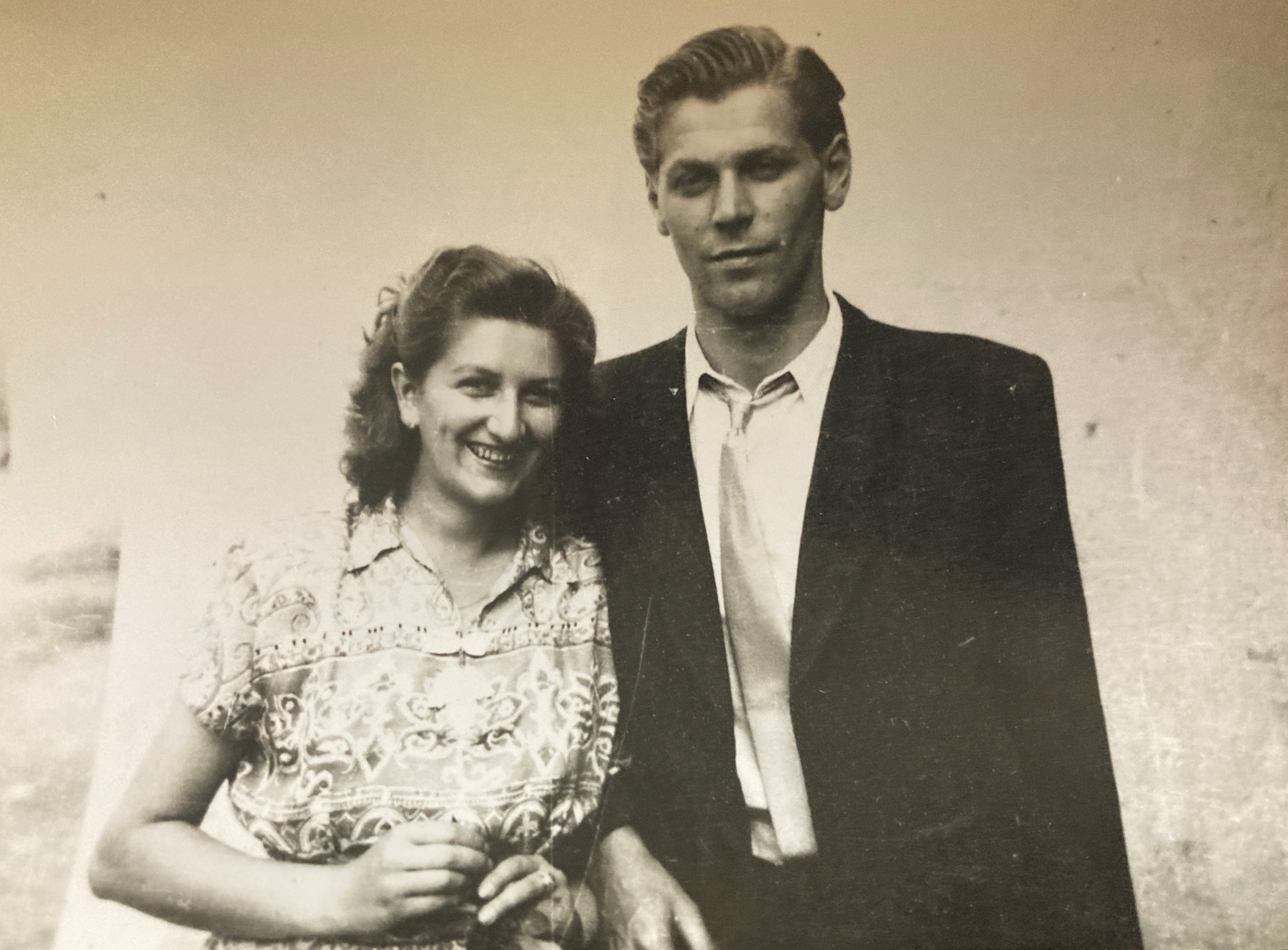
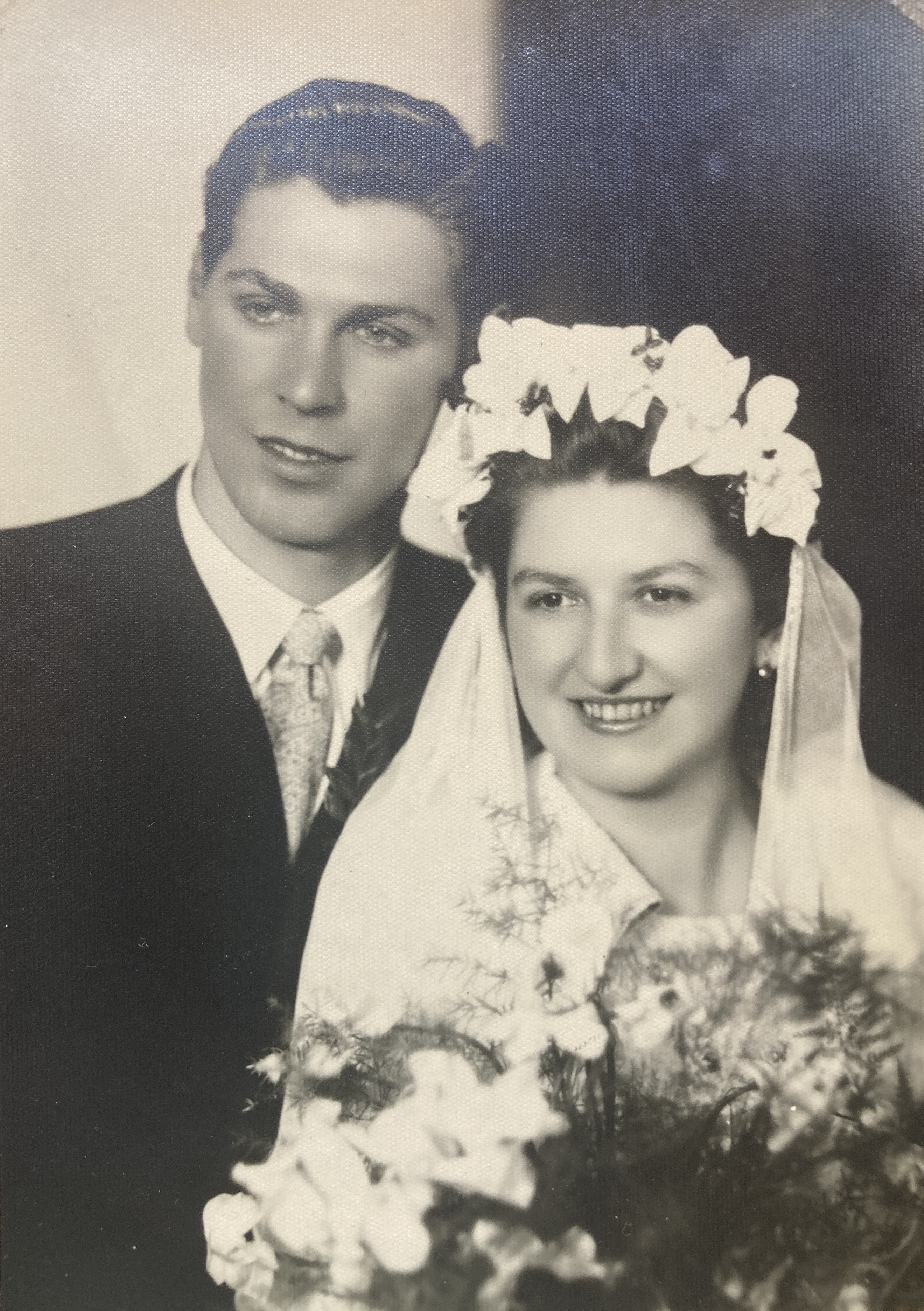
Erich Veselý in 1949
zdroj: archive of a witness

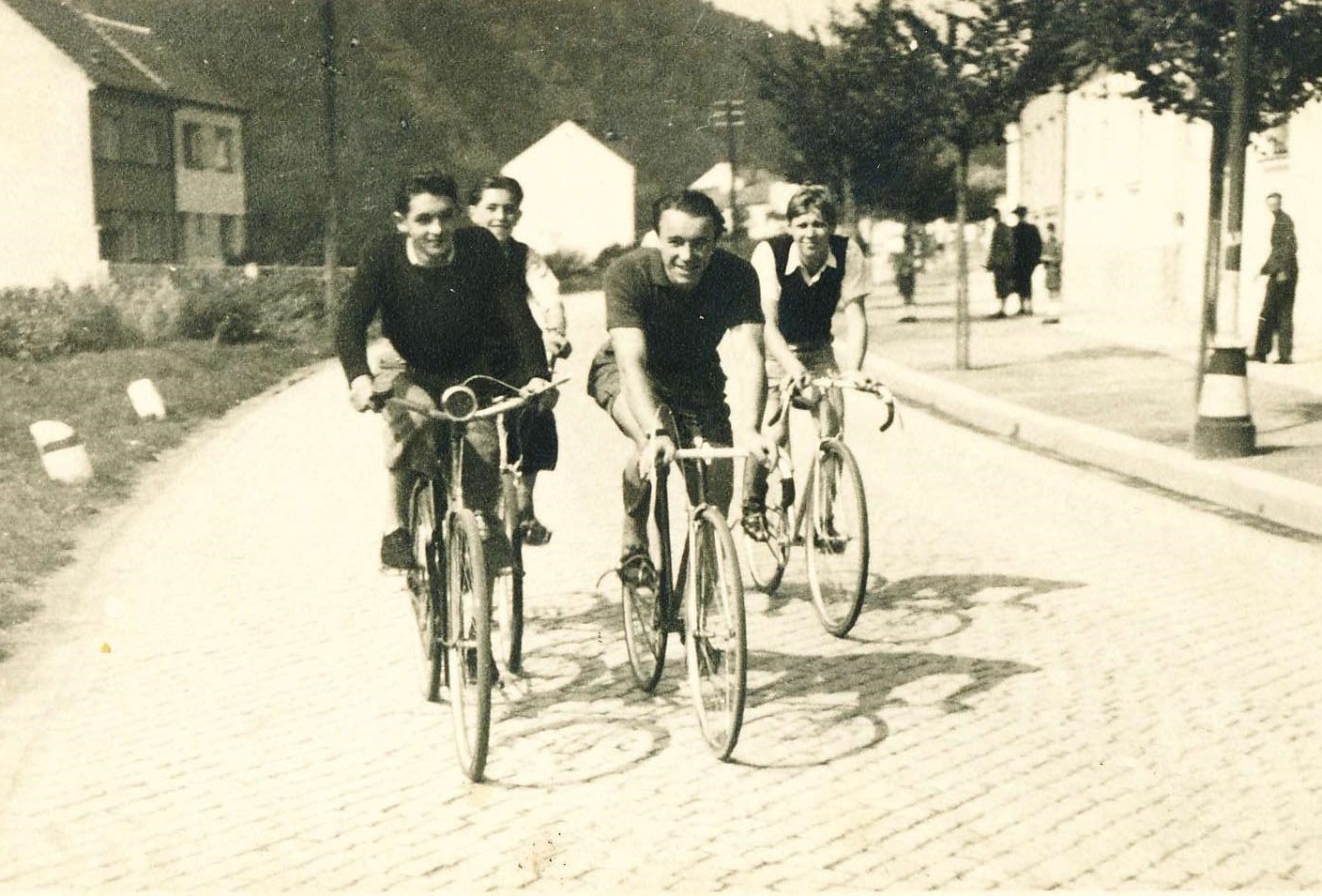
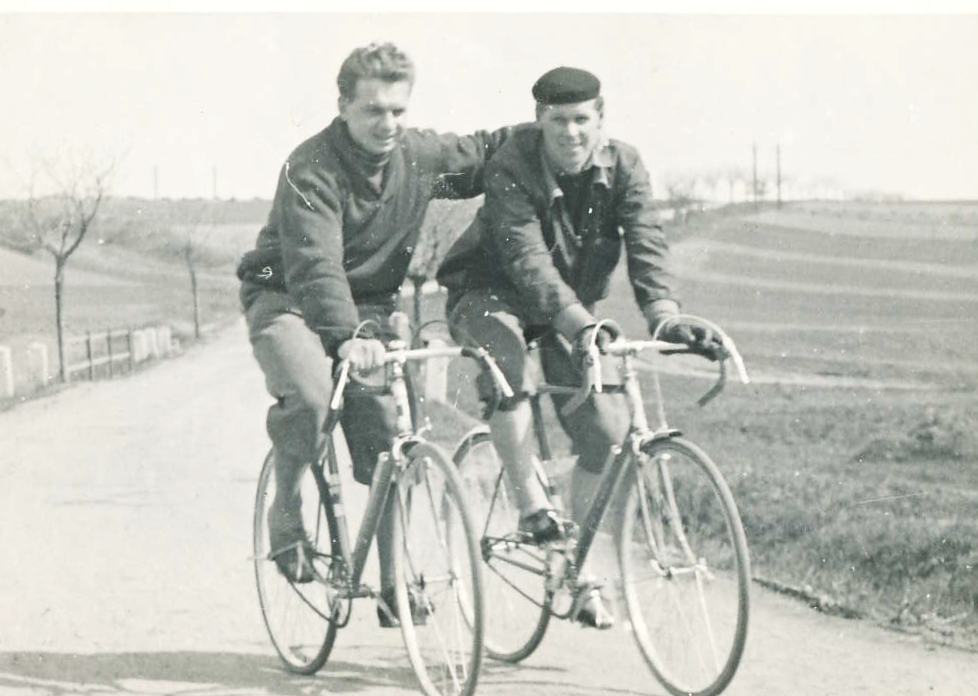
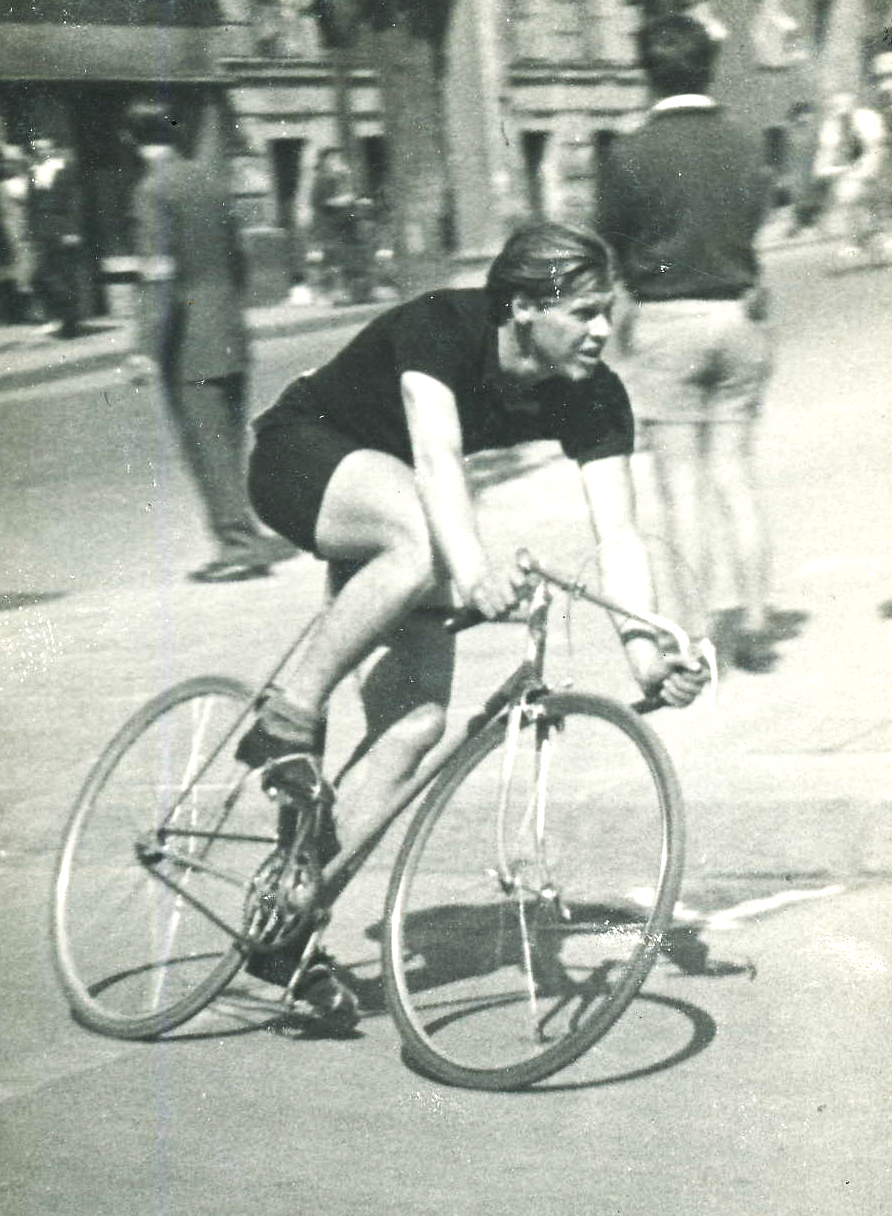
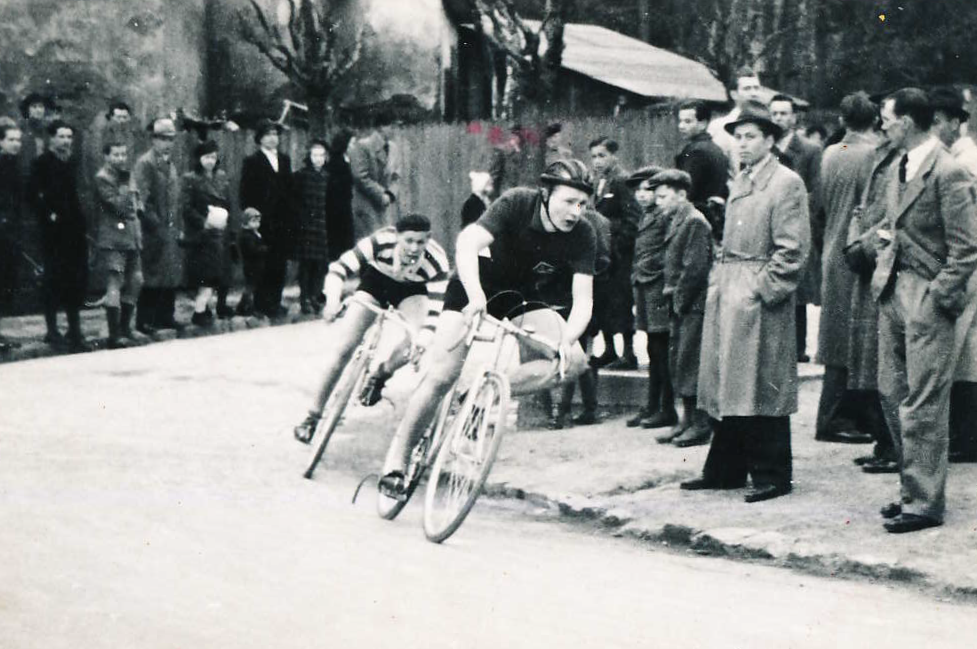
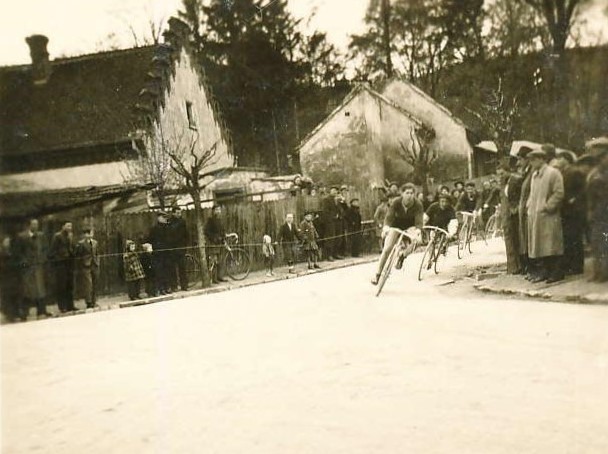
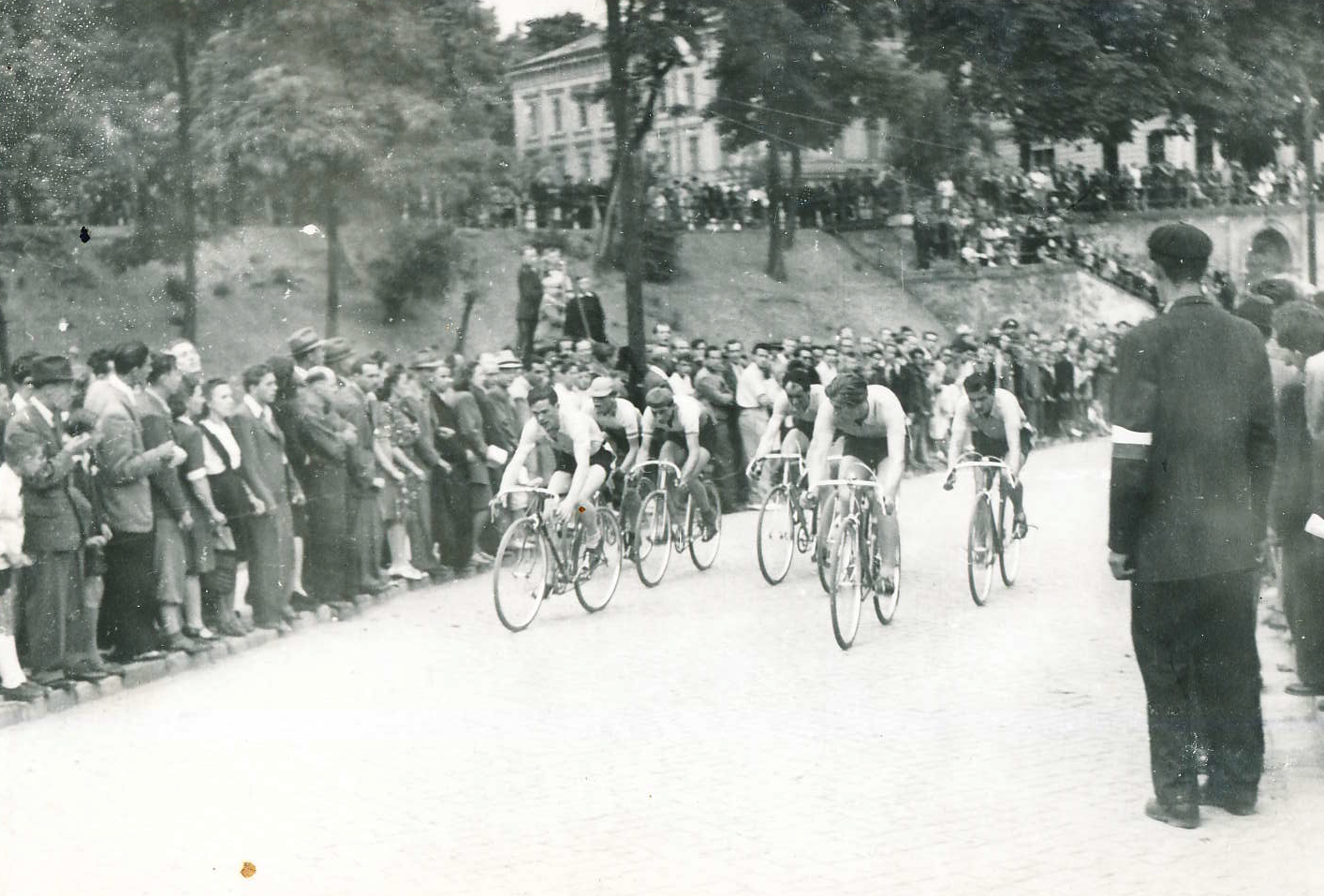
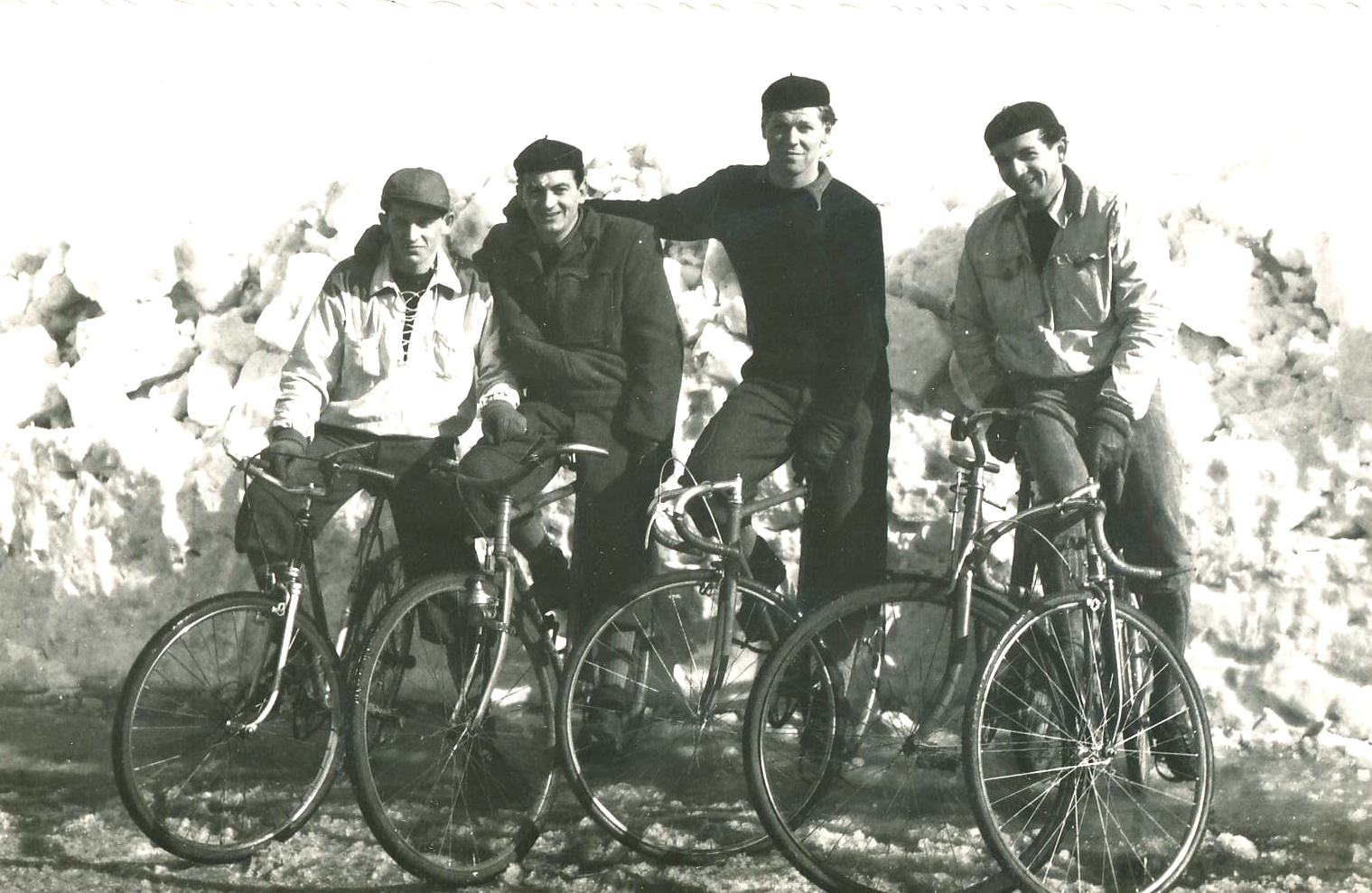
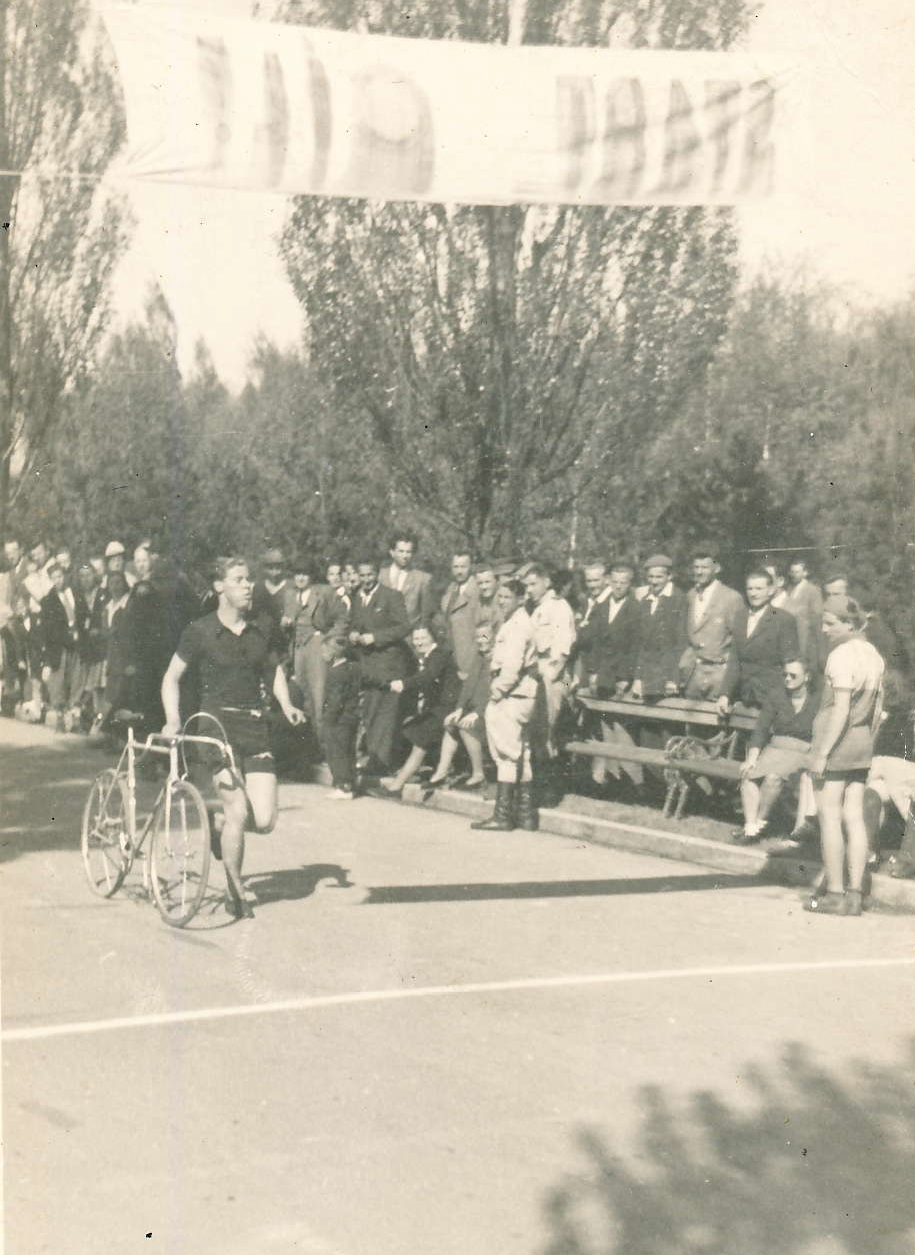
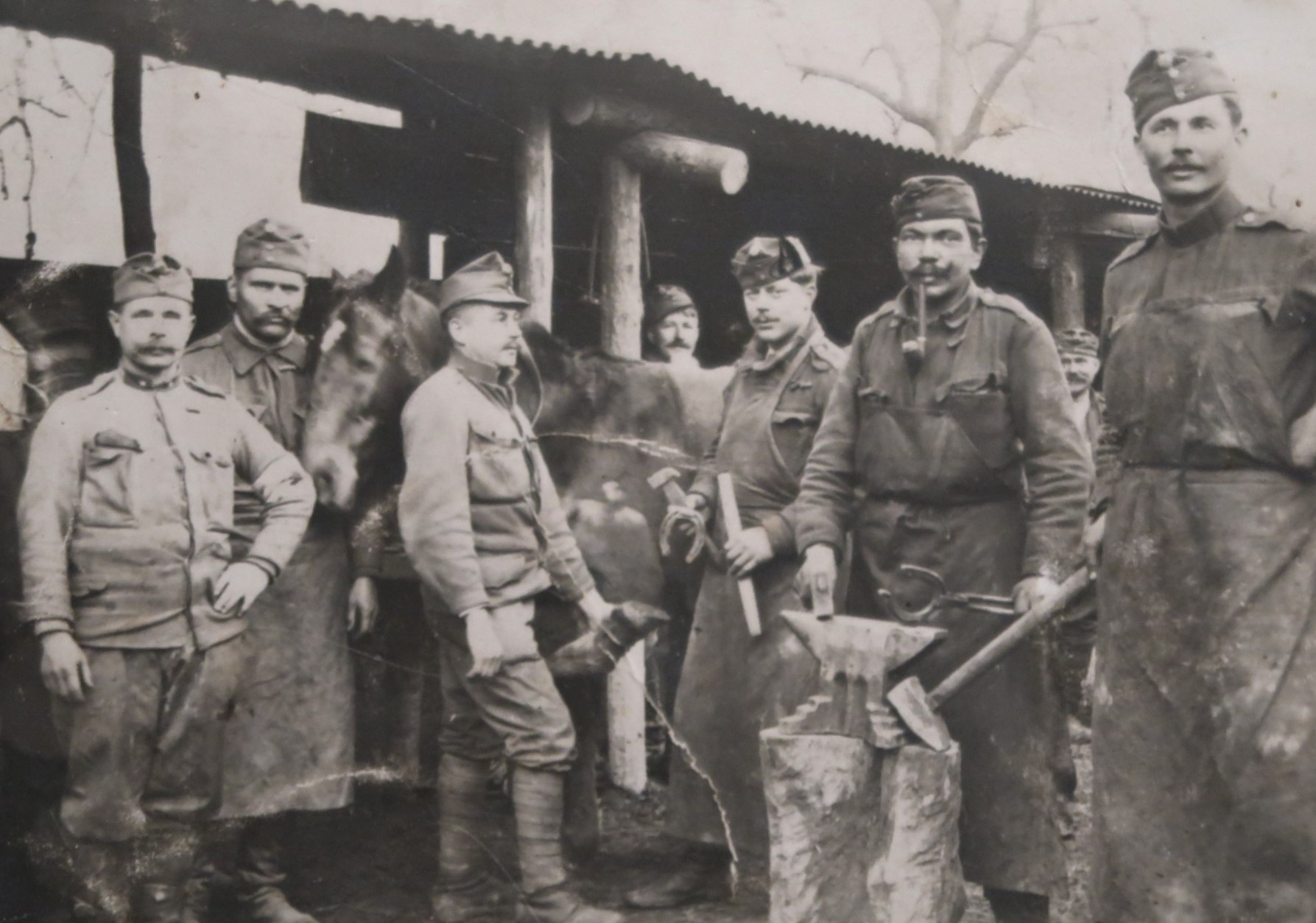
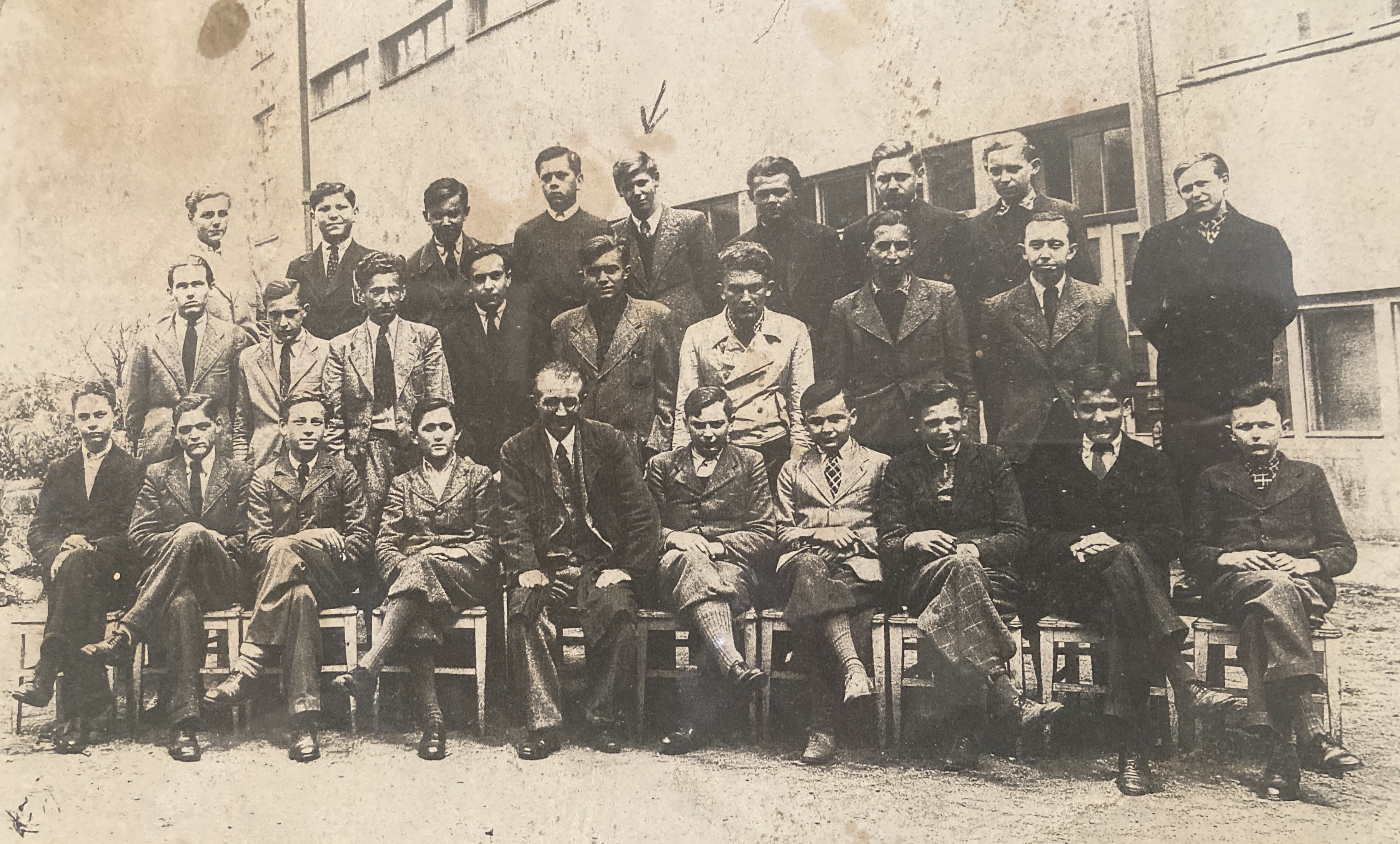
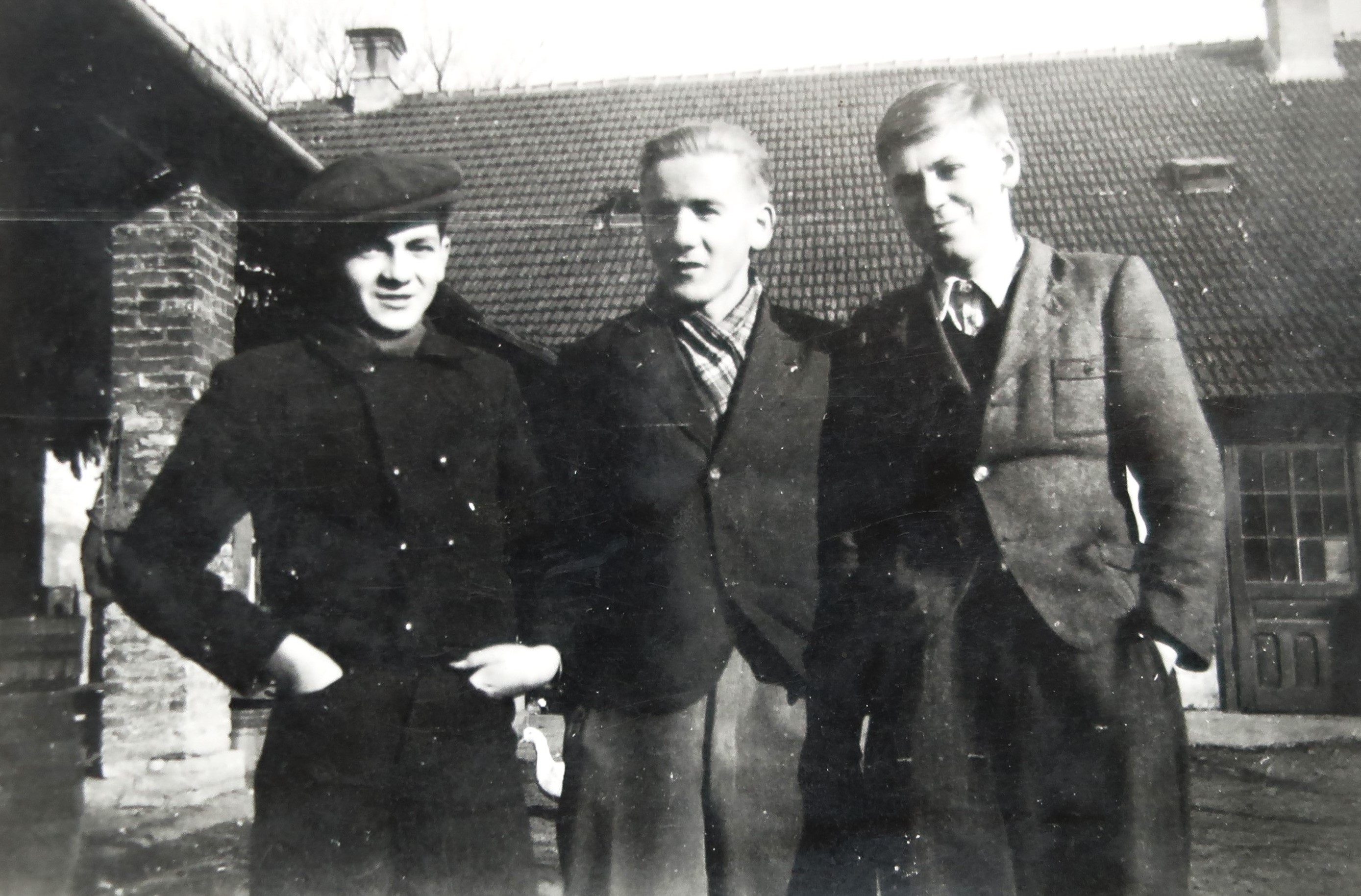
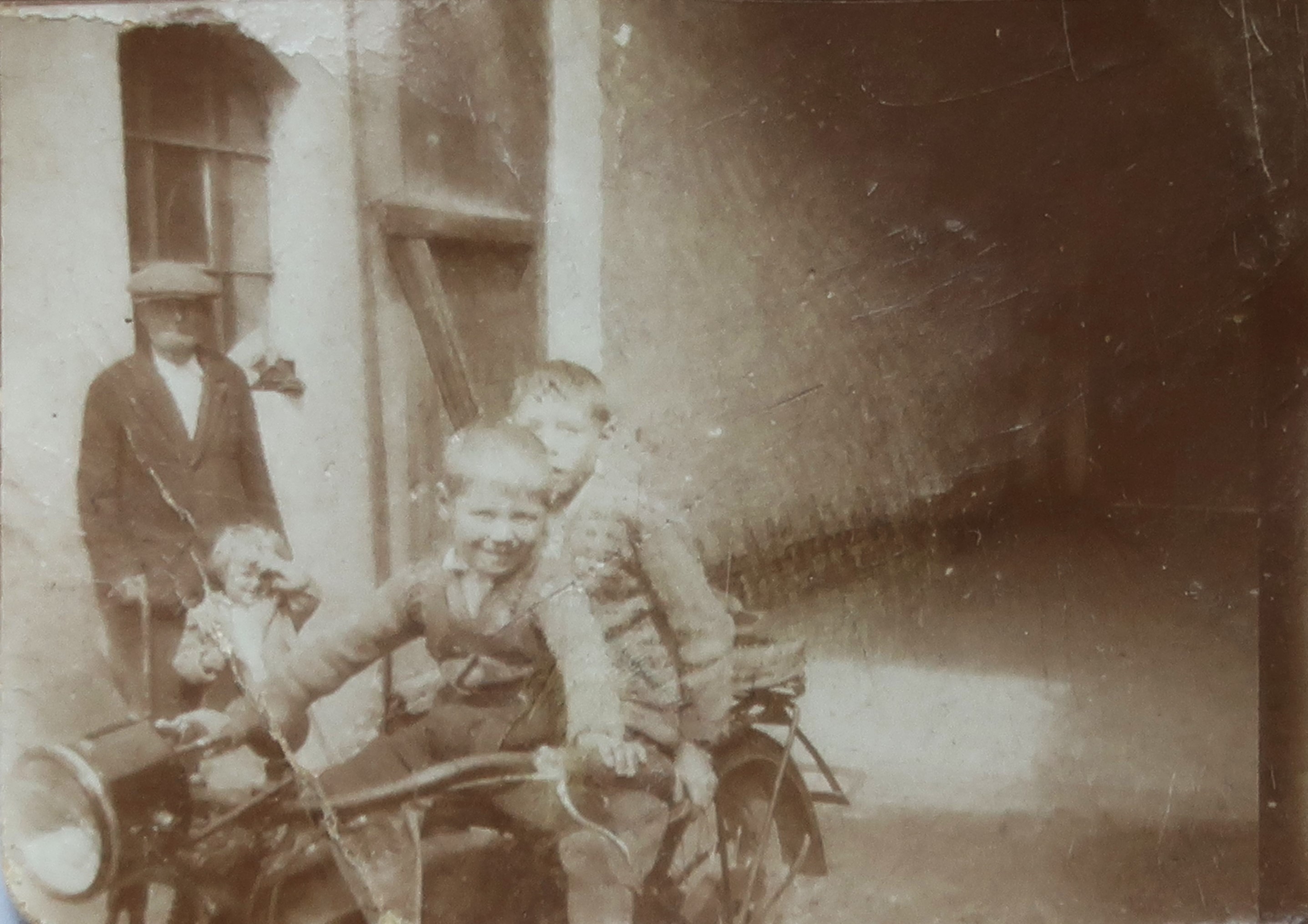
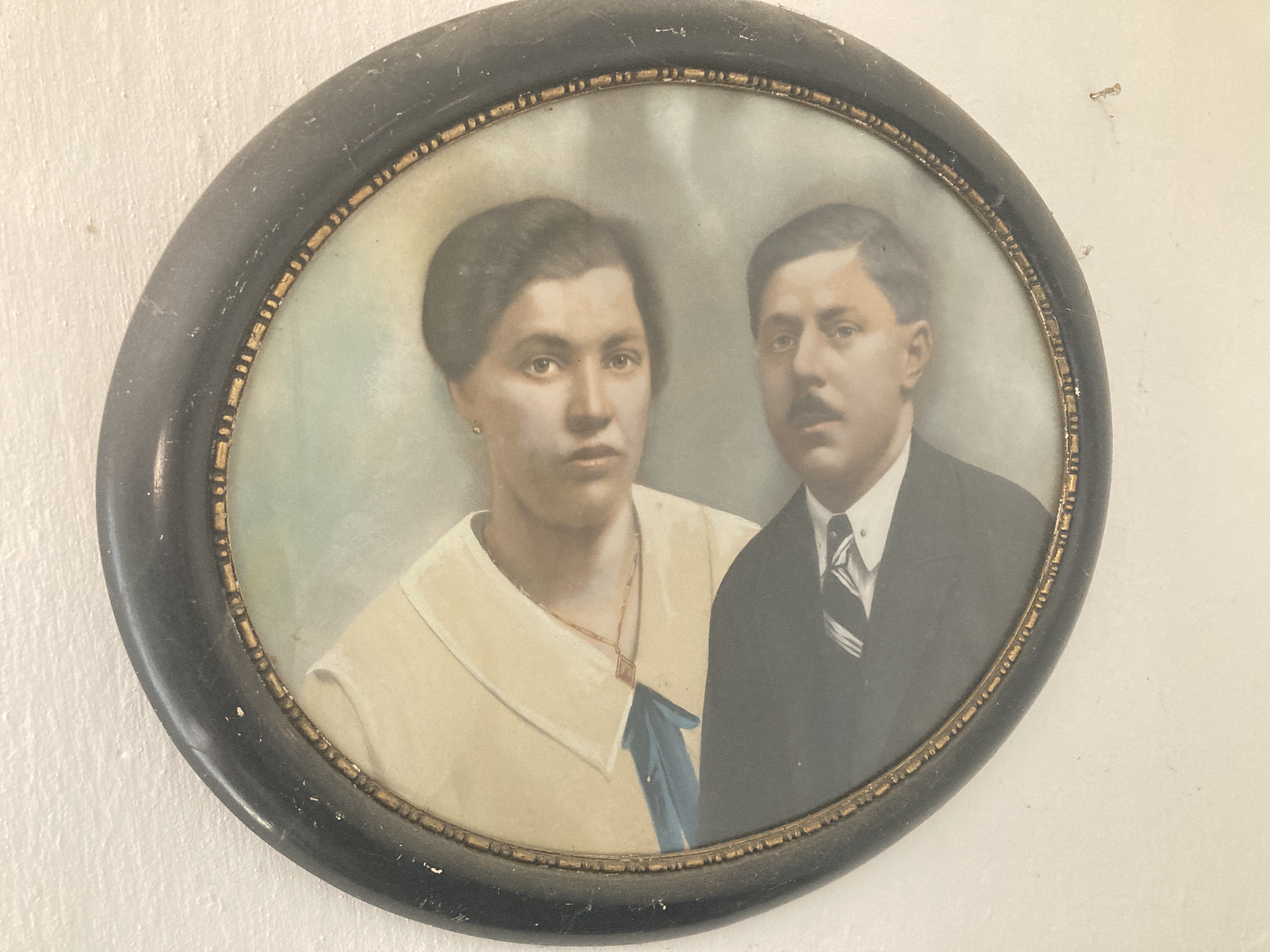
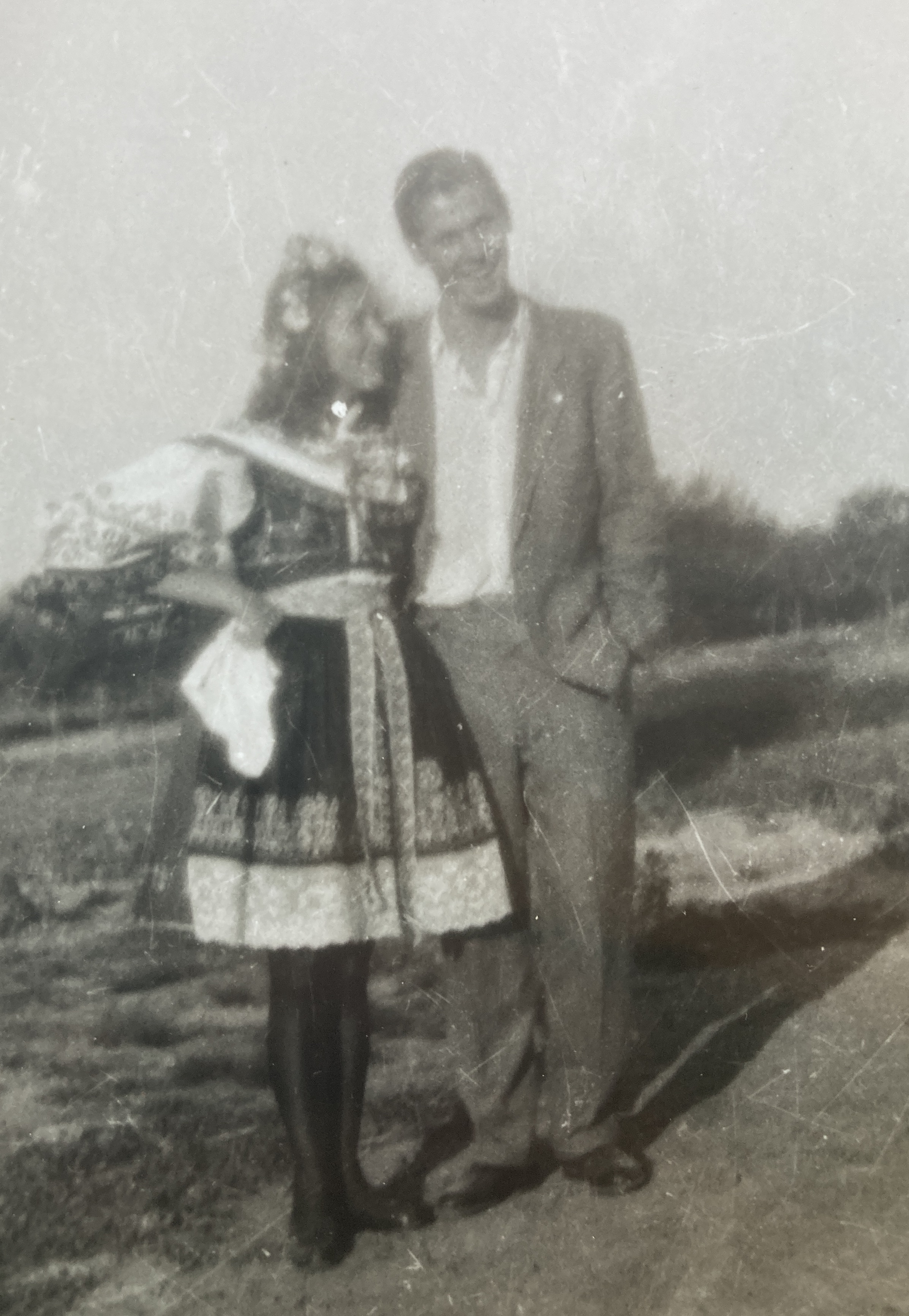
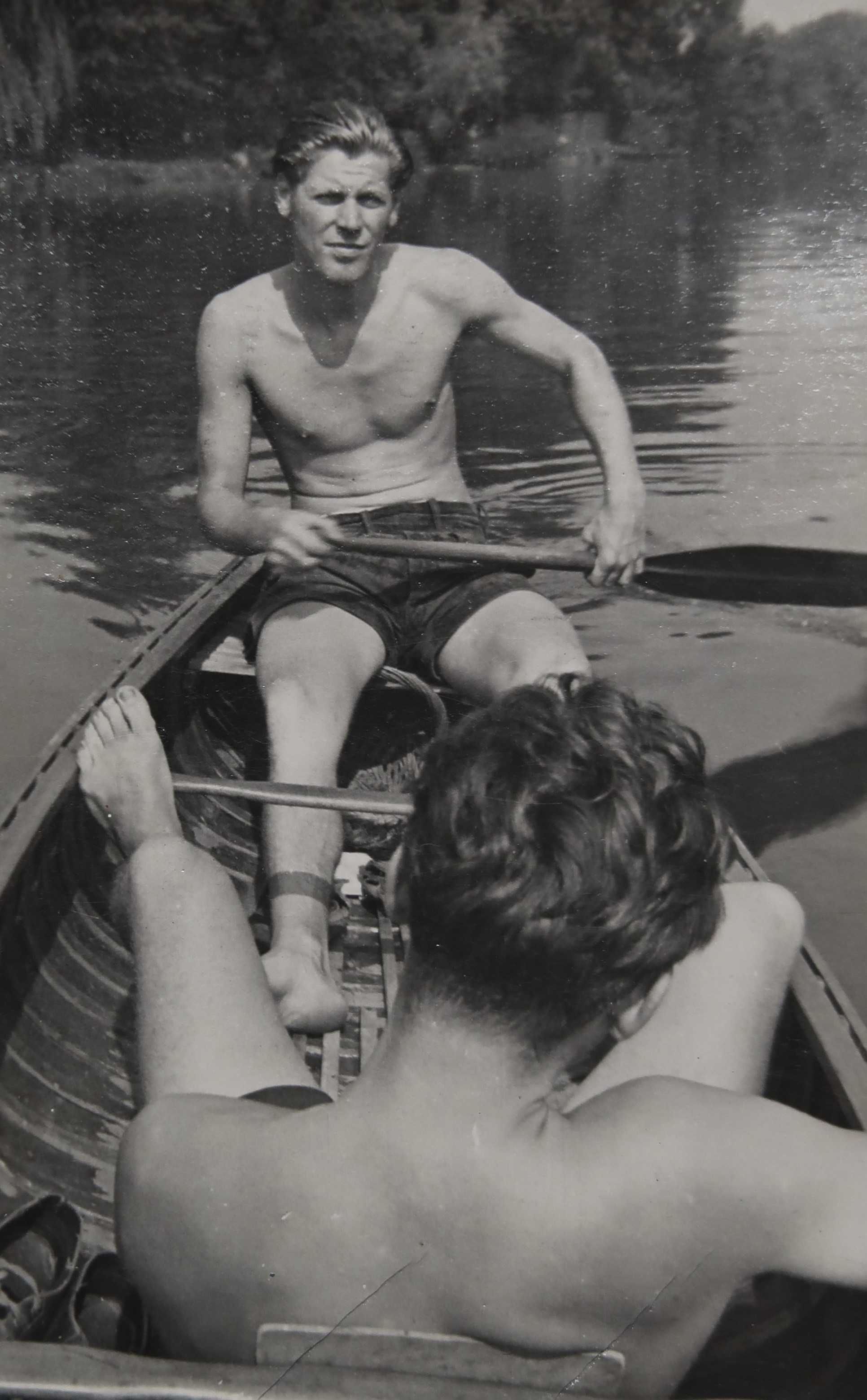
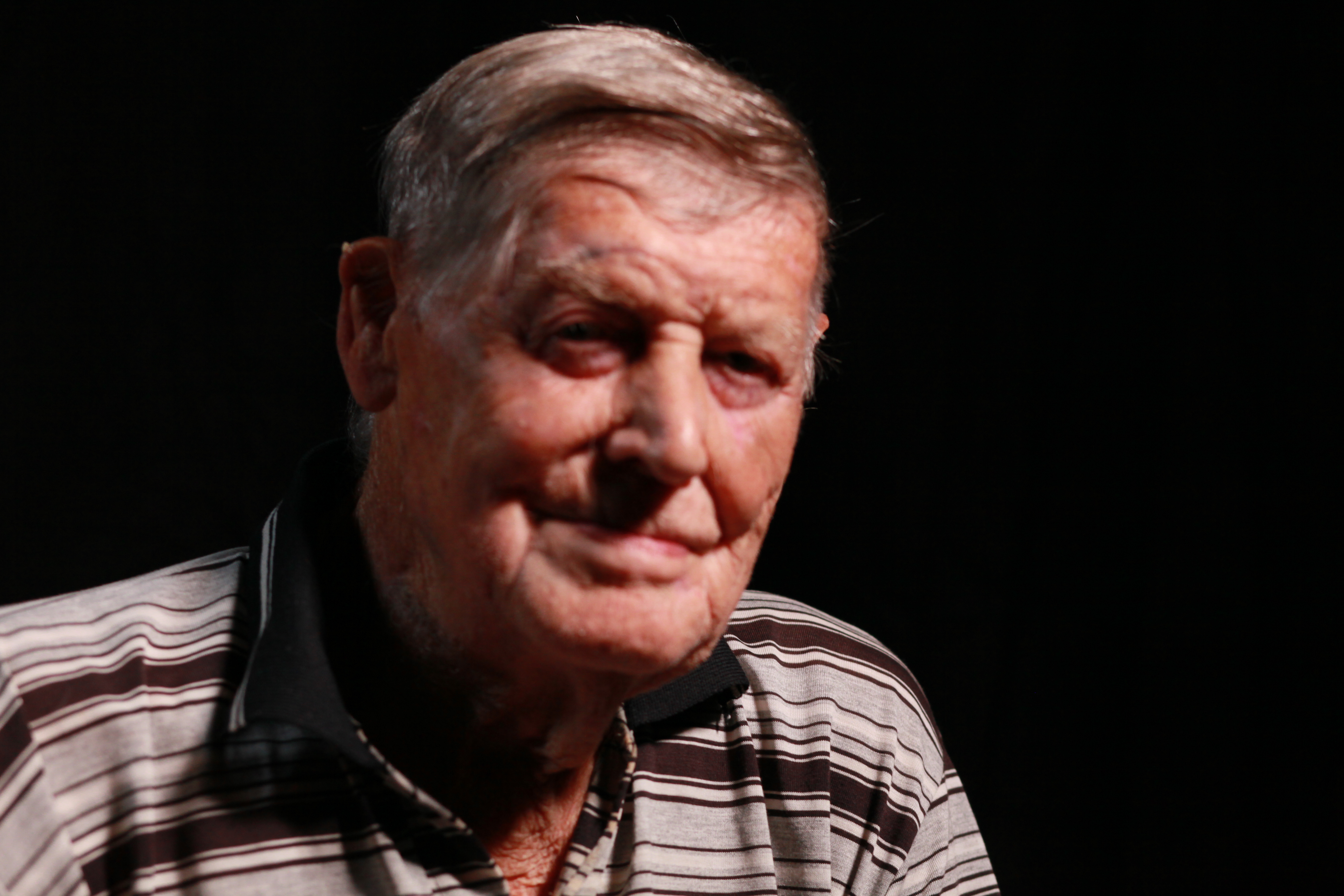
Erich Veselý was born on September 22, 1926 into the family of master blacksmith and shoemaker Vilém Veselý in Brno-Jundrová. He remembers the bombing of Brno and the liberation by the Red Army. After graduating from the town school, he trained as a locksmith and worked in an elevator company, which switched to war production during the war. They made parts for artillery shells, submarine fittings and so on. At the end of the war, Soviet soldiers took up residence in their house. The witness describes the inconvenience. They even captured him, took away his papers, and he and his other friends had to work for the Red Army. Eventually they managed to escape. During the war he was in Brno-Pisárky, where he worked as a driver. In 1950 he married Anna, a year older, and they had two children. Erich Veselý is an enthusiastic cyclist, he raced in his youth and was a member of the cycling club. His father bought him his first racing bike in 1940. He was still cycling at the age of ninety-five. He recently built a scooter. In 2025, the witness lived in his family home in Veslařská Street in Brno-Jundrová.