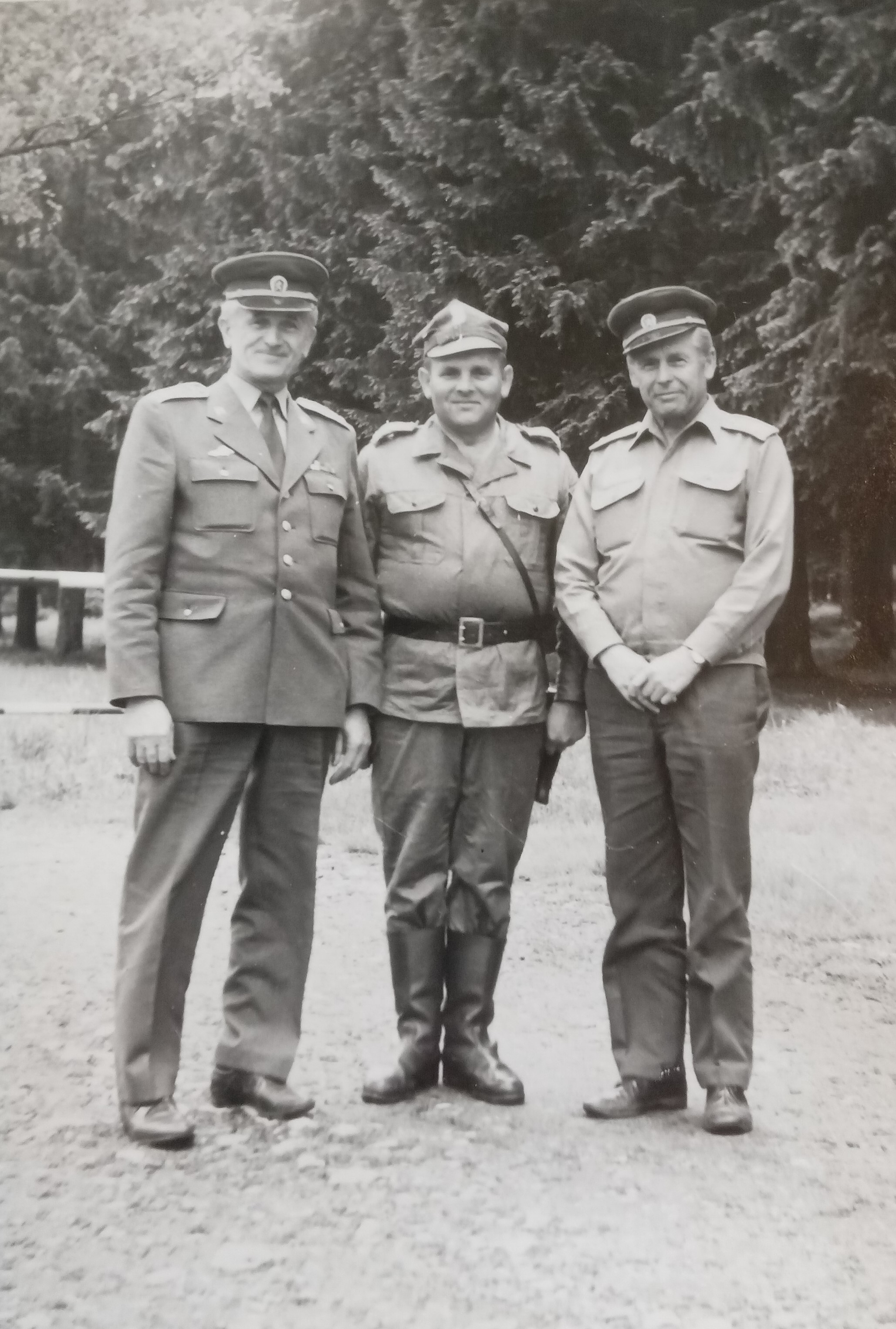
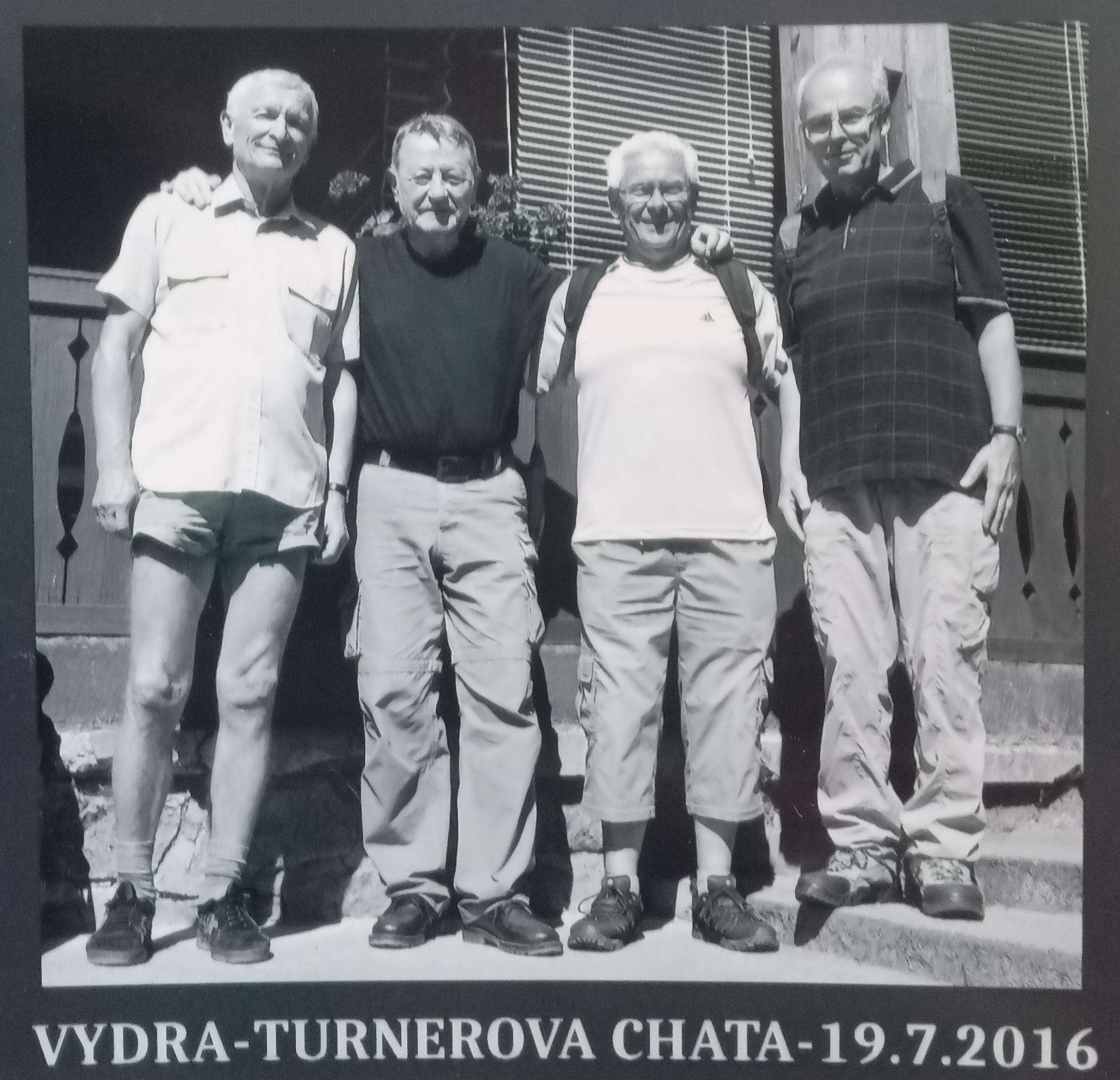
Jiří Valášek

* 1931

  • "In fact, while I was still there - if you recall the nuclear power plant exploding in Ukraine - the CI officer called me again: 'I need one room in there.' - 'Fine.' Then he told me they needed it because a radioactive cloud from the disaster was spreading to Europe and going over Dobrá Voda. They were ordered to find out the concentration. They were measuring it and it was top secret, so they didn't even tell me until later on. He said, 'Yeah, we had to; we had a measuring device here to see how strong the radiation was that got all the way here.' I don't recall what the figure was."

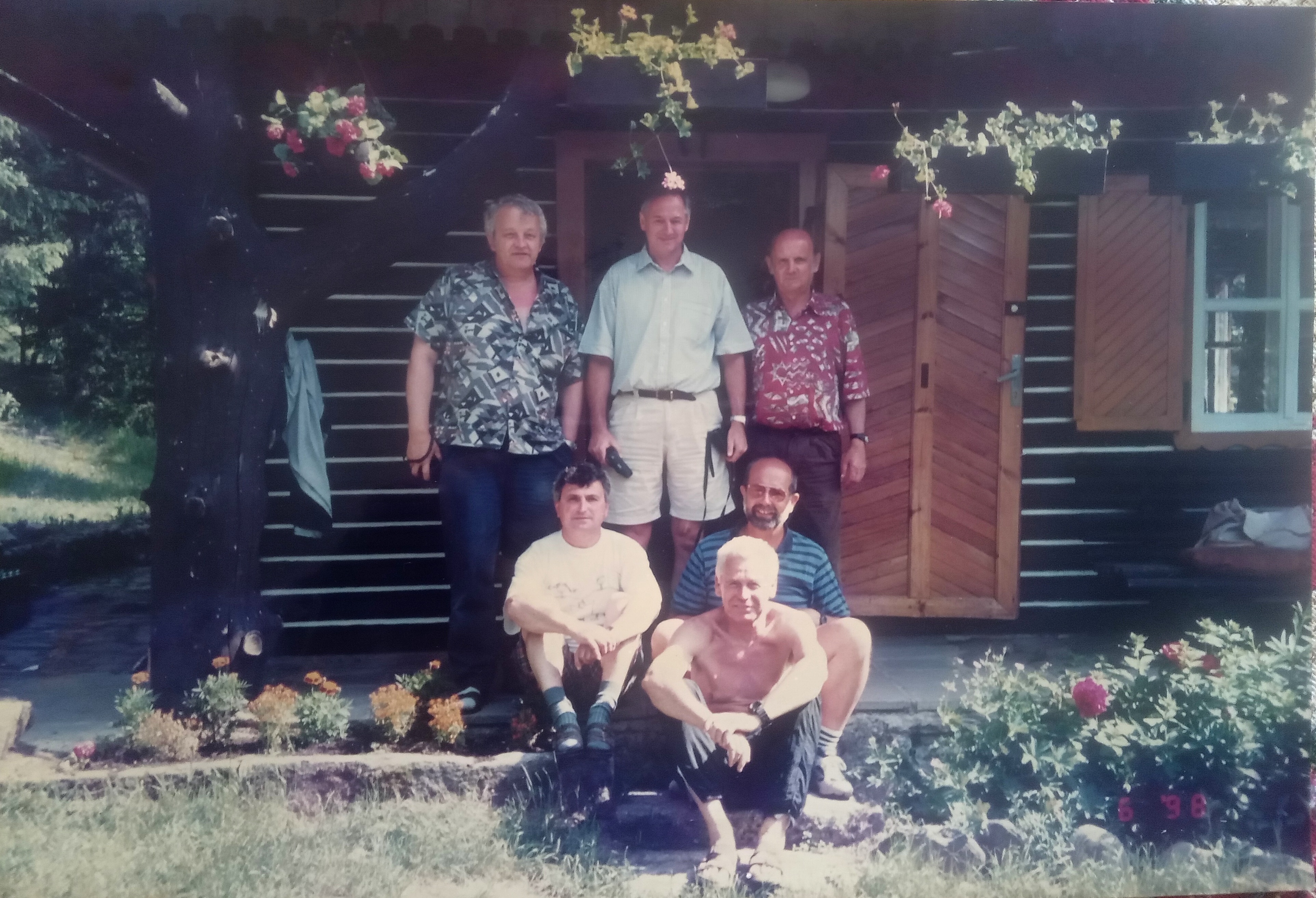
  • "Yes, that was also in Dobrá Voda. There was this lonely cottage, and they told me they needed it. They seized it and it was, to be exact, a conspiratorial apartment. It was where counterintelligence collaborators met. They determined who said what and where, and who should be arrested or left alone."

  • "The army cut me out; they didn't know where I was. I was in charge of the atomic station; we were capturing nuclear tests and were subject to Moscow. Our task was to detect nuclear tests at any cost, whether American, French or Soviet, and report them to Moscow in a half an hour. Direct command. Staring at paperwork for 24 hours a day. They gave us their instruments. The civilian seismic station had different ones. They developed the results 24 hours after while we knew instantly. I joined them and we would monitor nuclear testing. The French were doing them too, one and then another half an hour later. We caught [it] and reported it in an instant. The advantage was that Šumava has wonderful seismic proporties. You can amplify earth tremors 500 times. I was in, and there was a small earthquake in Moravia. I told my wife, 'Květa there's an earthquake, all my glasses are shaking.' I locked the door, just in case. This is how we monitored and reported that. I stayed there all the time until the experiments stopped."

  • "I was reprimanded with a warning. They wanted to kick me out of the military because some of my staff officers were against me not letting [the invaders] in to Kašperské Hory. They wanted me out. Eventually, my only punishment came from our party committee. I had to be a Communist Party member. I'd been one since 1949. Back then, the party mattered, it had credit. As things started to change in 1968, folks from Dobruška approached me saying the local environment was lovely and they were building this seismic station in Kašperské Hory, down in the adits where they used to try mining for gold once. They were building a military station to monitor nuclear tests. A lot of nuclear testing was done back then. They asked me to help them build the station. I said, 'Yes, but only on the condition that you employ me once it's finished.' They did, and that really saved me. I would have been dismissed otherwise, and probably gone to jail or what. This way, I was instantly transferred to the Dobruška unit under the Ministry of National Defense, and they didn't know what I had done."

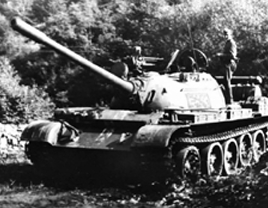
  • "The regiment commander called me: 'Get dressed and go to the barracks. Turn on the radio.' I got dressed and turned on the radio. Military aircraft are landing at the airport in Prague, the airport is being occupied. The assumption is they're going to occupy Czechoslovakia. 'What do I do?' - 'You're in charge, so make the call.' As the commander I have a certain [responsibility], so I called a roll call, not an alarm, at midnight, and said, 'Comrades, the Soviet Union is invading. I think we should react as soldiers. I suggest we don't let them into Kashperské Hory. You have all night to do it, and there will be a wake-up call at six AM and we will go.' I phoned the mayor of the local national committee and the secretary, the school headmaster, told them what was going on, and we drove to Cikánka, fully combat-ready. The men had 60 live rounds and two hand grenades each. I had two rocket launchers and slip grenades, all ready to fight. The regiment commander sent me a tank platoon and a non-recoliing gun, and we waited."

  • Celé nahrávky
  • 1

    Kašperské Hory, 02.05.2024

    (audio)
    délka: 01:10:11
    nahrávka pořízena v rámci projektu Příběhy regionu - PLZ REG ED
  • 2

    Kašperské Hory, 31.07.2025

    (audio)
    délka: 20:10
    nahrávka pořízena v rámci projektu Příběhy regionu - PLZ REG ED
Celé nahrávky jsou k dispozici pouze pro přihlášené uživatele.

The Soviet Union is occupying us, we should defend ourselves
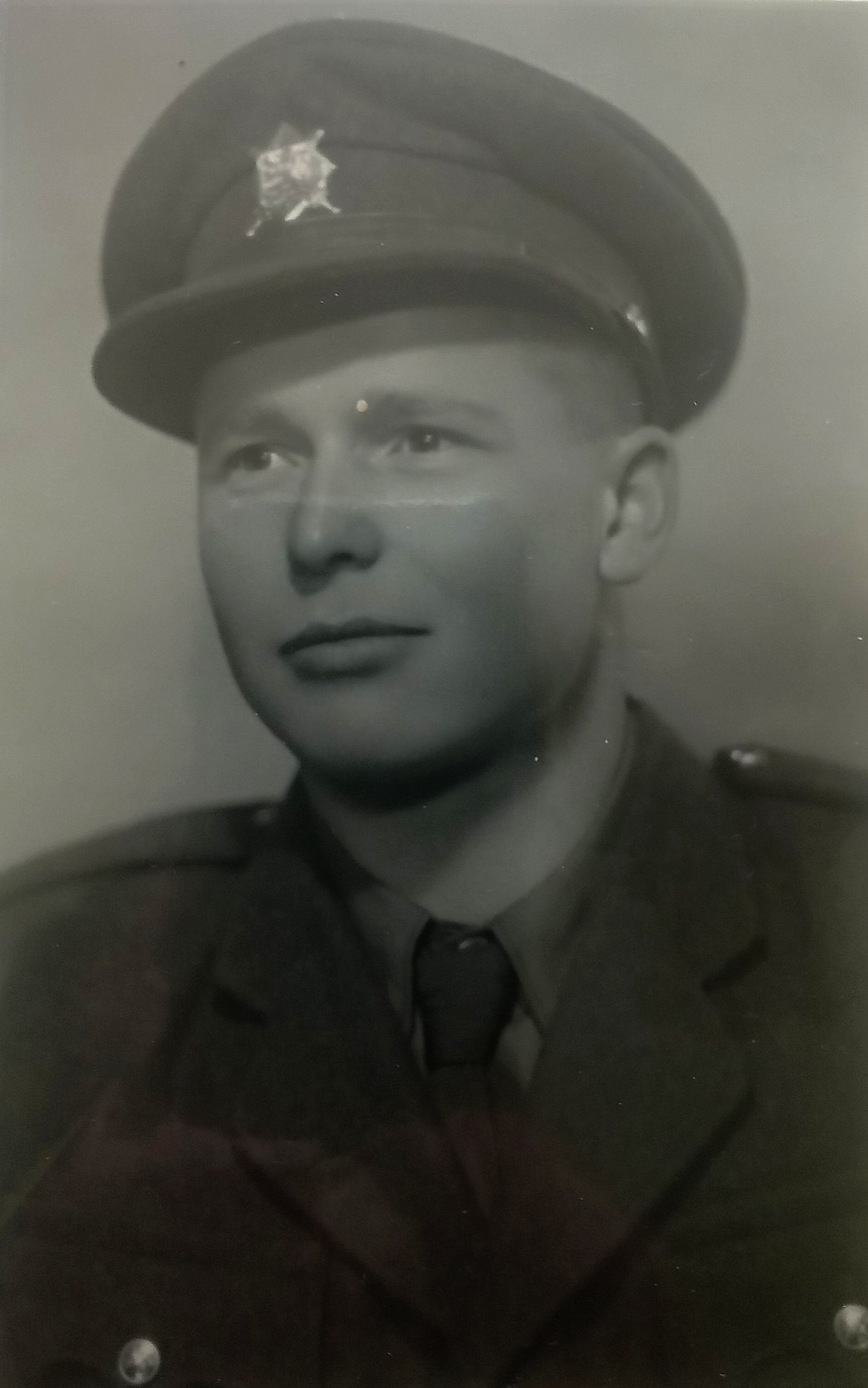
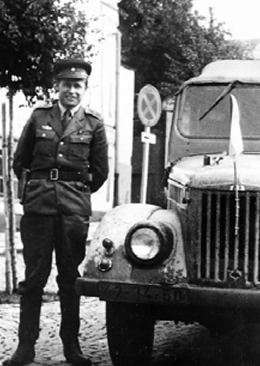
Jiří Valášek, 1953
Jiří Valášek, 1953
zdroj: Witness's archive

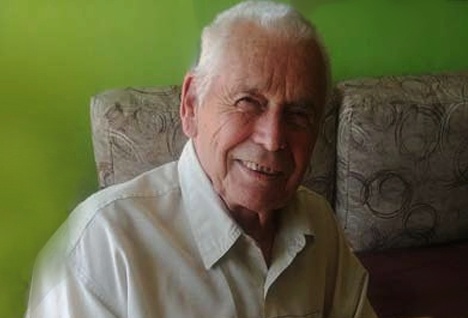
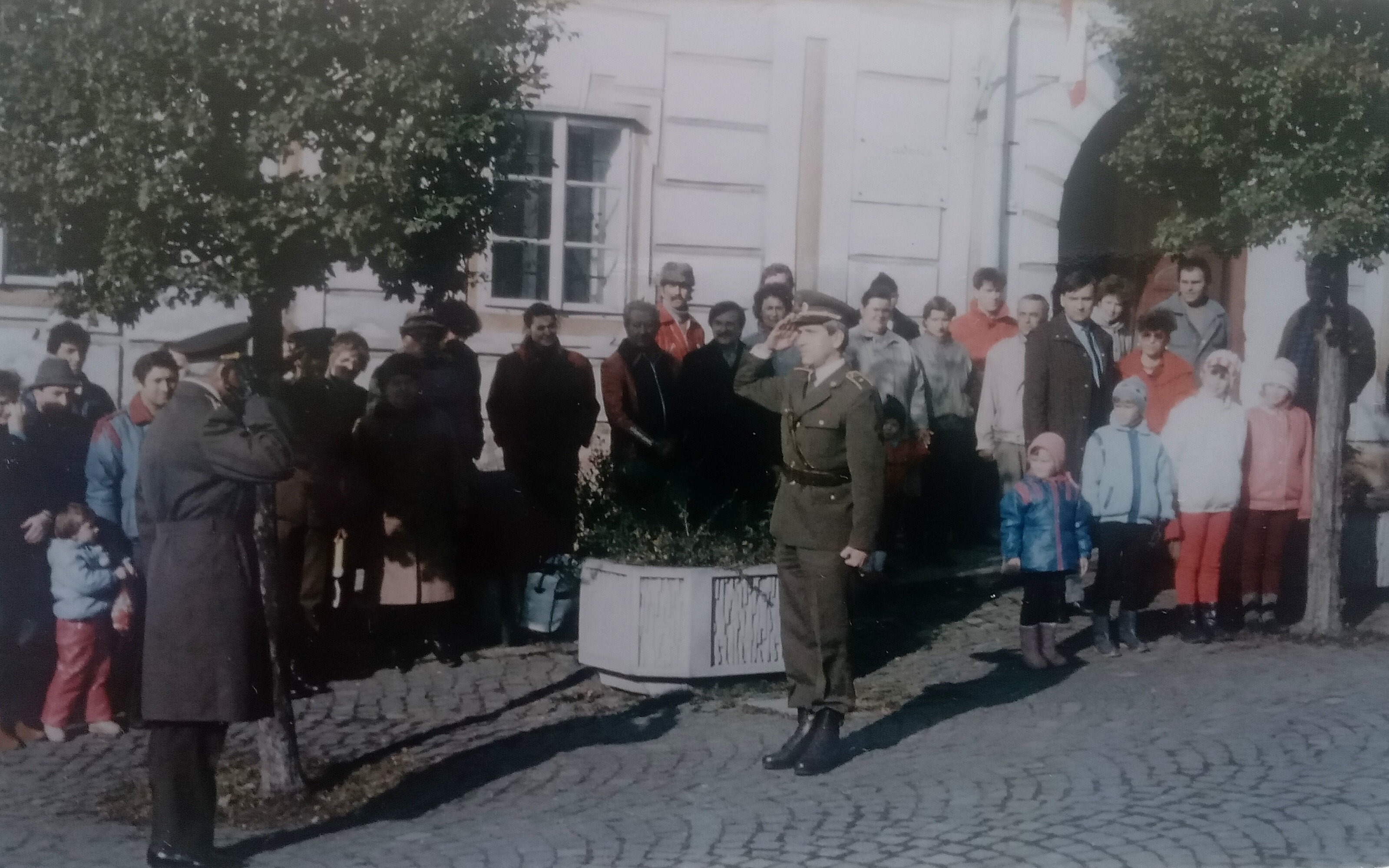
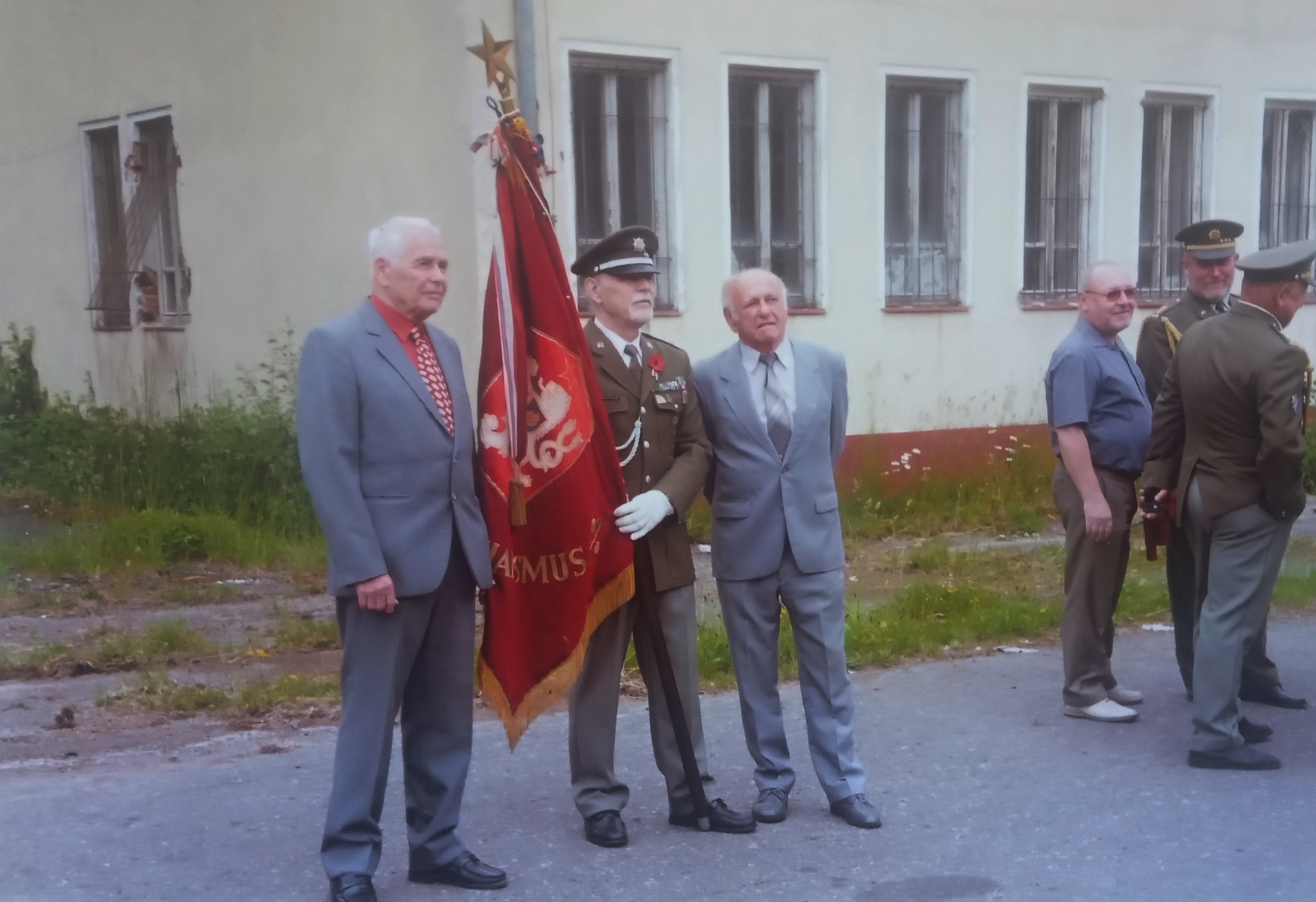
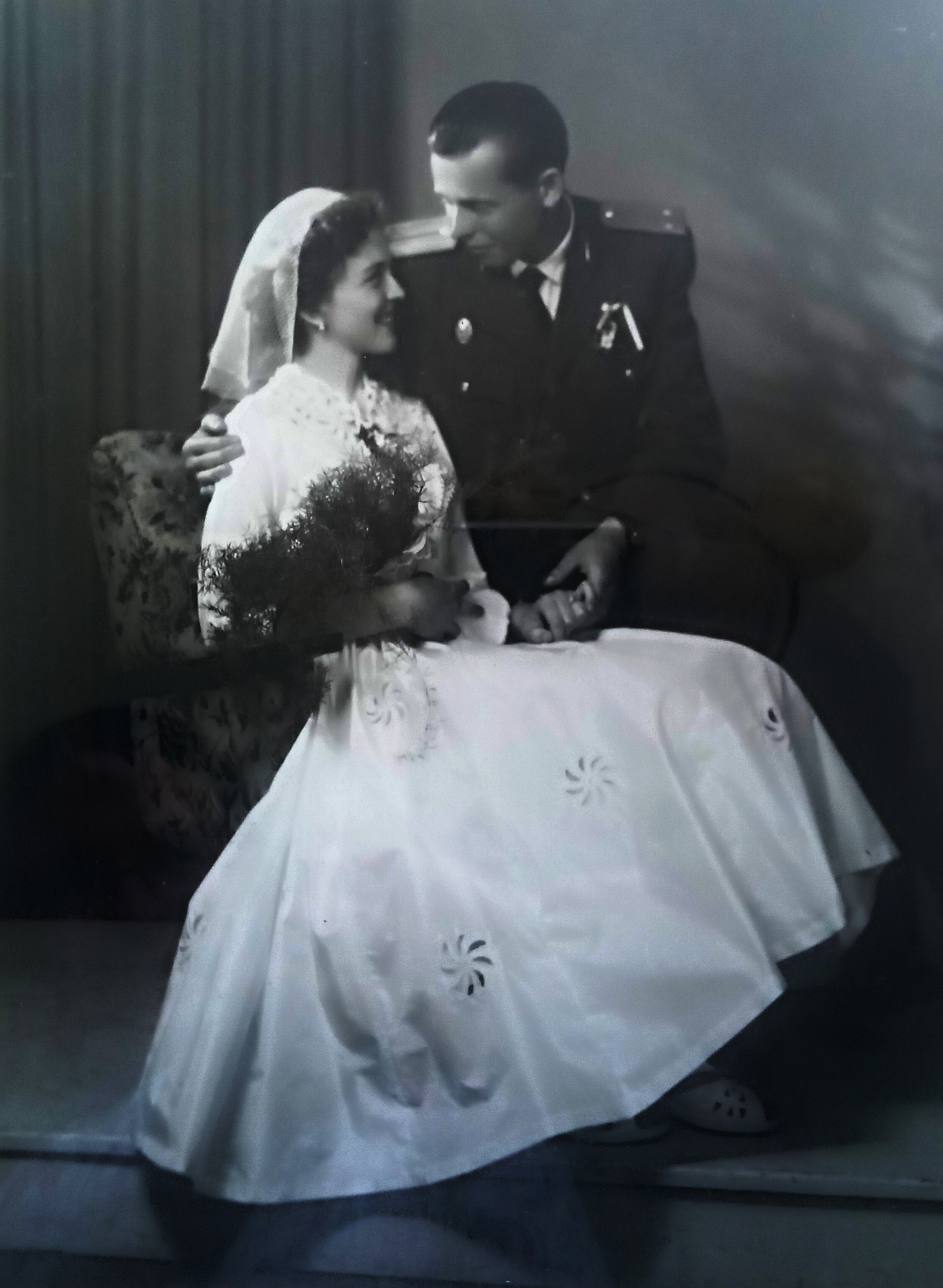
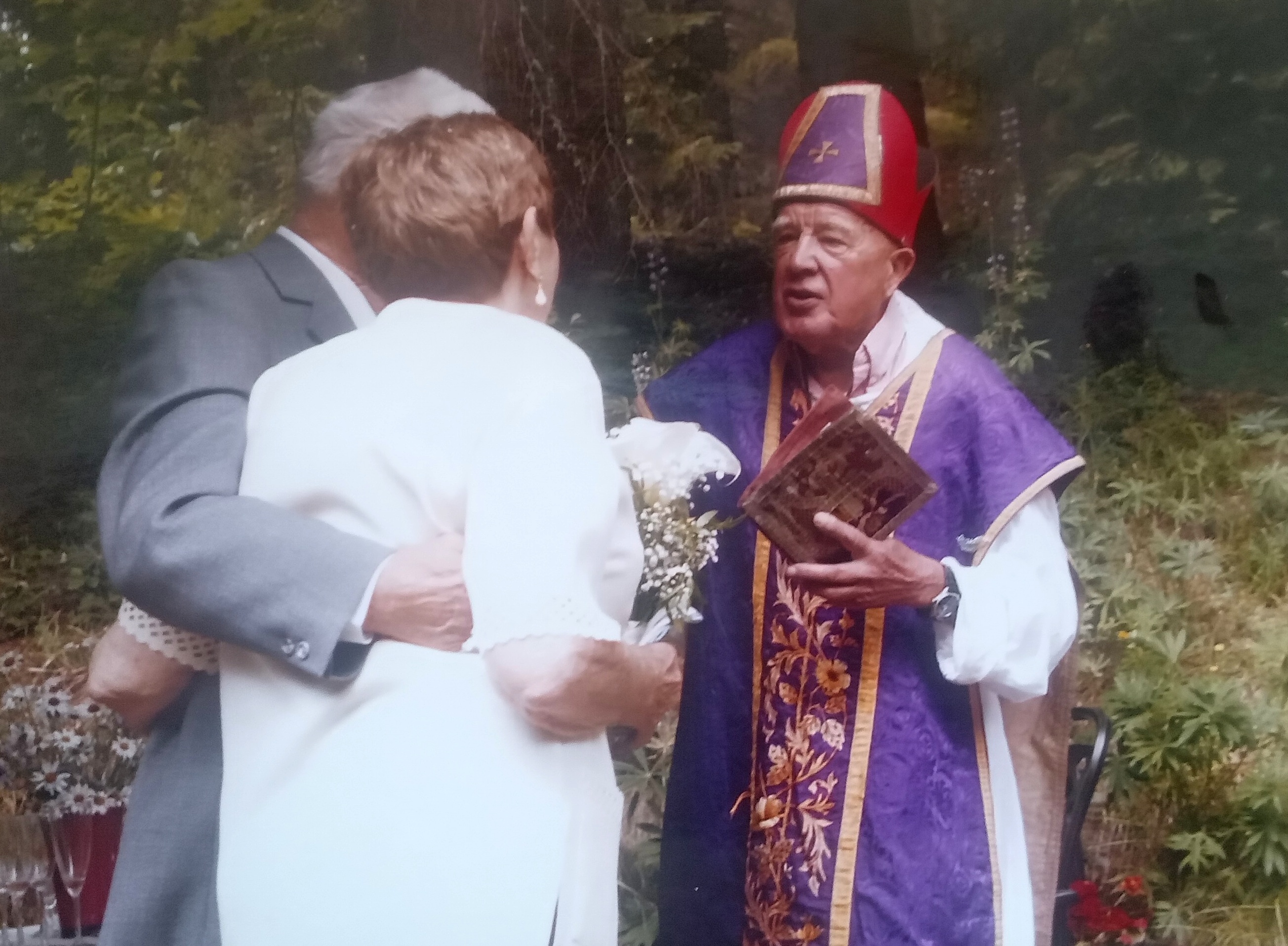
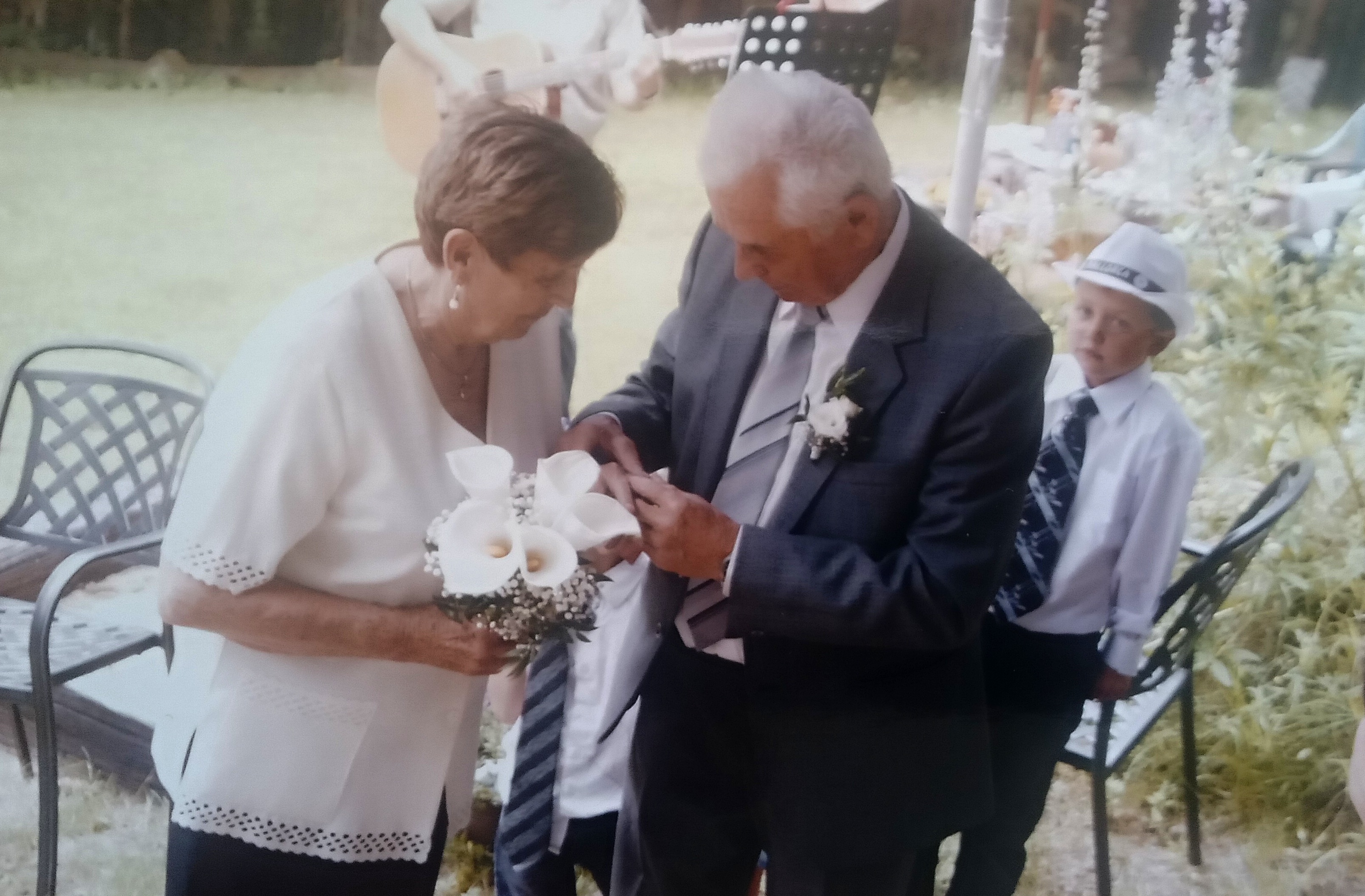
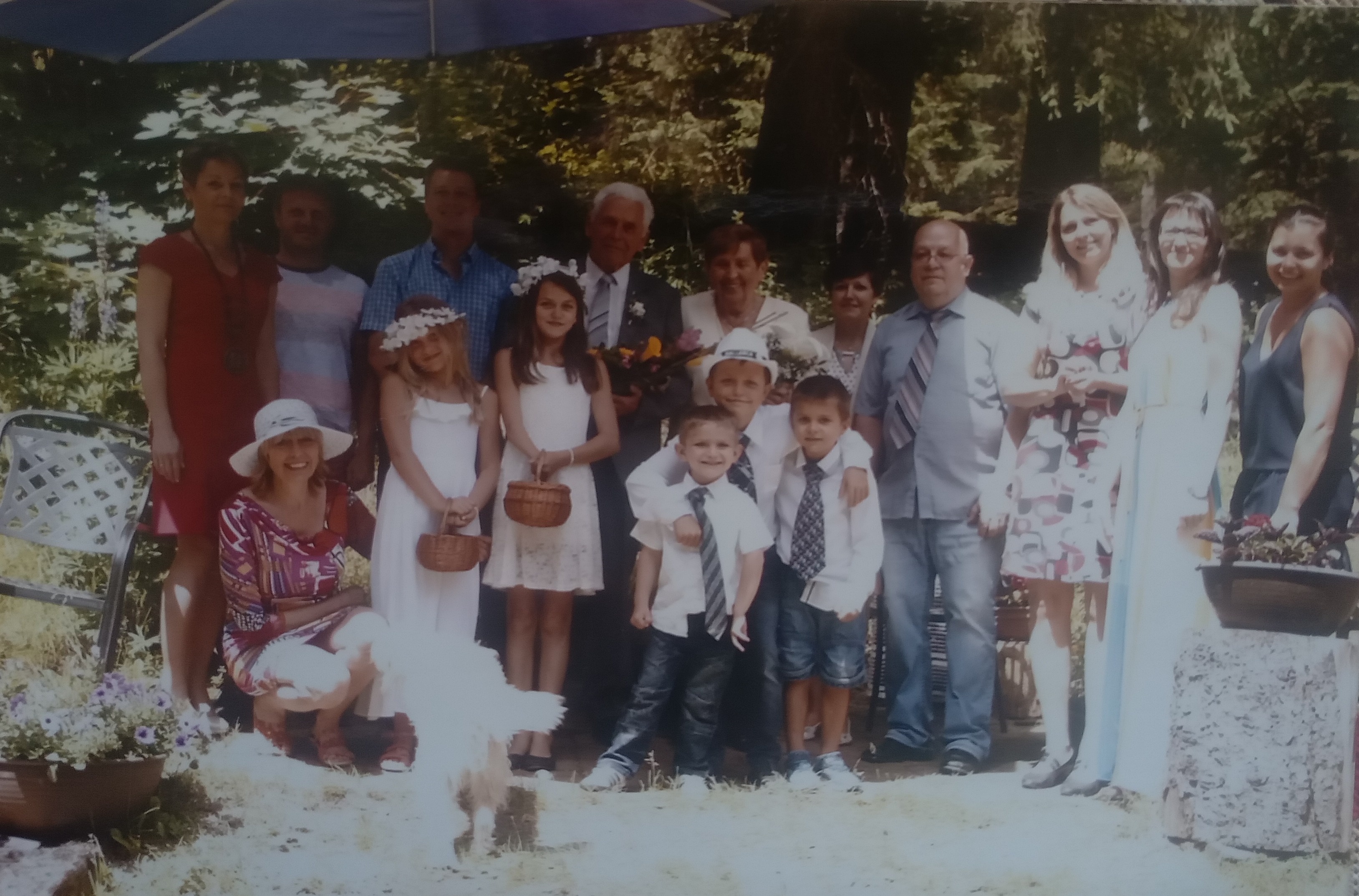
Jiří Valášek was born in Lubná near Rakovník on 31 March 1931. His father was a miner, his mother a housewife. They lived in a sublet; he shared a bed with his siblings. He liked sports since childhood, running and playing ice hockey. As a boy, he saw the occupation of the Czechoslovak borderland in 1938. The break-up of the country hit him hard. The Rakovník region was full of borderland refugees. The Red Army liberated Lubná at the end of the war. All of that played a part in his joining the Communist Party and the military. Emil Zátopek inspired him to enlist. The party used the promising Olympian to promote its plans. Zátopek told young people of the athletic opportunities that joining the army would give them. Jiří Valášek signed up and got into the school in Český Těšín. He fell in love with a local girl. They married in 1956. After graduation, he was allowed to choose his station. He went to Šumava. He continued to play hockey alongside his military service, in Vimperk and then in Kašperské Hory where he moved in 1967 as the commander of the Kašperské Hory garrison of 400 men. On 21 August 1968, he refused to allow Warsaw Pact tanks into the town. He was reprimanded with a warning. Transfer to a military seismological station saved him from dismissal. From deep within the Šumava Mountains, they monitored nuclear tests all over the world. His last military position was the commander of the Dobrá Voda region. The first thing he did there was clean up the local cemetery and church. He and his wife raised two children and welcomed grandchildren and nine great-grandchildren. They celebrated 68 years since their wedding in 2024. At the time of filming in 2024, Jiří Valášek lived in Kašperské Hory.