"That I should go to his wife and that his wife would give me the printing press. And how it was... so romantic. I was to appear at this door, no bell ringing at the door, but these two wires, and I was to connect the two wires, by which the special bell would ring inside and she would know it was me. She came to me, I was still holding a fifty-crown note, folded in such a strange way, so it was a sign that it was me. Then I went in, grabbed the machine and took it, I don't remember where..."
"I had an American device on one ear that the Americans left behind in 1945, and on the other ear I had this massive Soviet device. I had two frequencies. There were about five or six of us in that room, each of us had two frequencies. We had to write down what we heard. A session would come on. So there were ordinary sessions, spoken, it wasn't anything interesting, there were reports from various bases, American bases, here in Libya, here in Turkey, here in Iceland, Hawaii, I loved those. But sometimes they were in code, which meant that they always said five letters, they said the letters either in American or alpha or whatever... the letters - and I wrote the letters down. So sometimes I'd deliberately write some other..."
“They went to an audience with Gottwald. ‘Brother Gottwald, member of the Malá Strana Sokol, what do you say, brother, to the fact that we have a report saying that twenty Sokol members who did nothing are to be arrested?’ Gottwald says: ‘Wait, wait, I can’t know everything, but I’ll look into it — wait here.’ He came back half an hour later and said: ‘Well, you’re right. But it’s not an arrest, it’s just detention, so the reactionaries can’t misuse them. These twenty individuals have been identified as having such ideological backgrounds that they could be exploited by the enemies of socialism — that’s why they need to be detained for a while.’ How long ‘a while’ would be, even he probably didn’t know. Both of the men — the Communist and the non-Communist one, even though the latter was the Sokol chairman selected by the Communists — said: ‘This can’t be. You can’t allow this.’ And Gottwald said: ‘Well, maybe something can be done. On one condition: that all of them disappear from Sokol by tomorrow morning. Fired on the spot…’”
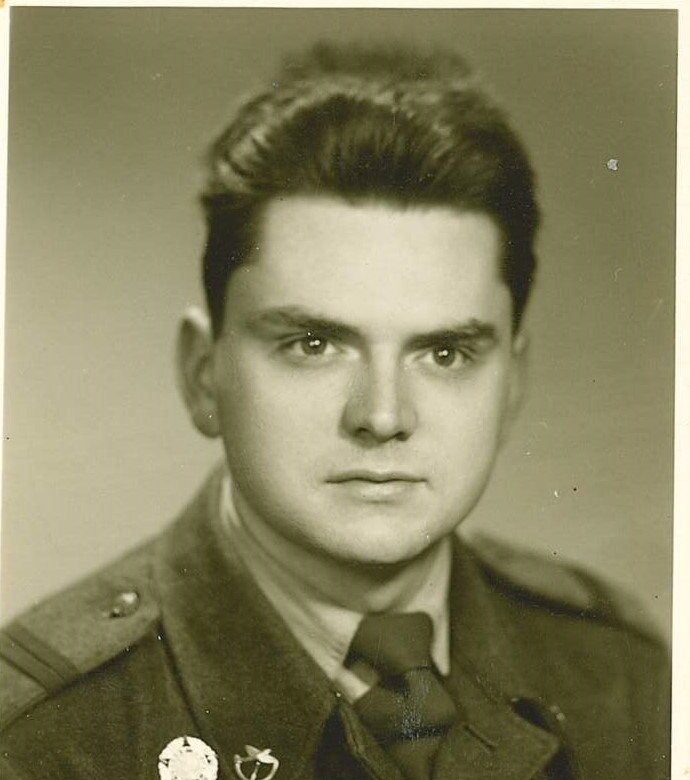
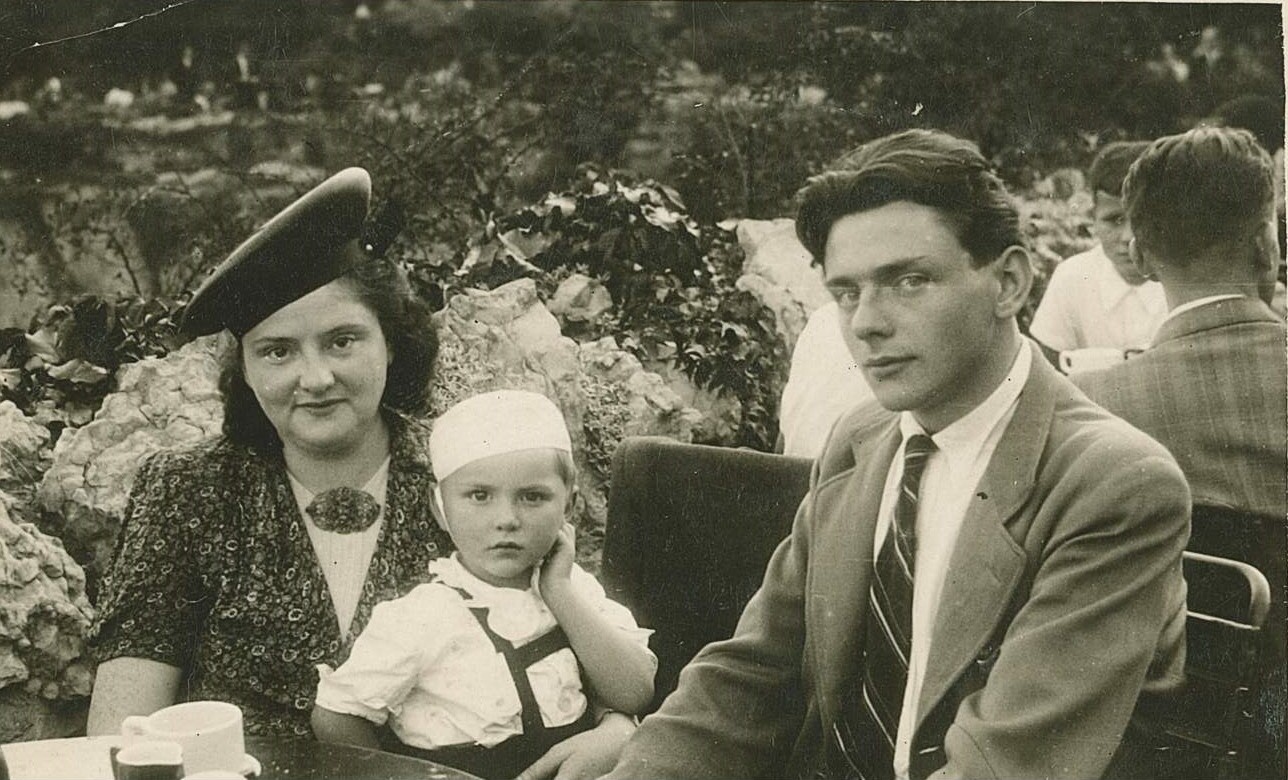
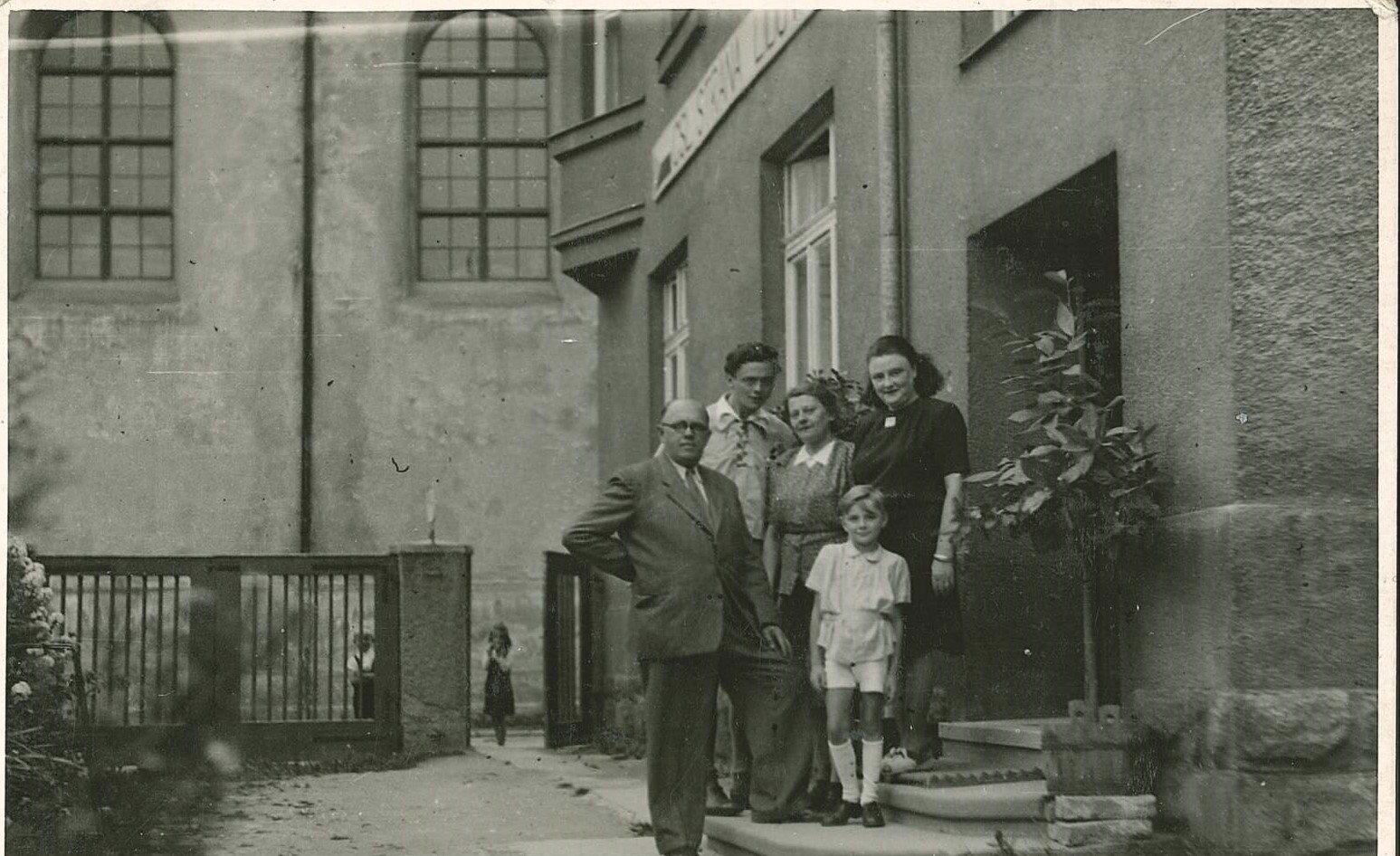
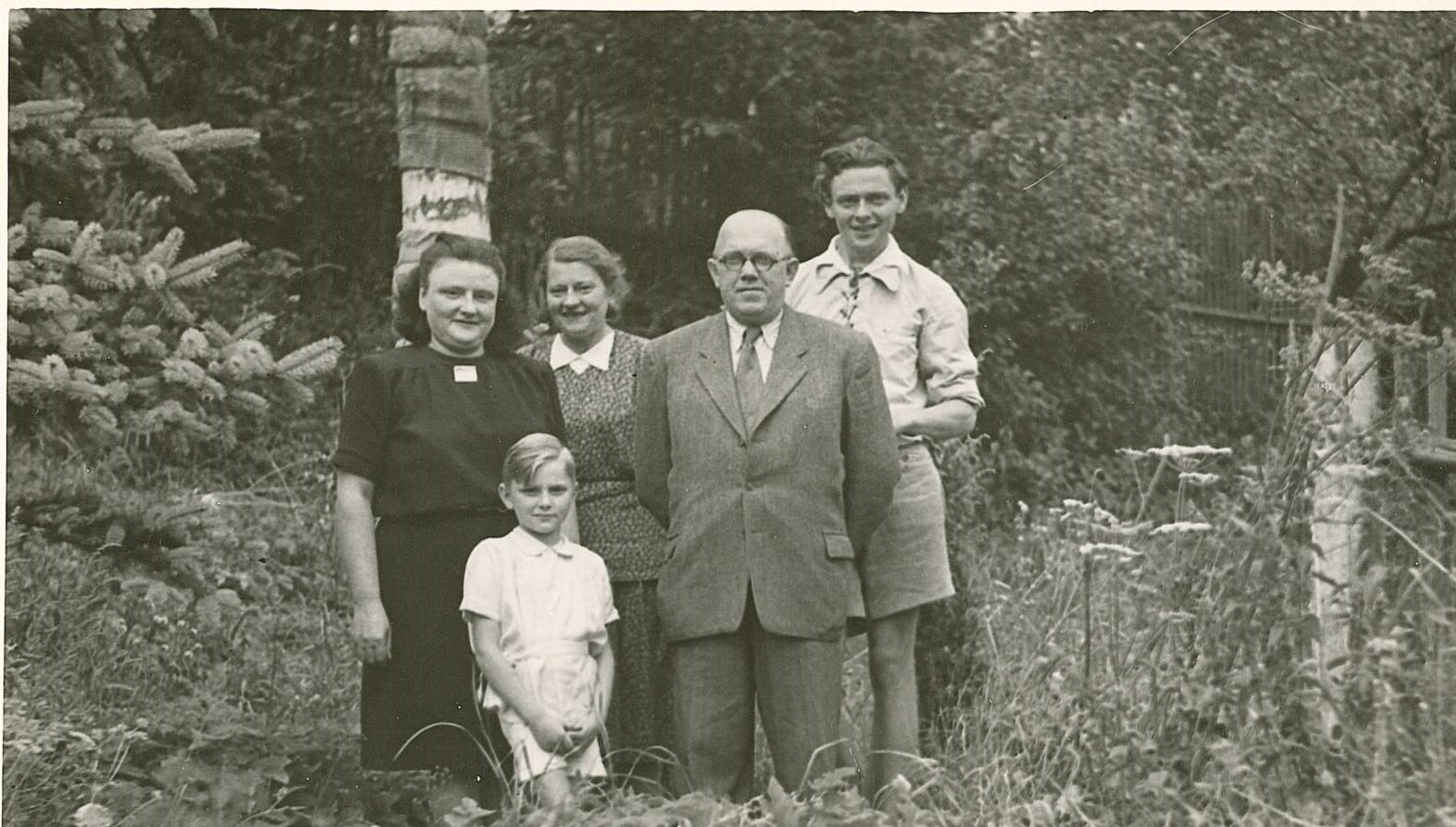
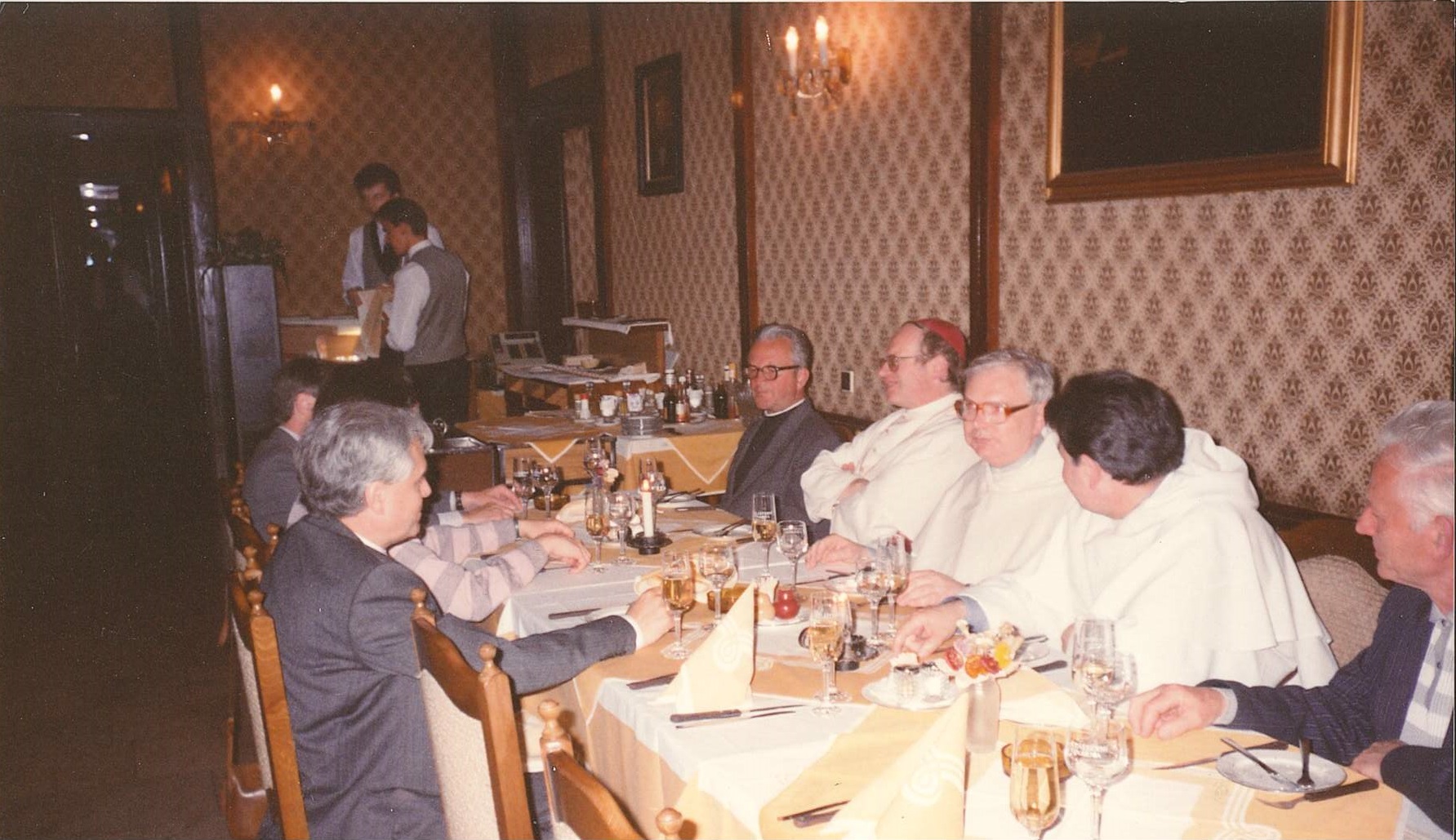
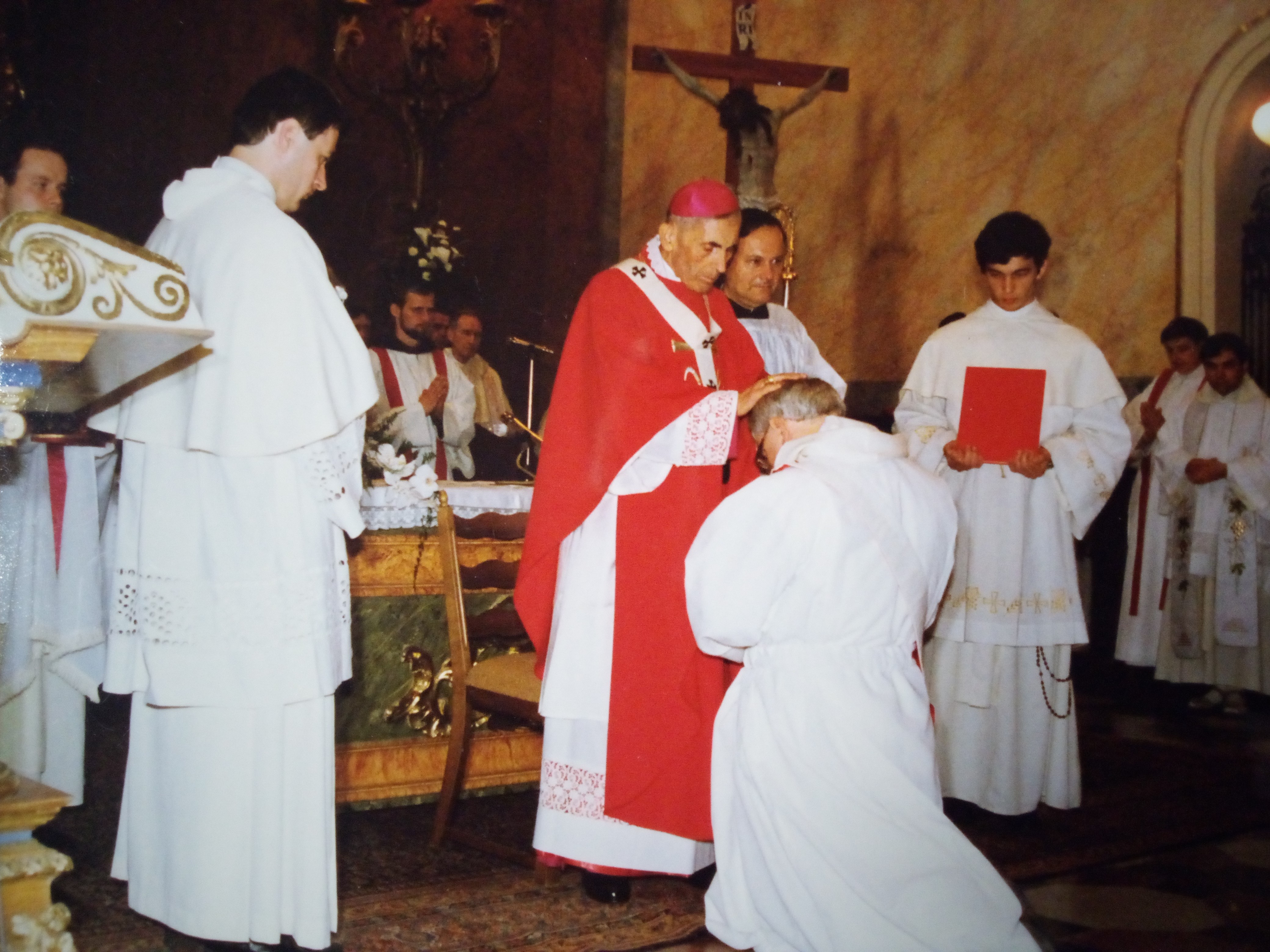
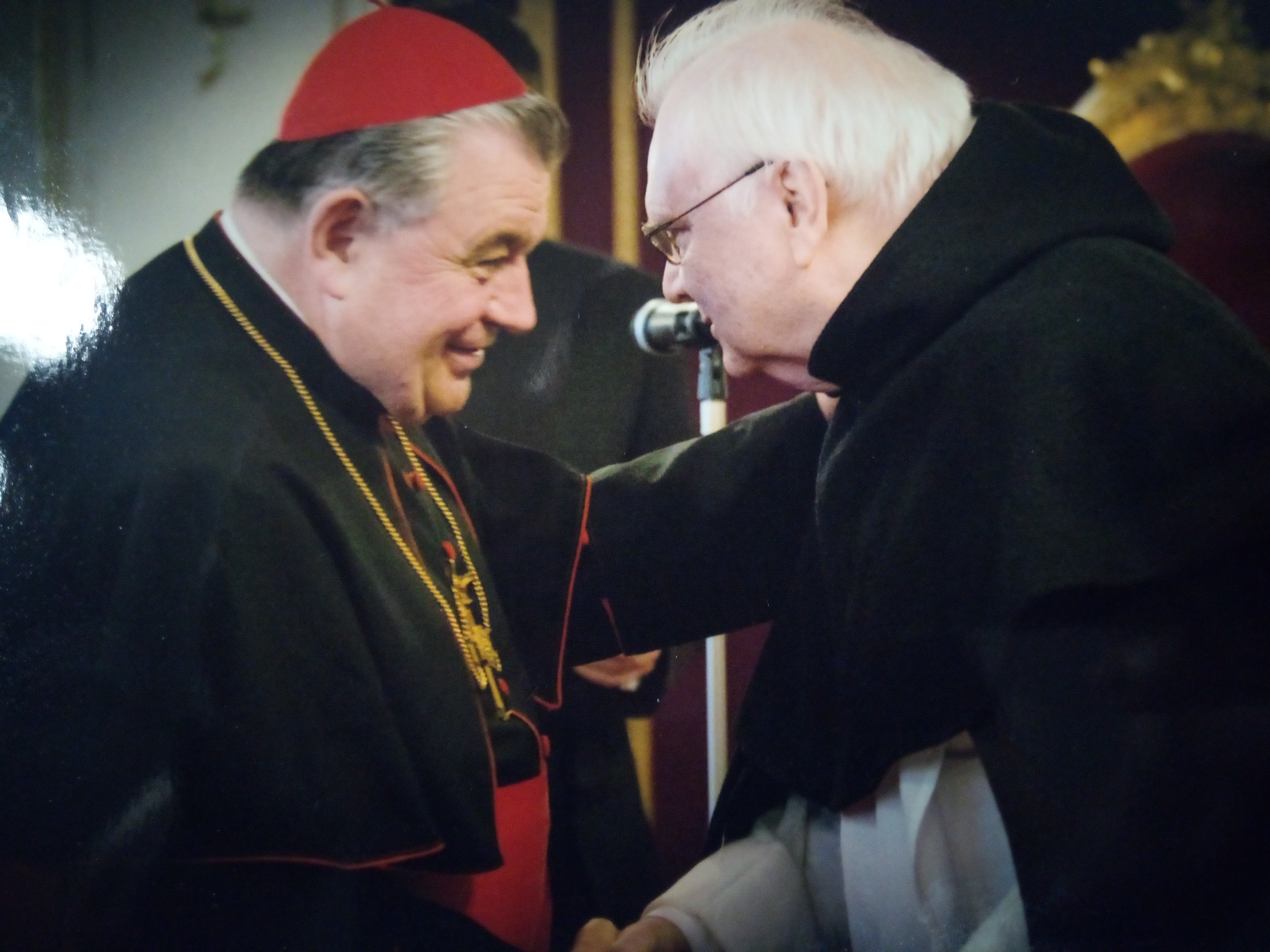
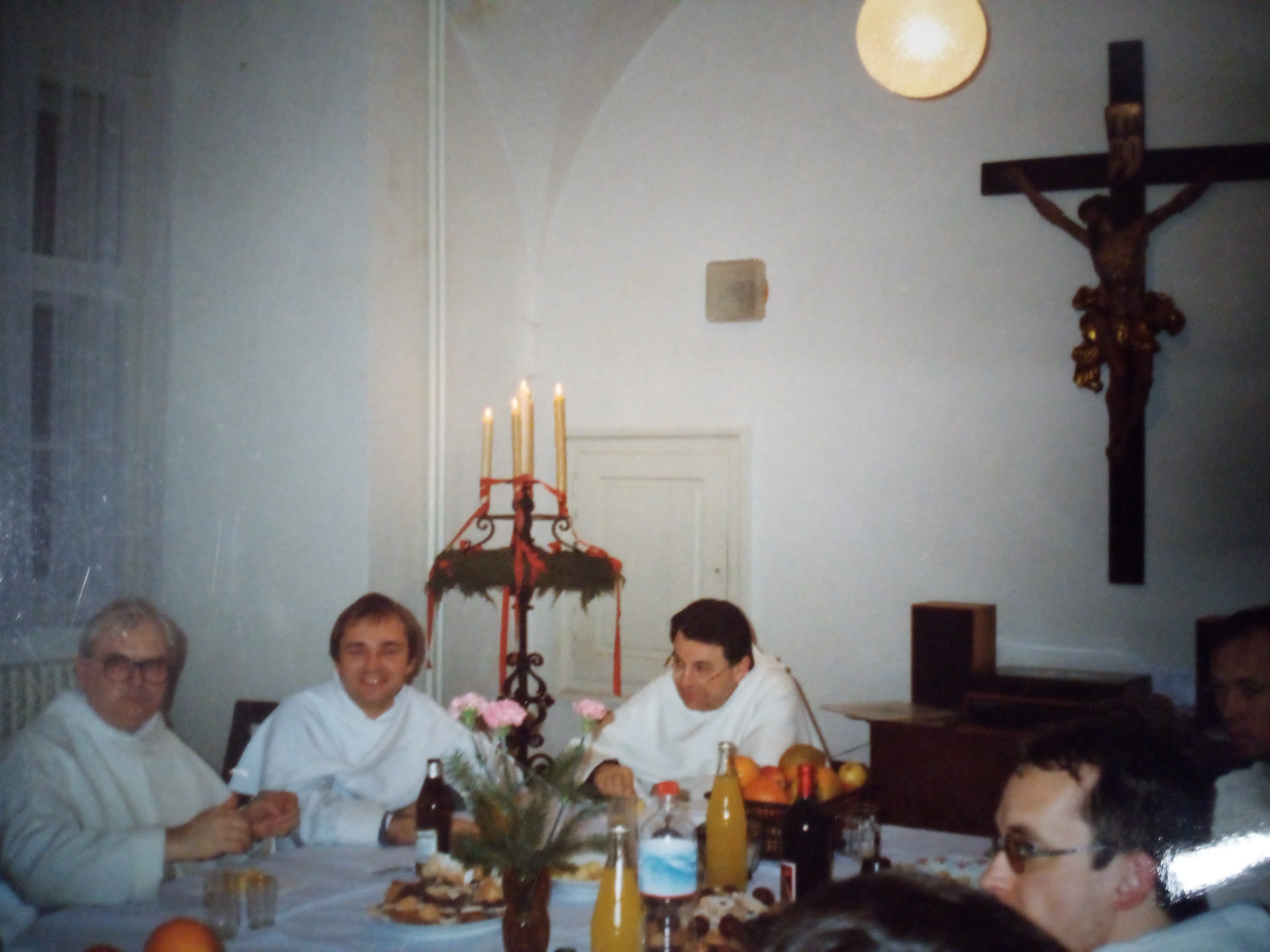
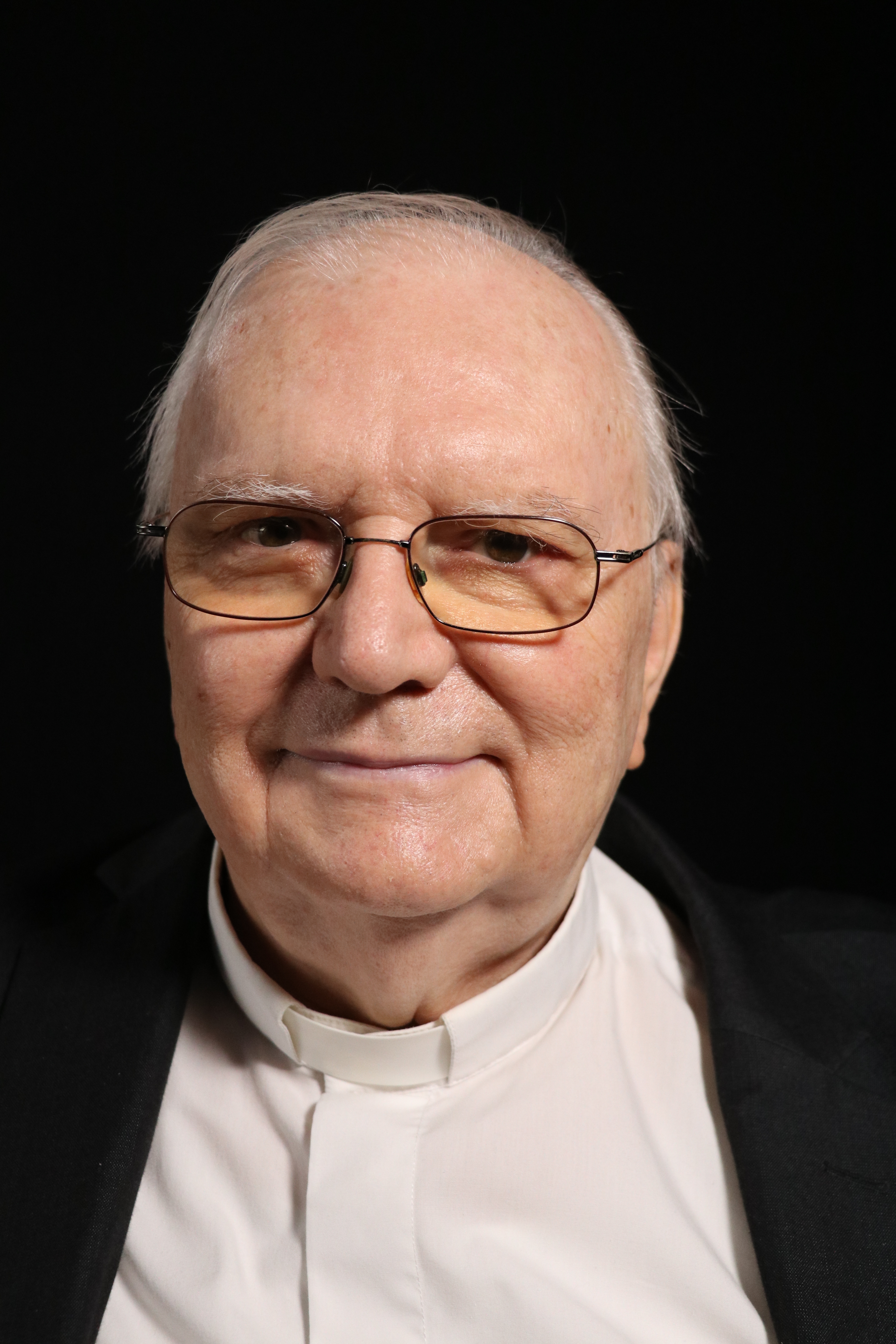
Jiří Rajmund Tretera was born on June 8, 1940 in Prague, Vršovice. After his birth he was baptized in the Evangelical Church of Czech Brethren in Vinohrady. His siblings are philosopher Ivo Tretera and biophysicist Svatopluk Röhling. His father, František Tretera, was imprisoned during the war, expelled from Sokol by the communists, and then worked in the mines in Kladno. From the war he remembers especially its end and the Prague Uprising, building barricades. In 1957 he graduated and entered the Faculty of Law of Charles University, from which he graduated in 1962. He served in Litoměřice for two years. After the war he worked as a corporate lawyer at ČKD Dukla, from 1977 until the revolution he was a lawyer at Výstavba města Prahy. In 1967-1971 he studied his dream of African studies, but the course was cancelled. He completed his spiritual conversion in 1972, when he became a Catholic. From 1980 he studied underground General Studies with the Dominicans, was admitted to the Third Order in 1982, and in 1987 joined the Dominicans, taking the name Rajmund. However, he remained active in both churches, teaching Sunday school and serving on the Evangelical Synod Council. He is a co-author of many church laws and a leading expert on canon and canon law. He has been a lecturer at the Faculty of Law of the Charles University since 1990 and was ordained a priest in 1991. In 2023 he lived in Prague.
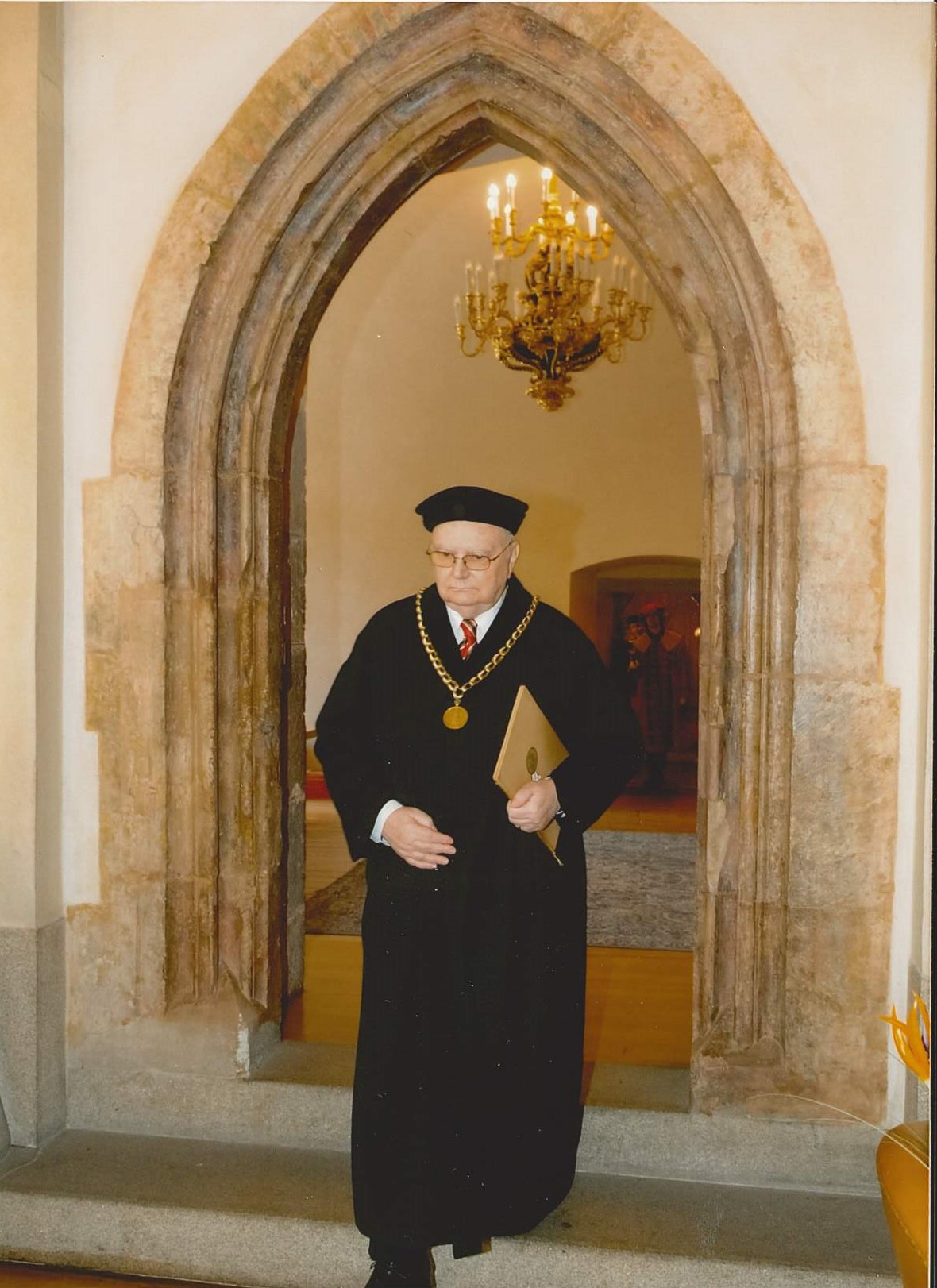
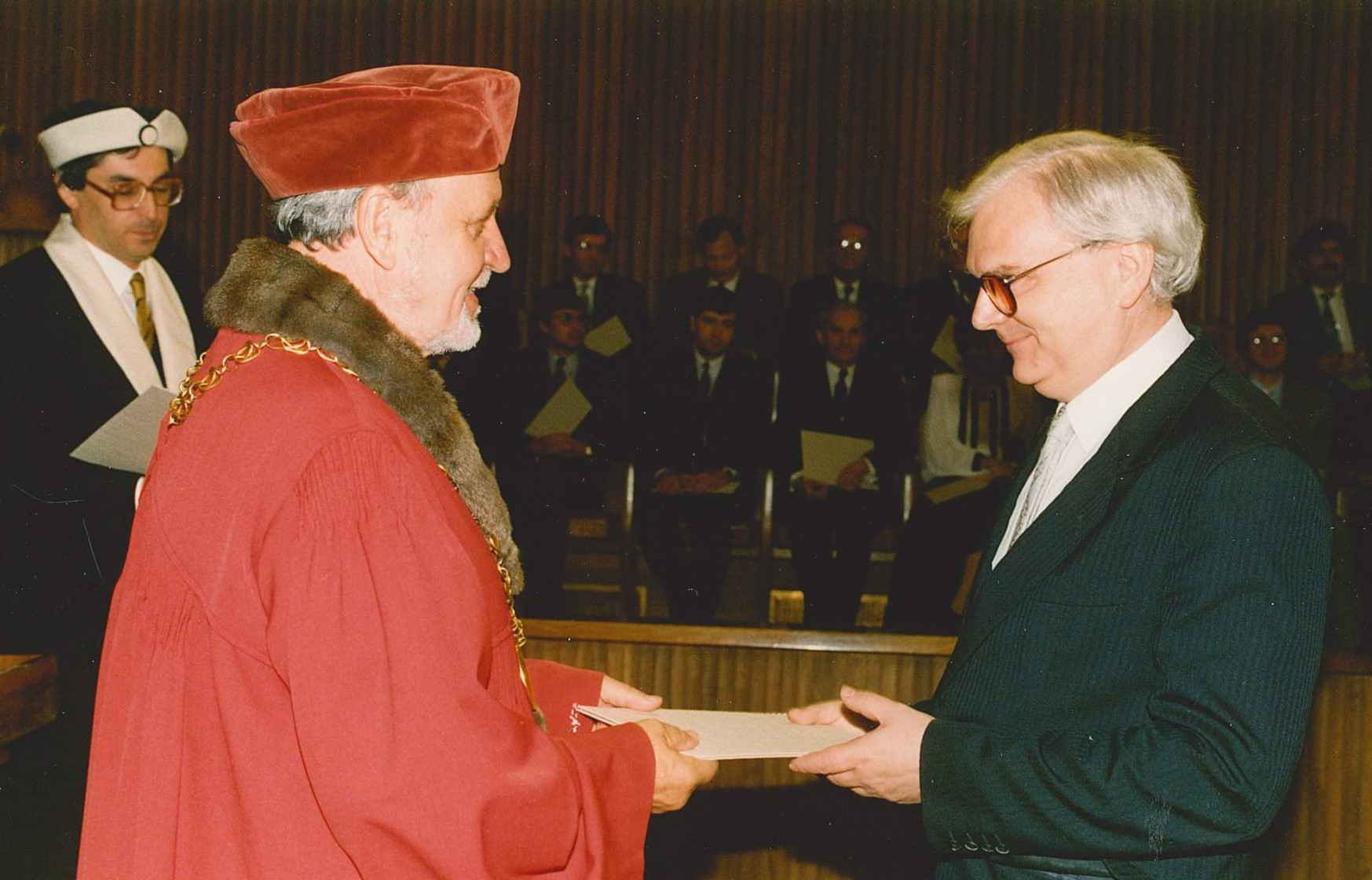
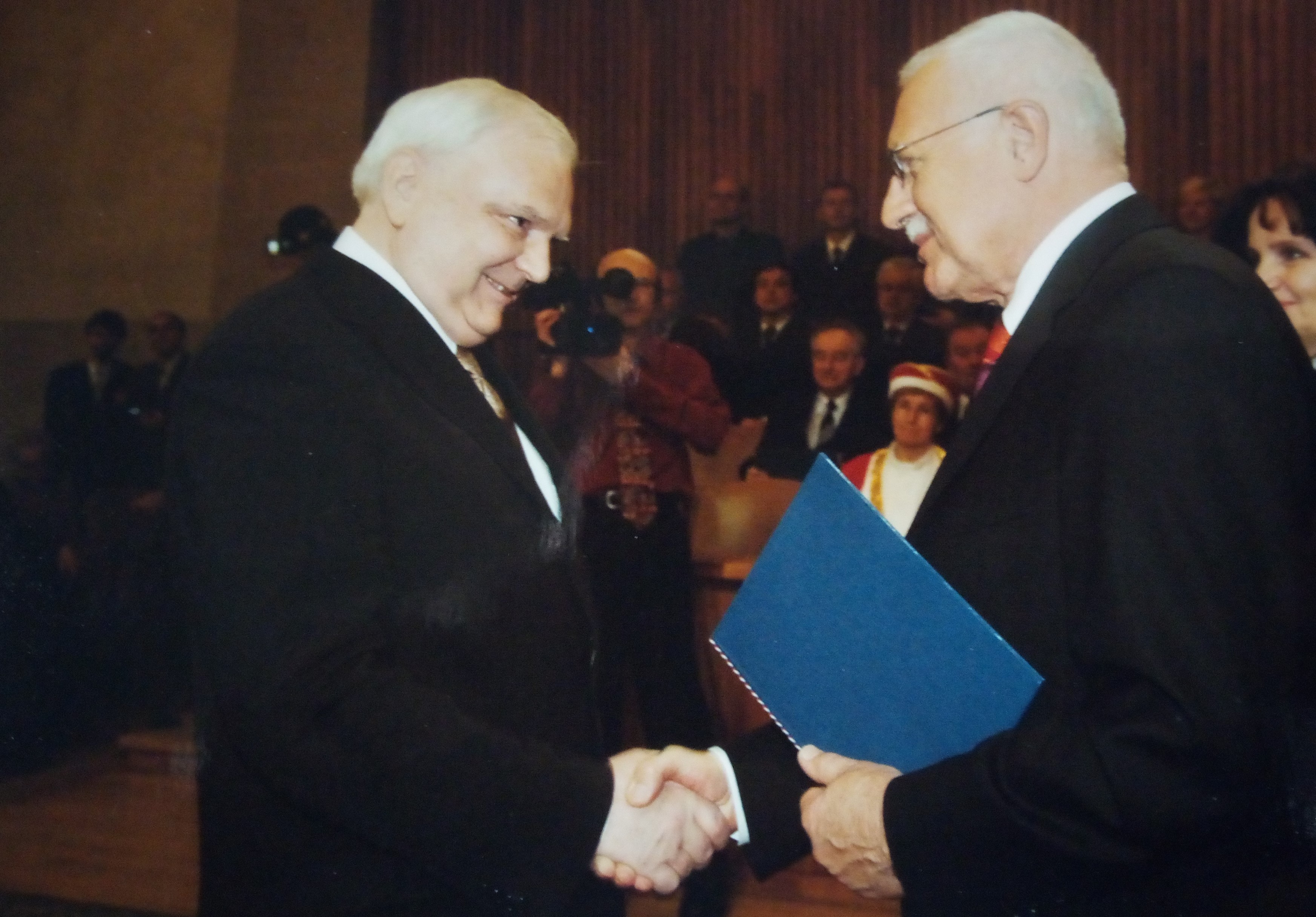
Rector of Charles University Prof. Radim Palouš presents J. R. Tretera with his diploma of Associate Professor of Church Law, September 21, 1993, Prague
Rector of Charles University Prof. Radim Palouš presents J. R. Tretera with his diploma of Associate Professor of Church Law, September 21, 1993, Prague