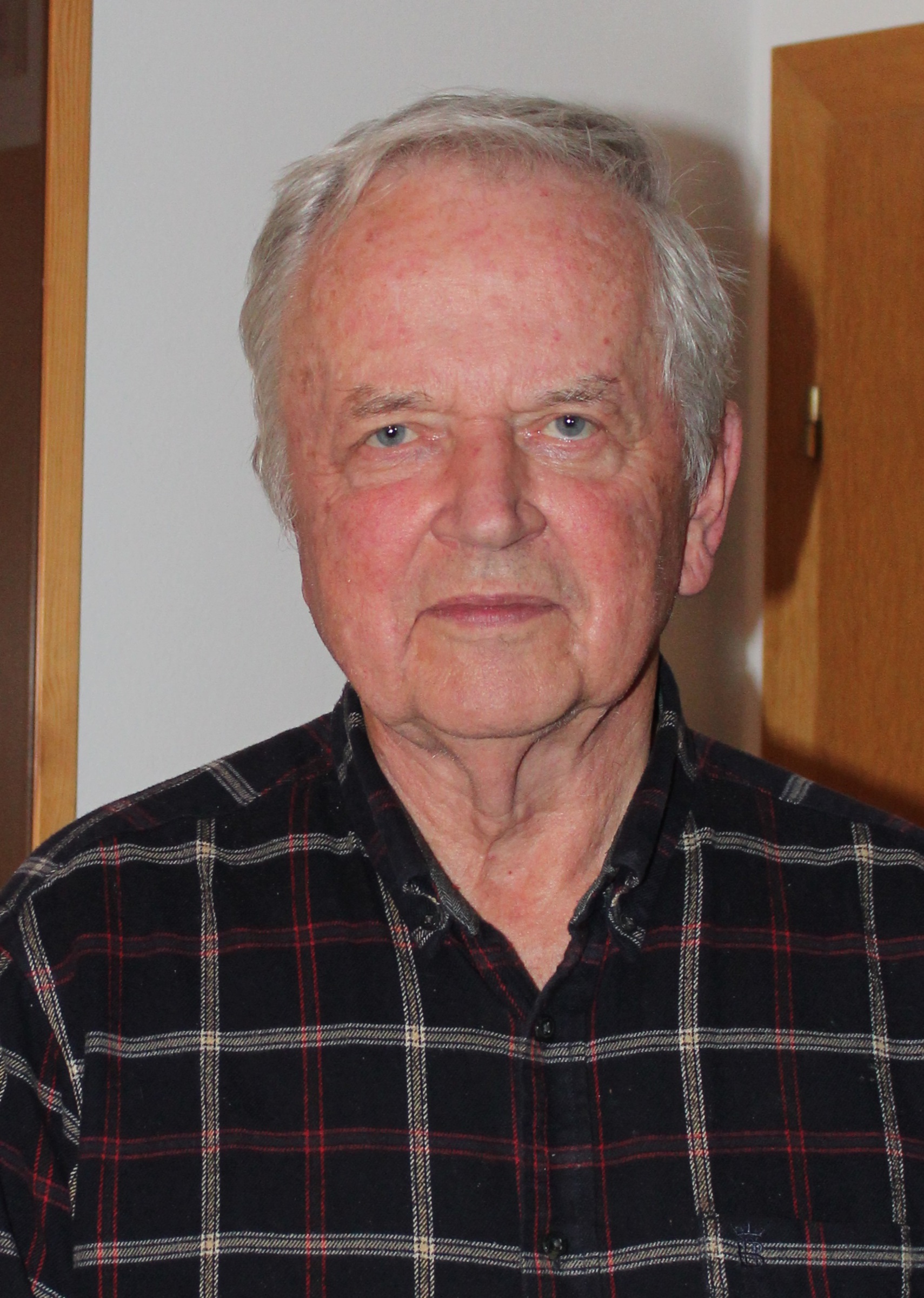
PhDr. Jiří Tichota

* 1937

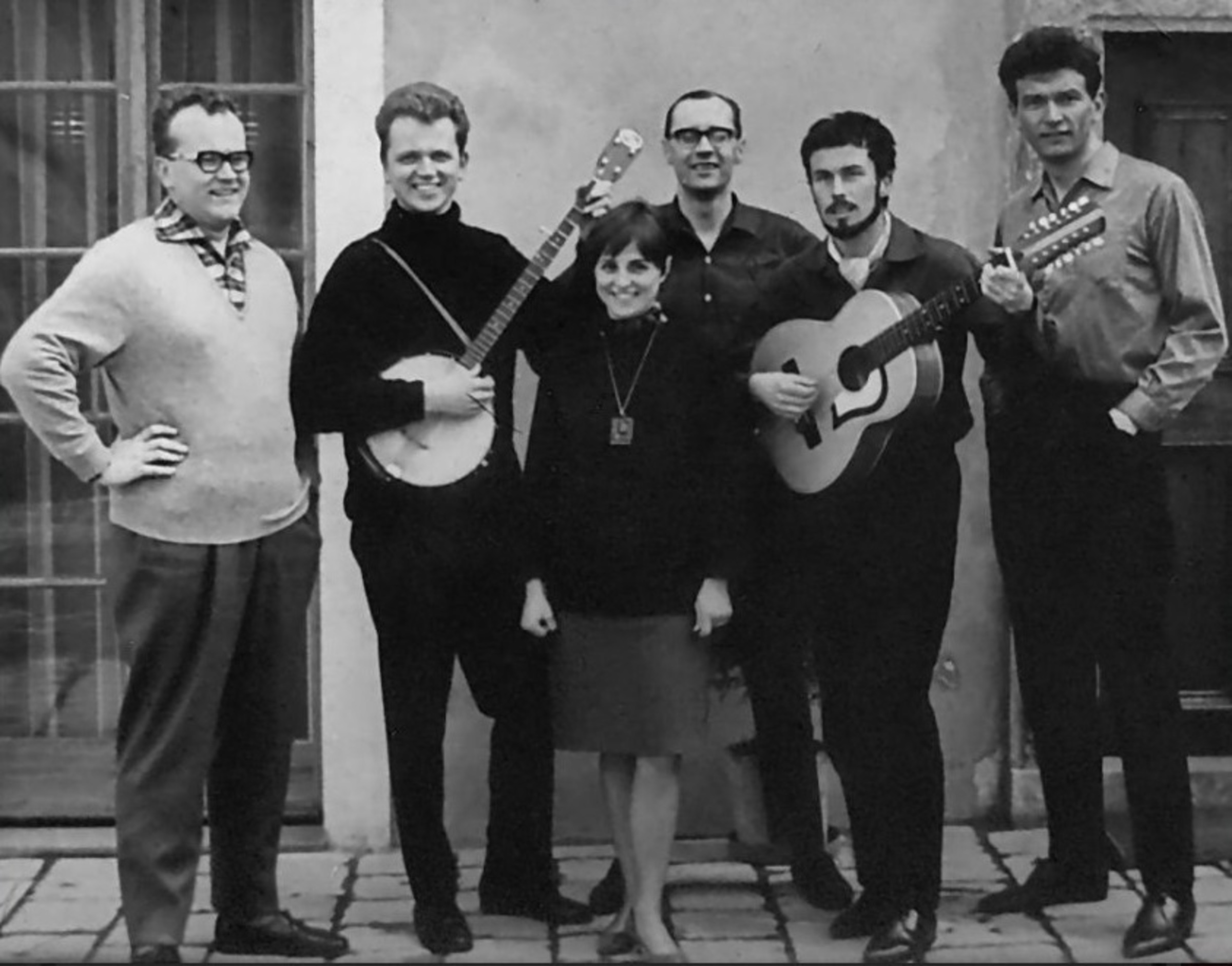
  • "Kvintet samozřejmě brzy začal narážet. Ta věc byla taková, že jsme měli jednu výhodu proto, že komunisti se vždycky tvářili jako ochránci proletariátu, utlačovaných všude na světě, a černoši patřili - a to nebyla žádná pomluva, tak to skutečně bylo, to všichni víme, že tam skutečně segregace existovala a s čím jsem skutečně nesouhlasil, co se mě nelíbilo a bylo mě jedno, že totéž vykřikují komunisti, i když nikdy jindy jsme společné věci nevykřikovali, ale ta věc nám pomohla. Protože problém byl, jak asi všichni vědí, že angličtina nebyla žádoucí. Kapely, které se jmenovaly anglicky, podniky, které se jmenovaly anglicky, trampské osady, které se jmenovaly anglicky, se všechny musely přejmenovat, protože anglicky to nešlo, ale u těch spirituálů, tam byl jeden problém. Tak jako neměli rádi angličtinu, tak ale neměli rádi náboženství. A když jsme zpívali spirituály anglicky, tak oni podle sebe soudili, že publikum nám nerozumí a to jim bylo milejší než abychom zpívali o Kristovi a náboženské texty těch spirituálů, takže jsme měli výjimku a anglické texty jsme zpívali. No ale pak jsme se rozhodli, že to je škoda, protože lidé tomu nerozuměli a hlavně jsme udělali změnu v tom, že jsme si řekli: Heleďte, my nejsme vázaní na to zpívat pořád dokola biblické příběhy nebo aspoň ne všechny a můžeme si vybírat takové náměty, které se nám líbí. A hodilo se nám všechno, co mluvilo o svobodě. Byli jsme mladí, chtěli jsme žít jinak a byla taková atmosféra, byla šedesátá léta, vypadalo to, že to bude všechno krásné a tak jsme se rozhodli, že budeme psát svoje české texty nezávislé na tom, o čem byl překlad. Takže když jsme napsali třeba Spirituál Až se k nám právo vrátí, tak nikdo netušil, že v originále - a tvrdili jsme, že to je anglický překlad - nikdo netušil, že originální text je více důvěry v Krista."

  • "Asi za 4 dny na to, co jsme se vrátili do toho rozbitého domu, se od Zbraslavi objevil průvod a v jeho čele kráčel nějaký menší chlapík vysvlečený do půl těla, blonďák, který měl do kůže svěracím špendlíkem přišpendlenou ceduli: Jsem vrah lahovických mužů. On měl nějaké poškozené levé oko a podle toho ho někde u Rokycan snad poznali a zatkli a pěšky ho přivedli zpátky a předhodili ho těm čerstvým vdovám, třídenním nebo čtyřdenním, které ho napřed tam tloukly klacky a musím to říct, i když je to... - vždycky to přitom těžko vyslovuju - potom ho vzali na nějaký dvůr, ten dům dodnes stojí i strom vedle něj - pověsili ho za nohy hlavou dolů, polily benzínem a zaživa ho upálily."

  • "A já jsem k pěti letům dostal koloběžku, byl jsem se projet po silnici, na které jsme si jinak i hráli, běhali jsme po ní, prostě tam nic nehrozilo, jenom na Hitlerovy narozeniny, což bylo tuším 20. dubna, vždycky jel jeden autobus do Zbraslavi na počest Hitlera. A já jsem si tam projížděl na koloběžce a proto, že náš dům, ten kde jsme bydleli v pronájmu, stál hned vedle silnice, tak jsem bez ohlédnutí do něj zajel, jenže za mnou zaskřípaly brzdy a zastavil se německý vojenský terénní vůz, který jel rovně a nepočítal s tím. Já jsem samozřejmě nedal znamení, že budu odbočovat, a on prudce zastavil a někdo na mě začal německy křičet - nějaký důstojník a ještě tam seděl, jak jsem viděl, vyšší důstojník vedle něj, on ho vezl a začal na mně něco německy křičet a já jsem samozřejmě německy nerozuměl, ale tatínek byl na zahrádce toho domu a německy mluvil, takže slyšel, co se děje a vyšel ven a ten důstojník, jak mě otec pak přeložil, na mě křičel: ty parchante, kvůli tobě se mohl zranit německý důstojník a mého otce na té ulici zfackoval."

  • “On 5th May the shooting started in Prague. The men from Lahovice therefore built a barricade on the bridge over the Berounka River and they did it for two reasons: one was to prevent the Germans from escaping from Prague to the West. But actually, what mattered was a different thing: the Germans had called in some tank divisions from the West to come and put down the Prague Uprising, and they were stopped by the barricade where people with several rifles tried to prevent the Germans from reaching Prague. What is unbelievable about it is that when they then .. blasted the barricade to pieces, they also destroyed by shooting the flat in which we lived, and the commander of the SS group then had all men in Lahovice executed at night on 8th May. Not many people speak about it, and so I am speaking about it.”

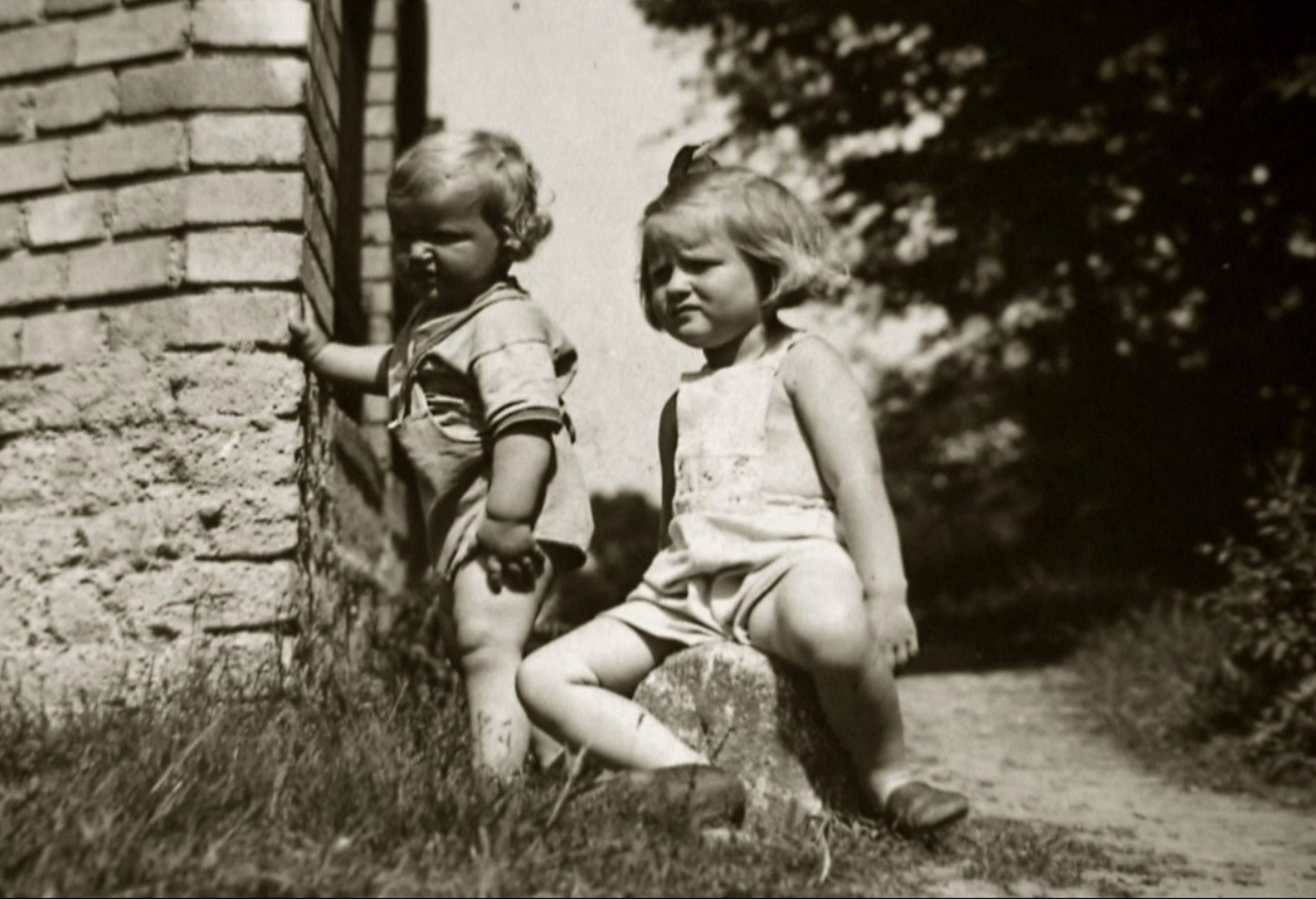
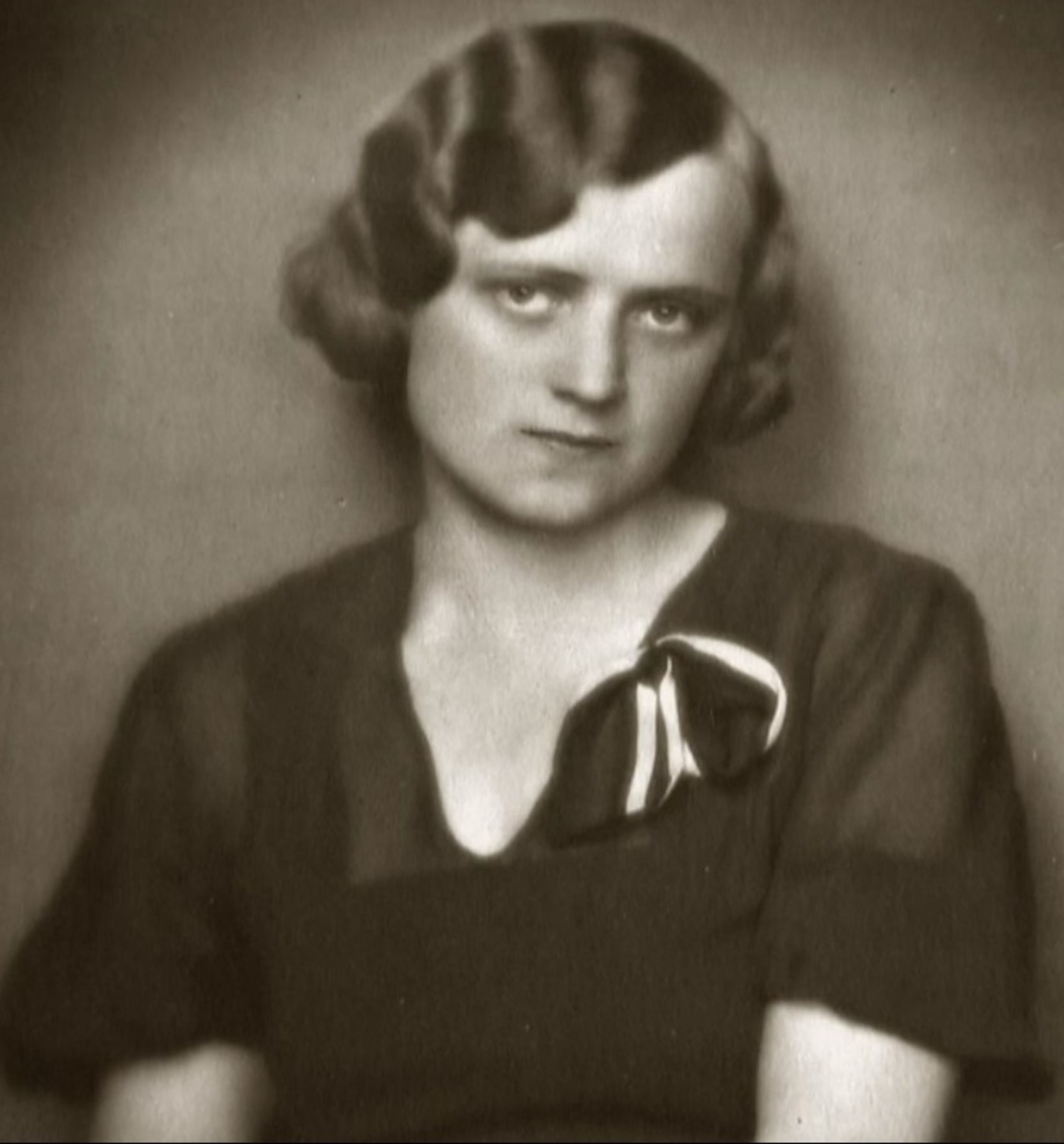
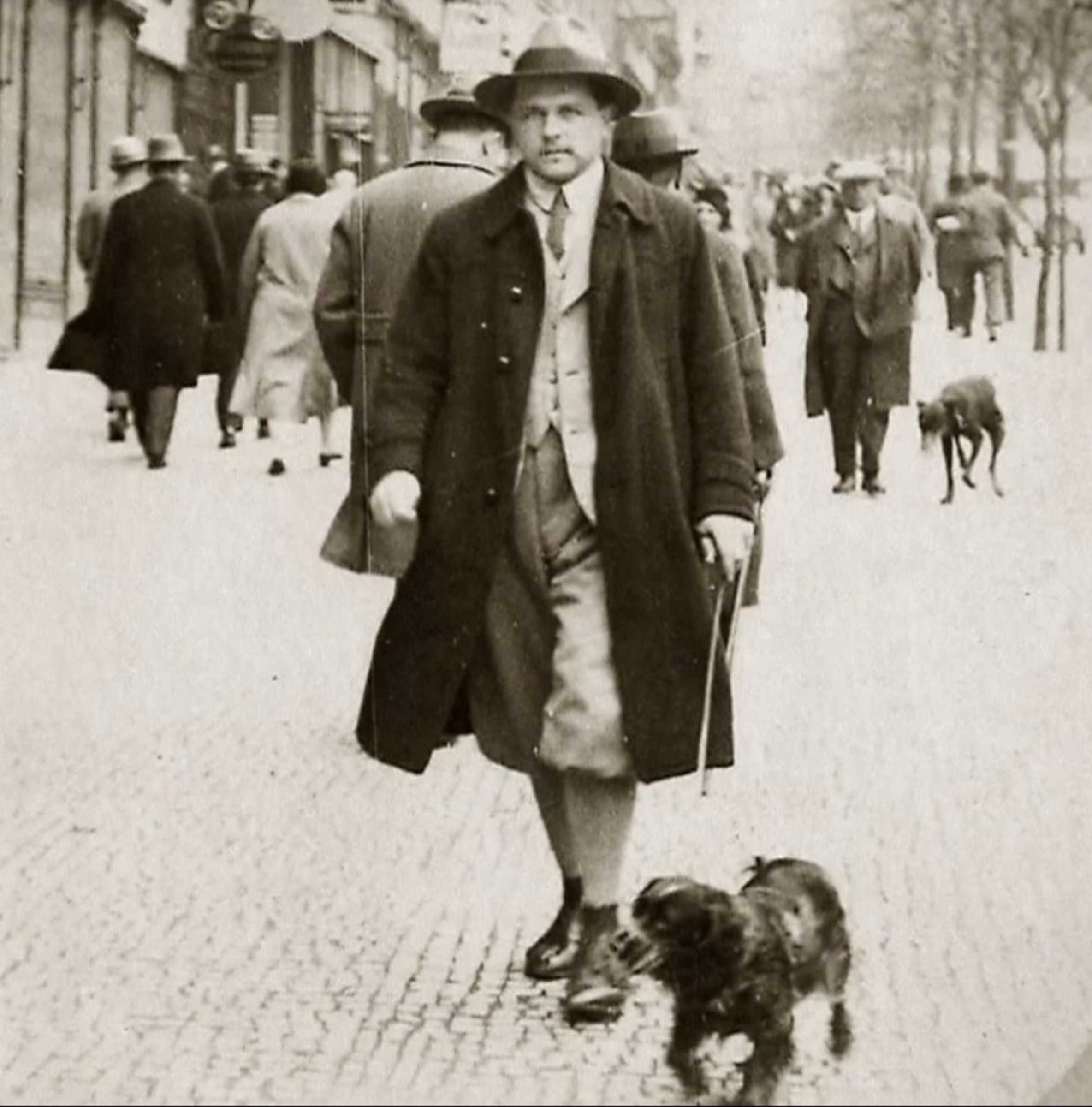
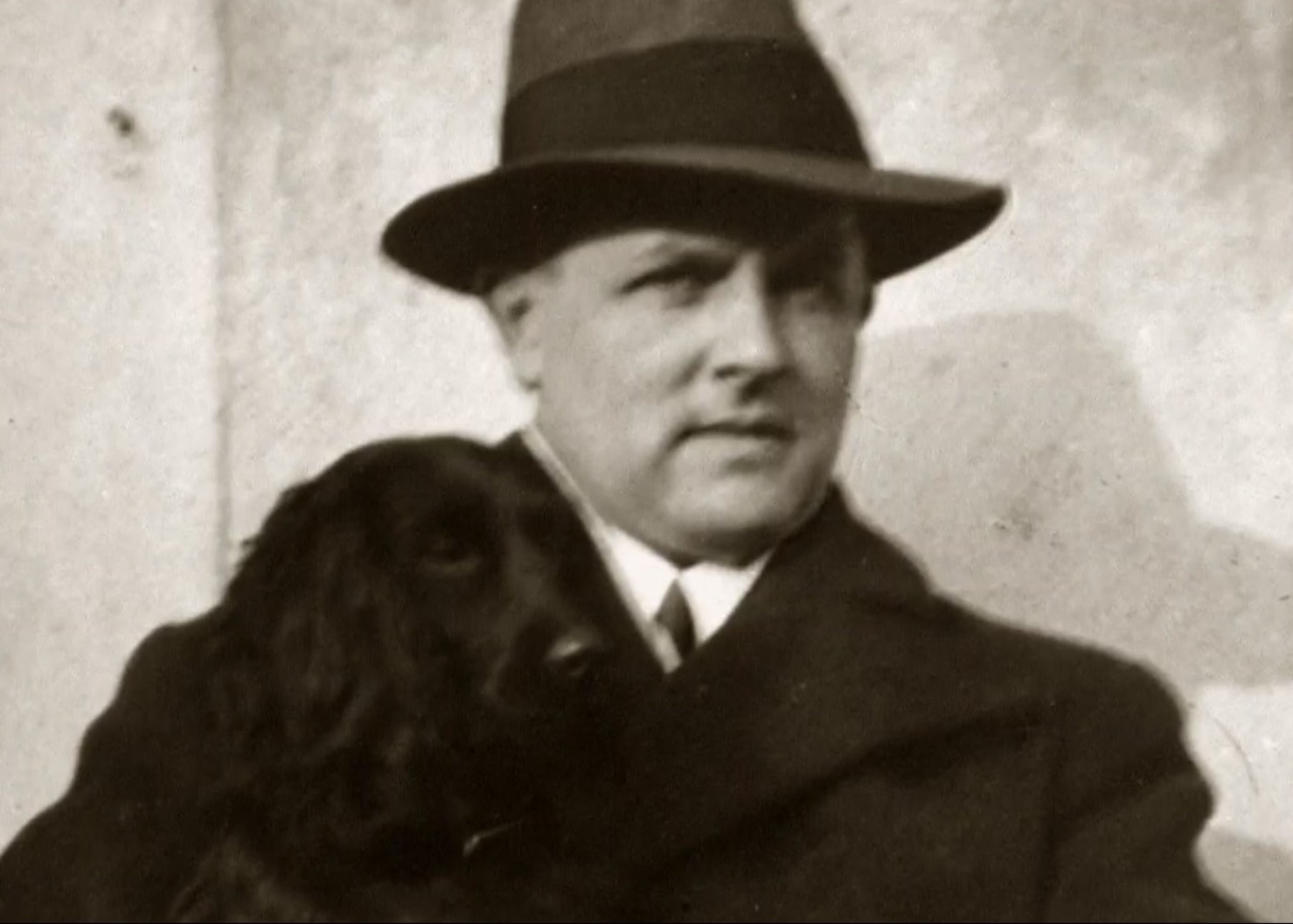
  • “My dad was imprisoned without a reason in 1951 or 1950, as it was done in those times. A kind of an anti-state group was formed based on the fact that at that time he worked for a business that dealt with catching of animals. It was a state-owned company for export of animals. And something happened there and daddy was included among those who were accused. Our family was not told anything at all, dad simply did not come back home from work. My mom had serious heart problems and she was a housewife and she could not work, and obviously when her husband – my dad – had not come home, she tried to find out what had happened. They denied that they had arrested him, and we did not learn anything else. In the place where he worked she was told that they did not know where he was. For half a year our whole family – we, little children, I and my sister Jiřina – were thus living with the notion that my mom was trying to find out what had happened with the father. She had no means to earn a living, because she was a housewife, and she did not work and she had two little children to take care of. Then one acquaintance of my father, a lawyer, somehow – it was dangerous in the 1950s – found out that dad had been arrested and that some court trial was being prepared with the whole group. He was imprisoned in Prague-Řepy and my mom gradually managed to get them to confirm this information for her. We were able to visit father in prison once every two months.”

  • “I remember that when we found out that he was in Řepy, where the convent now is; they were imprisoned in that convent. We were able to visit him there once every two months. It was always a horrible sight for us, because we were let into a room where three cops with red epaulettes were sitting, and they were in charge of the prisoners. Any my father in a striped uniform was in a cage in the middle of the room. It was a kind of a large wire cage, reaching almost to the ceiling. He was simply being kept inside the cage as we were talking with him. We were not allowed to give him anything nor go too close too him. My mom tried hard and my dad who since the times of the First Republic – obviously, I did not remember it – was terribly afraid of communists, and he especially regarded Stalin as a villain, which eventually turned out to be true. He was convinced that just like all the others who had been already eliminated, the group around him, the so-called traitors… my father too was convinced that he would never get out anymore. He always cried when we were leaving, saying the he would see us no more.”

  • Celé nahrávky
  • 1

    Točná, v bytě pamětníka, 23.11.2017

    (audio)
    délka: 02:30:16
    nahrávka pořízena v rámci projektu Stories of 20th Century
  • 2

    Praha, 18.09.2025

    (audio)
    délka: 01:54:05
    nahrávka pořízena v rámci projektu Stories of 20th Century
Celé nahrávky jsou k dispozici pouze pro přihlášené uživatele.

One has to be aware that one is not alone in the world
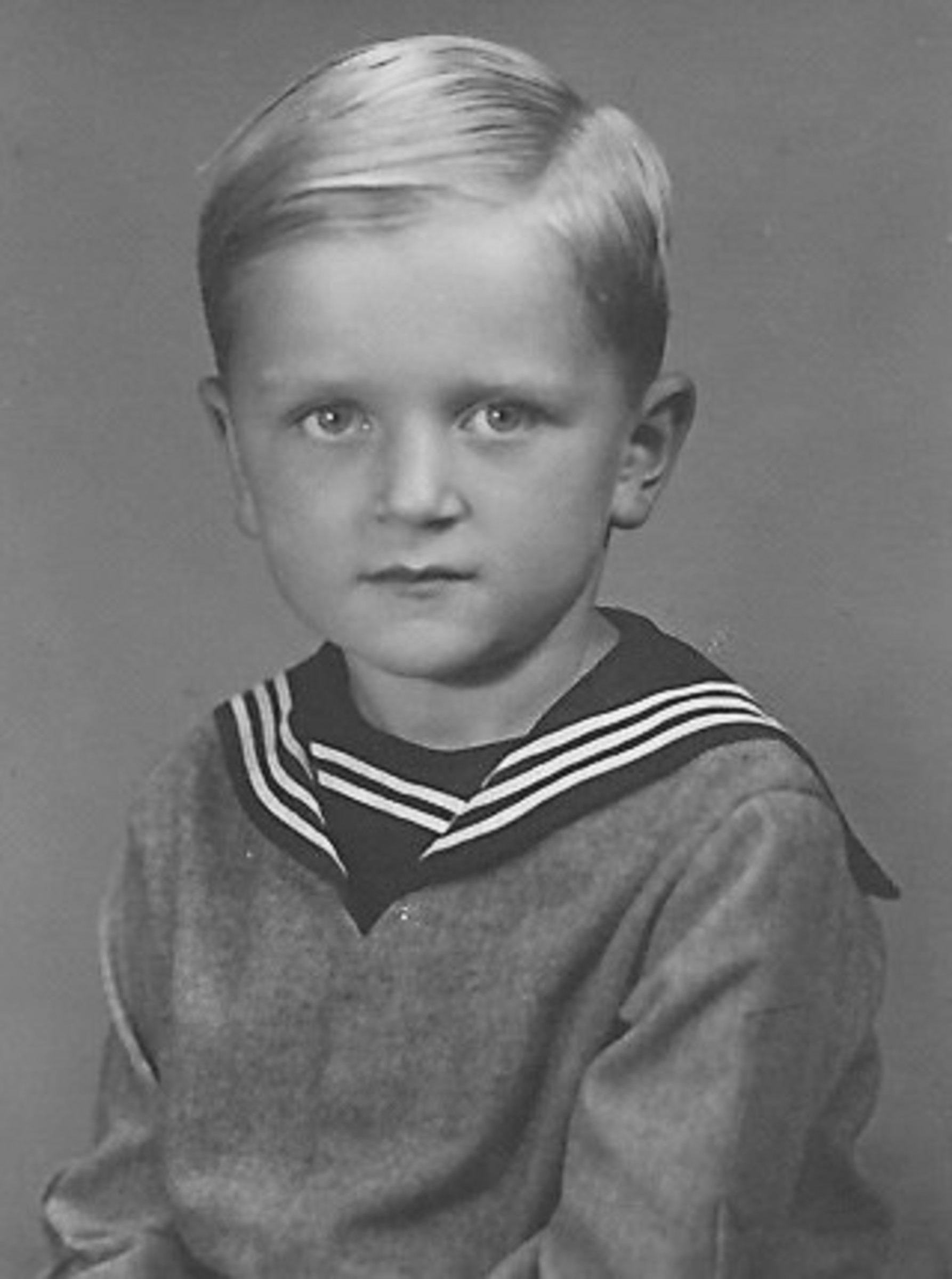
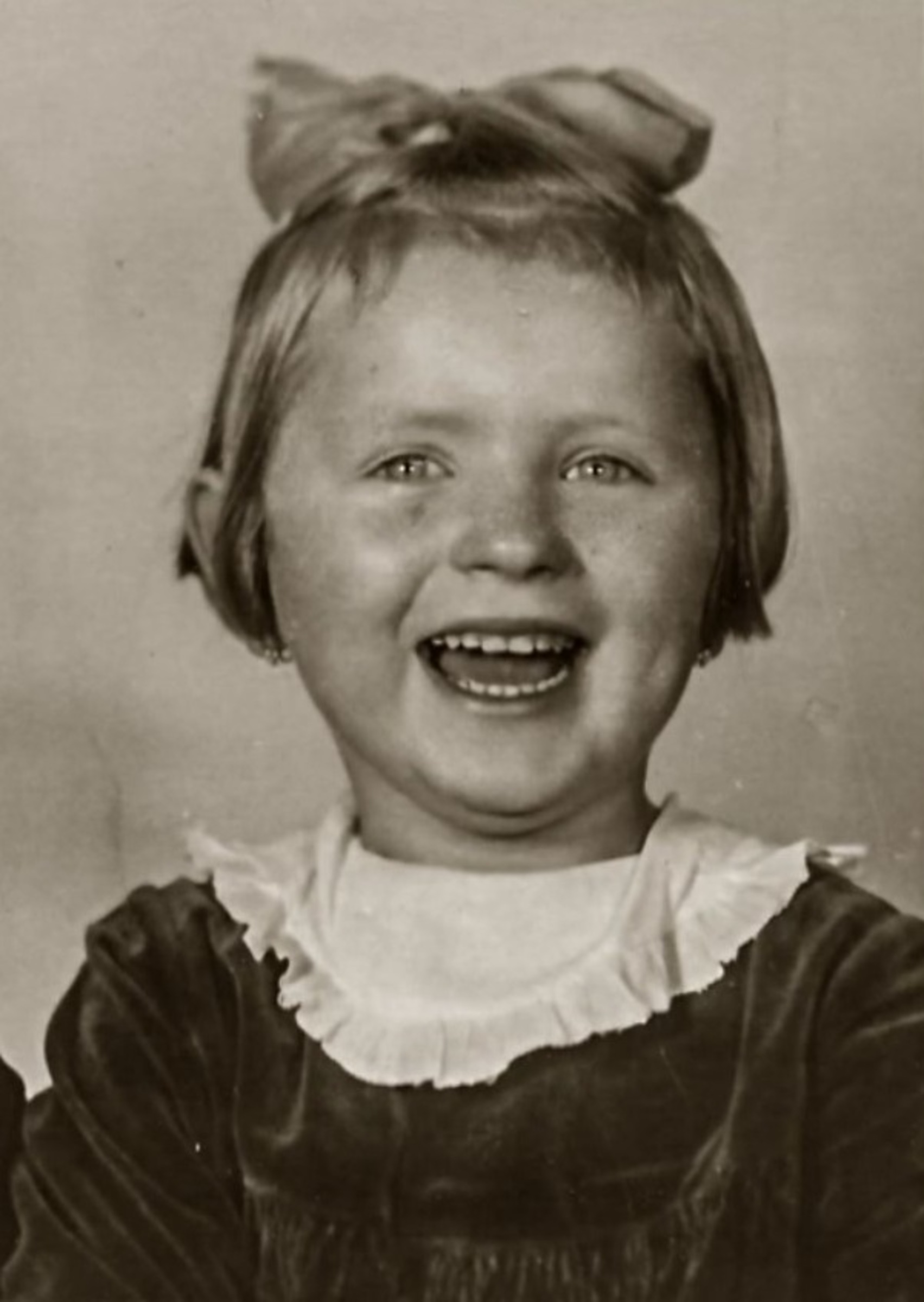
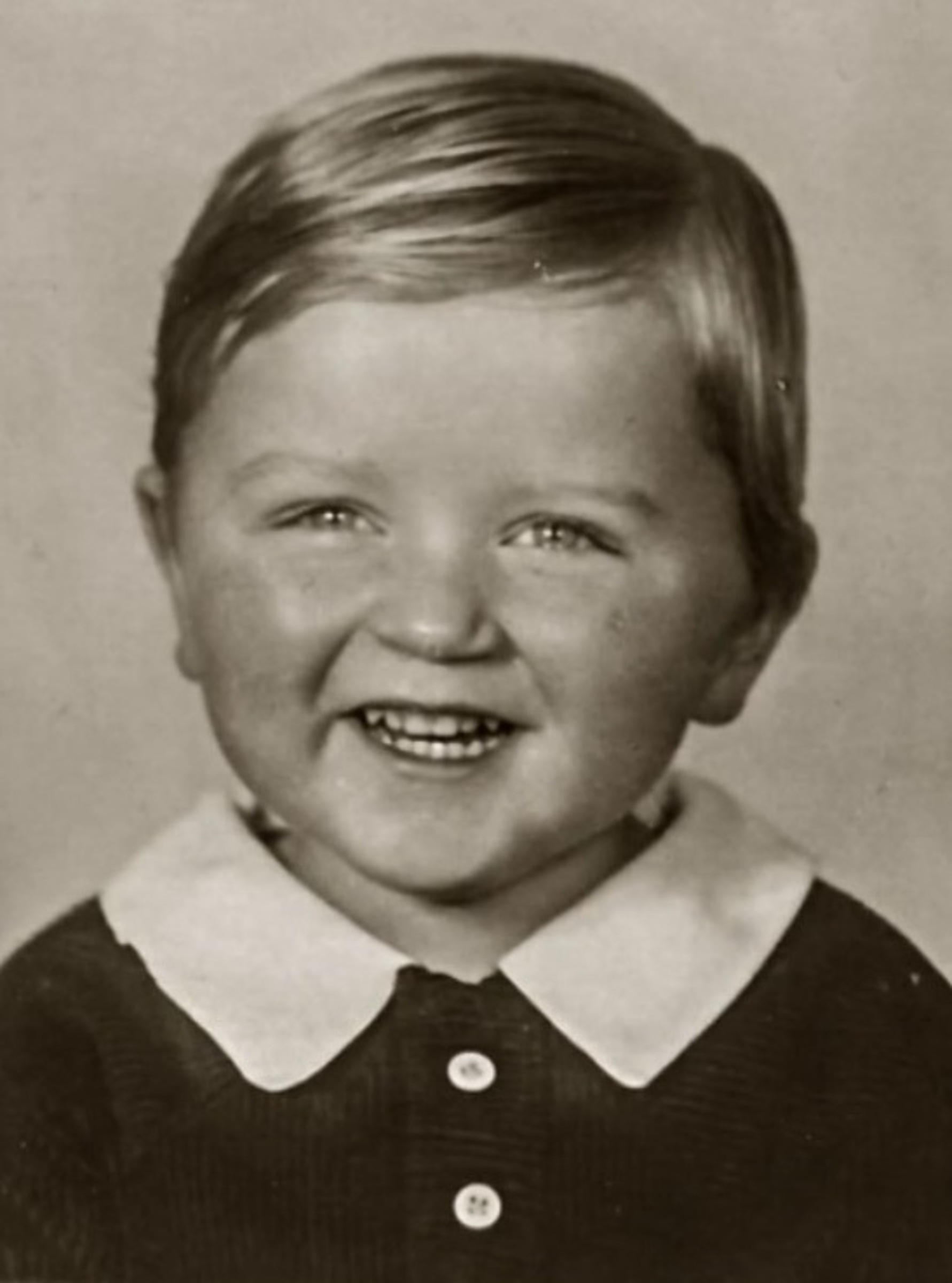
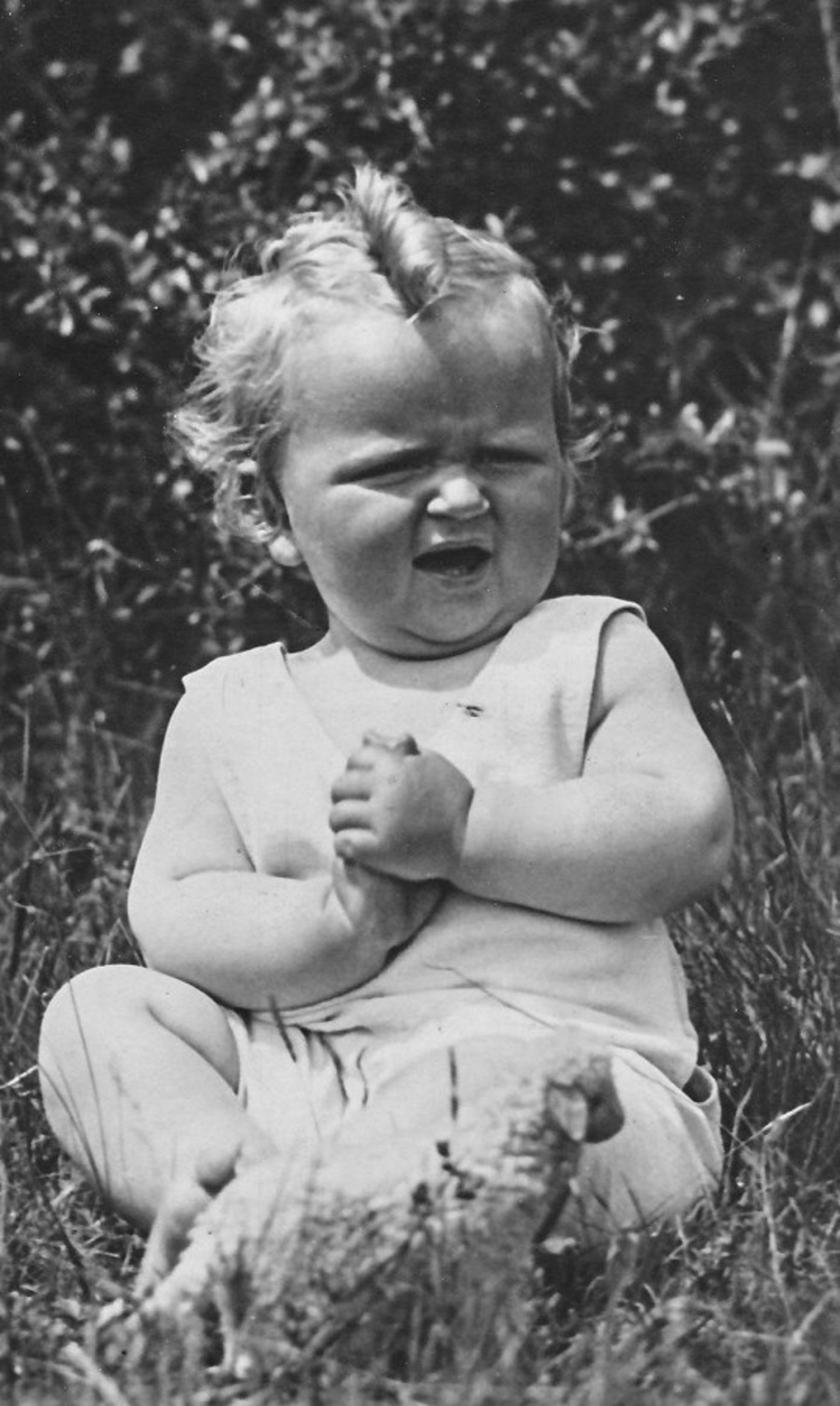
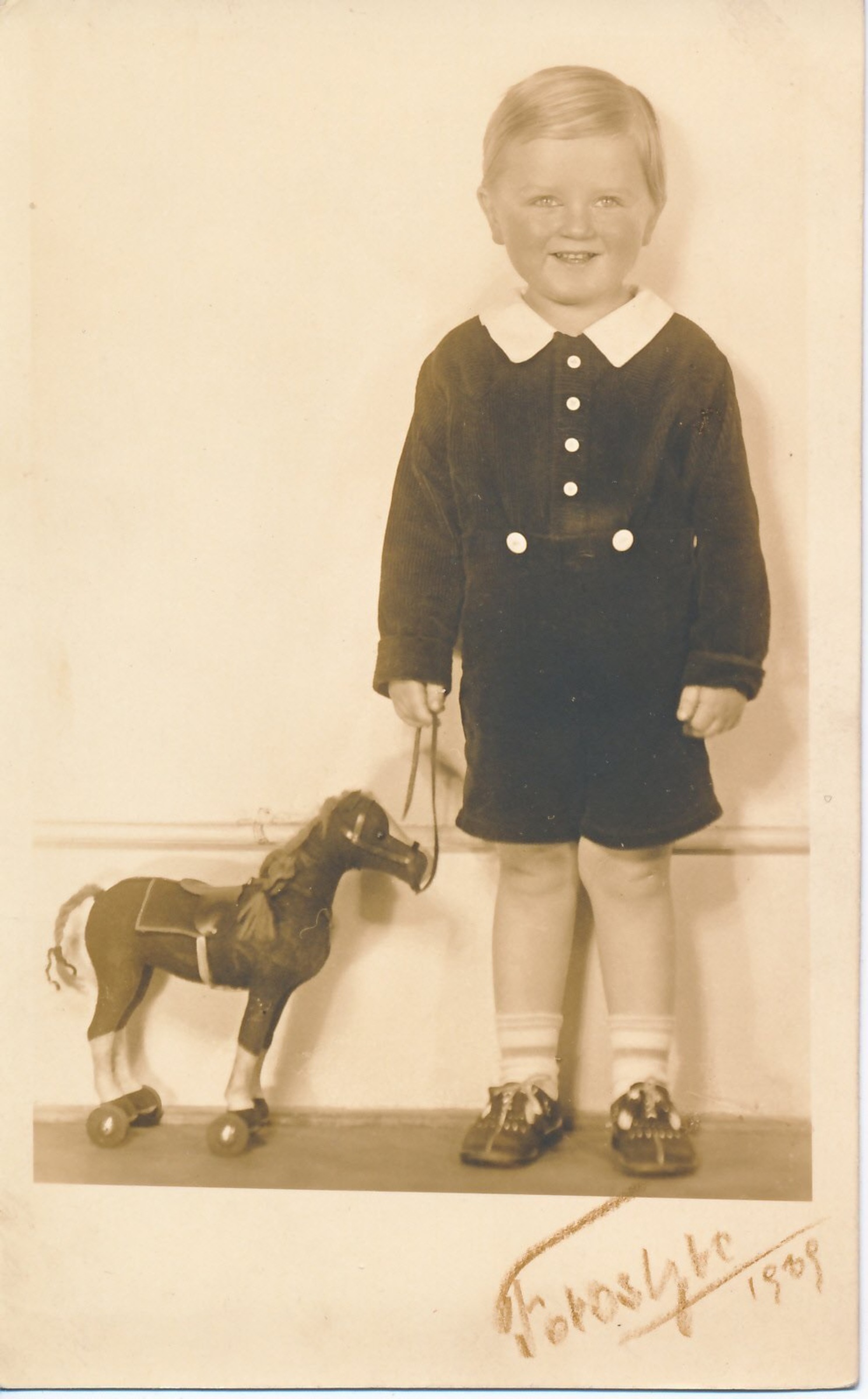
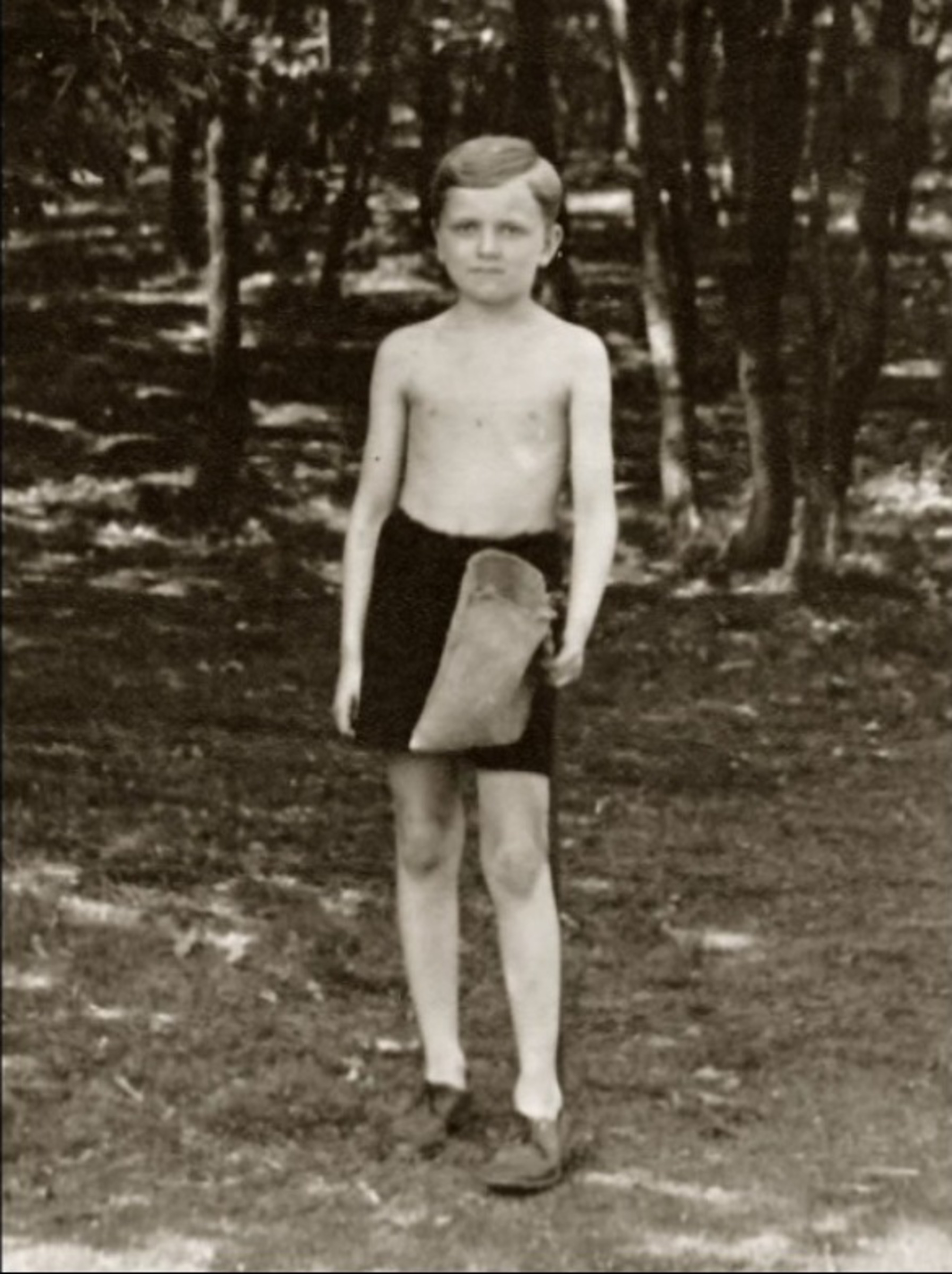
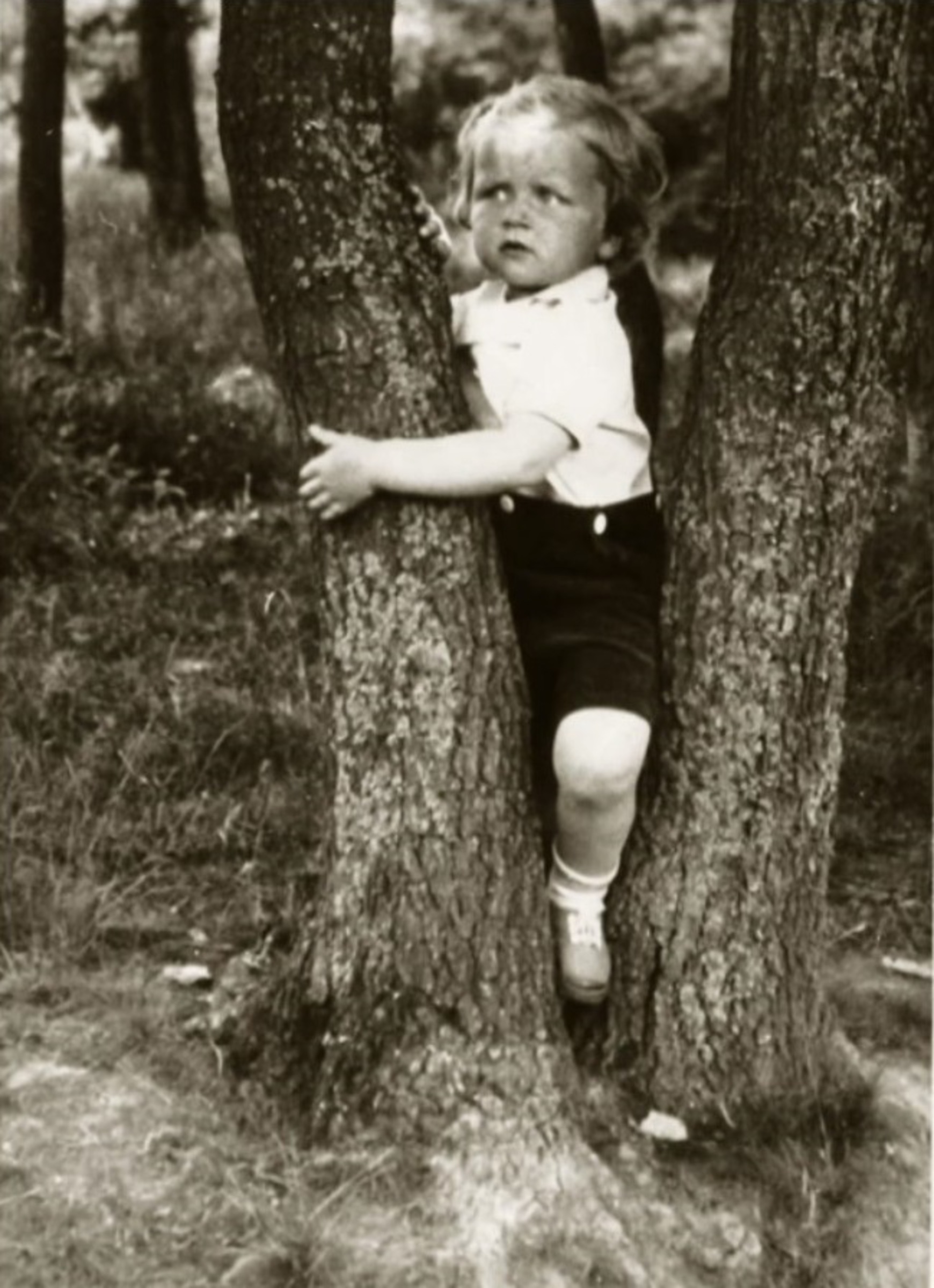
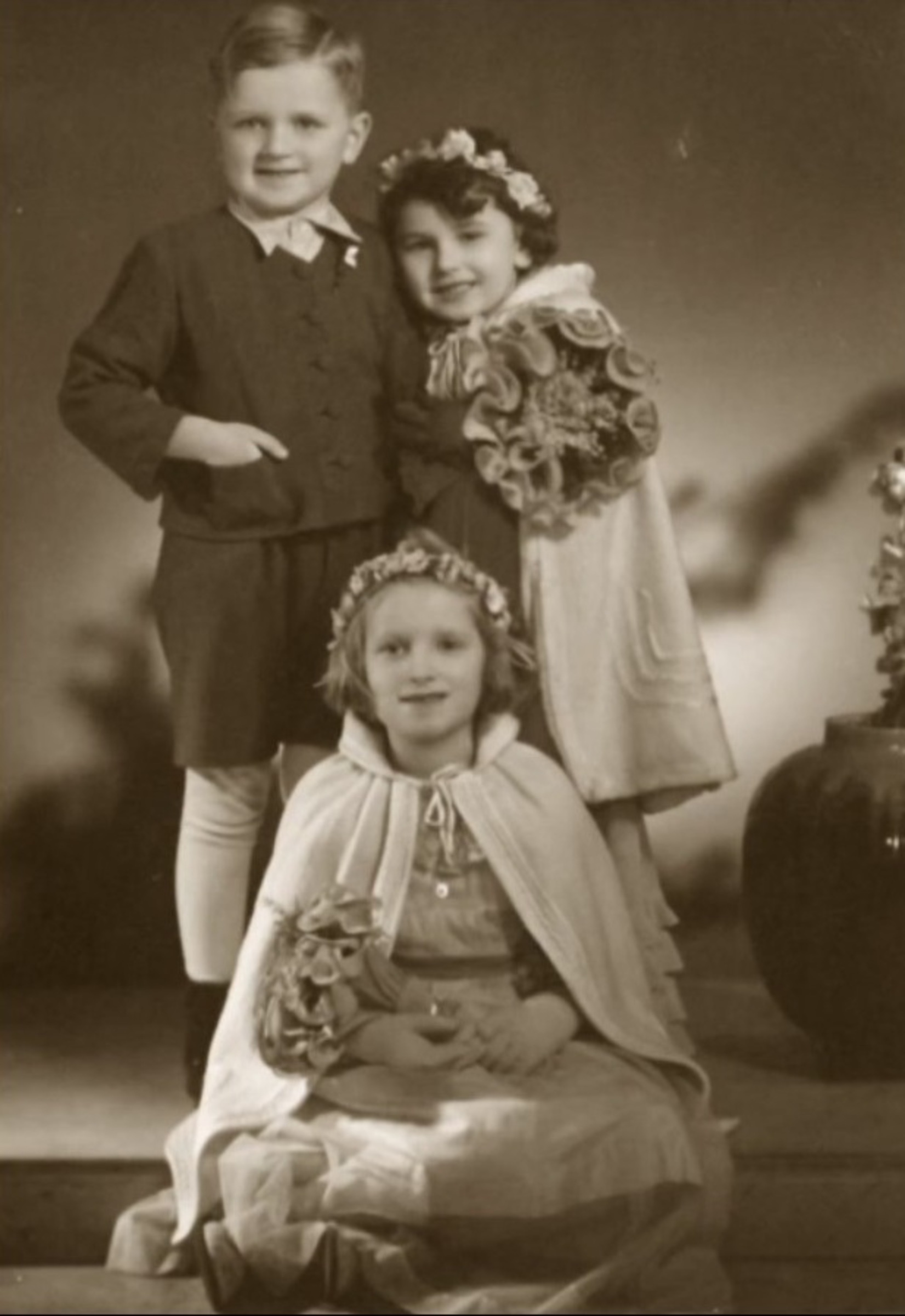
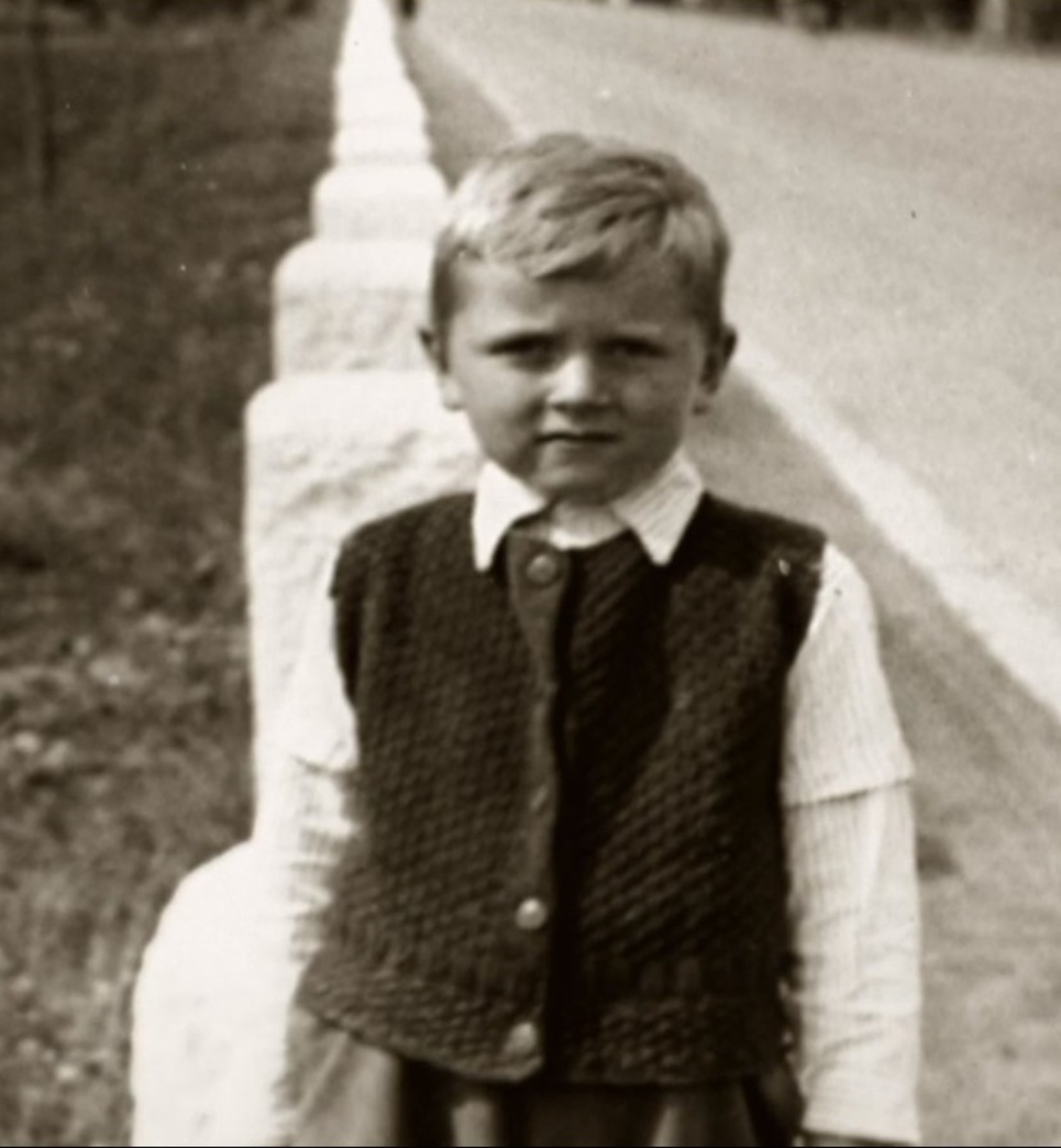
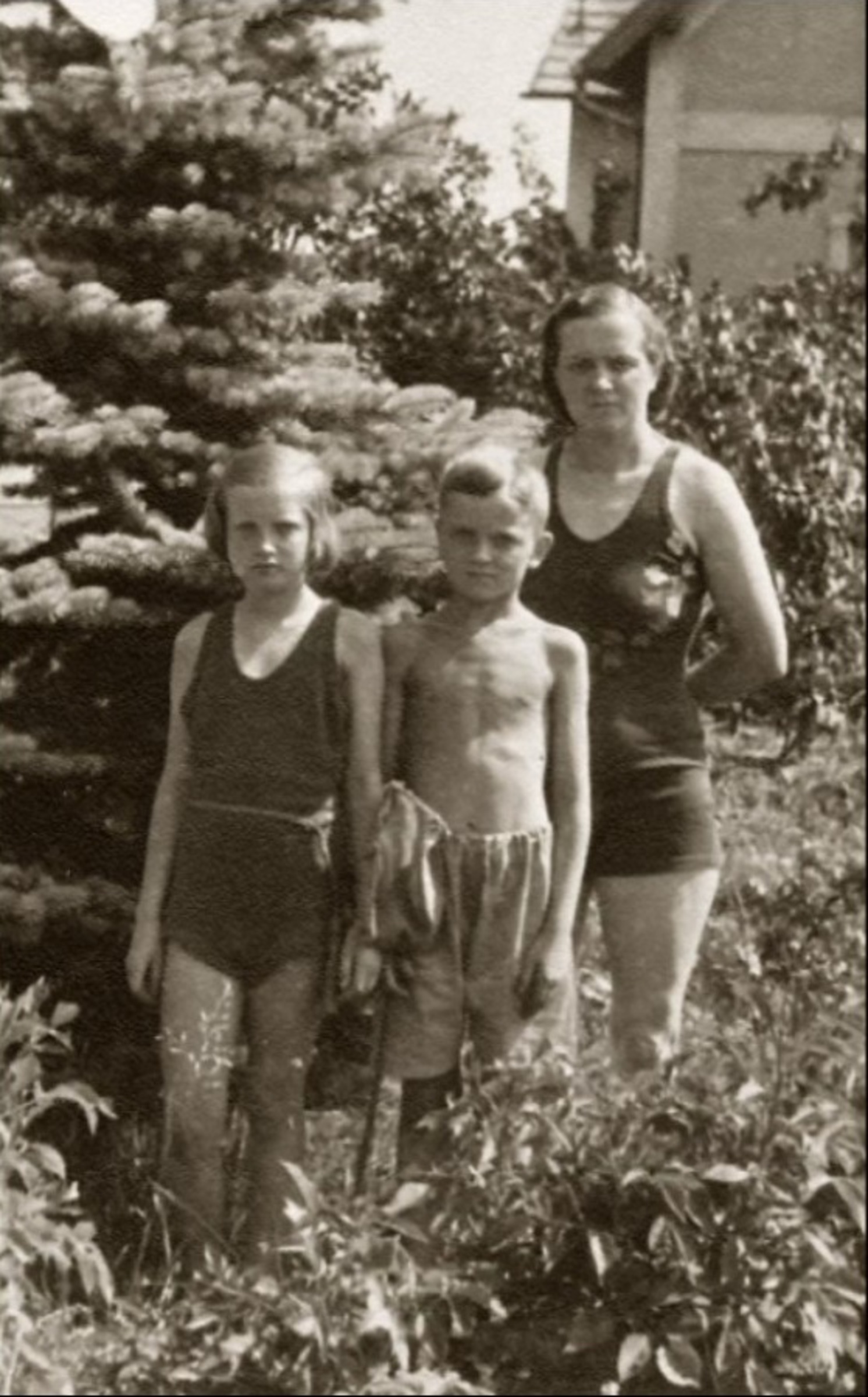
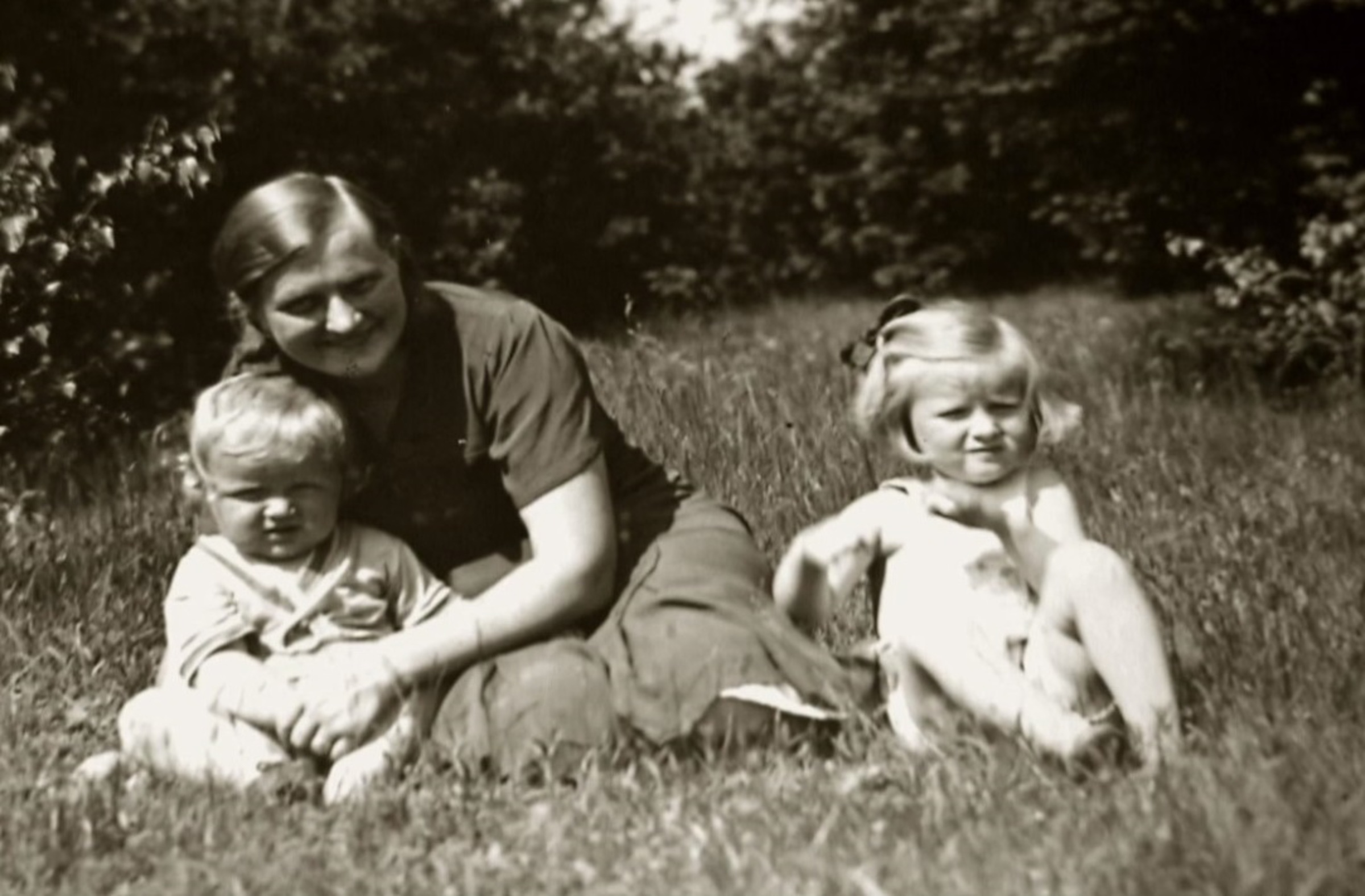
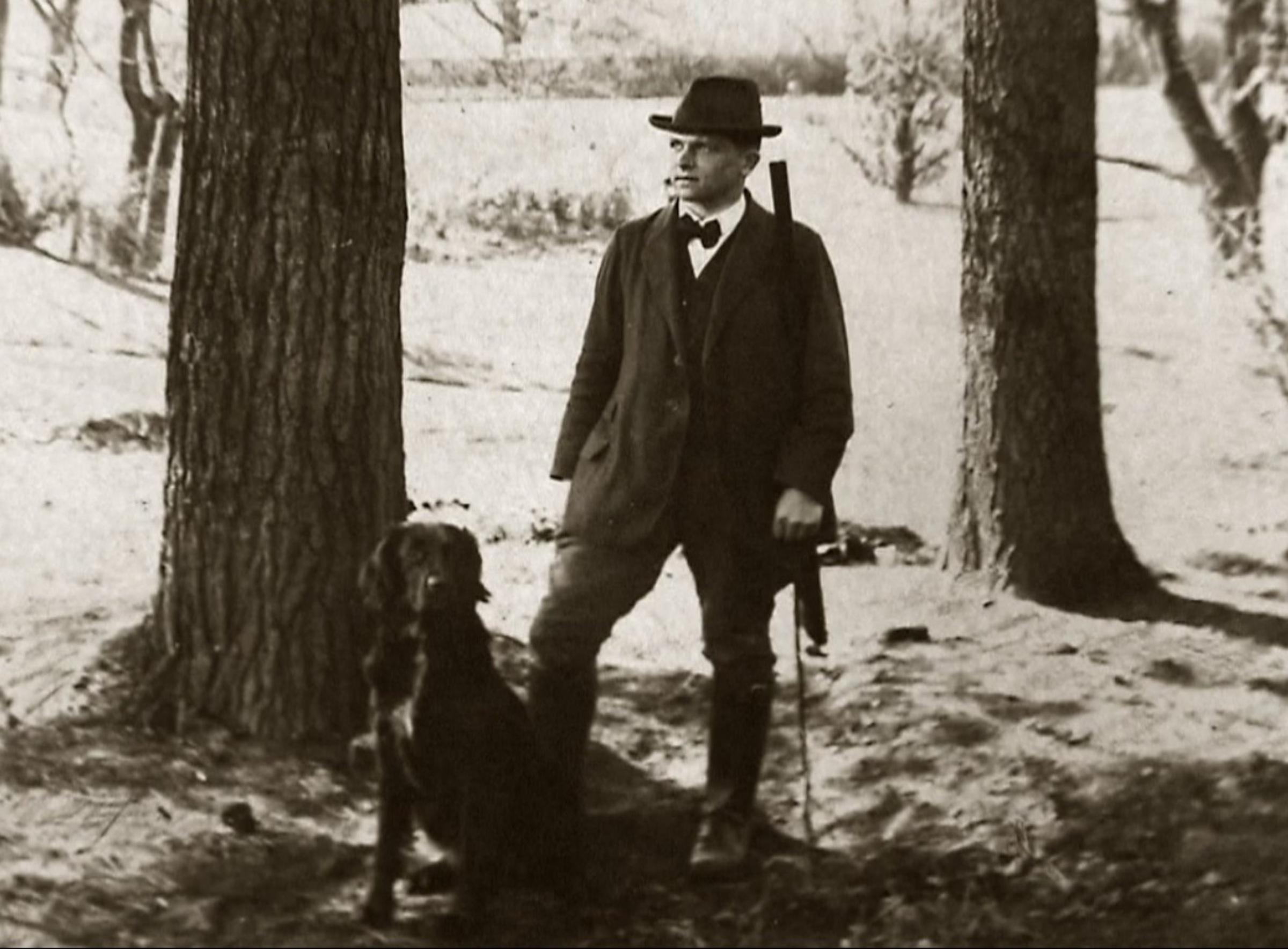
Jiří Tichota as a young boy
zdroj: archiv pamětníka

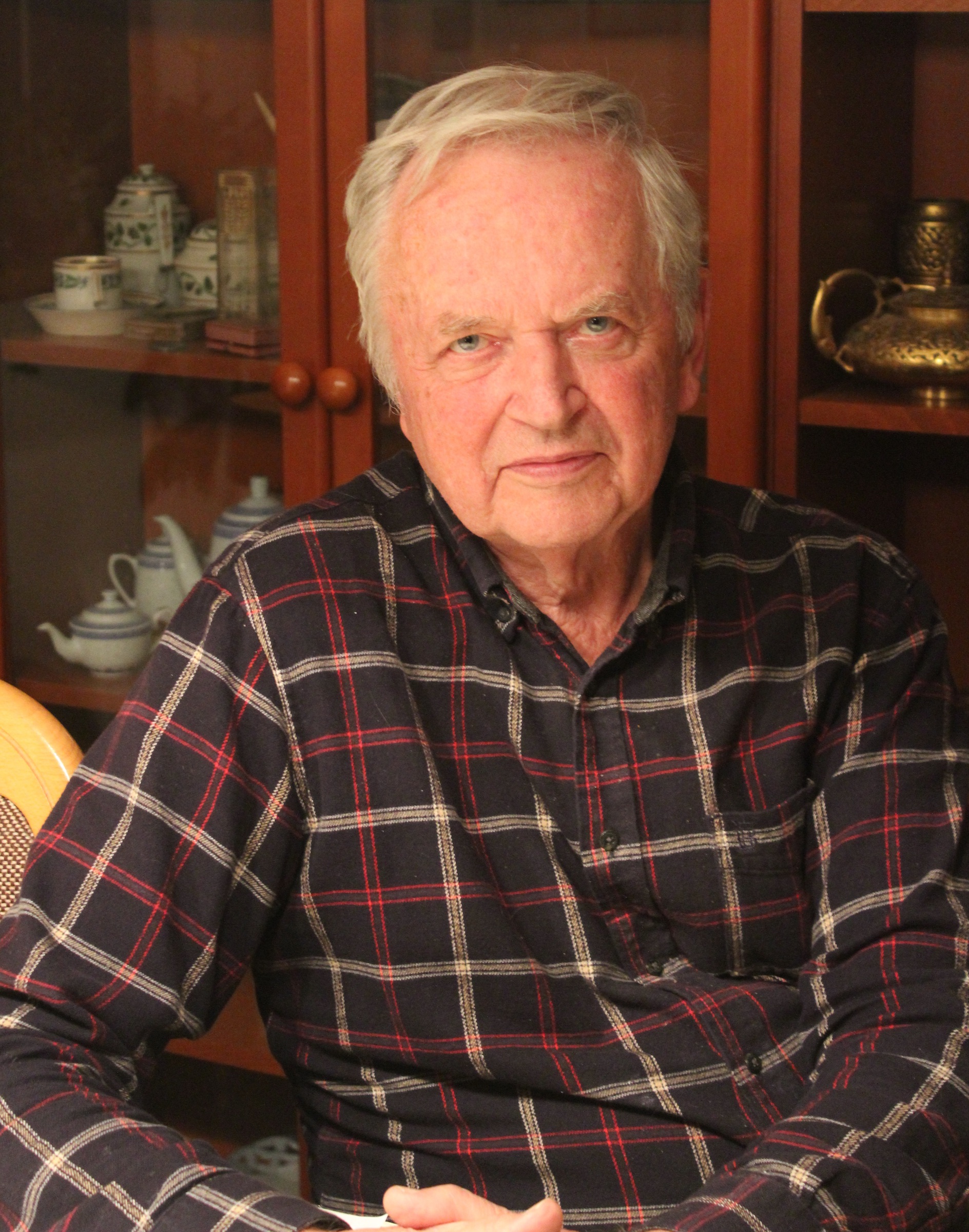
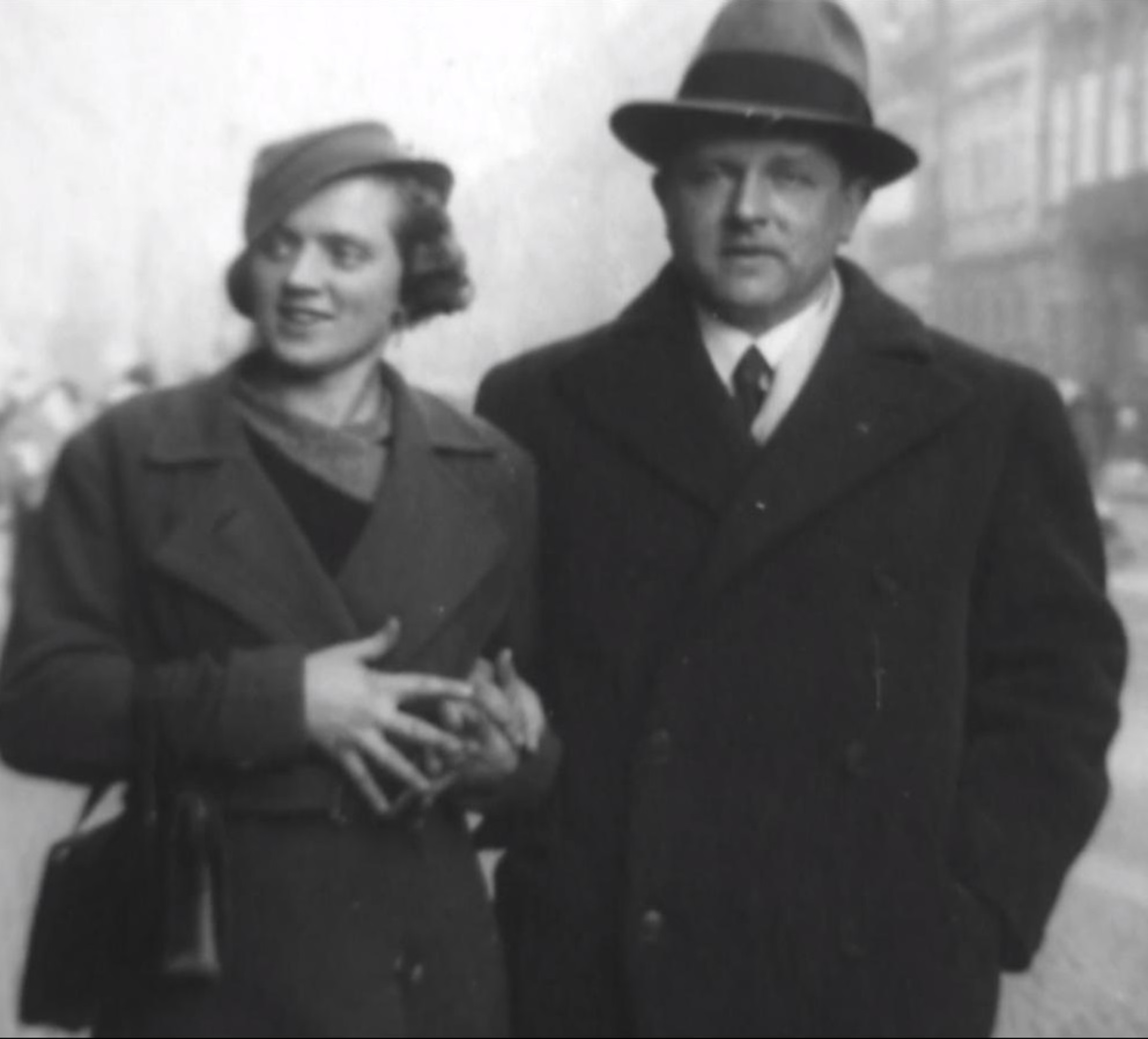
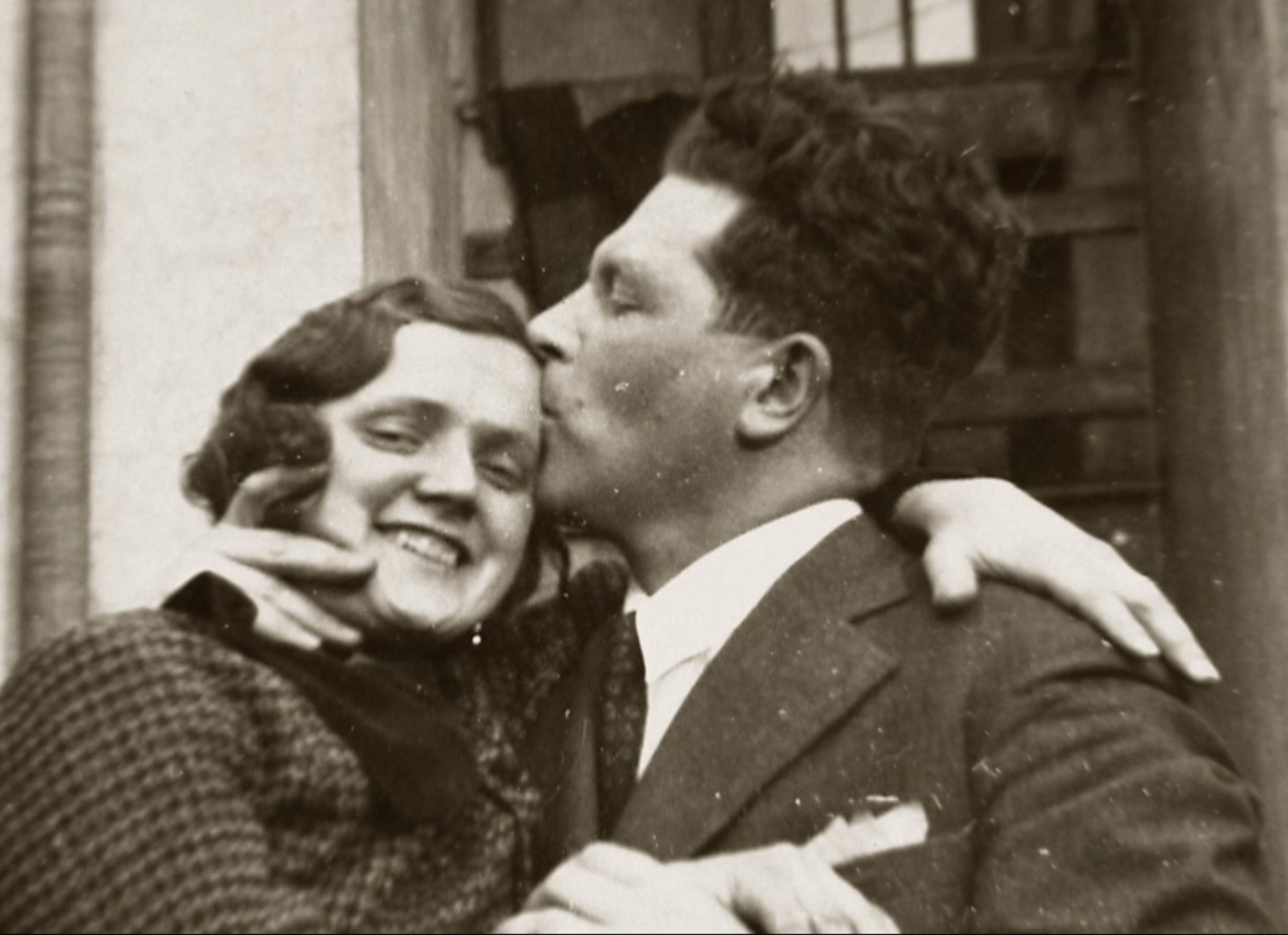
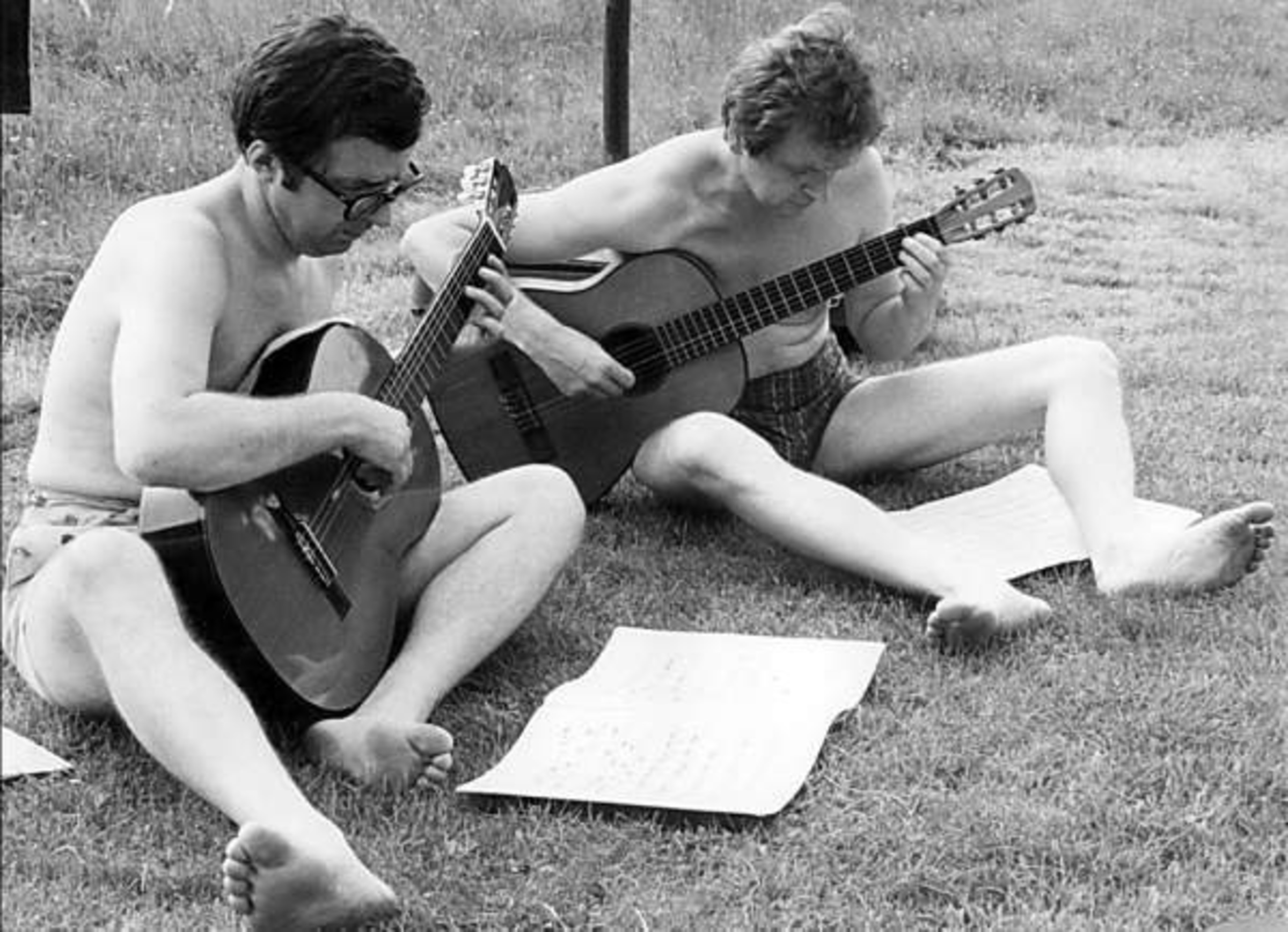
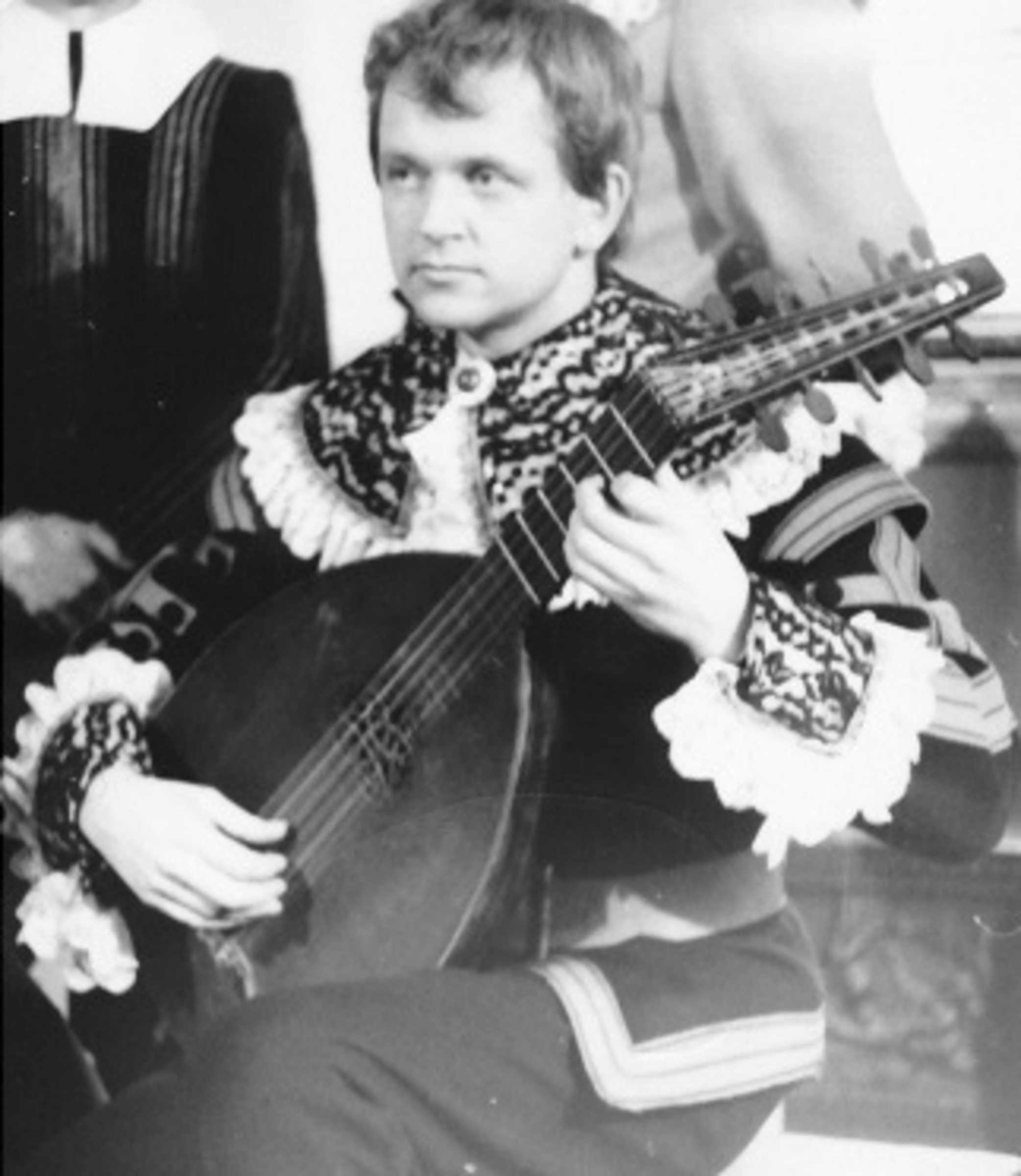
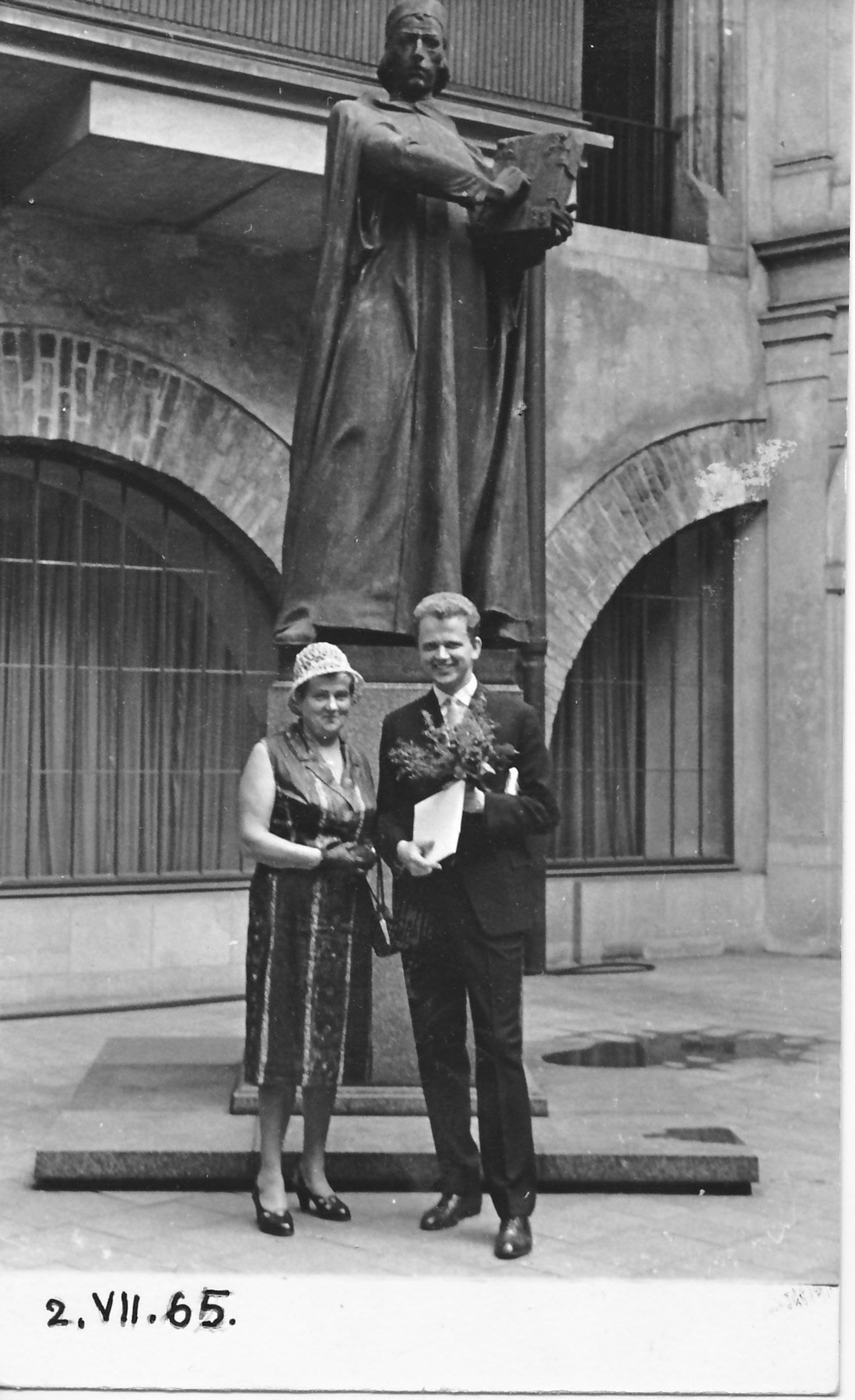
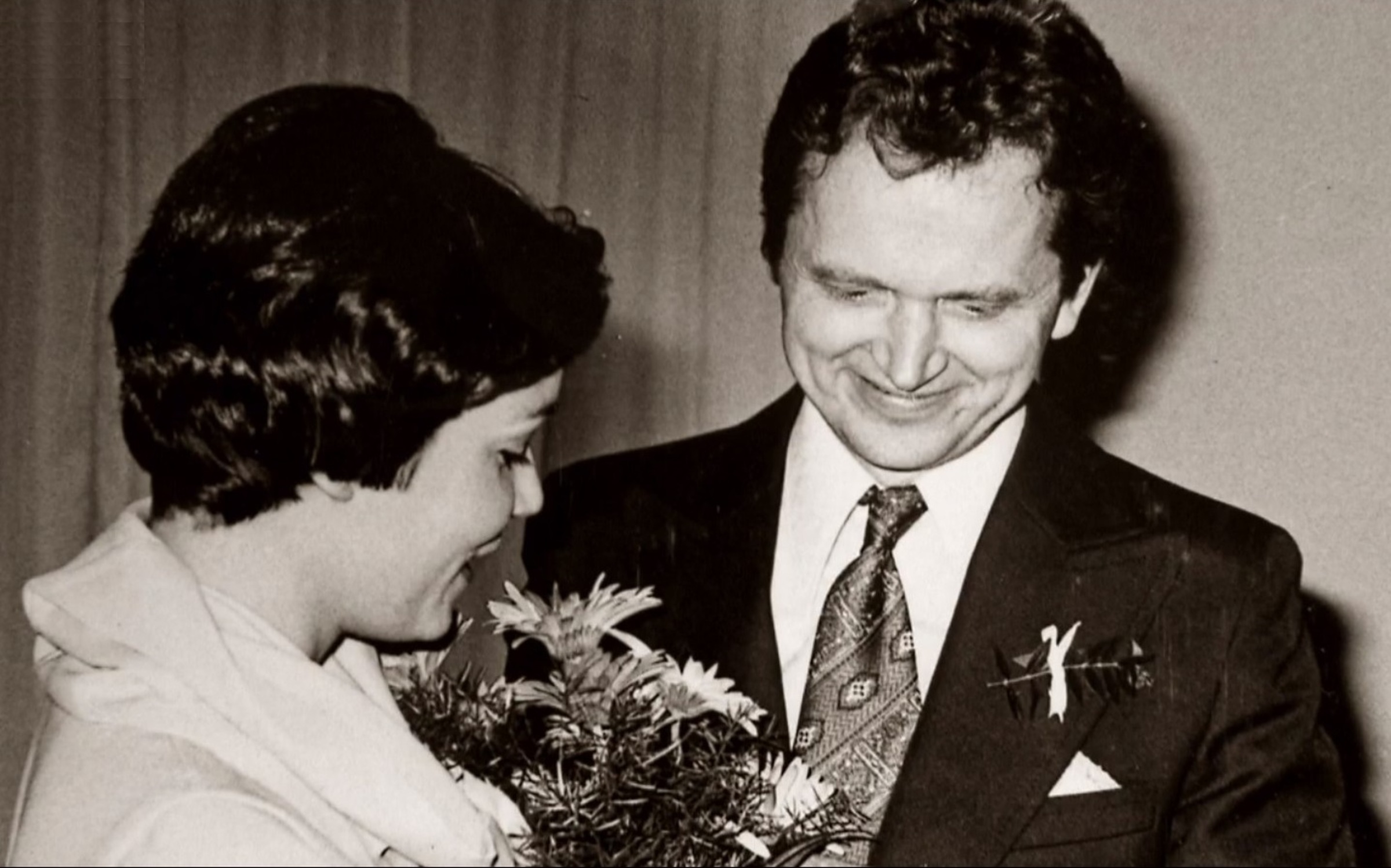
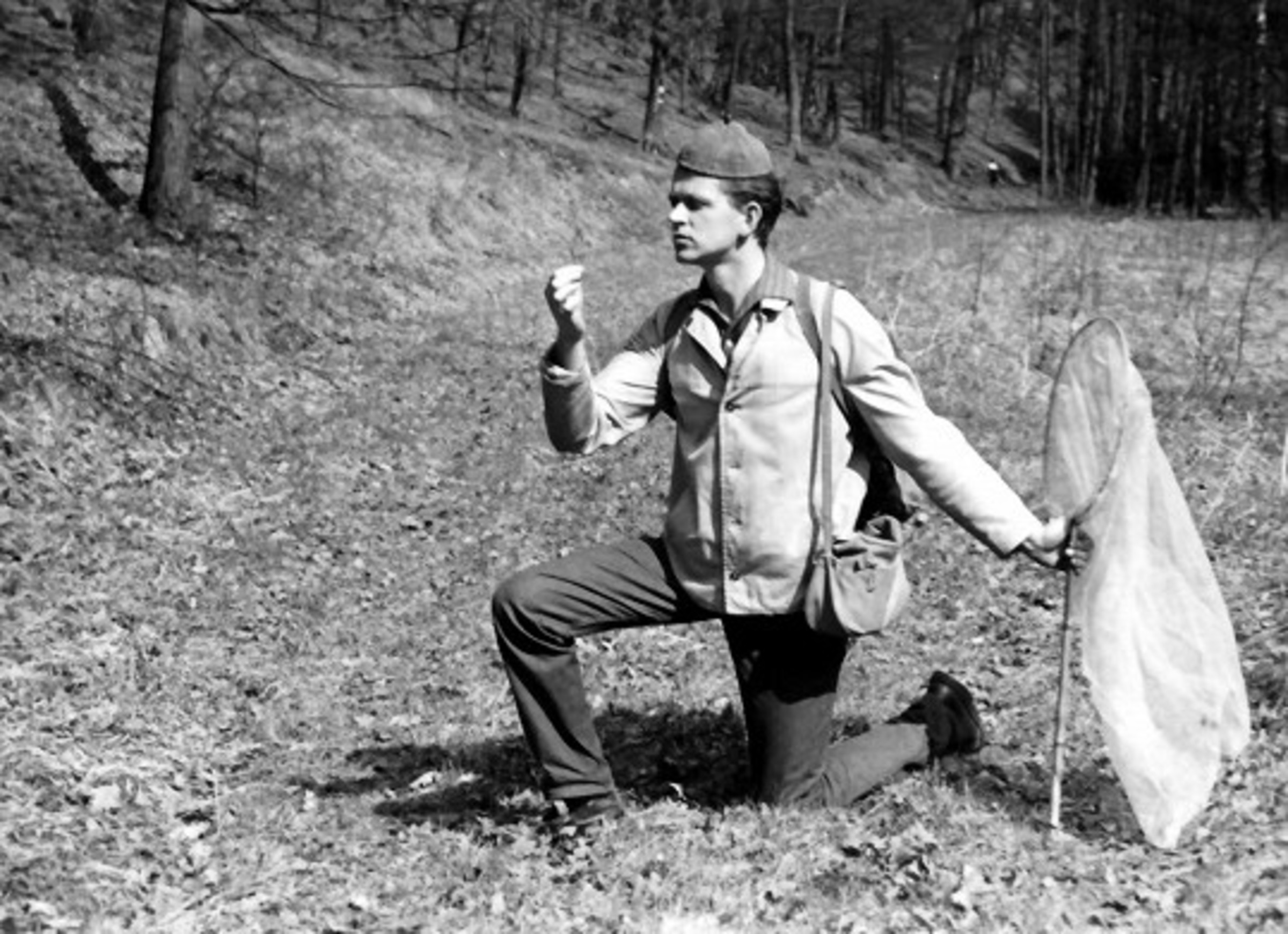
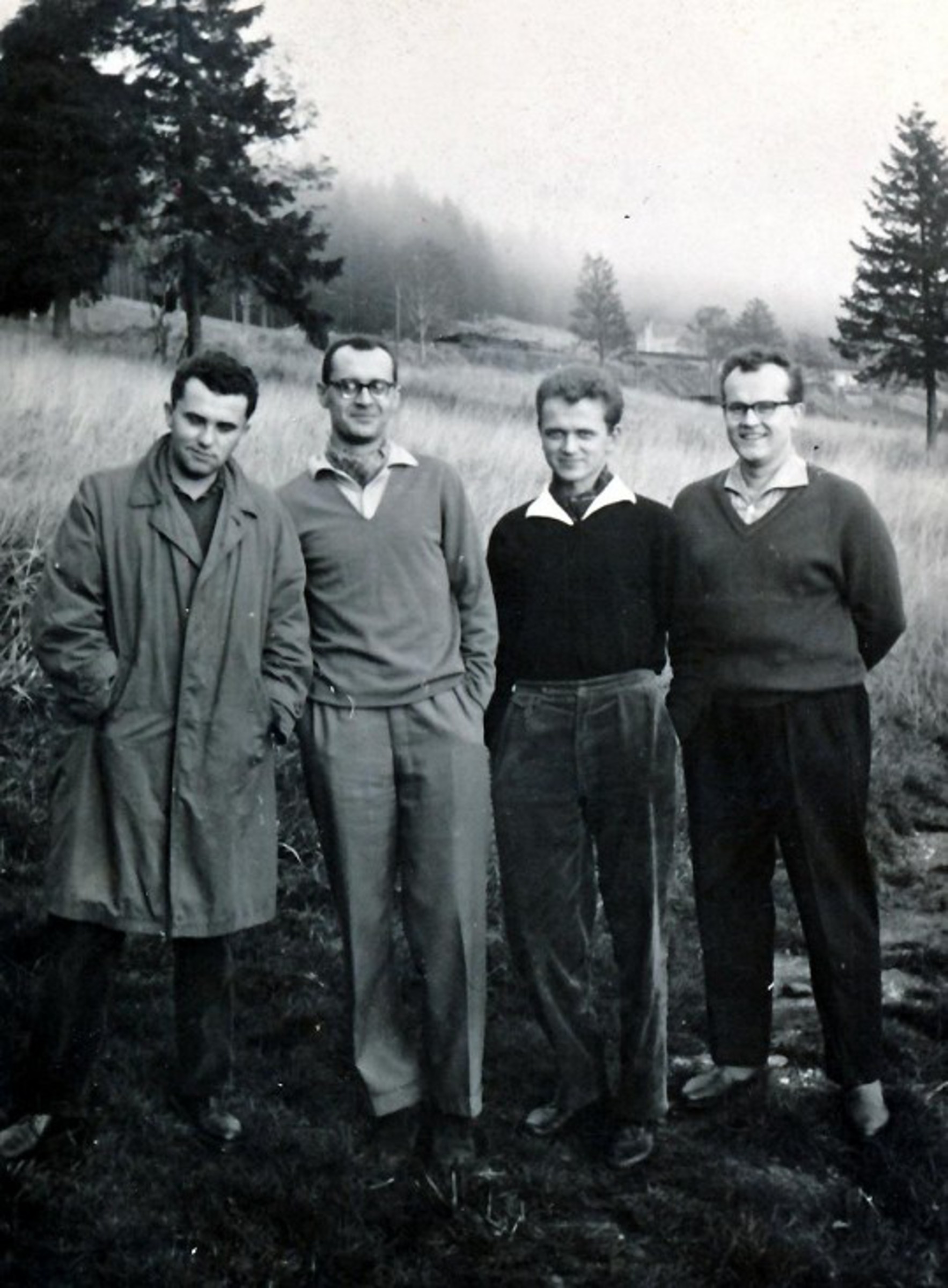
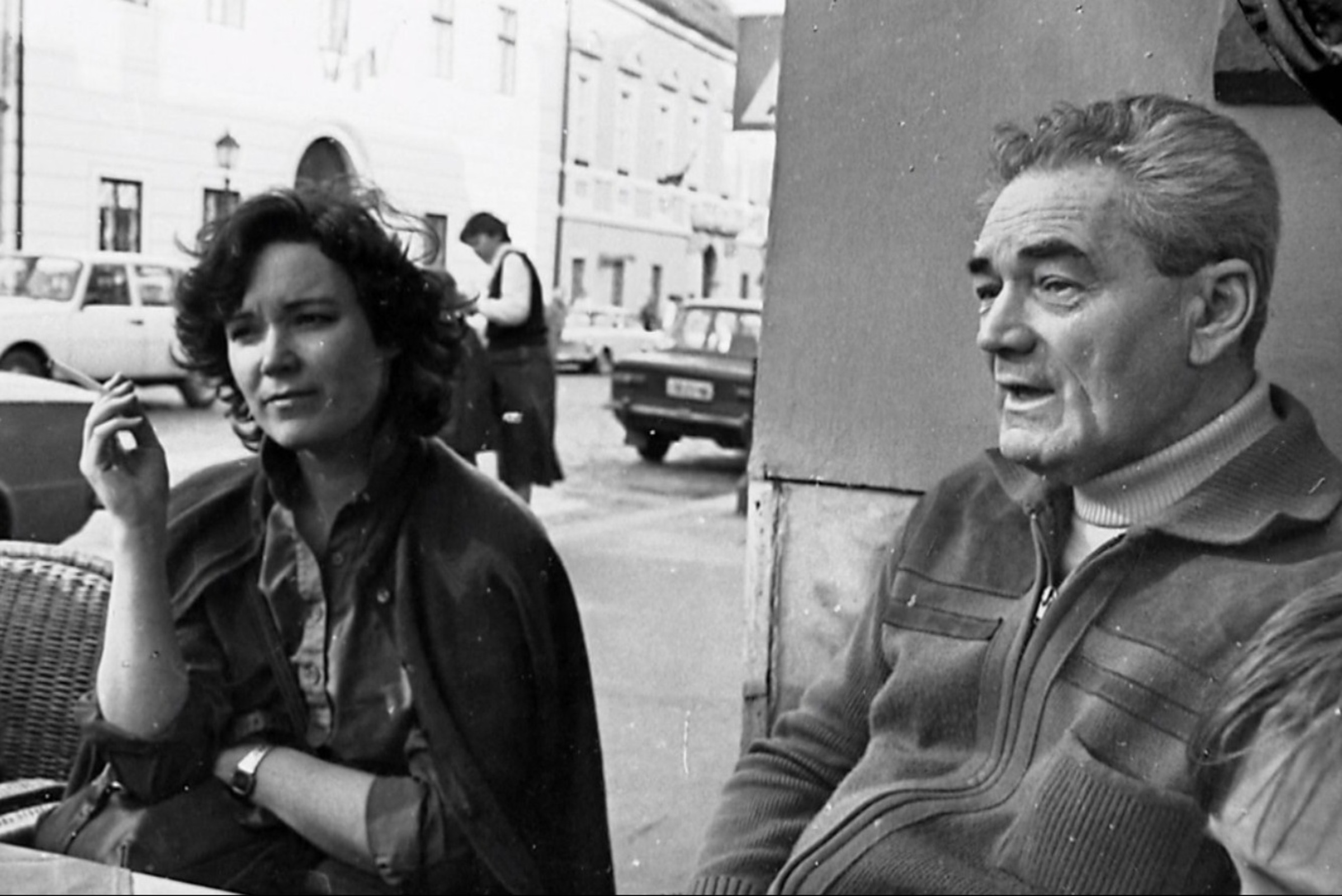
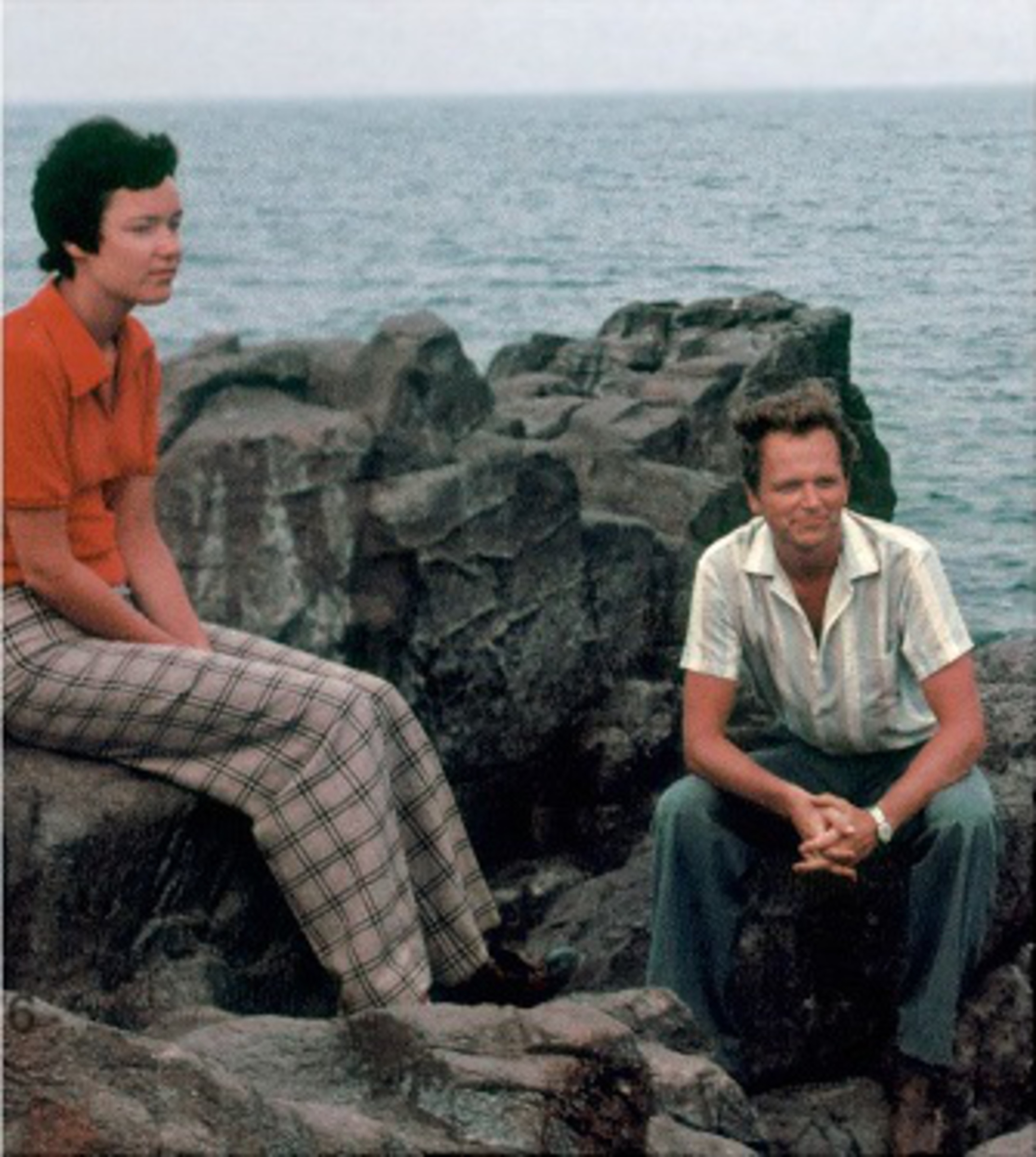
Jiří Tichota was born on April 18, 1937 and he comes from a musical family. One of his ancestors, his great-great-grandfather Antonín Liehmann, was Antonín Dvořák‘s music teacher. Jiří‘s father Ing. Dr. Jiří Tichota was arrested in the 1950s, imprisoned without a trial and forced to collaborate with the StB. In 1961 he committed suicide. Jiří Tichota was not allowed to study and he had to work as a worker in the Spolana Neratovice chemical factory. Later he studied at the University of Chemistry and Technology (VŠCHT) in Prague. He was interested in playing the guitar and cither, and he participated in establishing the music band Spirituál Kvintet. Jiří graduated from the Faculty of Arts at Charles University in 1965 and he earned his PhDr. degree in 1968. He is known as the art manager of the band Spirituál Kvintet and as the author of many of their lyrics. His wife is Zdenka Tichotová, née Tosková, and they have son Tomáš and daughter Lenka. At present he lives in Prague 4 and in Točná.