"Boženka told me this. When I brought her a book, She said: 'Honza is not here at home; he is in Luhačovice. He sends his best regards, but, you know, two cops came here.' They kept referring to him as comrade Skácel even though he was banned. They asked, 'Is comrade Skácel at home?' Boženka said, 'Comrade Skácel whom you give a measly 680 crowns of social pension got 3000 crowns in vouchers, perfectly legally, and he bought a week's stay in Luhačovice spa because it's good for his asthma. That's why Comrade Skácel is not here.' They said, 'Maybe you can explain this to us: We're supposed to find out if there was a Spanish comrade or comrades in your house four years ago at the time of [Skácel’s poem collection] Guest to the House.' She says, 'As far as I know, there were no Spanish comrades in our house.' They said, 'Well, maybe, but comrade Skácel wrote an interview with them, look at this. A cheeky interview, inventing this Miguel de Cervantes y Saavedra character.' The cops had no clue who Miguel de Cervantes y Saavedra was.'"
"The fact that social affairs were not taken care of is a terrible drawback of this change, this coup. For me, it wasn't a revolution, it was a change. Revolution is a little bit different."
"The year 1968 came, then '69, then '70, and they banned Milan. I got to know him through Válka who was a friend of mine and of Milan Uhde's, and he took me to Uhde's place one day. Uhde lived in Barvičova next to Trefulka. Válka said: 'Let's go meet him. He's under surveillance and maybe there are some StB cops there, but then again maybe nobody will notice us. I'll introduce you to him; he can write you a libretto.' By then, I wanted to write Fouché by Zweig as a study on someone who had been the Minister of Police in eight successive governments. This was absolutely amazing to me; it's similar to what we're experiencing now. We came over and he received us very warmly. We realised we'd met earlier. He said he would think about it but couldn't promise me anything at that point because he wasn't allowed to publish. I said I would cover it up myself, and so we parted with a prospect of doing something together one day. Then, Válka met Uhde a fortnight or so later, and he told me Uhde had laughed so hard realising I actually never knew that I had written the Ballad for a Bandit to his lyrics sometime in 1975."
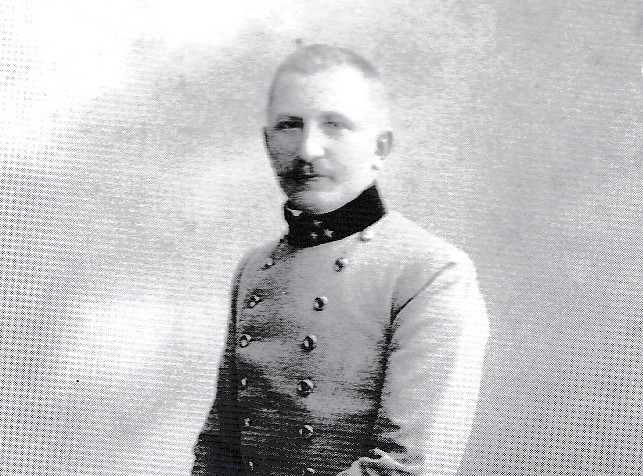
"I got everything I could from him. Most of all, it was his love of the languages, respect and empathy for people, and most importantly his social sensibility he always had. An example: at the ripe old age of like 75, my grandfather was still practicing at the clinic in Dimitrovova Street, then Pražská, then Eisenhowerova, and now Štefánikova. They came running for him once because this Božka was writhing in the street outside with an epileptic seizure. Božka was a First Republic survivor, a poor old prostitute aged 40 to 60 but you couldn't be sure. She looked like Giulietta Masina in Fellini's The Road, this blonde with sparse teeth, just writhing there in the street. My grandfather grabbed his physician's bag and rushed down the stairs, and my mother cried after to him: "Oh great, but who's going to pay for this?" He always said, "Nobody, for God's sake. I'm not going to leave her out there. I'm a doctor, and that's my duty."
Music is music and occupiers are occupiers: a life between the department and the theatre
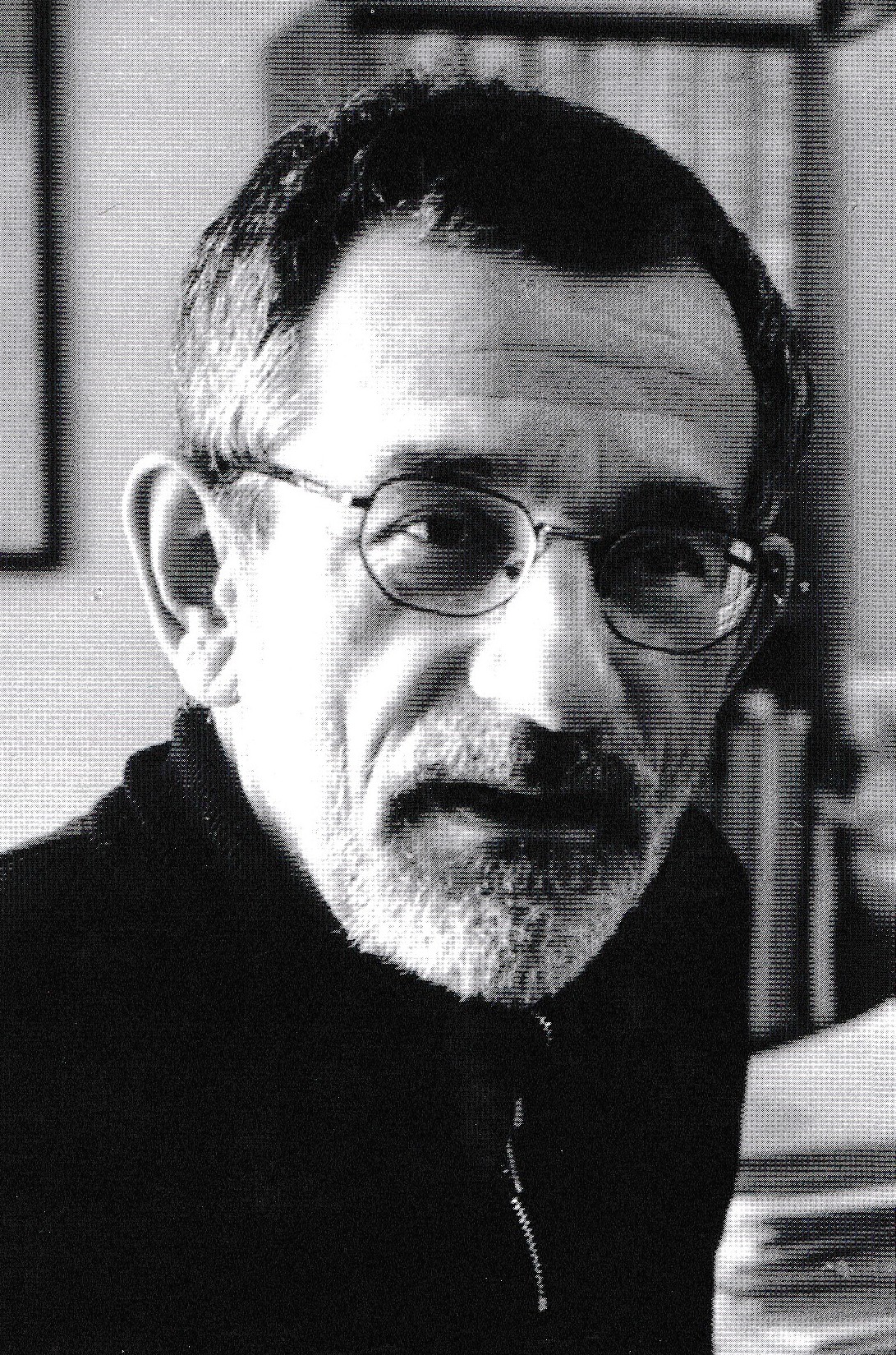
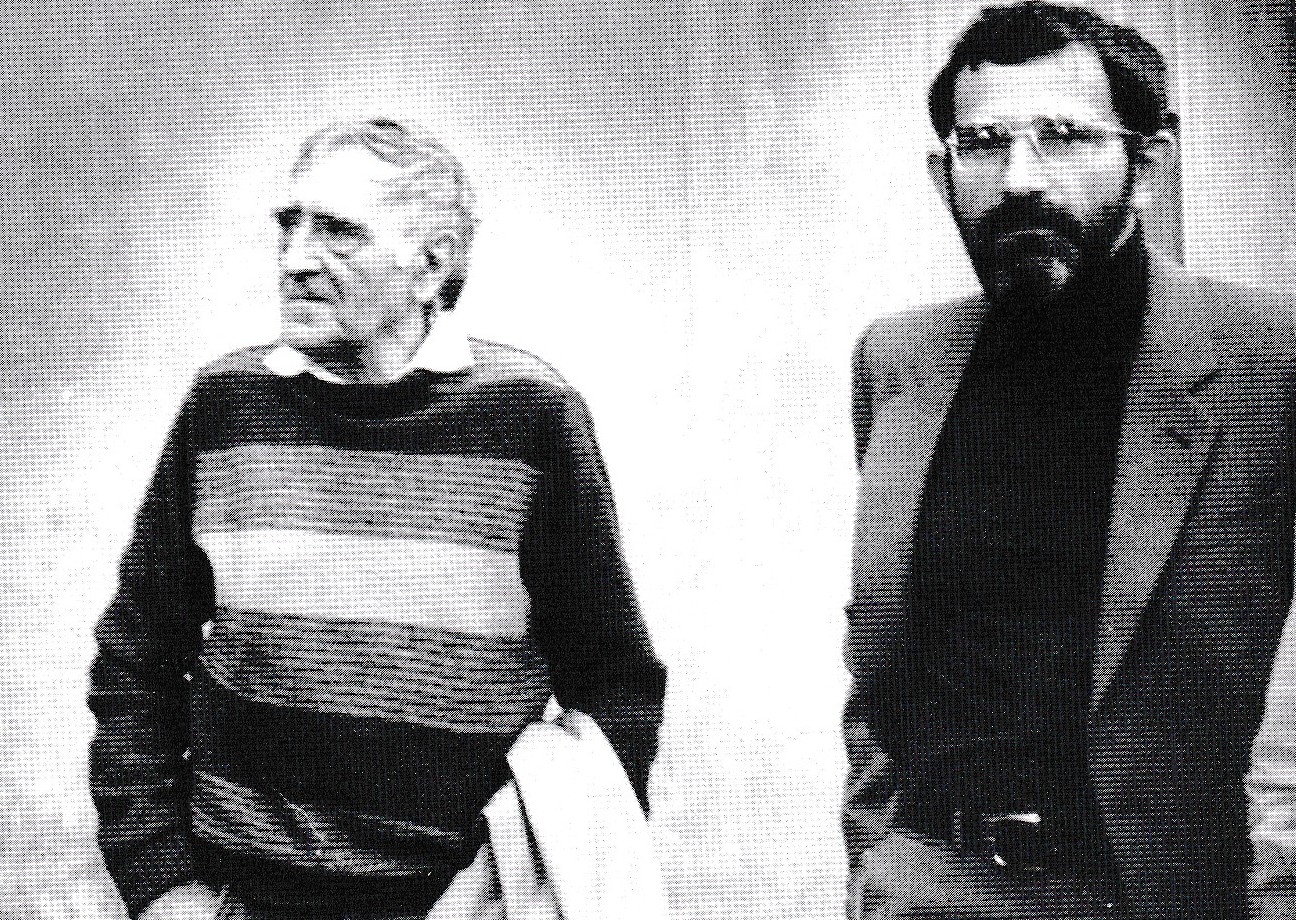
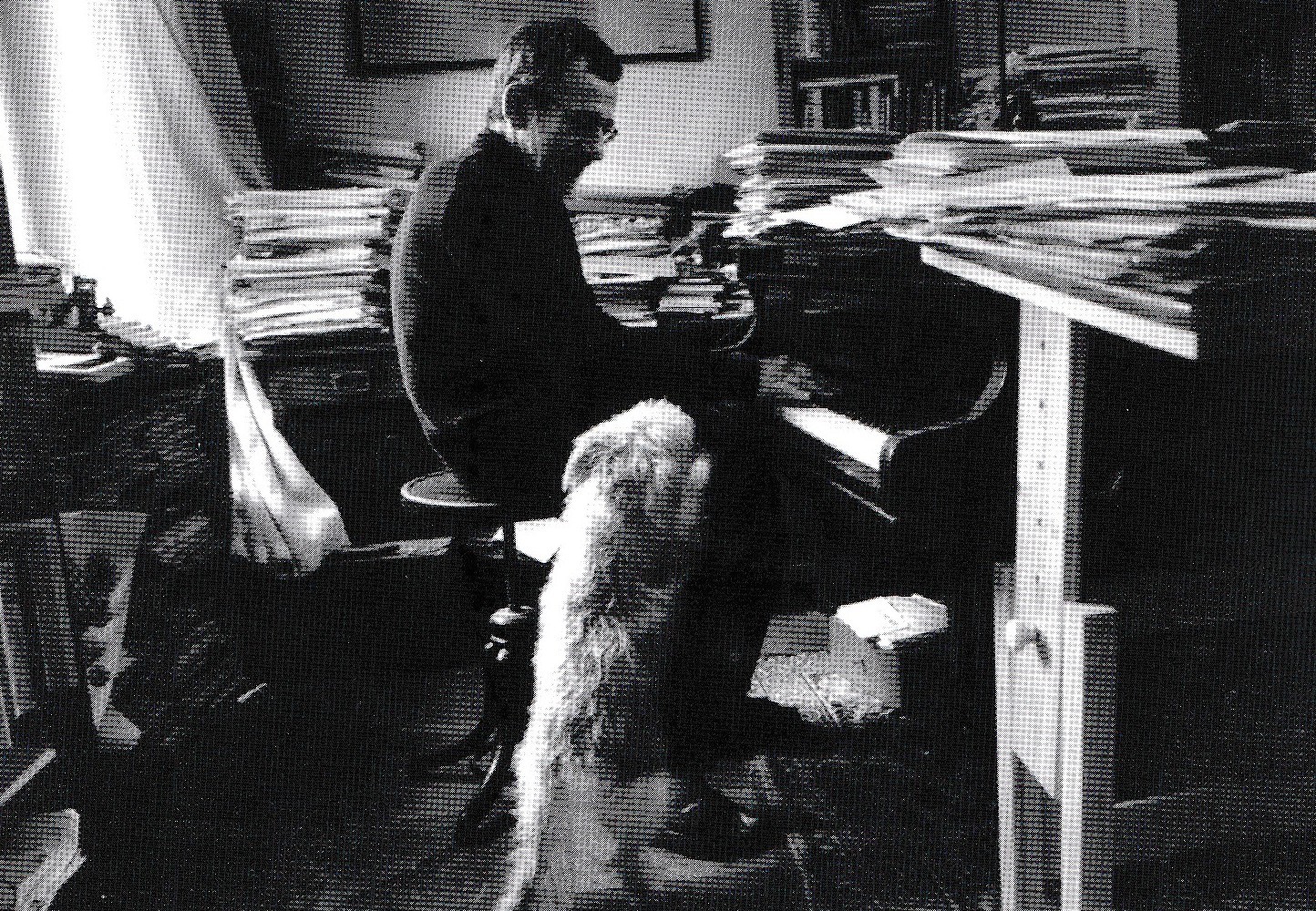
Miloš Štědroň circa 2000
zdroj: Musicologica Brunensia, volume 2006, author Jindřich Štreit
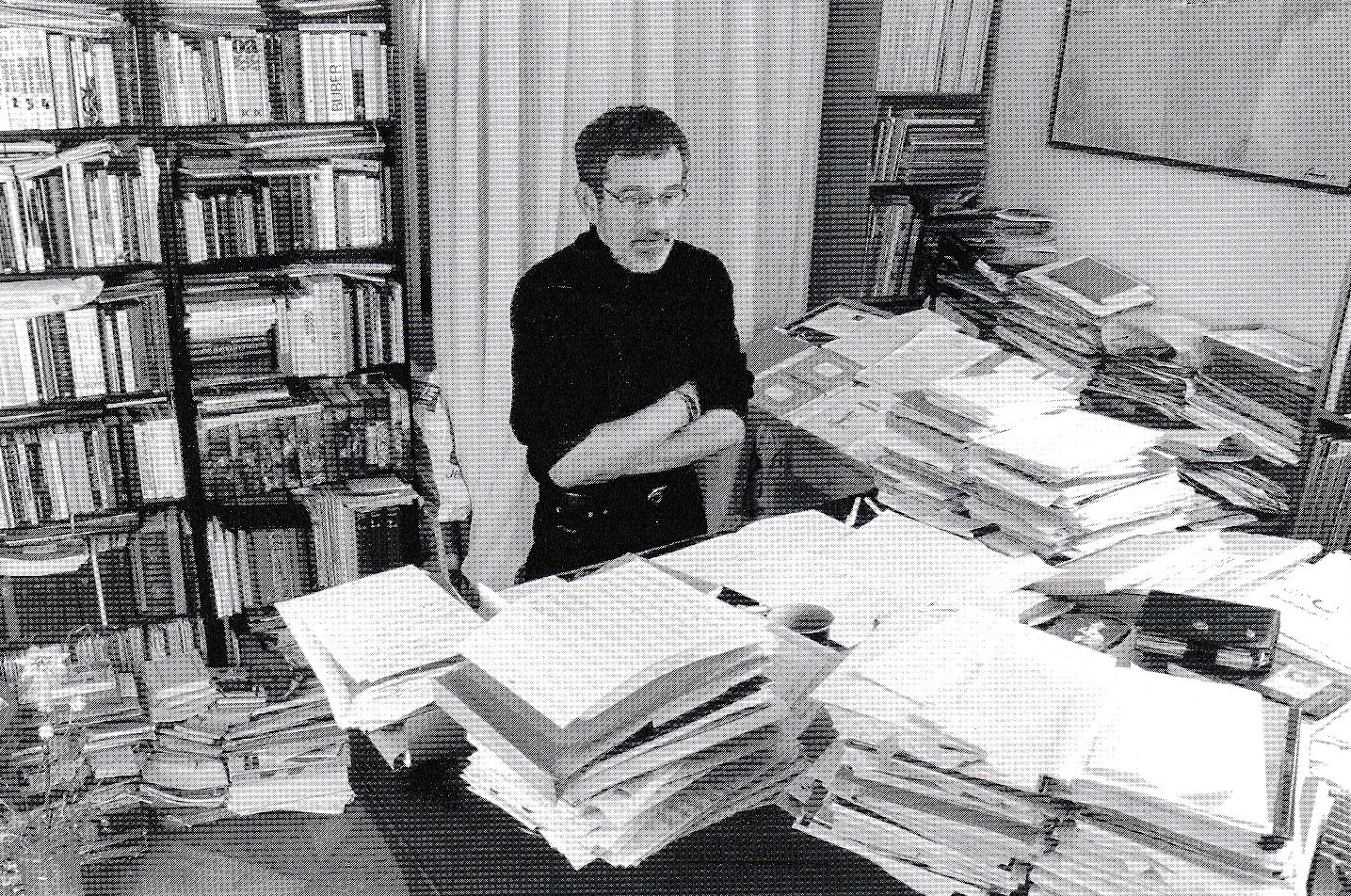
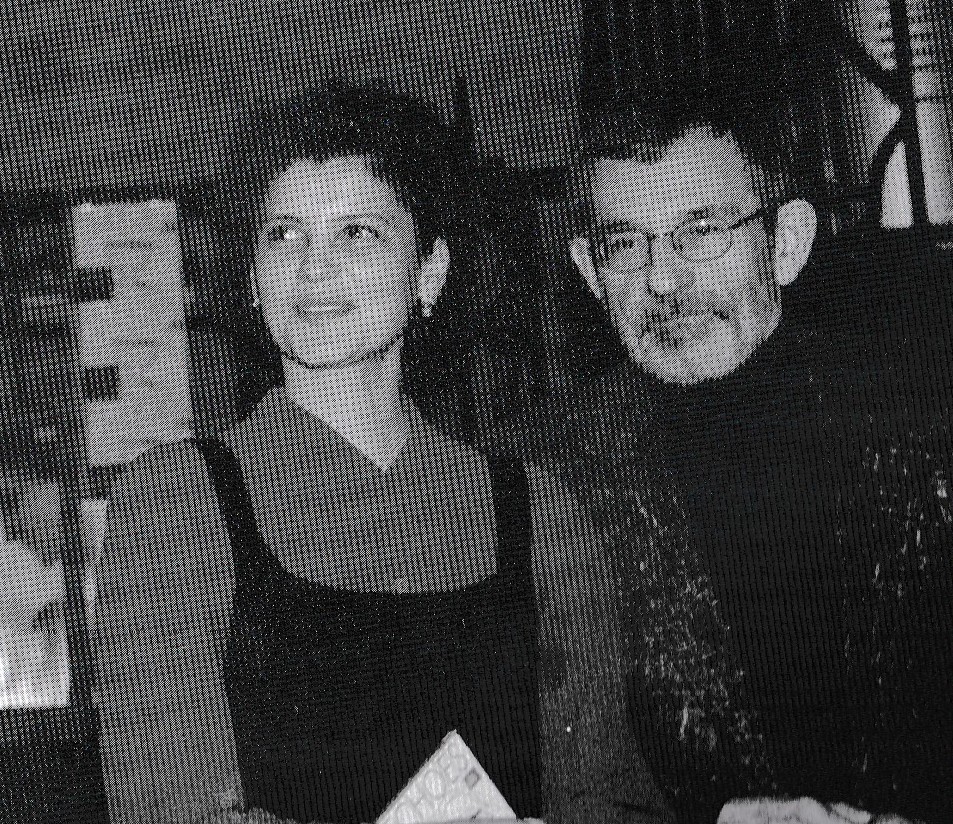
zdroj: Musicologica Brunensia, volume 2006, author Jindřich Štreit
Stáhnout obrázek
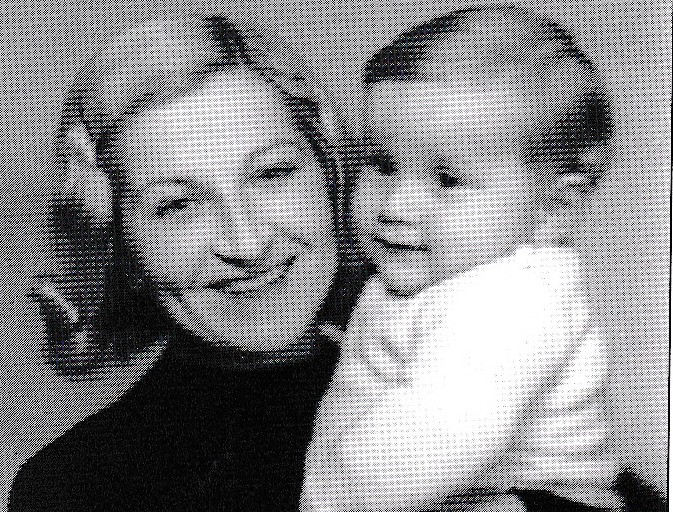
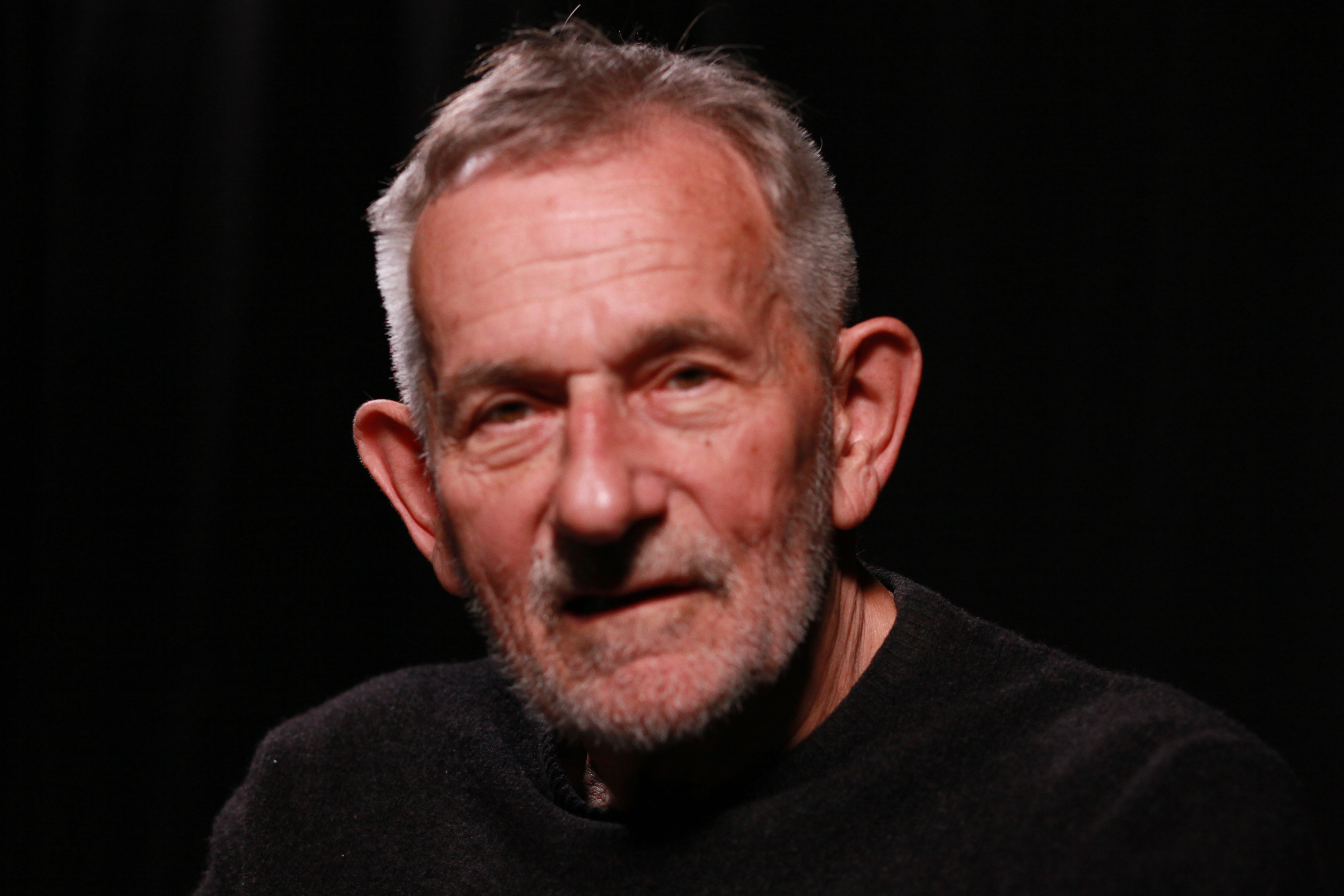
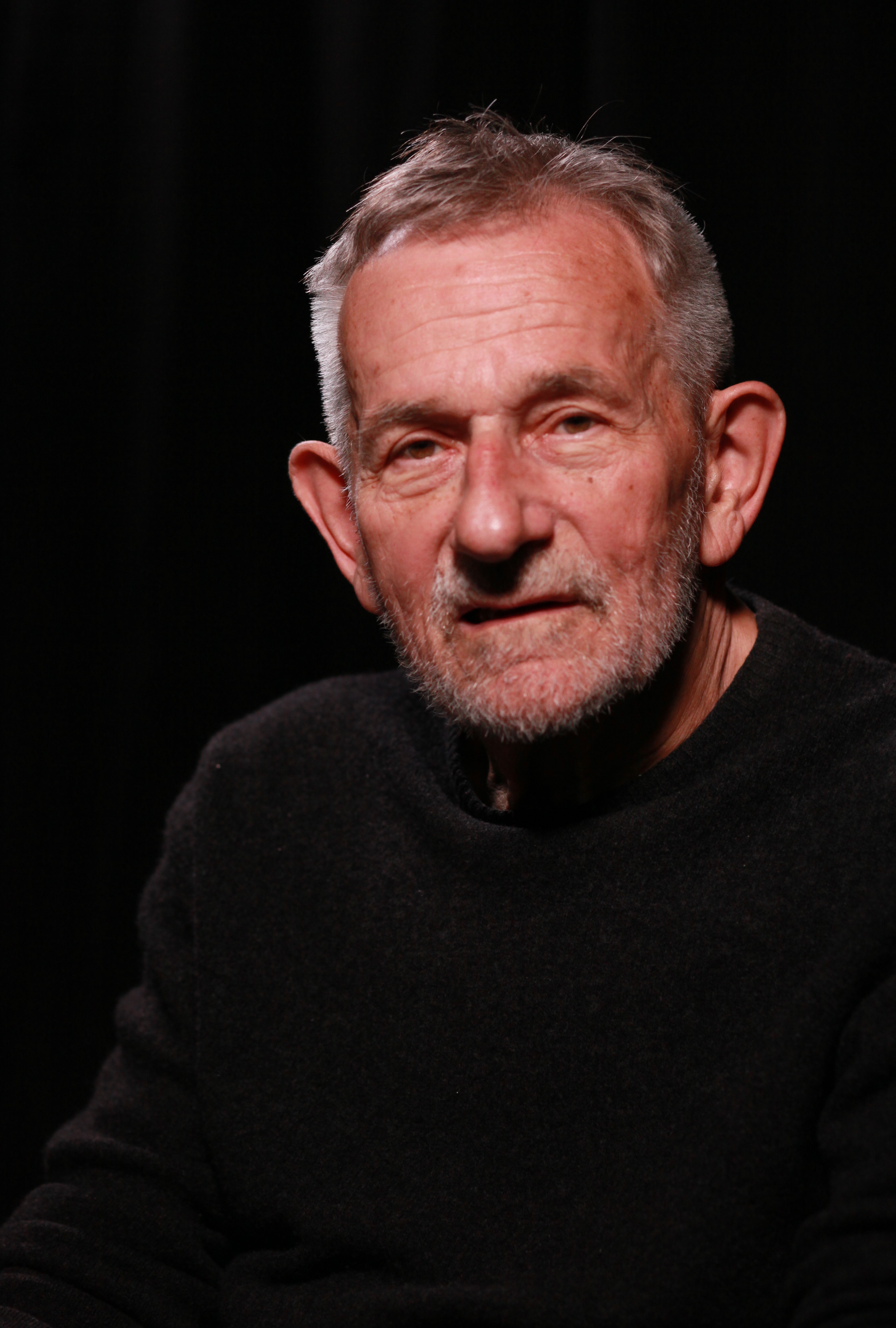
Prof. PhDr. et MgA. Miloš Štědroň CS.c. was born in Brno on 9 February 1942. His father came from a musical family and his mother was also musically gifted and taught music. The family did not identify with communism but they never fell prey to the regime‘s bullying. Politics was not discussed at home while music was abundant, as music was an escape for the Štědroňs. In 1959, Miloš Štědroň applied with the Faculty of Arts and was admitted to a Czech/Music Education teaching programme. One year later, he succeeded to switch to musicology, but thanks to his excellent professors he continued studying Czech too. He was strongly influenced by Marxism which he got to know in seminars taught by Jaroslav Šabata. From 1963 he also directed the Little Theatre of Music. After graduating in 1964, he continued studying at JAMU. He completed five years of full-time studies and two years of post-graduate studies in experimental music. He also completed a number of internships abroad. In 1971 he left his job at the Small Music Theatre and went to the Faculty of Arts. His scholarly work consistently focused on Janáček and on the Renaissance, Mannerism and Baroque periods, and he has written a number of scholarly essays. In 1978 he received the title of Candidate of Science, in 1988 he was habilitated as Associate Professor and in 1994 he became a professor at Masaryk University. As a composer, Miloš Štědroň wrote several chamber operas; orchestral, chamber and organ pieces; and compositions for folk instruments, and he also wrote electroacoustic music. A significant part of his work is music for the theatre. In the late 1960s he co-founded the Brno Divadlo na provázku (Theatre on a String) to which he gave a major part of his artistic life. His most famous productions include the Ballad for a Bandit written to a libretto by Milan Uhde. Strangely enough, Miloš Štědroň was unaware of Uhde‘s authorship at the time; Uhde was a banned author when he wrote the Balllad. Miloš Štědroň embraced the change of regime in 1989 but objects to many of the things it brought, and he sees the contemporary world as socially insensitive. Miloš Štědroň and his wife Jiřina have two sons. Elder Petr is a graduate art historian and Germanist and manages the Na zábradlí theatre, while younger Miloš is a musician. The witness has two granddaughters who are gymnasts and an eight-year-old grandson.