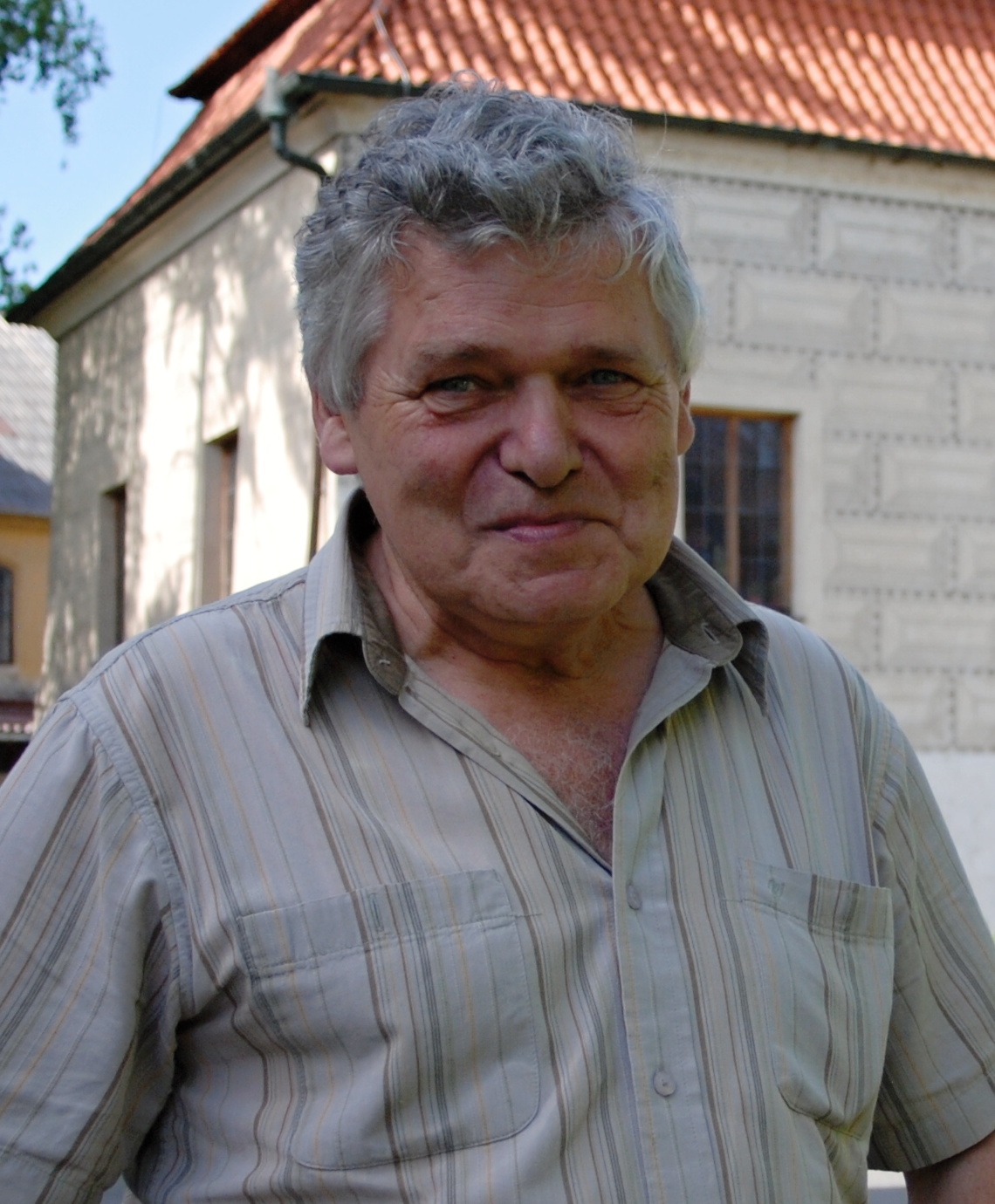
Jaroslav Špaček

* 1943

  • "Sixty-nine... that was an entire unit of the National Security Corps or public security emergency regiment from Frýdek-Místek. The museum was closed, of course, and we had to keep watch there overnight. And these guys, these National Security men, they were walking on Wenceslas Square, which was quite scary. I saw, in particular, when I was going to lunch, two old, really old, men and women, and he had a tricolour ribbon. They just picked them up and threw them in a police van. They didn't even look, they just grabbed them and threw them in the car. I said, "I don't believe it. So they were... I also saw a nice case there, that some guy took a basket and put it on a National Security man's head. But otherwise it was pretty tough there in the 1969, because they put those water cannons in there, so those people were pretty poor people who got right into their claws. But then I had a nice little experience there, that actually on the twenty-first of that year, in '69, they were building the parliament, now the new National Museum building. And the workmen barricaded themselves up there and lowered black asphalt paper as banners down from the walls. Well, of course the cops or the National Security couldn't get in, so they started firing tear grenades at them and they threw them back down. So it was kind of a funny (story) on the other hand, people liked it, but then they got there, then all I saw was them being taken away in handcuffs."

  • "I had to go on Tuesday morning, I was put in the Volga car of the city national committee and the chairman of the company organization of the city national committee was with me and (I was taken) by Volga to the American embassy where I had to hand over a letter that the exhibition was closed for technical reasons and that they could not close it. I handed it over to the cultural attaché, and he spoke very good Czech, and because they put us in that lounge there, and the attaché came in a moment later, the chairman of the Communist Party of Czechoslovakia was sitting next to me, and he smiled at me. We knew each other, I had been already there borrowing the materials... and I said, 'Please, I'm bringing you a written notice that you can't come to Čelákovice, that the exhibition is closed for technical reasons.'' He was looking at me, nodded his head, and I said, 'Please, but I need you to sign a copy acknowledging that you understand that you really won't be coming.' He (the chairman) was annoyed that I had dared to be a kind of ironic... Well, I went back and so the exhibition was closed and in fact on Thursday the cultural attaché came and then Dr Scholle let him in and he found that he liked the exhibition very much and he even complimented us. But otherwise it was over for the public because it was in the year seventy, the year I was working at the National Museum."

  • "In the afternoon, there were still films being shown, some of the Bridge to Space and Apollo and some more. And that was in the school hall behind the dean's office, where this Dr. Švenek was commentating, it was all in English, and two gentlemen in dark suits appeared. They were standing there, one of them wanted to sit on the chair where Dr. Švenek was otherwise sitting. I said, 'Please don't, sit over there somewhere else.' He stood there, they watched for a moment and then they left. And then a friend of mine came running up to me and said, 'Jarda, there was a Volga CD car here.' On Monday - I was normally at the National Museum - a big commotion arose, they came to see Dr. Scholle, they wanted to see all the correspondence immediately. The exhibition was immediately closed, saying that it was pro-American and anti-Soviet."

  • Celé nahrávky
  • 1

    Praha, 26.11.2025

    (audio)
    délka: 01:36:07
    nahrávka pořízena v rámci projektu Stories of 20th Century
Celé nahrávky jsou k dispozici pouze pro přihlášené uživatele.

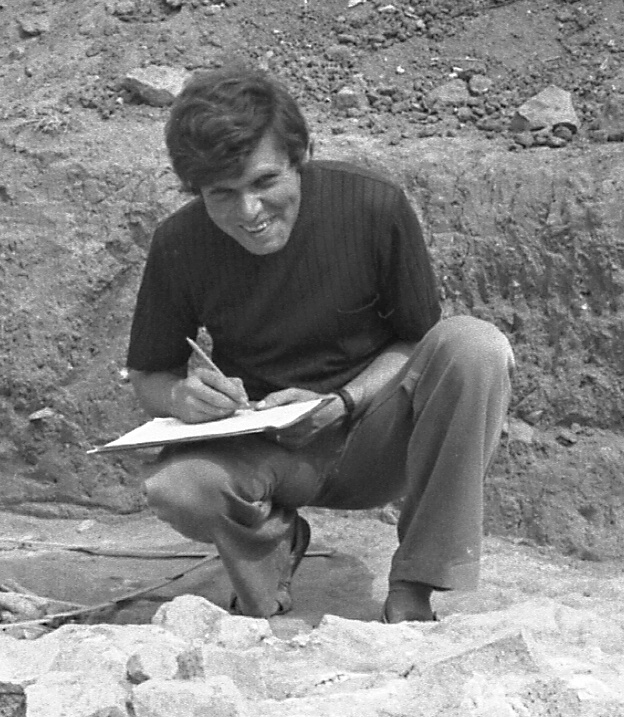
Ever since I was a kid, I‘ve been drawn to archaeology
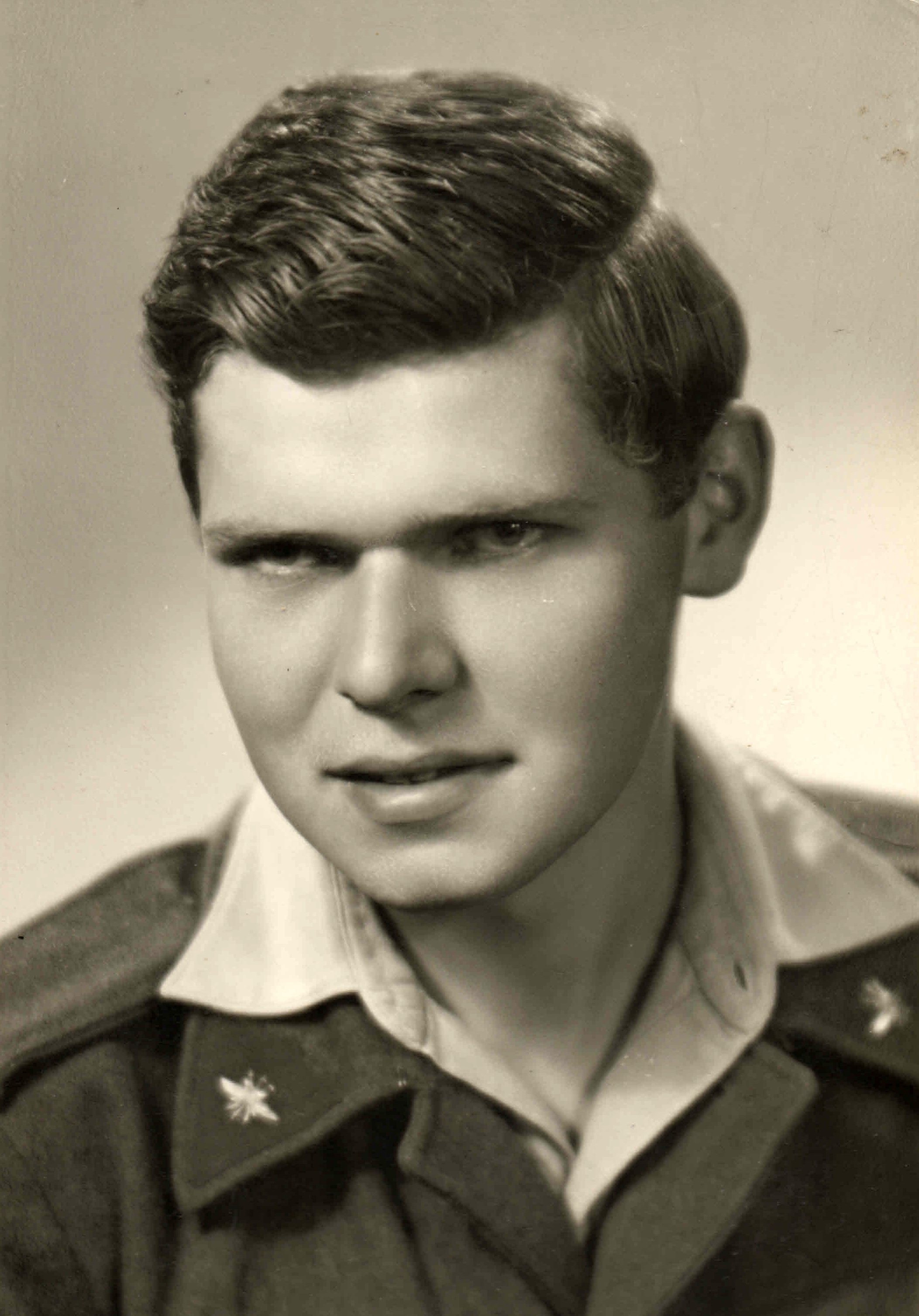
Jaroslav Špaček, 20 years old
zdroj: Witness´s archive

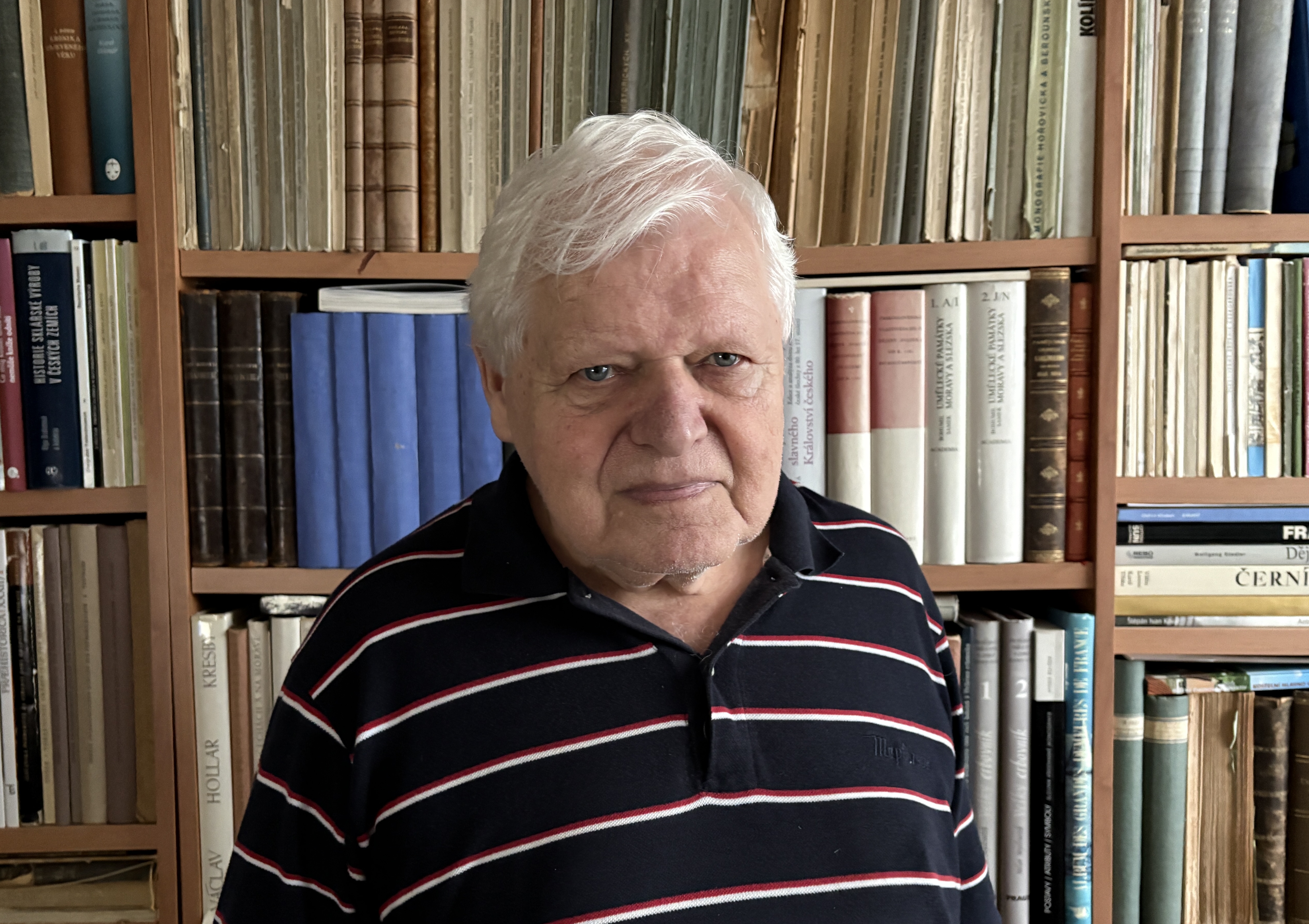
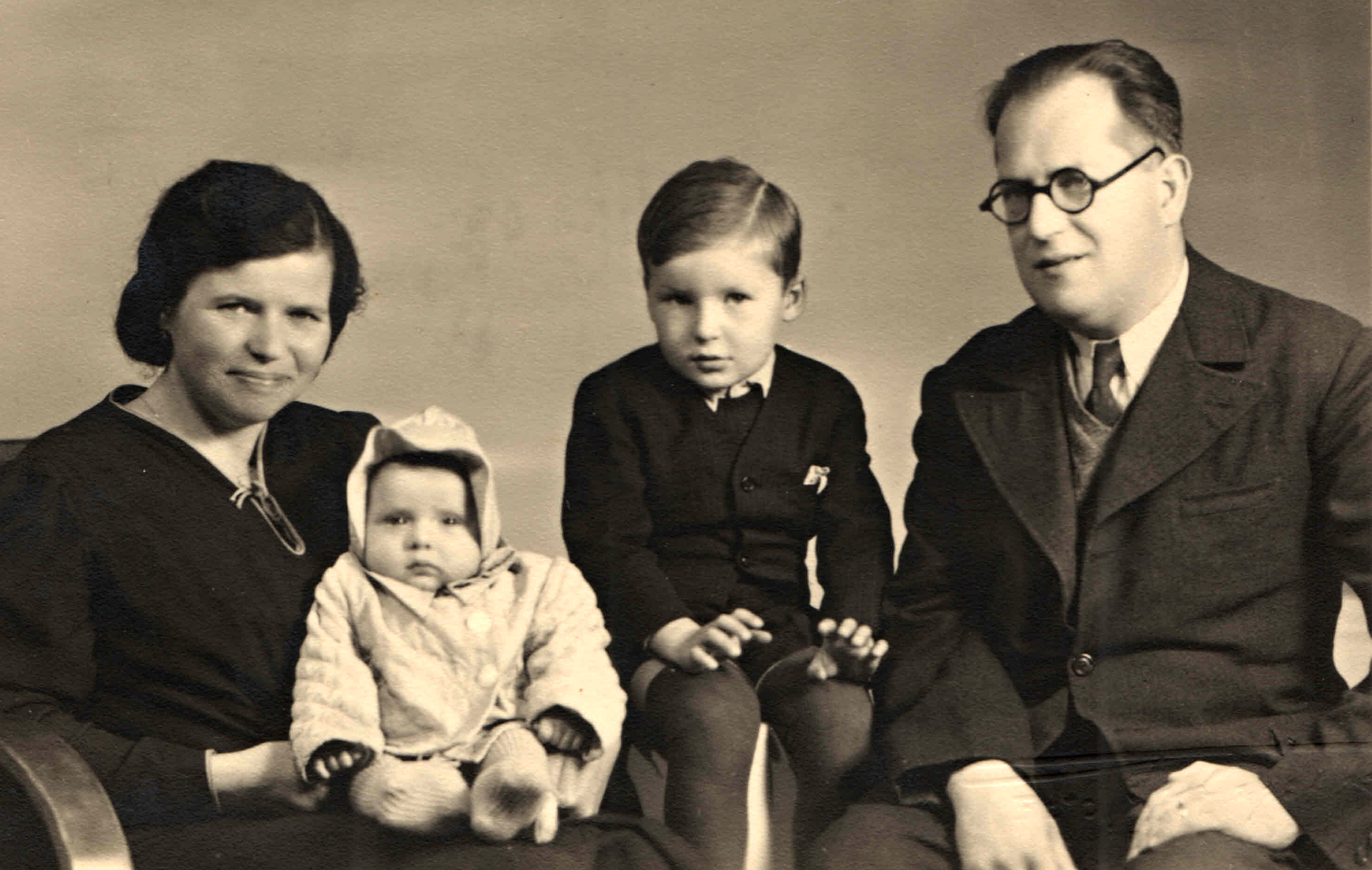
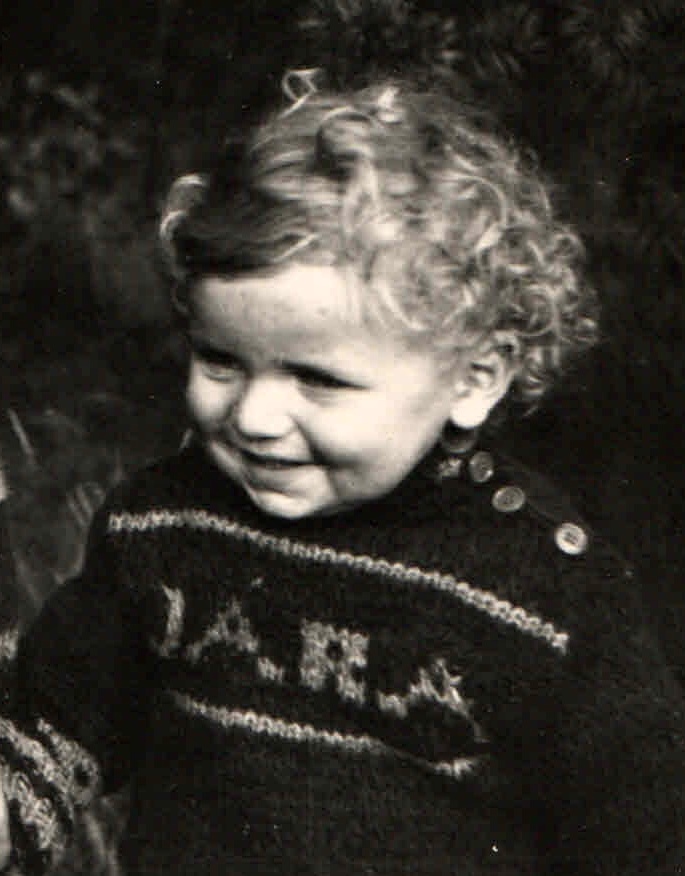
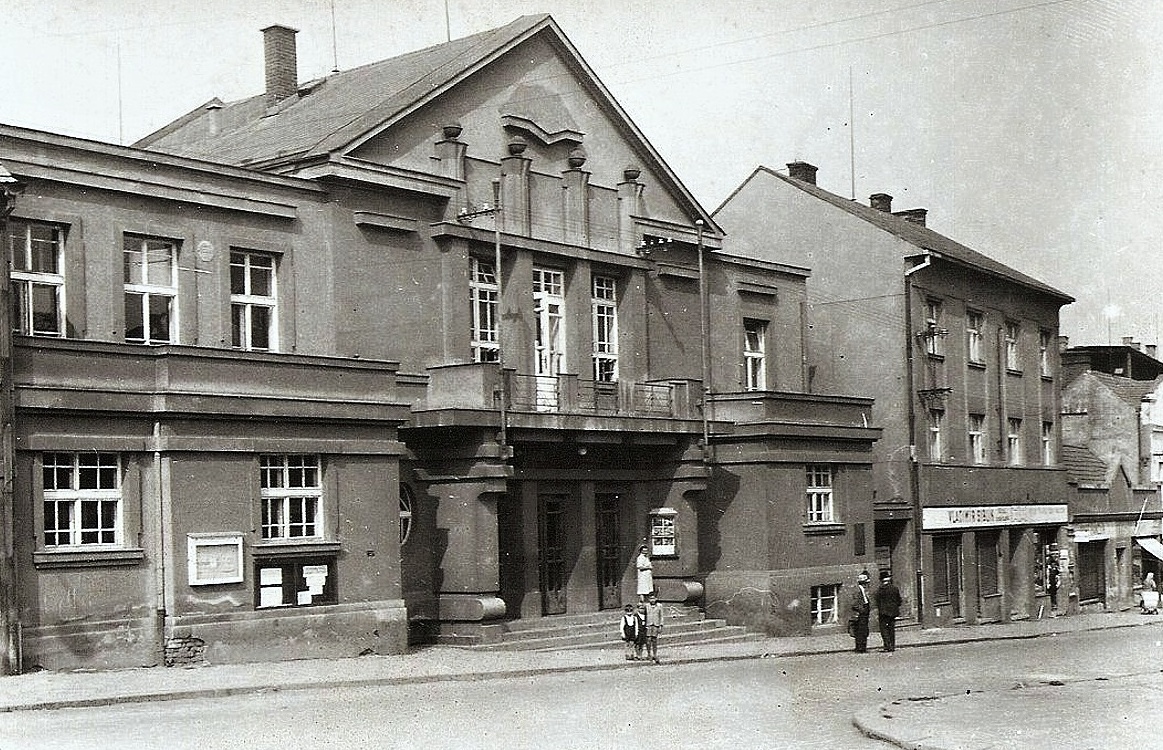
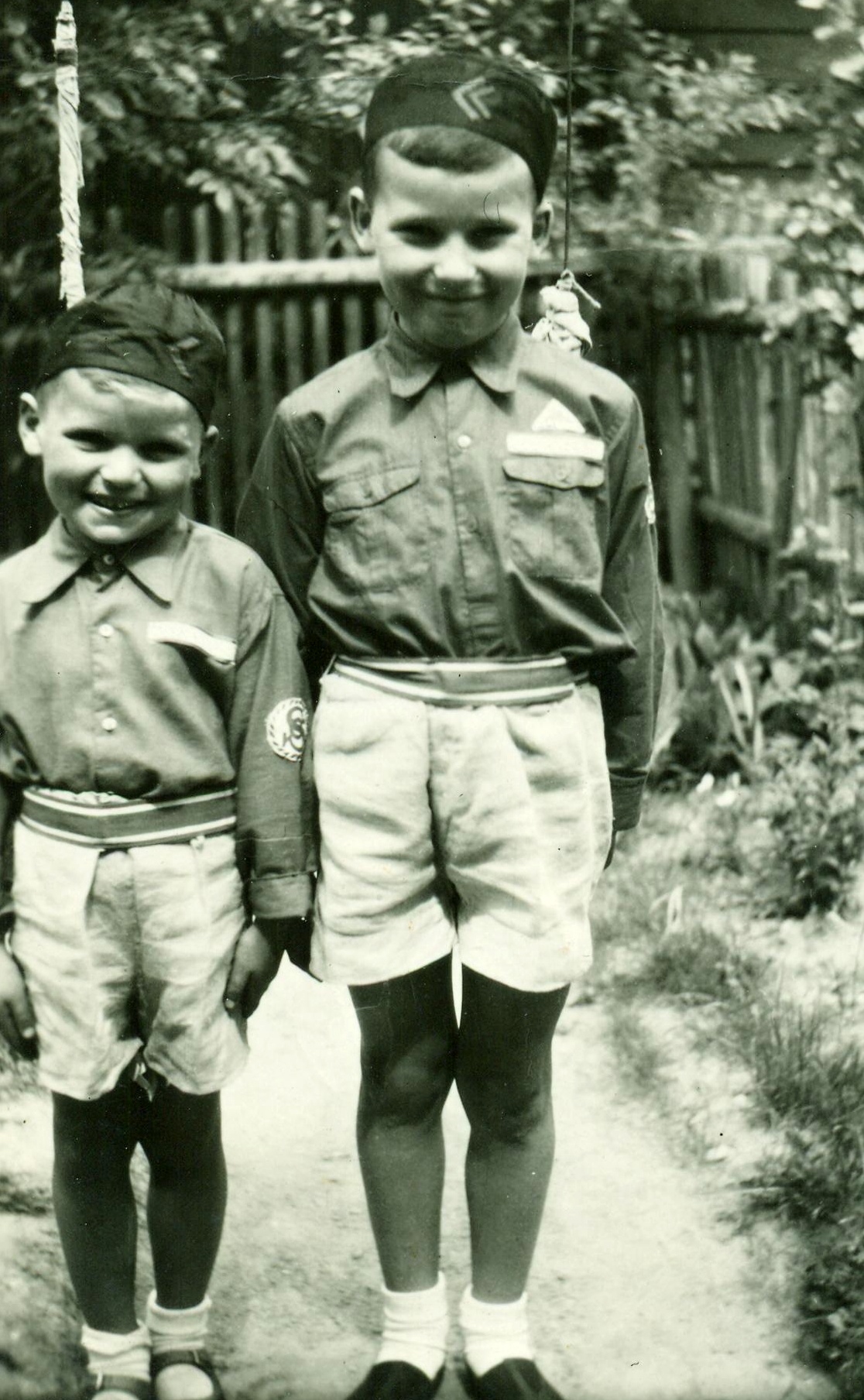
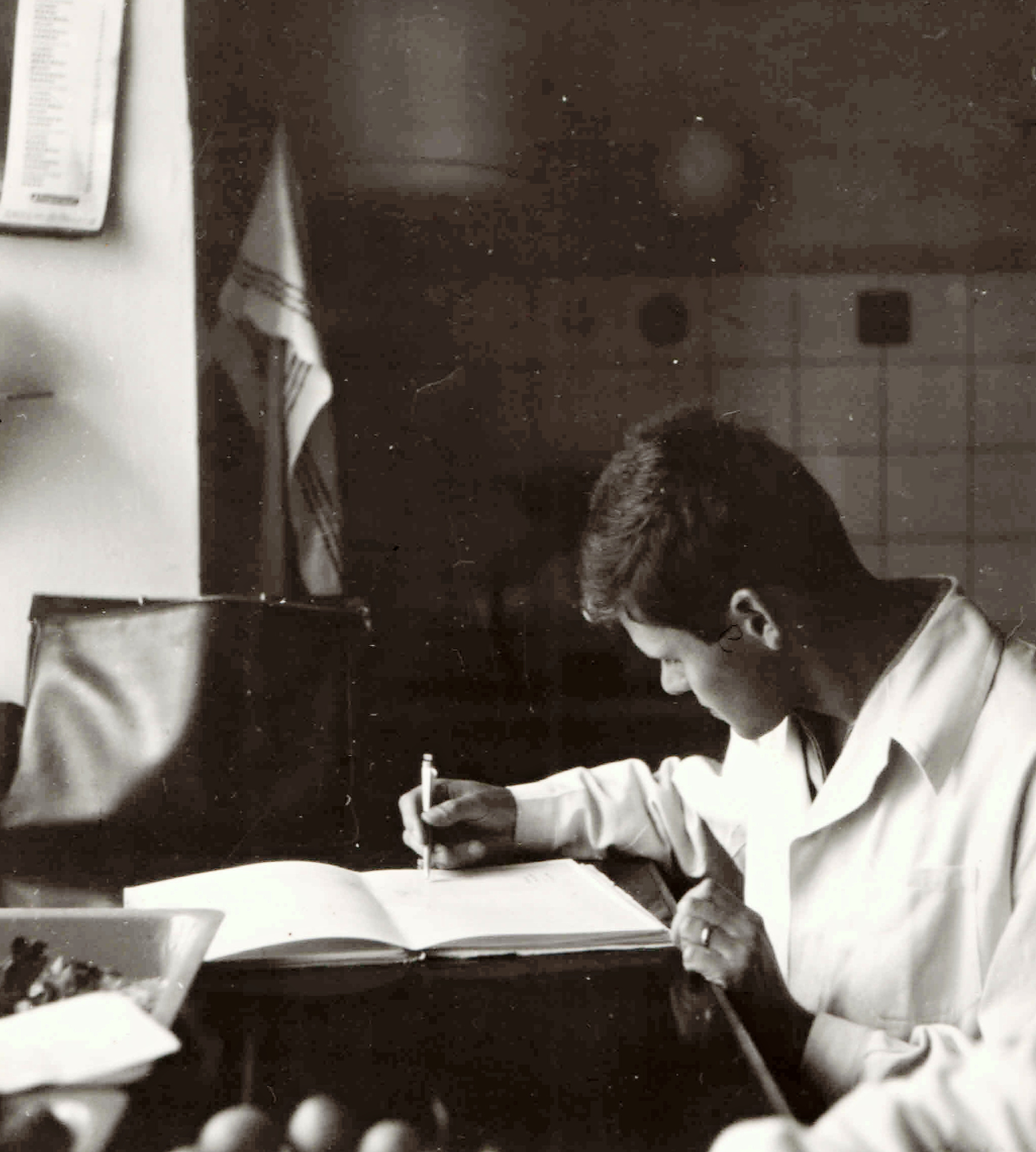
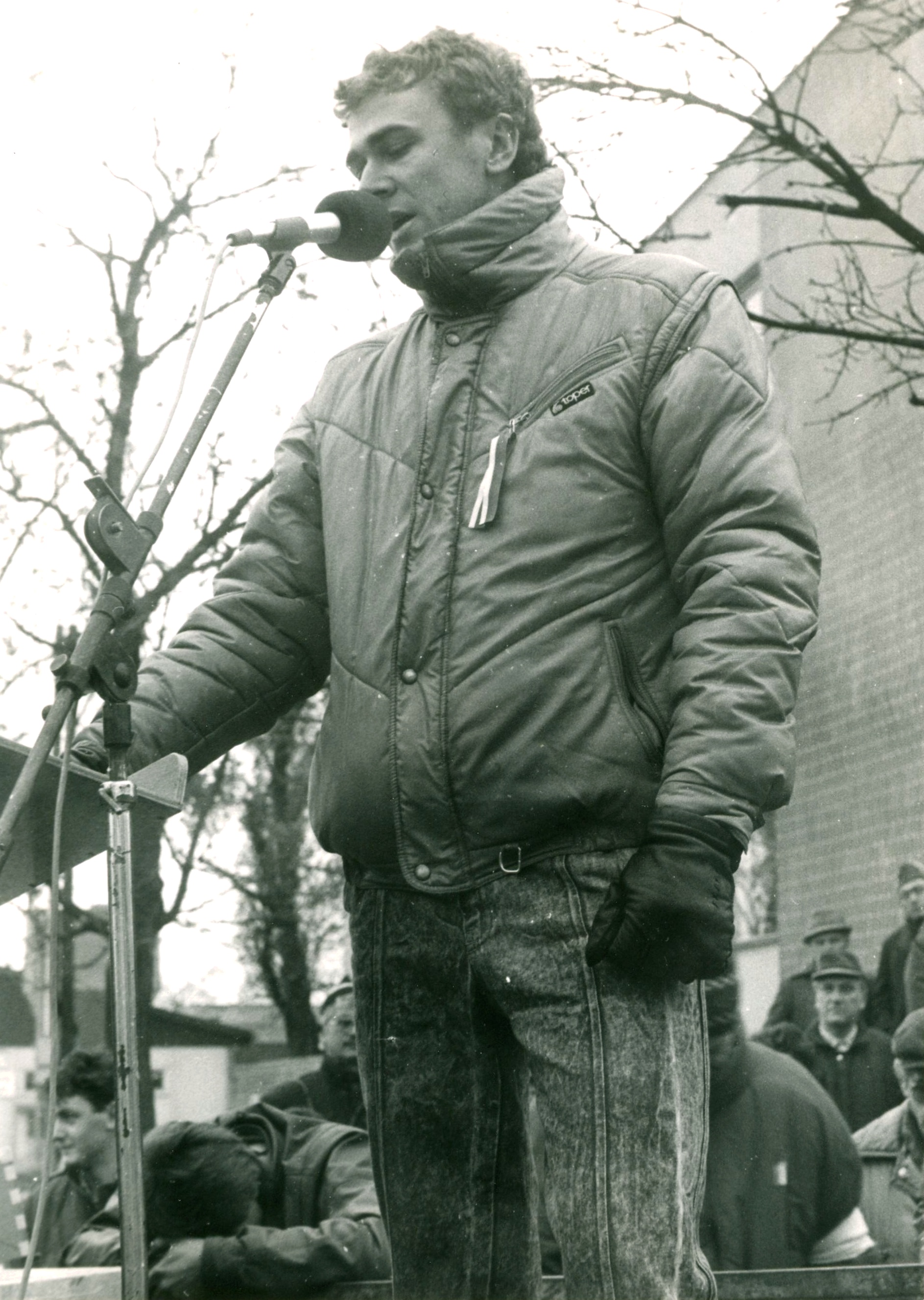
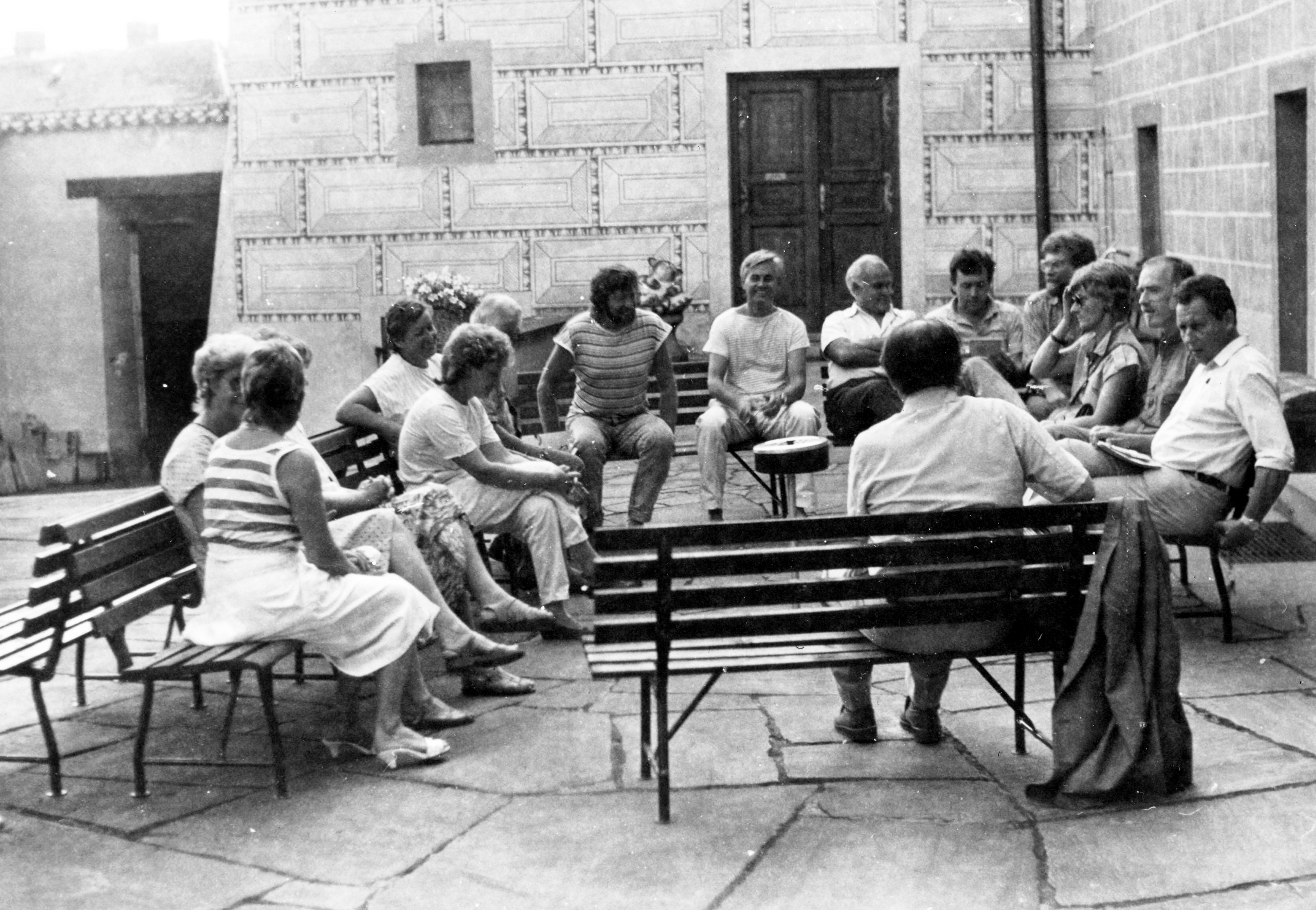
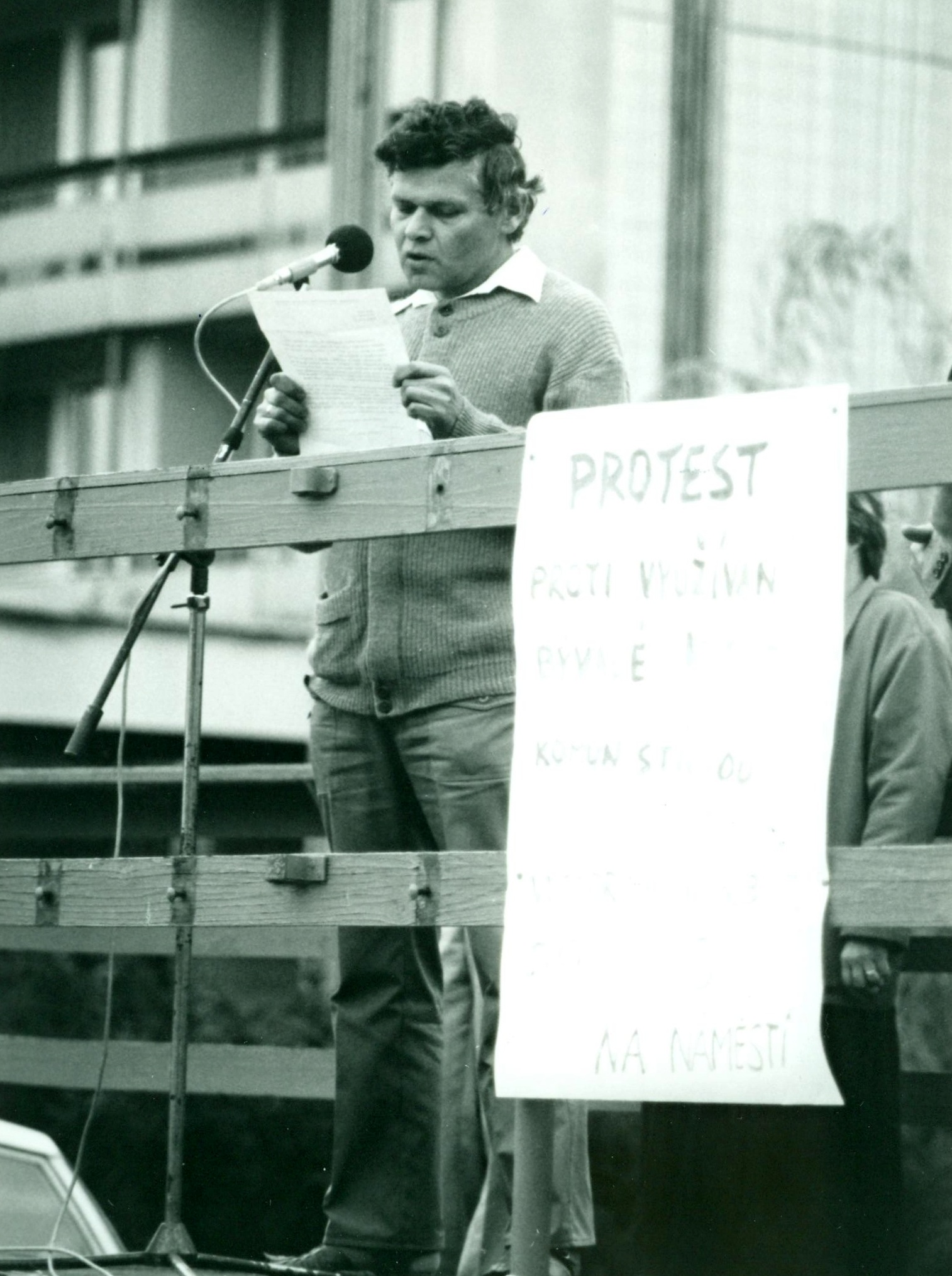
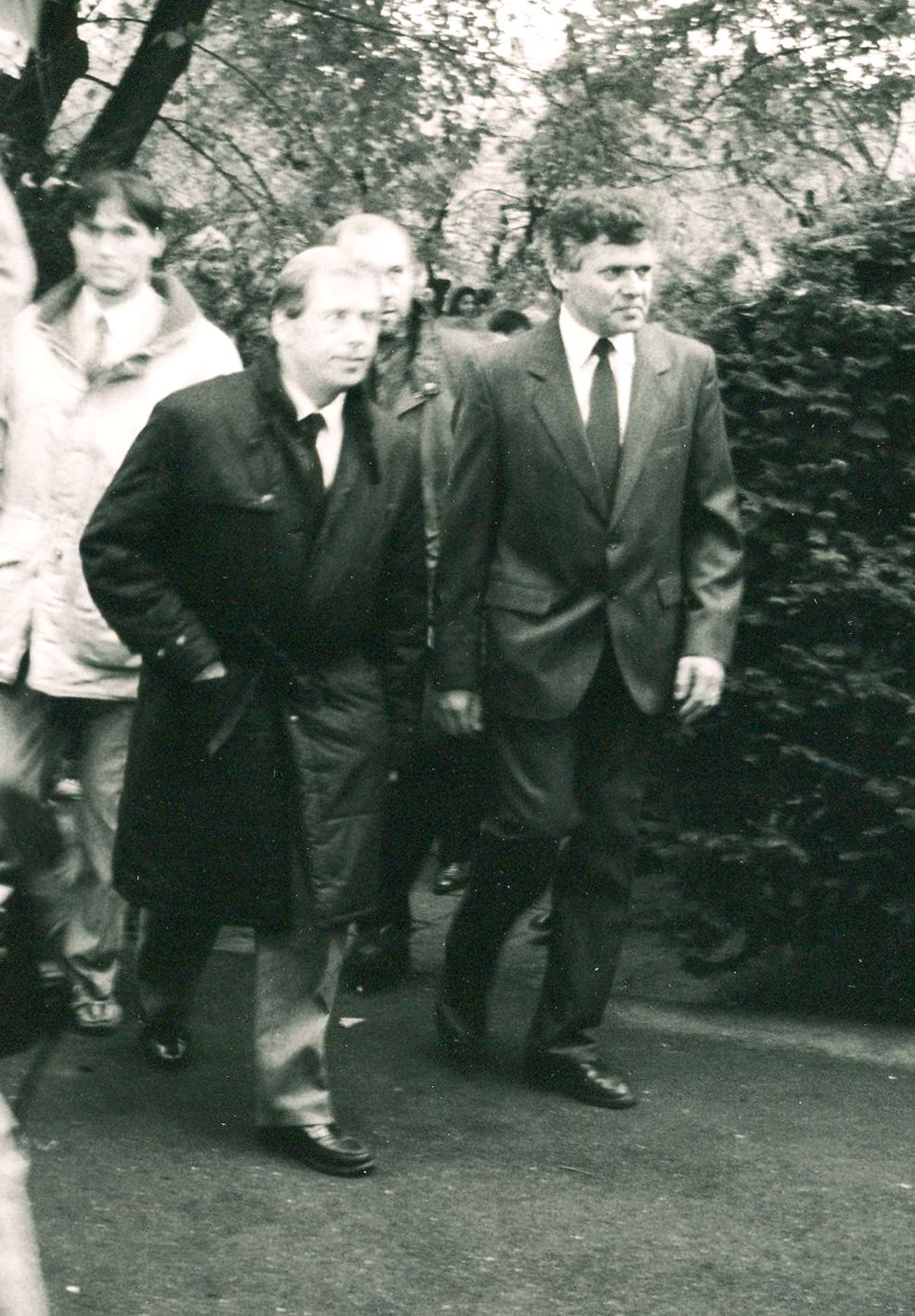
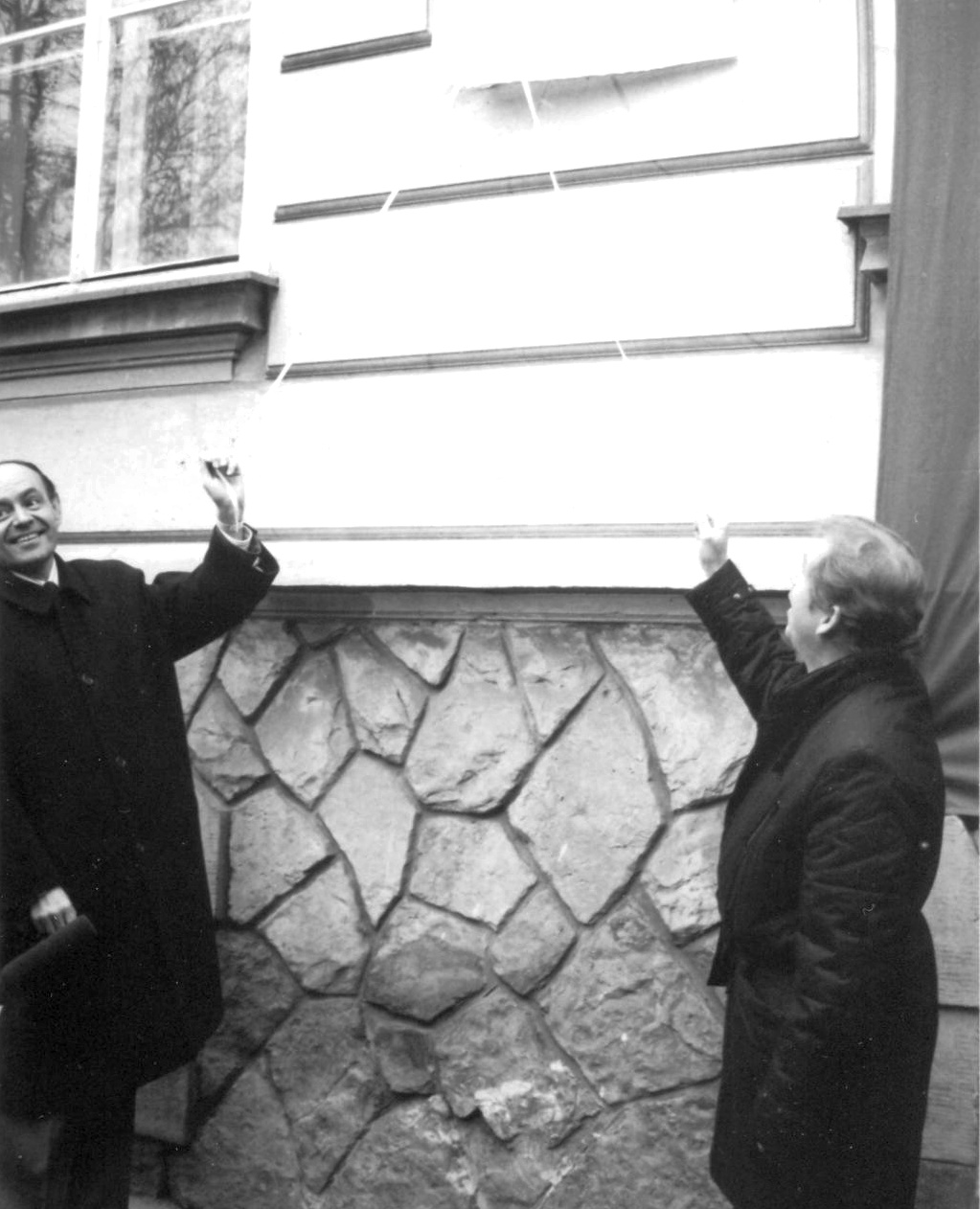
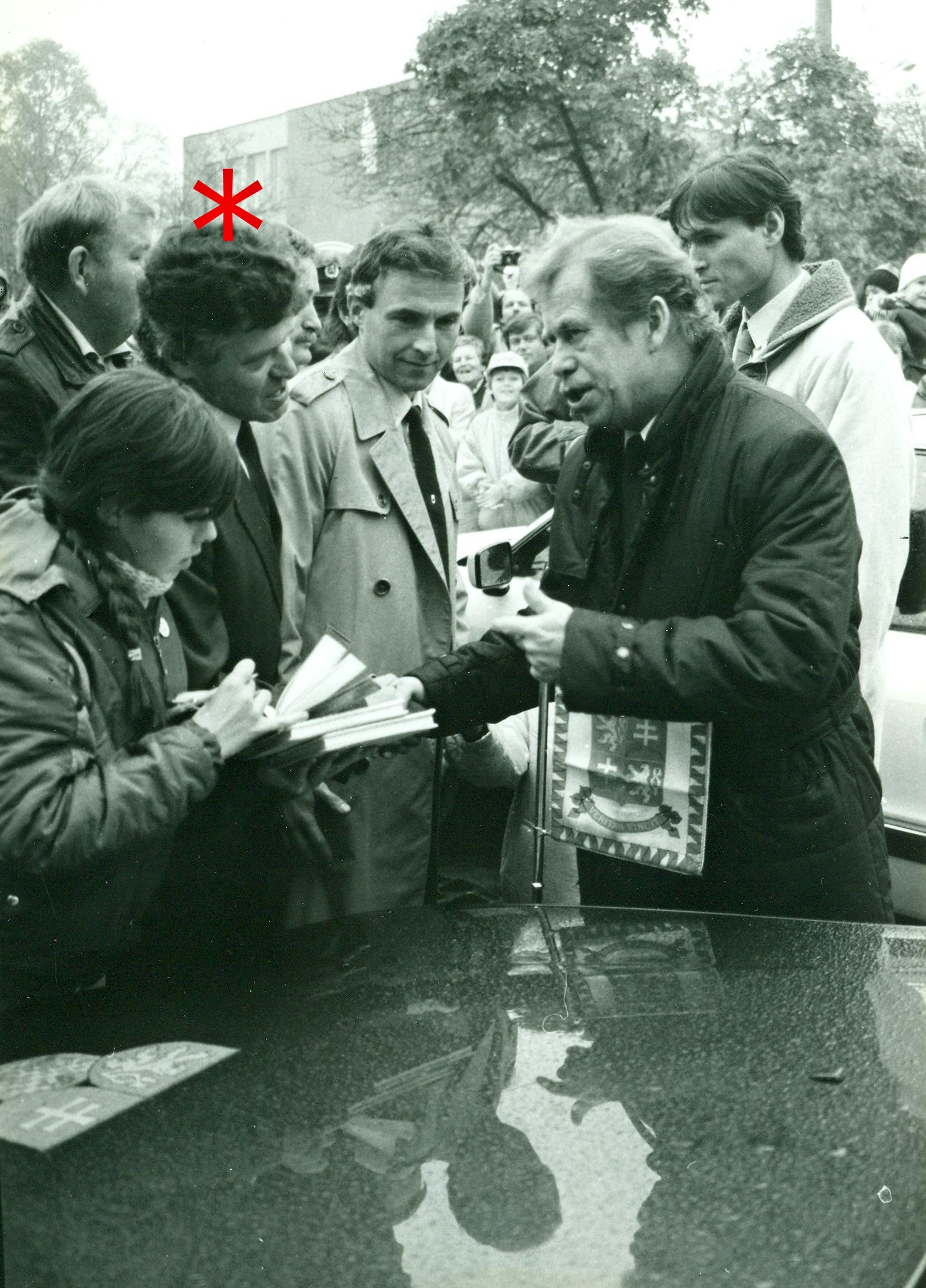
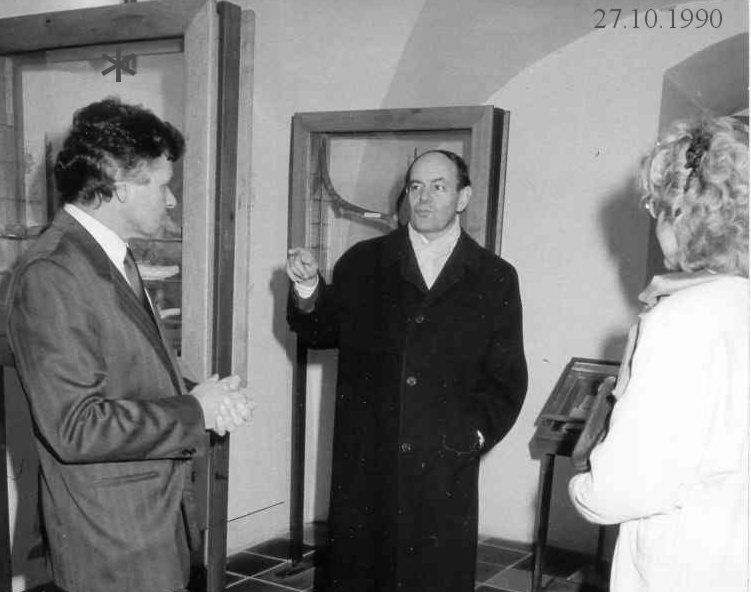
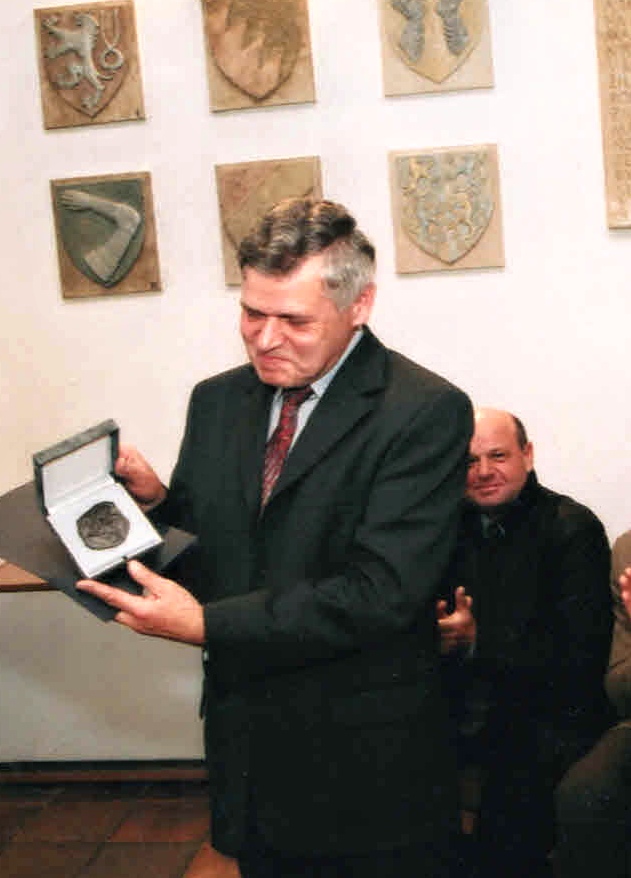
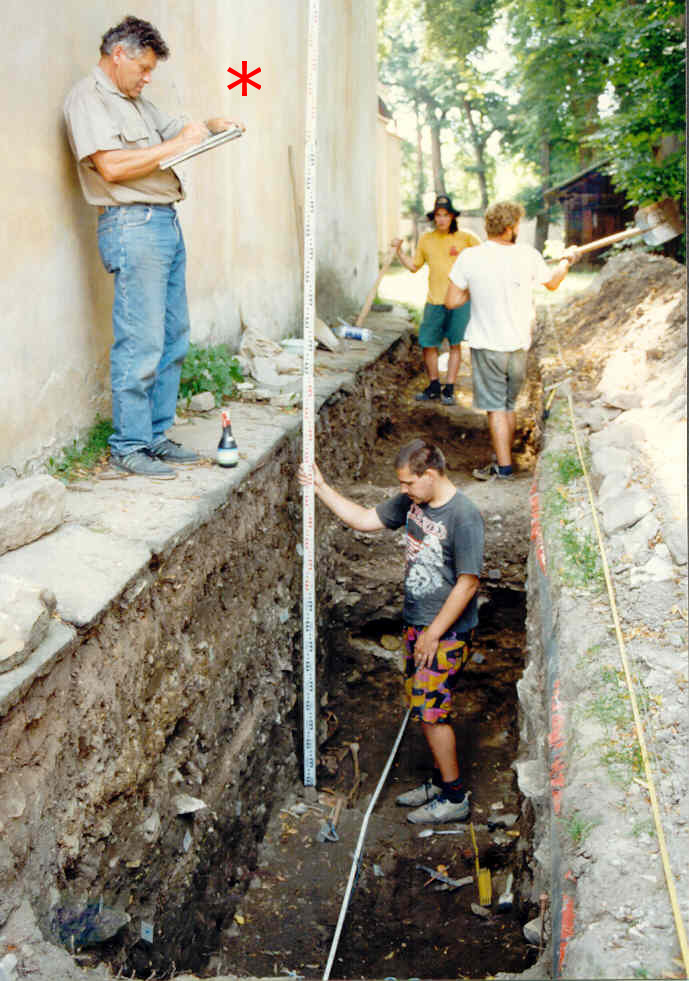
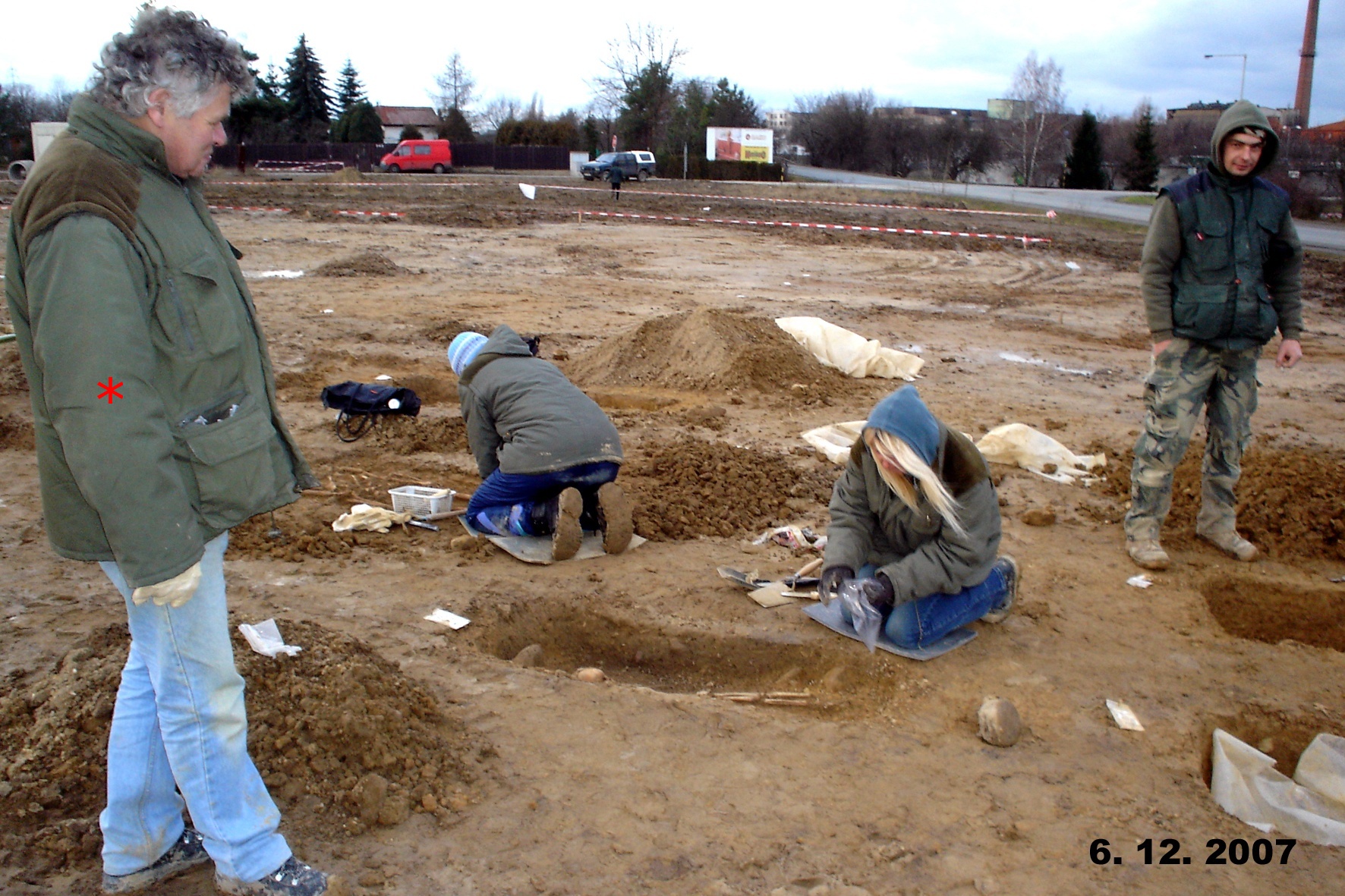
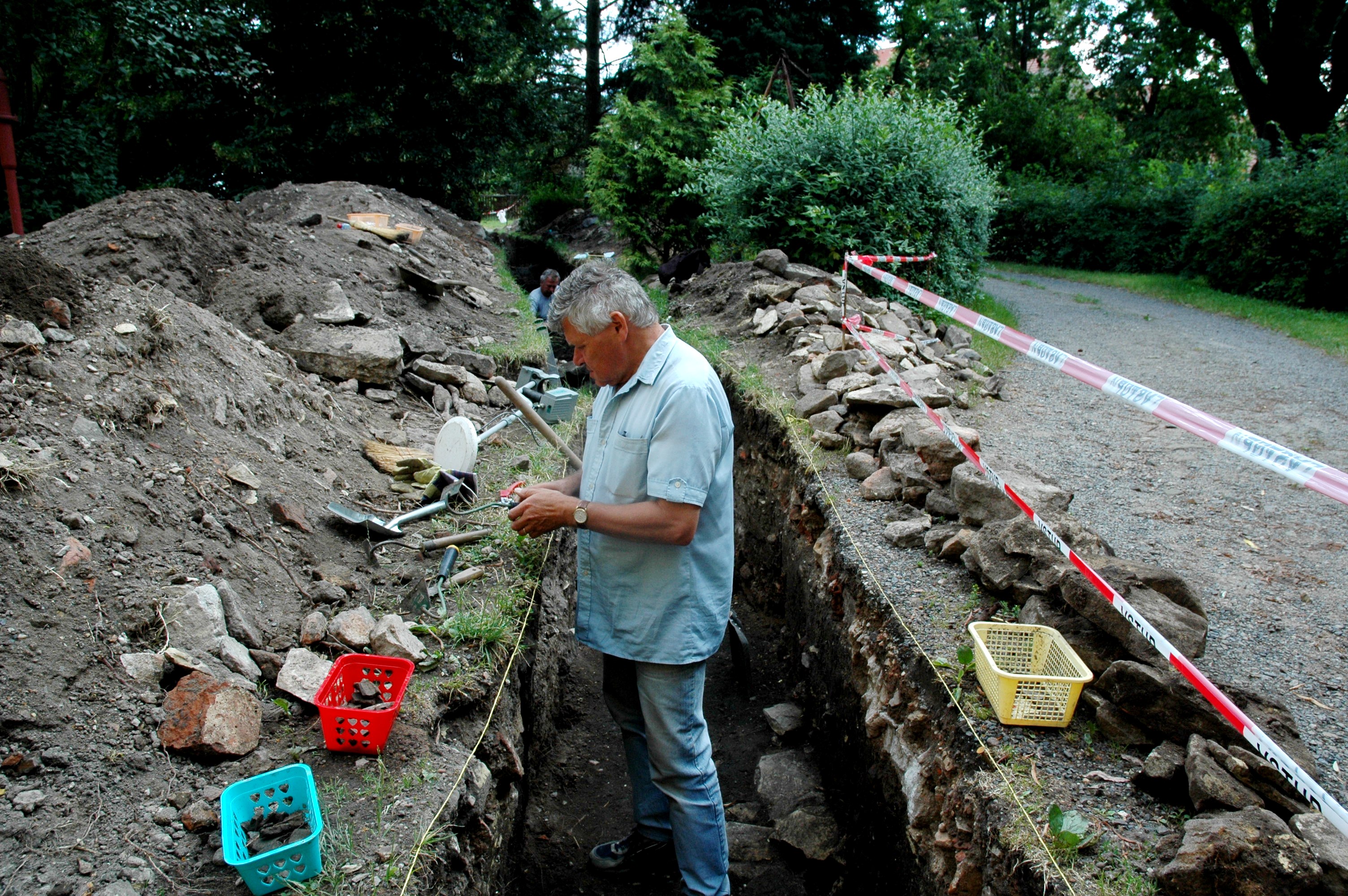
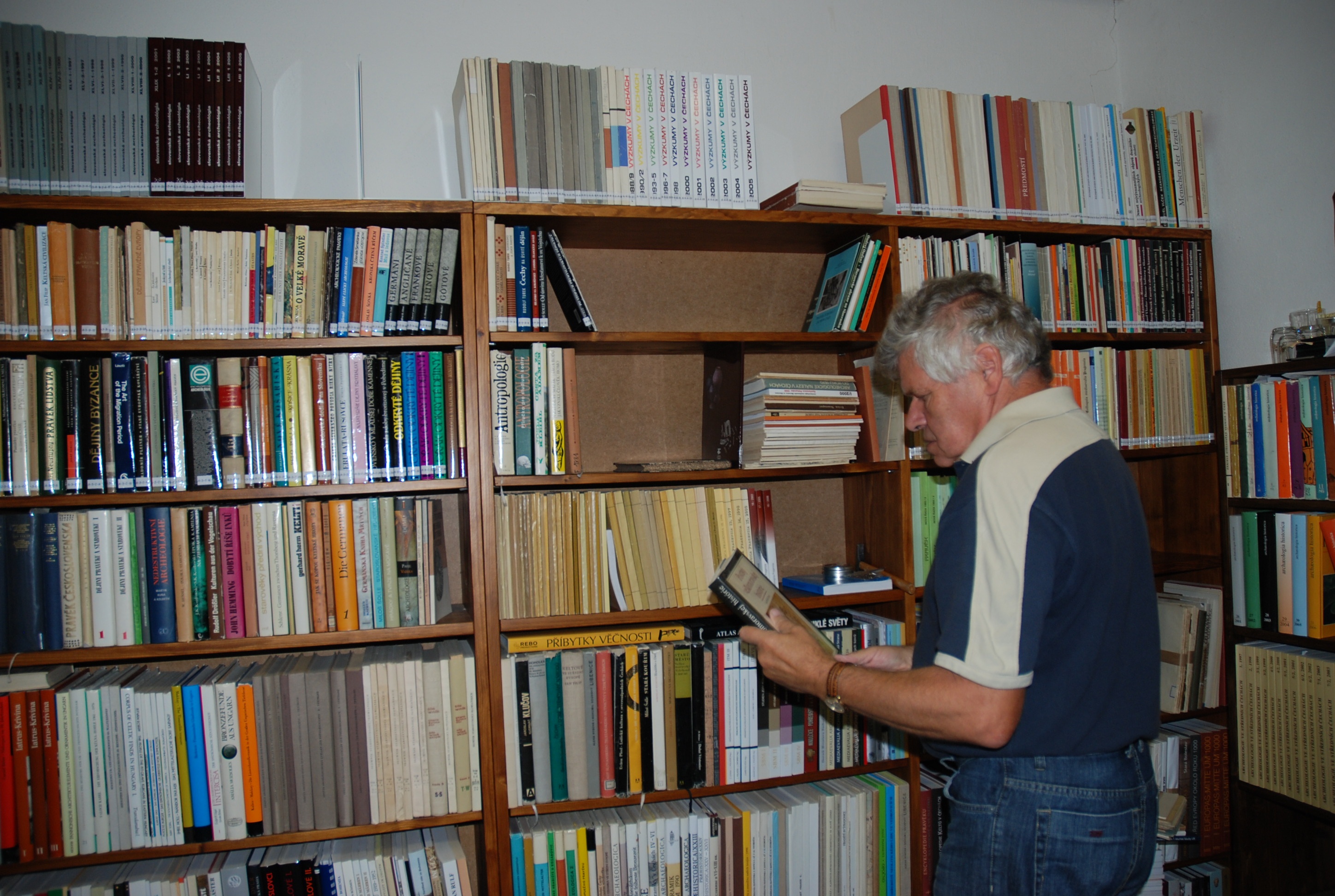
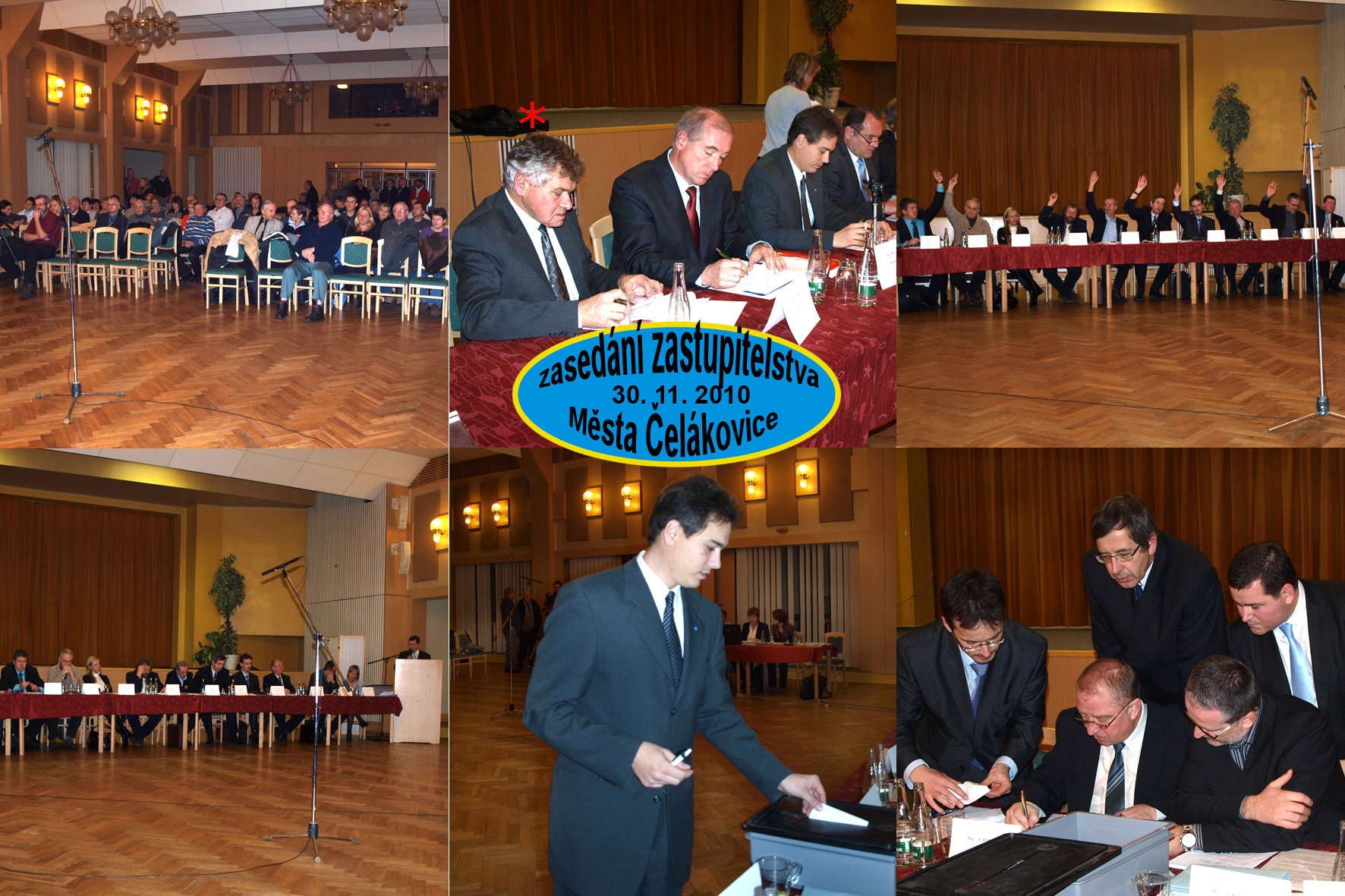
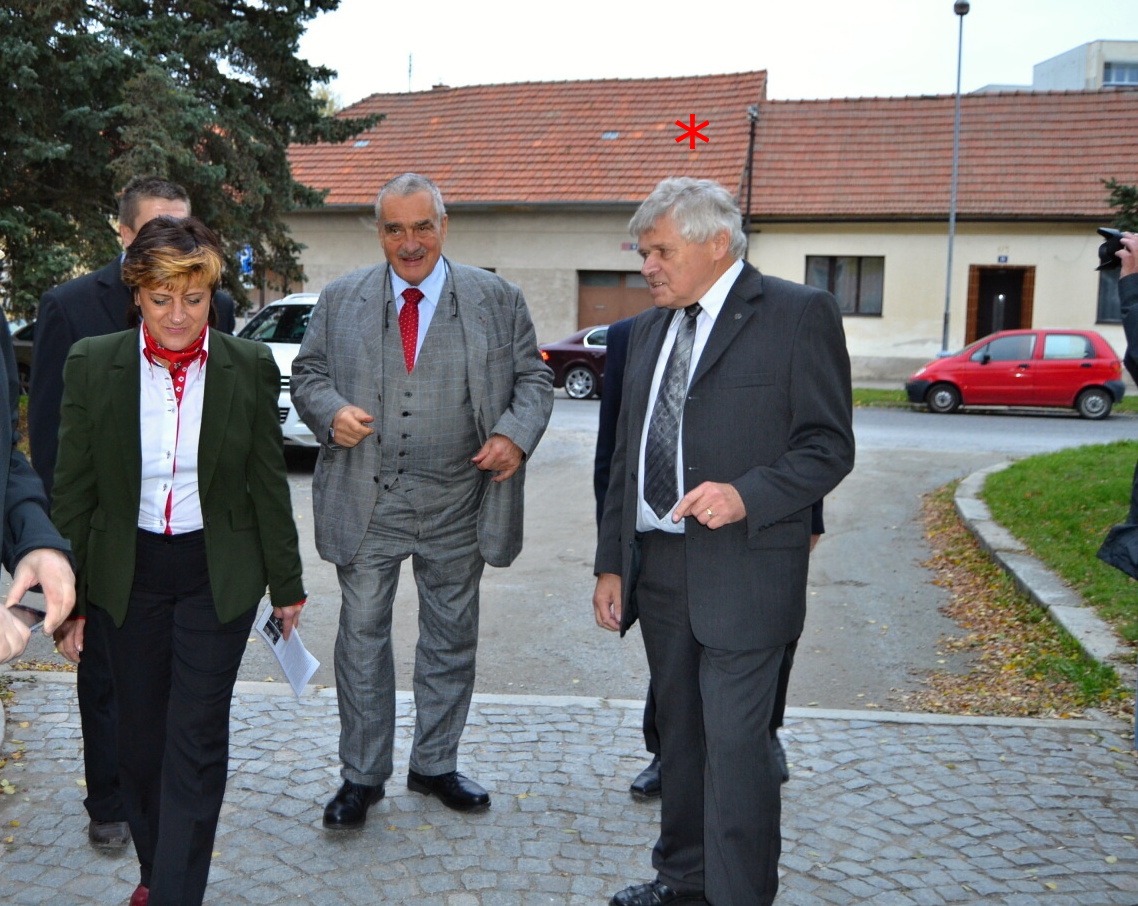
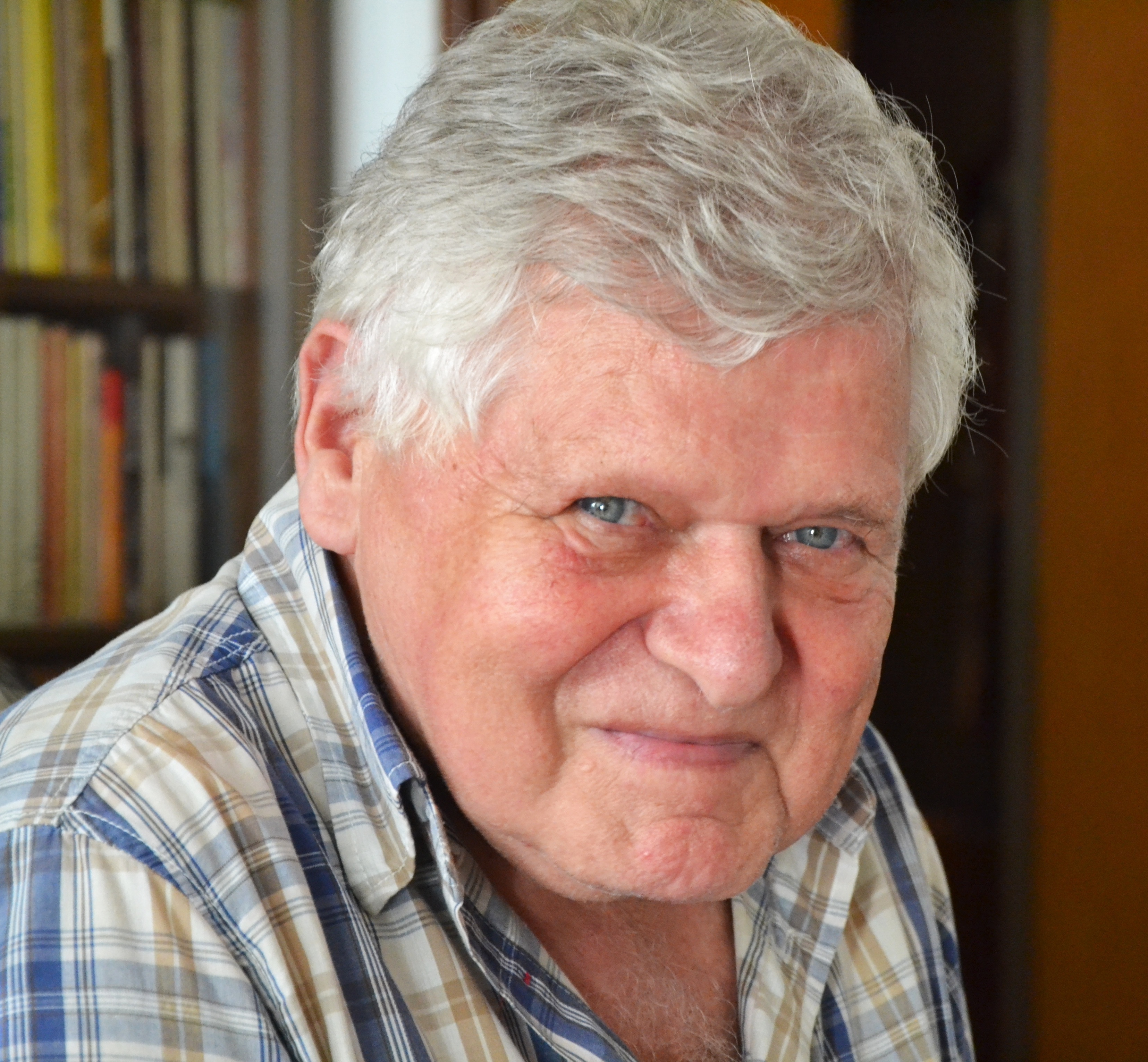
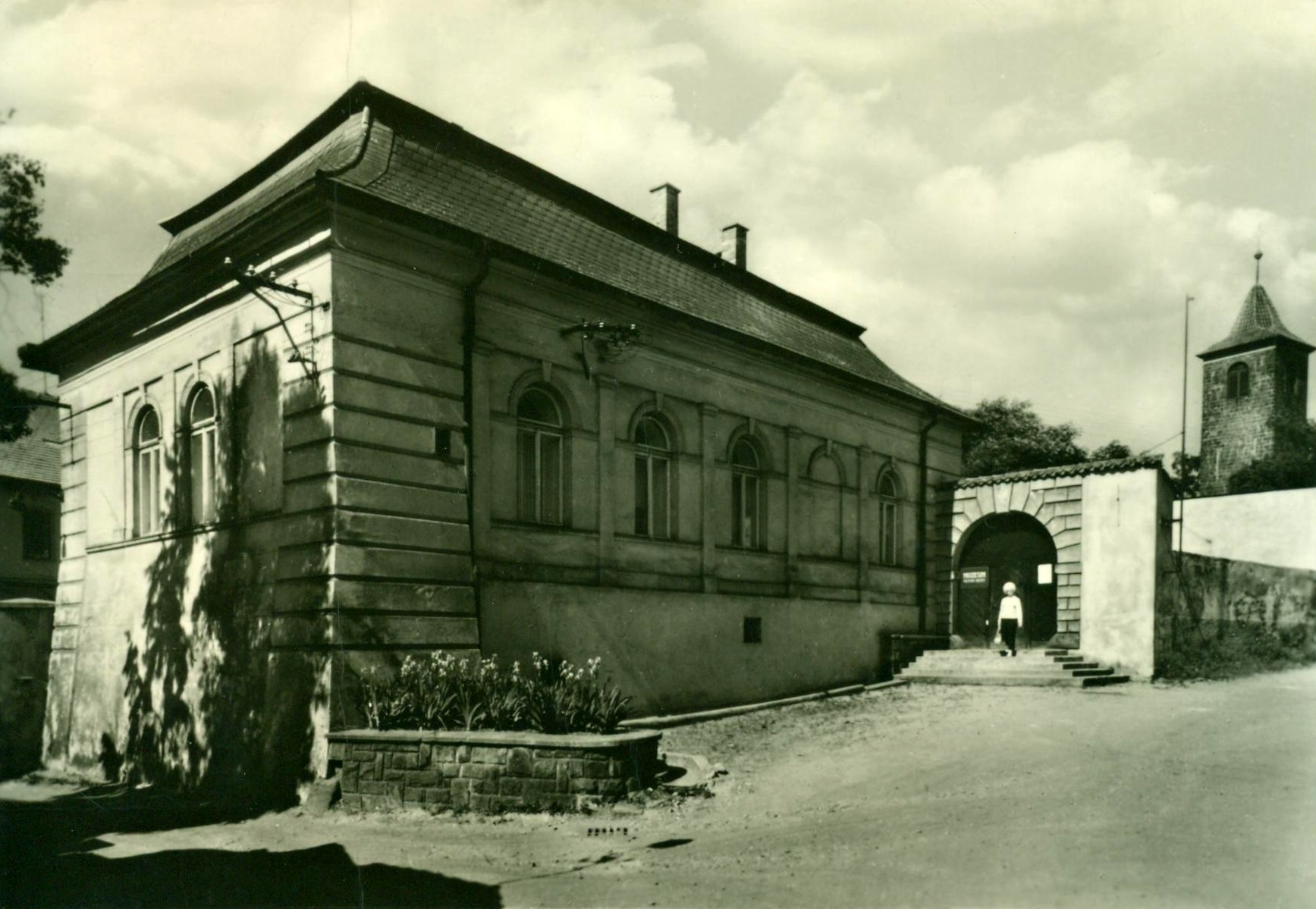
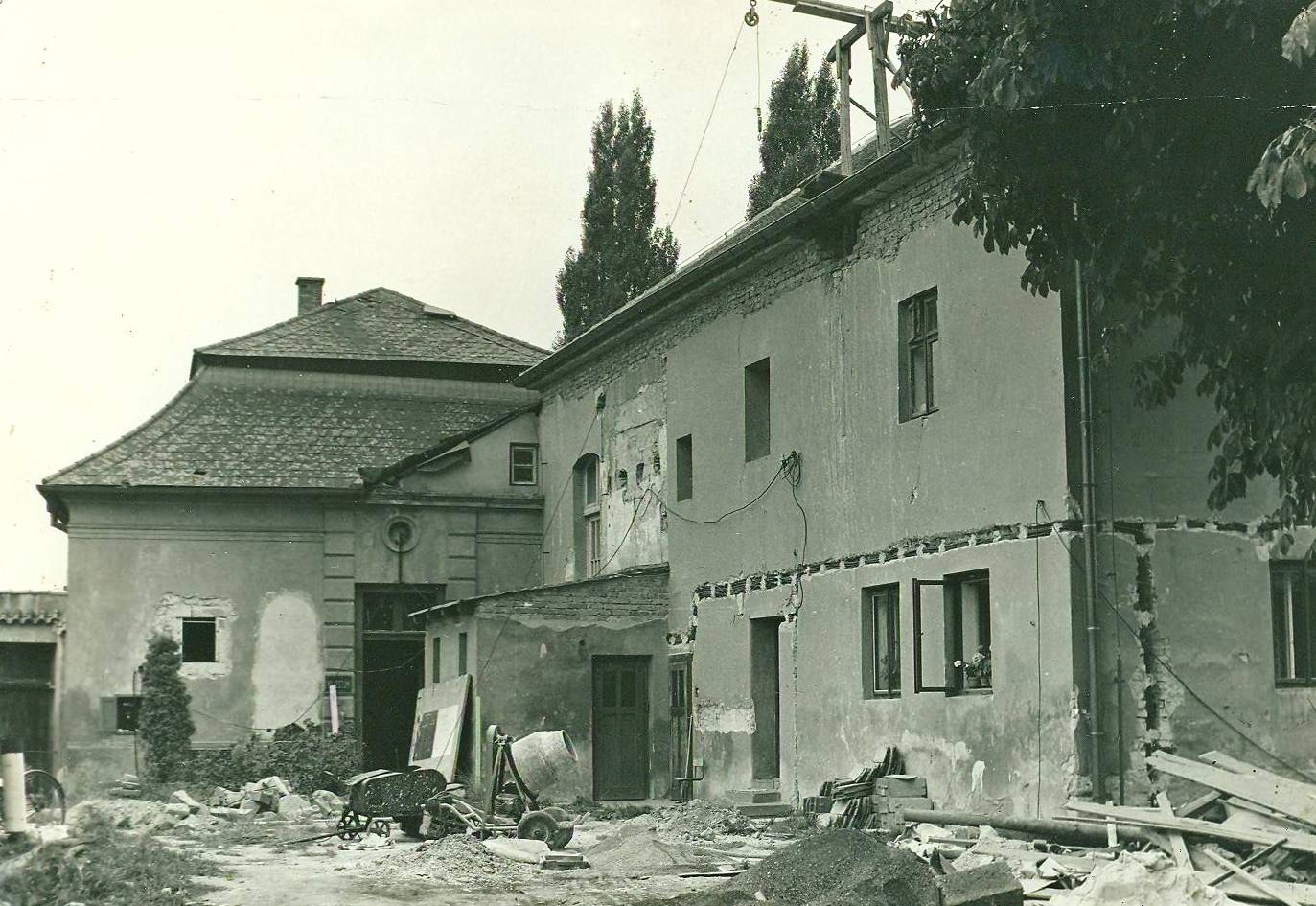
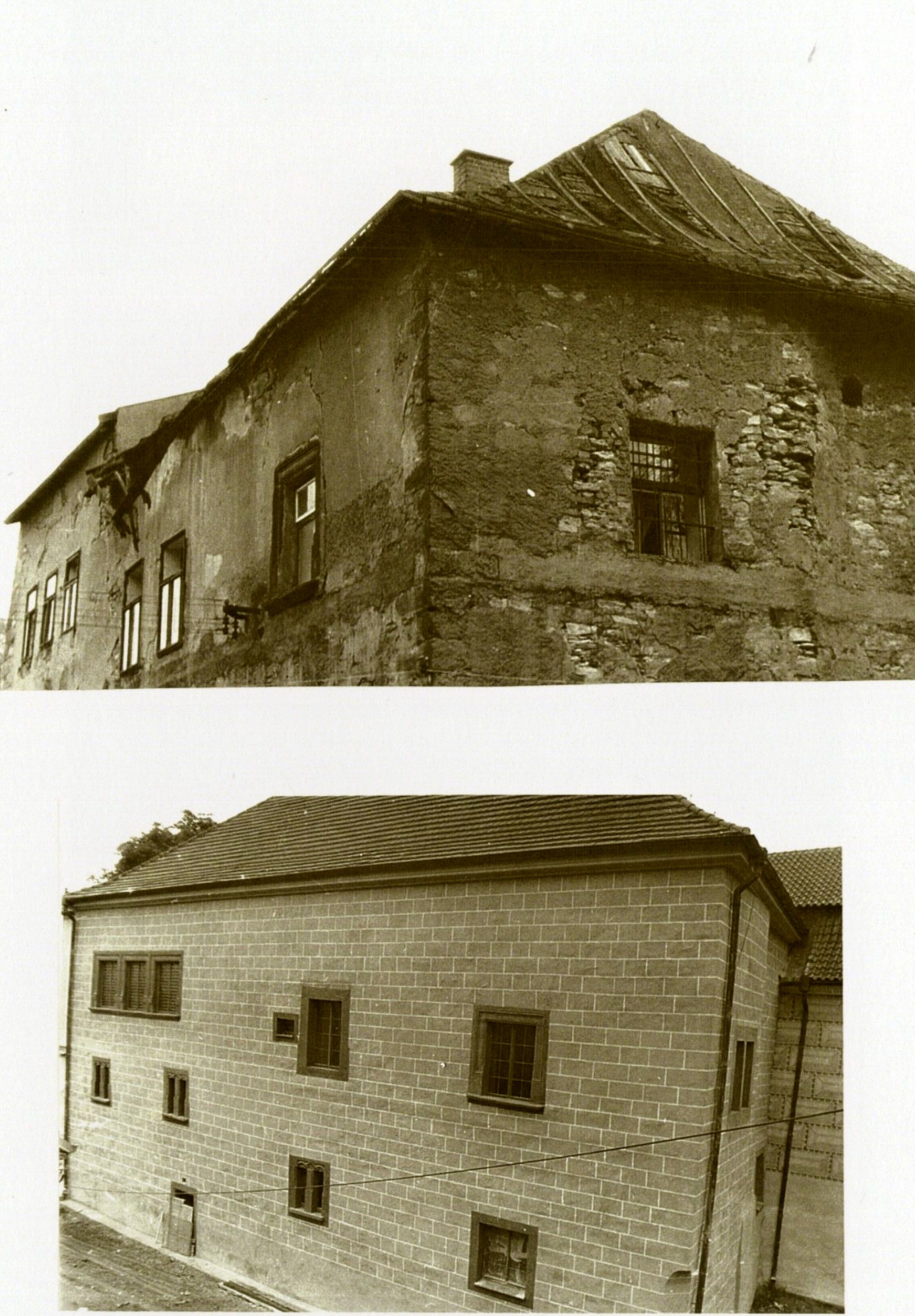
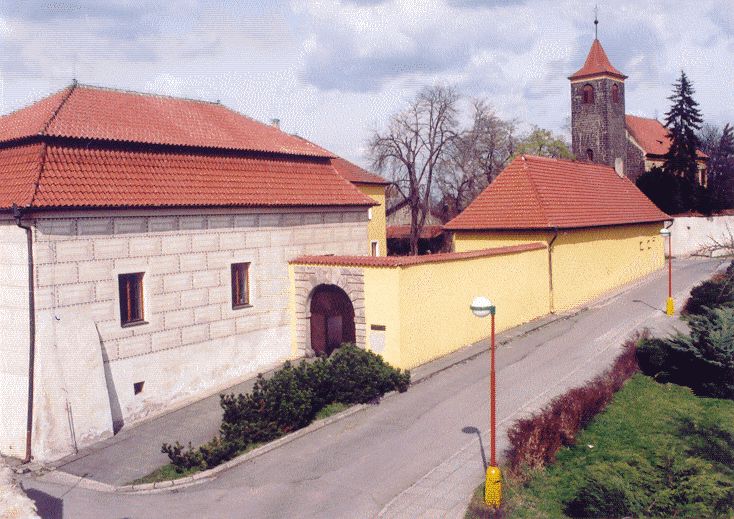
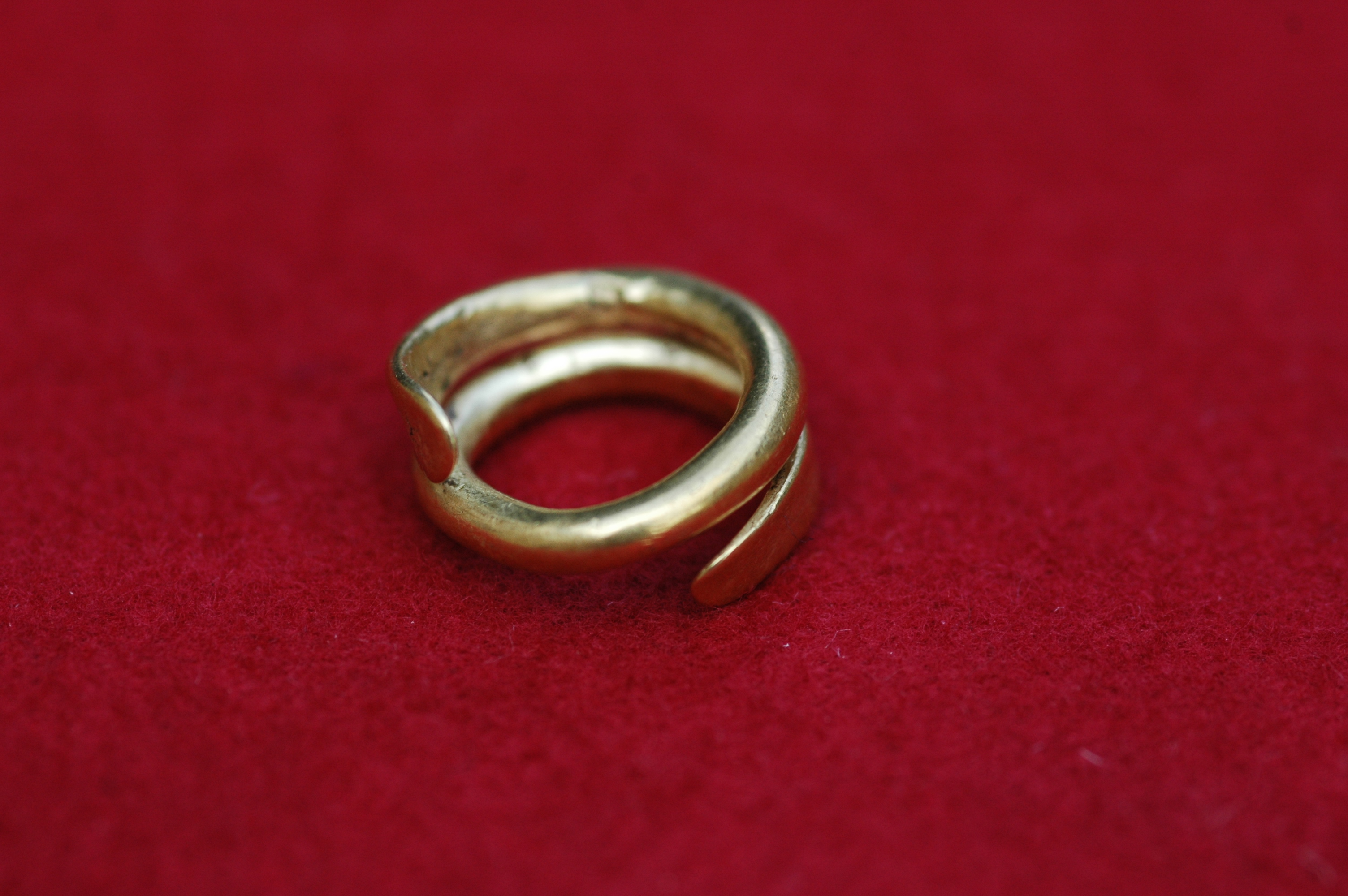
Jaroslav Špaček saw the light of day on 1 June 1943 in a Prague maternity hospital, but his life story unfolded in Čelákovice. His parents, Marie and Václav Špaček, ran a small stationery shop from 1933, which was nationalised in 1949. From once free tradesmen they became employees of their own shop. After three years they sent his father to hard work in the metalworks Kovohutě, where he became ill and soon became unable to work. The witness longed to study archaeology, but the regime offered him only mines, metallurgy or agriculture. Thanks to his father‘s connections, he trained as a turner, but from his youth he was a member of a museum club and was interested in archaeology and numismatics. In 1963, he started to woork at the Institute of Archaeology, later the National Museum, where he began to carry out rescue archaeological excavations in the historical and archaeological department. It was there that he experienced August 1968, which will always be etched in his memory - bullets in the walls of the museum or missiles collected as a memento of the occupation. In 1970, the witness organized an exhibition on cosmonautics, which was labelled „pro-American“ and banned. Yet he did not give up. In 1972, he became the director of the Čelákovice Museum and embarked on a nearly eleven-year reconstruction of the Čelákovice Fortress, which opened up in 1983. He led a number of archaeological excavations, among other things he discovered probably the oldest gold artefact in our territory. After November 1989, he became one of the voices of the Civic Forum (OF) and he participated in the unveiling of the memorial plaque of the legionary Václav Záruba and the statue of T. G. Masaryk. He is a recipient of the Artis Bohemiae Amicis medal of the Ministry of Culture of the Czech Republic. In 2025 he lived in Čelákovice and wrote publications about the history of his neighbourhood.