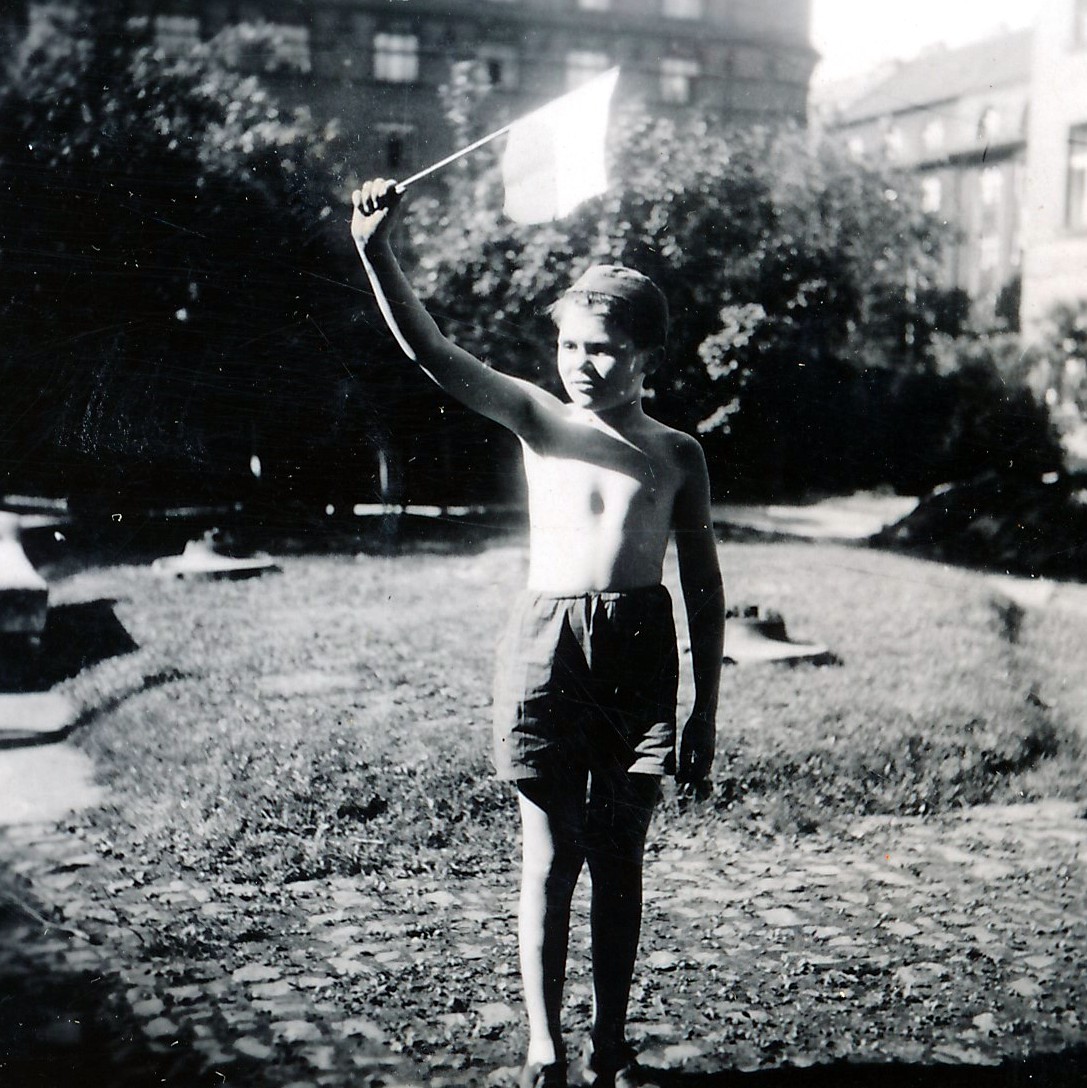
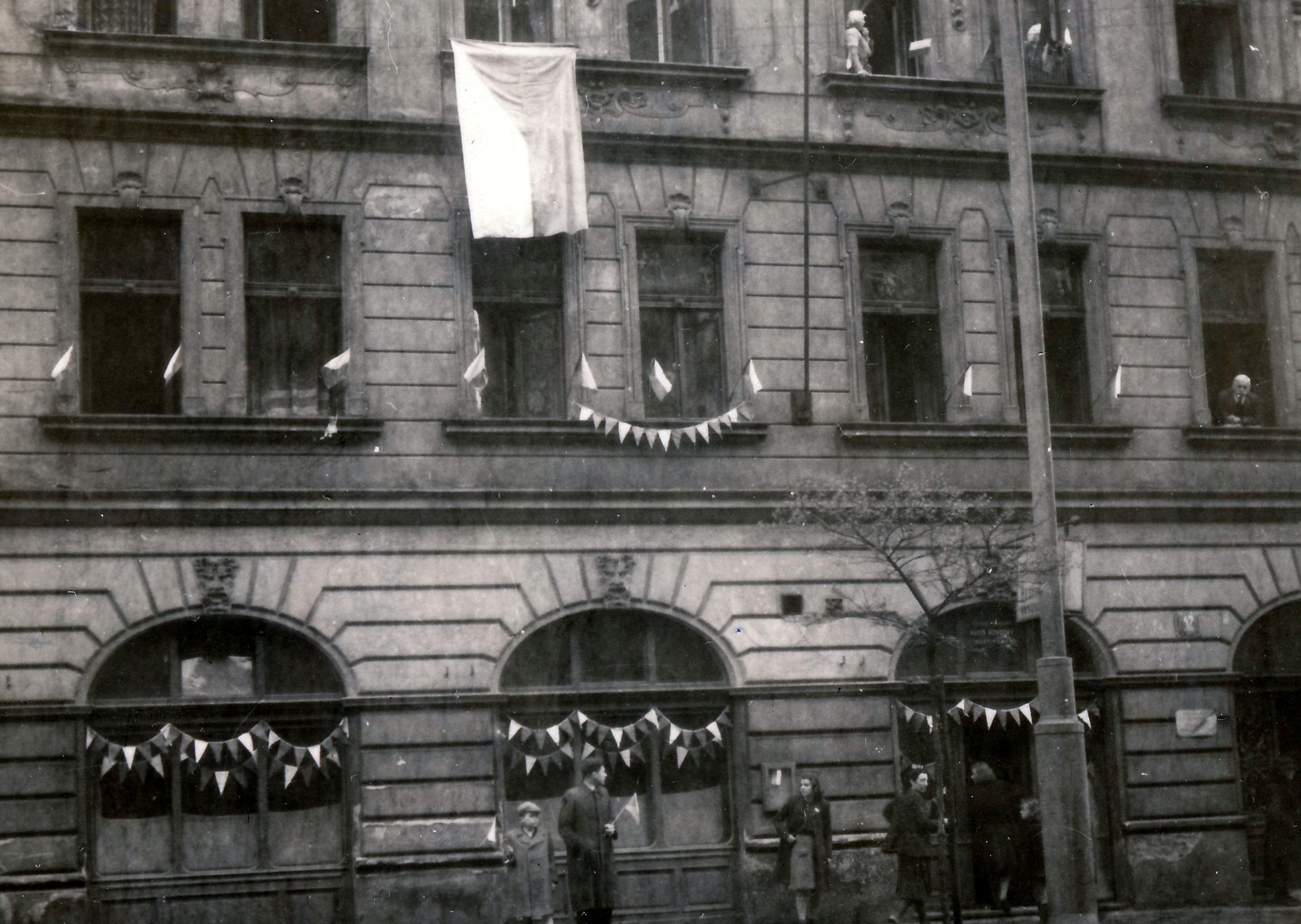
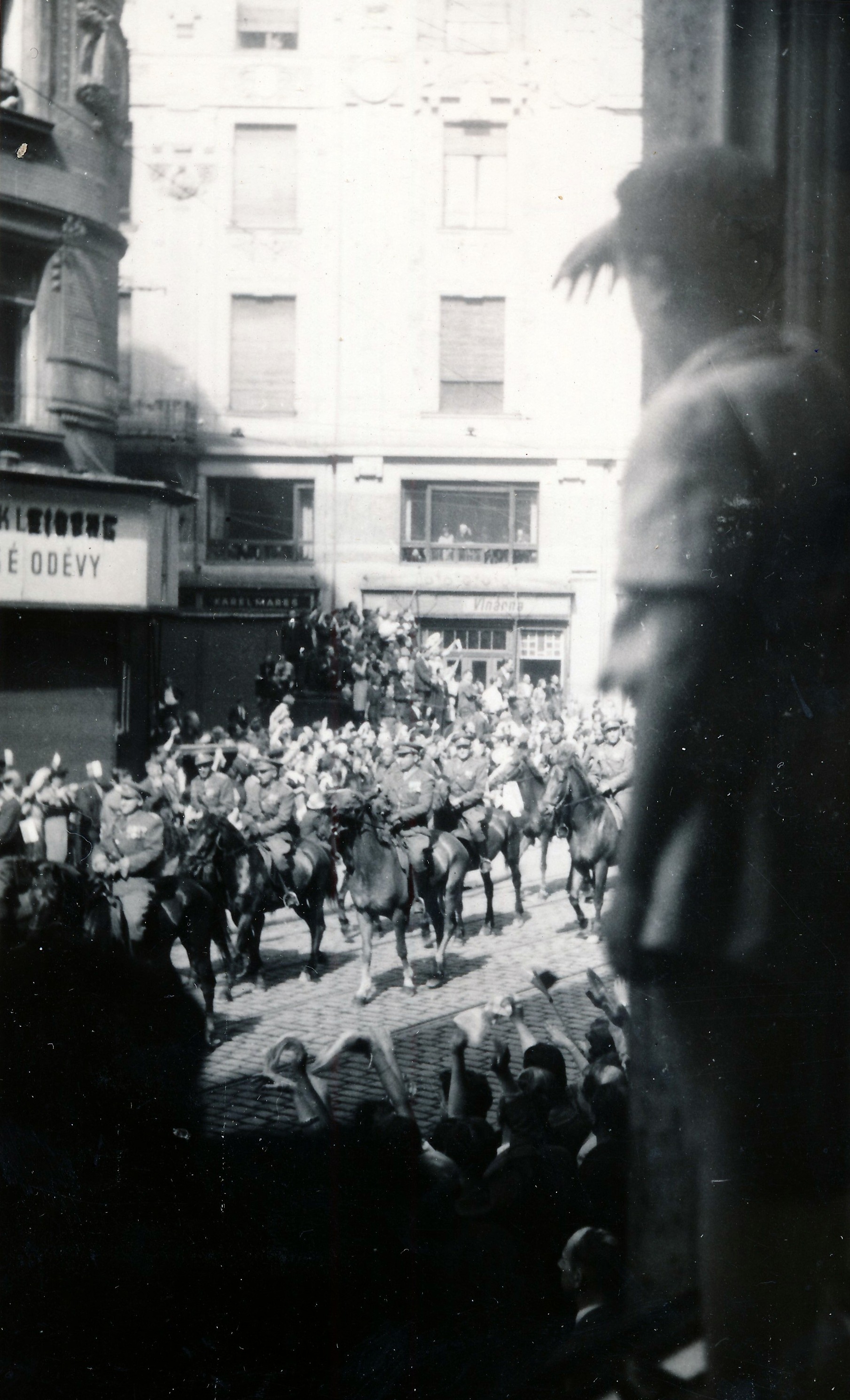
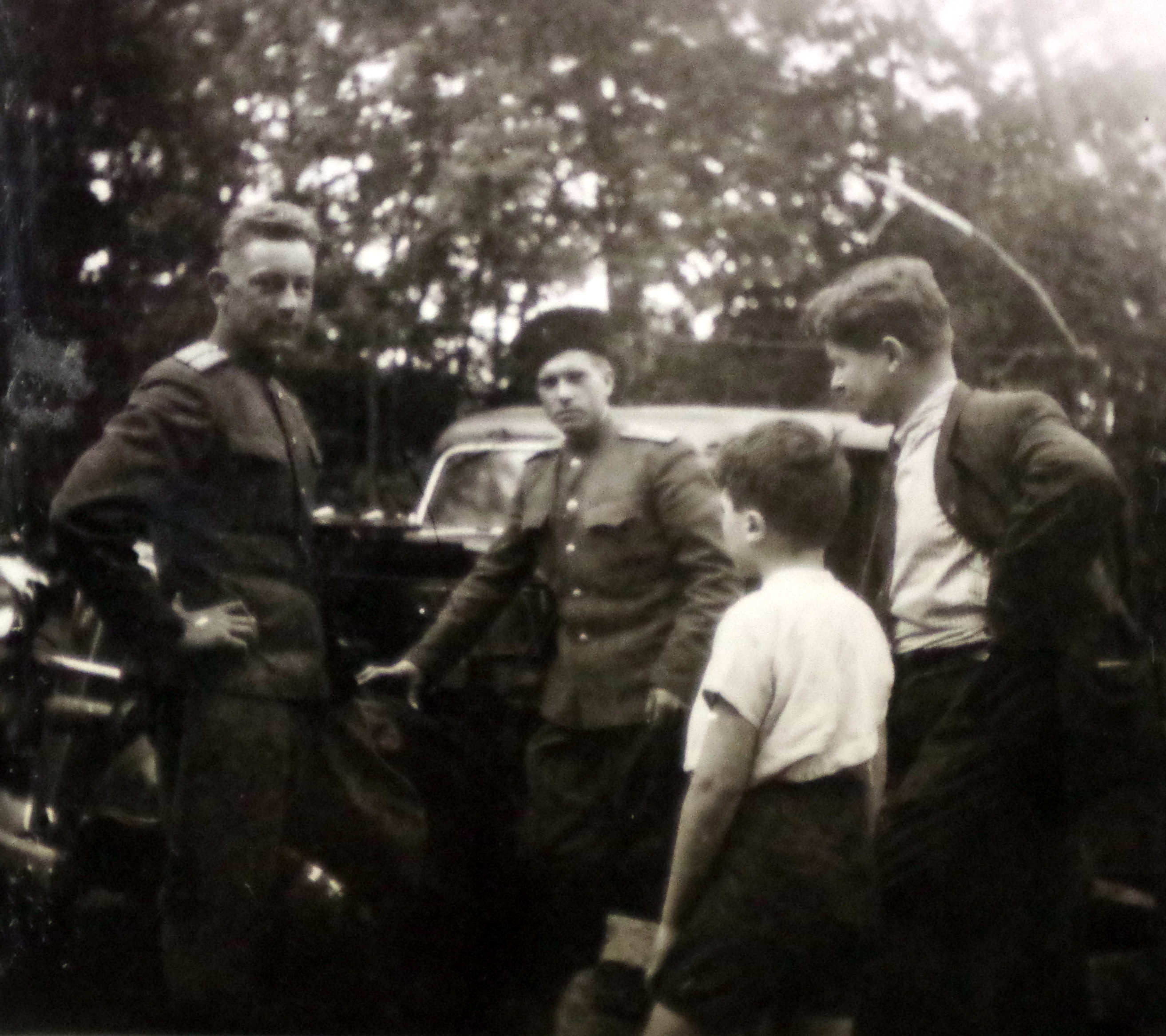
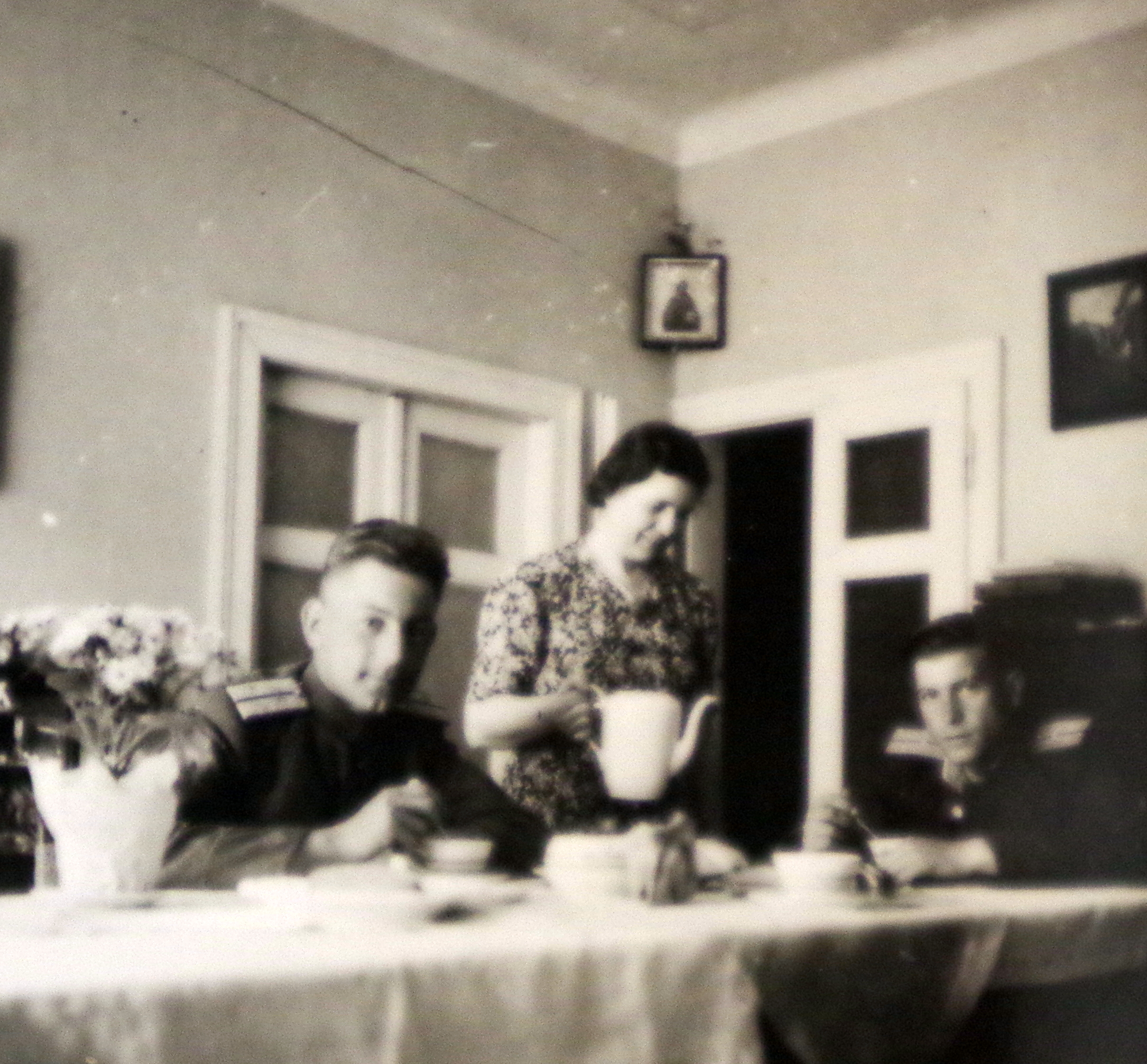
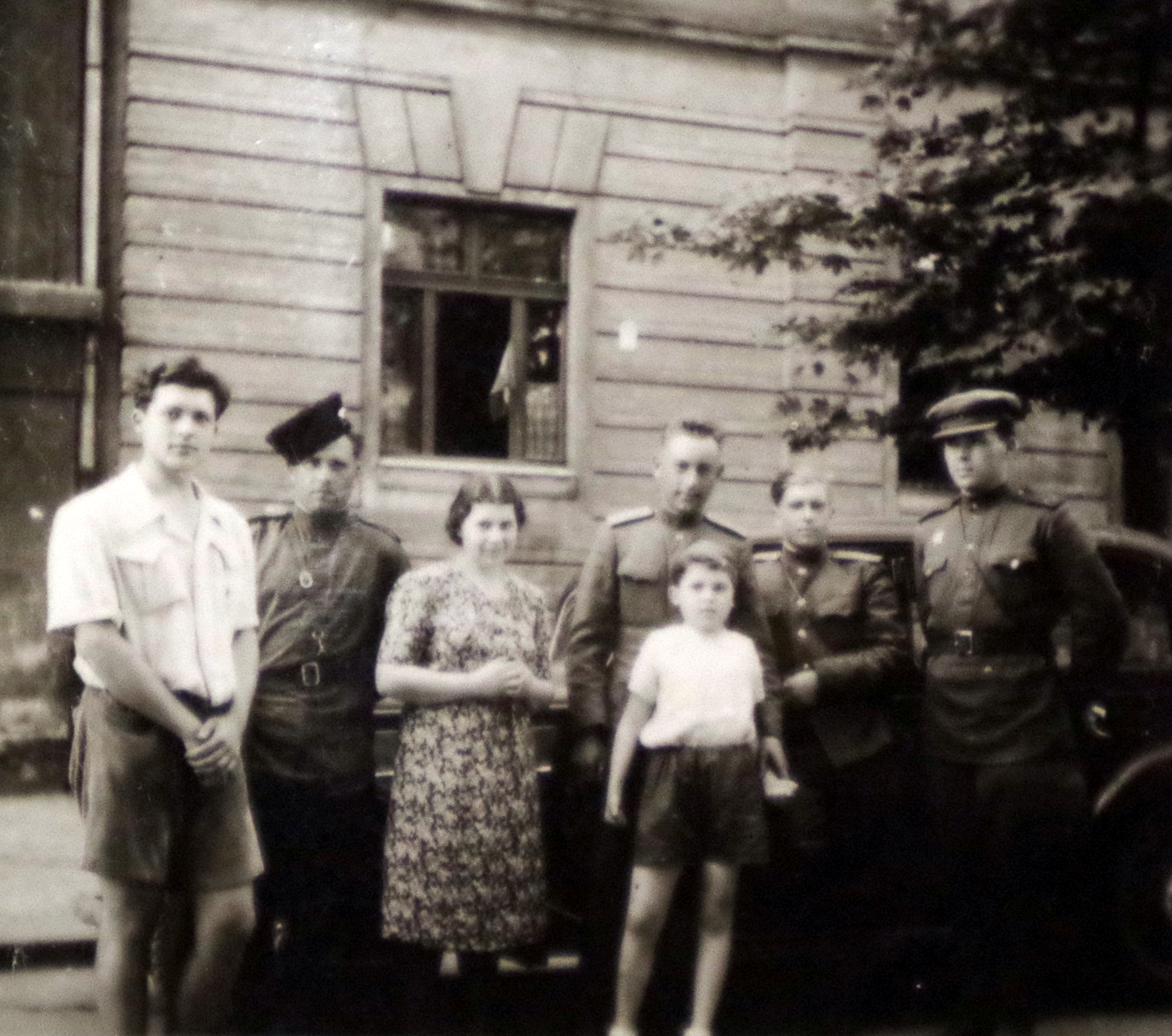
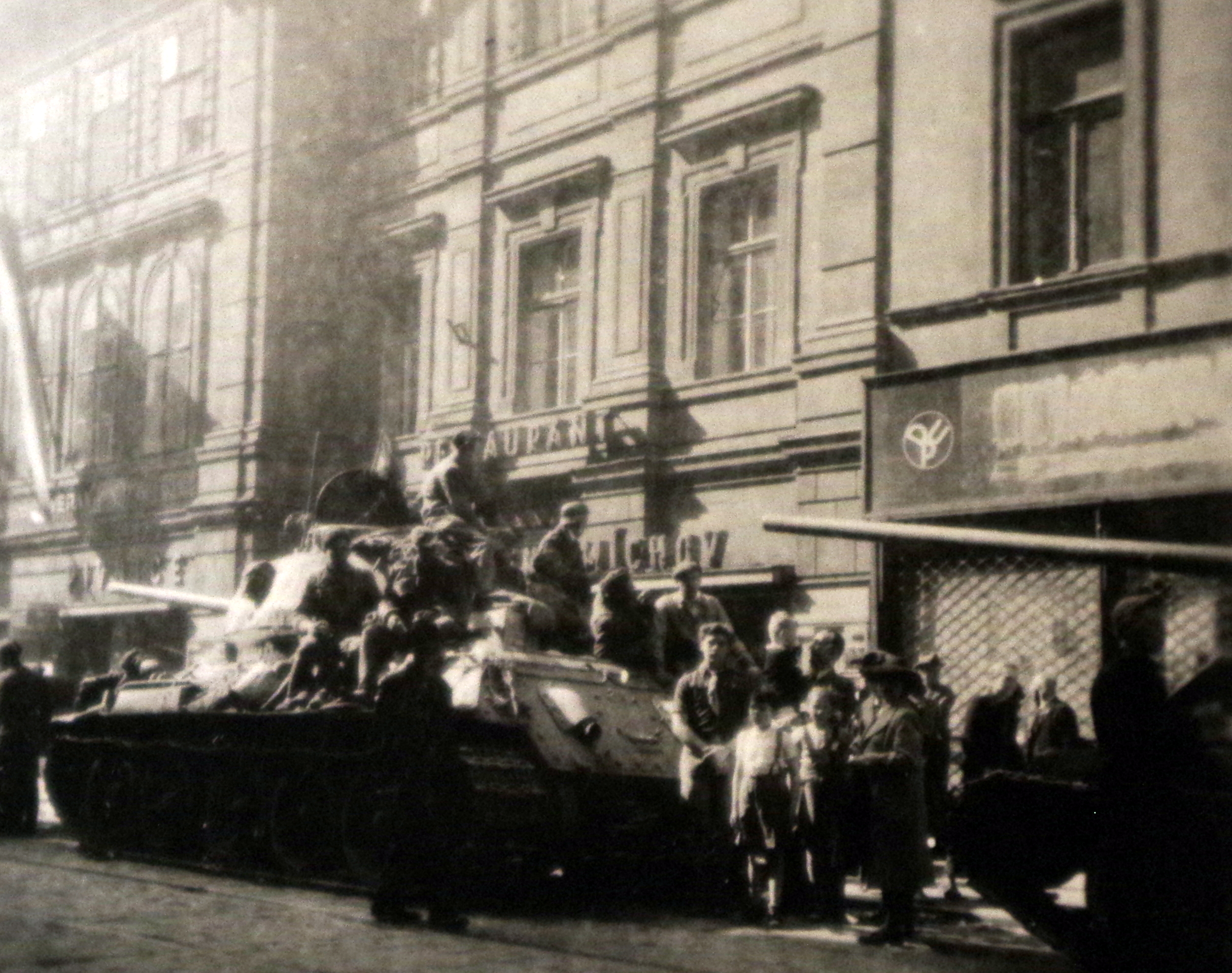
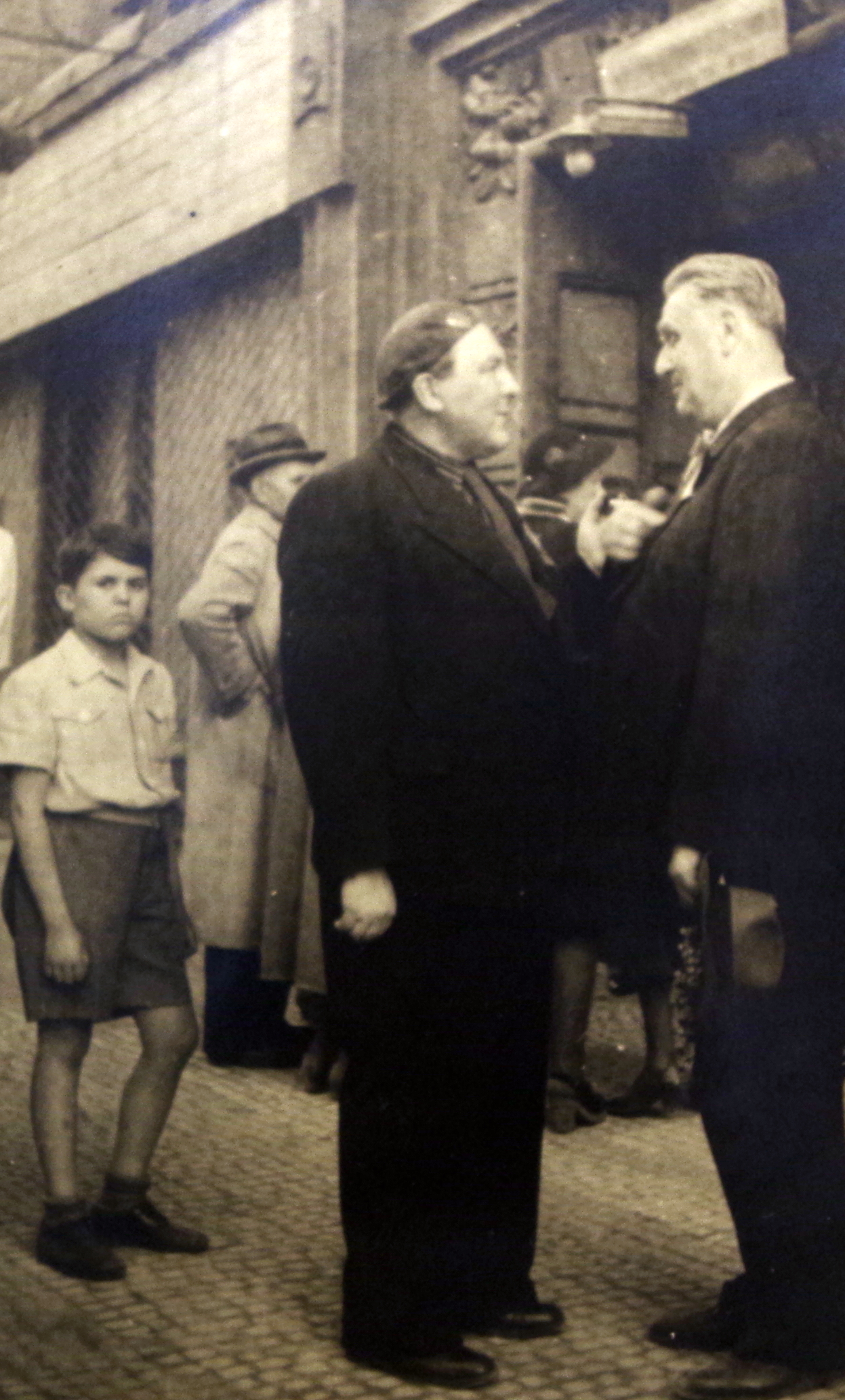
"After the ninth of May, or after the eighth of May, I don't know, when the Russians arrived, we went out into the streets and I saw terrible things. A man was going. 'He denounced, he denounced!' So they threw him on the ground. And he said, 'I'll explain it to you, it was different.' They kicked him, there was blood coming out of his ear. My parents took me away. Then we got to the Museum and there was a thing... it's still breathless to this day. There was a shrunken Gestapo man hanging from a candelabra. There was gasoline burning under it, a gasoline fire. He had straps of flesh torn from his back, his skin. And there was a sign saying that on the morning of the 8th, he chopped off the fingers of three children with an axe in front of their parents. Well, that was a horrible experience, wasn't it, for a boy. I haven't forgotten that. So it was enough when the crowd pointed at someone... Yeah, yeah, and it was just bad.
Or there... I know they were killing some captured Germans and pouring water on them. There was a man in charge whose family died in a concentration camp. And then, of course, innocent people got hurt..."
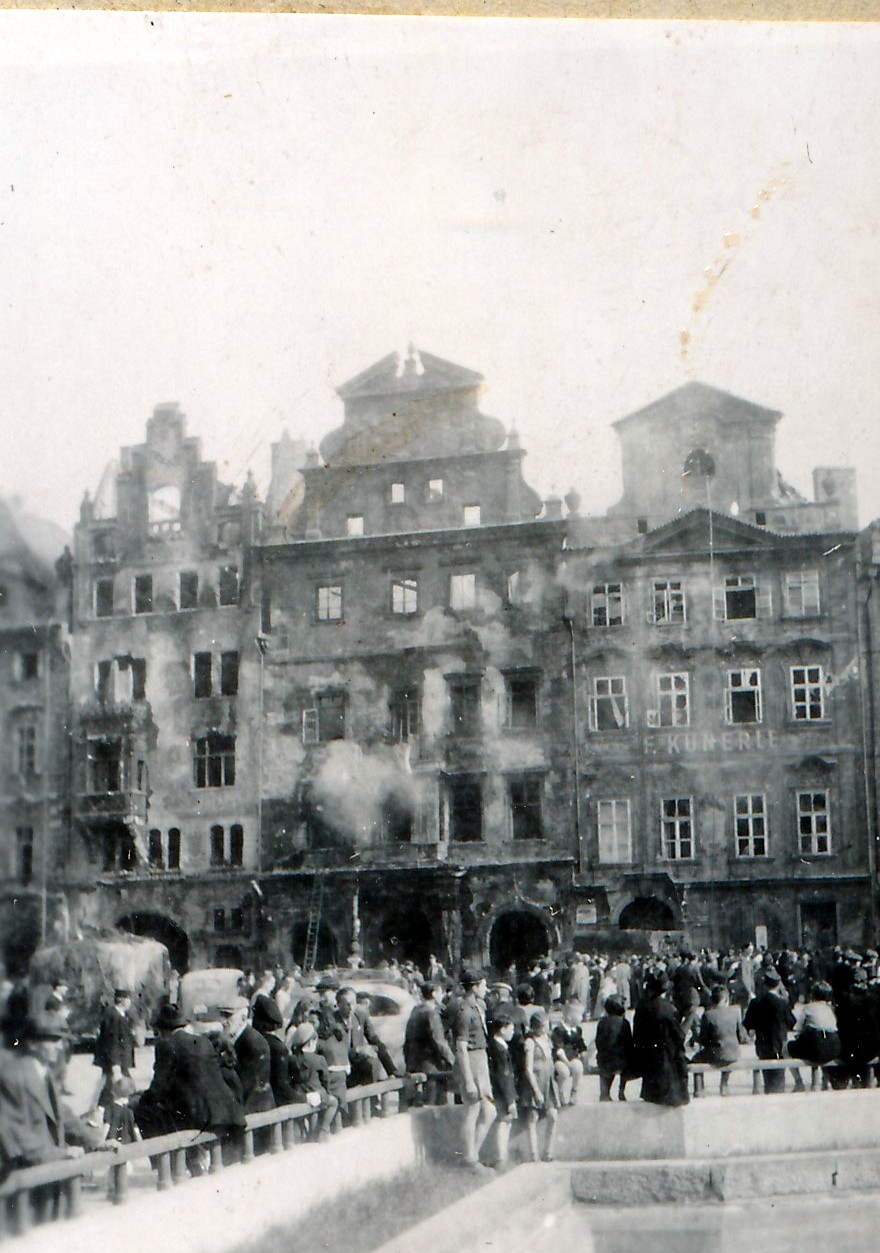
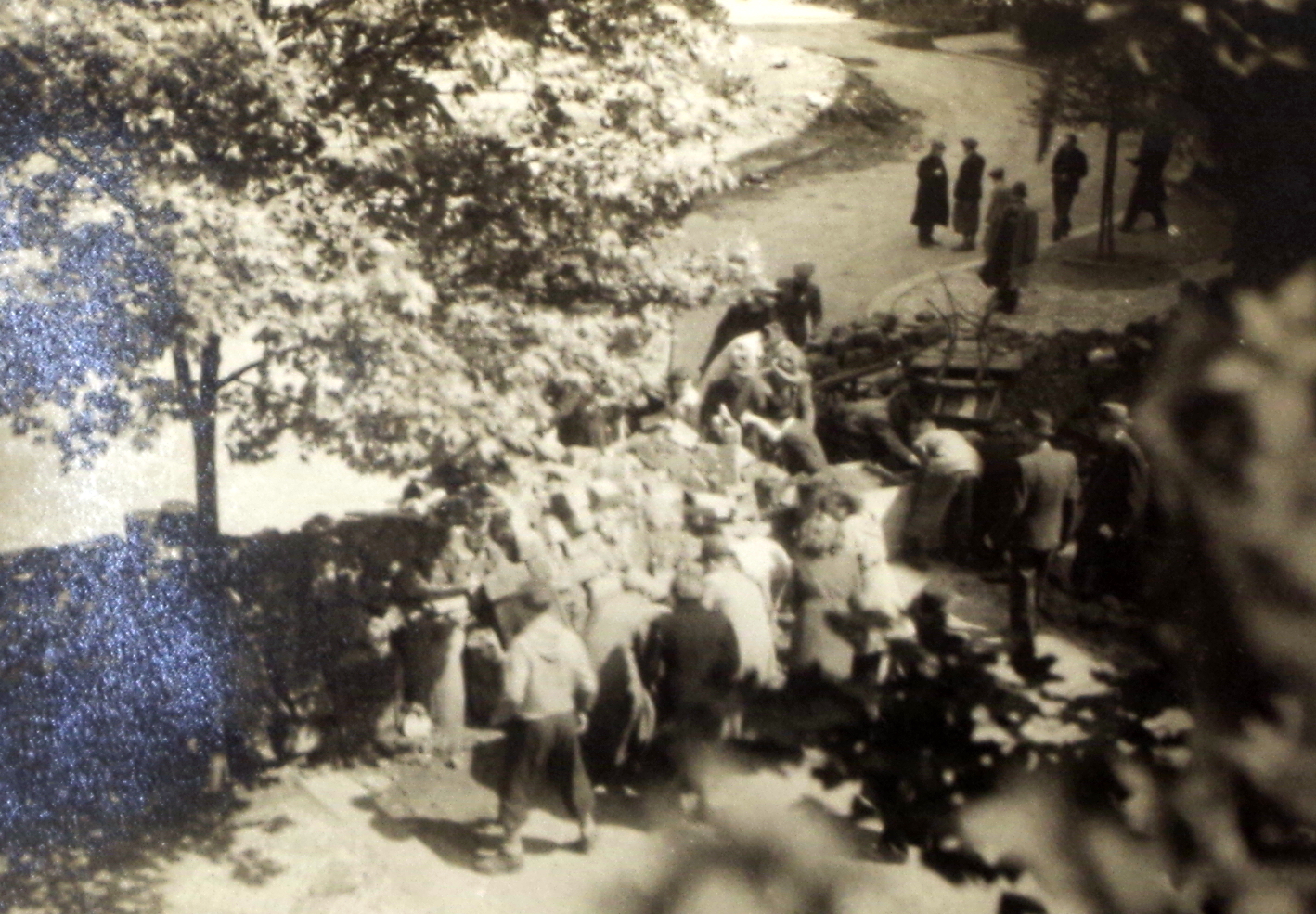
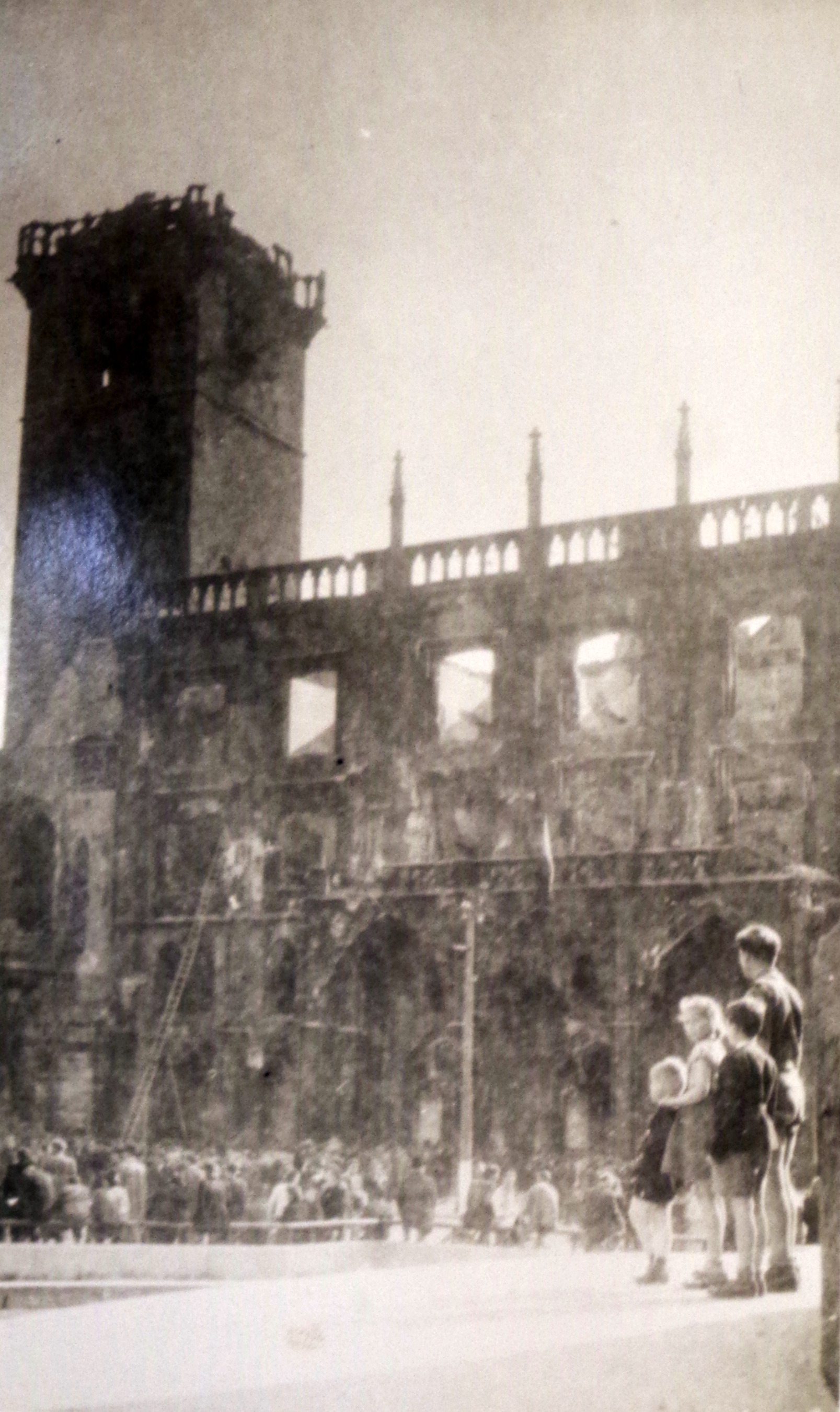
"And the barricades began to be erected. The paving stones were being taken out. There are pictures of the barricades in the albums. And so, when we were little, we used to carry the cobblestones and hand them out. Then we played soldiers, we each had a stick and a can on it, like a panzerfaust. We played soldiers. And we were forbidden to go to Rieger Gardens, so of course we went there. And we saw the Old Town Hall burning. Then the adults were there too. And there was also a fire at the Castle, so we went home to tell them. My parents ran out, they saw it, they were scared. Fortunately, at the Castle it was only the German archive that they were burning. Lots of papers they burned in the Castle. But the Old Town Hall burned down. Then the news came that the tanks were coming. There was a very steep street, still called U Rajské zahrady, down to the pension institute, the college of economics, like to Churchill Square today. And that's where the tanks were going up. That was again... we were only scared when my parents were scared. What could happen, right. That tank's engine died, and no more tanks passed next to it. At that grade, they didn't have good fuel anymore, so it was stuck there."
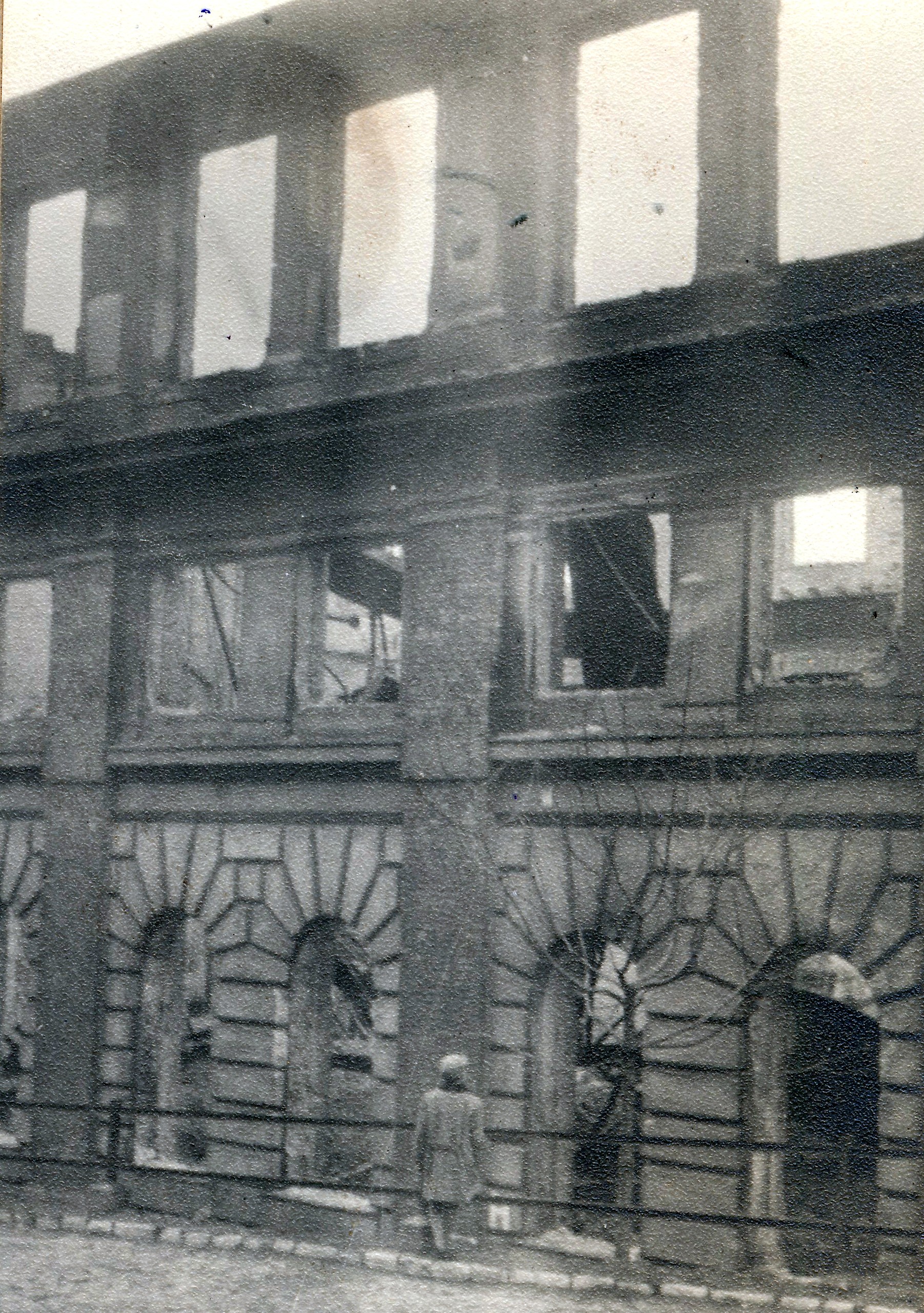
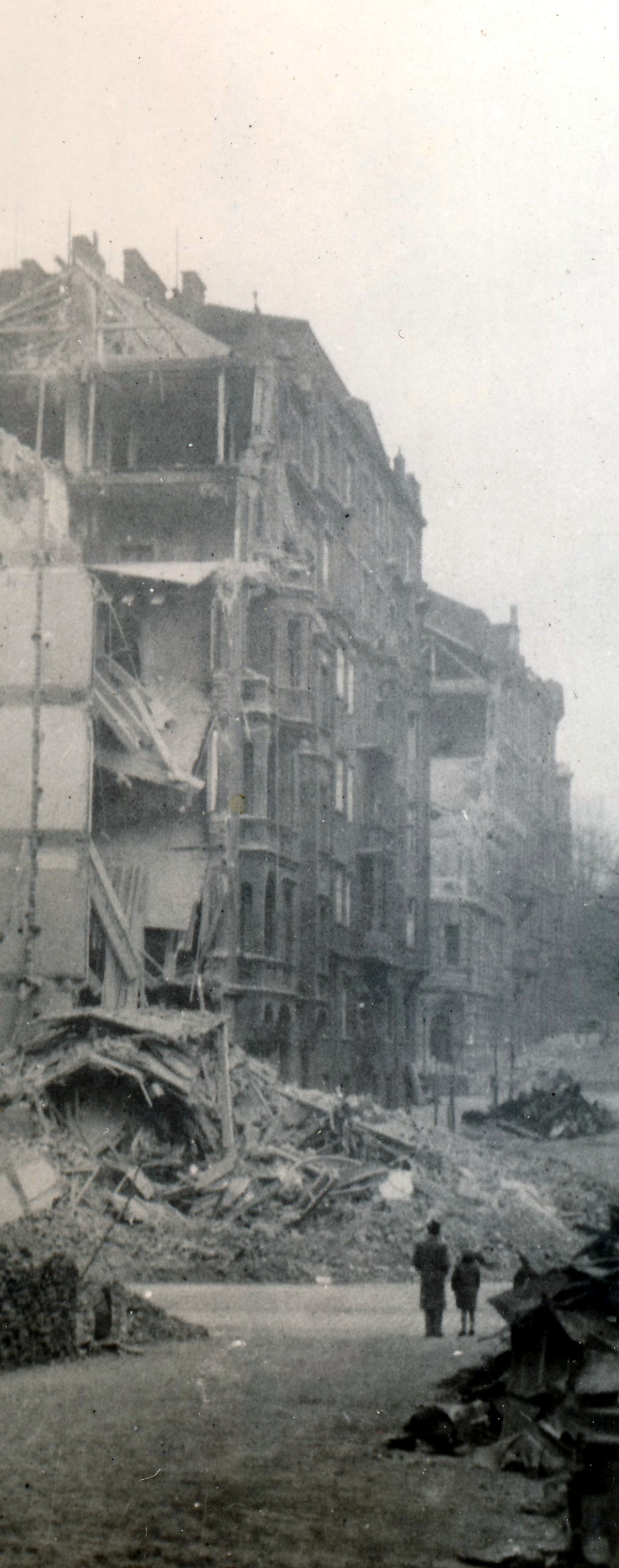
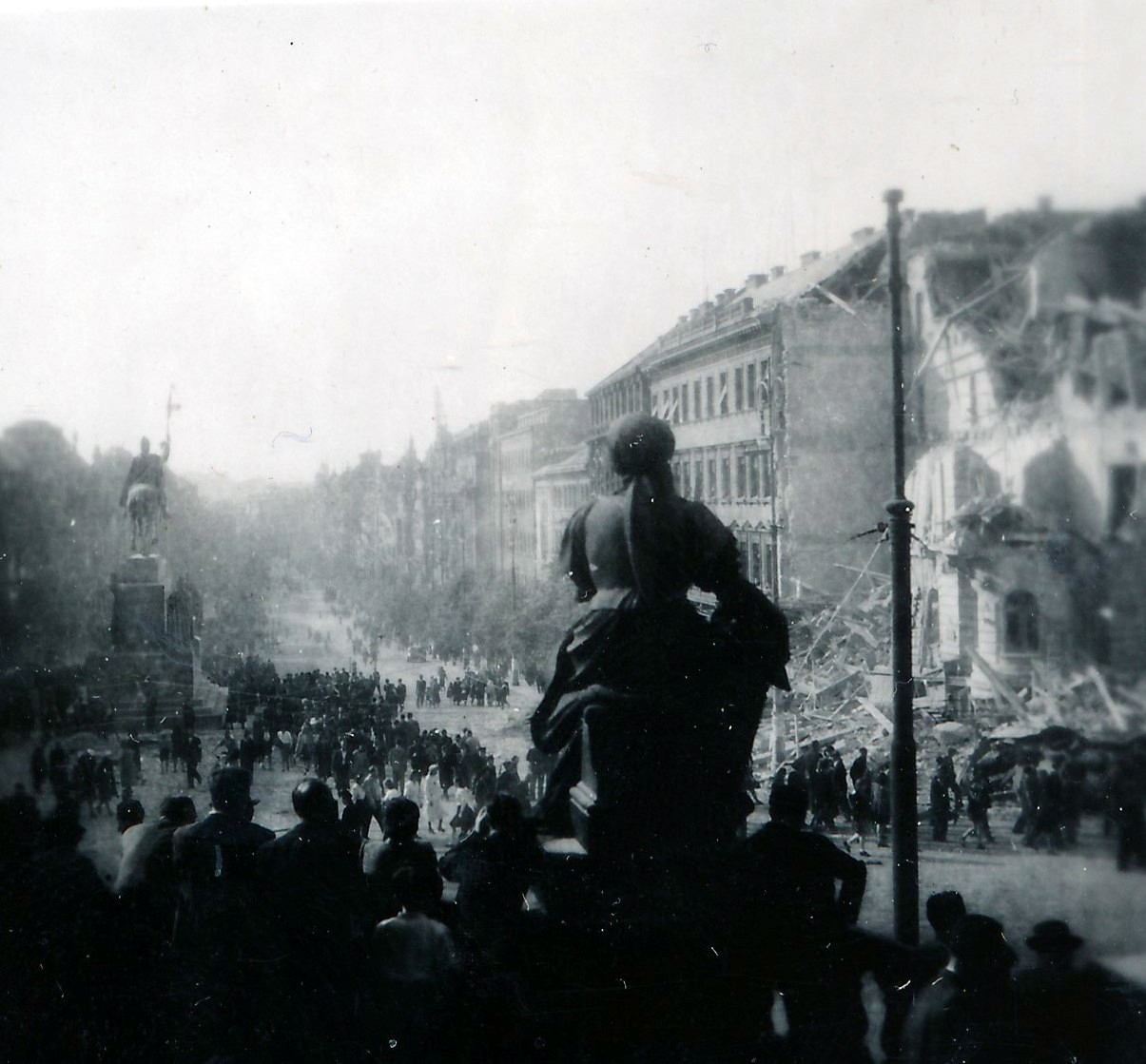
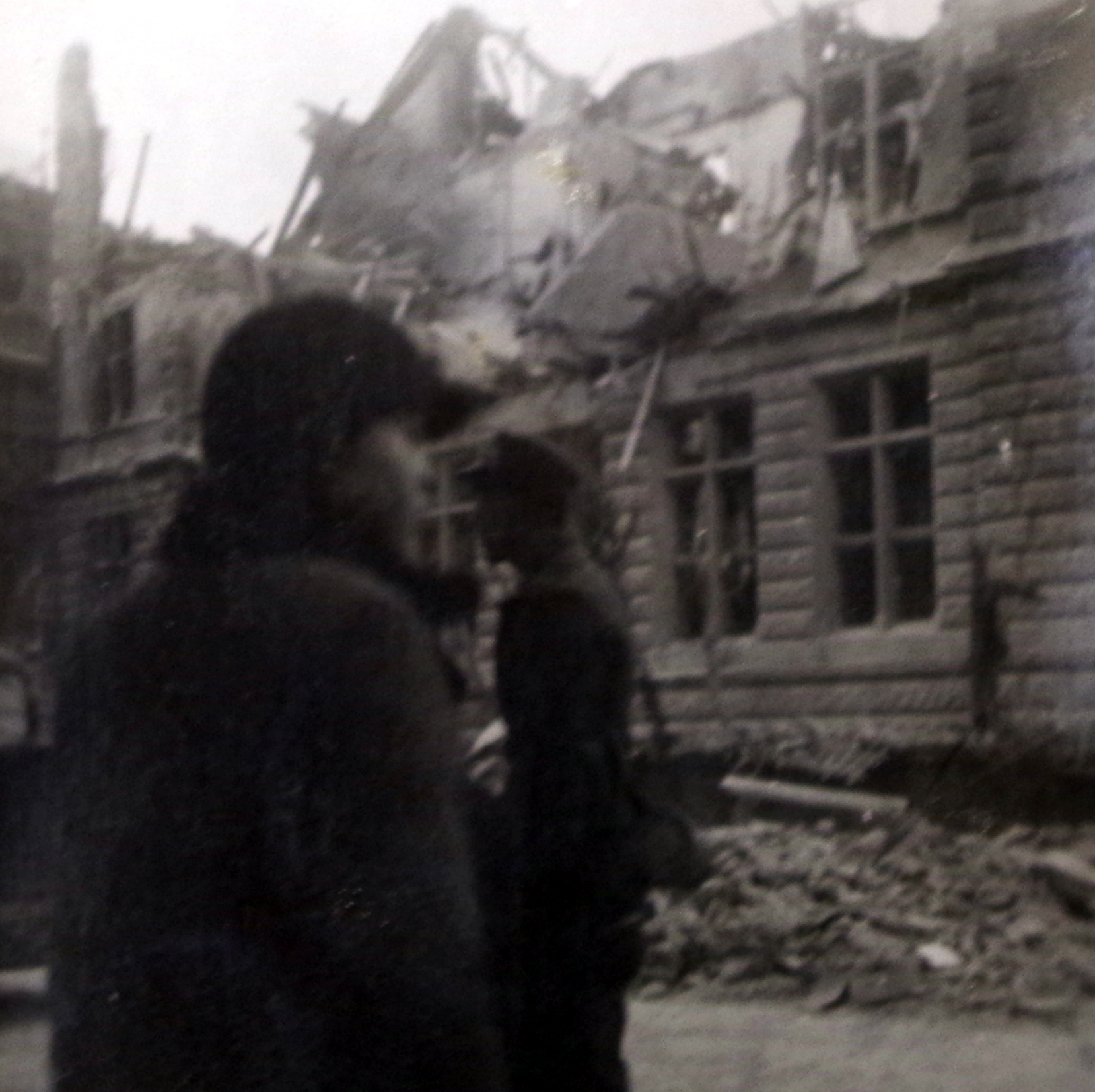
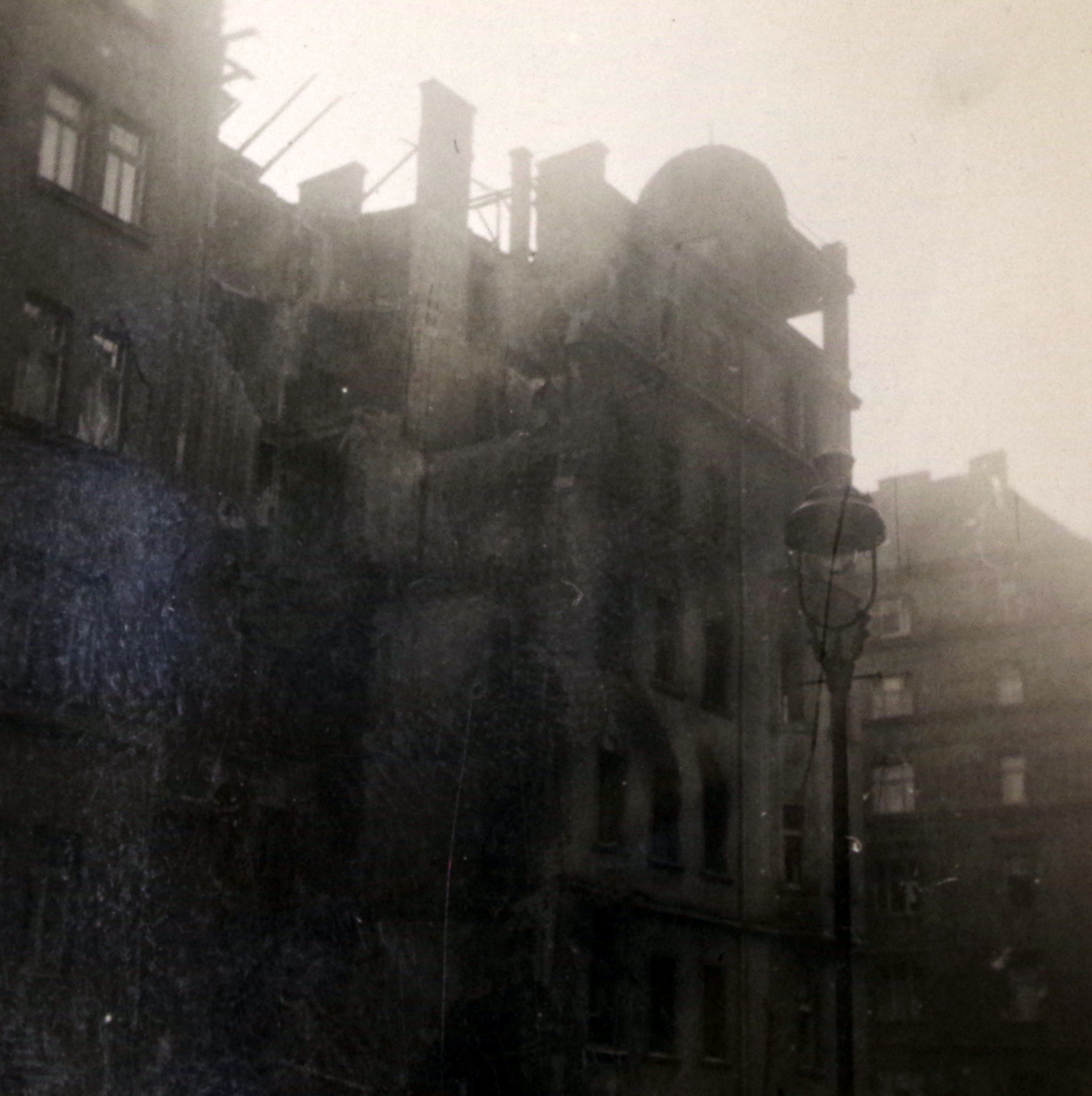
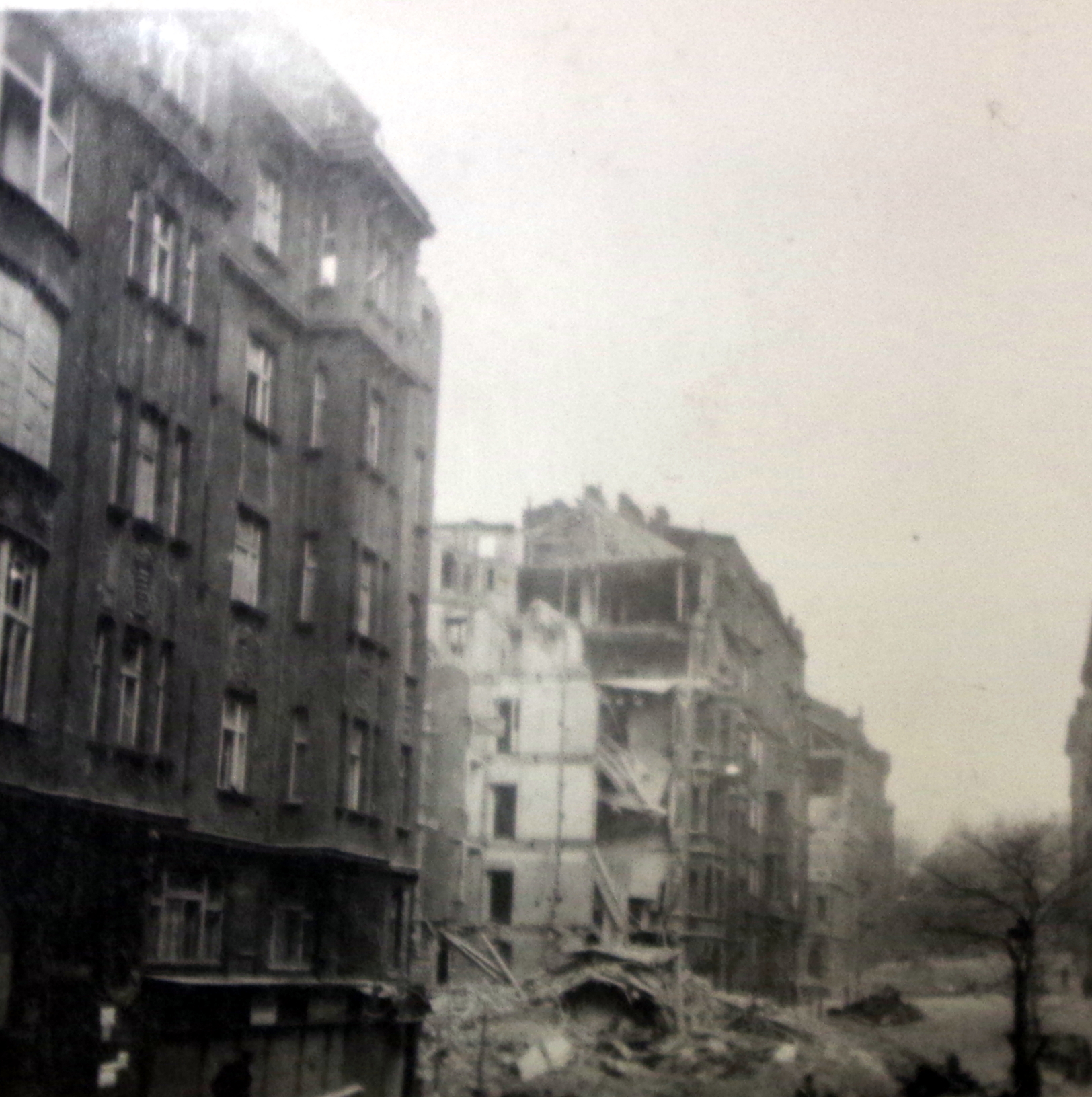
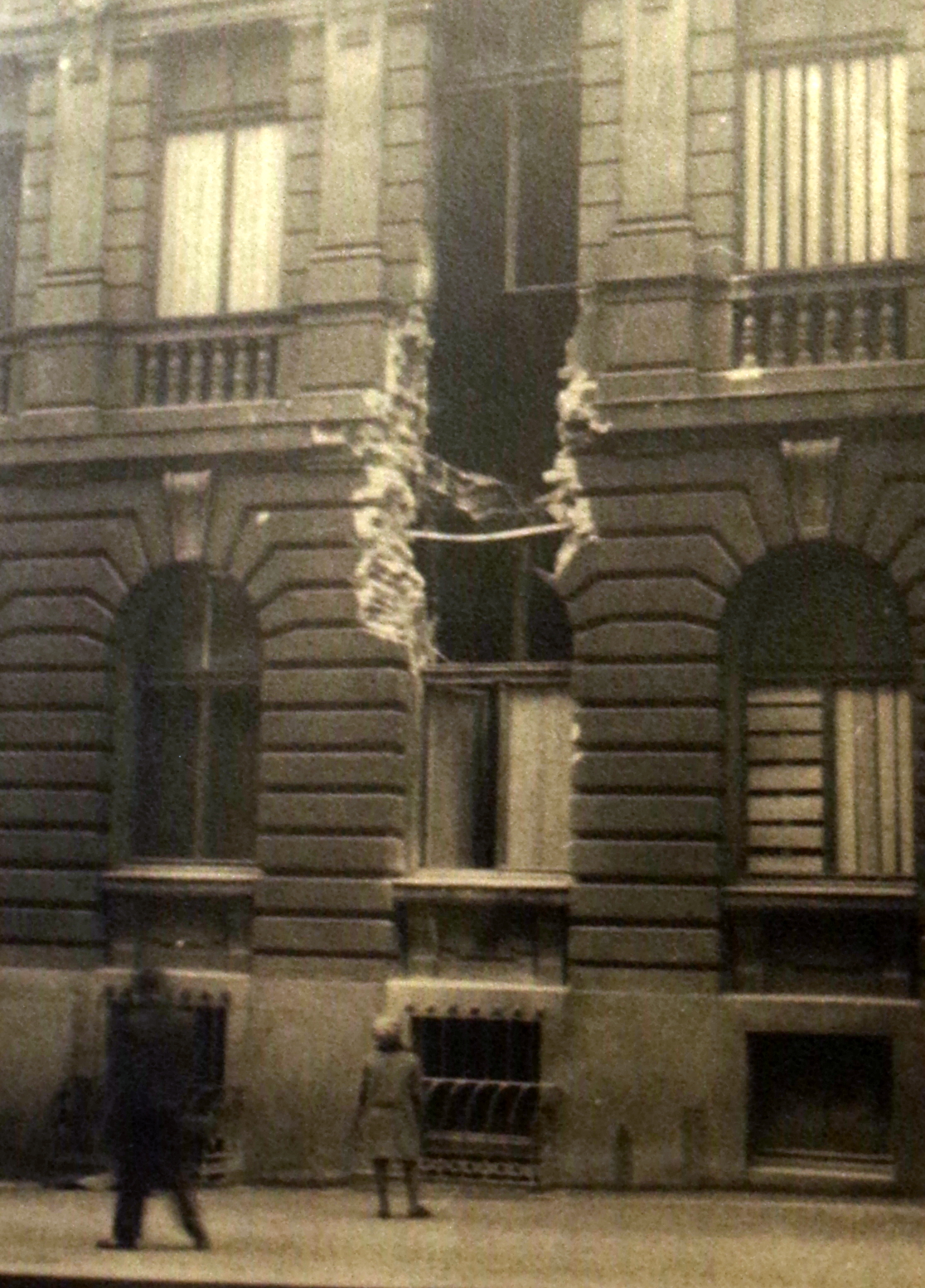
"So everything was normal at home, although my brother's classmate said he saw a plane flying and dropping bombs over us. But they fell in Rieger Gardens because it doesn't fall vertically. Inertia makes it fall somewhere else. And the next day my dad took me and we went around Prague to the saddest places. There was a bombed-out part of the Vinohrady Theatre... then we went on and there were the bombed-out workshops of the National Theatre, in the street that led from the maternity hospital down to the Vltava River. So there were the National Theatre workshops. My father was unhappy, because there was the first historical outfit of The Bartered Bride, the first whole Libuše and so on. And it all burned down. We went on and we saw the ruins of Emmaus, it was a terrible experience. But not so stressful because I wasn't scared. It just made one feel sorry for it and threatened. After that, sometimes they bombed the edges of Prague, Libeň and Vysočany, but we looked at that as a fire."
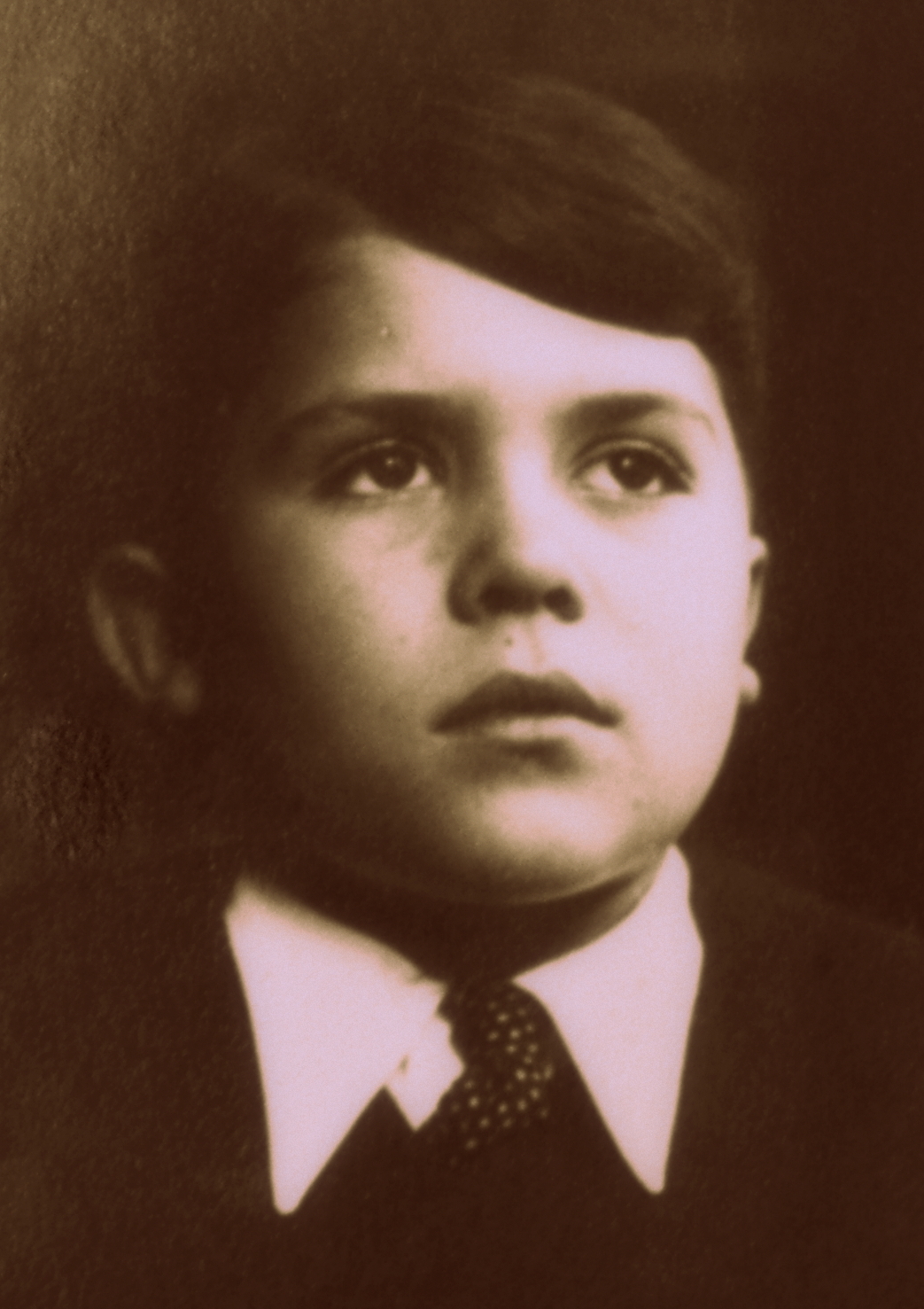
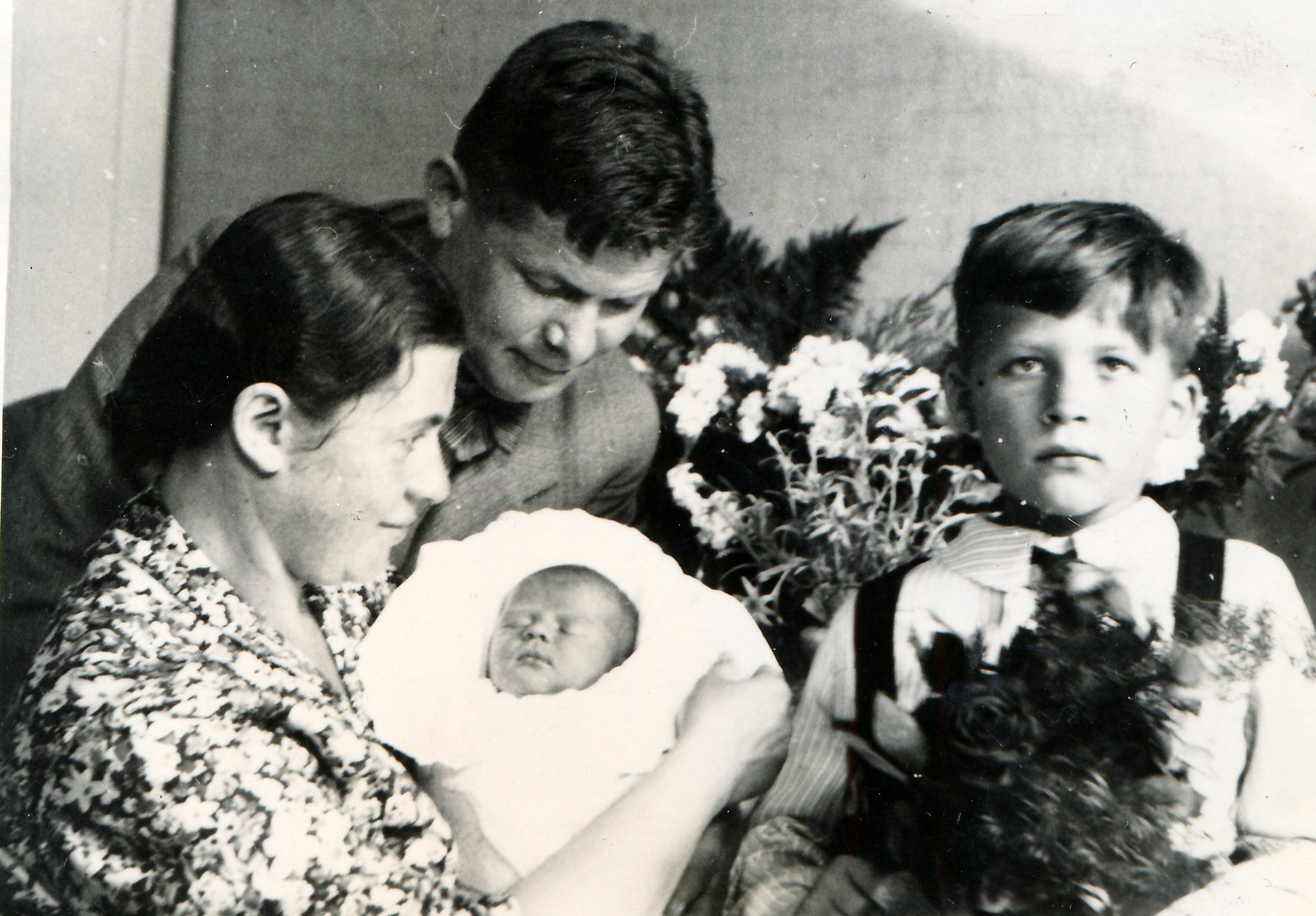
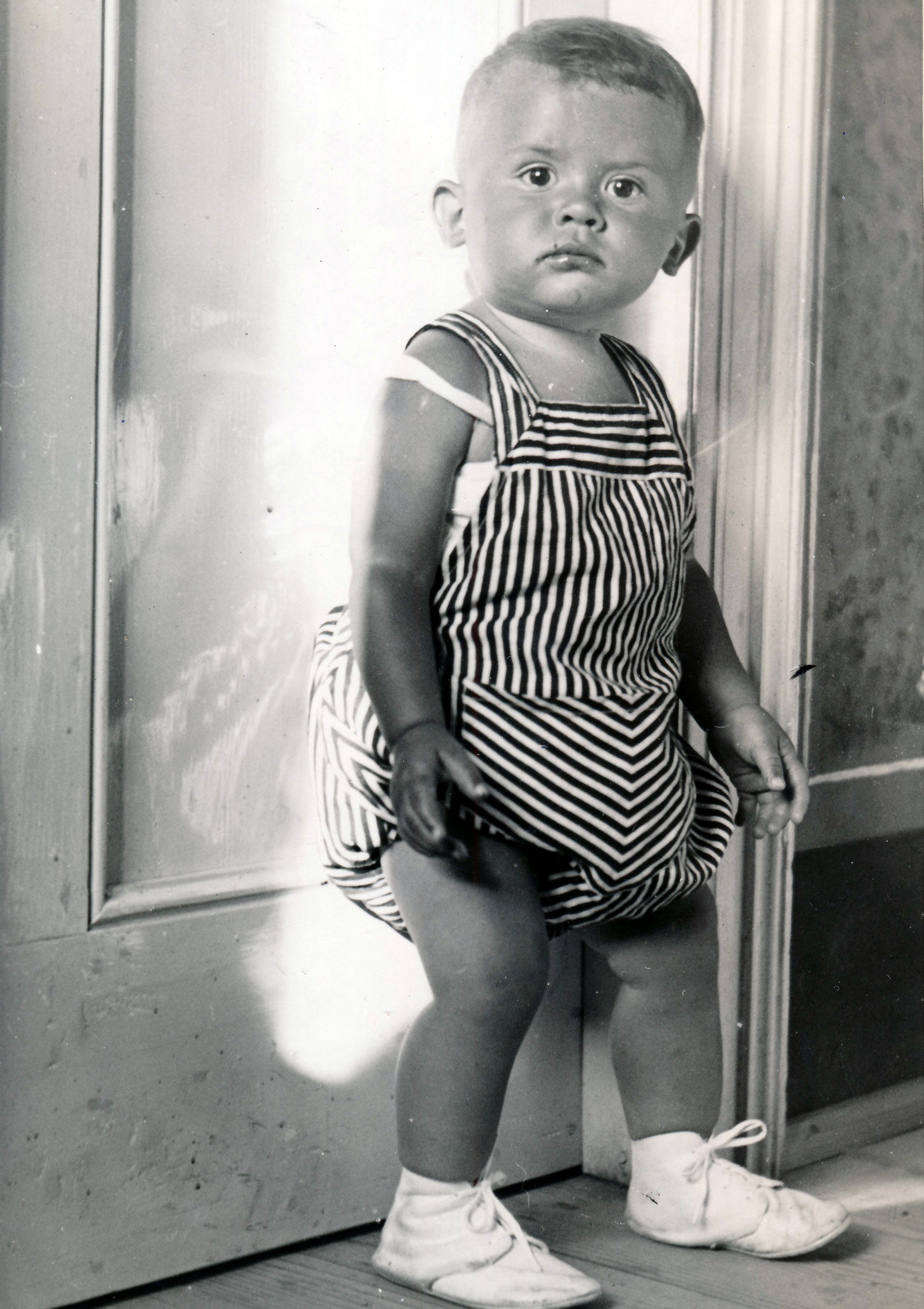
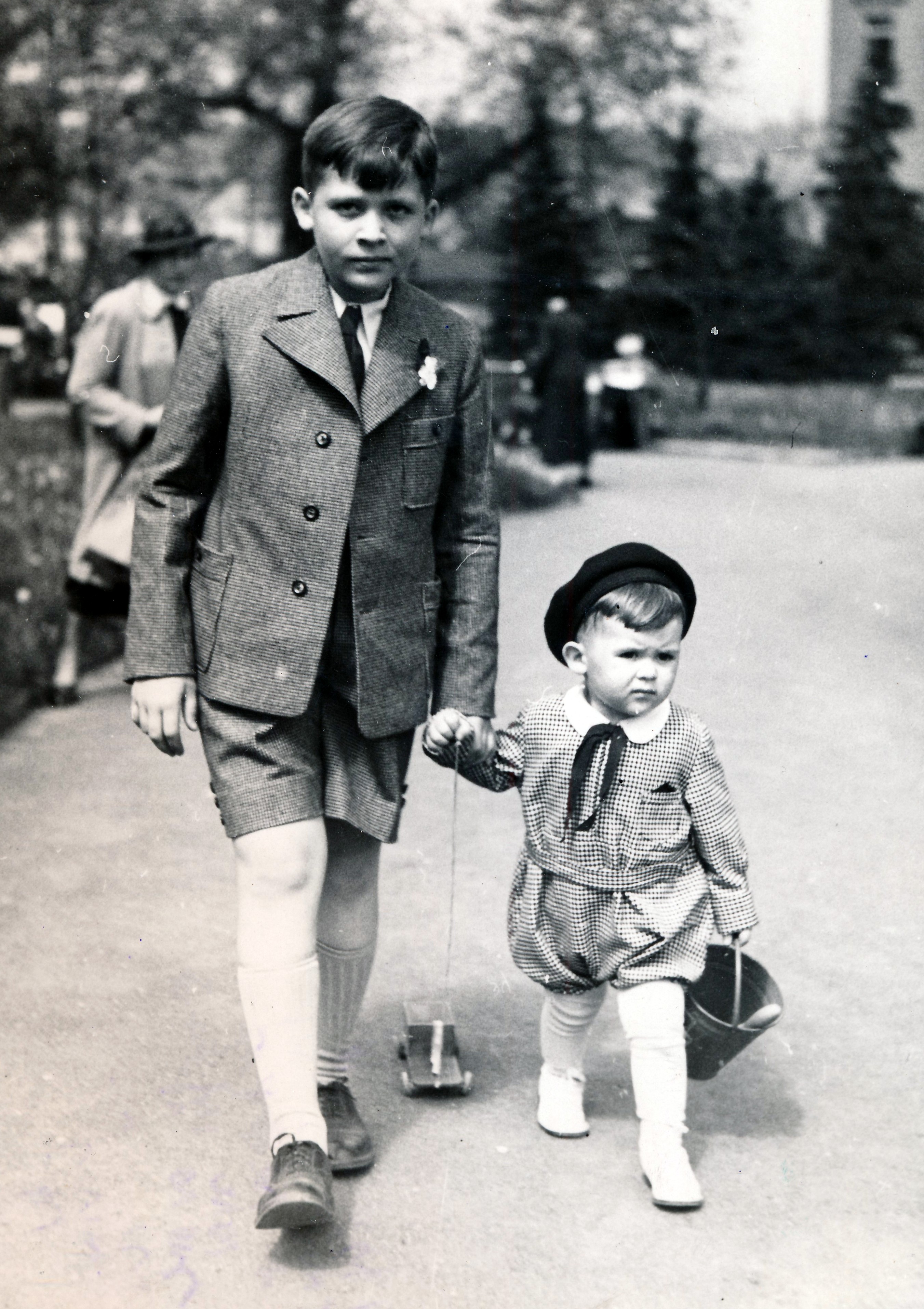
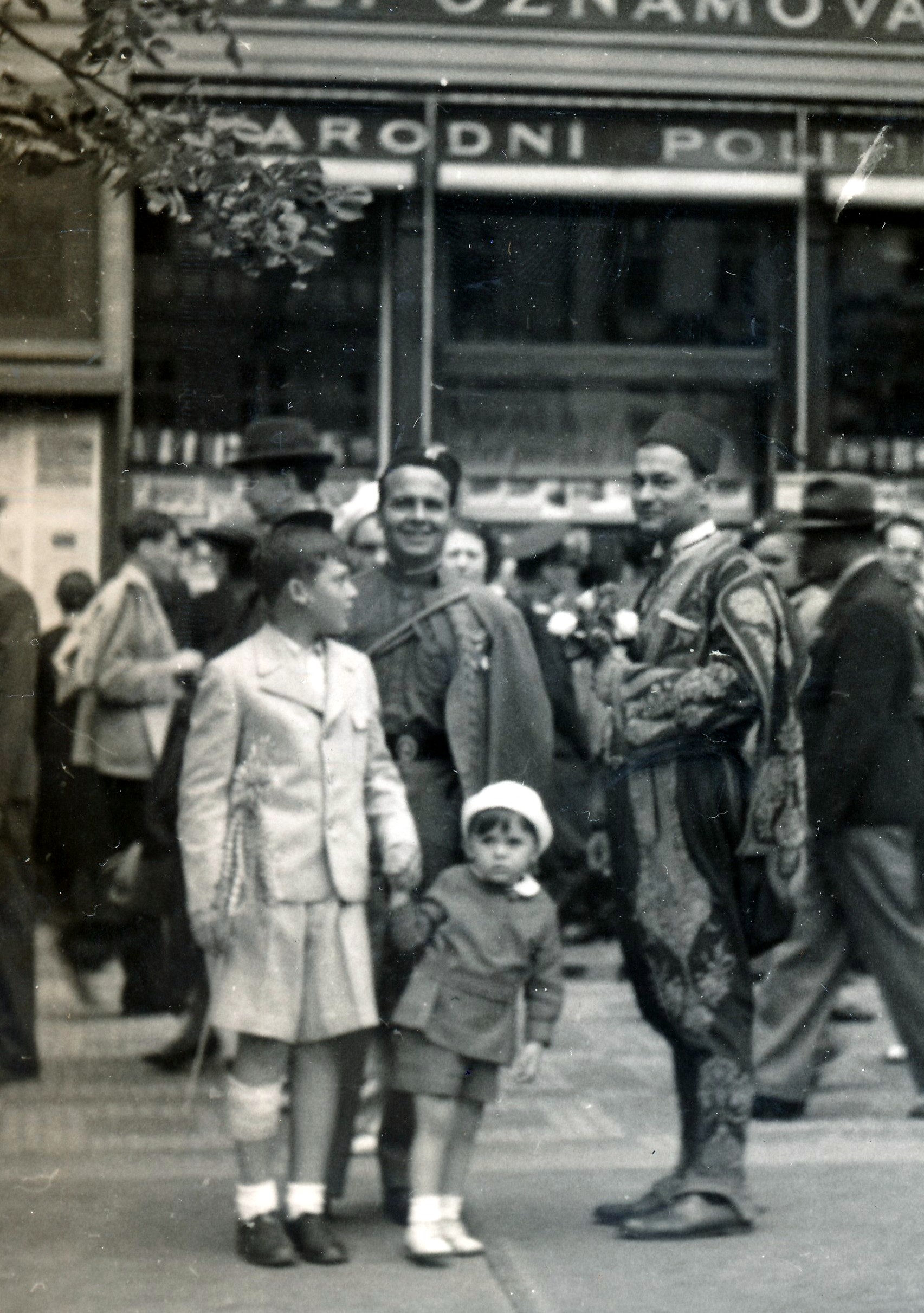
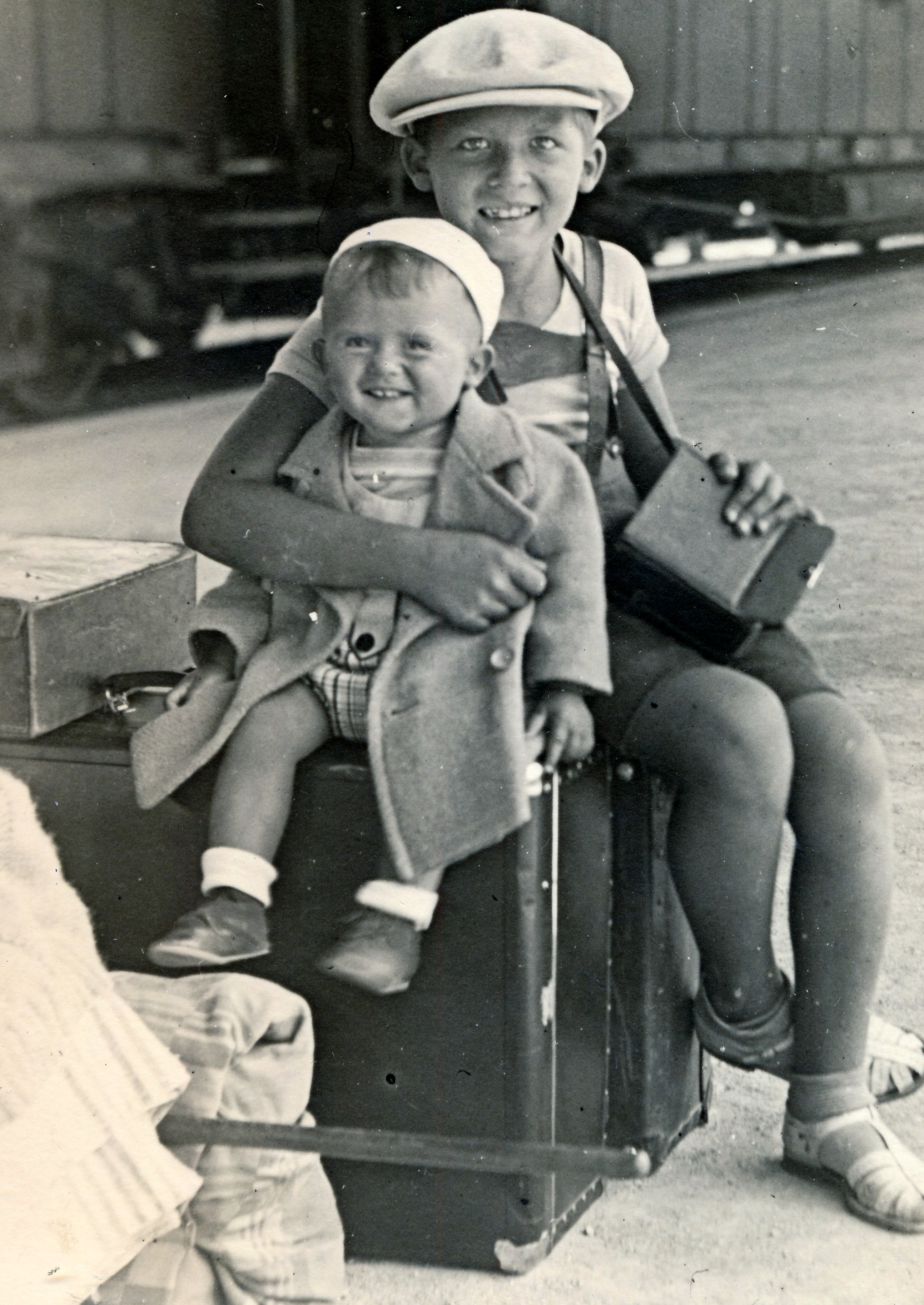
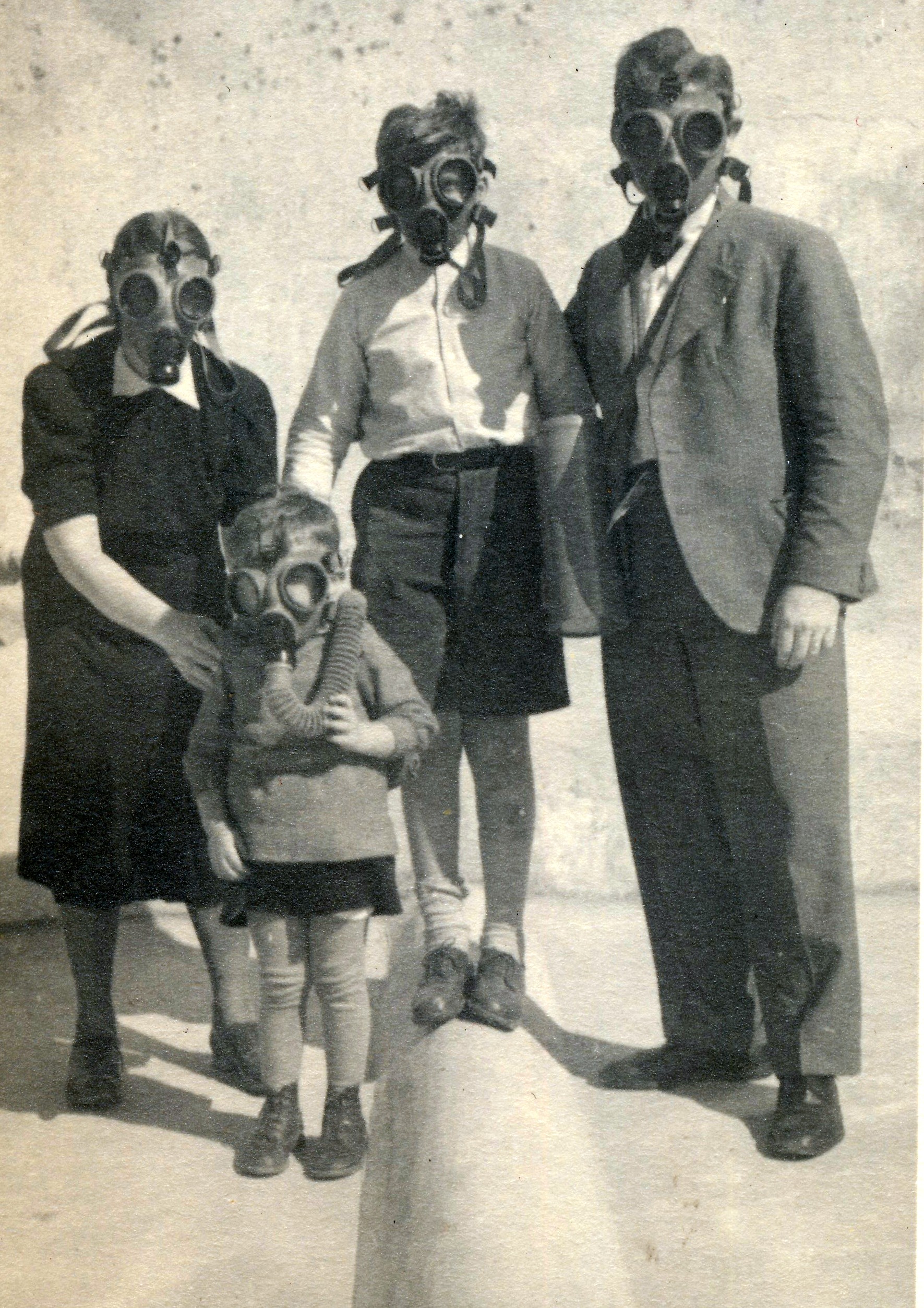
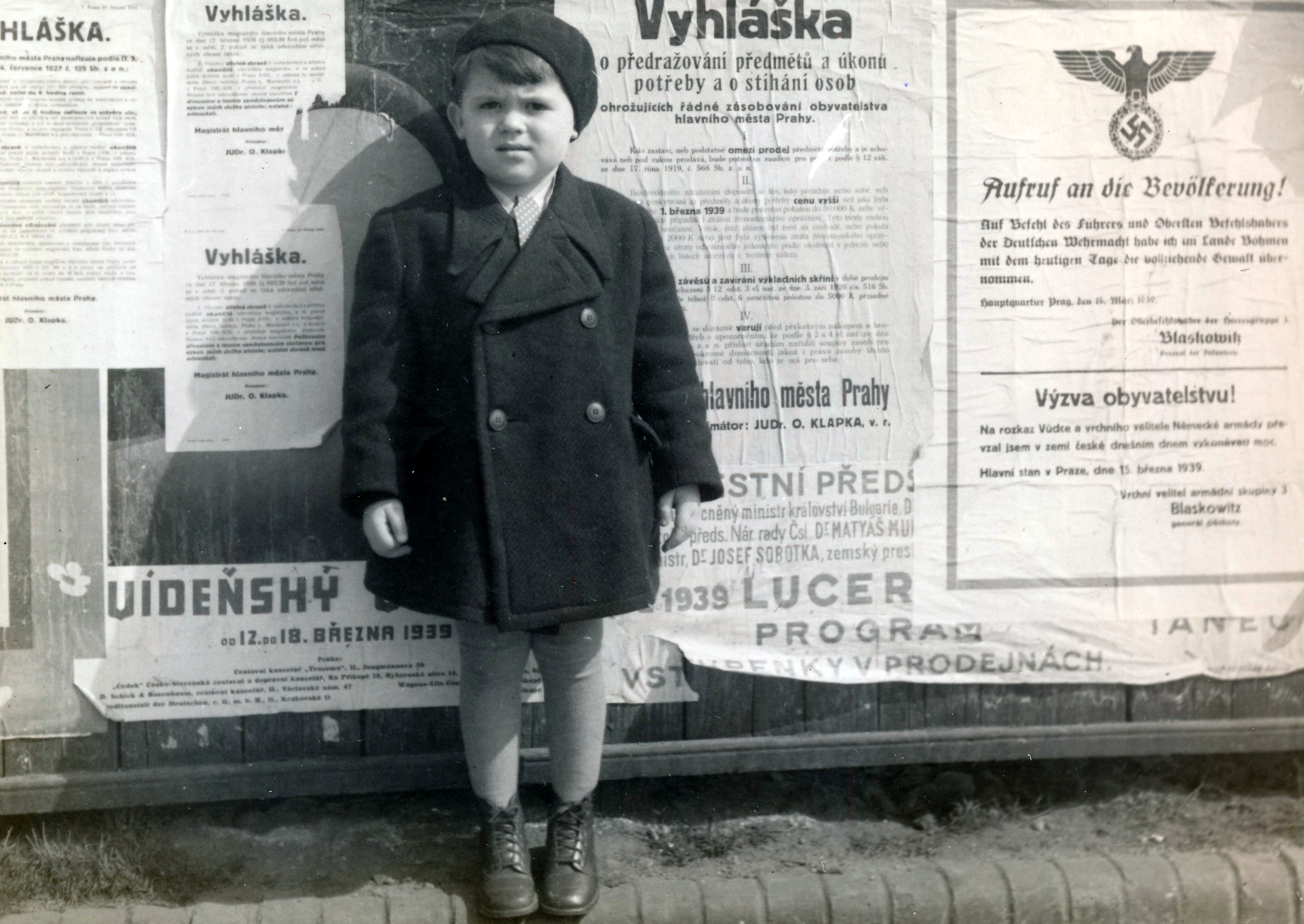
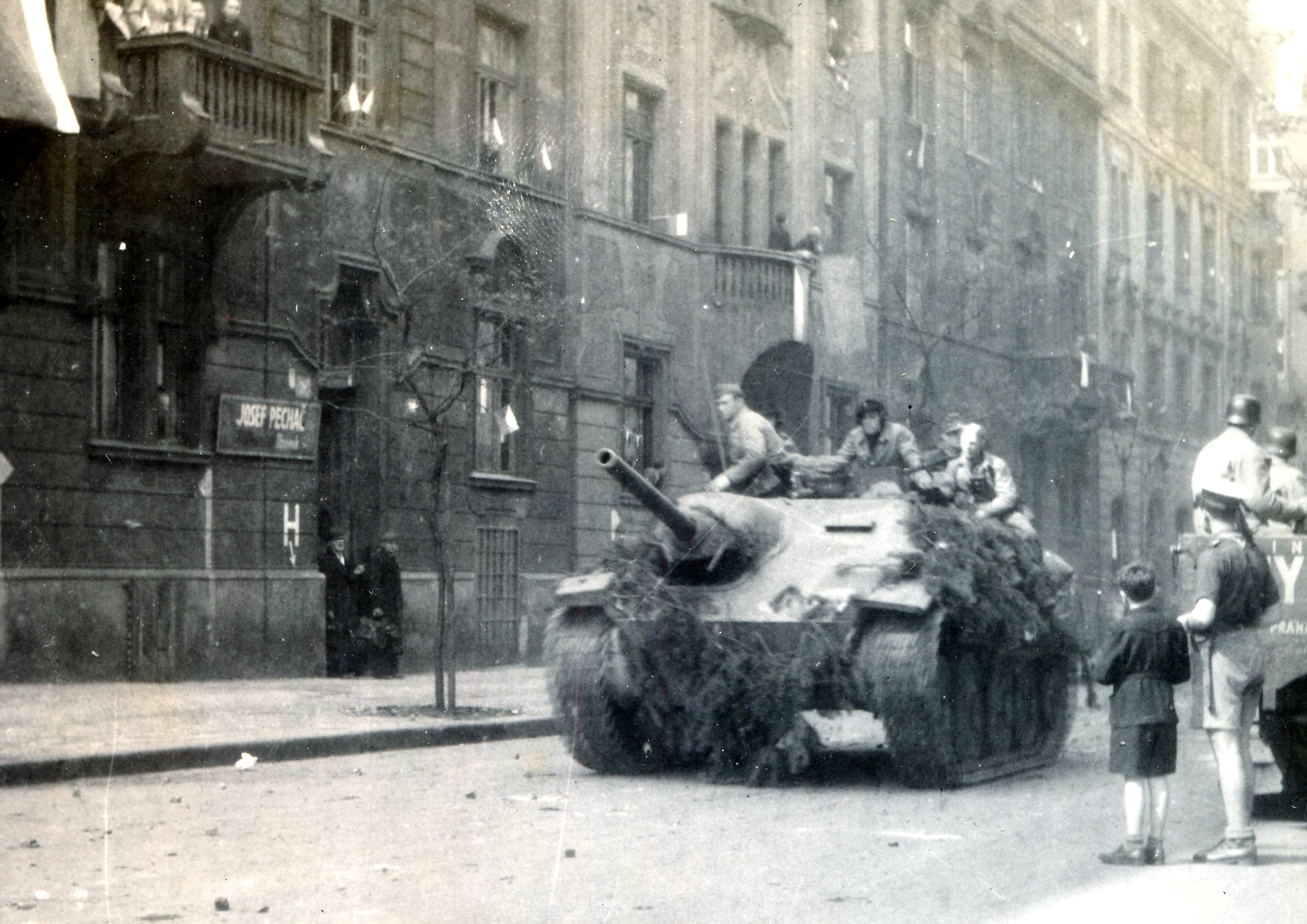
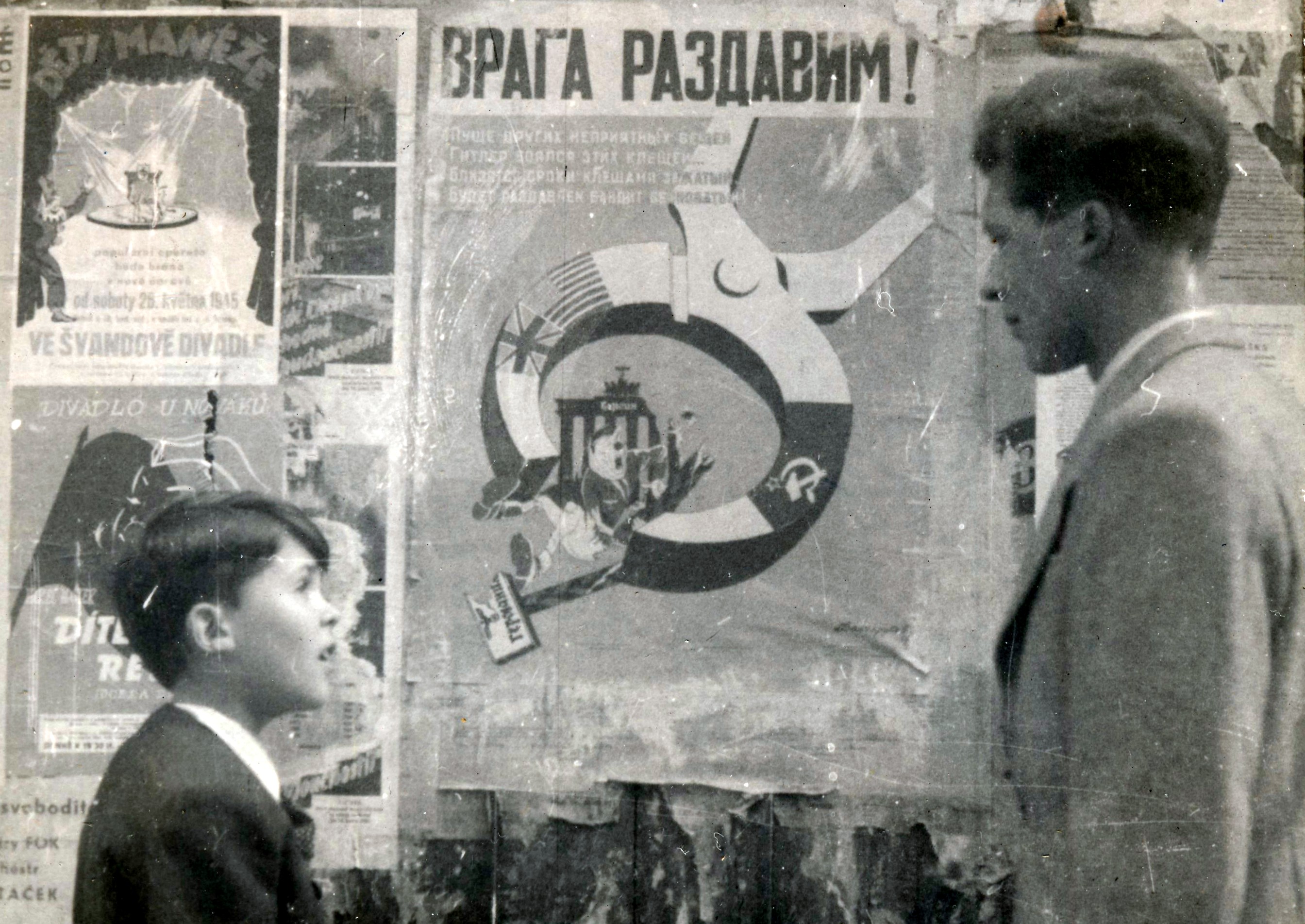
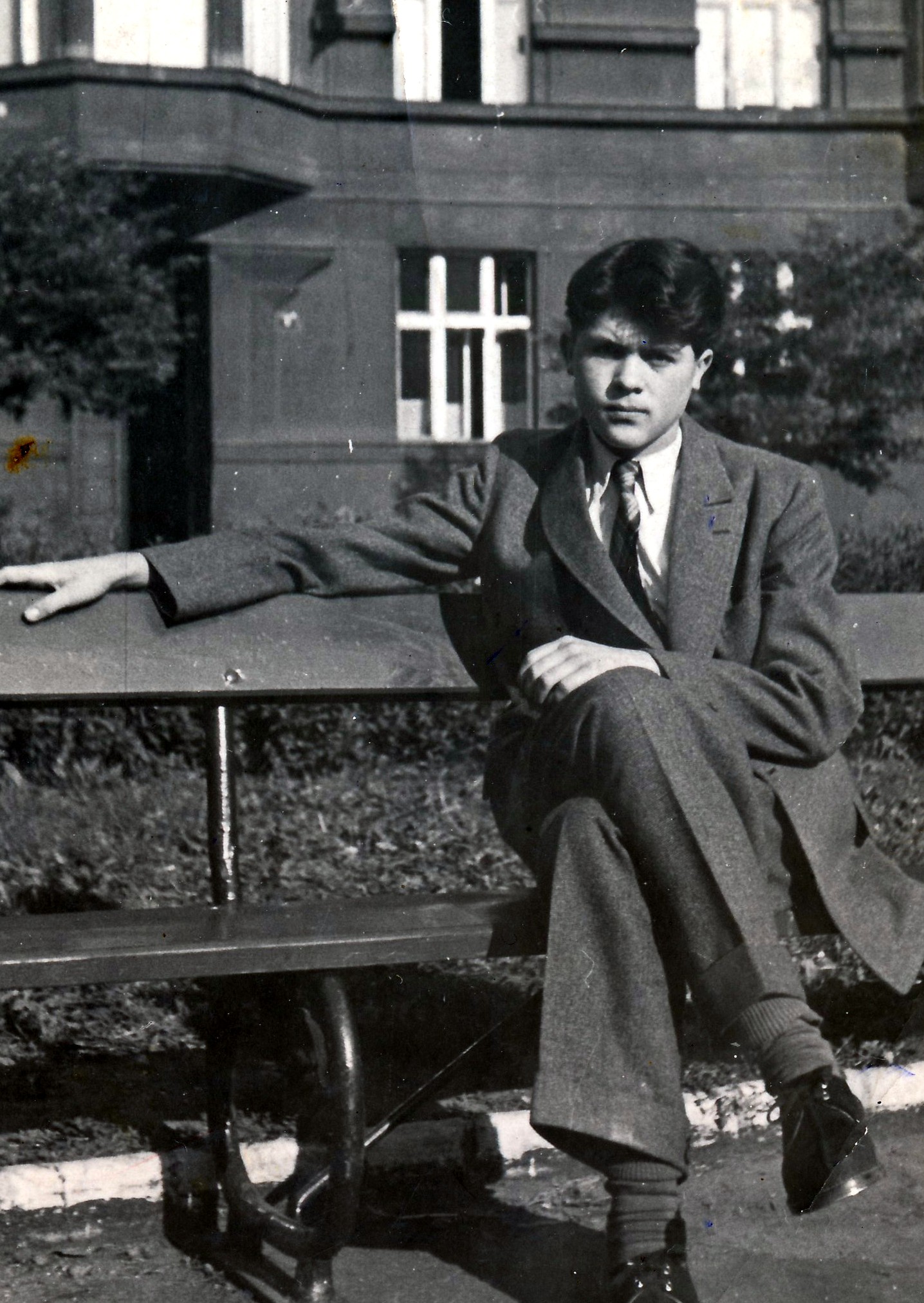
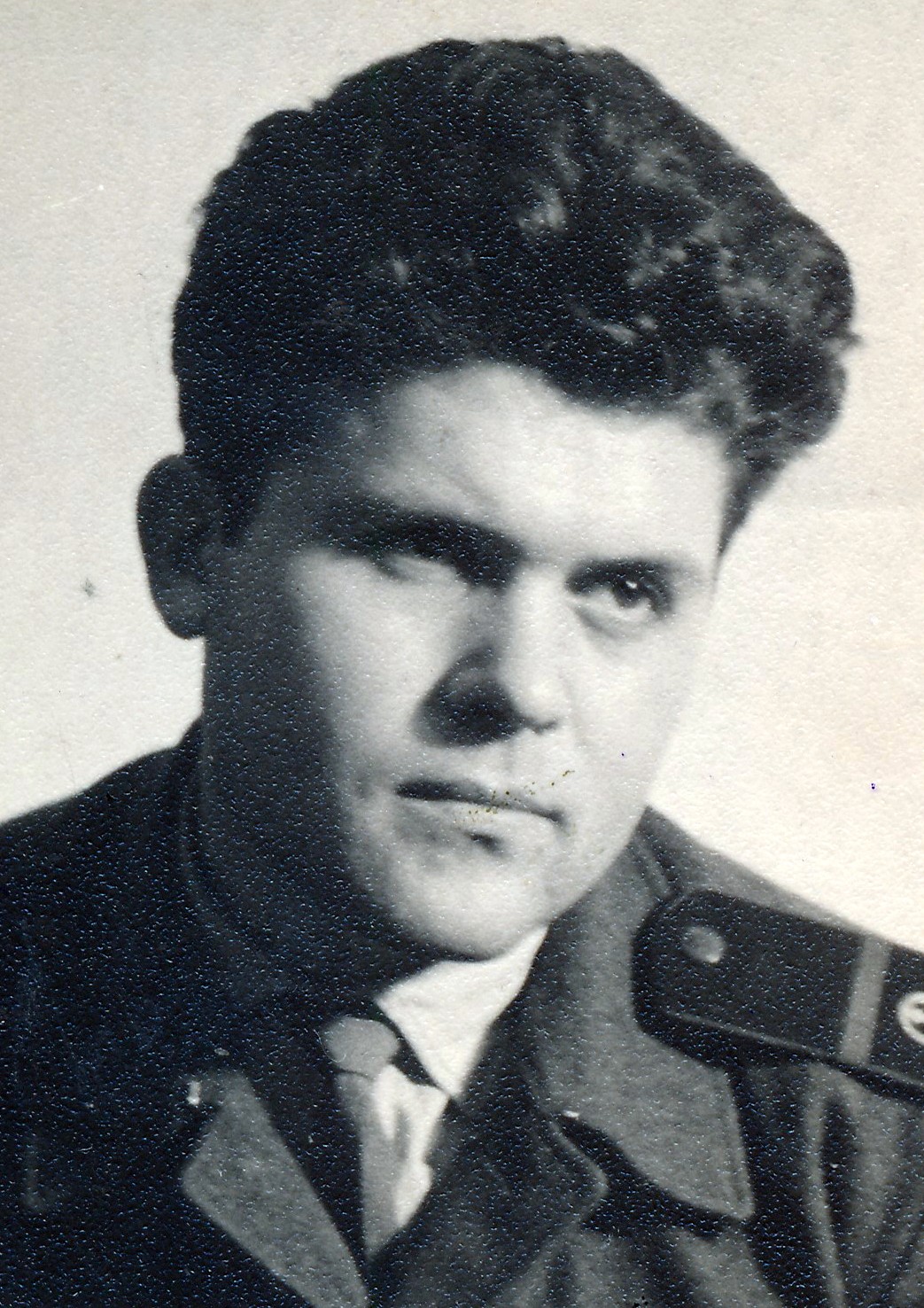
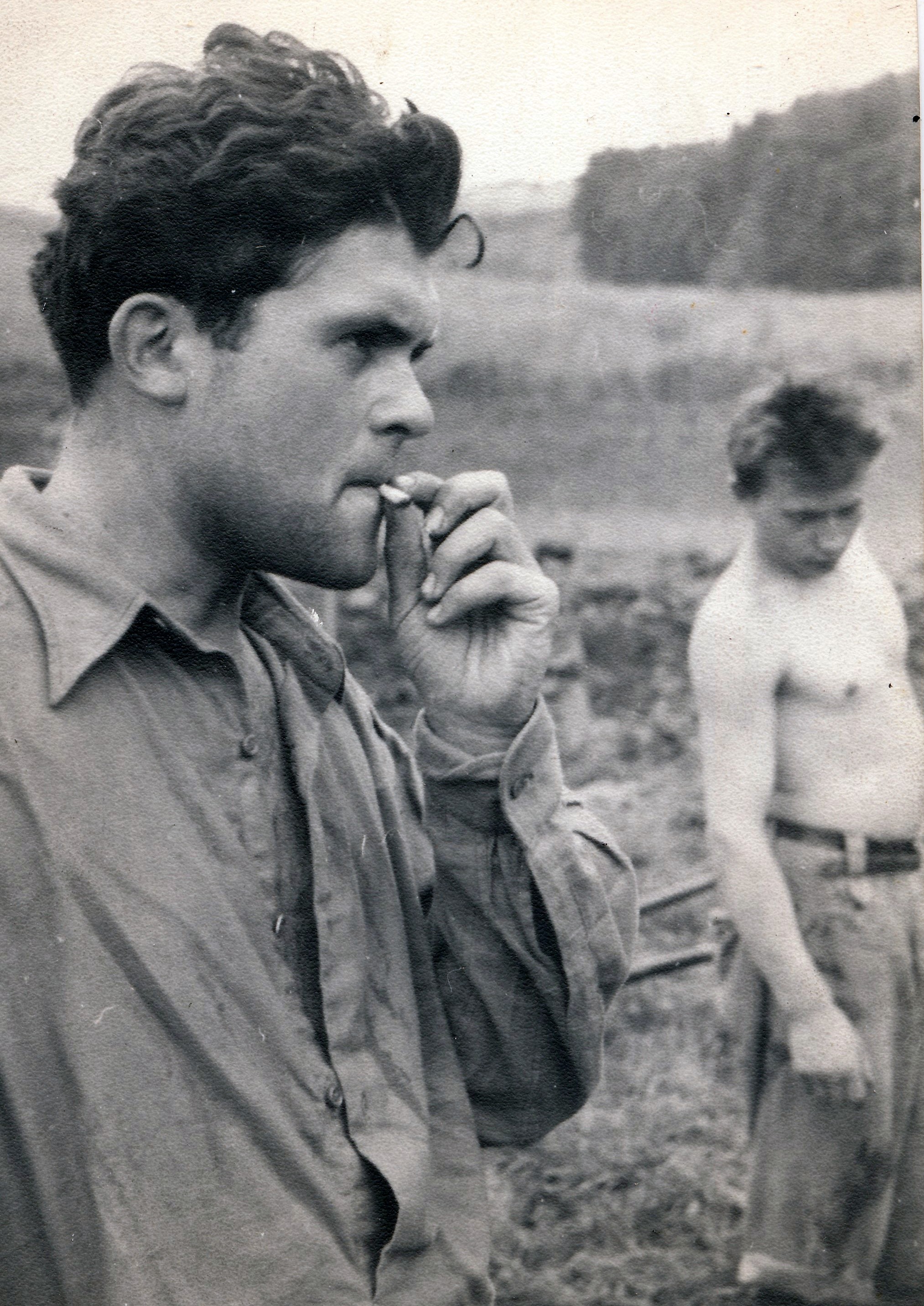
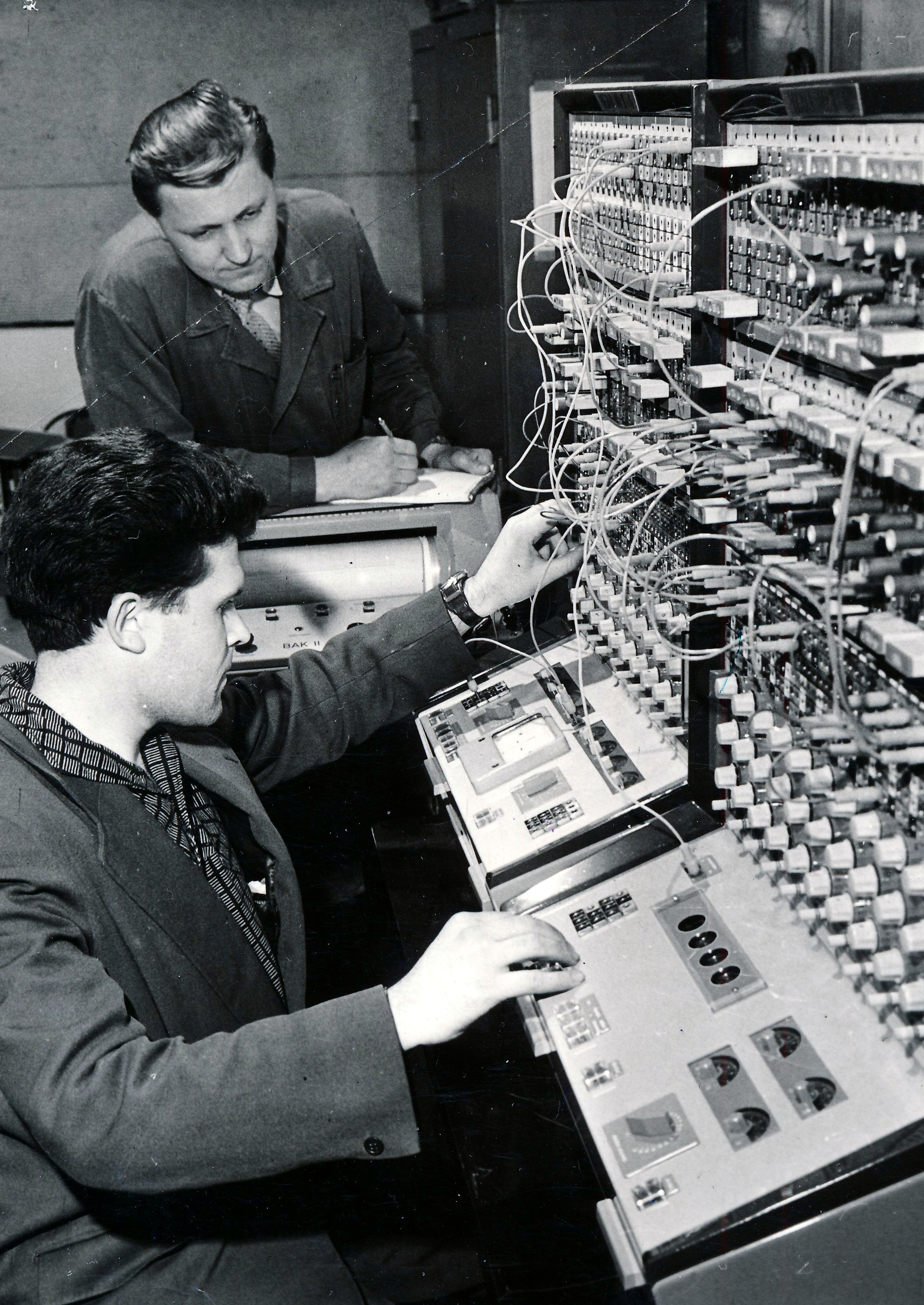
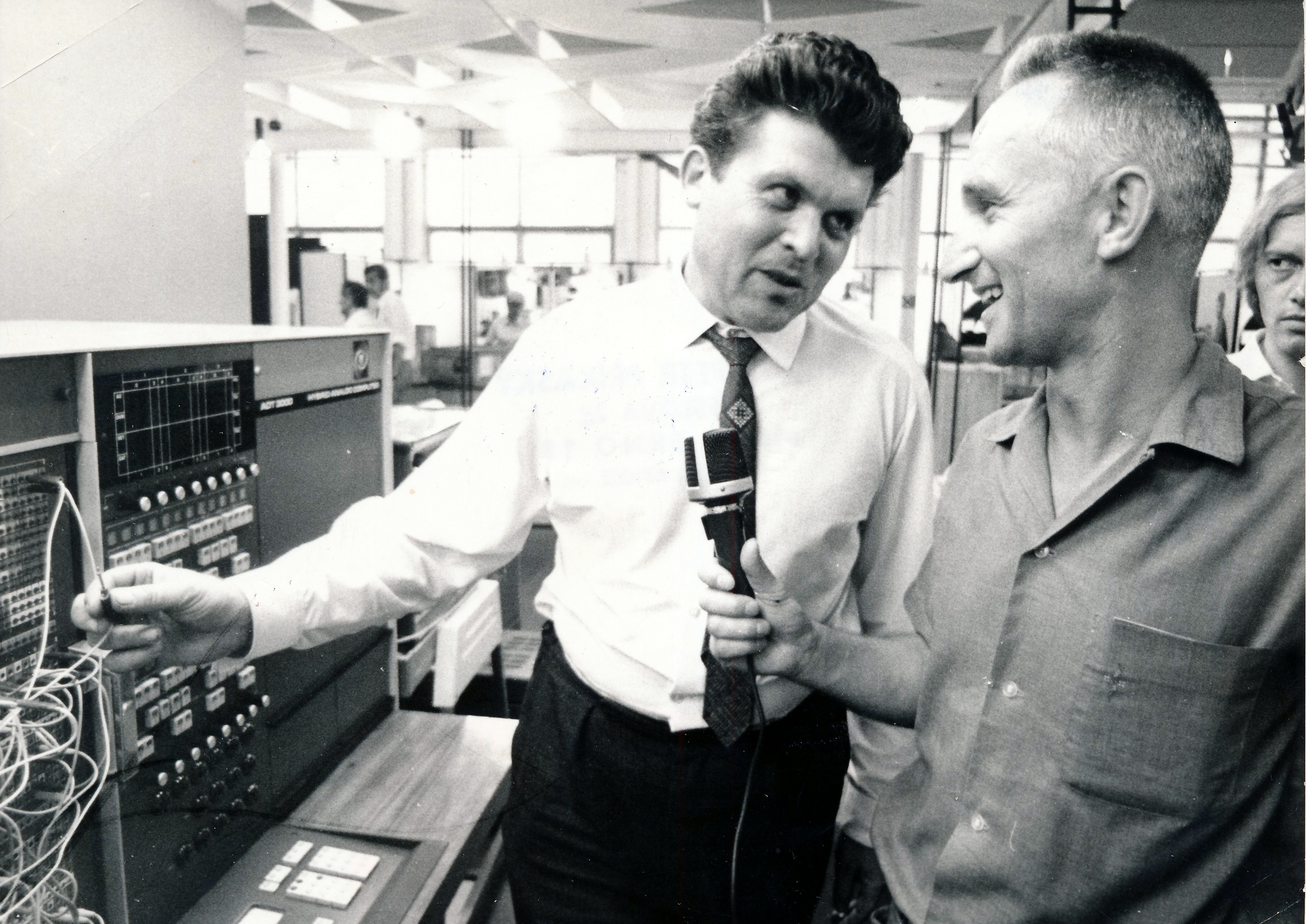
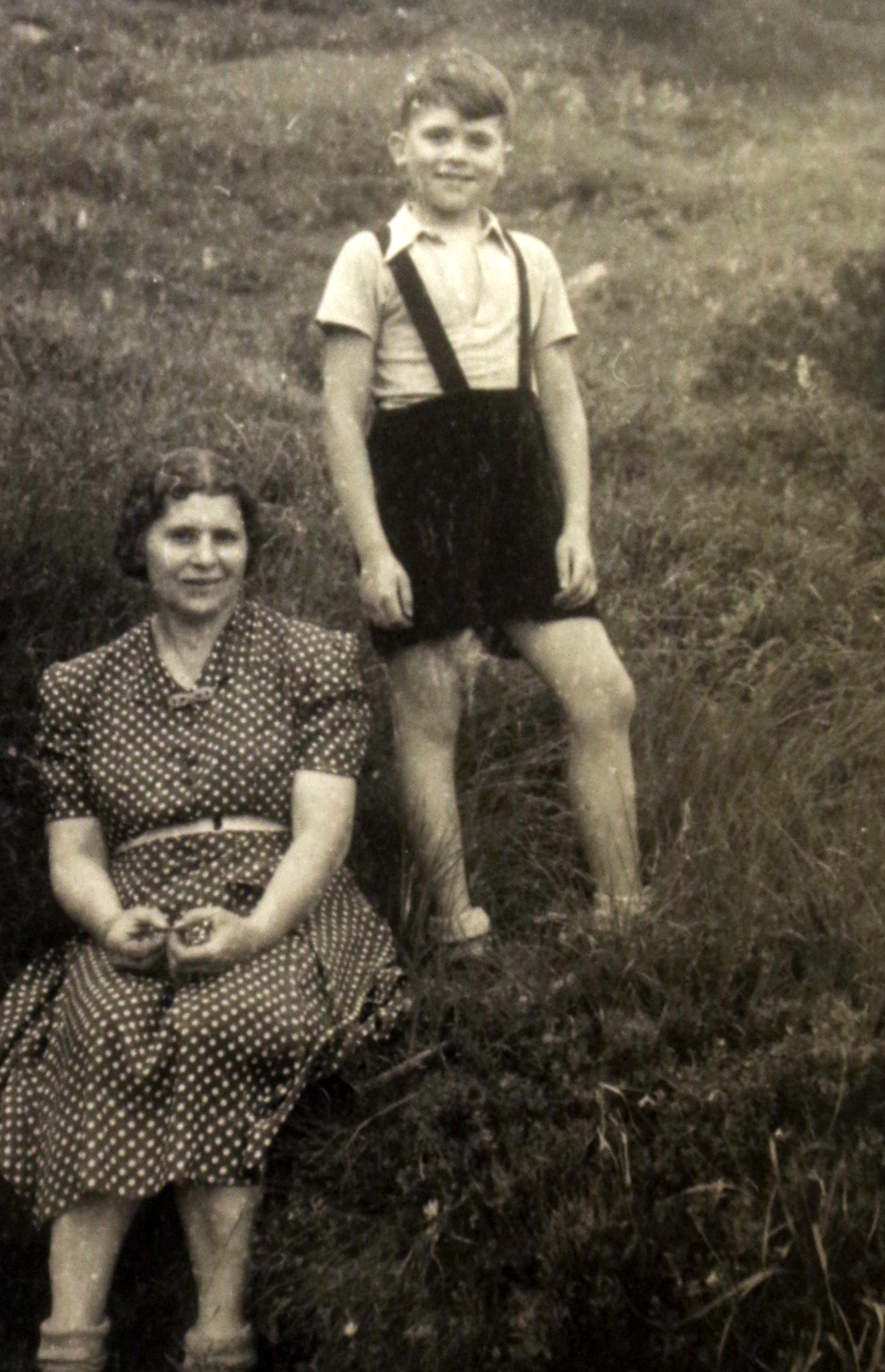
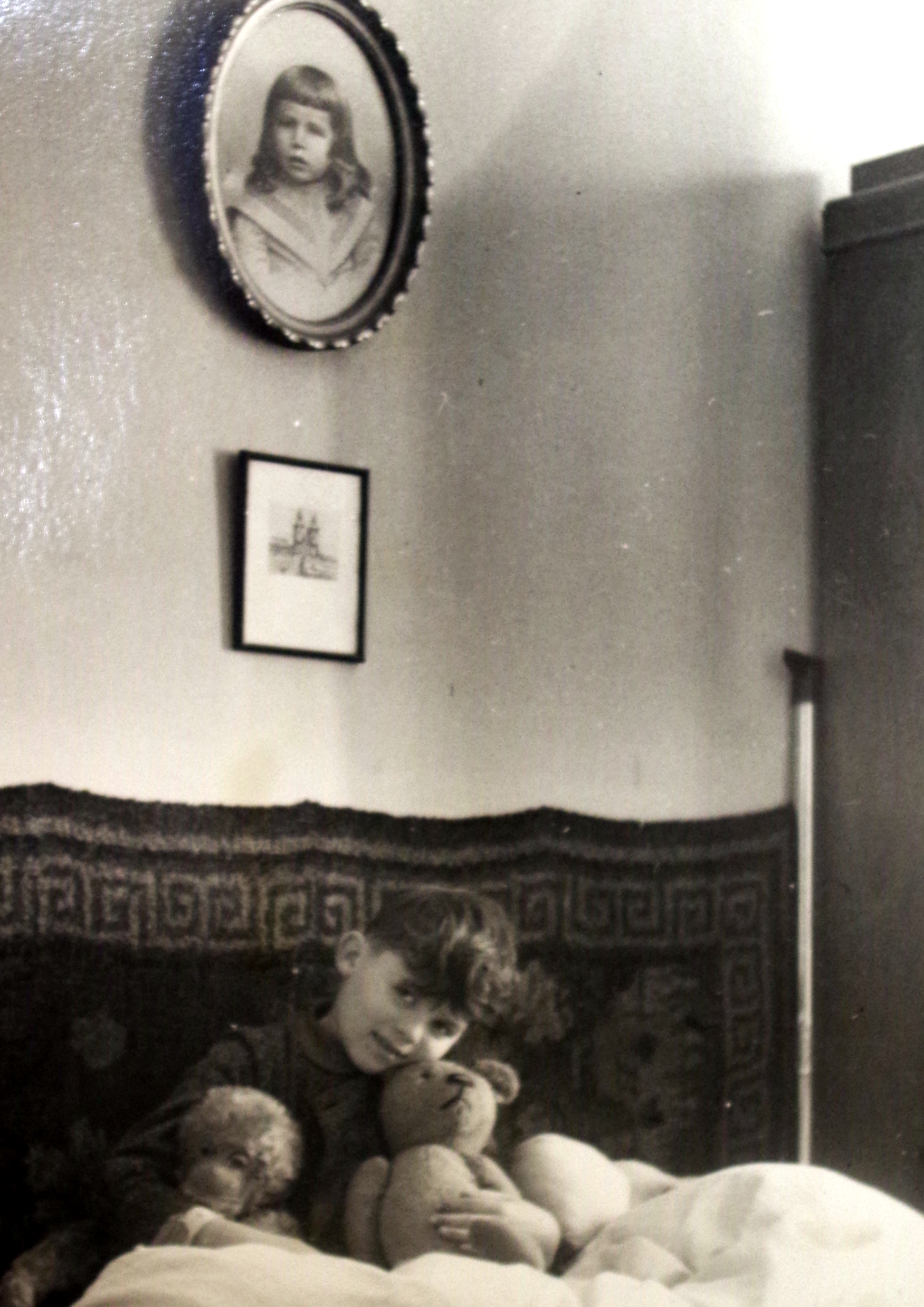
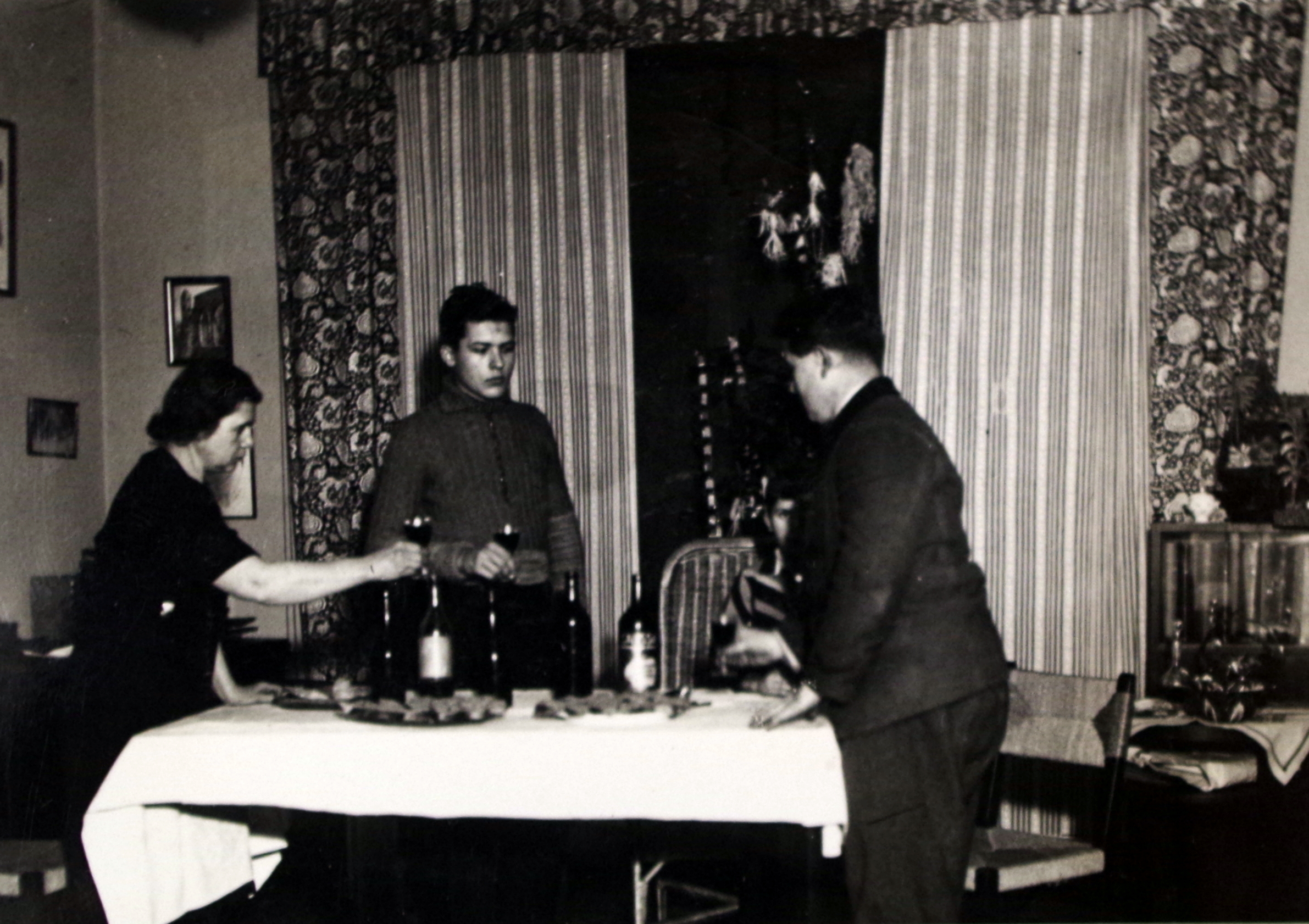
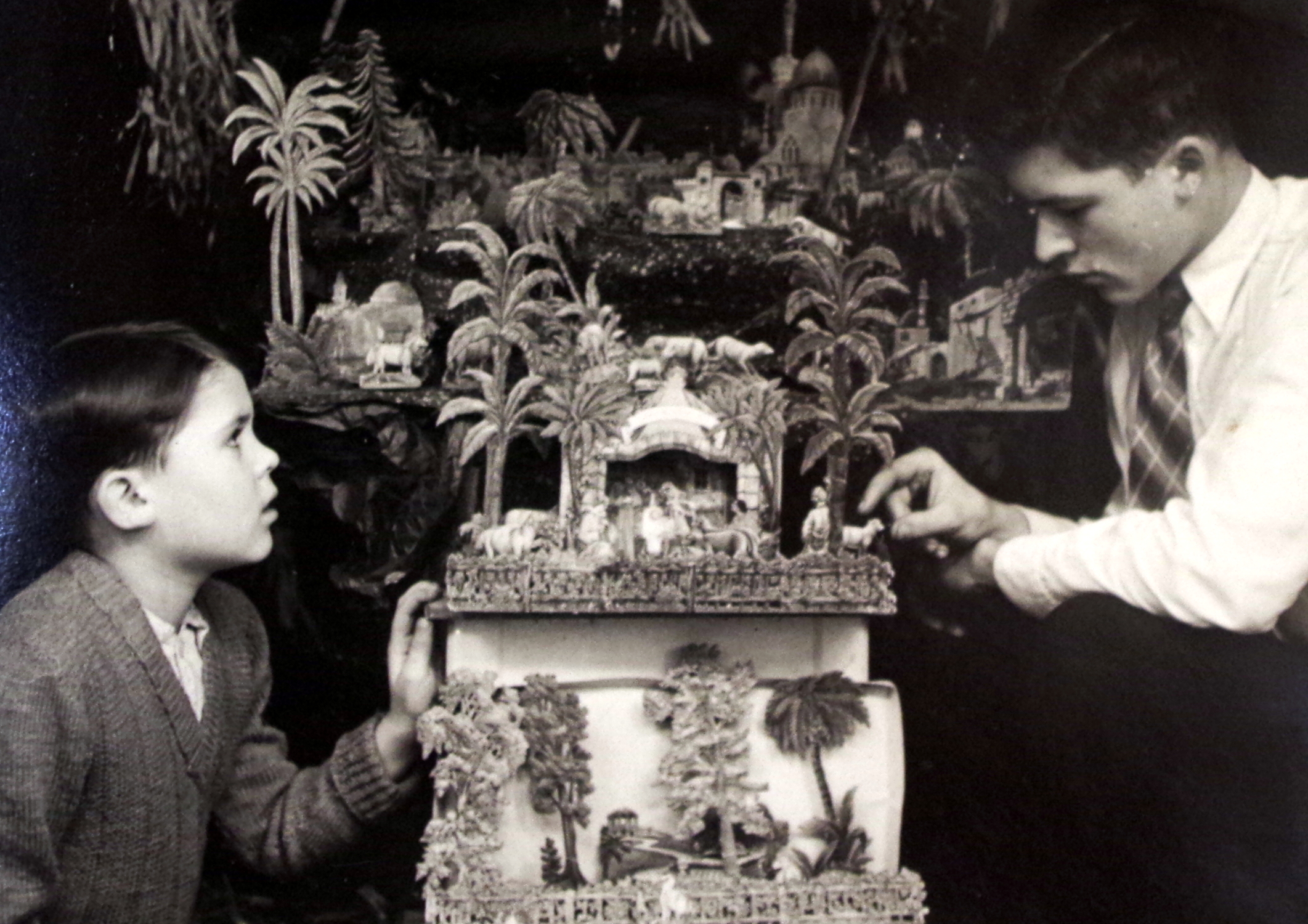
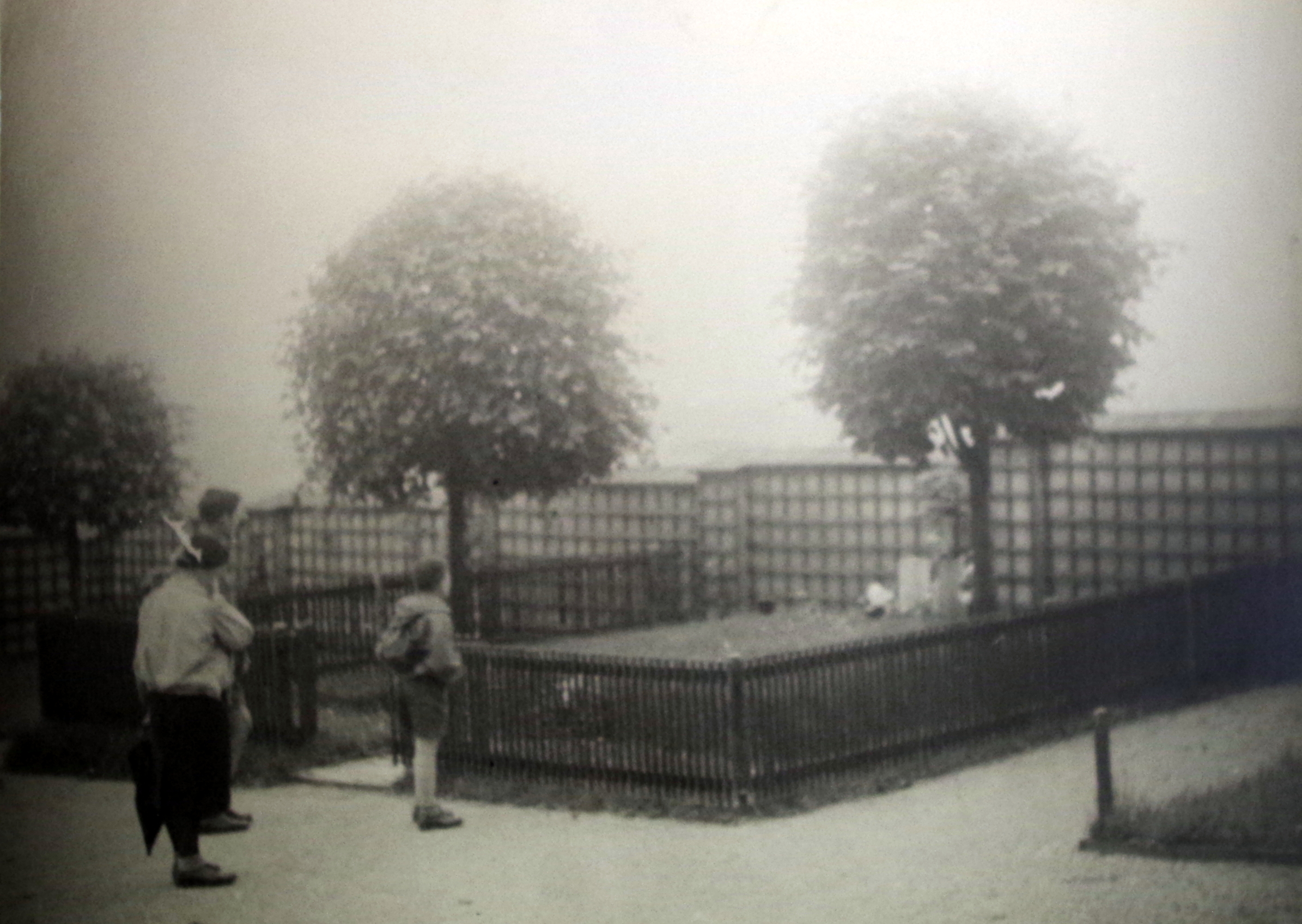
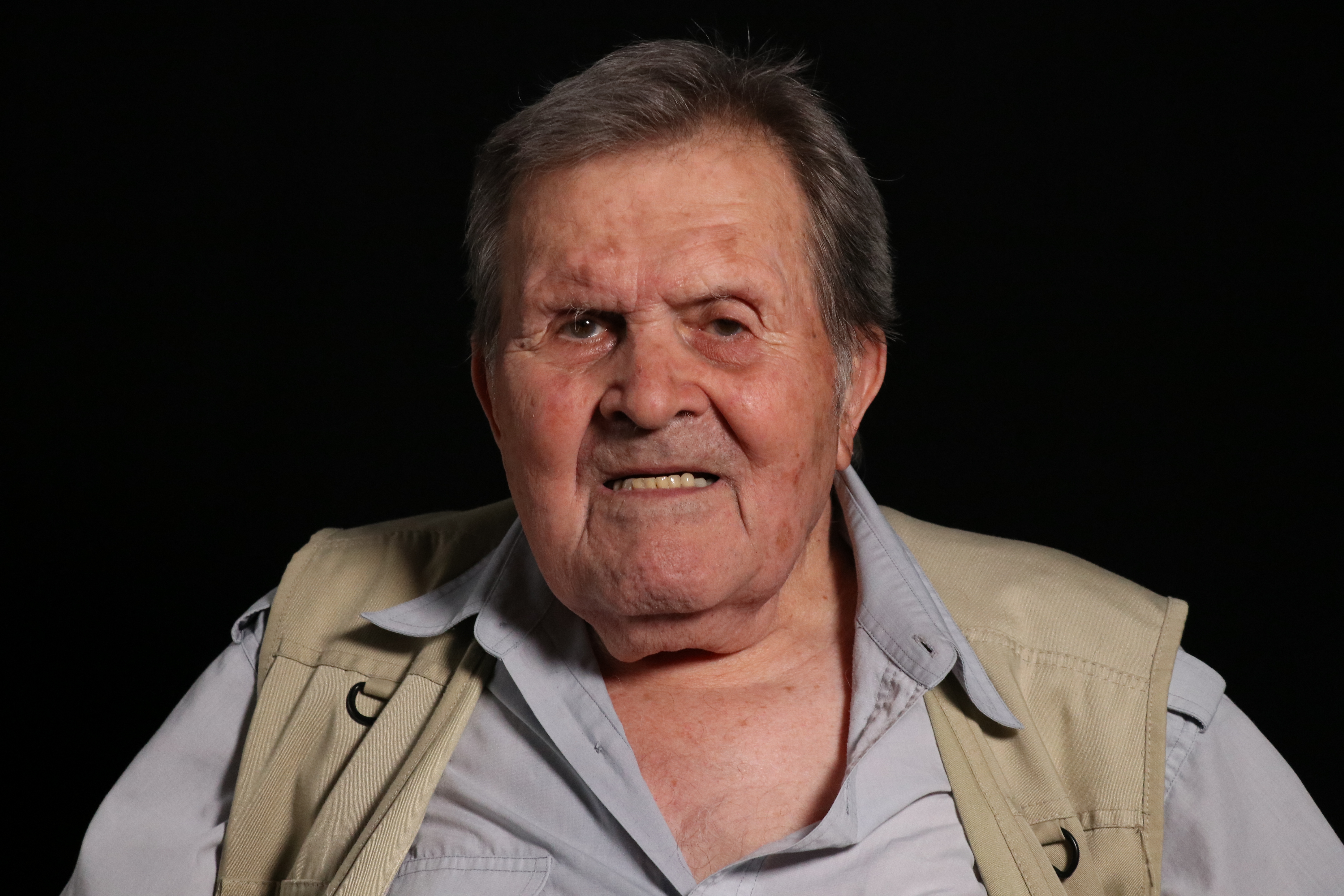
Vladimír Škvor was born on June 14, 1935 in Prague. He grew up in Prague‘s Vinohrady district, in a culturally and artistically stimulating family environment. In particular, Vladimír‘s father Ladislav, a senior bank clerk by profession, was a multi-talented personality with a wide range of interests. For Vladimír and his brother Zdeněk, seven years older, his father created extensive diaries with many photographs, clippings from the contemporary press, posters and personal reflections. With the passage of time, the diaries have become a valuable testimony to the turbulent moments, especially from 1938-1945. For example, little Vladimír is depicted in a photograph from the autumn of 1938 with mobilised Czechoslovak soldiers or in a photograph from March 1939, when he is standing in front of a decree announcing the establishment of the Protectorate of Bohemia and Moravia. Vladimír‘s father documented the aftermath of the bombing of Prague in February 1945 or the events of the Prague Uprising in many photographs. Vladimír also has many memories of those days. As a ten-year-old he helped build barricades, witnessed the fighting in the streets of Prague, welcomed the Red Army soldiers, but also witnessed many drastic moments related to the retaliation for the years of occupation. With his father, he attended ceremonial parades of Czechoslovak soldiers who fought for liberation from Nazism abroad, and welcomed President Edvard Beneš upon his return from exile. Three years later, Vladimír also attended Beneš‘s funeral, as well as the funeral of then Foreign Minister Jan Masaryk. He also has vicarious memories of the student march to Prague Castle in February 1948. One of the initiators of the support for President Beneš was his brother Zdeněk. The musically gifted Vladimír graduated from the Real Gymnasium in 1953 and, to the surprise of his whole family, he did not decide to study one of the artistic disciplines, but began his studies at the Czech Technical University. Professionally, he devoted his whole life to mathematics. As a mathematician, he participated in the development of Czechoslovak analogue computers and lectured at Charles University and abroad. Vladimír Škvor lives (b. 2025) with his family in Prague.
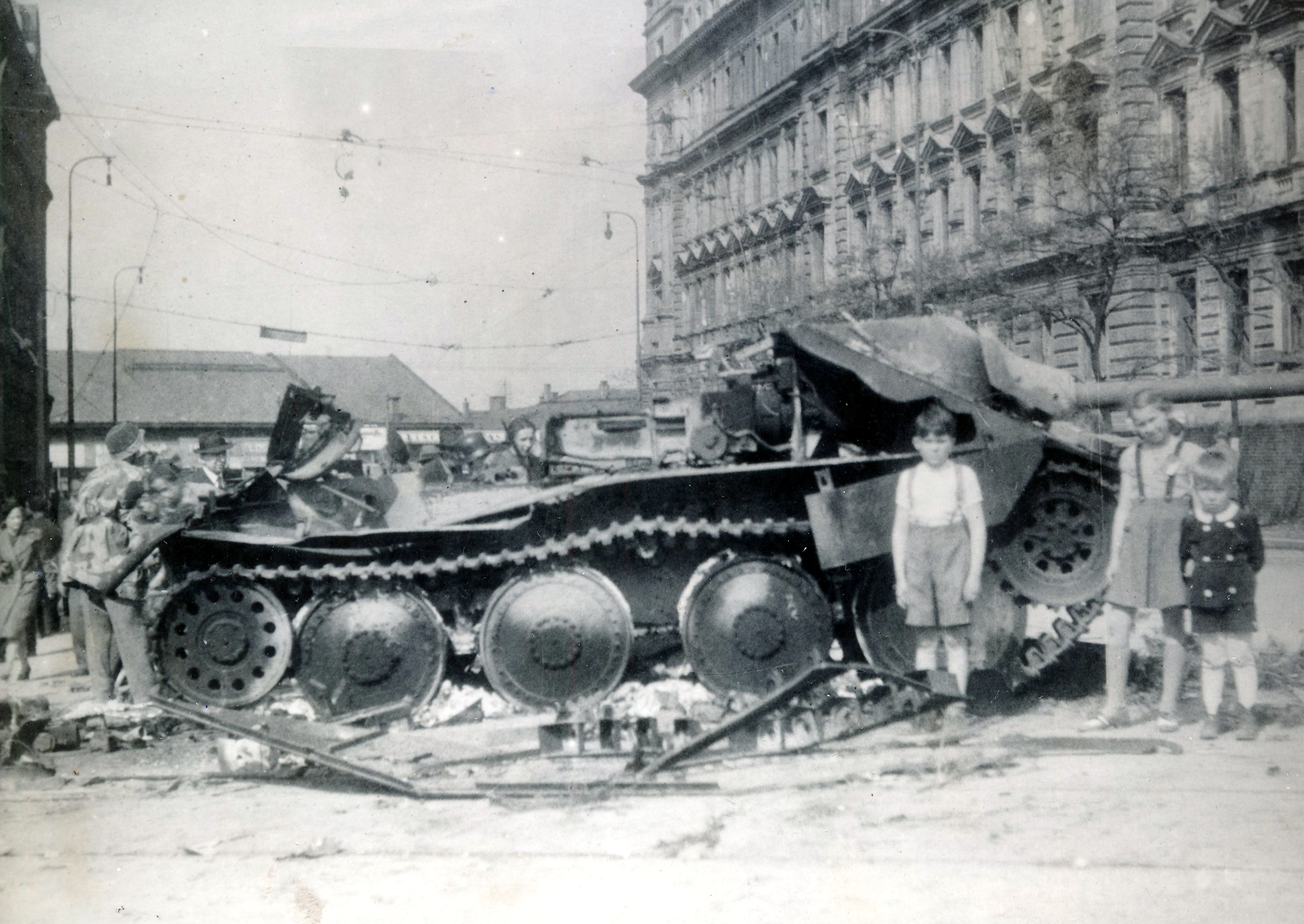
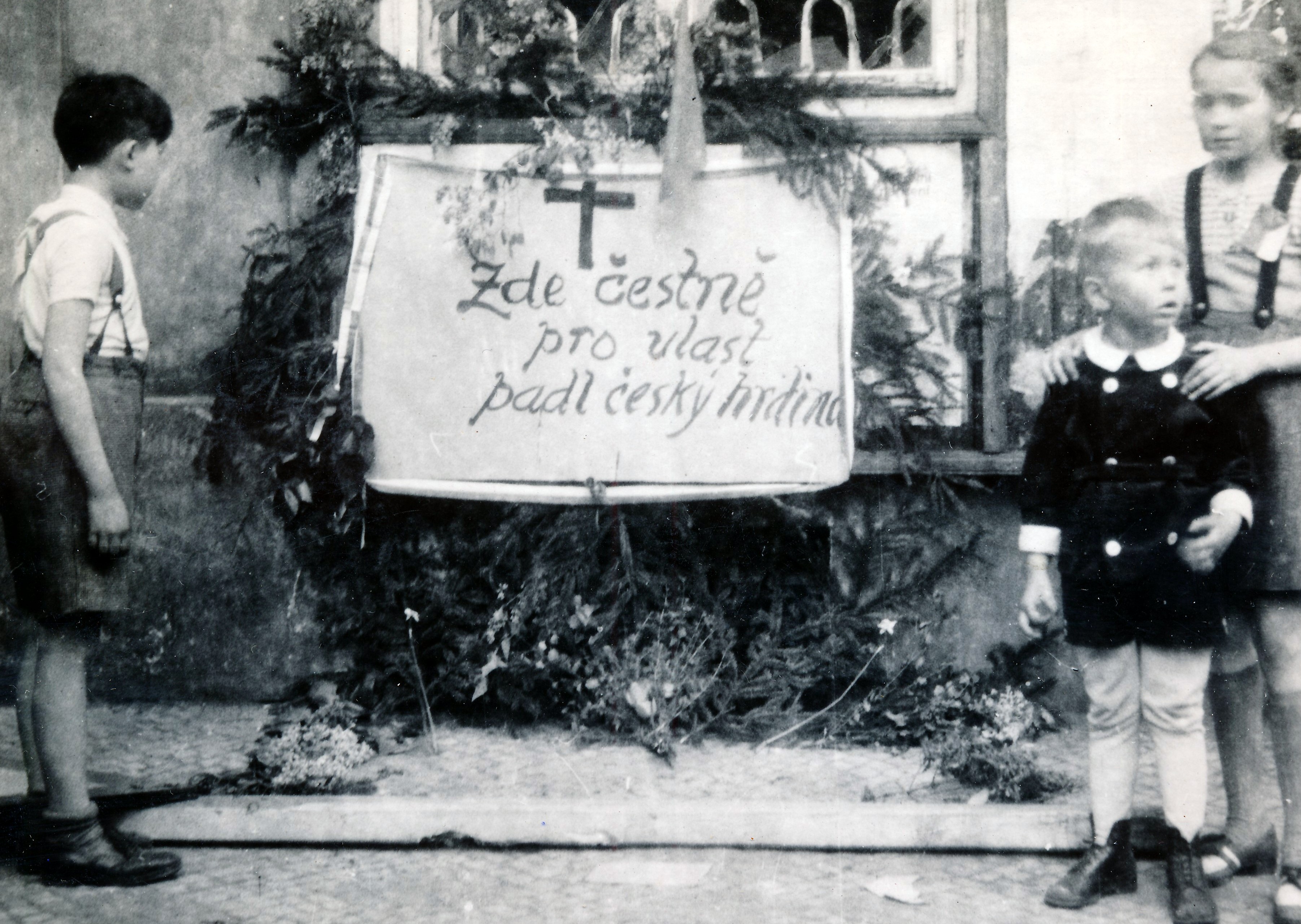
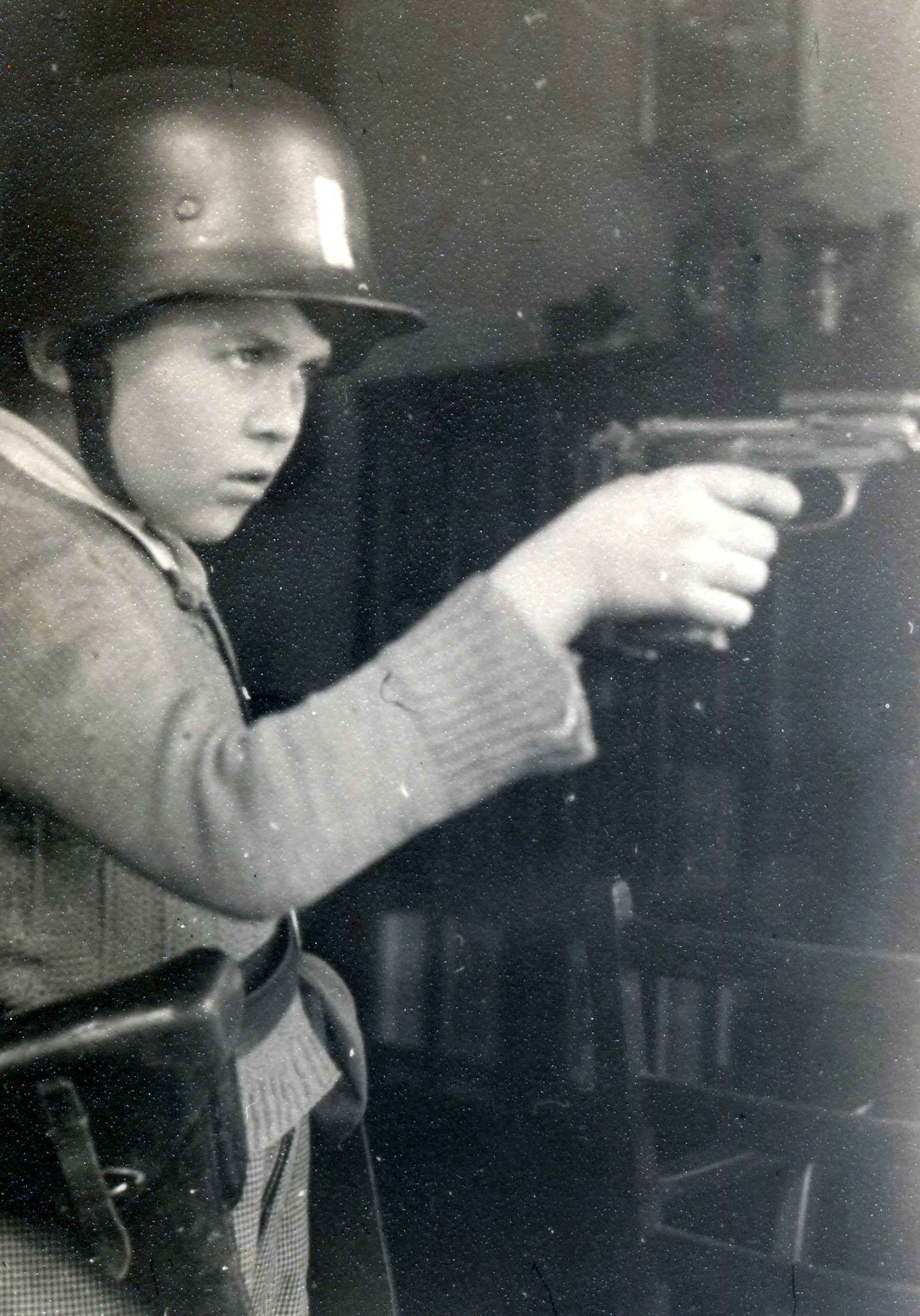
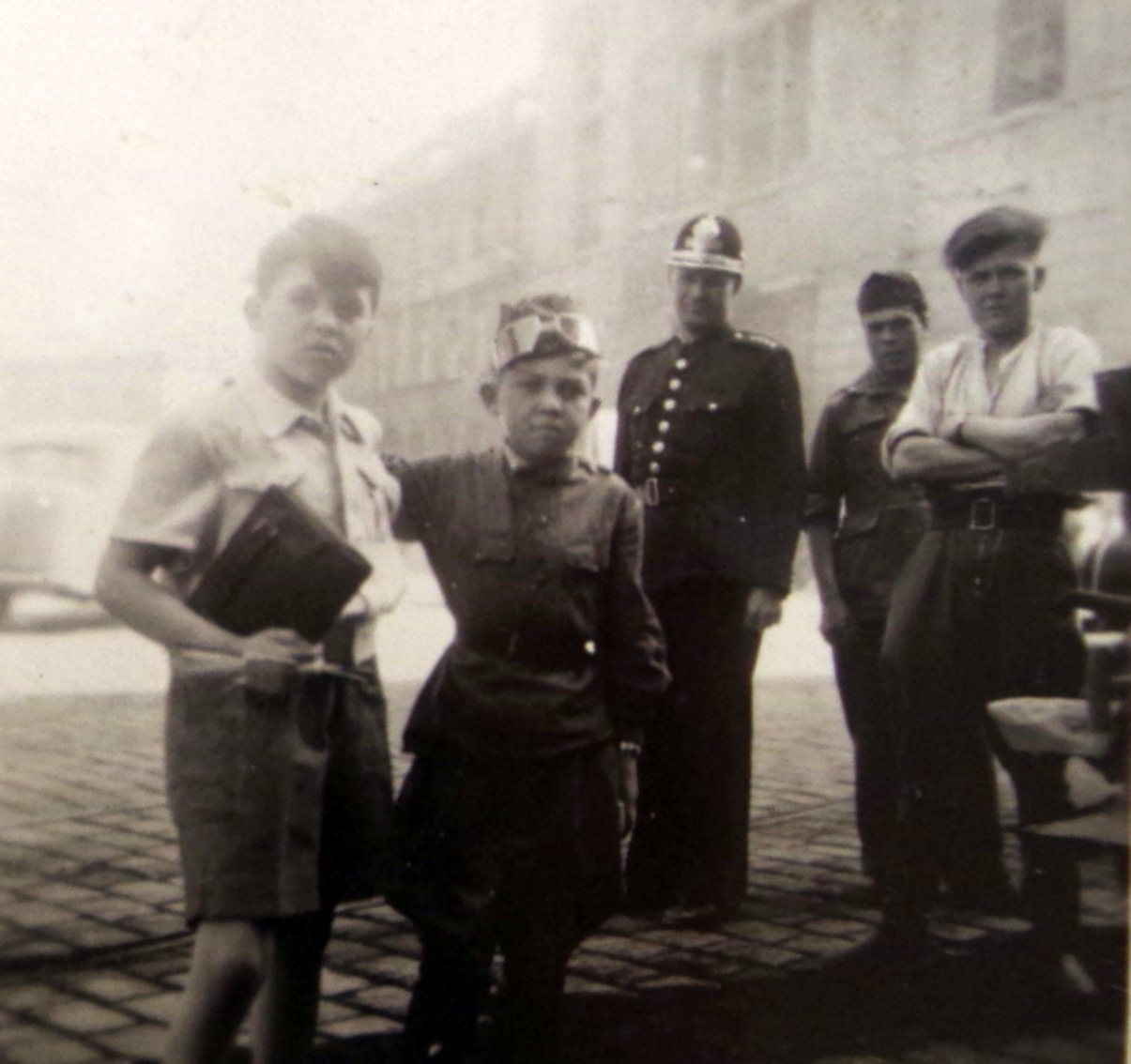
Prague Uprising May 1945, the picture shows Vladimír Škvor at the destroyed German tank in Opletalova street (the author of the photo is the father of the witness)
Prague Uprising May 1945, the picture shows Vladimír Škvor at the destroyed German tank in Opletalova street (the author of the photo is the father of the witness)
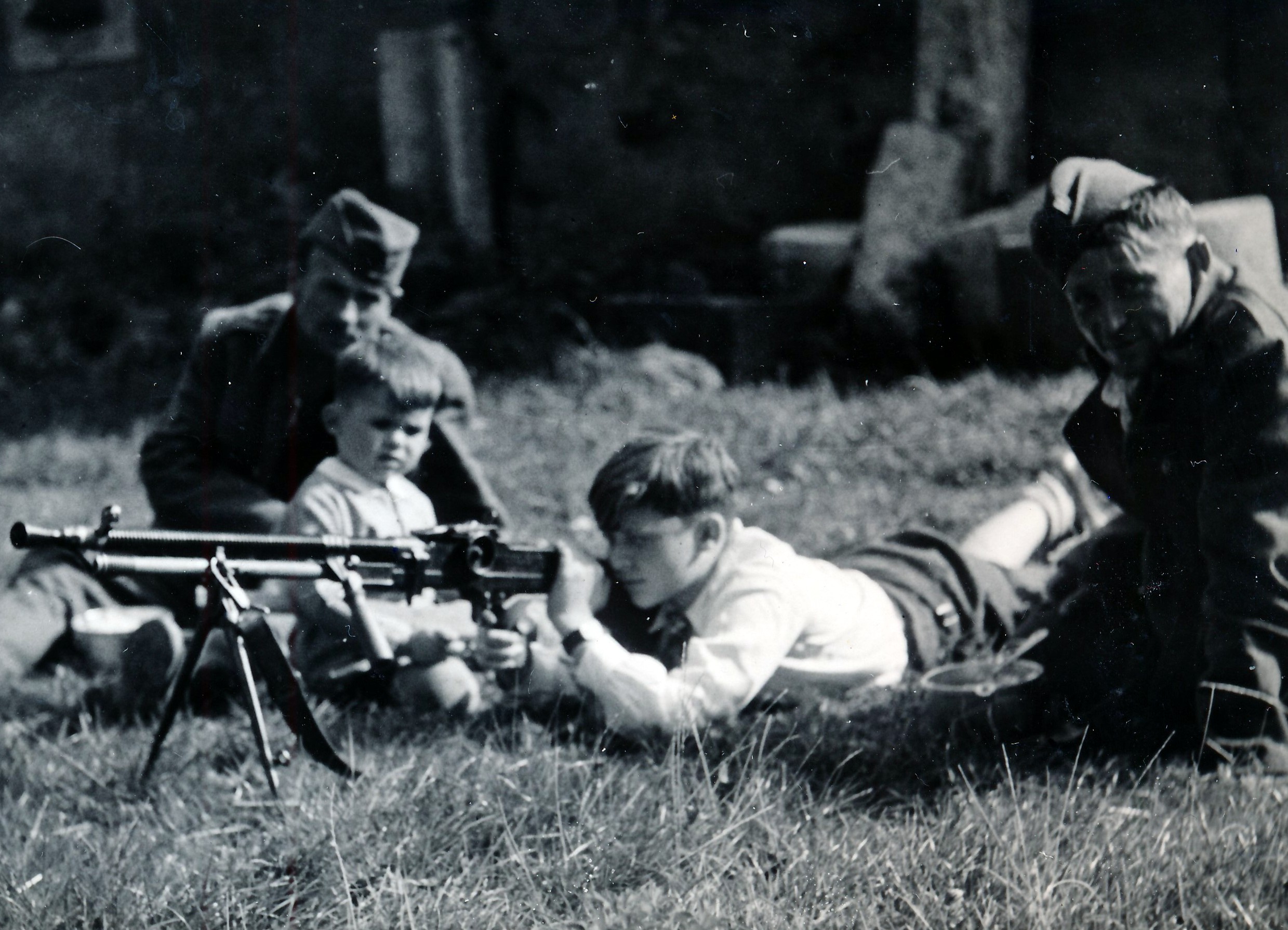
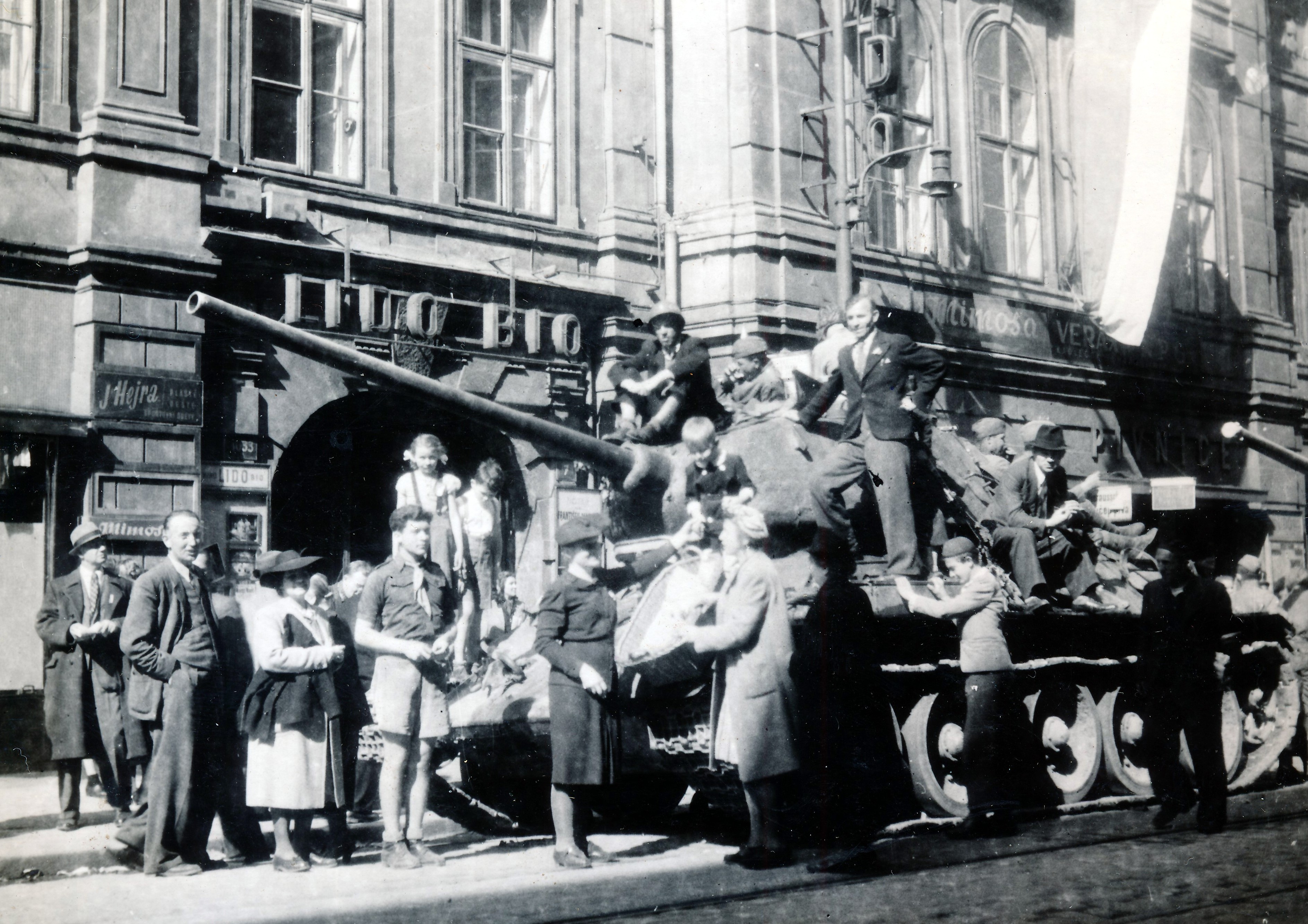
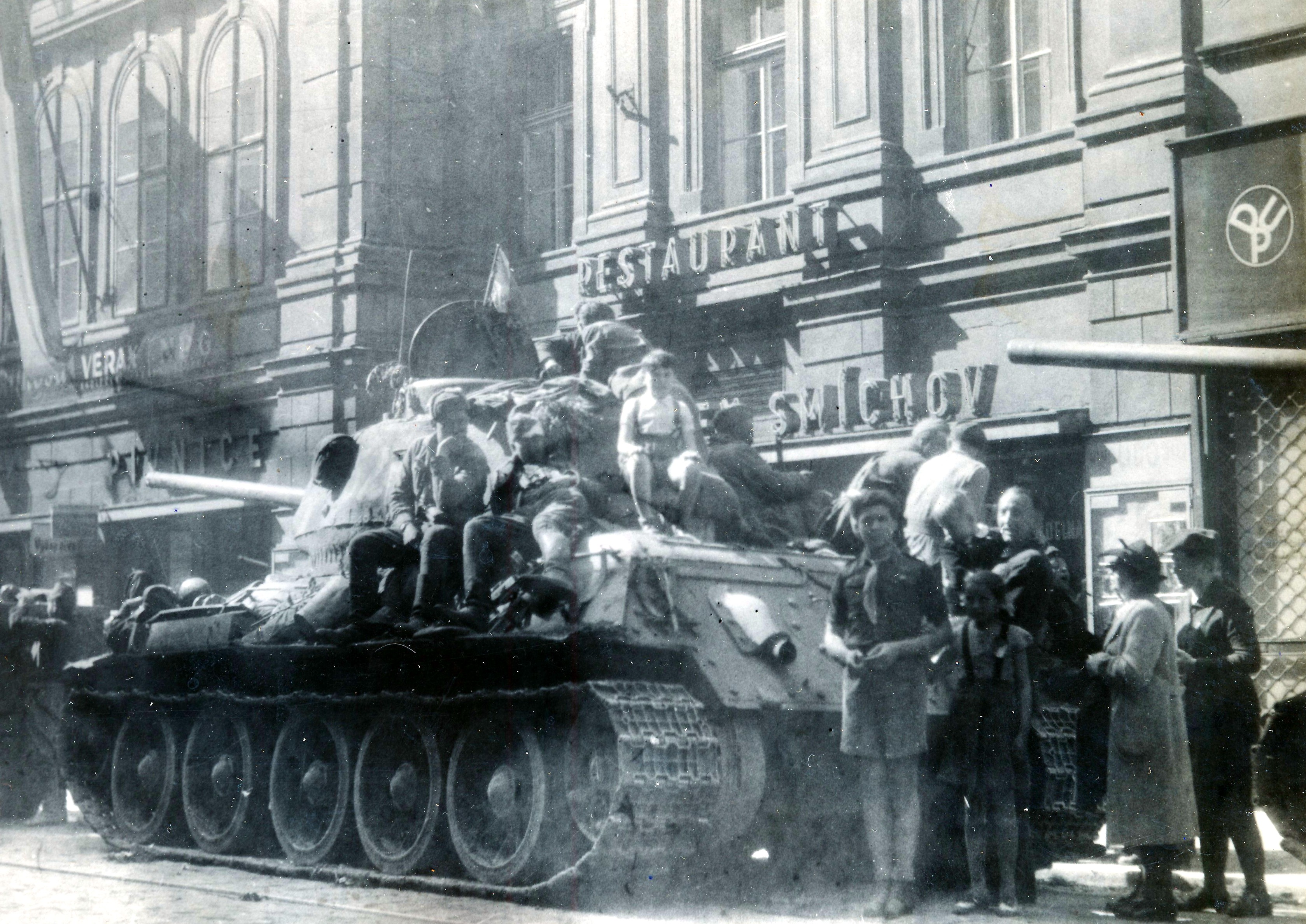
Welcoming the Red Army, May 1945. The young man in the scout costume on the left is Zdeněk Škvor, the brother of the witness, the little boy behind him is Vladimír Škvor (the author of the picture is their father)
Welcoming the Red Army, May 1945. The young man in the scout costume on the left is Zdeněk Škvor, the brother of the witness, the little boy behind him is Vladimír Škvor (the author of the picture is their father)
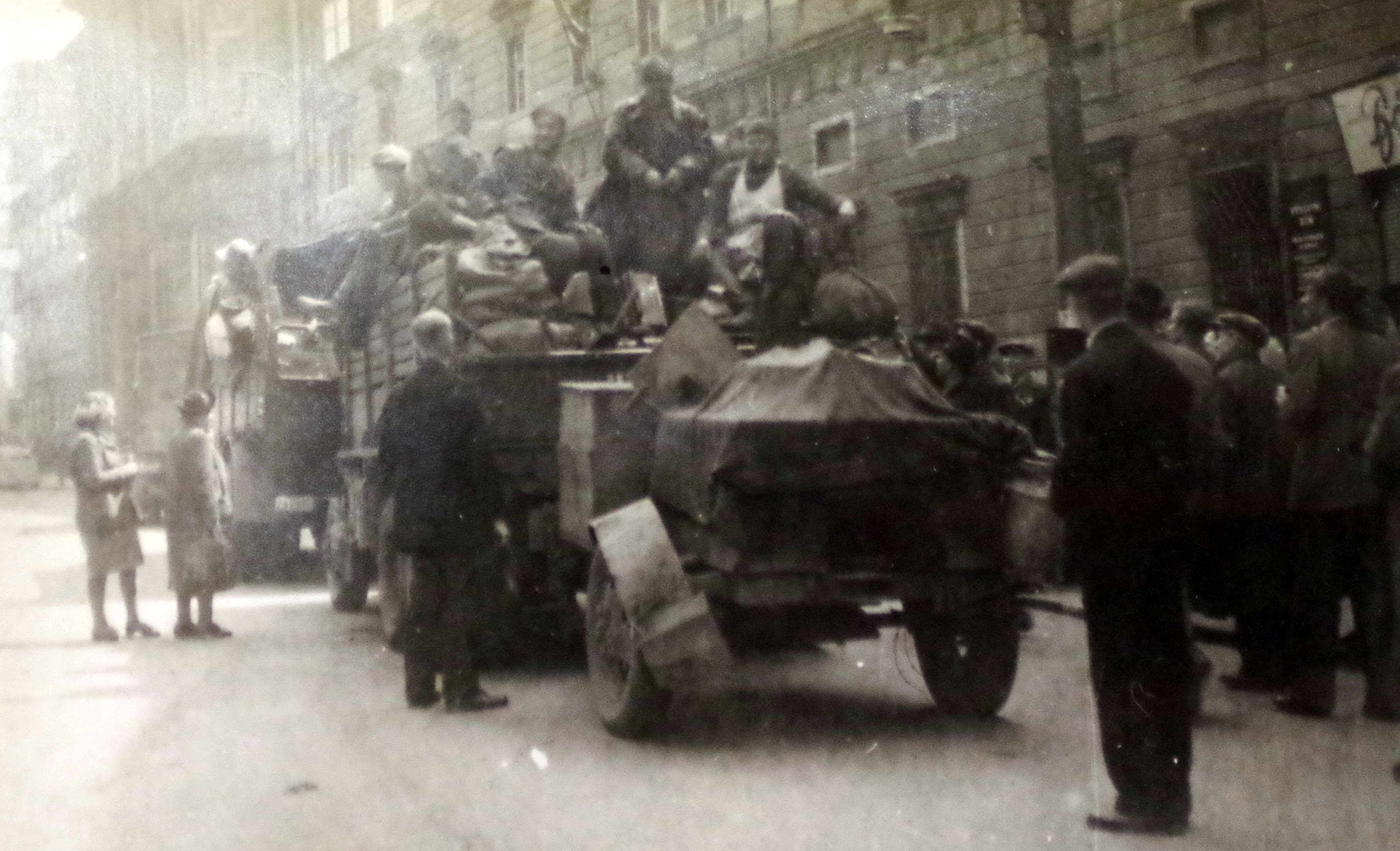
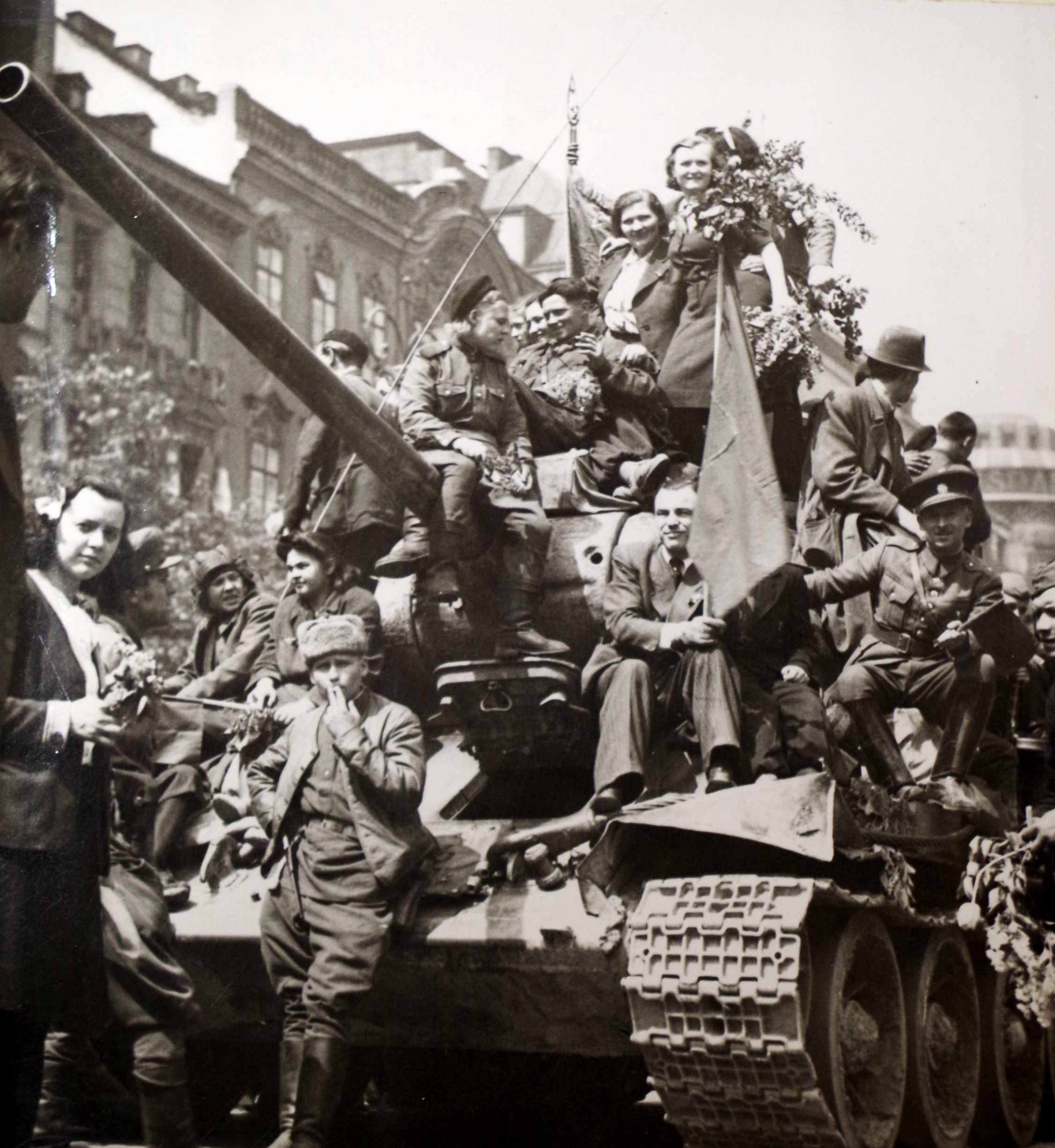
Welcoming the Red Army, May 1945. The boy sitting on the tank is Vladimir, below him in a scout costume stands his brother Zdenek (the author of the picture is their father)
Welcoming the Red Army, May 1945. The boy sitting on the tank is Vladimir, below him in a scout costume stands his brother Zdenek (the author of the picture is their father)
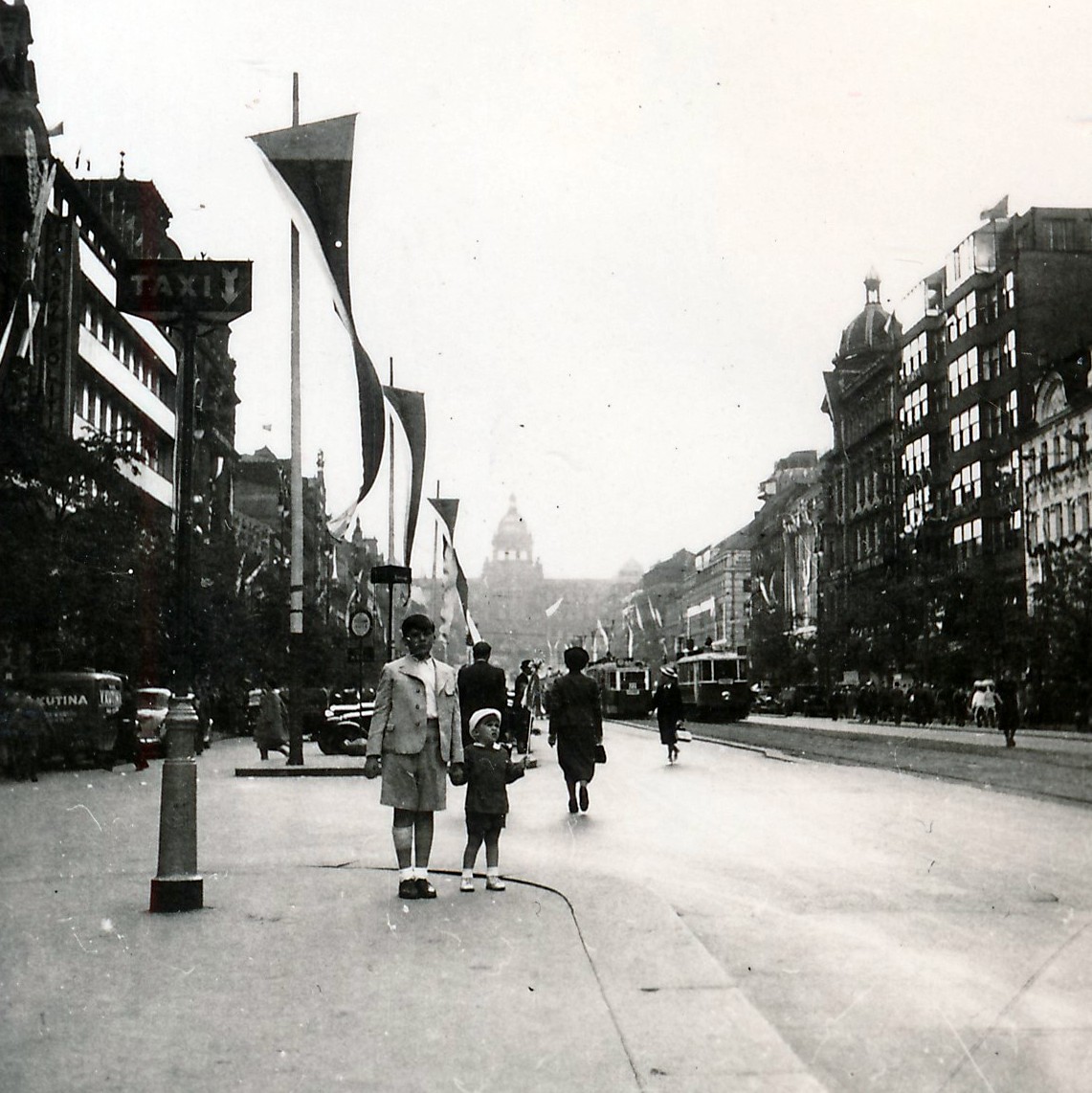
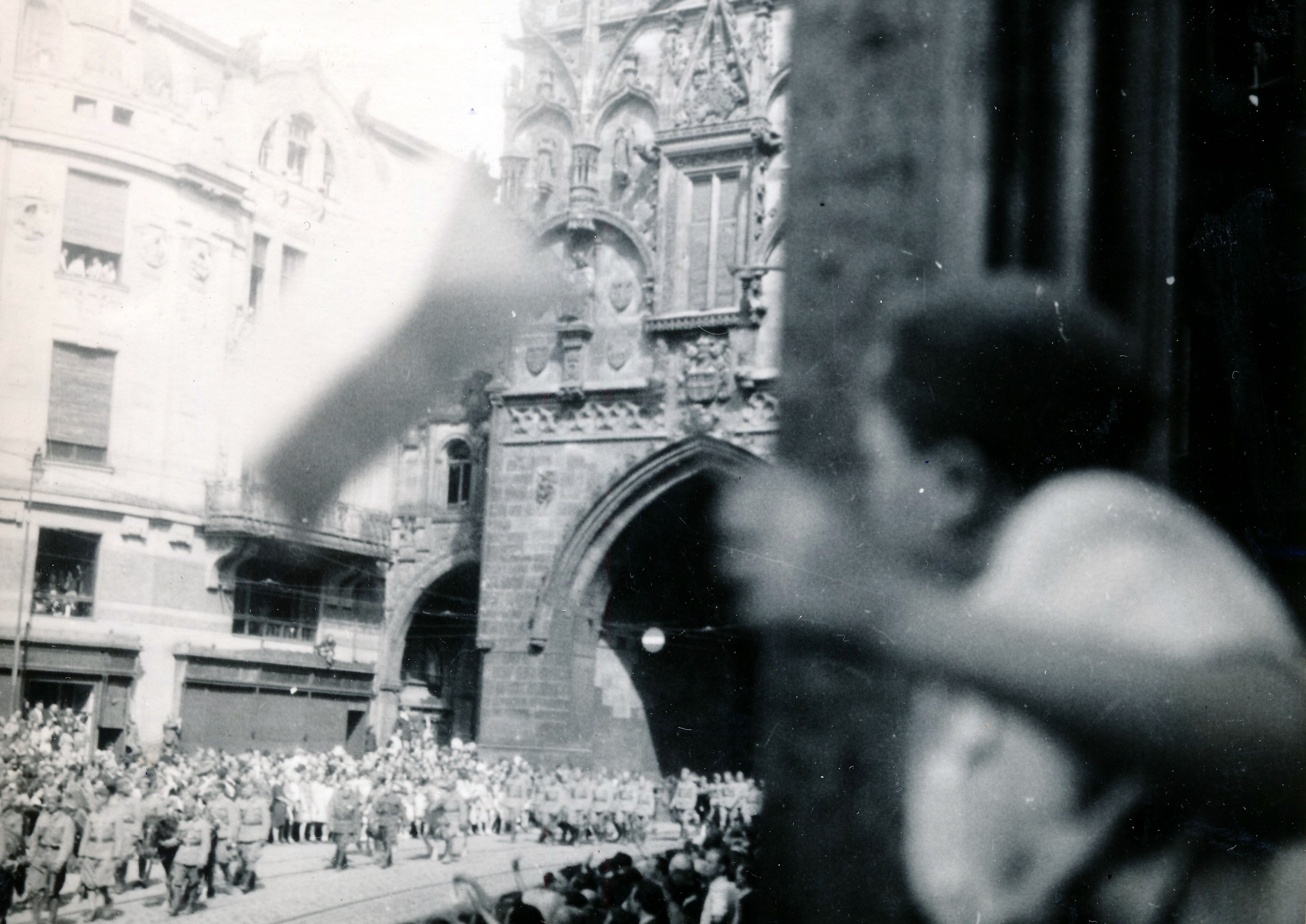
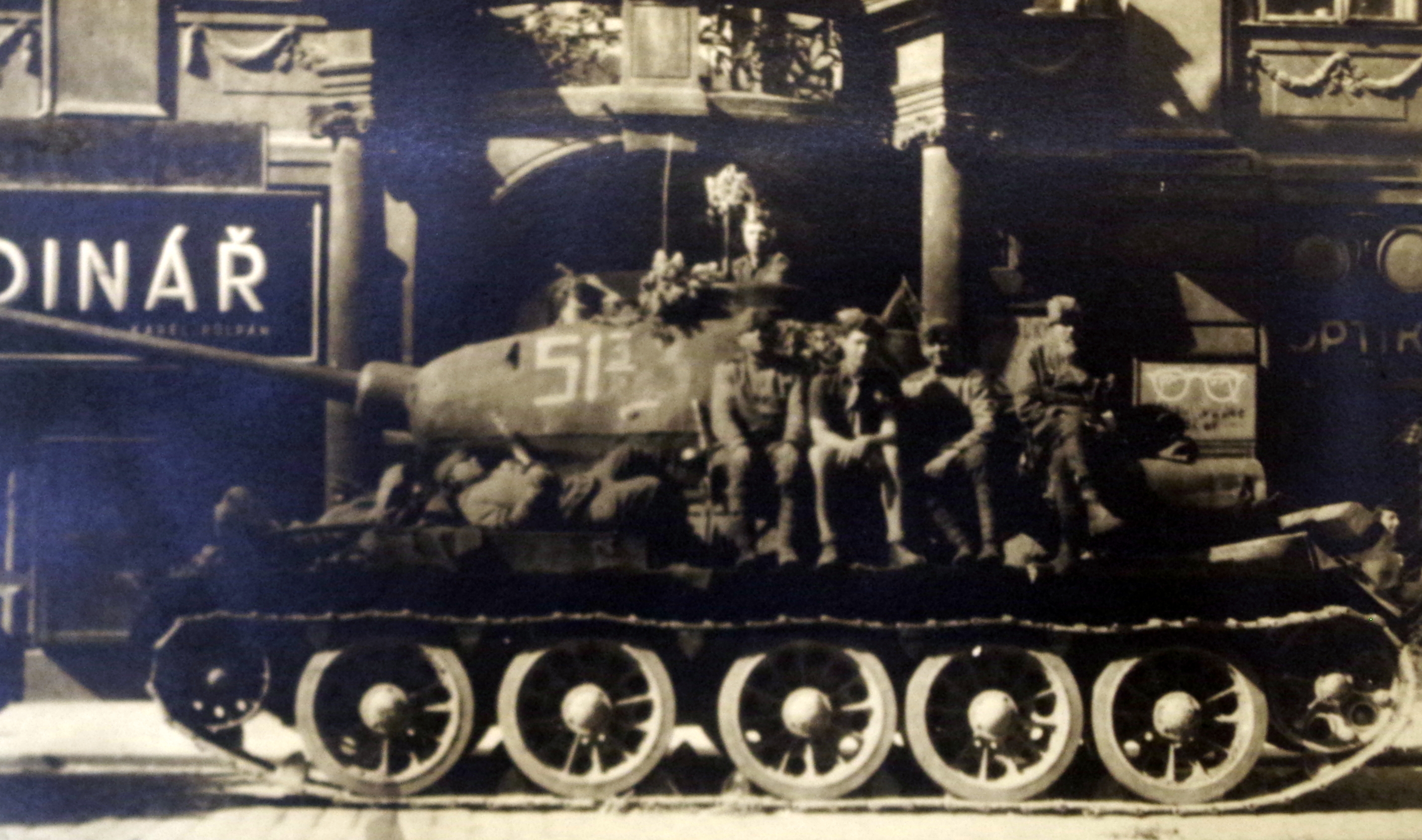
Vladimír Škvor (with a flag) at the Powder Gate during a military parade, probably Red Army soldiers, May 1945 (the author of the photo is the father of the witness)
Vladimír Škvor (with a flag) at the Powder Gate during a military parade, probably Red Army soldiers, May 1945 (the author of the photo is the father of the witness)
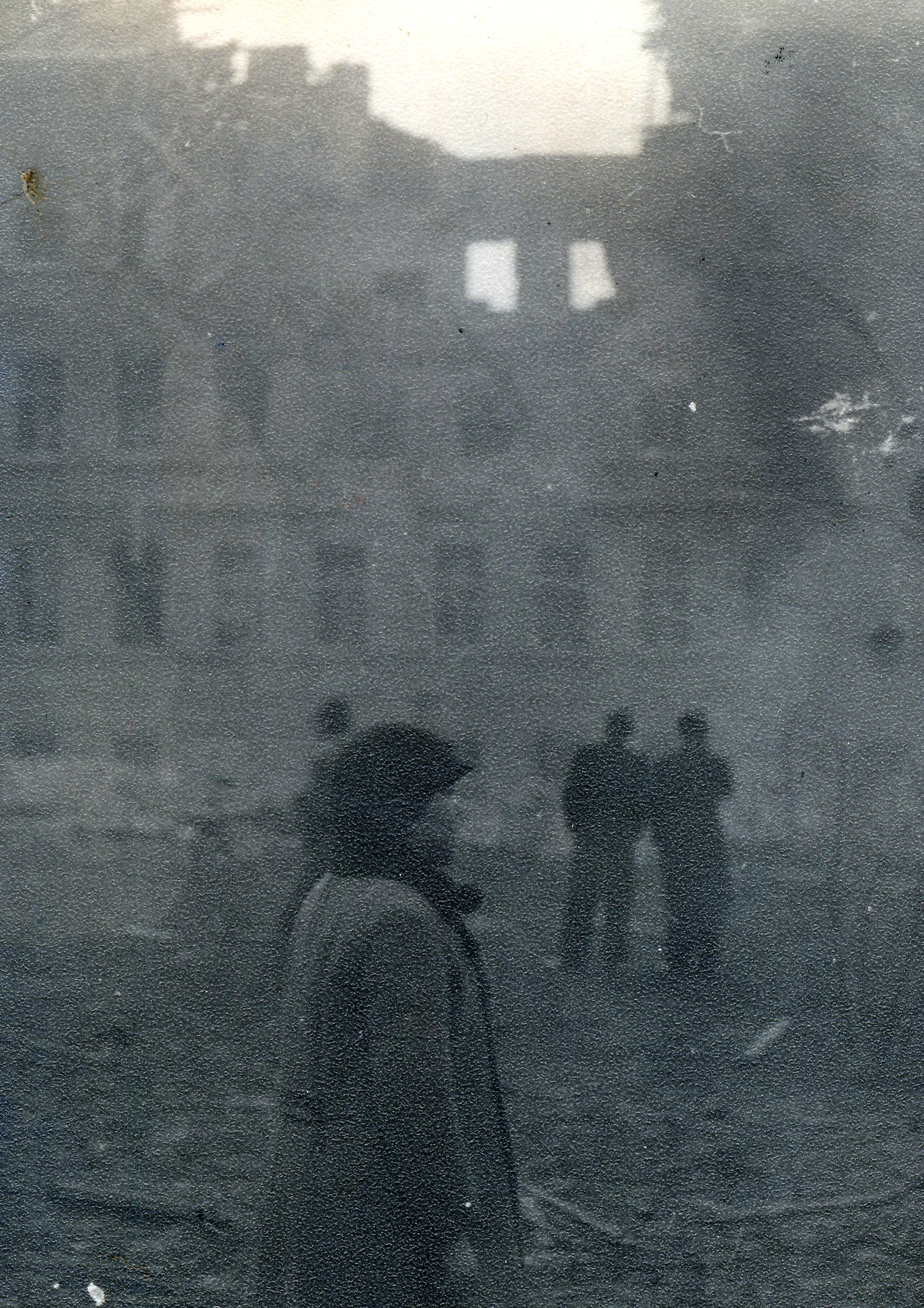
Vladimír Škvor near one of the bombed houses (probably Vinohrady) after the big air raid on Prague in February 1945 - author of the photo Ladislav Škvor
Vladimír Škvor near one of the bombed houses (probably Vinohrady) after the big air raid on Prague in February 1945 - author of the photo Ladislav Škvor
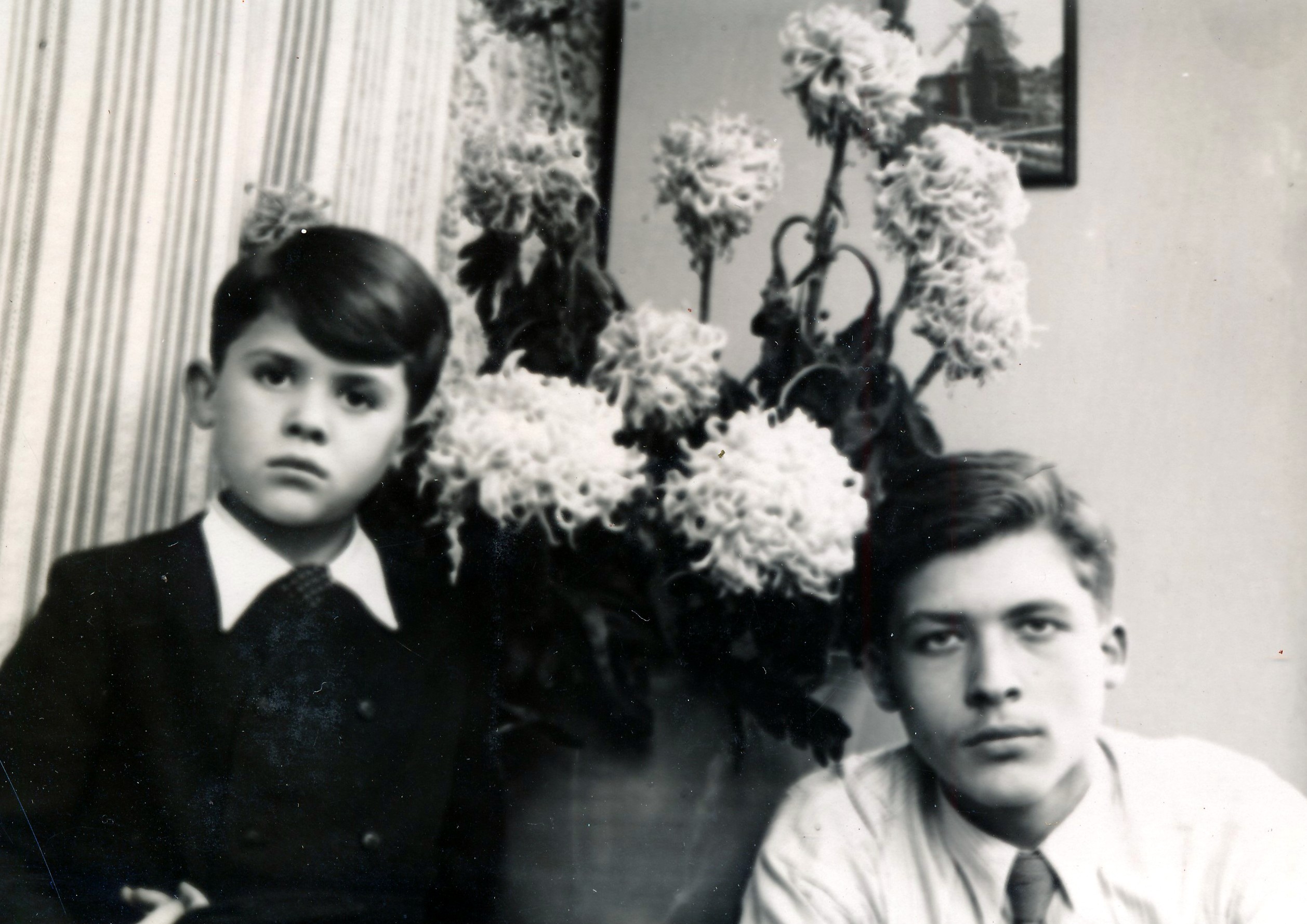
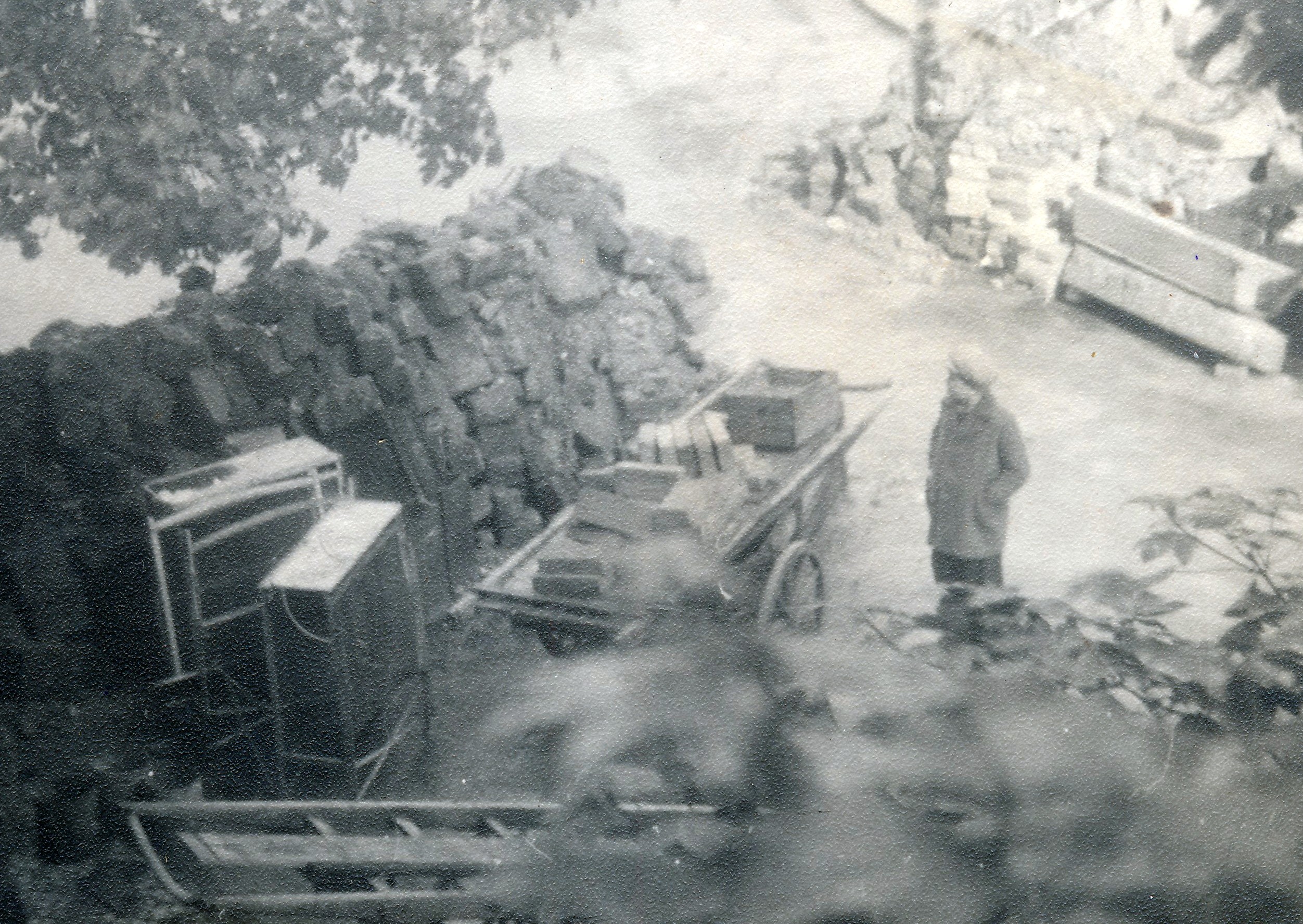
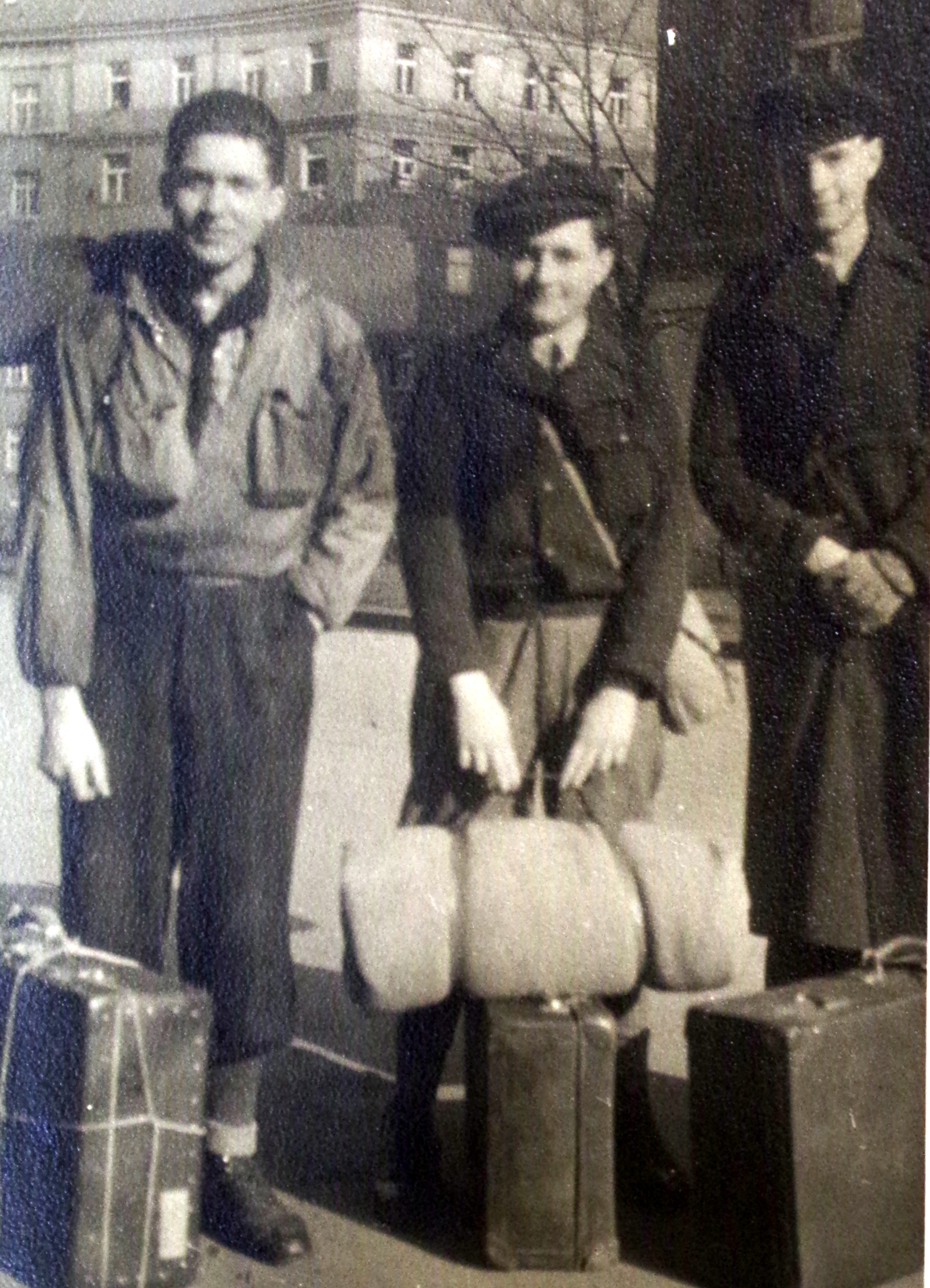
Brother of the witness Zdeněk Škvor (left) before his departure to Moravia, where he was drafted into the Technische Nothilfe to dig trenches - photo by Ladislav Škvor
Brother of the witness Zdeněk Škvor (left) before his departure to Moravia, where he was drafted into the Technische Nothilfe to dig trenches - photo by Ladislav Škvor
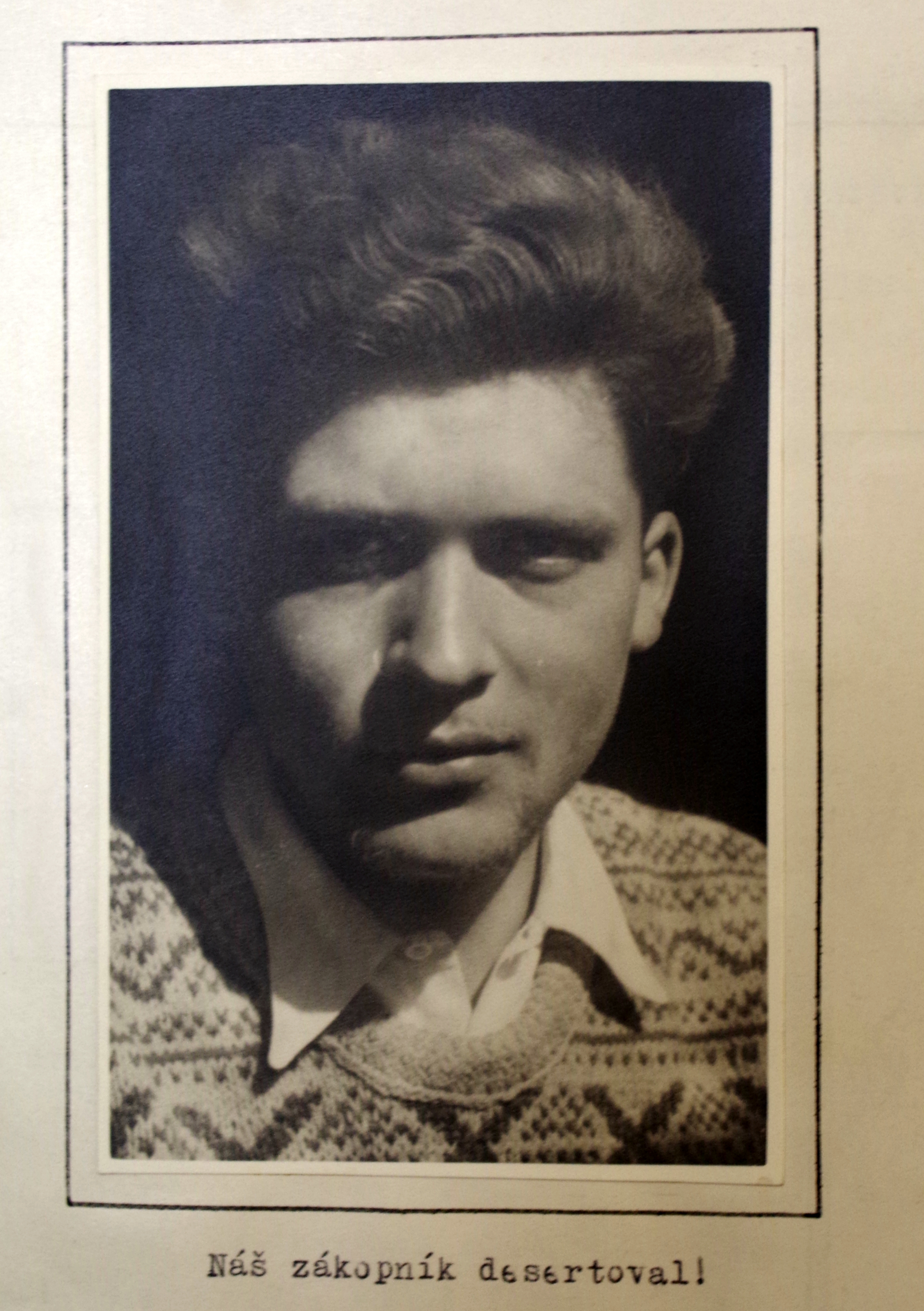
Zdeněk Škvor, brother of the witness, after he managed to escape from forced aid to the German army - the author of the photo and accompanying text is Ladislav Škvor
Zdeněk Škvor, brother of the witness, after he managed to escape from forced aid to the German army - the author of the photo and accompanying text is Ladislav Škvor