Jaroslav Škaloud

* 1935

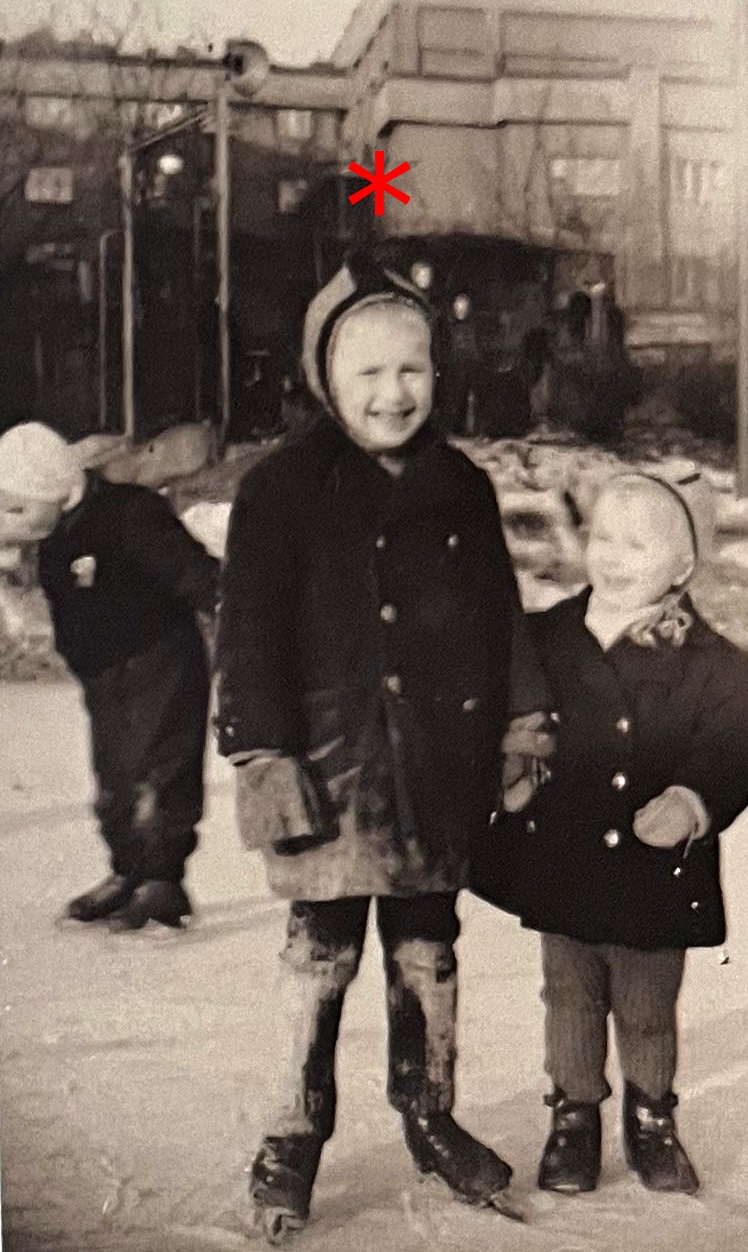
  • "So I brought a lot of military equipment home. And we had these huts built in our yard, in the garden, during the war, because we had to clear out the cellars, which became shelters. And so I dragged everything there. So I had about two Panzerfausts there, which would have blown us all up, I had boxes of machine gun ammunition, I had machine gun breeches, and we opened the cartridges and made paths with the gunpowder, lit it on one side, and it burned beautifully. It was great fun. I also had some helmets, but I had a pretty nice collection of military bayonets, but my mum got rid of them later. I also got rid of the Panzerfausts very soon, and that was the end of it. And I also used to go to the barracks in Smíchov, where people were taking away laundry, blankets, and dishes from the barracks, while I was dragging boxes of ammunition..."

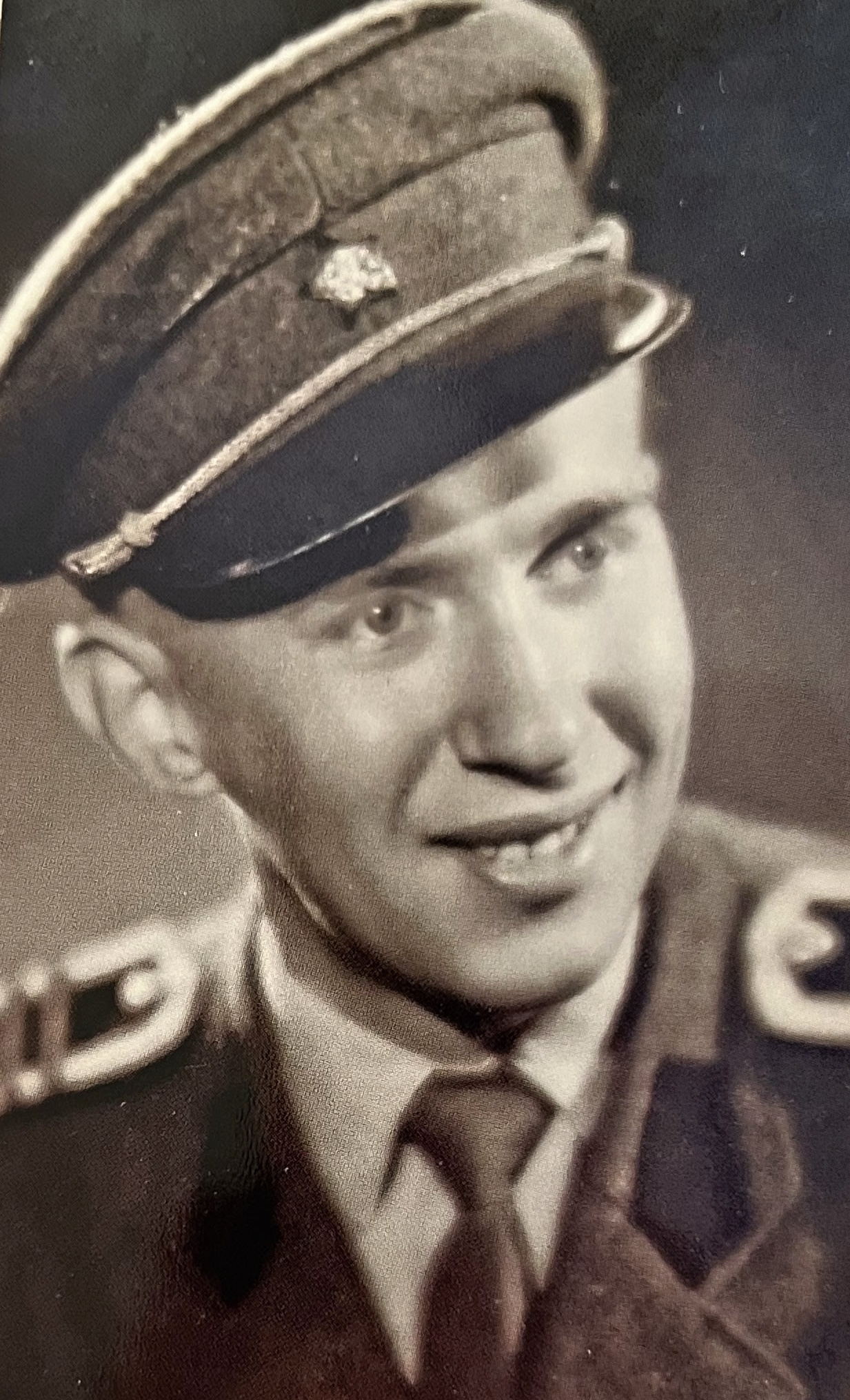
  • "Everyone had already been assigned their posts, we had our officer uniforms sewn, our ID cards were being prepared, we were taking our driving tests—the only advantage was that I got a driver's license for everything for thirty-five crowns, but then when I was leaving, they only gave me one for passenger cars and motorcycles, and I still wasn't getting anything. So I went to my commander and they said, 'Look, you're going to the missile forces. So I went to my superior and said, 'Comrade First Lieutenant, I haven't received any assignment yet, can you explain to me what's going to happen? ' He didn't say anything, and the next day they called me to go to the training center chief. So I prepared a speech, reported there, and there was a Communist Party committee and the chief, and also the representative for political affairs, and they let me report, and the chief stood up and said, 'I propose to the Minister of National Defense that you be expelled from the school because there is no guarantee that you will raise soldiers in the spirit of the people's democratic system. You may leave.' So I left. Since then, almost no one in the barracks spoke to me. I just went to eat until the confirmation came from the Ministry of Defense that I had been expelled."

  • "It all changed a bit in 1945, because this area came under the administration of the American occupation army, who held a castle in that village, in Čekanice, which they occupied, and they had a camping site near that castle and they were trying to come into contact with the inhabitants. And the farmer we stayed with, there was a grandmother, bent almost to the ground, who had worked in Chicago in her youth. And she spoke perfect English, so they would come to us because they felt the home environment, and the farmer would give them potatoes, and they would give them in return, some tinned goods, and the thing that interested me the most was the peanut spread. And it was there in the pantry in this five-kilo package, and when I walked by I would always rake it in with my hand and I would have something to do for half an hour."

  • Celé nahrávky
  • 1

    Praha, 24.07.2025

    (audio)
    délka: 01:56:55
    nahrávka pořízena v rámci projektu Stories of 20th Century
Celé nahrávky jsou k dispozici pouze pro přihlášené uživatele.

There is no guarantee that you will educate soldiers in the spirit of the people‘s democratic system...
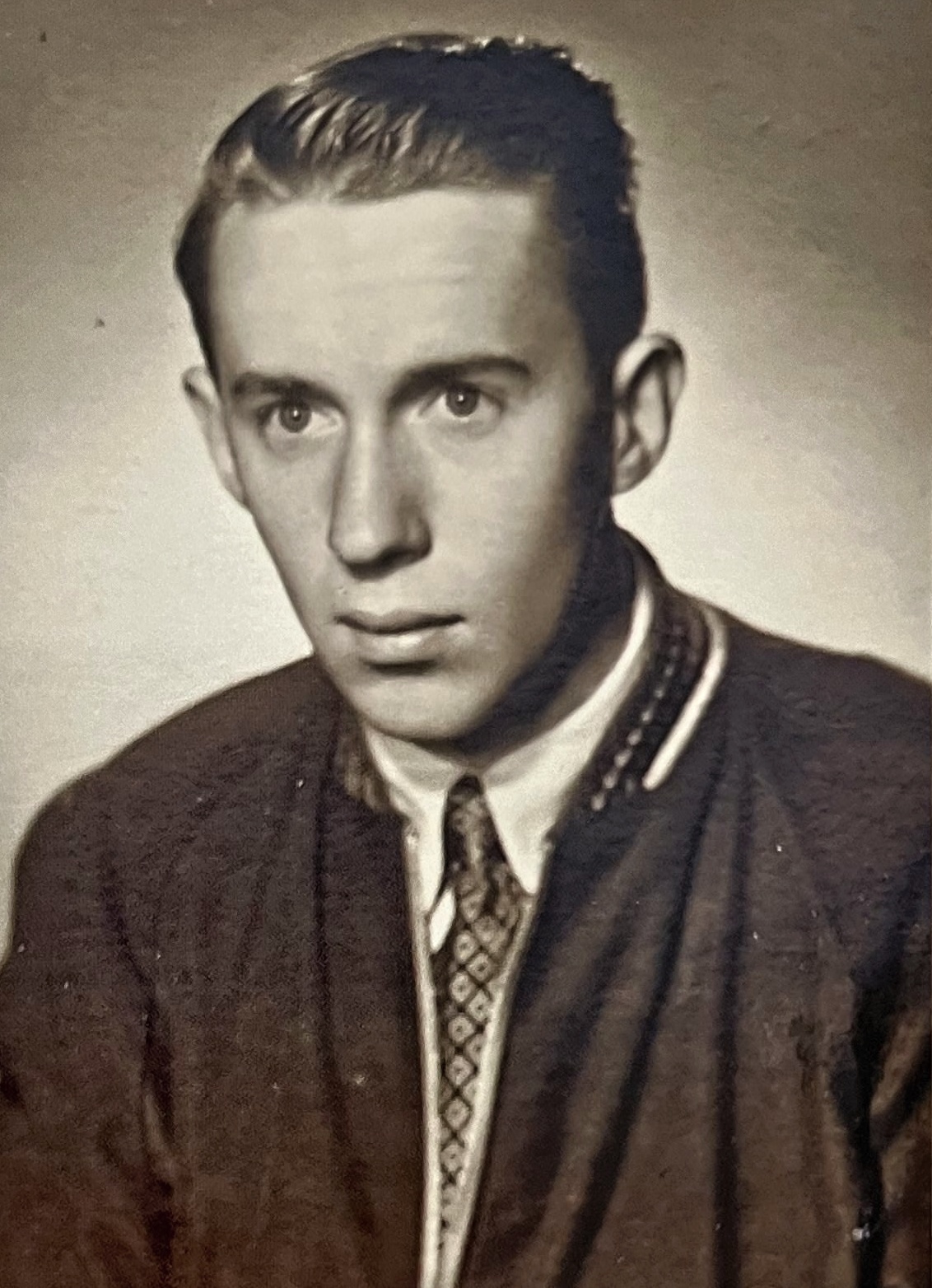
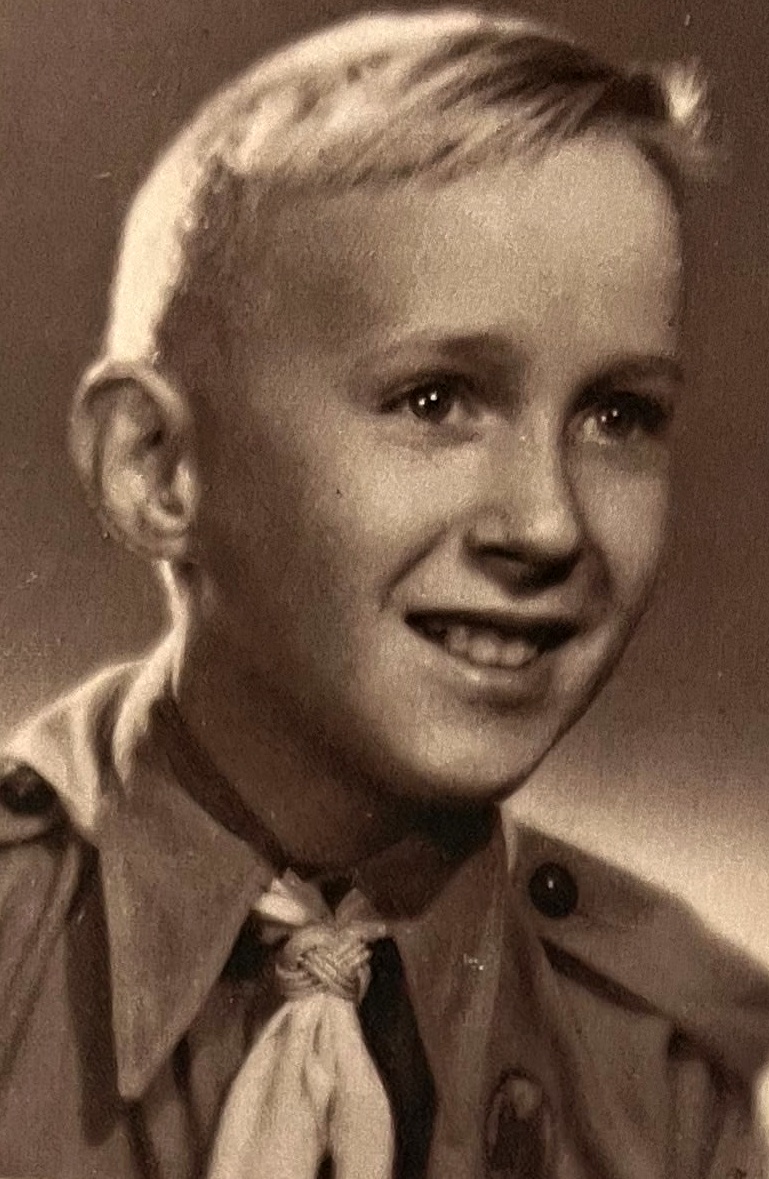
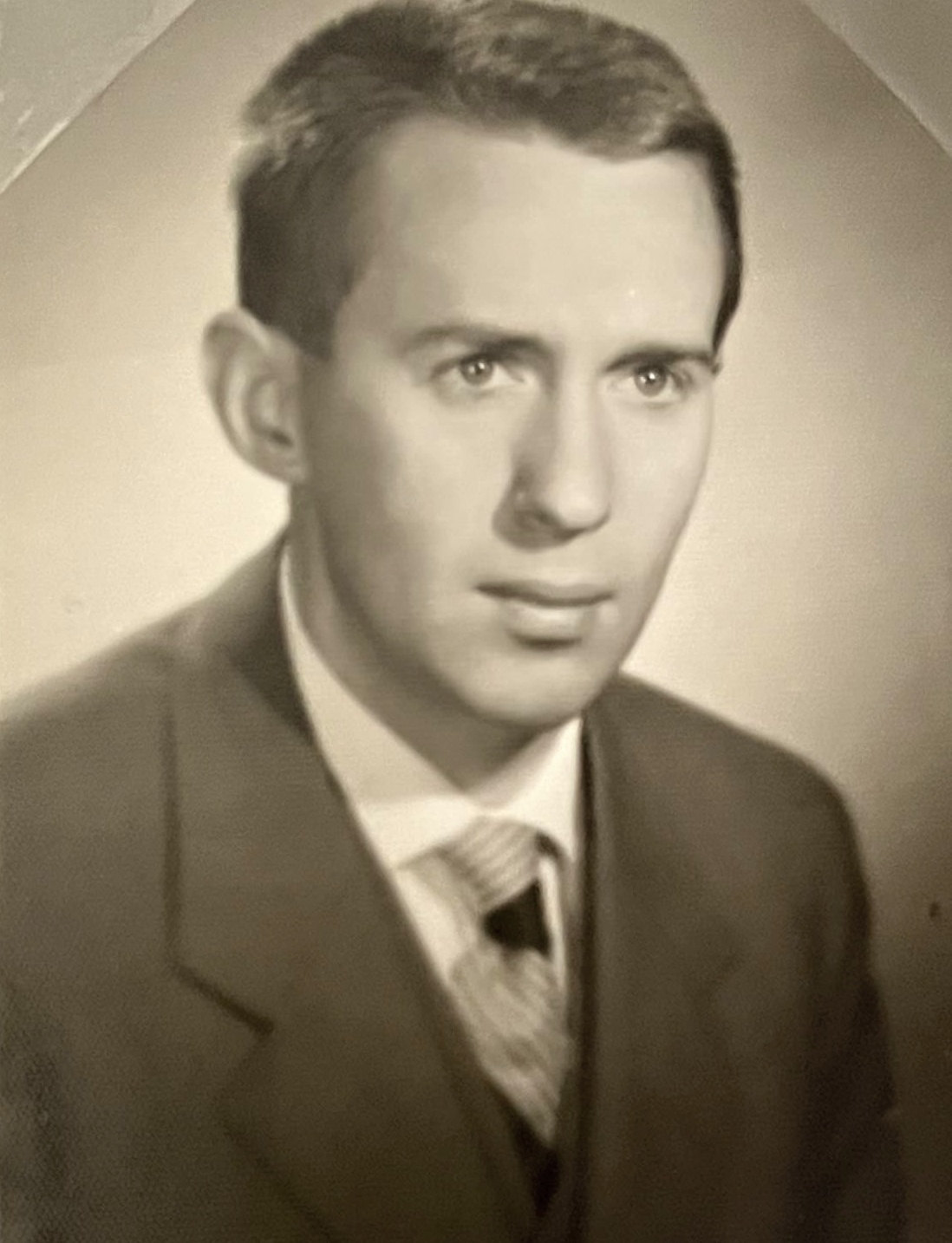
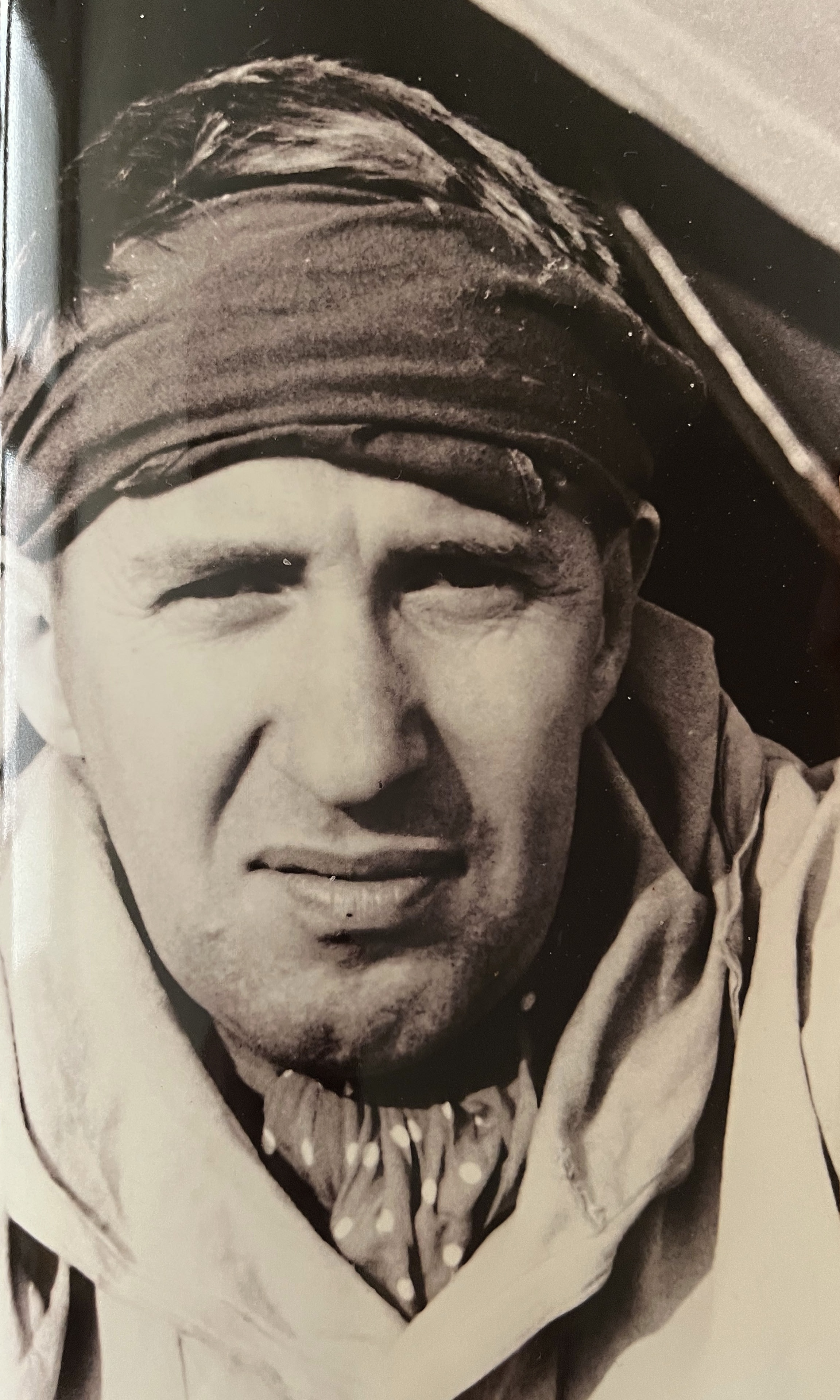
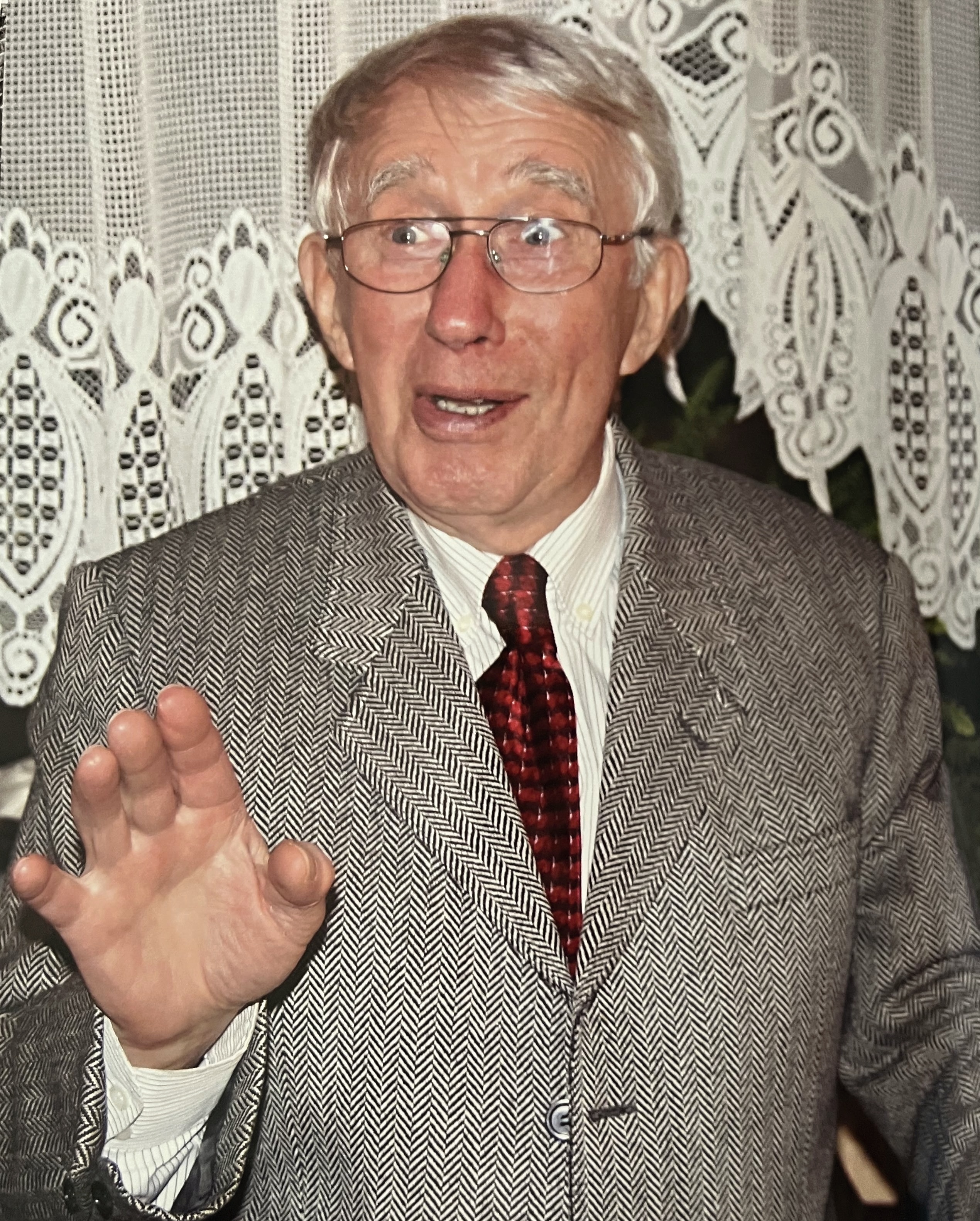
Jaroslav Škaloud, nineteen years old
zdroj: Witness´s archive

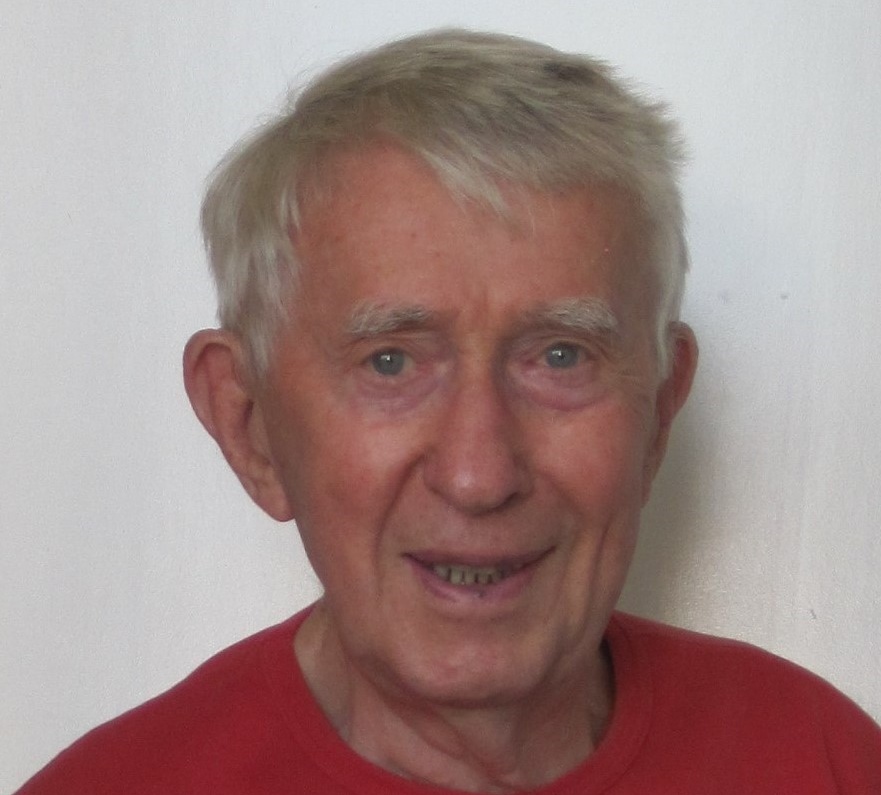
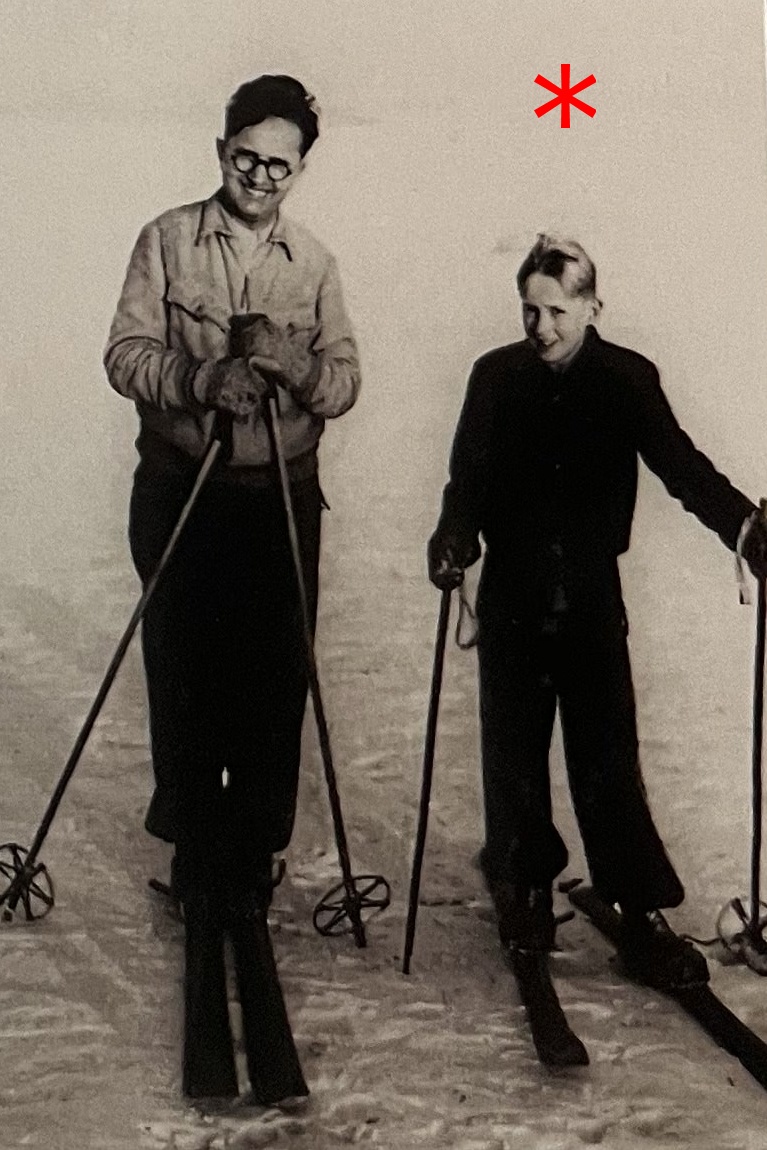
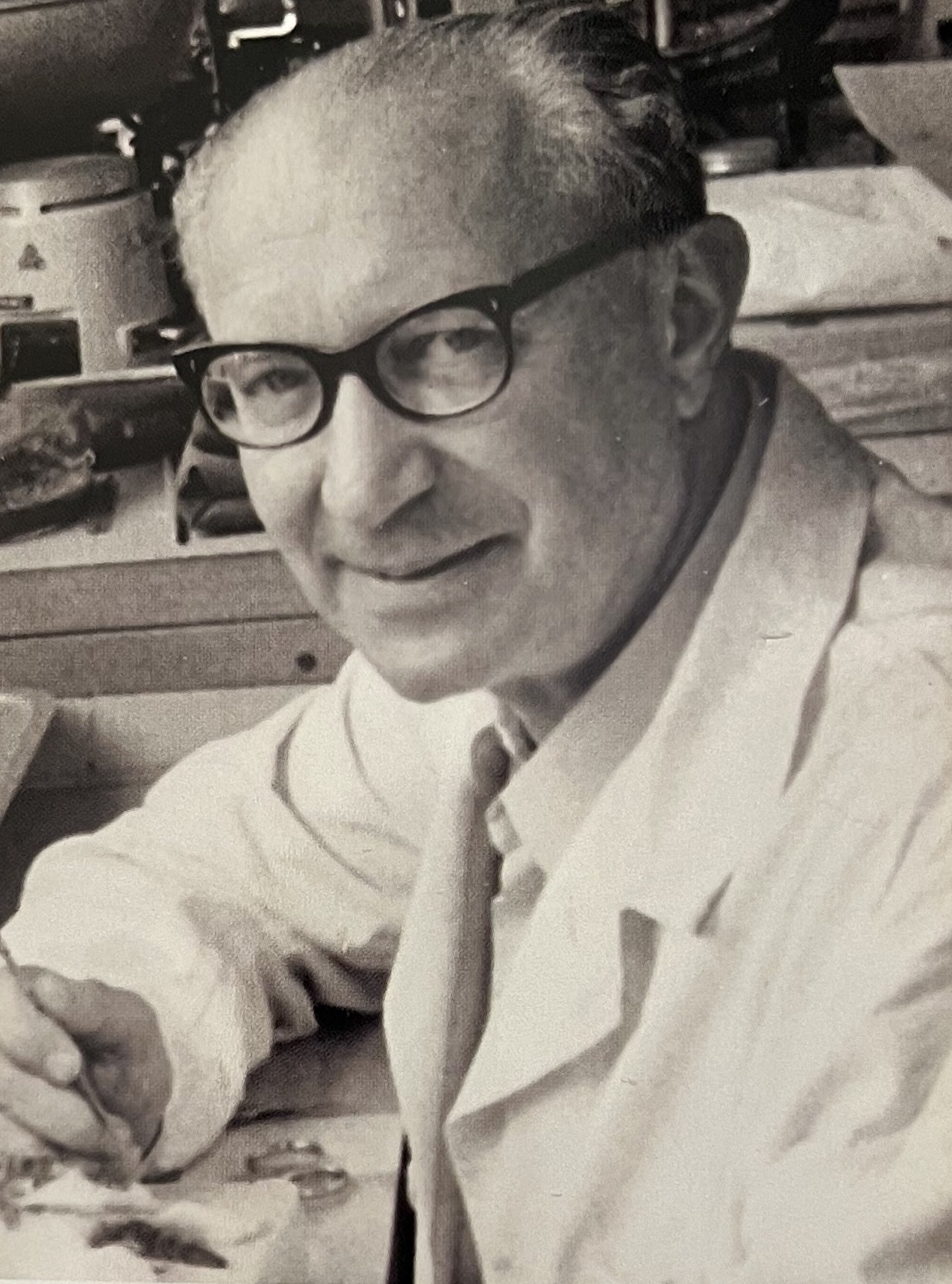
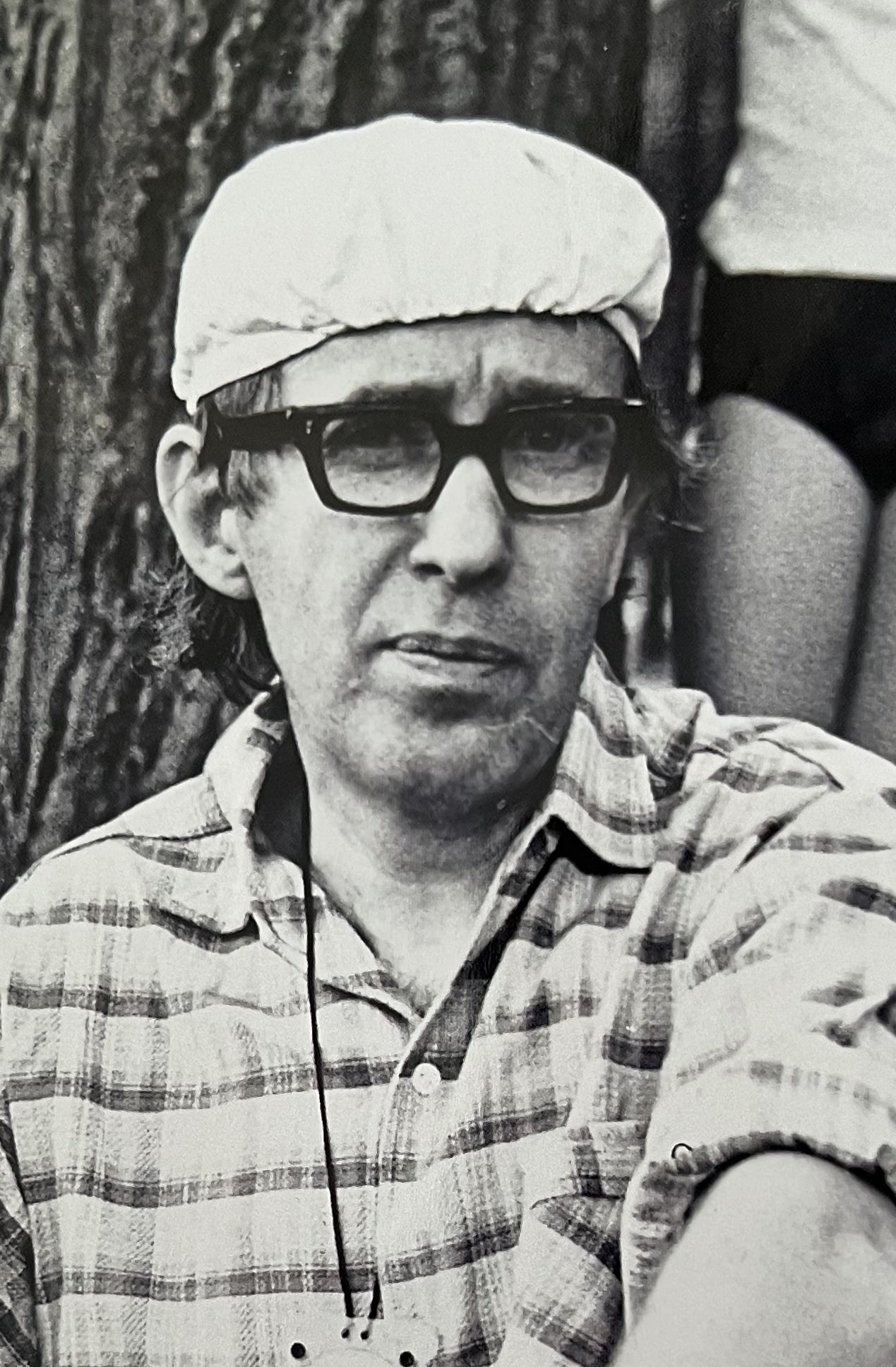
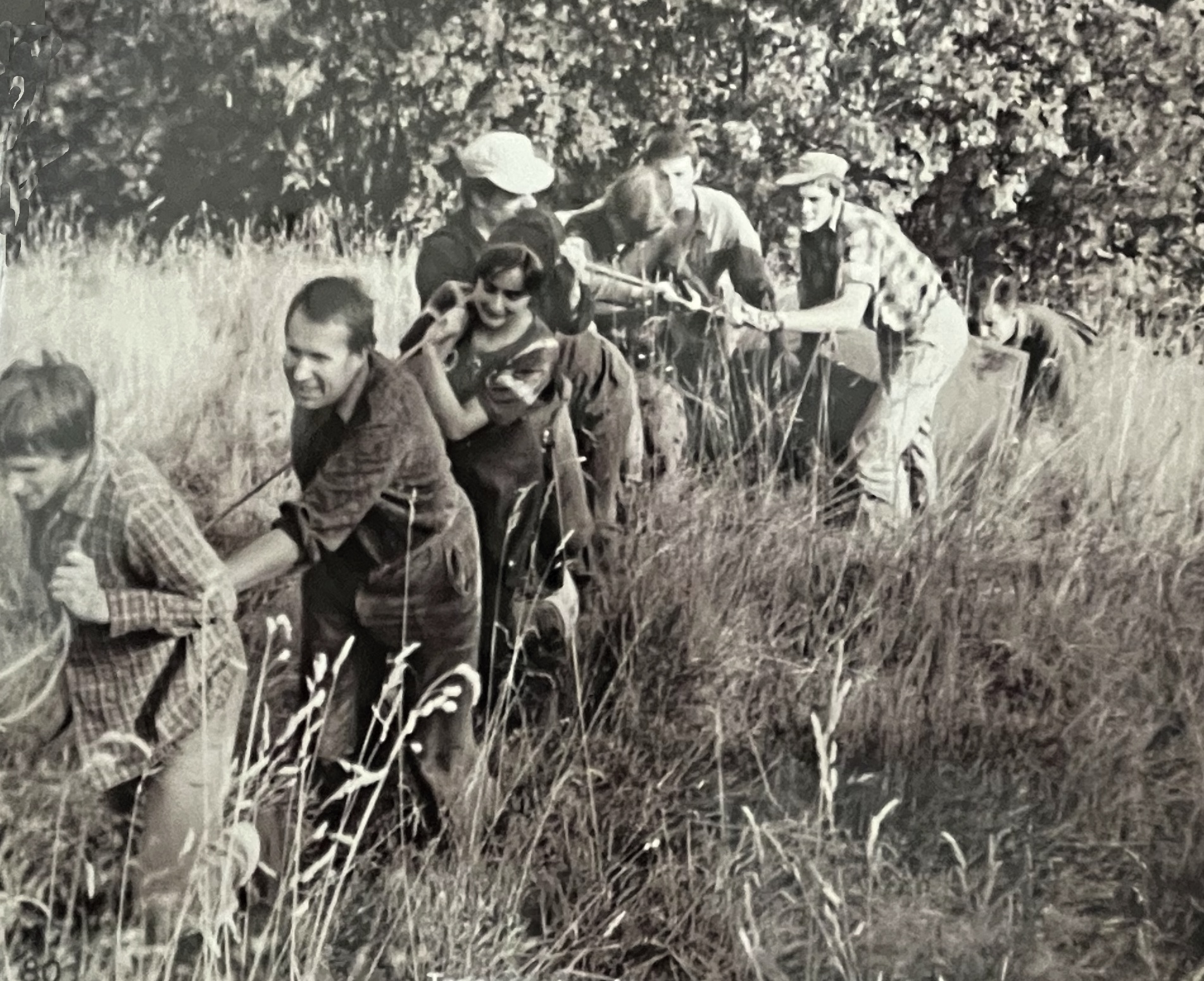
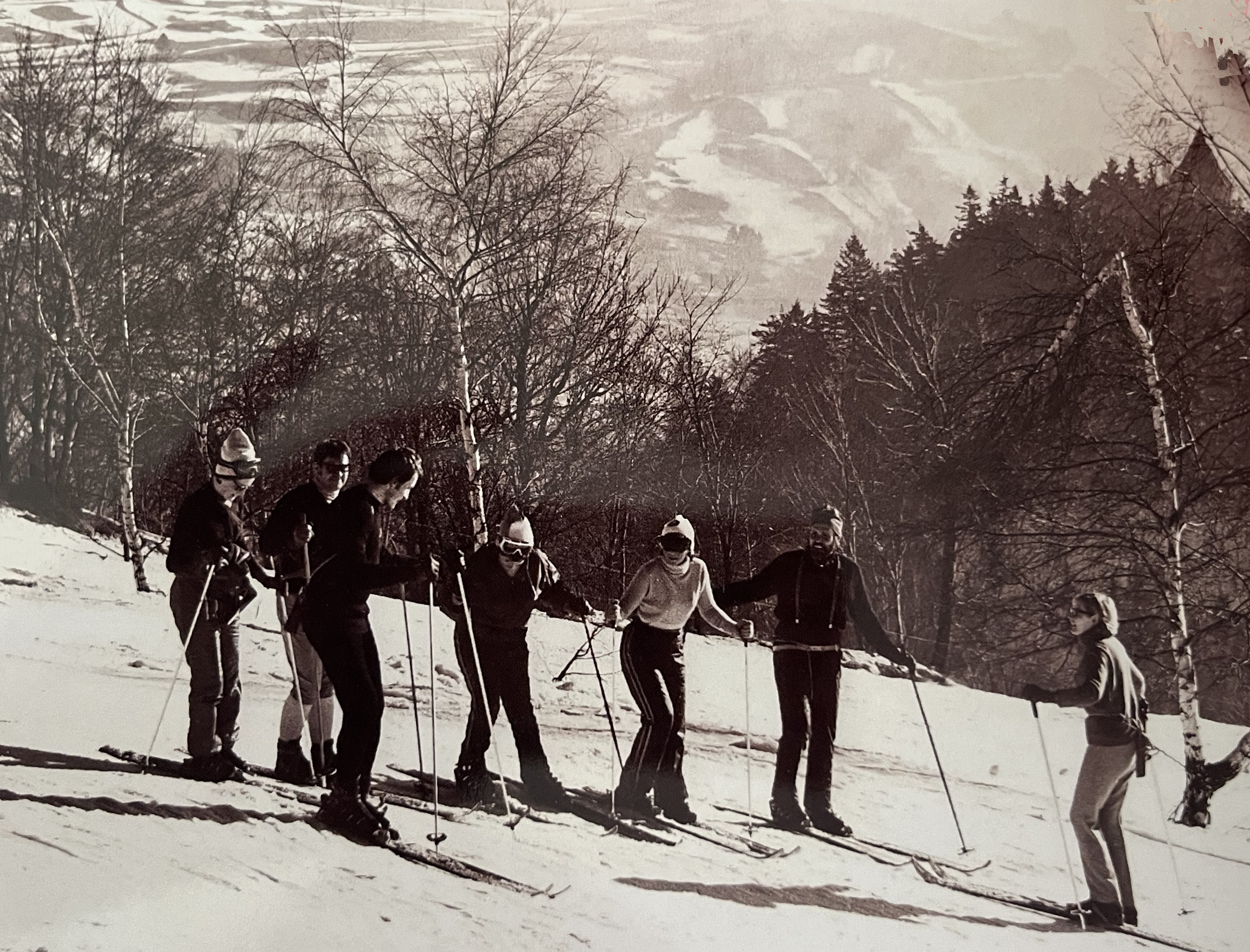
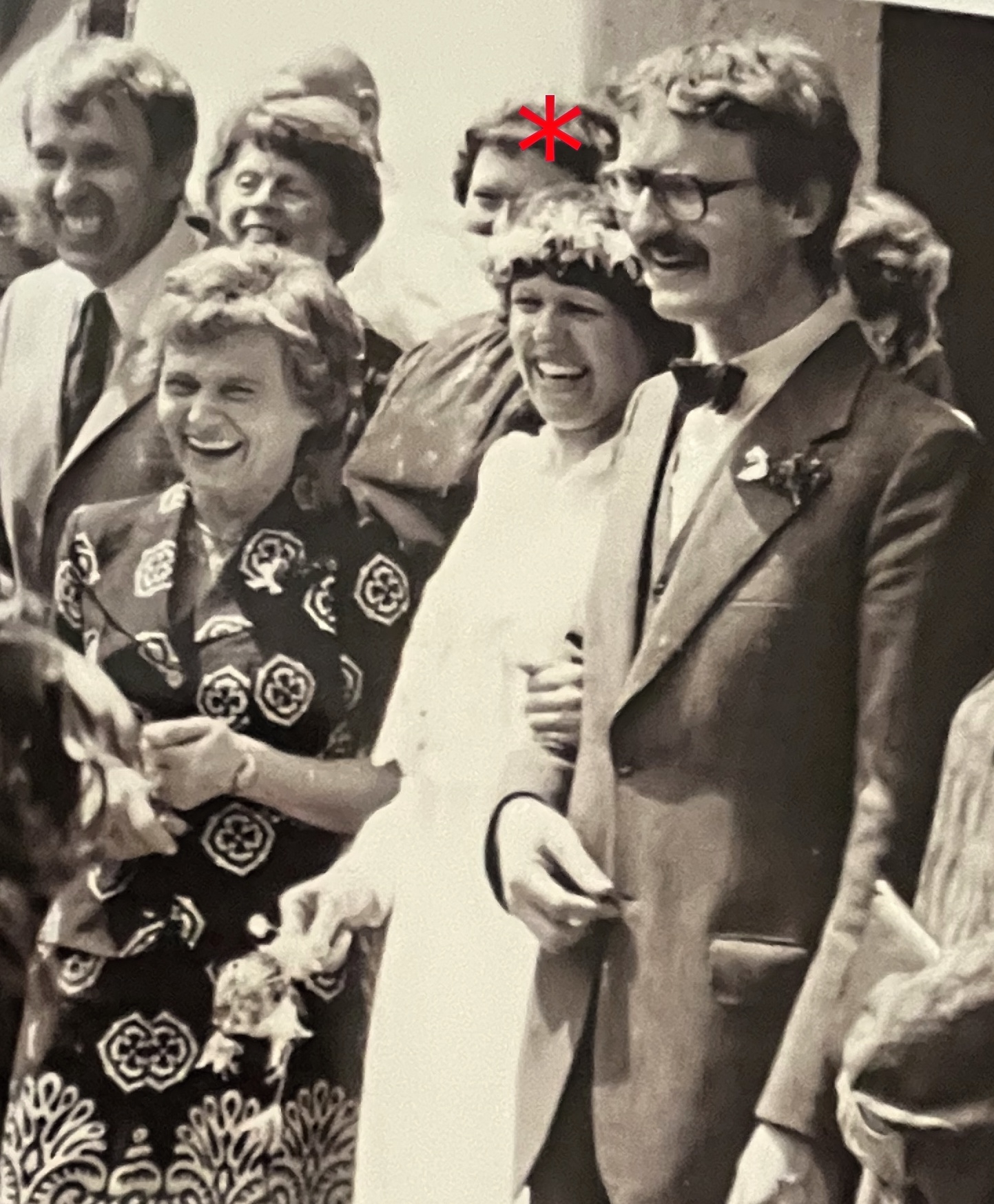
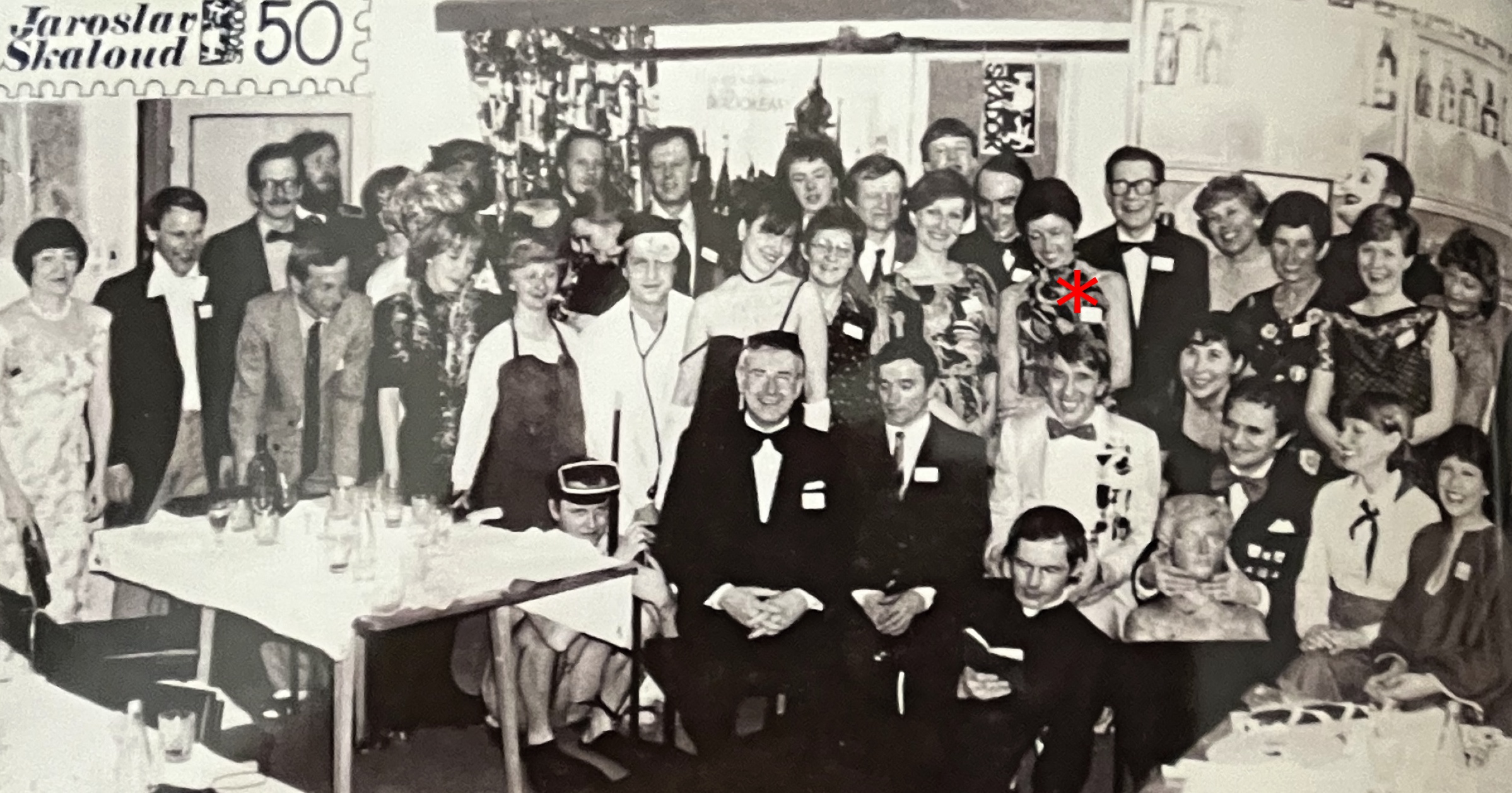
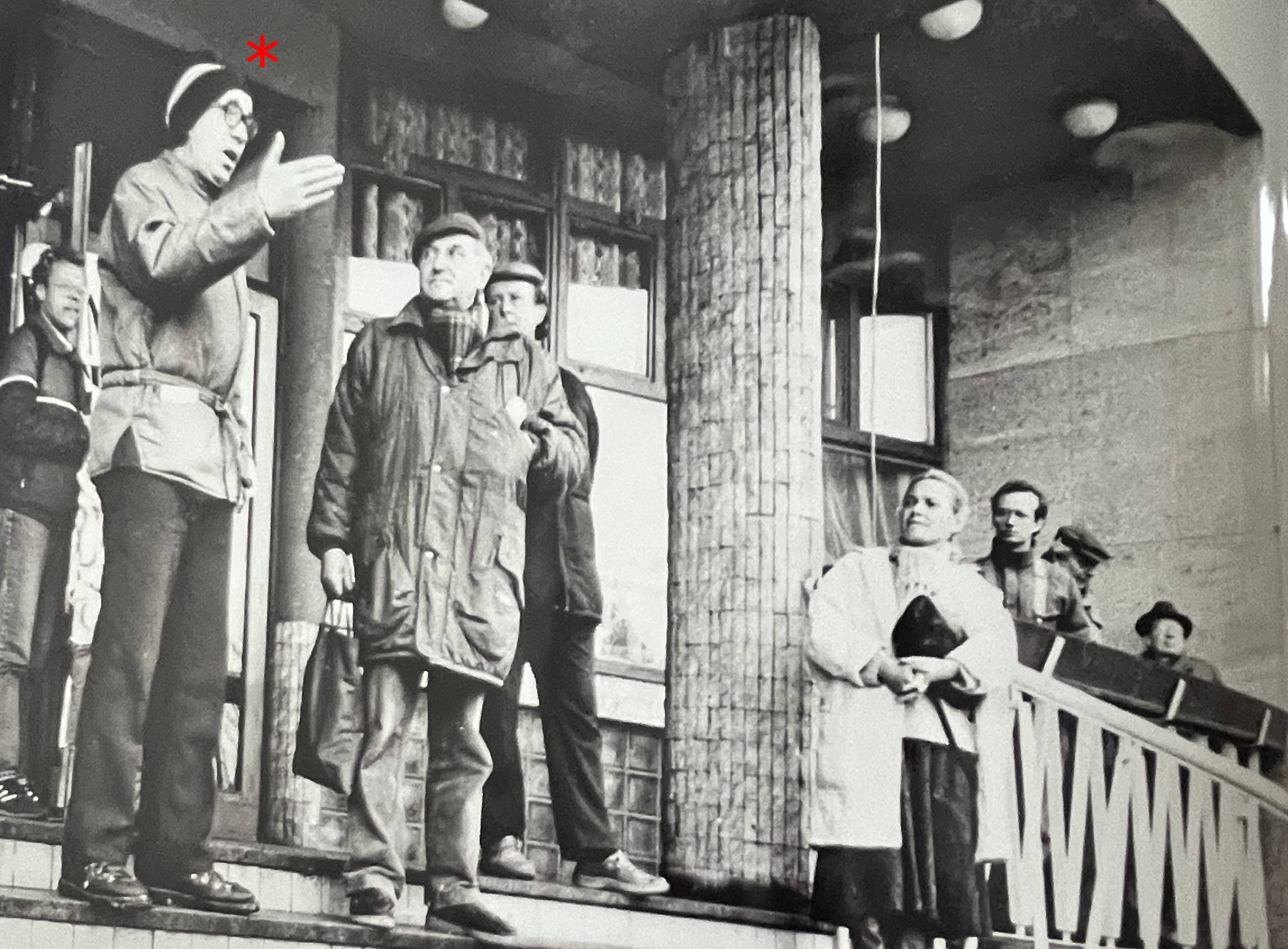
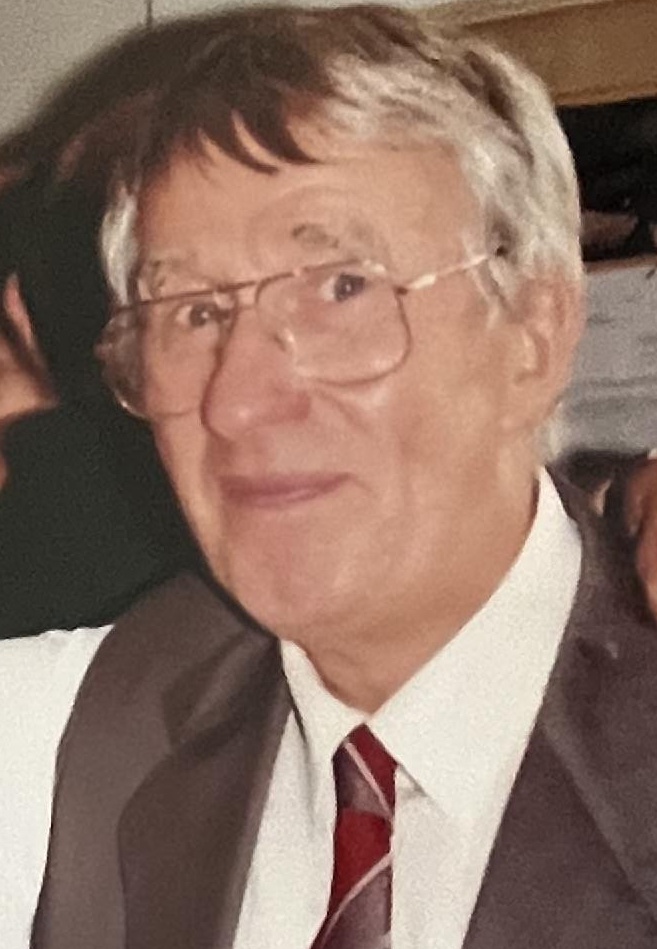
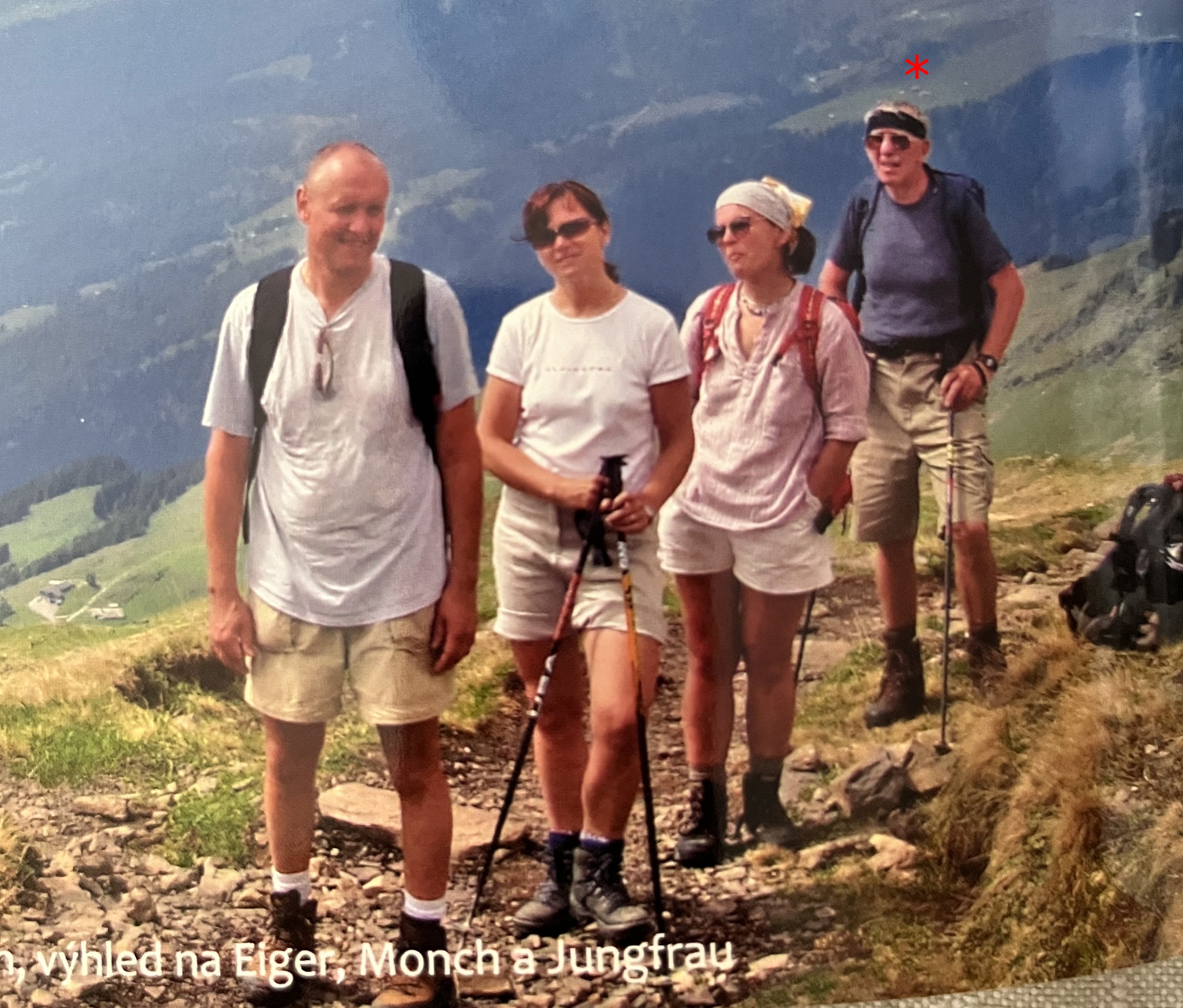
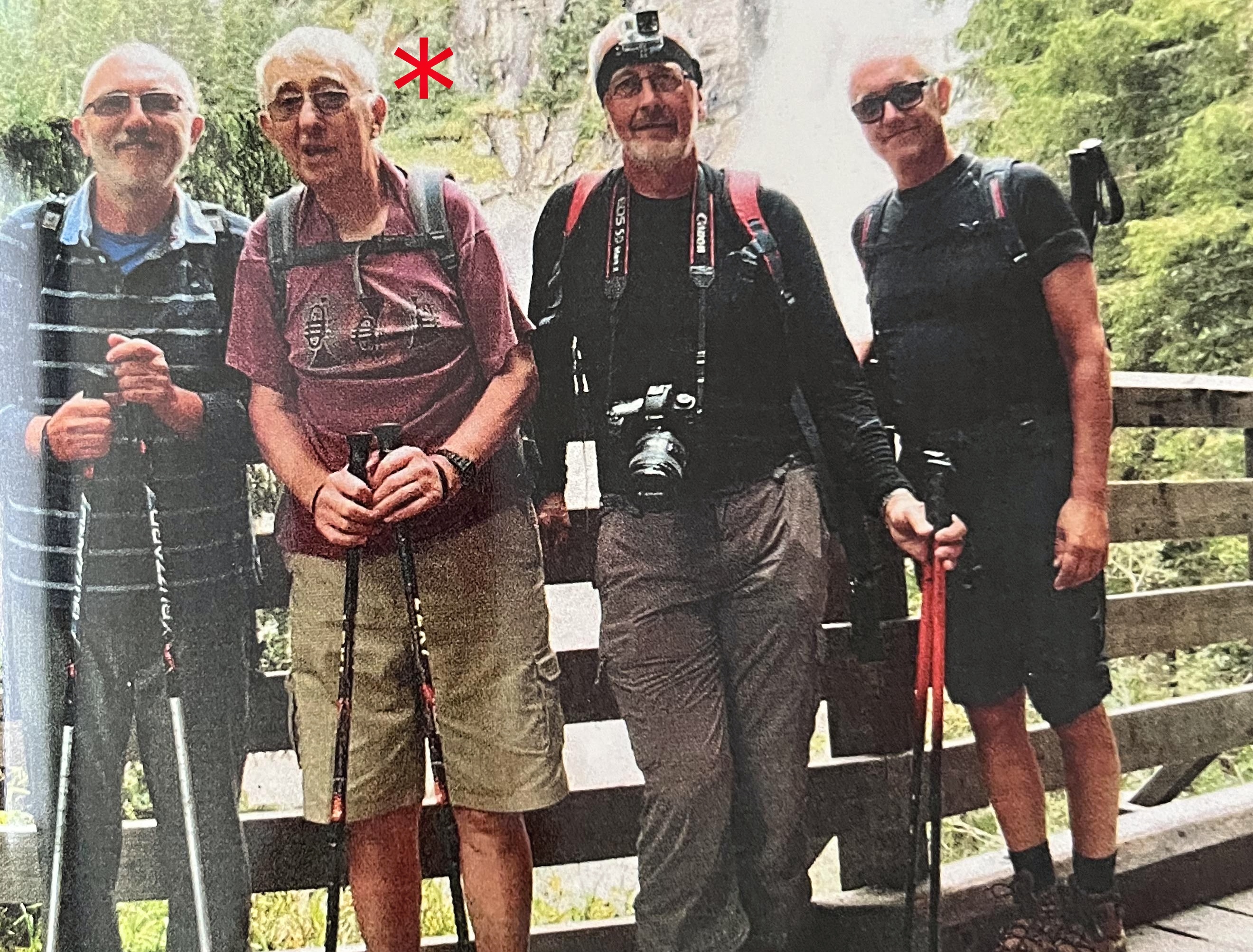
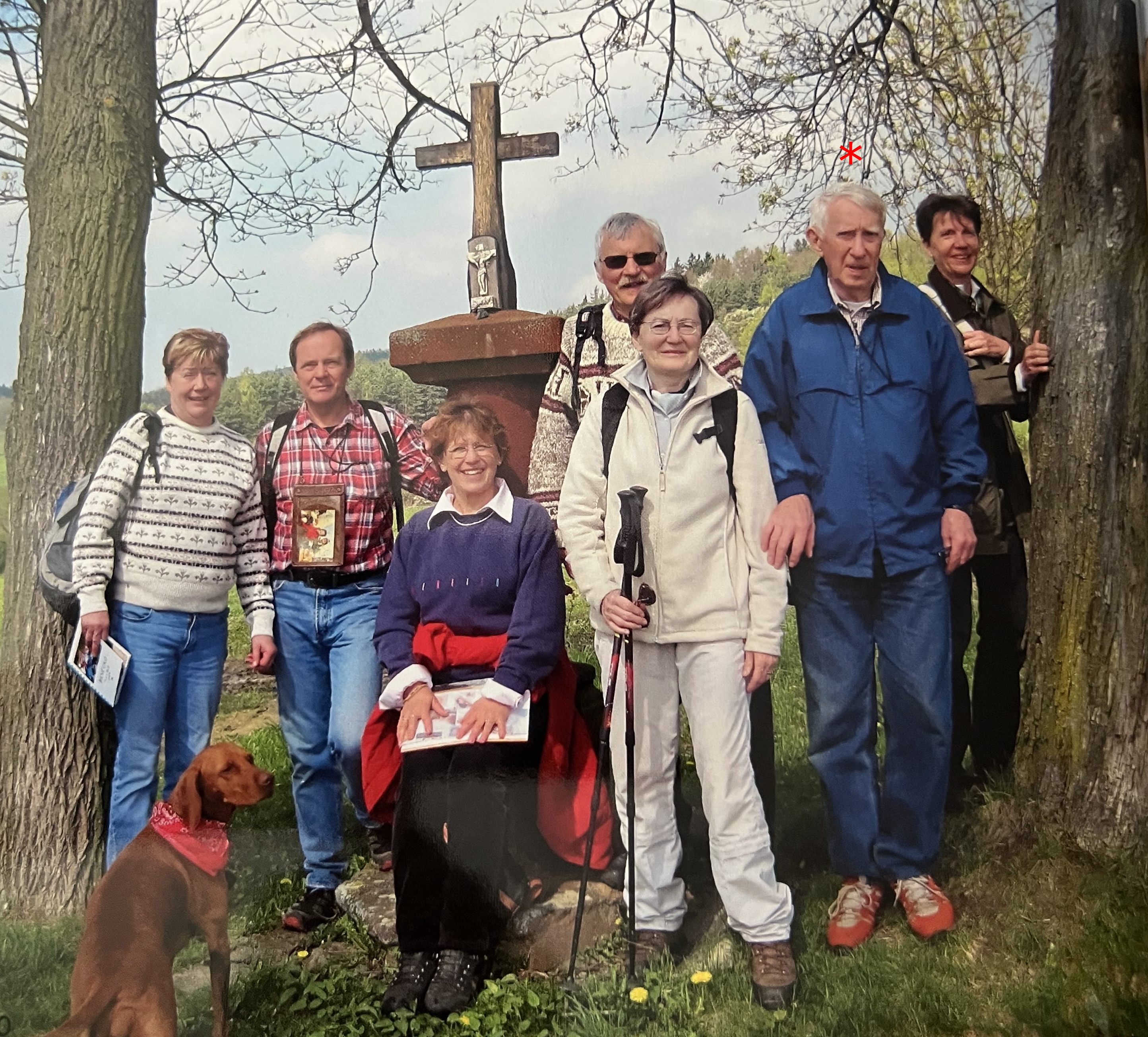
Jaroslav Škaloud was born on 3 February 1935 in Bratislava to Jaroslav Škaloud, a bank clerk, and Růžena Škaloudová. After the establishment of the Slovak state, the family moved to Prague. He spent his childhood in Vršovice, where he experienced air raids and the Prague Uprising. After the war, he completed his apprenticeship in Spofa and in 1954 he graduated from secondary chemical school. Due to the difficult social situation, he entered the Military Chemical Apprenticeship in Litoměřice, after two years he moved to Martin, from where he was expelled in 1957 for „ideological unreliability“. In the same year, he joined the Institute of Physiology of the Czechoslovak Academy of Sciences (ČSAV) as a laboratory technician, where he completed his chemical and electrical engineering studies while working. From 1964 he organised ski courses for children of ČSAV employees, which became the Škadok club. In 1977, the American consul Rex Himes joined the group, which led to the interest of State Security. At the time of the Velvet Revolution, the witness became chairman of the strike committee at the Institute of Physiology of the Czechoslovak Academy of Sciences, where he helped democratize the workplace. He was later rehabilitated and promoted to lieutenant. In 1991-1999, when he retired, he was in charge of workshops and maintenance at the Institute. He was active in working with youth and adults and organized more than eighty ski tours during his lifetime. In 2025 he was living with his wife Jana Škaloudová in Prague.