"Suddenly Václav Havel came in, and by then he had already been to prison. He came in and he knew all of us. He came to our table, I don't know who I was sitting with, and he said, 'Hey, Zbyšek, (...) why don't you sign this for me?' I had been warned by the StB not to do anything, otherwise they would add it all up even retroactively and punish me for disseminating [banned literature]... I had no idea what was going on, but I thought, 'This must be some kind of trouble.' I said, 'Vašek, don't be angry, I've been in a lot of trouble, so I'd better not [sign].' 'Okay, I'm not going to force you.' He went around to all the friends sitting at the table, and most of them signed. He didn't let anybody read it; nobody knew what they were signing. He just kind of shoved it: 'Sign this for me.' Everybody was already drunk. That was the signing of Charter 77. If it wasn't for that, I would have signed it too, of course. Everyone who signed then became targets of severe persecution afterwards, and they all emigrated."
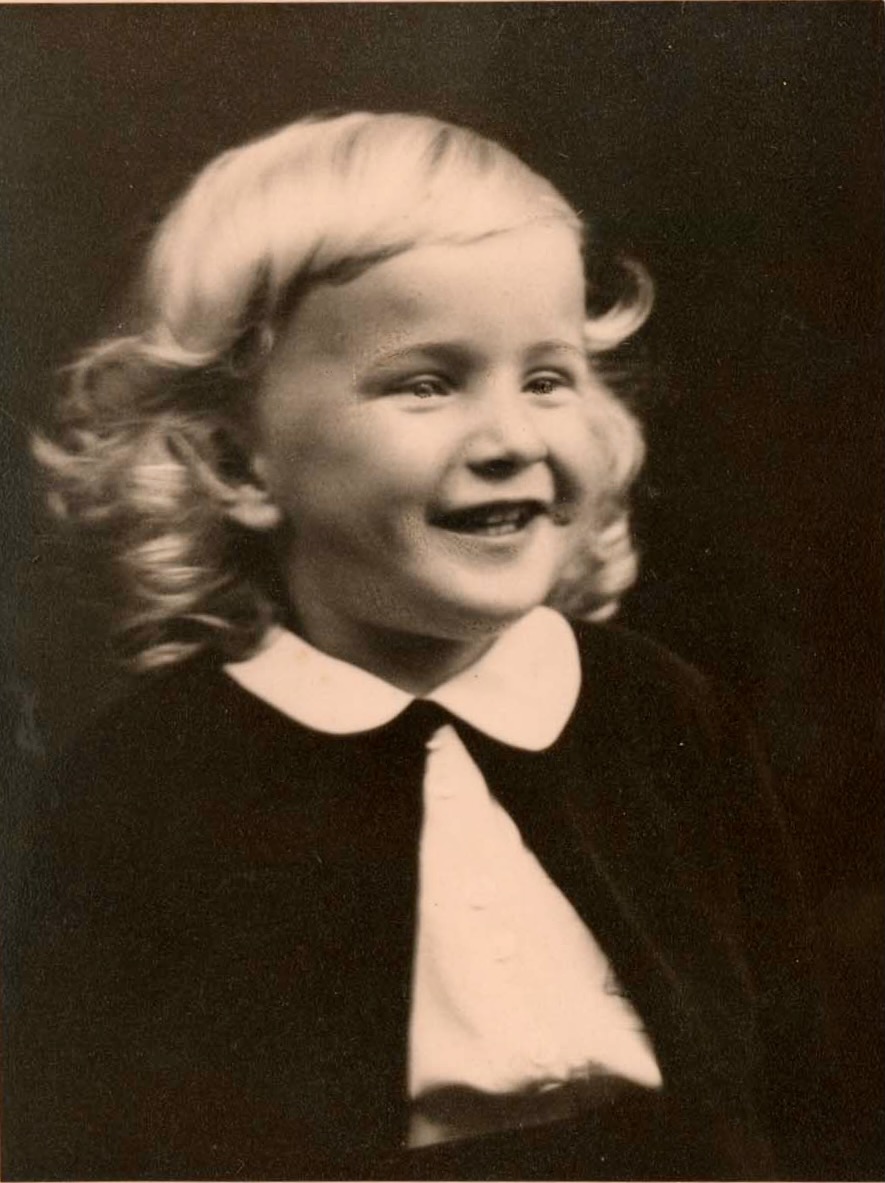
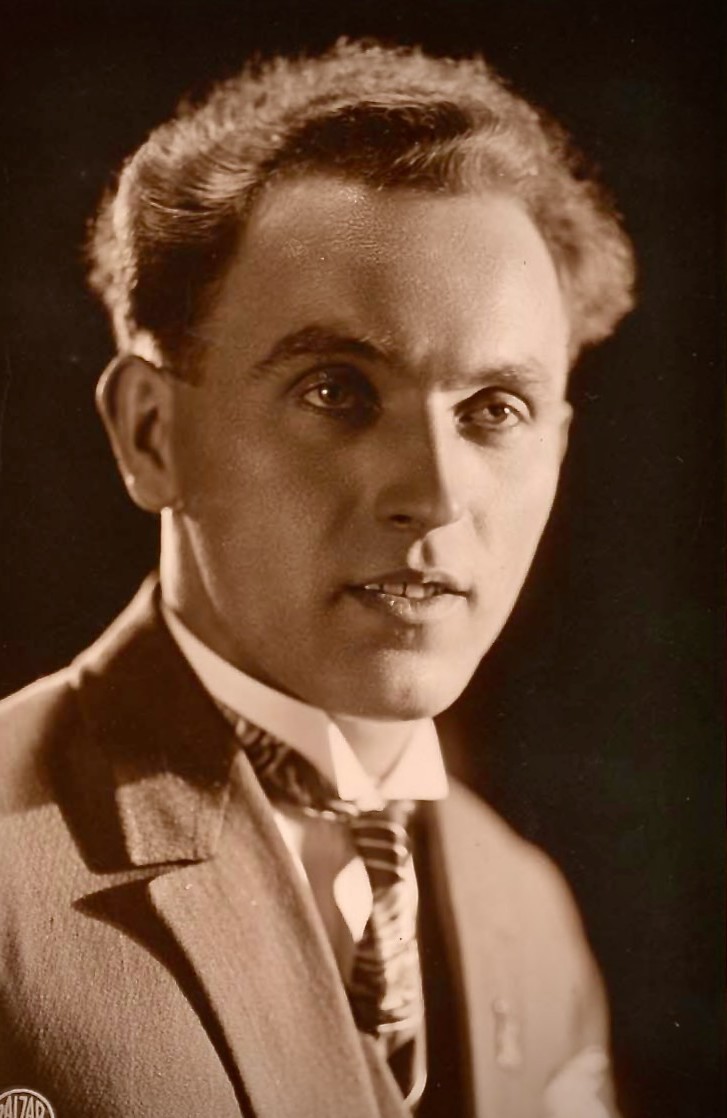
"There was an opening night, not many people there, but it felt really nice and kind of cool. Then we went to the director's office (...) for refreshments. I found it strange (...) that everyone was so gloomy, nervous, like they feared something. (...) There was one man who seemed to me like everything could come from him, you know, 'The Frost is Coming from the Kremlin'. (...) Then suddenly I see this weird guy coming to my table and taking a chair opposite me. He immediately started: 'And who are you?' I said: 'I'm a friend of Honza Souček's, a colleague.' 'So you're a painter too?' 'Yes.' 'And what's your name?' he says. 'Sion.' 'What? Sion? Do you have any relatives in Polička? God, you must be...' - he switched to addressing me by my first name - 'You must be Zbyšek! I was an apprentice with your father, I'm Jan Hiller. (...) I have to tell you this: when your daddy was being arrested, I was there and I held you in my arms. You cried so much.' I was two and a half years old. 'You called out to the Gestapo: 'Don't take my daddy, don't take my daddy!'"
"The presidium began to talk, criticising Khrushchev, which was unheard of for such a high official... My friend and I sat in the gallery, and someone sat alone at a table below us. We saw a bald head, and two burly men by his sides. He was Ladislav Štoll, one of the biggest crooks and a member of the Communist Party Central Committee. (...) You could see that when the critical voices came from the stage, he got restless, then suddenly he came forward, stood up and said... I should also point out that, at the time, the communists won the elections in Iraq for a while. But they collapsed and their opponents had their way with them, heads rolled and so on... So this guy Štoll, responding to a talk of abstract art, said, 'Comrades, don't forget that it starts with abstract art and ends with the murdering of communists in Iraq.' Interestingly, I haven't read about this in any history book. There was a huge roar, booing, people were banging chairs on the floor and tables... My friend and I were banging chairs too. It seemed endless, the booing, the noise. You could see his bald head turning red. His guards grabbed him and escorted him out of the hall. That was the first revolt against communism."
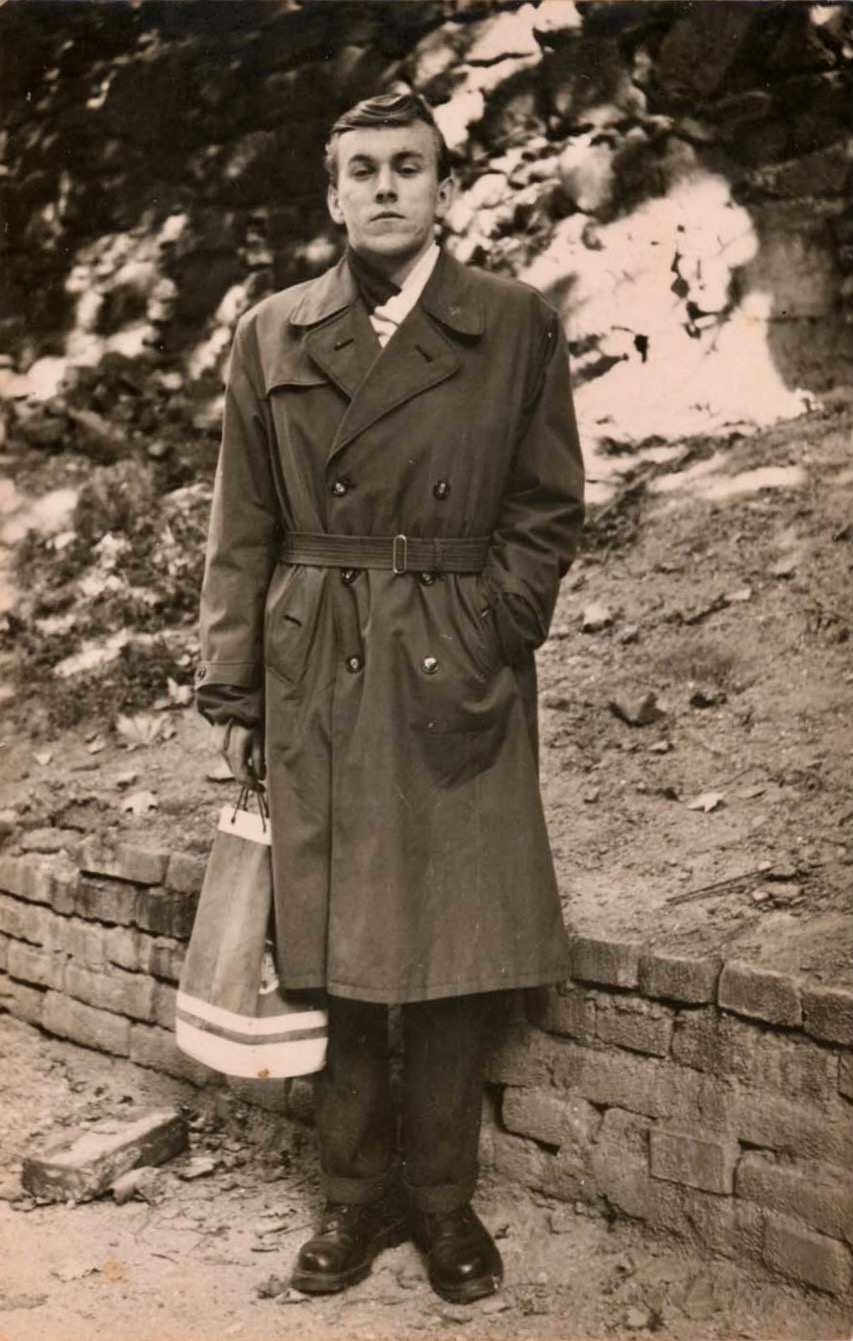
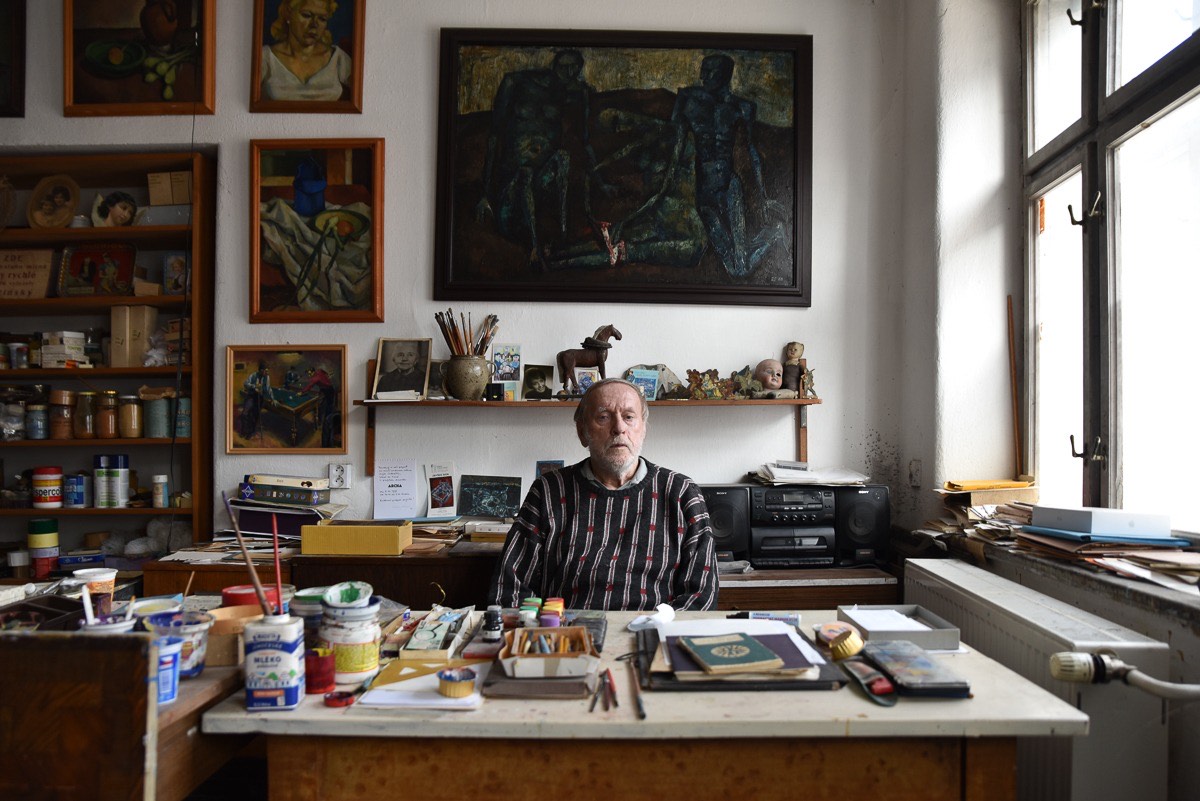
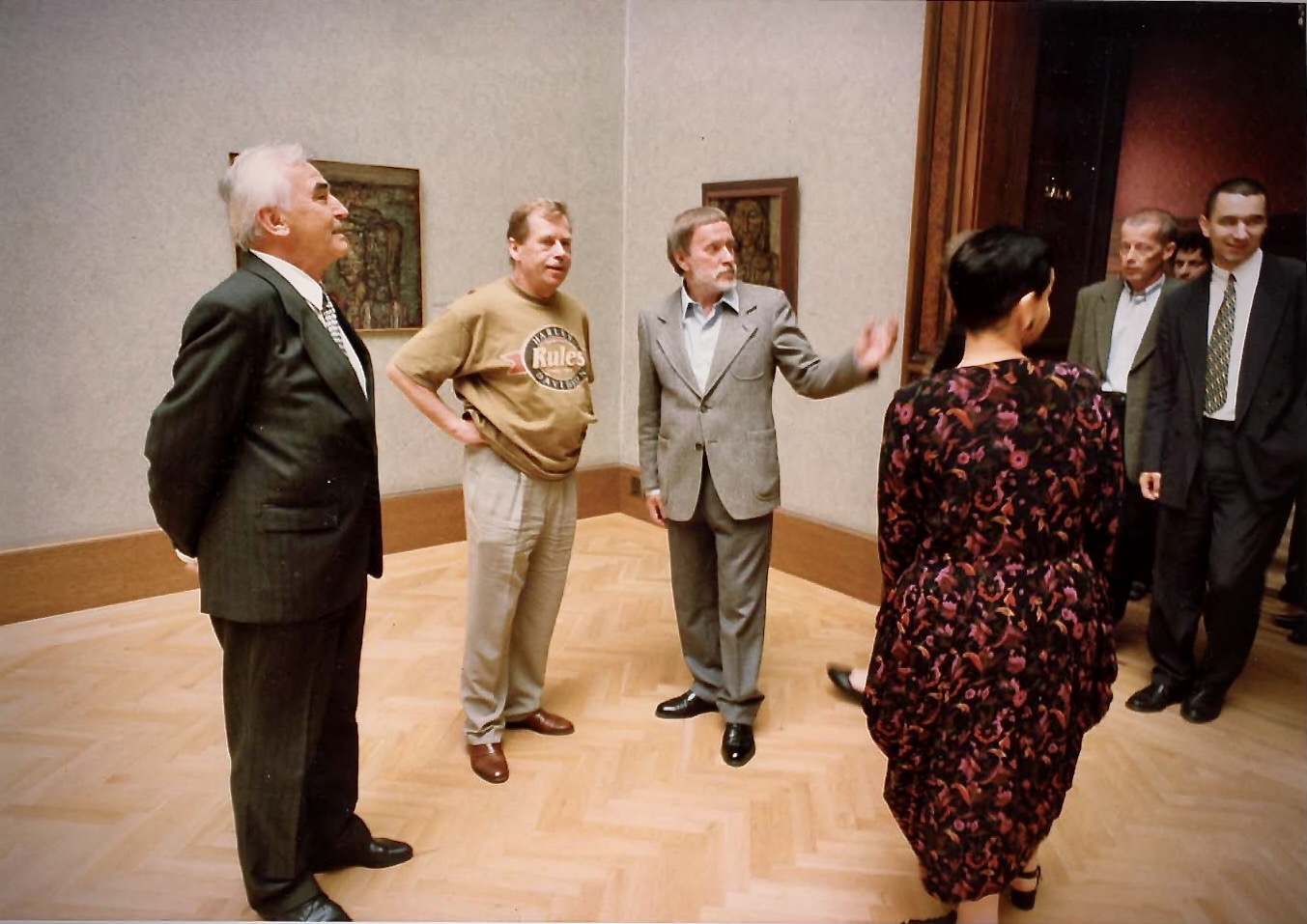
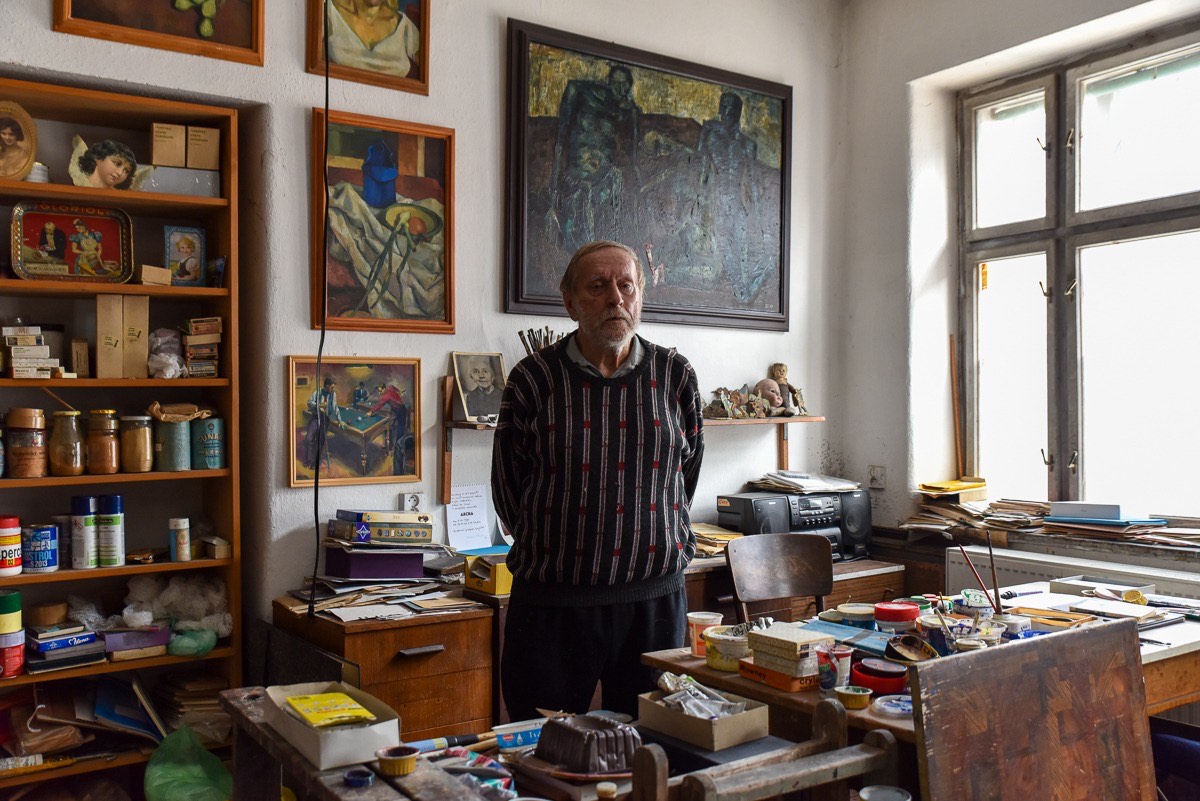
Zbyšek Sion was born in Polička on 12 April 1938. His father Rudolf Sion took part in the anti-Nazi resistance in Polička. He was arrested and sentenced in 1940 and died in the Nazi prison in Brzeg in 1944. After elementary school, the witness graduated from the high school of arts and crafts in Brno, specialising in illustration. In 1957, he entered a one-year preparatory course at the Art School in Prague with Jaroslav Vodrážka. In 1958-1964 he studied at the Academy of Fine Arts (AVU) with Professor Karel Souček. In 1960 he and other artists took part in a one-day private exhibition Confrontation II in Aleš Veselý‘s studio. In the late 1960s, he took part in important international exhibits of Czech modern art in Czechoslovakia. Responsing to the August occupation, he painted several critical paintings in 1968. He did not exhibit until 1989, holding only two private exhibitions in his studio in 1973 and 1977. From 1974 to 1975 he was employed as a pumper at Stavební geologie Praha. In 1974, he was under investigation of the State Security (StB) for disseminating Josef Škvorecký‘s novel „Mirákl“ and therefore did not sign Charter 77. Post-1989, he was appointed associate professor in the painting studio of the Academy of Fine Arts. In 1996 he held a major retrospective exhibition at the Rudolfinum. He lived and worked in Prague, Žižkov until 2016. At the time of filming in 2022, he lived in Polička. He died on 21 October 2025.
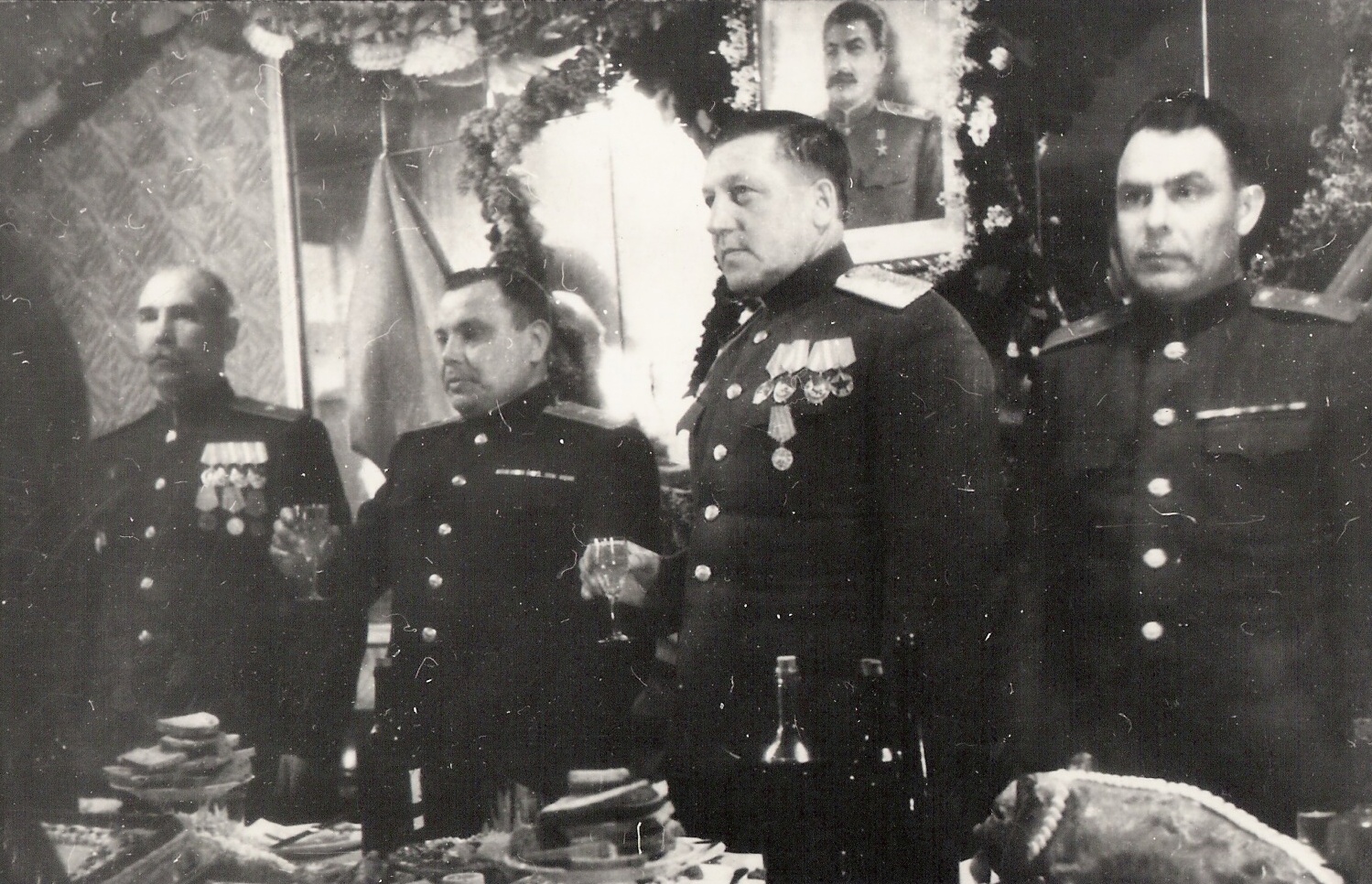
Leonid Brezhnev (right) with the command of the 18th Army of Colonel-General A. J. Gastilovich celebrating the end of World War II in the mirror lounge of the Lichtág Hotel (now the Pivovar Hotel), Polička, 12 May 1945
Leonid Brezhnev (right) with the command of the 18th Army of Colonel-General A. J. Gastilovich celebrating the end of World War II in the mirror lounge of the Lichtág Hotel (now the Pivovar Hotel), Polička, 12 May 1945
zdroj: archive of the Polička Municipal Museum and Gallery
Stáhnout obrázek
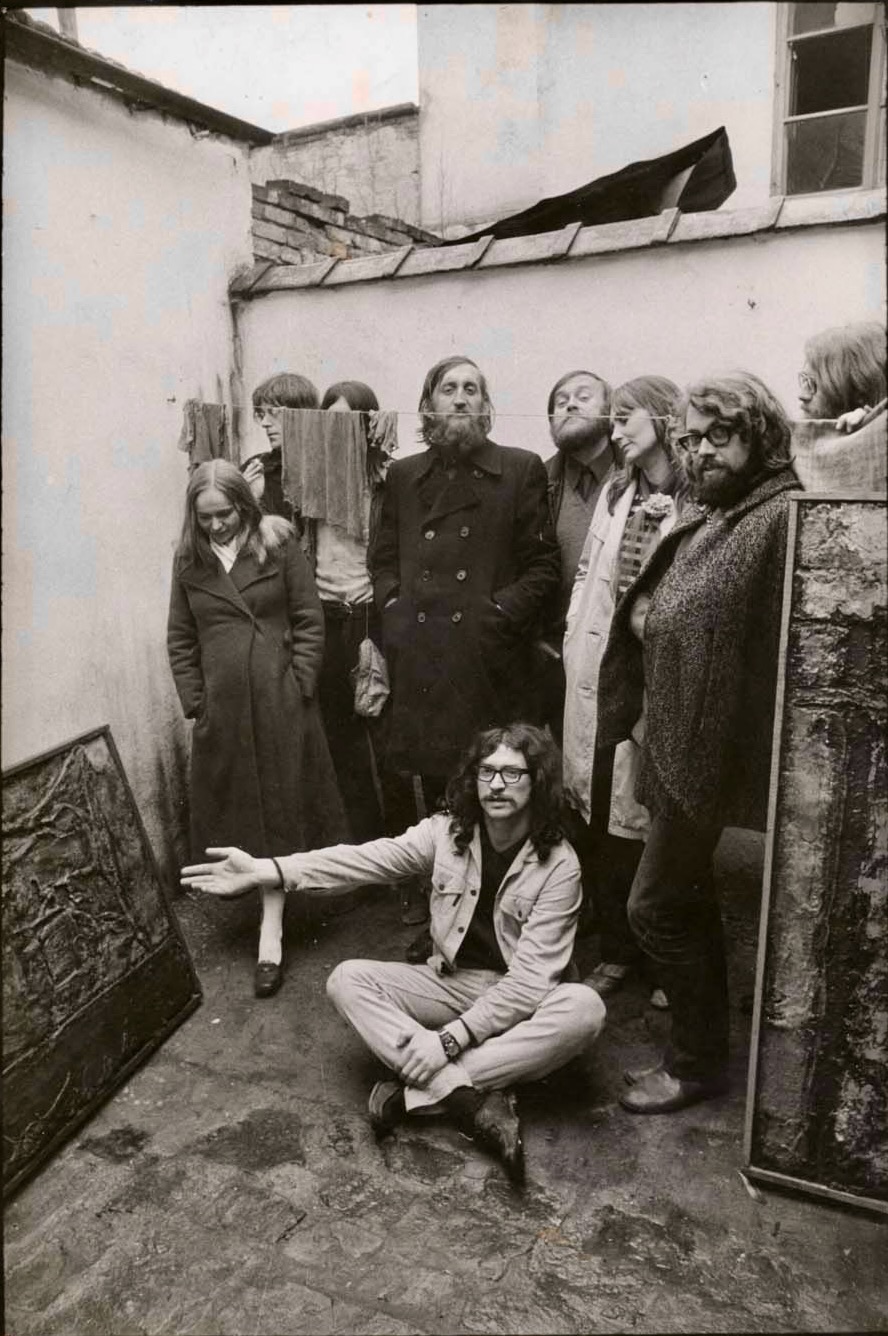
Helena Wilsonová's photo from her series, At Zbyšek Sion's in Polička, showing the members of the Plastic People of The Universe, Ivan Martin Jirous sitting on the ground, Mejla Hlavsa third left, Vratislav Brabenec (centre), Zbyšek Sion (next to him), and Paul Wilson (last from the right), 1972
Helena Wilsonová's photo from her series, At Zbyšek Sion's in Polička, showing the members of the Plastic People of The Universe, Ivan Martin Jirous sitting on the ground, Mejla Hlavsa third left, Vratislav Brabenec (centre), Zbyšek Sion (next to him), and Paul Wilson (last from the right), 1972