After the war, it was even harder than during the war.
Stáhnout obrázek
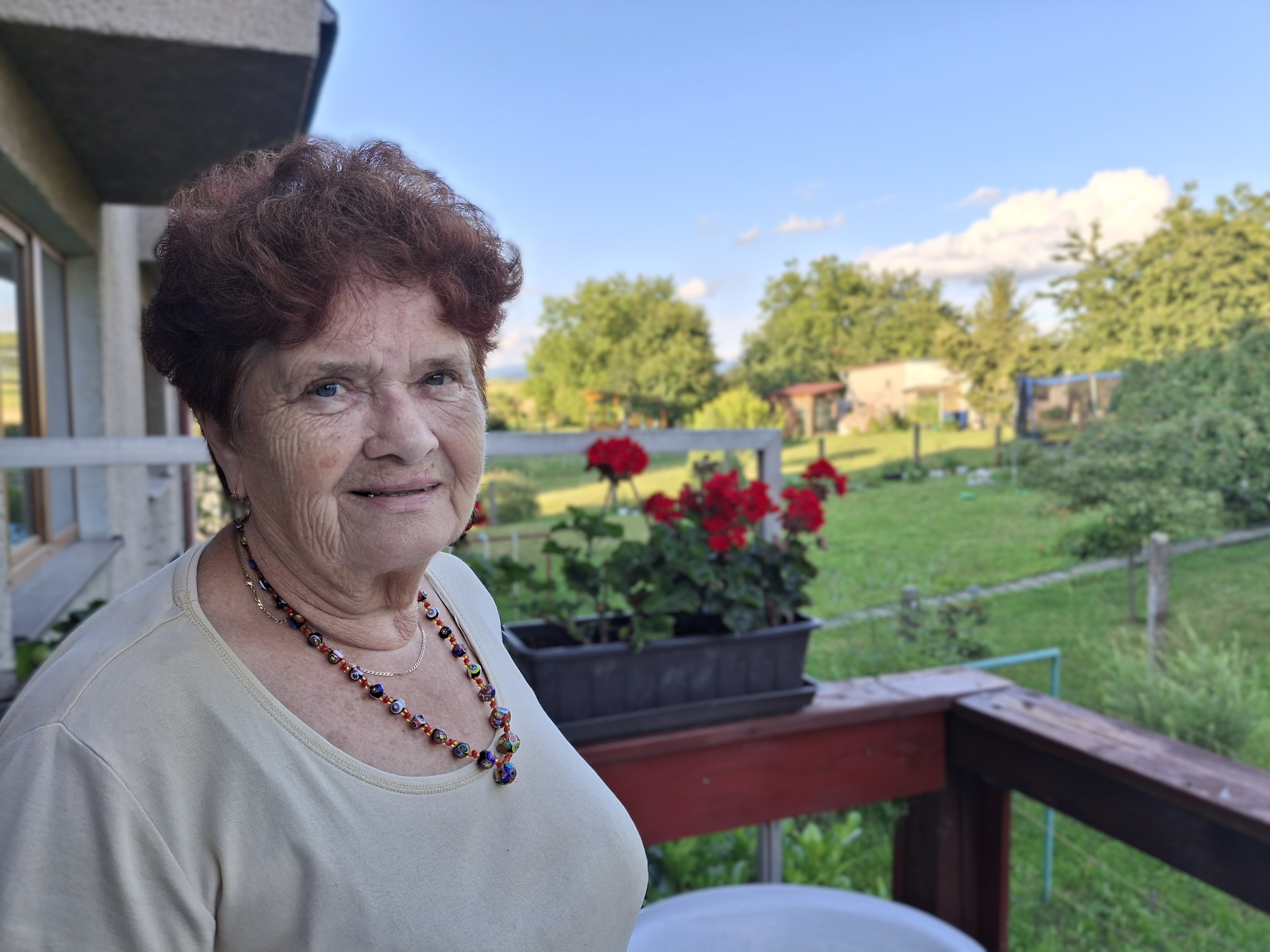
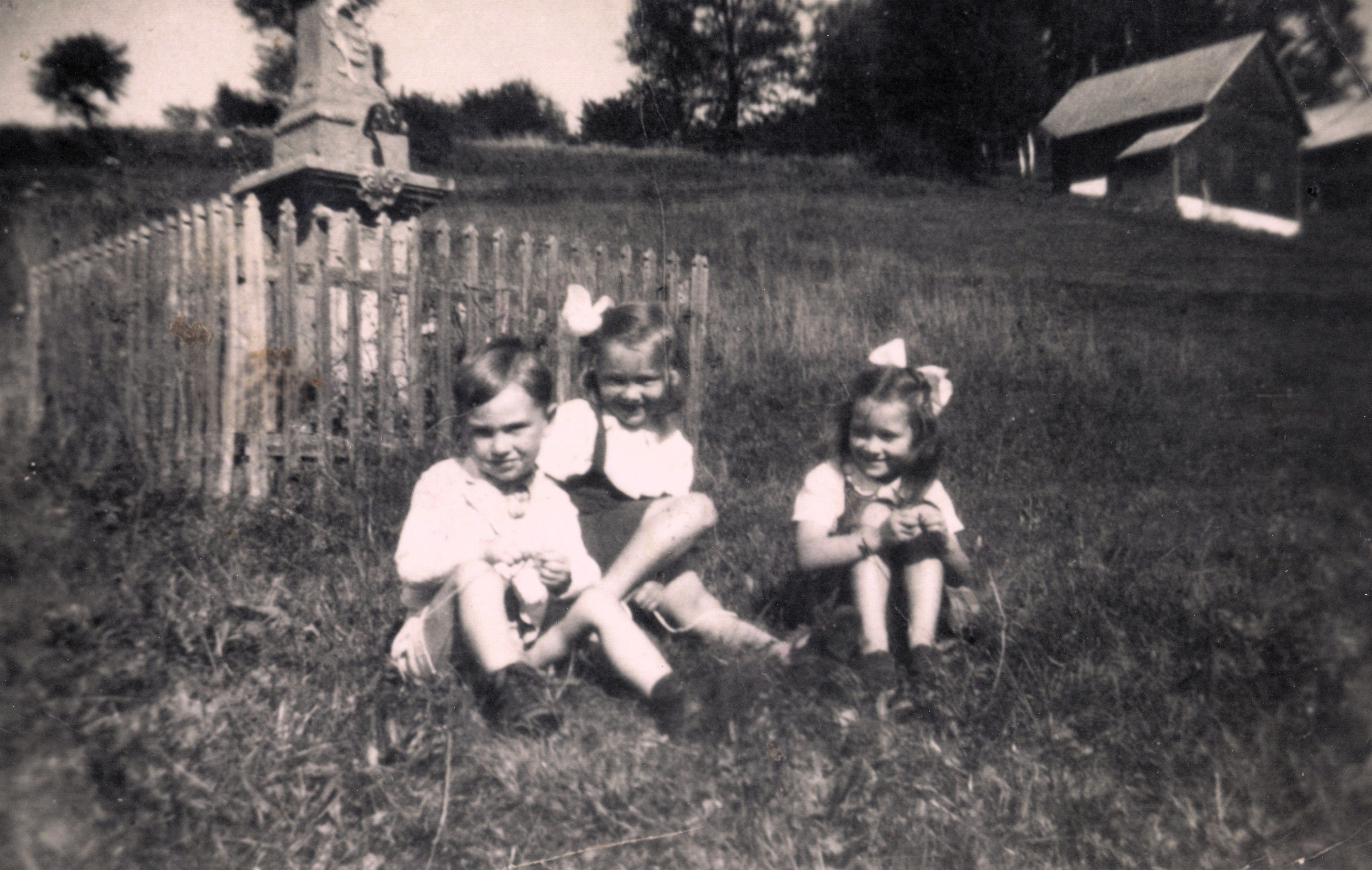
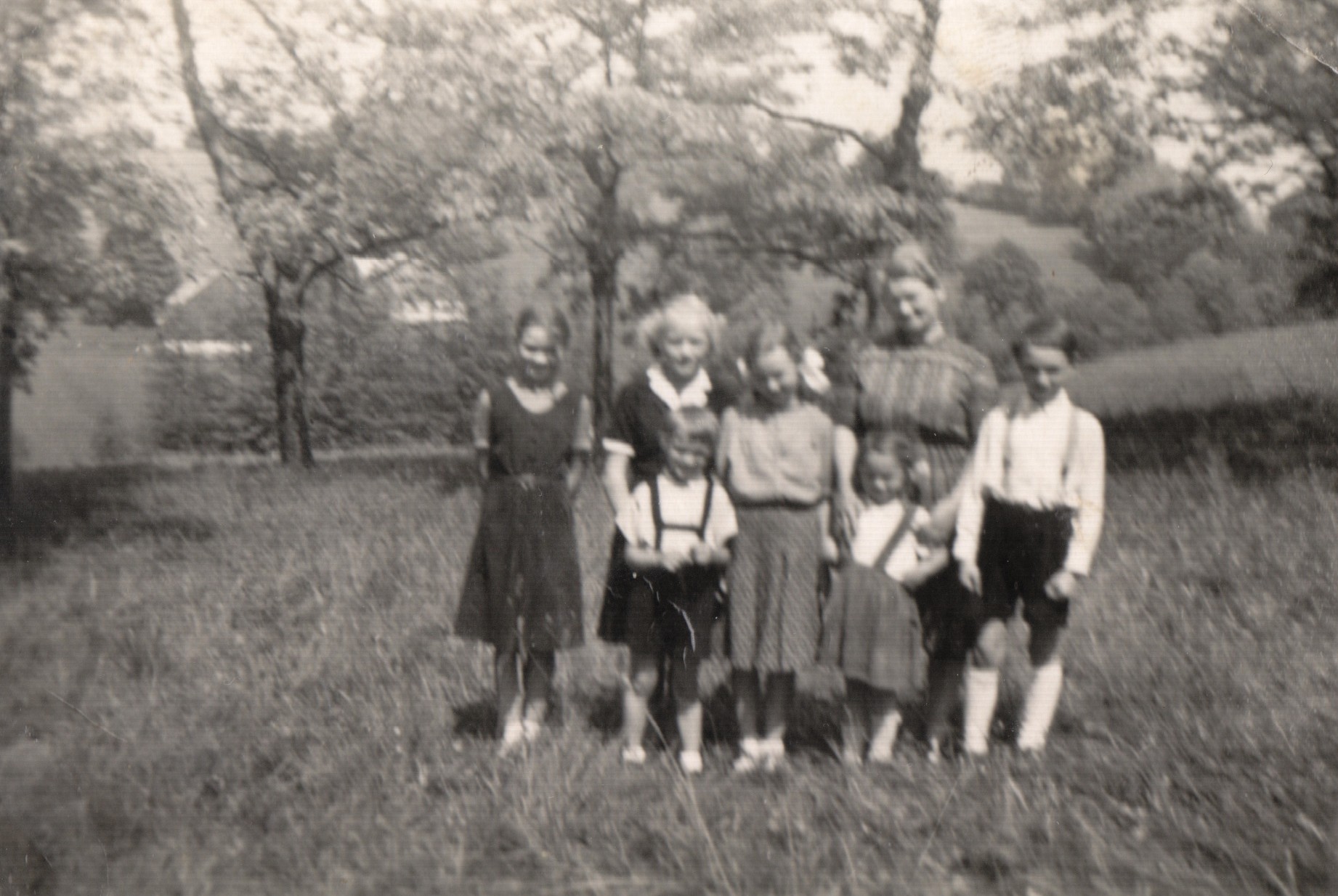
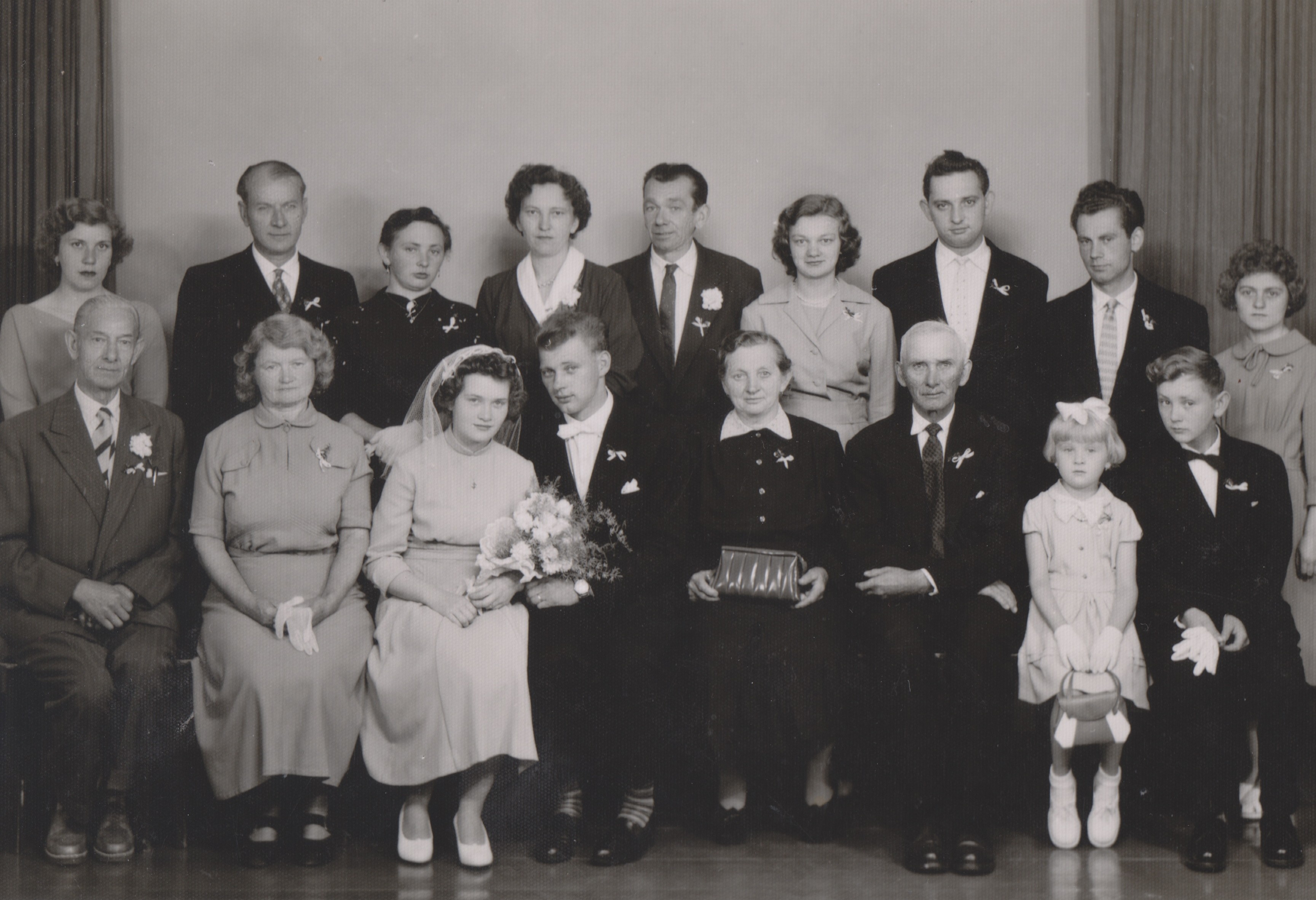
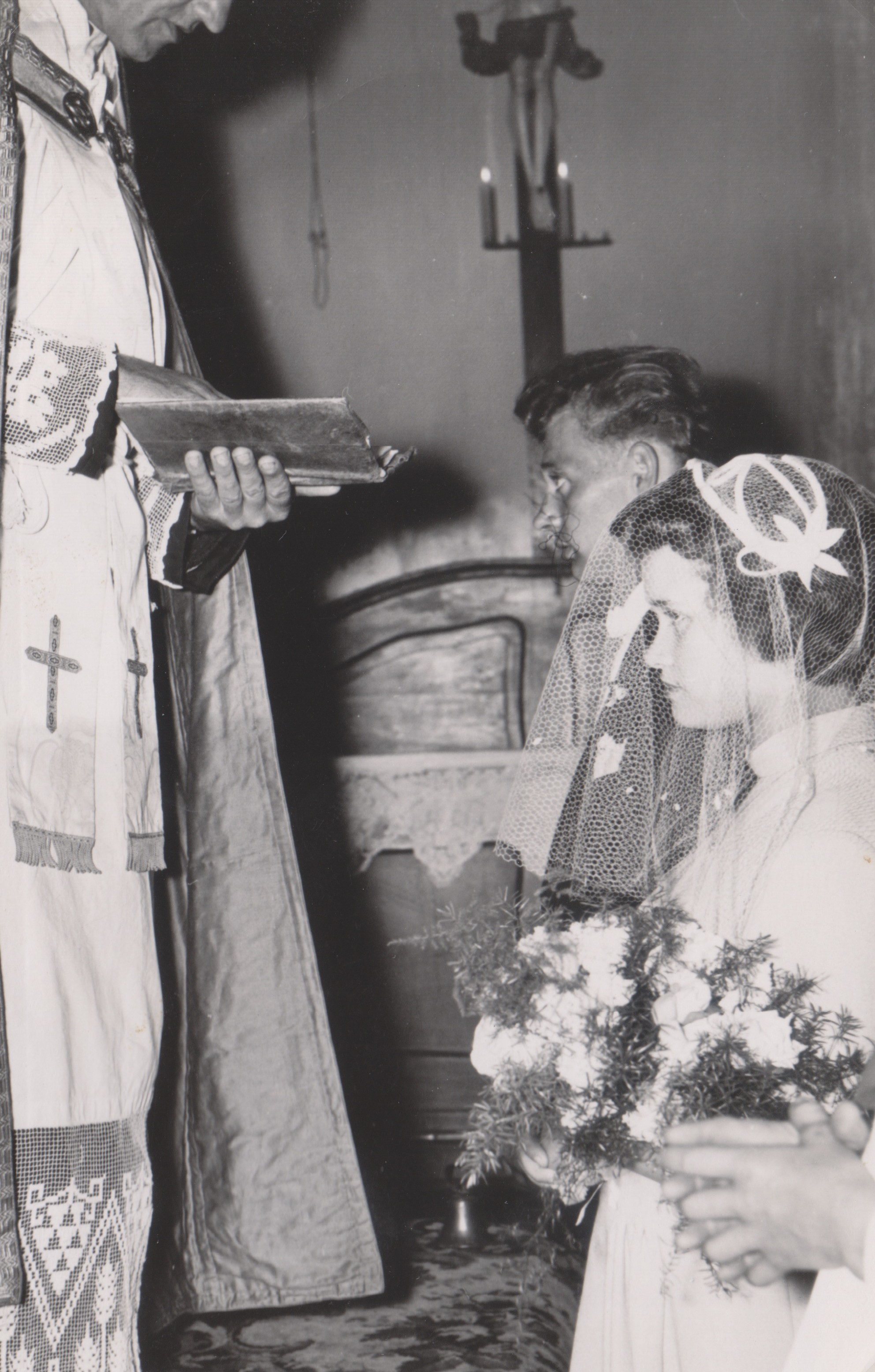
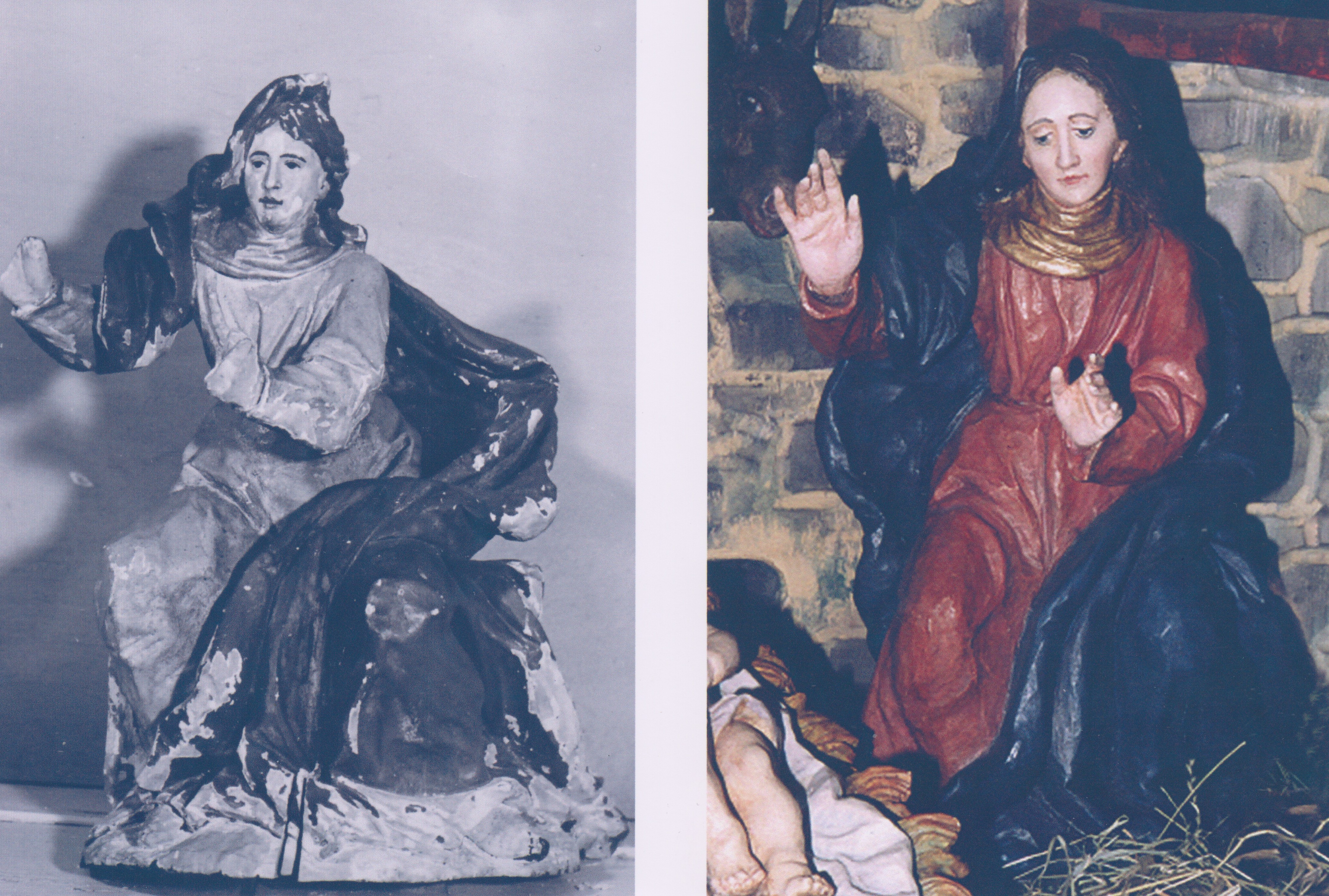
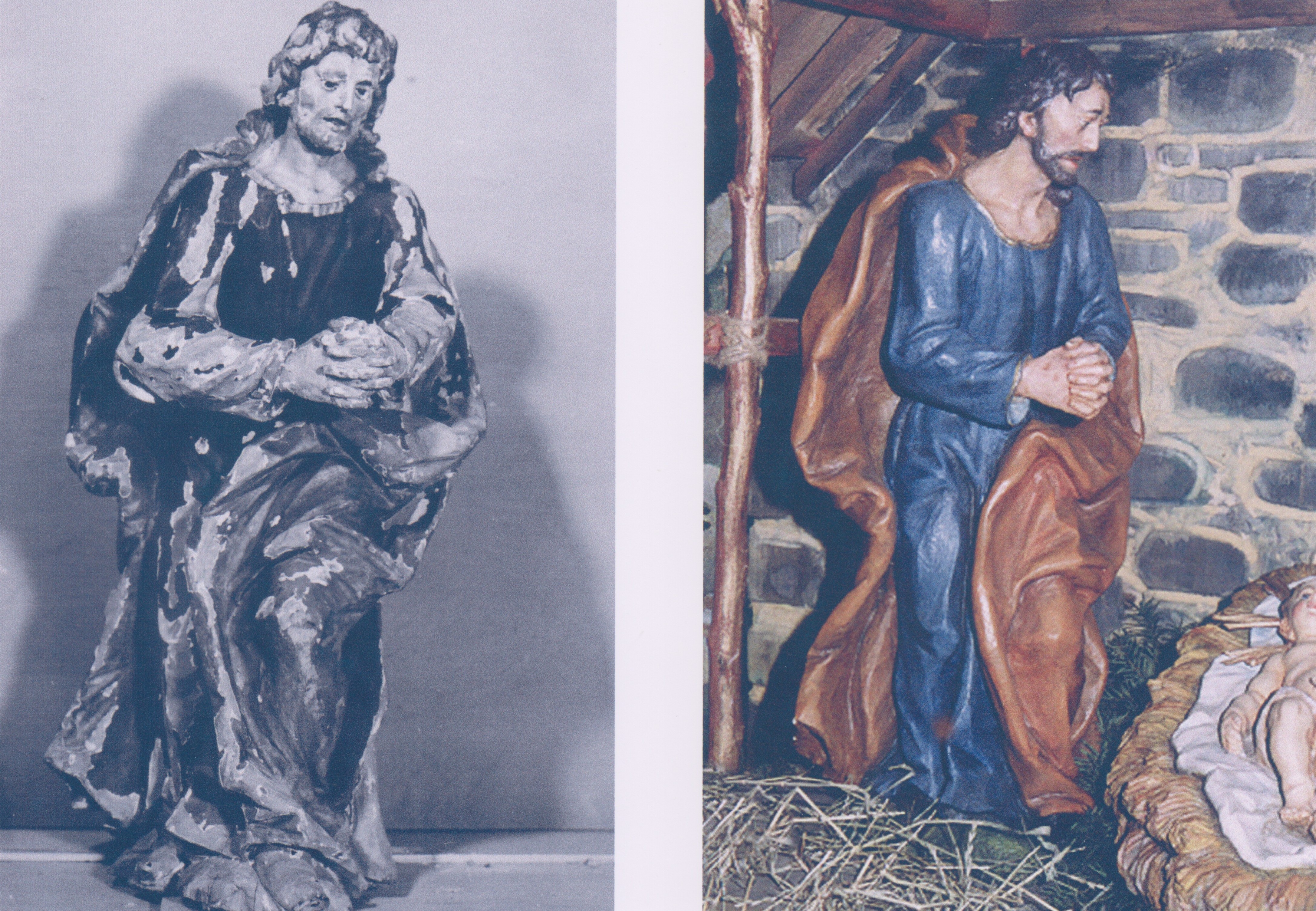
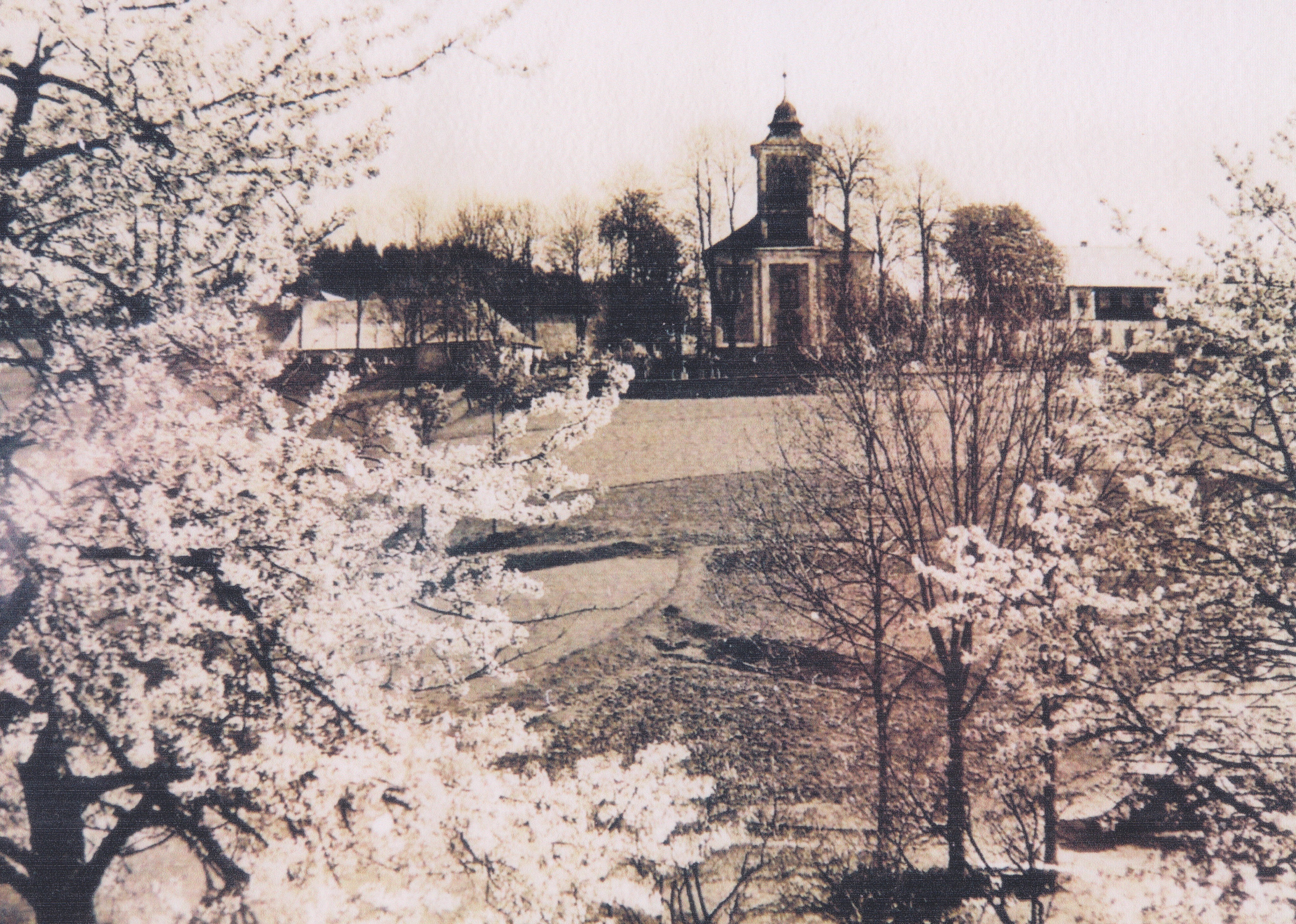
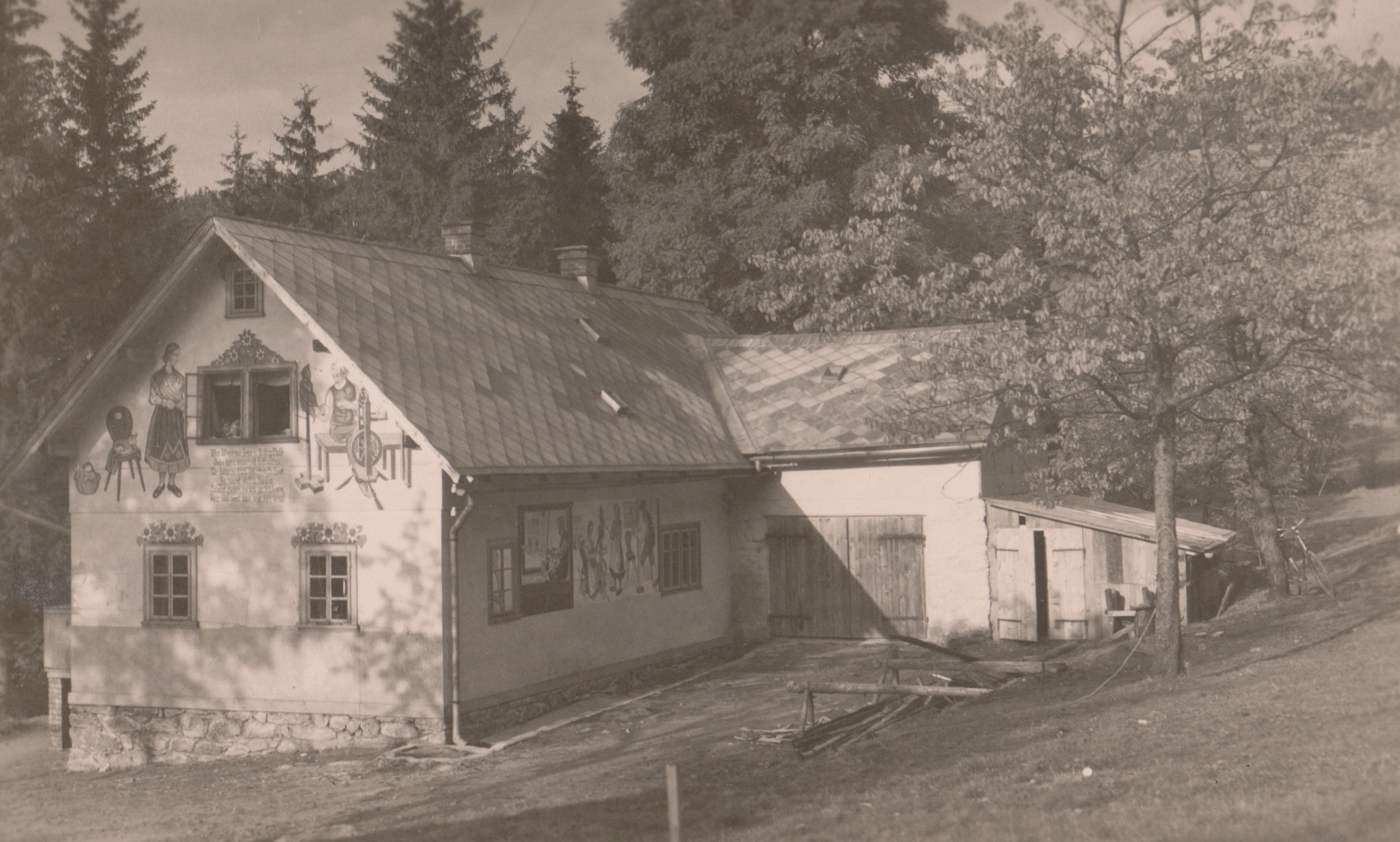
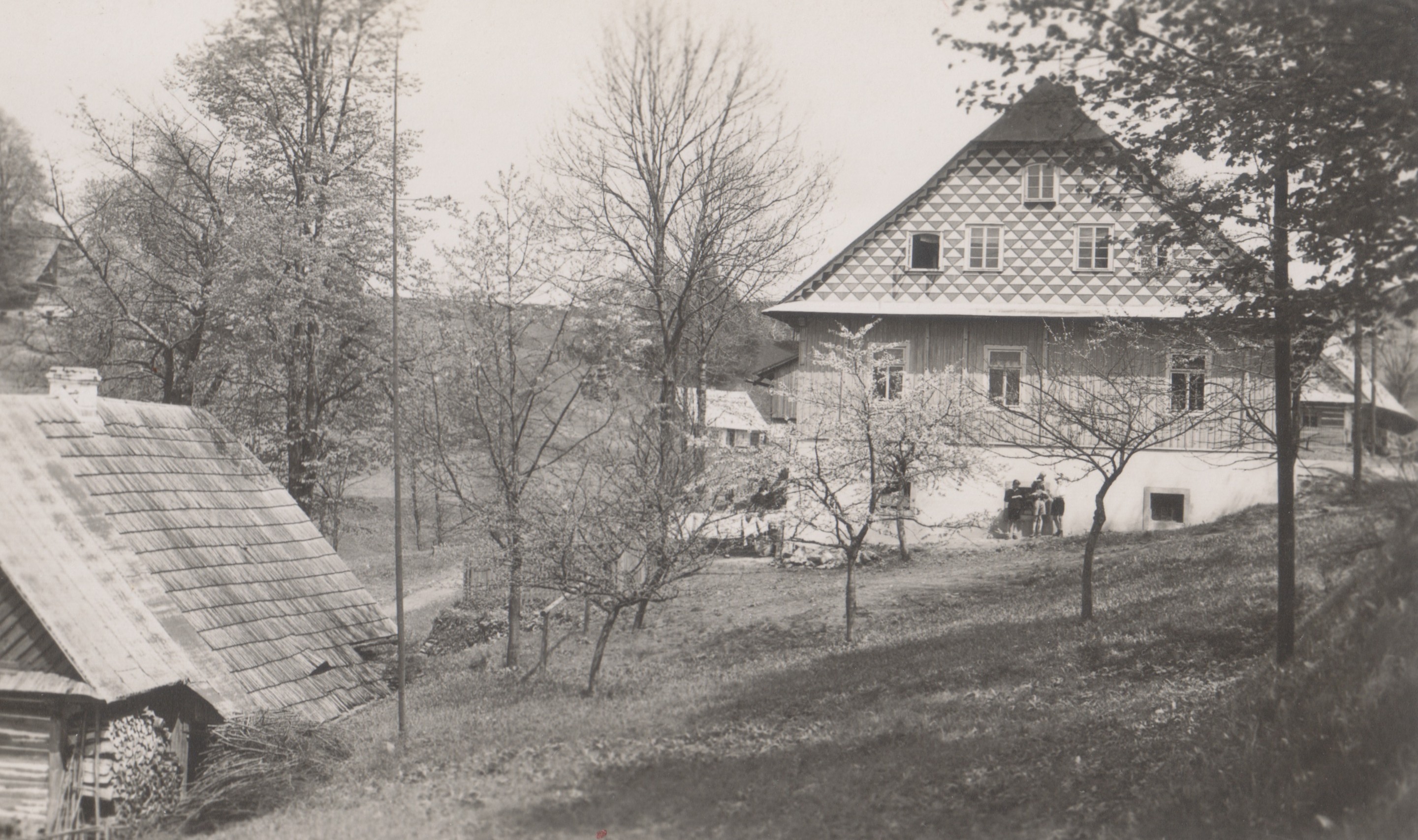
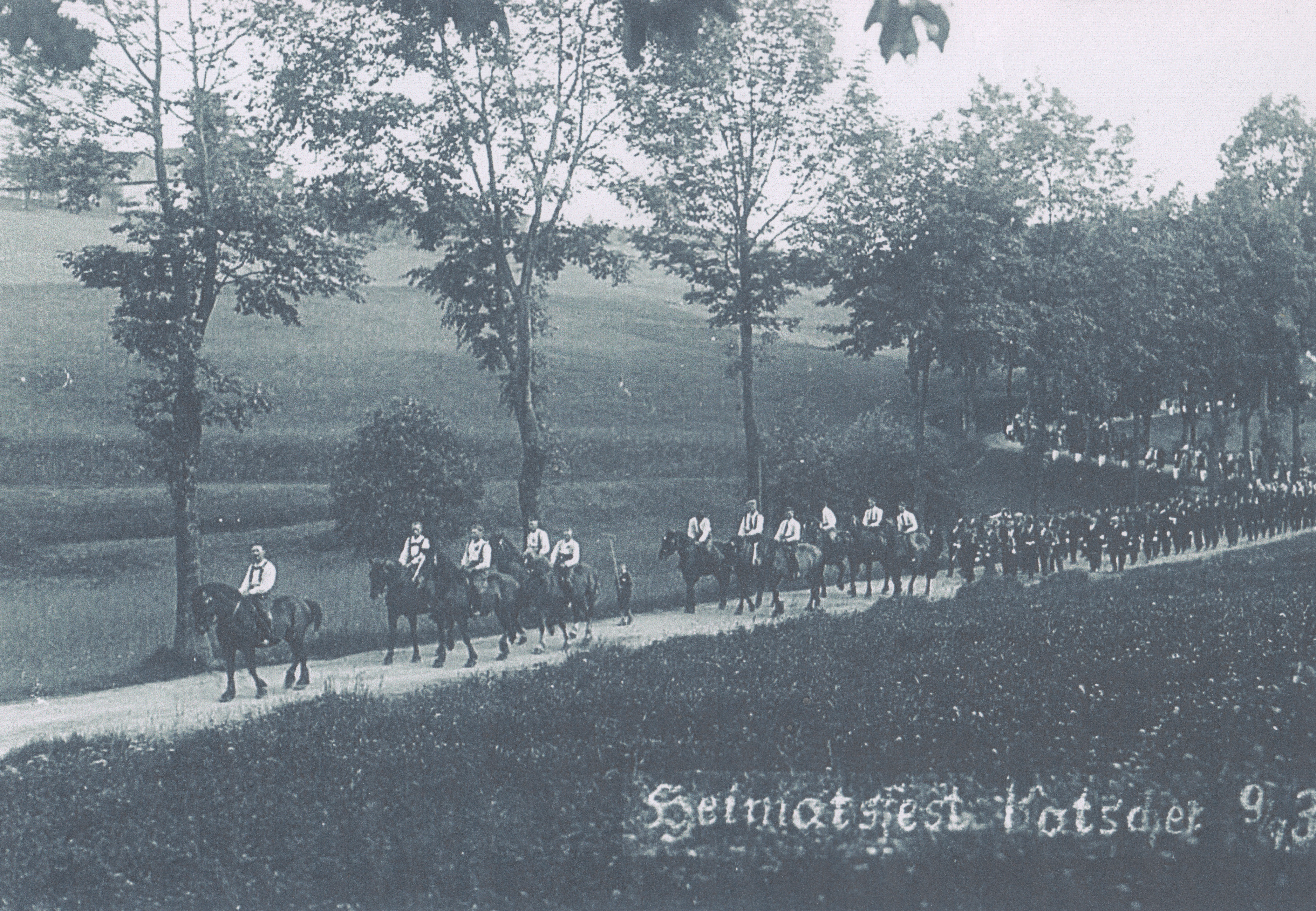
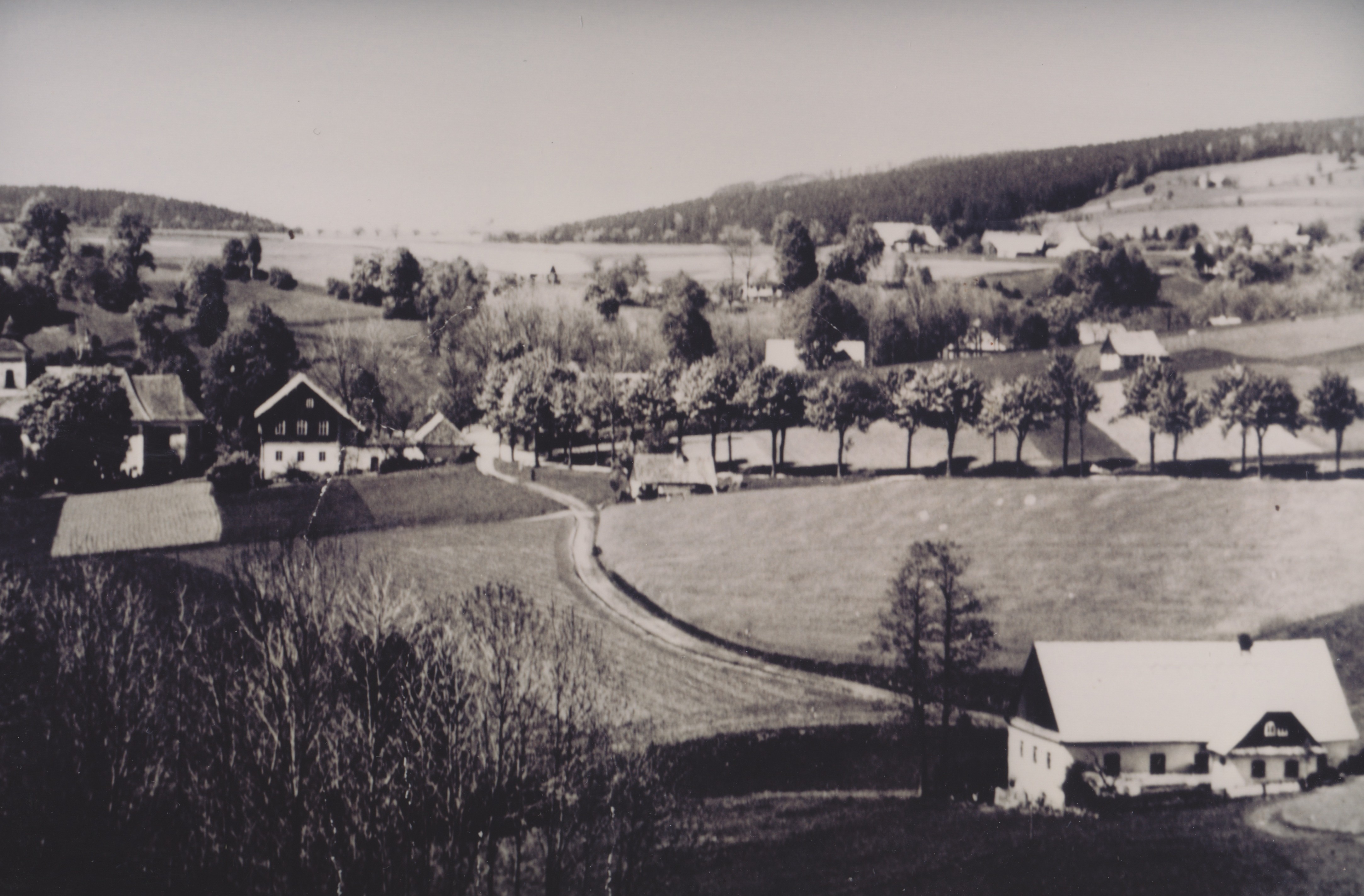
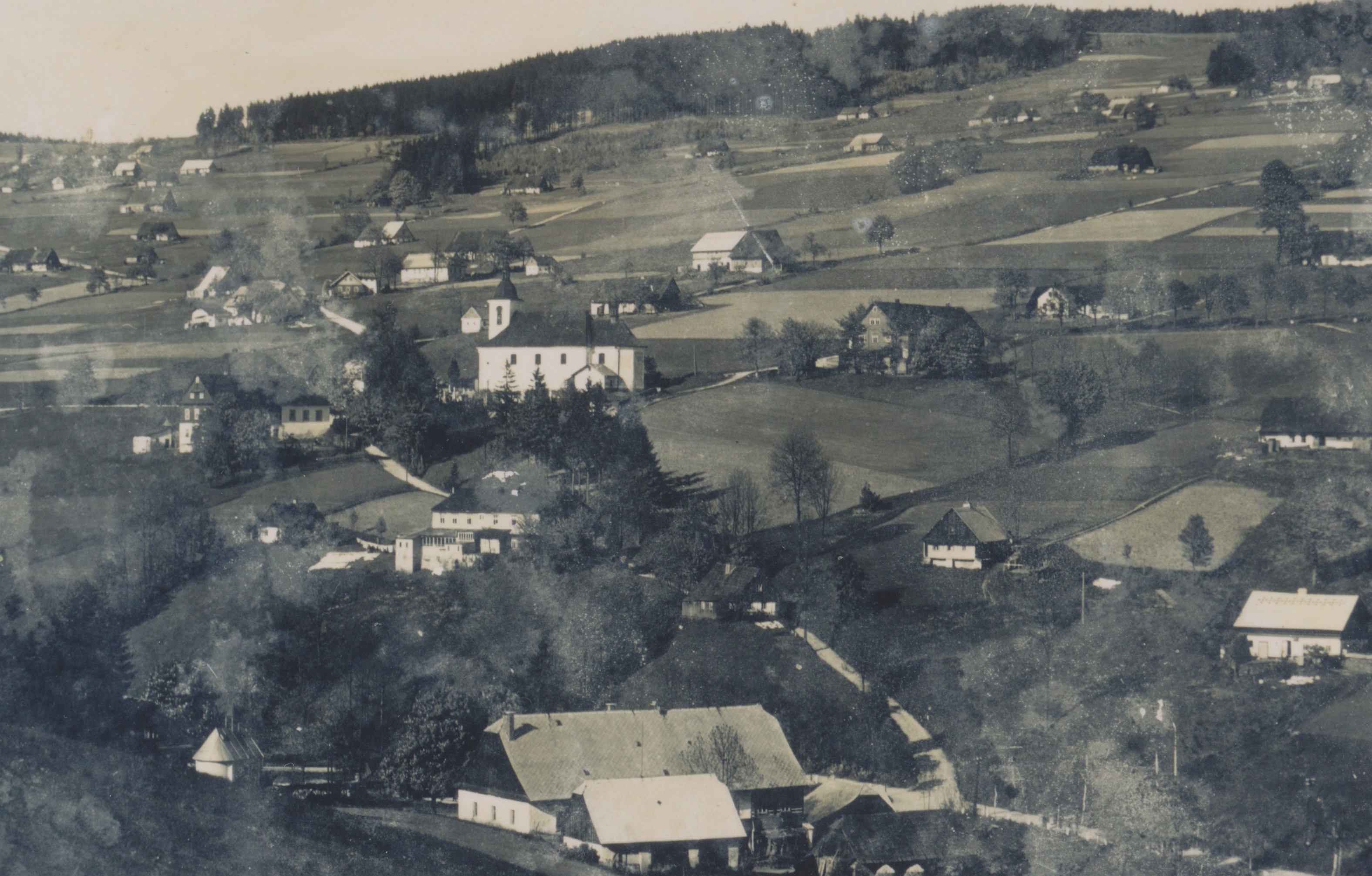
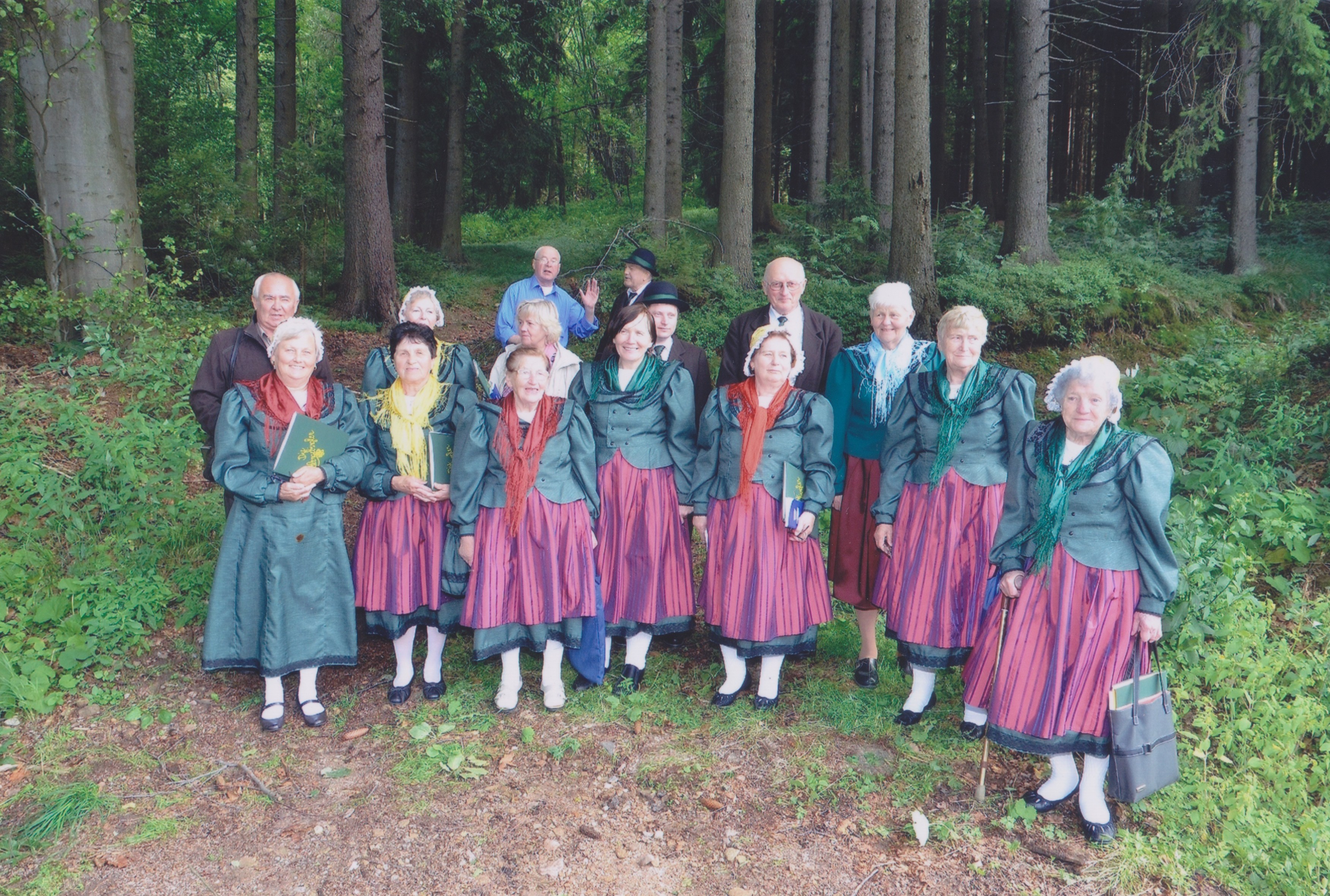
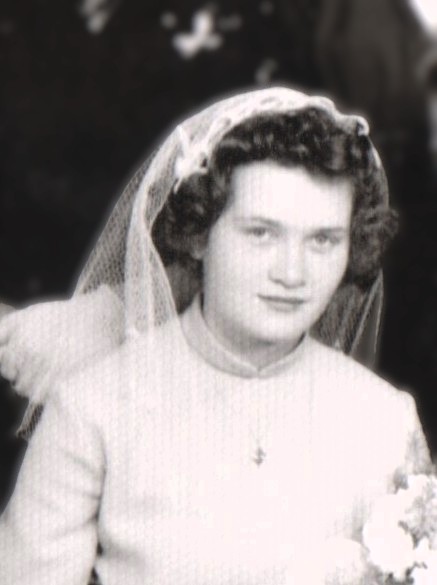
Marie Satrapová was born Magdalena in Eschweiler, Germany on 23 December 1942 as the first of five children. Her mother Magdalena was German, her father Jiří Peters a Czech who came to Germany for work. Since the Allies had bombed her hometown, her mother with daughters fled to her future husband‘s family in Rychnov. The father joined them secretly later on. The family went from living in prosperity to poverty. They were not registered with the Czech authorities and had no title to food stamps. They lived very modestly in Kačerov, a village in the former Sudetenland. As a child, the witness saw the post-war transformation of the borderland and the forced population exchange. Speaking excellent German, she maintained contact with many of the former inhabitants who would return to their hometown later on. She married Karel Satrapa, also coming from a mixed marriage, in 1960. Her mother moved permanently to Germany in 1964, as did her two siblings. Since then, she faced frequent interrogations by the State Security. After the Velvet Revolution, she and her husband ran a small hiker pub in Kačerov. She spent most of her productive caring of St. Catherine‘s Church in Kačerov. She sings in the ensemble Die Adlergebirger which preserves the original folk songs of the German population of the Orlické Mountains. She lived in Rychnov nad Kněžnou in 2025 and enjoyed many grandchildren and great-grandchildren.