"Well... It was brought by a group purely by chance. The farming cooperative took a trip to the theatre in Prague. A coach full of people went to Prague. It was a Sunday and the theatre wasn't playing. As it was at the time, the actors were talking to the people and supporting the students. So, a bus of excited people came back, and they brought really... That was still when nothing was going on in Břeclav and Hustopeče, but Vrbice was full of revolutionaries. It was very nice."
"As I said, some of my confrere friends and I were trying to build something that would contradict the voice that was coming out from, so to speak, that collaborative priestly organization, Pacem in Terris. When Pacem in Terris held conventions, we collected signatures among the priests and sent open letters to these authorities. We took part and arranged to attend any protest that there would be, mainly in Prague, but also in Brno. Firstly, so that there was someone to pray within the tension of the protests, which was intense, and and secondly, so that Christians would be present. Another such activity was attending the trials; there were already political trials at that time. Again, we understood we were supposed to be present there. Well, of course, all of this was being monitored. I learned later on that all these support activities were recorded. In addition to that, I refused to vote in the elections on an ongoing basis. The reason was not contempt; rather, it was a kind of an effort to be truthful at least in some ways. See, the elections were always a kind of show of acceptance of the communist party's programme. So I thought... I never talked anybody into doing the same. I felt that this kind of activity somehow was part of the priestly ministry."
"At that time, the Charter 77 had just been released. Václav Malý came to see me and brought it to me. I wanted to sign it, but he was against because of what had already happened to me, and I actually remember him saying it would be good to have some other centres of resistance, other than the Charter, and that it would be good to have something like that within the Church. After his visit, I went to an exercise. Interestingly, I was likely the only one far and wide who had read the Charter and had it. That visit by Václav Malý somehow... he was under surveillance, I don't know if he was the spokesman at the time, but he came to see me in Žatec and apparently it wasn't completely secret. Soon after, I got a surprise visit from the political leader and some officers, asking me to show them my locker, which they carefully examined, and [to] show my pockets. Well, I just had the Charter folded in my pocket, but I had it folded inside my service. That was carried in the left breast pocket, and I took it out and held it in my hand. I think they actually reached in that pocket later to see if I kept anythin in, and to get everything out of my pockets. The search went well; I wasn't caught with Charter, and yet I kept it."
"My father died the year before. They immediately inquired in Křižanov, at the national committee, police station and all that... and they collected everything. They found out my dad had been a member of the national committee. But he was on the construction board; it wasn't a political position. Anyway, they said that I actually tarnished my father's memory [by refusing to vote in the election]. They granted me an extraordinary leave for three days, to go to my father's grave for consultation. Well, of course I said yes because I didn't get to go home, except for the two leaves that they were obliged to grant me. They let me leave for three days, and I didn't know that the counter-intelligence officers went at the same time and before I arrived in Křižanov, they had already seen the parish priest, the national committee and the police and called my sister and told them all that they had to convince me [to vote]."
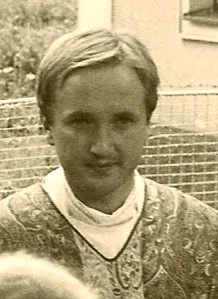
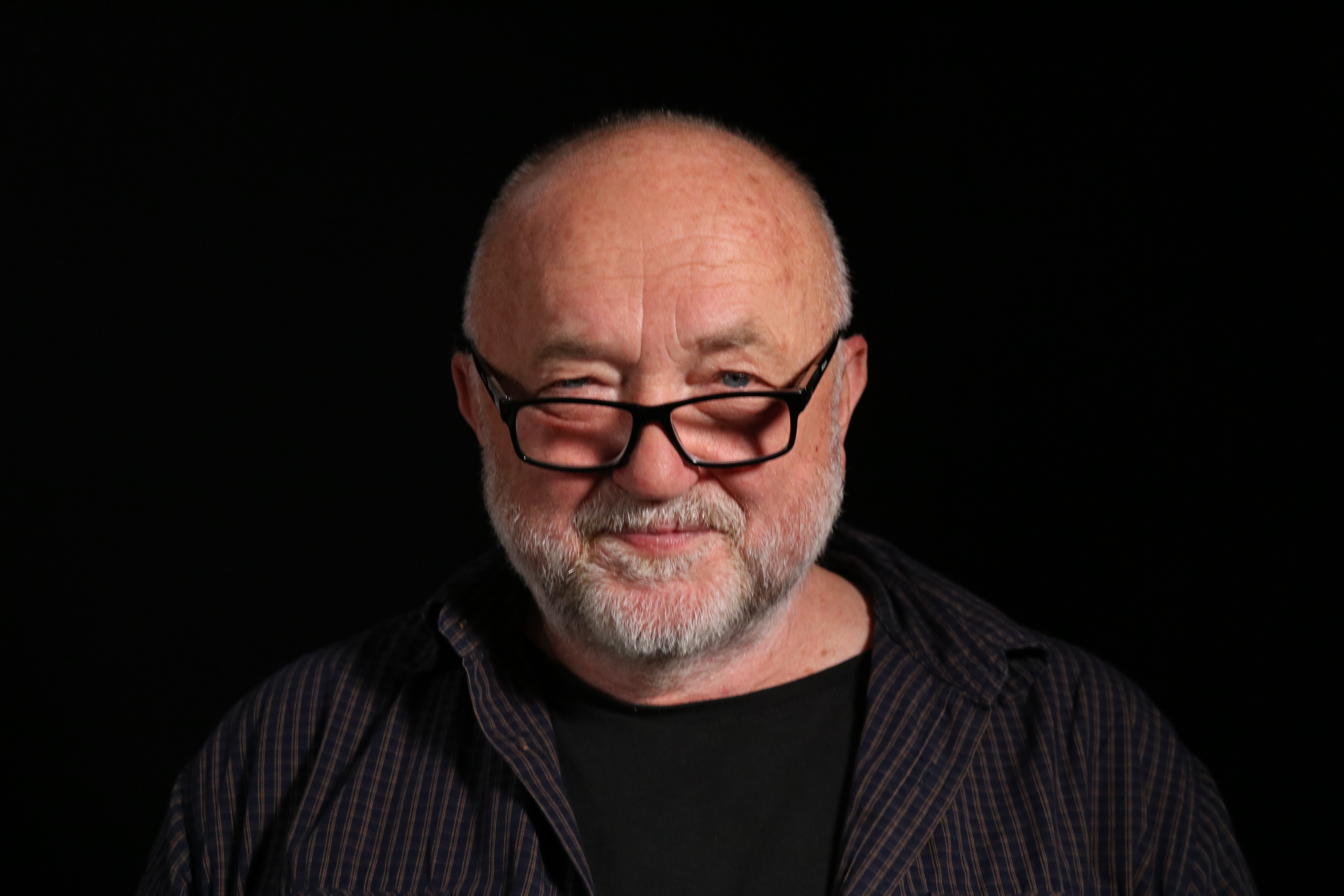
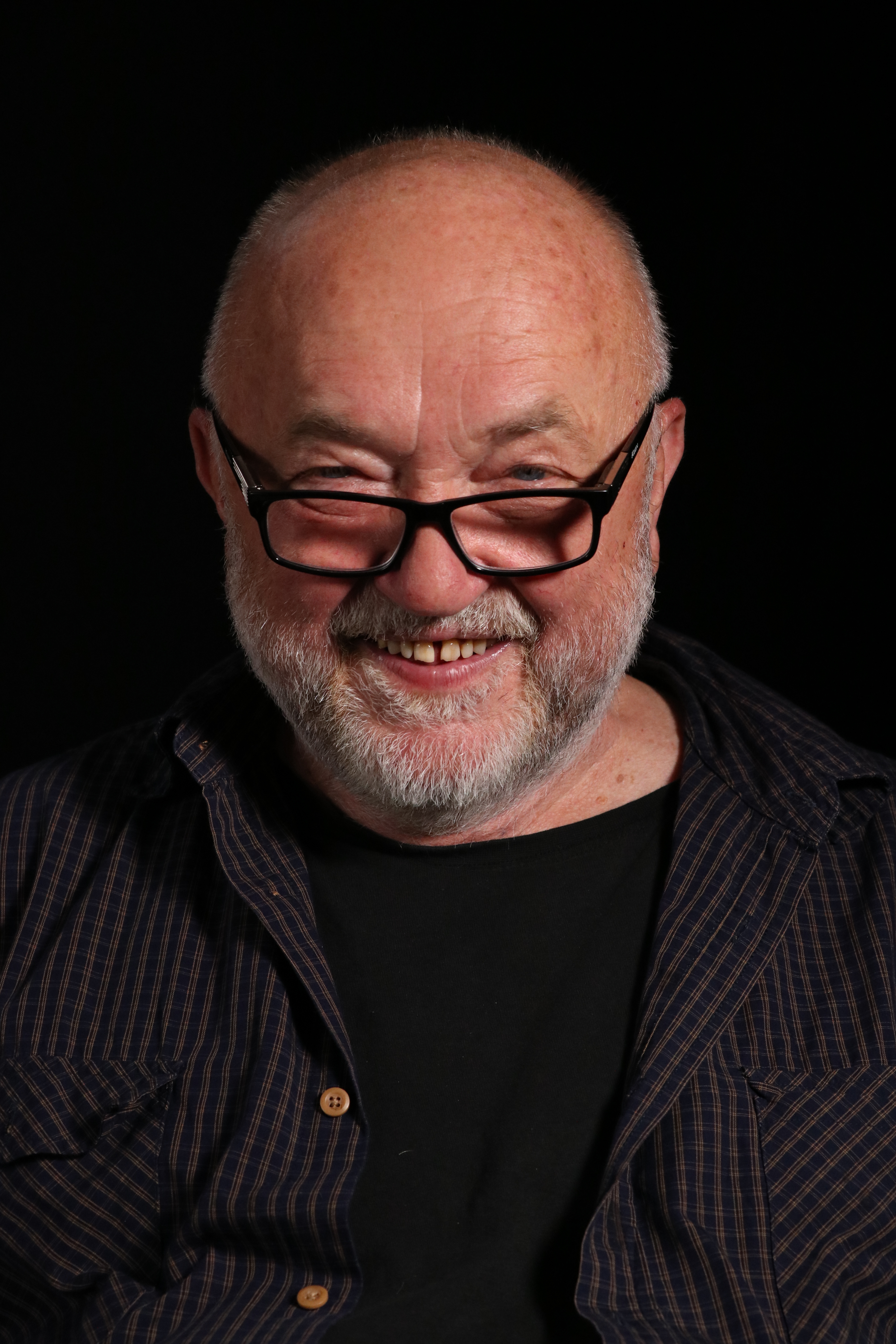
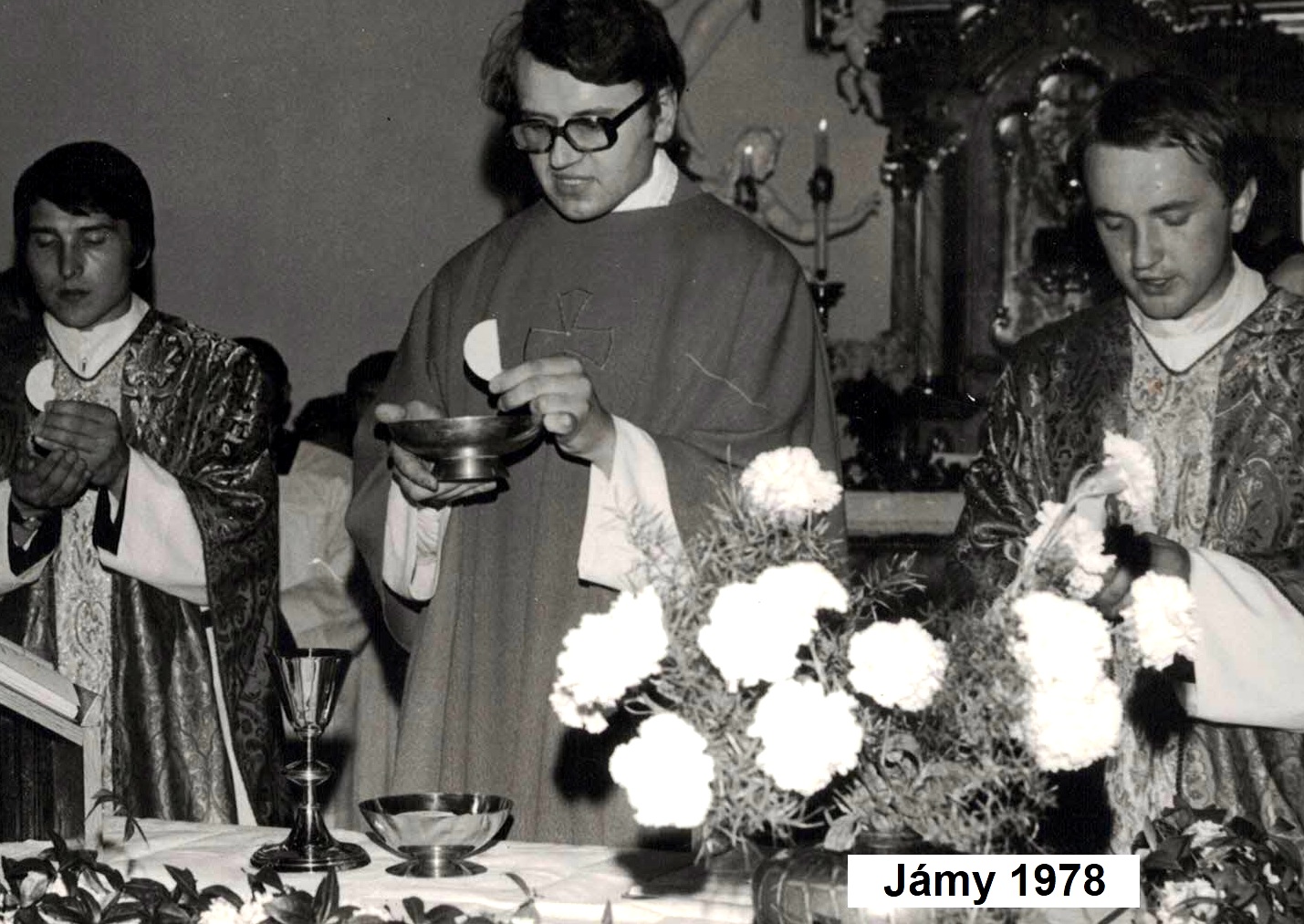
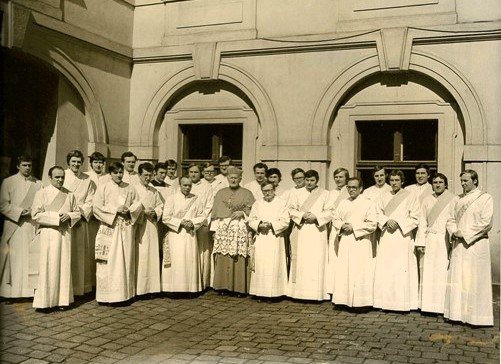
Karel Satoria was born in Křižanov on 26 April 1953 into a family persecuted by the communist regime. Having graduated from grammar school in Velké Meziříčí, he began studying at the theological faculty in Litoměřice. During his military service, he refused to vote in elections. Following his priestly ordination in 1978, he was appointed chaplain in Letovice and served in pastoral service in Vrbice near Břeclav from 1982. In addition to pastoral work, he was intensively involved in independent activities and the dissemination of samizdat literature. After the Velvet Revolution he served as Vicar General of the Brno Diocese for two years. In 1992, he joined the Trappist monastery in Sept-Fons, France, which he represented in the construction of the Nový Dvůr monastery near Toužim in 2000. Since 2011 he has been pastorally active in the Archdiocese of Prague.