Evald Rucký

* 1959

  • "The interrogation only once included a physical attack, that is, I got one that made me fall off the chair onto the floor. But otherwise it was mainly psychological blackmail as far as my parents were concerned, my mum's parents, my wife's parents, my wife's parents. And it went on for hours and hours. It wasn't for fifteen minutes." - "So what did they ask you?" - "They wanted to know who was taking it all away, who was there, where I got it, how the distribution worked was. And there I just lied hugely. I said I didn't transport anything, it's not true, prove it to me. They'd already interviewed - and named some - who were actually carrying it. I said I don't know, that one is in the theatre in České Budějovice and I don't associate with him anymore, I don't know anything about it, what anybody told you, it's not true. The only things I carried were babygro , chewing gum, baby socks and things that just weren't in Russia."

  • "I didn't really know how to deal with it, but eventually we found shelter with my mother in Pardubice, who in the meantime had moved with her husband - he was the third man in her life, two of them died tragically - from the housing estate to the Nemošice waterworks. And in that waterworks by the Chrudimka River, there grew up these cones that covered the wells that supplied part of Pardubice, Pardubice, the Pardubice hospital, etc. from the Medlešický mound where the waterworks was built. And my mother's husband checked the quality of the water and was in charge of nine cones where you could hide the bibles, dictionaries or songbooks. I was afraid of what my mother would say about this, but my mother, as I have already described, was strongly anti-communist, so although she disagreed with my beliefs, we had very difficult conflicts, but she was immediately willing to help me in this. So we used to stuff the Bibles into the well, and there they could be well hidden in such special hiding places. Holek's was one channel, but then I found my own channels."

  • "And then we took the bus to Opatovice to my mother's mother's house and we went over Kunětická hora. There's a forest between Pardubice and Hradec Králové and there was a clearing that had been cleared for the most part and there were these military tanks there. And I saw it as a child, and it caused me a terrible terror, because they were mainly aimed at Pardubice and some of them were aimed at the road. And there was the smell of diesel everywhere, or whatever it was. It has a different smell today than it did then. But it smelled awful and it smelled all over the forest. And it got into our bus, and when we went back, it smelled again. So they really made a campground, a fireplace, and they lived there like they were somewhere in Siberia. Terrible. I remember that and I really didn't have a good experience. That was my year '68."

  • Celé nahrávky
  • 1

    Liberec, 31.03.2025

    (audio)
    délka: 02:19:21
    nahrávka pořízena v rámci projektu Příběhy regionu - Liberecký kraj
  • 2

    Liberec, 09.06.2025

    (audio)
    délka: 02:53:03
    nahrávka pořízena v rámci projektu Příběhy regionu - Liberecký kraj
Celé nahrávky jsou k dispozici pouze pro přihlášené uživatele.

During the totalitarian regime he smuggled Bibles and after the revolution he became a bishop of the World Unity of the Brethren
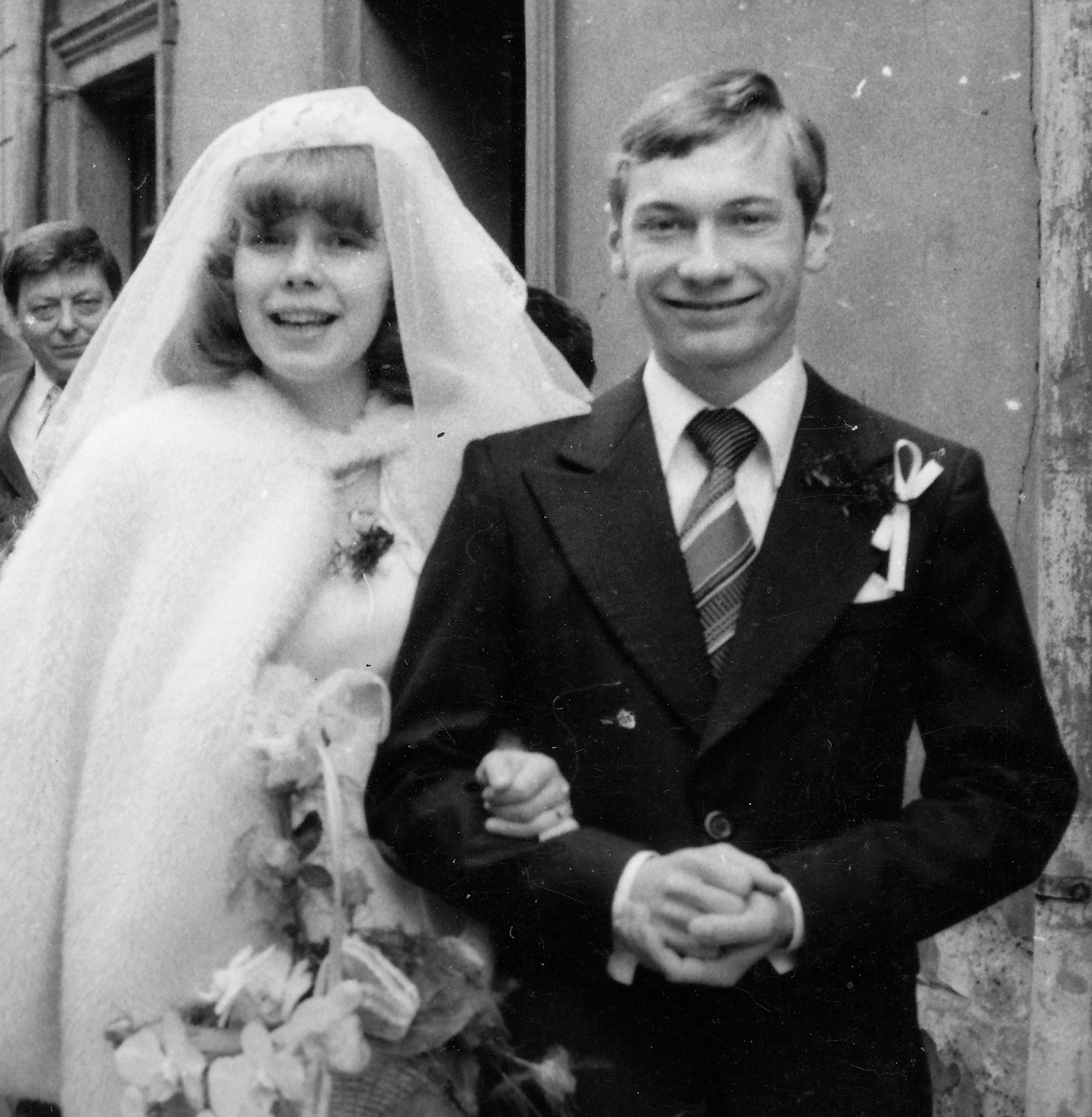
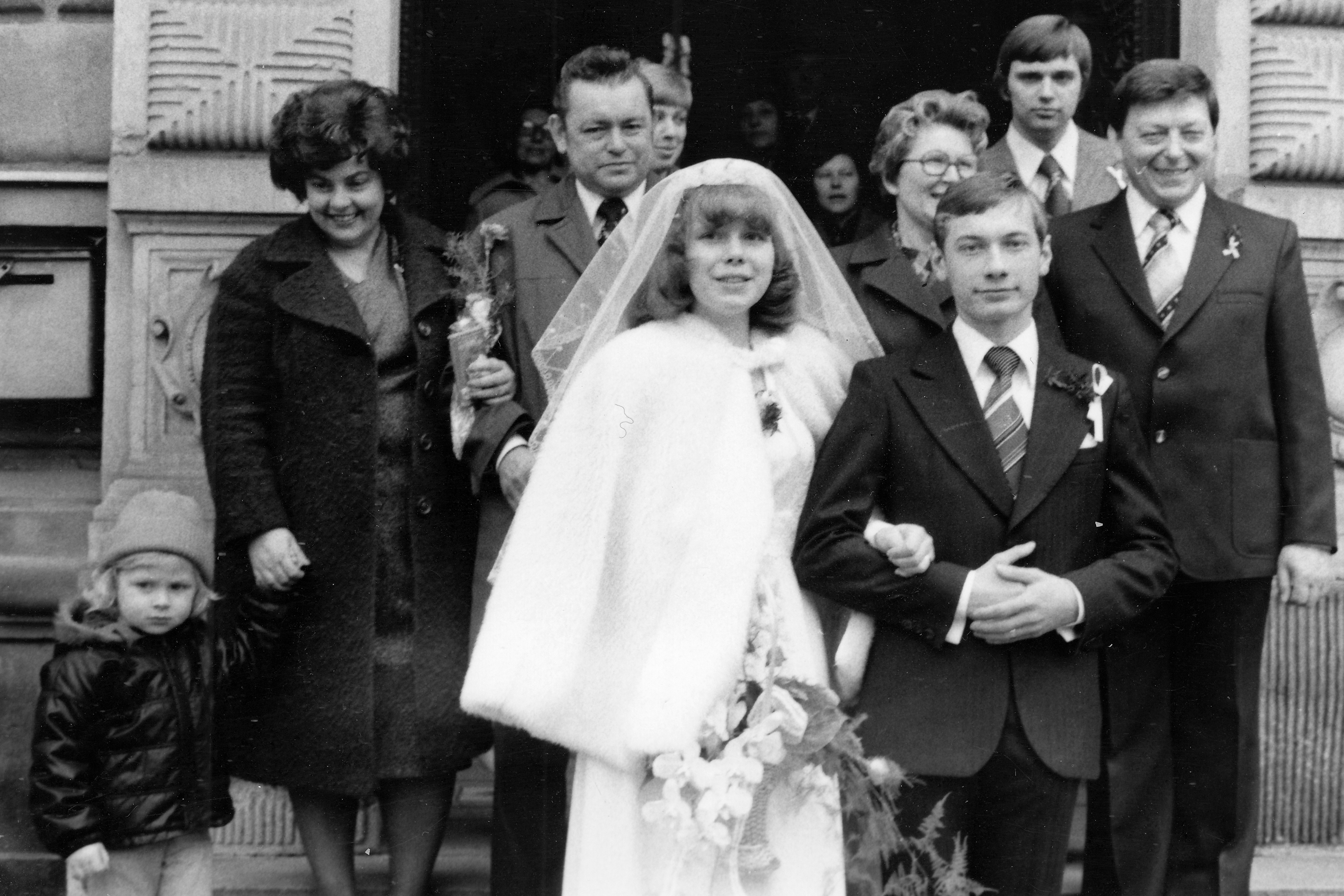
Witness, wedding photo, bride Ruth, née Hlásková, 24 November 1979
zdroj: Witness´s archive

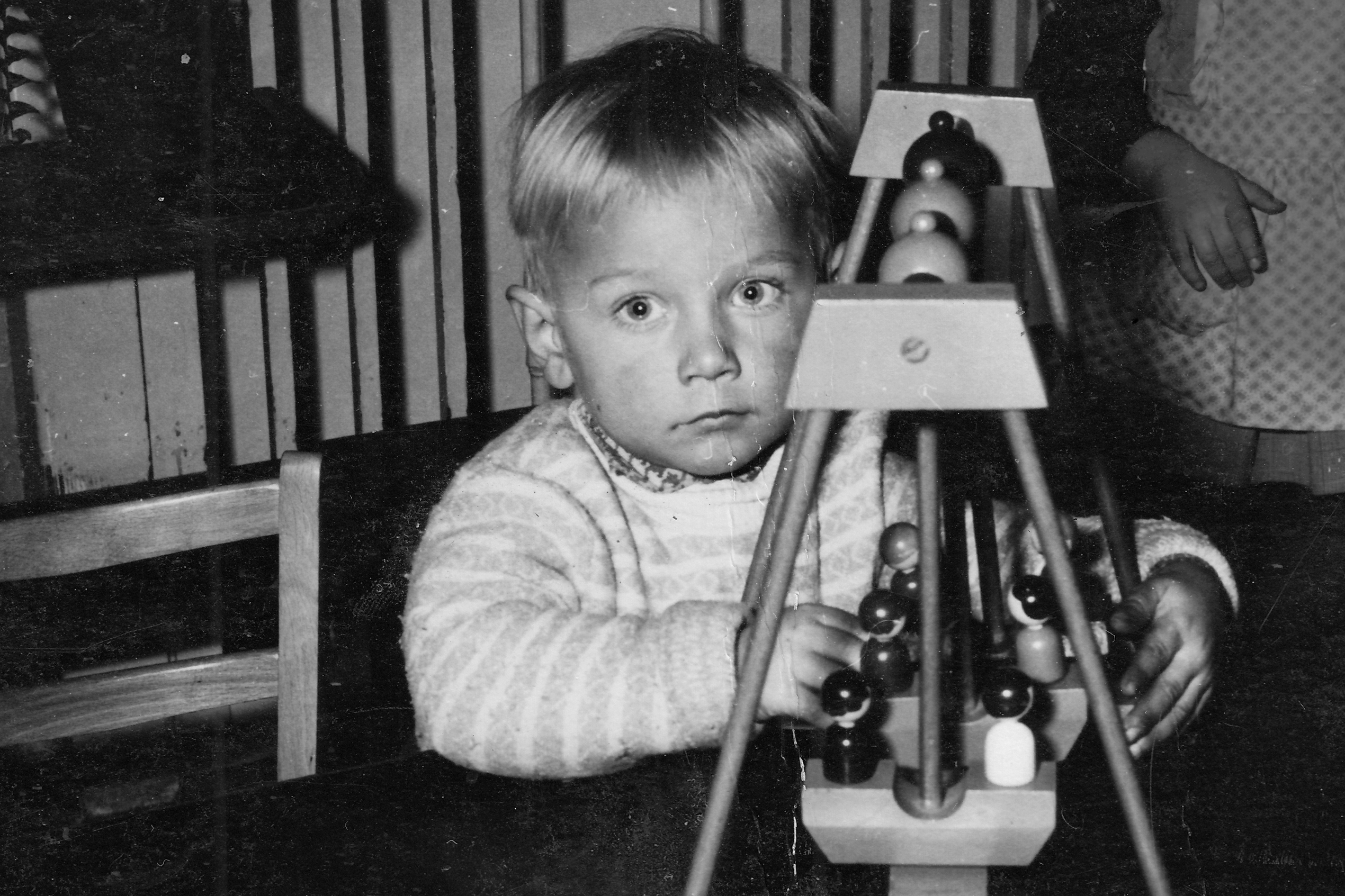
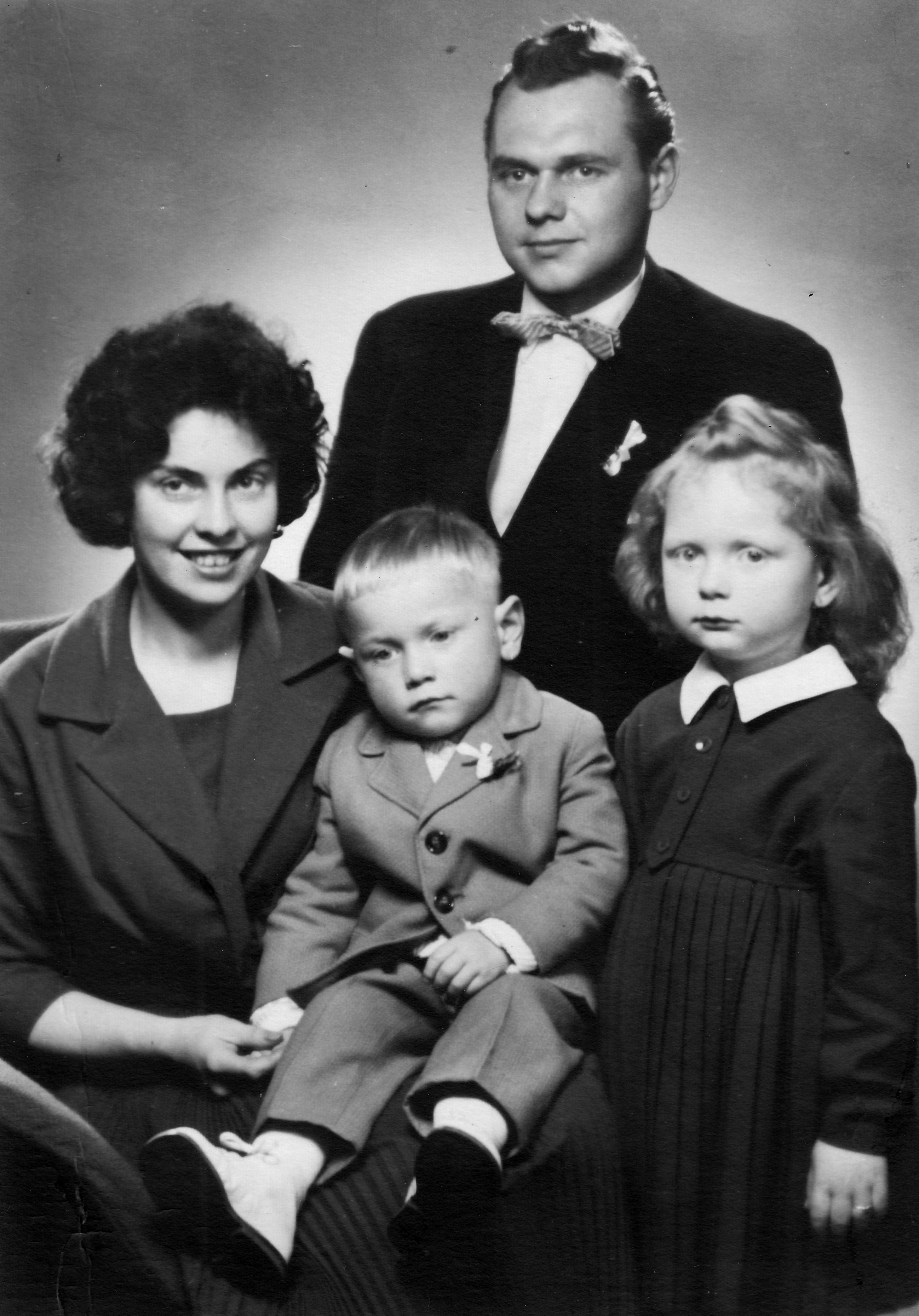
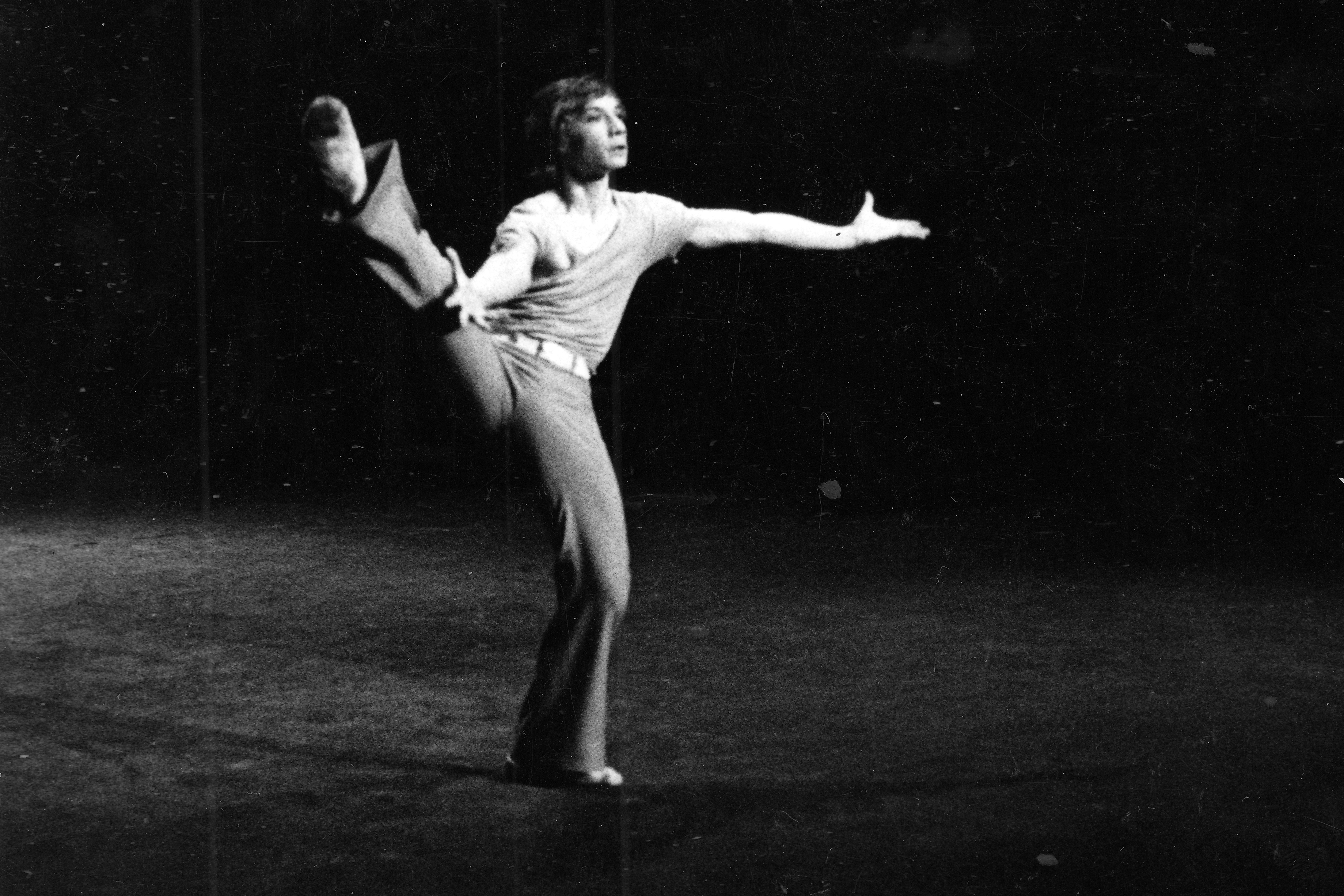
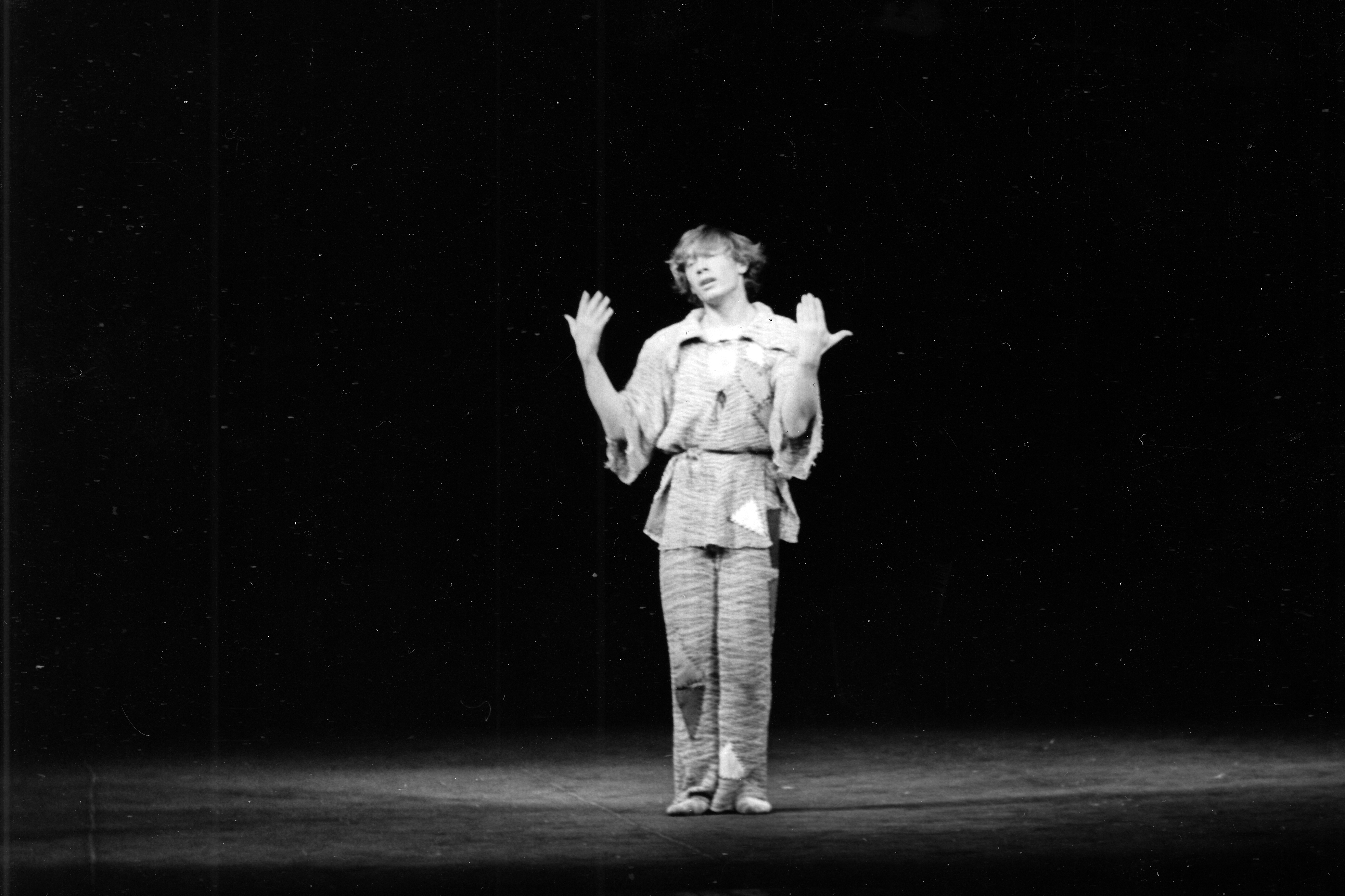
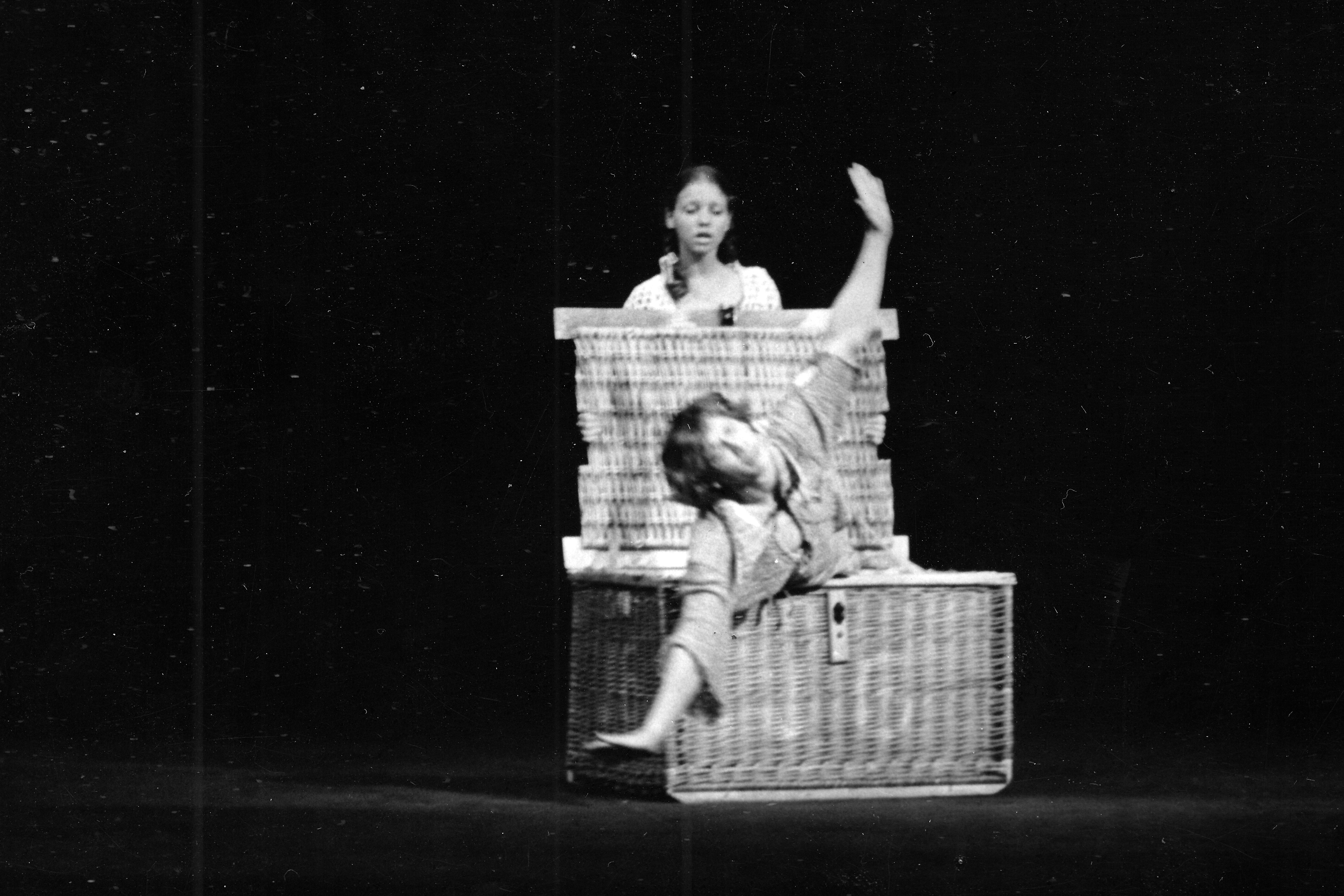
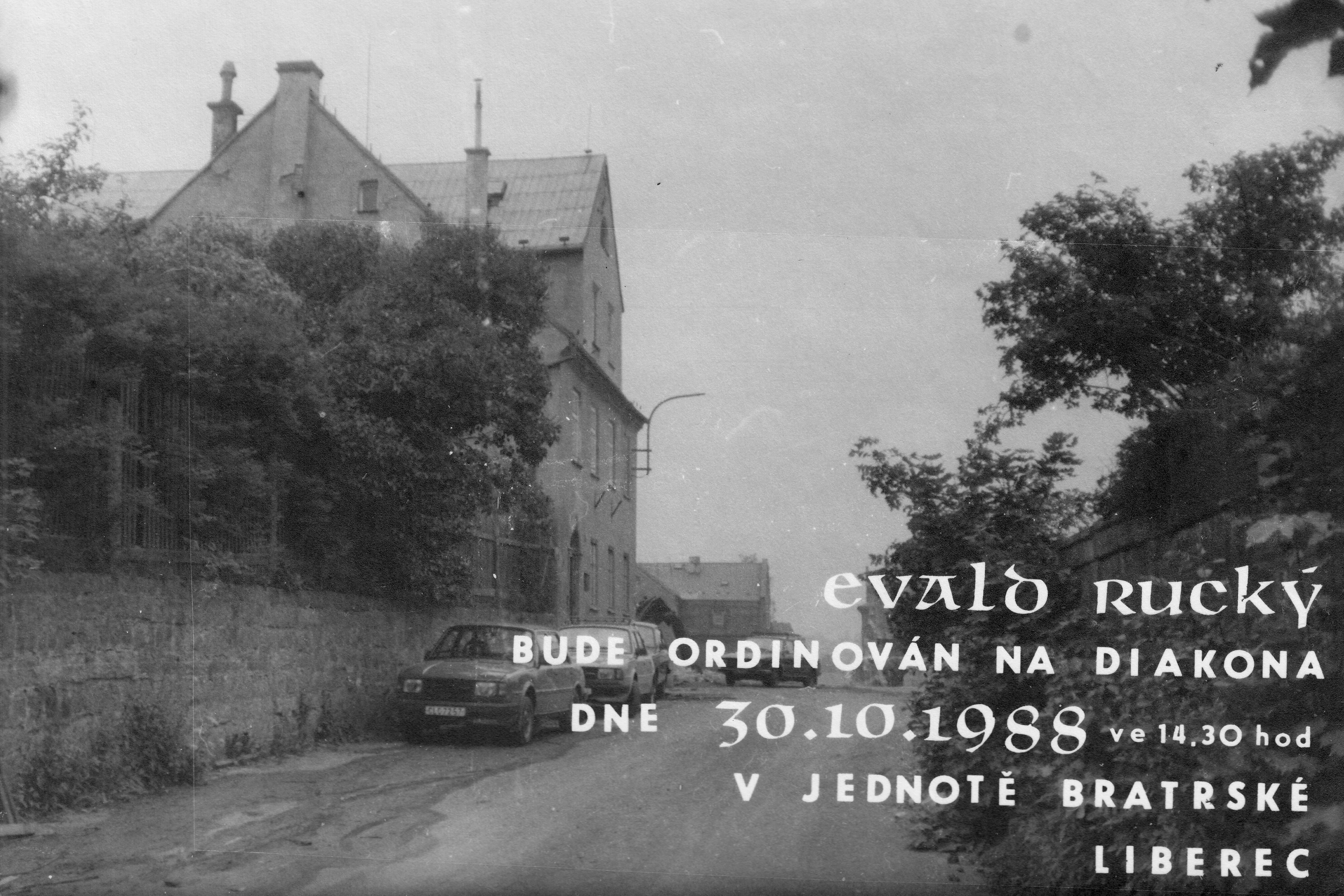
Evald Rucký was born on 9 January 1959 in Frýdek-Místek. He grew up in Těšín Silesia until he was three years old. In 1962, the family moved to Pardubice, where both parents got jobs at the Opatovice power plant. He experienced the invasion of the troops in Pardubice, where he remembers tanks at Kunětice Mountain. It was then that he started dancing ballet at the people´s art school and got to Prague to study at the conservatory. He soon found his way onto the stage of the National Theatre, where he met Josef Kemr and Dana Medřická. In 1977 he took part in one of the most prestigious ballet competitions in the world, the Prix de Lausanne. He succeeded, earning a traineeship with the Royal Ballet in London, but communists offered him Moscow instead. That‘s when he started to despise the regime. Thanks to the Holeks couple, he embraced the faith of the Church of the Brethren. As a member of the Army Art Ensemble, he helped them distribute banned religious literature during his military service, for which he was later interrogated by the military counter-intelligence (VKR). In the 1980s he converted to the Unity of the Brethren and began working in Liberec. State Security kept his name in the category of agent for several months before the Velvet Revolution; the witness denies cooperation with State Security. In 1998, the Synod elected him to the Narrow Council of the Unity of the Brethren, and ten years later he became its chairman. In 2011 he was solemnly consecrated bishop of the World Unity of the Brethren. In 2025 he lived in Liberec.