Coming back after 1989 was like switching from colour TV to black and white
Stáhnout obrázek
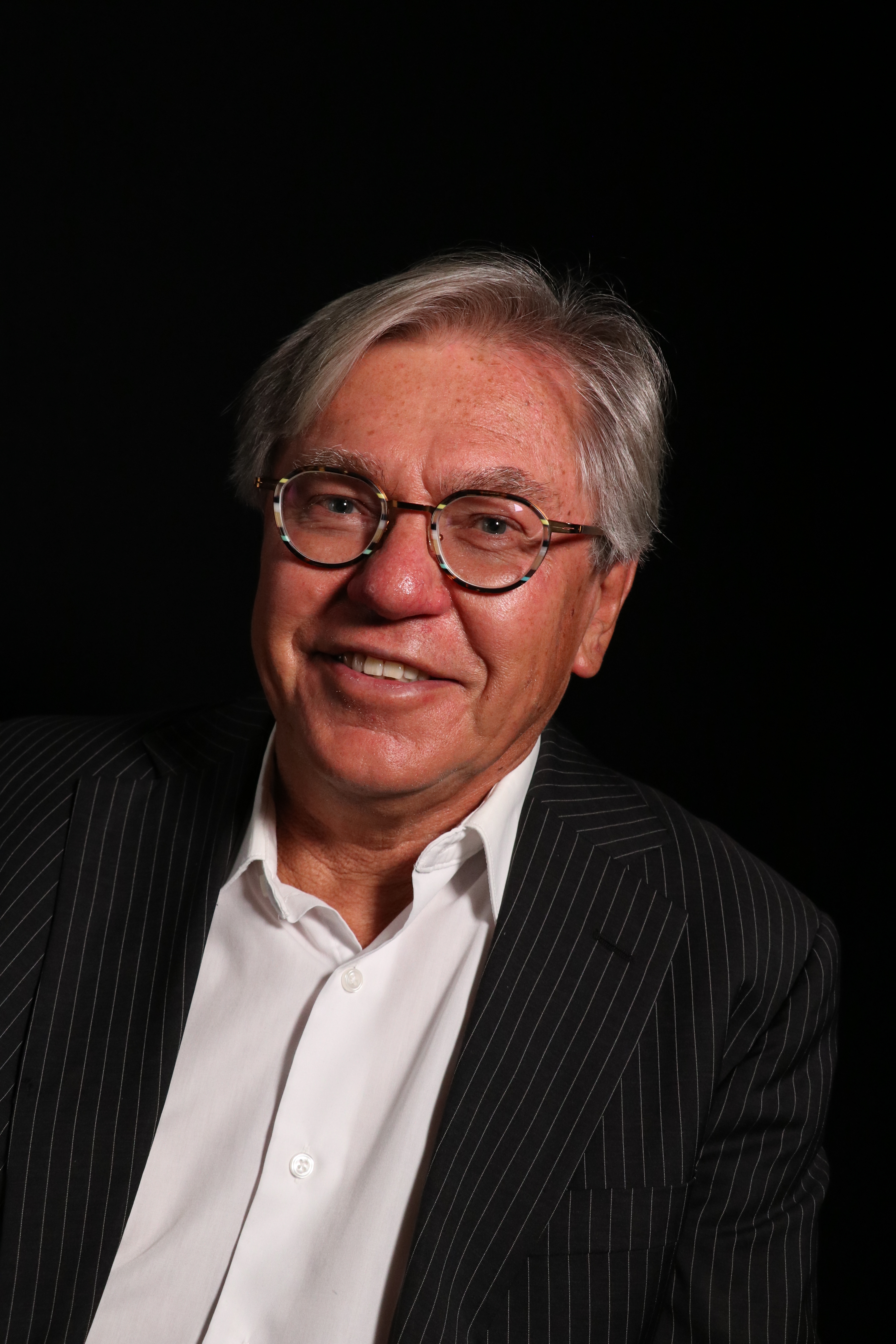
Libor Rouček was born in Kladno on 4 September 1954 to father Jaroslav Rouček and mother Zdeňka, née Krňanská. His father came from a miner‘s family and was a turner in Poldi steelworks. His mother worked with the factory catering at the Young Miners‘ Home. The witness went to school in Družec near Kladno, joined the Pioneer movement and took German classes in addition to the compulsory Russian. The invasion of Czechoslovakia by Warsaw Pact troops in August 1968 found him and parents in Austria, returning from a holiday in Yugoslavia. They stayed in Vienna for a few days, but eventually crossed the border back home. He completed high school in 1973. As a student, he was interested in motorcycles and motocross. Due to an injury, however, he was unable to continue to pursue it as an adult. After graduation he worked at the airport in Prague-Ruzyně, then, due to the postponement of compulsory military service, at the Construction of Coal Mines (VKD). He did not want to join the military at any cost, and when he received his draft order, he faked a suicide attempt. This earned him deferment but not exemption. He therefore decided to go abroad illegally via Yugoslavia, and even joined the Socialist Youth Union (1977) to get a travel recommendation. He left in June 1977, and met and said goodbye to his parents in Makarska a few weeks later. He hitchhiked to Germany via Austria, where he had a visa. However, the police turned him back and on 7 July 1977 he reported to the Traiskirchen refugee camp near Vienna. He found a temporary job and enrolled to study political science and sociology at the University of Vienna. His parents were not allowed to visit him, also because he went on a ten-day hunger strike in Vienna in 1978 to mark the 10th anniversary of the invasion of Czechoslovakia. Libor Rouček helped out in the Social Democrats‘ office and, apparently after the intervention of the then Chancellor Bruno Kreisky, his parents were allowed to come to his doctoral graduation in 1984. After his emigration, the State Security Service (StB) interrogated his parents, monitored his activities in Vienna through agents and tried to take away his Czechoslovak citizenship, but failed to do so. In the early 1980s, he met his future wife, an Australian, in Israel. He dreamed of working for the Voice of America or Free Europe. He went to the US and applied for a security clearance. The wait for a journalist job stretched to four years, which he spent with his family in Australia. He joined Voice of America in 1988, monitoring the thaw and collapse of totalitarian regimes in Eastern Europe and Czechoslovakia as a journalist. He worked at the Royal Institute of International Affairs in London until 1992 when he decided to join his family in Australia. When his marriage fell apart, he returned to the Czech Republic five years later. He joined the Czech Social Democratic Party (ČSSD) and served as a spokesman for Prime Minister Miloš Zeman‘s government between 1998 and 2002. In 2002, he was elected to the Chamber of Deputies of the Parliament of the Czech Republic, serving as the Vice-Chairman of the European Integration Committee and Vice-Chairman of the Foreign Affairs Committee. In 2004 he was successful in the European Parliament (EP) elections and became a member of the Socialist Group. He defended his MEP mandate in 2009, becoming one of the Vice-Presidents of the EP and a member of the Foreign Affairs Committee. In the 2014 EP elections, he stood as an unelectable candidate for the ČSSD and therefore quit politics. He left the party in May 2025. In 2025 he lived in Družec near Kladno.
