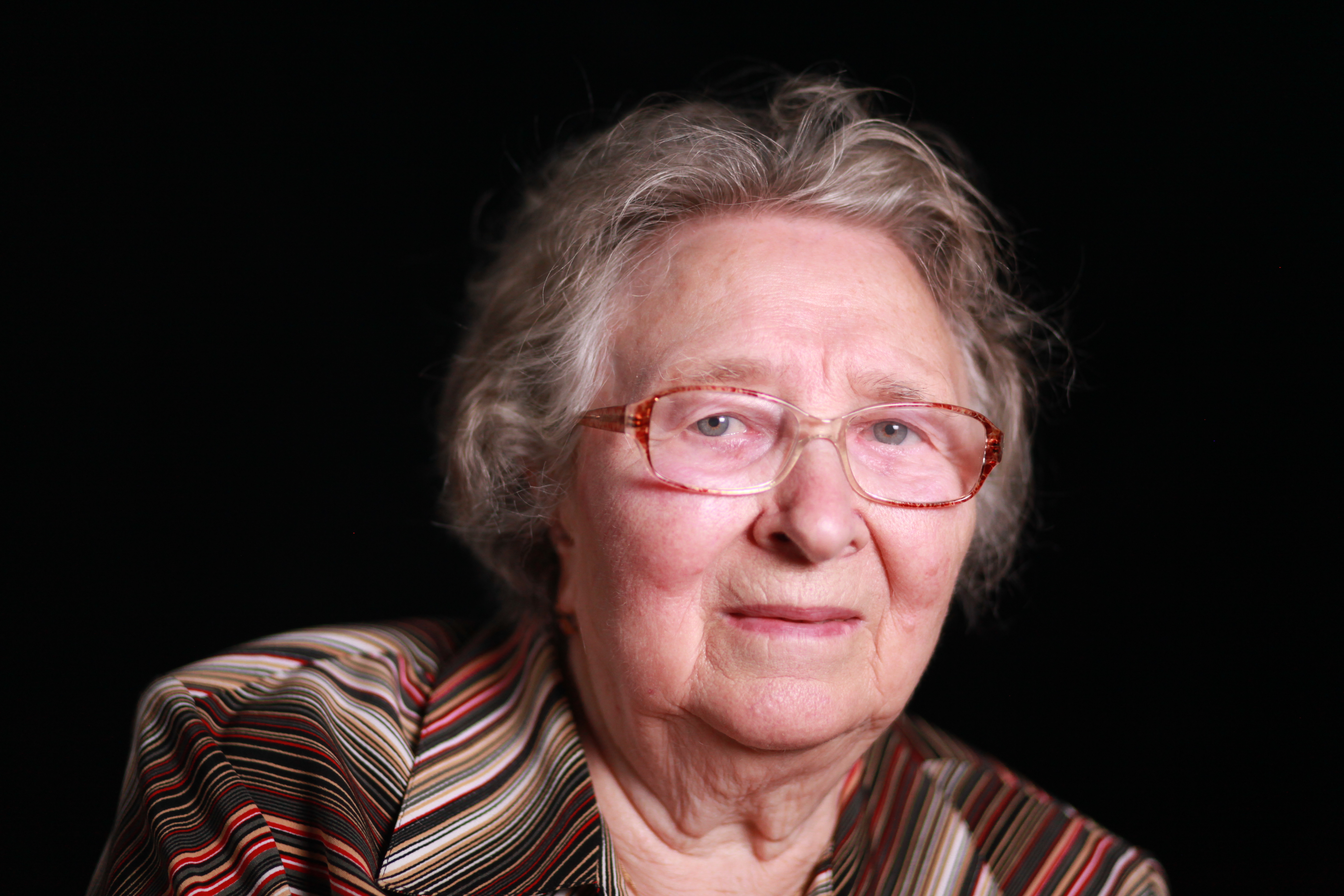
Anna Rajmová

* 1936

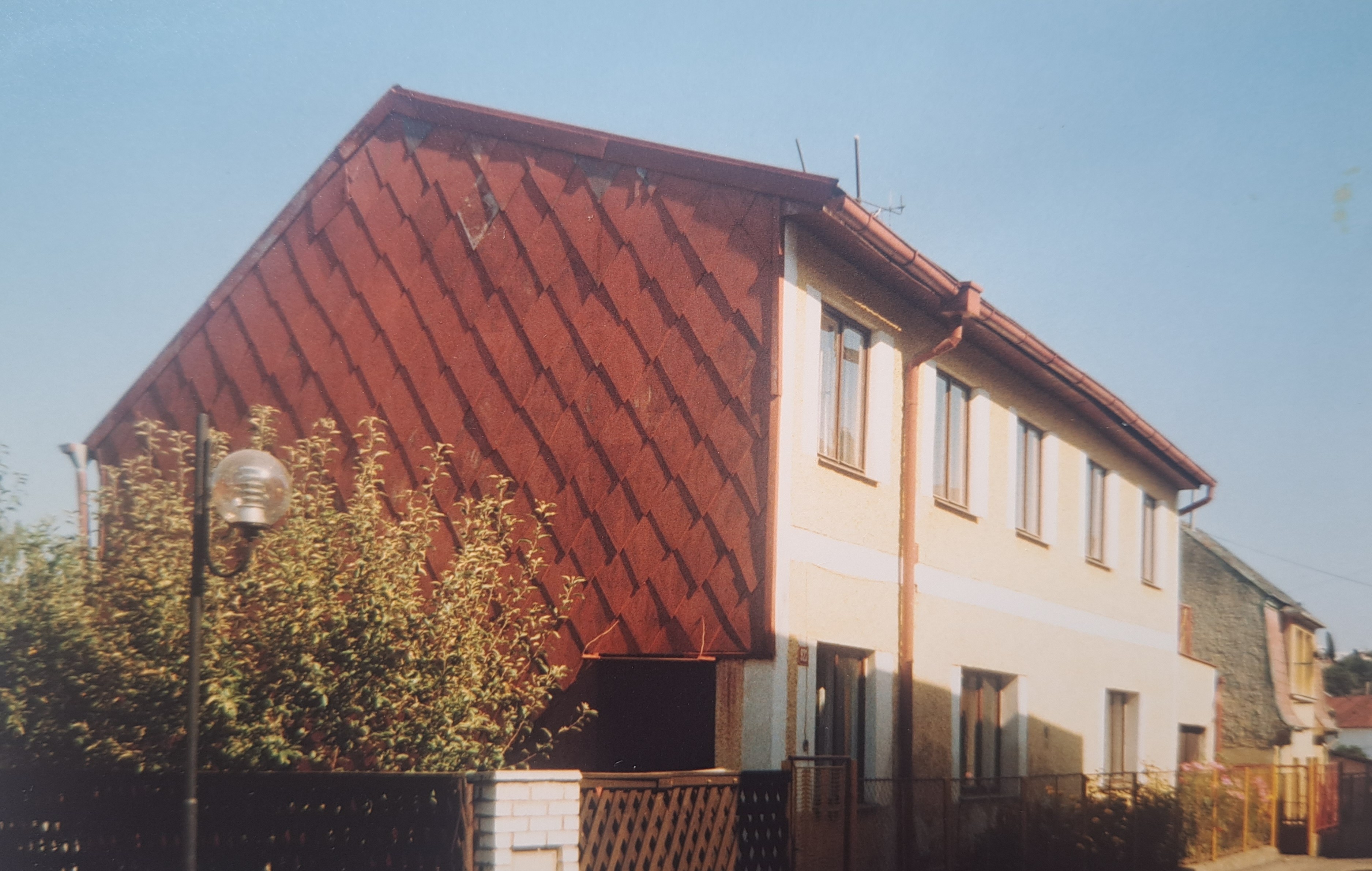
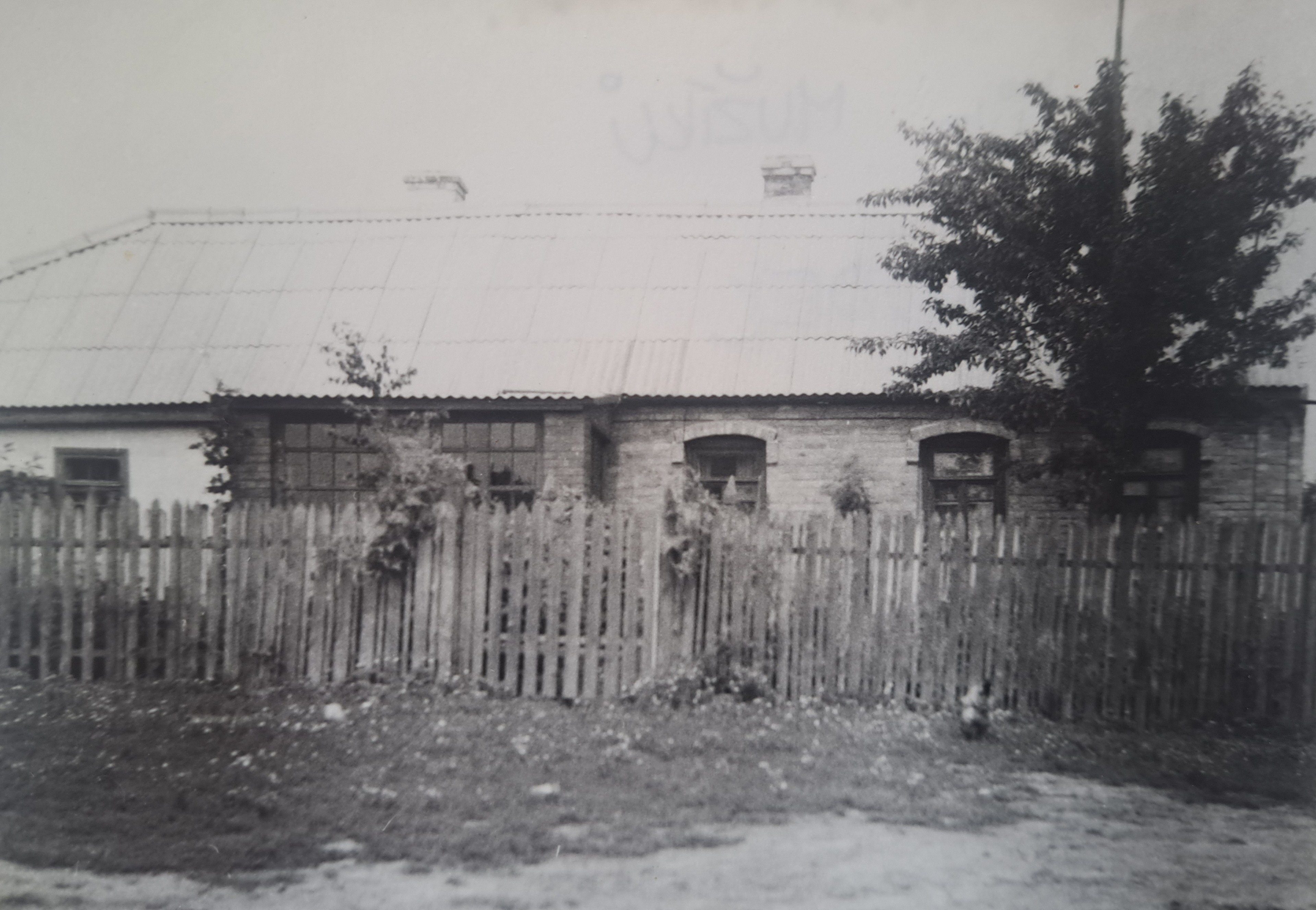
  • "One time when we wanted the dilapidated house next door, the upstairs neighbour told us - because my husband then went to the authorities to argue when the kids were two - that we should have a place to live and that we couldn't live in one. I was ill at the time, I was going through pneumonia, I was being treated for my lungs, my daughter was the second one in four years, and they said that until we got a bigger flat they wouldn't release our daughter from the nursing home. I came crying and said, 'What are we going to do?' My husband went to these offices where they had power. They came and decided that they would give us the dilapidated house. We tore down the wall, painted it. They put in new windows. Then a couple of years later we raised the roofs, made the same windows. Now it's the biggest house on the street. My husband toiled hard. He was a woodworker, his father was a woodworker, so he did a lot of wood floors and wood siding. We helped each other a lot. And the neighbour was looking out of the window at the time and she said to us: ‚You Volhynians, you are used to coming and working.‘

  • "Yes, and there we were. Then they came to us. I'll tell you, I can still remember to this day, when I bite into the cheese and jam, how much I loved the cream cheese and jam on the bread and roll. I loved it so much... And then the families, the parents had to get together. They were waiting to get the decision where they needed to settle the villages. Then they said where, the numbers and which villages. And so the dads got together, or the mothers, if they were without their husbands who had died in the war, and so they went with the children alone. A lot of them came here to the Tachov region, Studanka, Dlouhý Újezd, Velký Rapotín, Malý Rapotín, Stříbro. They were all Volhynians."

  • "In 1945, the war was ending. It came about six months later. We had a dog on a chain and he was running from one end to the other. We also had a big yard and we had an awful lot of sunflowers planted, they were just ripening, they were beautiful and the dog was barking so bad. We said, 'Mum, what's going on over there?' My sister was coming from the other end. She was walking through our big garden and she couldn't even be seen among the sunflowers. The dog was so mad because someone was there. Mummy went to look. And there we found BroŇa, black, dirty, hungry. Then she told us what a journey it was. How many died on the way from the camps. The Germans took terrible revenge for losing the war."

  • Celé nahrávky
  • 1

    Studánka, 11.07.2025

    (audio)
    délka: 02:51:17
    nahrávka pořízena v rámci projektu Příběhy regionu - PLZ REG ED
  • 2

    Tachov, 14.03.2026

    (audio)
    délka: 33:43
    nahrávka pořízena v rámci projektu Příběhy regionu - PLZ REG ED
Celé nahrávky jsou k dispozici pouze pro přihlášené uživatele.

Everything has its place
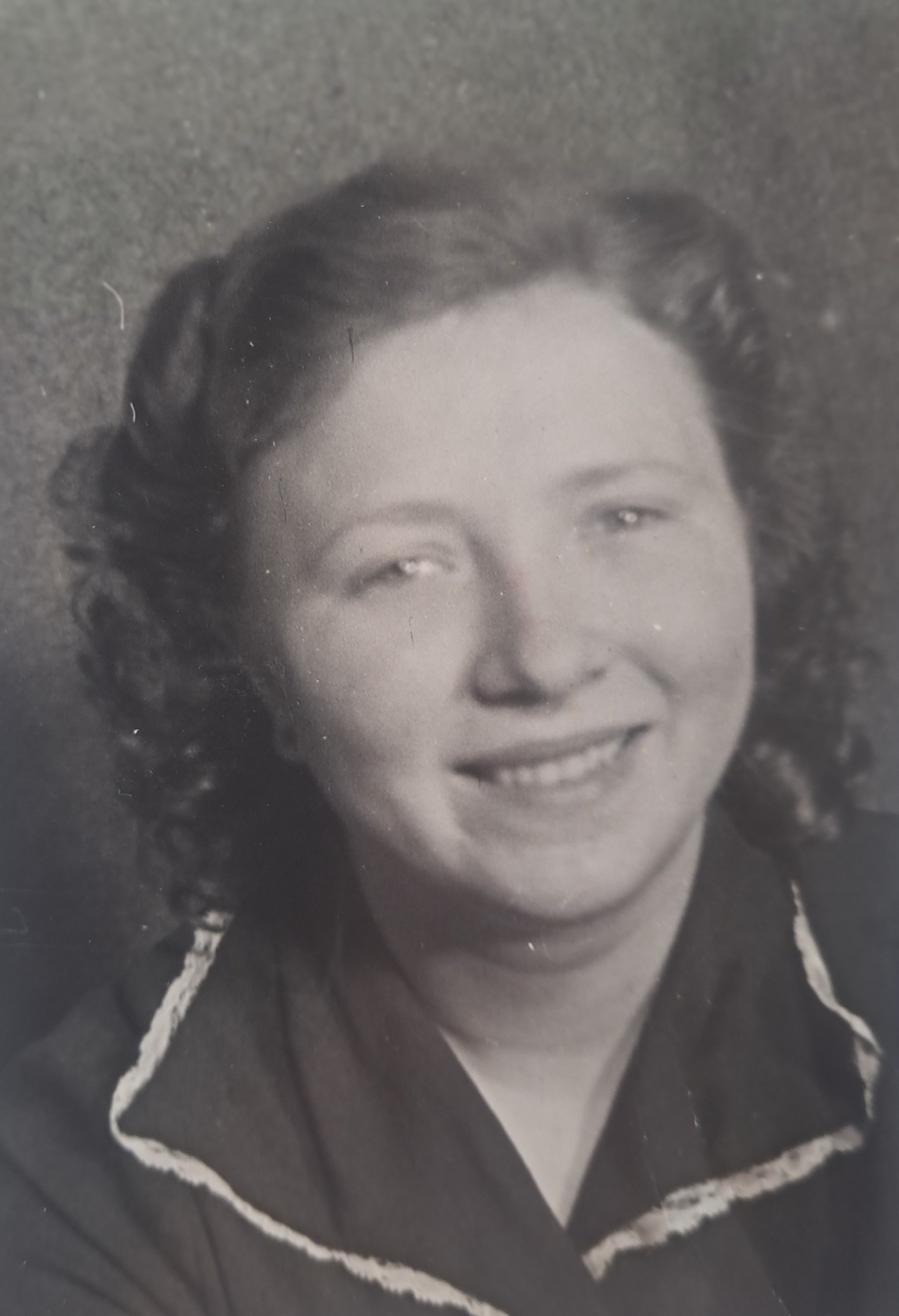
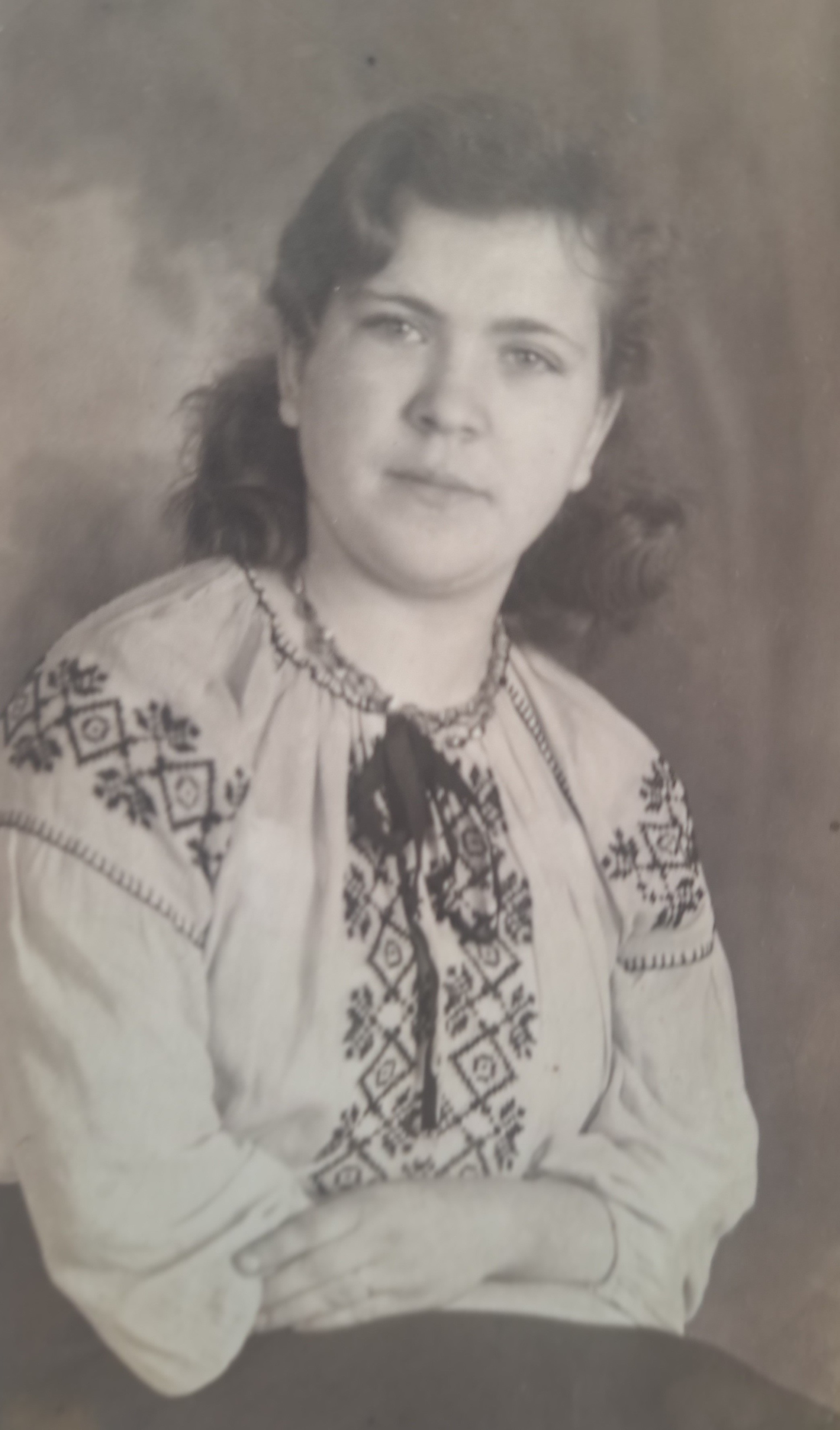
Anna Rajmová probably at the age of 16, 1951
zdroj: Witness´s archive

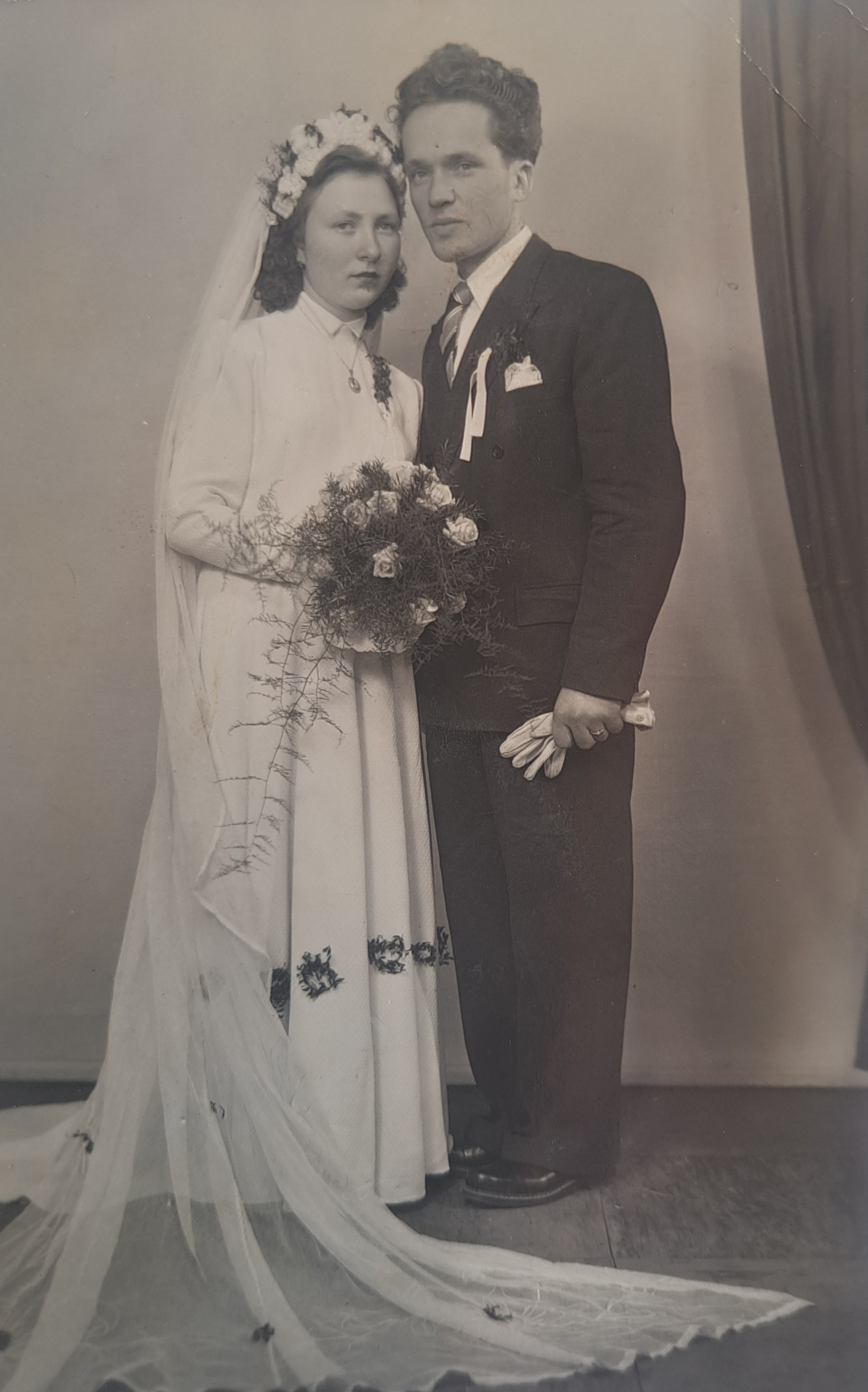
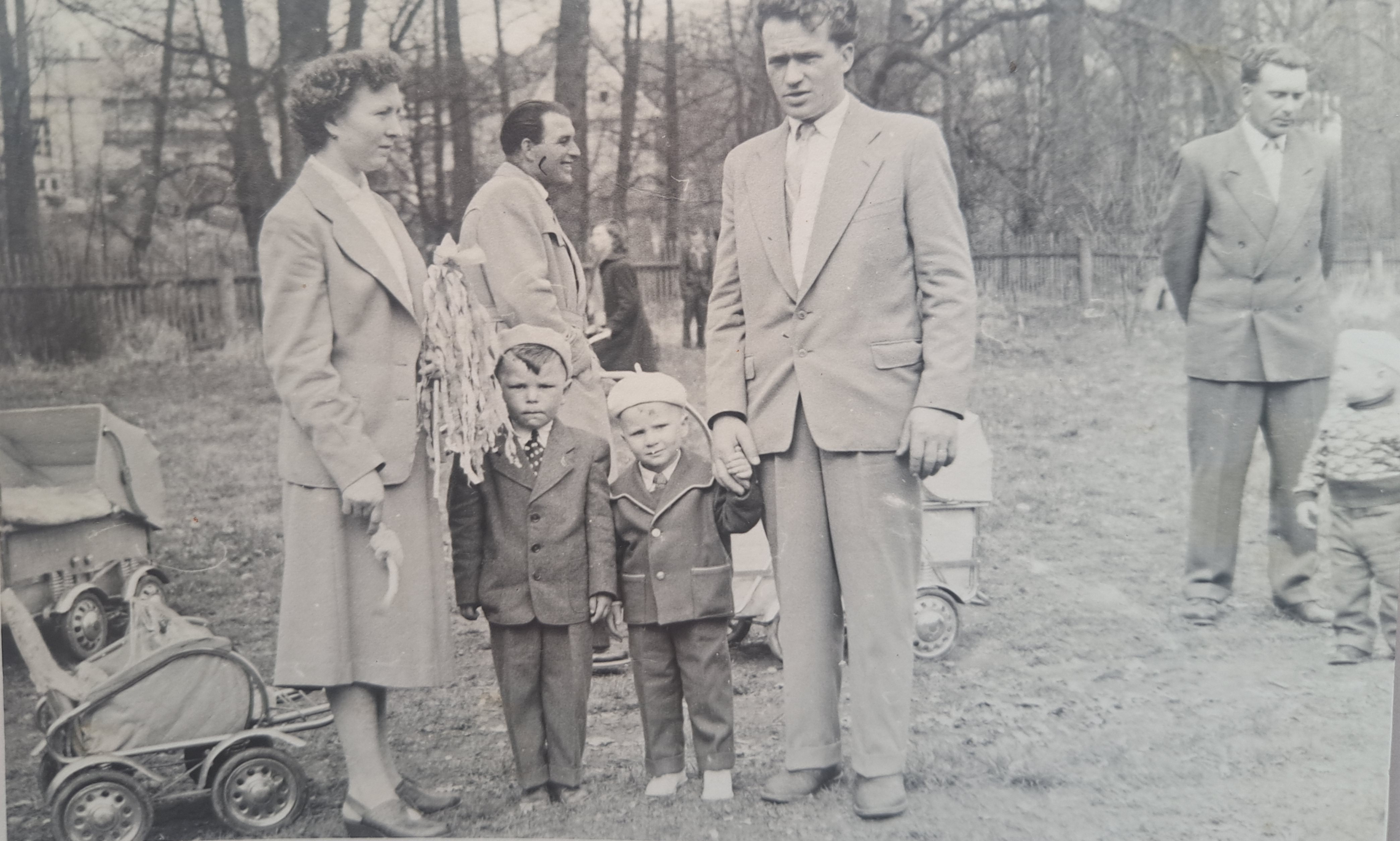
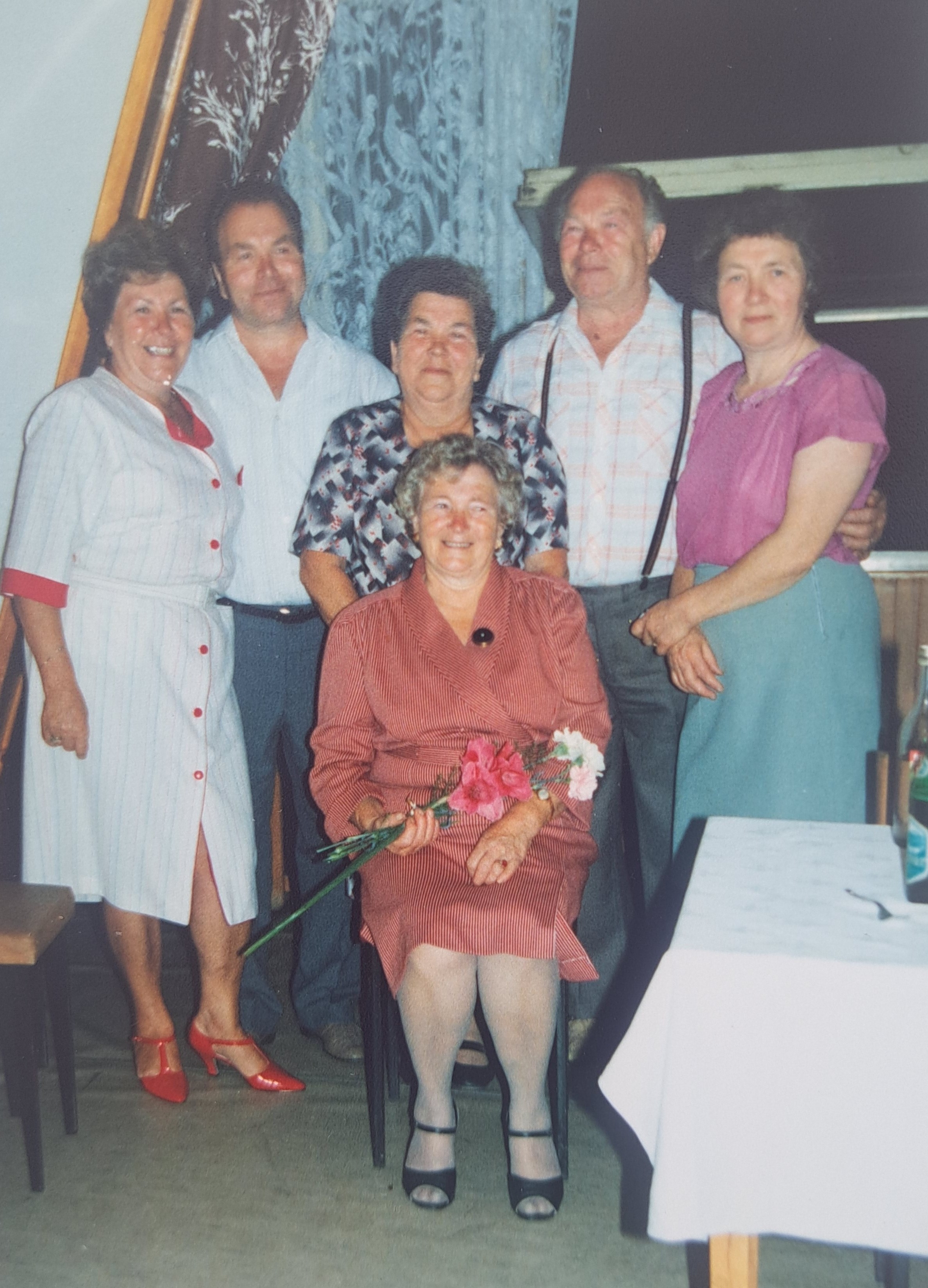
Anna Rajmova was born on 9 February 1936 in the village of Rajhorodok in the eastern Volhynia region of Zhytomyr, Ukraine. This territory belonged to the Soviet Union at that time. Anna‘s mother came from Poland, her father František Mužík had Czech parents. Six siblings grew up together in a house that their parents built with their own help in Rajhorodok. During the World War II, the family experienced various hardships - the sending of their daughter Bronislava to forced labour in Germany, the establishment of an infirmary for Nazi soldiers in their own house, and air raids on the village surroundings. She did not know about her father‘s Czech origin until she was ten years old. He revealed it to his children only when it was clear that the family would move back to Bohemia. They came to Dlouhý Újezd in the Tachov region in the second re-migration wave in the spring of 1947, when the witness was 11 years old. The family acquired a house here for use after the Germans had been expelled. Like many other Volhynian Czechs, the Mužík family was to settle the abandoned border area. In the Tachov region, the witness finished her schooling and became a hairdresser. She remained faithful to the town of Tachov in her future personal life. There she met her husband Jaroslav Rajm, also a Volhynian Czech, with whom she raised their daughter Květa and son Vladimír. Her daughter has already organized several joint meetings of Volhynian Czechs in the Tachov region.