Monika Proche

* 1967

  • "We had a [room] where everyone would meet and sign the sheets. I went to work on Monday [to have my colleagues sign one], and just about two hours later, I was taken in detention again for three days. No food, just some water. The officer [stood mostly] behind my back and it took a lot of ridicule and an occasional bruise, just trying to instill fear in me. I didn't know what was going on outside. Then I found out it was good; they put me back to work and by then I knew something was going on and they were worried. I also did quite a stunt convincing the local Communist Party chairman to quit. He was a nice man and no communist; he was just scared. His brother had left the country and he was trapped. I told him, 'Look, just quit tomorrow. You need to quit because otherwise it will haunt you all your life. You may be a hero now, but not afterwards.' He came the next day and was very angry with me. He said he hadn't slept all night but was going to do it for me. He quit and ventured into uncertainty. Eight more people quit [the party] at the residential authority afterwards. I really went for it; I gave it my all."

  • "We took a train to Znojno; it was called the Dyje Express. Many people want that train back; it was the perfect service. I went with my young son and he sprained his ankle. Walking from the station, I was carrying him and Roman went to meet us. We couldn't call each other to tell what happened; there were no cell phones or anything. As we were walking, suddenly a police car pulled up. They threw my husband on the ground and asked for his ID. He just told them, 'You took it from me yesterday, I don't have it.' That was the first time I really stood up to them, and not meekly. I replayed it to my colleagues today and they laughed hard. I just started shouting at them like: 'What do you think you're doing? Don't you have kids too? What's our kid going to think? His leg is injured. Now get in the car, don't show up again and give Roman his ID by the end of day.' I basically didn't know what I was doing, but they actually brought the ID back in the evening. It was some person other than those who busted us, but it was unpleasant."

  • "One day - it's a strange story but this is how it began - my friend [Helena] and I went to Prague. We hitchhiked via Liberec, which is weird, and we went to Prague from Liberec. In Prague, my friend got off the metro early and got lost. I'm giving you all the details because it's a funny story. Searching for her, I eventually got to a Plastic People gig. You know what I mean? That's just unreal. Now, three months later, a teacher knocked on the classroom door back at school. He was one of the toughest [teachers] and I could see the terror in his face; something was obviously wrong. I went outside and there was Helena standing there. I told her to just tell the truth; we didn't do anything wrong. I knew I couldn't mention the Plastic People. We were taken away to be questioned. We were sitting there with the prostitutes from Děčín. I remember that because they asked us if we did that too... It was an unreal experience for me."

  • Celé nahrávky
  • 1

    Liberec, 27.03.2025

    (audio)
    délka: 01:33:59
Celé nahrávky jsou k dispozici pouze pro přihlášené uživatele.

Being punks, they wouldn‘t let us get married anywhere
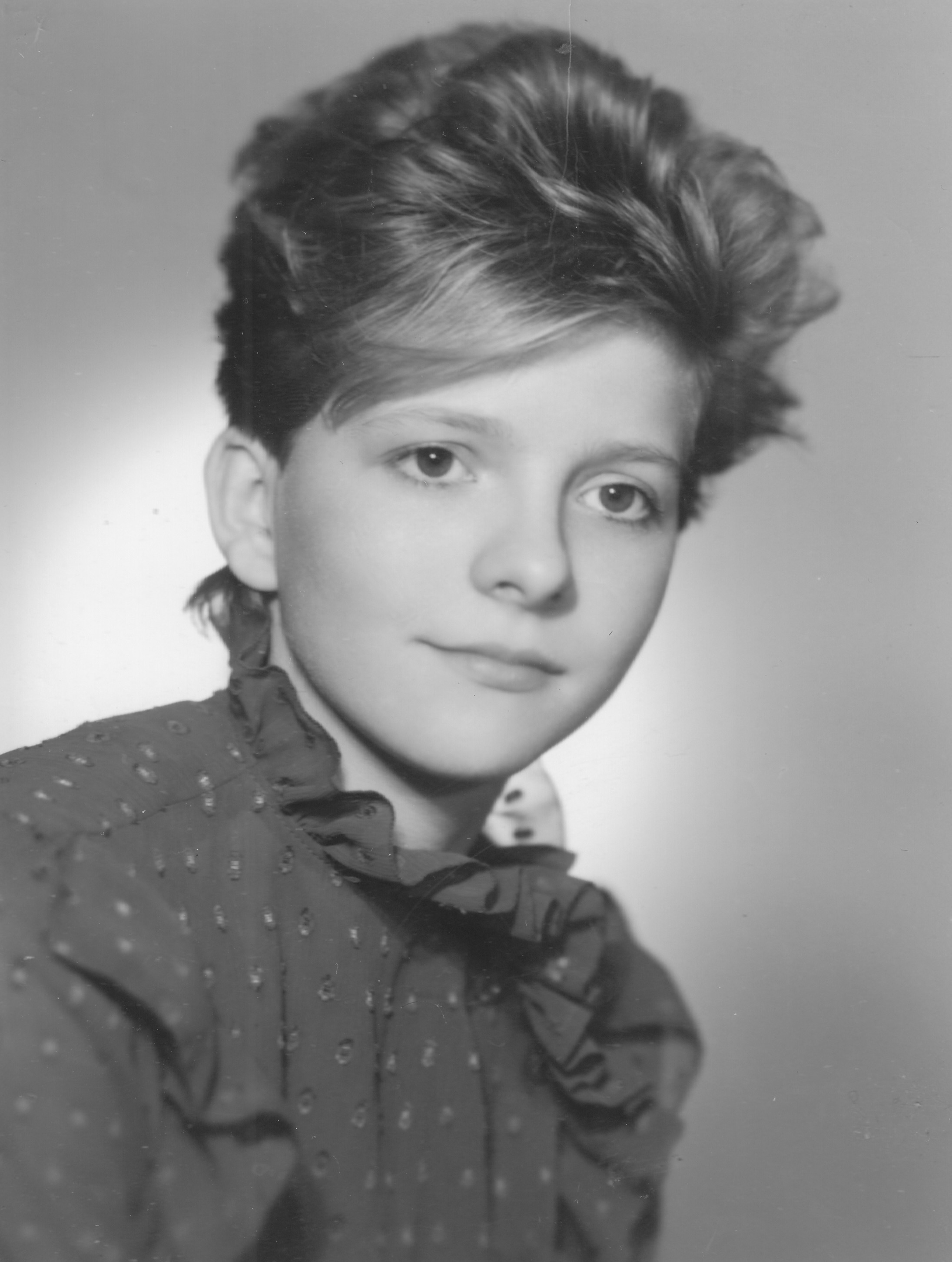
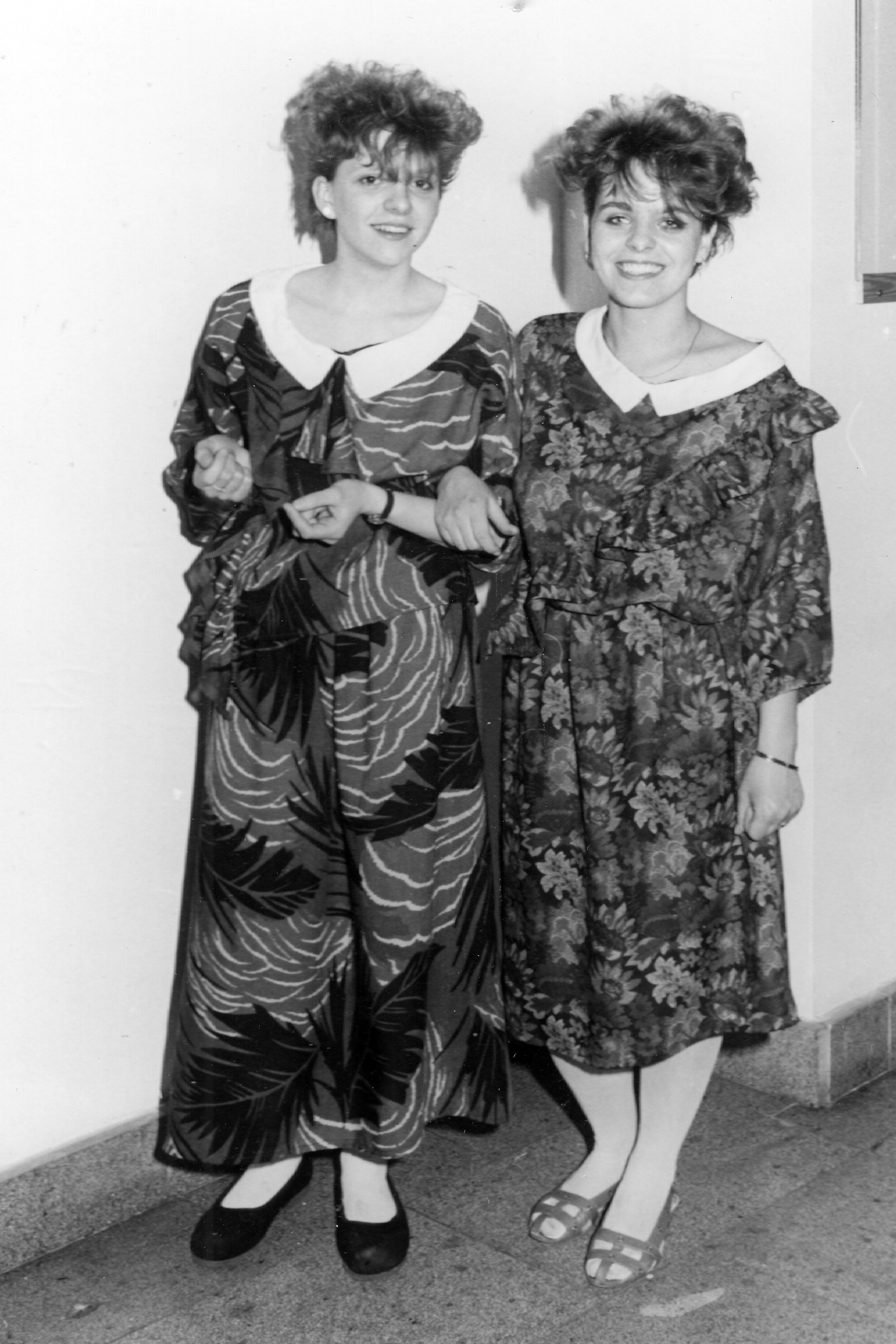
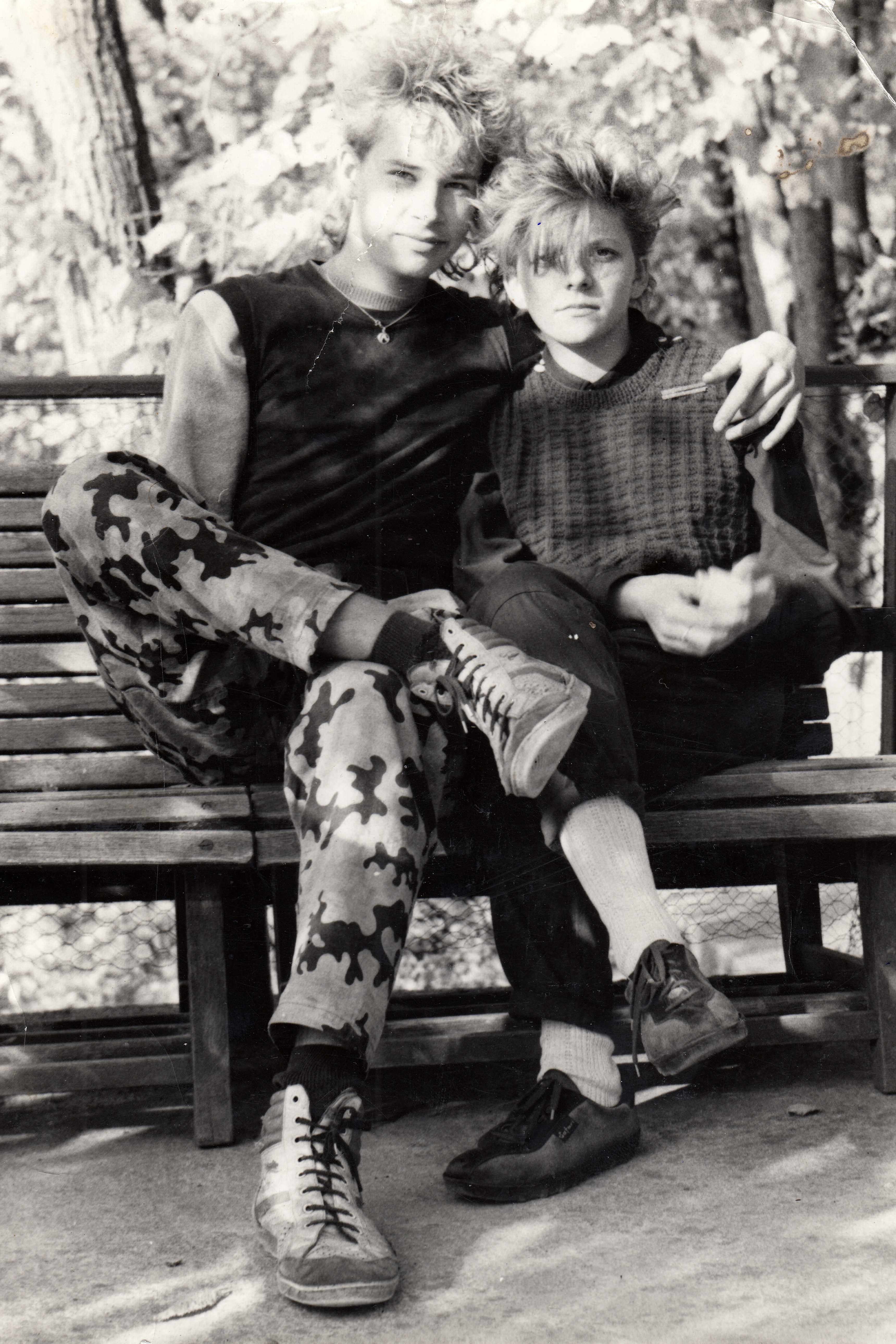
Monika Proche in 1985
zdroj: Witness's archive

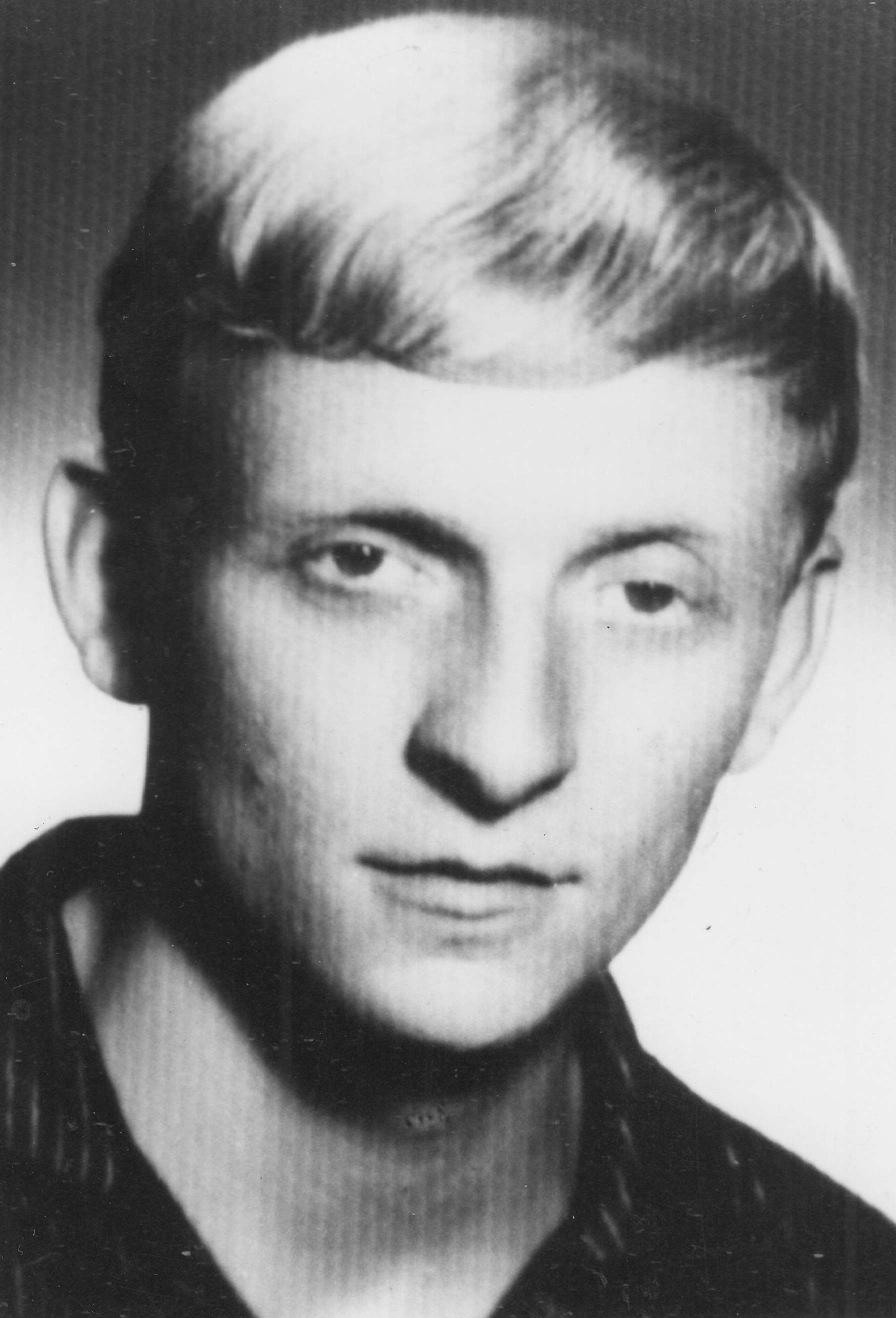
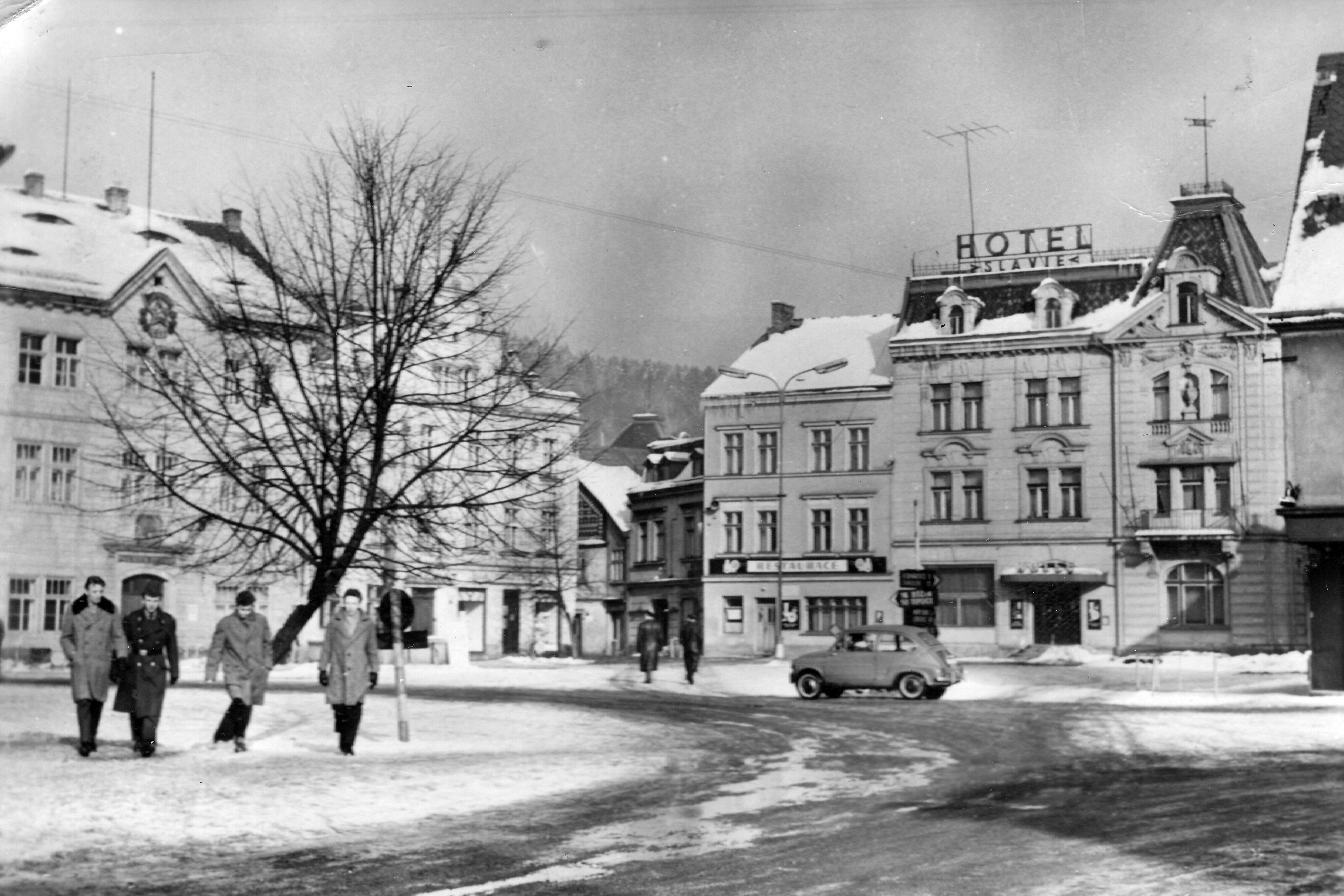
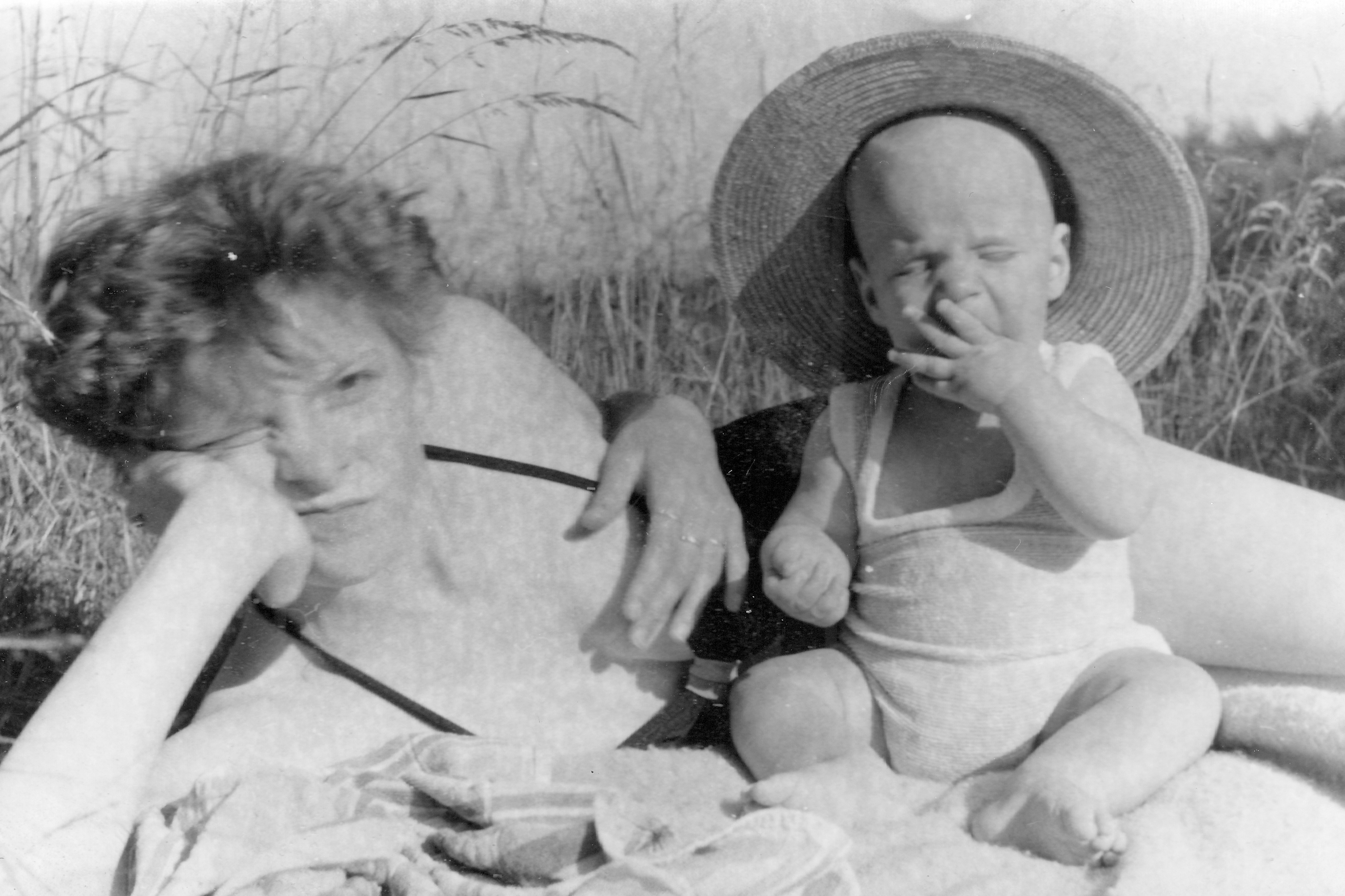
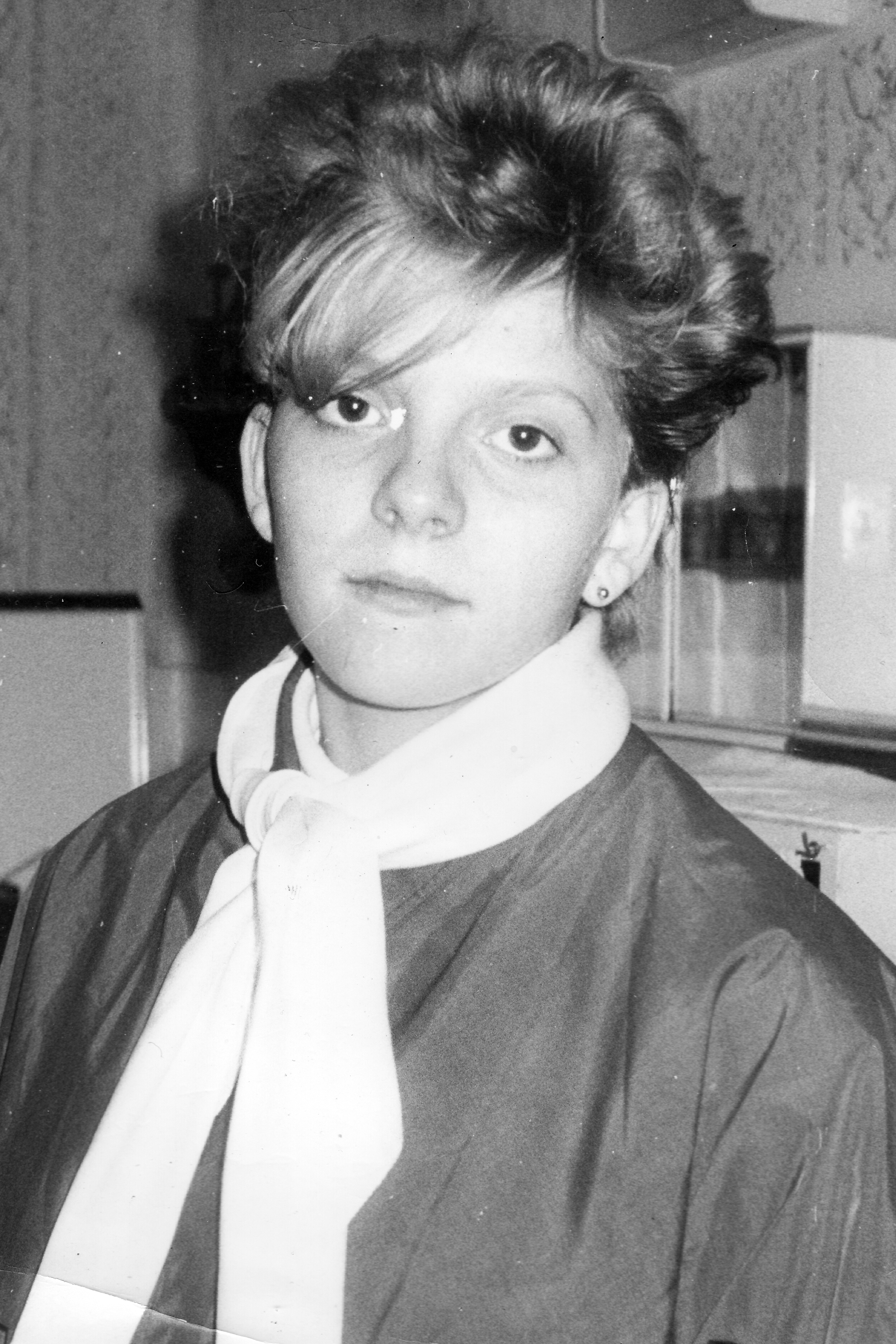
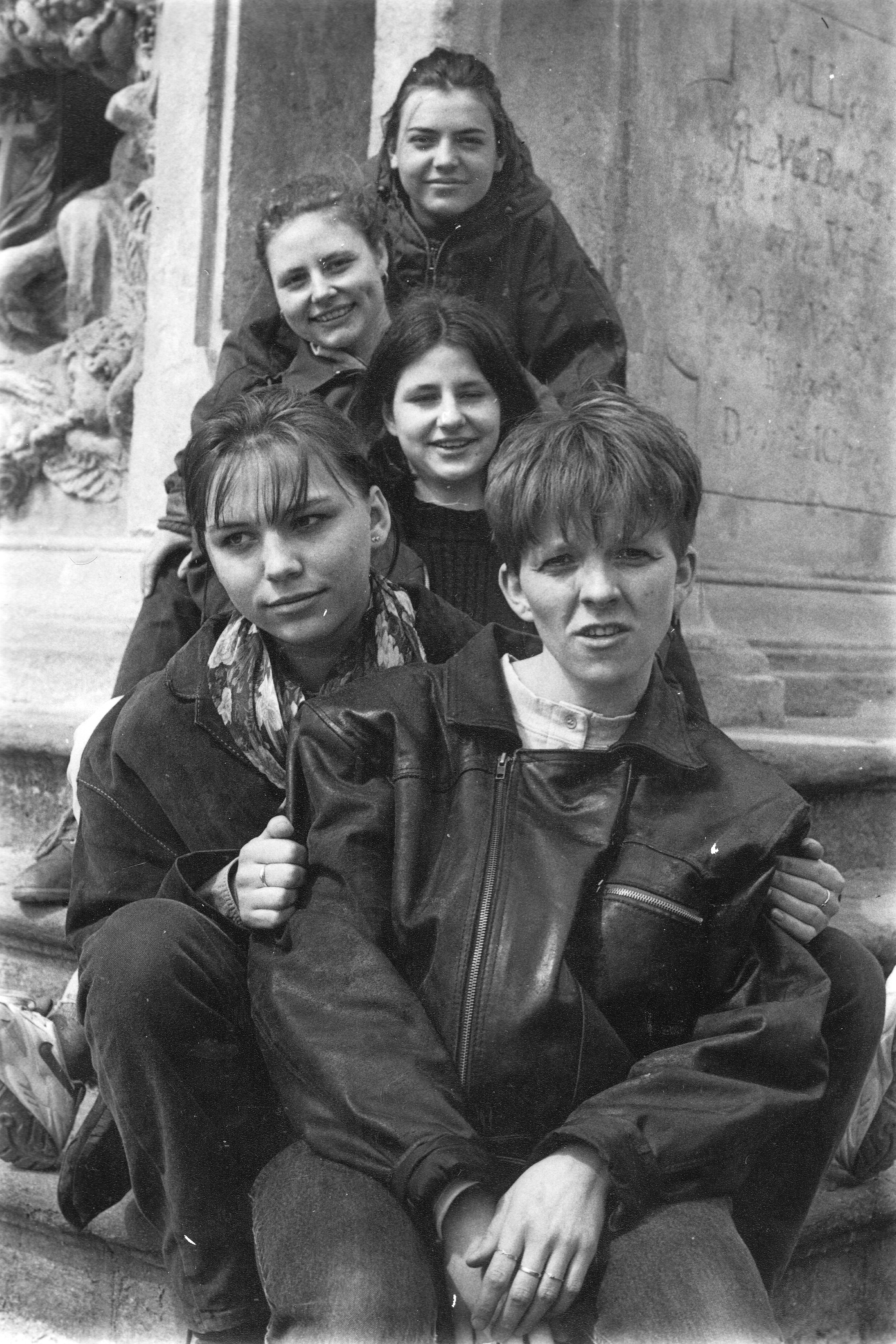
Monika Proche was born in Děčín on 6 February 1967. Her father was strongly involved in anti-communist activities, and when she was four years old, he died in a forest under unexplained circumstances. Her mother then went through harsh State Security interrogations and with her daughter faced a life on the margin of society and a permanently impaired cadre profile. In spite of this, thanks to kind teachers, Monika Proche was admitted it to a high school of economics where she began developing her distinct style and inclined towards punk during her studies. In addition to two Sex Pistols concerts in Dresden, she also got to see The Plastic People of the Universe perform in Benešov near Prague in 1984. Shortly after completing high school, she met her future husband Roman and joined a South Moravian punk band‘s community. Being punks, they endured the unwelcome attention and power trips of the security apparatus, and in 1989 they immediately became involved in the revolution. They distributed banned literature, collected signatures for petitions and passed on information about the developments in Prague. After the Velvet Revolution, Monika Proche became involved in local politics as a Znojmo municipal deputy and helped primarily with social issues. As a missionary and humanitarian worker, she helped children from Ukraine and China for fifteen years. At the time of filming (2025) she lived in the village of Branžež near Mnichovo Hradiště.