Petr Procházka

* 1963

  • “There were various petitions, support this and that, A few sentences and so on, I would go around construction sites and say: ‘Guys, I’ll leave you something here, if you like it, sign it. I'll come back for it later.' So I collected signatures and sent it to Prague. But I kept it in the Avia under a blanket because it wasn't filled up yet. But the transport manager, Mr. Weber, always took the papers and gave them to State Security. I found out about it and said, ‘Mr. Weber, I had some personal things here.’ And he said, ‘Where?’ ‘Well, here under this blanket.’ ‘Oh, you mean those anti-state pamphlets? I took them to the appropriate authorities. It was my civic duty.’ And I said to him, ‘Mr. Weber, do you know how that makes me feel?’ – And he says, 'Well, how?' – And I say, 'Well, if I had a bag with my wallet here, I'd now only have the bag left.' And he says, 'Are you saying I'm a thief?' – 'Yes, you are. You stole something from me, it was mine.' – 'Those were anti-state leaflets, I'll have you locked up!'"

  • "Because we were already well known, we were among the people they wanted to get rid of during important anniversaries in August and January. They usually picked us up and put us in preventive detention. They could keep us there for 48 hours. That happened to me a few times. Then they had peace of mind because I couldn't demonstrate anywhere. At that time, however, I was on sick leave, so they thought I would be at home. But I went to Pilsen—it was on the anniversary of the liberation of Pilsen by the Americans, organized by Honza Rampich. We had to prepare speeches because not everyone manages to get there. So that at least some of us could speak. I had it ready, we were there an hour and a half early. We were standing in the square, there were men with open umbrellas, even though it wasn't raining, looking into an empty shop window - we knew right away what was going on. We wanted to hide from them. We went into a building, but we forgot to check where the emergency exit was. They rushed in and arrested us. They immediately hit me. They interrogated us. We claimed we were there on a trip, they wanted to see my ID. ‘Oh, Mr. Procházka, a well-known name. You must know Mr. Hadrava and Mr. Kábrt.’ There was a strange man there who was photographing everything from the bushes. He said he was taking pictures of the sights. I said, ‘These apartment blocks, right?’ And they said, 'You are expelled from the city of Pilsen with immediate effect. Leave the city of Pilsen.' I said I had no way of getting to the station. They took me to the station in a Zhiguli, I had to buy a ticket in front of them, they walked me to the platform and waited until I got into the carriage. The train started moving and they left. But I jumped out on the other side before it picked up speed. And half an hour later I was back at the square."

  • "I got beaten up in Brno, where I used to visit [Petr] Cibulka, who had his own recording studio there. Back then, there were so-called cassette tapes. You would buy blank cassettes, give them to him, he would record the bands, then you would have a twin tape recorder at home and play it back, which is how music and spoken word were reproduced. Well, one day we were walking around Brno. Suddenly, two cars pulled up, Zhiguli cars, and some guys jumped out, threw us into the car, me and my friend, and threw two other guys into the other Zhiguli and drove off. They started beating us in the car. And I said to them, 'Gentlemen, you could at least introduce yourselves.' And he said, 'You're pretty cheeky.' And I said to him, 'According to Section 90, paragraph 2b, that's abuse of public office, and that's two years added to your sentence.' 'Oh, the little guy knows the law? Here you go.' They beat me up like a snake. The other one kept quiet. Then they drove us to somewhere near the Brno dam. And they kicked us out. It was already dark, and suddenly I said, 'Where are our documents?' When they drove off, the documents flew out of the car. And now, how are we going to get to Brno? So we walked to some village, Kunčičky. We went to a pub there and said, 'Please, we need to get to the center, to Brno.' There was a jolly village guy with a belly who said, 'I'll take you when I finish my beer.' He took us to Brno on his tractor."

  • Celé nahrávky
  • 1

    Karlovy Vary, 29.05.2025

    (audio)
    délka: 01:44:16
    nahrávka pořízena v rámci projektu Stories of 20th Century
Celé nahrávky jsou k dispozici pouze pro přihlášené uživatele.

You‘ll go to the madhouse and we‘ll put your child in an orphanage.
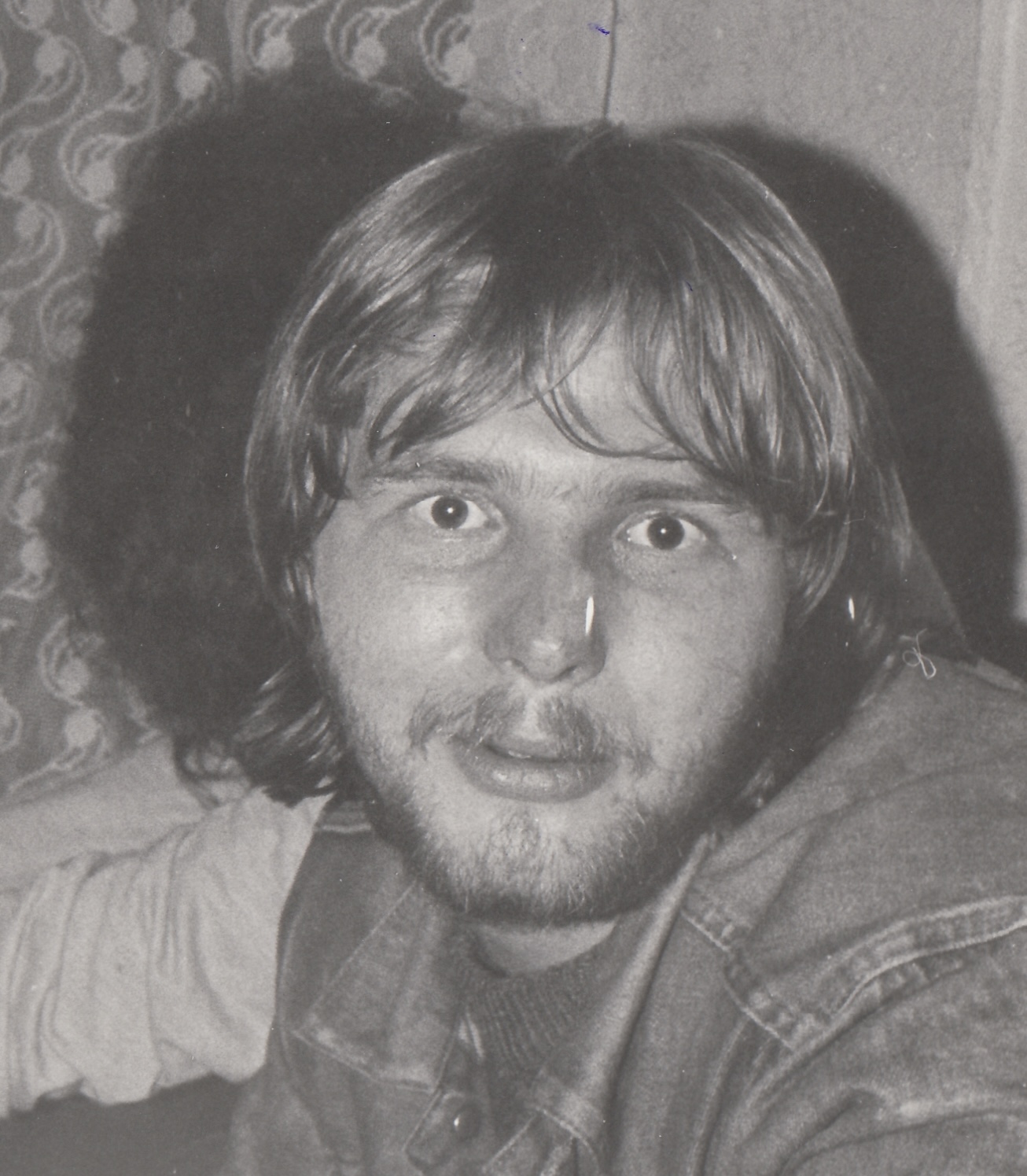
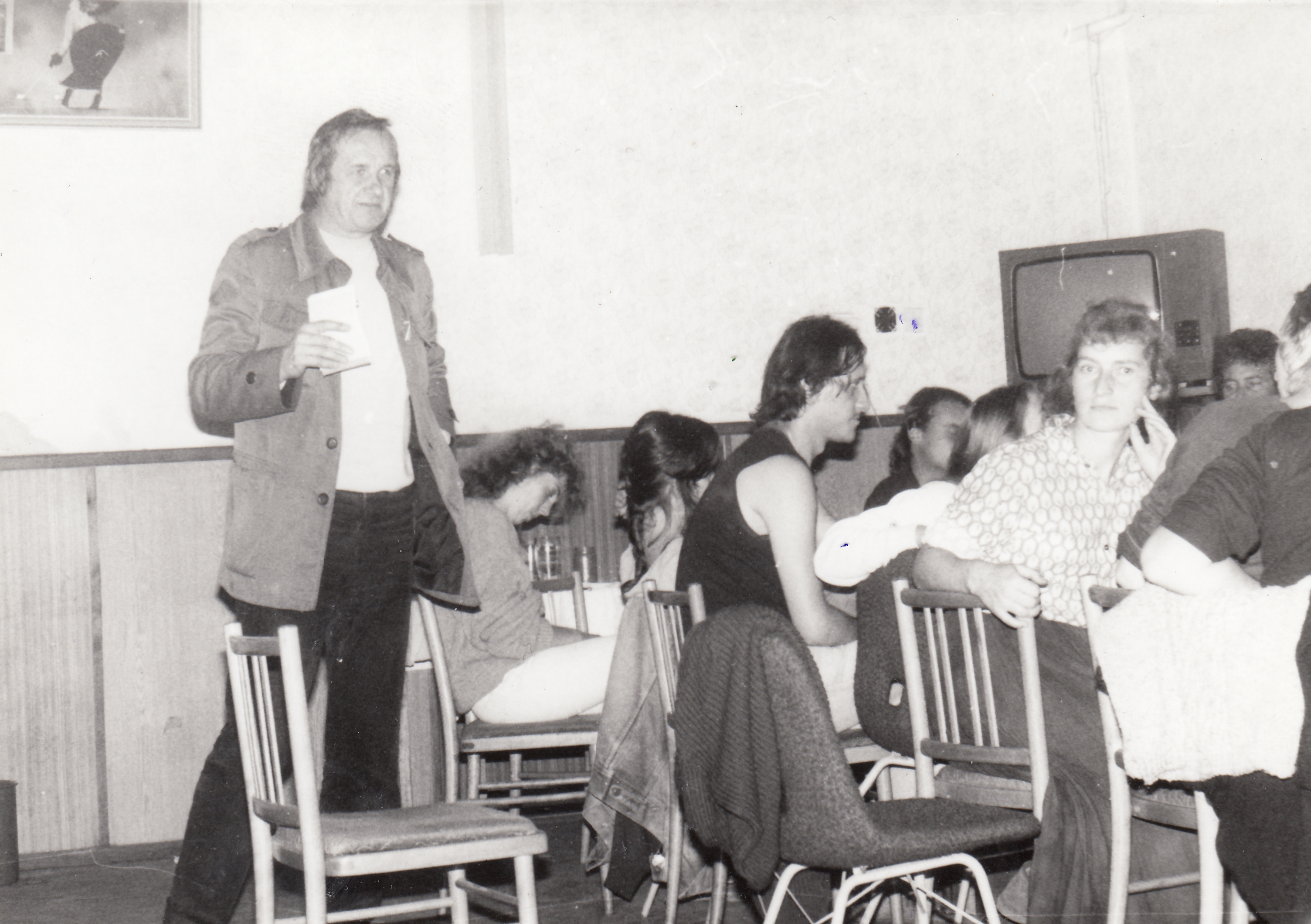
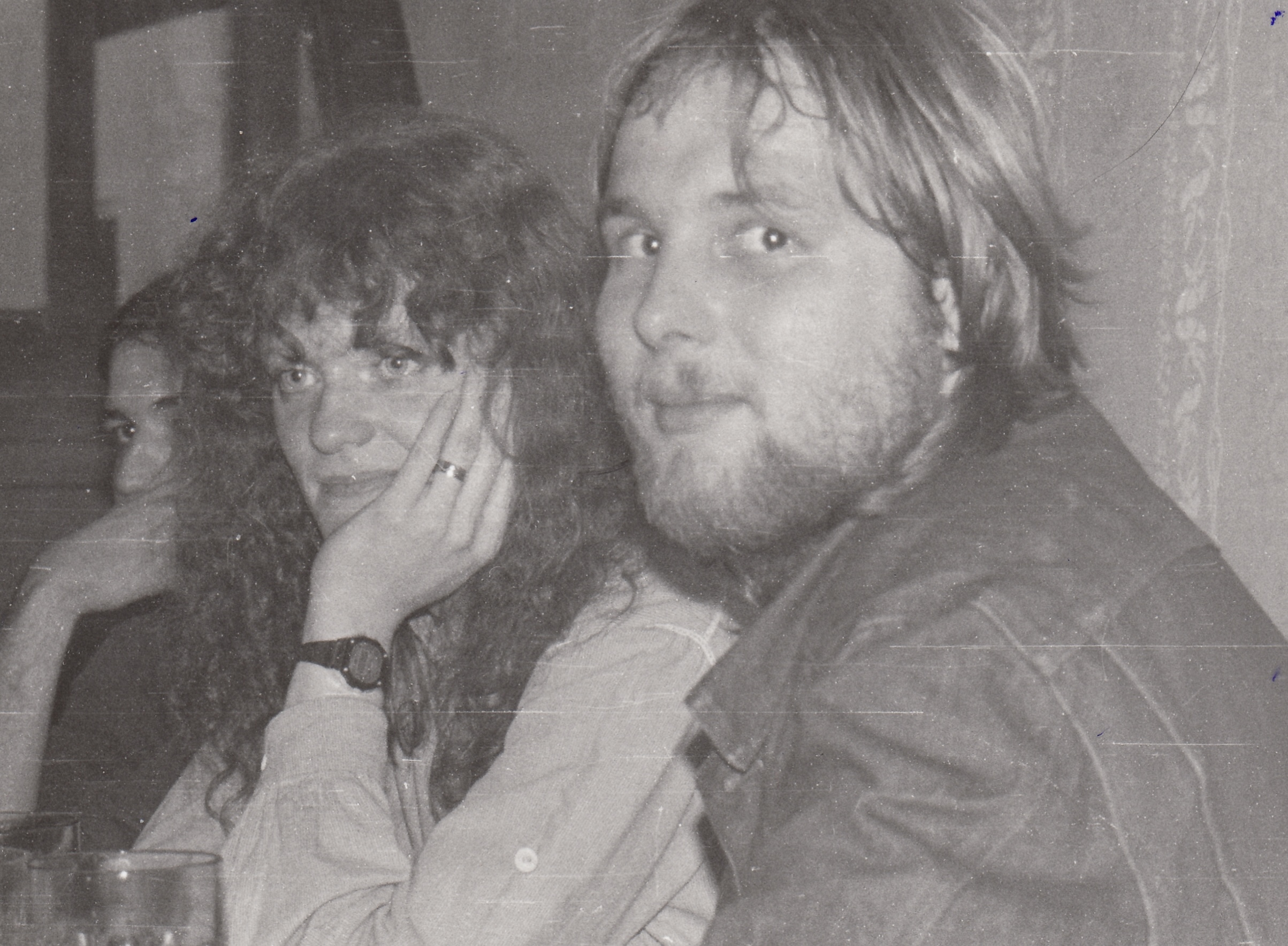
Petr Procházka in 1987
zdroj: witness archive

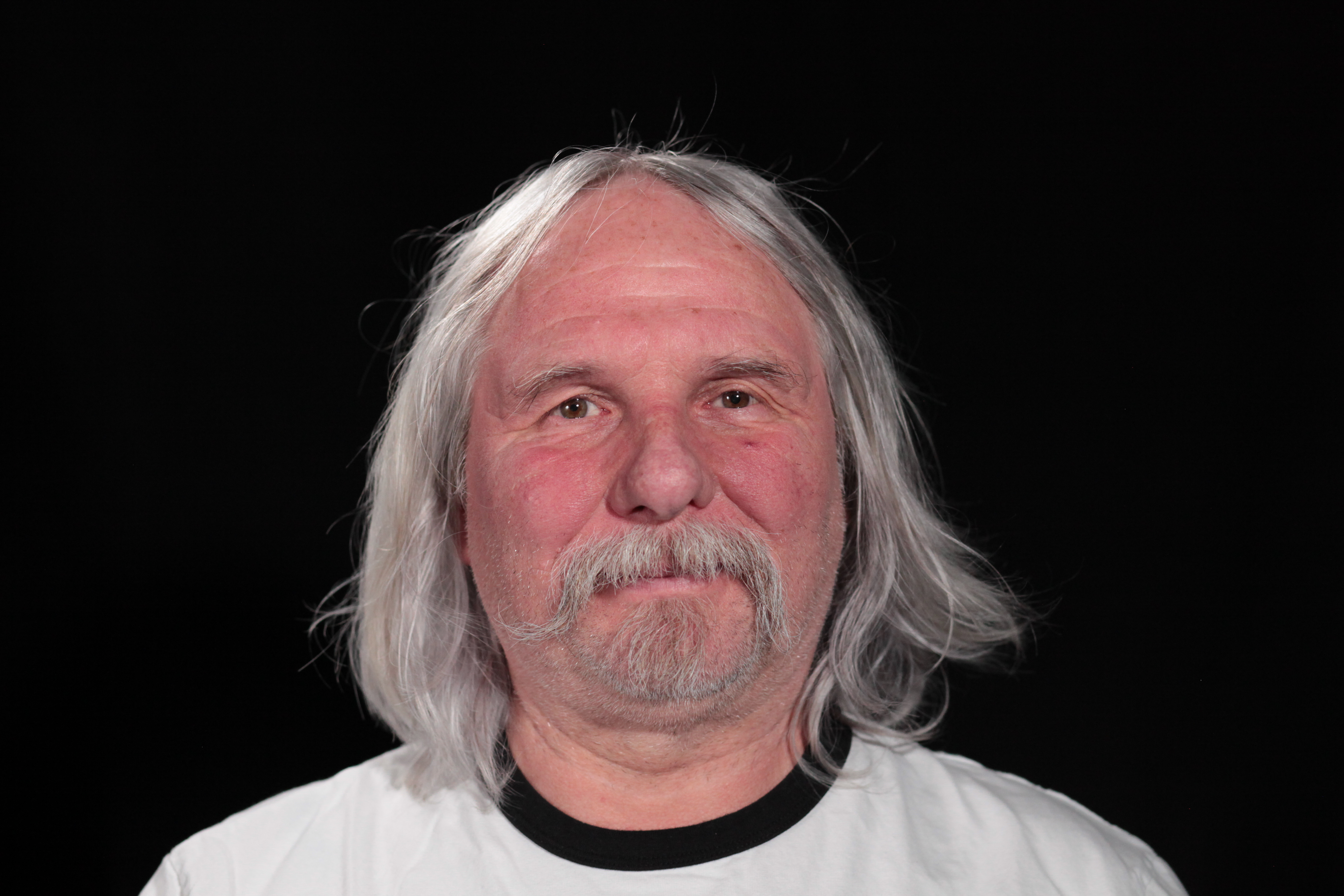
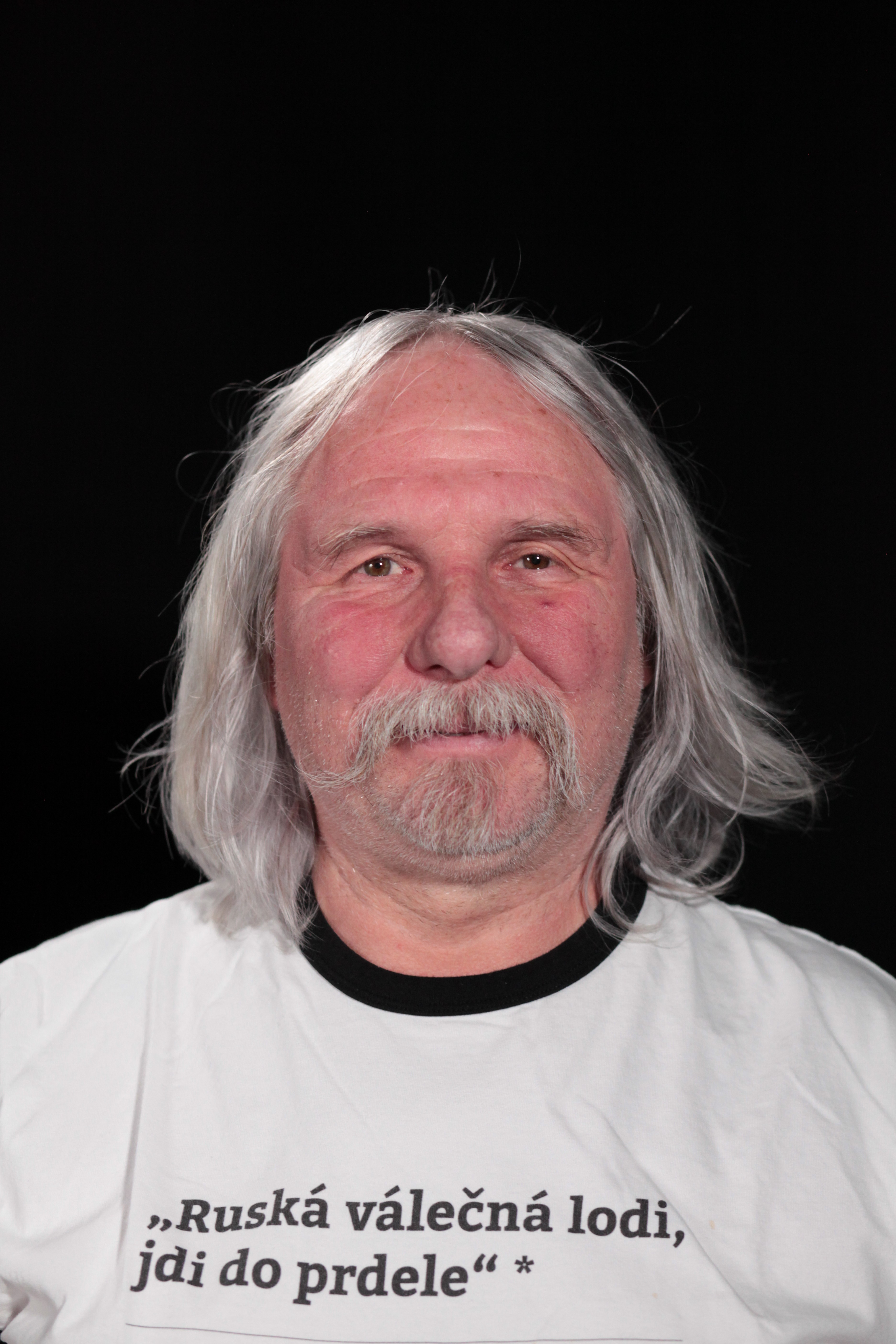
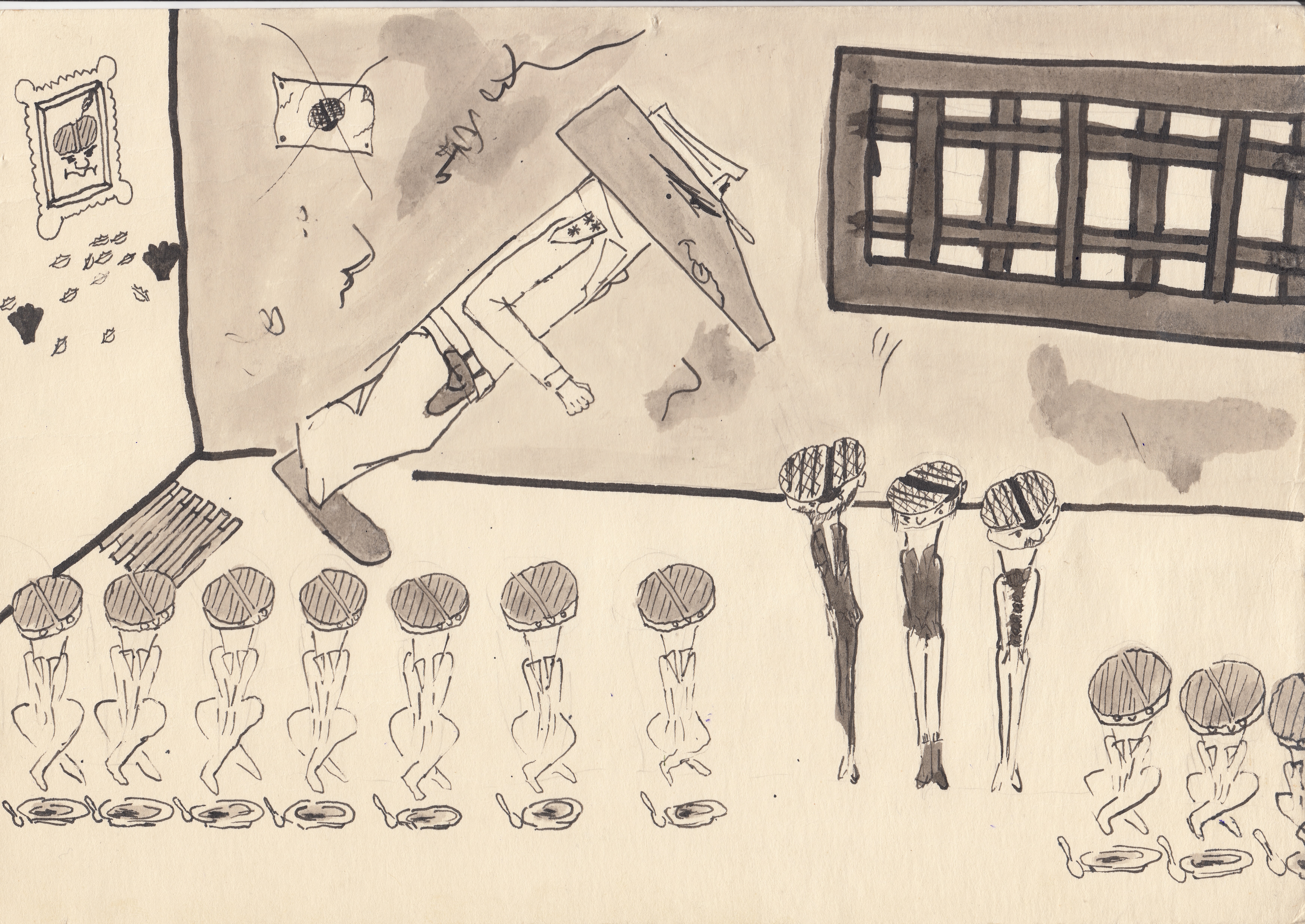
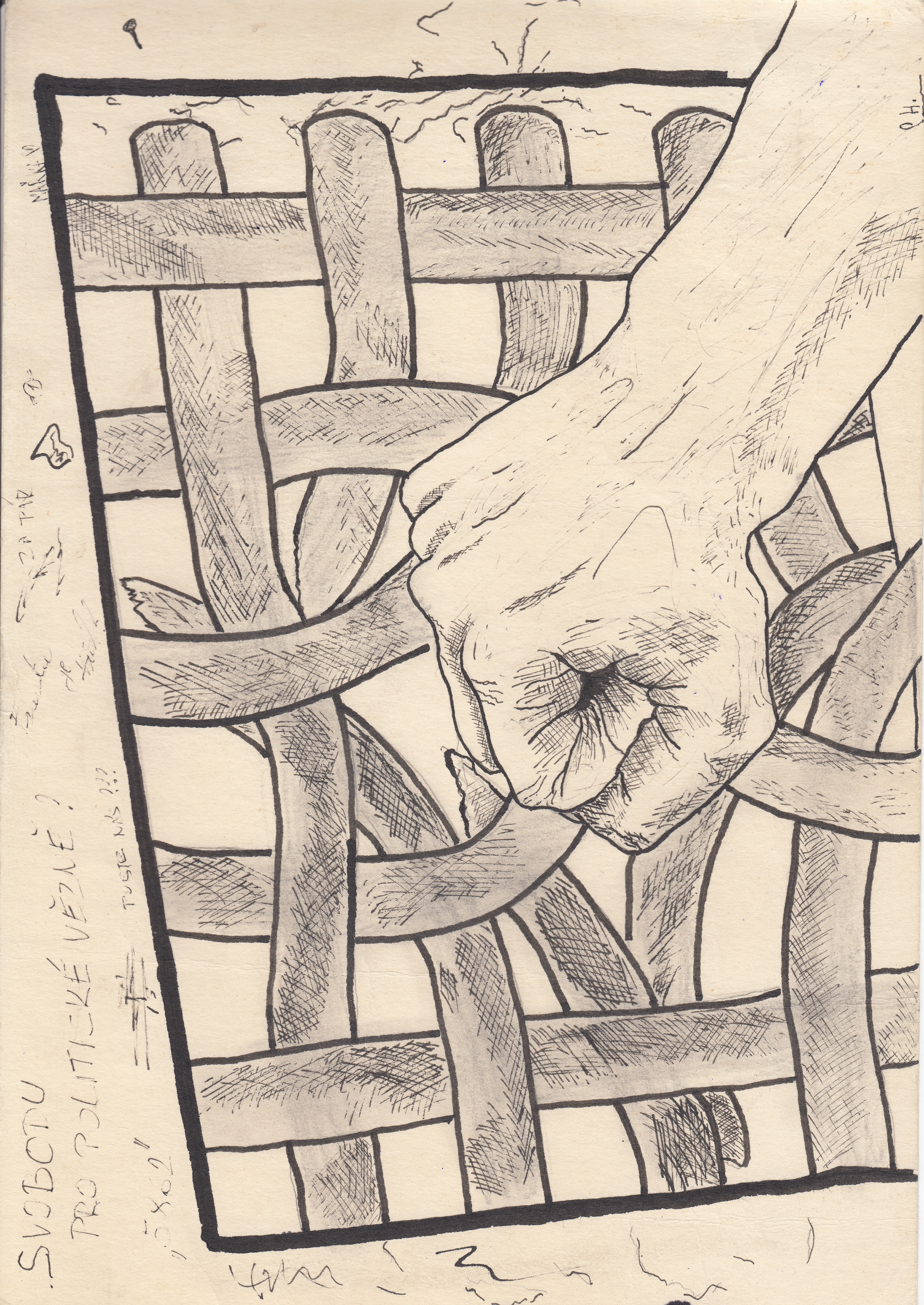
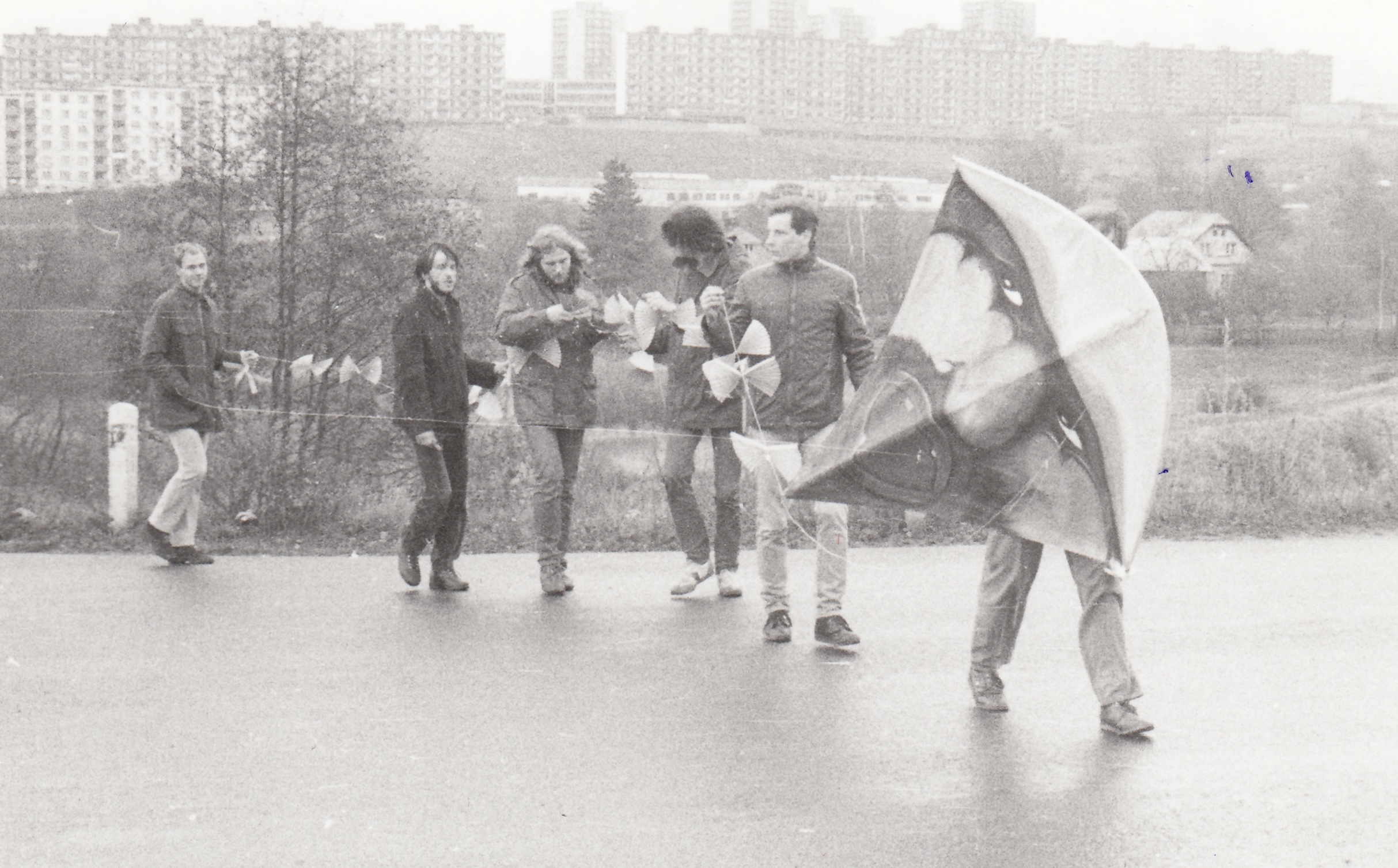
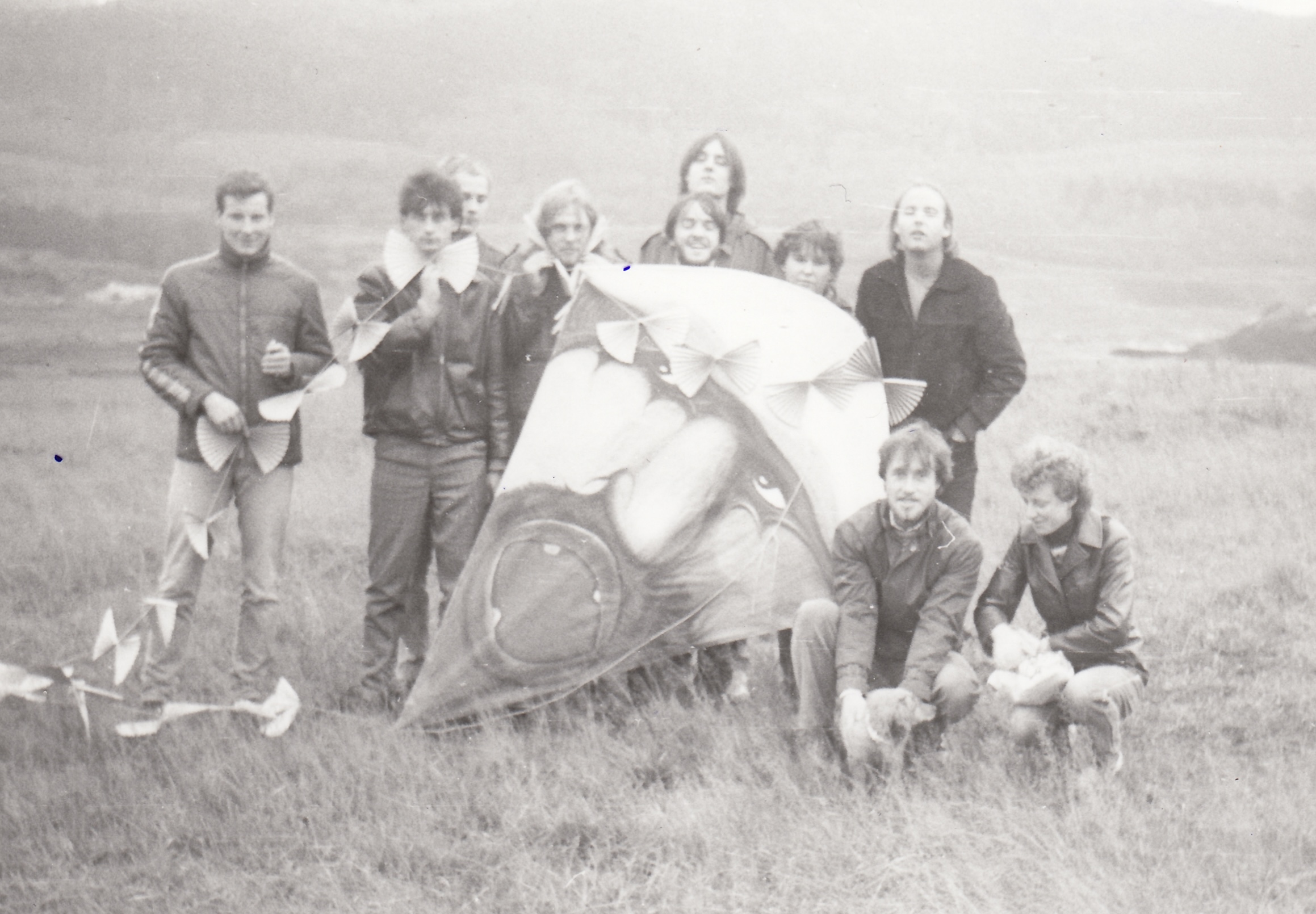
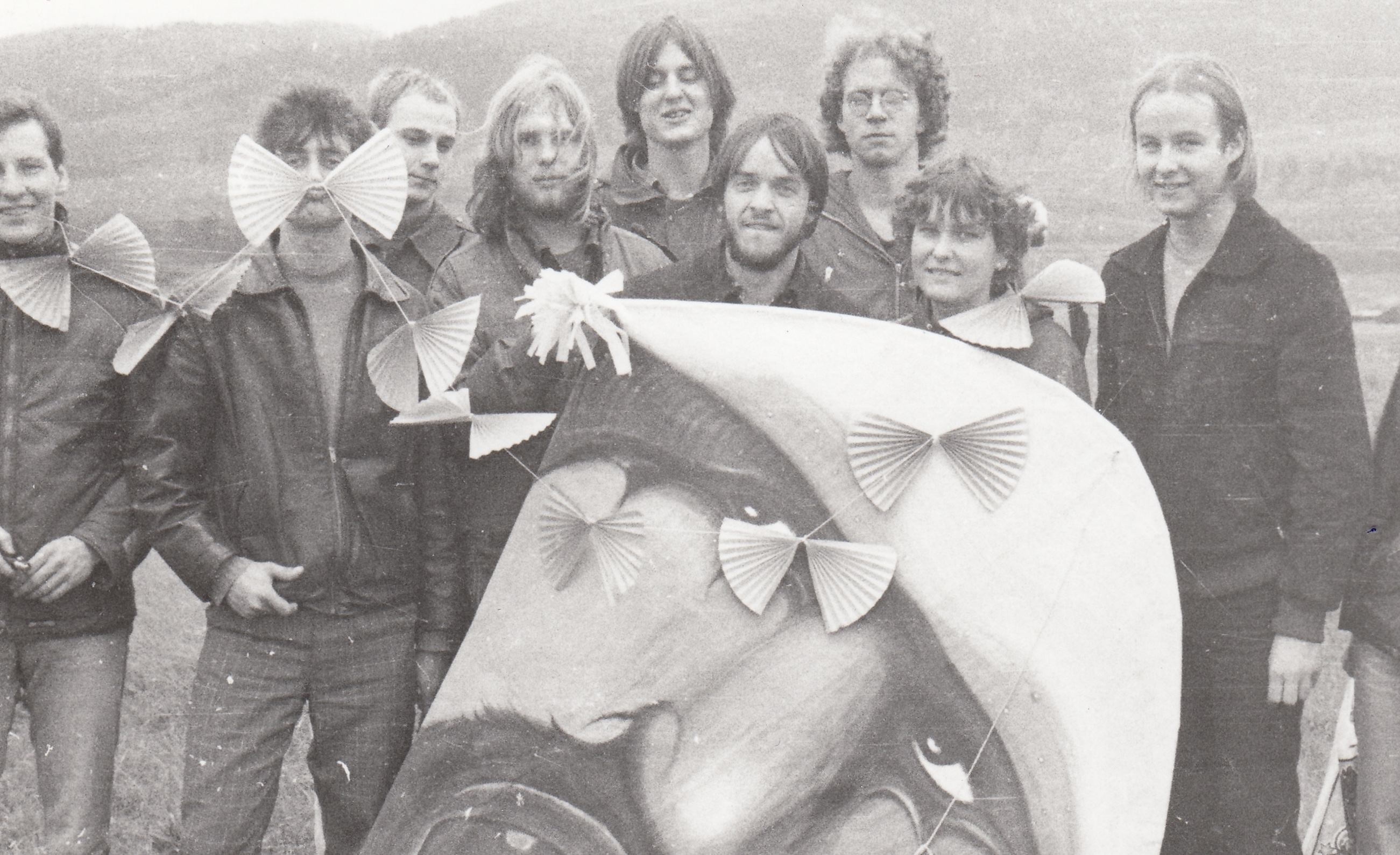
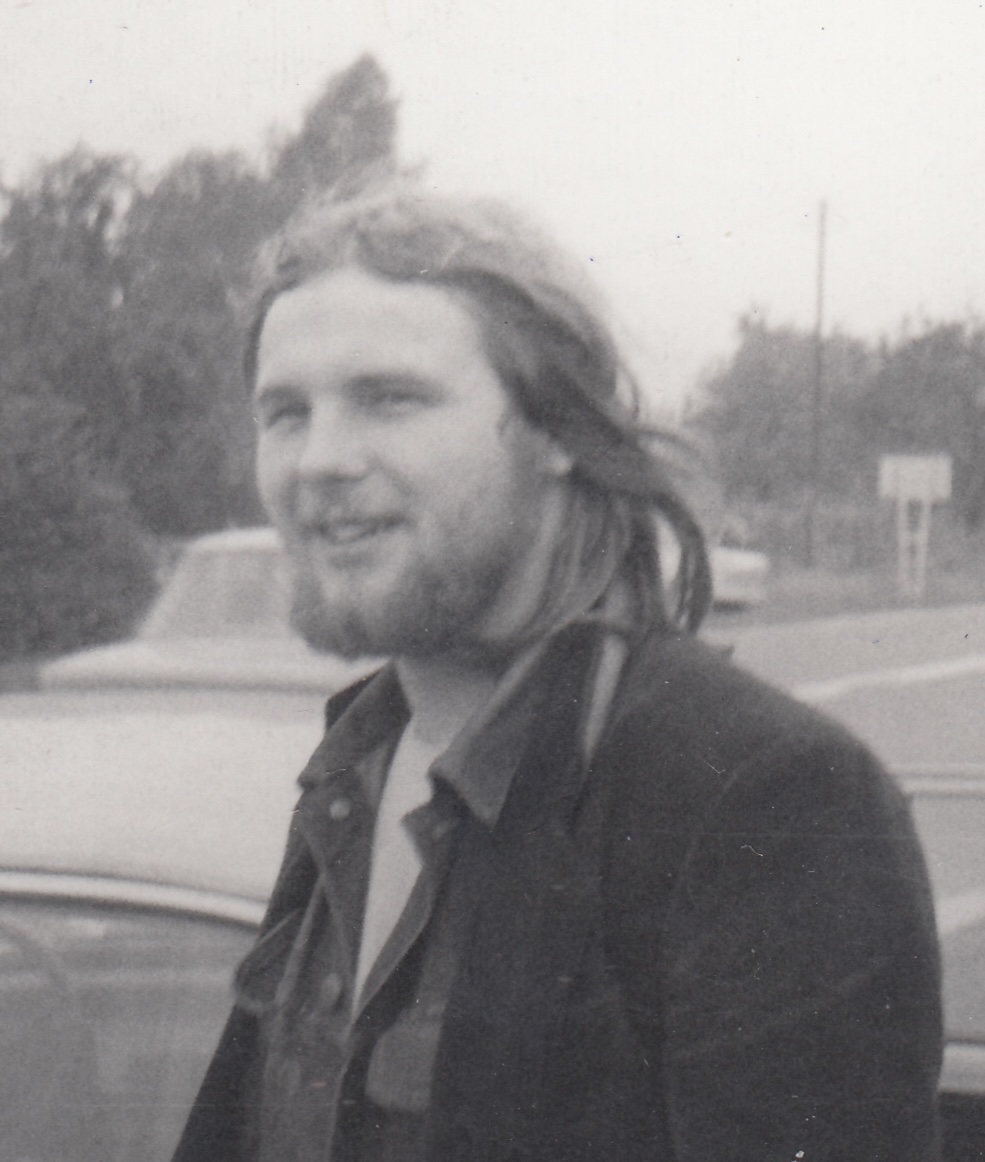
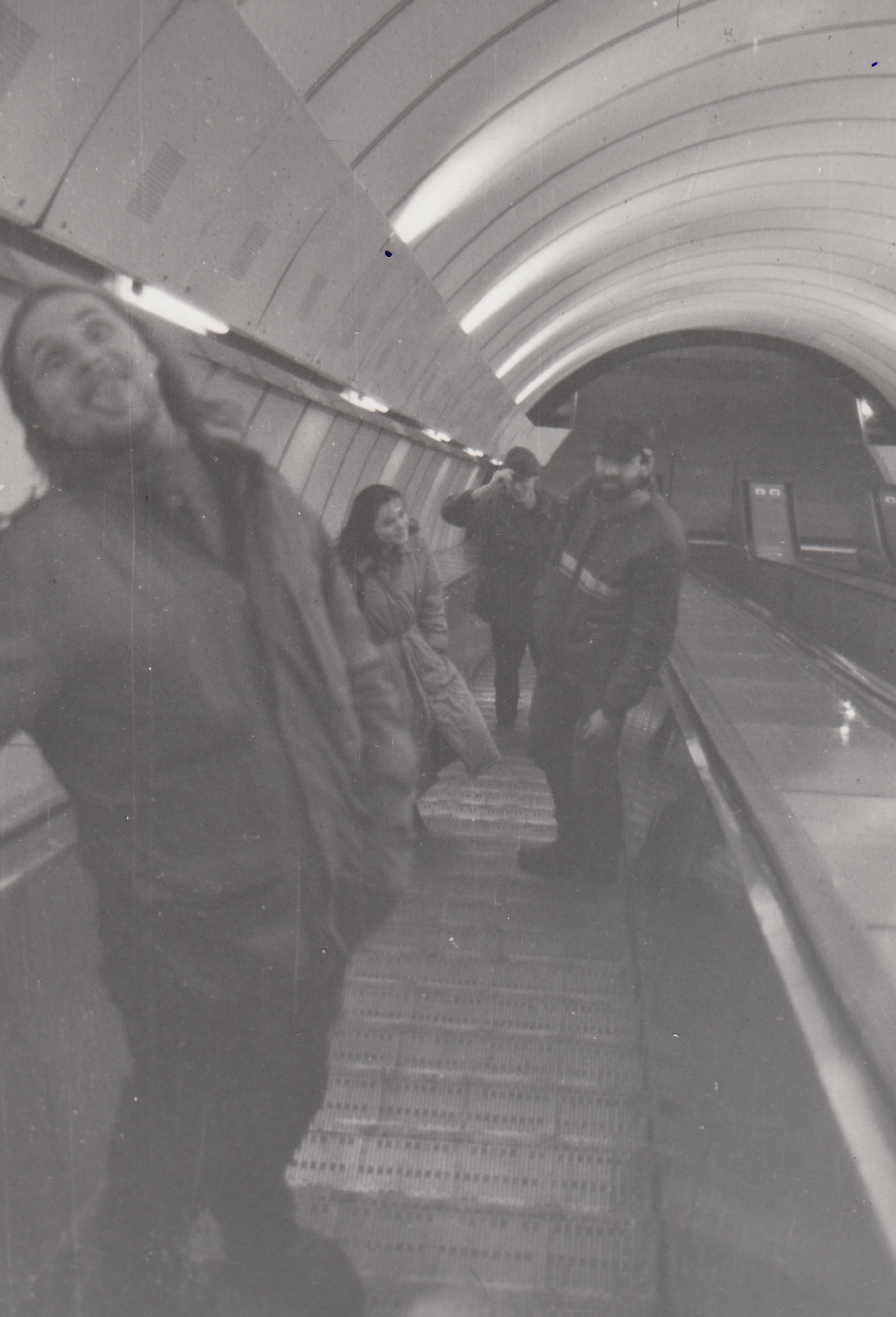
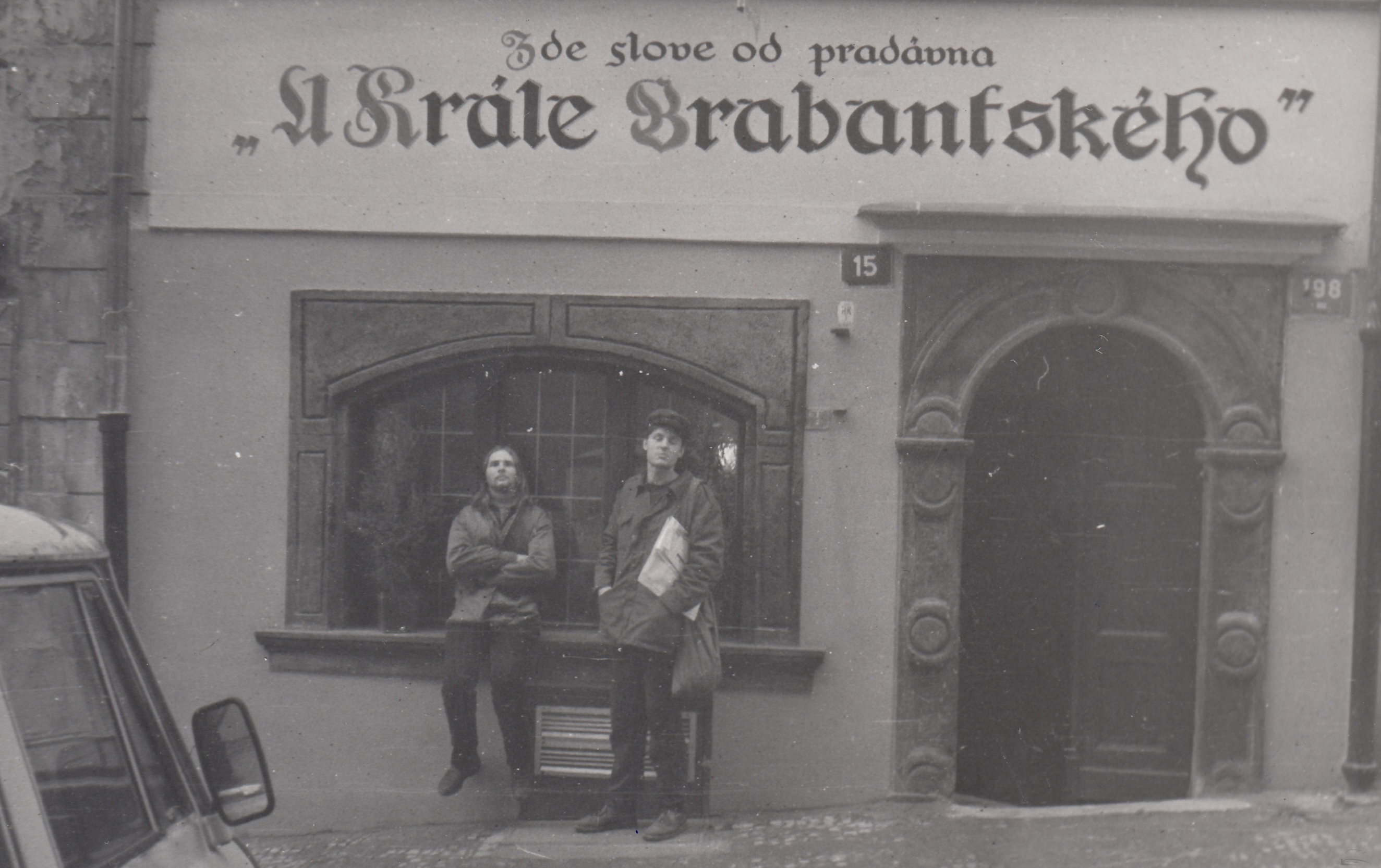
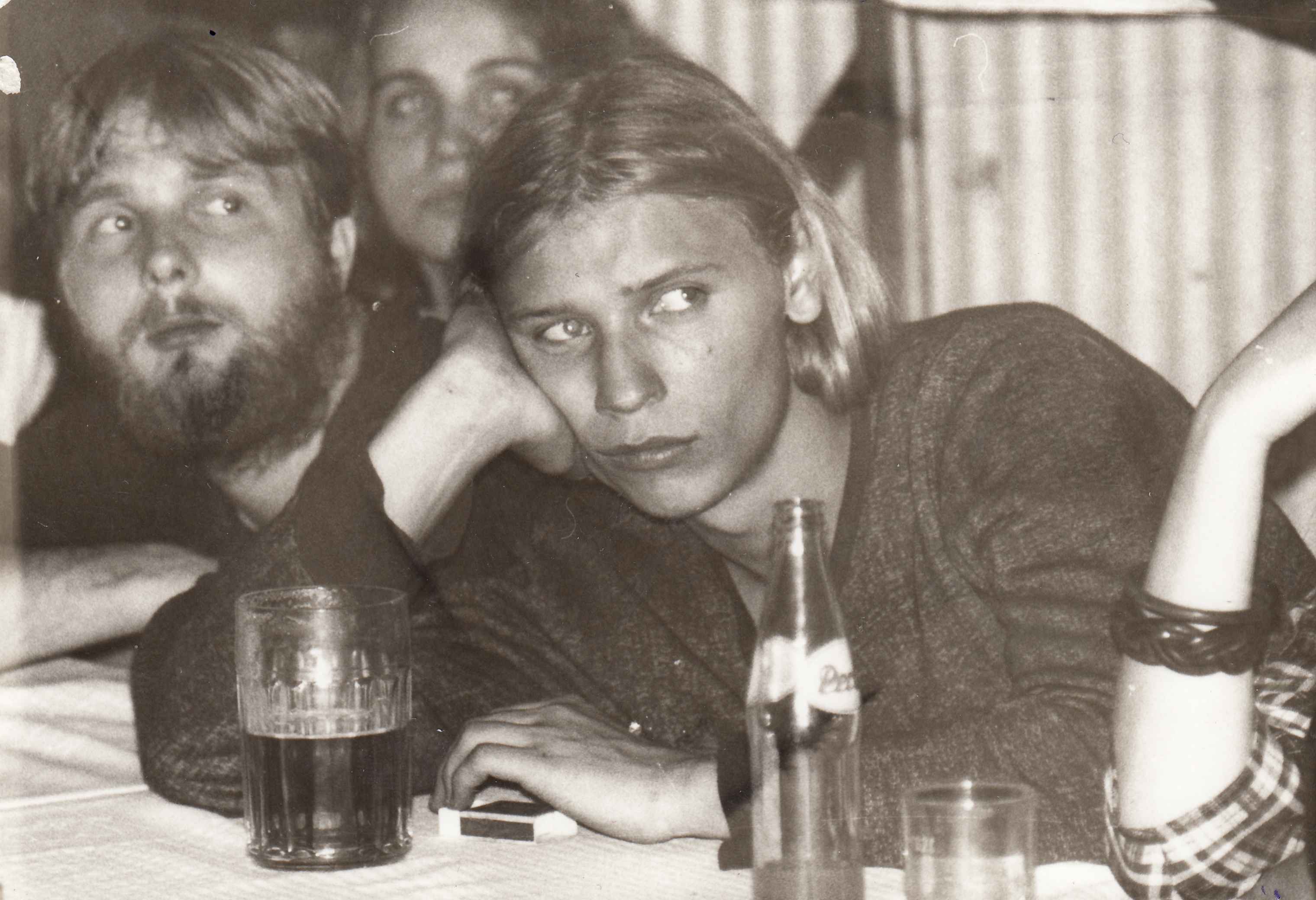
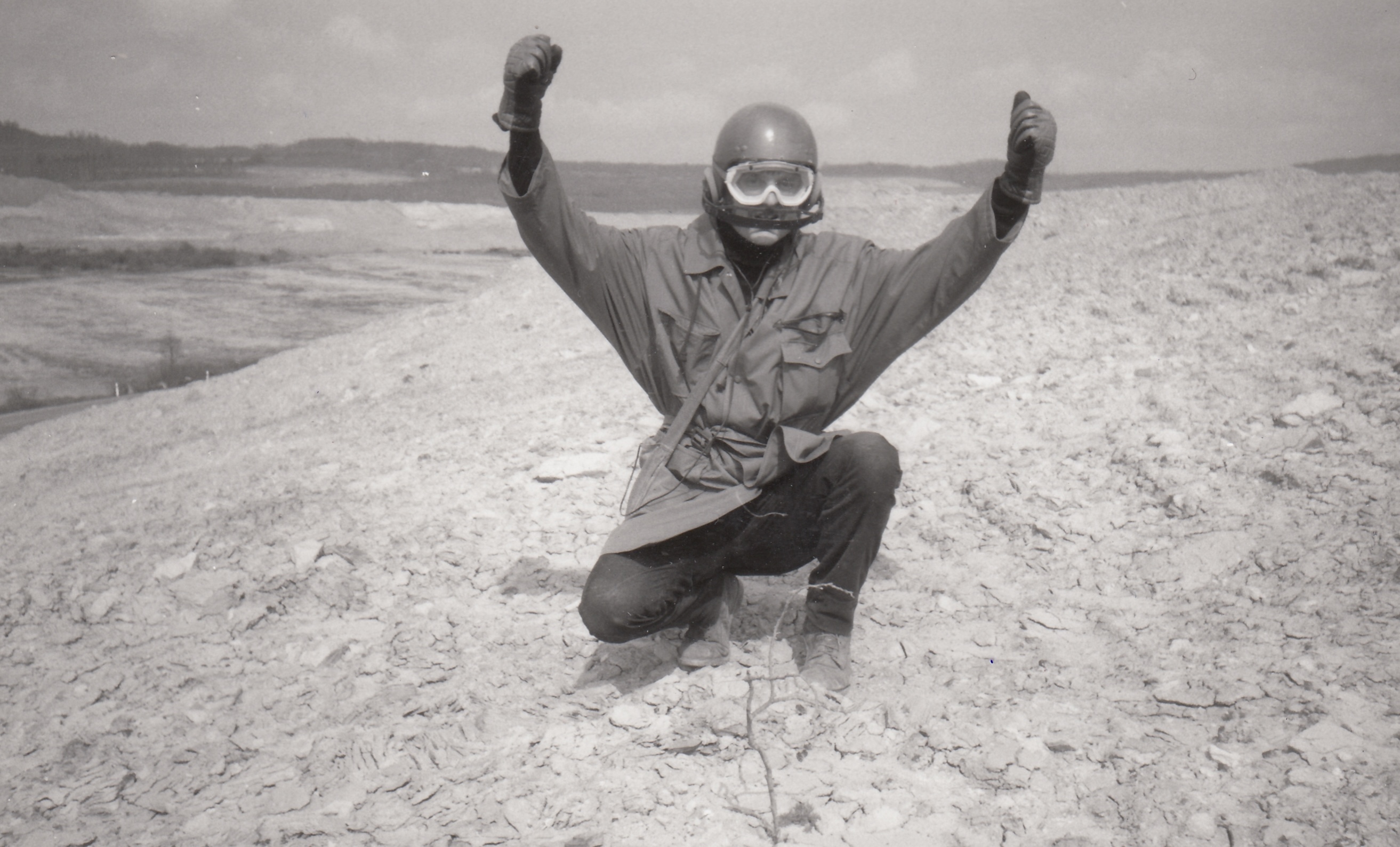
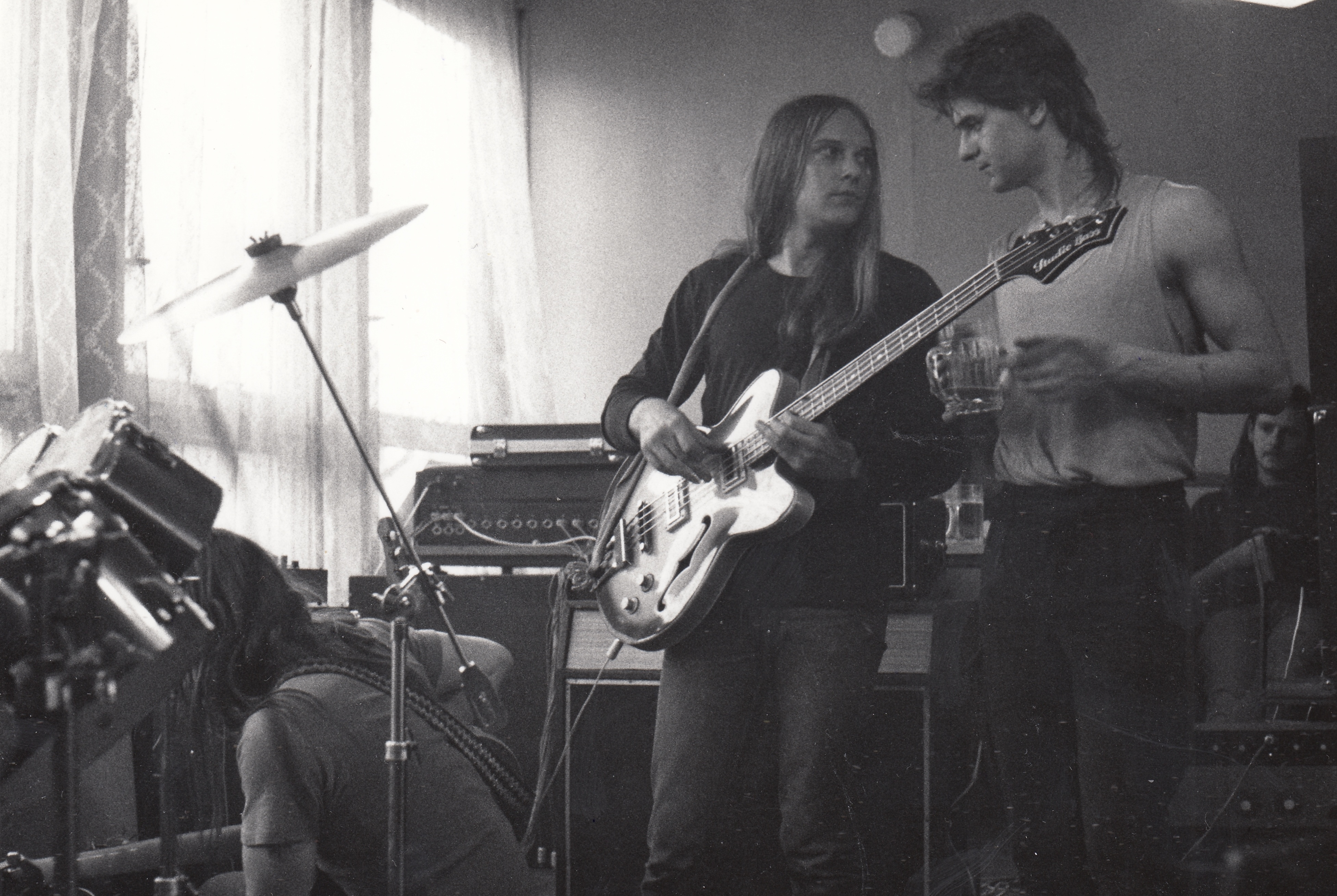
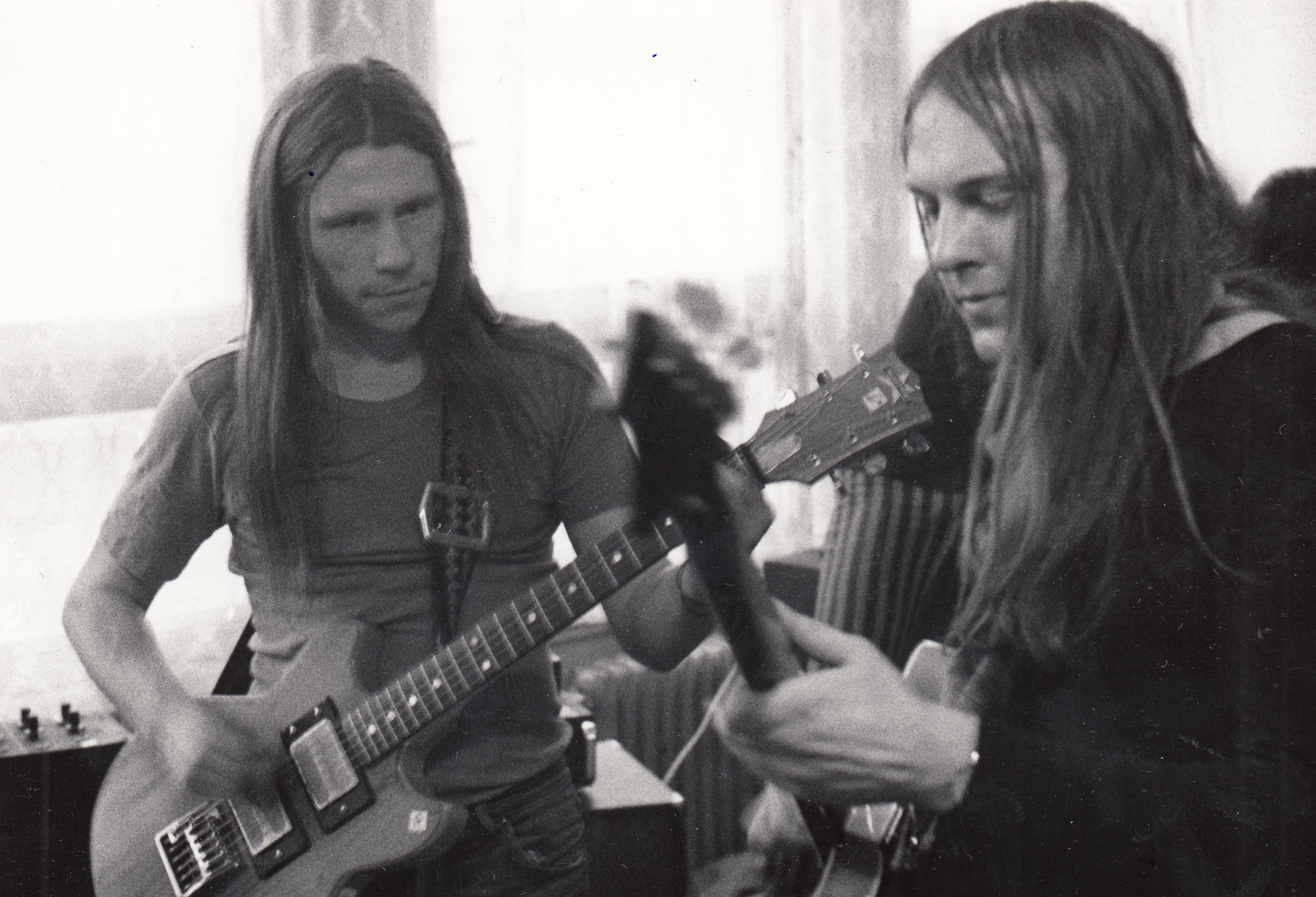
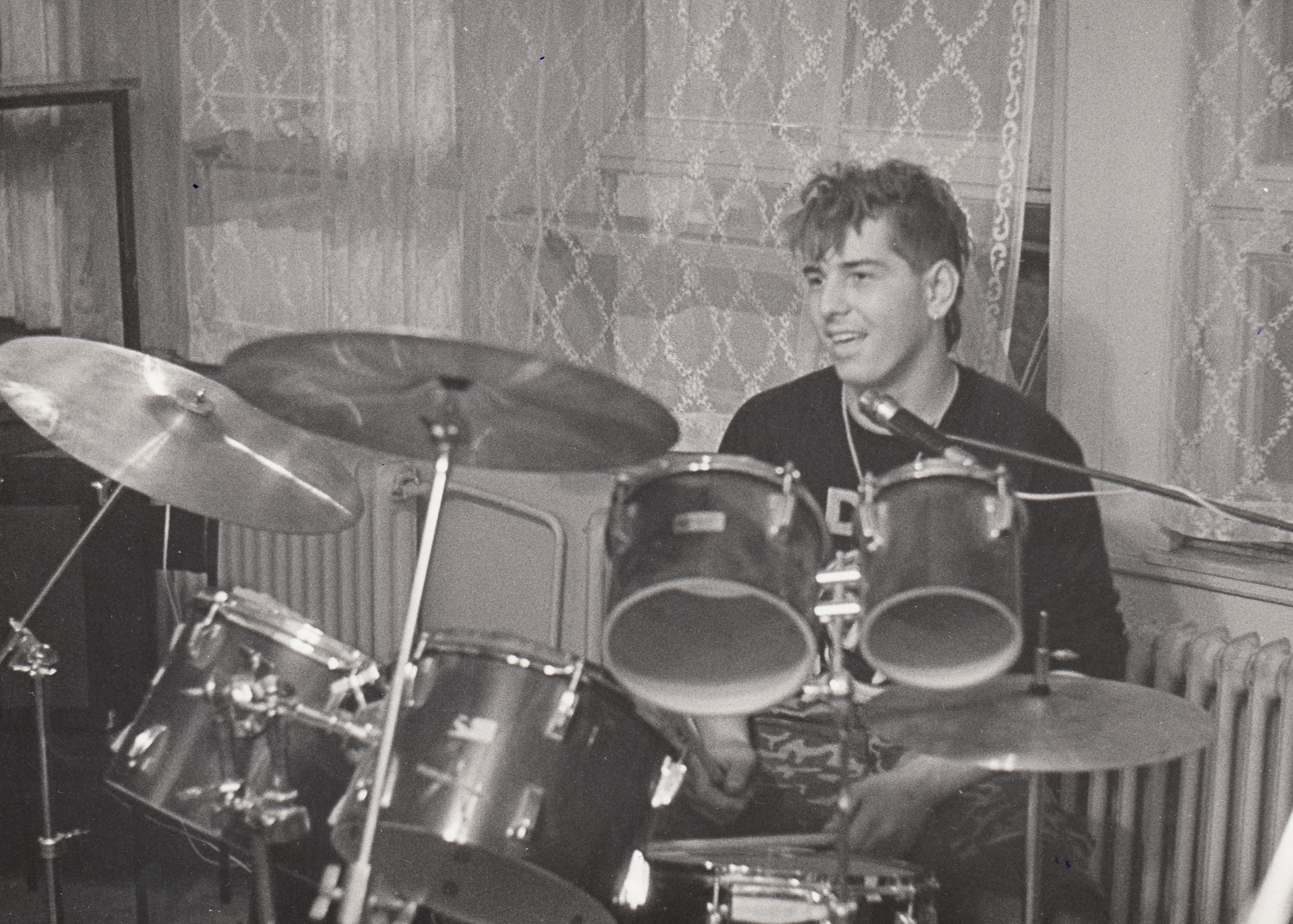
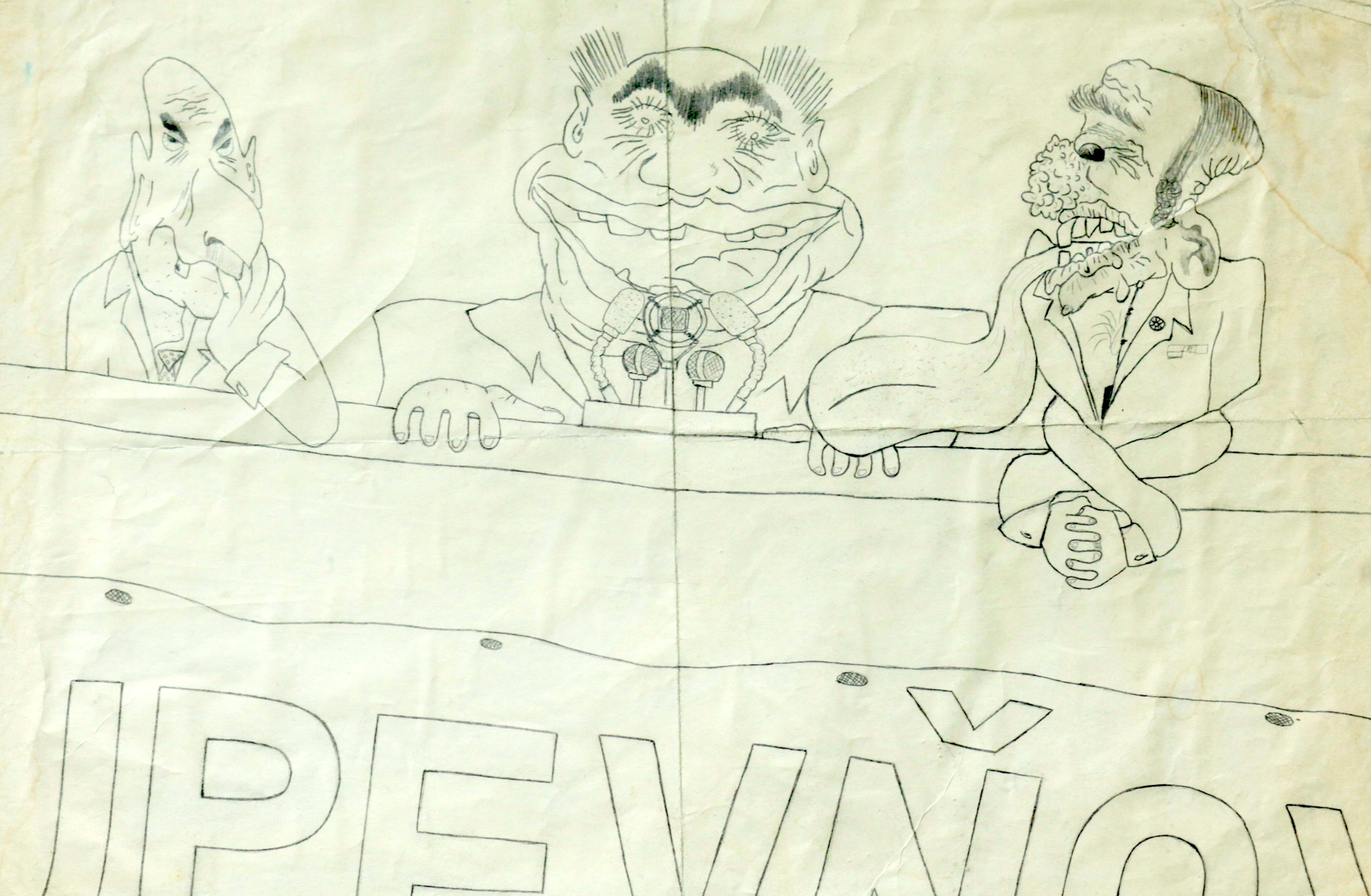
Petr Procházka was born on March 26, 1963, in Ostrov nad Ohří. His father, František Procházka, worked as a communications mechanic and was also an amateur pilot, while his mother, Marie, was a pastry chef and saleswoman. His childhood was influenced by the stories of his grandfather Václav Welz, a lawyer and estate owner who was imprisoned in the uranium mines in the Jáchymov region after 1948. His father left the Communist Party in protest against normalization. At the end of the 1960s, Petr was briefly a member of a scout troop as a young boy. Because of his „bad origins,“ Petr experienced discrimination from childhood – he faced bullying from teachers in elementary school and was not accepted into the Pioneer troop. In 1978, the family moved to Sokolov. After training as an electrician, he completed his military service, got married, and had a daughter, Kateřina. He worked as an electrician on an excavator at the Velkolom Jiří quarry near Sokolov. In 1985, he tragically lost his mother, who was murdered during an attempted rape, which deepened his opposition to the regime. He became involved in the Sokolov underground, organizing illegal exhibitions and concerts and publishing samizdat magazines such as Západočeský průser, Stres, and similar periodicals. State security monitored him, interrogated him, and threatened to take away his daughter. Procházka‘s marriage broke down, he lost his job at Velkolom Jiří and had difficulty finding new employment, eventually becoming a driver for the Sokolov District Construction Company. He participated in political and satirical events, was physically assaulted by the police several times, and was preventively detained. In November 1989, he became involved in the activities of the Civic Forum in Sokolov, where he became one of its spokespersons. He currently (2025) lives in Boží Dar, where he is a member of the local council.