Josef Prejda

* 1936

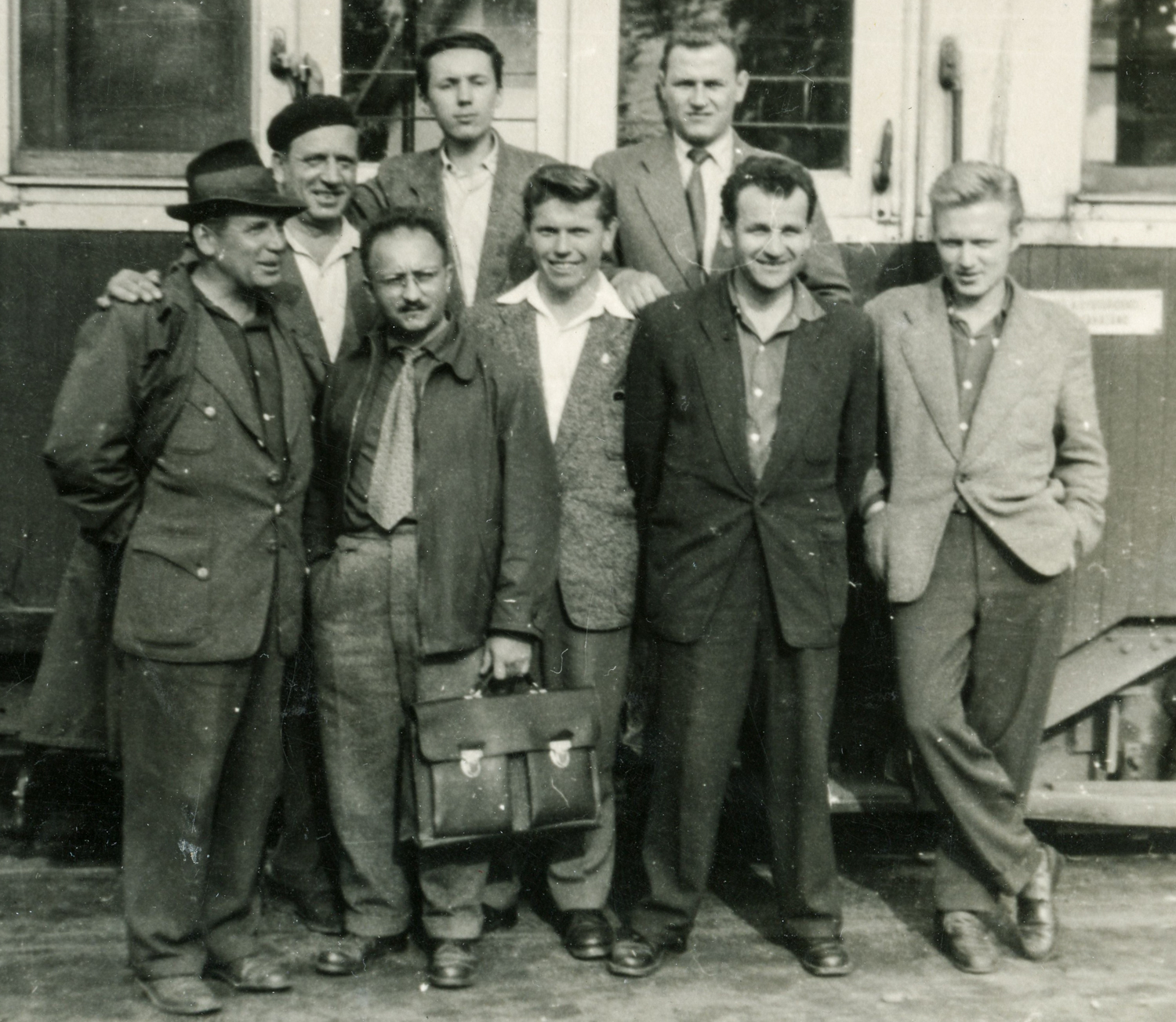
  • "The new regiment that was there went to the border between Hungary and Czechoslovakia. We were serving our basic military service at that time and stayed guarding the barracks building, plus we did all those duties. This means that, before they left, we armed them and others gave them clothes. Then we did all those duties. What struck me most was how outraged their family members were. There... it's hard for me to talk about. The families, the mums with the kids, just kept coming and asking, 'Where's my guy? Where is he?' We didn't even know. We knew they'd gone to the border somewhere. They weren't deployed to any front... Our soldiers weren't there. Still, what was happening there during that week, it gave us a very hard time. You know, as boys, when those mums came crying... Let's not talk about it anymore..."

  • "The survivors buried them; there were four of them killed in one day. As they were burying them in the upper part of the village towards River Hvozdnice, behind the barn, a German plane flew in and started firing at them, and one of those digging was actually shot dead in addition. In the end they had to bury five of their fellow villagers..."

  • "There was this room where the men apparently met and discussed politics. They broke some of the laws just doing that, and that's why, if I'm not mistaken, 14 of them were taken away. This was in 1944, in the autumn I think. At first they were allegedly imprisoned in Opava and then they were taken to Germany. Two of them didn't make it back: Mr. Vícha, a member of the family where it allegedly [happened], and Mr. Jan Tichý Sr. Then, Jakub Vavrečka Sr., the father of Ladislav, got sick on his way home in Cheb after the liberation. He stayed in the local hospital and died there. Only twenty years later, there was this remembrance event and his remains were taken to the family grave in Uhlířov."

  • Celé nahrávky
  • 1

    Ostrava, 11.09.2025

    (audio)
    délka: 01:47:22
    nahrávka pořízena v rámci projektu The 20th century in the memories of witnesses
  • 2

    Ostrava, 23.09.2025

    (audio)
    délka: 02:10:52
    nahrávka pořízena v rámci projektu The 20th century in the memories of witnesses
Celé nahrávky jsou k dispozici pouze pro přihlášené uživatele.

The Uhlířov informer was publicly hanged in Opava
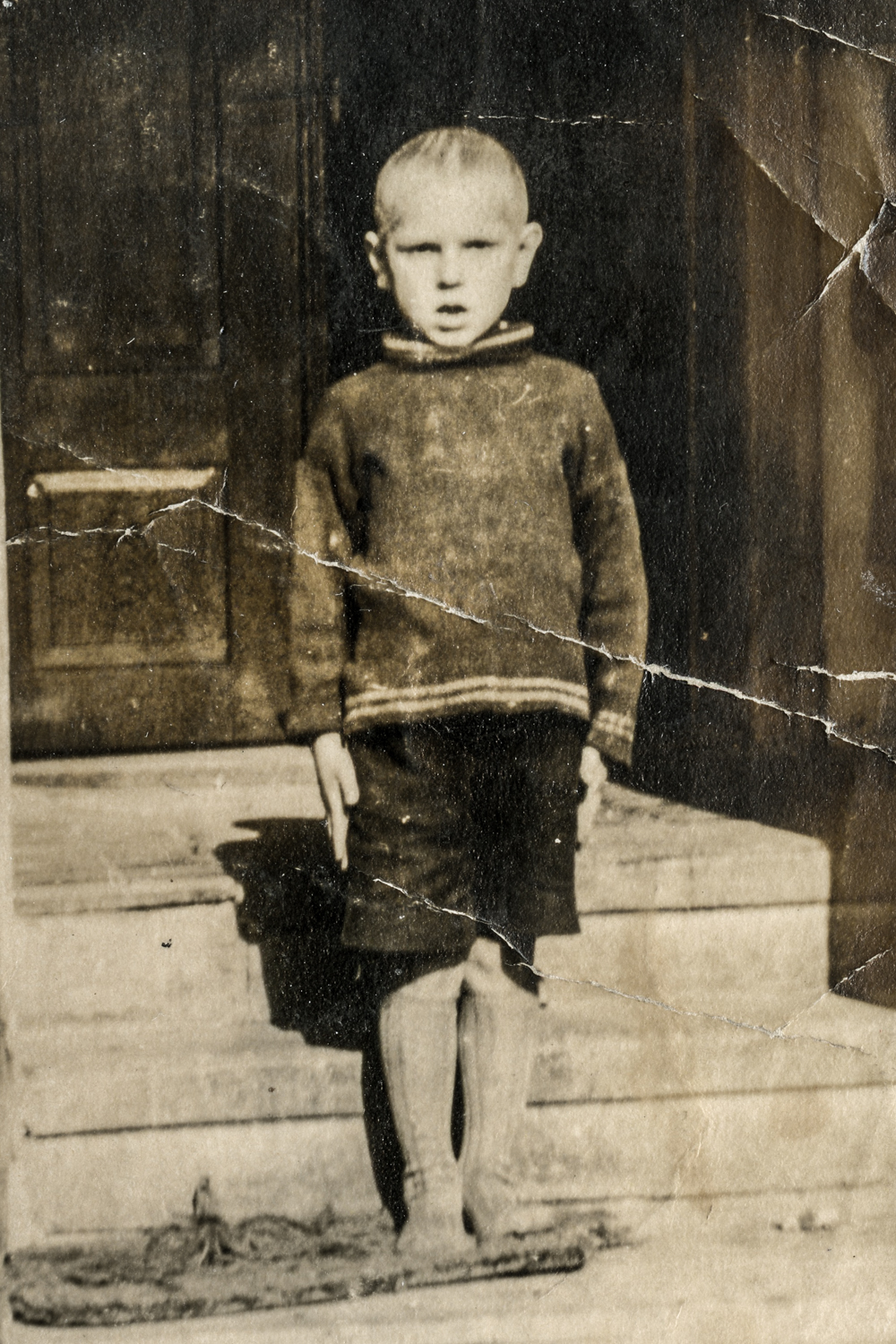
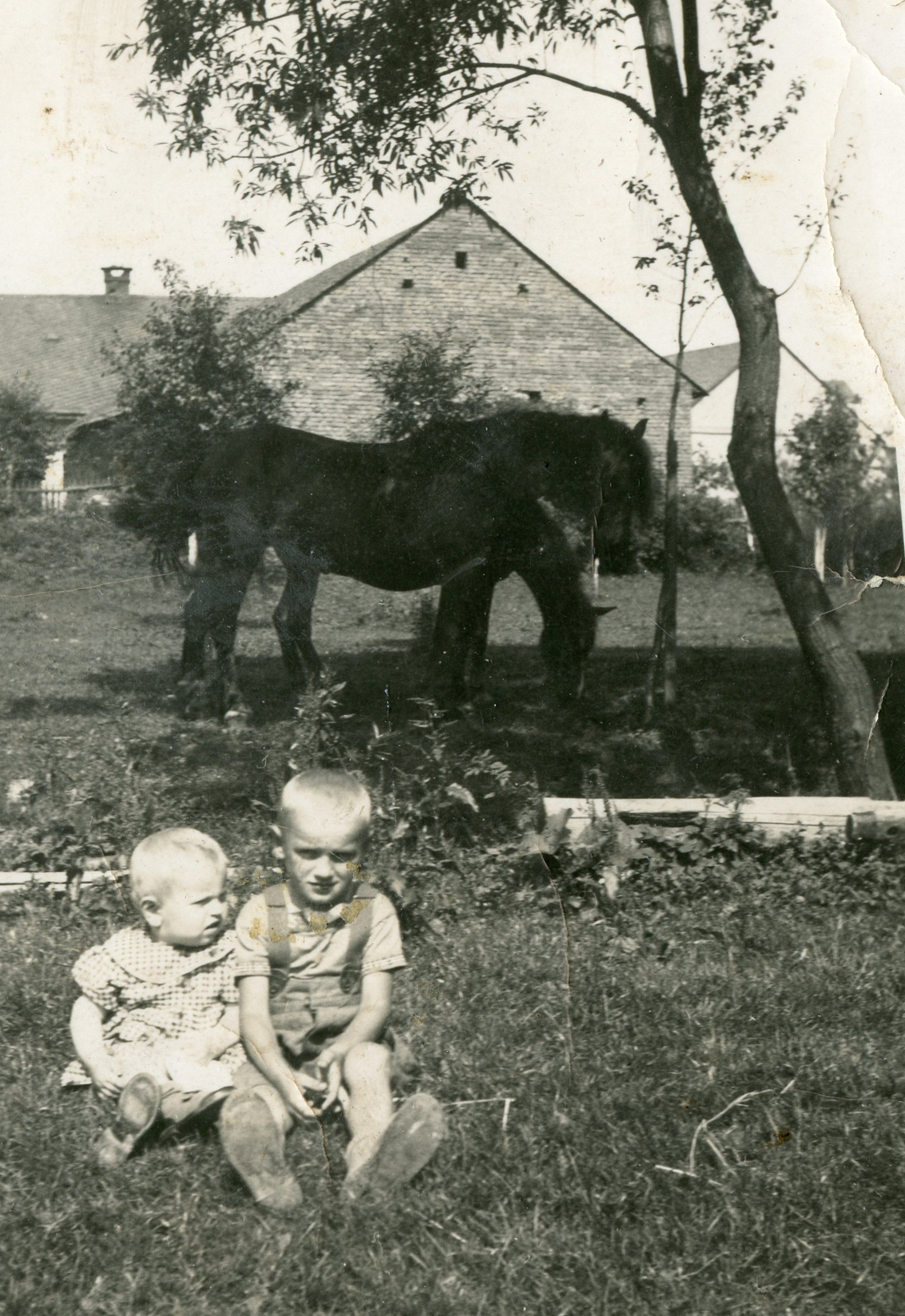
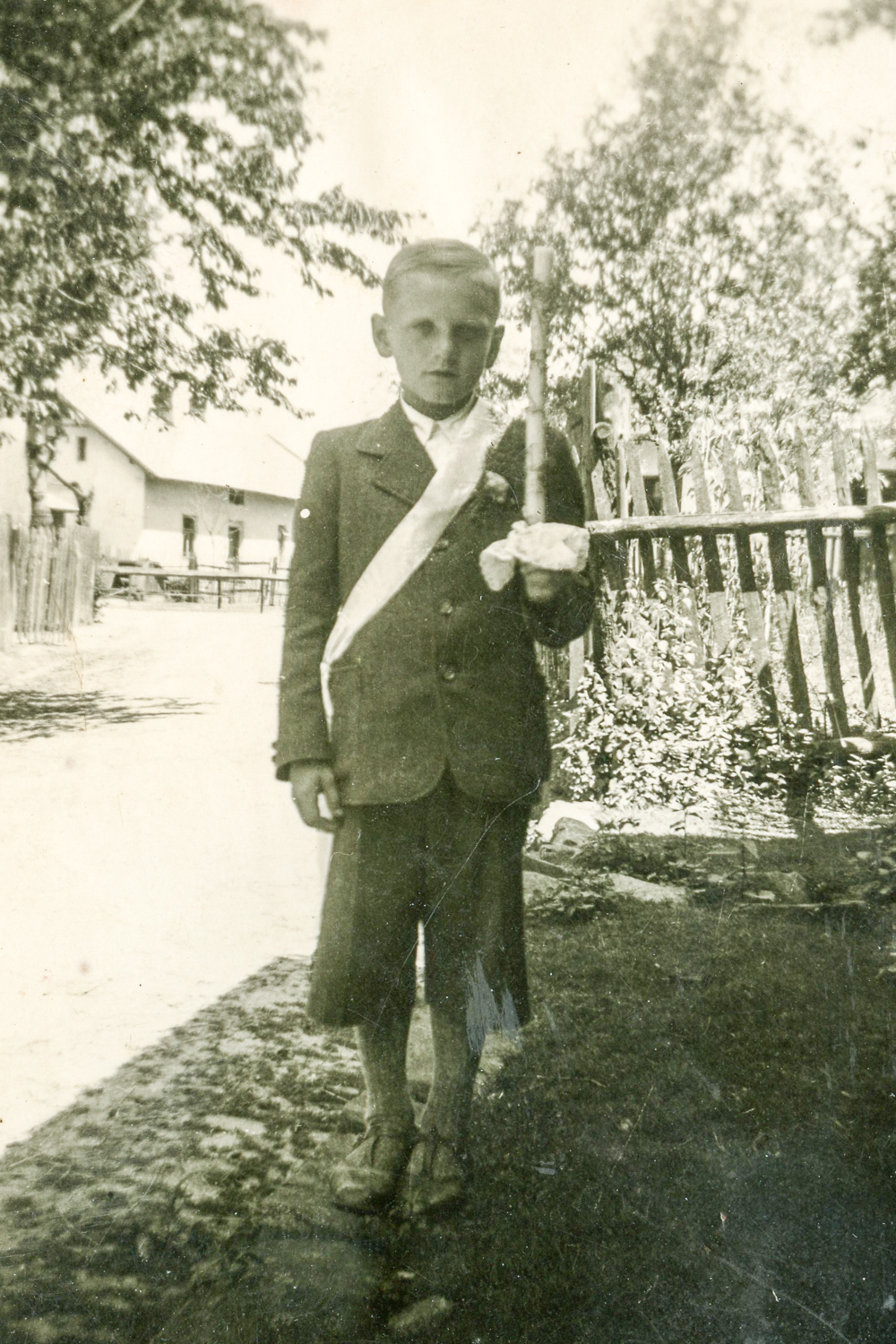
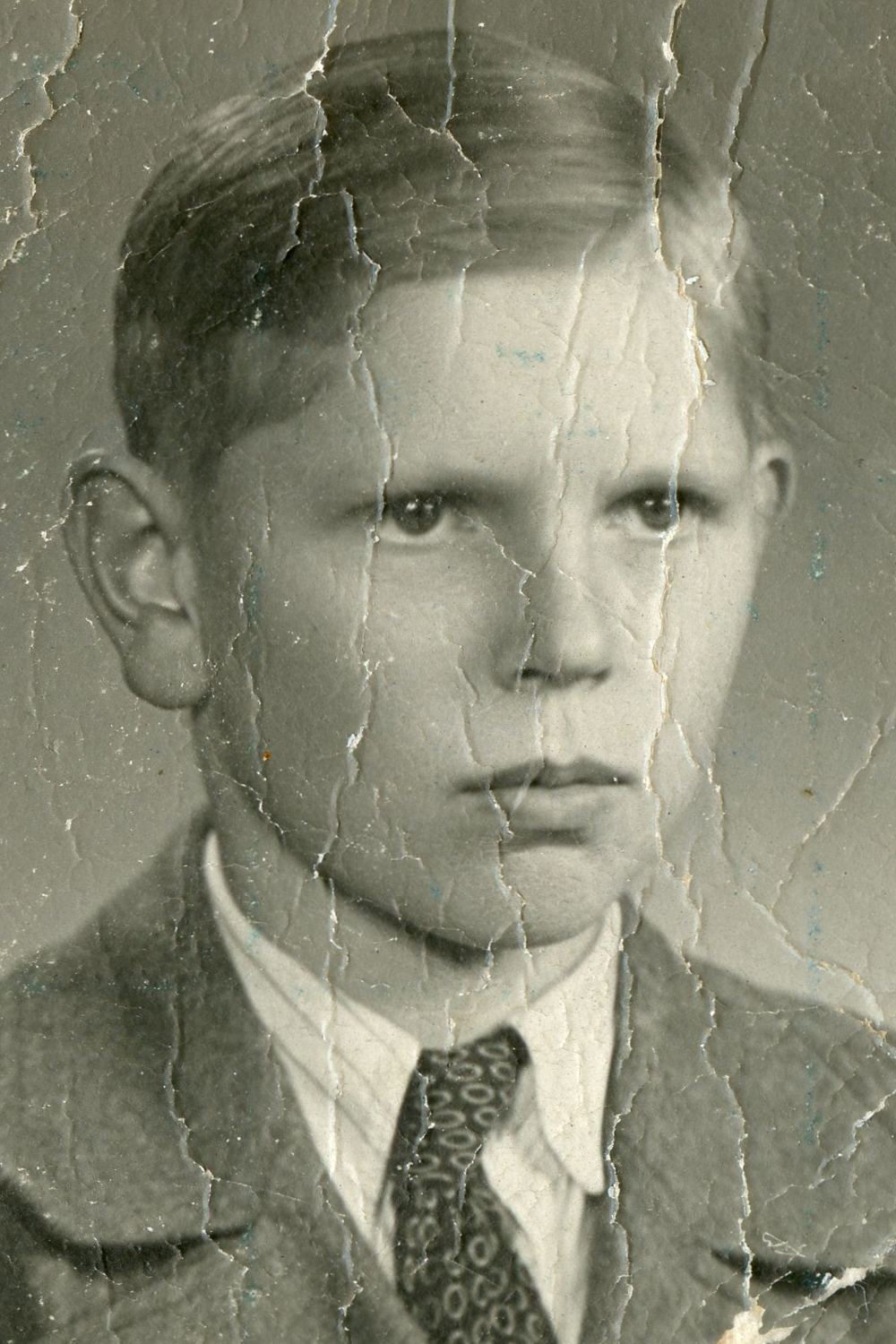
Josef Prejda photographed in 1942 when he entered the first grade of the primary school in Uhlířov
zdroj: Witness's archive

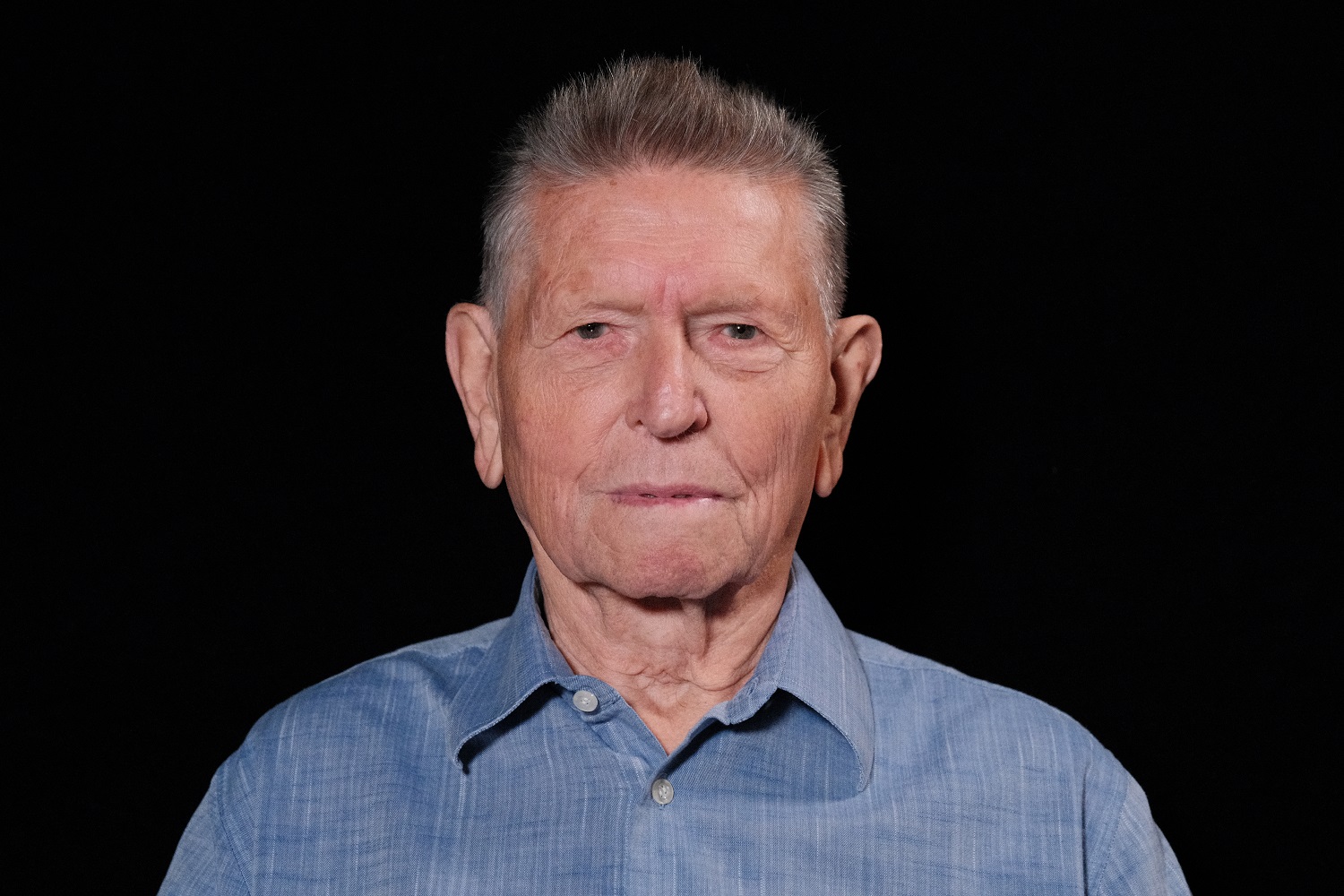
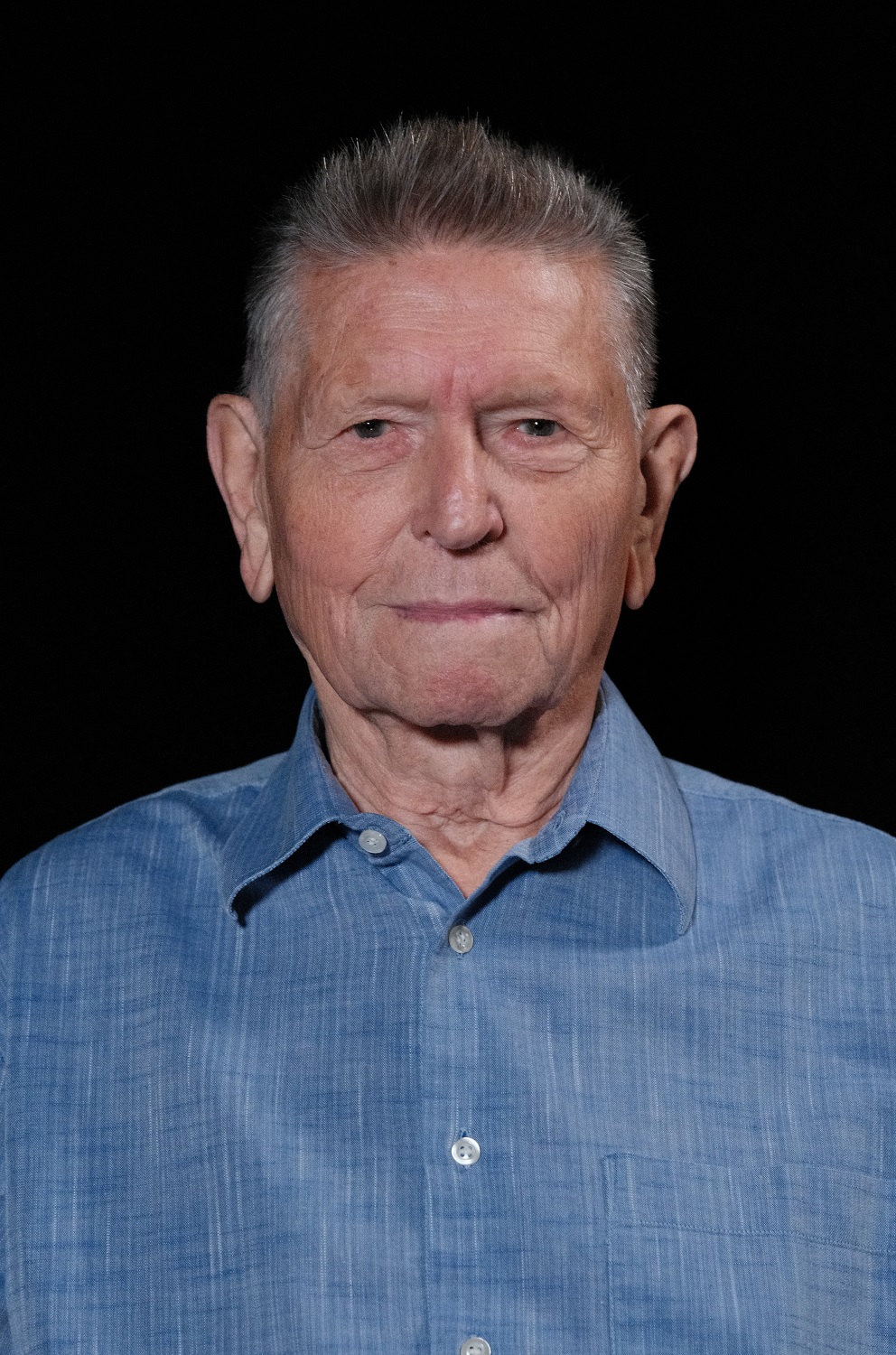
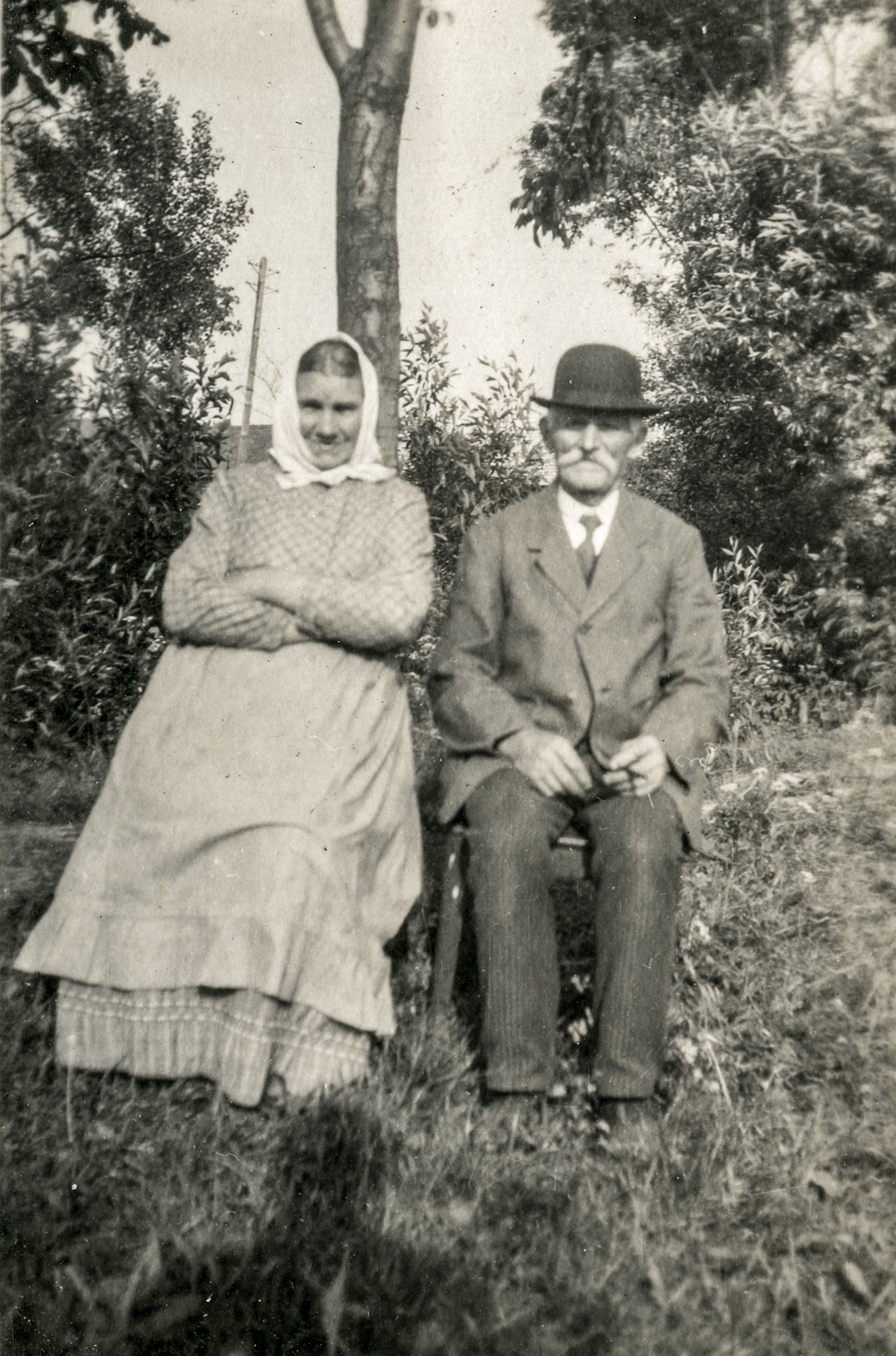
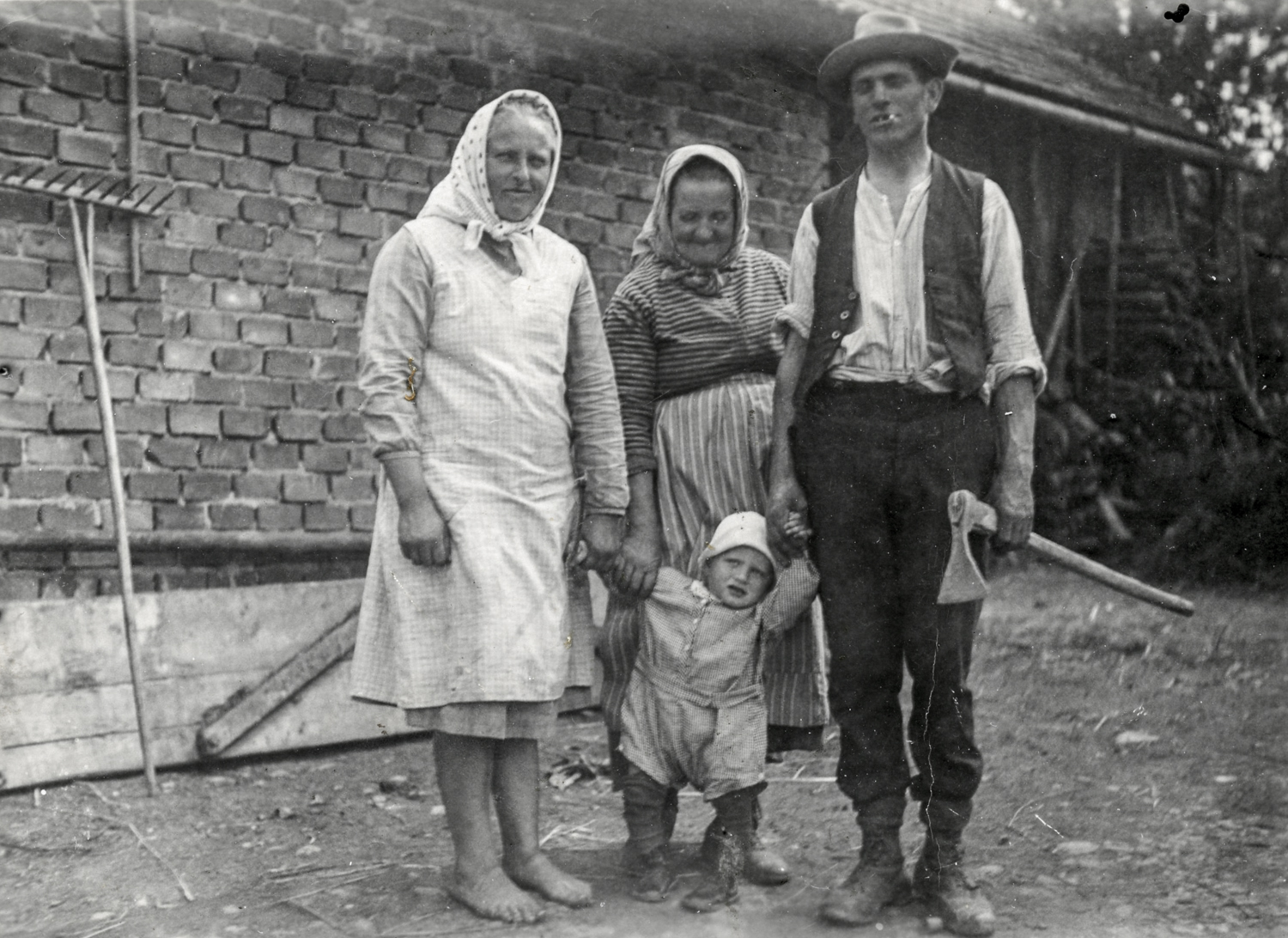
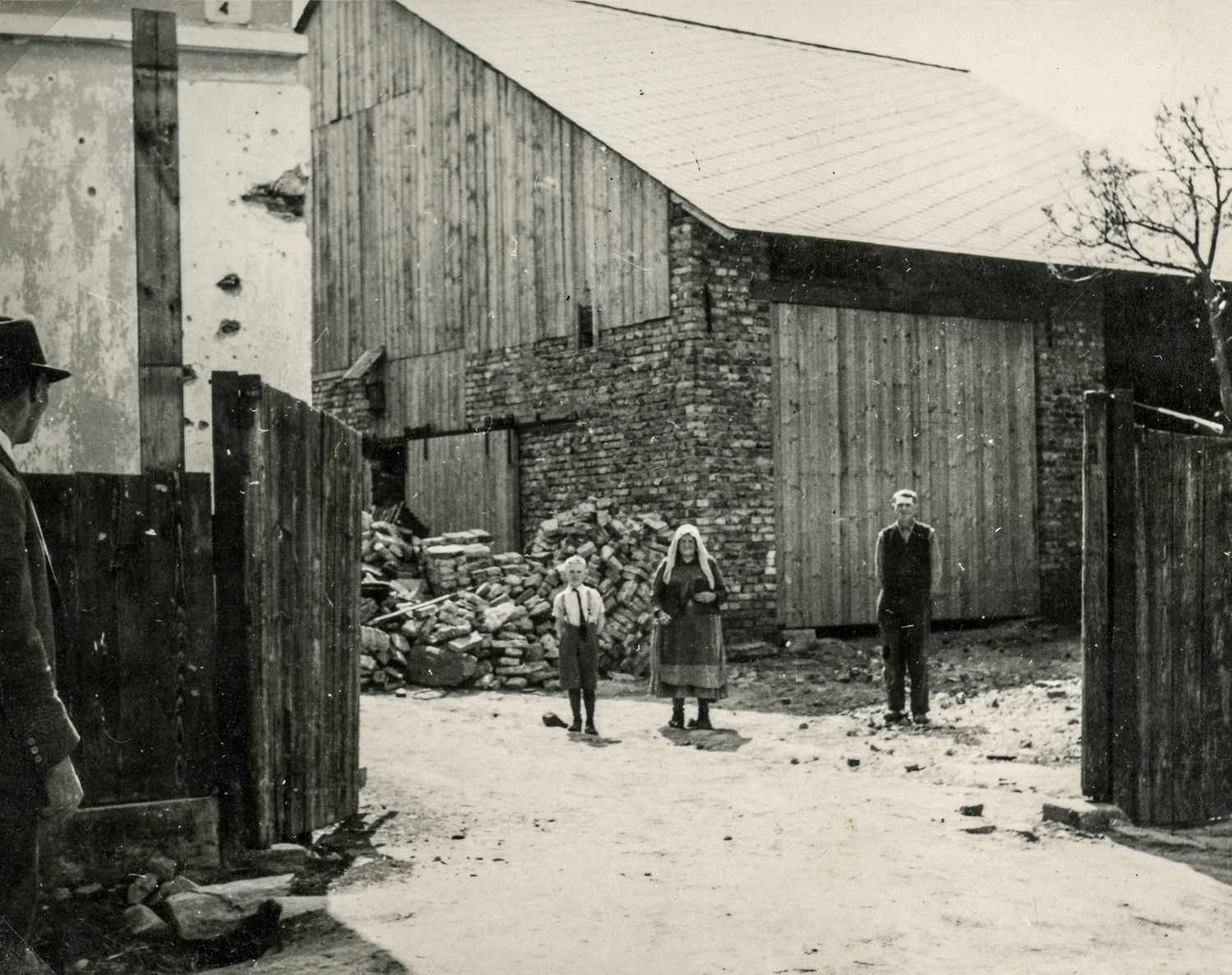
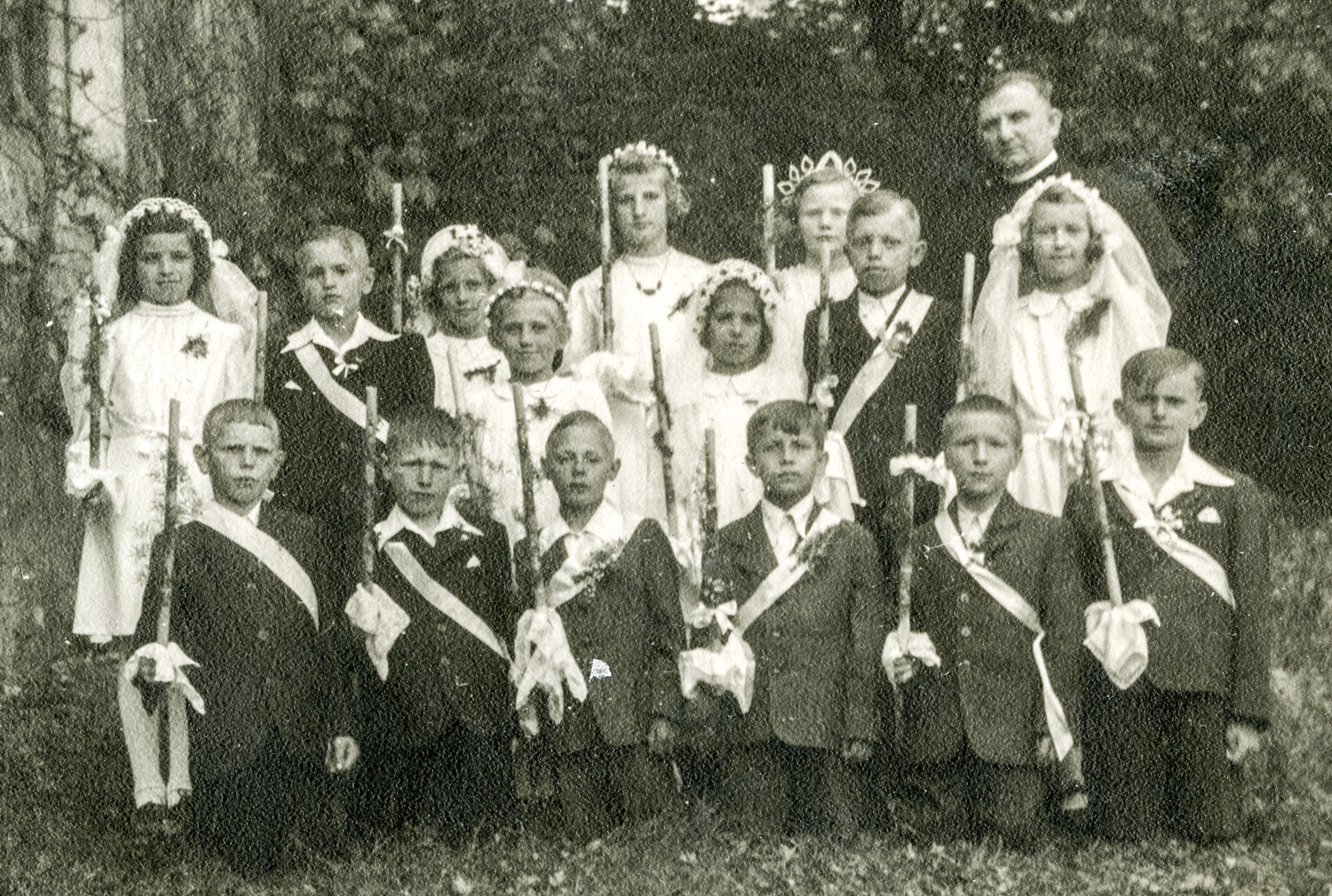
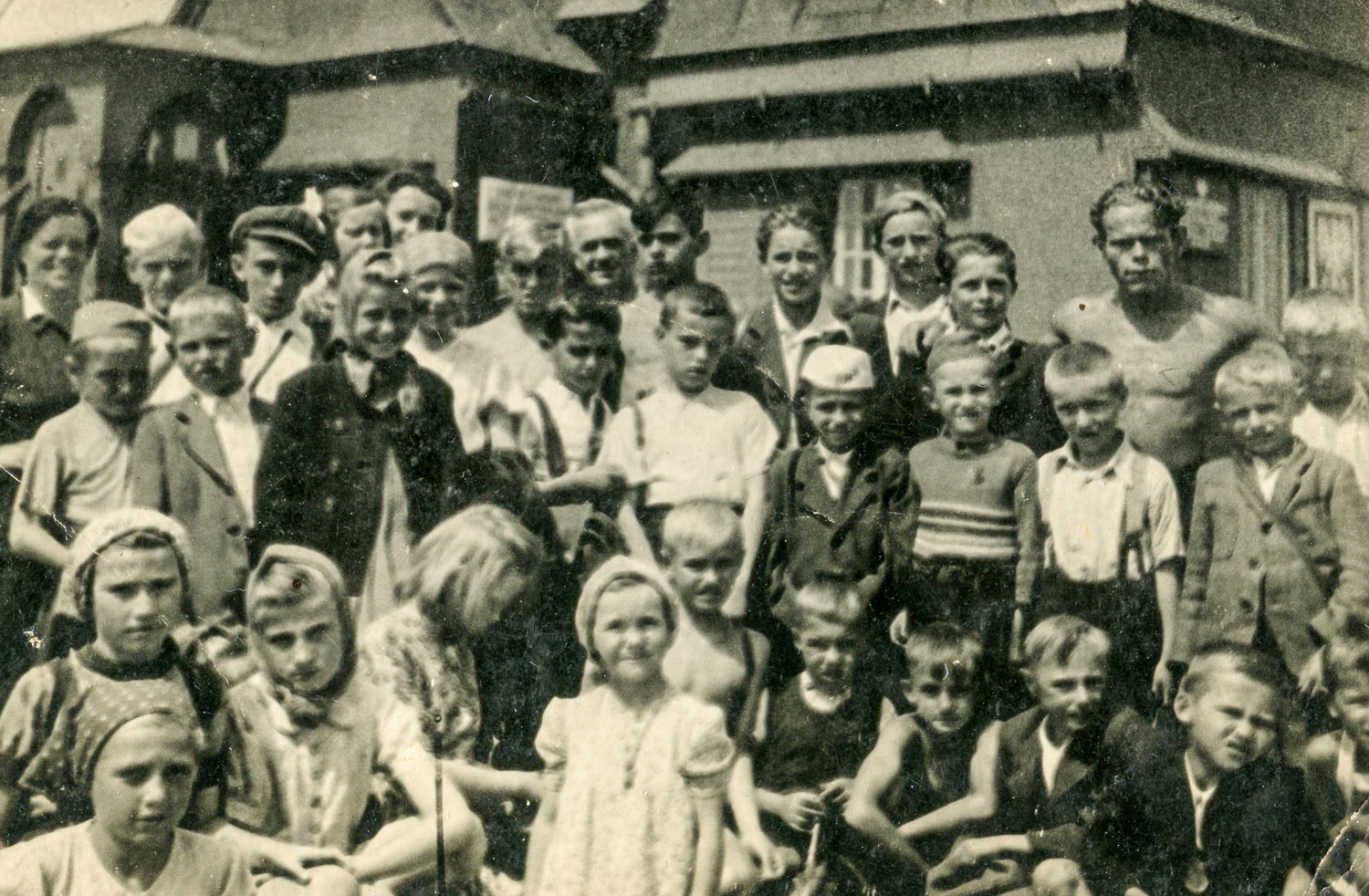
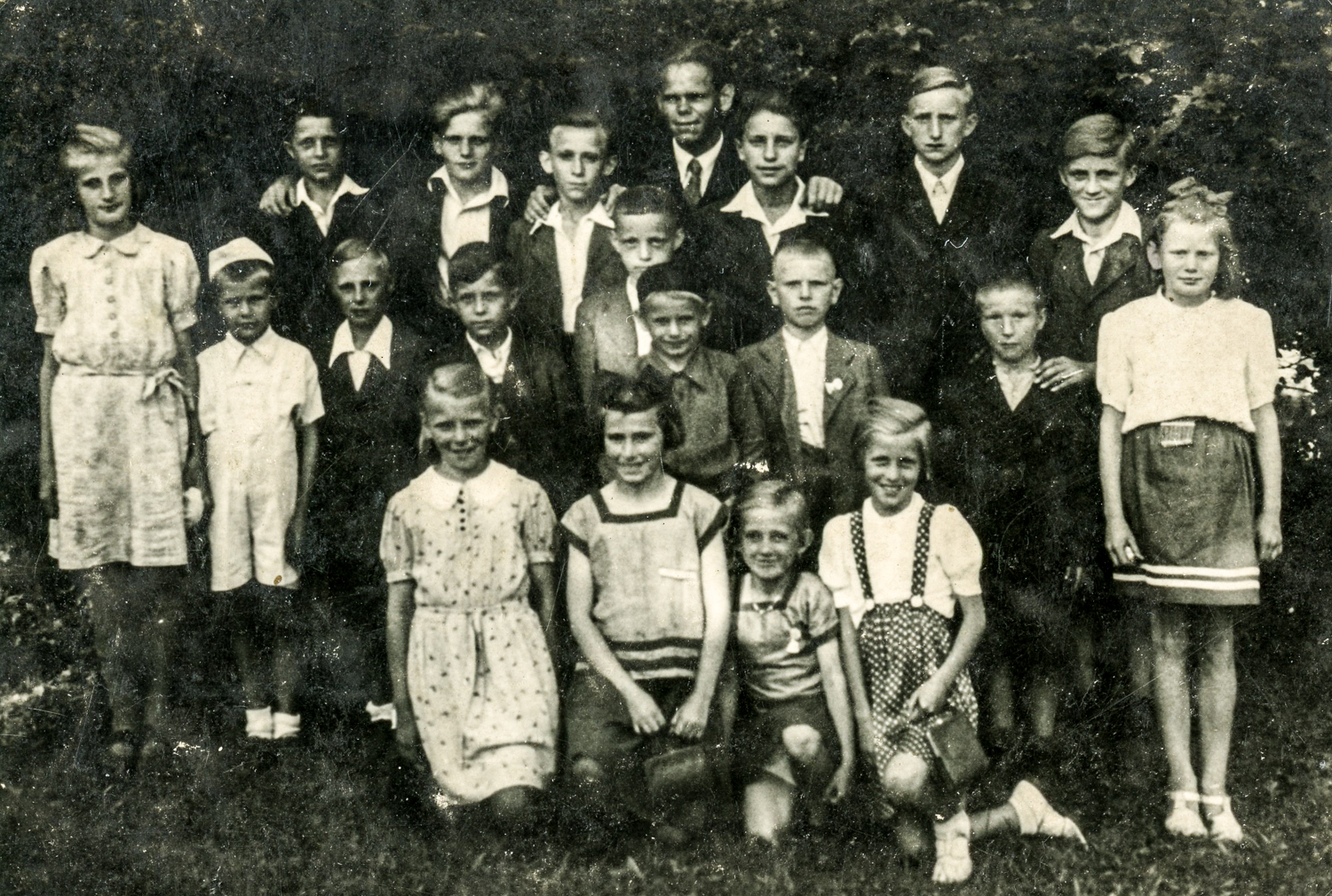
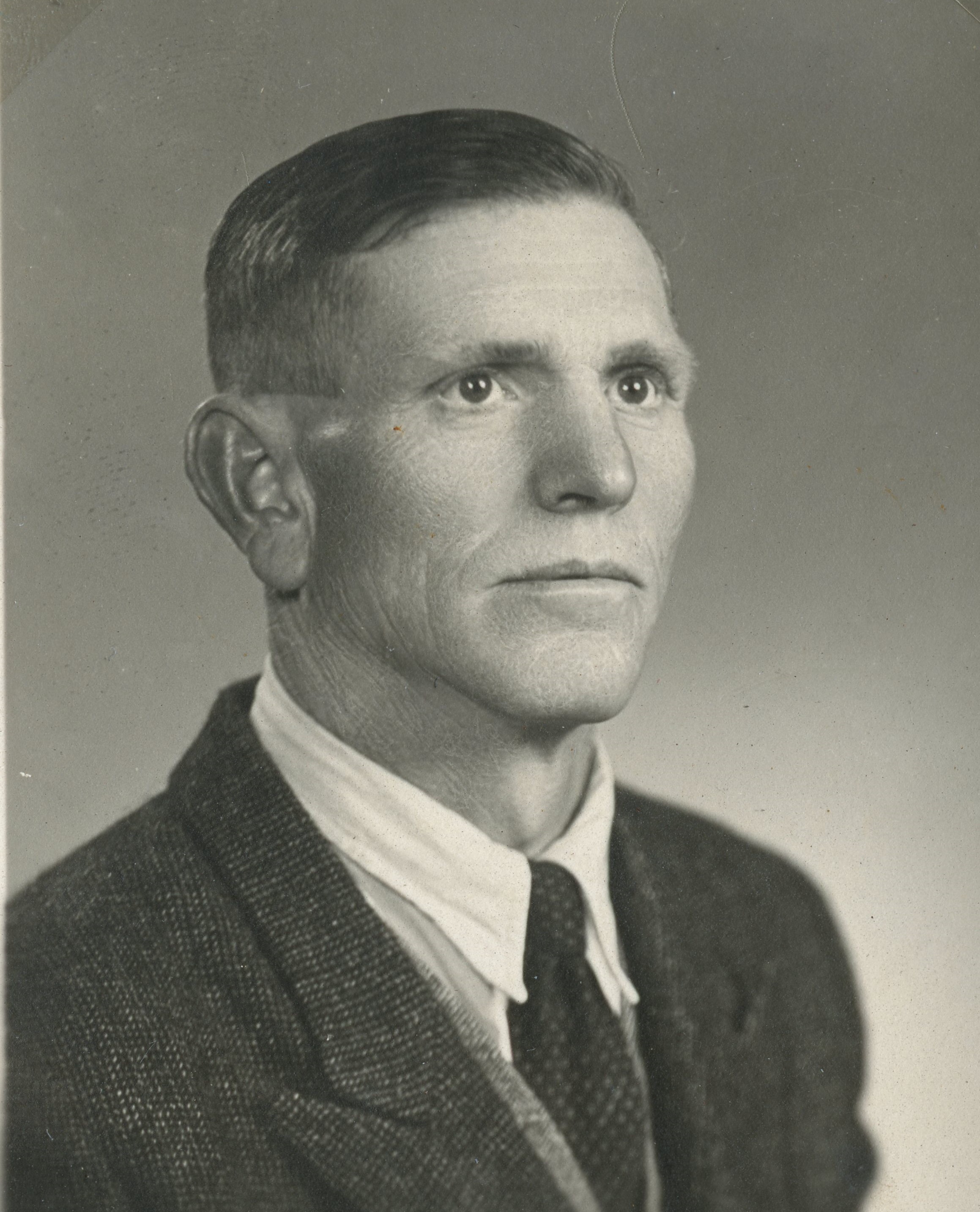
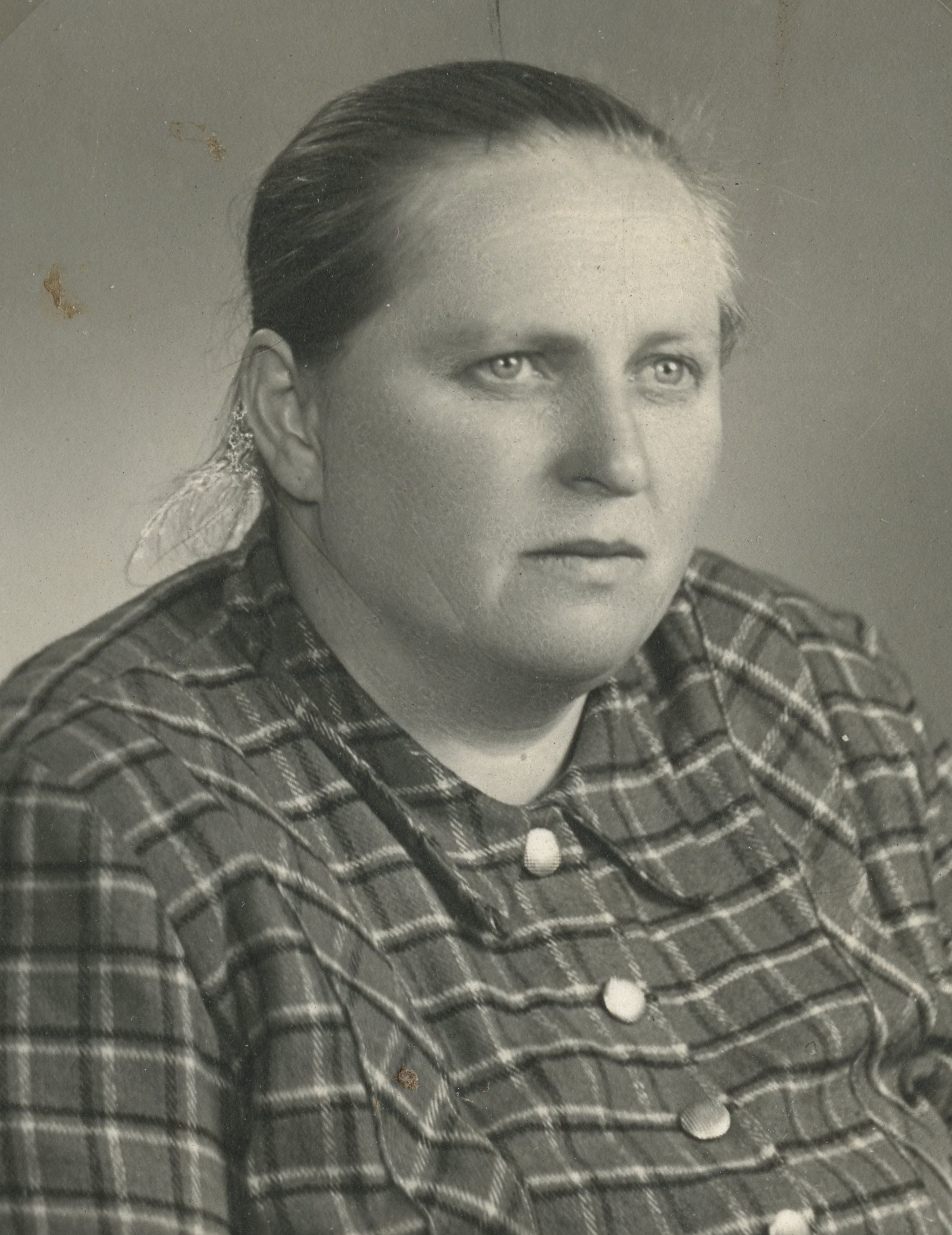
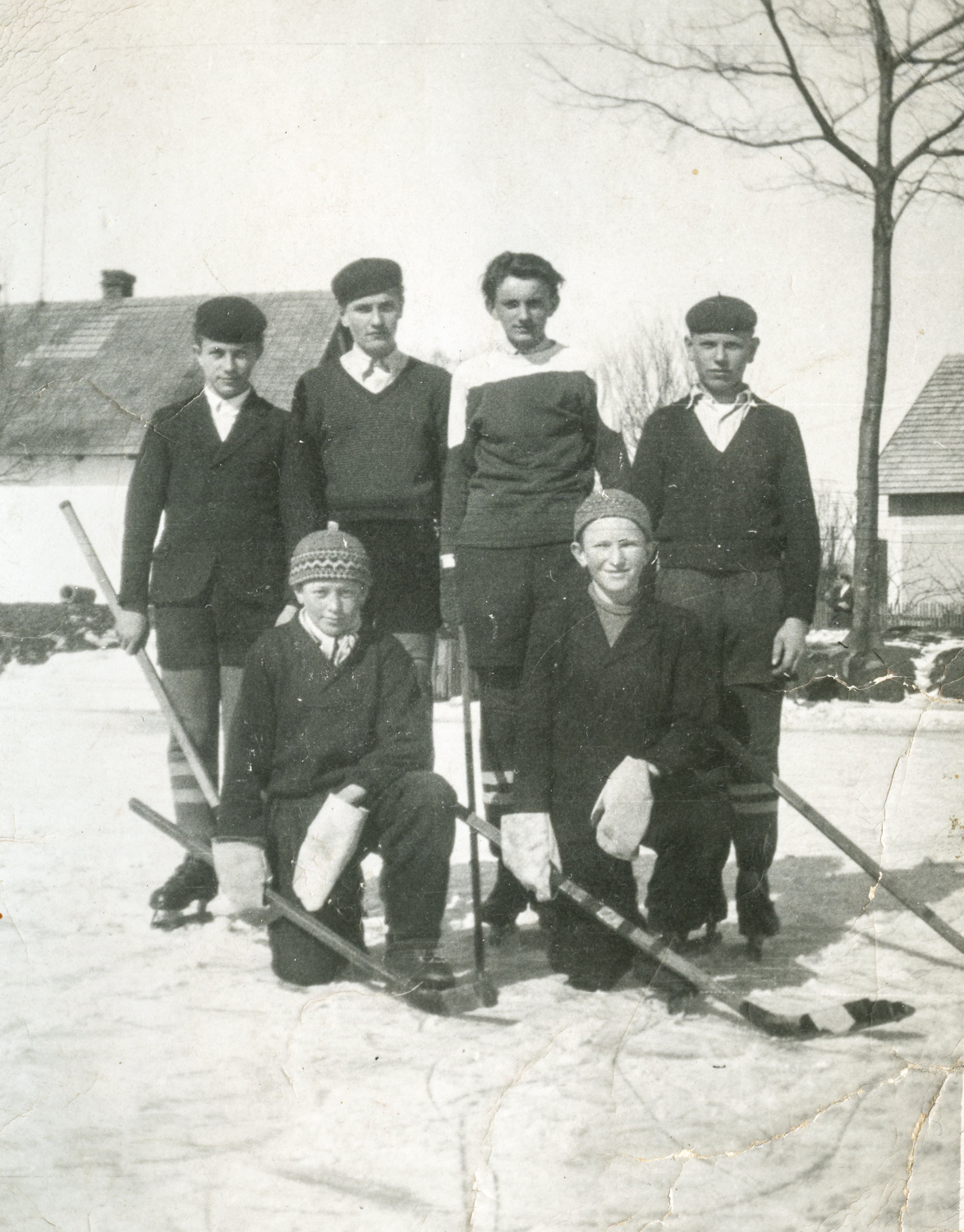
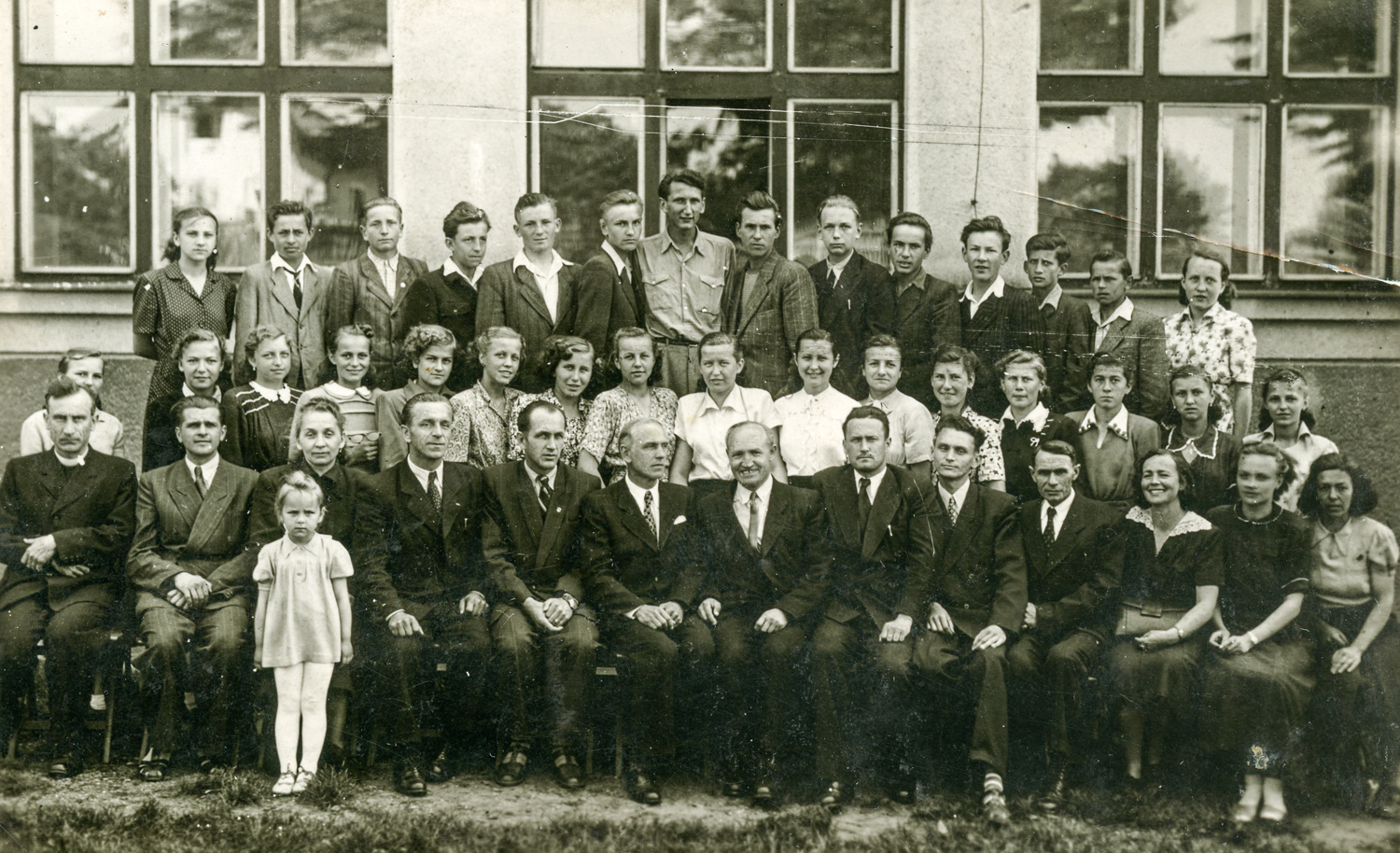
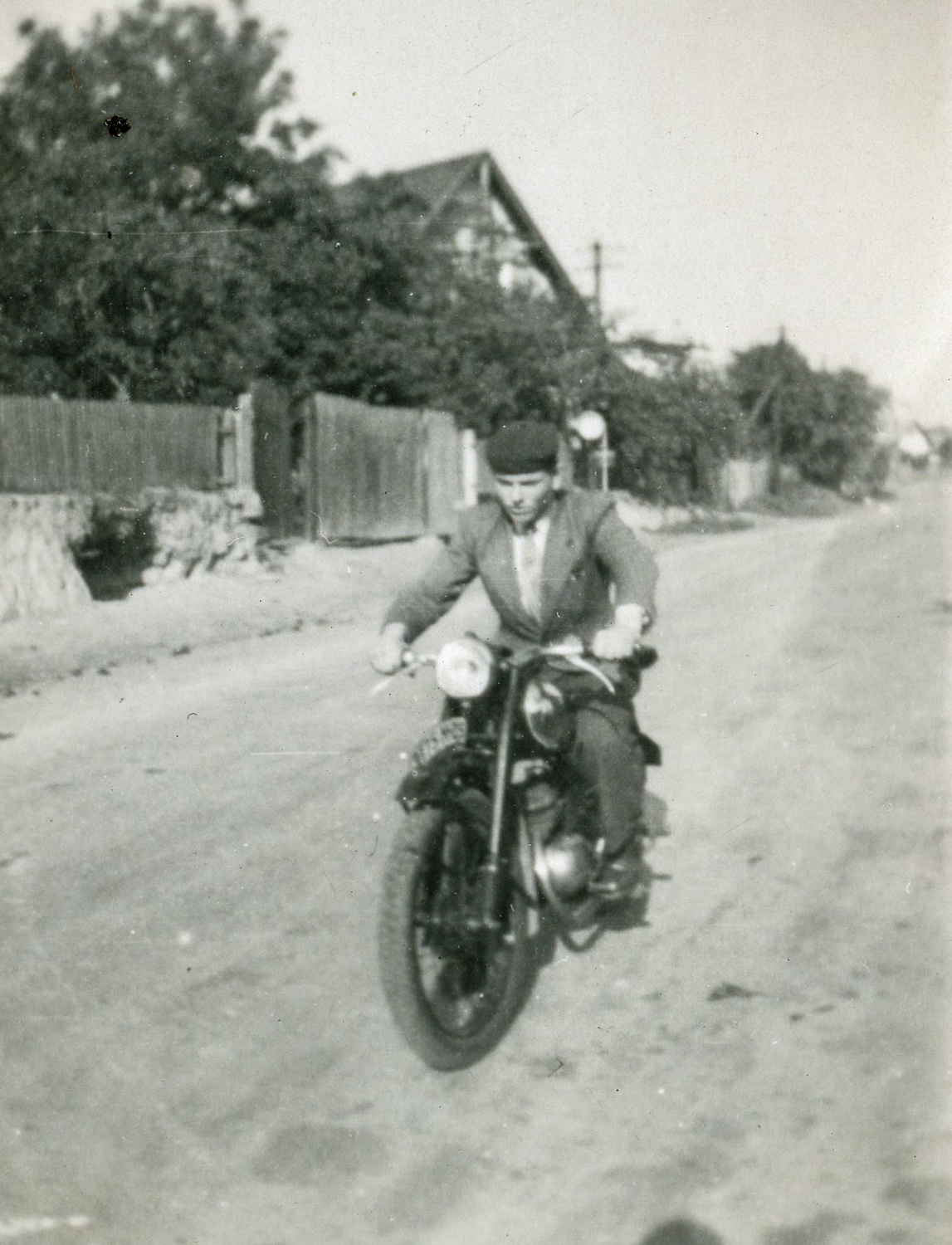
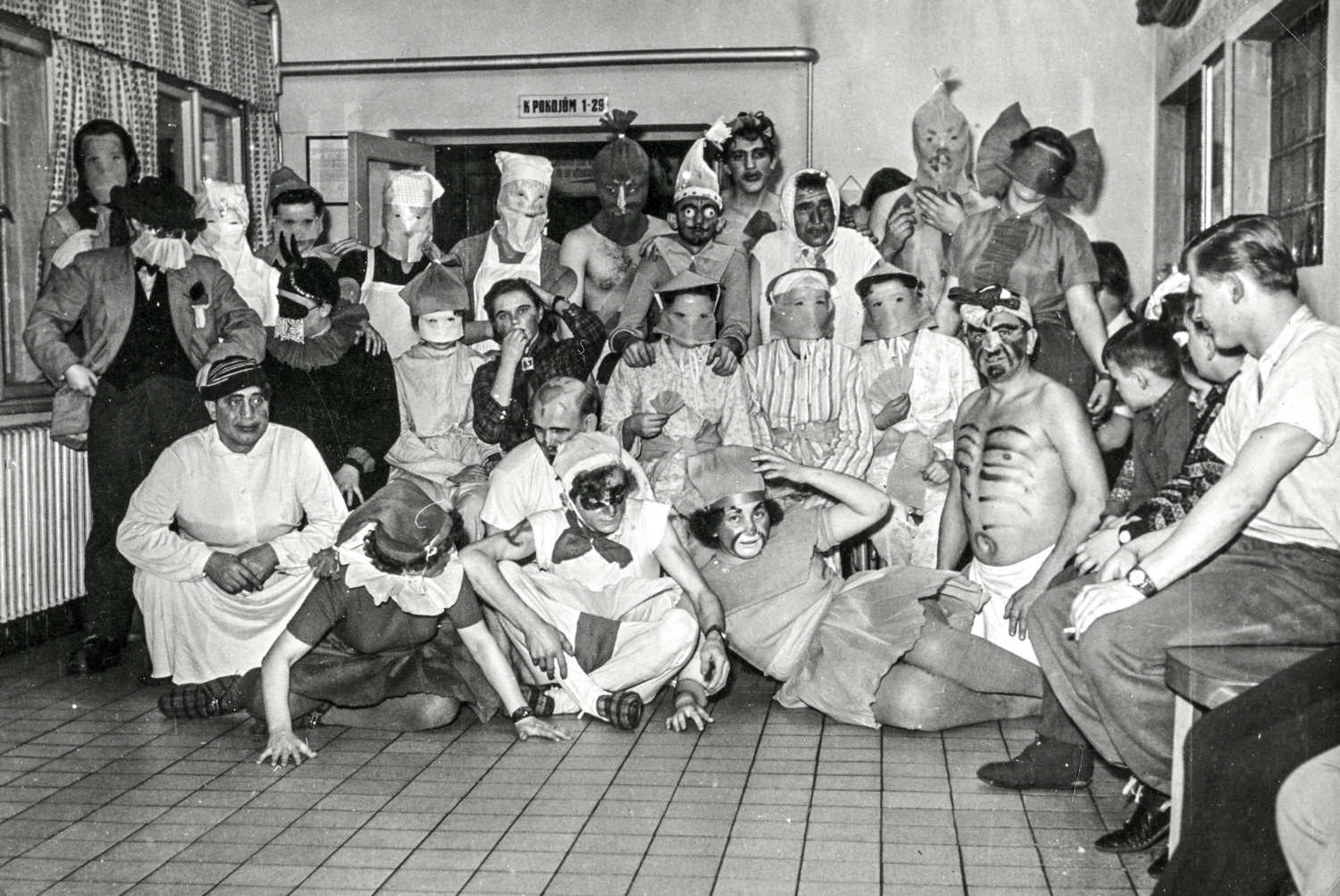
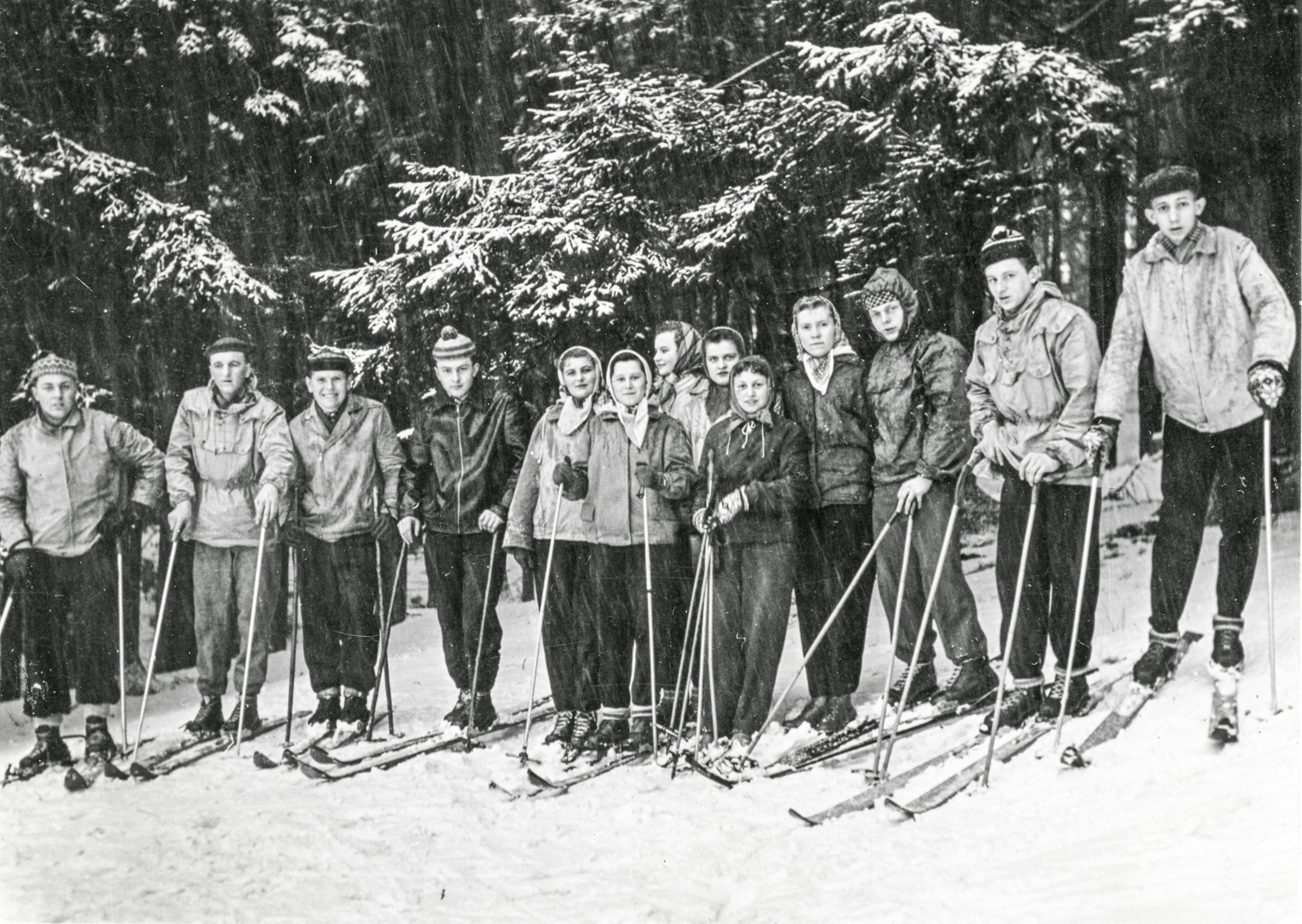
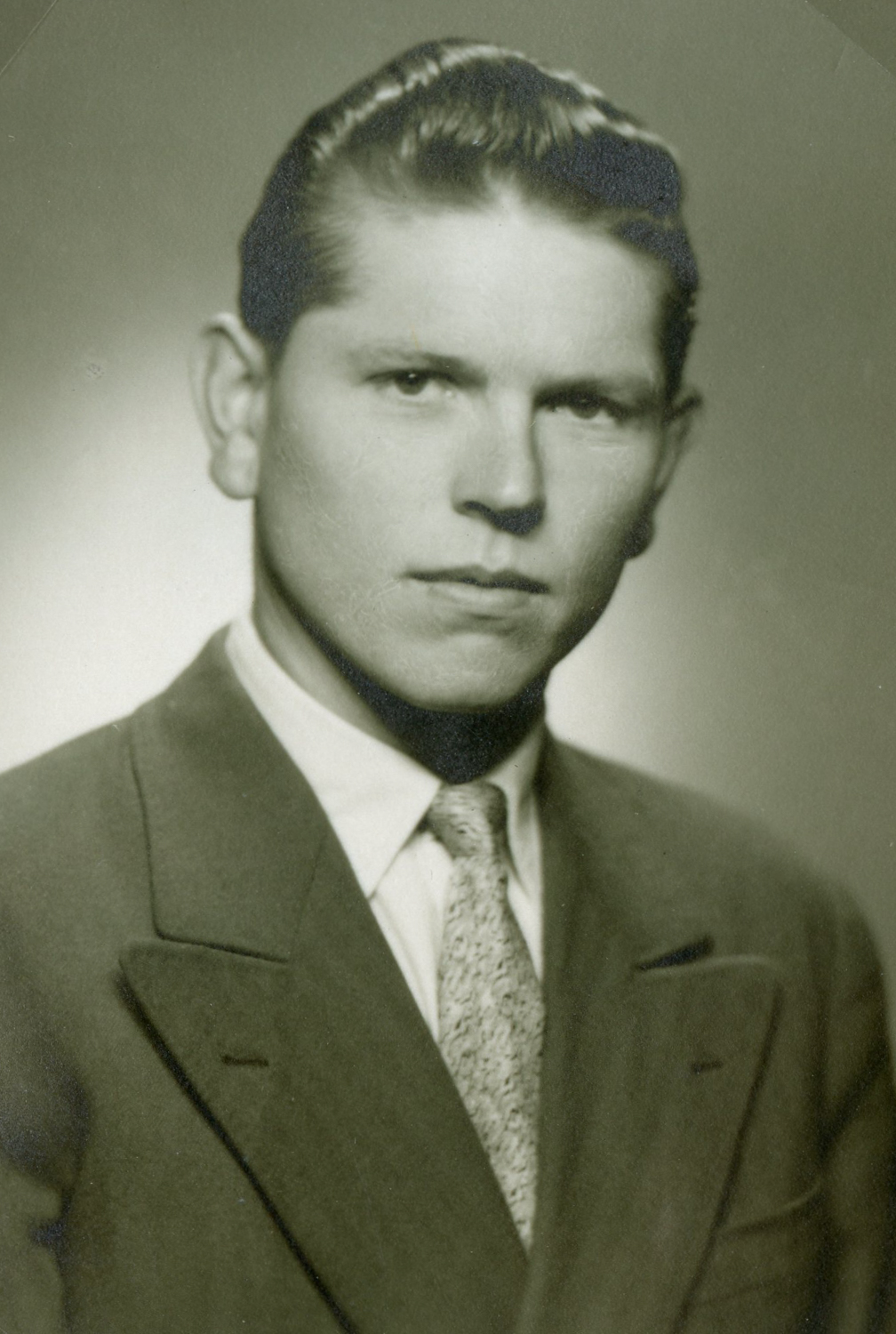
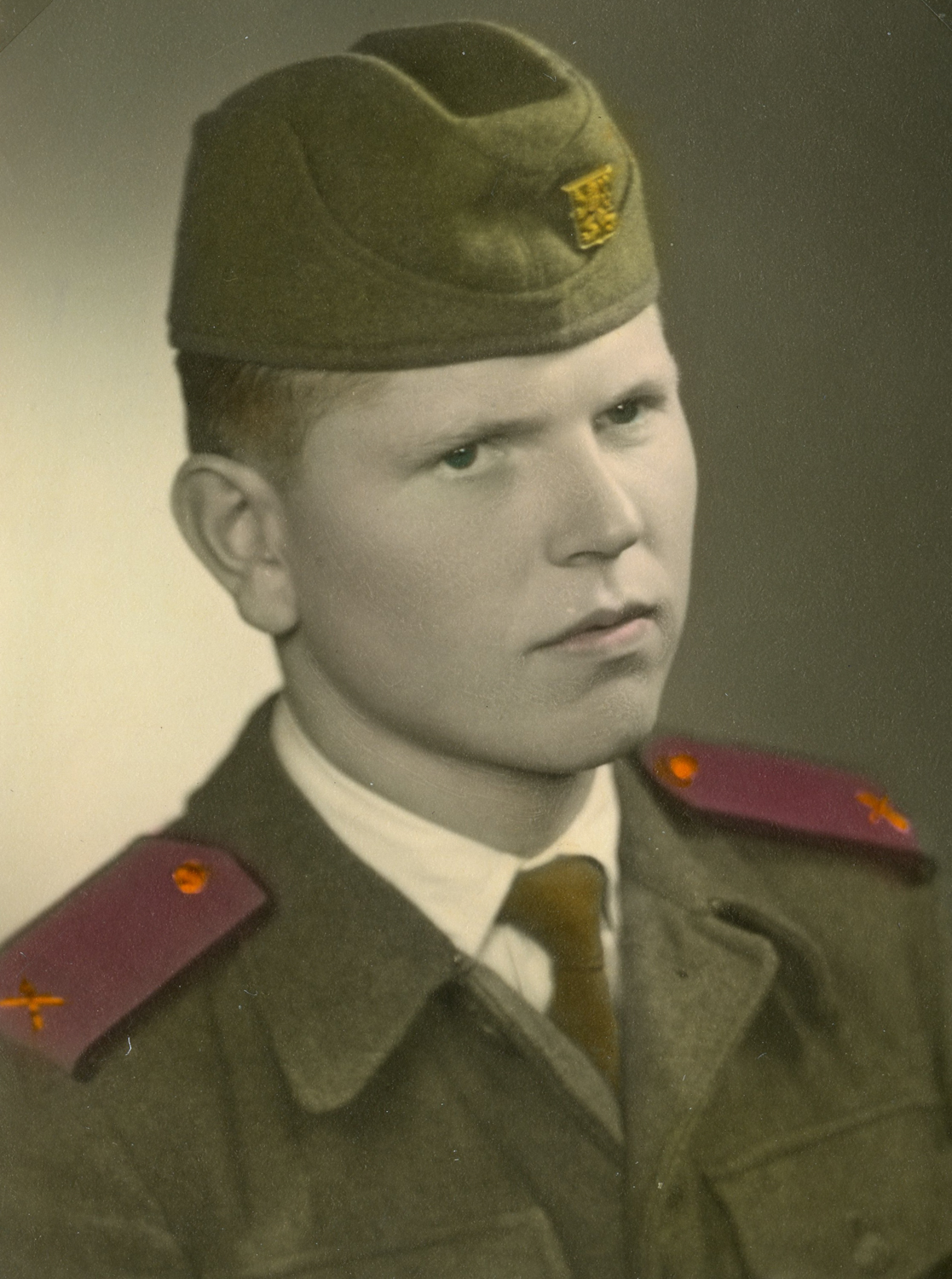
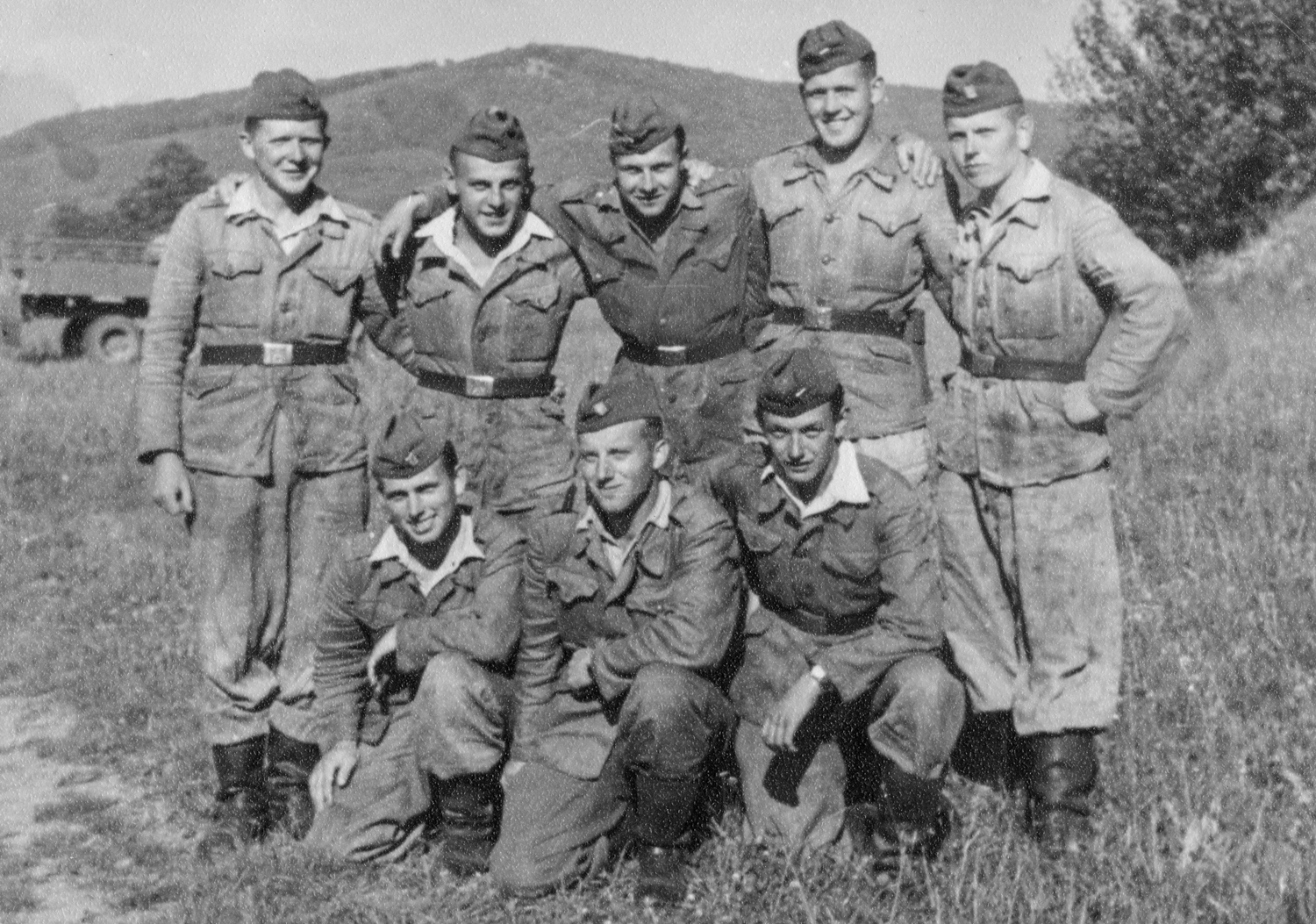
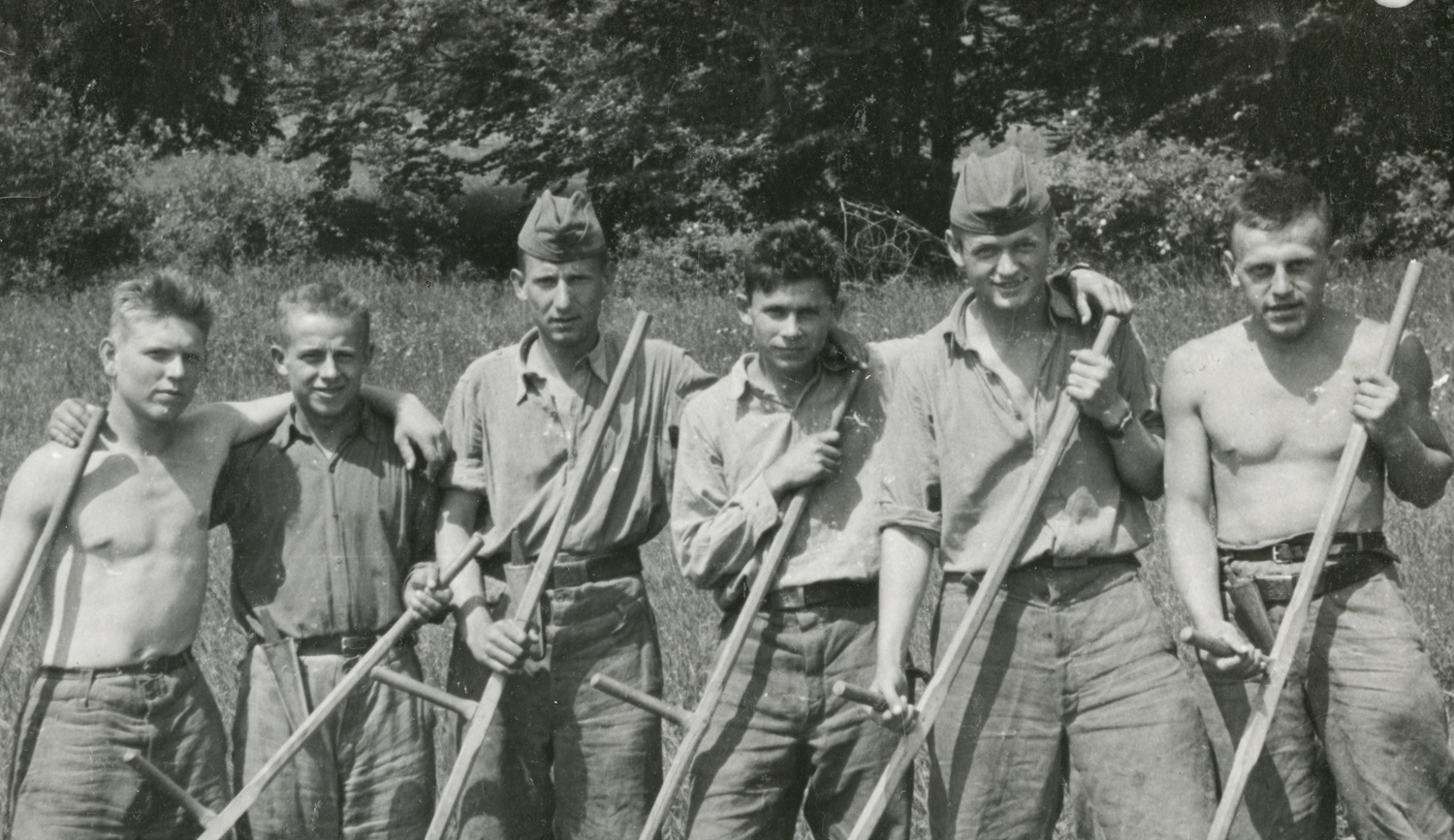
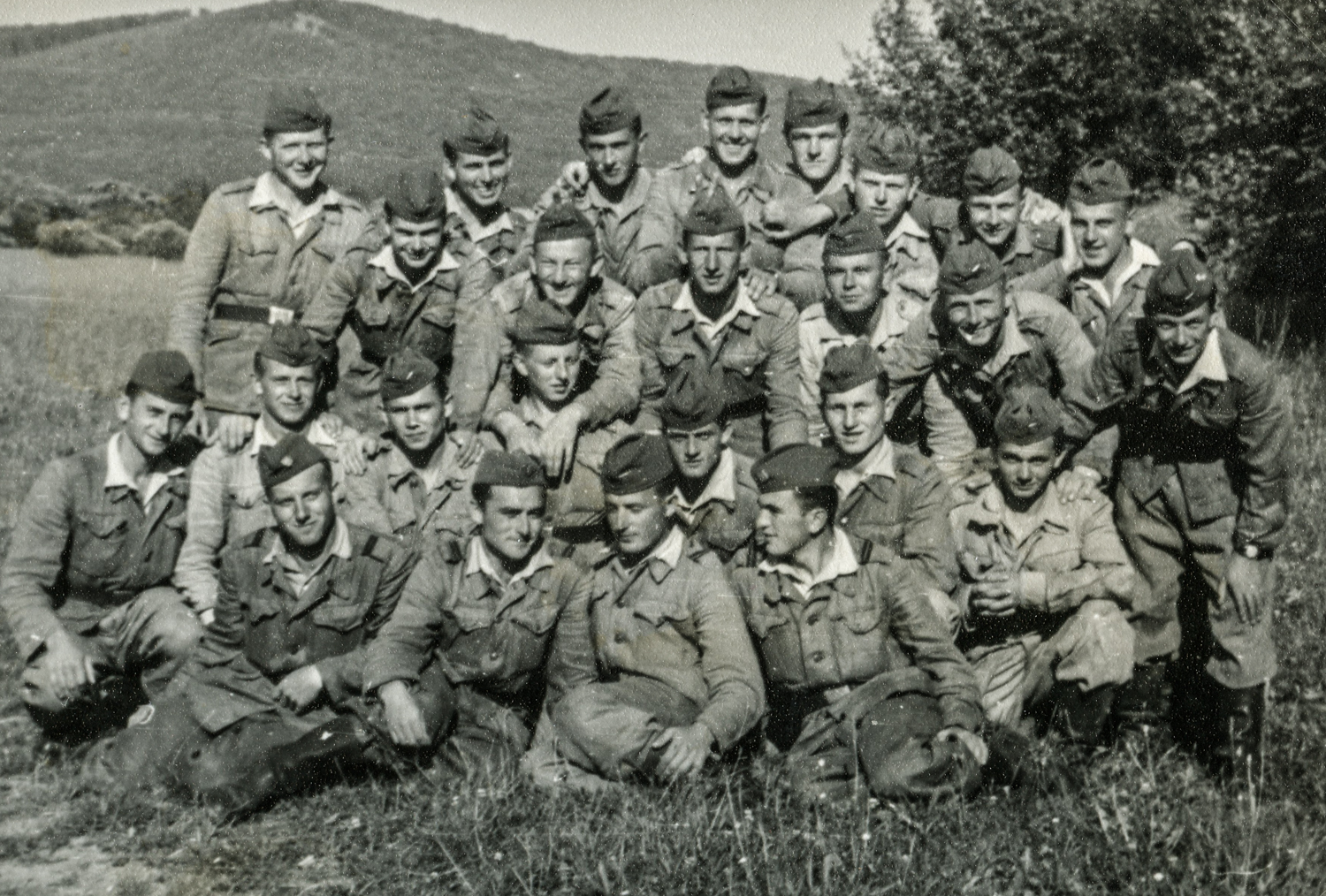
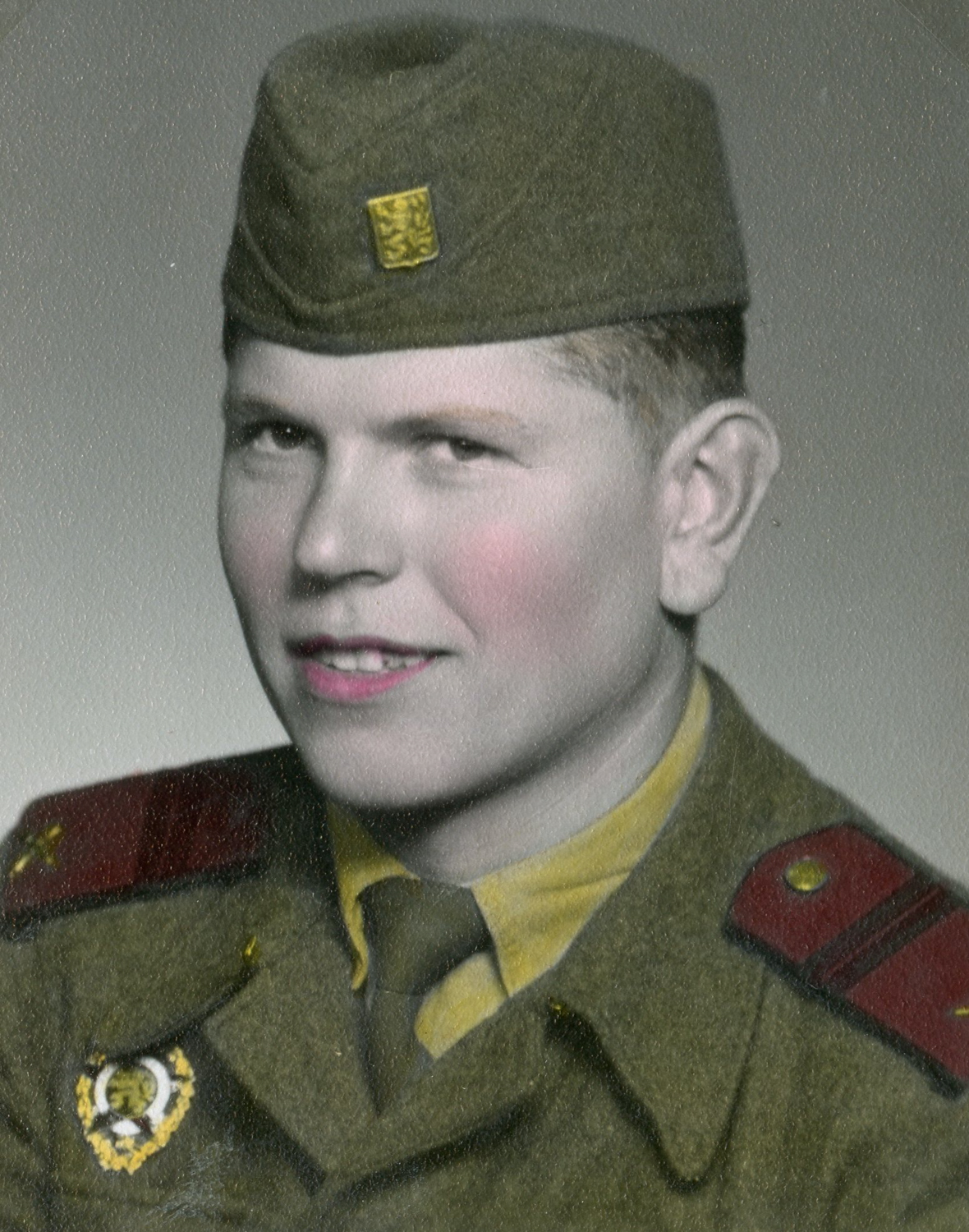
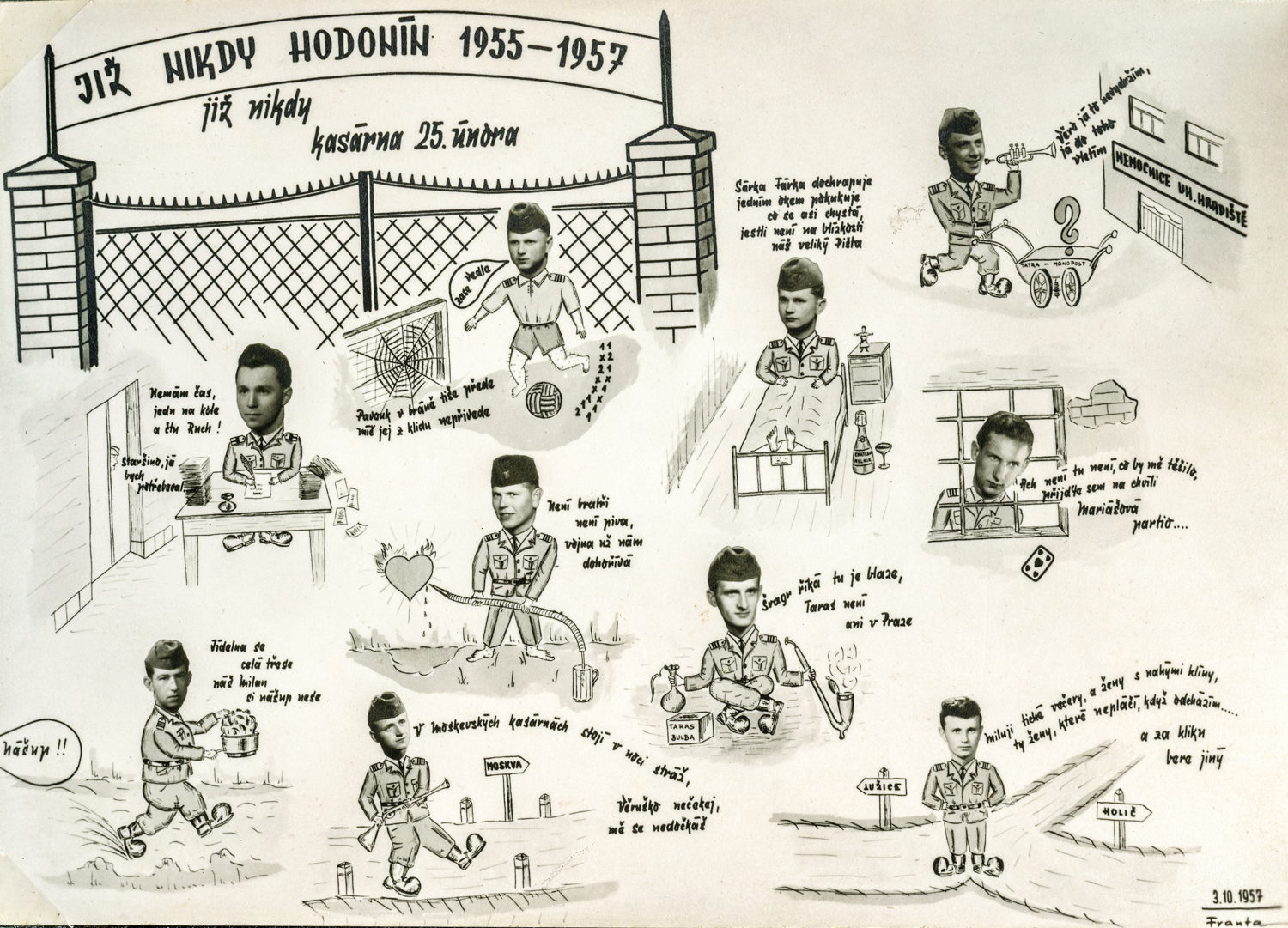
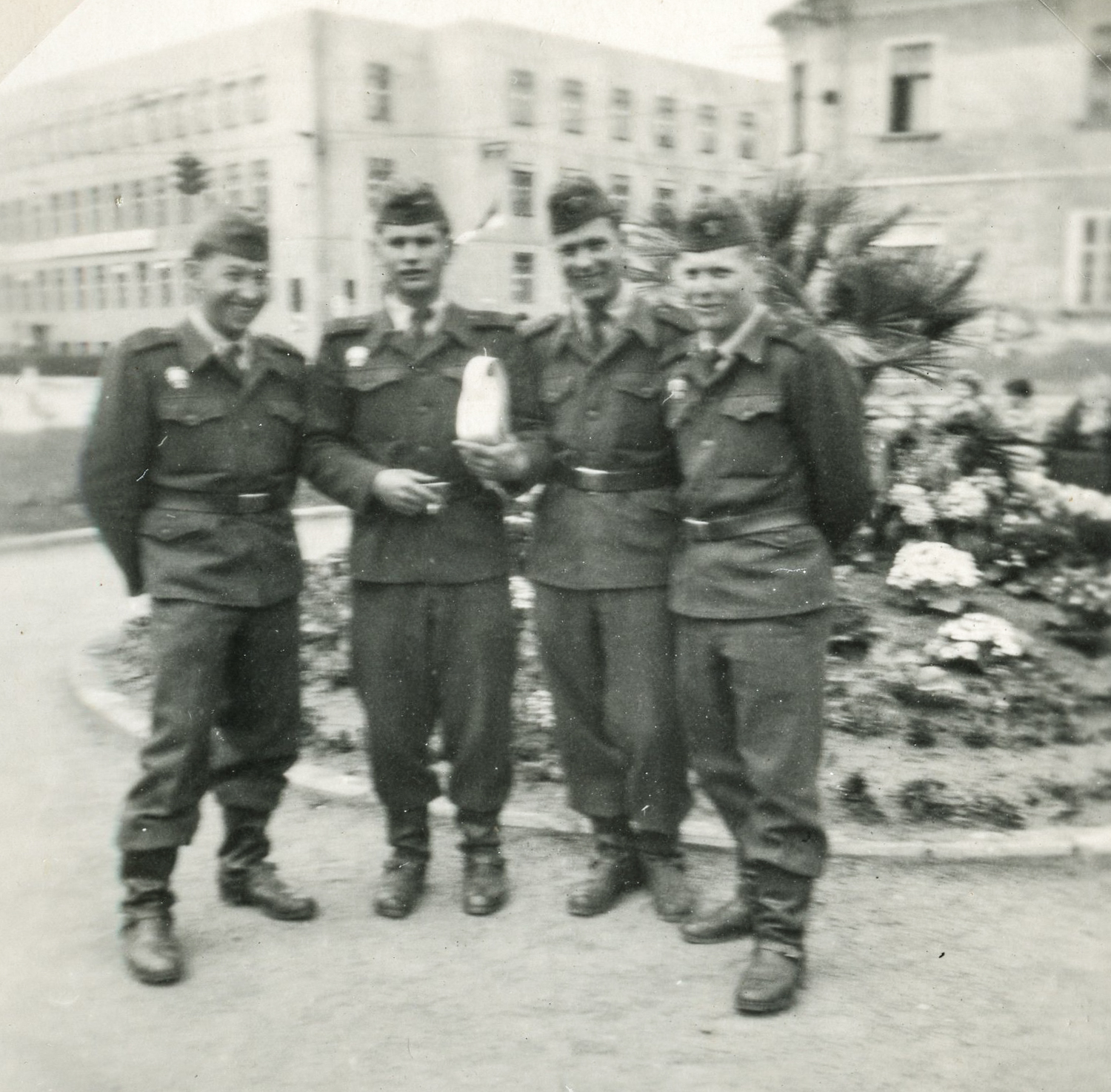
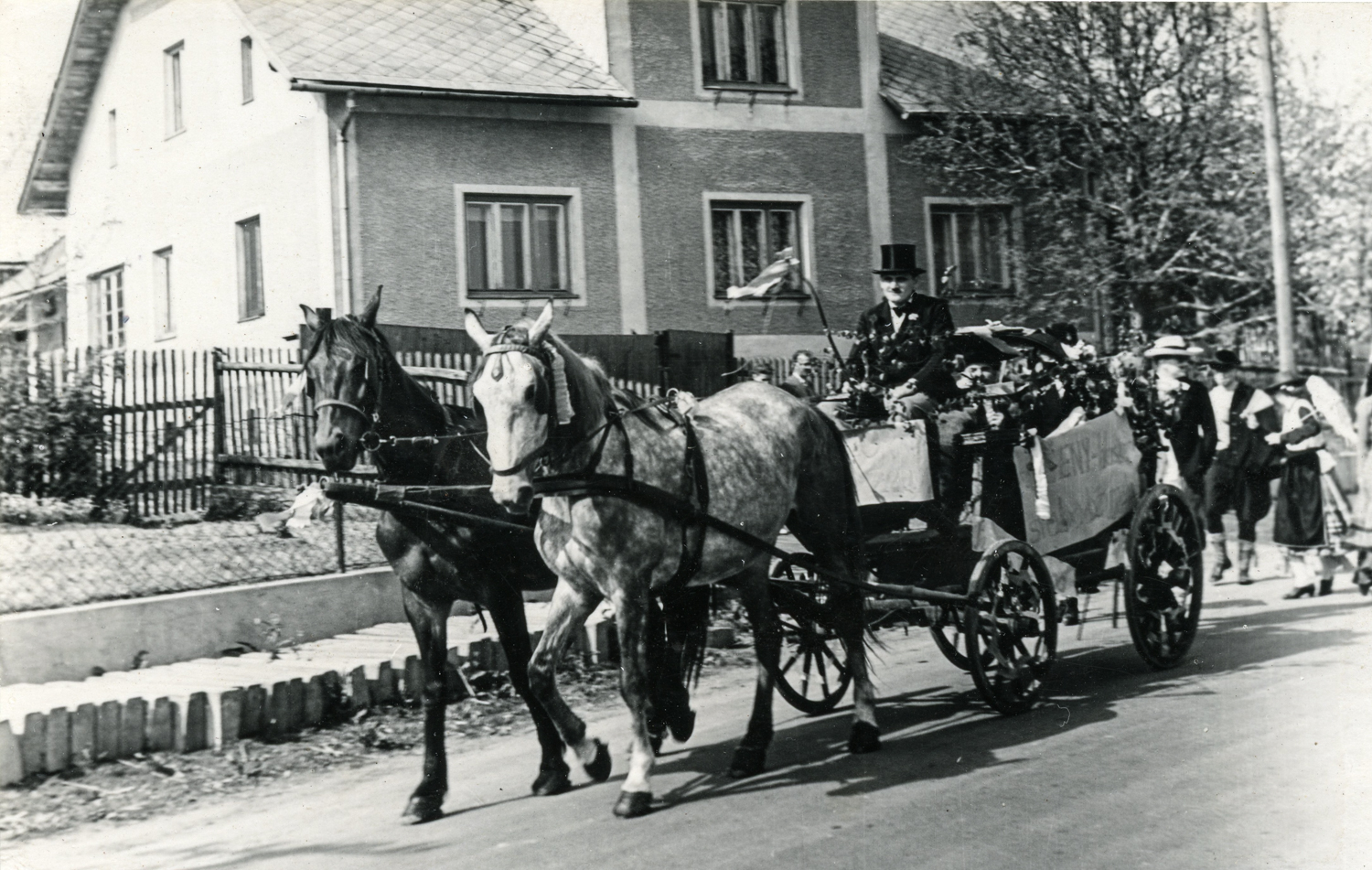
Josef Prejda was born in Uhlířov on 15 February 1936 into the family of Václav and Školastika Prejdas. His uncle Alexandr Prejda was a Czechoslovak legionnaire in Italy in World War I. After the occupation of the Sudetenland in 1938, the witness experienced the Germanization of the school. As a child, he perceived the war primarily through blackouts, air raids and the arrests of local citizens for listening to foreign radio. In 1944, the Gestapo dragged away 14 local residents on denunciation, and several of them died in prison. In the spring of 1945, during the fighting in the village, the Prejda family hid in the cellar. They decided to leave the village eventually and walked through the minefields to Opava. When the family returned to the destroyed village, they set about rebuilding the farm. In 1946, the town of Semily took patronage of the village and organized a convalescent stay for the Uhlířov children including the witness. In the same year, the Uhlířov informer Adolfína Galetková was executed in Opava. Josef Prejda trained for a locksmith in Ostrava-Vítkovice. He served with a motorized regiment in 1955-1957 and experienced mobilization during the Hungarian crisis of 1956. After his military service, he completed his education at a high school and worked at Vítkovice Ironworks as a machine fitter for electric motors. He was living in Ostrava in 2025.