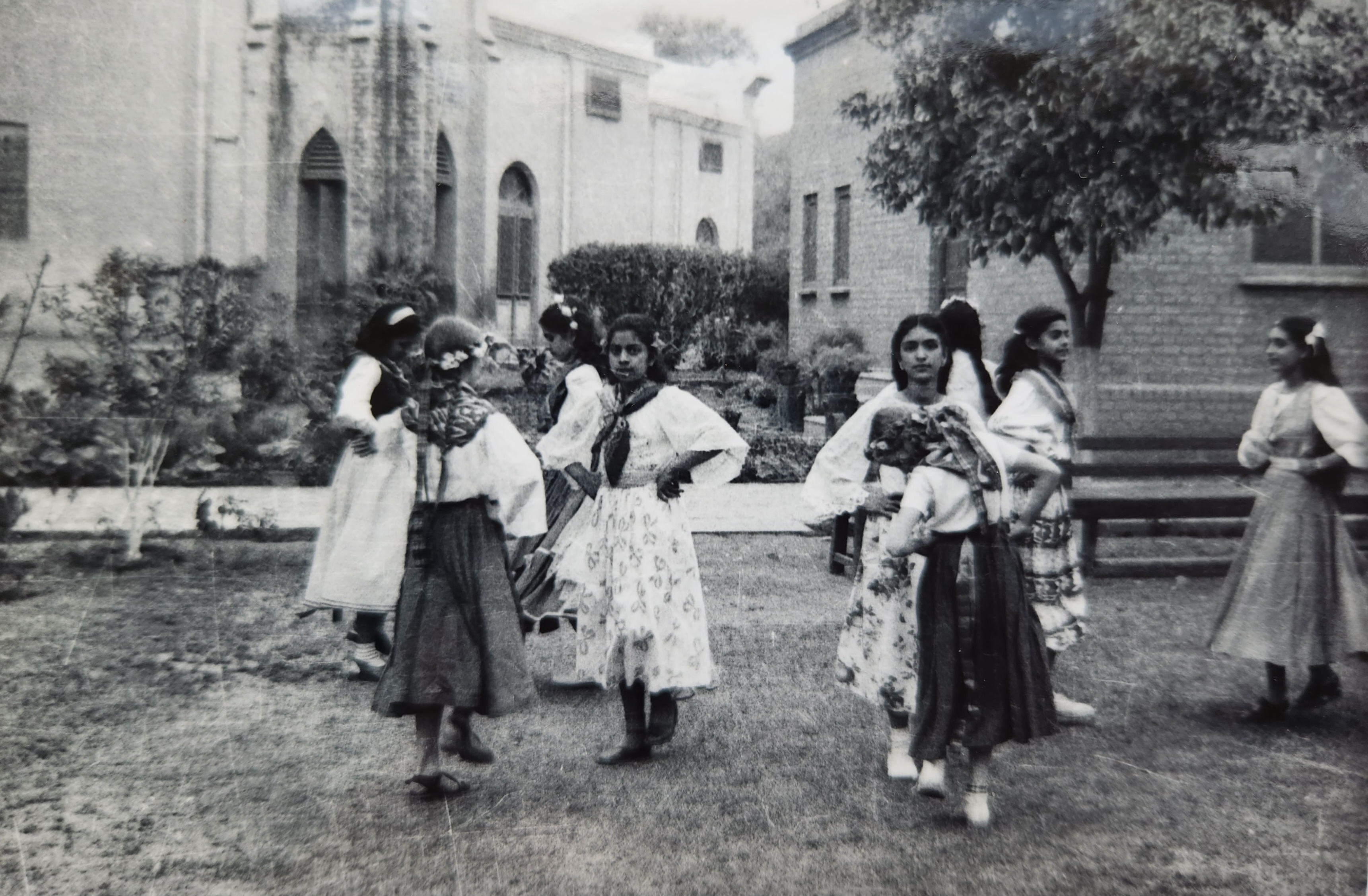
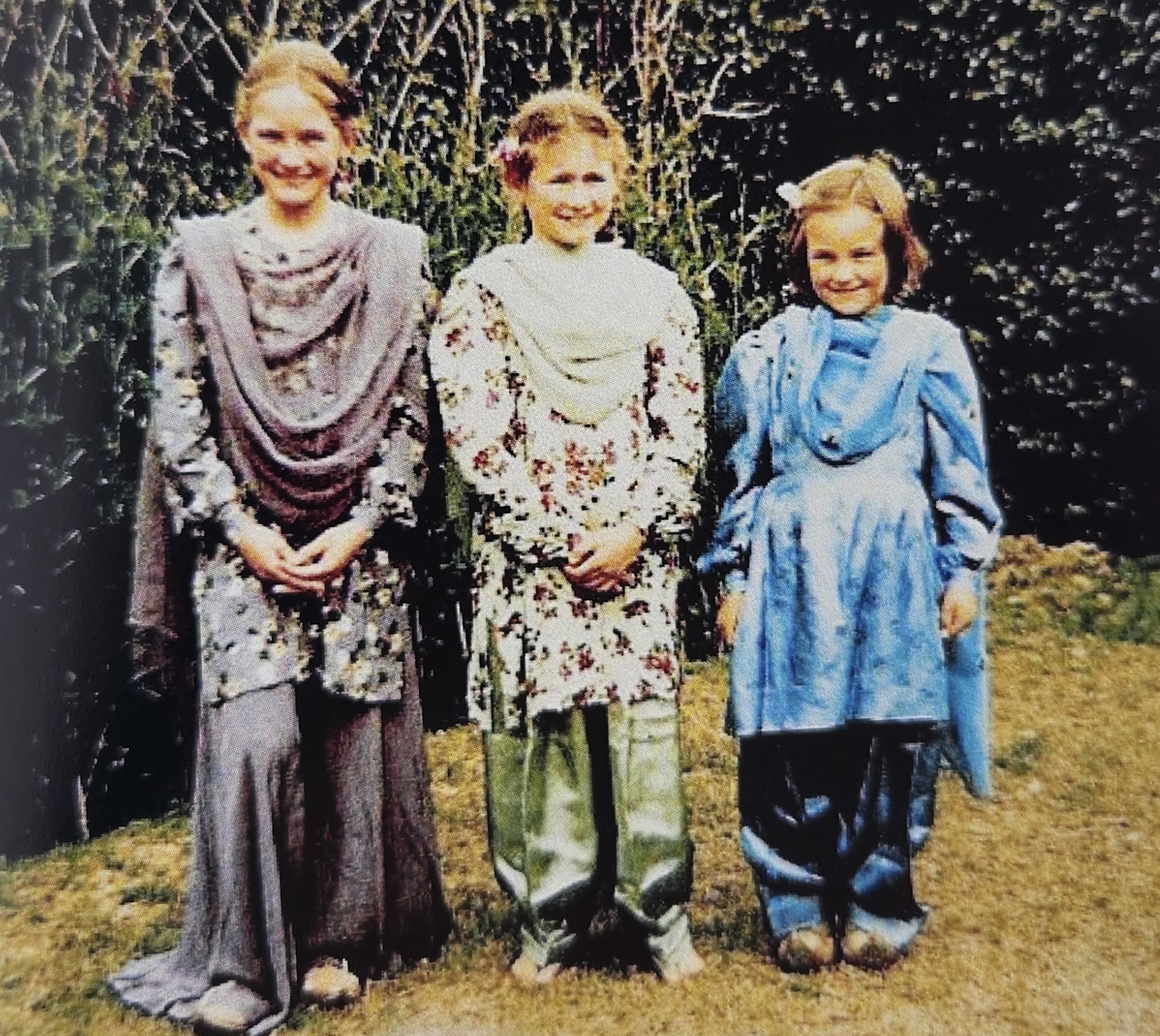
"I do remember there was talk of a World War III being imminent, that it was not a good idea to stay in Europe. So when Pakistan, it was called West Pakistan then, was recruiting physicians for the military,and apparently then went to all kinds of nationalities from refugee camps. And recruited people to work in the military. My parents had always considered it to be an interim until our visas came through."
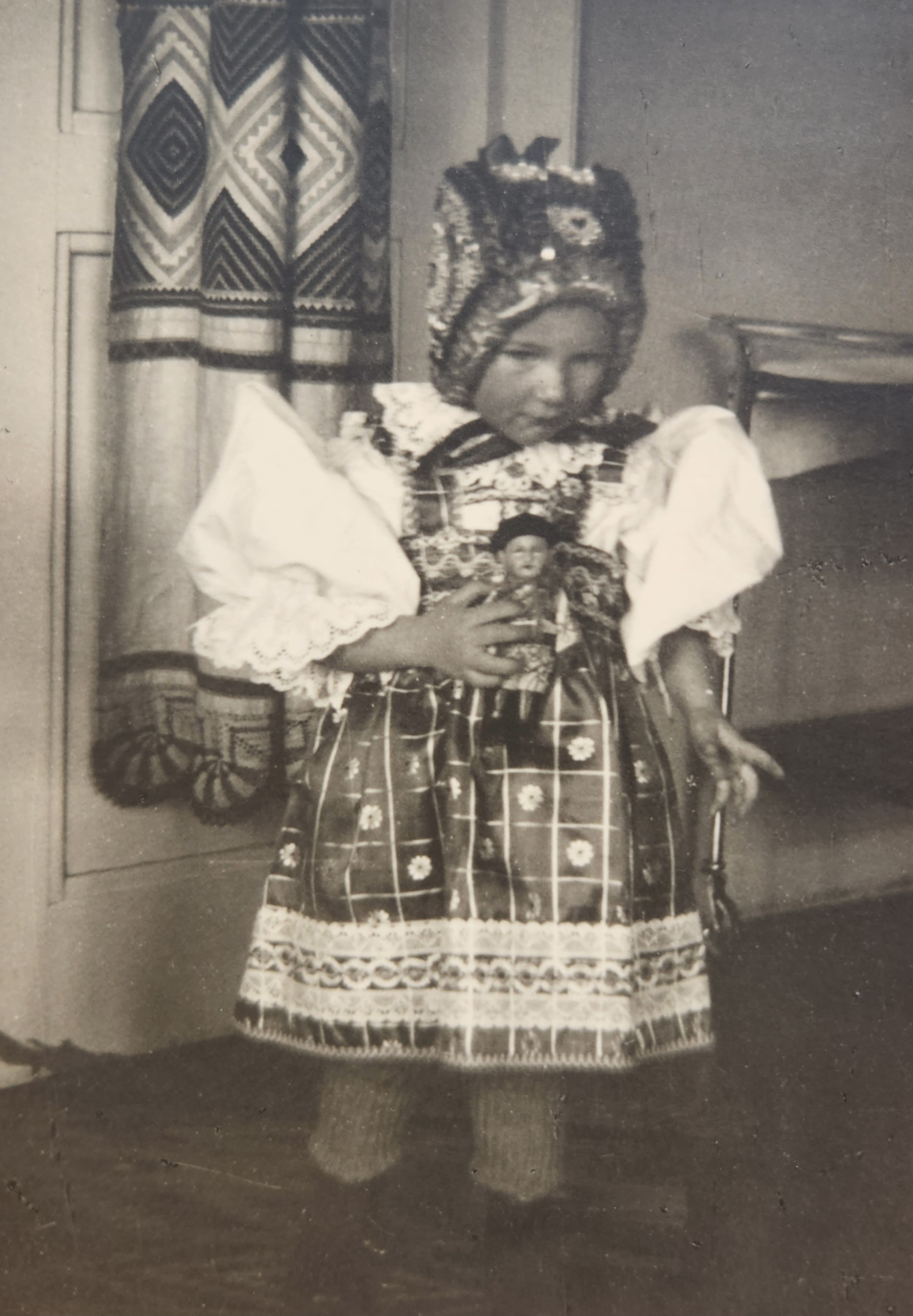
"In June 1949 we ended up in Šumava. The group decided that Máma - that's what we called our mother - and the children would hike over the mountains during the day, daylight, and the other group of the adults would go at night. And they were armed... And they had luggage. When we [children] were going on a hike, we couldn't have luggage. We only carried a kind of rucksack, and my sister had a [toy] that was filled with gold."
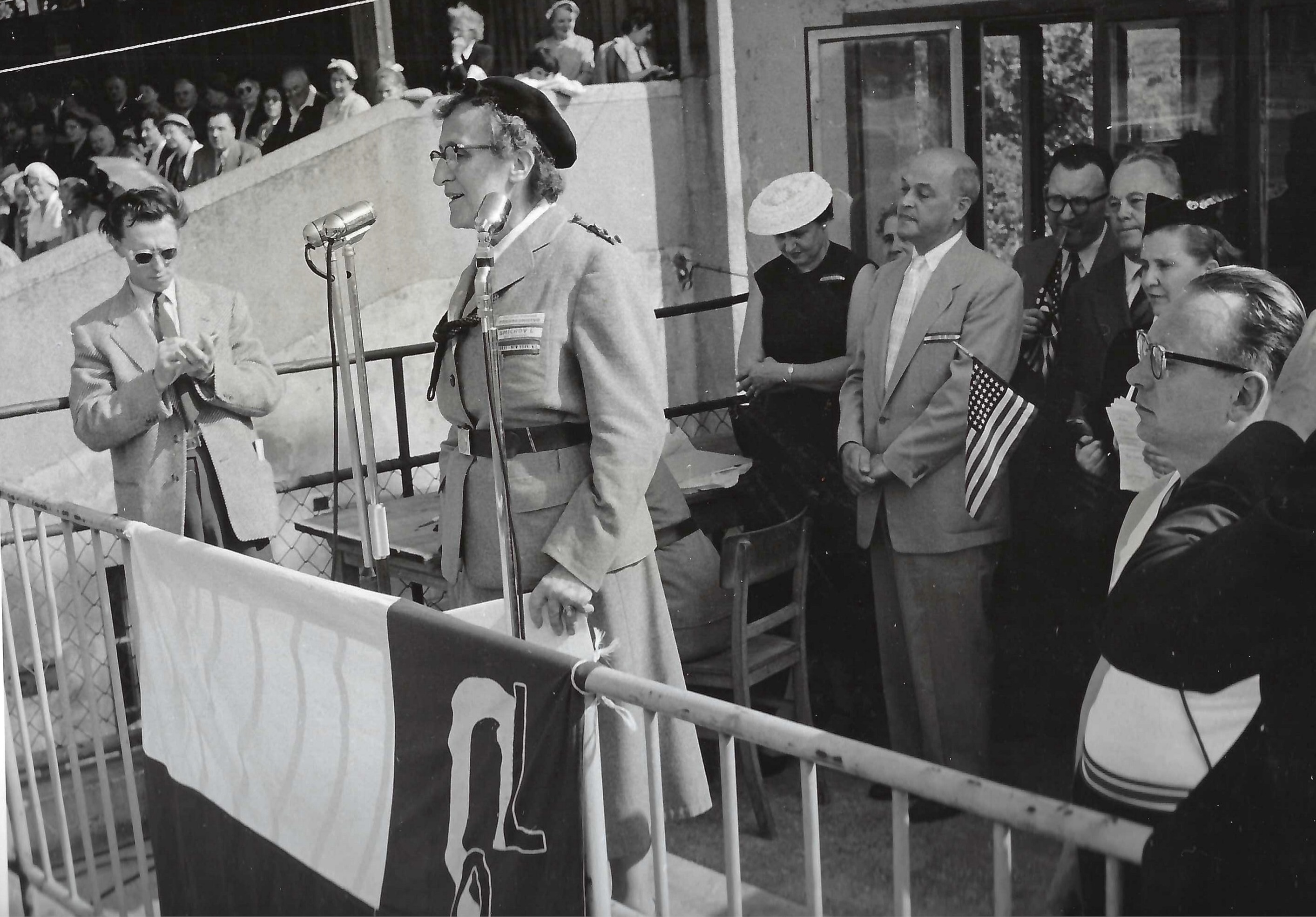
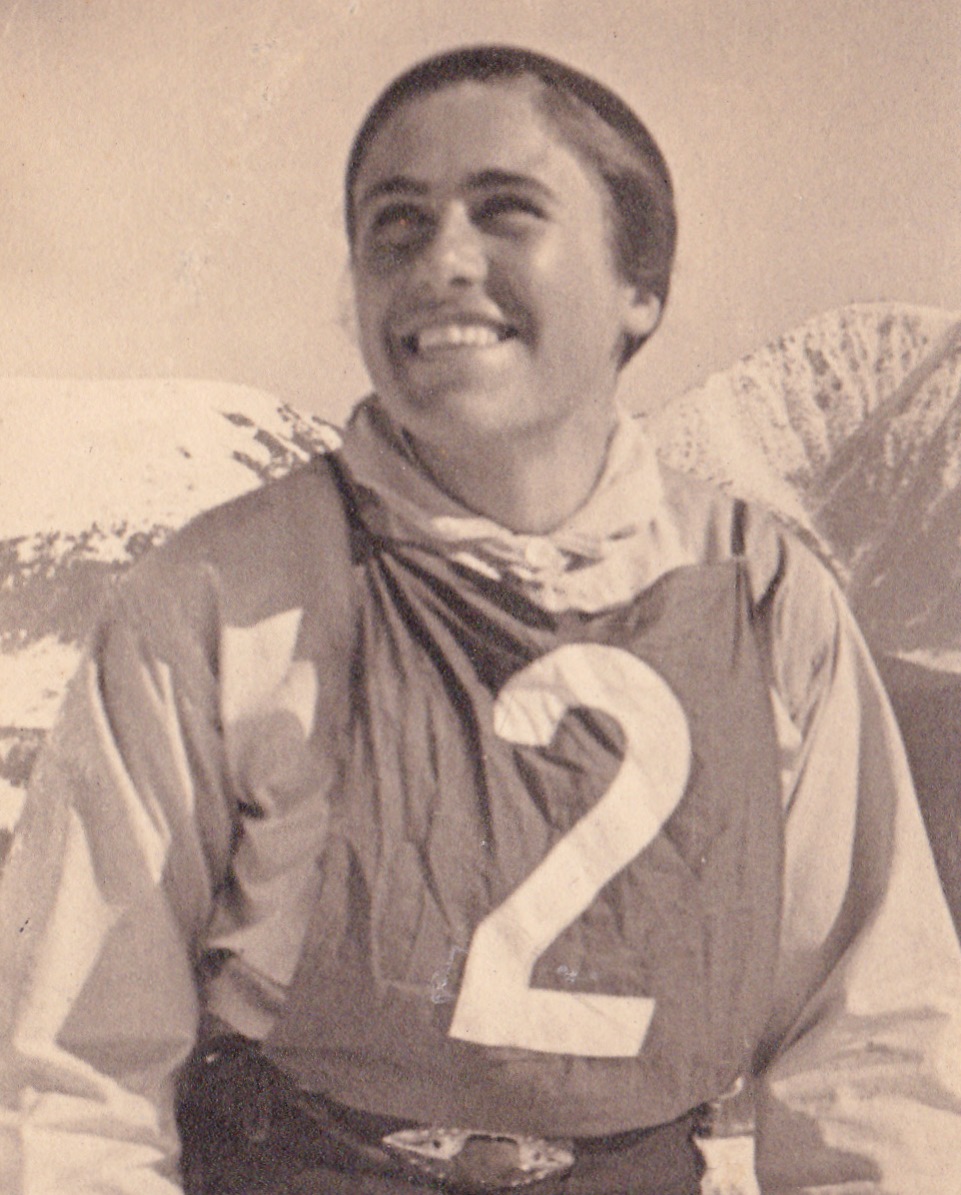
"She [my grandmother] was then the highest woman in the women's division of Sokol. And the reason she was hiding, [was] because Sokol members were anti-fascists, anti-Hitler. Many of them were arrested, many of them lost their lives in concentration camps. And she was designated to be the survivor. So that she could re-establish Sokol after the war.
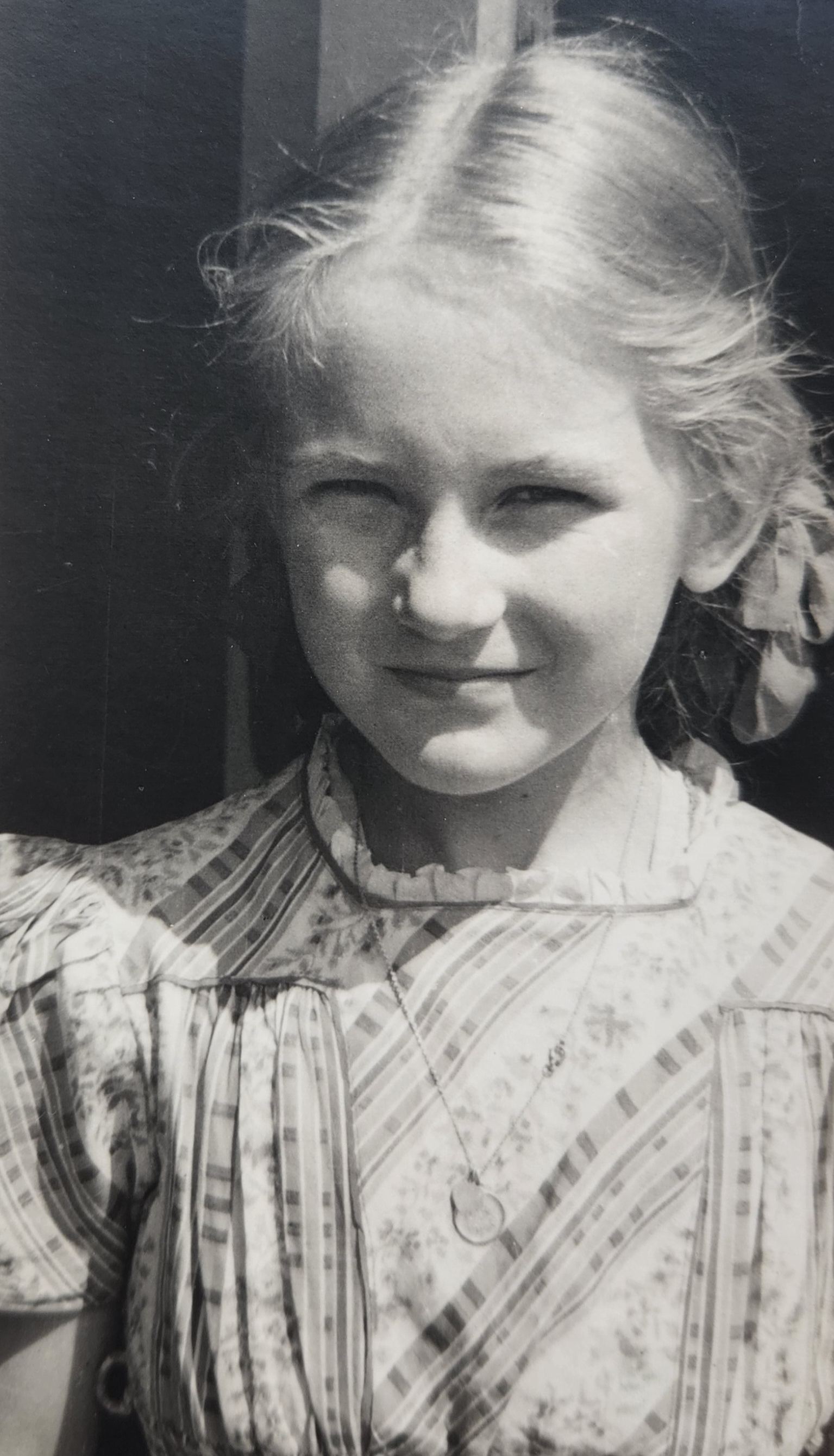
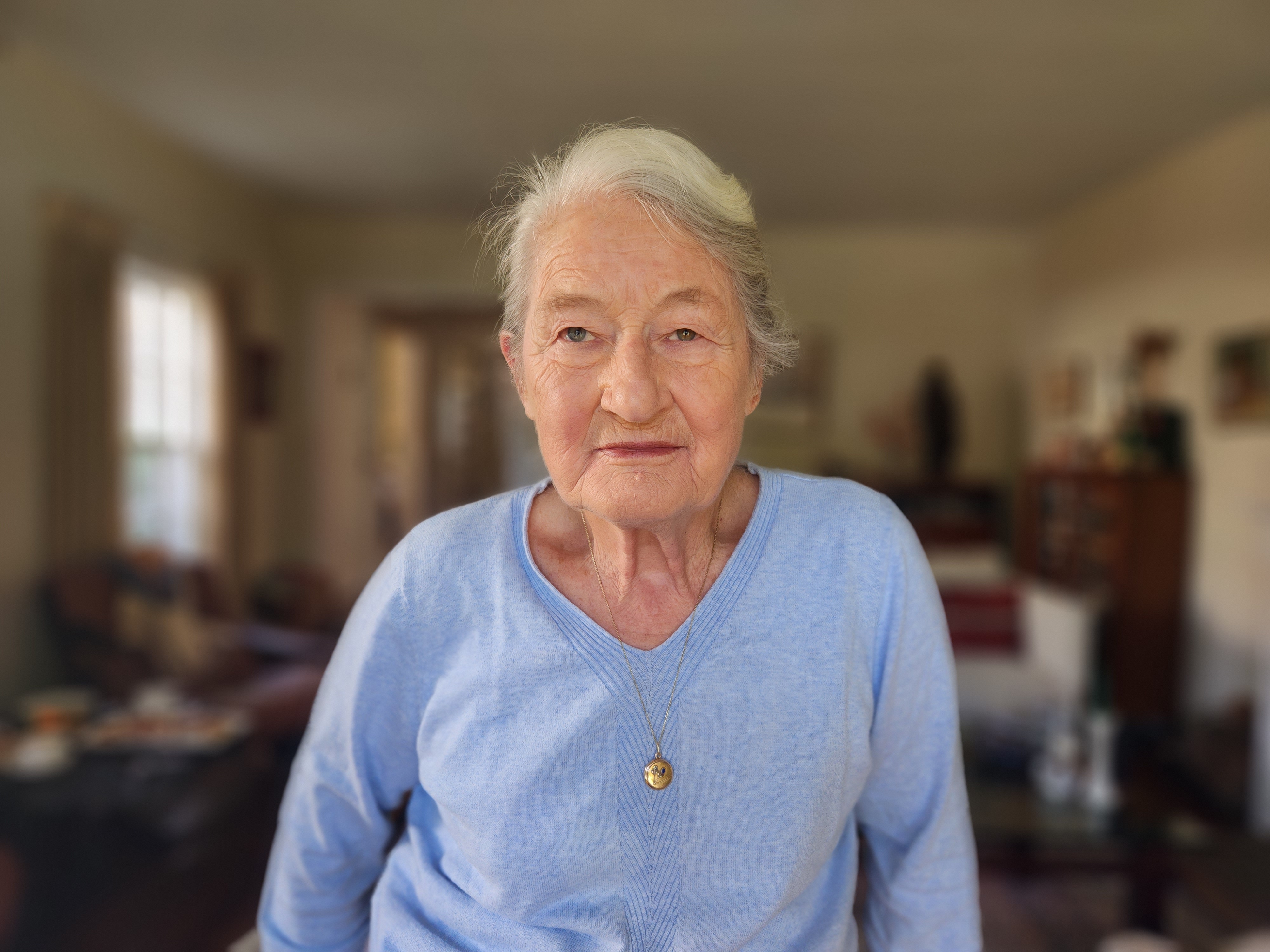
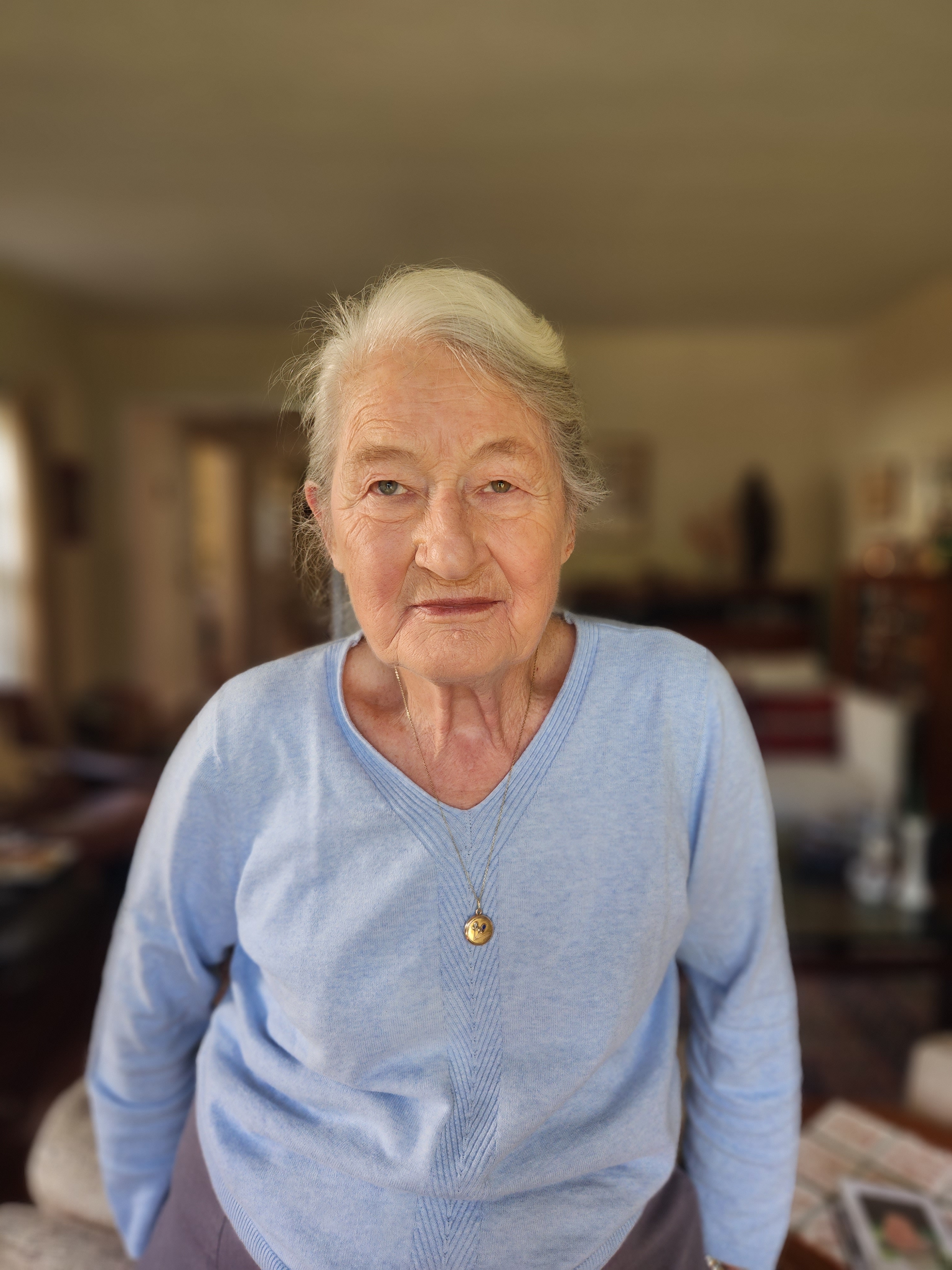
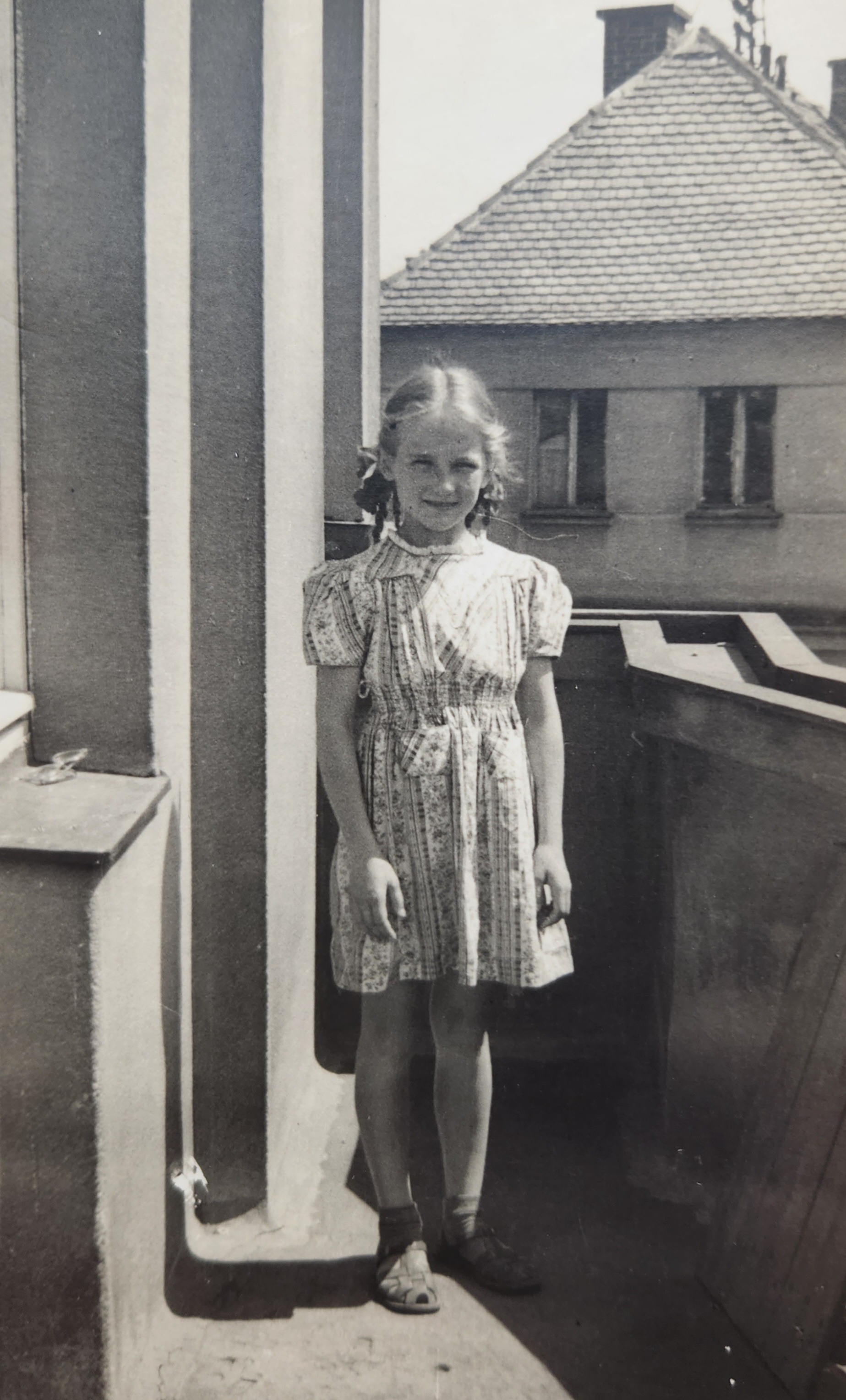
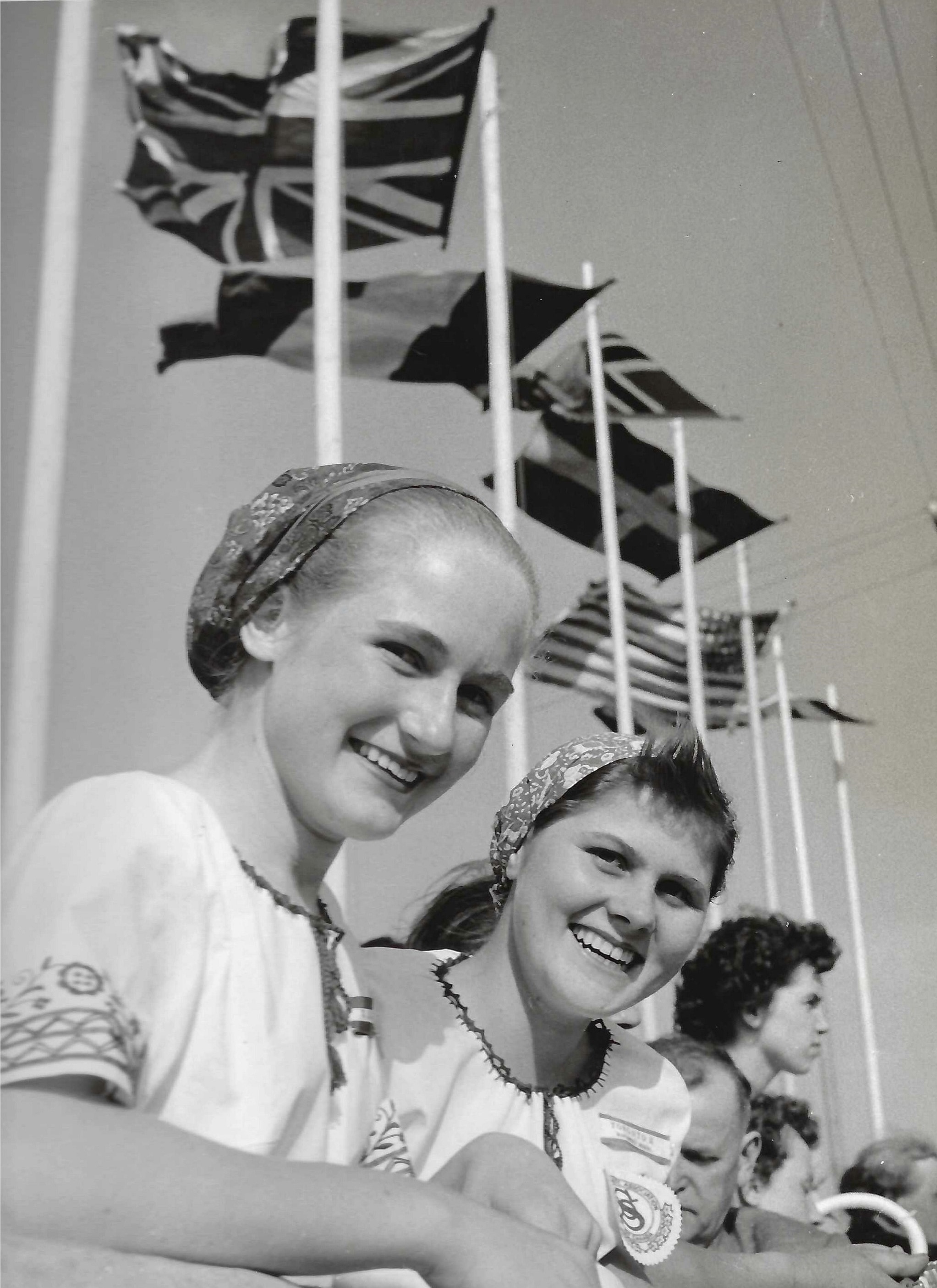
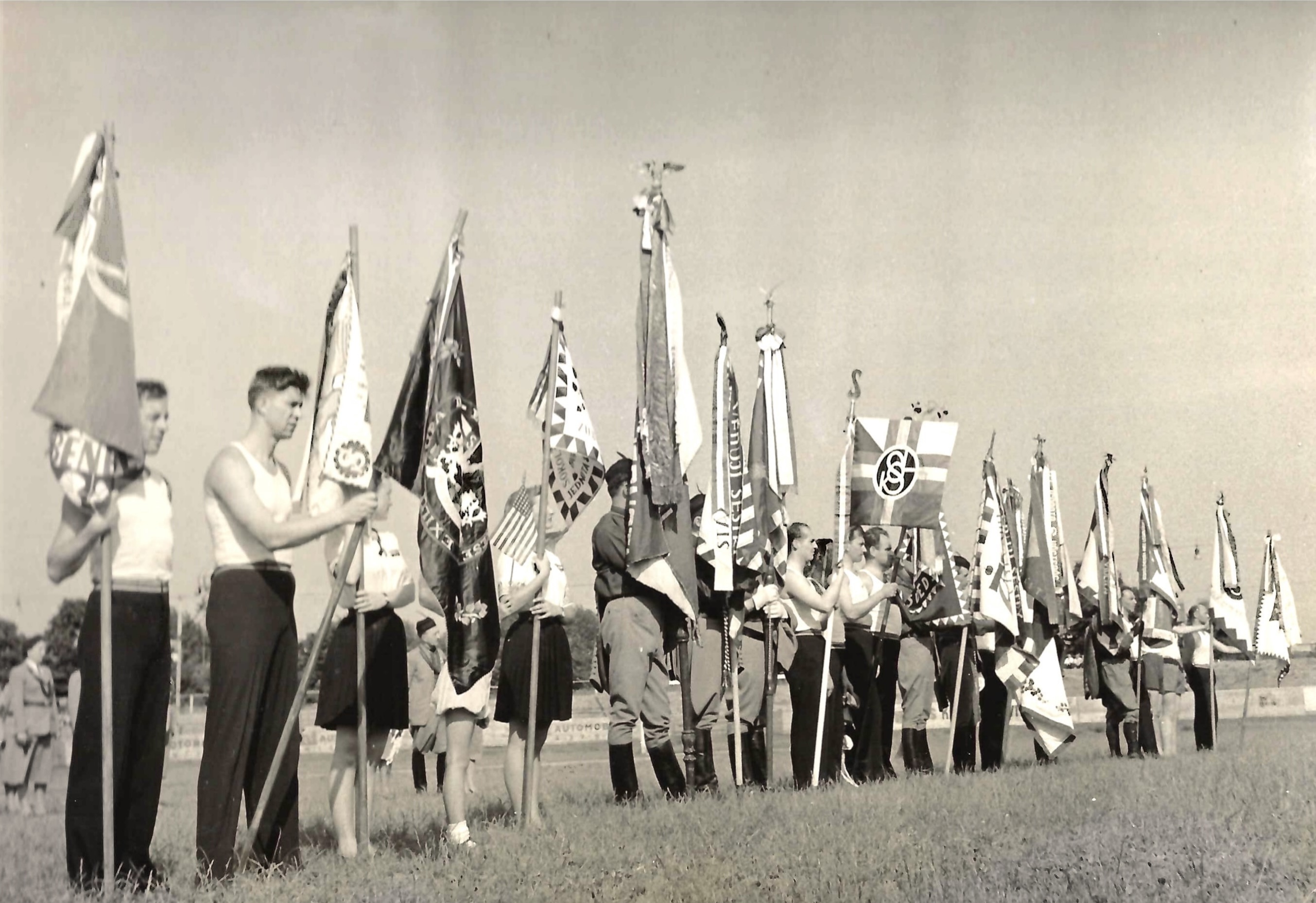
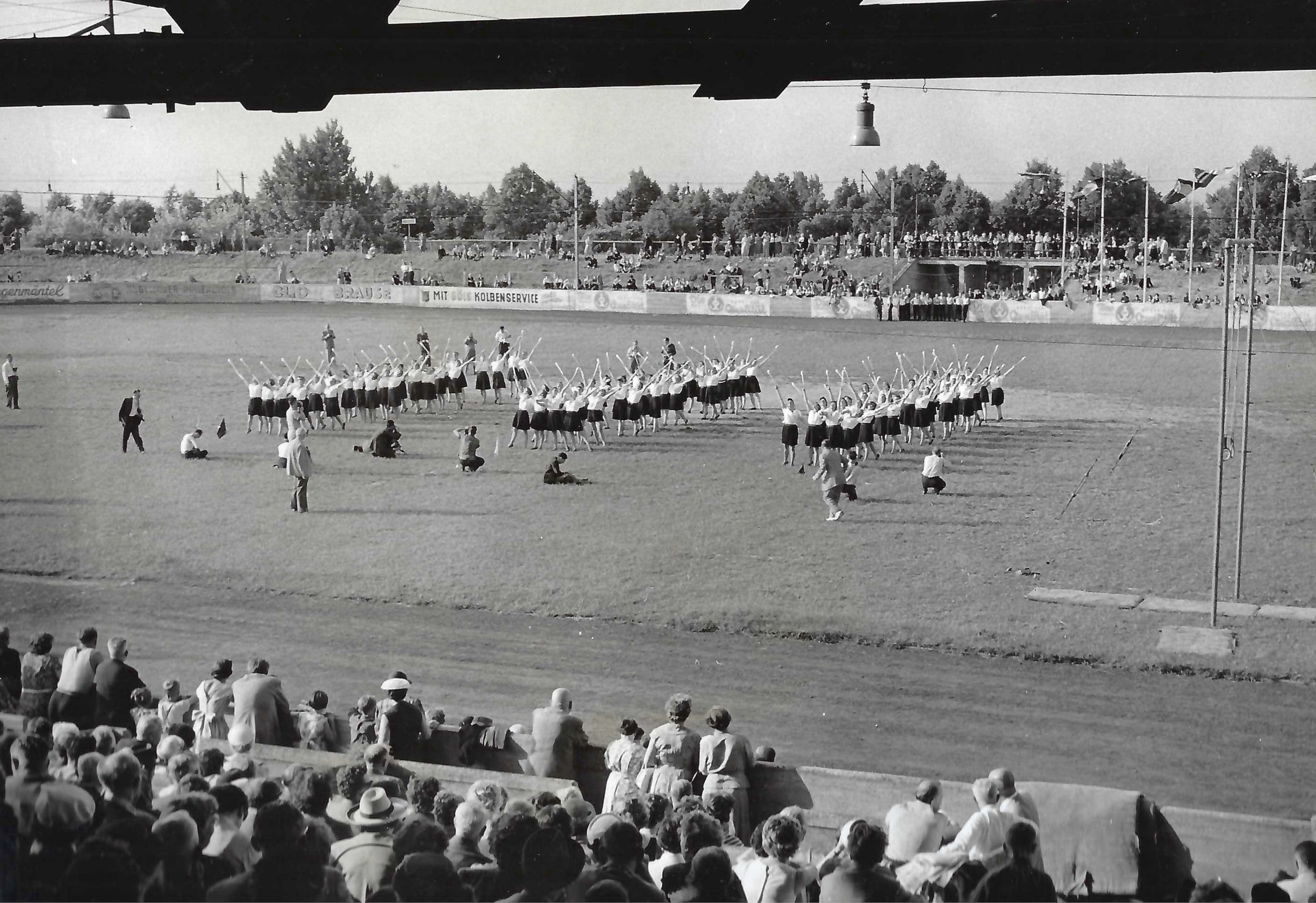
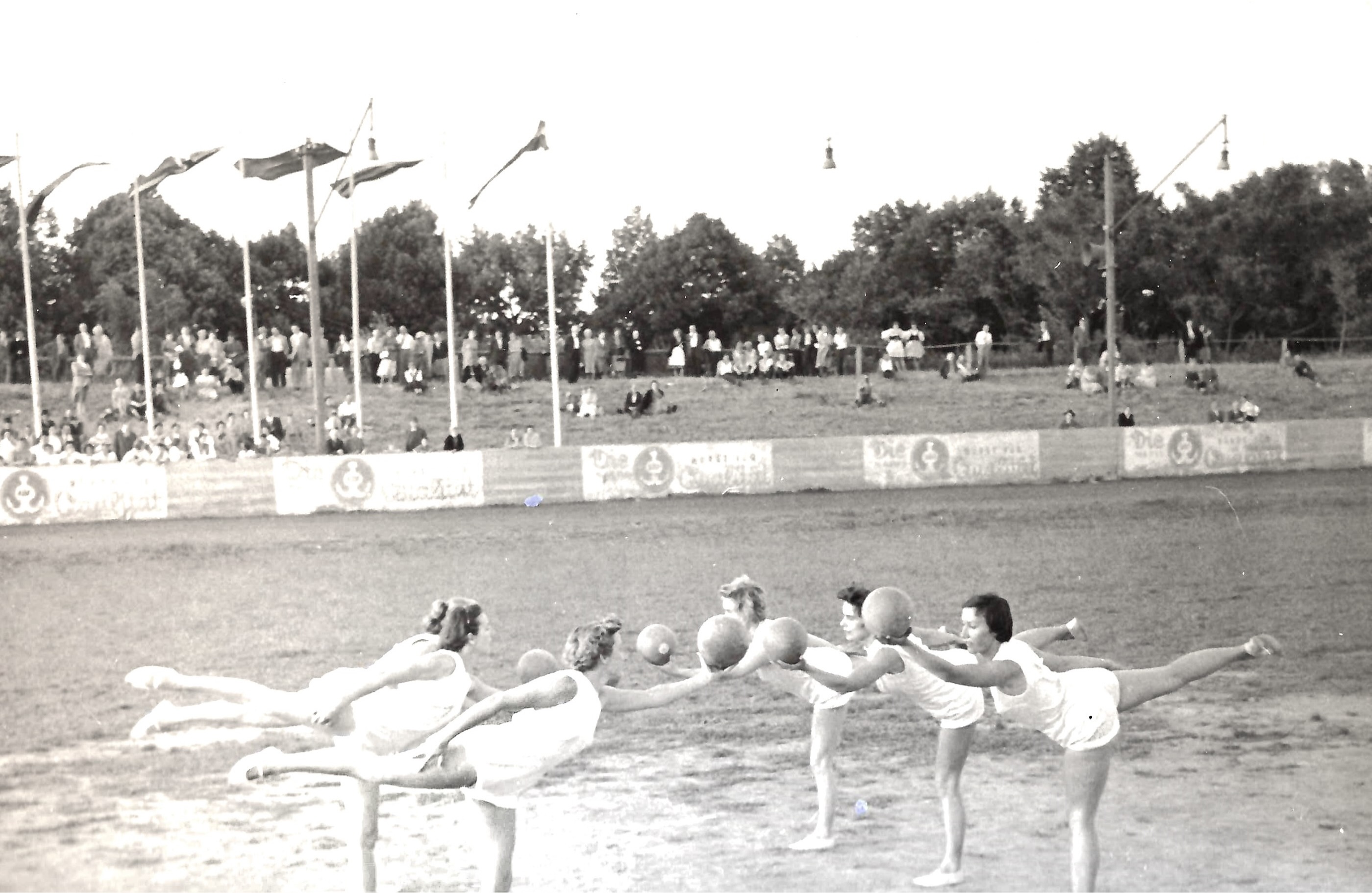
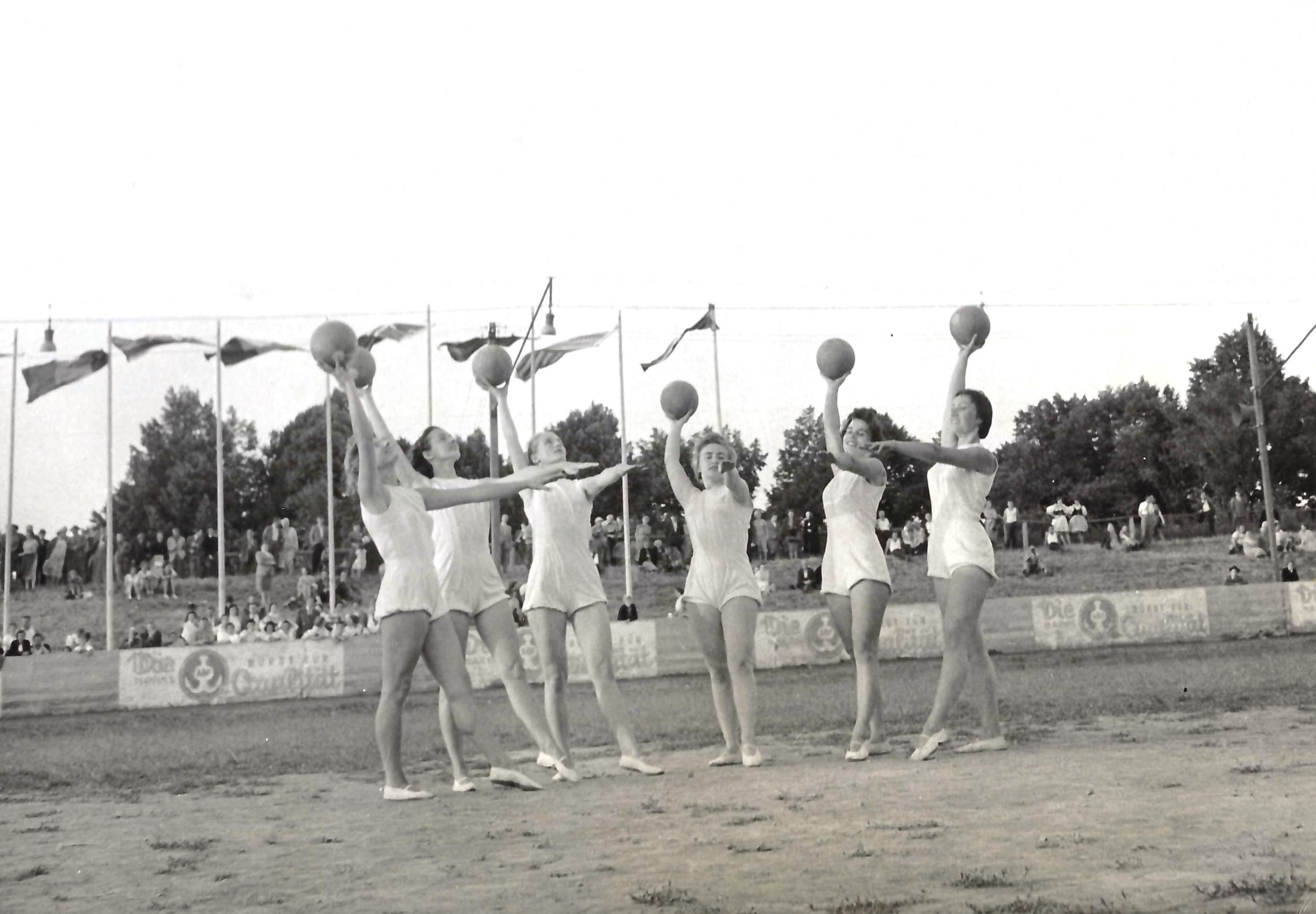
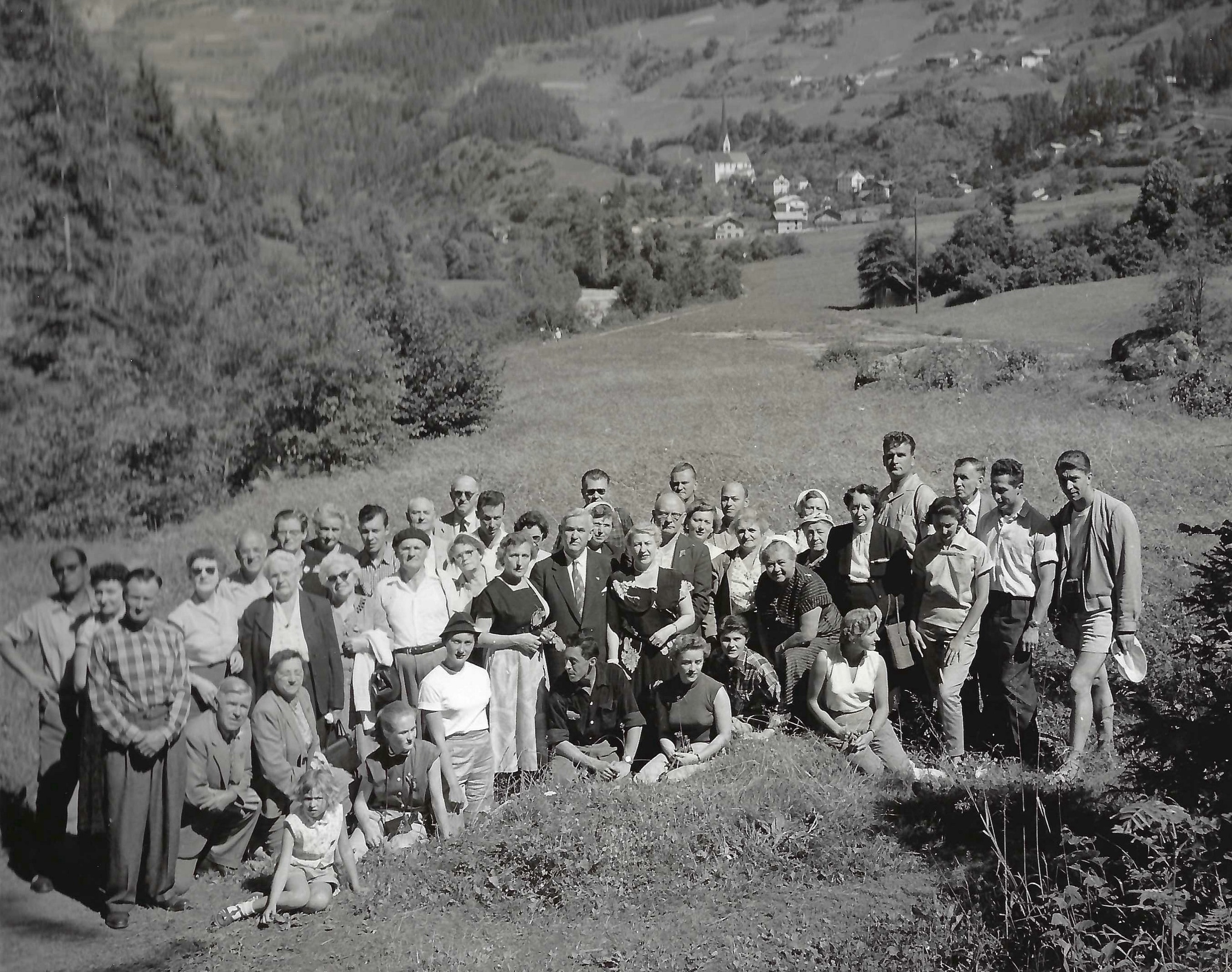
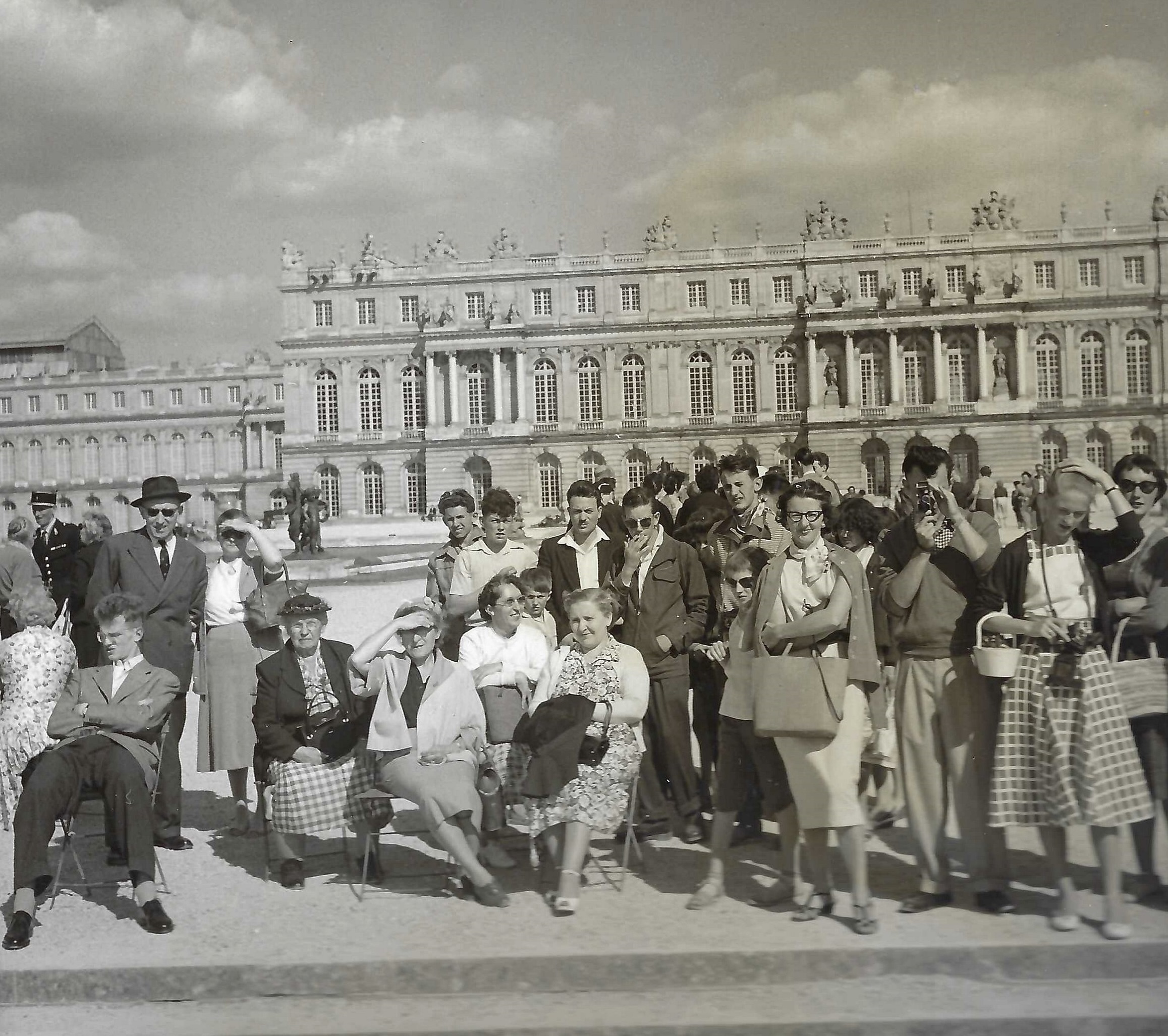
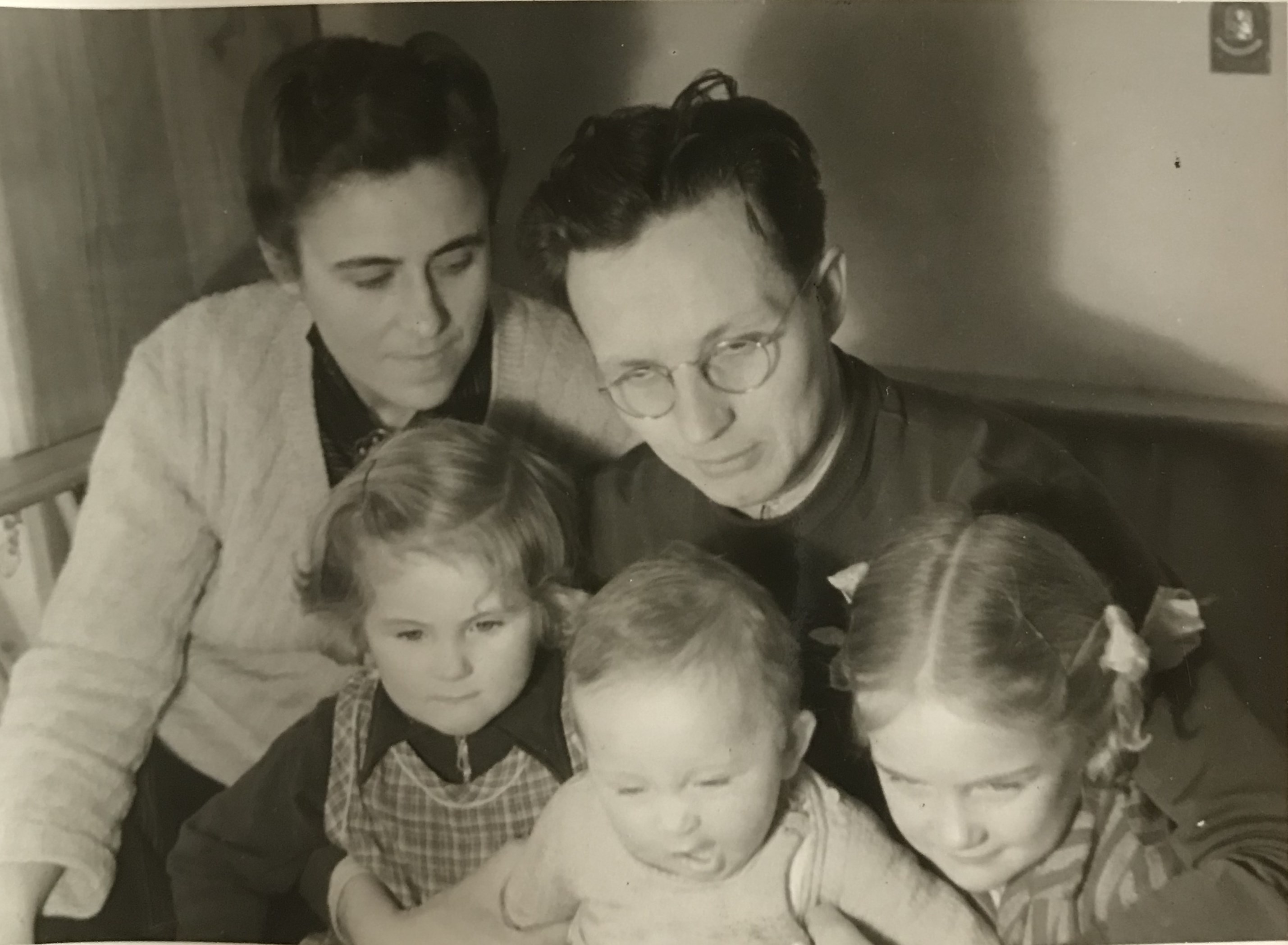
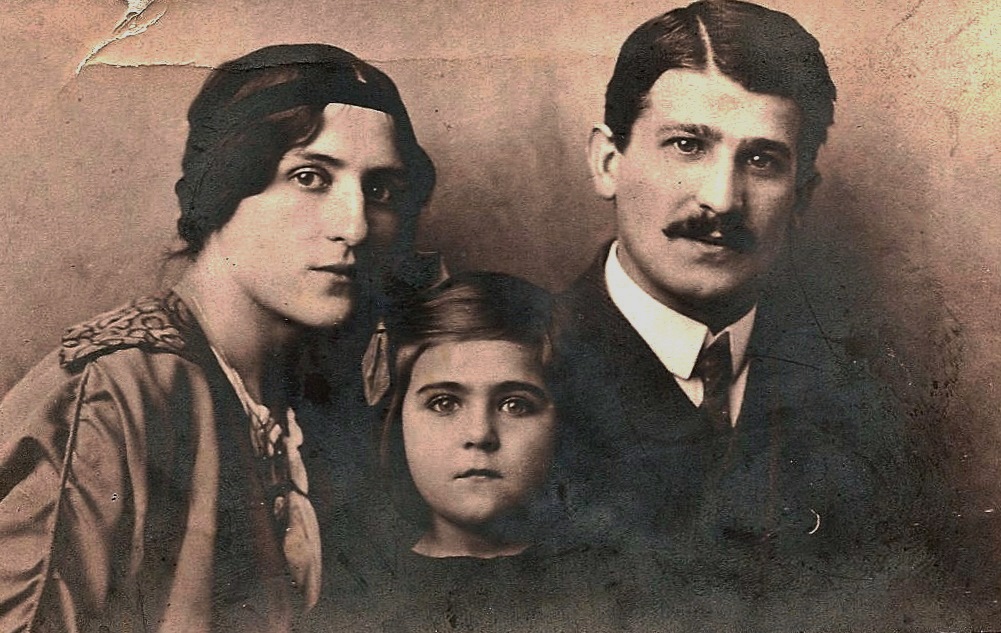
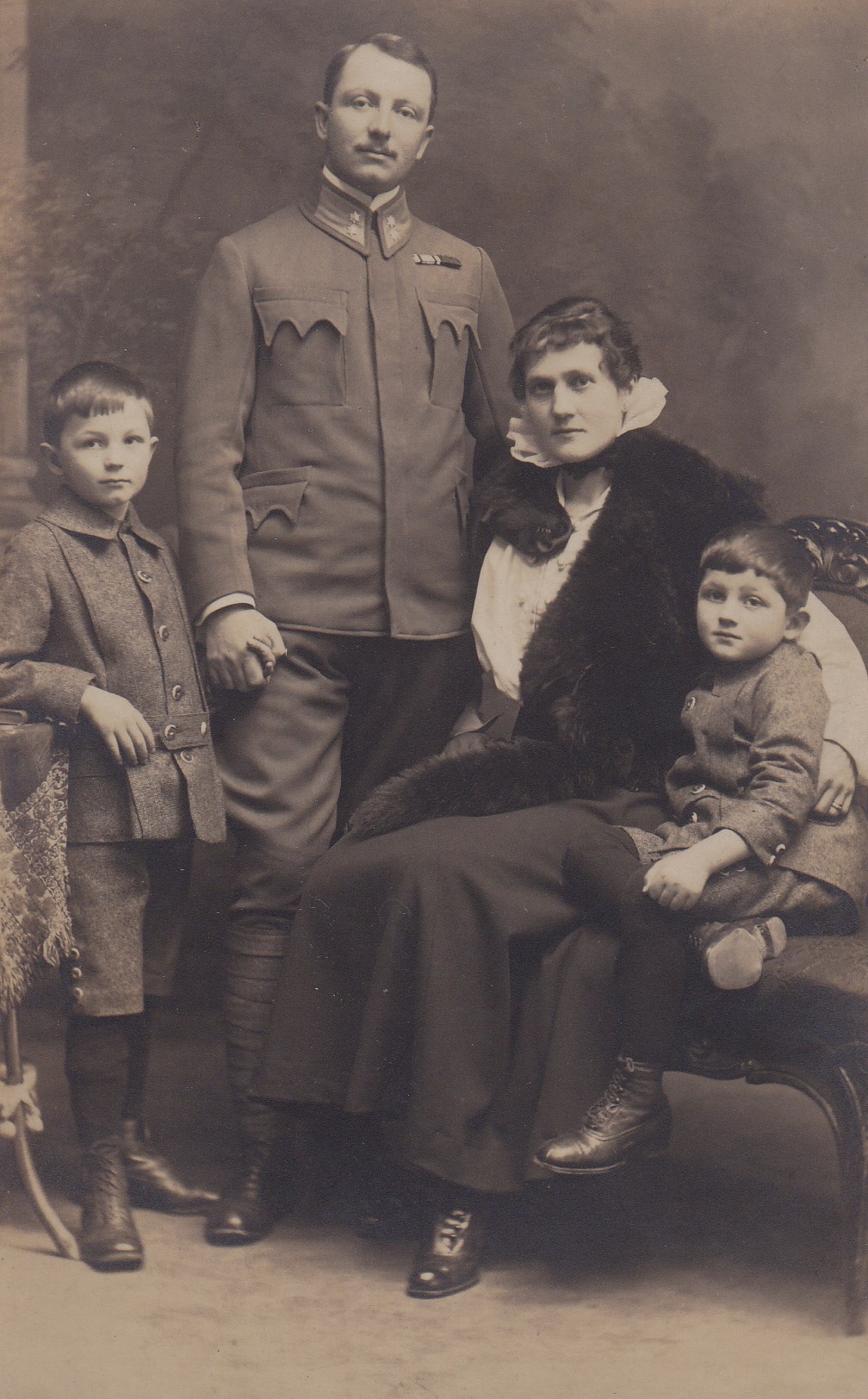
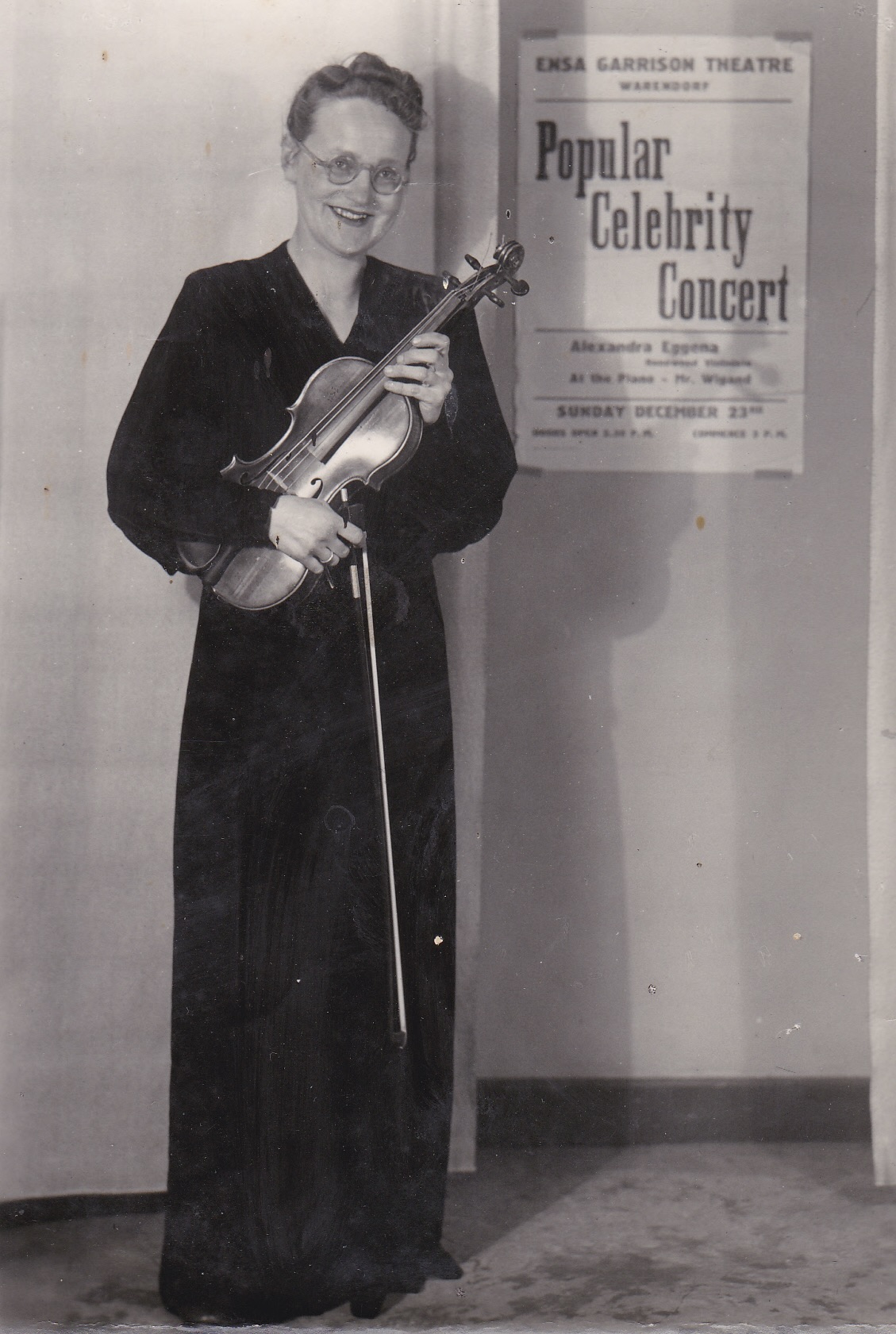
Zuzka Polesny Eggena was born on 2 November 1938 in Prague. When her parents Alena and Karel Polesný met, they were living through the beautiful interwar period. When the war started, their whole life changed suddenly. Alena‘s mother was a well-known woman. The name of Marie Provazníková, an emancipated and educated woman, chief of Sokol, was known to almost everyone in Czechoslovakia, at least in the capital. When Sokol came into the Nazi interest, grandmother had to hide in the safety of the countryside. Witness´s parents, both doctors, also moved outside of Prague. After the war ended and Sokol resumed its activities, grandmother Marie once again became its chief. She organized the first post-war All-Sokol meeting and Zuzka trained as a pupil at Strahov. However, by that time, worse times were already approaching and grandmother was probably preparing to emigrate. This happened during the Summer Olympic Games in London in the summer of 1948. Polesný family crossed the border into Germany the year after. After a period spent in a refugee camp, the parents were offered by the Pakistani government to serve as doctors in their army. They agreed and the family moved to Pakistan. In 1952, they received permission to travel to the USA, where they finally met their grandmother, Marie Provazníková. The witness studied medicine at the University of Cincinnati, and when she met her husband Peter Eggeny, they moved together to California, where she worked as a doctor all her life. They raised two sons and by 2025 were living together in a suburb of Los Angeles.