“We followed it very closely. It was a shock. And then a dilemma. Don’t I have to do something now… I knew that there were some young people holding a hunger strike at the National Museum. So, I kept going there and walking around thinking that I should join in with them… But what about mom with her heart. As long as had parents, I was not about to run with that group. Even though I would have really liked to. Instead I just walked around Wenceslas Square with the rest of the people, got into conversations. I can’t forget how right after Jan Palach’s death we sang the hymn in front of the statue of Saint Václav. Back then there was a tram running through Wenceslas Square. And the people in the tram opened the little windows and sang along with us, and I’ll never forget it. That togetherness of people, that solidarity. They had managed not to be ruined by the blow of Normalization.”
“Of course, they were going around the village and I, being a little girl, was a bit frightened. So, I carried around this big flashlight, having no idea what I’d do with it. And I slept with a hatchet by my pillow. There was one of these soldiers who had his eye on me, and when, for instance, I would go around to check the stables, he would be there, having snuck over the shrubs and fence. But there were pretty strict rules against starting anything with somebody. It wasn’t very pleasant.”
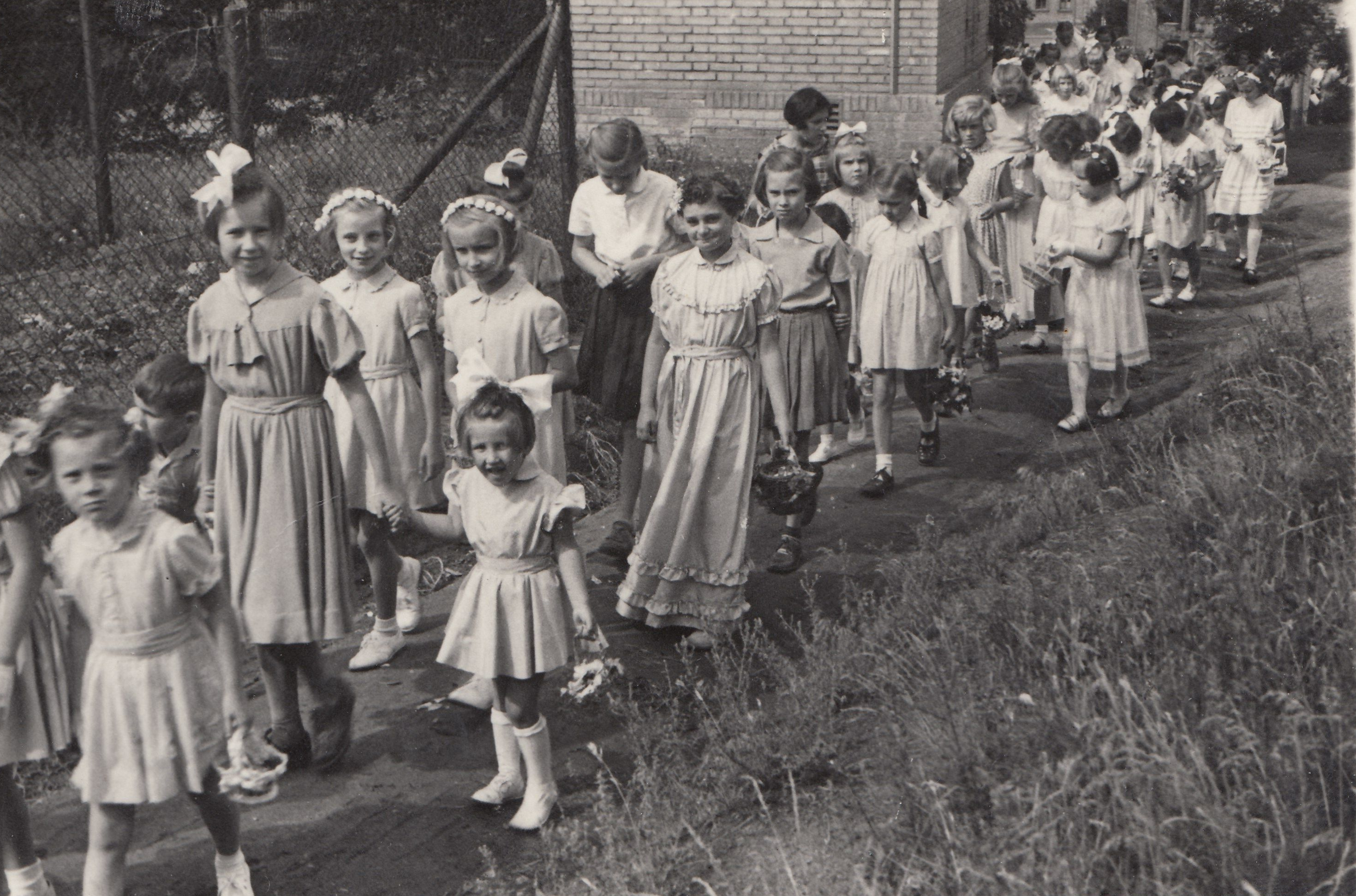
“We grew a bit differently than the other kids because our mom raised us religiously, and with love for our country. The fact that we went to religious classes set us far apart from the rest of people. At that time, this was treated with a lot of suspicion. In fact, we were the only kids in our class who did. Later on, our classmates called us “church mice” because our teacher made fun of us in front of the others, which was probably what she wanted, right? And it really did make us different from the others. Maybe we did grow up a bit outside of the collective, and I think that this very much formed my attitude toward society overall.”
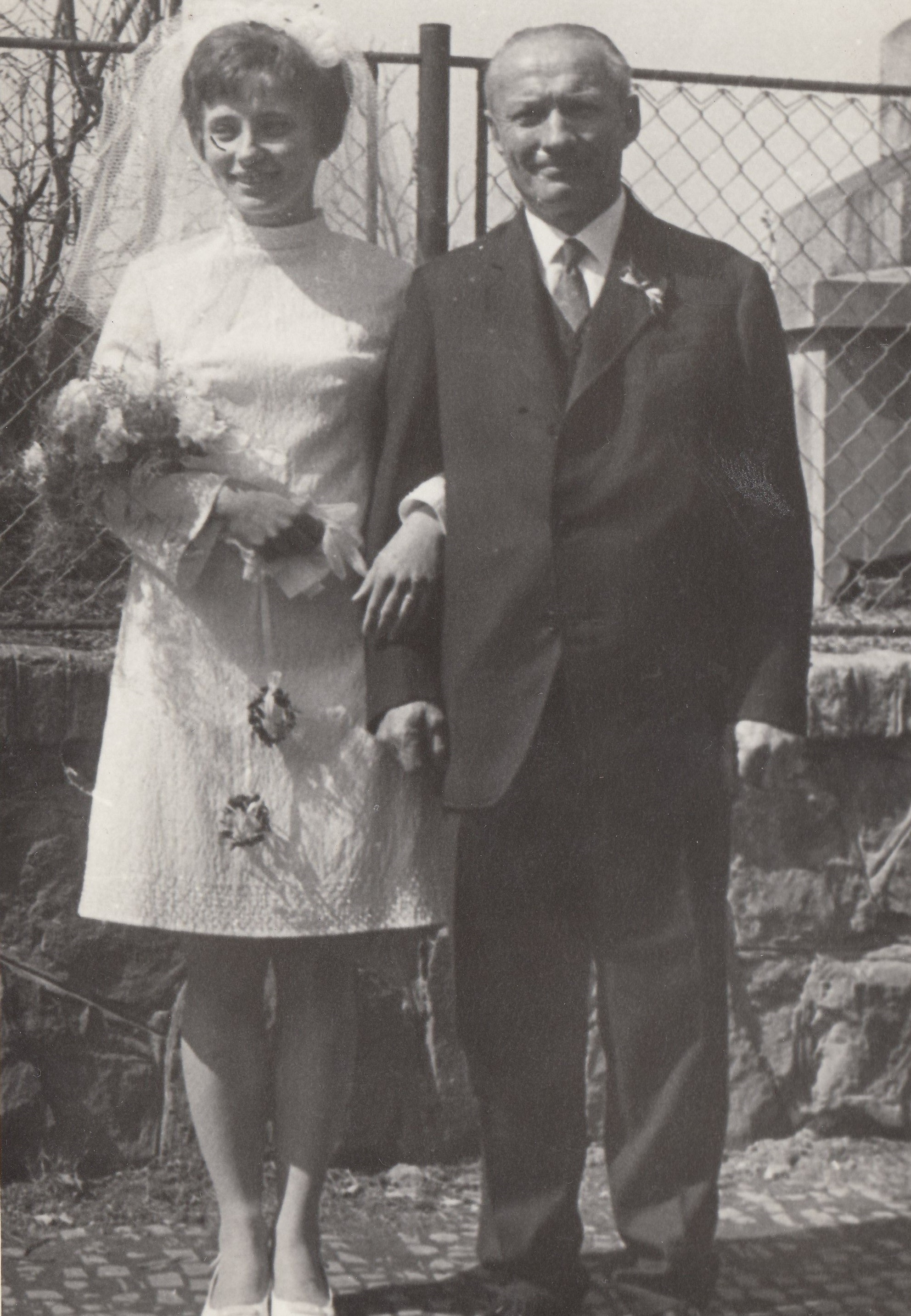
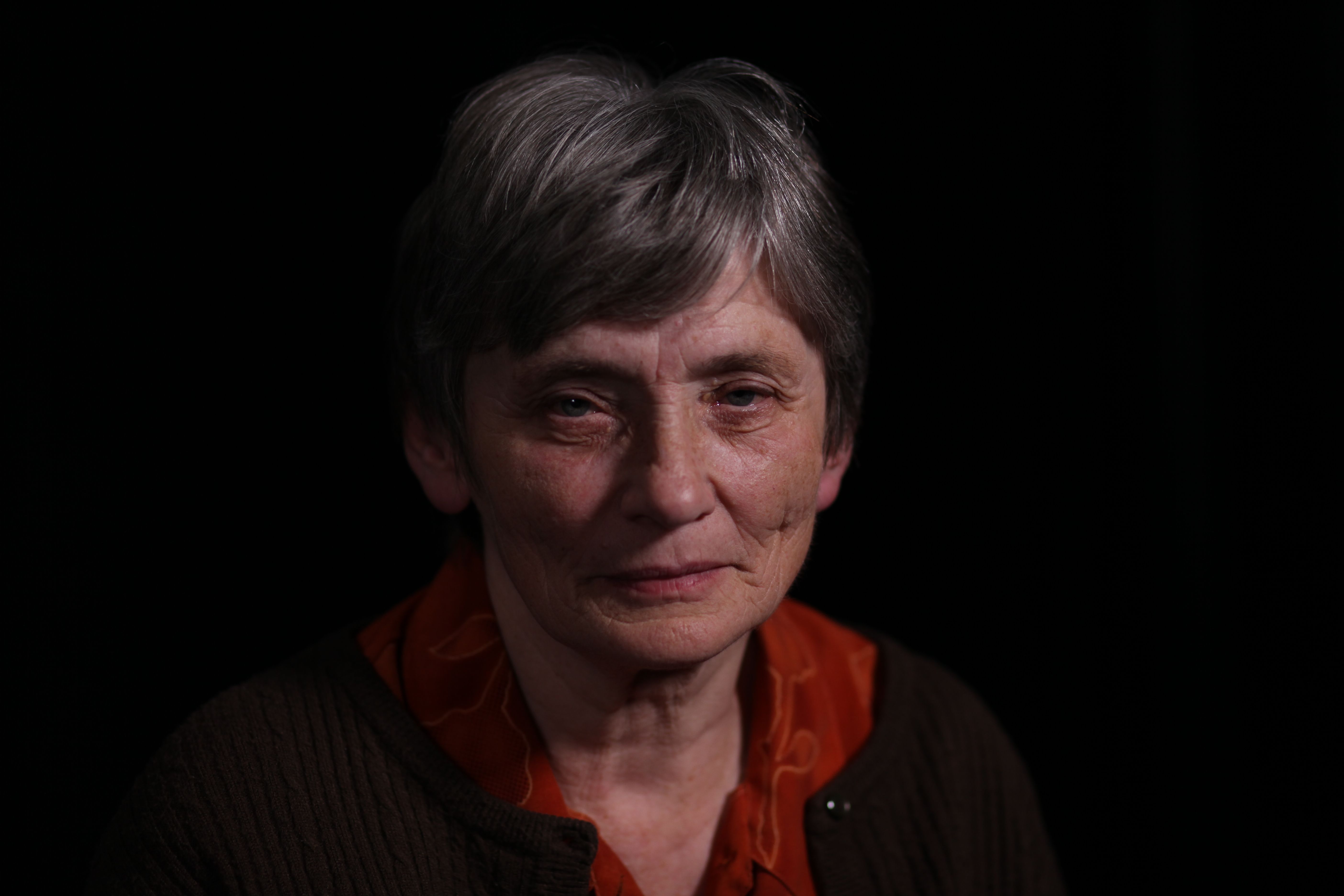
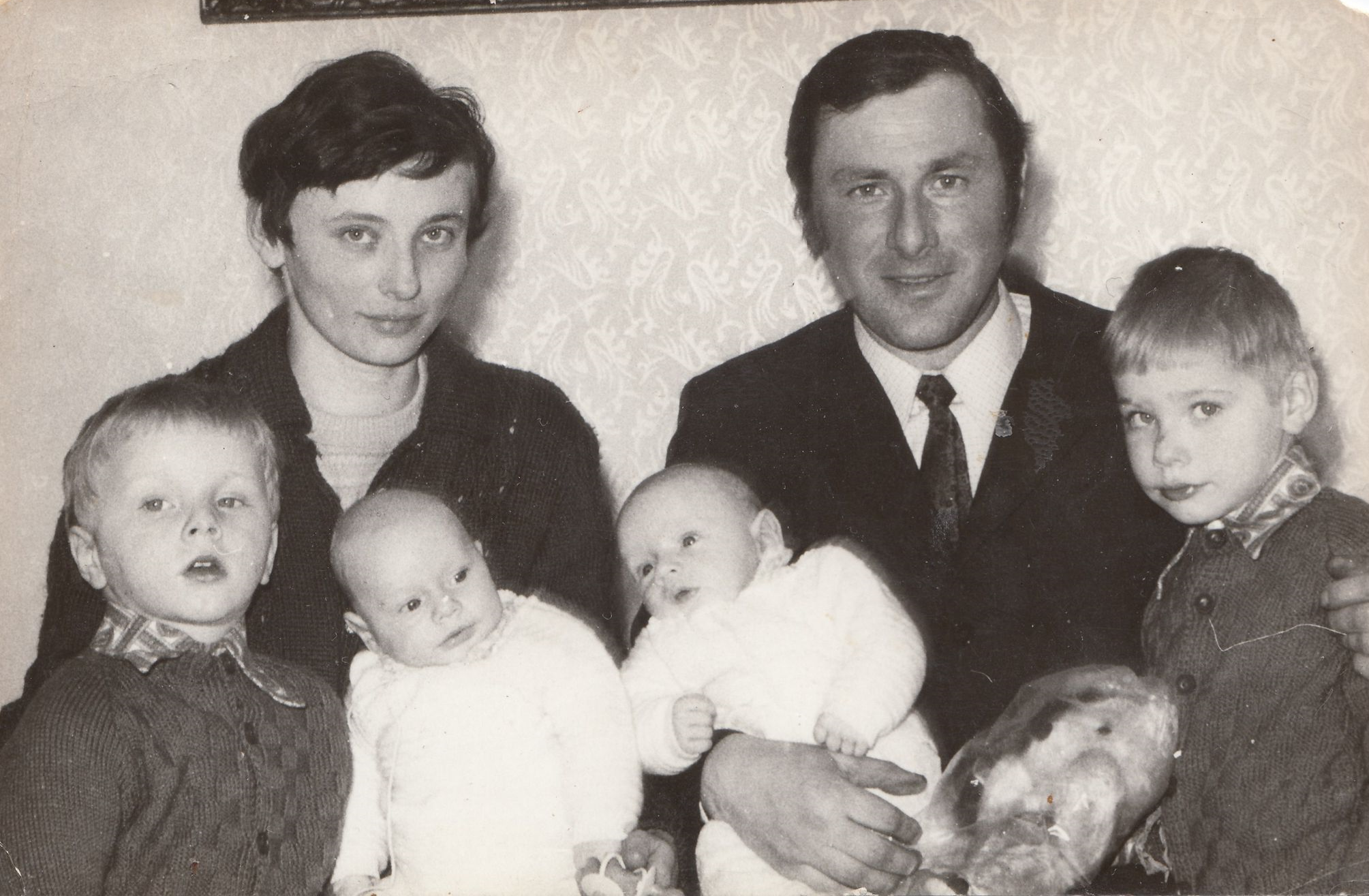
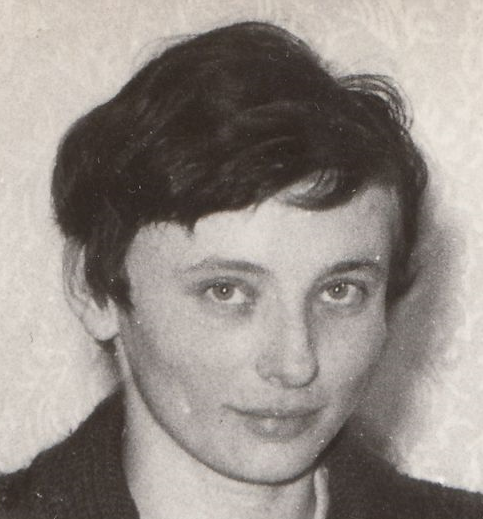
Jaroslava Poláková was born on 18 April 1949 in Prague. She raised someone both religious and loved her country. She was one of the only children in her class who went to religious classes. Her teacher made fun of her for it which led to her being called a “church mouse” by her school mates. She studied at the College of Agriculture in Brandýs nad Labem. She worked as a zoo technic in the collective farm in Dolní Jirčany, where she went through the occupation by the armies of the Warsaw Pact, who took over the barracks in the nearby town of Psáry. She took part in the demonstrations of 1968 and 1969. After getting married, she moved around a lot. She lived for seven years in Chotěboř, where they did not want to accept her son into second grade for religious reasons. After moving back to Prague and raising her children she yet again got involved in the momentous history of her society – in 1988 and 1989 she went to protests against the regime. During the demonstrations of the so-called Palach’s Week in January 1989, her son was arrested. He left court in the end with only a misdemeanor. She also experienced the police brutality of the peaceful students’ march on 19 November on Národní Avenue. In December 1989 she joined the Christian Democratic Party, in which she became the head secretary and close co-worker with its chairperson Václav Benda. She spent a number of years as a staffer at the Office for the Documentation and the Investigation of the Crimes of Communism (ÚDV). At the time of filming her interview (2019), she was living with her husband in Hořice.