Ing. Richard Polák

* 1951

  • "When the first news came in about what was going on in Prague, the information was kind of fragmented. A meeting of all the staff was called and the head of the department came in and said it was all completely different and told us not to trust it. One of his colleagues, an older gentleman, said: 'Ladislav, what you have told us here is nonsense, start to finish. Let us vote in support of the students. Who is for?' Everyone raised their hand, even the party members. Ladislav left, and so I figured something was changing. It was coming..."

  • "This is strange, I kept telling myself. All those signs everywhere... When we went into the woods, we'd sometimes ignore them as boys. Like, 'what could possibly happen to us kids...?' We had fun running past the signs into the woods, and we'd run figure eights around the trees so that if the handlers came running after us, they'd have their share of running. That's the kind of shenanigans we did. The forest to the left of the road to Nové Hrady and to the right of Nová Ves was a restricted zone. You couldn't go there; you needed a special permit. We actually went into the woods in the area between the rails to Budějovice and to Veselí."

  • Celé nahrávky
  • 1

    České Budějovice, 16.09.2025

    (audio)
    délka: 30:16
    nahrávka pořízena v rámci projektu Příběhy regionu - Jihočeský kraj
  • 2

    České Budějovice, 23.10.2025

    (audio)
    délka: 01:20:42
    nahrávka pořízena v rámci projektu Příběhy regionu - Jihočeský kraj
Celé nahrávky jsou k dispozici pouze pro přihlášené uživatele.

It didn‘t even occur to the people that something was seriously perverse
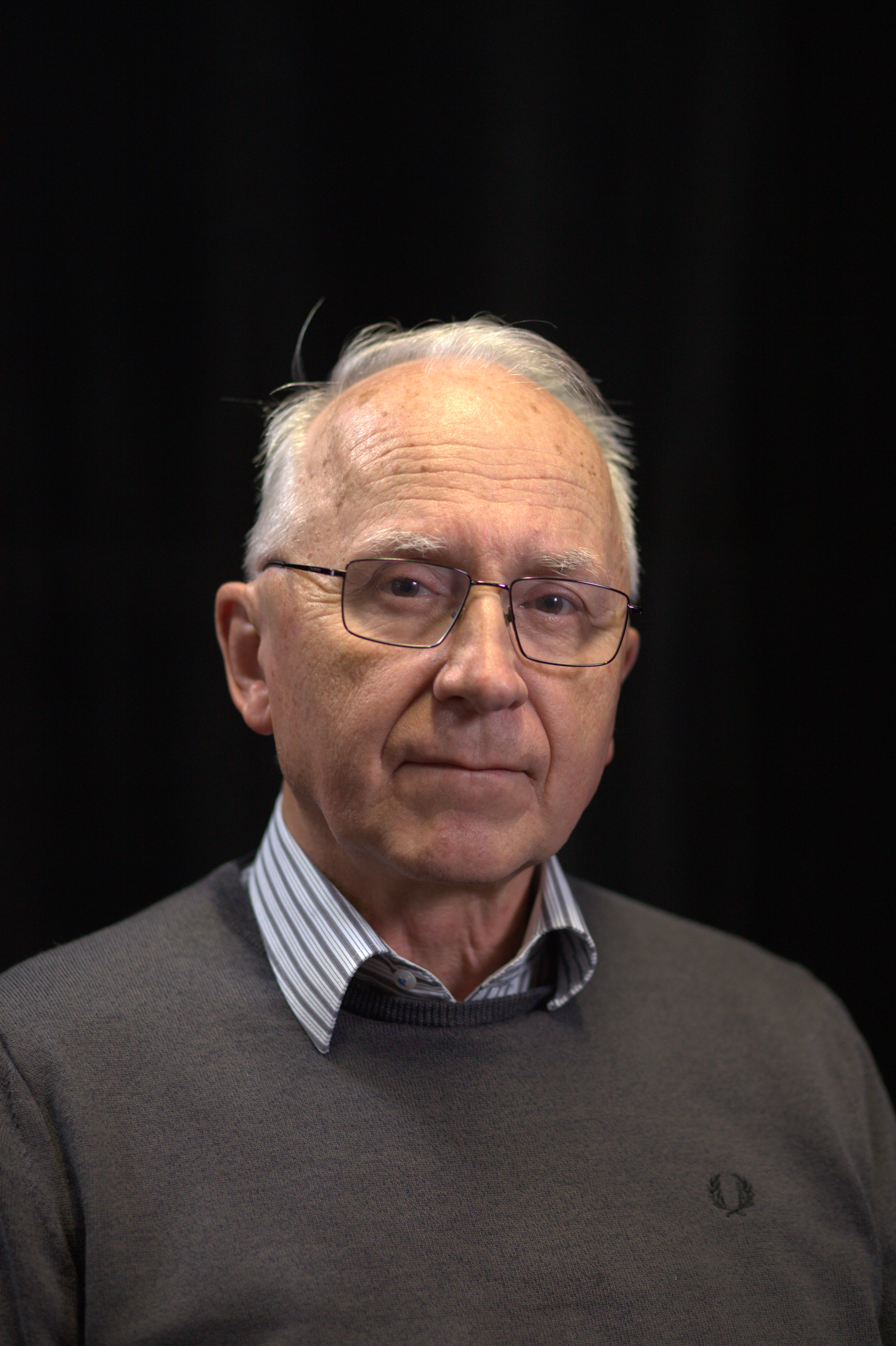
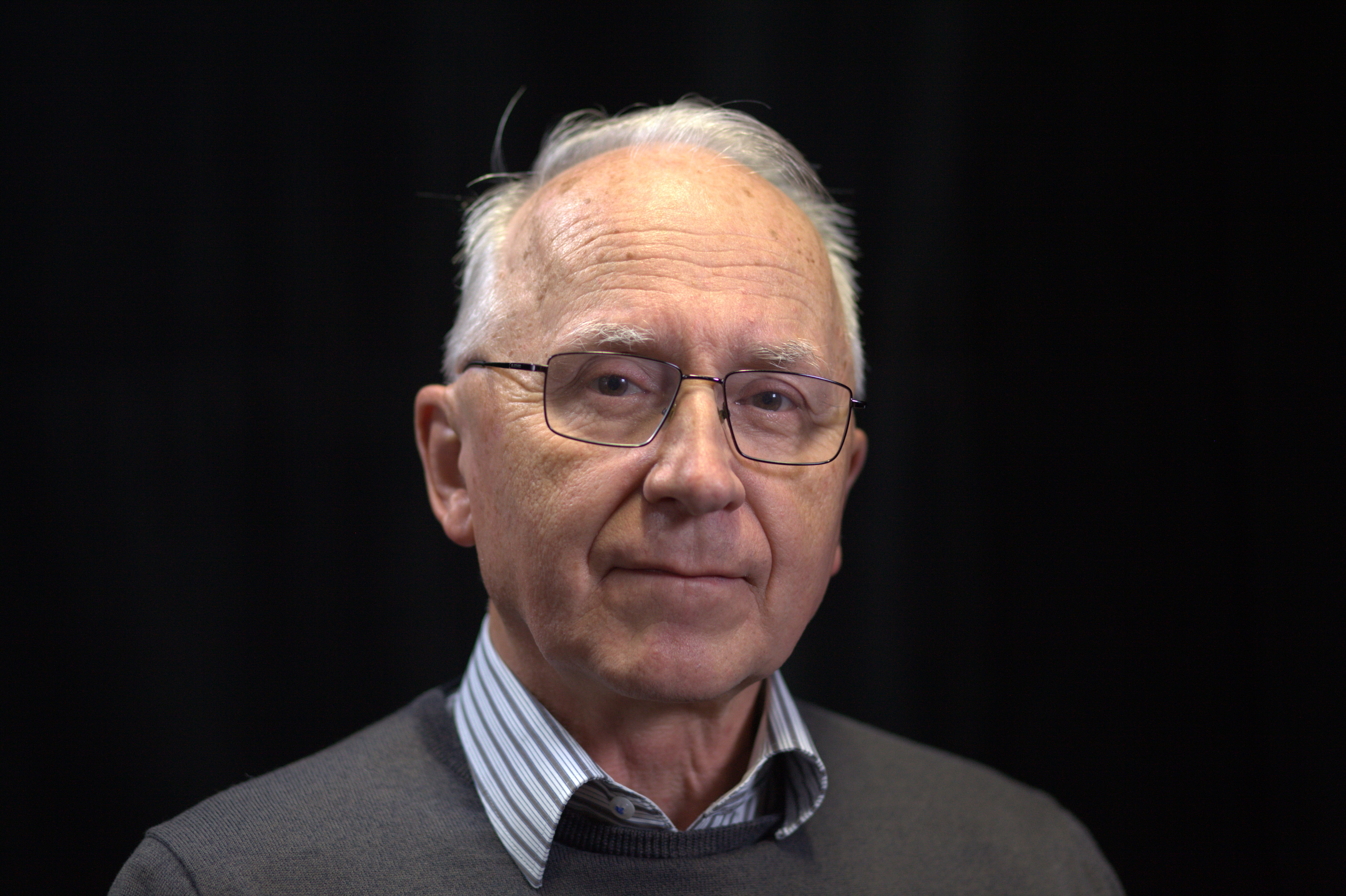
Richard Polák in 2025
zdroj: Jonáš Bambas

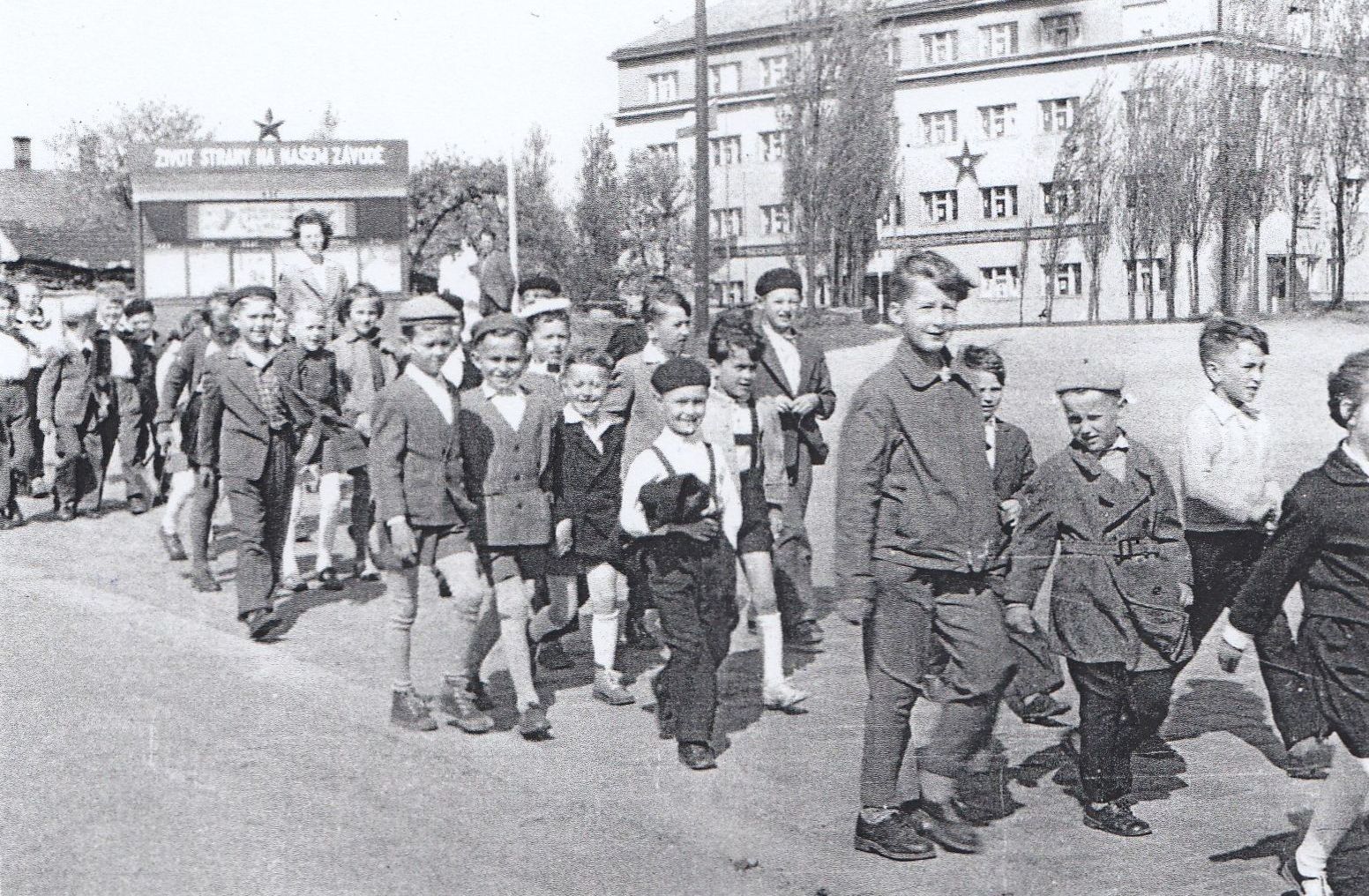
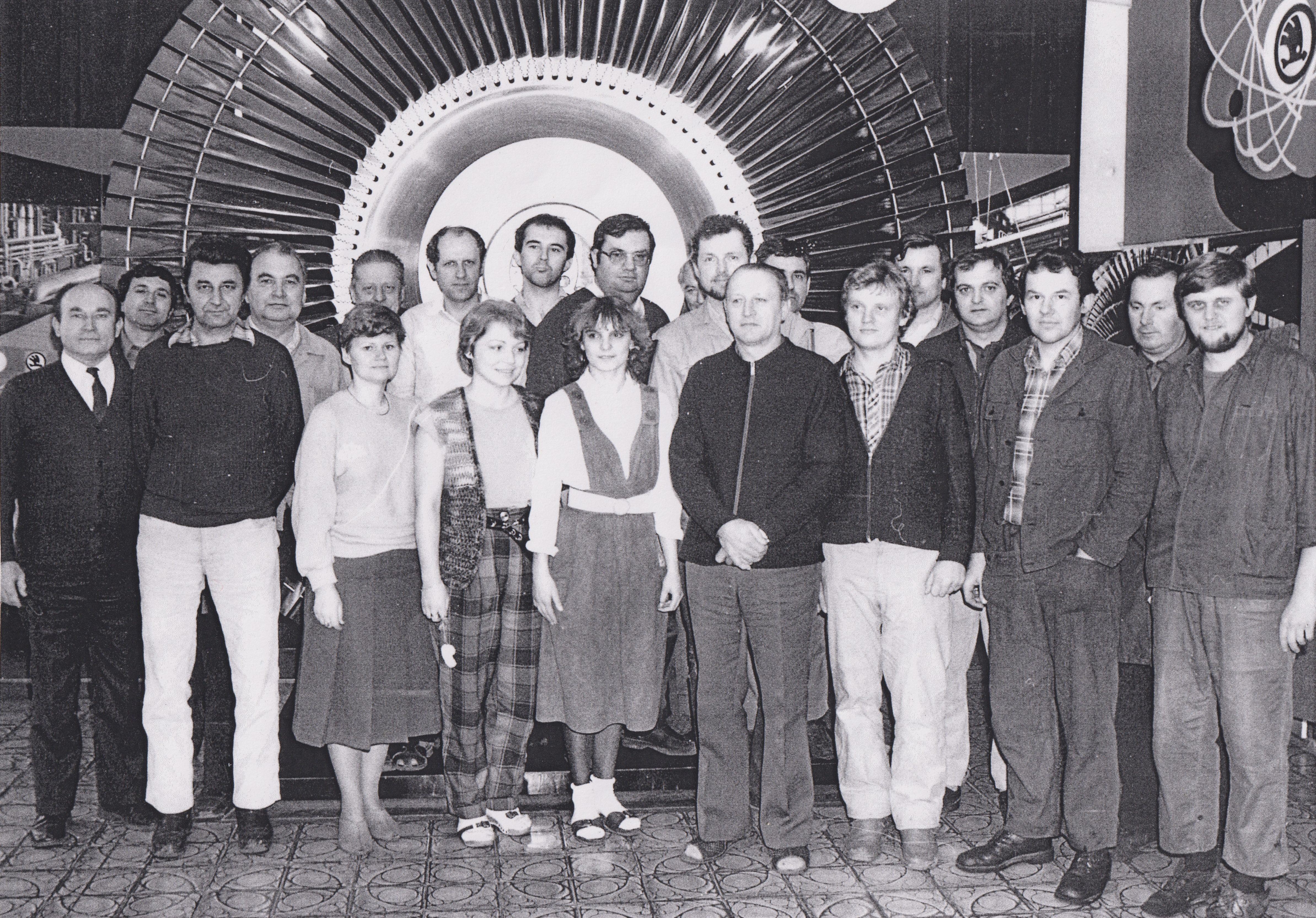
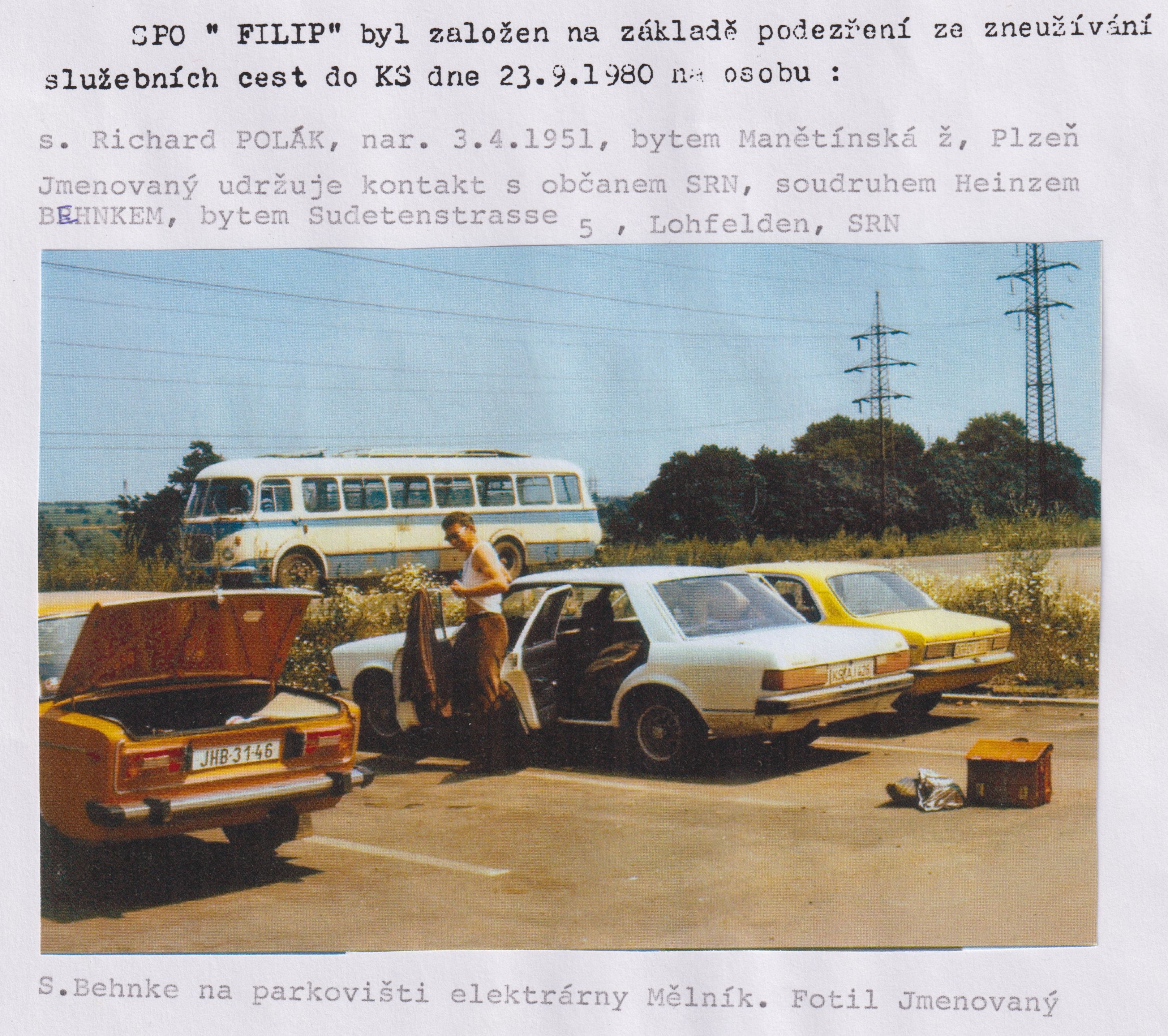
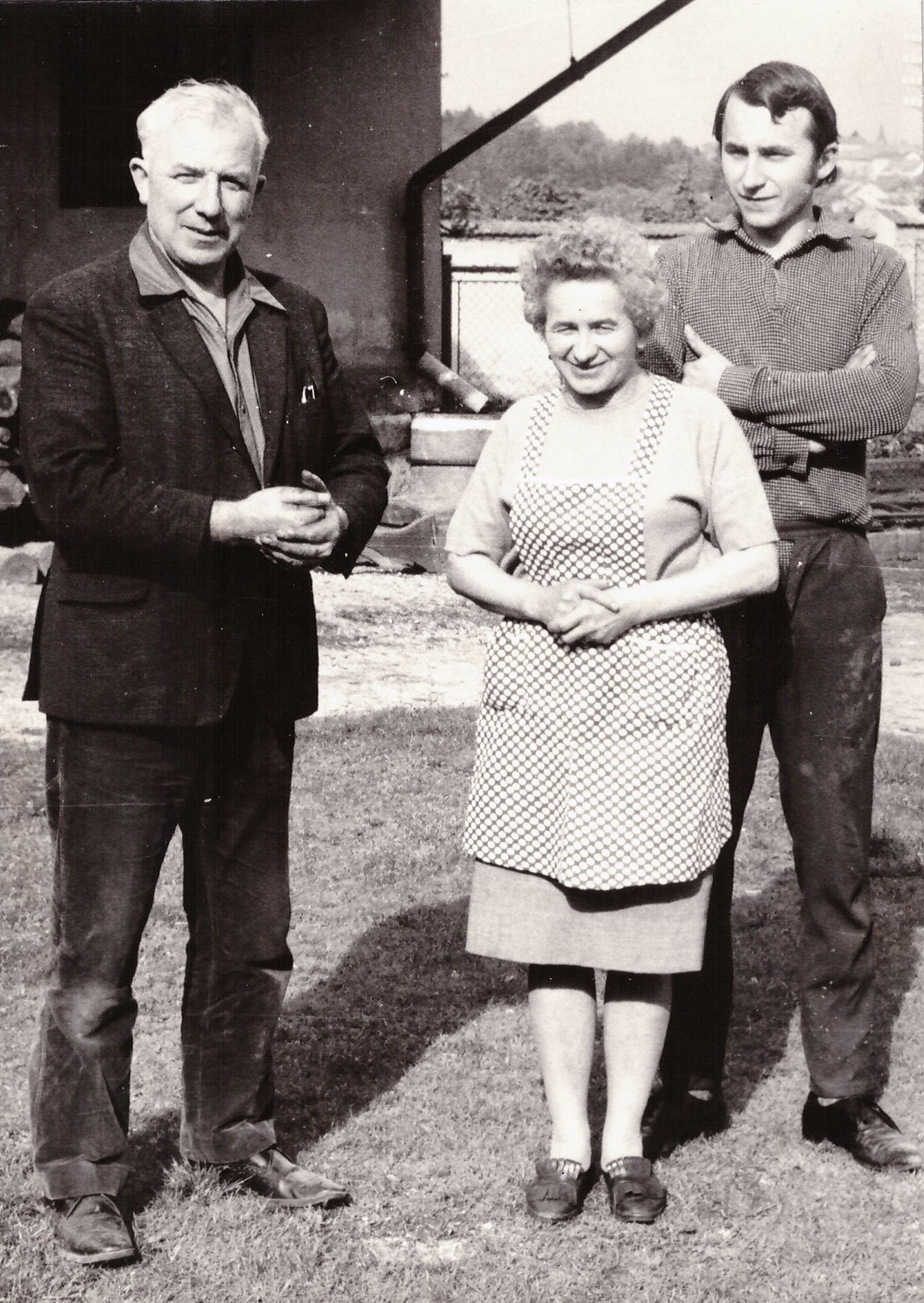
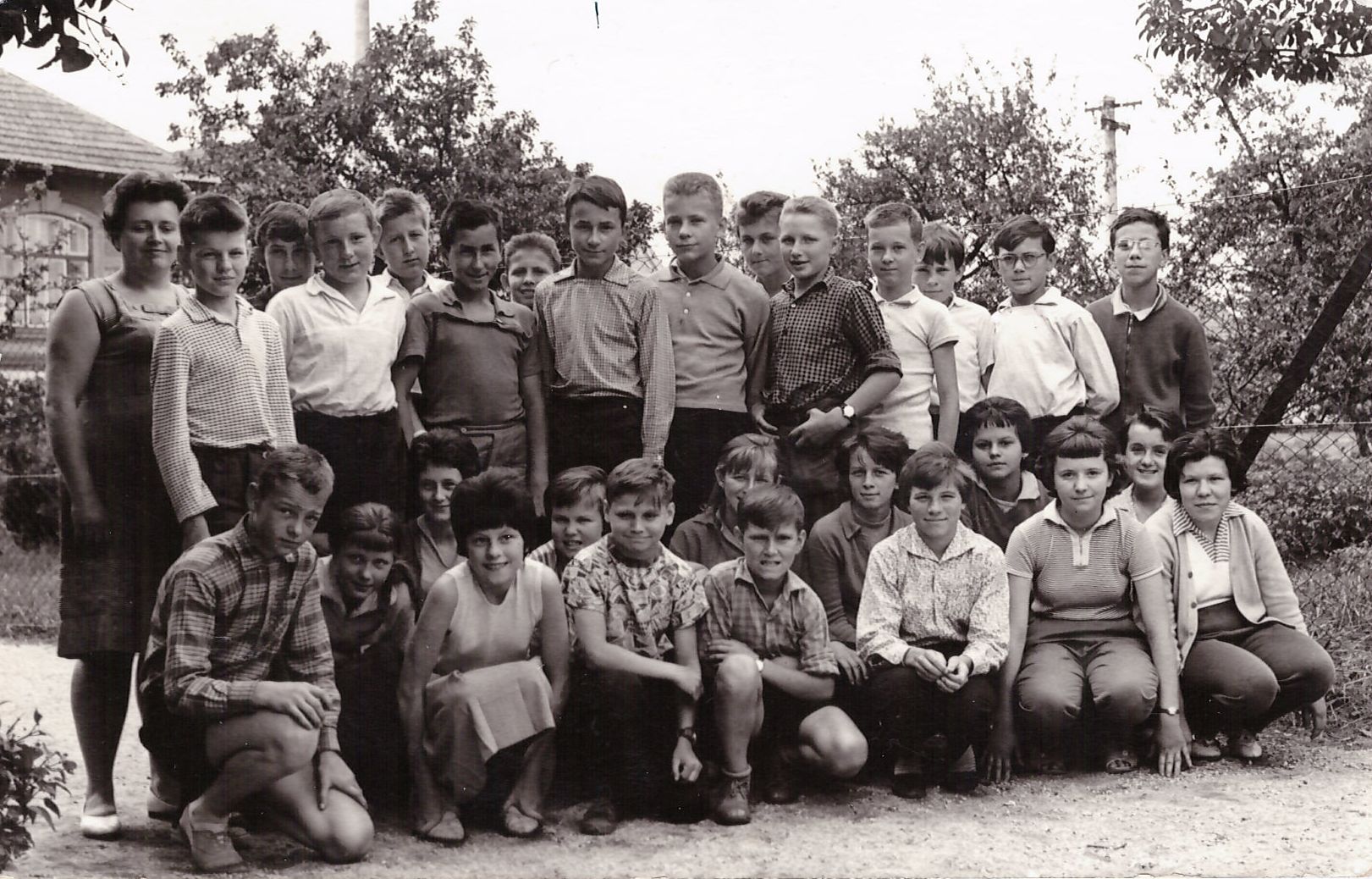
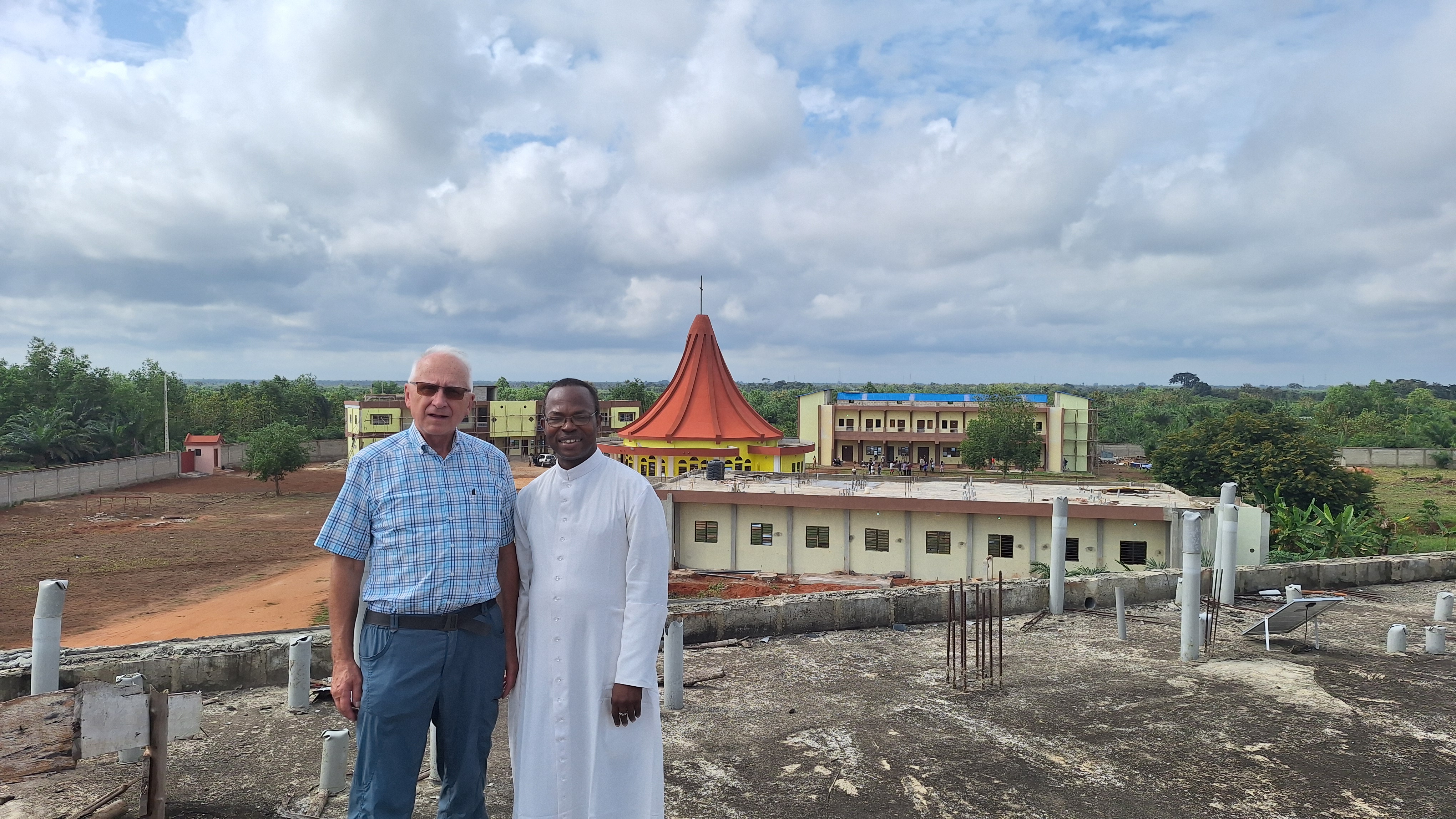
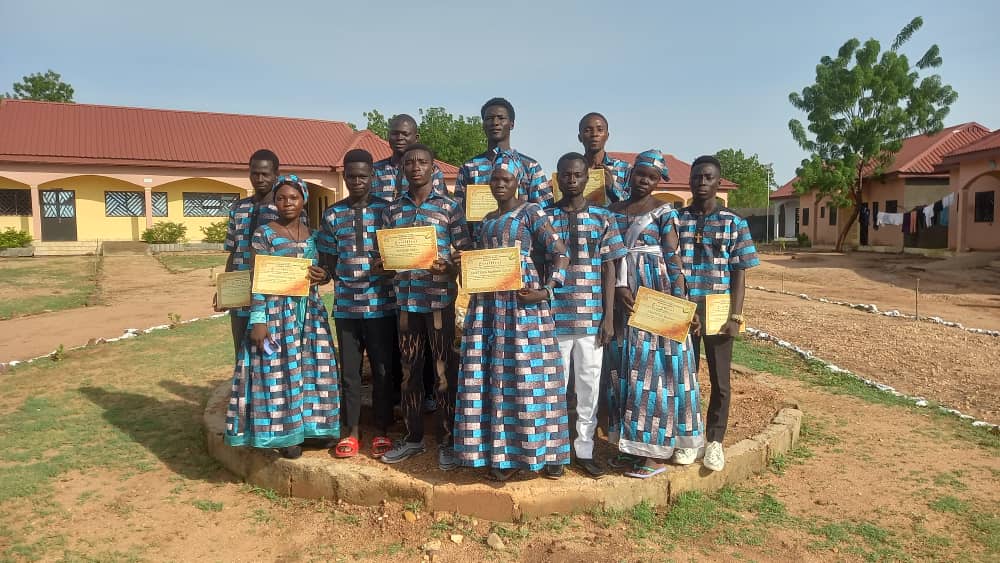
Richard Polák was born in České Velenice on 3 April 1951 as the Iron Curtain was being built. He grew up in a town surrounded by barbed wire on three sides, with many restrictions the proximity of the border zone entailed. His father Jiří Polák was a scientist focusing on forestry biometrics. Attempts at crossing the border illegally were frequent in the border town. The witness studied at a technical high school in Písek in the latter 1960s, where teachers who had been persecuted for political reasons in the 1950s had returned. Thanks to their scope, he spent the summer of 1969 in West Germany. He studied at the Czech Technical University in Prague in the early 1970s during the onset of normalisation. For health reasons, he was freed of military service duty and worked as an electrical engineer at Škoda in Plzeň from 1975. His job at the turbine department entailed business trips abroad, including to Western countries where Škoda tried to sell turbines. Richard Polák was forbidden to go to the West for several years because he was pen friends with a Philips employee. By then, StB opened the „Filip“ surveillance file on him. He witnessed the developments of November 1989 at Škoda Plzeň, which included the suicide of the communist head of the abolished ‚special department‘. Richard Polák founded a private company in 1991. He and his family financed the construction of a school in Cameroon, Africa in 2019.