"Then when it came to the National street, it was bad, these are known events. And I was in that closed area of the Reduta, which was closed off on both sides by those officers. And there was really only one option - to run through that cordon of those beating white helmets, to somehow get out of it. I, having seen a few of those demonstrations, was not as frightened as the students in that area. And I think if we could maybe create some kind of a fight, we could maybe break through that cordon. I don't think it was so hopeless, those people were outnumbered and by a certain time, I think it would have been possible. But these people were paralyzed by fear. So when I saw the situation, I thought, who knows what's going to happen here, so I'd better run through that alley, get a few blows with a stick and go home. I put my head down and tried to run, but one of the officers tripped my feet in that alley, so I stayed down and got hit even harder by not moving. Well, I really took a lot of hits there. What I always managed to do was I never got any shots, I always somehow escaped from everything, so here it all added up and I was totally bombed or whatever you want to call it. I was bruised all over my body, I could barely crawl, I almost crawled up on all fours on the National Street. And there Kamil Černý caught me - I think he has already spoken here - and with some other people they took me and dragged me to Tomáš Dvořák's flat in Klárov. And that's where I spent the night after 17 November. I was treated there, I had bruises everywhere. So it was November 17th."
"Then, in August 1989, State Security already knew us by our appearance. So at the demonstration on Wenceslas Square on 21 August, one of those State Security guys - his name was Ferdinand Platil - instructed the Public Security officers, because he saw me in the crowd, to pull me out and take me away. Otherwise I always managed to escape somehow, but not in August 1989, thanks to this Platil, and they took me that day to Zbraslavice near Kutná Hora. There was a Public Security post there, and I stayed in the yard of that post all night, until the morning. And in the morning, at six in the morning, they called me in for questioning. So I went for interrogation, and from that interrogation I was taken to the prison in Ruzyně."
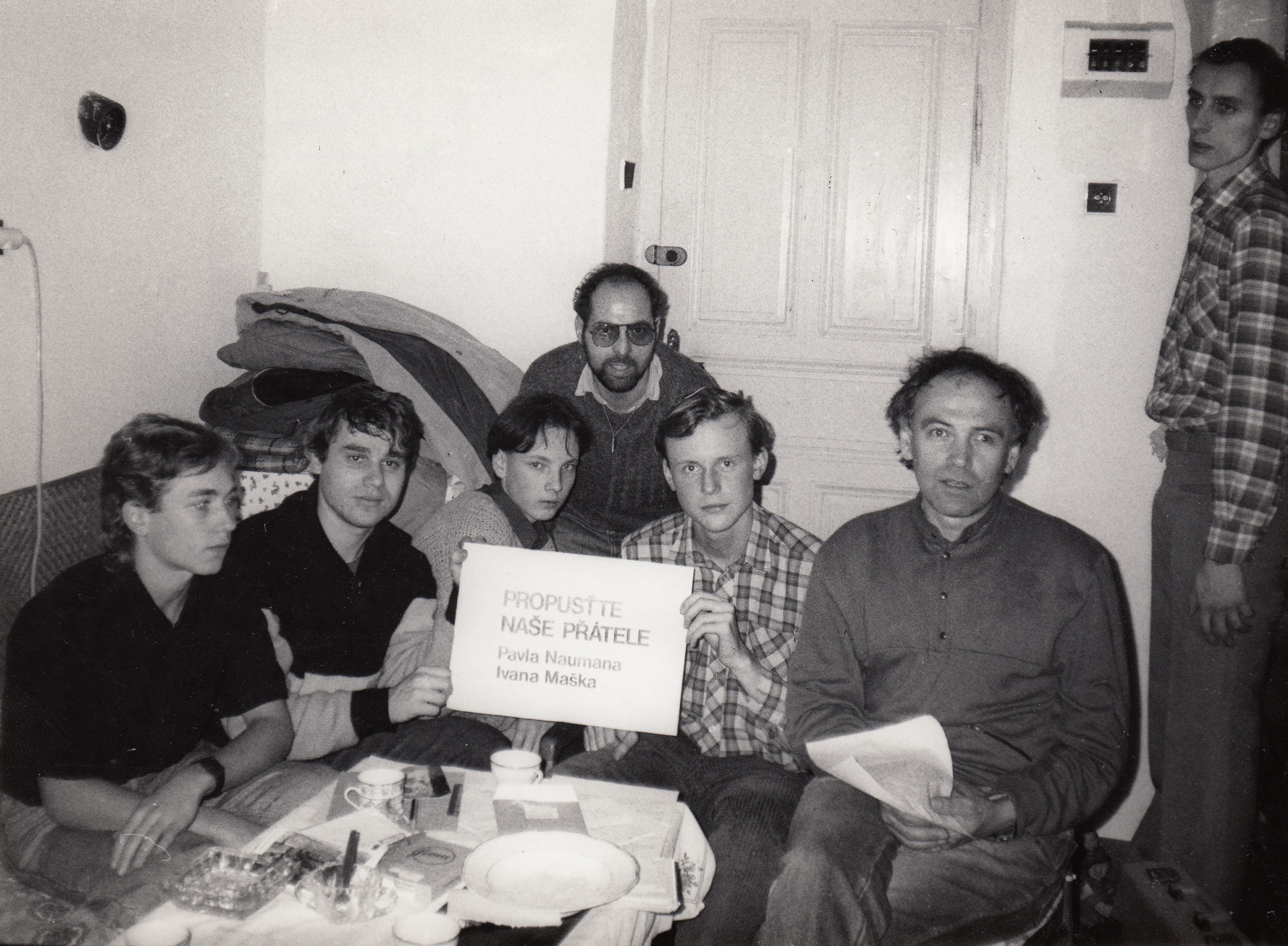
"I didn't want to sign at first because I was too young. And it is one thing to sign the Charter in 1977 and another in 1988 or 1989. But then a person called Josef Kuhn slipped it to me and I signed it, so when someone gave it to me, because I signed all kinds of things, I signed the Charter. Of course, it turned out that he was a State Security agent, and he didn't give the signature to Petr Uhl as it was supposed to be given, it was supposed to be published in Information about the Charter - new signatories, and it was supposed to be published that way. I then saw the Charter Information, there was nothing there, so I asked Uhl how come? And he said, 'Kuhn didn't give me anything, I would have written you there, but Kuhn didn't give me anything.' So I went to see kuhn again. Kuhn told me again that he had turned it in, but he turned it in to State Security. So I waved it away. So that's how it is with my Charter."
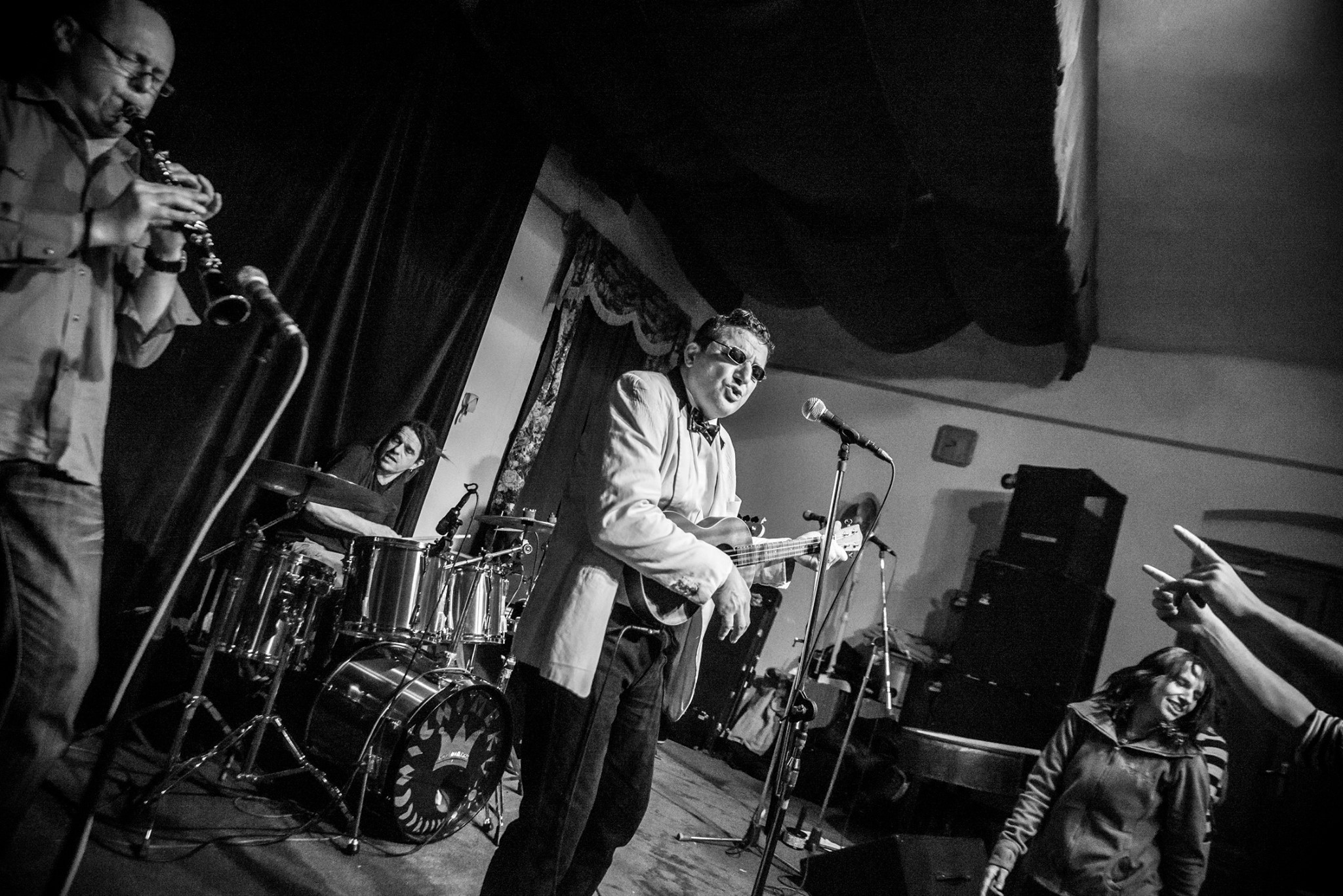
"I organised a concert in Dejvice in June 1989 in support of political prisoners, when three bands came to play. It was in Kafka Street, in a building that used to be a kindergarten; those buildings are no longer there. And it was such a naive idea, just to organise a concert in the middle of Prague in support of political prisoners... So of course the concert - it was on a Saturday, it was beautiful weather - the bands came to play there, but of course the members of the Public Security, State Security did not allow it to take place. The singer, who started something, got slapped and they actually dispersed it. Well, and that was really just my action, which I invented, and I said afterwards at the interrogations that I wanted to bear the consequences myself, so that those bands that didn't get into trouble, some of the members of those bands didn't even know, because of the conspiracy, sometimes the bandleaders didn't even tell them what the concert was about. Well, and the State Security men, they were upset, I think, because it was a nice day and they couldn't go to the cottage - it was June, a weekend, and they had to stay in Prague and wait for a concert that wasn't there. So they were angry. And then they let me know how angry they were, and then I had to go to those interrogations in Čkalova Street in Dejvice, maybe once a week. I was already treated like a bad guy. So with the concert it got a little bit worse."
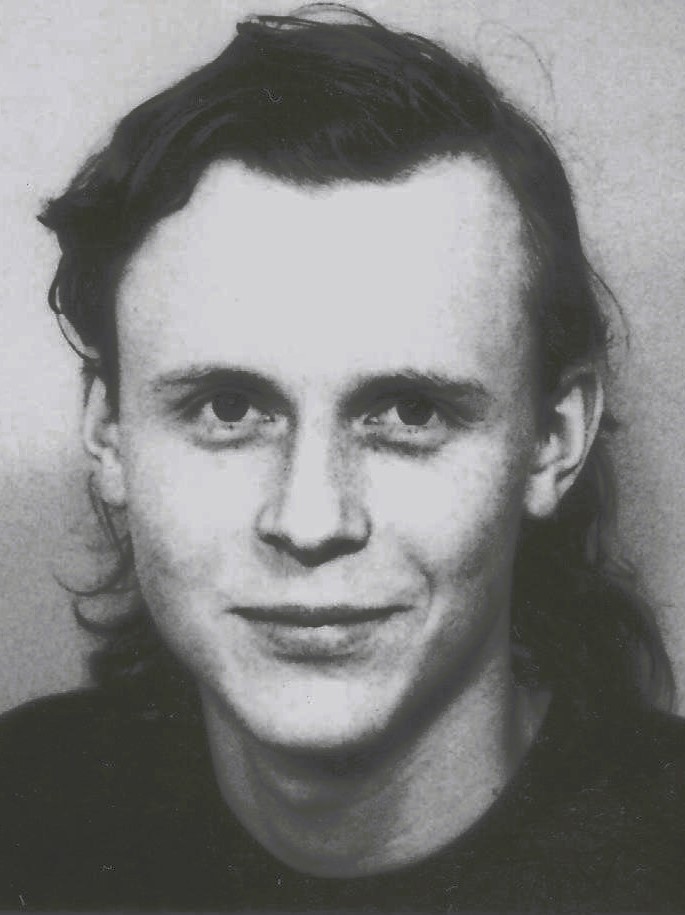
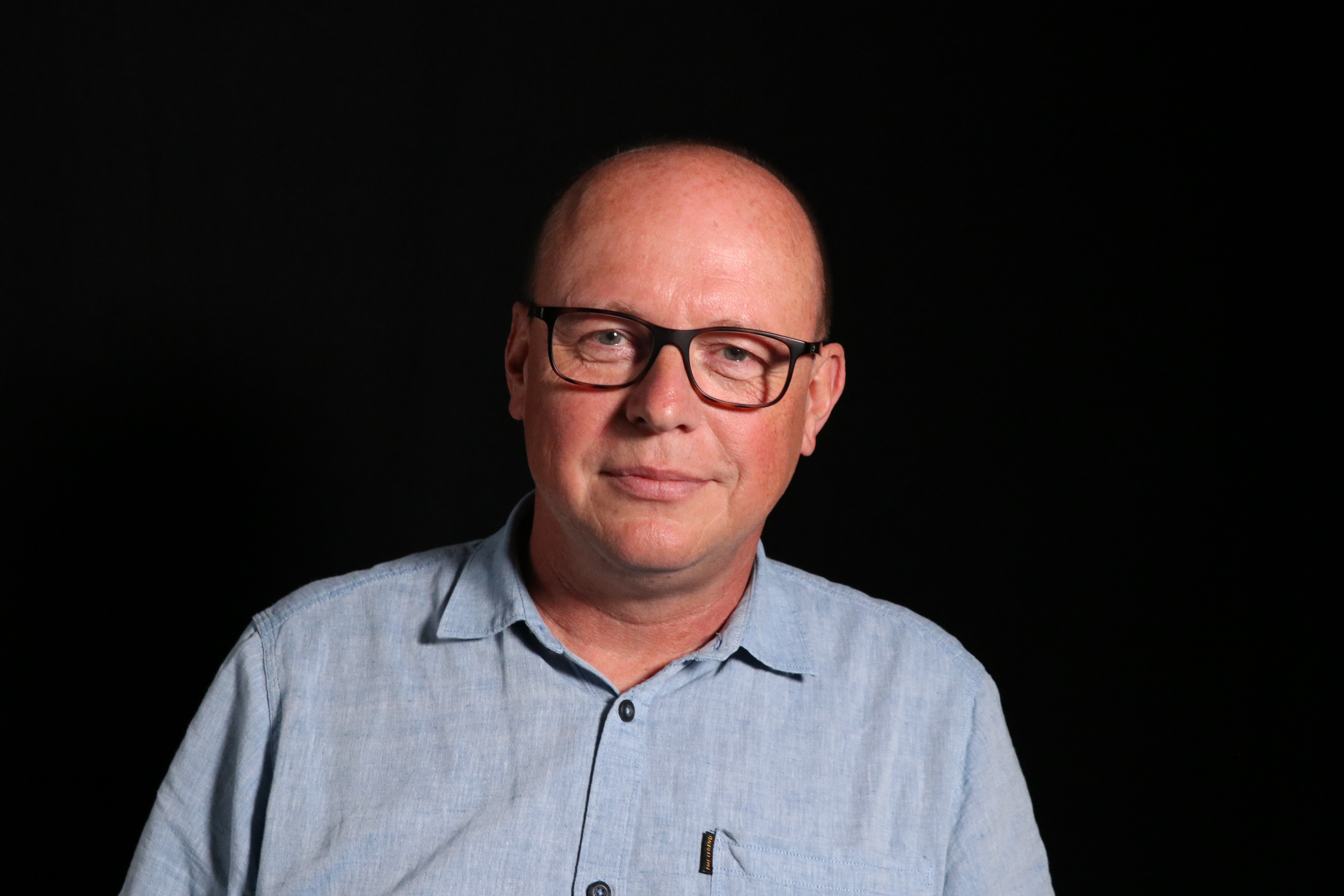
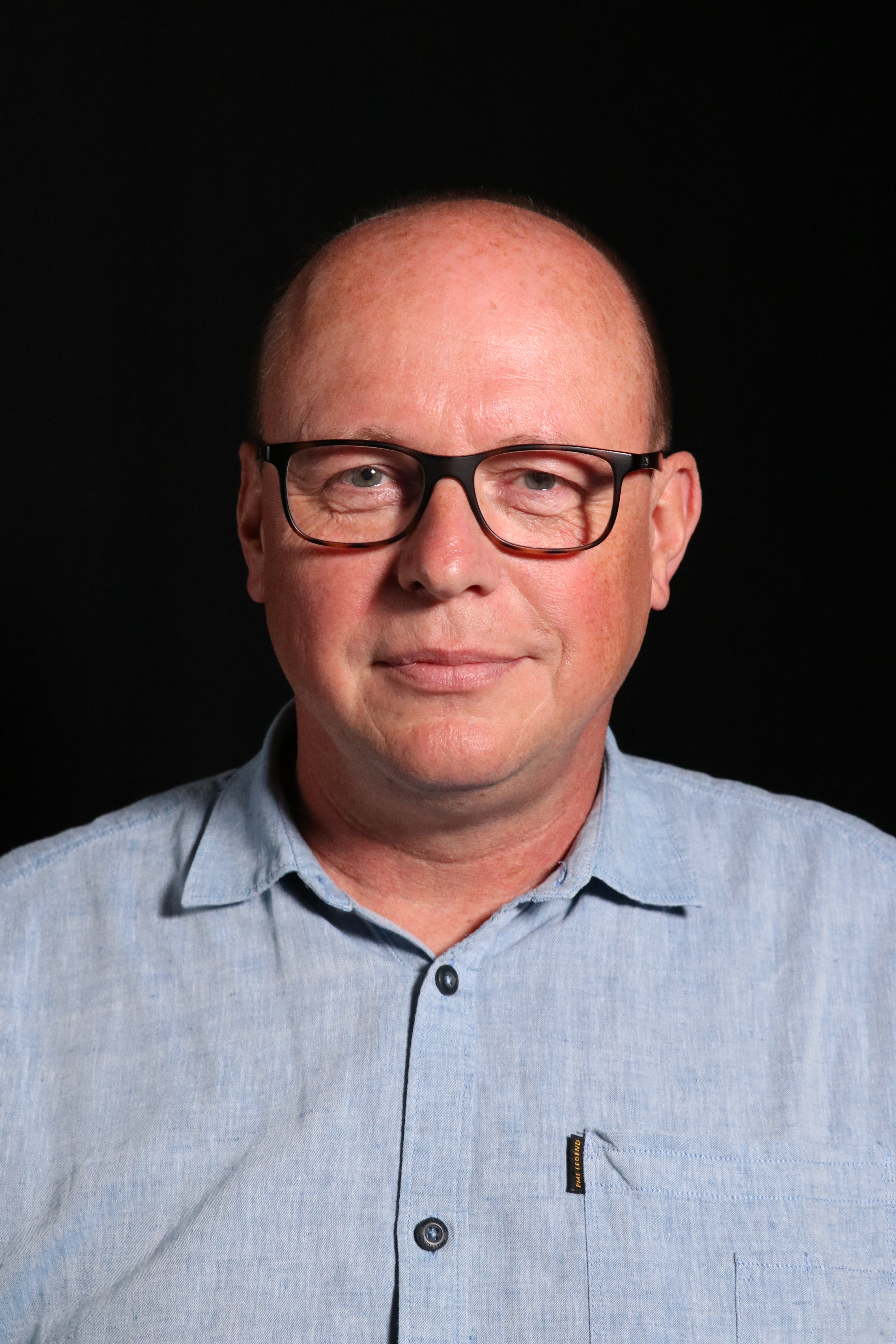
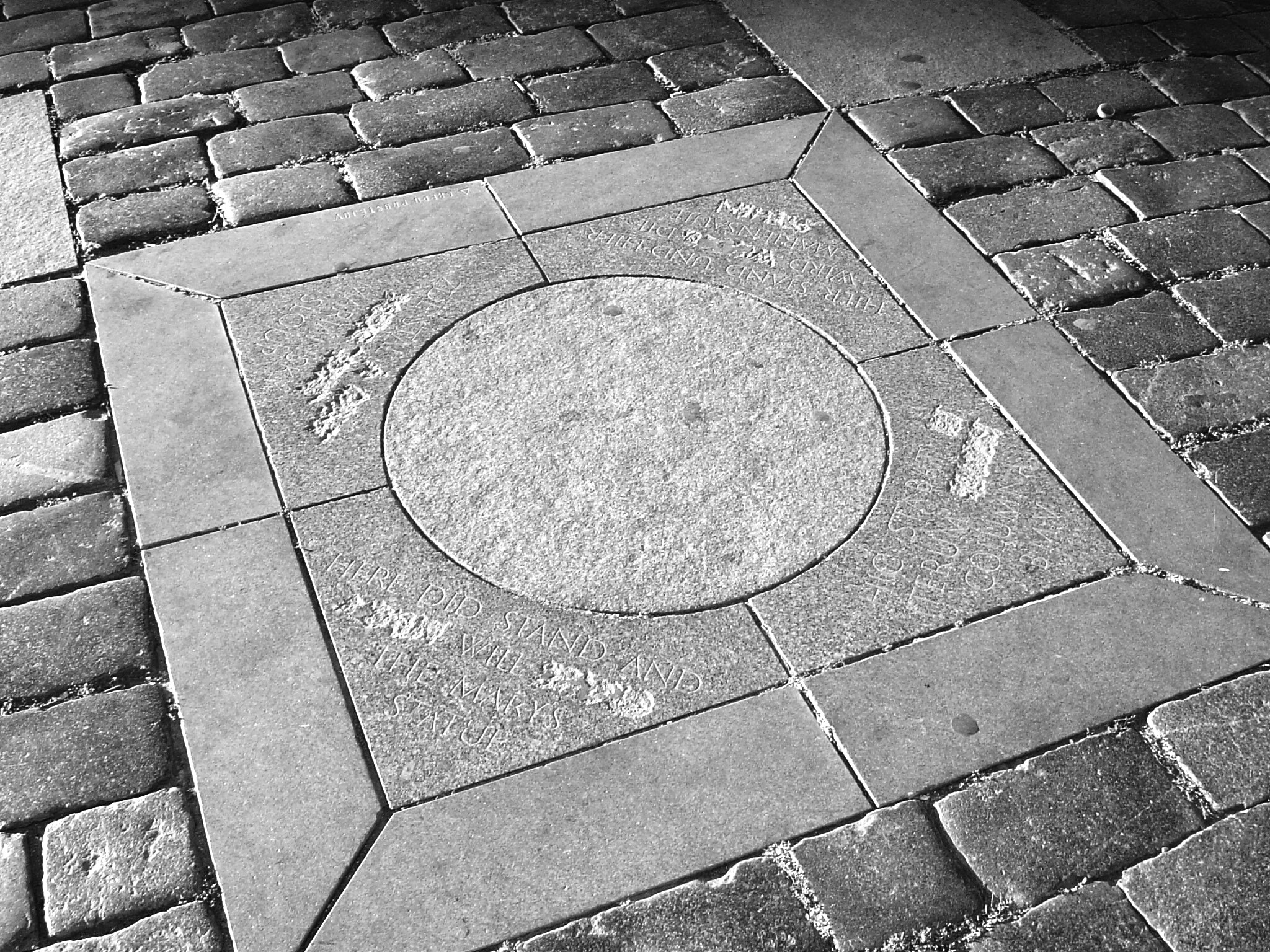
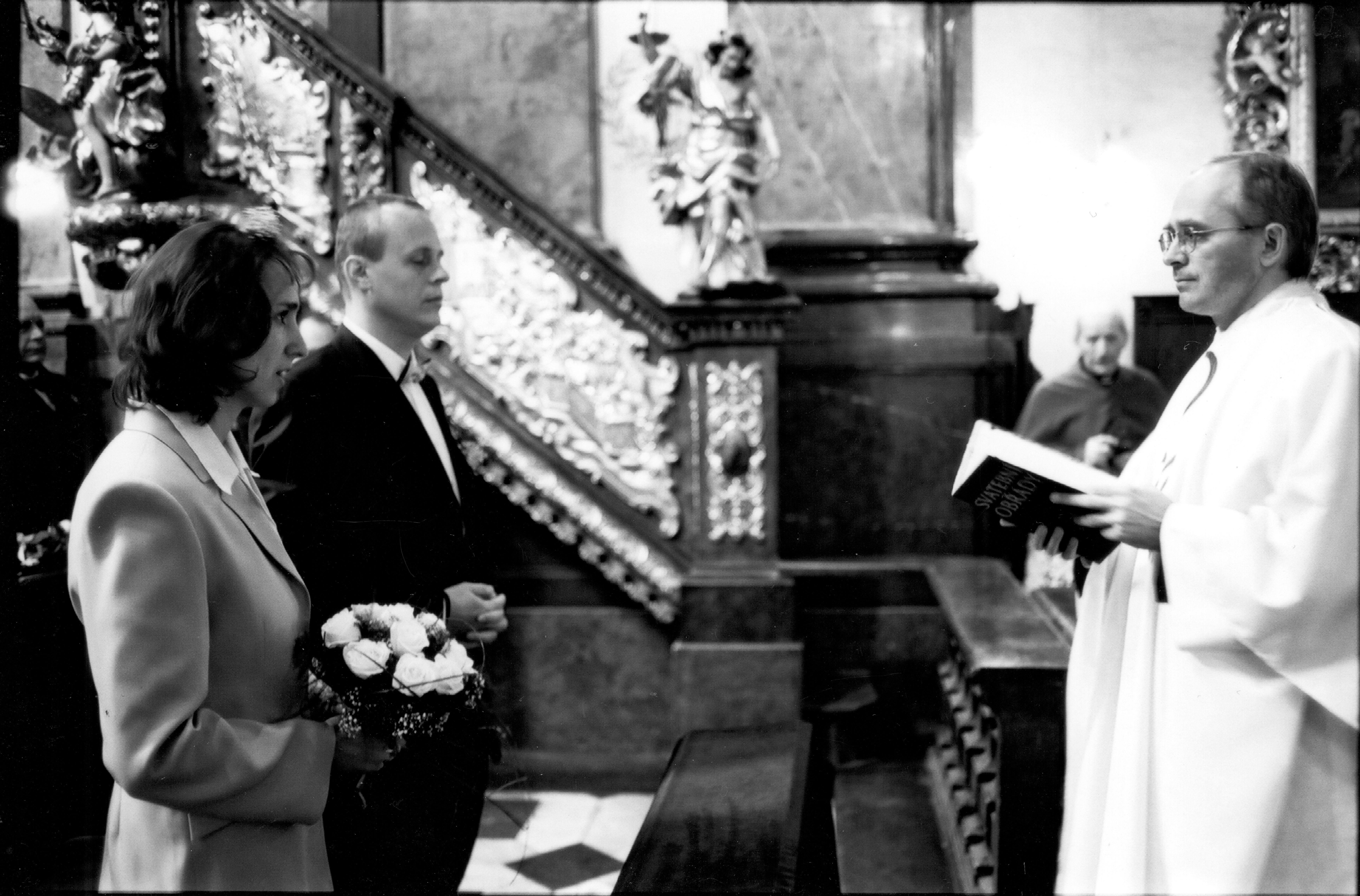
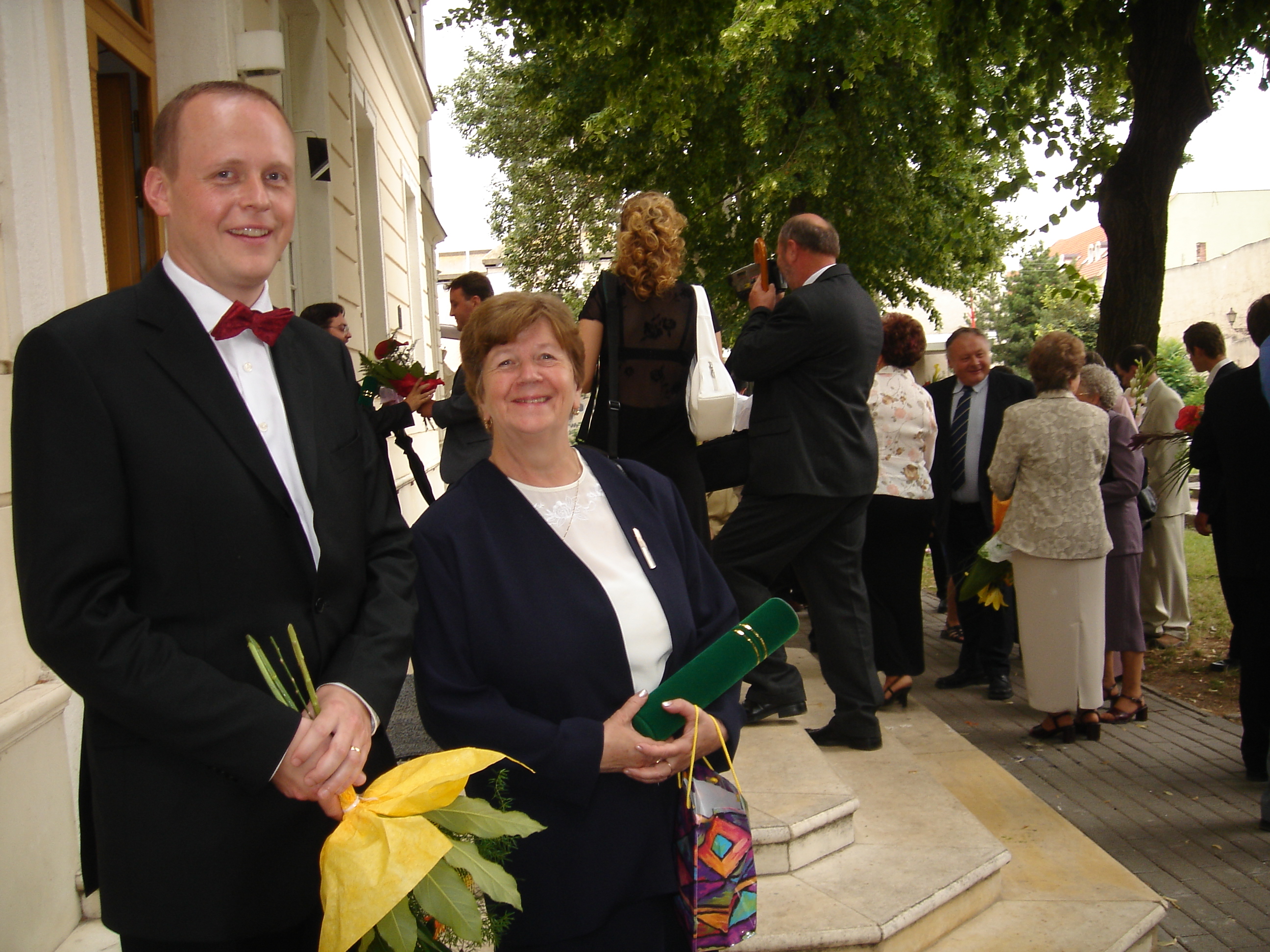
Vojtěch Pokorný was born on 11 February 1971 in Prague. He became involved in the civic and dissident movement as a student of the secondary building school In 1988 he became a signatory of the John Lennon Peace Club Declaration, Charter 77 and an active member of the Movement for Civil Freedom. In the summer of 1989 he organised a concert in support of political prisoners, which was thwarted by State Security (StB), and was detained at the August demonstration on Wenceslas Square, for which he was charged and tried. After the Velvet Revolution, he actively advocated the restoration of the Marian Column on Old Town Square. At the beginning of the new millennium, he studied philosophy at the Faculty of Theology of Trnava University in Bratislava and started a family. Since 2014, he has worked at the Prague Venice Society, where he has been involved in the organization of the Baroque St. John‘s Day festivities NAVALIS and has been involved in the scientific and publishing activities of the Charles Bridge Museum. In 2025 he lived in Prague-Bubeneč.
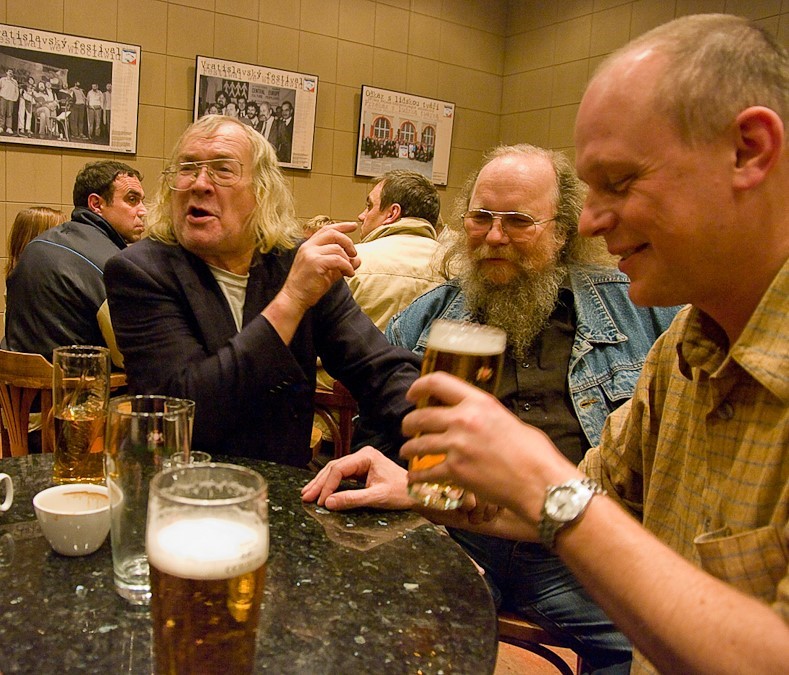
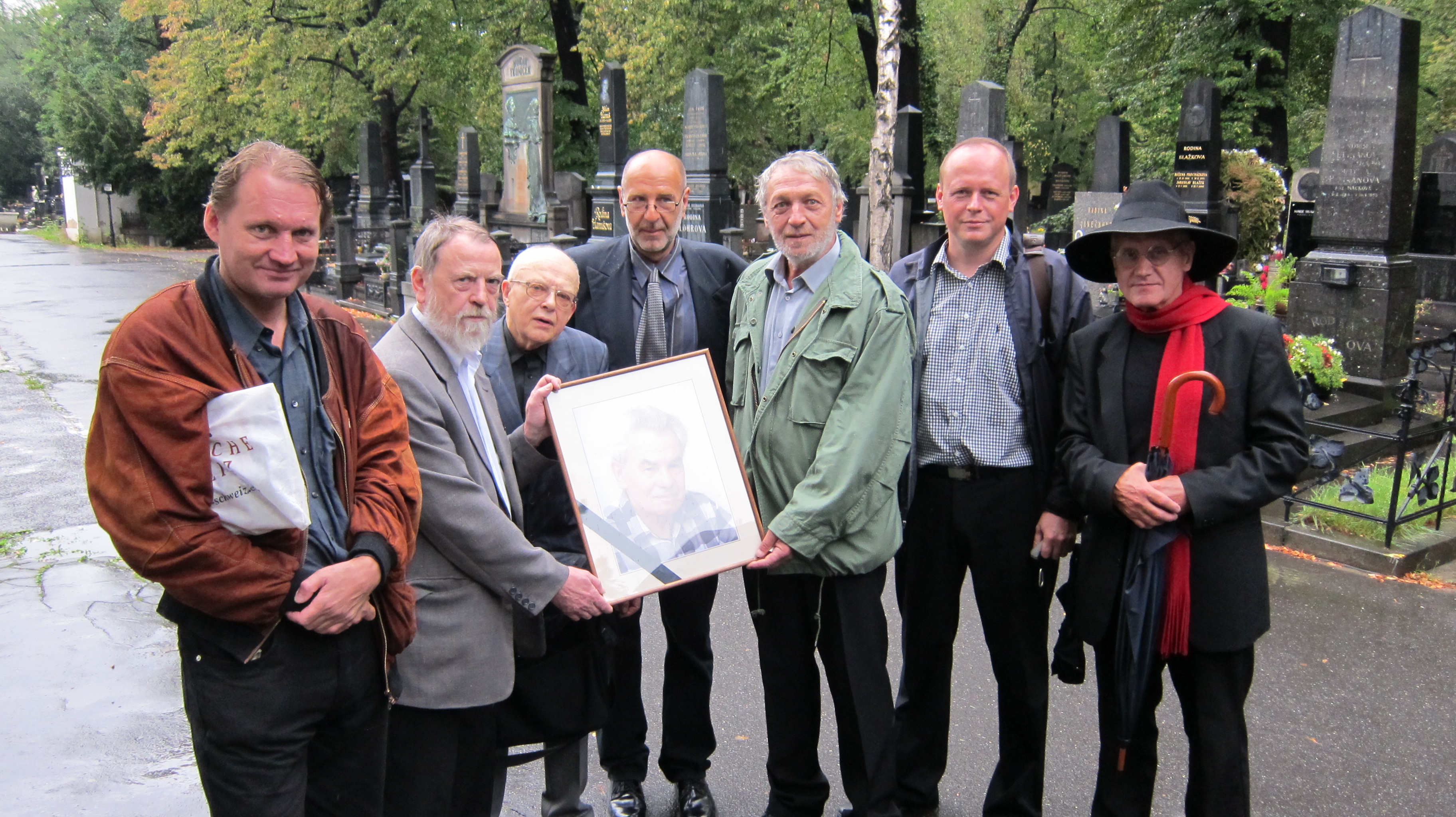
With members of the Movement for Civil Freedom at the funeral of Jan Štern (from left: Martin Holata, Jan Kozlík, Jan Dus, Ilja Květoň, Tomáš Zelenka, Vojtěch Pokorný, Jiří Pavlíček), 2012
With members of the Movement for Civil Freedom at the funeral of Jan Štern (from left: Martin Holata, Jan Kozlík, Jan Dus, Ilja Květoň, Tomáš Zelenka, Vojtěch Pokorný, Jiří Pavlíček), 2012