The stars shine sadly on my little land
Stáhnout obrázek
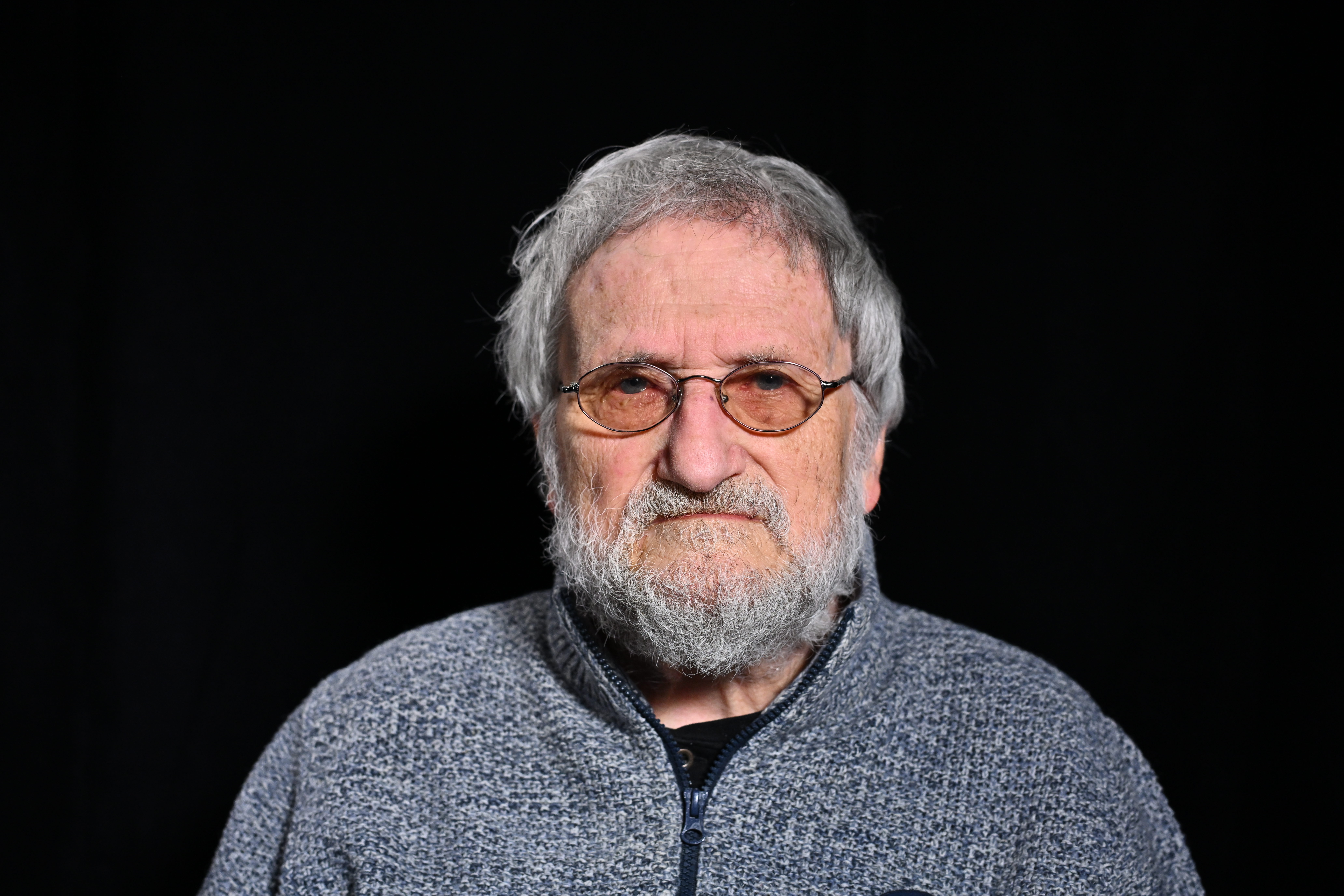
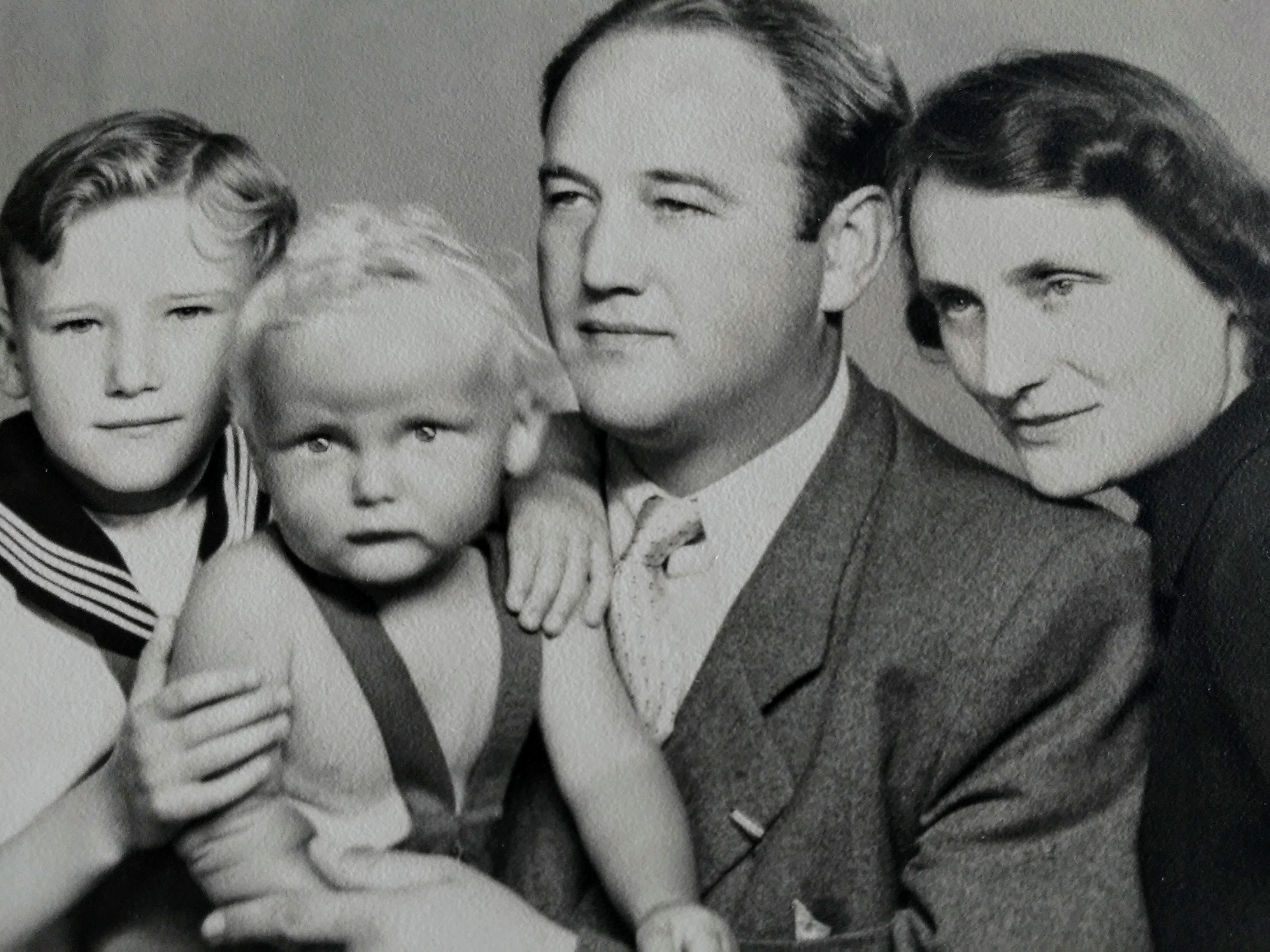
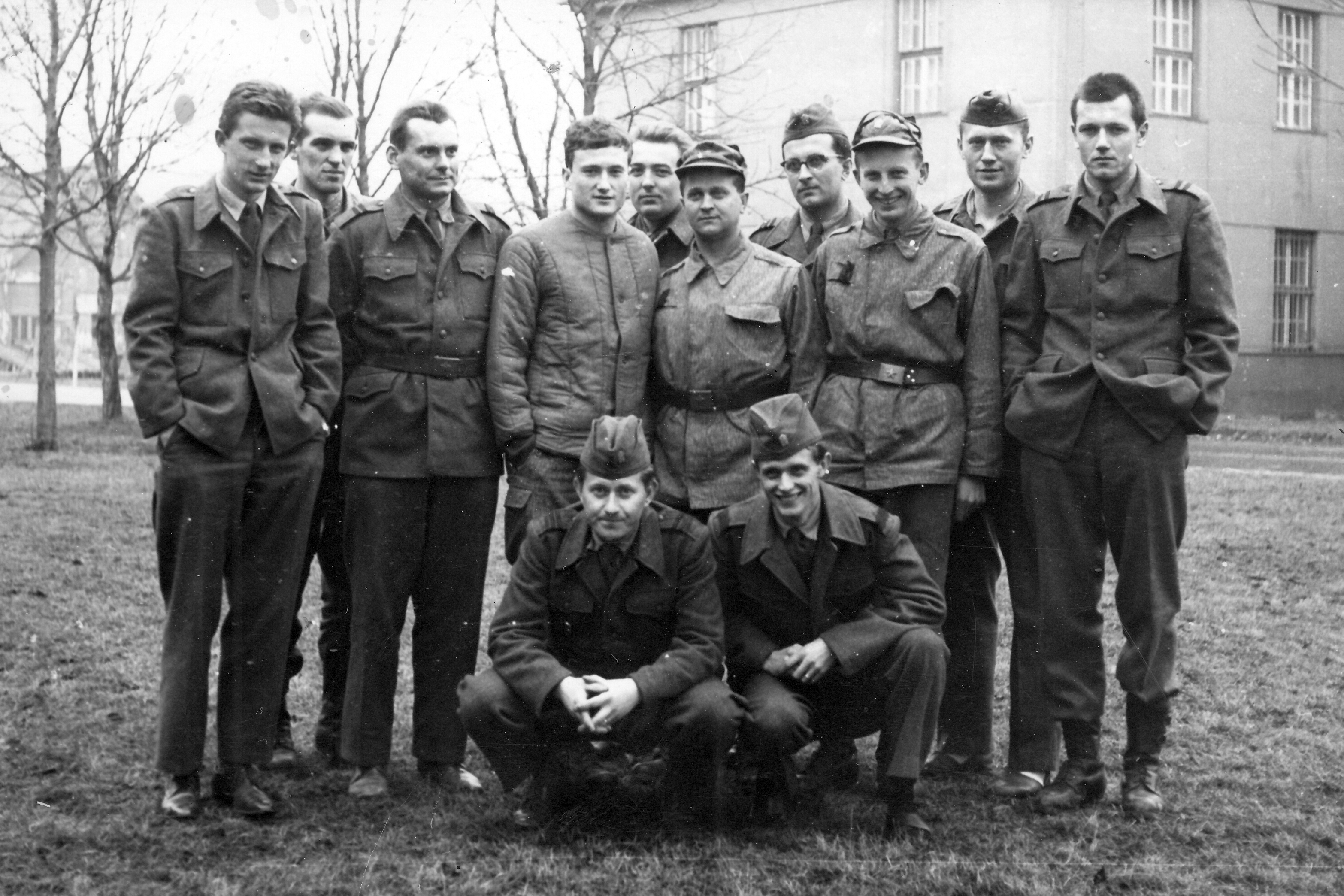
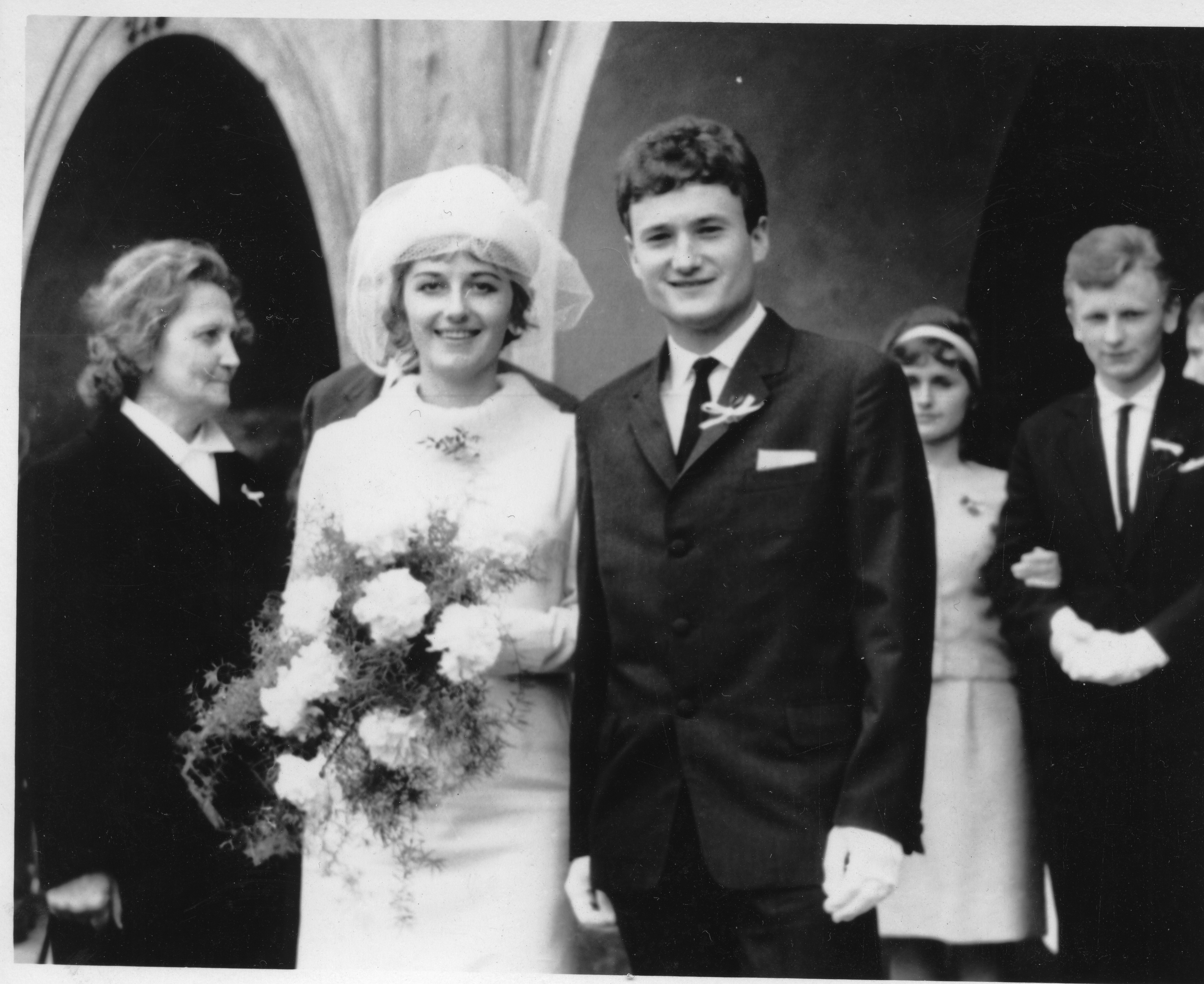
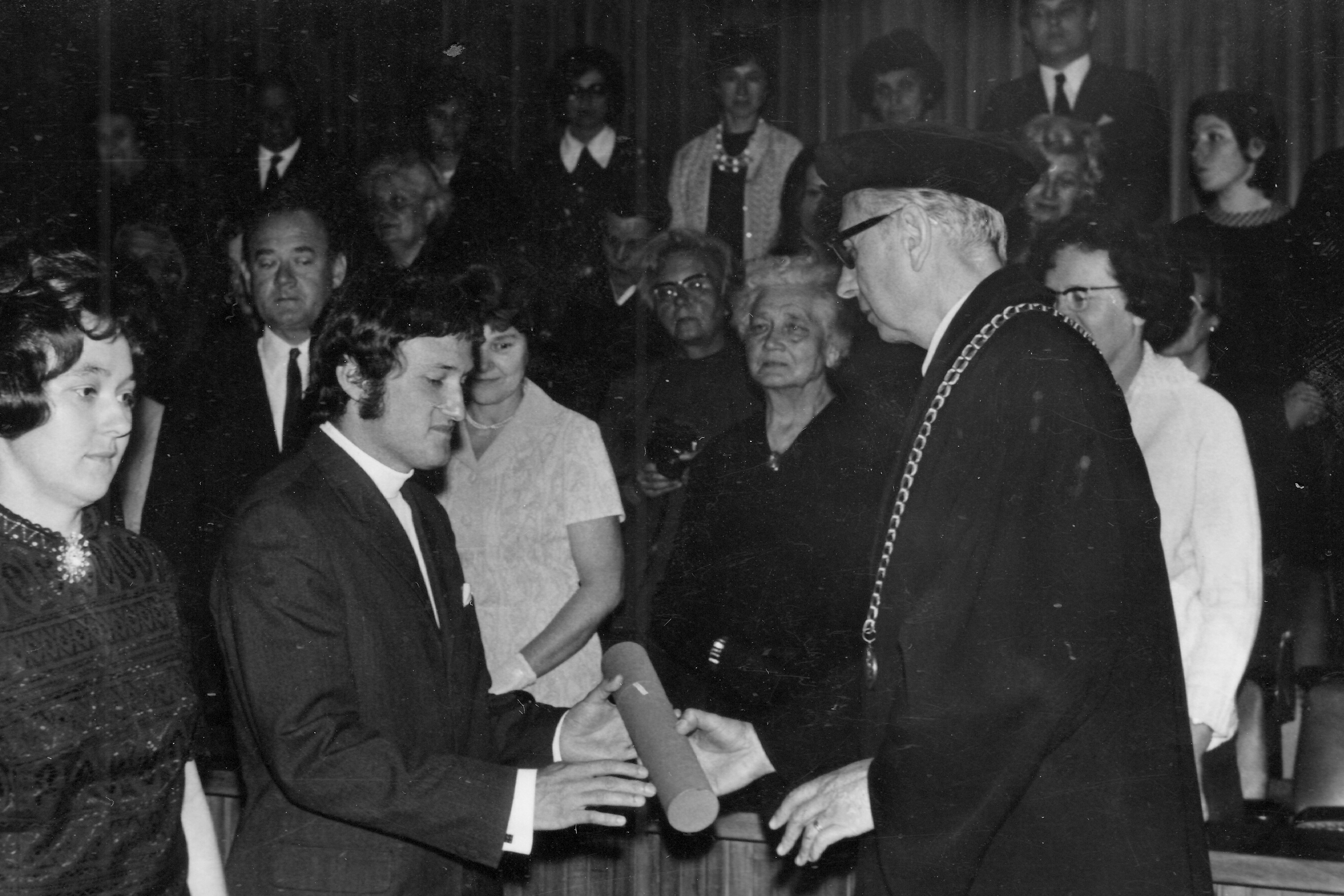
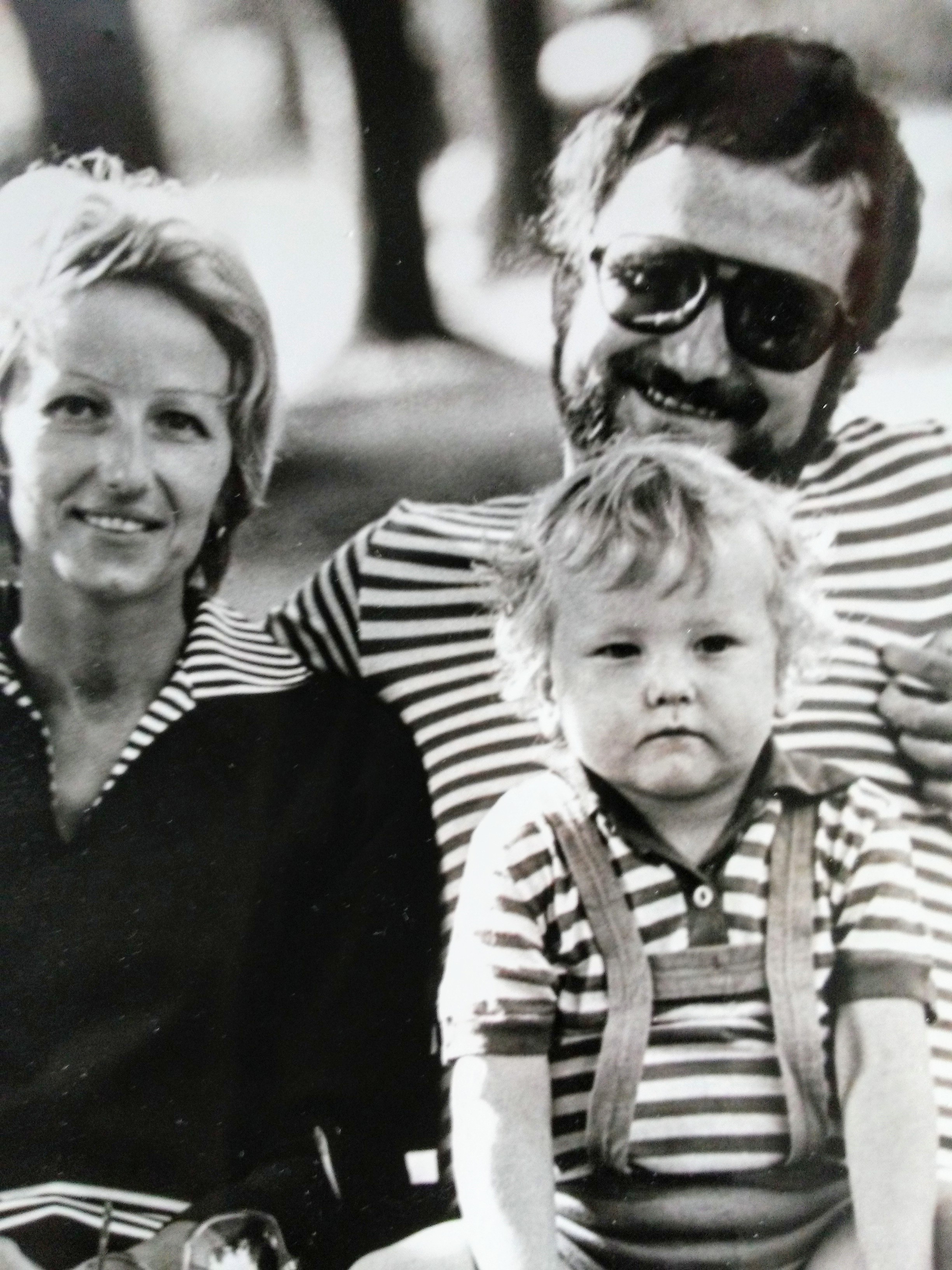
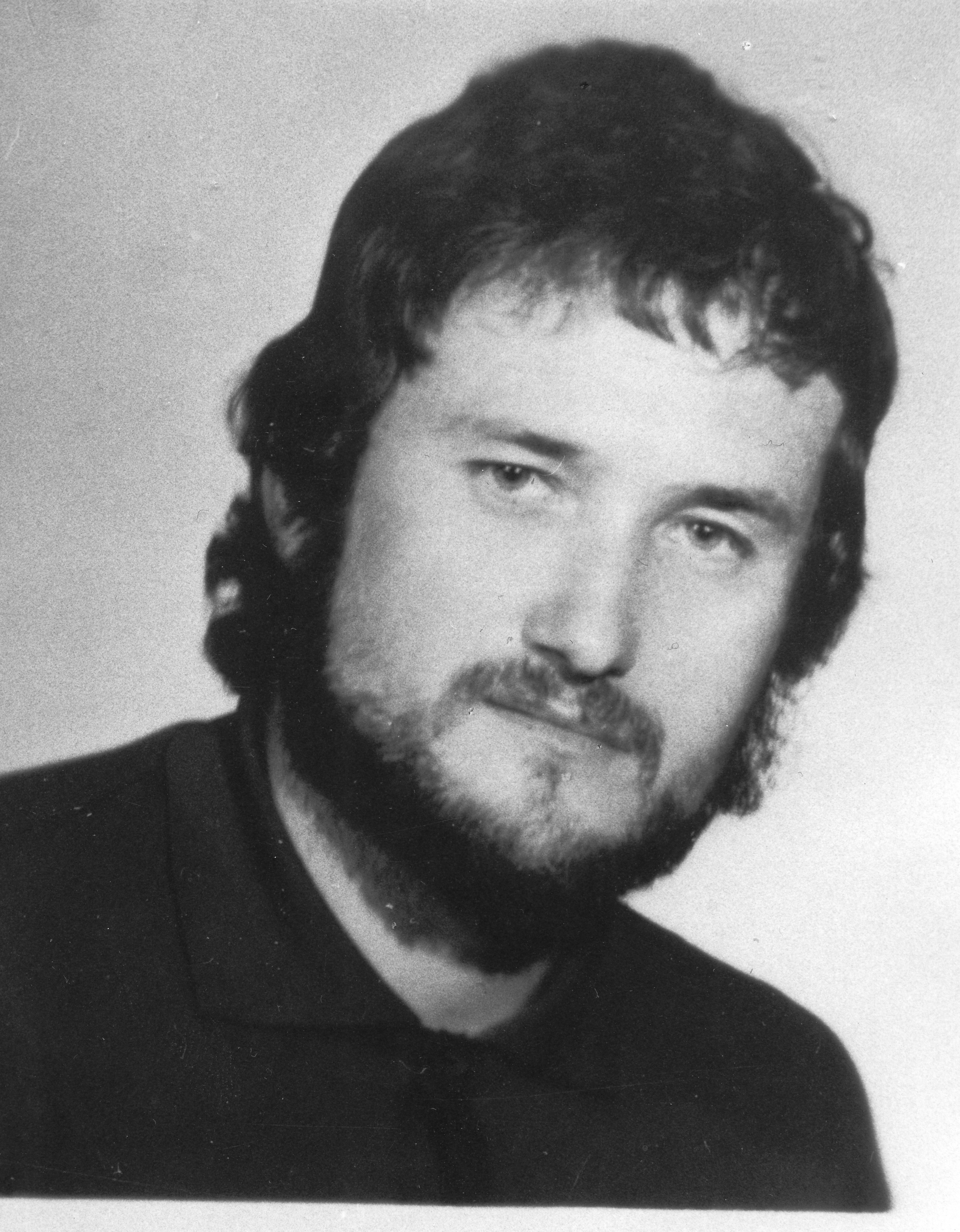
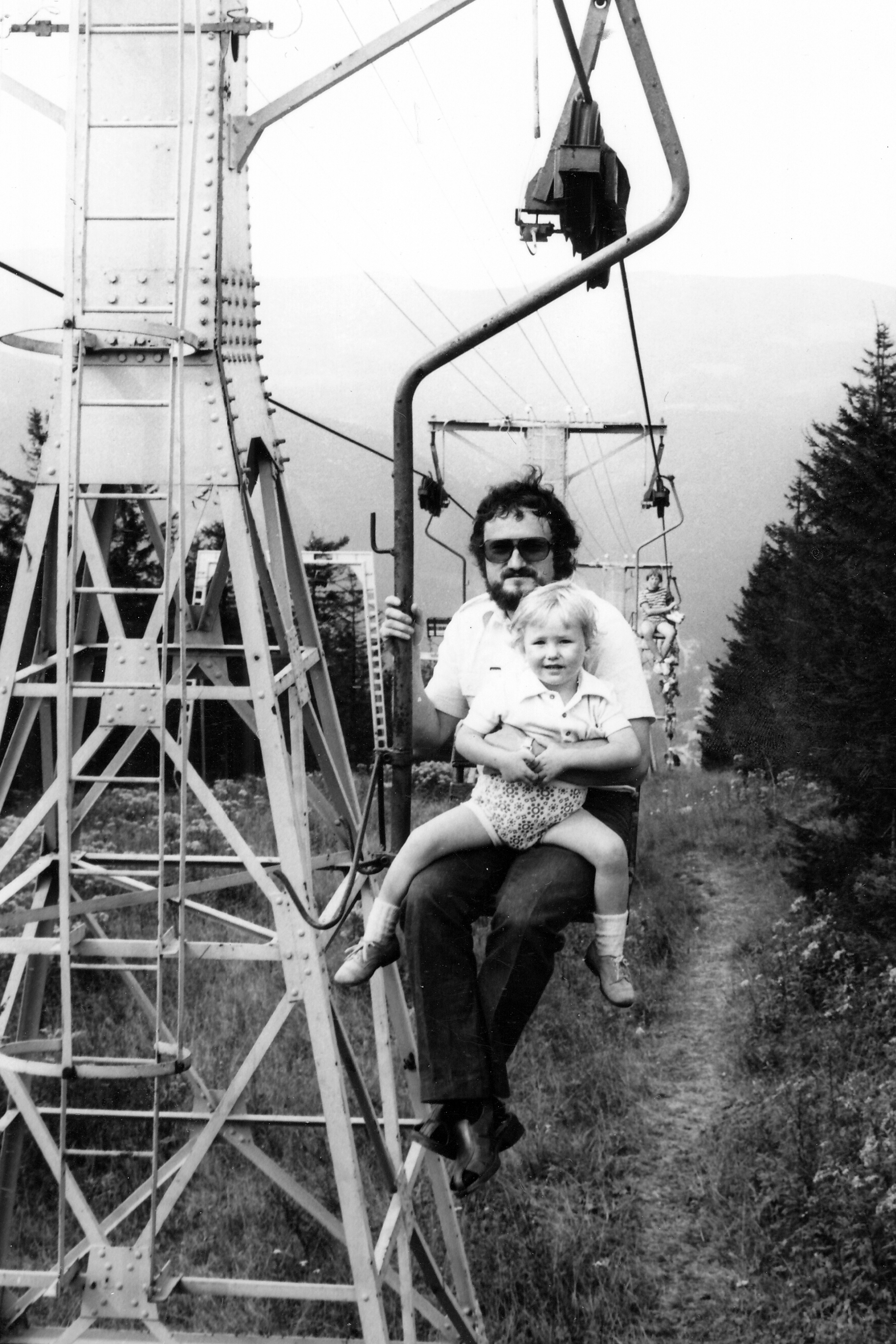
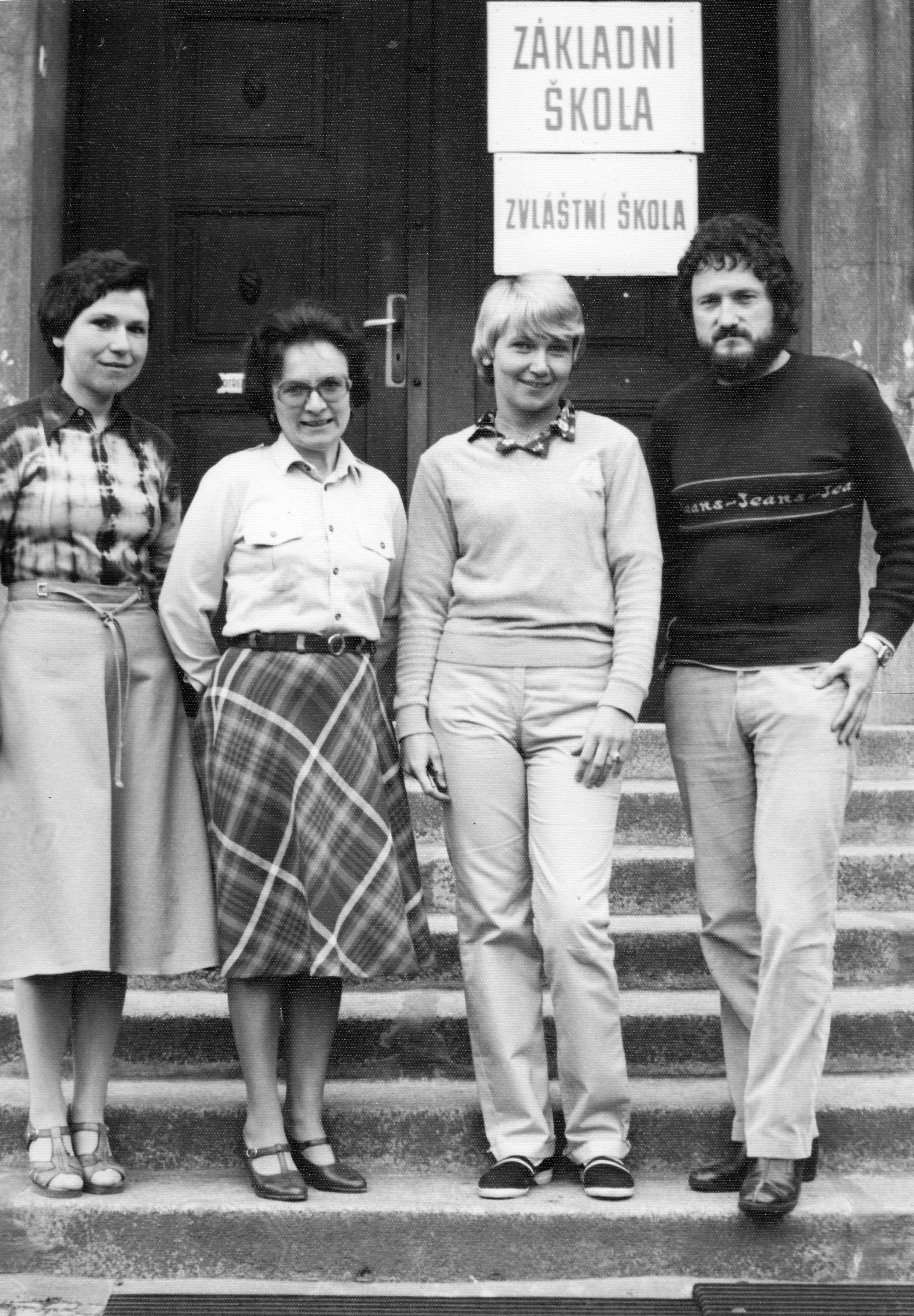
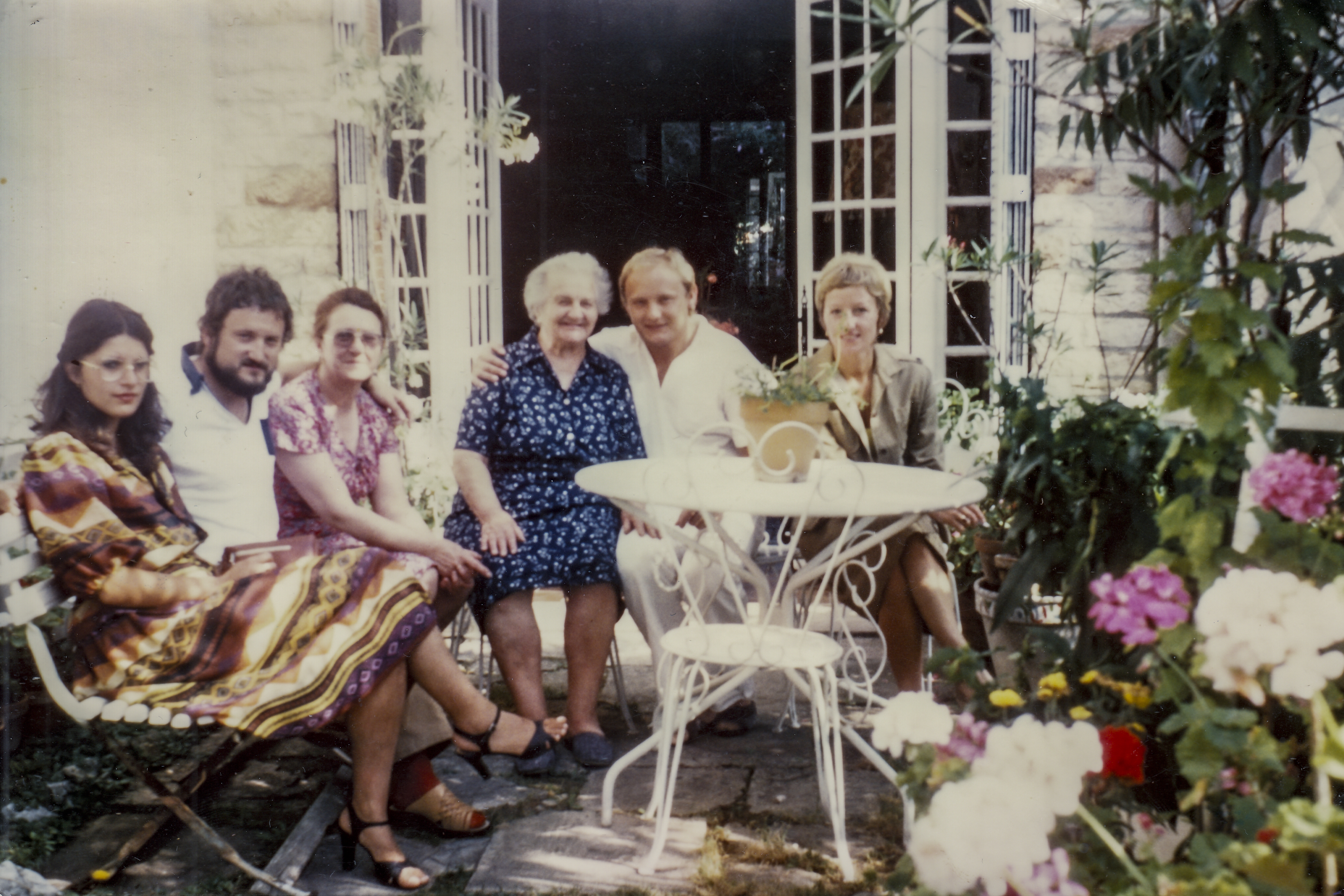
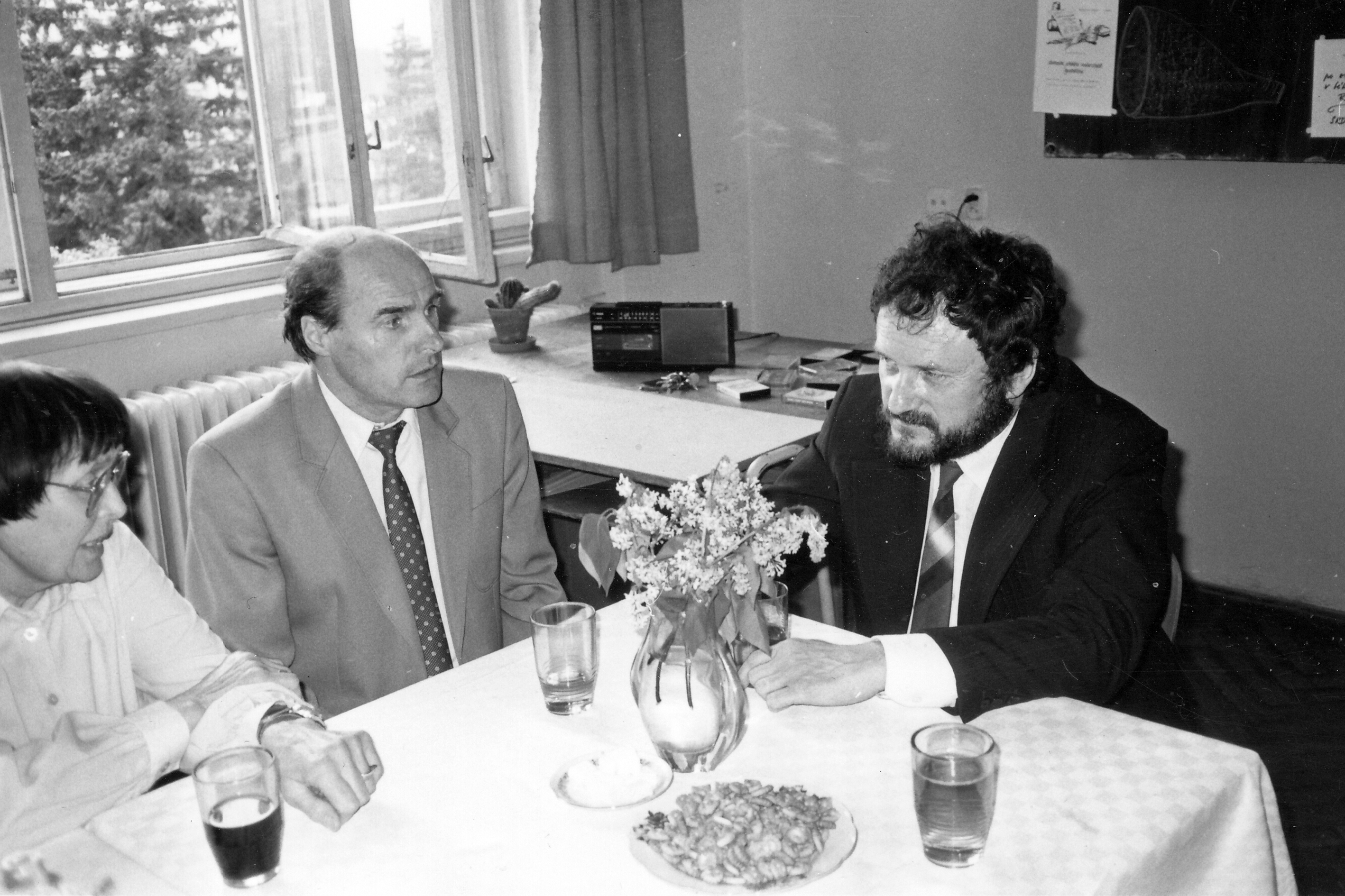
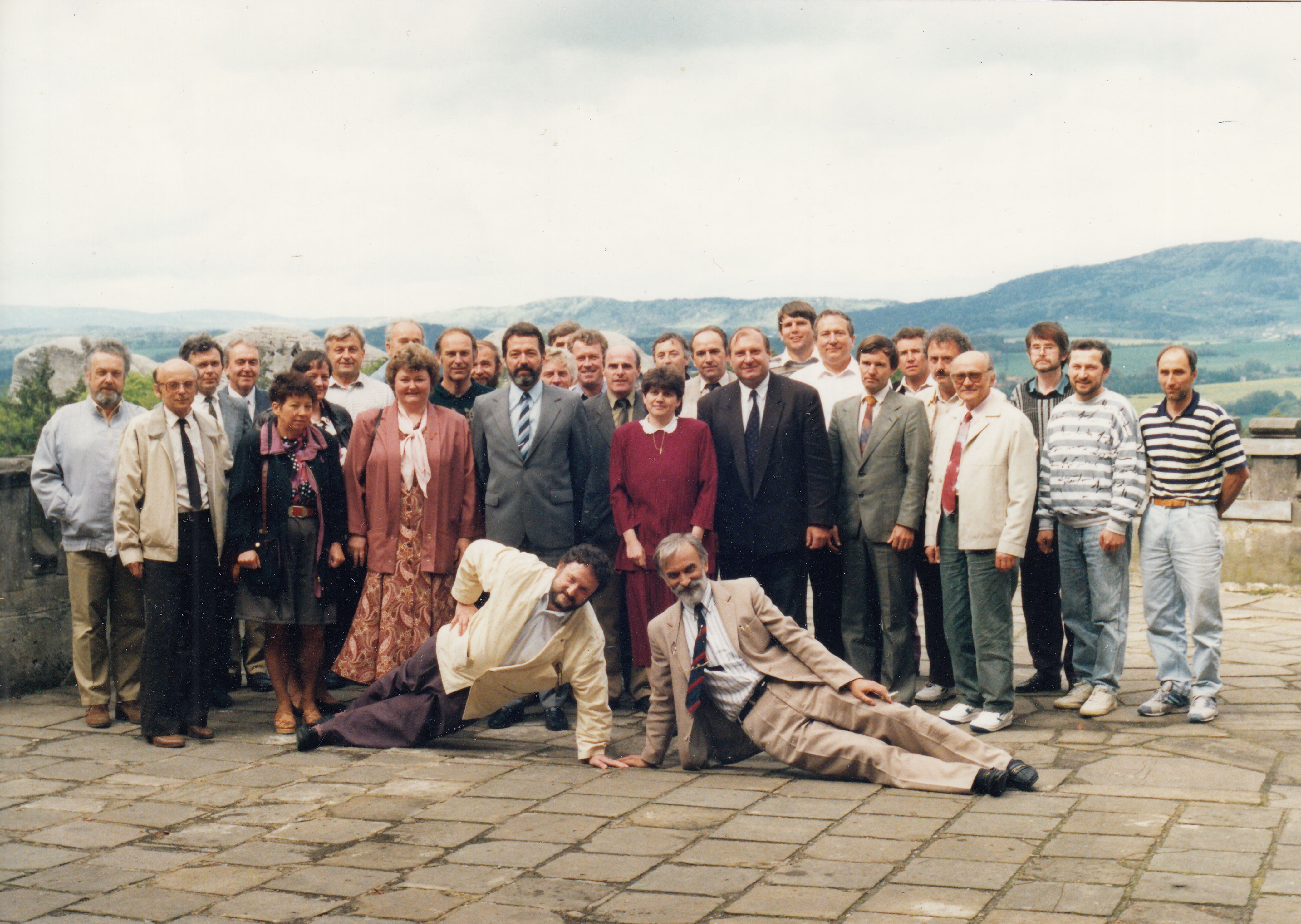
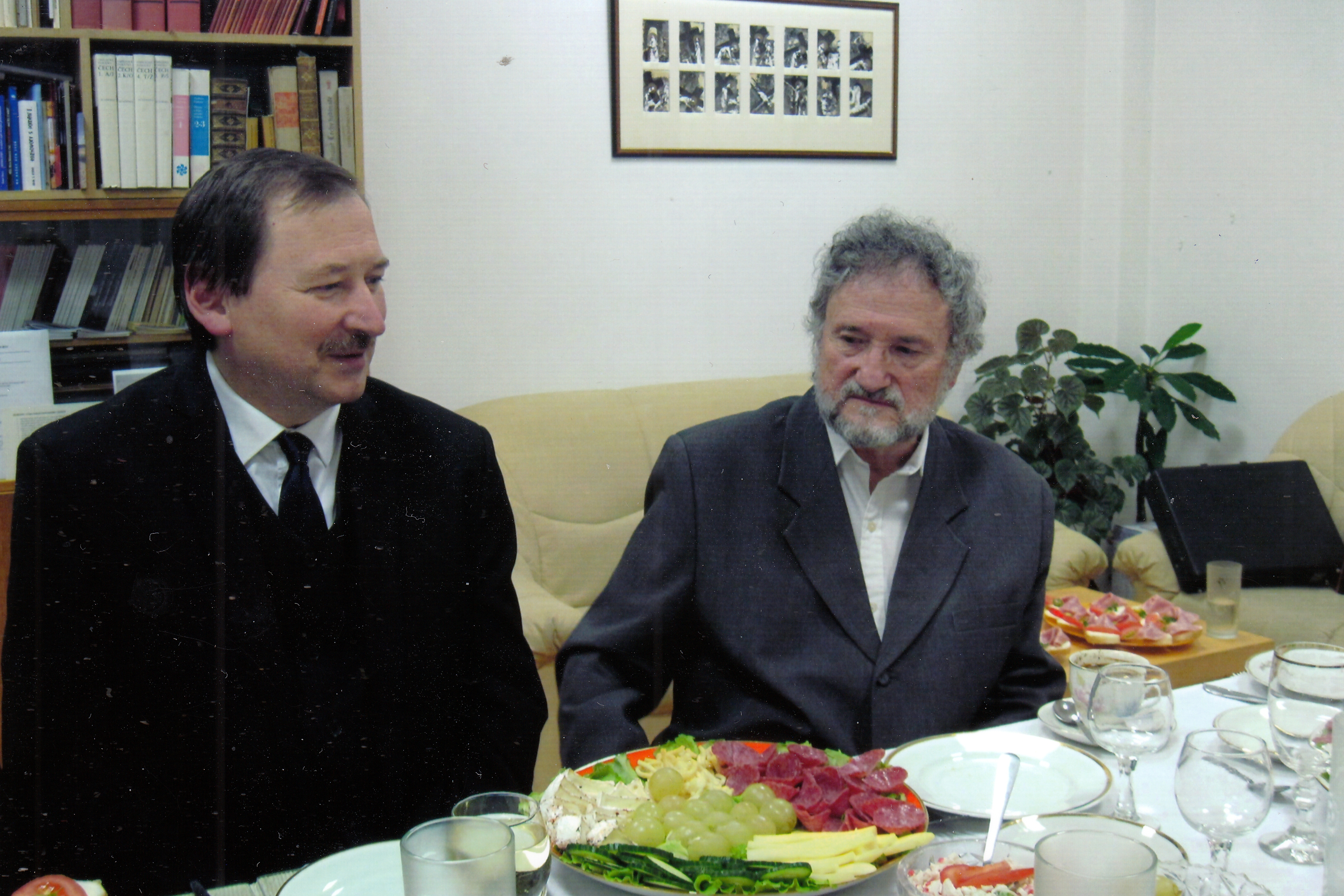
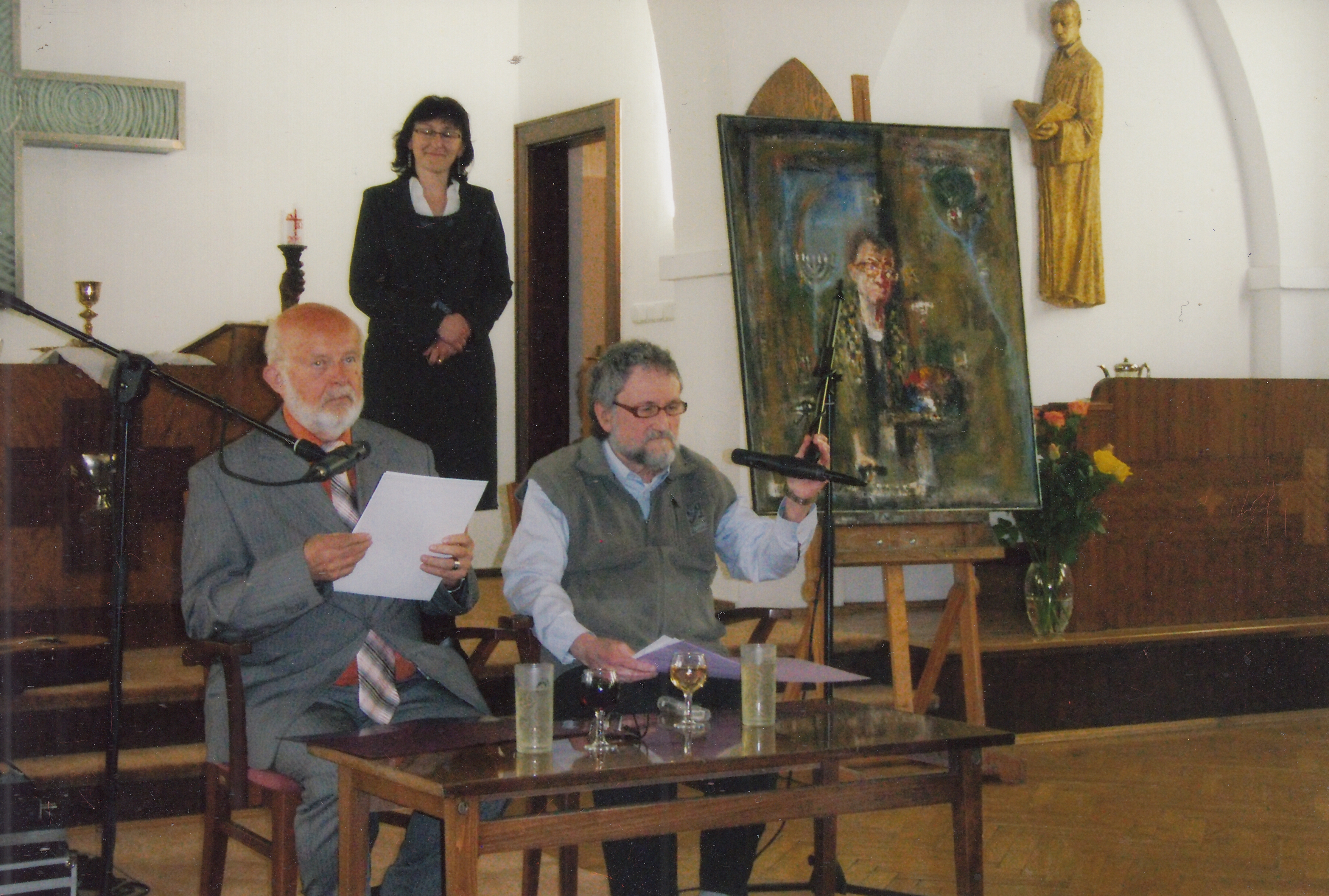
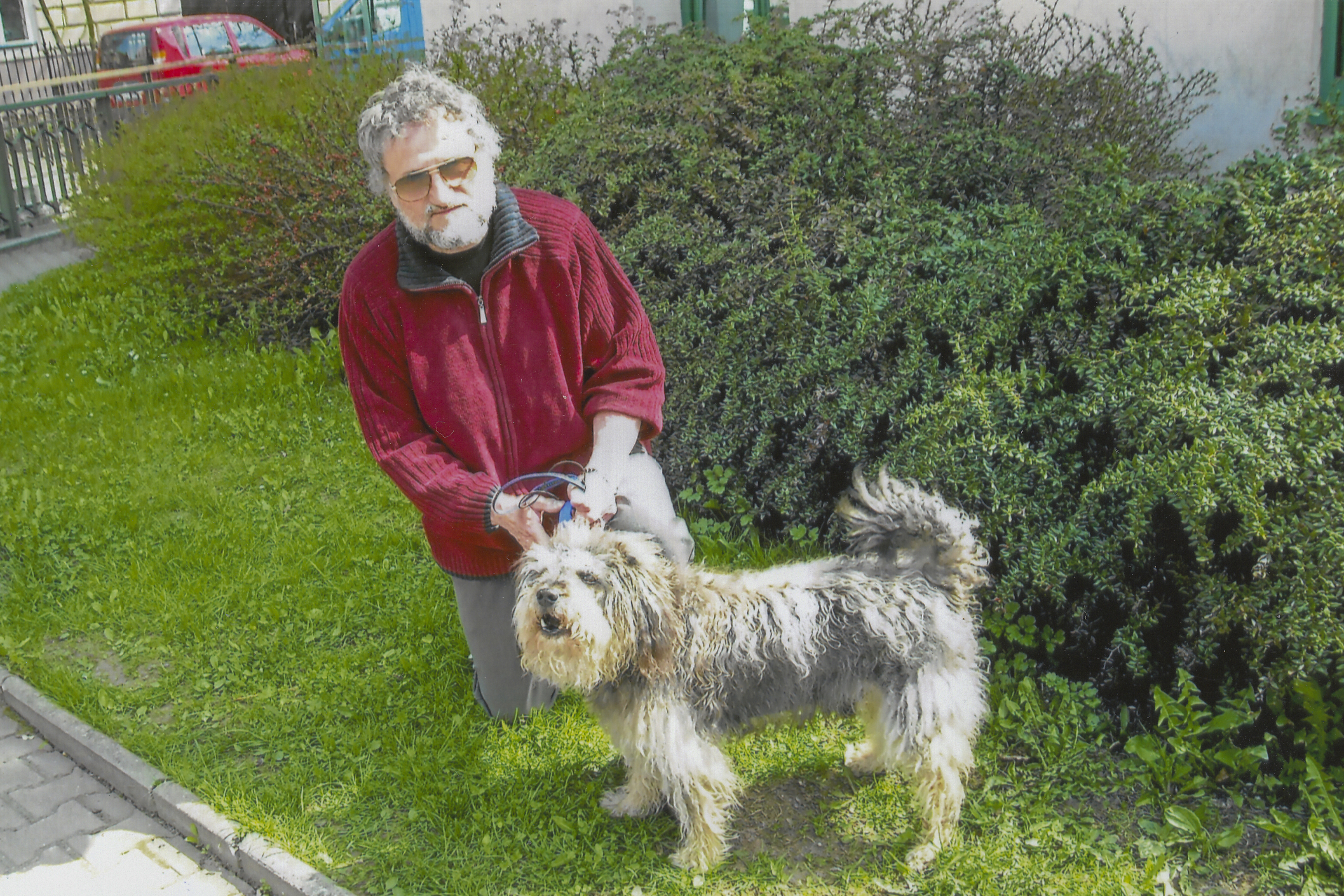
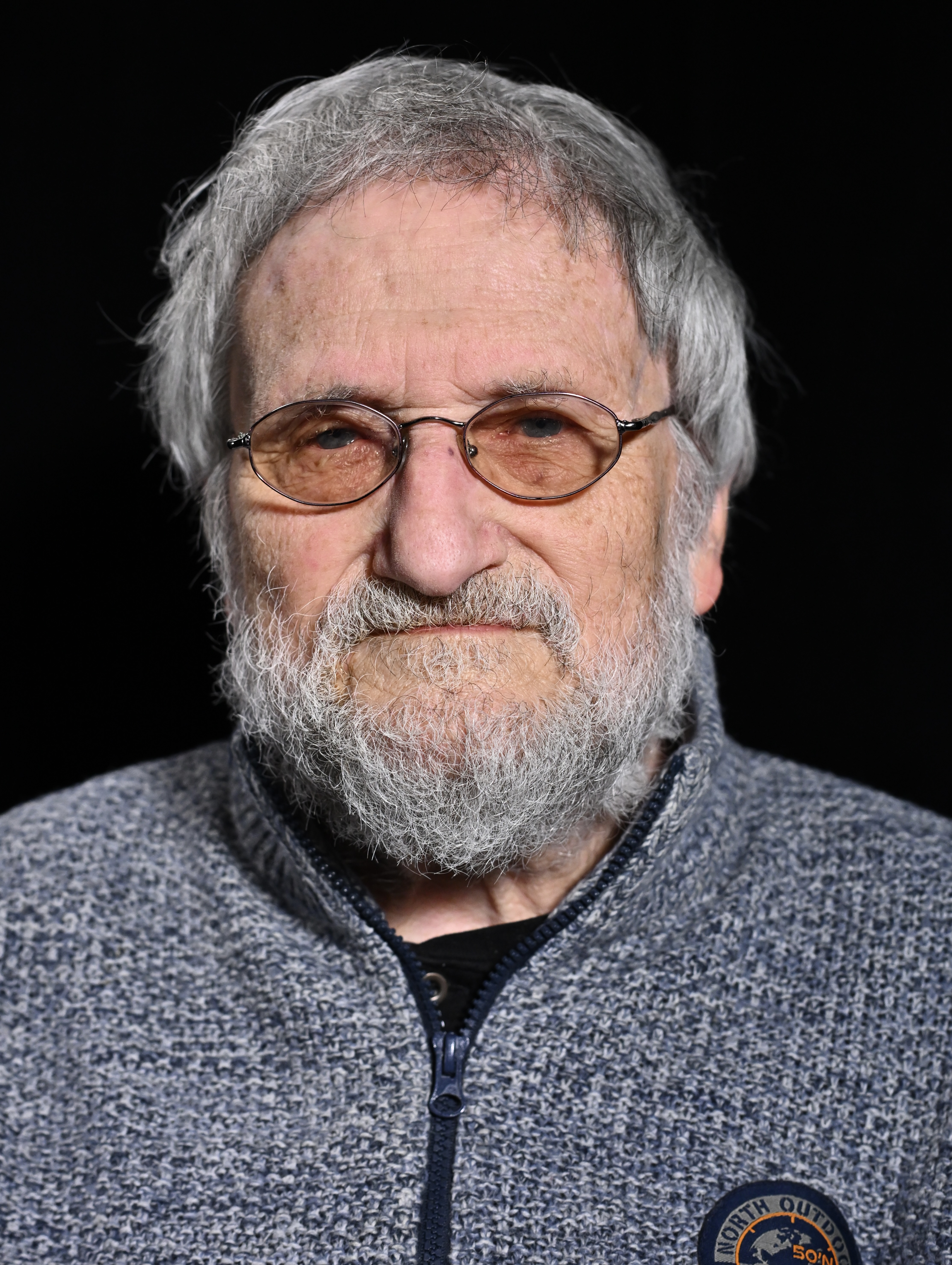
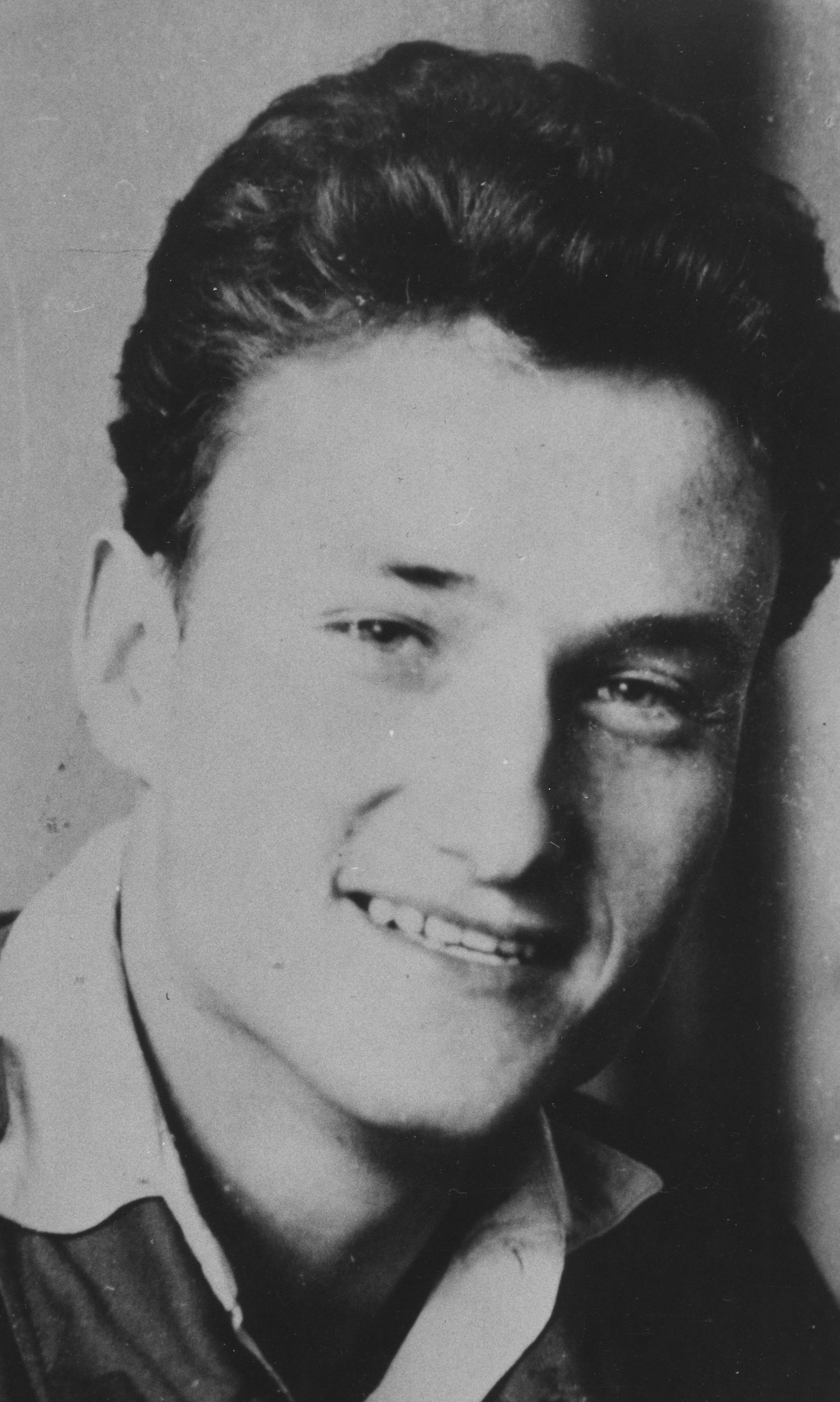
Miloš Plachta was born on 7 July 1941 in Semily. His mother was a teacher, his father a lawyer. In 1942, his father was arrested by the Gestapo. He spent his early childhood with his mother until 1945, when his father returned. After the war, he and his extended family (both grandmothers and an aunt) moved to the county president‘s villa in Semily; he had a younger brother. In 1958 he graduated from the eleven-year secondary school in Semily. He went on to the Higher Vocational School of Pedagogy in Prague and the Faculty of Science at Charles University. His studies were happy, and he devoted himself to reading intellectual feuilletons and Literary Newspaper, later Literary Sheets. After his studies, he began teaching at the Semily - Podmoklice primary school. In 1968 he gave a speech at a meeting of the emerging organisation Klub mladých, where he spoke critically on the topic of disagreement with the exclusion of students and teachers from secondary schools by the ruling Communist Party. In 1969, at the Day of Friendship in Semily, the Jizerka choir performed a Russian song with Czech, strongly anti-occupation lyrics that he had composed for the choir. After the examinations after 1968, he was transferred from primary school to the school for children with speacial needs in Lomnice nad Popelkou, where he stayed for 17 years. In the 1980s, the Plachtas visited France with his brother and his wife, where they first saw what the world west of Czechoslovakia was like. After returning from France, State Security Service (StB) offered him cooperation, which he refused. After the Velvet Revolution in 1989, he joined the District Educational and Psychological Counselling Centre. In 1990 he became the director of the Grammar School of Ivan Olbracht in Semily. He carried out many meritorious activities for the town - he published and wrote the chronicle of Semily, organized conferences with important personalities of the town (Ivan Olbracht, Antal Stašek, Pavel Tigrid), included the grammar school in the UNESCO network of schools or held the position of chairman of the Club of Natives and Friends of Semily. He also lived in Semily at the time of the recording in 2025.