Petr Pištěk

* 1953

  • "It was interesting there because there was a lawyer who was locked up there, who was doing such an executive service that he was organizing something that the guards were not able to do, so they just pulled out a prisoner who was trained to do that, and this lawyer took me in. That is, I came there somewhere, I know there was a radio there, and I sat in the office with him for some time, about a fortnight. But what was most interesting about it was that he brought me a letter at that time which was actually to extend my prison term. A letter that, when one was leaving there, I found out afterwards that it was actually a man who had been deployed by the police, in the cell, so when he was leaving I wanted to send some sort of a message home. And I know I unstuck a postcard, I wrote it inside, and I glued it back together, the two thin pieces of paper, and he refused to take it. And he said he had a good memory, he'd remember it. So I dictated it to him, and then he actually turned me in and wrote something completely insane that would actually add to my conviction. And all of a sudden this lawyer - because they were letting this guy out in civilian clothes - so to speak, brought this letter to me. Through some friend again somewhere in the courthouse they pulled it out of some..., and he gave it to me as a gift. I read it and I said, 'Well, now tear it up in front of me and throw it out here'."

  • "This is crazy. You have murderers next to you, and I don't know really how... They put you in a cell with five beds and there are seven people, five of them gypsies..., it's quite a shock. Nothing against gypsies, some of the guys were really great, but they'll give you a hard time. I remember the detail that I went in there and there was a sign on the door that said TB. And I came to the cell and I said, 'Is there tuberculosis here?' They said, 'Yeah, there was a TB patient here.' And I said, 'Where was he lying?' 'Well, over there where you're going to lie.' And there were these huge spots on the pillow, and it was horrible. Yeah, yeah, they can do that... I think it's the same. If they want to break you, they... if they want you to talk, they make you so uncomfortable that you want to get out of it as soon as possible. And that's where people talk."

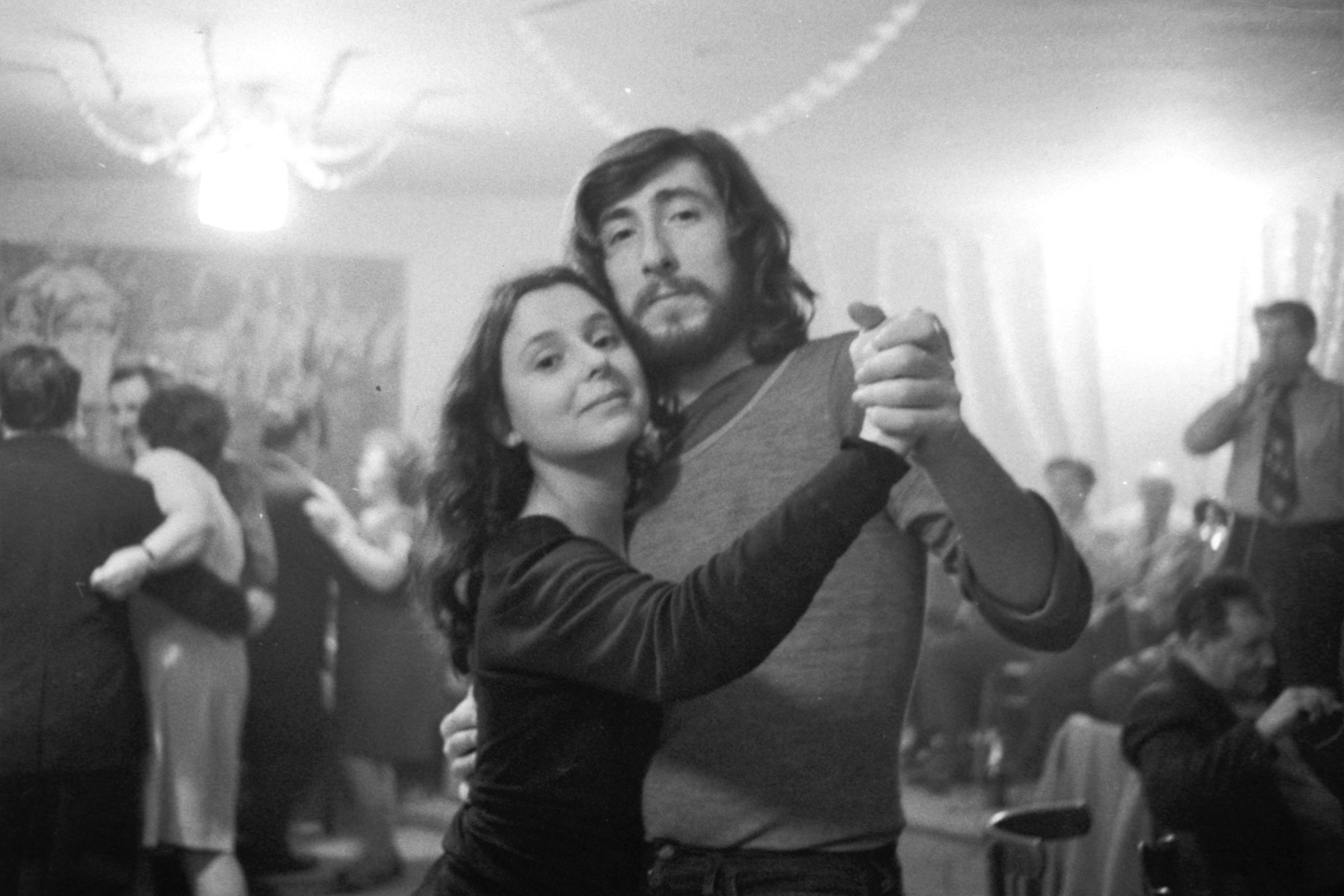
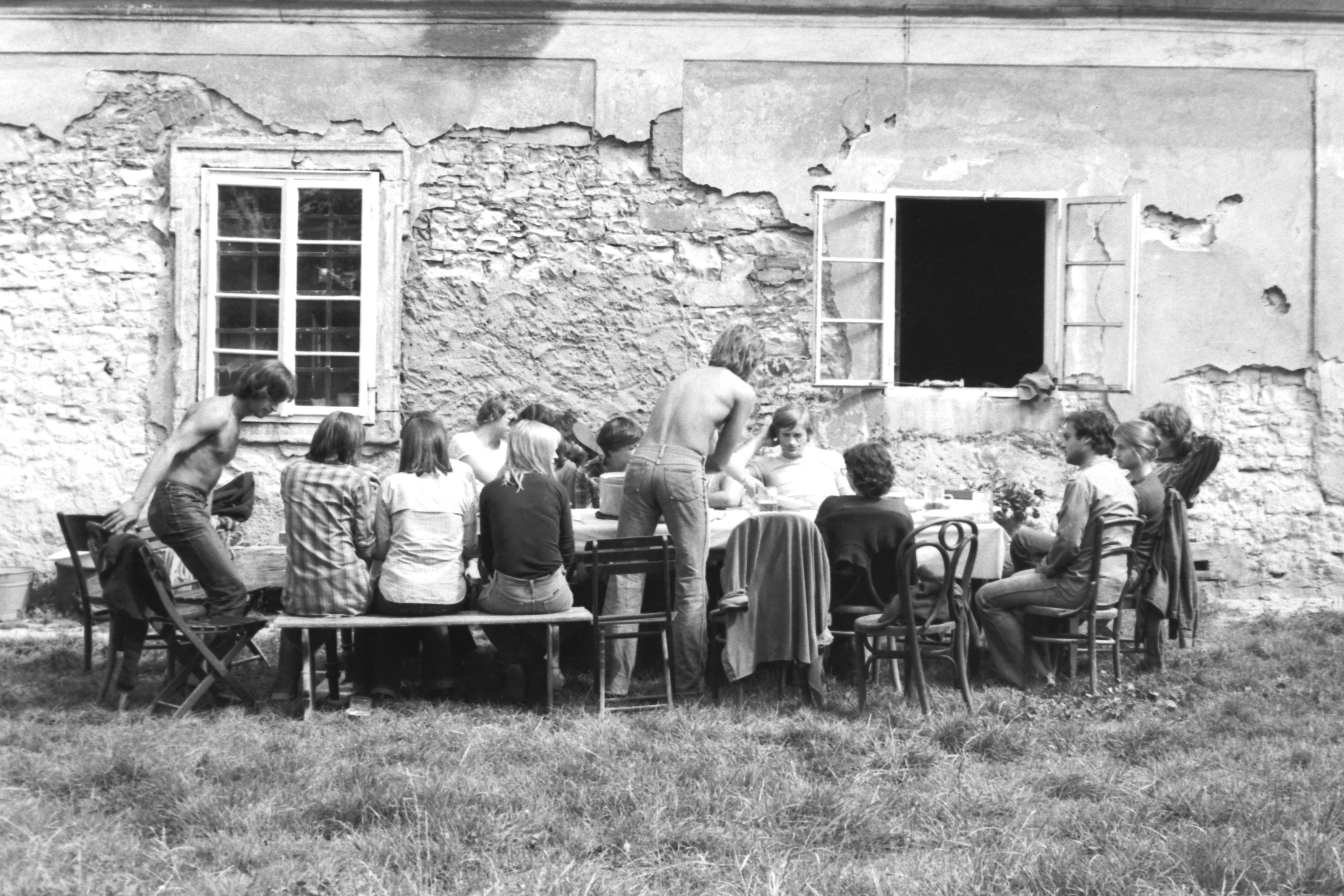
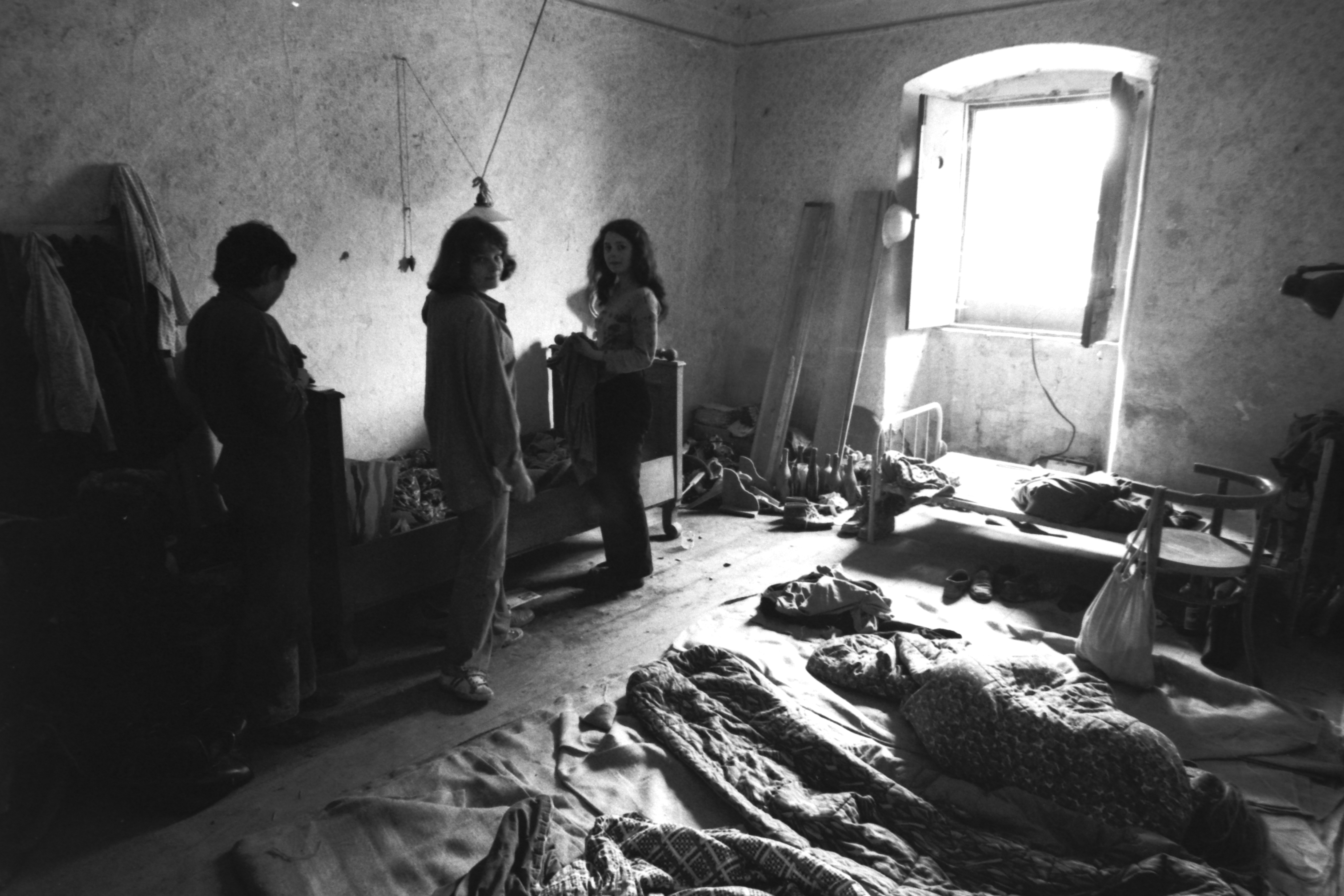
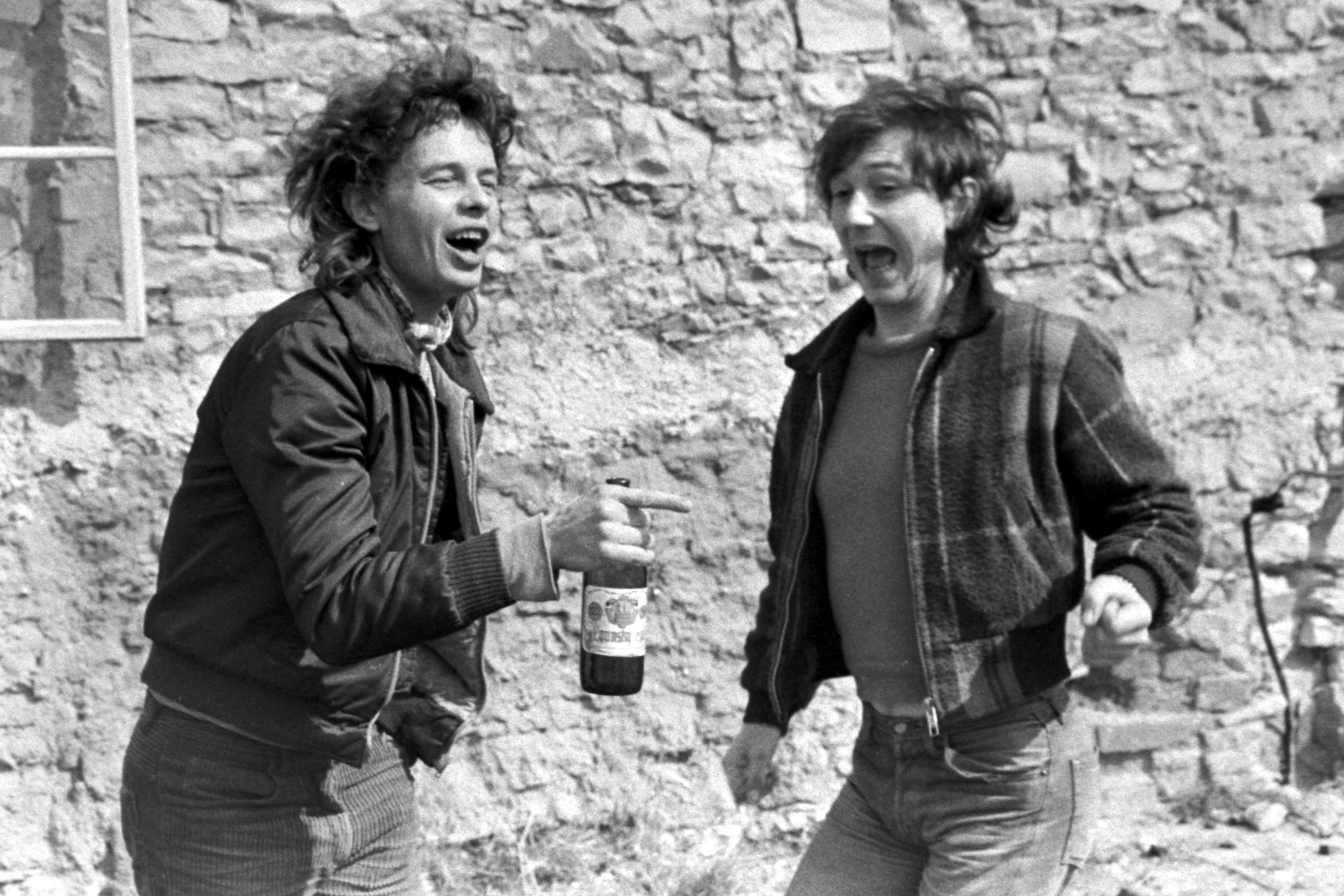
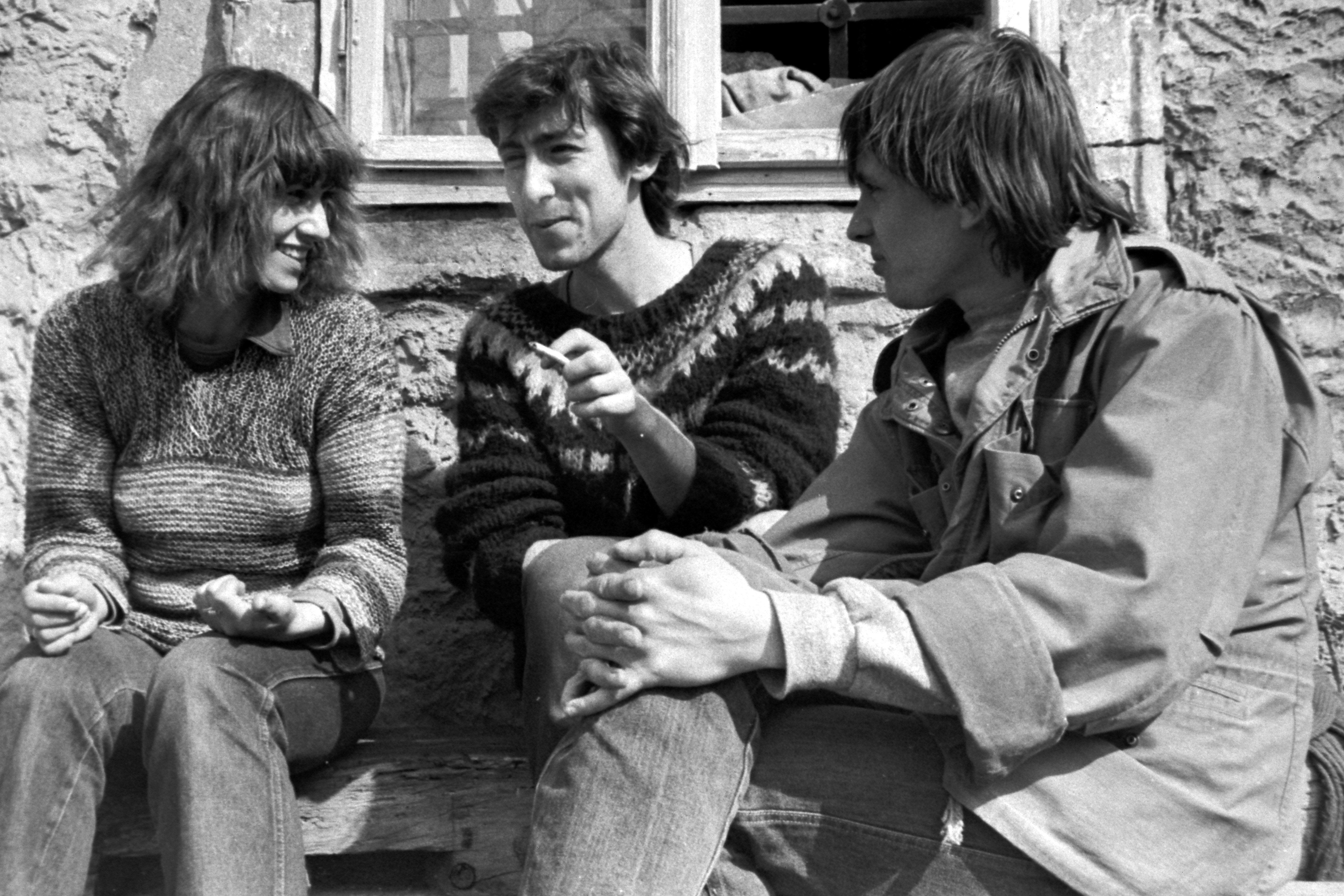
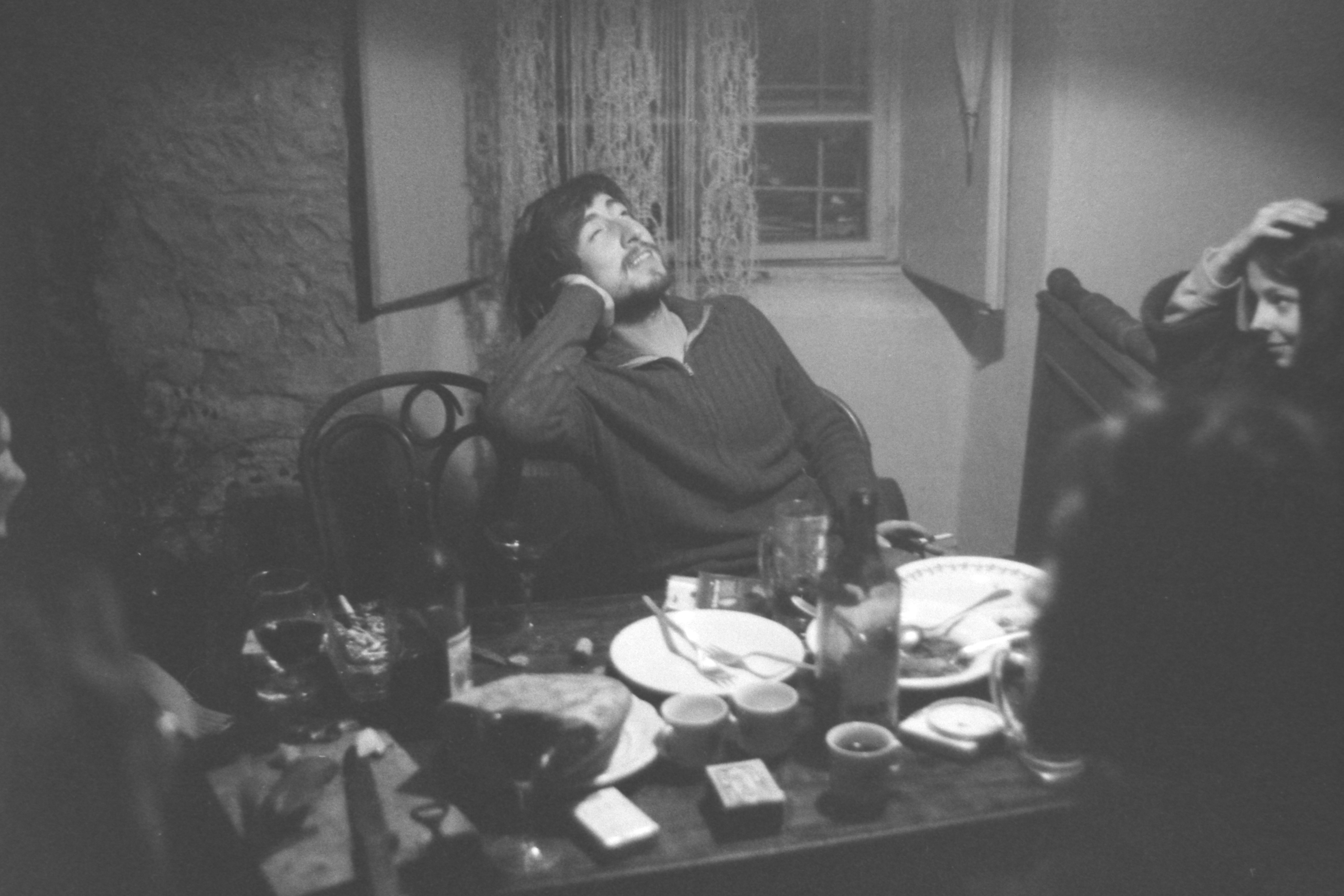
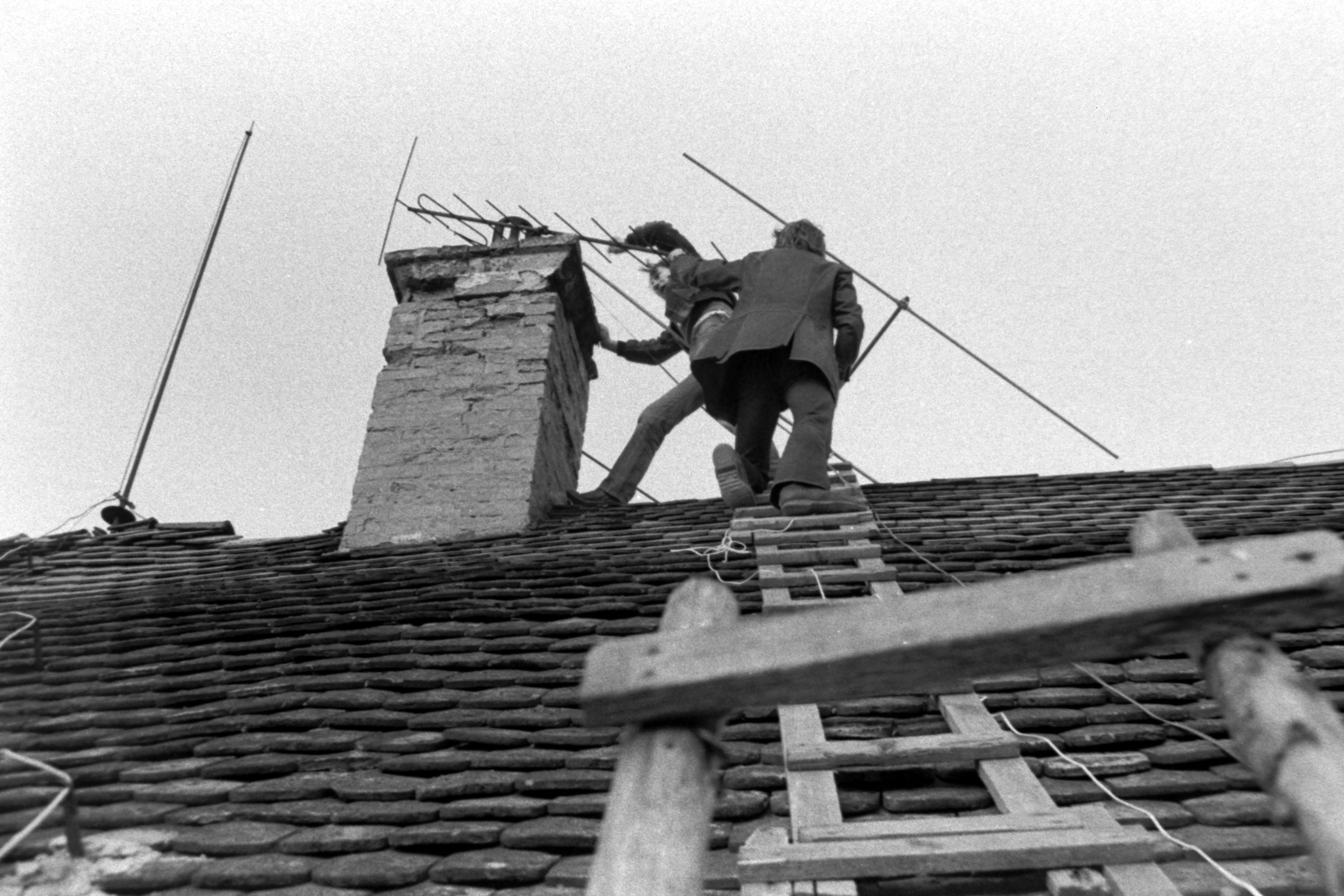
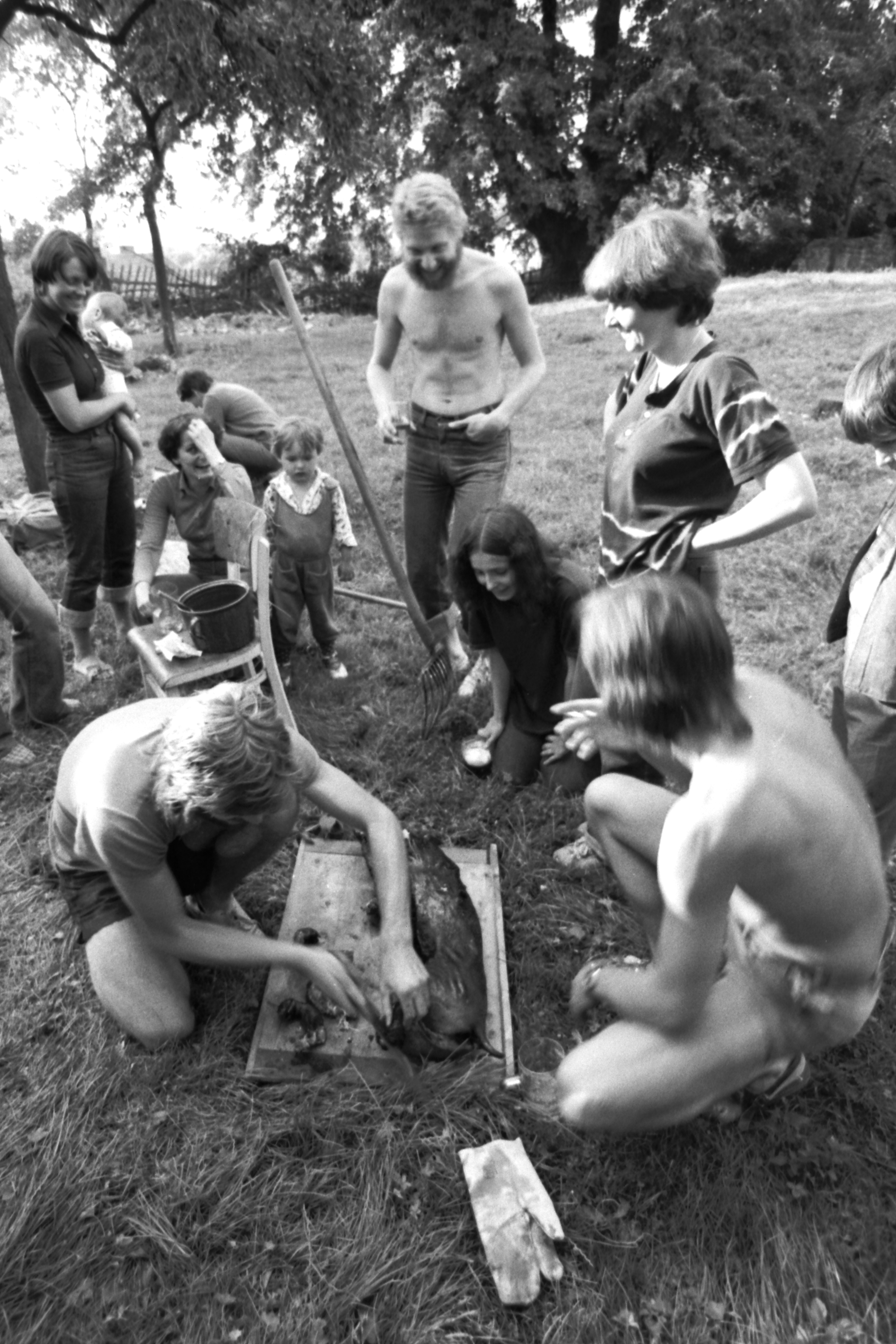
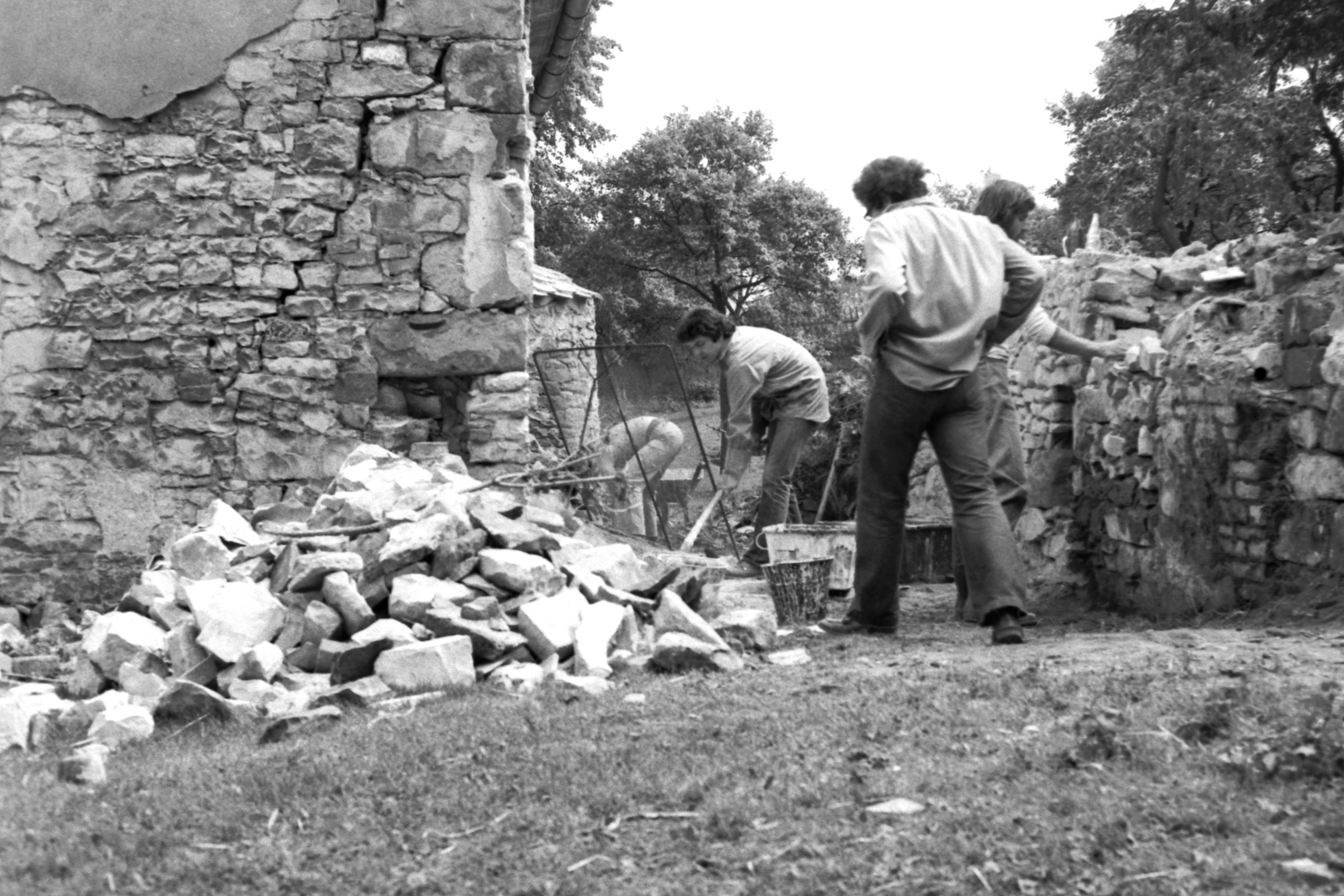
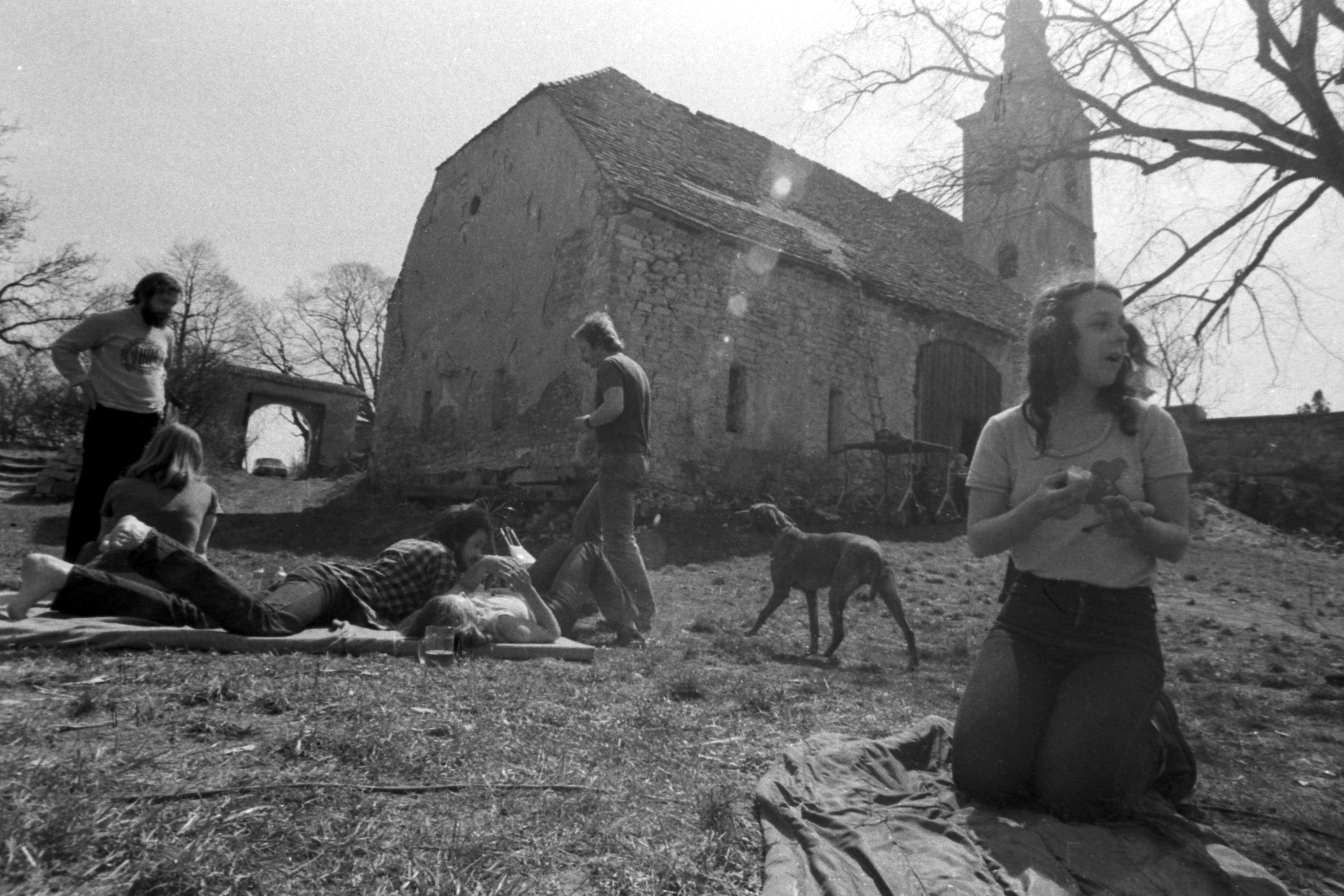
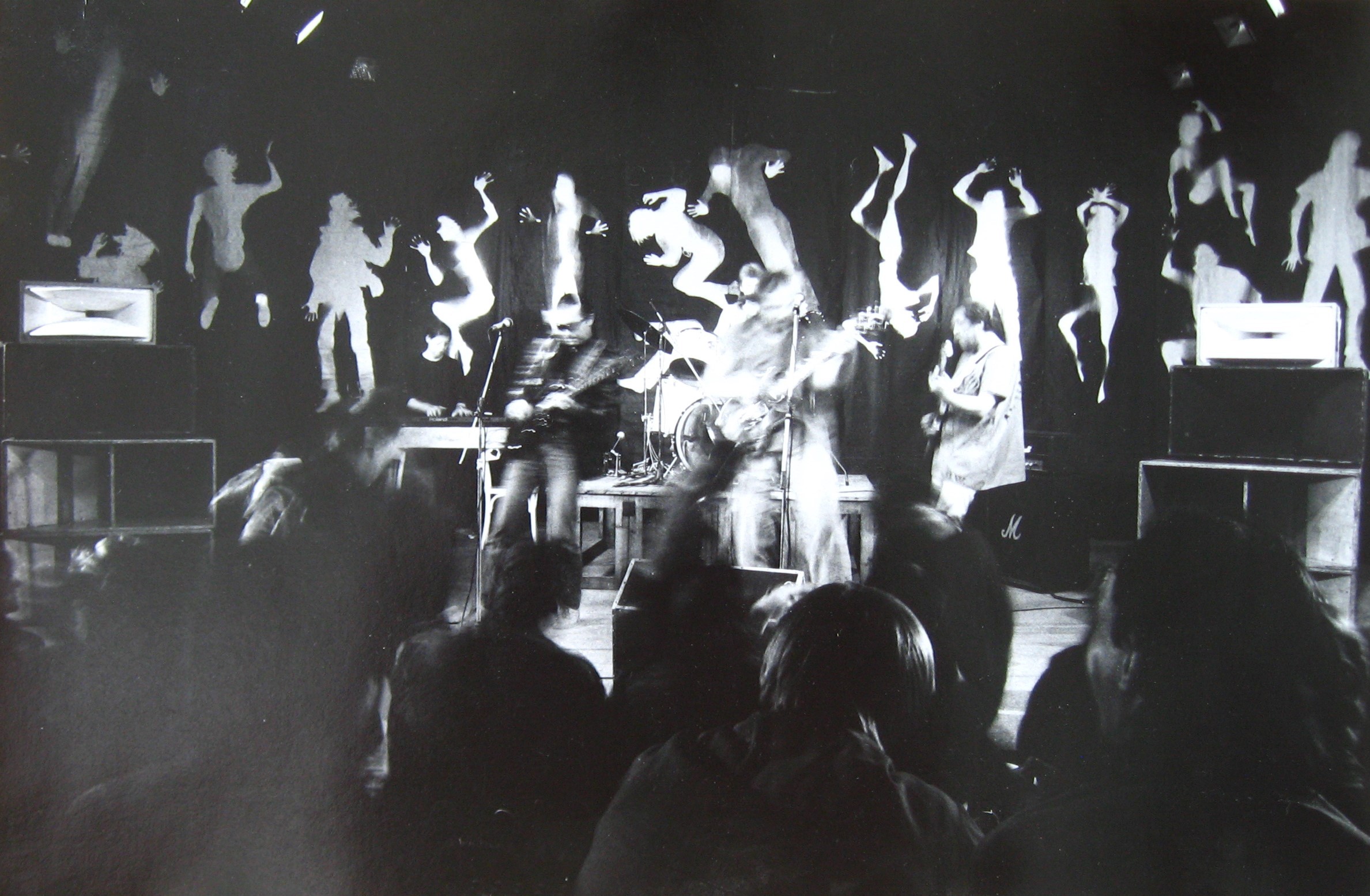
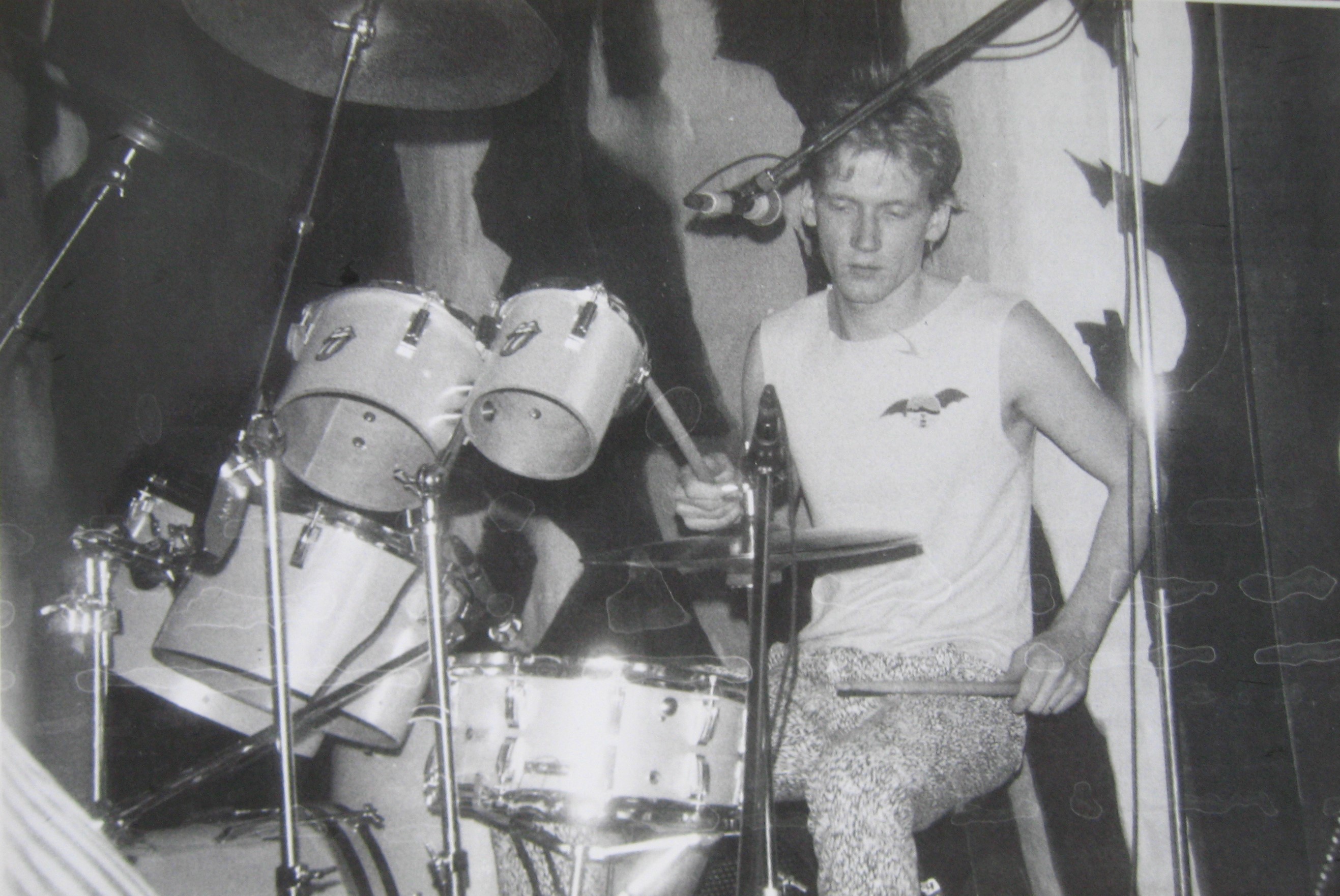
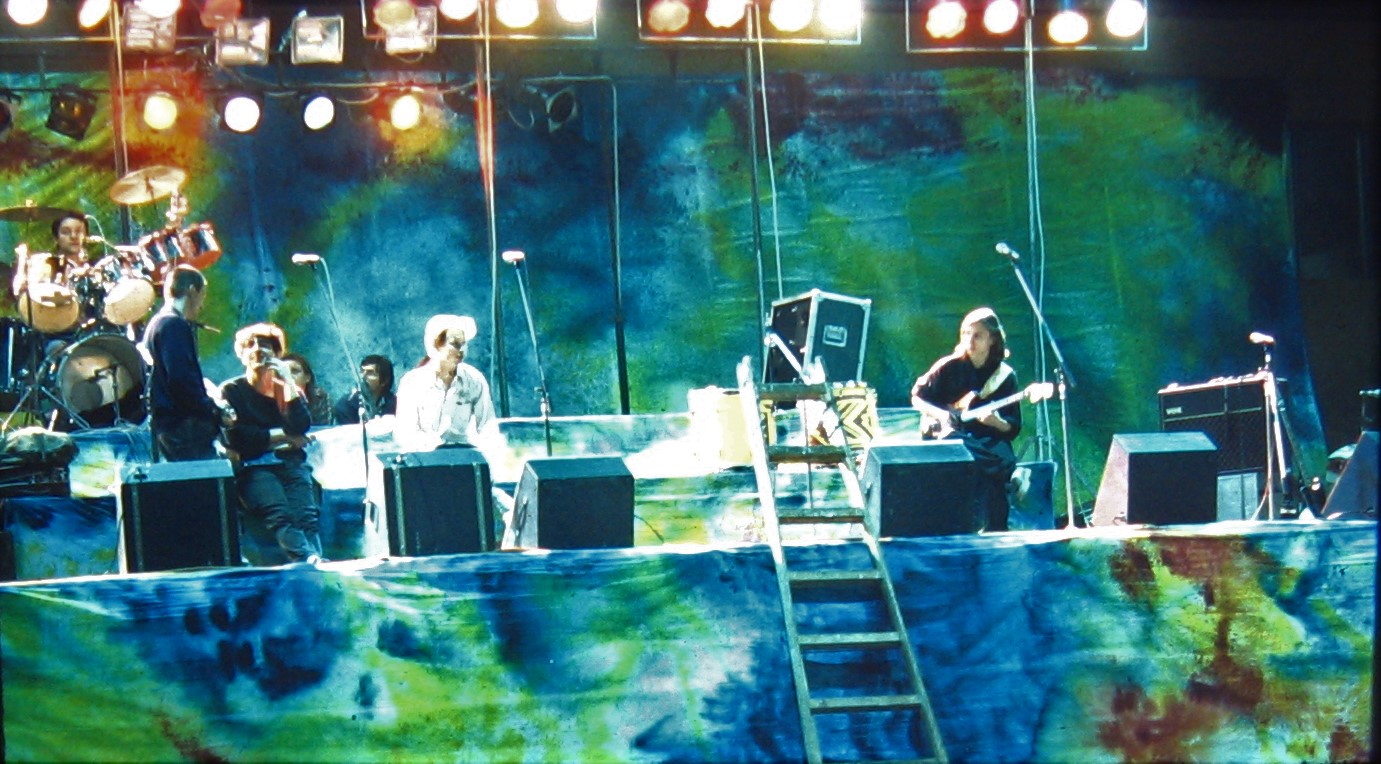
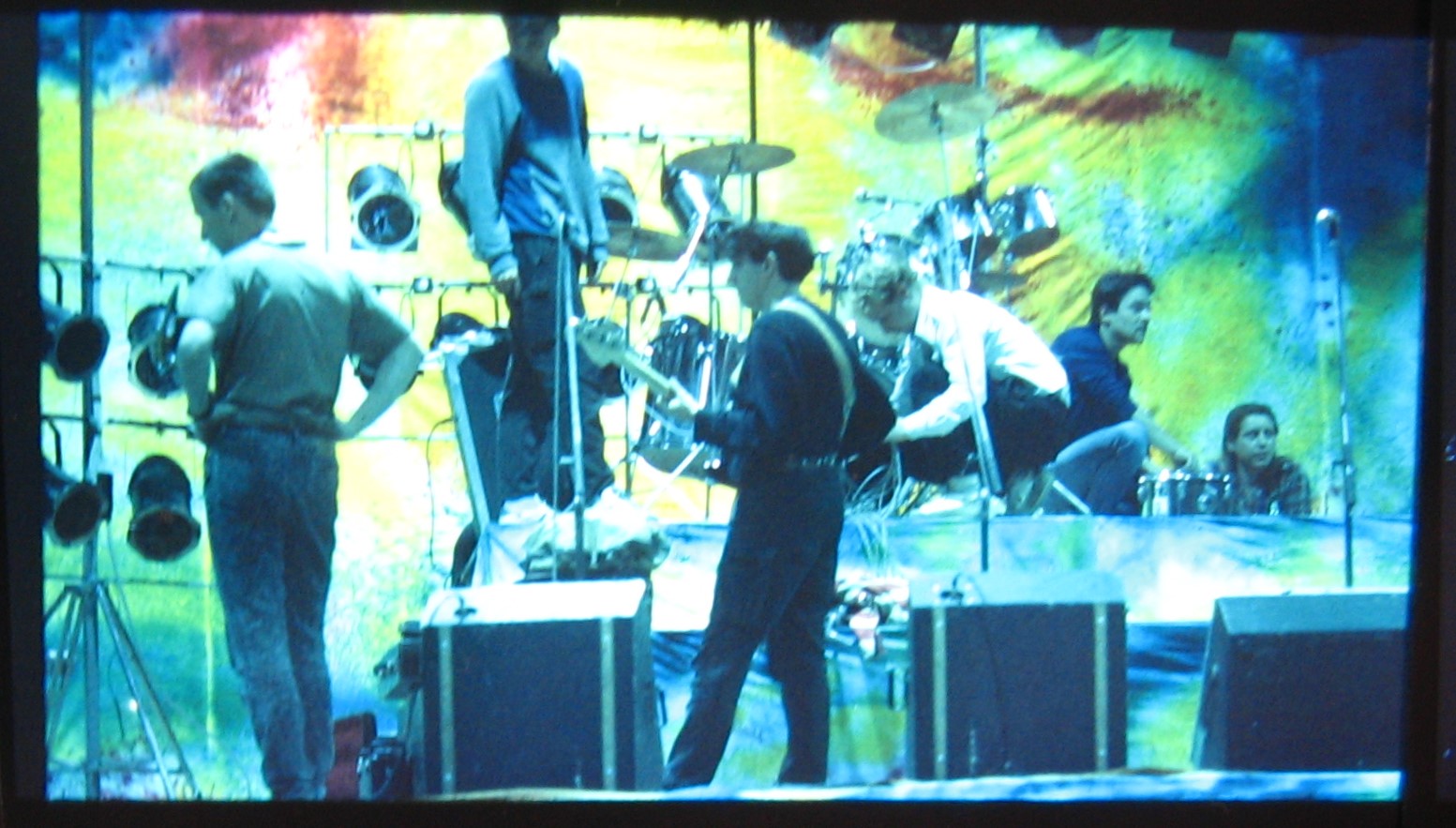
  • "So we got a house, and how could it have turned out? Huge, beautiful, with a huge garden, a huge yard, and people started to gather there, our friends of all kinds. Of course, people who were unwanted in the eyes of the regime also used to go there, so they were logically being watched, which we didn't bother about. Until we were arrested, of course. We did concerts there, there were all kinds of huge events there, in short, we had as much fun as we wanted, and that was suspicious to the regime at the time. So they followed us there, they put locals on us who wrote down car numbers, so they started checking who was going there, who were the people, until they raided the place. So in the end they arrested me, they arrested this guy Jarda, they let him go after about three months, they kept me there for almost a year and we lost our house for unlawful assembly."

  • Celé nahrávky
  • 1

    Praha, 17.09.2025

    (audio)
    délka: 02:06:43
    nahrávka pořízena v rámci projektu Stories of the 20th Century TV
Celé nahrávky jsou k dispozici pouze pro přihlášené uživatele.

The togetherness that worked among people during totalitarianism was wonderful, but we lost it after the regime change
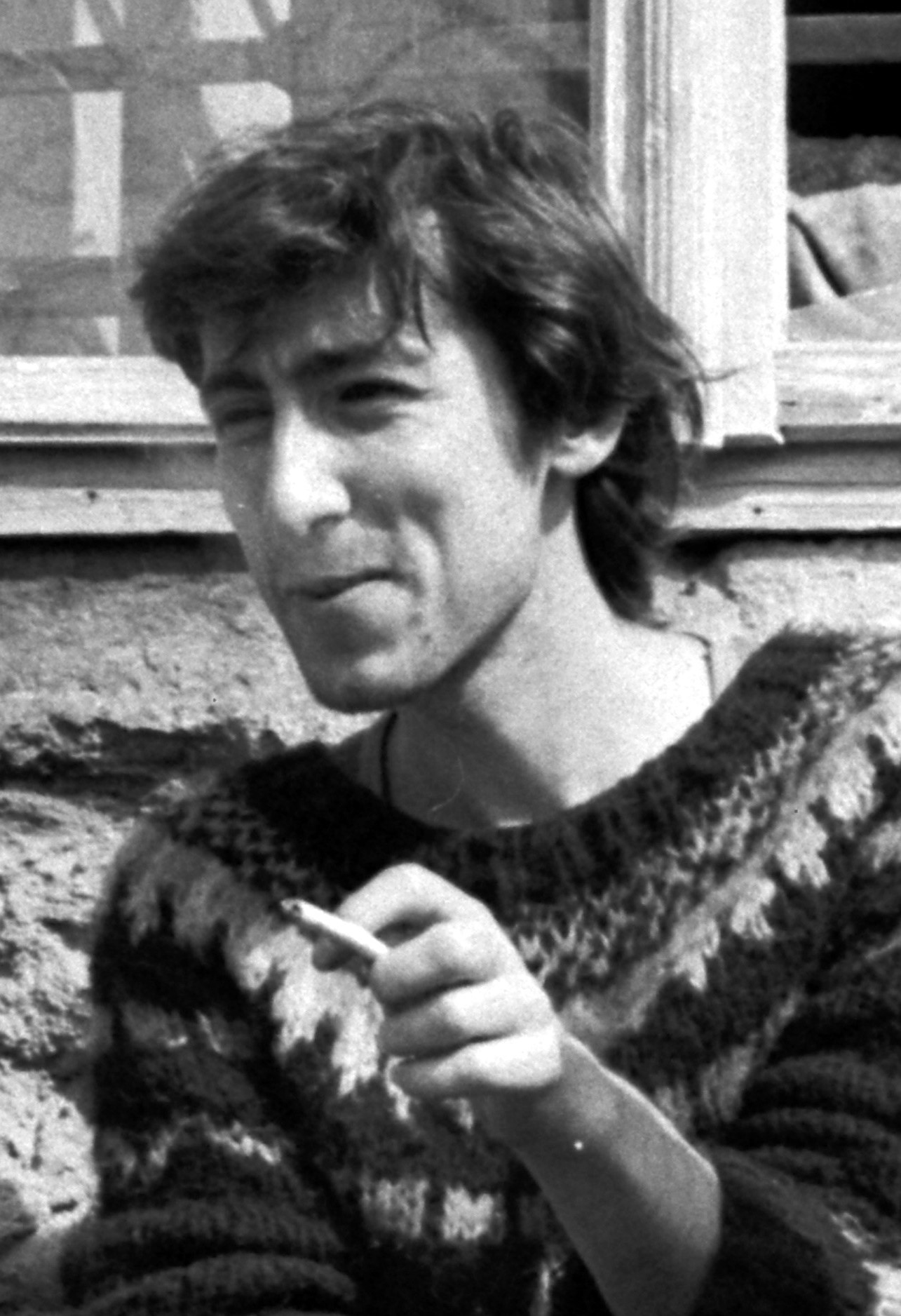
Petr Pištěk
Petr Pištěk
zdroj: Witness´s archive

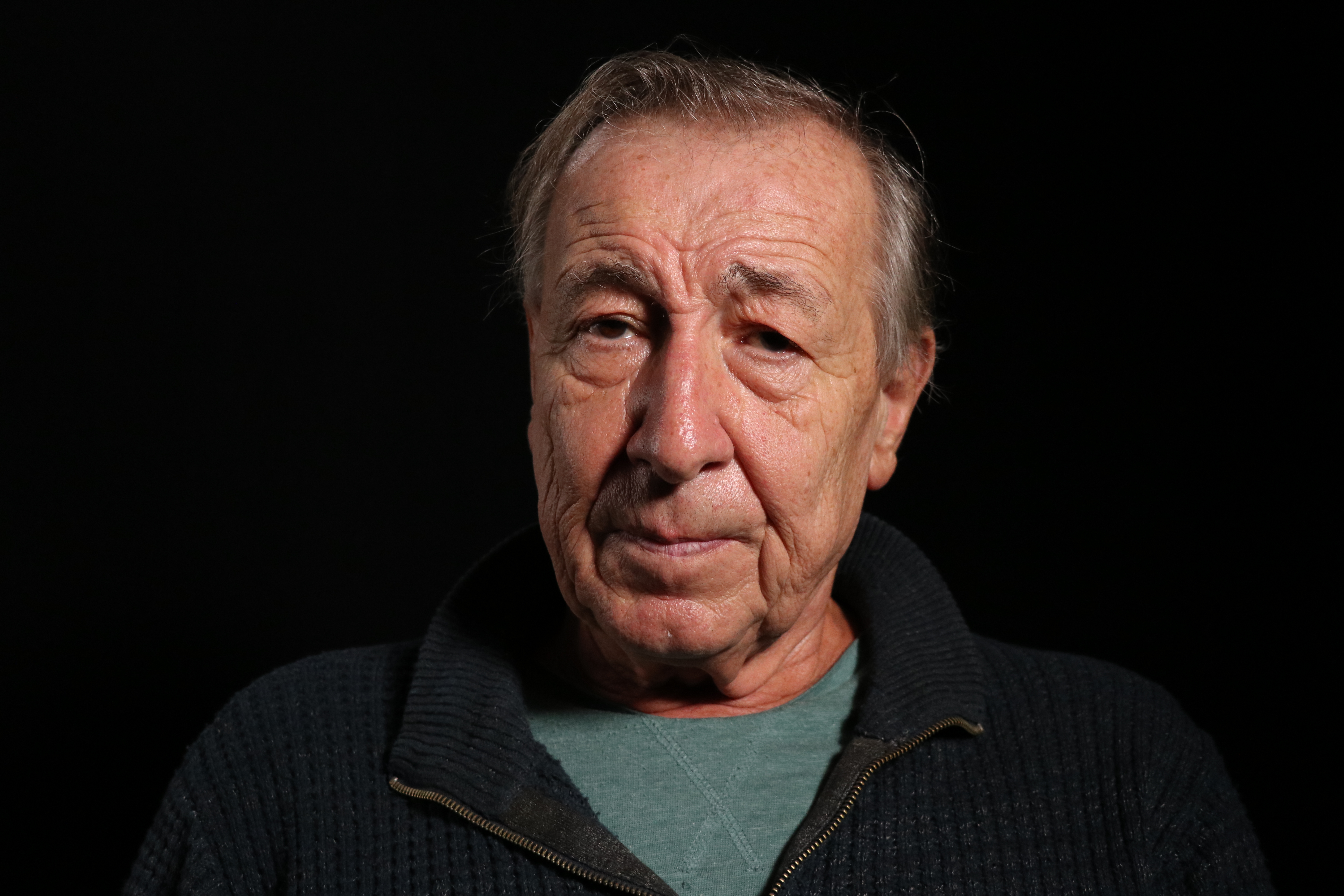
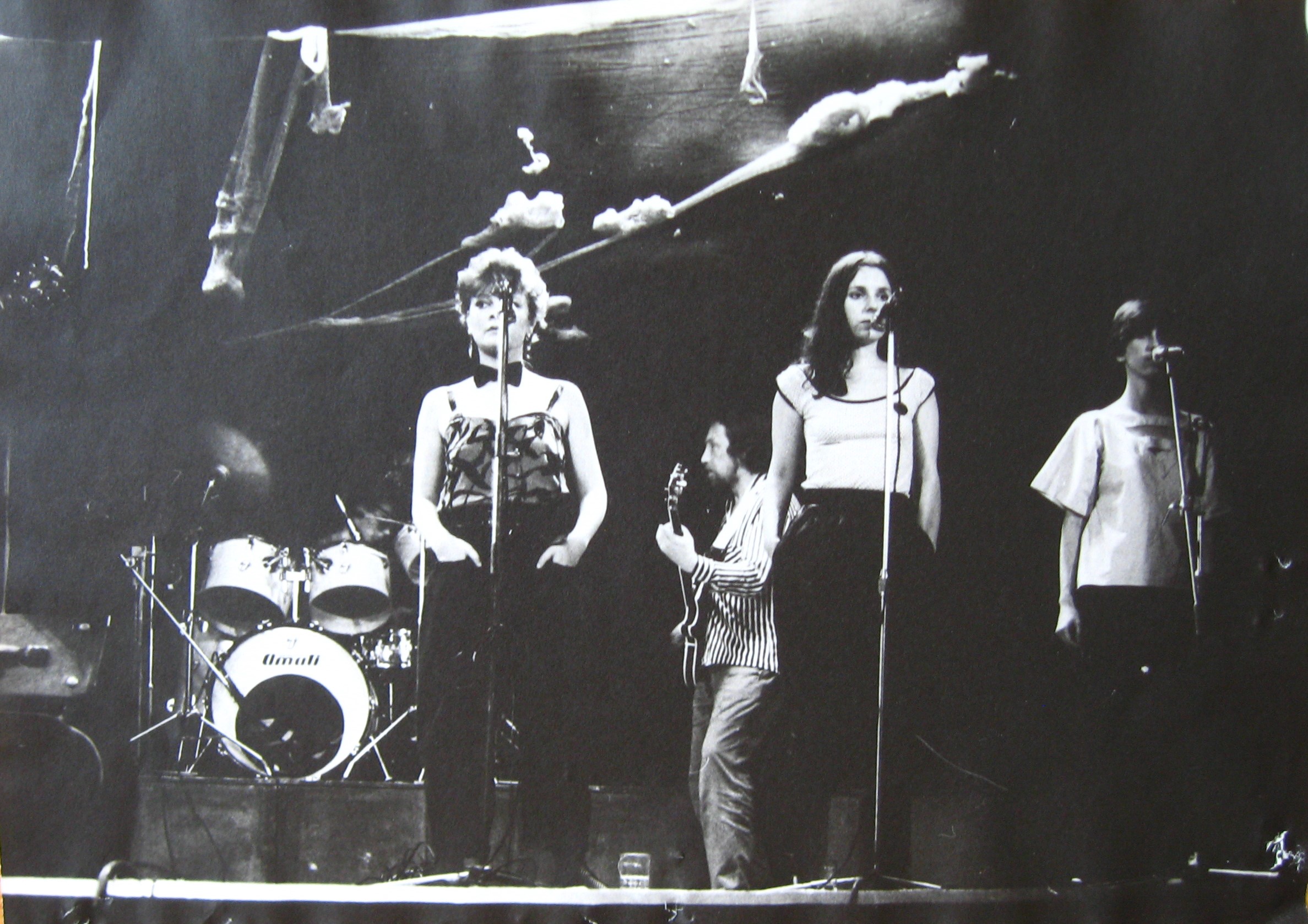
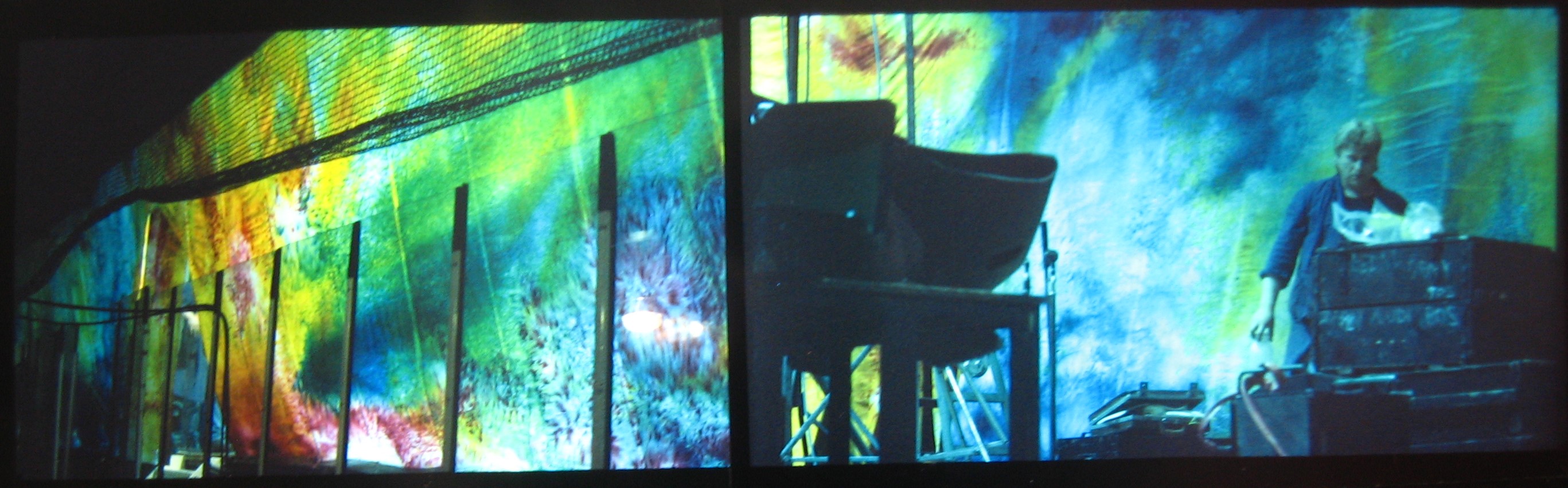
Petr Pištěk, Czech production designer, stage designer, architect and important organizer of independent culture, was born on 13 March 1953 in Prague, where he grew up. After graduating in scenography from the Prague School of Arts and Crafts, he worked for Czechoslovak Television and the Barrandov Film Studio. At the end of the 1970s, he and his friends rented an abandoned rectory in Smolnice near Slaný, which gradually turned into a lively centre of independent youth - a place for meetings, concerts and cultural events outside the official structures of the regime. In 1981, State Security raided the house, Petr Pištěk was arrested and subsequently sentenced to fourteen months of imprisonment. In the 1980s, he collaborated with the Jasná Páka group, and from 1987 he was actively involved in the activities of the Linhart Foundation, which became an important platform for independent culture. After the Velvet Revolution he contributed to the revival of Prague‘s alternative club scene and the development of new cultural spaces. For his activities during the period of non-freedom, he received a certificate from the Ministry of Defence of the Czech Republic for his participation in the resistance and resistance against communism. In 2025 he lived and worked in Prague.