After the disclosure, he wanted to escape to Italy to study theology
Stáhnout obrázek
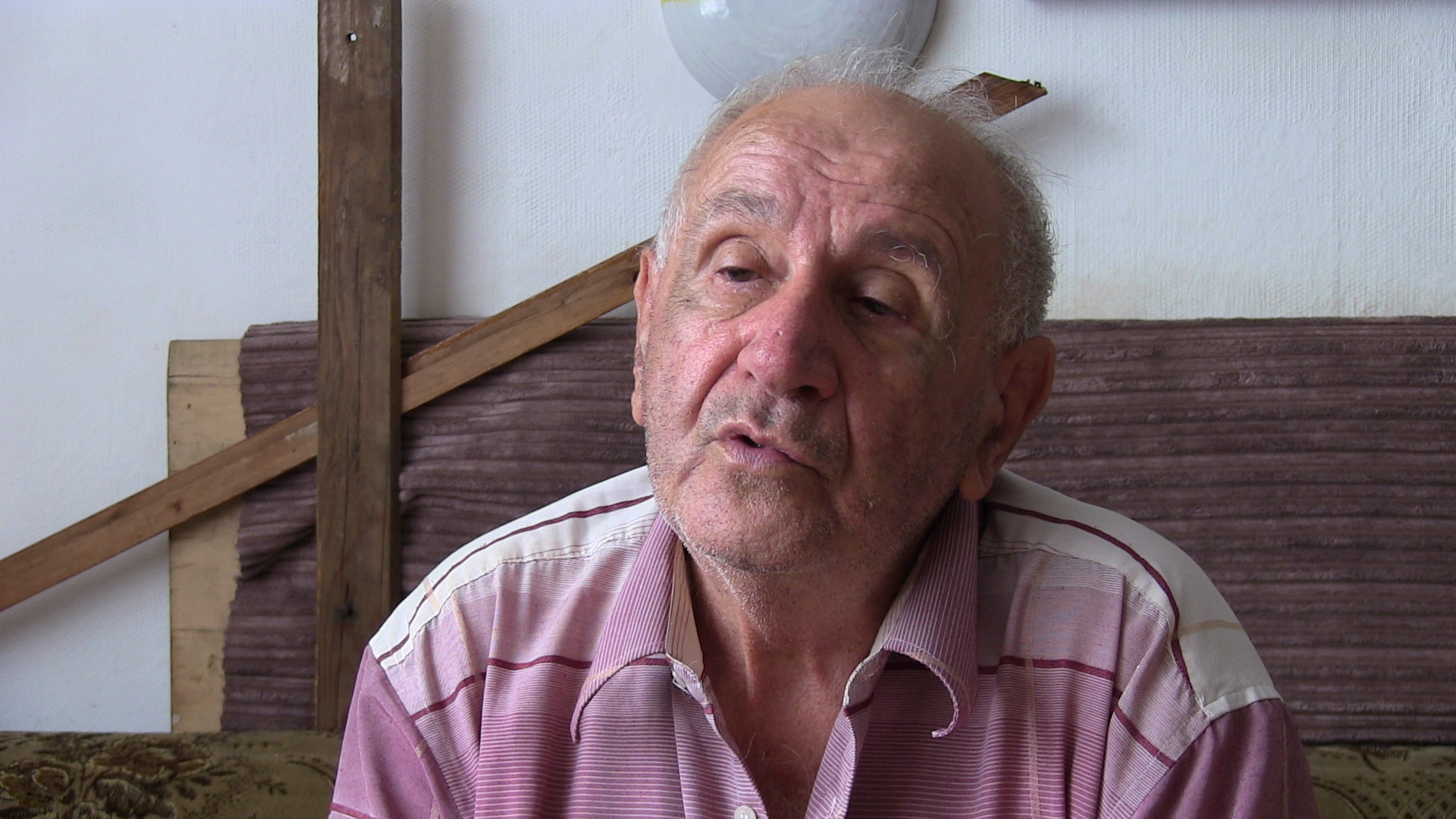
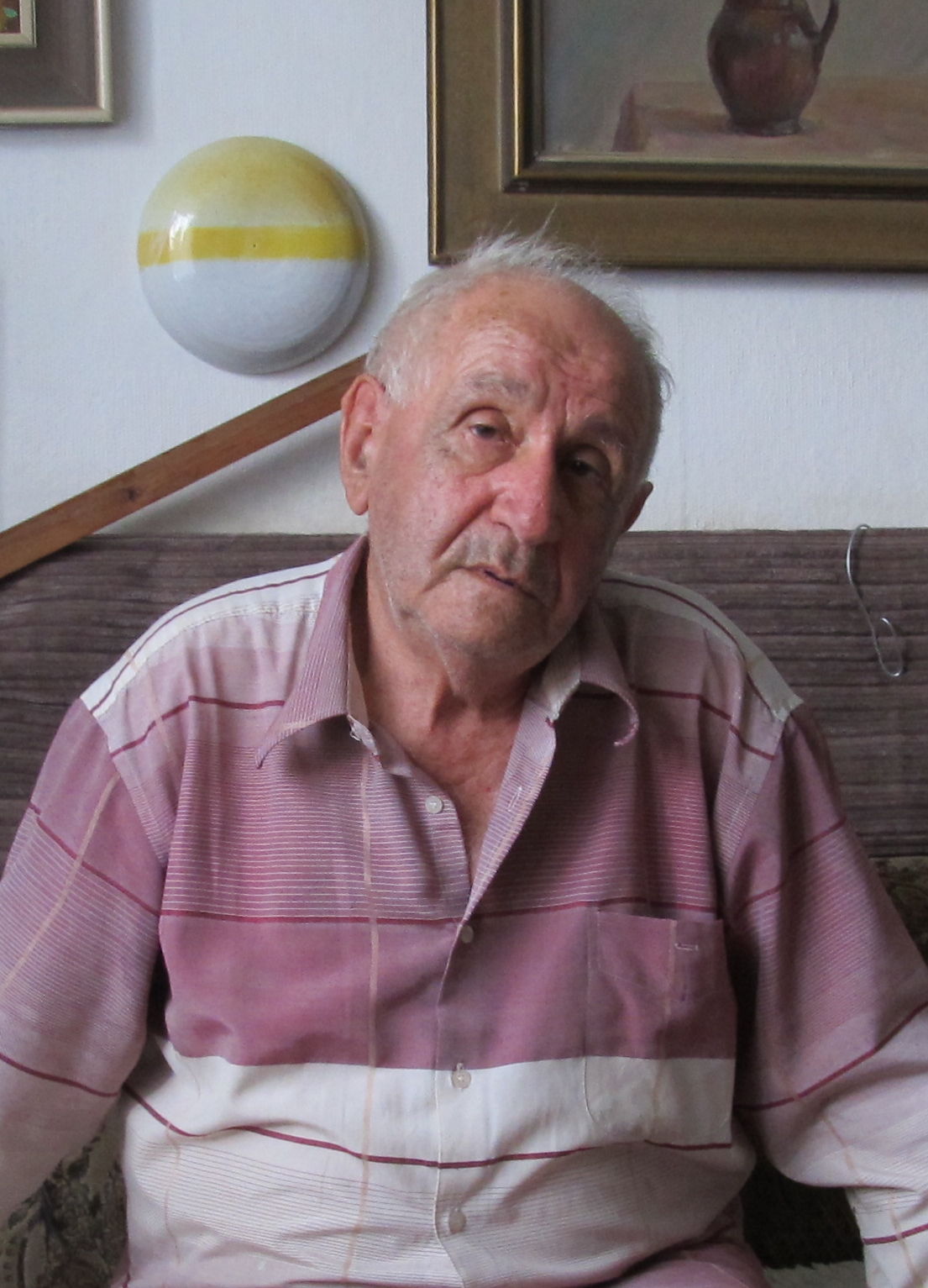
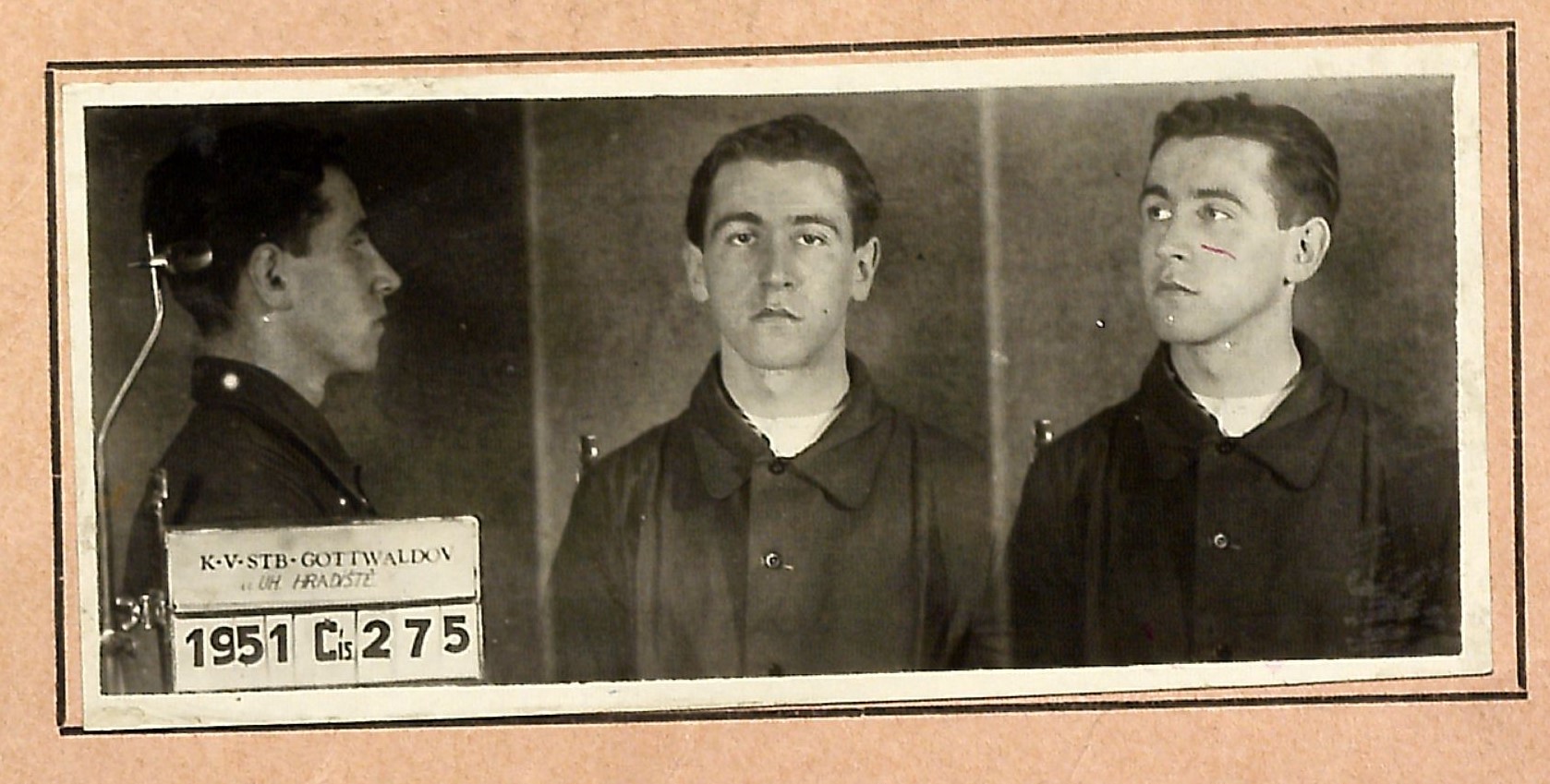
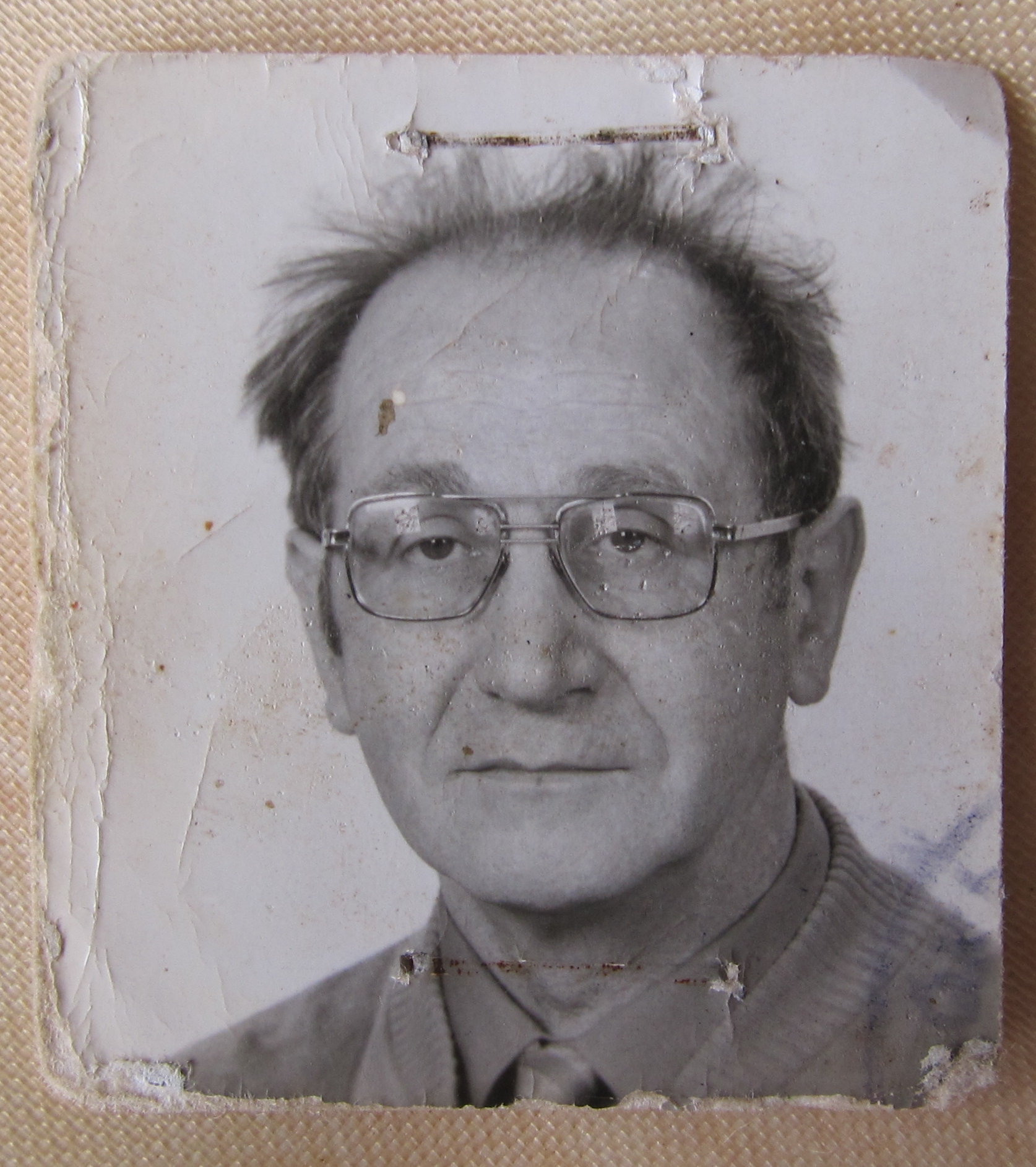
Josef Pijáček was born on March 21, 1931 in Ostrožská Nová Ves, Moravian Slovakia, into the family of Antonín Pijáček, a shoemaker and small farmer. He began his studies at the real grammar school in Strážnice, but transferred to the real grammar school in Bruntál. However, he did not finish his studies there either, as he transferred to a church school in Trmice near Ústí nad Labem. However, it was closed shortly after February 1948, just like the other church schools. He therefore took up a job at the national enterprise Polabské papírny in Paseky nad Jizerou. Later he returned to Ostrožská Nová Ves, where he began his anti-regime activities. In the summer of 1951, at the request of the theologian Josef Němčický, he began printing religious texts, which Němčický and other theologians from Uherské Hradiště distributed. These included texts calling on former students of church schools to boycott their studies at state-run divinity faculties. However, these anti-regime activities were soon exposed, and Pijáček and his friends decided to flee to Austria and then to Italy, where they intended to study theology in Rome. The attempt to cross the Czechoslovak-Austrian border was unsuccessful, however, and on December 12, 1951 the border guards arrested Josef Pijáček together with his two companions (J. Němčický and J. Kunčík). They were interrogated in Břeclav and in the State Security interrogation room on Příční Street in Brno. In the trial of the seven-member group of theologians from Uherské Hradiště (the Kunčík Jindřich and Co. trial), which took place on 15 and 16 July 1952 before the Brno State Court in Uherské Hradiště, Pijáček was sentenced to eight years‘ imprisonment for the crime of treason. He was imprisoned in several correctional labour camps in the Jáchymov and Slavkov regions, where he performed heavy manual labour. As a result of his imprisonment, he became seriously ill and was released on parole in August 1956. He only found work as a labourer, for example in the sugar factory in Staré Město near Uherské Hradiště, where he attempted sabotage several times as an electrician. He was again investigated by the State Security for endangering the local power plant, but was helped by his superior, who testified in his favour. Back in the 1980s, Josef Pijáček carried out small-scale sabotages on the town radio and public lighting in Ostrožská Nová Ves and tried to cause power outages when the communists announced something over the radio or had a meeting in the evening. After November 1989, he worked and lived in Ostrožská Nová Ves.