Paměť národa
Menu
Abecedný index
Epochy
Témy
Spolupracujeme
Archive Memory of Nations
e-bádateľňa
Vstup do e-badatelny
Přihlásit se
Zapomenuté heslo?
Zaregistrovat se
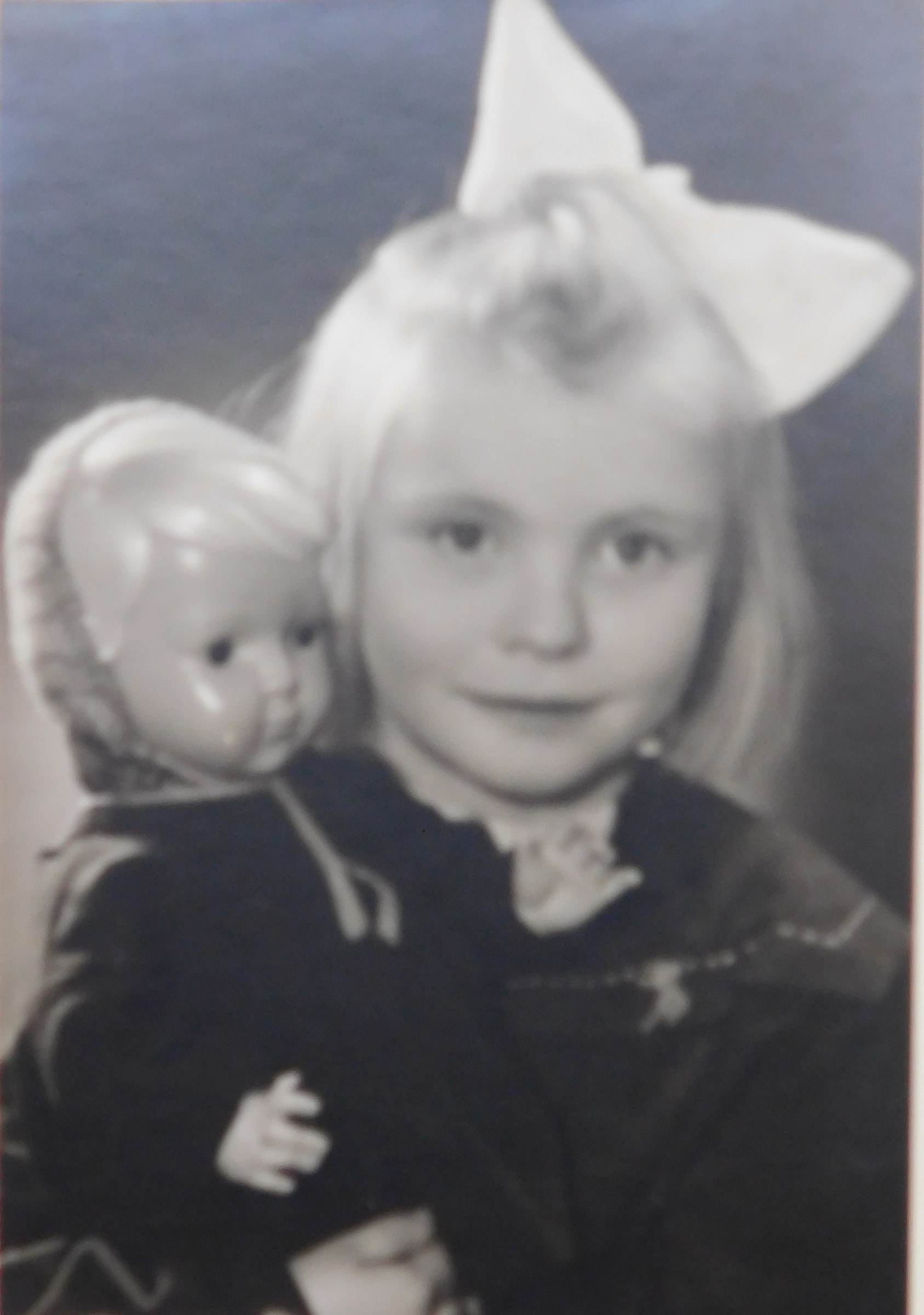
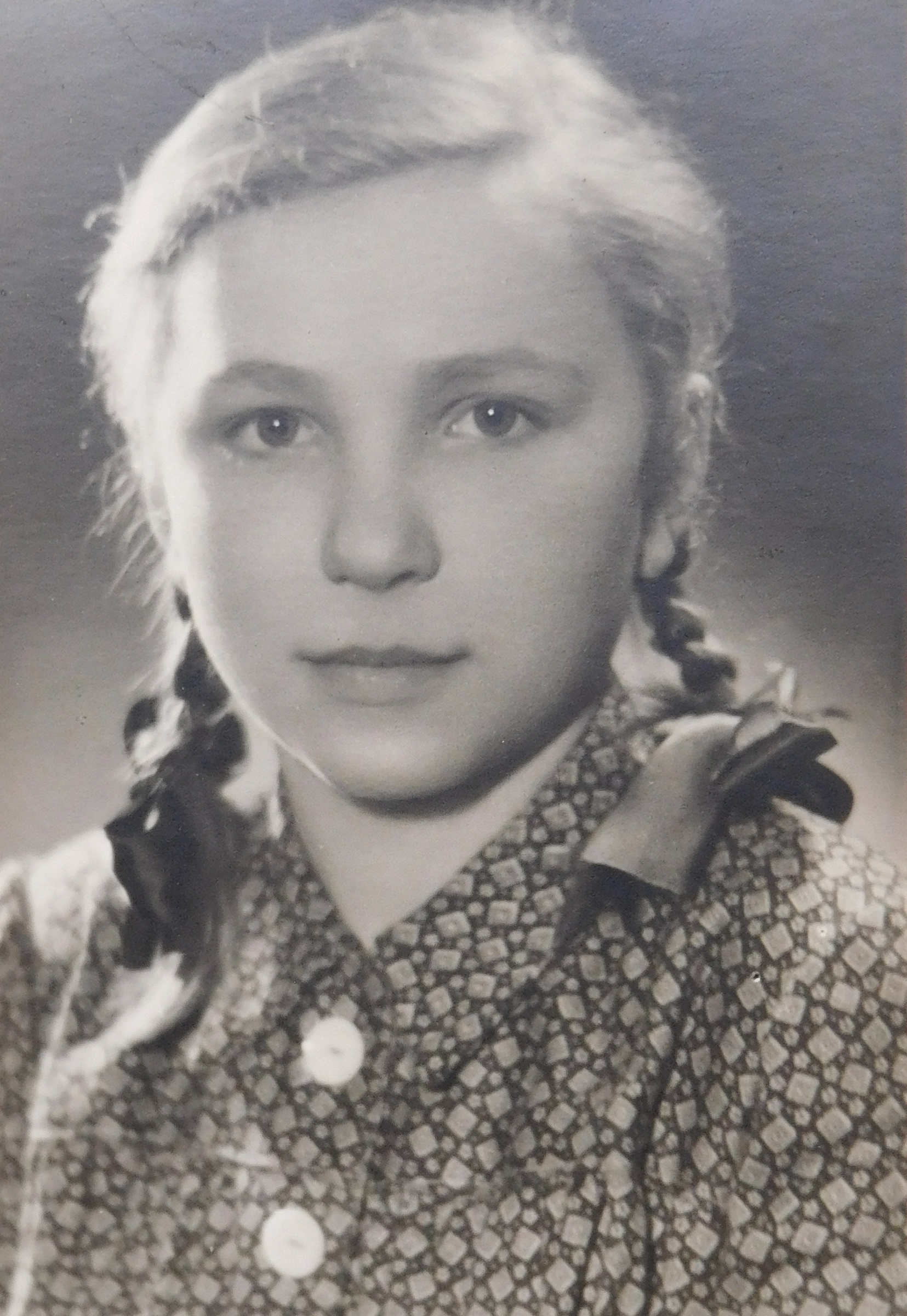
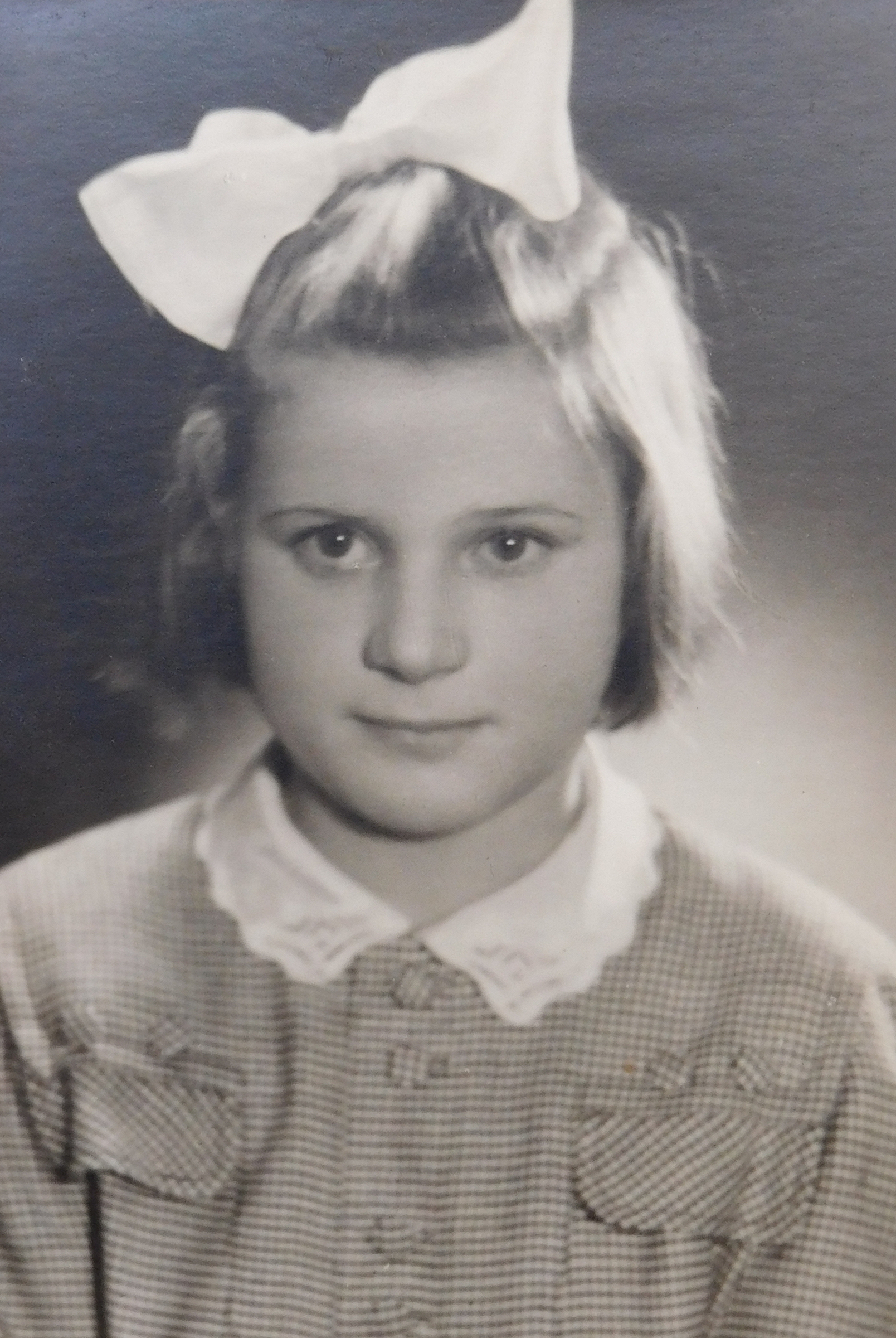
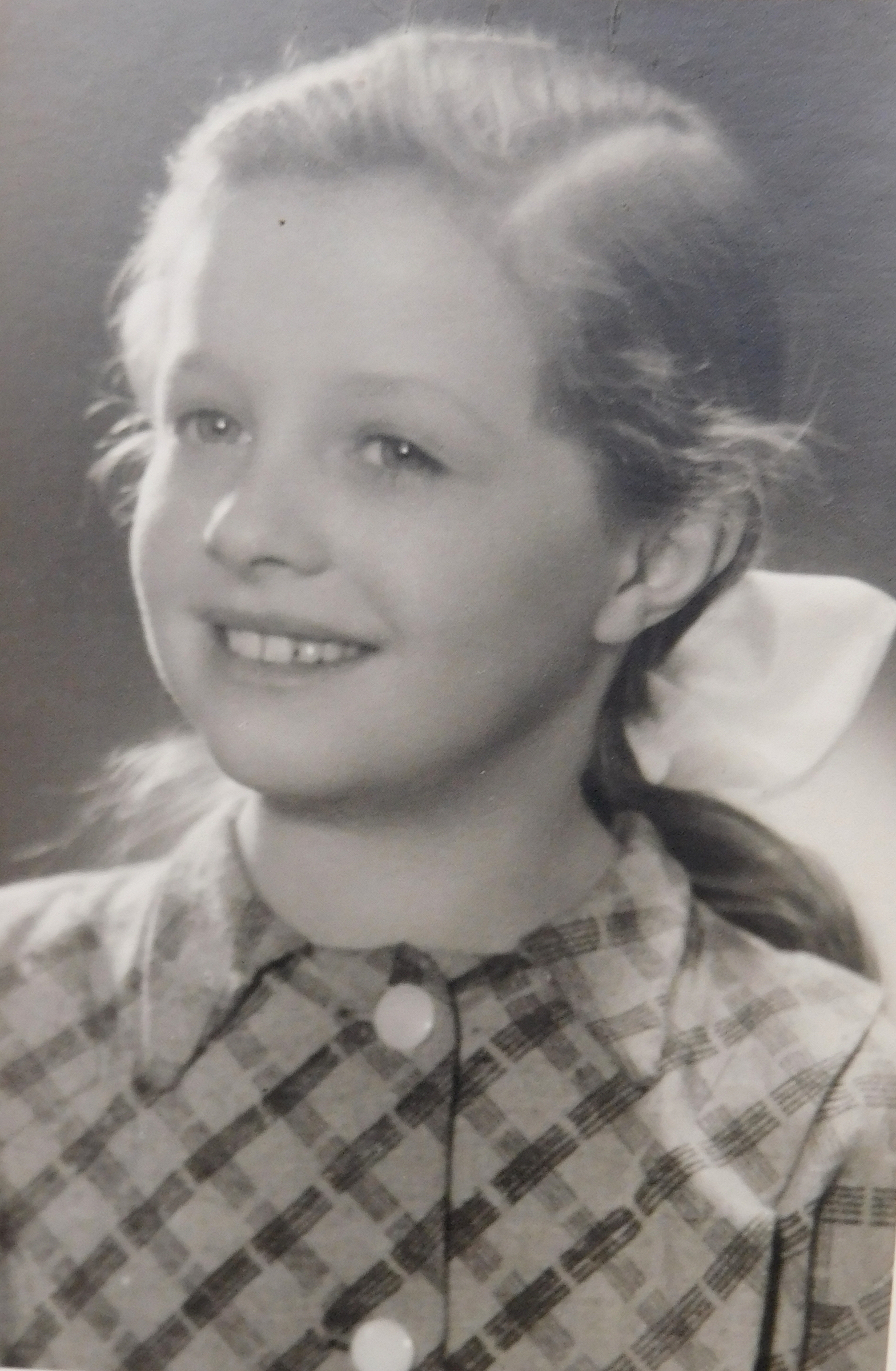
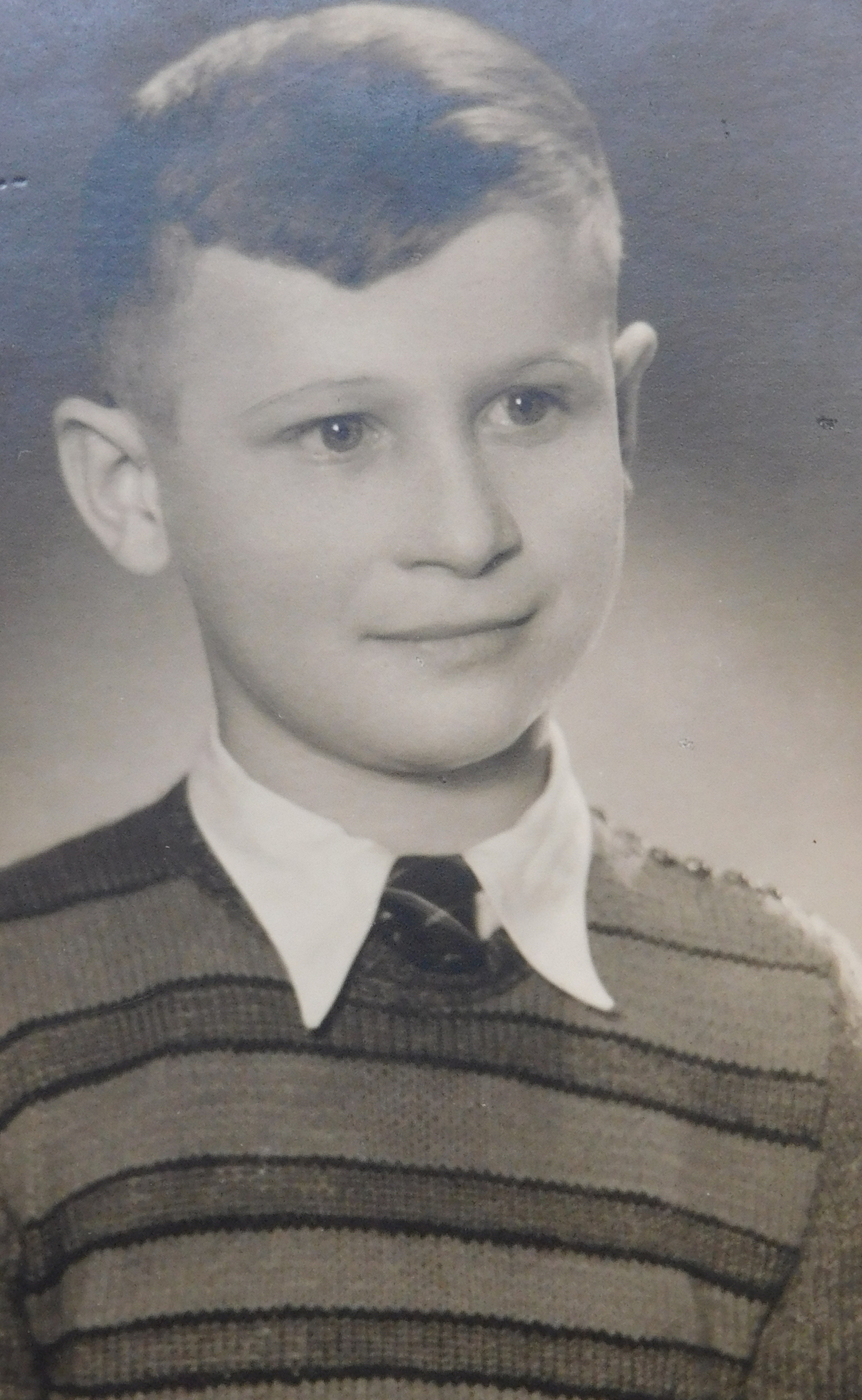
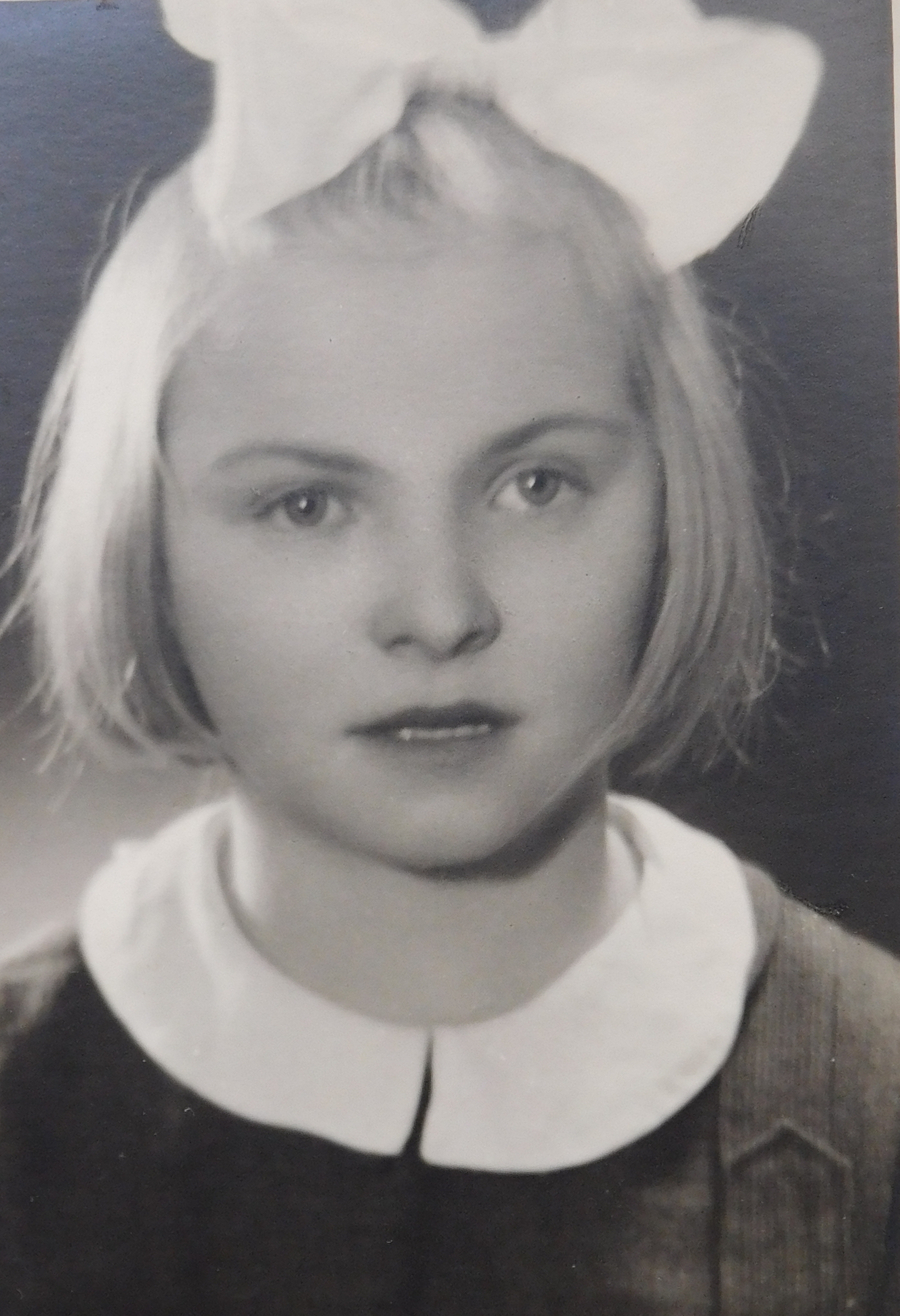
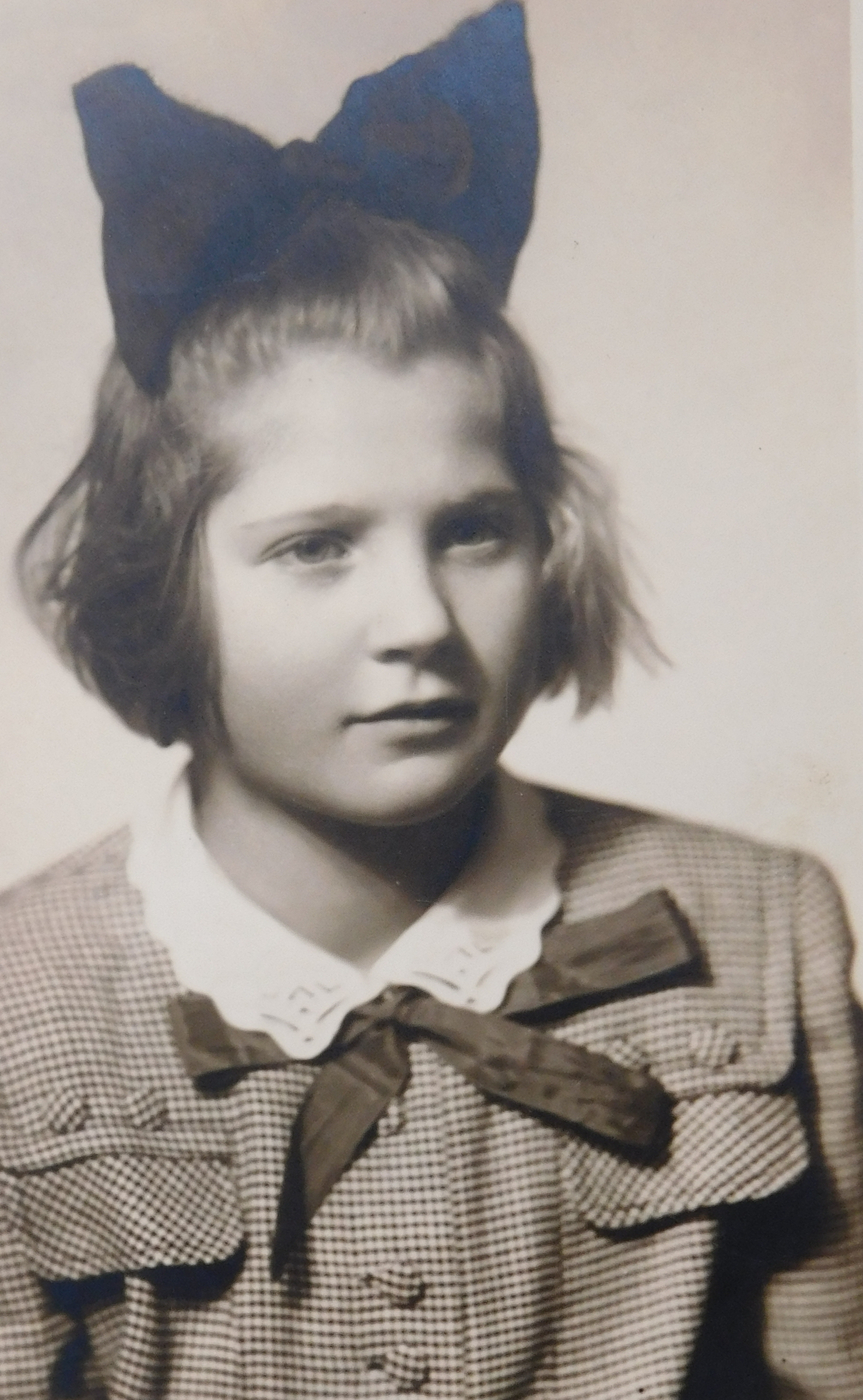
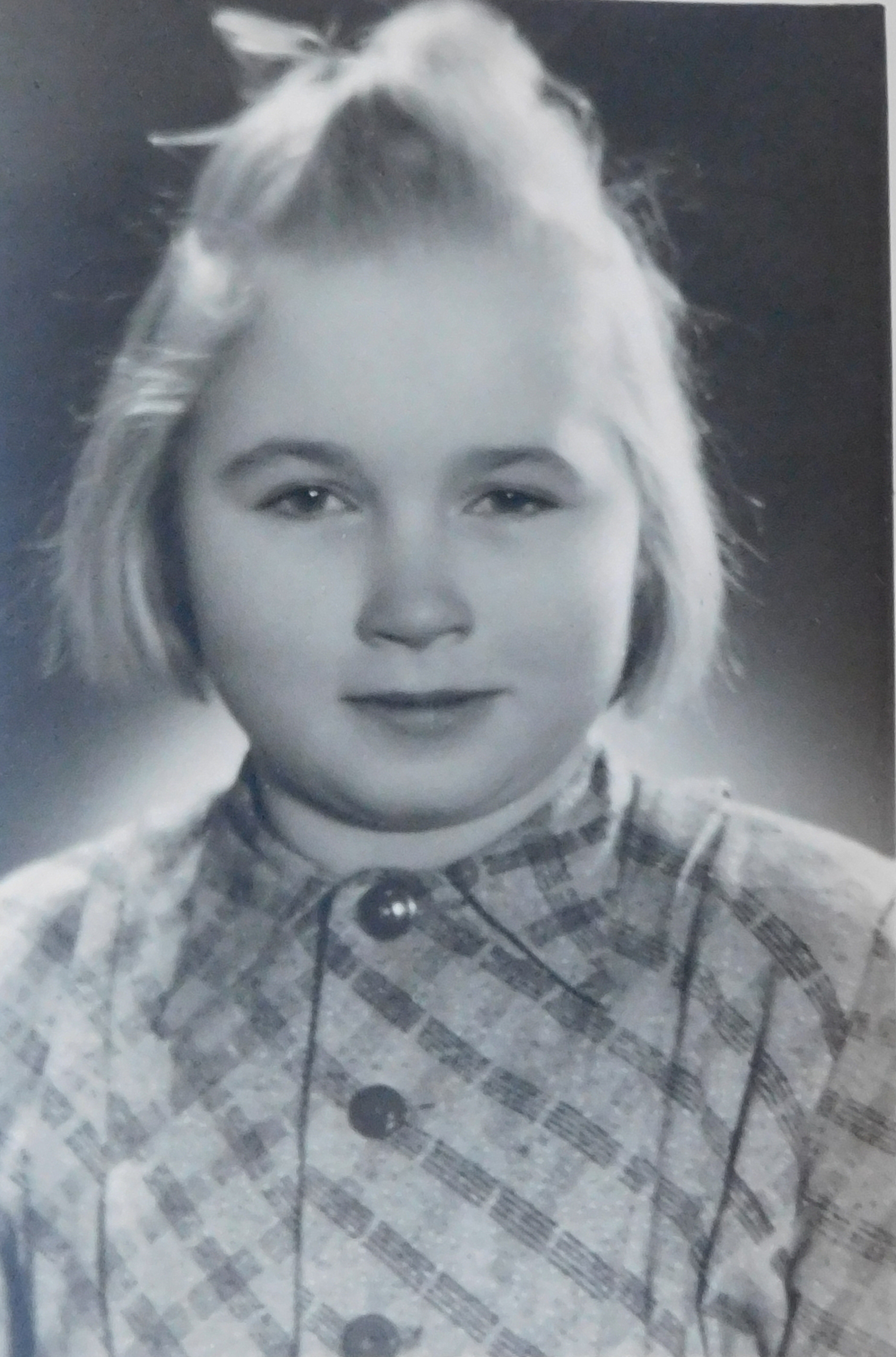
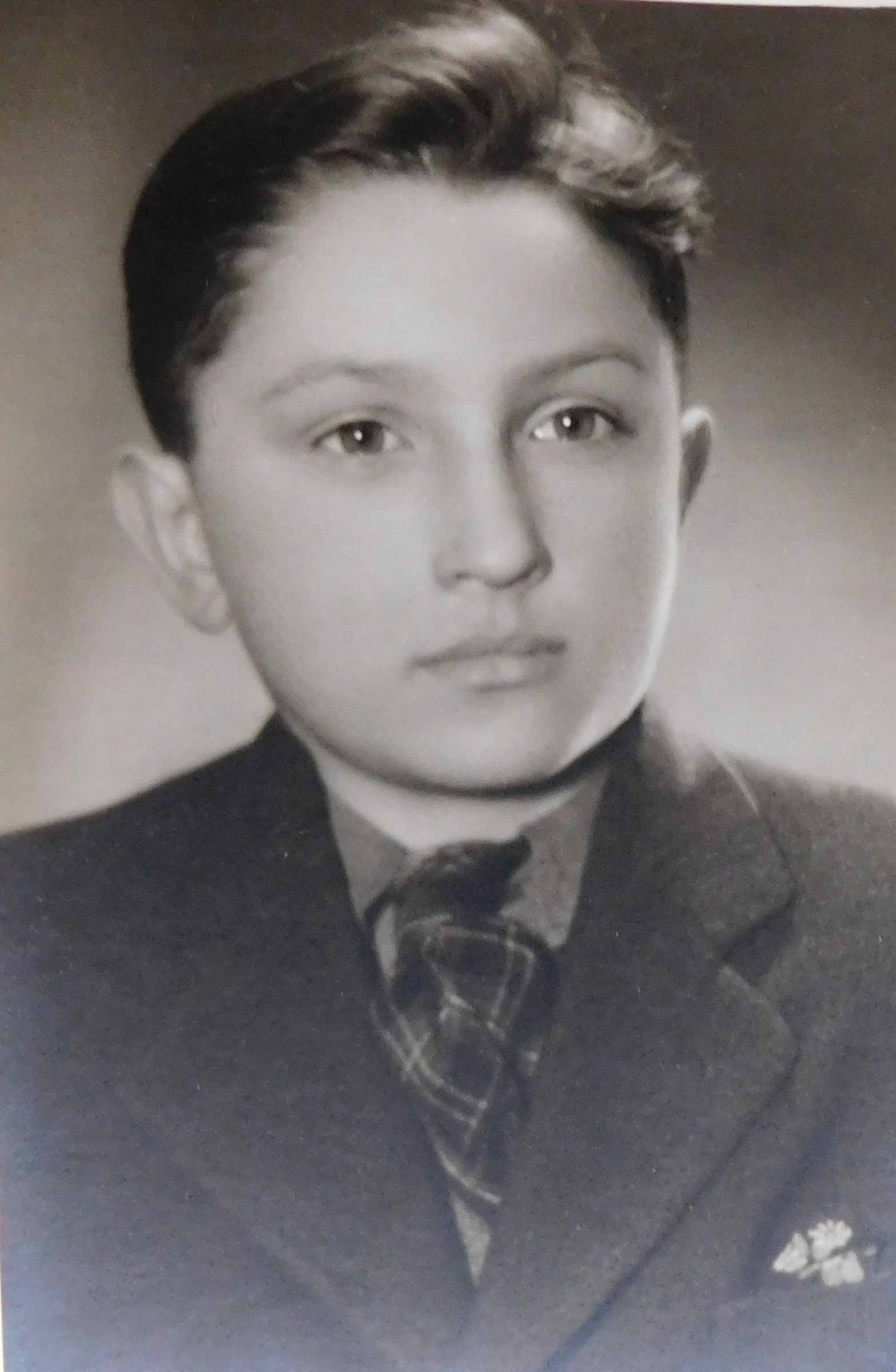
Jedno z dvaačtyřiceti dětí z Údolí smrti u Dukelského průsmyku, kterým Květoslava Bartoňová zařídila pobyt v Olomouci v letech 1946 -47
Jedno z dvaačtyřiceti dětí z Údolí smrti u Dukelského průsmyku, kterým Květoslava Bartoňová zařídila pobyt v Olomouci v letech 1946 -47
Květoslava Bartoňová (* 1928 †︎ 2017)
zdroj: archiv pamětnice
Stáhnout obrázek
One of forty-two children from Death Valley at the Dukla Pass, which Květoslava Barton arranged stay in Olomouc in the years 1946 -47
One of forty-two children from Death Valley at the Dukla Pass, which Květoslava Barton arranged stay in Olomouc in the years 1946 -47
Květoslava Bartoňová (* 1928 †︎ 2017)
zdroj: archiv pamětnice
Stáhnout obrázek
Jedno z dvaačtyřiceti dětí z Údolí smrti u Dukelského průsmyku, kterým Květoslava Bartoňová zařídila pobyt v Olomouci v letech 1946 -47
Jedno z dvaačtyřiceti dětí z Údolí smrti u Dukelského průsmyku, kterým Květoslava Bartoňová zařídila pobyt v Olomouci v letech 1946 -47
Květoslava Bartoňová (* 1928 †︎ 2017)
zdroj: archiv pamětnice
Stáhnout obrázek
One of forty-two children from Death Valley at the Dukla Pass, which Květoslava Barton arranged stay in Olomouc in the years 1946 -47
One of forty-two children from Death Valley at the Dukla Pass, which Květoslava Barton arranged stay in Olomouc in the years 1946 -47
Květoslava Bartoňová (* 1928 †︎ 2017)
zdroj: archiv pamětnice
Stáhnout obrázek
Jedno z dvaačtyřiceti dětí z Údolí smrti u Dukelského průsmyku, kterým Květoslava Bartoňová zařídila pobyt v Olomouci v letech 1946 -47
Jedno z dvaačtyřiceti dětí z Údolí smrti u Dukelského průsmyku, kterým Květoslava Bartoňová zařídila pobyt v Olomouci v letech 1946 -47
Květoslava Bartoňová (* 1928 †︎ 2017)
zdroj: archiv pamětnice
Stáhnout obrázek
One of forty-two children from Death Valley at the Dukla Pass, which Květoslava Barton arranged stay in Olomouc in the years 1946 -47
One of forty-two children from Death Valley at the Dukla Pass, which Květoslava Barton arranged stay in Olomouc in the years 1946 -47
Květoslava Bartoňová (* 1928 †︎ 2017)
zdroj: archiv pamětnice
Stáhnout obrázek
Jedno z dvaačtyřiceti dětí z Údolí smrti u Dukelského průsmyku, kterým Květoslava Bartoňová zařídila pobyt v Olomouci v letech 1946 -47
Jedno z dvaačtyřiceti dětí z Údolí smrti u Dukelského průsmyku, kterým Květoslava Bartoňová zařídila pobyt v Olomouci v letech 1946 -47
Květoslava Bartoňová (* 1928 †︎ 2017)
zdroj: archiv pamětnice
Stáhnout obrázek
One of forty-two children from Death Valley at the Dukla Pass, which Květoslava Barton arranged stay in Olomouc in the years 1946 -47
One of forty-two children from Death Valley at the Dukla Pass, which Květoslava Barton arranged stay in Olomouc in the years 1946 -47
Květoslava Bartoňová (* 1928 †︎ 2017)
zdroj: archiv pamětnice
Stáhnout obrázek
Jedno z dvaačtyřiceti dětí z Údolí smrti u Dukelského průsmyku, kterým Květoslava Bartoňová zařídila pobyt v Olomouci v letech 1946 -47
Jedno z dvaačtyřiceti dětí z Údolí smrti u Dukelského průsmyku, kterým Květoslava Bartoňová zařídila pobyt v Olomouci v letech 1946 -47
Květoslava Bartoňová (* 1928 †︎ 2017)
zdroj: archiv pamětnice
Stáhnout obrázek
One of forty-two children from Death Valley at the Dukla Pass, which Květoslava Barton arranged stay in Olomouc in the years 1946 -47
One of forty-two children from Death Valley at the Dukla Pass, which Květoslava Barton arranged stay in Olomouc in the years 1946 -47
Květoslava Bartoňová (* 1928 †︎ 2017)
zdroj: archiv pamětnice
Stáhnout obrázek
Jedno z dvaačtyřiceti dětí z Údolí smrti u Dukelského průsmyku, kterým Květoslava Bartoňová zařídila pobyt v Olomouci v letech 1946 -47
Jedno z dvaačtyřiceti dětí z Údolí smrti u Dukelského průsmyku, kterým Květoslava Bartoňová zařídila pobyt v Olomouci v letech 1946 -47
Květoslava Bartoňová (* 1928 †︎ 2017)
zdroj: archiv pamětnice
Stáhnout obrázek
One of forty-two children from Death Valley at the Dukla Pass, which Květoslava Barton arranged stay in Olomouc in the years 1946 -47
One of forty-two children from Death Valley at the Dukla Pass, which Květoslava Barton arranged stay in Olomouc in the years 1946 -47
Květoslava Bartoňová (* 1928 †︎ 2017)
zdroj: archiv pamětnice
Stáhnout obrázek
Jedno z dvaačtyřiceti dětí z Údolí smrti u Dukelského průsmyku, kterým Květoslava Bartoňová zařídila pobyt v Olomouci v letech 1946 -47
Jedno z dvaačtyřiceti dětí z Údolí smrti u Dukelského průsmyku, kterým Květoslava Bartoňová zařídila pobyt v Olomouci v letech 1946 -47
Květoslava Bartoňová (* 1928 †︎ 2017)
zdroj: archiv pamětnice
Stáhnout obrázek
One of forty-two children from Death Valley at the Dukla Pass, which Květoslava Barton arranged stay in Olomouc in the years 1946 -47
One of forty-two children from Death Valley at the Dukla Pass, which Květoslava Barton arranged stay in Olomouc in the years 1946 -47
Květoslava Bartoňová (* 1928 †︎ 2017)
zdroj: archiv pamětnice
Stáhnout obrázek
Jedno z dvaačtyřiceti dětí z Údolí smrti u Dukelského průsmyku, kterým Květoslava Bartoňová zařídila pobyt v Olomouci v letech 1946 -47
Jedno z dvaačtyřiceti dětí z Údolí smrti u Dukelského průsmyku, kterým Květoslava Bartoňová zařídila pobyt v Olomouci v letech 1946 -47
Květoslava Bartoňová (* 1928 †︎ 2017)
zdroj: archiv pamětnice
Stáhnout obrázek
One of forty-two children from Death Valley at the Dukla Pass, which Květoslava Barton arranged stay in Olomouc in the years 1946 -47
One of forty-two children from Death Valley at the Dukla Pass, which Květoslava Barton arranged stay in Olomouc in the years 1946 -47
Květoslava Bartoňová (* 1928 †︎ 2017)
zdroj: archiv pamětnice
Stáhnout obrázek
Jedno z dvaačtyřiceti dětí z Údolí smrti u Dukelského průsmyku, kterým Květoslava Bartoňová zařídila pobyt v Olomouci v letech 1946 -47
Jedno z dvaačtyřiceti dětí z Údolí smrti u Dukelského průsmyku, kterým Květoslava Bartoňová zařídila pobyt v Olomouci v letech 1946 -47
Květoslava Bartoňová (* 1928 †︎ 2017)
zdroj: archiv pamětnice
Stáhnout obrázek
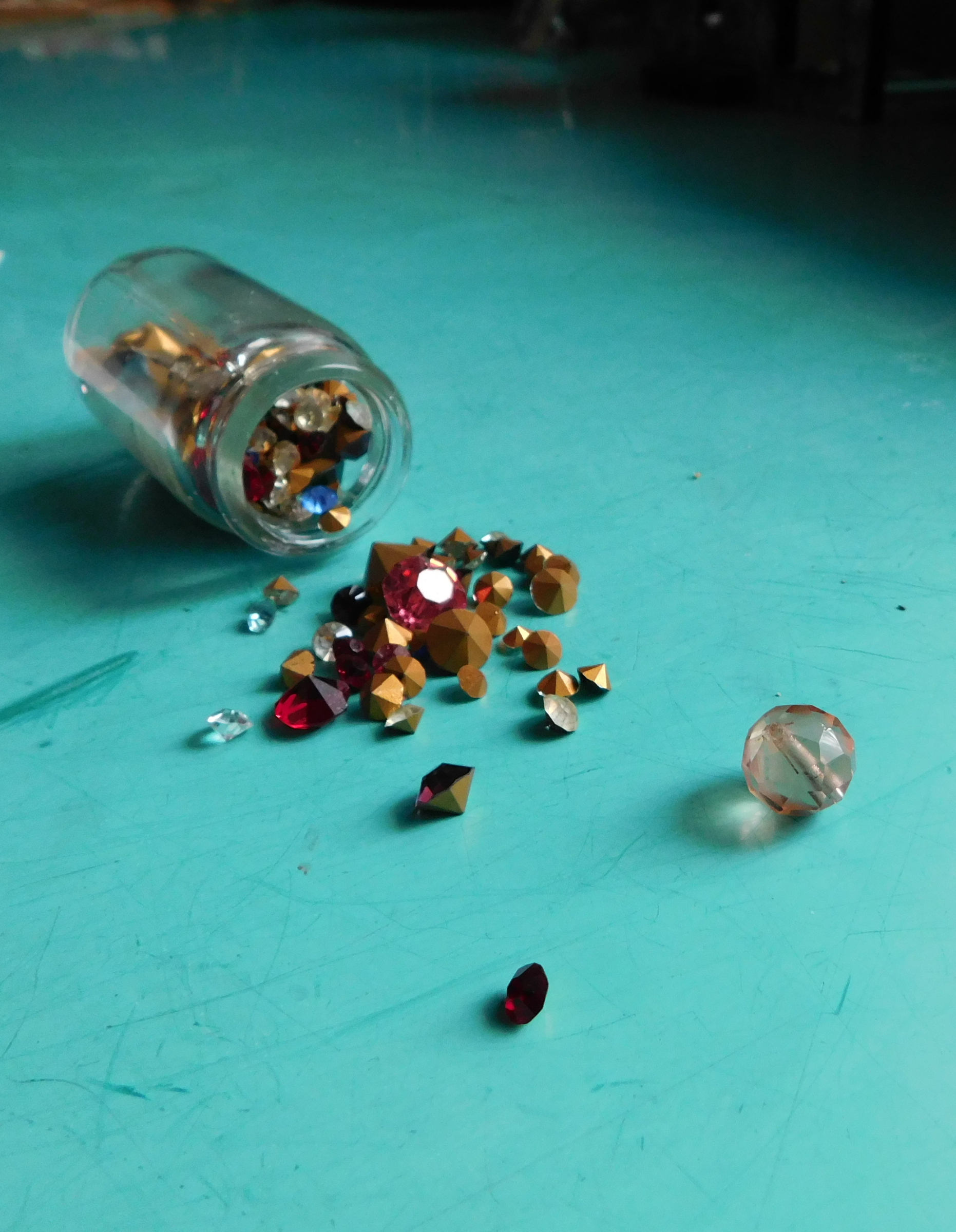
Beads, which produced aunt in prison witness nun Anna Remigius Axmanová
Beads, which produced aunt in prison witness nun Anna Remigius Axmanová
Květoslava Bartoňová (* 1928 †︎ 2017)
zdroj: archiv pamětnice
Stáhnout obrázek
Korále, které ve vězení vyráběla teta pamětnice řeholní sestra Anna Remigia Axmanová
Korále, které ve vězení vyráběla teta pamětnice řeholní sestra Anna Remigia Axmanová
Květoslava Bartoňová (* 1928 †︎ 2017)
zdroj: archiv pamětnice
Stáhnout obrázek
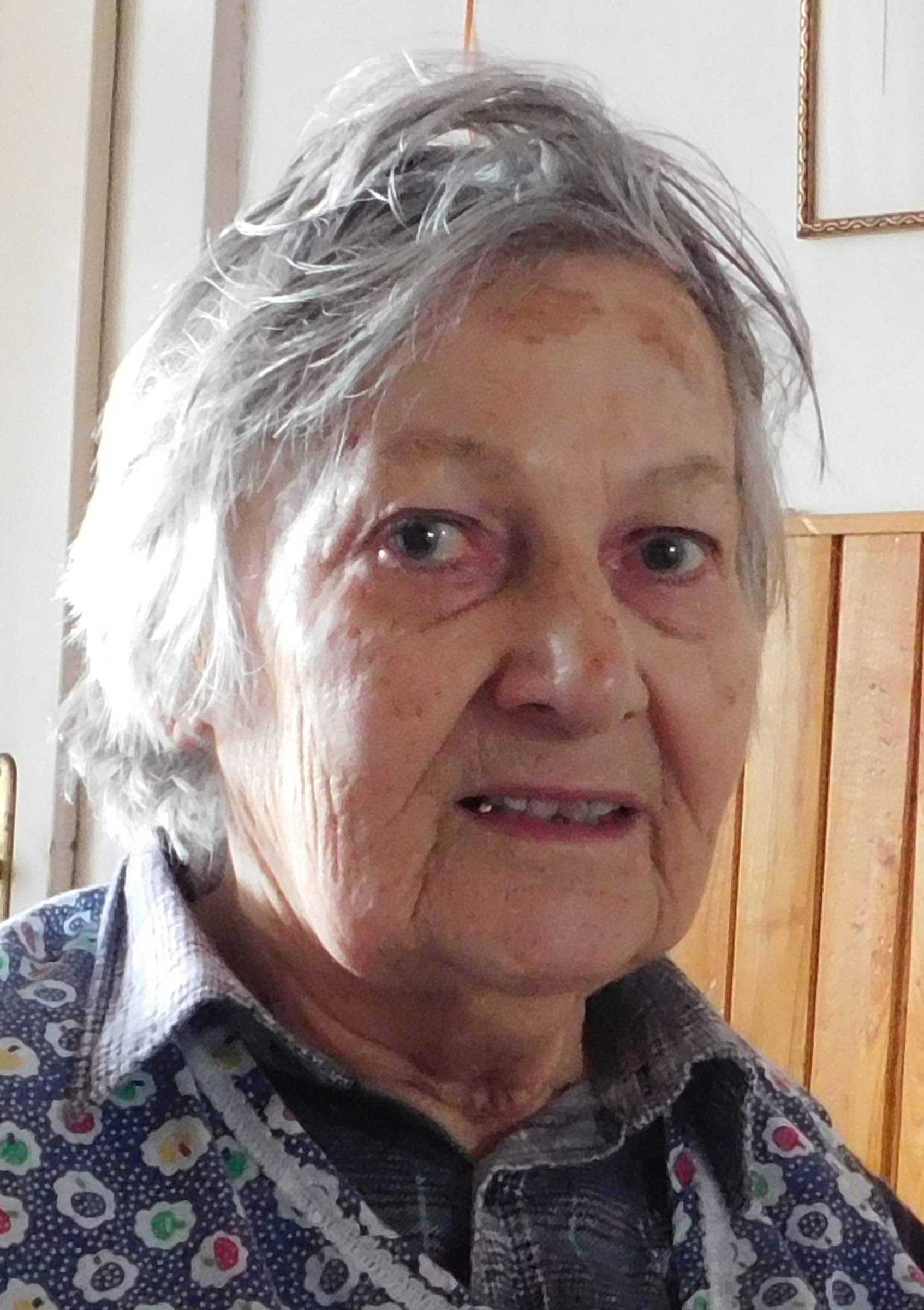
Květoslava Bartoňová - 2016
Květoslava Bartoňová - 2016
Květoslava Bartoňová (* 1928 †︎ 2017)
zdroj: Vít Lucuk
Stáhnout obrázek
Květoslava Bartoňová v roce 2016
Květoslava Bartoňová v roce 2016
Květoslava Bartoňová (* 1928 †︎ 2017)
zdroj: Vít Lucuk
Stáhnout obrázek
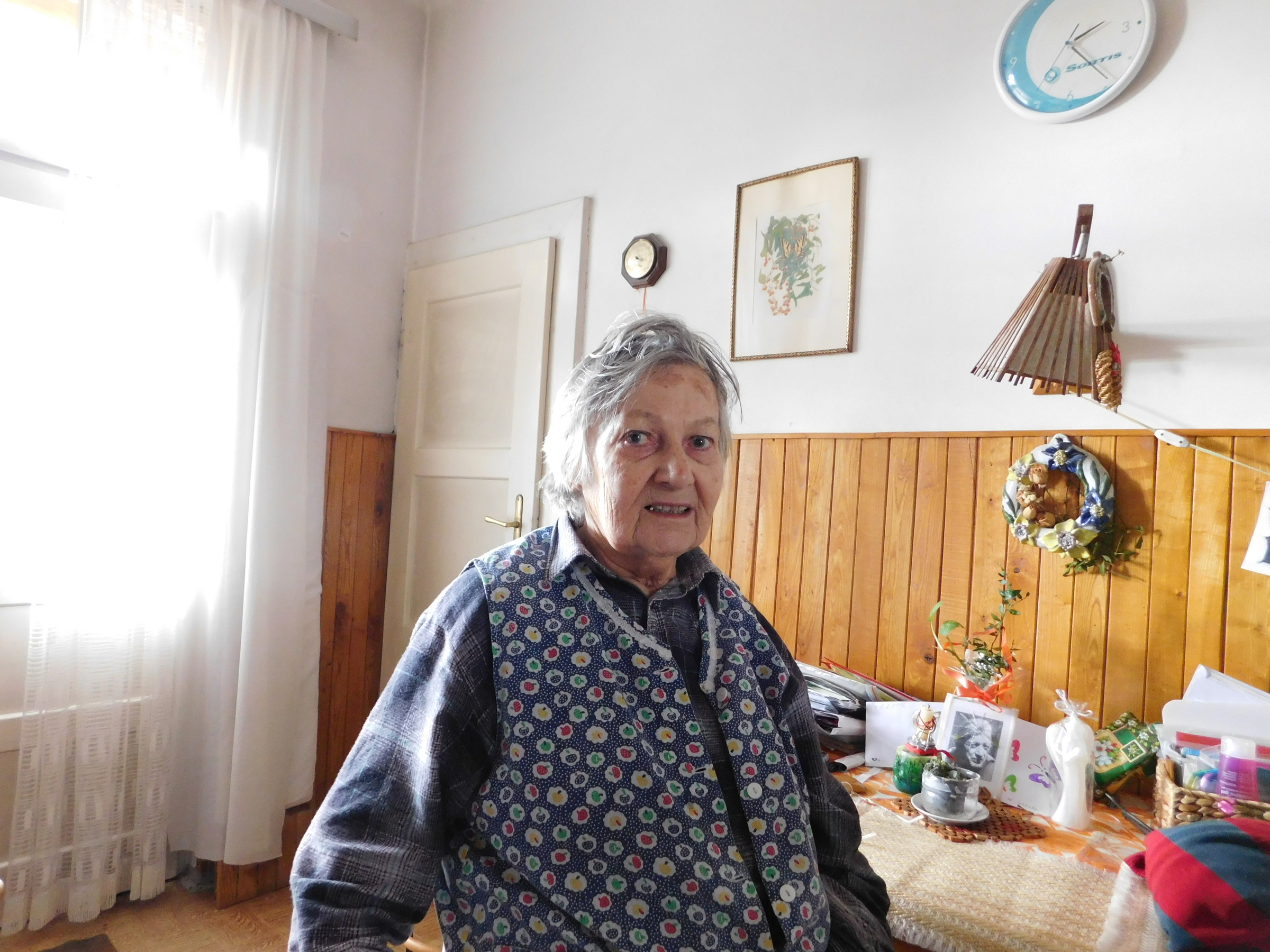
Květoslava Bartoňová -2016
Květoslava Bartoňová -2016
Květoslava Bartoňová (* 1928 †︎ 2017)
zdroj: Vít Lucuk
Stáhnout obrázek
Květoslava Bartoňová v roce 2016
Květoslava Bartoňová v roce 2016
Květoslava Bartoňová (* 1928 †︎ 2017)
zdroj: Vít Lucuk
Stáhnout obrázek
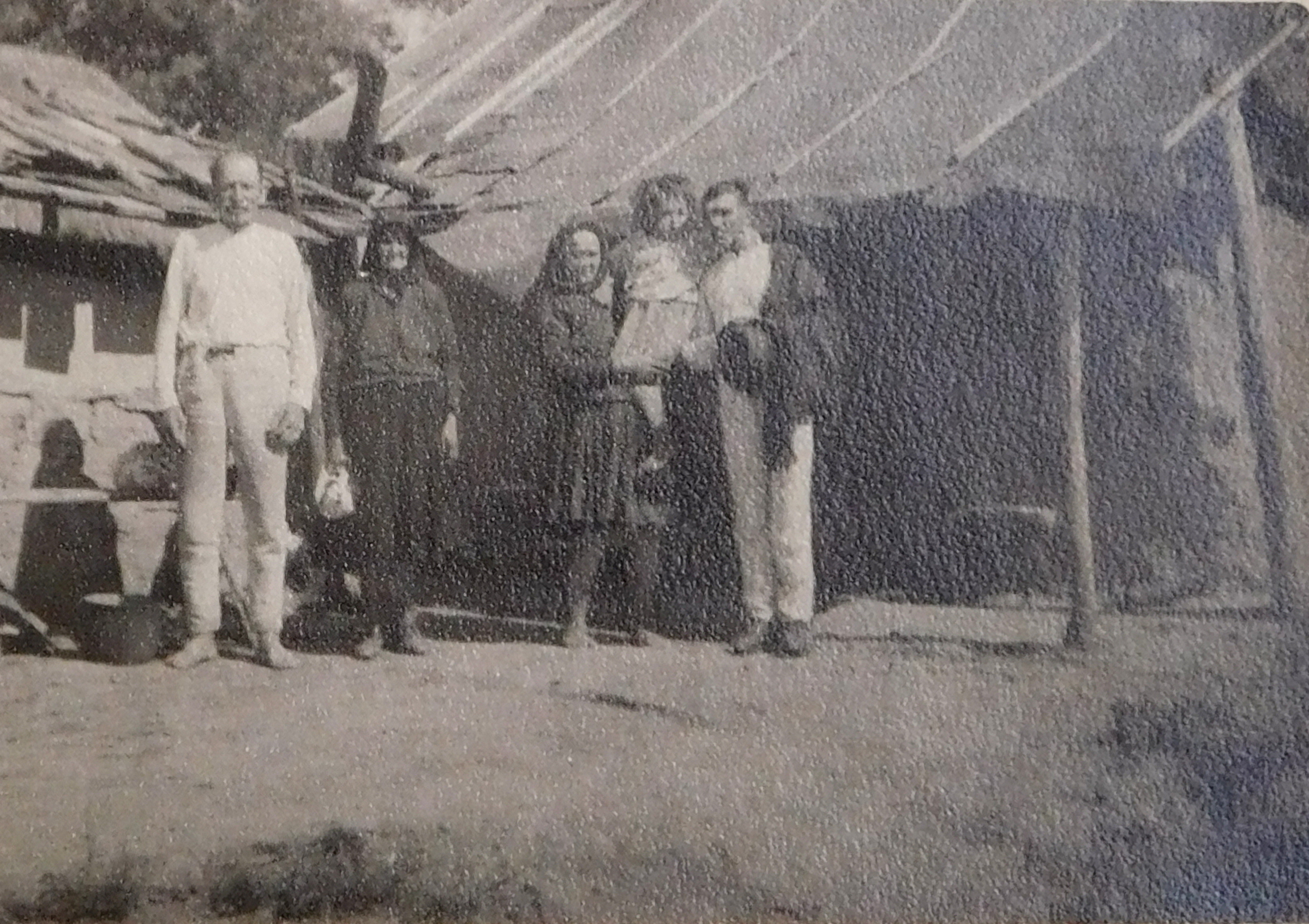
People in the Valley of Death near Dukla Pass in 1946
People in the Valley of Death near Dukla Pass in 1946
Květoslava Bartoňová (* 1928 †︎ 2017)
zdroj: archiv pamětnice
Stáhnout obrázek
Lidé v Údolí smrti u Dukelského průsmyku v roce 1946
Lidé v Údolí smrti u Dukelského průsmyku v roce 1946
Květoslava Bartoňová (* 1928 †︎ 2017)
zdroj: archiv pamětnice
Stáhnout obrázek
Předchozí stránka
‹ Předchozí
First page
1
…
Stránka
7316
Stránka
7317
Stránka
7318
Aktuální stránka
7319
Stránka
7320
Stránka
7321
Stránka
7322
…
Poslední stránka
12190
Následující stránka
Další ›