The train was to leave for Siberia. At the last moment it headed for Czechoslovakia
Stáhnout obrázek
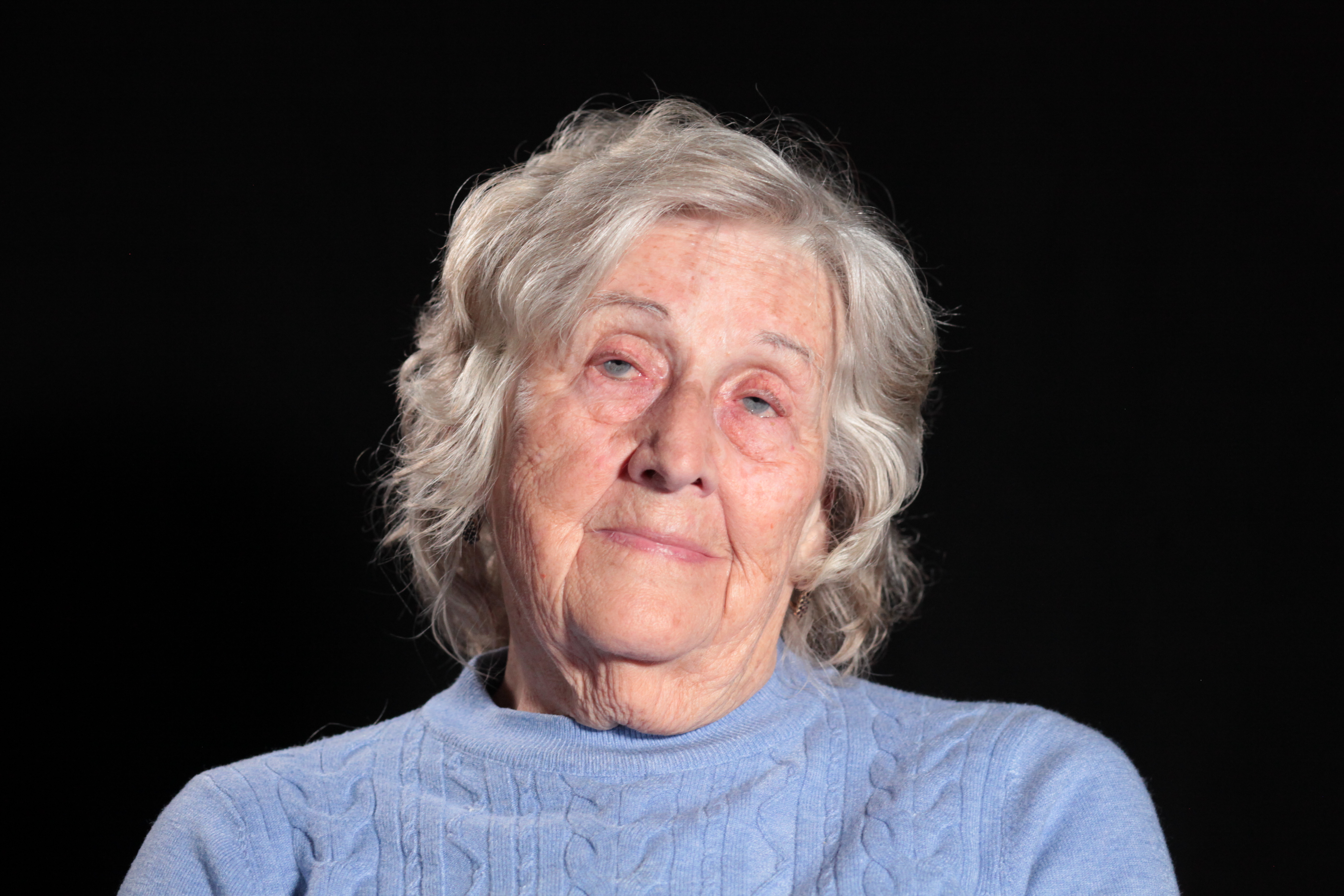
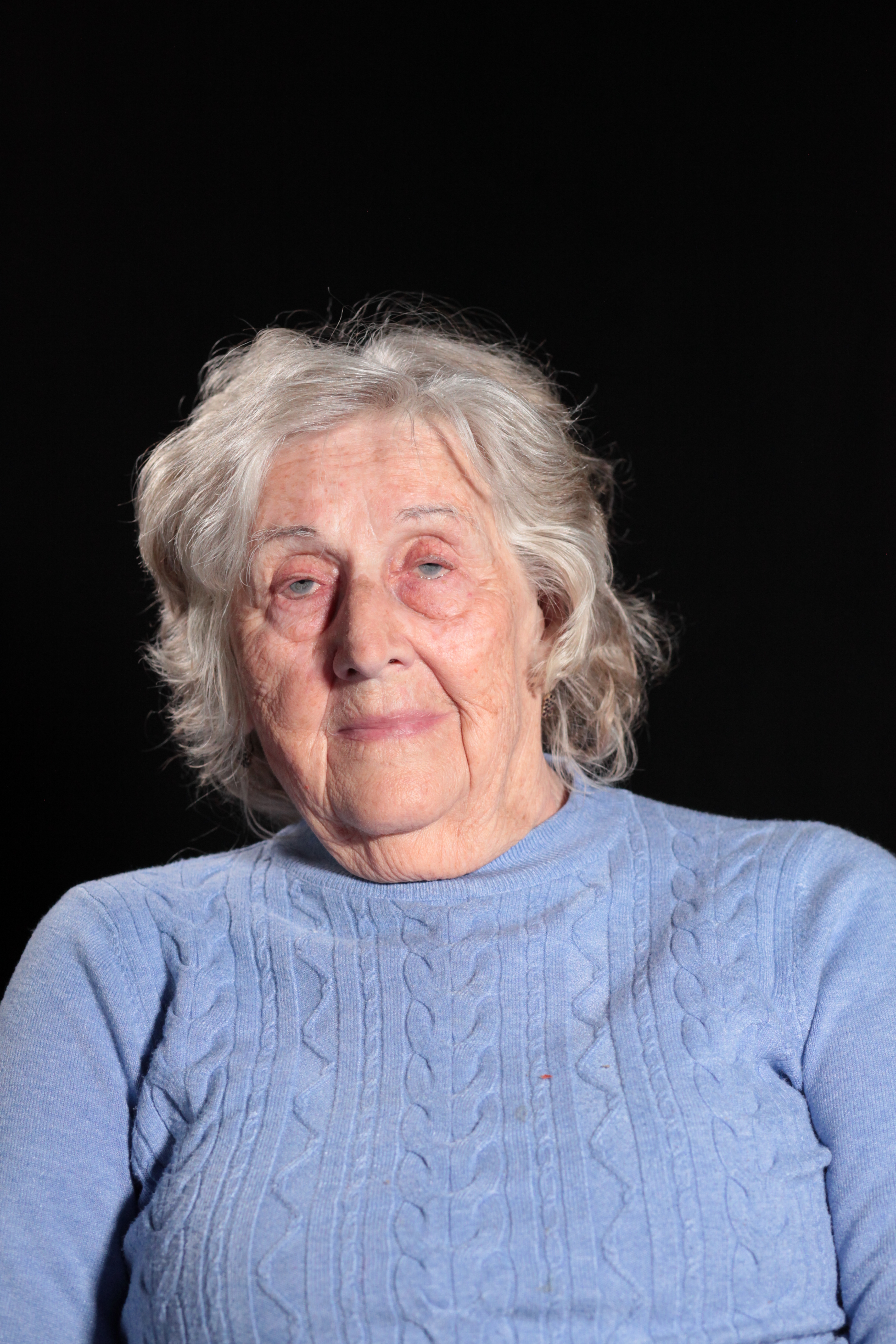
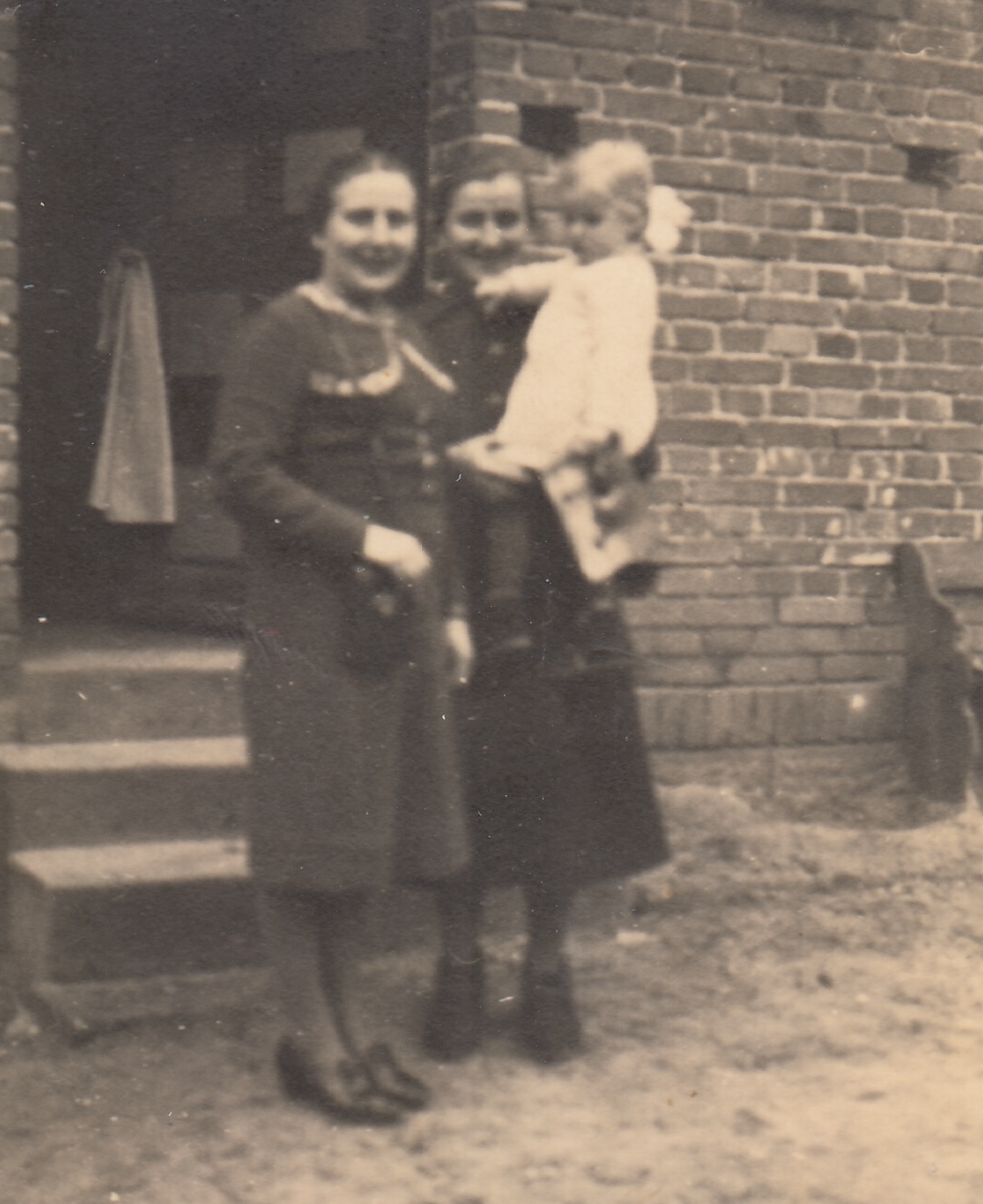
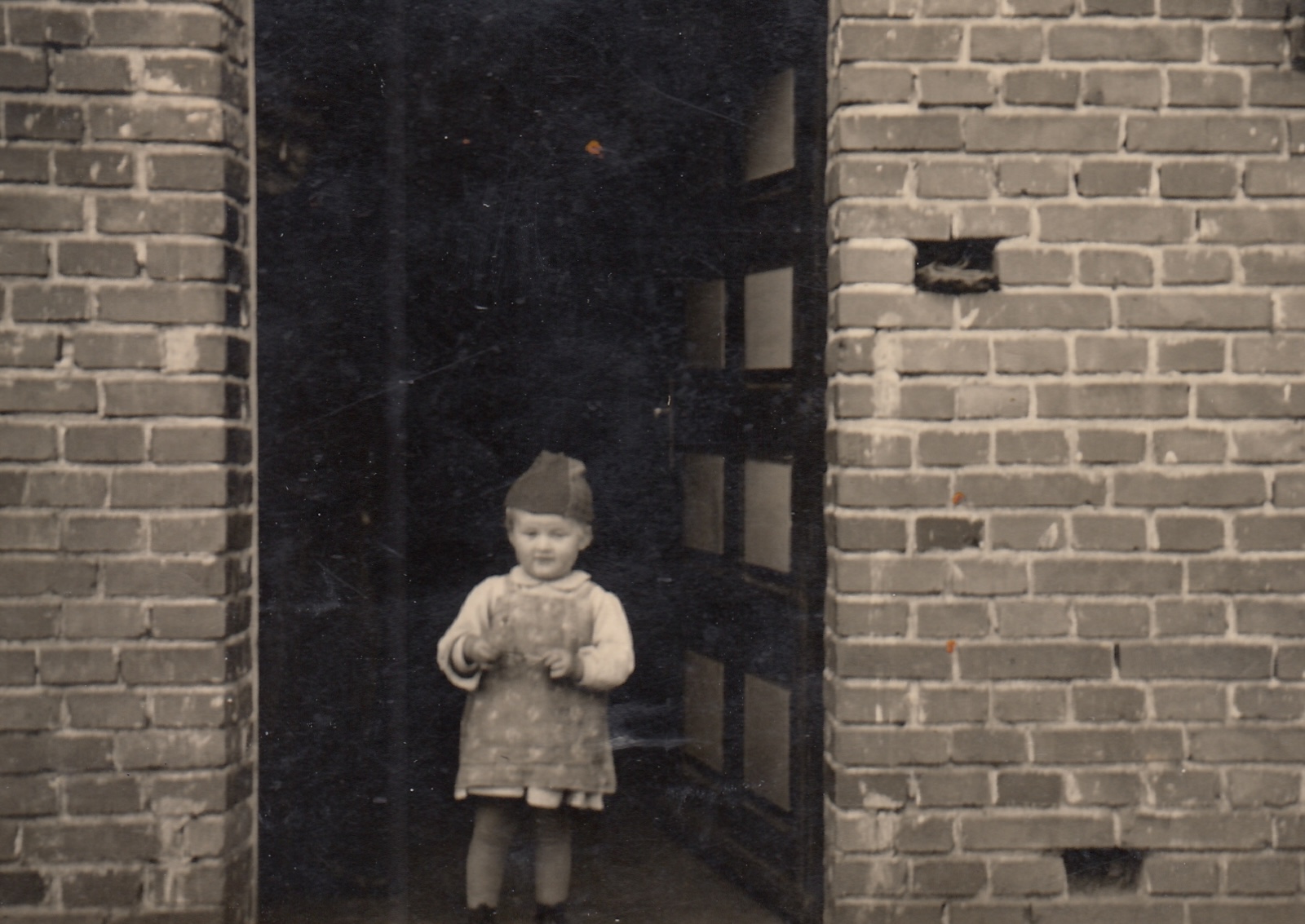
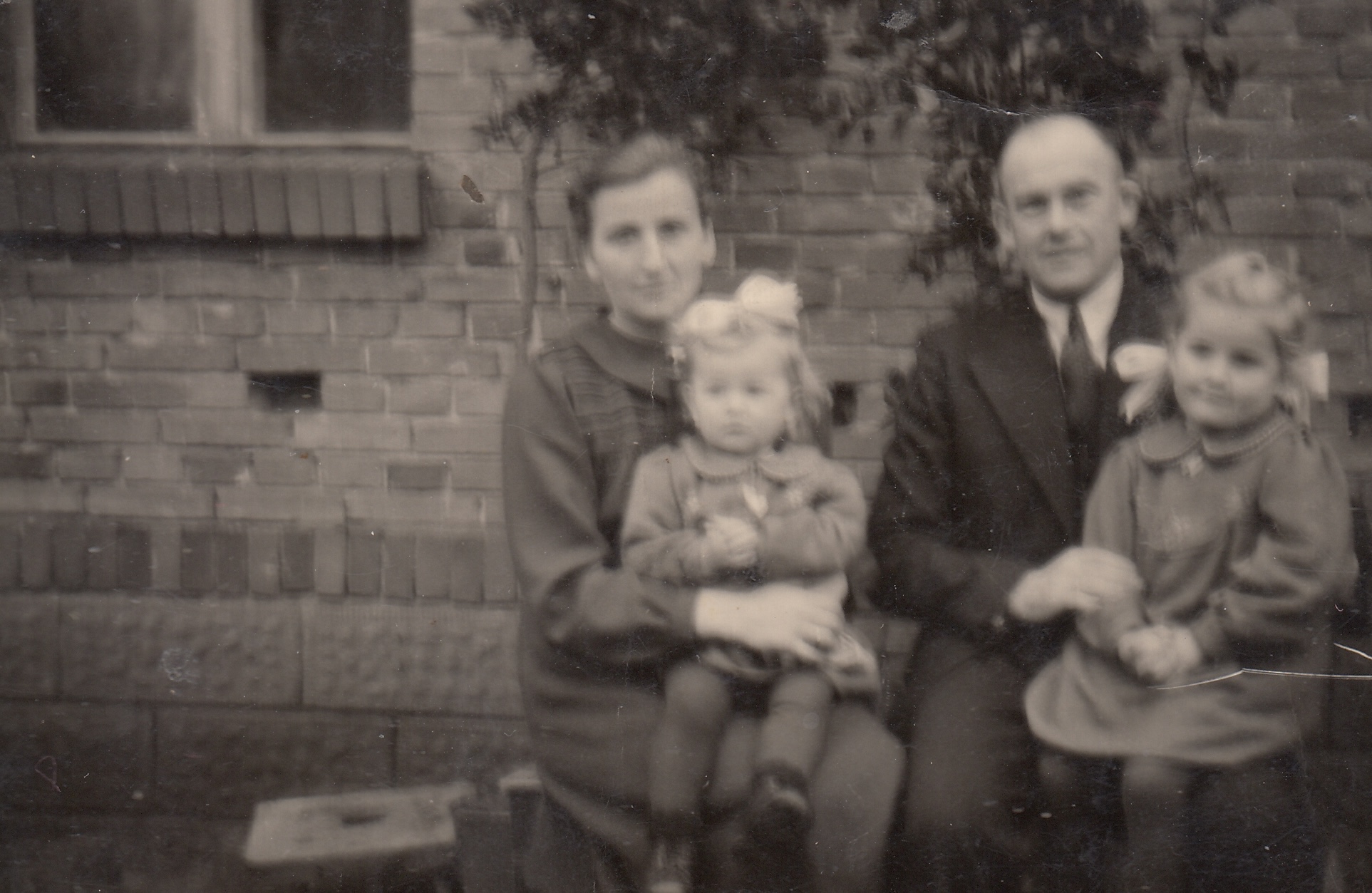
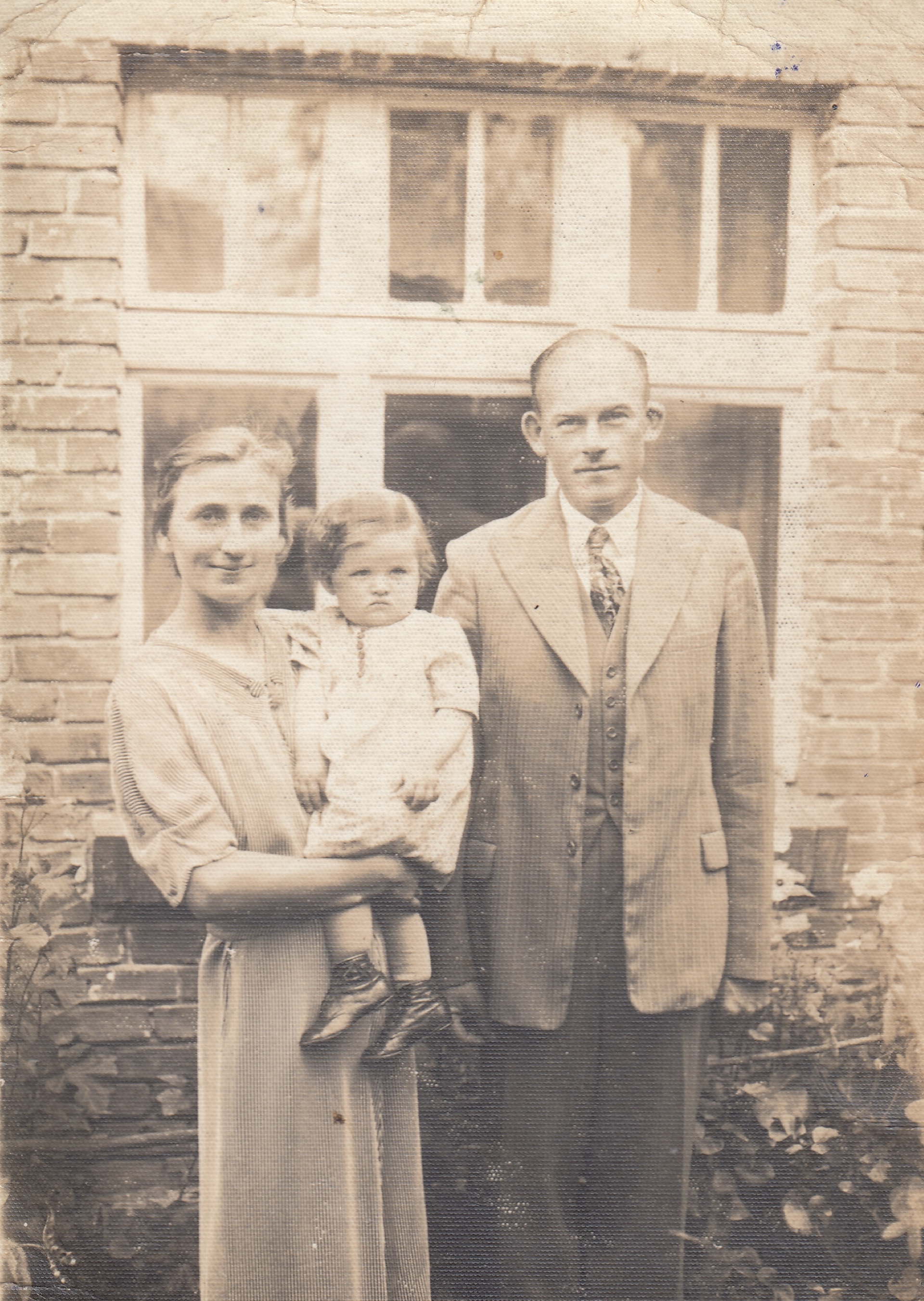
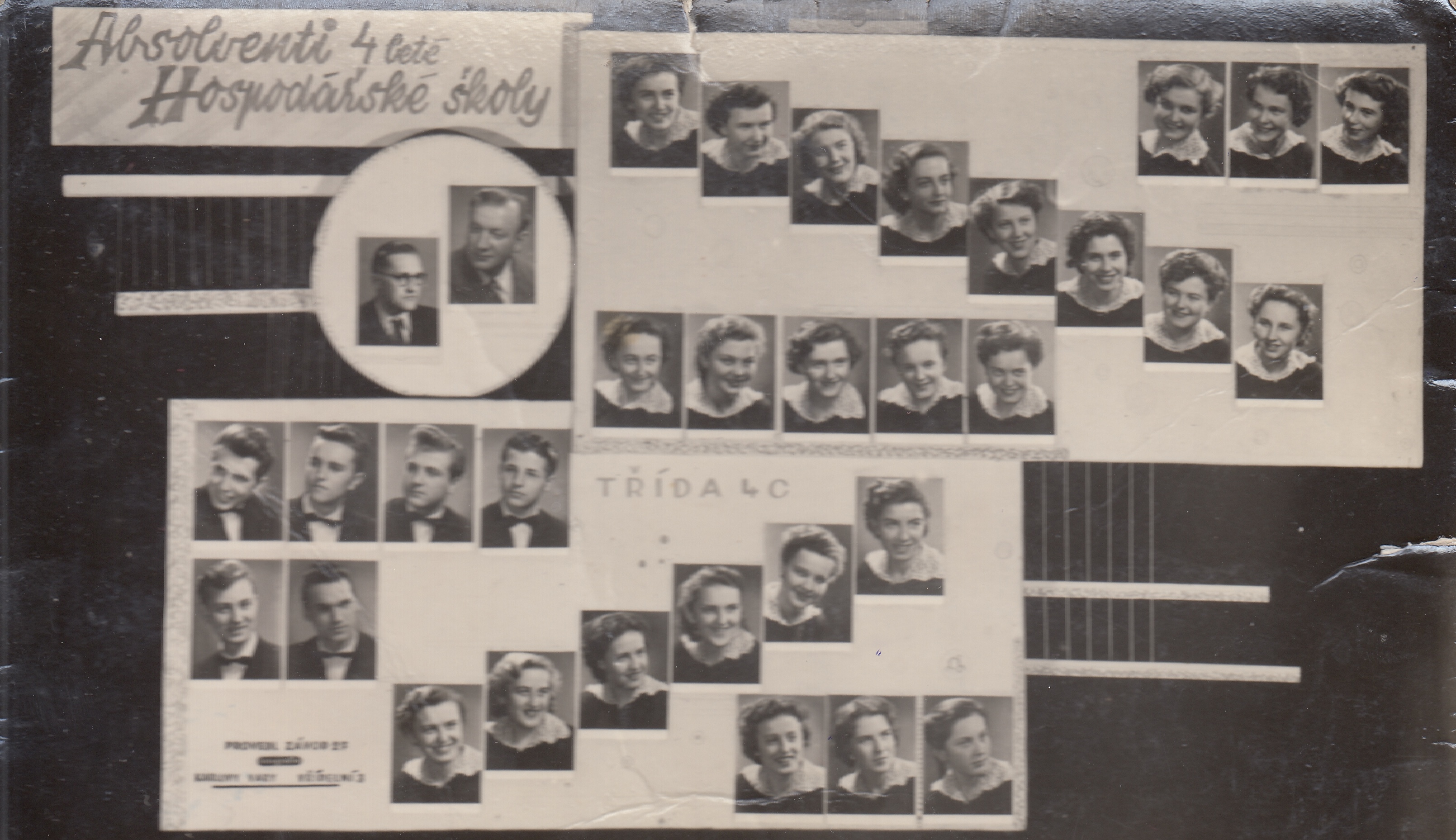
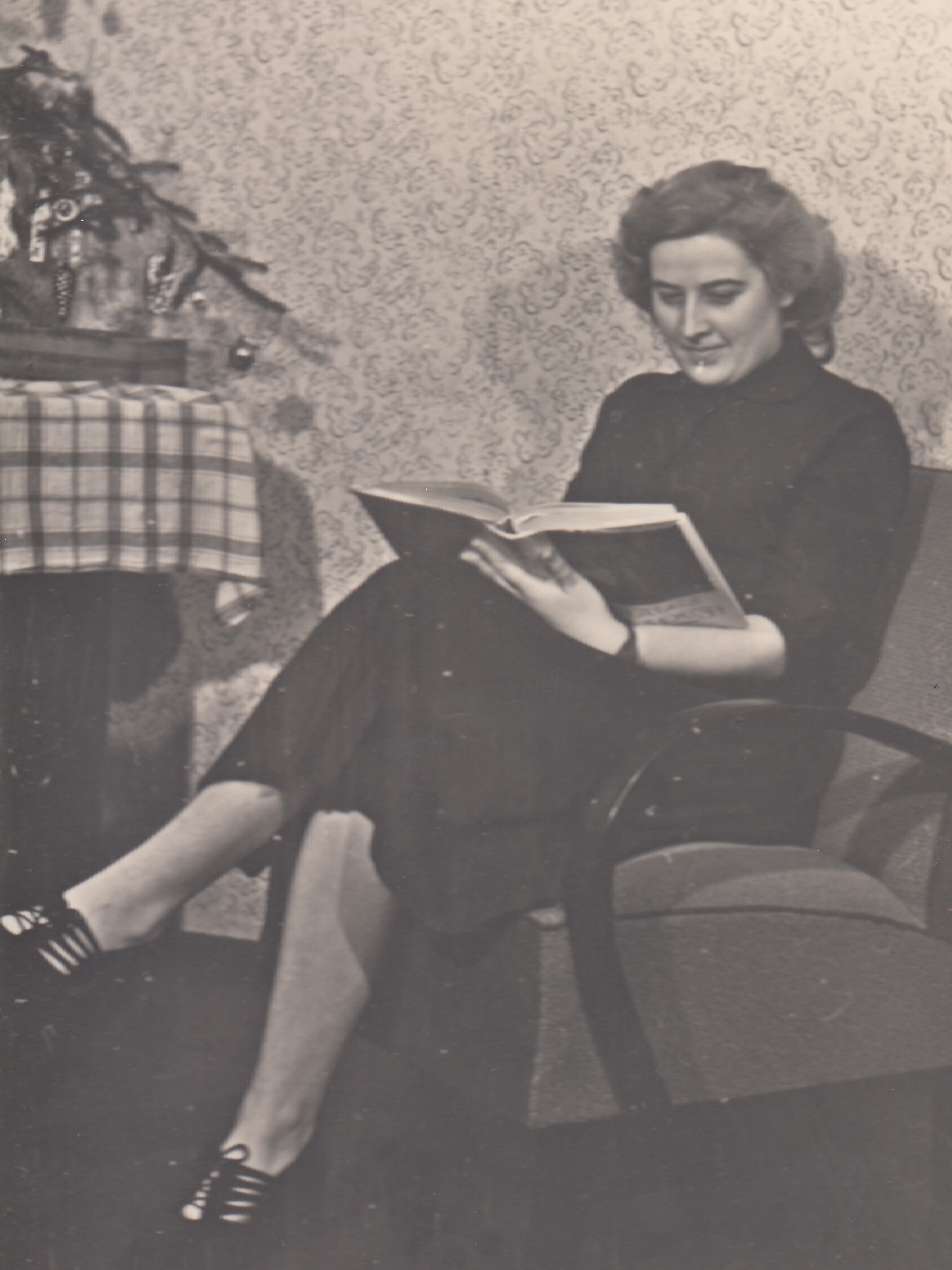
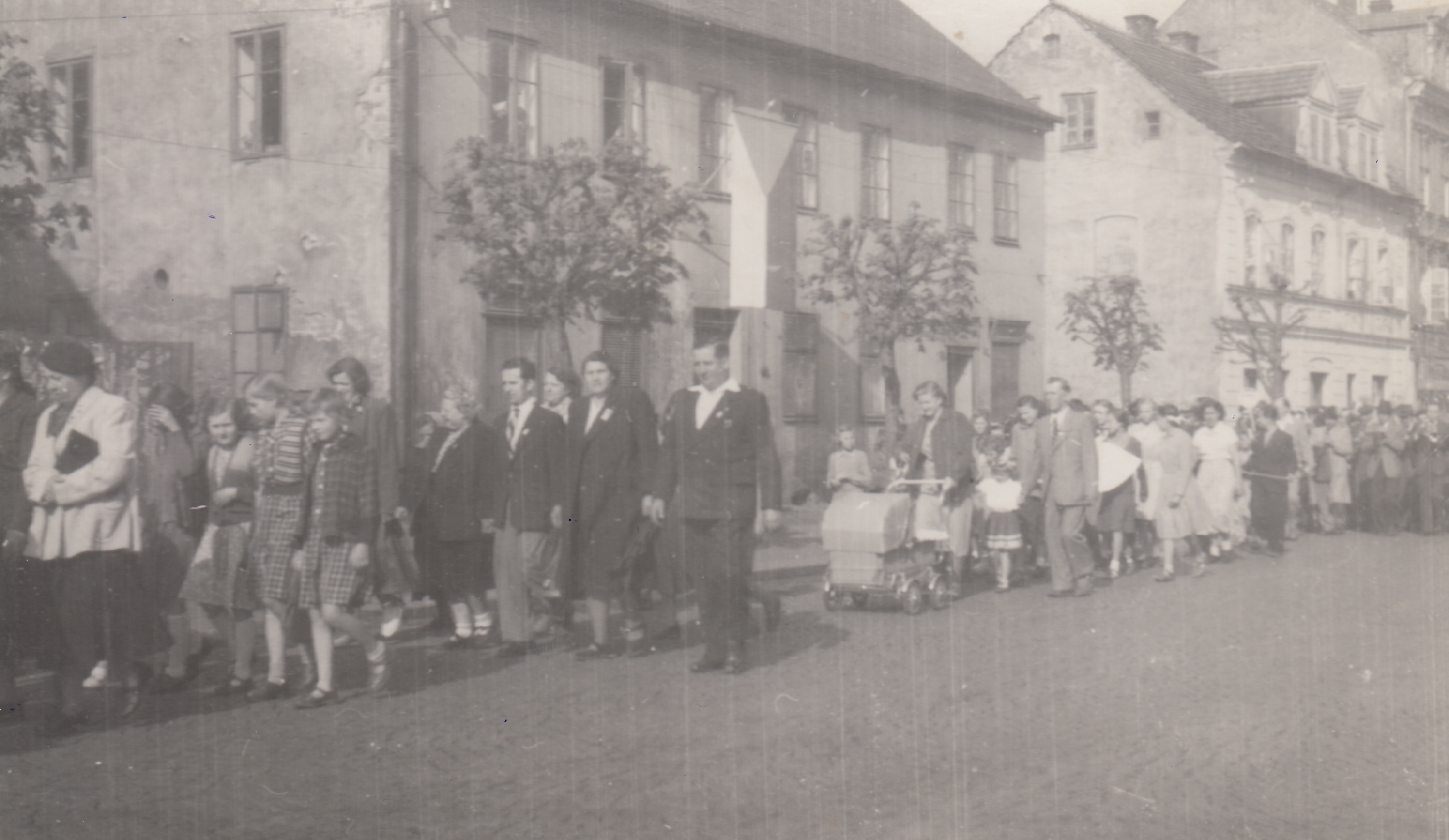
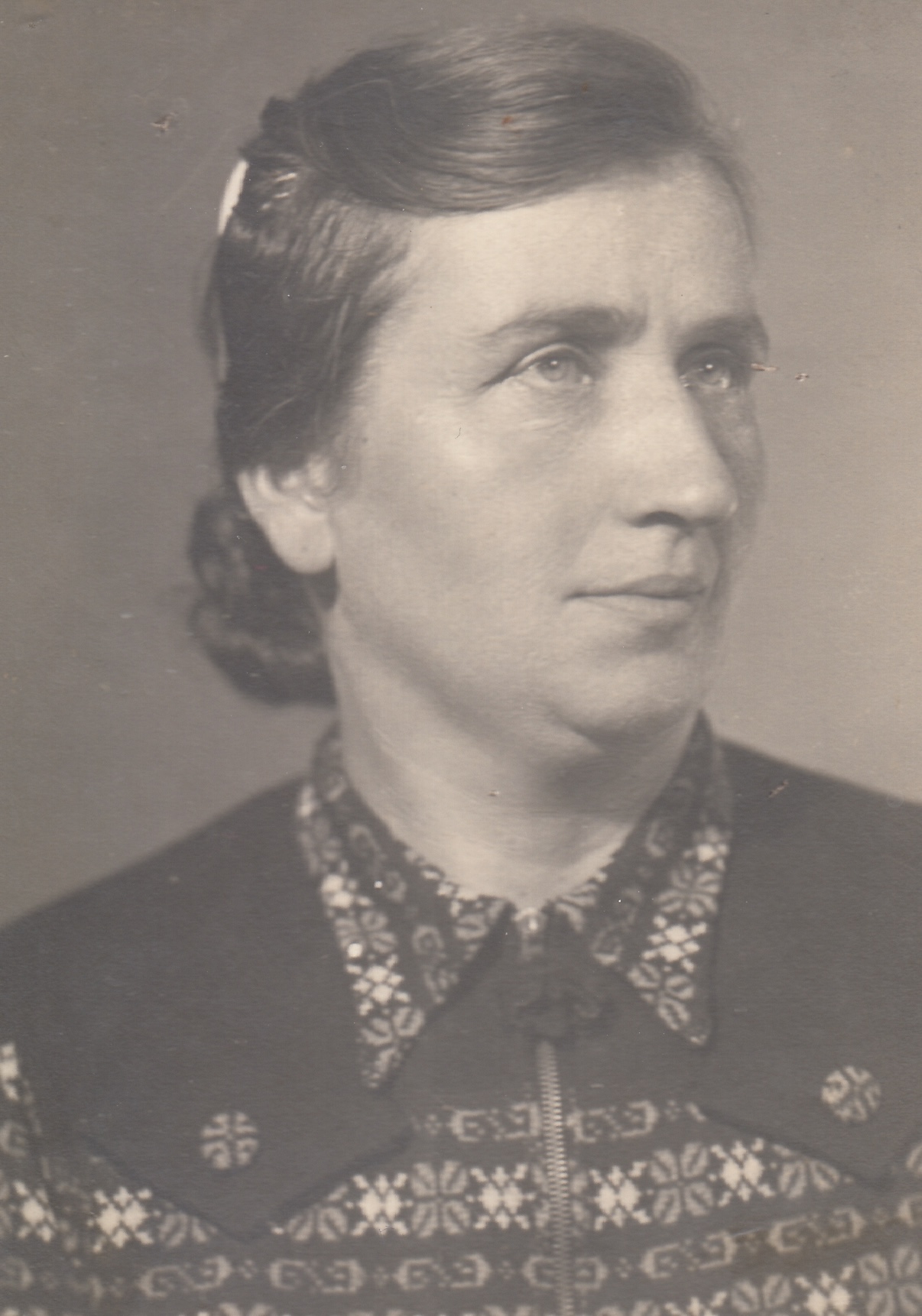
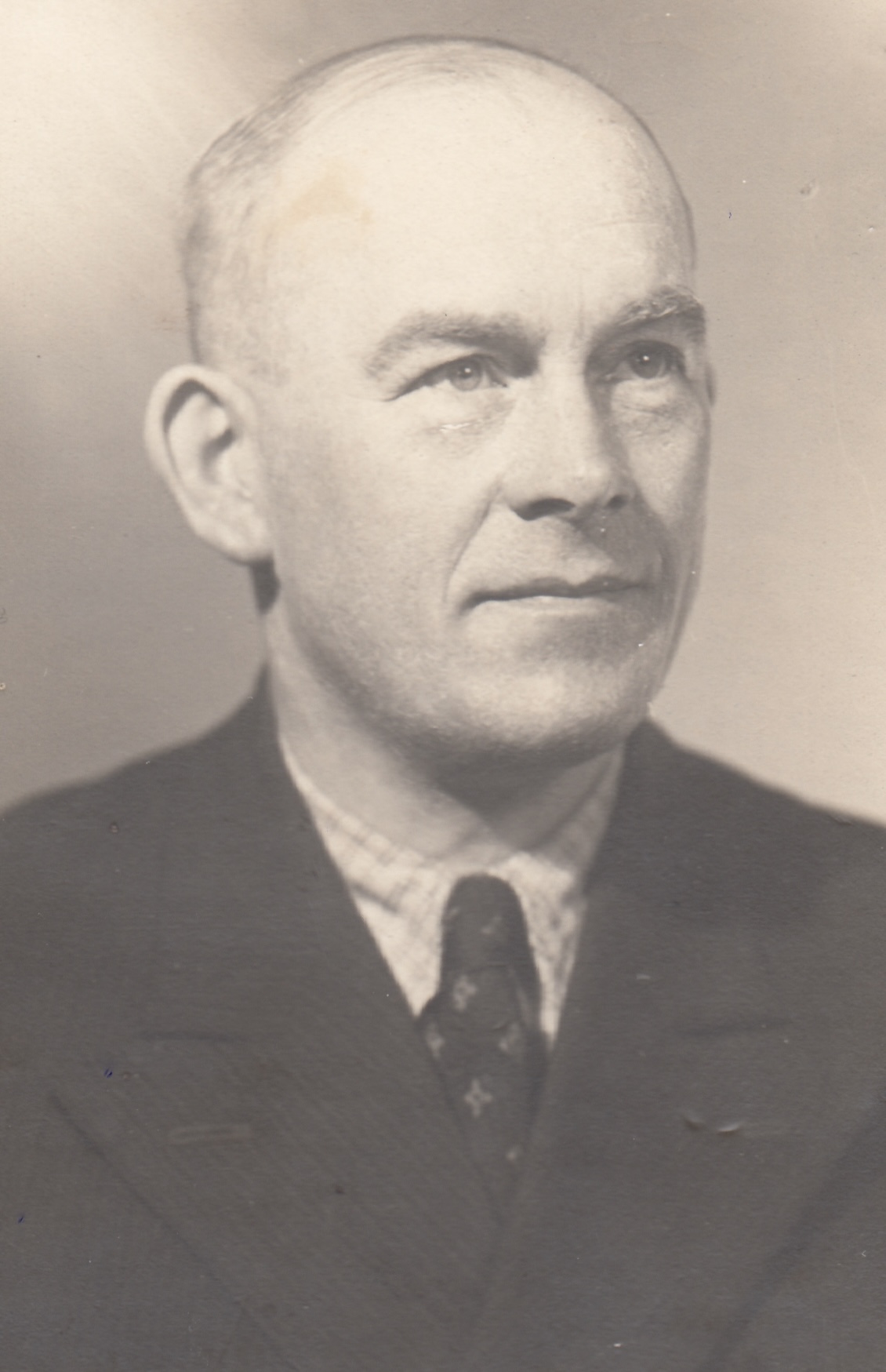
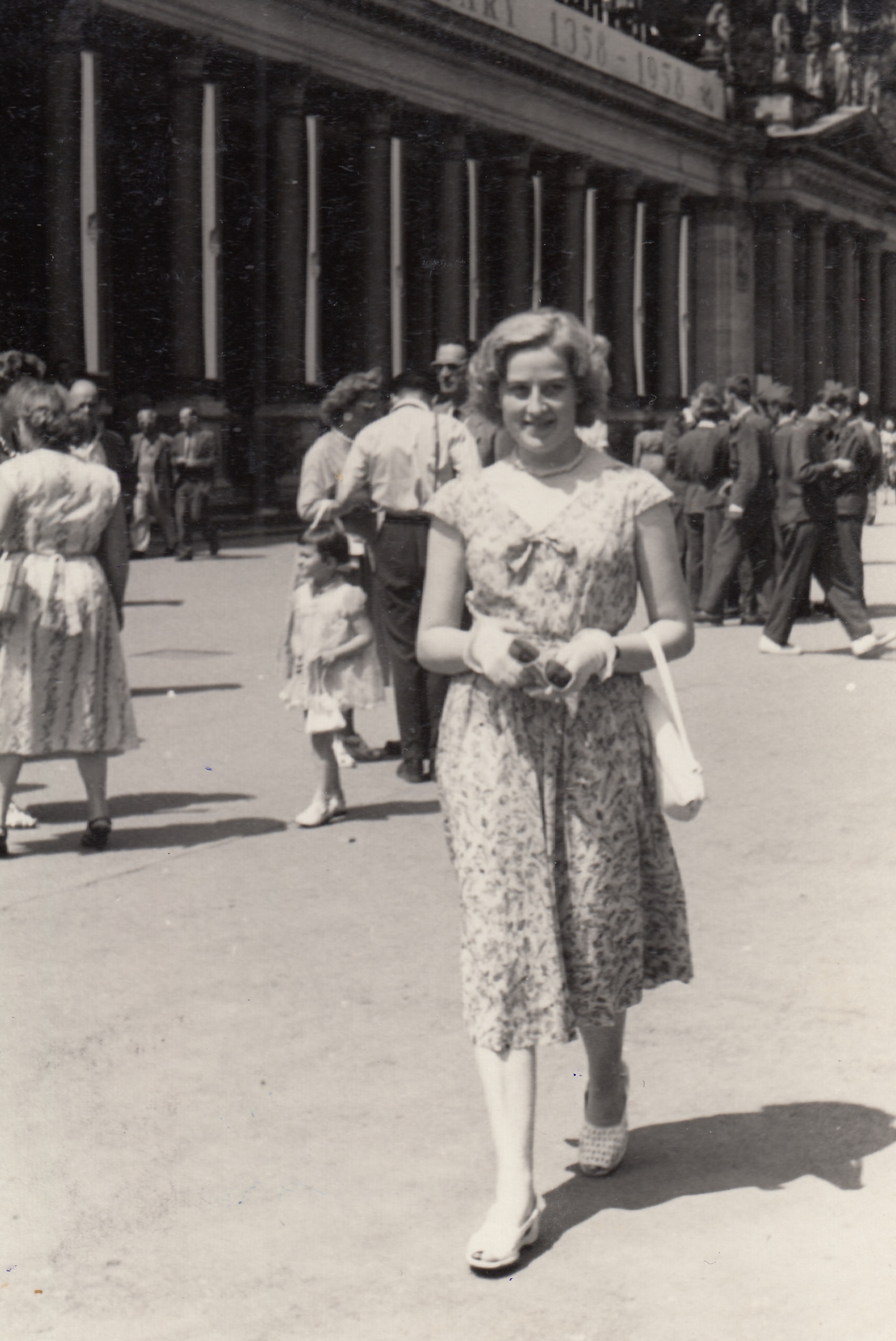
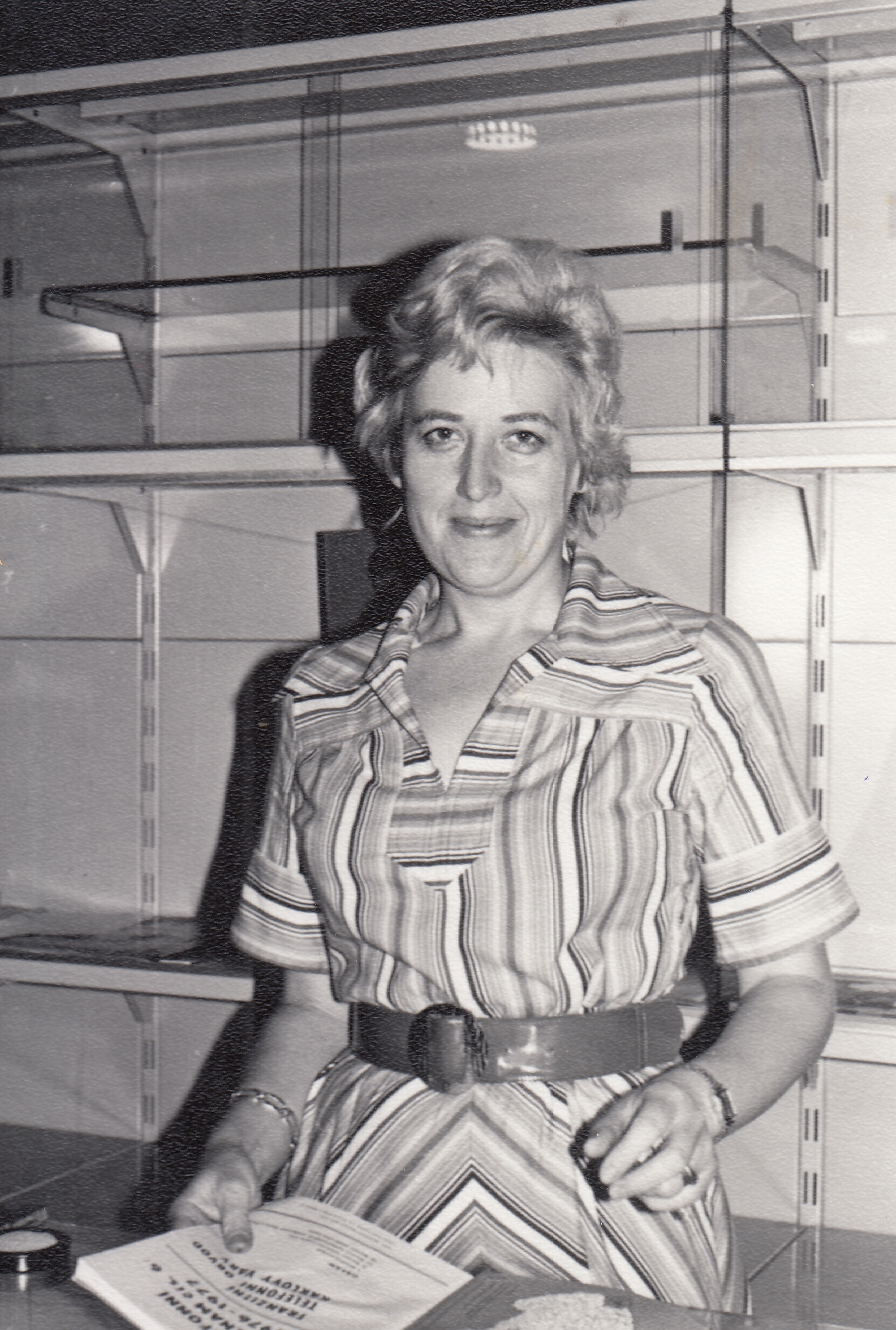
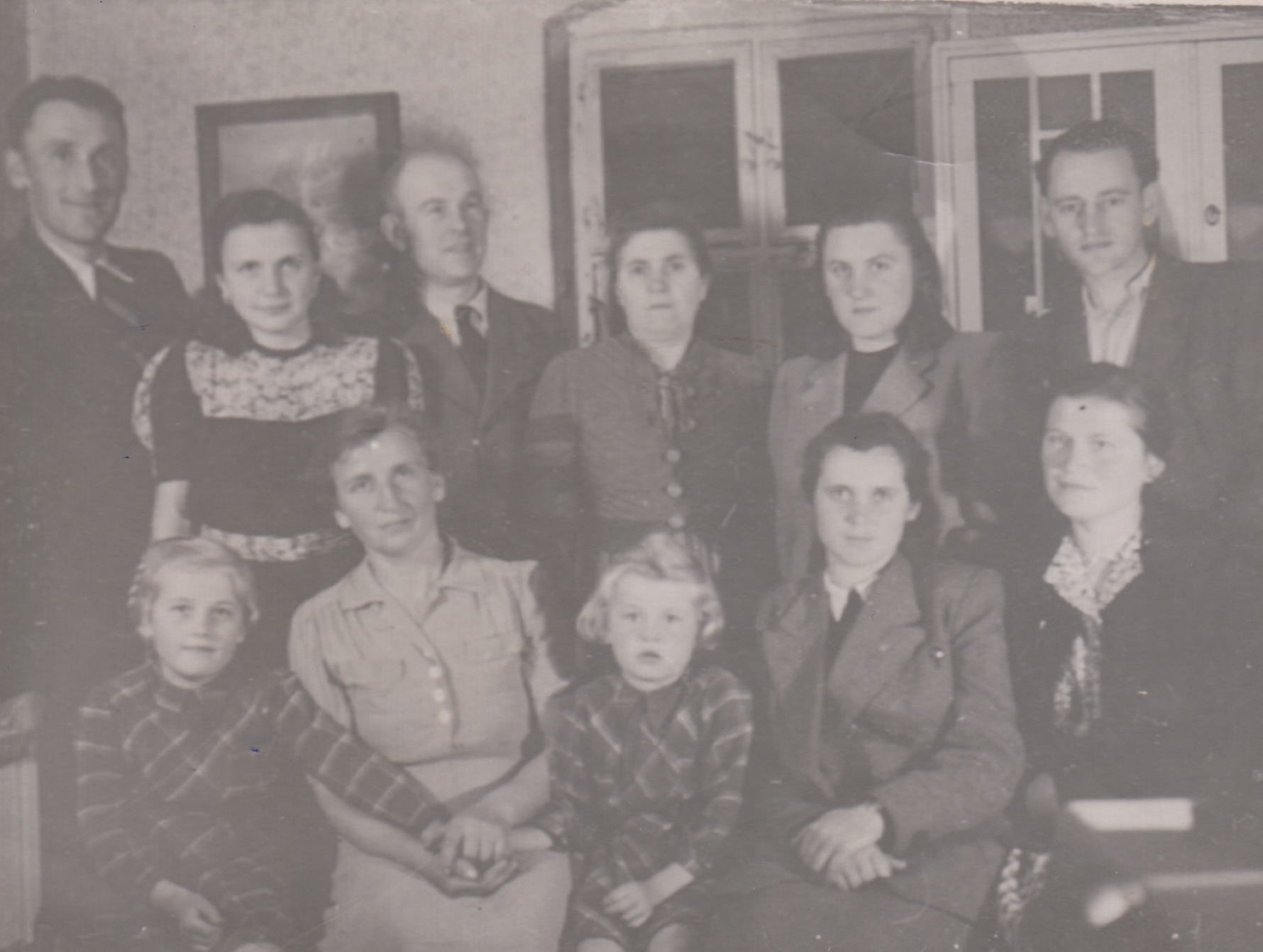
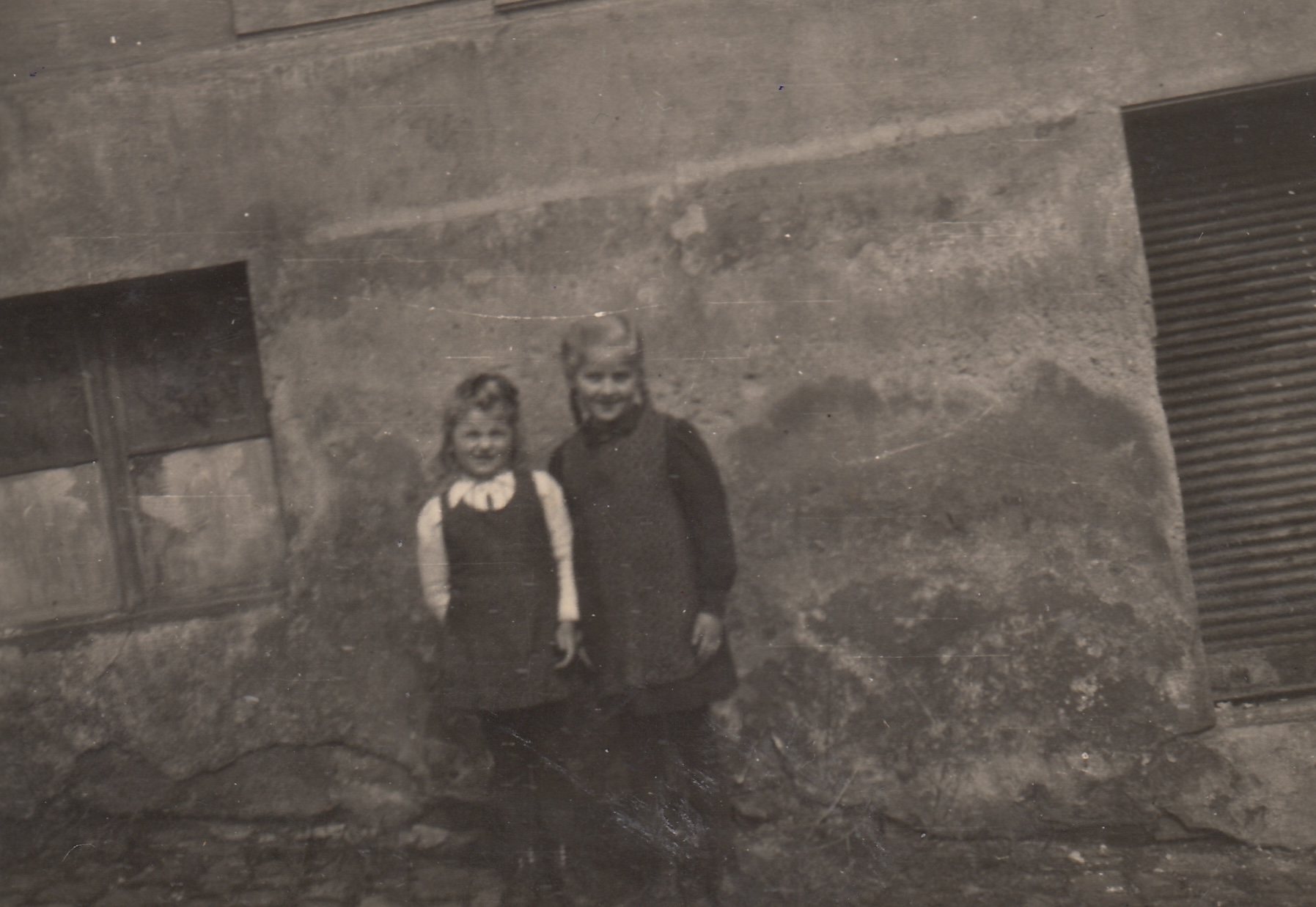
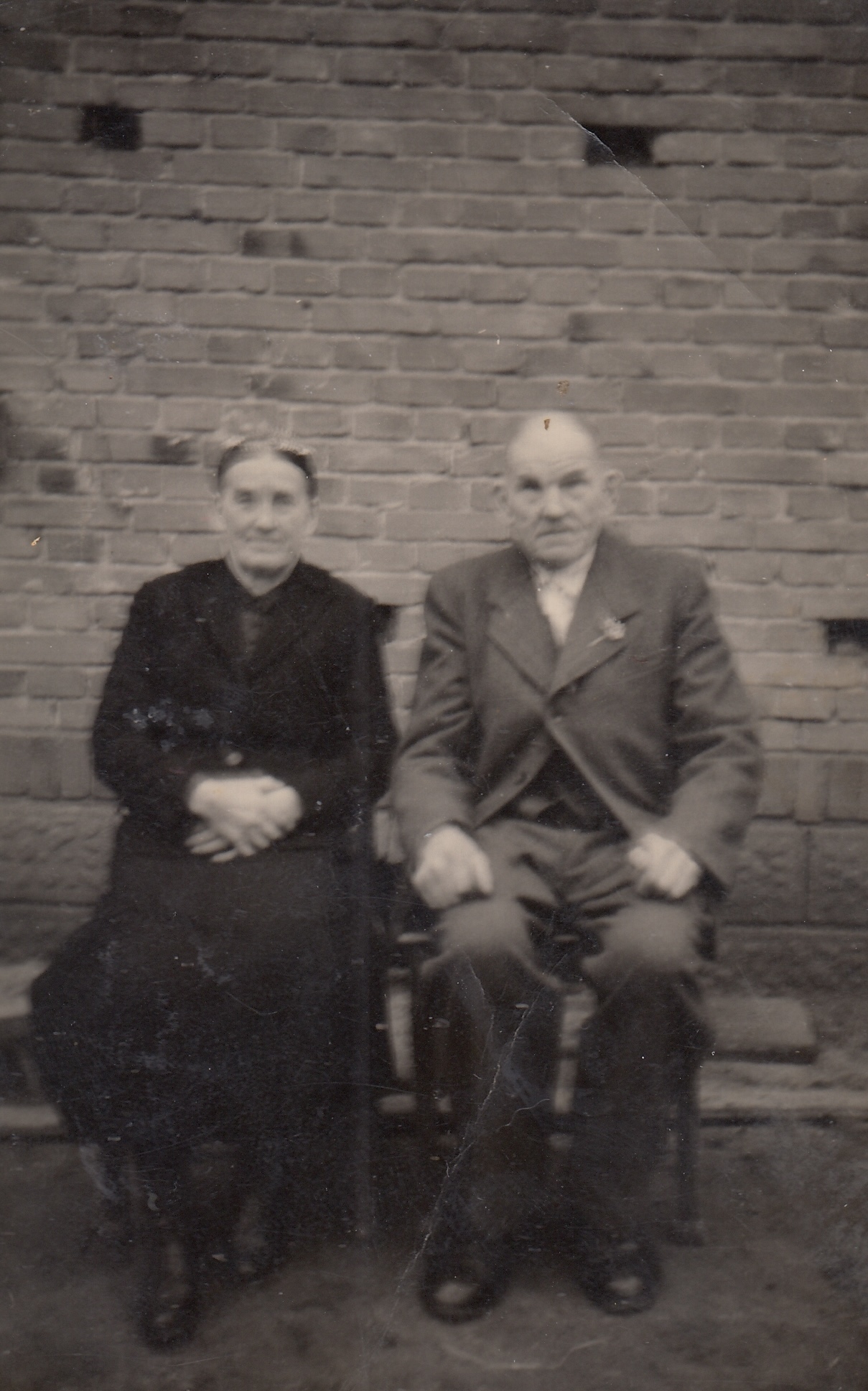
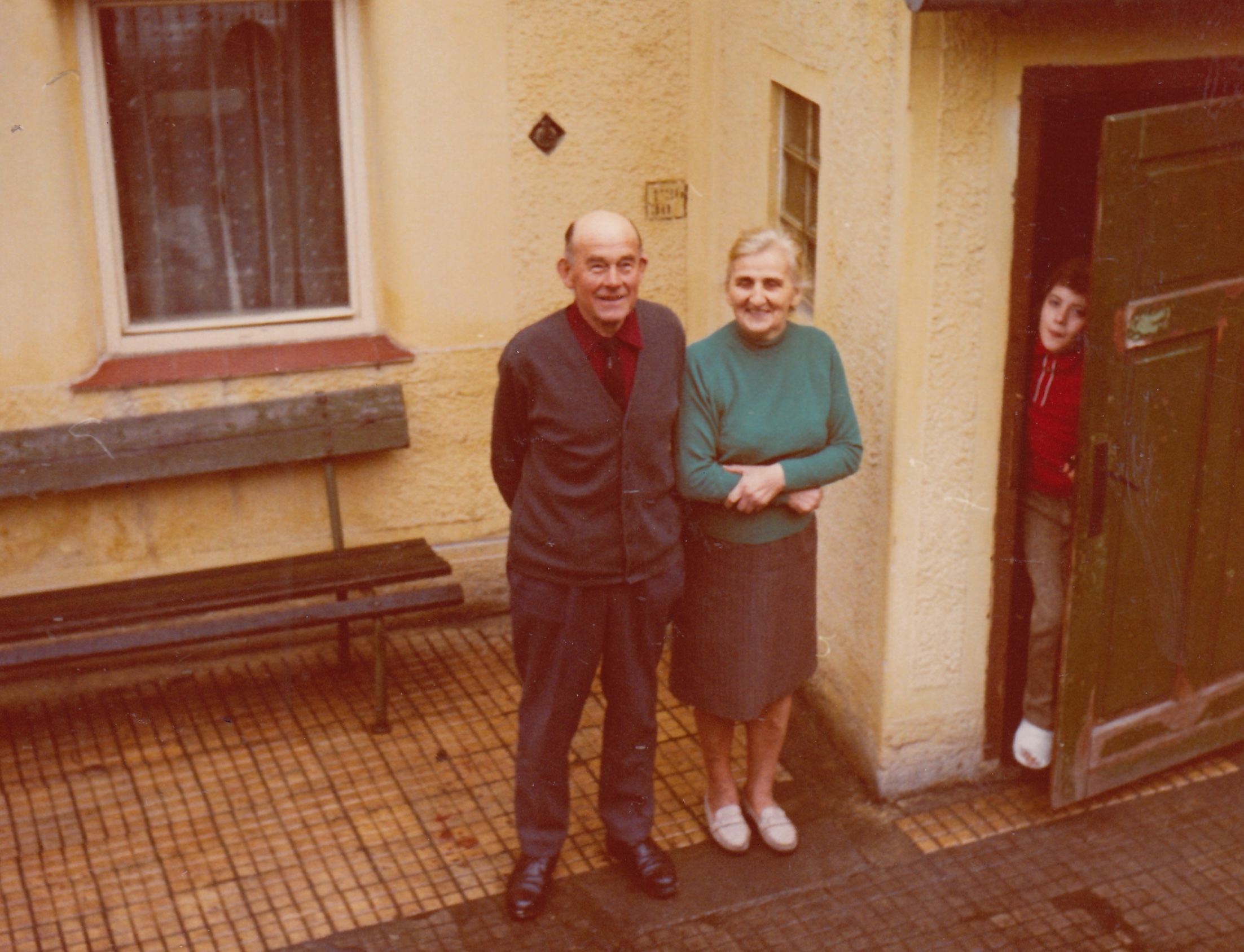
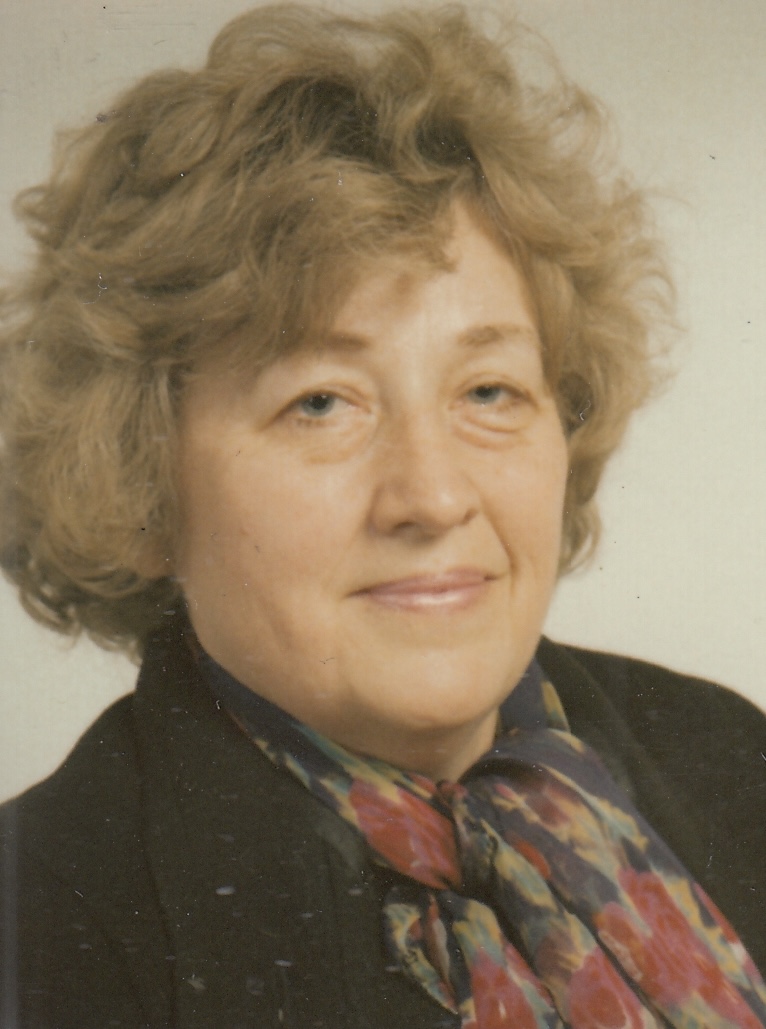
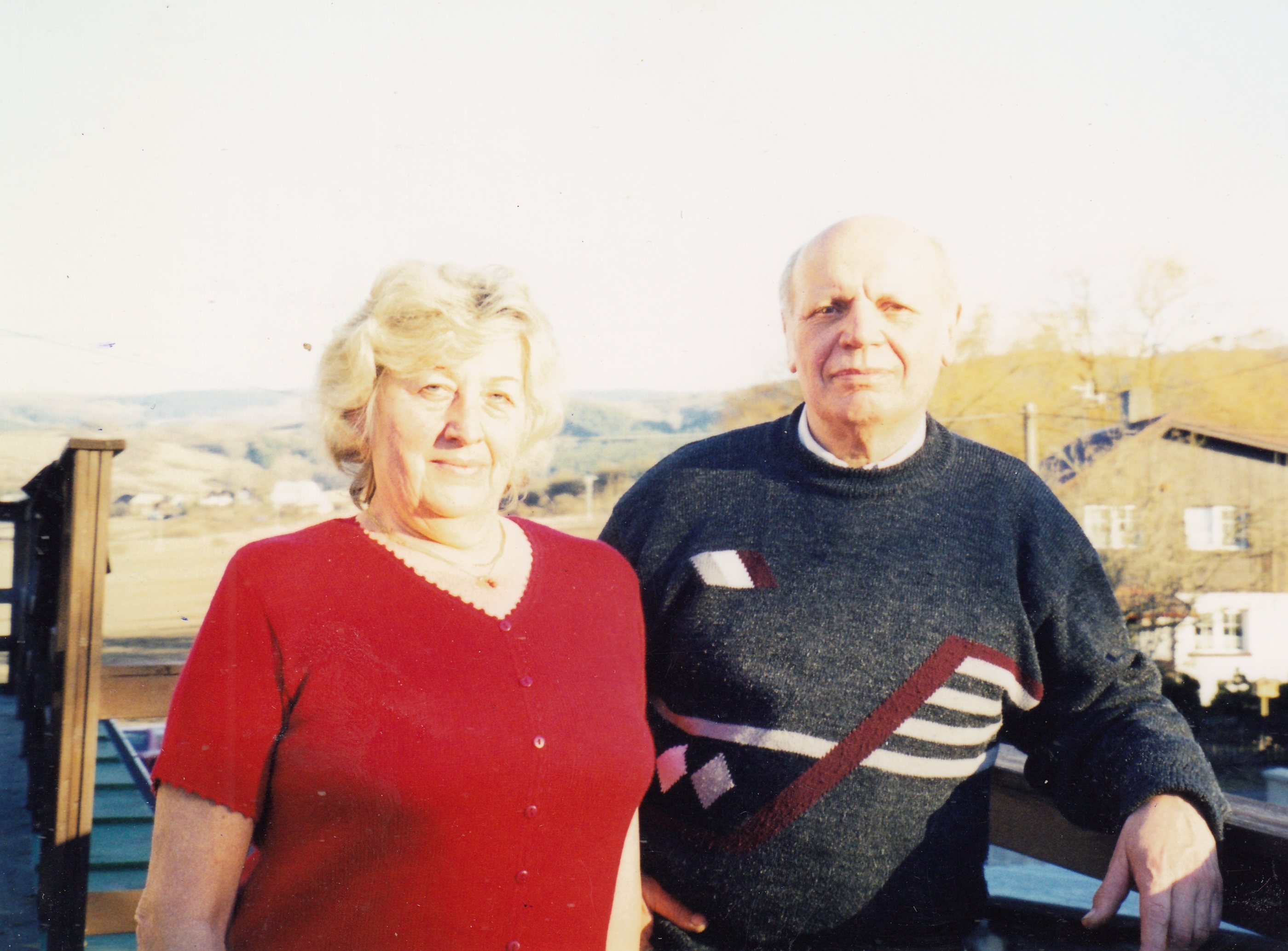
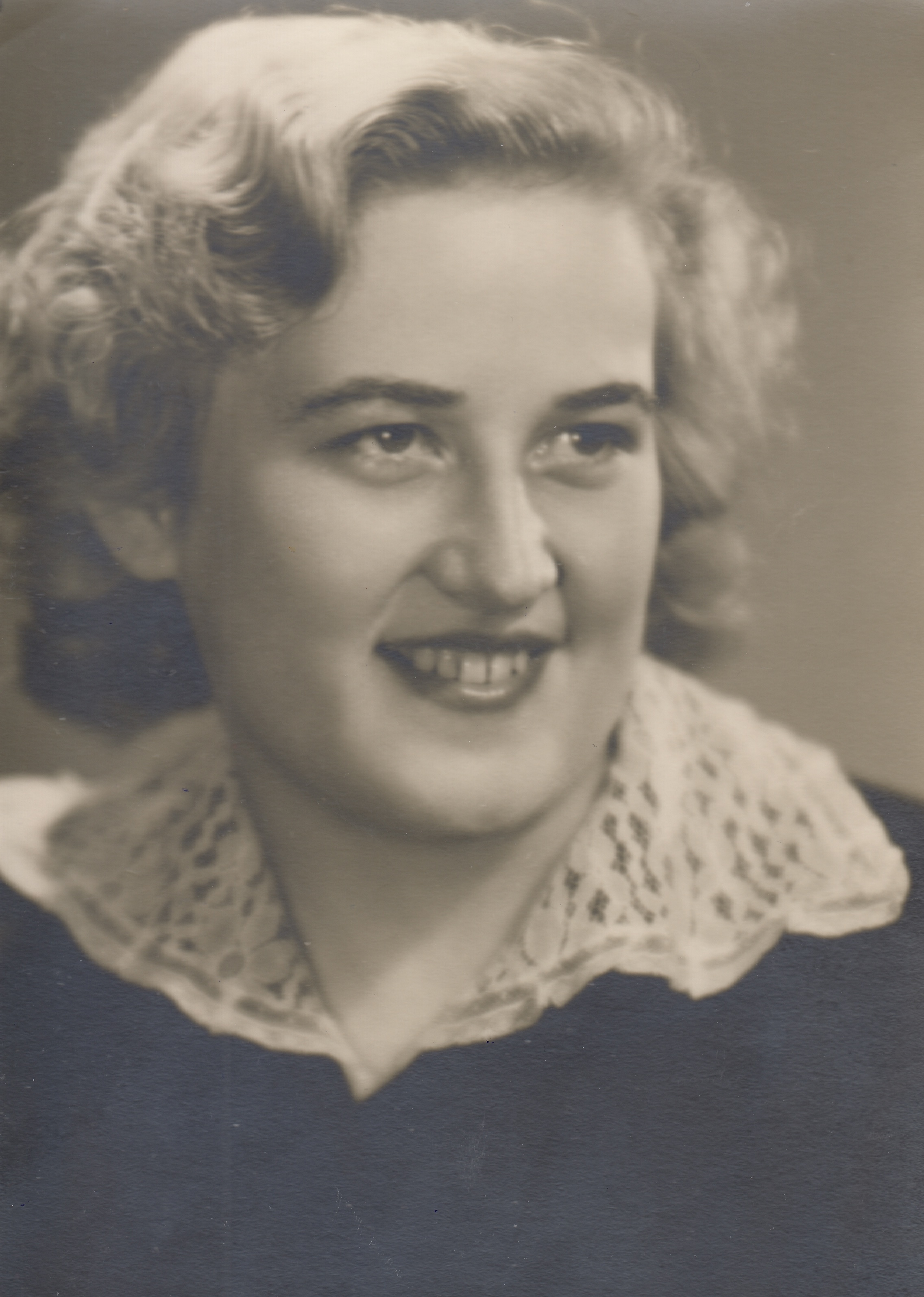
Hana Pelikánová, née Kurzawová, was born on 21 July 1939 in Czermin, Poland, into a family of Czech Protestant minority. Her ancestors took refuge in Poland after the Battle of White Mountain and lived there for more than two centuries. After World War II, the family found themselves among ethnically persecuted Czech Protestants, who were perceived as a foreign element in Poland at the time. In December 1945 they left for Czechoslovakia as part of their repatriation. The journey was dramatic: the train with the displaced people was stopped in Katowice and there was a threat that they would be sent to Siberia instead of Bohemia. However, thanks to the intervention of the teacher Vilém Hovorka, the families eventually arrived in Bohemia; the Kurzawa family and their neighbours settled in Kamýk in the Tachov region. Hanna‘s father Ernst decided to leave farming after returning from forced labour and the family moved to Stará Role near Karlovy Vary. Hana finished primary school there, graduated from the farm school and in 1957 graduated from secondary school. In 1957-1971 she worked as an accountant at the National Committee, later at the Municipal Cinema Administration and at the Karlovy Vary International Film Festival, where she was responsible for accountancy and pre-sales of tickets. She refused to join the Communist Party of Czechoslovakia (KSČ), which affected her job opportunities. In the 1980s and 1990s, she worked at the Ohře River Basin Company, where she also worked as an economic deputy after 1989. After 1999 she retired, but continued to help with the accounting in the family business. Hana Pelikánová has two daughters and lived in Karlovy Vary at the time of recording in 2025.