Milan Ohnisko

* 1965

  • "In Brno, materials were also disposed of, the famous burning of the State Security Archive in Kanice near Brno. Somehow we heard about it at the Civic Forum at the time and we went - I don't remember exactly how it was - but in any case with Roman Švanda, who was a student leader during the Velvet Revolution in Brno, or one of the student leaders, with my colleague, the aforementioned Vladimír Veselský, and probably with someone else, we went to Leninka, to Leninova Street, to the headquarters of the State Security, where we somehow forced the driver to take us to the Kanice. Which was done, and I just remember to this day how scared the driver was, and all the time he was saying that it wasn't his fault, that he couldn't do anything. Because State Security officers then became very scared. Because they didn't know what was going to happen, and it was obvious from everything that they were really afraid. They were scared for their existence and maybe they were scared for their lives, because nobody really knew what was going to happen. That it would be so peaceful and so considerate of them and so - too much and too exaggerated - velvety as it was, certainly nobody knew at that time, neither they nor we. The driver took us to the woods near Kanice, Kanice is a village northwest of Brno, and there was some secret State Security residence in the woods, a kind of secret building surrounded by barbed wire. It had a gate, and at the gate there was a big pile of printed material. It was at night, it was dark, so there was a fire burning in the dark. There was another person standing there, which was some kind of gatekeeper or caretaker of the building - where apparently nobody else was in the building at that moment, but who knows, I don't know, I just had the feeling, I don't know, actually - who was even more frightened than the driver who was taking us there. And he was standing next to this huge pile of half-burned, half-burning, third-half smoldering printed matter, various papers, binders, and I don't know what. I had the feeling that he was shaking, and he was saying that he wasn't to blame for anything, that he was just the caretaker. So we documented it somehow, took pictures, then we issued some report, some statement about it."

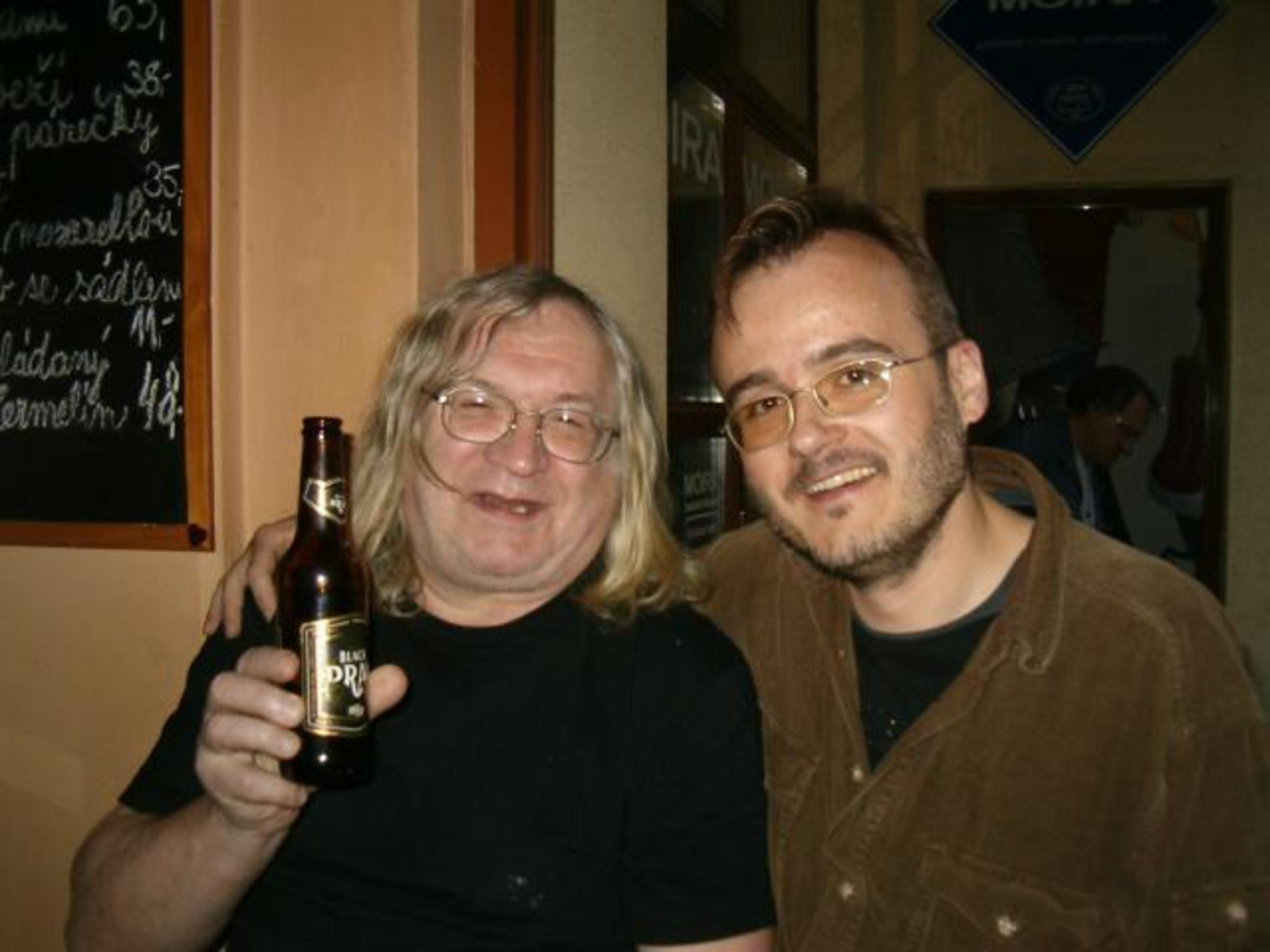
  • "I remember one quite good story, when I once came to Anglická street with my friend, the poet Jan Pukalík. Ivan Martin Jirous was there, and he said that there was an underground or illegal exhibition of paintings on Střelecký ostrov. Let's go there! So we set off from Anglická with Petr Uhl, Magor and Honza Pukalík on foot to Střelecký ostrov. And when we walked on the Most Legií, there was a quite comical story, because in the middle of the Most Legií there is a staircase that leads down to Střelecký ostrov. You could already see there that there were Máničky walking down the Střelecký ostrov and something was going on, that there was some kind of action. Just at the top of that staircase, there was a man leaning against the wall or against the wall like this, and he had a camera with a long telephoto lens, and there was somebody else next to him. They were dressed like tourists, wearing shorts, and they were taking pictures. And Peter Uhl said, 'Look, they're not tourists, are they?' And Magor looked and said - but we were already a meter away from them, right next to them - he said, 'No, they're not, Petr, they're not tourists, they're State Security officers. Should I beat him up?' He said it so loudly that he heard it. And Petr Uhl said, 'I don't think that's a good idea.' So we went around them and went down to the exhibition. So that's a story I like to remember."

  • "The journey was roughly that I joined the dissent - because I knew and suspected that it existed and that there were these people not only in Prague but also in Brno, but I didn't know anyone directly. And by chance, or by fate, I went to Prague for a weekend with my then-girlfriend. I was sixteen, maybe seventeen. We had no place to sleep and in the evening on the Charles Bridge there was a group of Máničky playing guitars. We followed them, which is something absolutely unthinkable from today's point of view, but it was often like that then. That we would just ask if we could sleep over. They were very friendly, they included us right away. One of them, who later introduced himself as Roman Laube - and I found out later that he was a prominent Czech anarchist, I had no idea at the time - invited us to stay with him. It was in some kind of a prefab apartment, I don't really know where, because I hardly knew Prague then. Maybe in Dejvice, maybe somewhere else, I really don't know. We were still drinking beer there in the evening - or at night, in the kitchen. And he gradually brought there a huge mountain of samizdat and cyclostyles. It turned out that he was working in a printing house and that he was secretly printing Infochs and all sorts of things there, and also that he was going to Poland and bringing Polish samizdat from Poland, and probably even having some of them translated and printed. He was doing something - I don't even know if it occurred to me at that moment what I was seeing and hearing on that table in that kitchen. But in retrospect, there's no doubt that he was doing something that could have put him in prison for many years. It really wasn't fun anymore. But he was a brave boy. The result was that the next day we were returning to Brno and I had a backpack full of samizdat and various printed materials. Including Infoch, Information on the Charter, published by Petr Uhl and others. So it was with great pleasure that I took it all home to Brno and at home I took it all out of my backpack and read it all carefully. The excitement that overwhelmed me cannot be described in words."

  • "It was a totally disembodied, inauthentic system that was fully in the service of the regime. And at the same time it was somehow marking itself, that is, pretending the opposite. And it was actually based on a lie. If we put aside the exact subjects like mathematics or physics or chemistry, which of course were not based on lies, because what was there to lie about... The formulas didn't threaten the regime, nor did the equations. But if we were talking about subjects like civics, like history - but also like Czech language, because of course there was some penzum of compulsory reading, there were some essays that were already based in advance... or some self-censorship was assumed. You could hardly write in an essay about what you thought about 1968. That is - it may not be quite easy to describe it succinctly - but it's as if the lie permeated everything. The lie, the pretense, the inauthenticity, but also the fact that nobody really perceived you and took you for the person you are. You are this, you are some, and you are different from your classmate. My basic impression and feeling was that we are conceived and we are conceived as interchangeable figures who are all the same and are somehow made of cottage cheese or tofu and have no personality - or are not supposed to have any personality in the sense that I'm talking about it. Well, that's about it."

  • "And then there was a second moment in civics when the teacher - I mean, civics - called me in and told me to describe the difference between the status of youth in the Eastern and Western Bloc. So I stood in front of the class and I described, in the spirit of the sort of expected, the difference, that is, how the youth in the Eastern Bloc are doing great and how the youth in the Western Bloc are doing bad, how capitalism is crushing them, while the youth here are just singing their lungs out, to put it in a nutshell. And I got an A or a B for that. She was happy, I went to sit down. And that completed my feeling of humiliation and I left the school that day with a feeling of real heavy humiliation and I decided, as Ladislav Klíma writes somewhere in his biography, that I would never go to any school again, so I can quote or paraphrase - I decided that I would never go to any school again. And so I kept it."

  • “It was only at the beginning, during one of my first interrogations at Leninova. Capt František Veselý, ‘my main officer’ who combined a familial and fatherly attitude with a sort of secret police austerity and malice, told me I was on the verge of abyss and that it was really up to me only: Either I will go on and end up really badly, or I will turn my back on all of my… I don’t know how he put it – maybe buddies or so – and everything would be all right. That was the only thing, and other than that I cannot remember them ever offering me collaboration. If they did, I may have forgotten or it was not important or distinctive. Then again, I do remember finding out after the revolution that two or three people had informed the police about me; they recruited them for collaboration and they were confidents. Things were simple for me in this sense because I was never pressured into anything.”

  • “My answer will be very brief I’m afraid. My expectations… I don’t know if I had any expectations and what they were. So let me answer the second part of the question instead: I never regretted anything for one second. Not then, not later. I feel that if, with a bit of a hyperbole, I was at the decisive age of maybe sixteen now and that situation occurred again, I cannot really imagine my life story unfolding in a principally different way from how it did. I never regretted anything.”

  • “I certainly feared they would beat me up because it happened now and then. For example, my good and close friend at the time, the dissident and poet Jan Pukalík who sadly committed suicide in 1988, got beaten up in Brno during an interrogation in the regional headquarters of StB in Lenin Street by a secret policeman called Bata. He beat him quite brutally, dragging him on the ground by his hair so he pulled some hair out of his head. It was quite brutal. Things like that happened and I had a truly primitive, almost animal fear of getting beaten up too. That scared me. That was one thing that used to scare me. I didn’t fear psychic pressure because there was not much for them to press on; I was in an auxiliary profession, quite lowly manual position, no children, no family so there was not much to press on. The other thing that I feared every time I was interrogated was that it would end up with them taking me directly to detention, then to court and then to prison. Those were the two things that scared me during every interrogation – being beaten up and being imprisoned. I would lie if I said that I wasn’t scared – I was.”

  • Celé nahrávky
  • 1

    Praha, 05.11.2015

    (audio)
    délka: 03:19:32
    nahrávka pořízena v rámci projektu Stories of 20th Century
  • 2

    Praha, 02.10.2024

    (audio)
    délka: 03:54:06
    nahrávka pořízena v rámci projektu Stories of the 20th Century TV
Celé nahrávky jsou k dispozici pouze pro přihlášené uživatele.

He felt that „life is elsewhere“. What he was looking for, he found in dissent
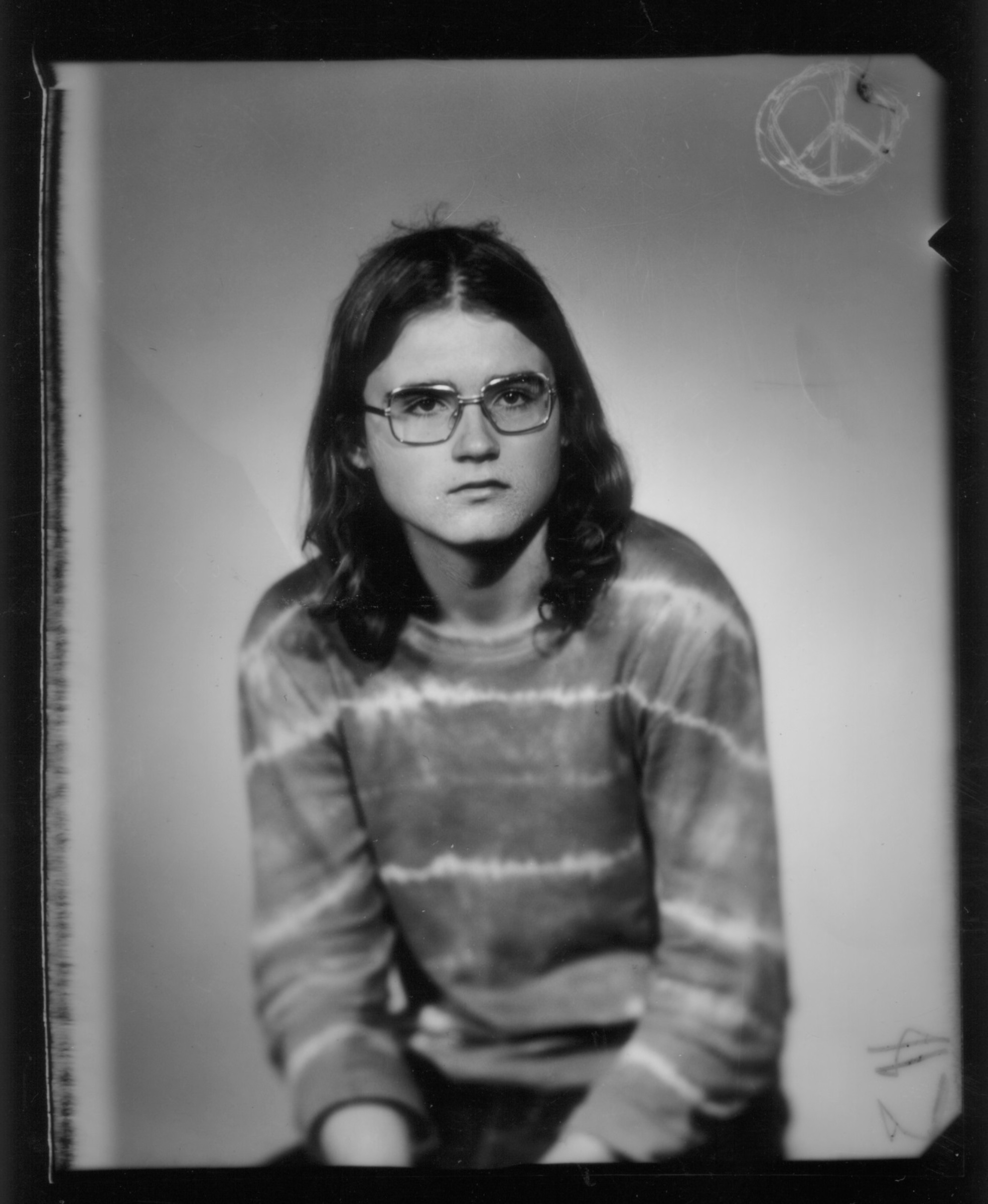
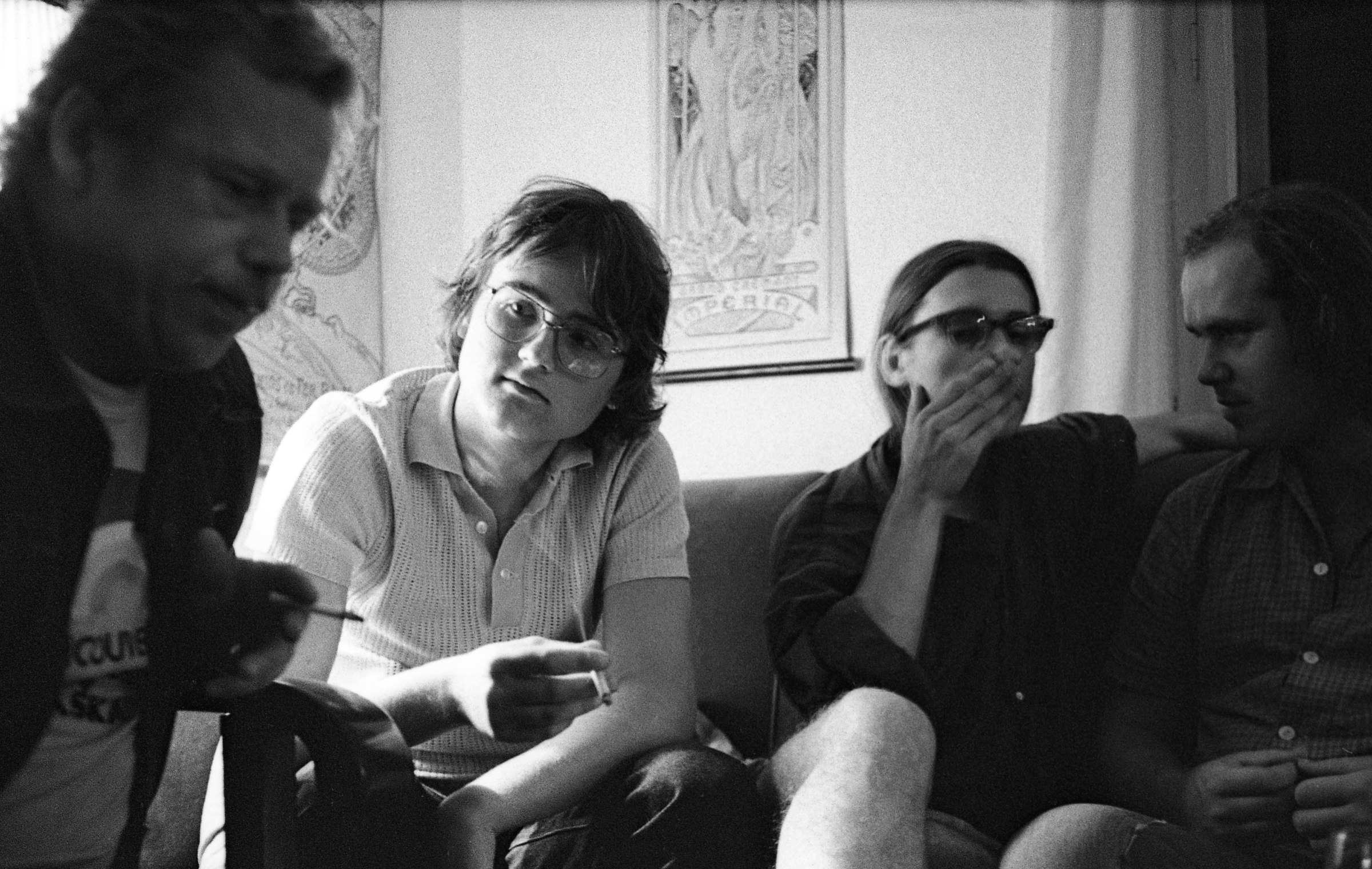
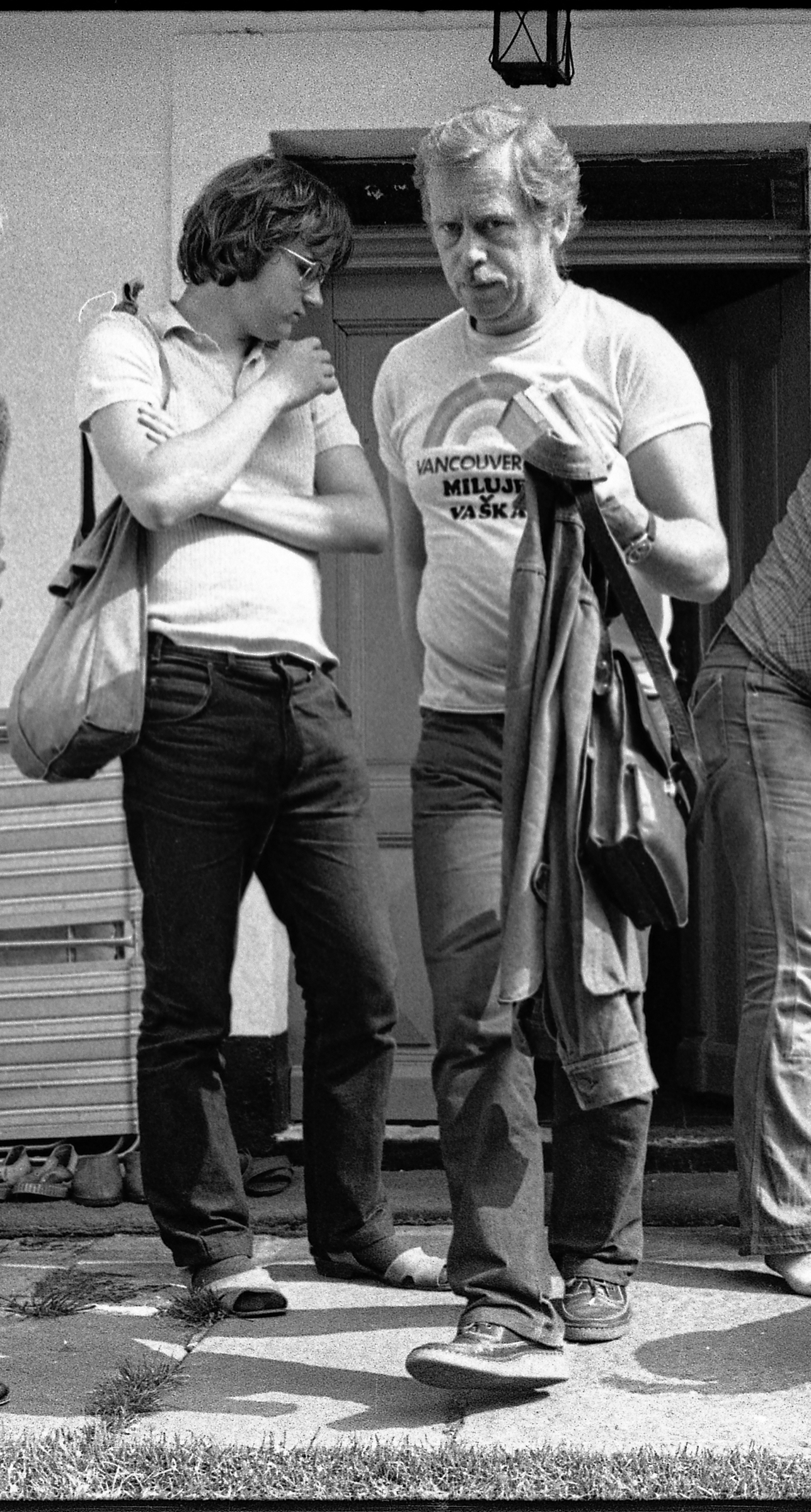
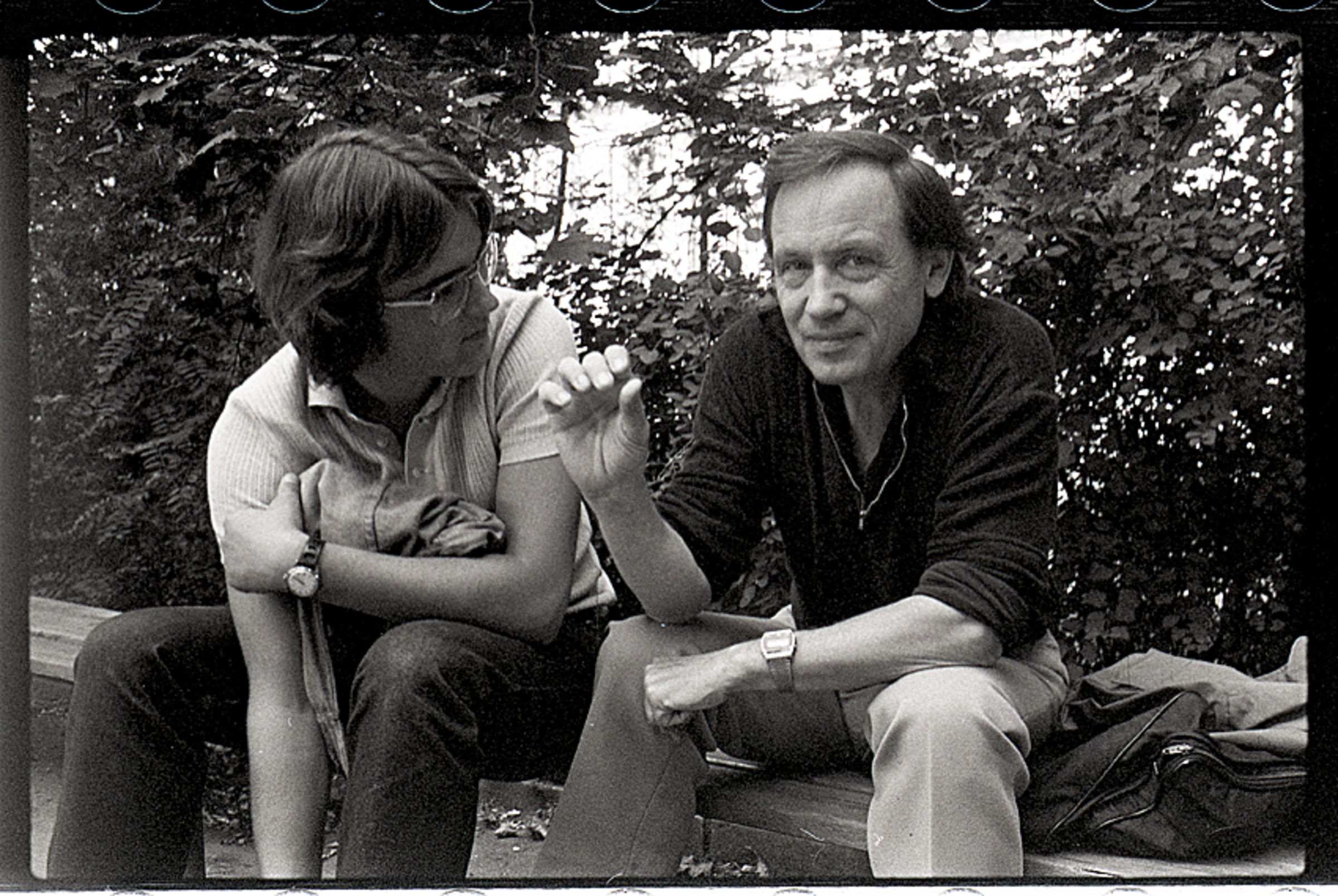
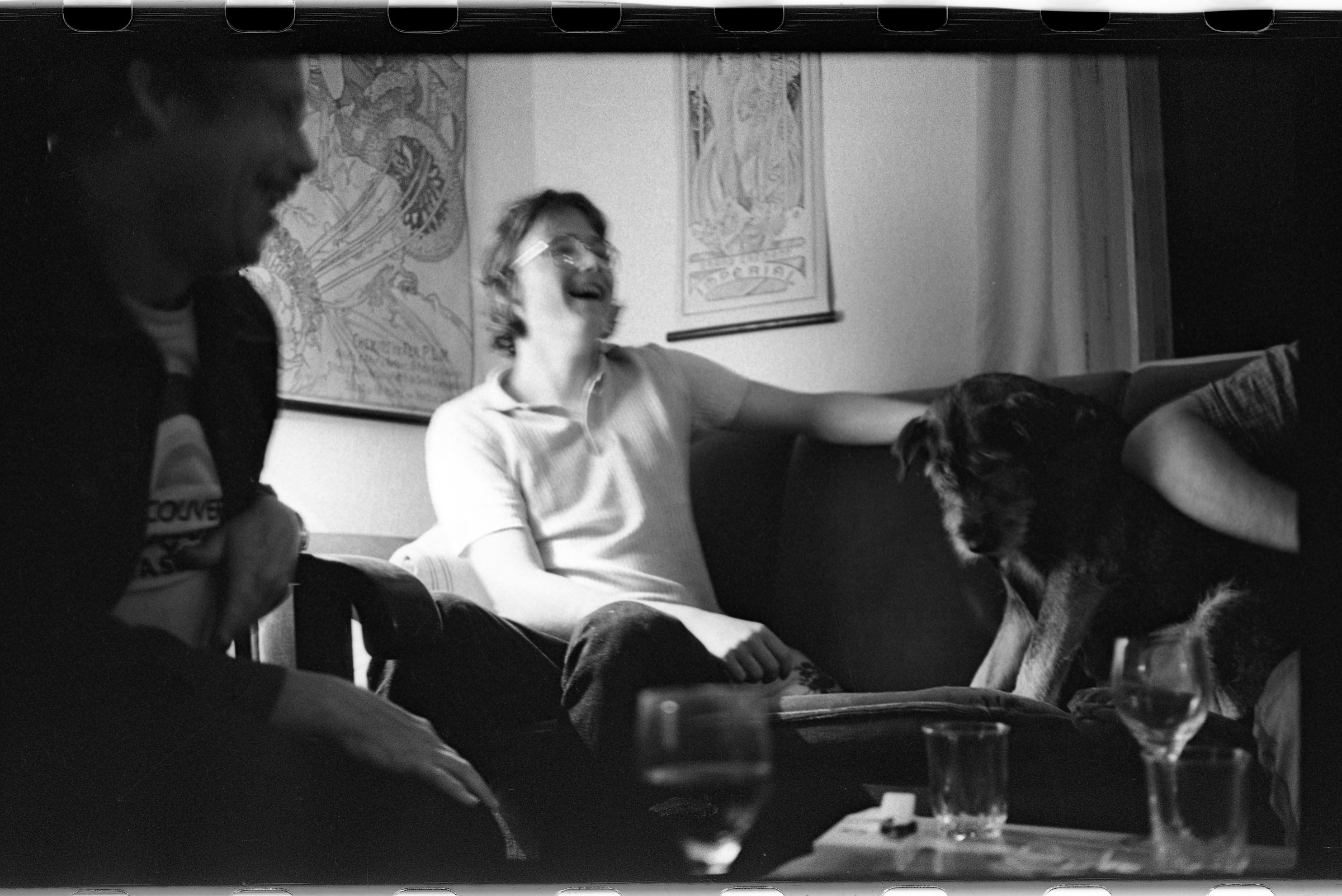
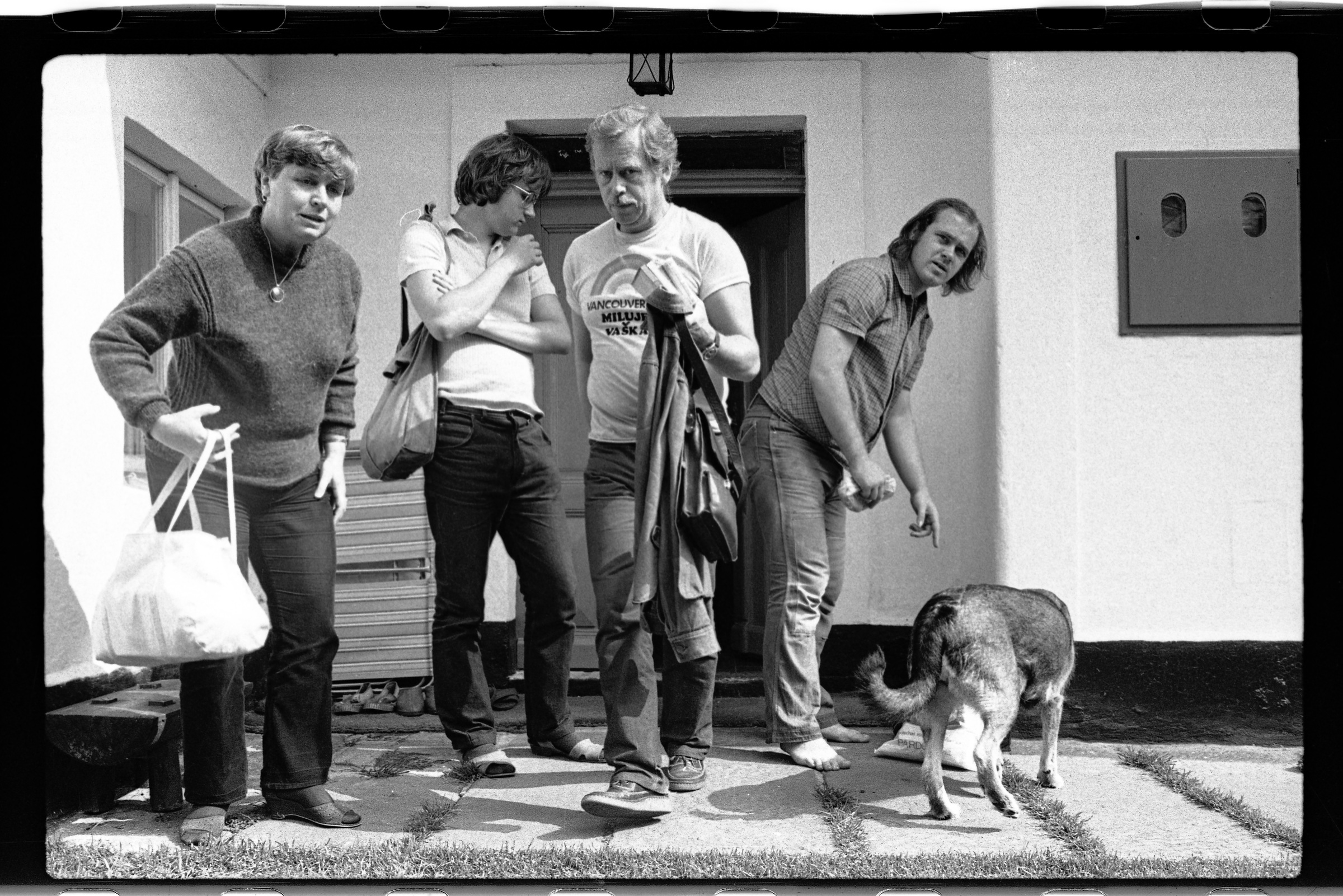
Milan Ohnisko ca 1982
zdroj: archiv pamětníka

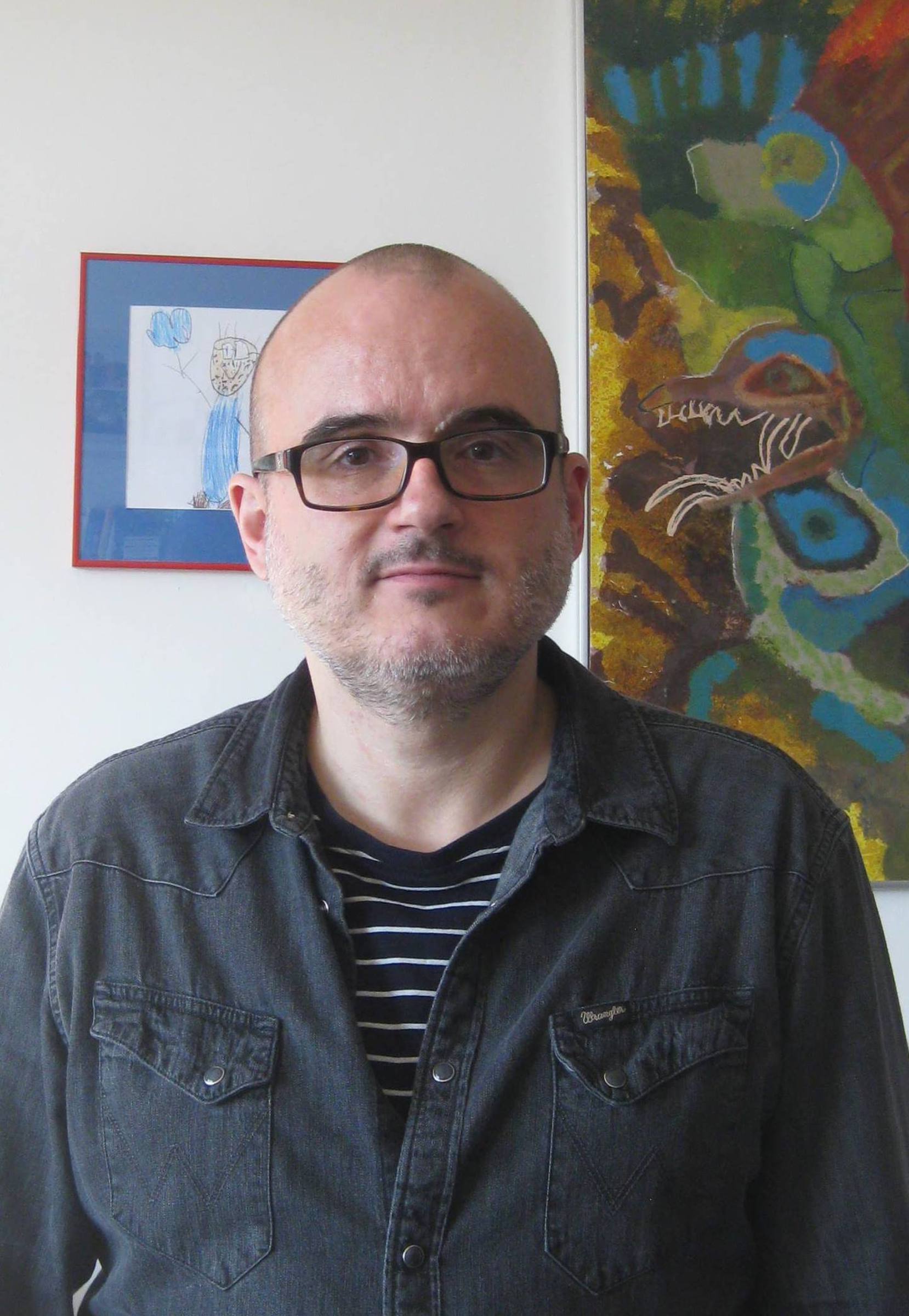
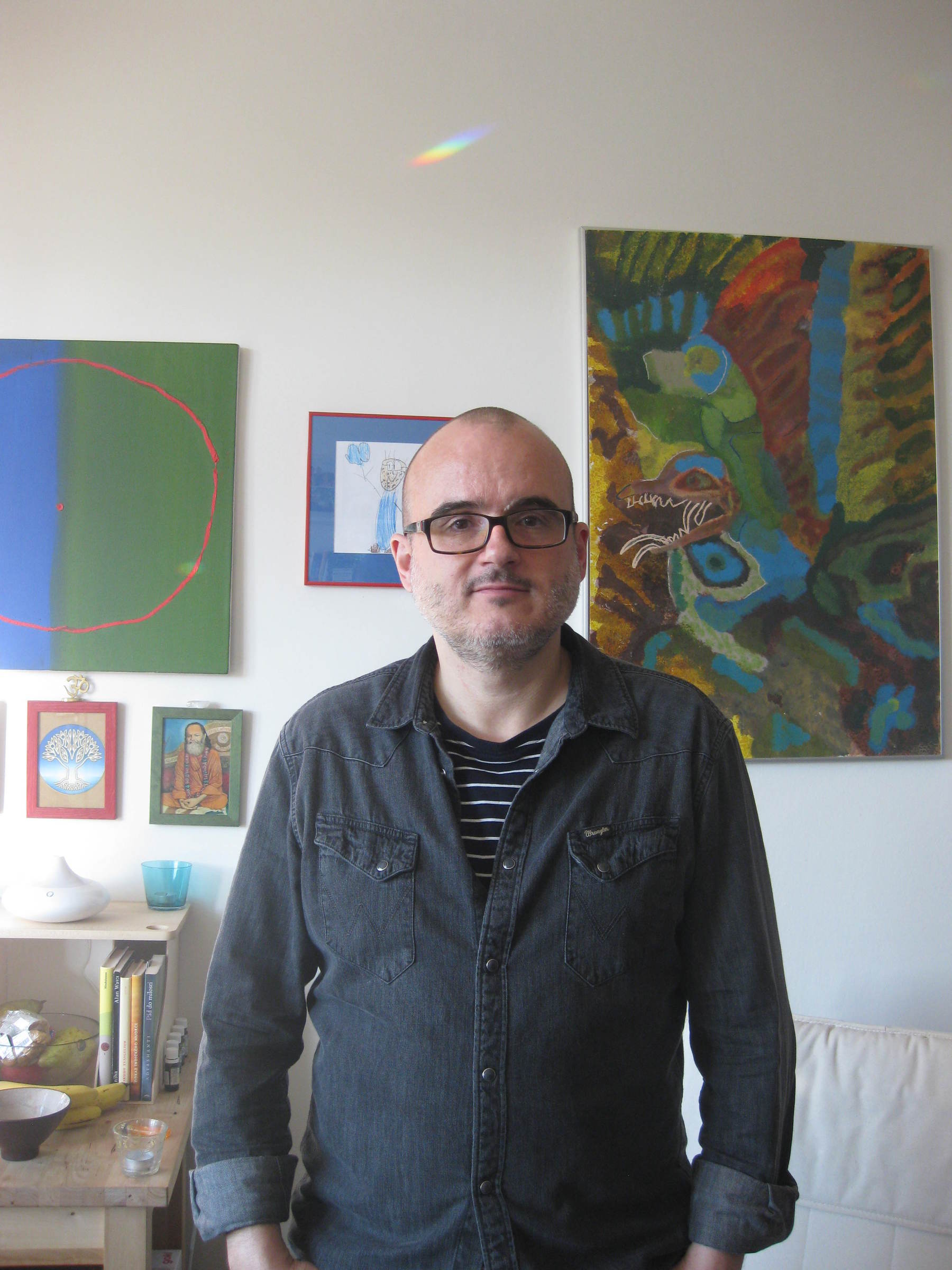
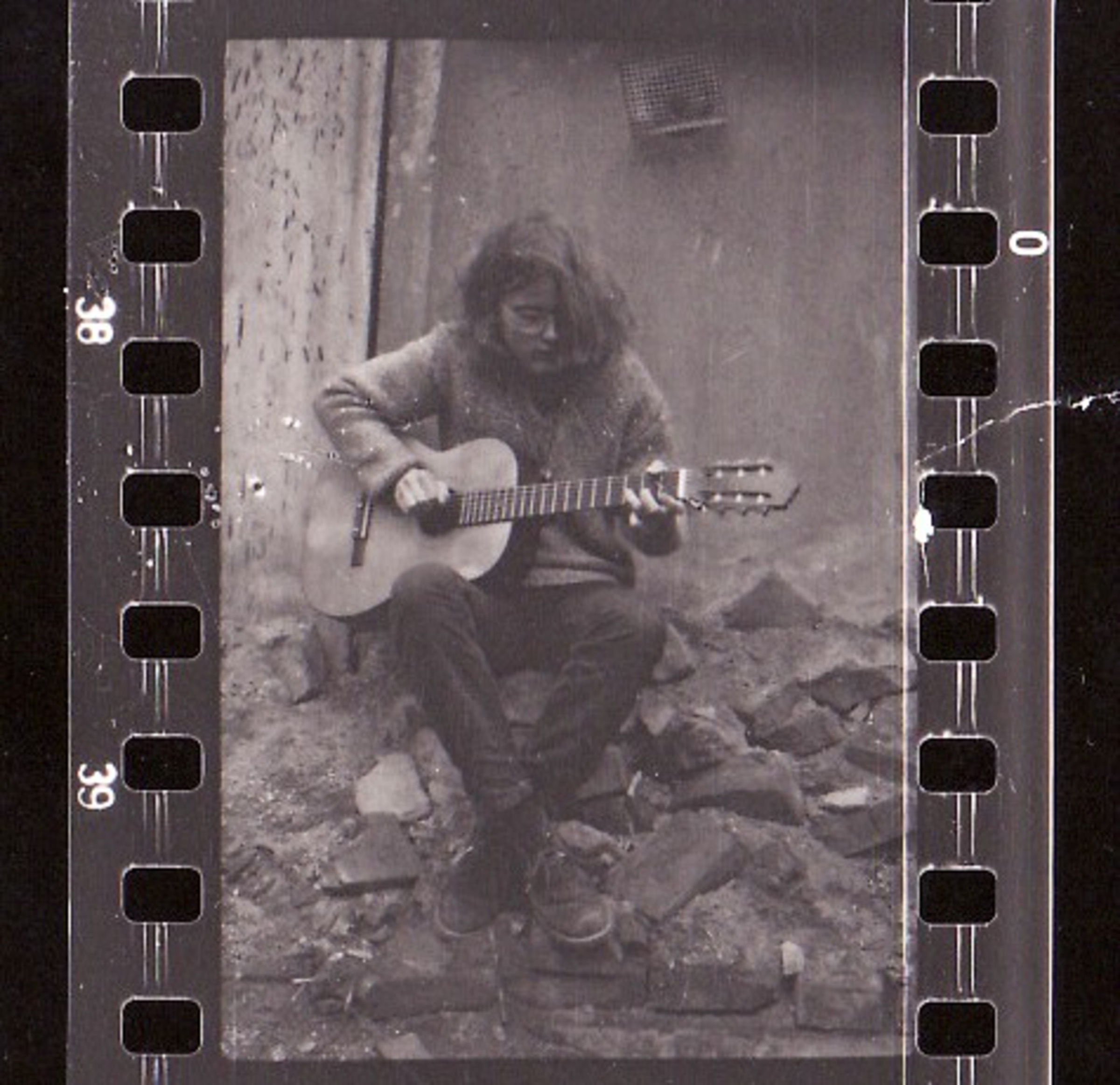
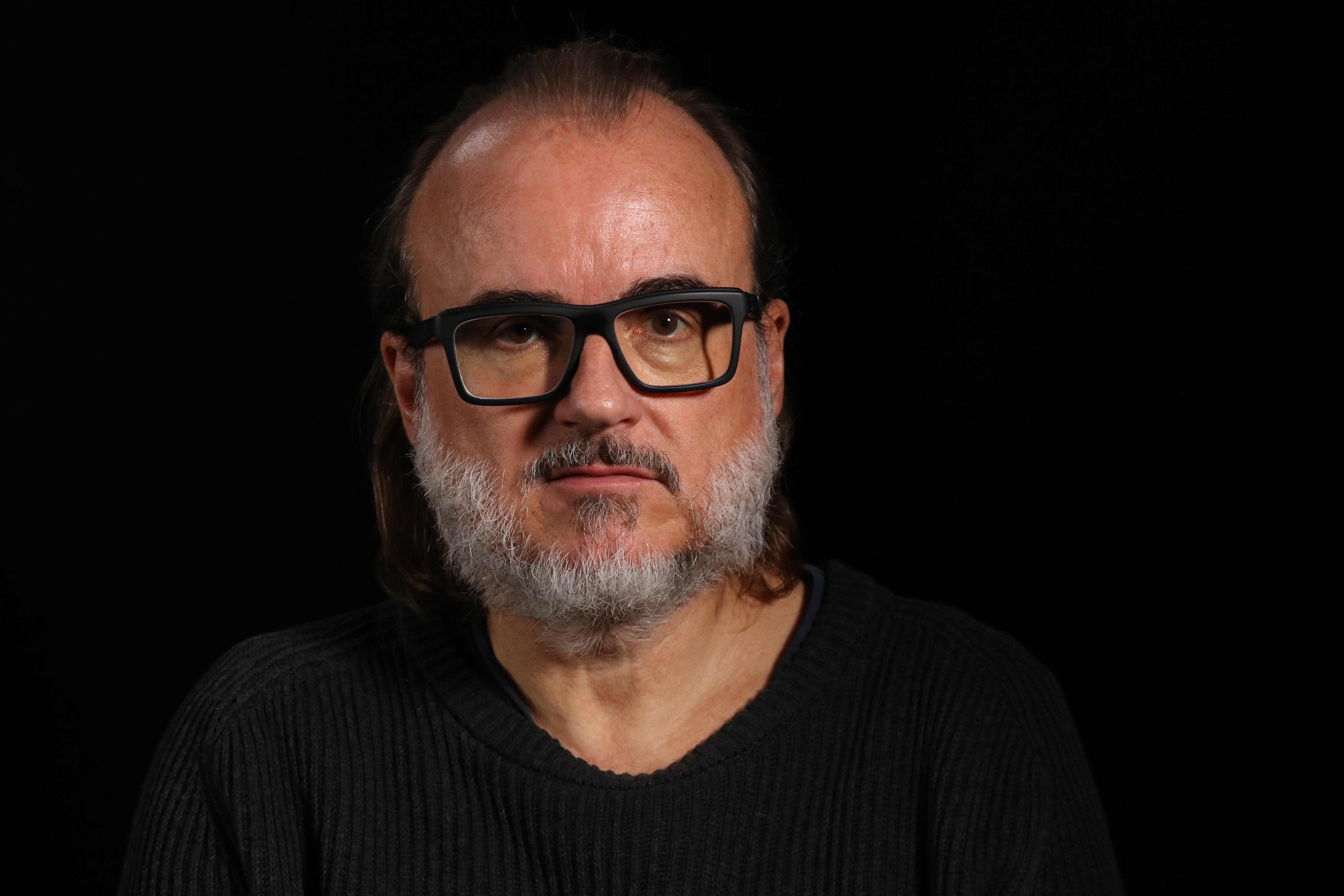
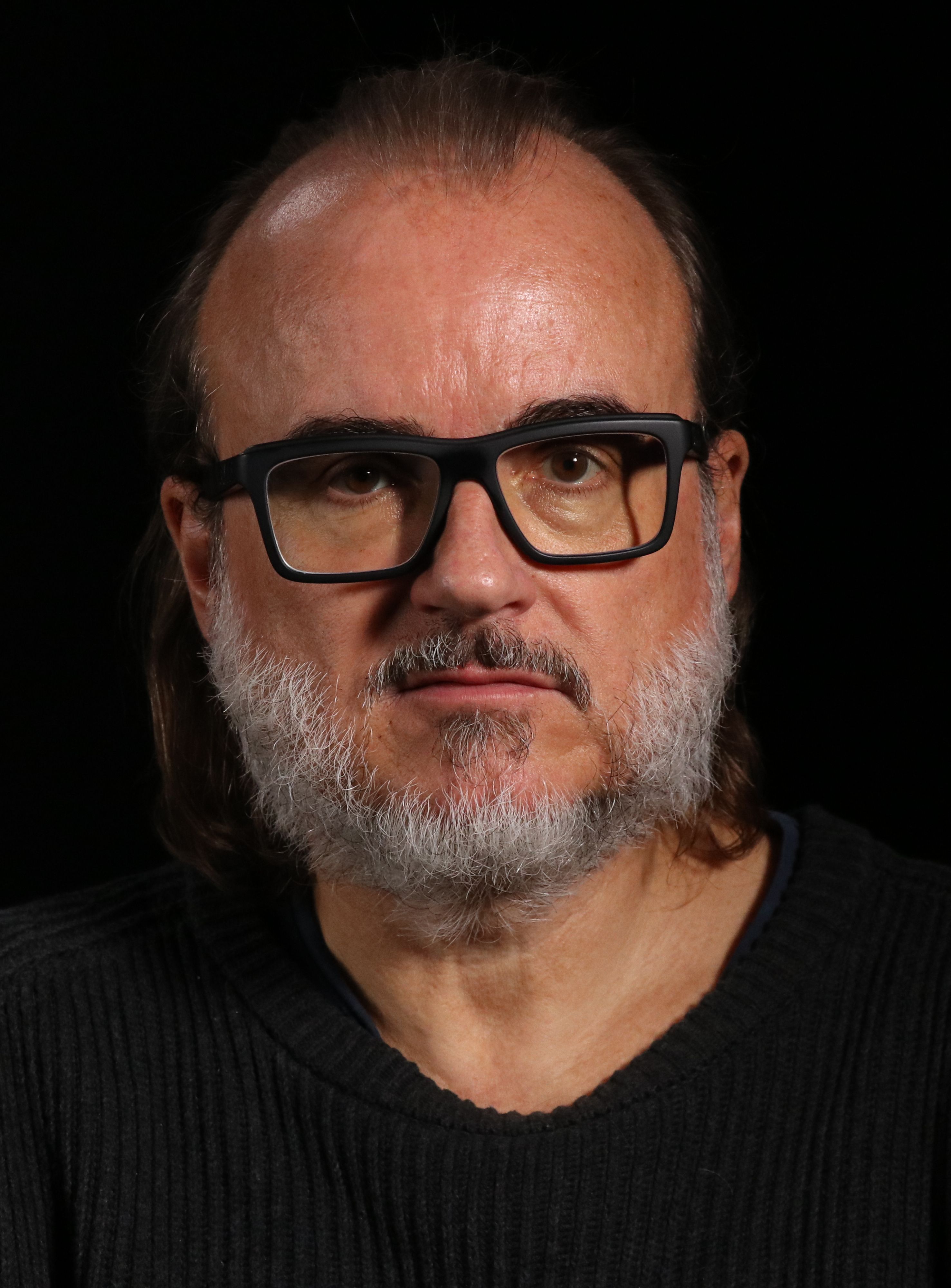
Milan Ohnisko was born on July 16, 1965 in Brno in the family of an engineer and a clerk as the older of two brothers. His parents did not define themselves against the regime and led their children to accept the situation in the same way. He began to study at the grammar school in Brno, where, however, he was bothered by the lies and hypocrisy of the normalised education system. Therefore, he left the grammar school in 1981 and subsequently also the secondary library school. Until November 1989, he worked in the auxiliary worker professions. He made a concerted effort to get acquainted with Brno dissidents, and thanks to Petr Pospíchal he succeeded in the early 1980s. He then acted as a liaison between dissent in Brno and Prague, rewriting and distributing unofficial newspapers and samizdat, and gathering signatories for petitions. In January 1987, he signed Charter 77. He was followed by the State Security, detained and investigated several times, most recently a few days after 17 November 1989. During the Velvet Revolution he was involved in the activities of the Brno Civic Forum, where he worked as a correspondent for the Brno branch of the East European Information Agency. He witnessed the destruction of materials from the archives of the South Moravian State Security in Kanice near Brno in December 1989. After the revolution, he ran a publishing house, operated a bookstore and made a living as a publishing editor. In 2012, he moved from Brno to Prague and has since worked as editor of the literary magazine Tvar. In September 2014, he received a certificate for his long-term activities in dissent and resistance against communism. He writes poems and won the Magnesia Litera Prize in 2017 for his collection Světlo v ráně.