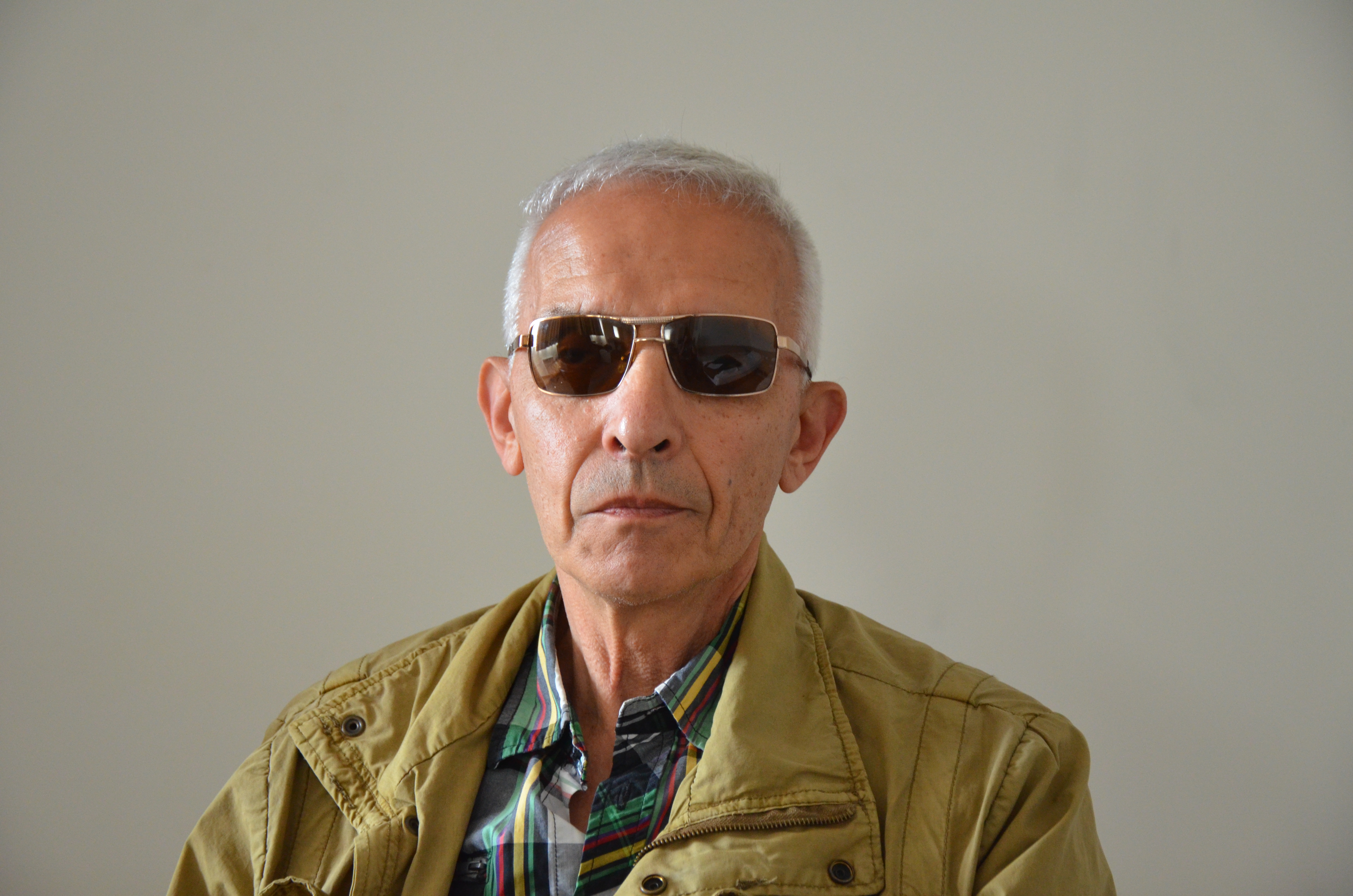
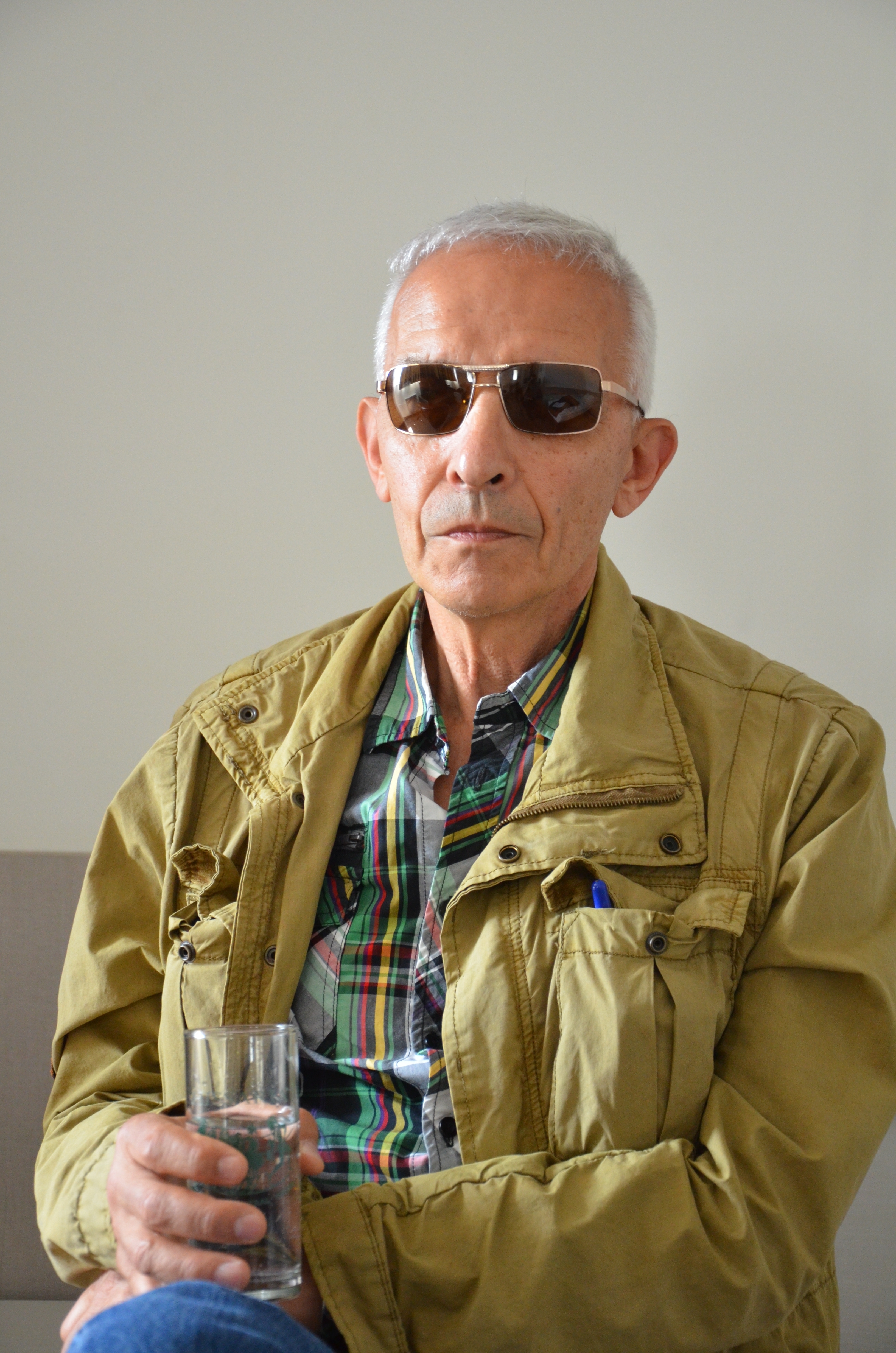
At the University of Sofia he was the only one who directly experienced the atmosphere of the Prague Spring and the subsequent occupation
Angel Nikolov was born in 1943 in Bulgaria and spent his childhood in Sofia. His father was imprisoned in a concentration camp in Bulgaria during the war because banned literature was found in his possession. Both parents were university graduates and ardent communists. After the war, his mother worked in the National Assembly, his father in the civil service. Angel Nikolov thus grew up in a prominent family along with his younger brother and sister. He graduated from secondary school in Sofia, at which time he began to perceive the contradictions between communist ideology and real life. He was also strongly influenced by Western rock and beat music, which was severely suppressed in Bulgaria. He and his friends would meet secretly and use tape recorders to record and spread the songs of Elvis Presley and the songs of the first beat bands. However, he was facing two years of military service, conducted in the spirit of Soviet army practices, so he experienced bullying and humiliation. When he returned to civilian life, his father told his family that he had gotten a job in Prague at the magazine Questions of Peace and Socialism. So in 1963 the whole family moved to Czechoslovakia, where his mother then worked at the Bulgarian embassy. They lived at 52 Dejvická Street in a house where other communists from abroad (Syria, Soviet Union, Bulgaria) lived. Angel Nikolov started to study architecture, but interrupted his studies because of language problems. He was tutored in Czech for a year by Bohdan Prošek, a member of a Czech business family that was active in Bulgaria before the war. In Prague, Nikolov met students from Cuba, South America, Africa - and, of course, Czechs. After two more years of study, he interrupted his studies again. As a foreigner from a socialist state, he had the opportunity to apply without examination to another school, which he took advantage of and enrolled to study art history. In August 1968, he witnessed the invasion of Soviet troops. On the night of 20-21 August, he observed tanks driving from Ruzyně through Dejvice to the centre. The next day he took part in protests in the centre of Prague. He was present at the shooting on Wenceslas Square, and during the fighting at the Czechoslovak Radio he helped to treat the wounded. In the autumn of 1968 Nikolov returned to Bulgaria, where his father arranged for him to study history. As he was the only one at the University of Sofia who had experienced the atmosphere of the Prague Spring and the subsequent occupation, he was questioned about the events in Czechoslovakia not only by his classmates, but also by professors and party leaders. He never had any problems because of the testimony he gave to students and professors. On the contrary, he was a witness in the trial of three Bulgarian students who wrote a petition in support of the Prague Spring. Two withdrew their signatures under pressure, the third ended up in prison for twelve years. Nikolov went to Czechoslovakia to visit friends every year and experienced the onset of normalisation. He last visited Prague in 1991. He published a book about Bulgaria‘s participation in the August invasion, The Hot Summer of 1968, in 2013.