Professor, Ing., CSc. Jiří Němeček

* 1947

  • "Our secretary came to me, crying and saying, 'Jirka, you should go to 28th October Street.' That's where the municipal police are in Jablonec, the National Sercurity Corps used to be there. And I went there and I came there and it's a classic thing that you sit down in the middle of a room where there is nothing, just a chair, a table, and then this person came and started asking me what I was doing wrong, but at the time I really had no idea what this person was talking about, why I was there. Of course, the police at the time were all about making the person insecure, so that they could [get him] to confess to something that maybe he hadn't even done. And when that went on for about an hour, all of a sudden he said, 'You know, we have a problem. We've got a second denunciation against you and we're in such a stupid situation now. We're being pressured to sort it out, but we don't know what you've done' and I said, 'I haven't done anything, I don't know what you're still talking about...' And he went on to say, 'You know, it must have been a German or a German speaker who wrote it against you, it wasn't a Czech.' And at that moment, it dawned on me, because the neighbour who reported us was Slovak. And she was from Slovakia, she had Slovak schools, so she couldn't write Czech. At that moment it was clear to me where the wind was blowing from, what she had written against us. But the really unbelievable point of the whole thing was that the policeman said to me, 'You know, sir, or comrade, if you find out who wrote this on you, tell us right away.'' And I said, 'You can count on me to tell you.' So it was really such an incredible perversion of the regime and the stupidity of the people who were supposed to serve the regime, but served it so stupidly that they weren't even able to get at the truth."

  • "We didn't want to call the demonstration to any place - for example, in front of the town hall - because it would probably have been possible to disperse it quickly. So they chose this interesting way of protesting, where they all put on these paper clothes and wrote slogans on them that expressed their protest. We walked in a long procession through the whole town, and we knew that if someone ran out on us we had the opportunity to rip the clothes, crumple them up, throw them away and run away. Kind of like the time I mentioned that August 21, 1969, when everyone was running. They fired tear gas at us right away, smashed half of Pražská Street, the shop windows downstairs were of course smashed to smithereens. All this was blamed by the propaganda of the time on a justified boycott, but of course wrong from their point of view, and the resistance of capitalist renegades - in the jargon they used then. But I think the action was successful, and at the time, going back to the demonstration, most people saw that the young people were willing to give something to it and to take risks. It was a bit of a call to not give up and not to resign, but in the end the regime, the organized violence, won over the will of the nation."

  • "I remember the great enthusiasm and the many stories of people saying that the Czech nation is not an exceptional nation - I think in some ways the Czechs are amazing. I would give one example. When the Russians came here, Liberec was full of tanks - along today's Sokolská Street from the bottom to the top. And we were standing in front of a building that wasn't there at the time, in front of the Ambiente restaurant, and there were a lot of vehicles, tanks, trucks, and everything was full of people trying to explain to the Russian soldiers what was going on, why they were coming here, and so on. But nobody was vulgar to them, people were really trying to convince them that they had come somewhere where nobody wanted them to come. And again, it's an amazing parallel to what's happening in Ukraine at the moment, especially in the south - now occupied. And imagine that some people took a box of ammunition off a tank and carried it away. The crowd descended on them, saying, 'Don't be silly, they will accuse these soldiers of losing their ammunition and shoot them!' And the crowd drove them to give the ammunition back to the occupiers. And I think this is an incredible example of how exceptional the Czechs are. And I think it would be hard to find a nation that could boast something like that - that they have retained their humanity even in the most difficult times of Czech history."

  • Celé nahrávky
  • 1

    Liberec, 15.03.2022

    (audio)
    délka: 01:56:38
Celé nahrávky jsou k dispozici pouze pro přihlášené uživatele.

He revived the former glory of the Liberec Exhibition Fair by opening the Technical Museum
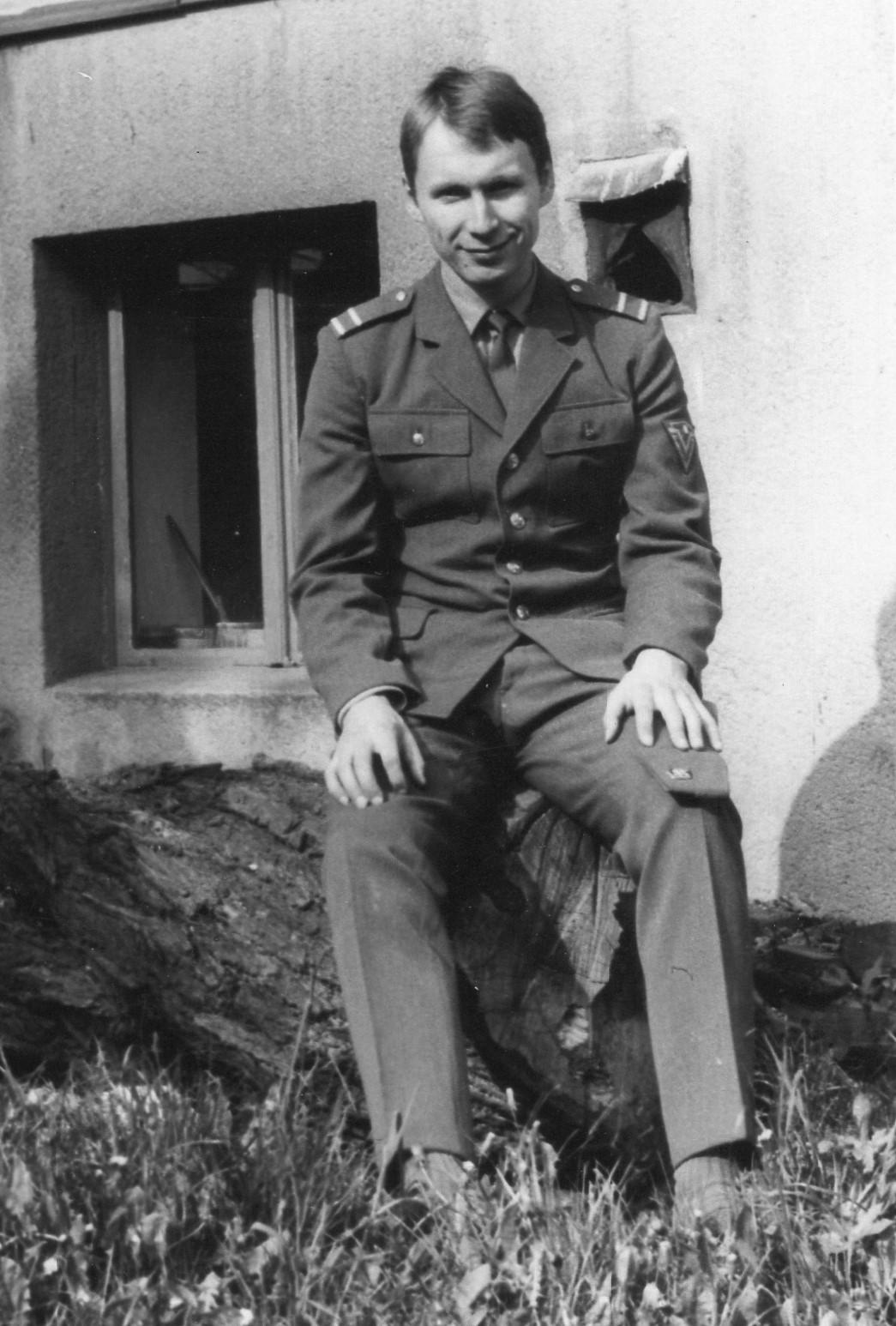
Jiří Němeček at the army in 1969/70
zdroj: Witness´s archive

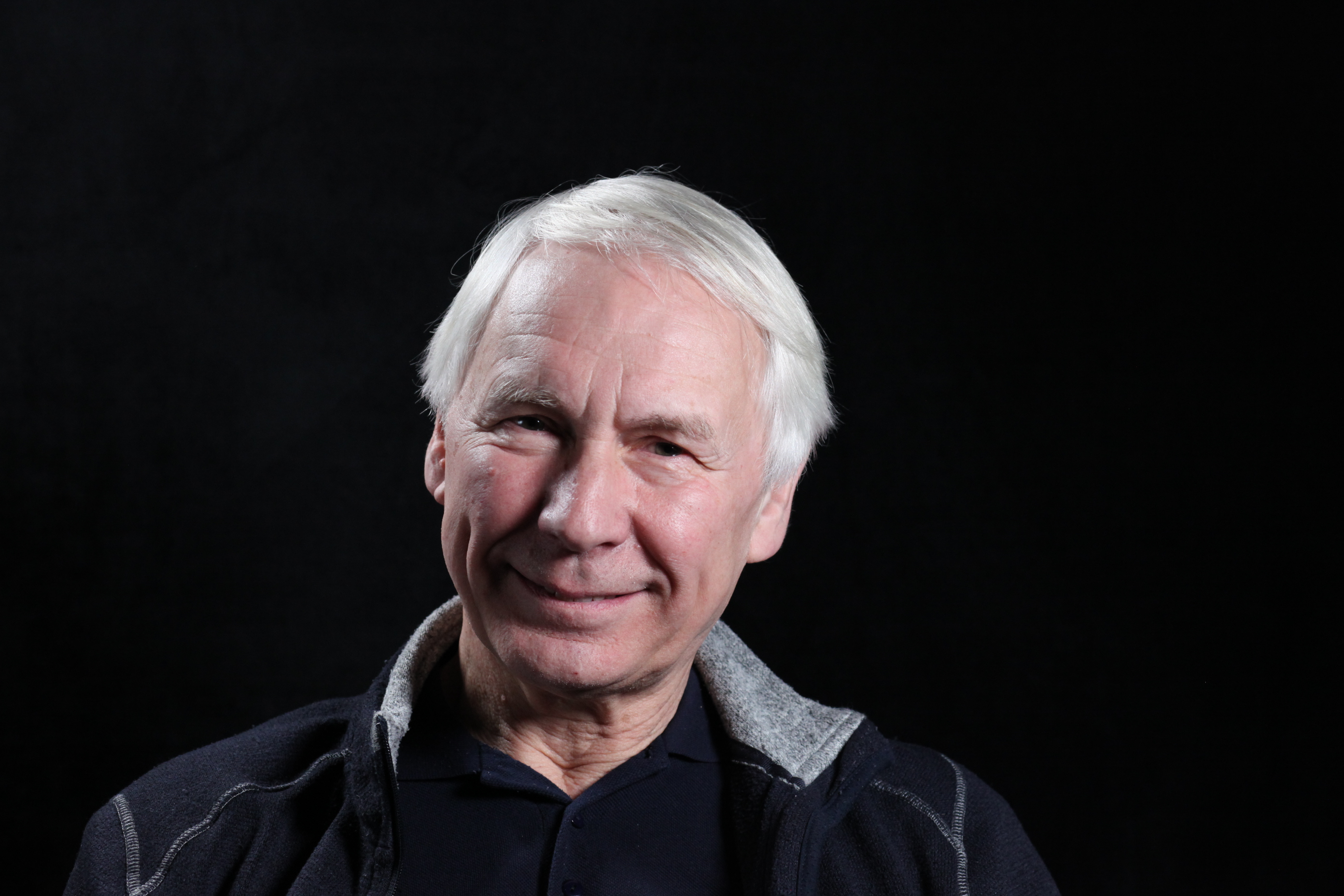
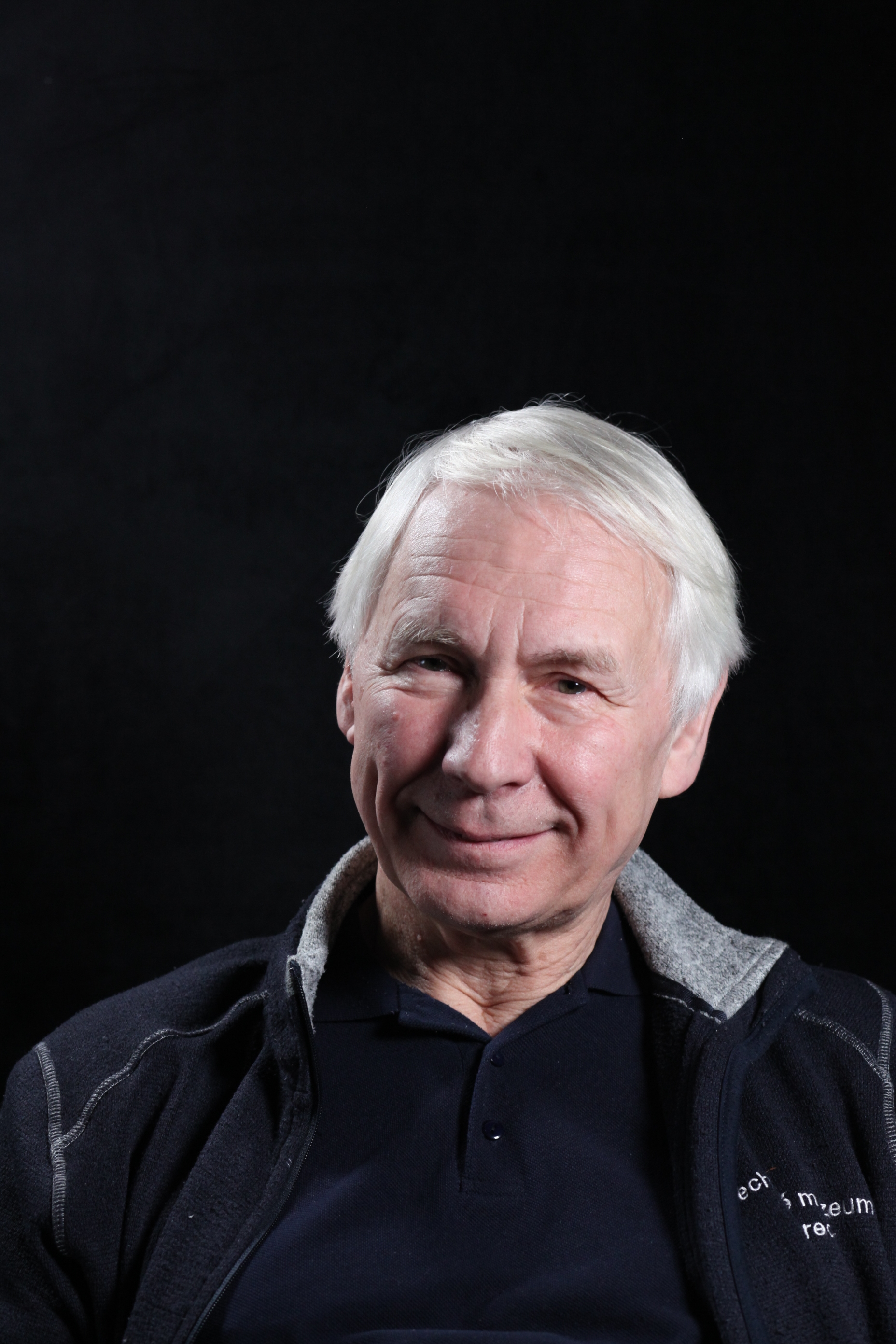
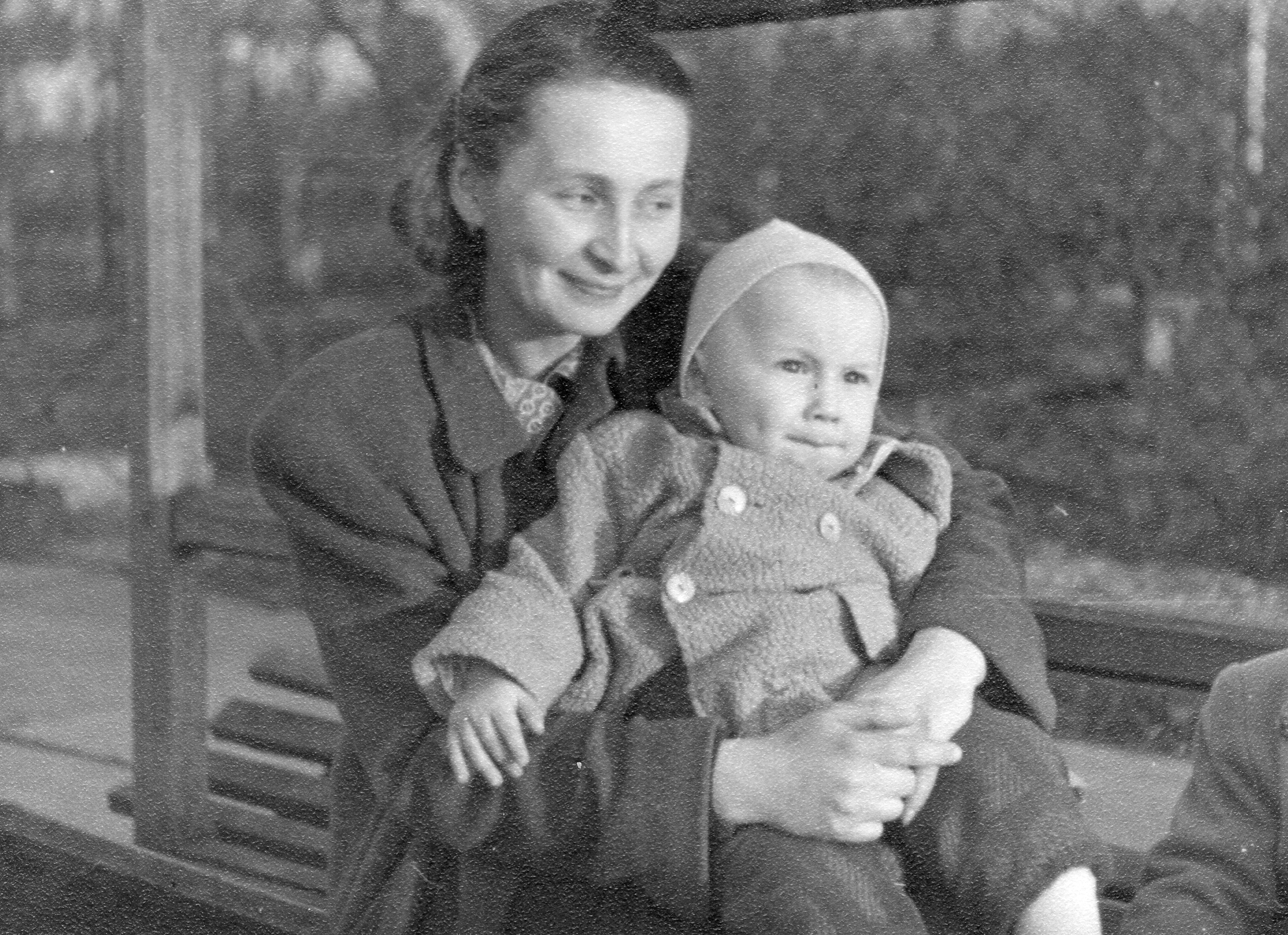
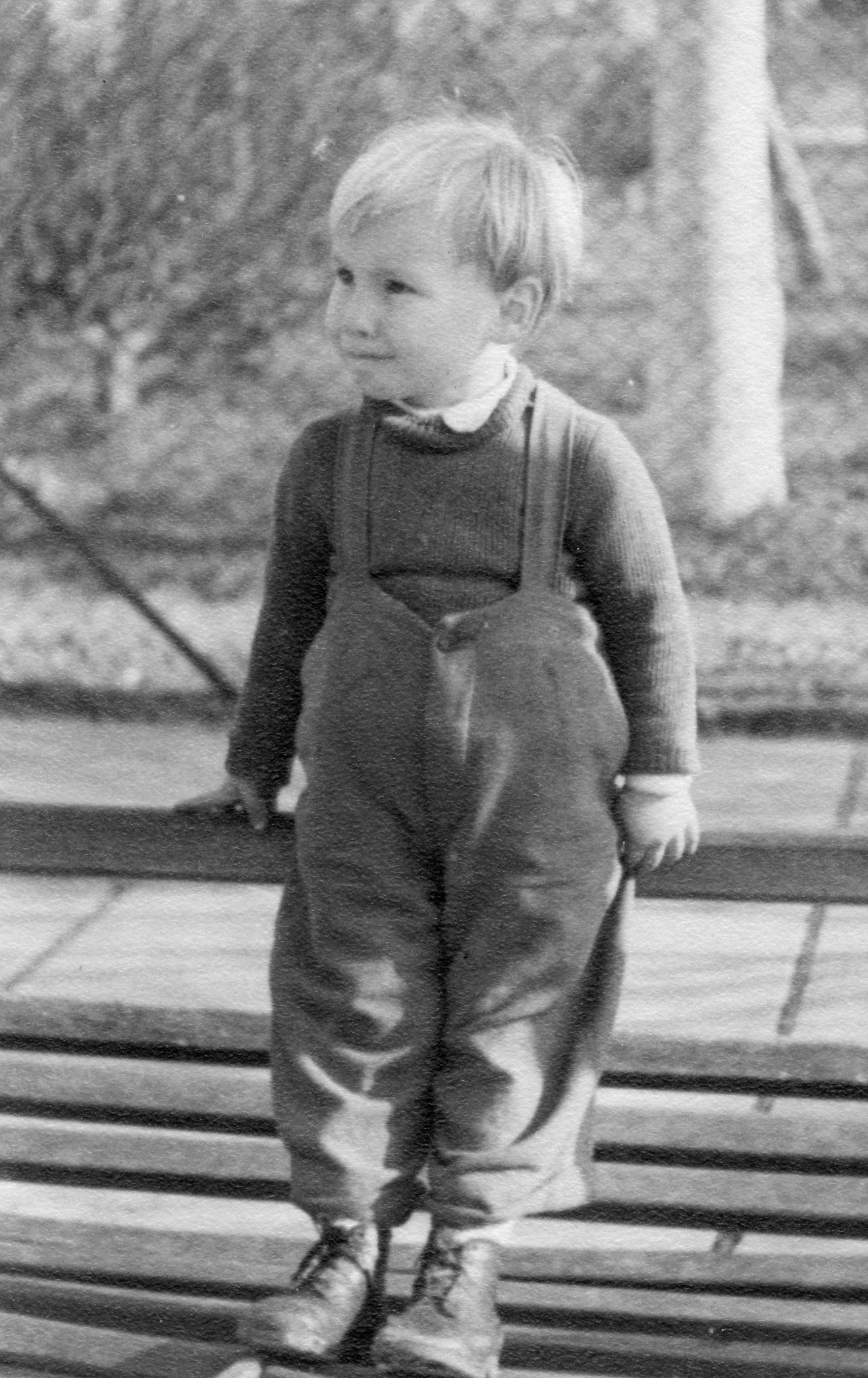
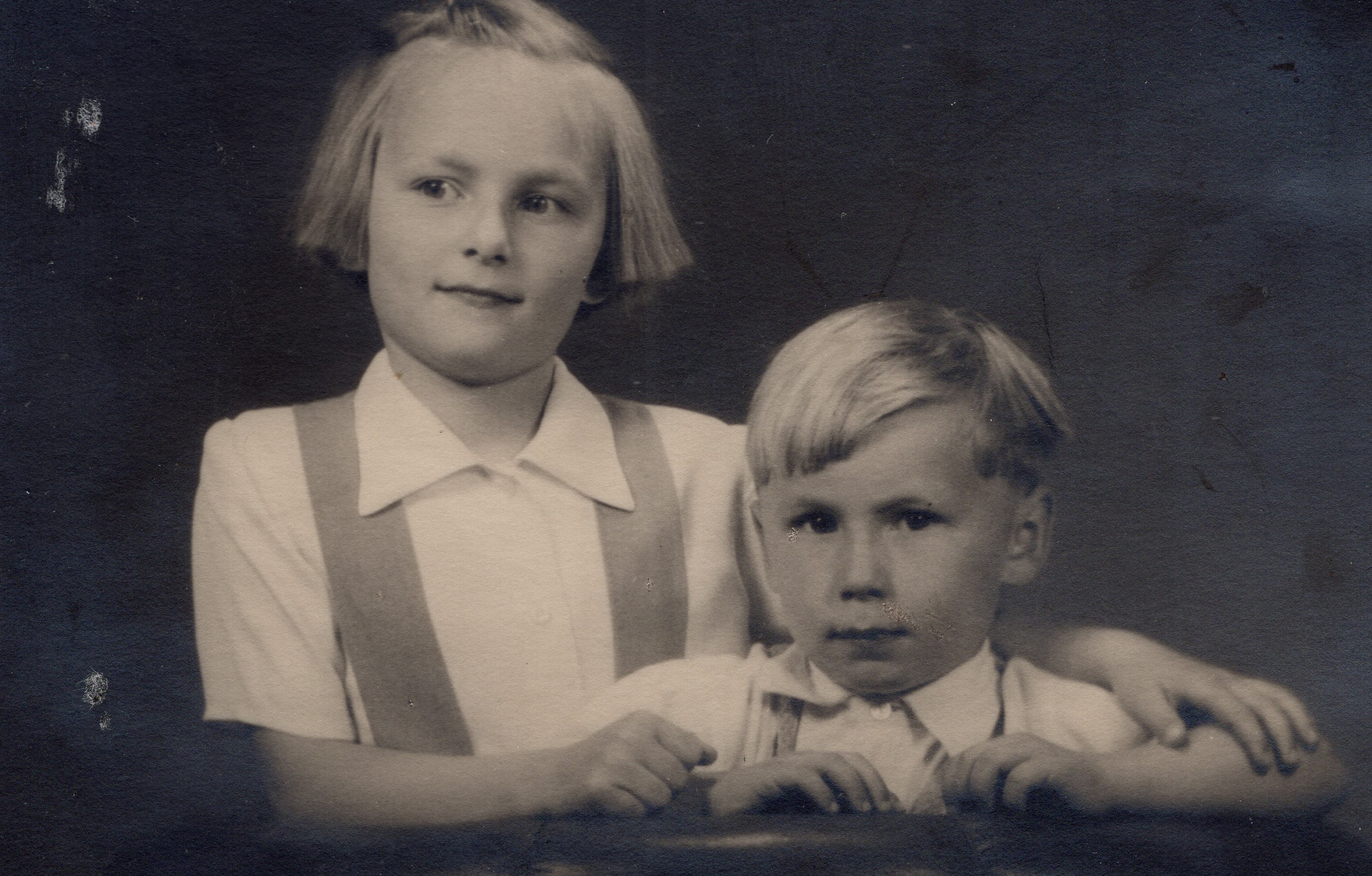
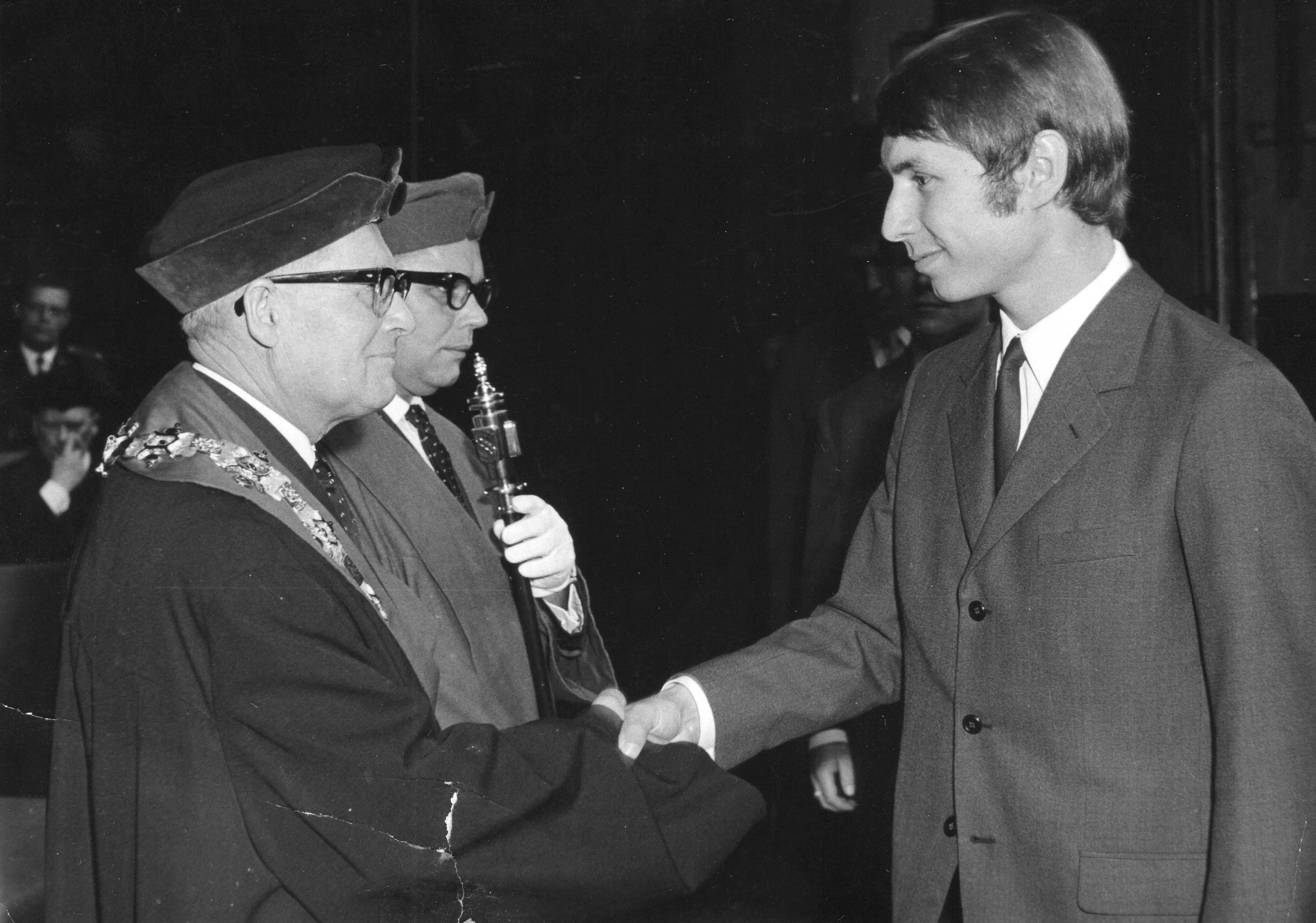
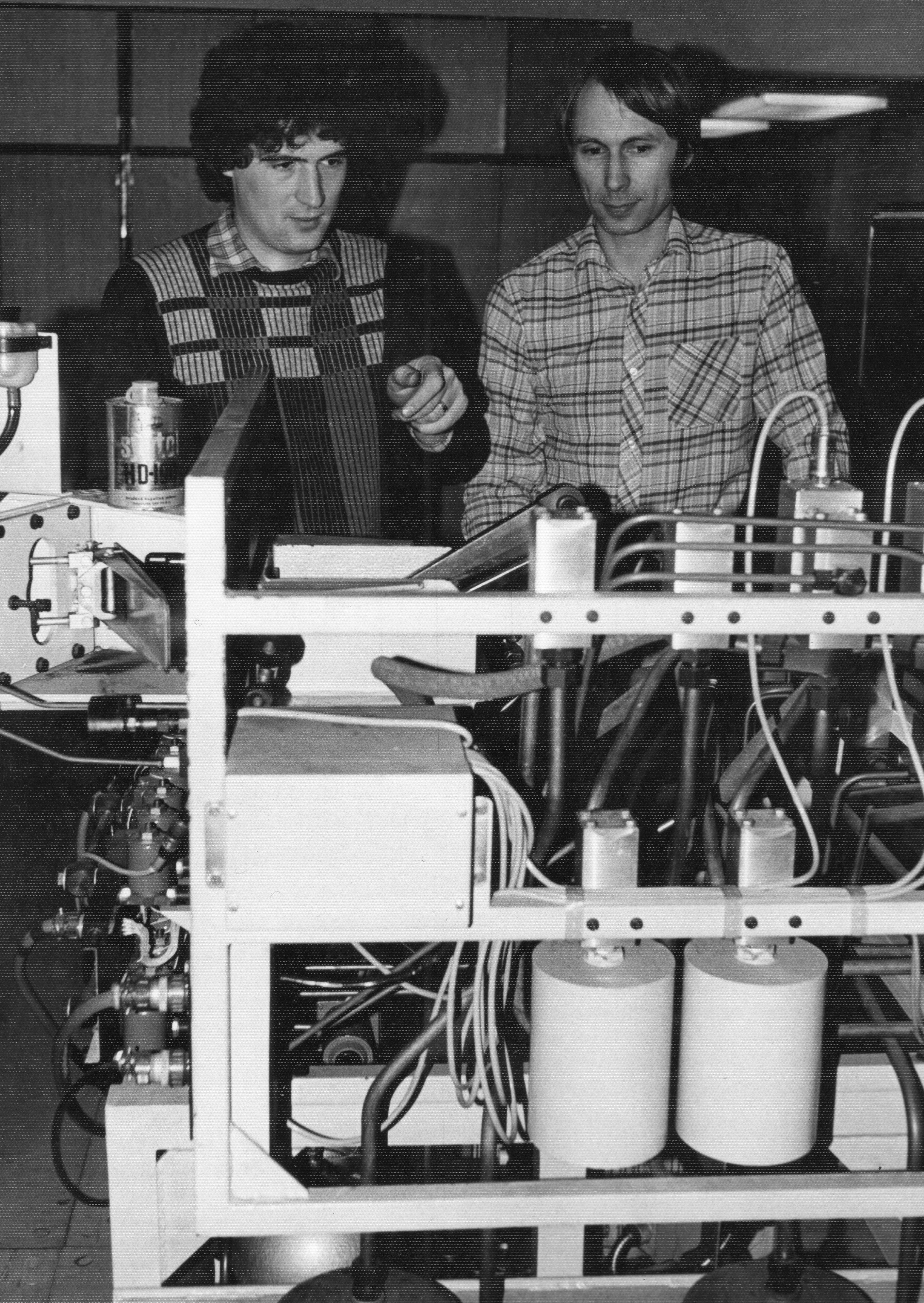
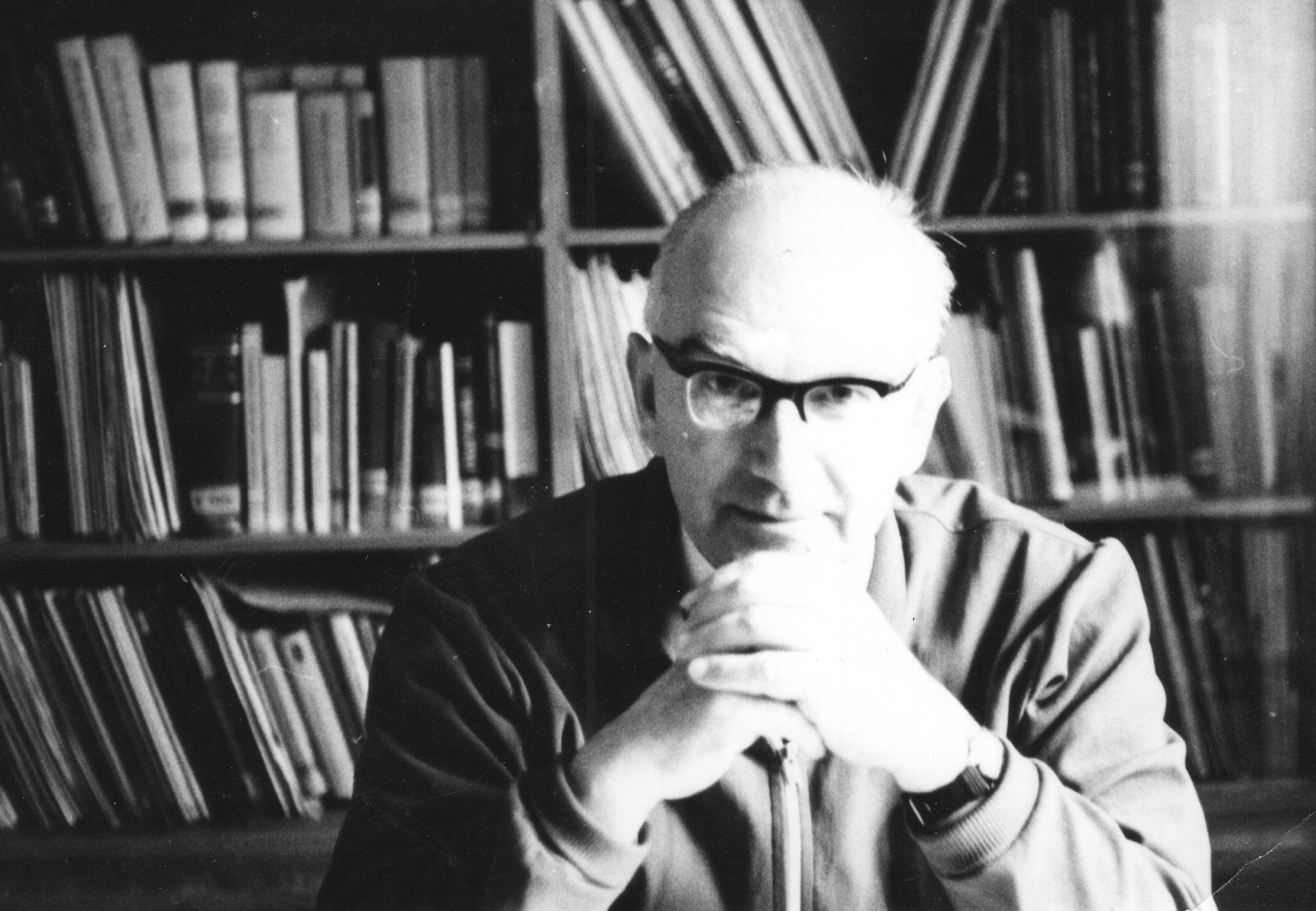
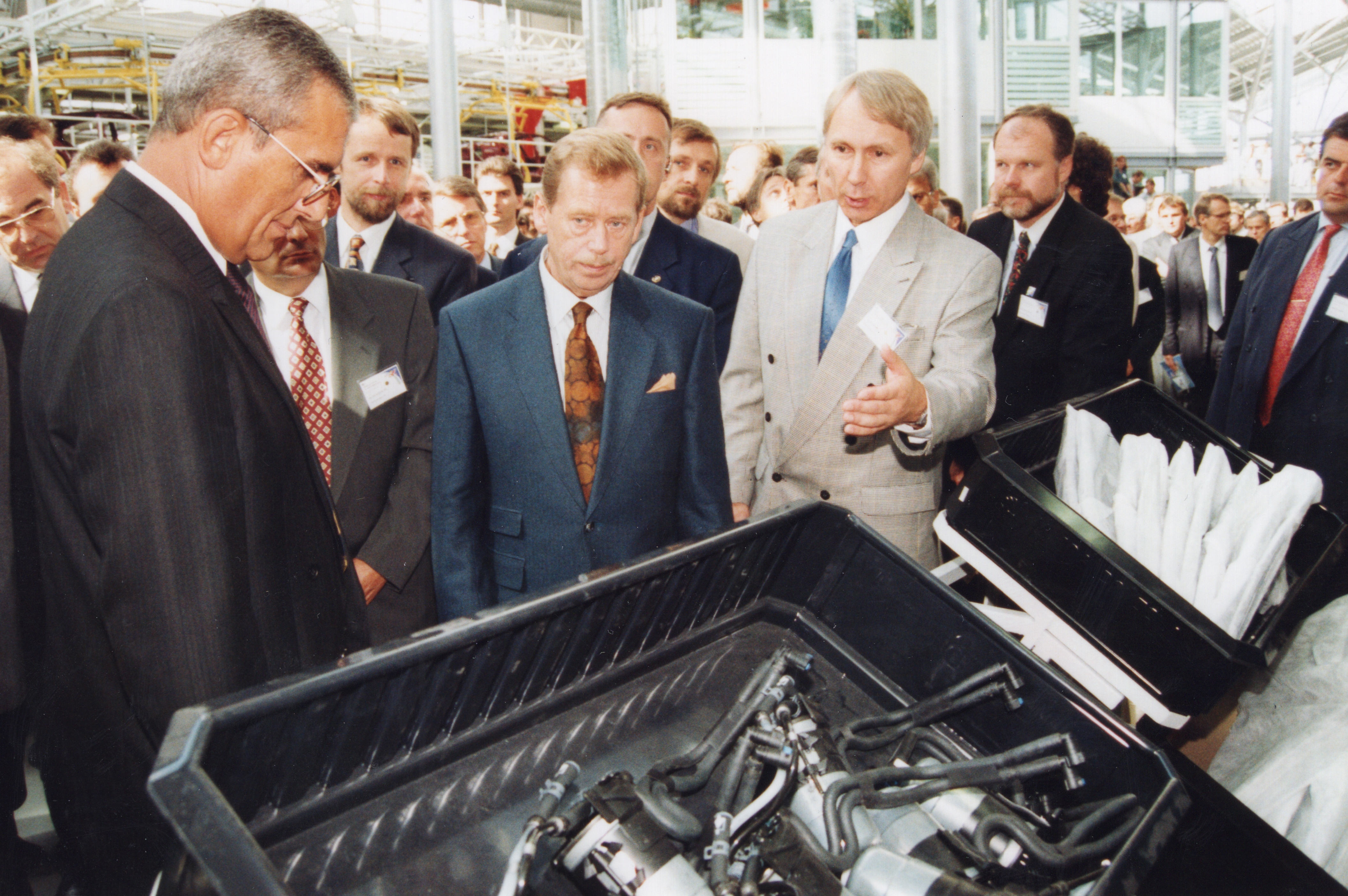
Jiří Němeček was born on 30 January 1947 in Liberec. He graduated from the Faculty of Mechanical Engineering at the Technical University there. On 21 August 1969, he and his friends organized a student demonstration against the regime in Liberec. After his studies, he worked for twenty-three years at Autobrzdy, where he held the position of general manager after the Velvet Revolution. He then moved to Škoda Auto as plant manager. In 2014, he founded the Technical Museum in Liberec and became its head. In the 2018 local elections, he became the leader of the ANO Movement candidate list in Liberec. From 2018 to 2019, he also served as Deputy Mayor of Liberec for Strategic Development and Subsidies. His wife Ivana became the director of the Jedlička Institute in Liberec after the Velvet Revolution. In 2022, Jiří Němeček lived in Liberec.