Miloš Miltner

* 1932

  • "For me, it meant that I could decide my own actions as I saw fit. Within the limits of the law, of course. That nobody interfered with me, as they say, and that I had to learn myself in a certain way how to pass it on to the younger ones. And as I said - that where there is no scouting, there is something wrong. Until today it was the Communists, until today it was the Nazis - who were no different from the Communists, it was the same bunch, the same as those - the Russians, then certain states in South America banned Scouting. And everywhere there was some trouble, everywhere they were dissatisfied with the youth. Because the youth, I have to say it like that - they're not stupid, the young people. They know things and what they want and what they're supposed to be and what they're not."

  • "My colleagues and I decided to flee abroad. This one colleague, one Míra Jiroušků, he had an uncle in Australia, and we decided to join that uncle. There were four of us and we got lost in Vienna. Because two of us were looking in the shops, and those two - they were somewhere else. We were checked by Austrian policemen, and all we had was our Czech IDs, or whatever it was. And so they picked us up and took us to the Russian command post. They slapped us in the face, beat us up a bit. And they started telling us that it was rubbish to go to Australia, there were over six million unemployed people there - and where would you go... This colleague, this Beneš Vráťa, he knew Russian quite well. So he started to resist them, and they didn't like that, so they beat us up a little more. Then they put us in a jeep, tied our hands in paper when we crossed Vienna, so that the tram wouldn't see that we had handcuffs, and we went to the Czech border. At one intersection they stopped to ask which way to go. I told them they had to turn left. So they were happy, we went left, but it was turned out bad because it led to Czechoslovakia, but to the French zone. So they beat us up again, we came back and in Mikulov, they handed us over to the police."

  • “When the funeral of President Beneš was held, there was a long line of people all the way from the Liberation Monument to the gas storage tank in Libeň. It was horrible, I have never seen anything like that. As boys from Žižkov, we knew that if we took the main street and pass the Baťa shop and climb over the fence there, and jump over the railway track and run up the hill, we would get right under the monument. We thus got there this way, and I went there three or four times. If I had joined the queue somewhere in Ohrada, people would have kicked me out. But since we were already there, they were all sad and quiet and therefore they left us boys alone.”

  • “We had a meeting of our troop, and two gentlemen and two boys came in and said: ‘Look, boys, go home, because you are no longer Scouts, this is now the Czechoslovak Youth Union.’ We thus dissolved the troop, and we were cursing them, of course, and from time to time we were going tramping, mostly to Jarov. Before I was to go to do my military service, they summoned me to the municipal committee of the Youth Union and told me: ‘Look, comrade, you are going to the army…’ They had written me to bring my ID card and my Union card. I came there and said: ‘I don’t have my ID card, and I don’t have the Union card, either.’ – ‘Why didn’t you bring them, when the notice said that you were supposed to bring these documents?’ – ‘See, I have been a Scout all my life…’ – ‘But you cannot compare the two organizations!’ – ‘Well, I cannot, because I think that for a young man it is more important if he knows how to wash his shirt than if he knows when Lenin was born.’ They kicked me out of the door.”

  • “One thing that happened in the camp: one evening there was an alarm, and they made us all get out and in front of the commander’s barrack there were three handcuffed guys sitting there, and we were told that they had allegedly thrown half a kilogram of potassium cyanide in the coffee dispenser and they wanted to poison everyone in the camp so that they would be able to escape. It was nonsense, because imagine what amount that would be. Half a kilogram of cyanide! They were beating them so that all of us would see it and then they made them get on a truck and they took them away.”

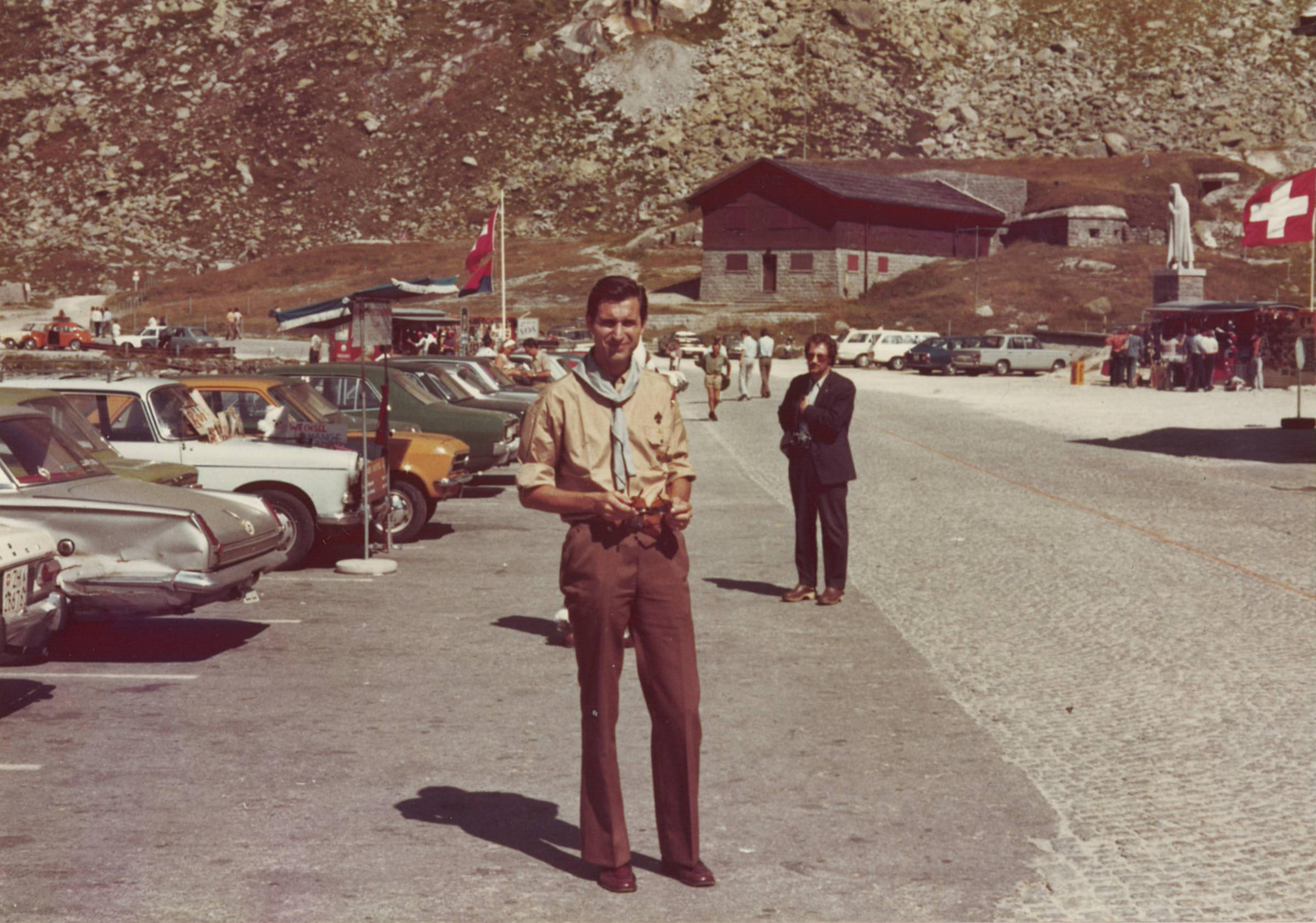
  • “We arrived to Switzerland and I met a colleague there with whom I had been working for sixteen years and his sister was living there. We thus stopped by for a visit and we decided that we would stay there. We got a three bedroom apartment, and I began working as a maintenance worker in the company Kabelwerke in Brugg. It was funny, we had a three-bedroom apartment and we didn’t have anything. We had a three-piece mess-tin, and we ate from that – three people. We had a big paper box, which served as a table, and we slept on inflatable mattresses. I was out of luck, because my mattress had a hole in it, and in the mornings I would always wake up lying on the wooden floor.”

  • “We thus set up the camp, the four eldest boys stayed there and I went back – and the Russians arrived that night. How nice! A Scout camp to be held after many years, and it didn’t happen, because the Russians arrived to Prague. Their parents came and they were asking me: ‘Where are the children, where are the oldest ones?’ ‘They are there.’ Oh my God! I thus got into my Trabant car and I went there. They did not let me drive where I wanted to go. I thus had to drive around through the forest but eventually I reached the place, and we raised the Scout flag on the flagpole and the eldest boy recited his Scout pledge to me. Then we packed everything and we drove home, we arrived around three o’clock in the morning and the parents were still waiting for. So that was the end of our Scout camp.”

  • Celé nahrávky
  • 1

    Praha - Neuenhof (Skype), 23.03.2015

    (audio)
    délka: 02:10:02
    nahrávka pořízena v rámci projektu Stories of 20th Century
  • 2

    Praha, 10.10.2024

    (audio)
    délka: 01:19:19
    nahrávka pořízena v rámci projektu Stories of the 20th Century TV
Celé nahrávky jsou k dispozici pouze pro přihlášené uživatele.

If people trust each other, everything will be much better
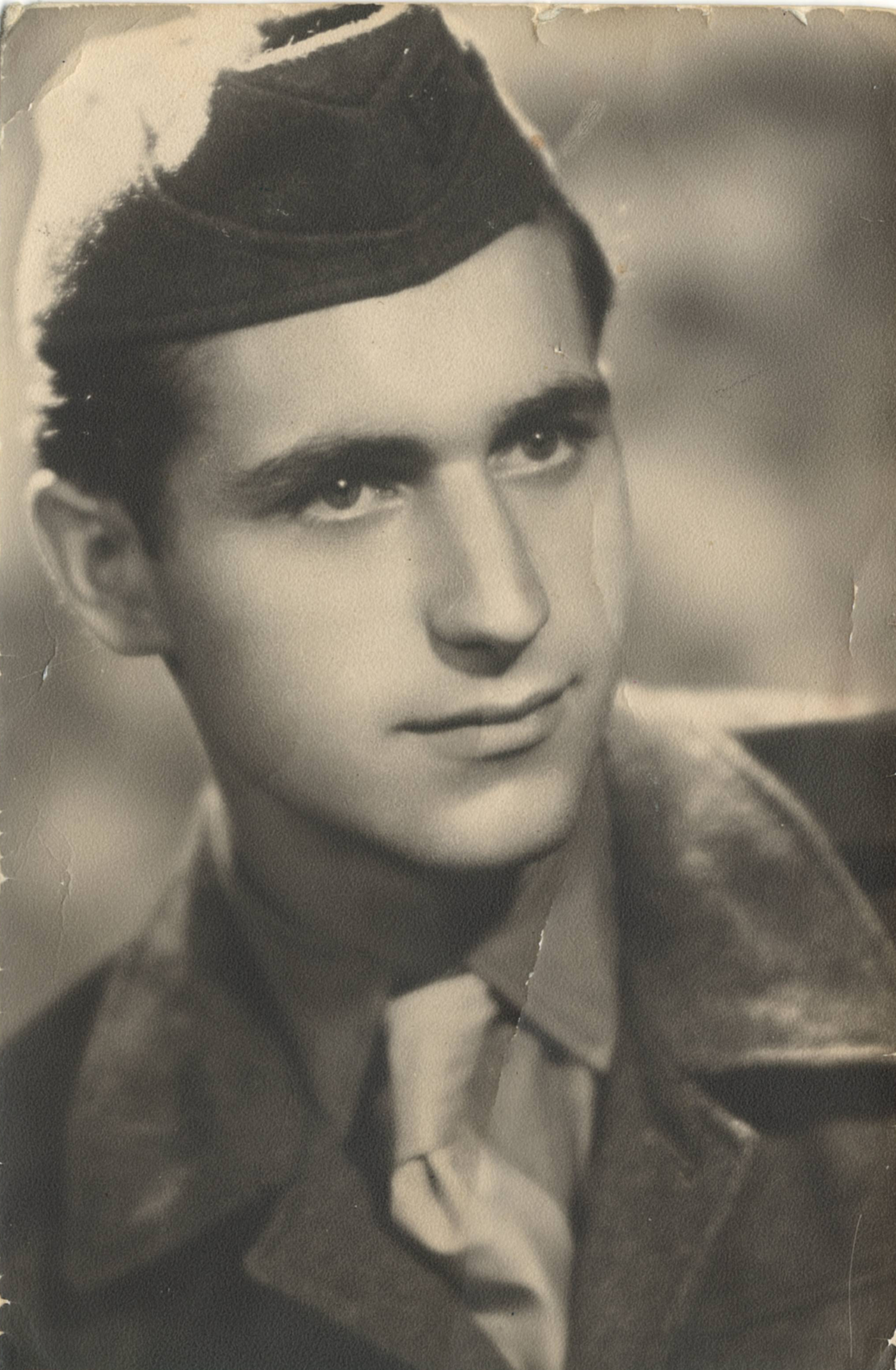
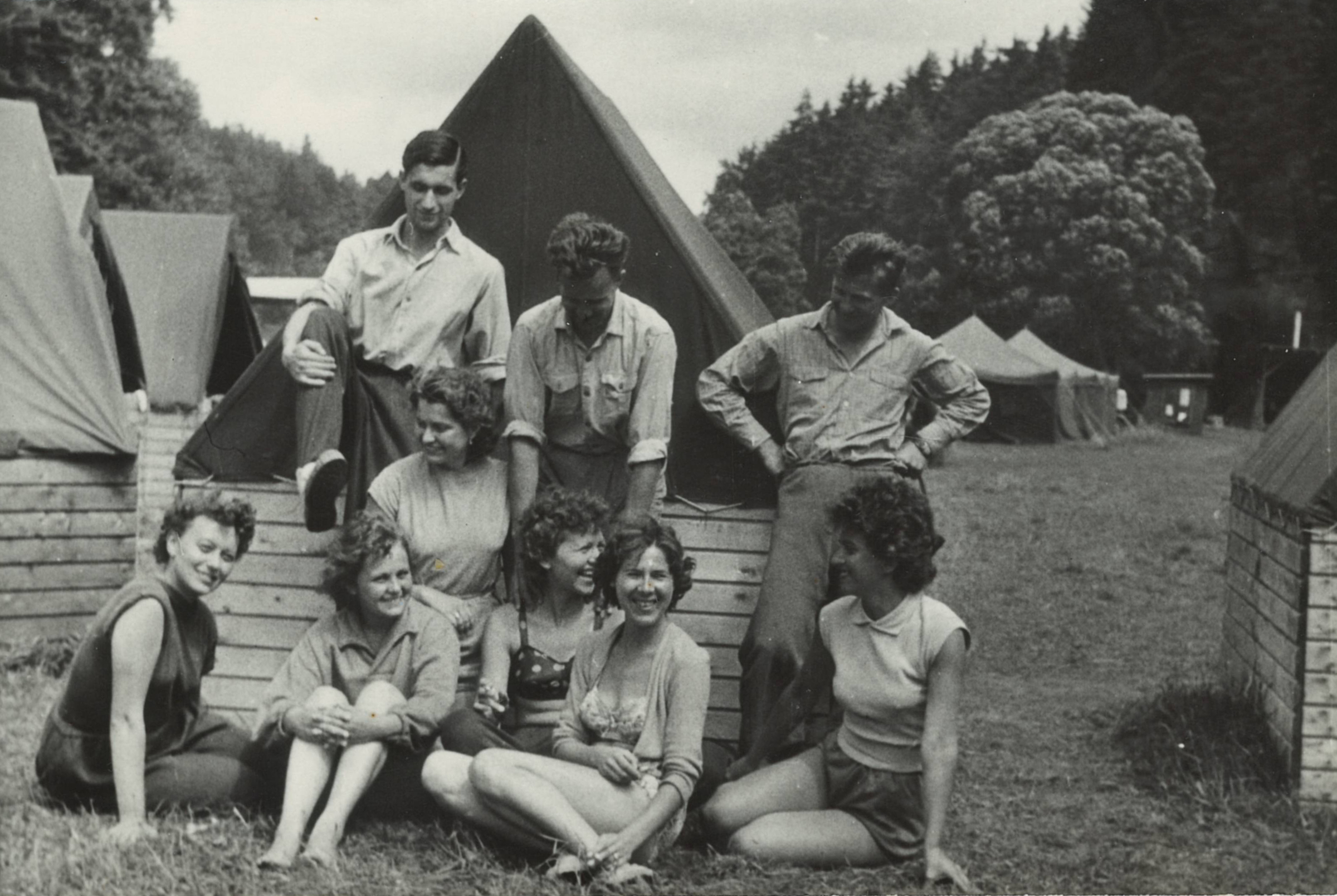
Miloš Miltner as a private in the Auxiliary Technical Battalions
zdroj: soukromý archiv pamětníka

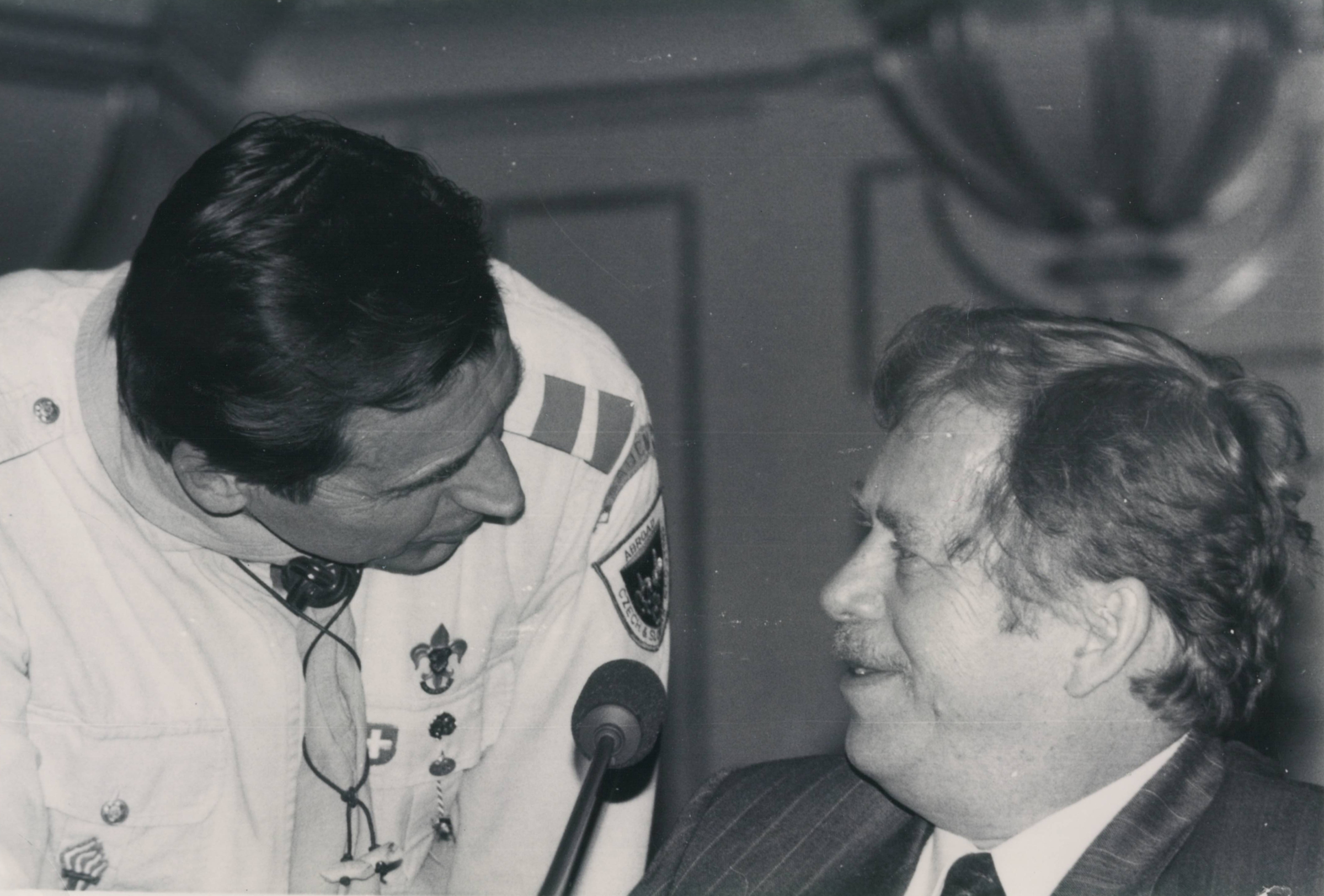
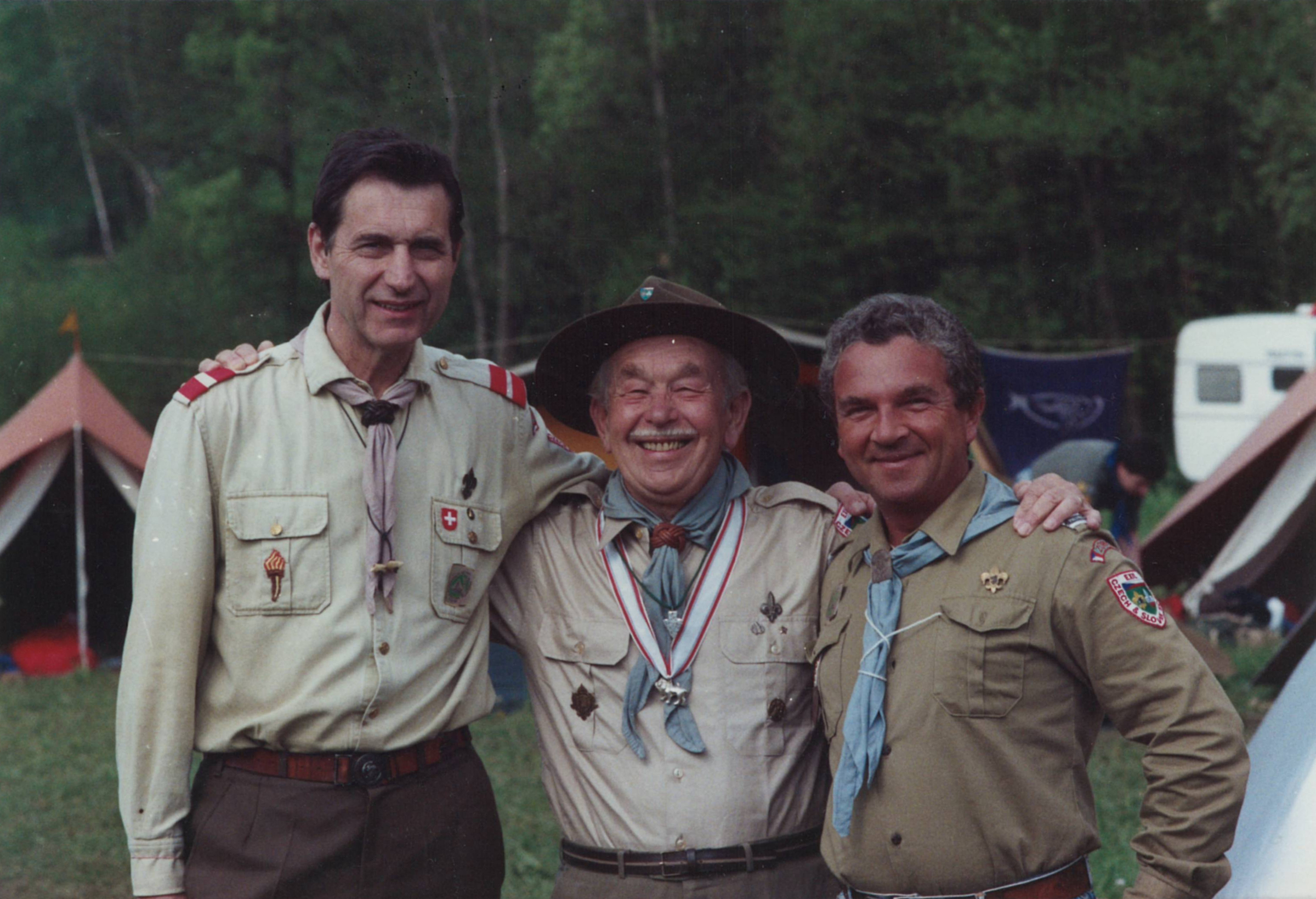
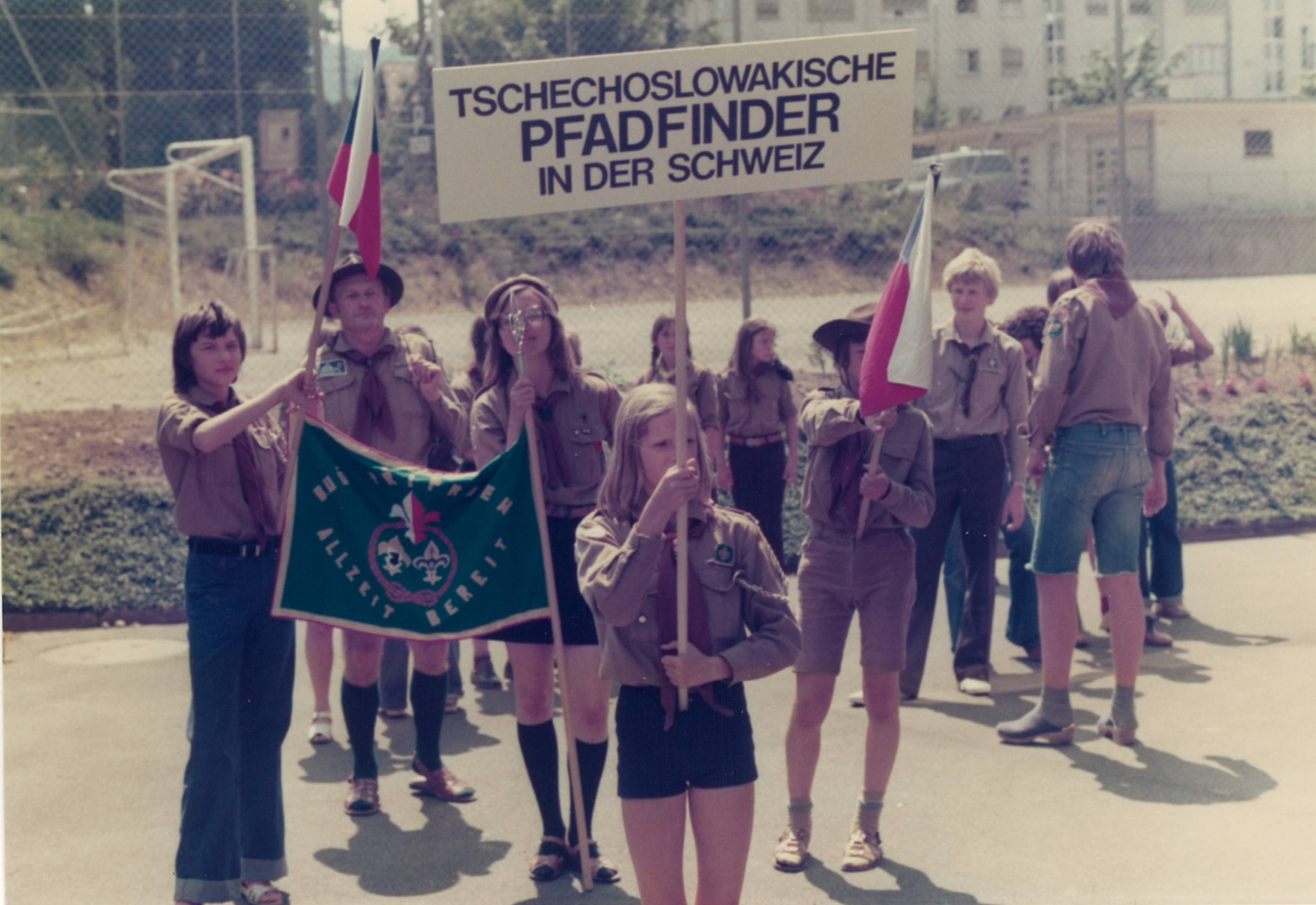
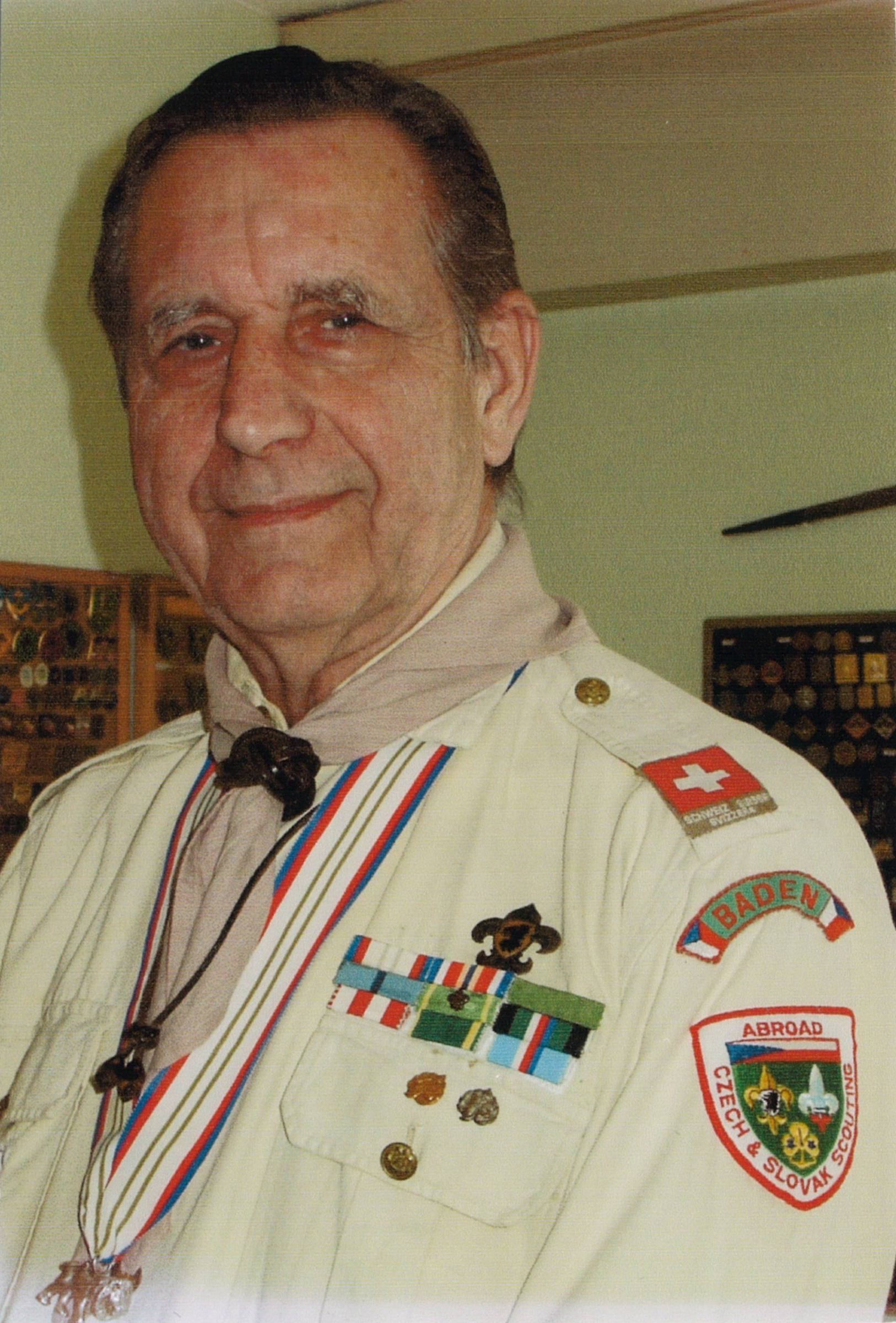
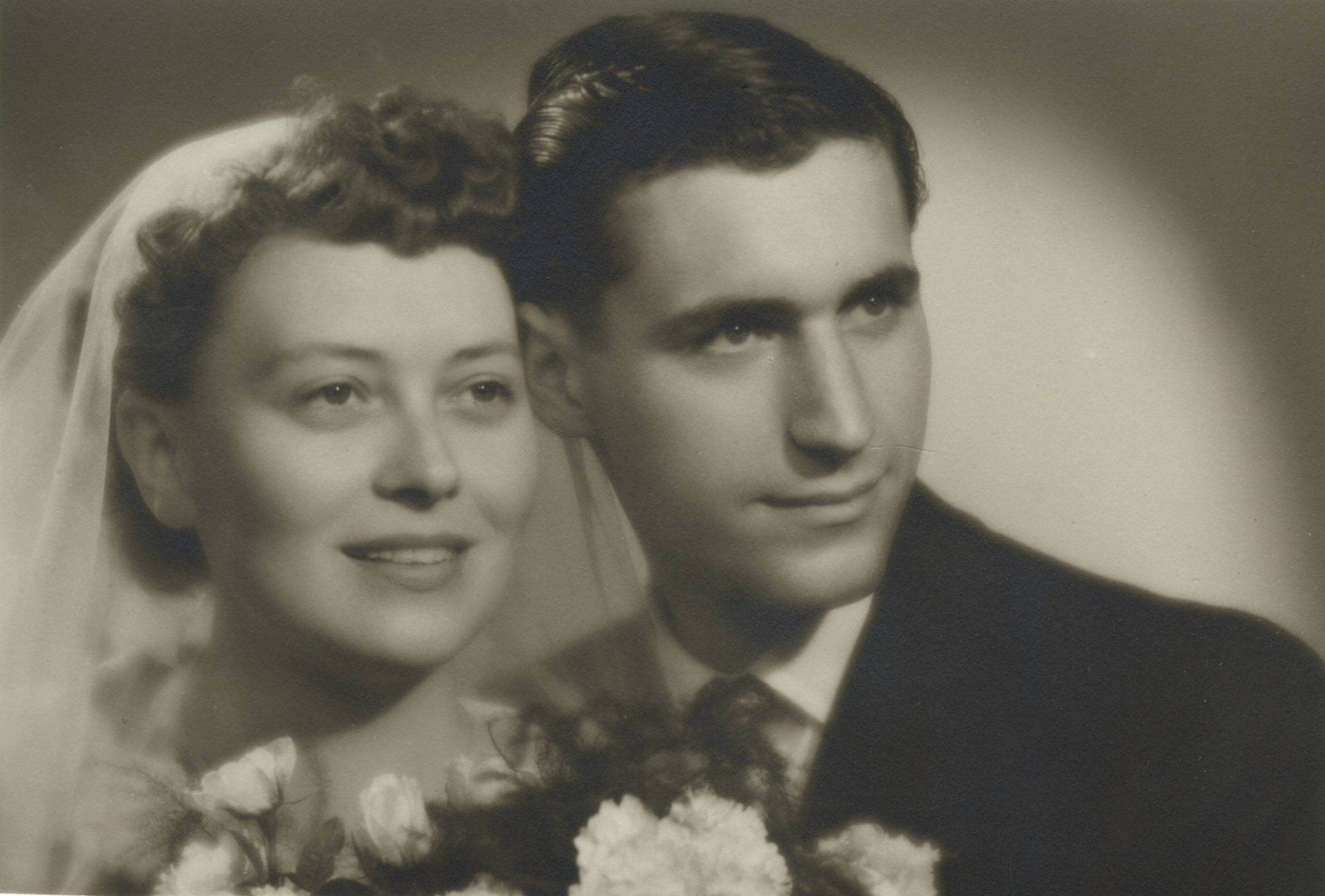
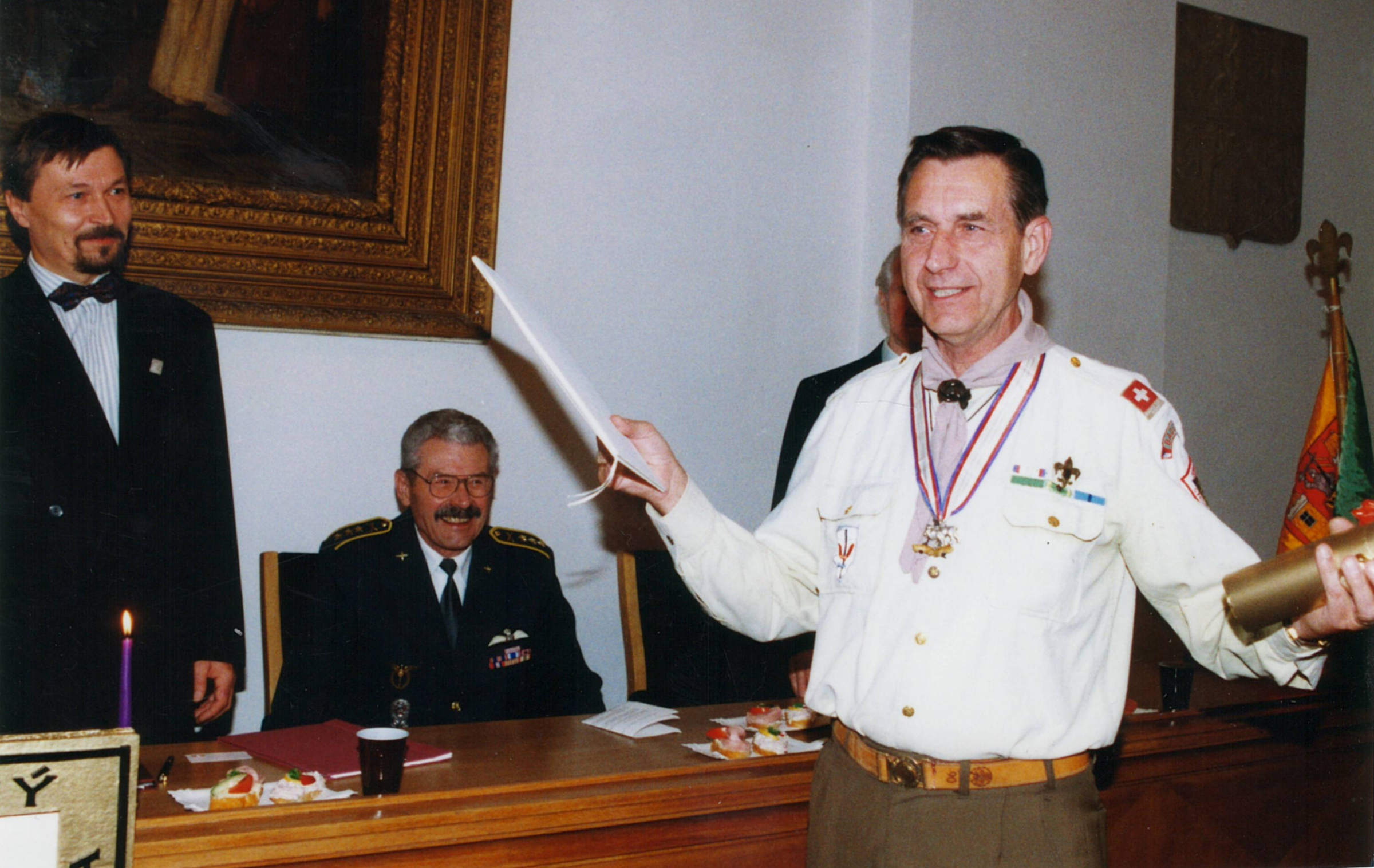
Miloš Miltner was born on 7 March 1932 in Prague. His father was a room painter, his mother a seamstress. He grew up in Žižkov and became a scout before World War II. During the war, Junák was banned, so the witness continued after the liberation until Junák was banned by the communists. Scouting could only be practiced under the patronage of the ČSM from then on. Miloš Miltner trained as a shop steward, then as a mechanic and later as an electrician. In the summer of 1951, he crossed the border into Austria with three friends, but in Vienna, Russian soldiers detained two of them, including the witness, and handed them over to the Czech Public Security. Miloš Miltner was sentenced to six months imprisonment and spent it working at the Mayrau mine in Vinařice. After his return, he worked briefly and then was conscripted into the PTP. He married in 1956 and had a daughter in 1958. When the atmosphere in society relaxed, he took steps to re-establish Junák. In 1966, he wrote a letter to the then President of the Republic, Antonín Novotný, asking to be allowed to establish an experimental scout troop that would have a positive effect on the youth, thus proving its worth. The request was rejected. During the Prague Spring of 1968, he was present at the further revival of Junák, and in the summer of that year, the first legal scout camp was to be held under his leadership. At the time of its preparation, Miloš Miltner got his scout nickname Hawk. However, the military intervention of the Warsaw Pact countries made the camp impossible. Miloš Miltner decided to emigrate with his wife and daughter shortly after August 1968. They went first to Liechtenstein, and after some time, they moved to Switzerland, where they still live today. Miloš Miltner worked in the firm Brown, Boveri & Cie. While abroad, he founded a scout troop for children of emigrants, which operated within the Swiss SPB (Schweizerisches Pfadfinderbund). He co-organised the so-called Exiloree, a meeting of Czech Scouts abroad, modelled on the Jamboree. When his daughter Eva Miltnerová grew up, she took over her father‘s leadership of the youth organization. However, the gradual assimilation of the next generations of emigrants did not allow this activity to develop further. In 2005, Miloš Miltner was awarded honorary citizenship of the Prague 3 - Žižkov district. For several years, he has been preparing a multi-part publication Hrdinové mlčí (Heroes are Silent) about important Czech personalities associated with Junák.