"In Betlémská Street, I see it like today, at a distance of, I don't know, 100 meters, they were burning a man. Immense screaming, right. When you're ten, that's an experience, because I've never walked down that street in my life. That was bad, and they were looting then, weren't they? They called themselves the looting guards, and that's where we were - at the moment these guys were stealing things from his flat, from Herbenstein. Only my dad was prepared for it, and of course he had a pistol with him, an officer's uniform, and he immediately labelled the flat, saying that it had been confiscated by the customs."
"They [State Security] knew absolutely everything about us, so they knew we were in debt to the Flejšars, they were our neighbours, Pepek Flejšar was a poster sticker, wonderful people, they knew we were leaving, among other things, they were one of the few. They [State Security] knew we were in debt to them, but we had a house under construction and we were going on a two-month trip to America, which meant a new Tuzex car for two people, one trip. And they came, invited my wife by registered letter to Bartholomějská and tried to force her to cooperate. But they said it in a way, when you come back, we'll meet. She said, no, there's no way we're going to meet, you have to send me a registered letter and I have to come, but there's no way we're going to meet. 'So here we are picking up the phone and you're not going to America.' And she says, 'Of course we're counting on that and it's going to be a big embarrassment for the theatre because of course nobody's going to rehearse it. What will you do about it?‘ So he puts the phone down and he makes her write on a piece of paper that she can't talk about it anywhere, and she says, 'Well, I can't sign it because I don't keep any secrets from my husband. He's waiting downstairs in the car. Well, if you know, he's a drinker and that means he's going to say it everywhere, of course.'"
"I was in boarding school, which was... which was wonderful. I didn't want to go there, of course. But it was great, because the school... the biggest school in life is society, and by growing up going to that class and coming back home, society doesn't affect you as much as it does when you're there for twenty-four hours and all week. Because then that kid's society is basically unforgiving, meaning that any offence against the group is immediately punished. It's not bullying, but there was no telling tales for example, no, because the moment someone told tales, they got the worst punishment. That's a boycott in the most sensitive years. And it had one other huge advantage, which was that it was a selective school, the fact that a person with a difficult character didn't get in - and if he did, he was immediately expelled. This was done by Professor Jahoda, whom I thanked immensely when I met him in Prague as an old man. Even though I used to get punishments there, they would shave my head clean for example, which at a sensitive age is a big punishment. I can't imagine those guys today with those long hairs having their heads shaved clean for punishment, can you?"
"I stood on orders. The dormitory corridor narrowed like this, the little ones stood at the back and I had a switch in front of me. And they said, 'Boys, whoever's an ace, turn off the light,' so I flicked it like that. The director kept talking as he was giving the order, and it ended with, 'Whoever turned off the light, five strokes with a cable. Good night.' Of course, it was assumed that the person would confess. Then a boy from the senior class came in with a normal electric cable and five strokes across the bare bottom. So still over the summer [we had] sometimes stripes on the bottom. I didn't mind it. I figured maybe it was upbringing, because where else do you meet pain for real when there are guys around. A lot of people came there either out of solidarity - which [was] mostly - but also to see if a guy would whine."
"I know he got the letter I wrote to him in such a semi-honest way. Not 'Hello, Vašek', but 'Mr President' and so on. It is impossible to refer to childhood experiences. There I say to him, 'You no longer belong to yourself, but you belong to the nation. Trust the doctors, stop smoking and stop drinking.' He hasn't done any of those things. He'd be needed here now, damn it. If I were in that situation, I'd quit smoking and drinking immediately. And believe me, that's what I would do. When I say that somewhere, everybody says, 'Well, that wouldn't be him.' That's nice, but he knew it was harmful, and I think the lack of willpower degrades the thoughts a little bit. However, thank God for him, because that is why we are in NATO, that is why we are in the European Union. As I say, he pulled us out of the geographical darkness."
"Then I got a job as an architect - more like a draughtsman. I was doing engineering work, architect work. I didn't have local papers, so of course I was paid less. But of course that meant they could not fire me, because of course I paid off the firm. So I sat in the office for five years. If the boss had known that was the first job in the industry where [I was sitting], I probably would have had even less money. I didn't know how to do it at all. It was interesting. I didn't understand English properly and he gave me a sectional view of a window. I was like, 'Why is he giving it to me? It's very special.' So I drew a sectional view of a double window. And he calls me up the next day and says, 'You're hired.' I said, 'How come? I thought I was already working here.' He says, 'No, you were just here on probation, you didn't understand. Where did you get the window?' I said, 'Well, I drew it.' He says, 'Which catalogue? I don't know the window.' I said, 'You can't know that because I drew it [myself].' Because I didn't even know that all these things come from some catalogues that are in one room that I didn't know about. And by that I mean that somehow the Czech Technical University left its marks on me."
"When I was doing carpentry, they'd come in like, 'Hey, boy, we're going to Montreal. You'll come with us, that's where the money is.' I said, 'What kind of money?' - 'Well, we're paid in Western currency there. You'll climb the heights, you're flexible. Here, sign this.' They were handing me an application form for the party. I said, 'No no no, I'm not signing.' - 'Well, you're not coming with us.' So I said, 'I'm not coming.' Then the same with Brussels, with Osaka... I could travel all over the world for that one stupid signature. But that was out of the question. I was offered the party four times. But I knew it wasn't to be done."
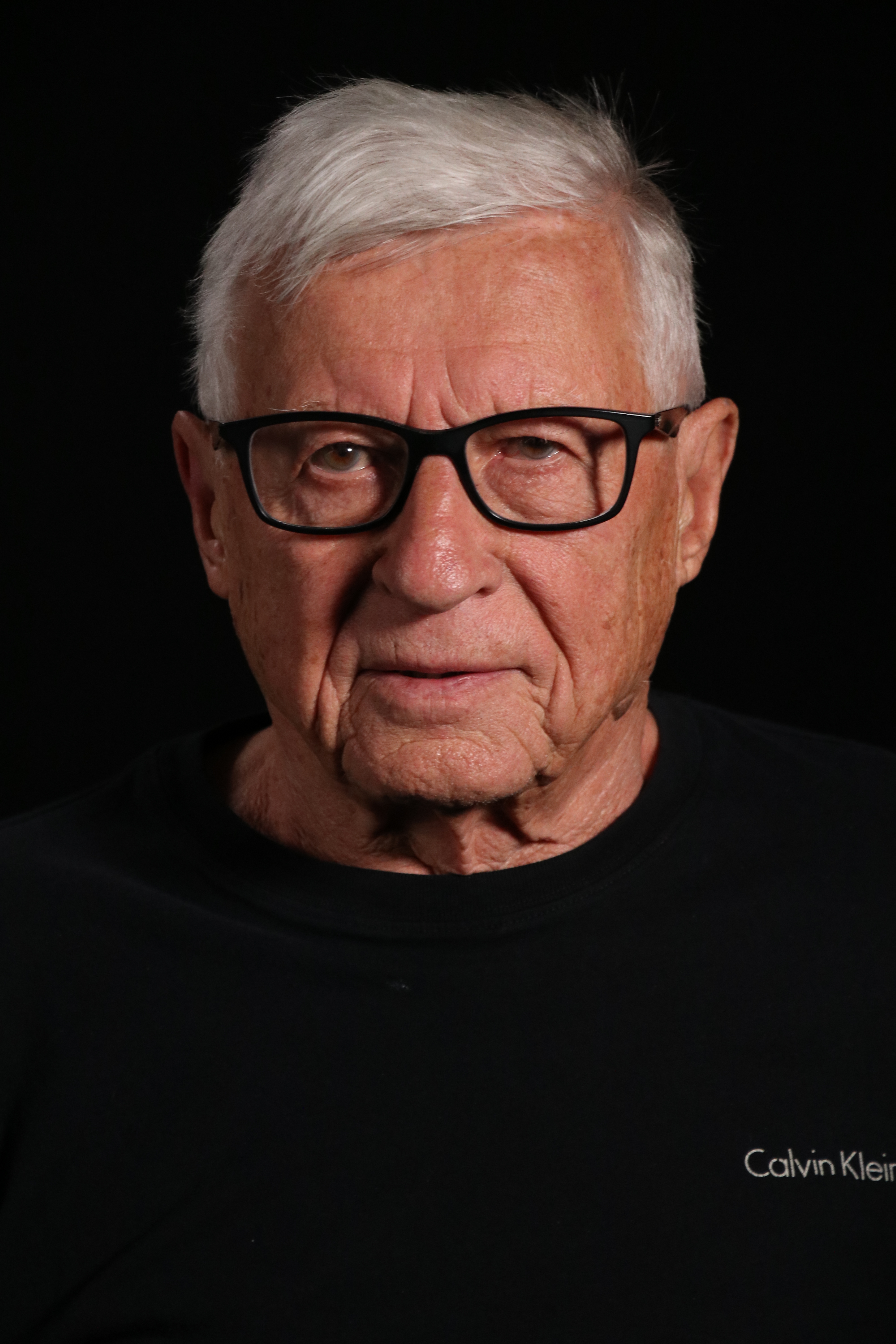
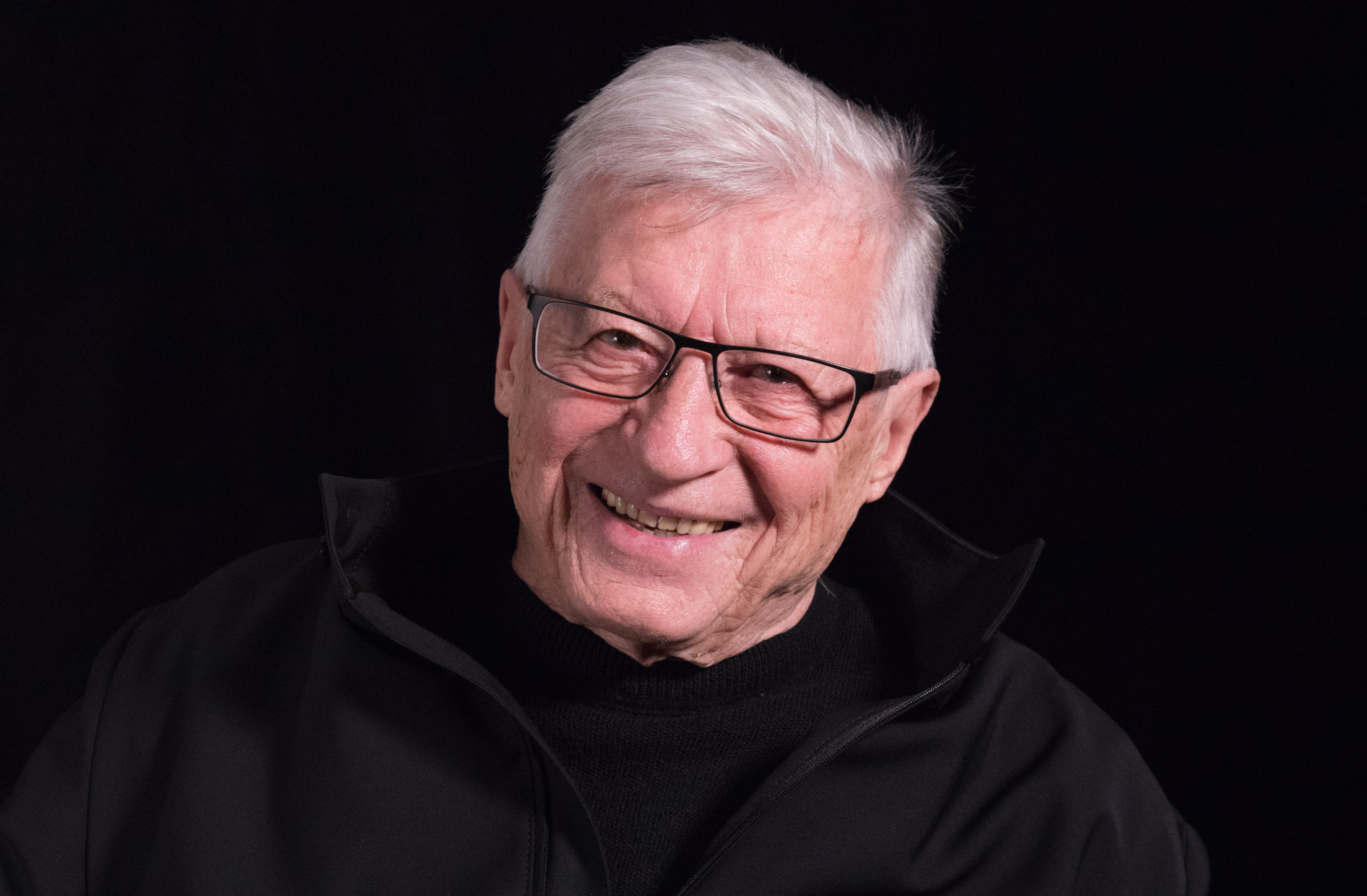
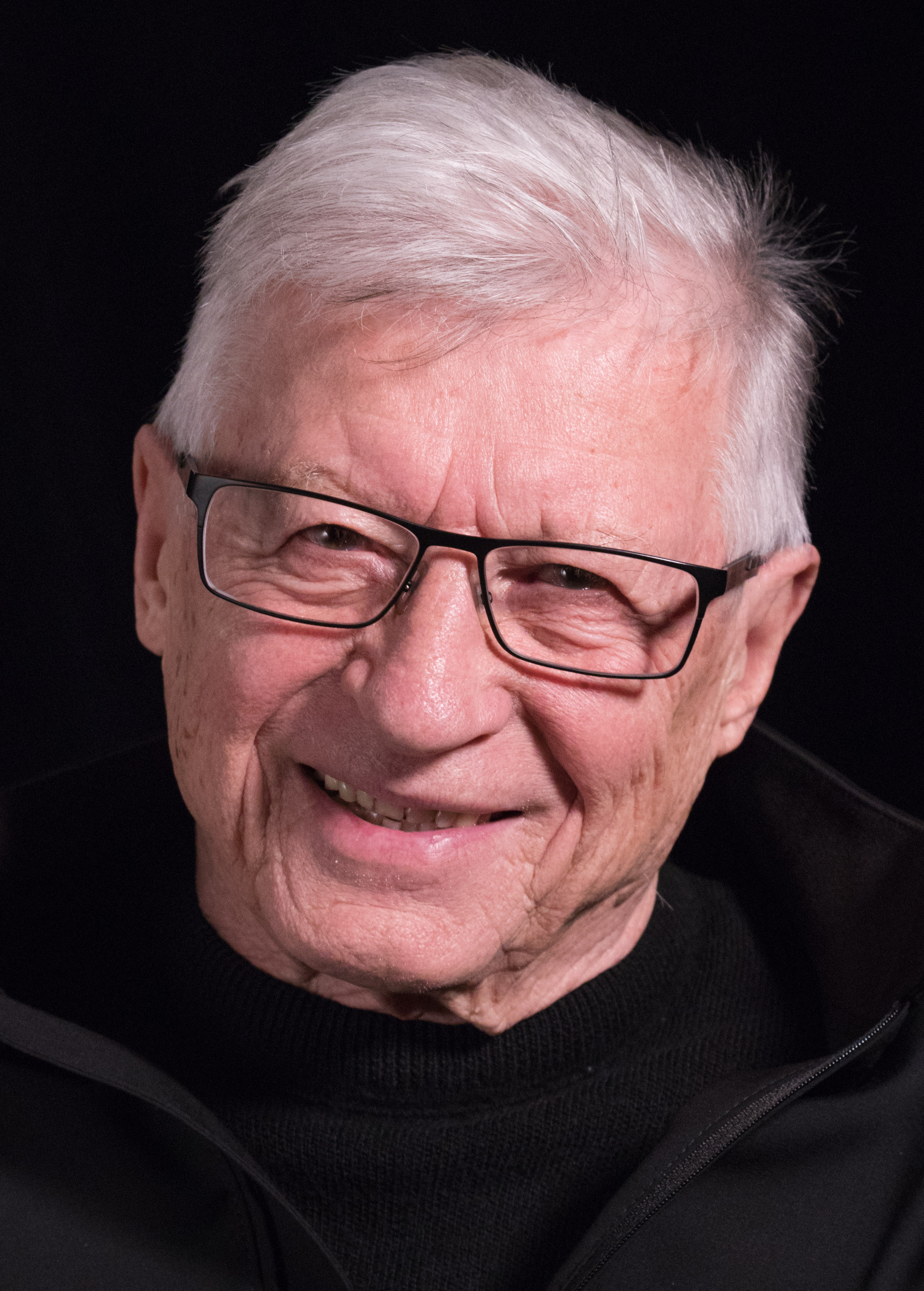
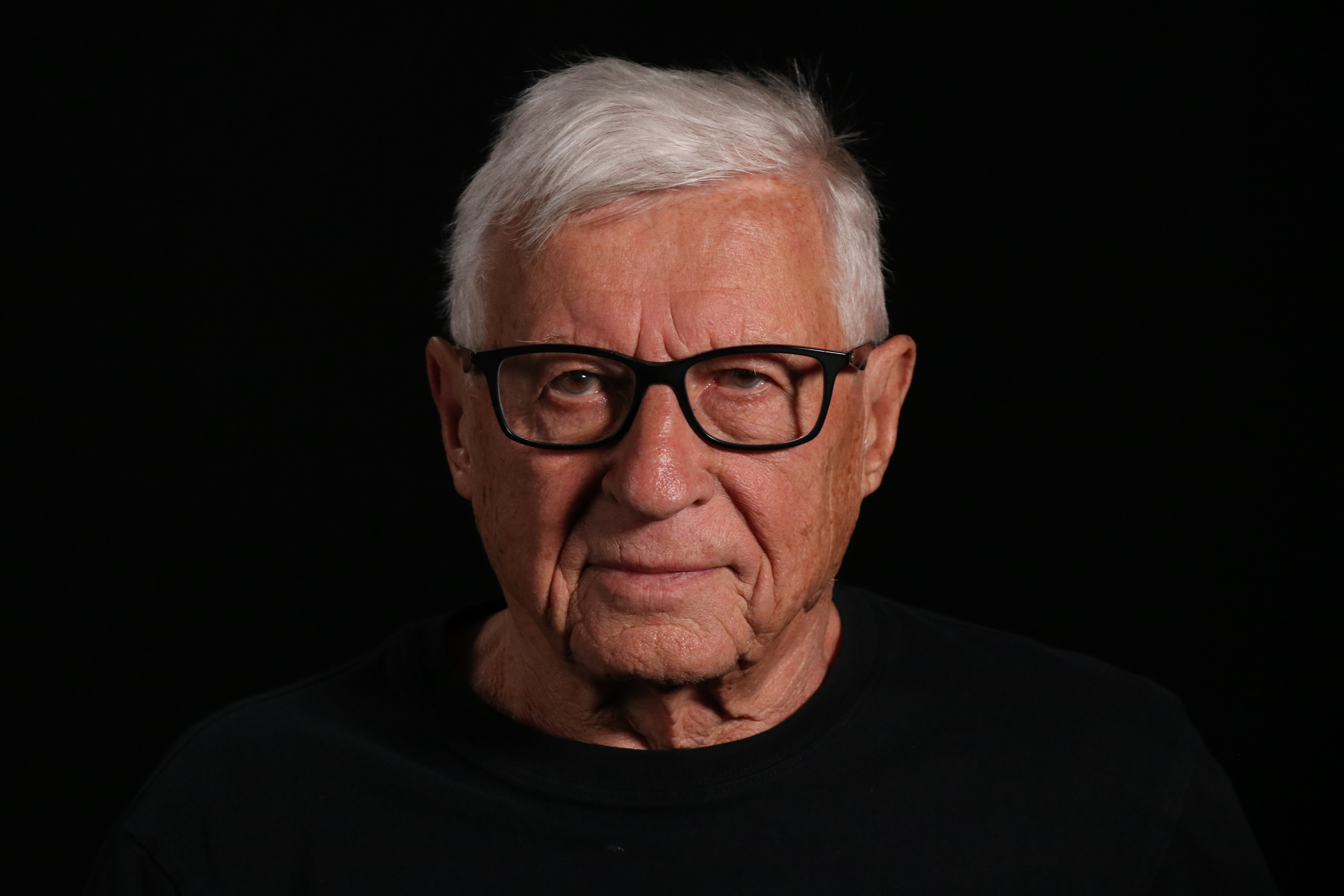
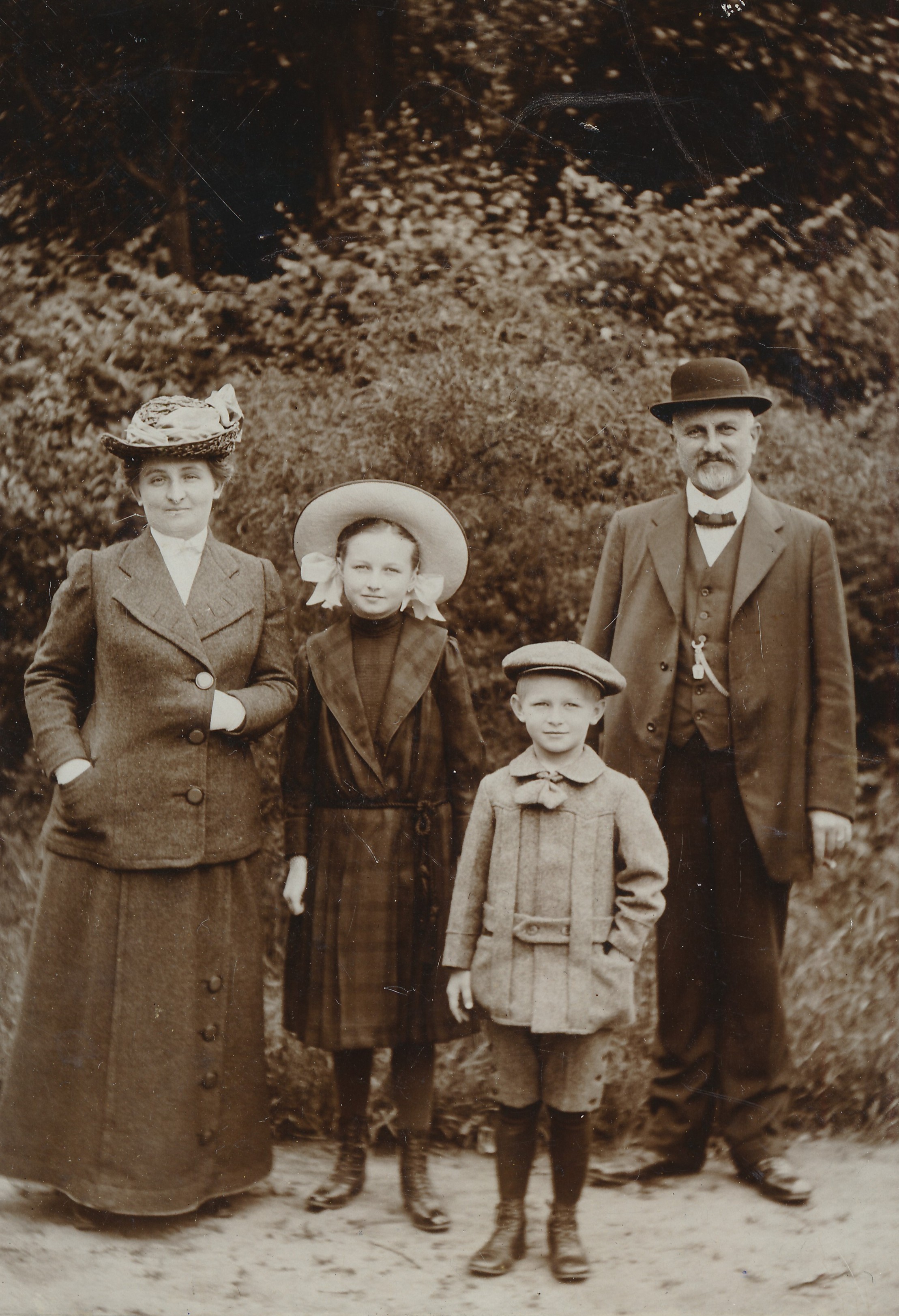
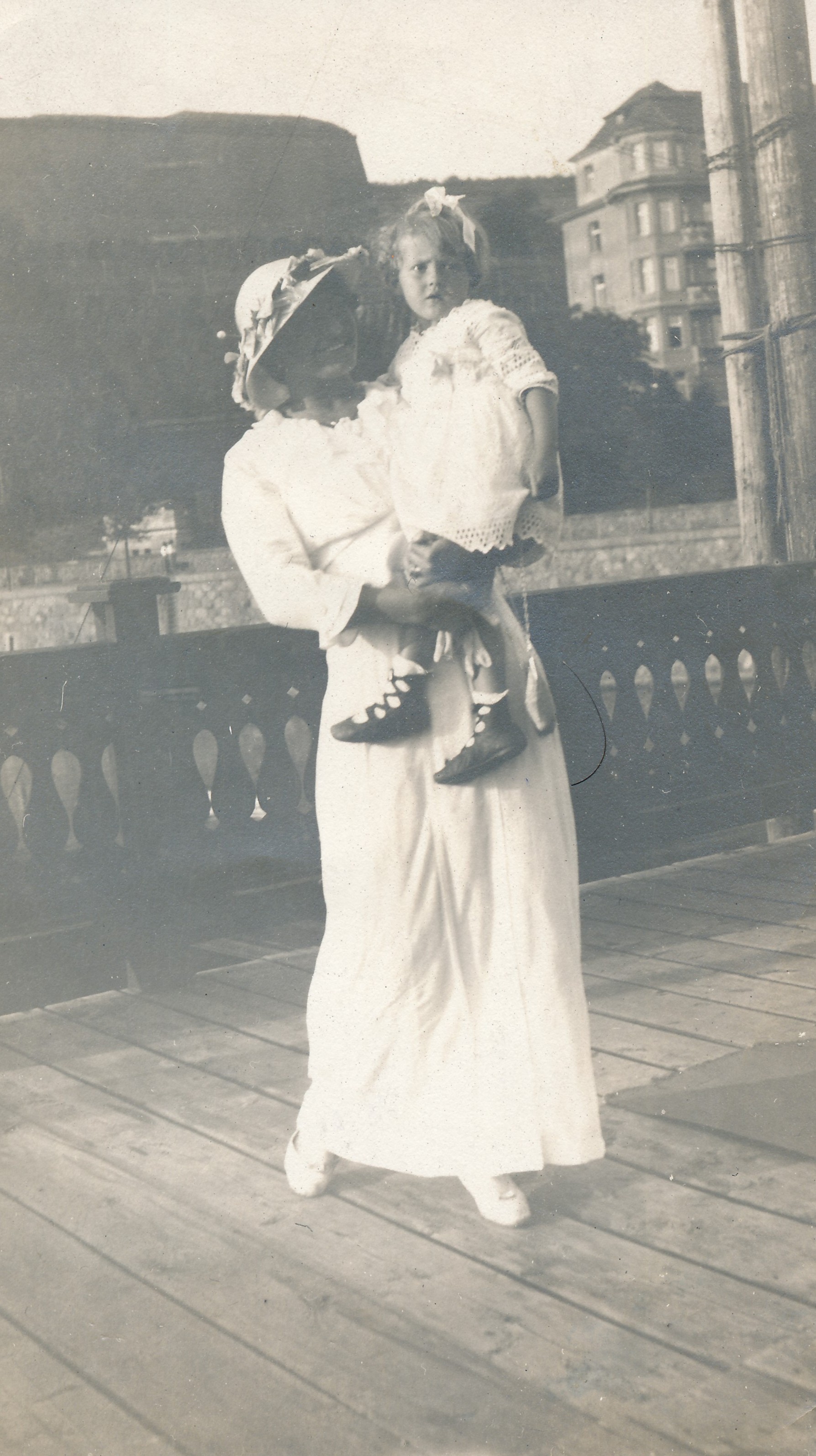
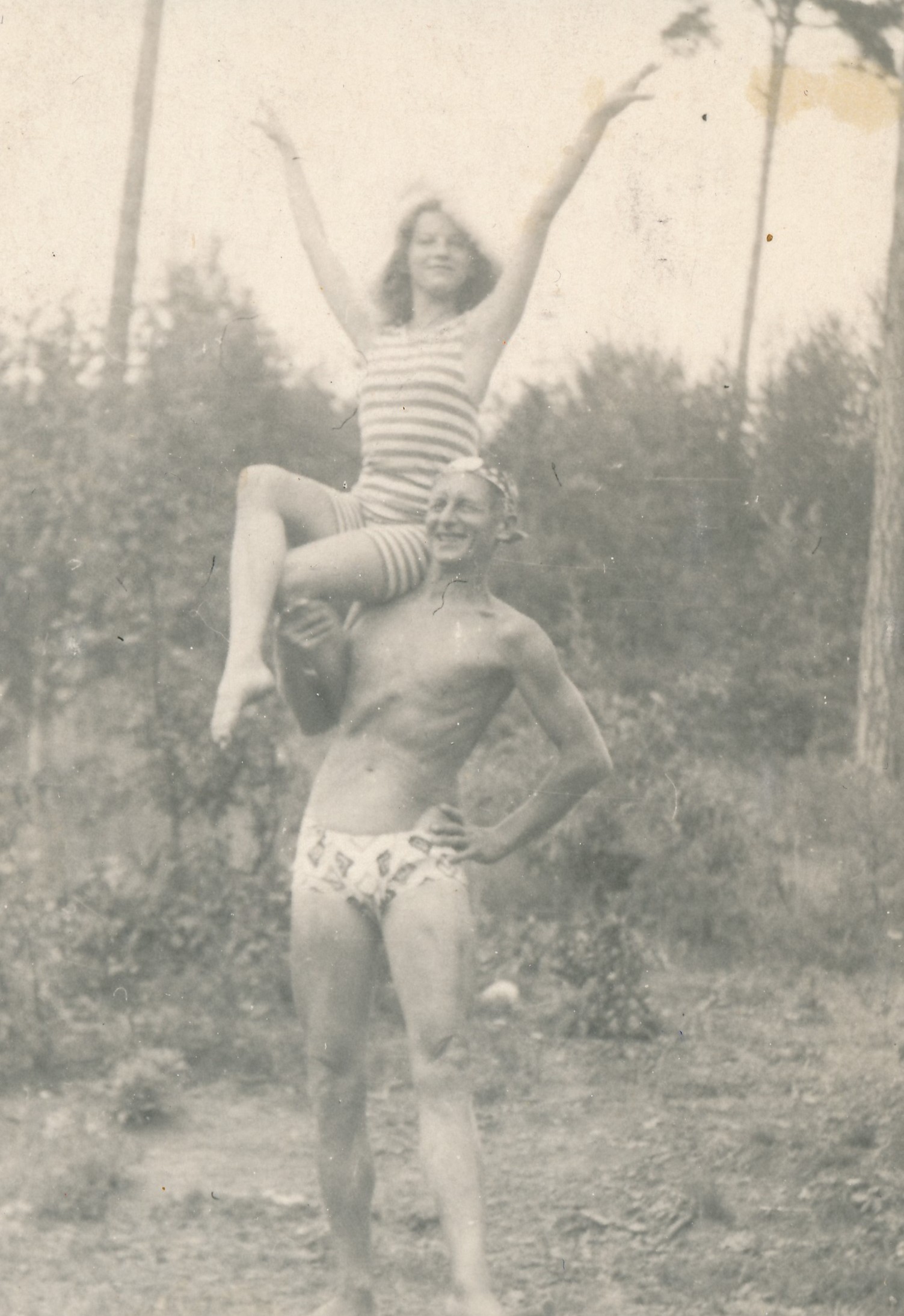
Milan Matějček was born on 11 December 1935 in Prague, where he also spent a significant part of his youth. He lived through the war with his parents in Malá Strana in the Knights of Malta Palace. After the war, his mother took her own life and his father was imprisoned for some time later. He was educated at boarding school at the Jiřího z Poděbrad College in Poděbrady. Among his classmates at the time were Václav Havel and Miloš Forman. In 1948 the school was closed and Milan Matějček spent some time working on construction sites. He trained as a carpenter. After the war, which he spent in Slovakia, he reached the minimum teaching qualification and taught polytechnic education for six years. He studied civil engineering and architecture by distance learning. He had a number of jobs - he also worked as the head of engineering at the Black Theatre. In 1984, he emigrated with his family to Canada, where he still lives today (2025). Since 1990, he regularly visits his native country, participates in lectures at schools and is the author of several books in Czech.