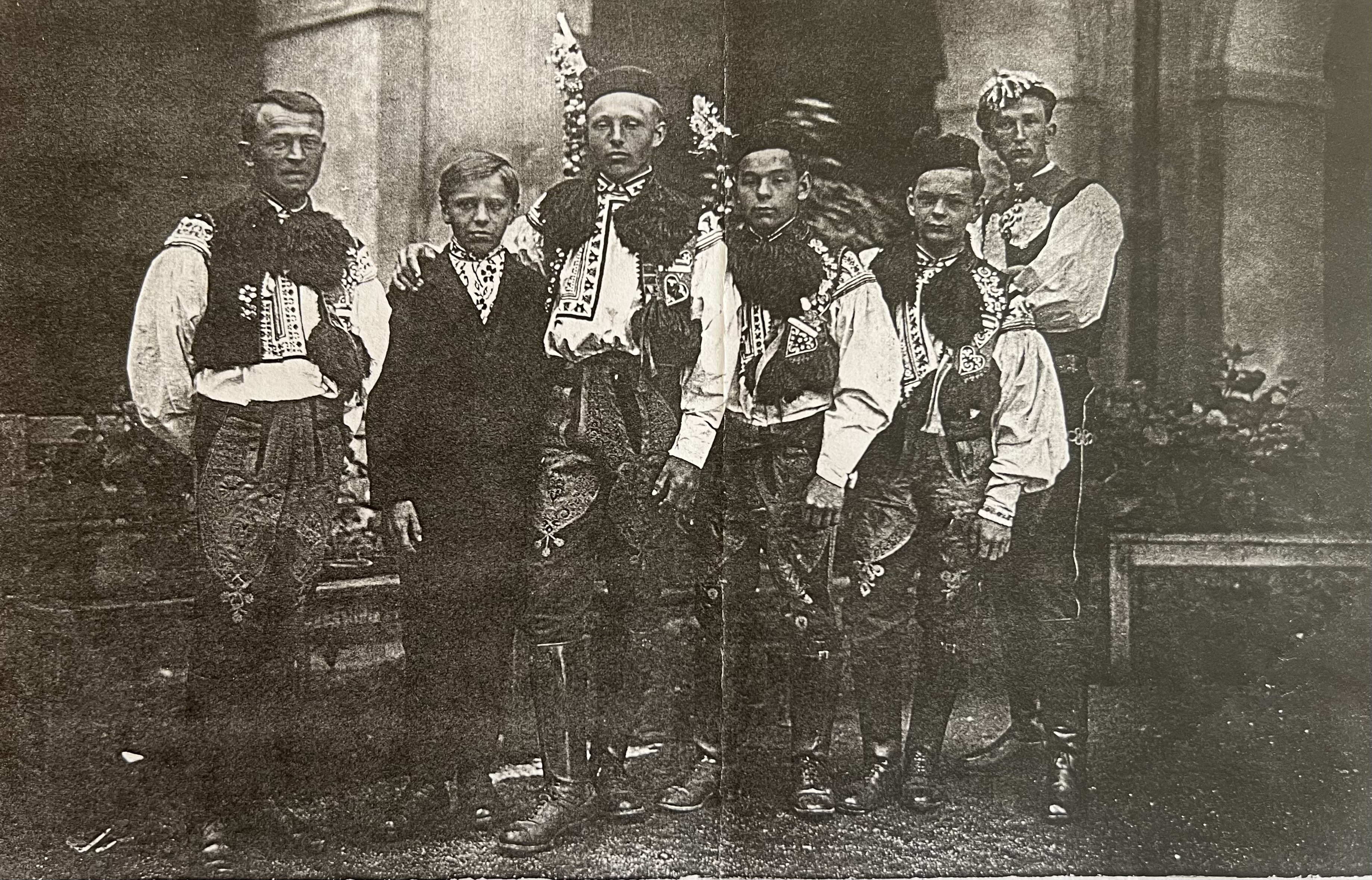
Marie Loucká

* 1935

  • “And I remember we used to have someone staying with us — his name was Major Macedonesko. I’ll never forget that name. He was quite the man, covered in badges, and had his own orderly. But he got along very well with my uncle from Brno. They spoke English together, my dad’s brother and him. And let me tell you, he was such a kind man. He always brought me chocolate or something like that. And then one day my uncle said, ‘Jožo, take care of her. He told me they’re extremely wealthy back in Romania. His wife is there, but they can’t have children. And he would like to buy her from you — he says you’d get a great fortune.’ And from then on, I kept thinking: ‘Why is he always following me around?’ Someone was constantly watching me — my uncle, my father. And they said, ‘You know, when they leave, we have to be careful so they don’t just take her with them.’ I still remember how they watched over me. Then the Russians arrived. And some Boris moved in with us. You know how in Russia they used to take children from a young age for military training — well, this Boris told us all about that. He was a very kind and polite man. Our grandpa liked him. Boris was clever and loved flowers. I used to go to the local gardener to buy him three little roses. He said he was taken from his parents at the age of six and had been in military training ever since. Then he found out that his brother — a regular soldier — was in Brod. So they met up. That Jožo came to visit us and brought a big sack. I thought, ‘What could be in that sack?’ And inside were toothbrushes. The handles were green, pink, blue — but kind of inlaid, sparkling. Beautiful. And Boris said, ‘What is this?’ ‘We took it in Hungary, so I brought it for you,’ Jožo said.”

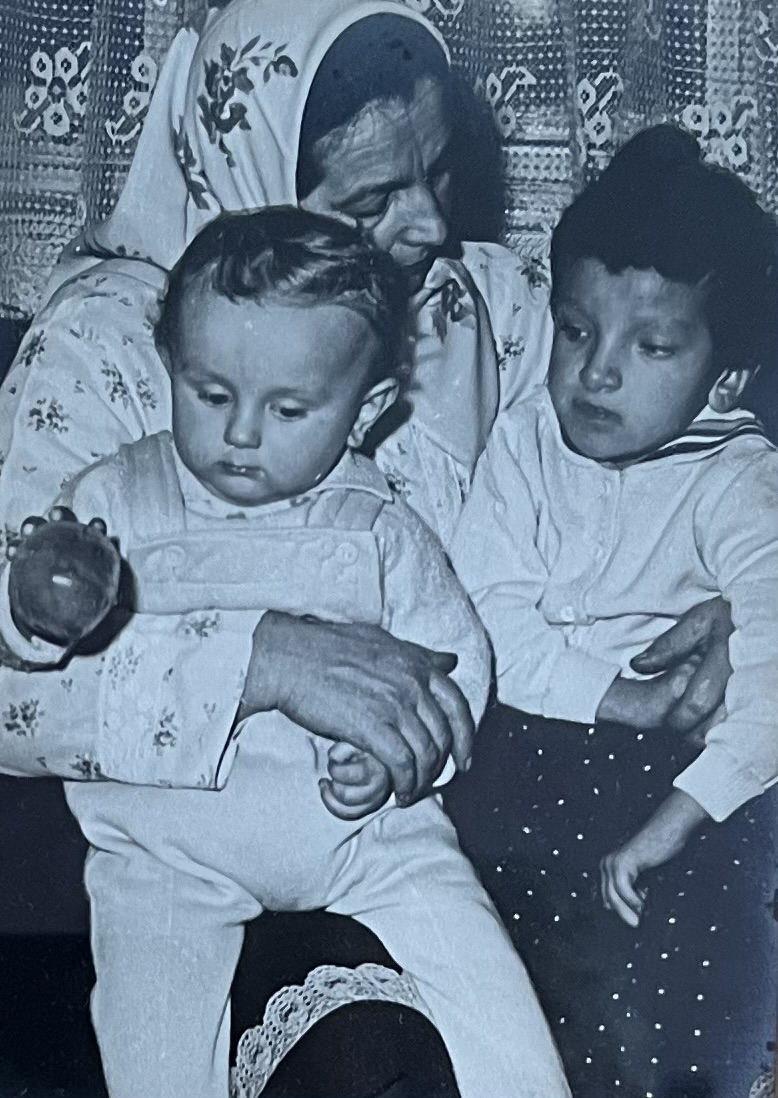
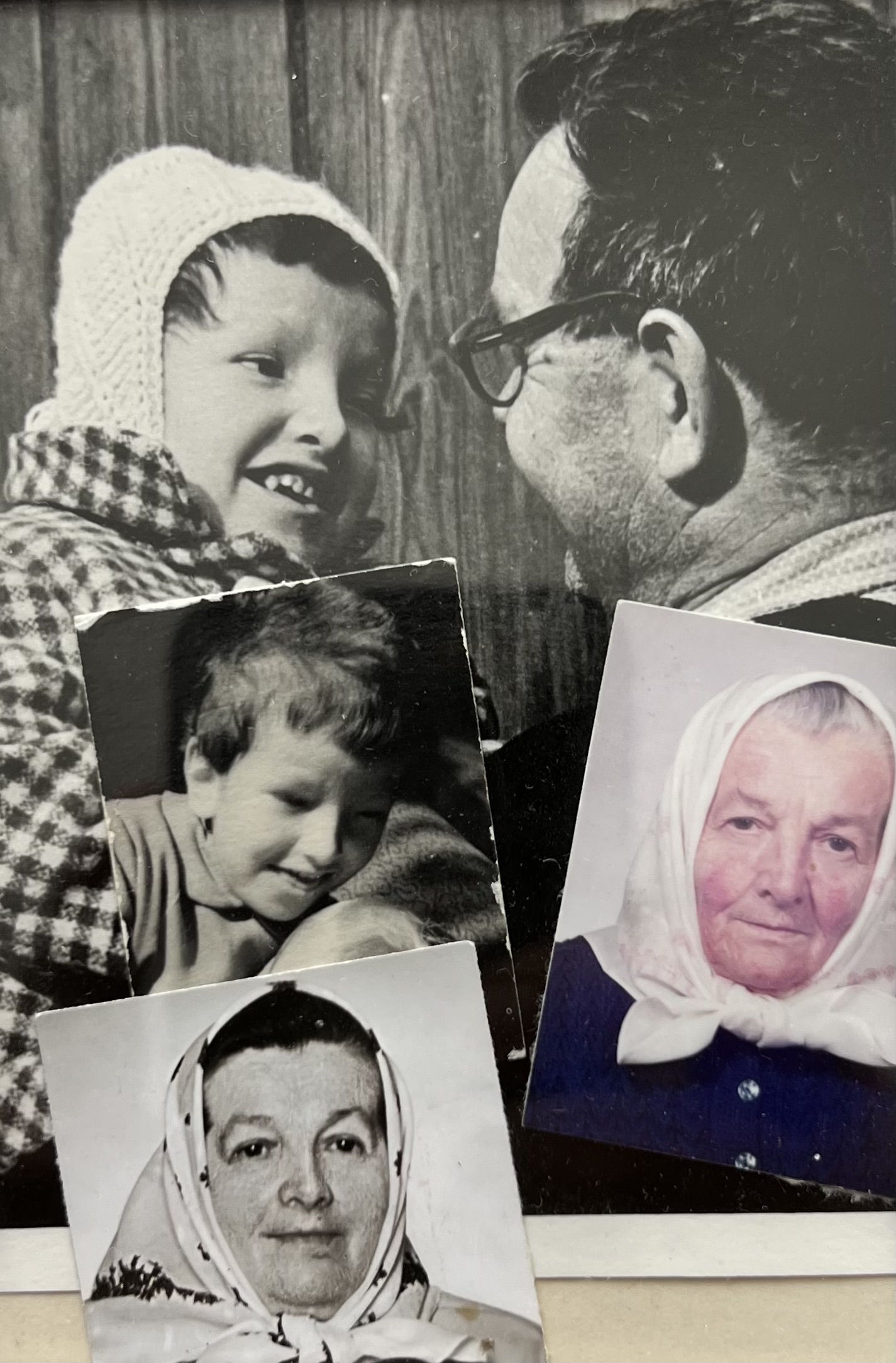
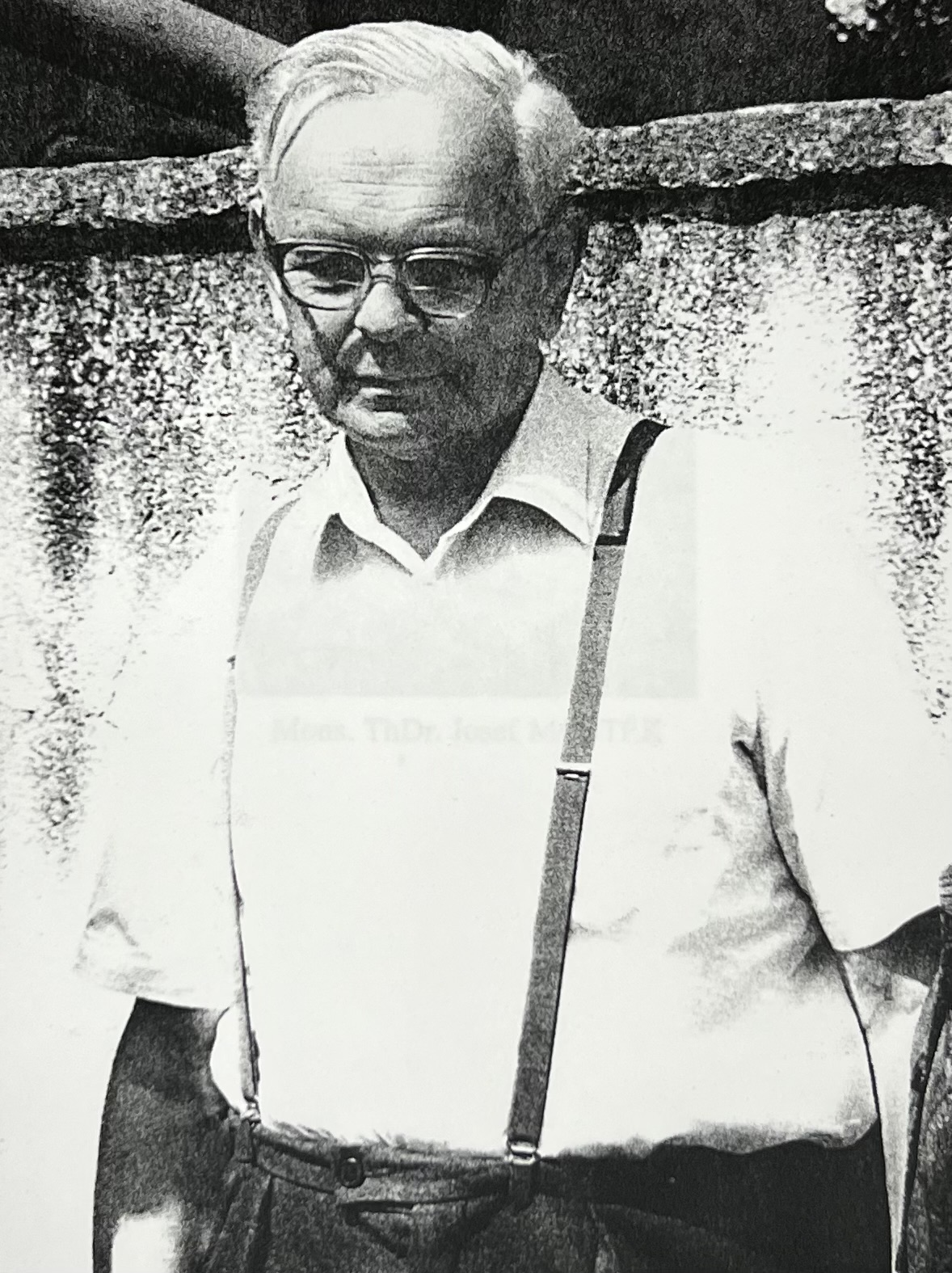
  • "He was such that when he came out of that prison, he had nothing. So our grandfather, Aunt Jindrova - those who could. Our grandfather bought him a winter jacket, a winter coat, auntie knitted him a sweater, gave him underwear, just everything so that he would have something to wear. And he confessed, and there came old grandfather, and uncle came home in the winter and just in a suit. And our father said to him, 'And Tonecek, where's the winter coat I bought you?' And he said, 'This old grandfather came to me for confession, he was shivering with cold, so I came out of the confessional, I undressed and I gave him the winter coat.' He was so caring. Then he was very caring, he got in touch with Mother Teresa. I gave him the picture when it was taken. When she was in Brno, he's photographed with her in the church. We only saw him for a short time, he was with us here. But then the Dominicans wanted it, so we gave it to the Dominicans. At the uncle's, when we came to Brno, he had so many packages in that one room that people brought for Mother Teresa. He was really such a man. They were all good Zemts, but he would really give everything away. I got married and had my first daughter, Evička. But I had a bad birth, a brain contusion at birth. So Evička understood everything, but she wouldn't talk or walk. But when I was working at the dental office, my parents took care of her. And I grumbled. Evička recognized him when he was in the hallway, and I always said - everybody says, 'Why did this have to happen to me?' First baby. I got married at twenty-one, she was born at twenty-three. I had a crazy nice husband, from Brod. He also had a bad fate. And I just told my uncle. And he talked me out of it. He said, ‘Don’t complain. Remember one thing — when God knows someone can endure such hardship, He has to put that burden somewhere. Life can’t be all comfort, not everything can be good. He knew you would take care of her.’ She was a very sweet little girl. I still have a photo of her with her grandfather.”

  • "We were in Znojmo, there was a driver there and he was driving Znojmo - Austria, as a driver. He was a great admirer of the Dominicans, his whole family. And three from Vlčnov turned to my uncle. Pavelčík Jožka, Moštek - Monsignor Moštek's brother and Jožka Zemek, who was then in America. These were students who were supposed to go to the army, but they were against the regime. My uncle helped them through this engine driver who took them to Austria. There, my uncle was already in contact with the Austrian Dominicans. So they put them up there and the boys got on to America. I just knew that. They turned him in. They brought guns into his basement that he didn't know about. That he was just keeping weapons there and that he was smuggling."

  • Celé nahrávky
  • 1

    Vlčnov, 02.07.2025

    (audio)
    délka: 01:35:53
    nahrávka pořízena v rámci projektu Stories of 20th Century
Celé nahrávky jsou k dispozici pouze pro přihlášené uživatele.

All your life you learn to forgive
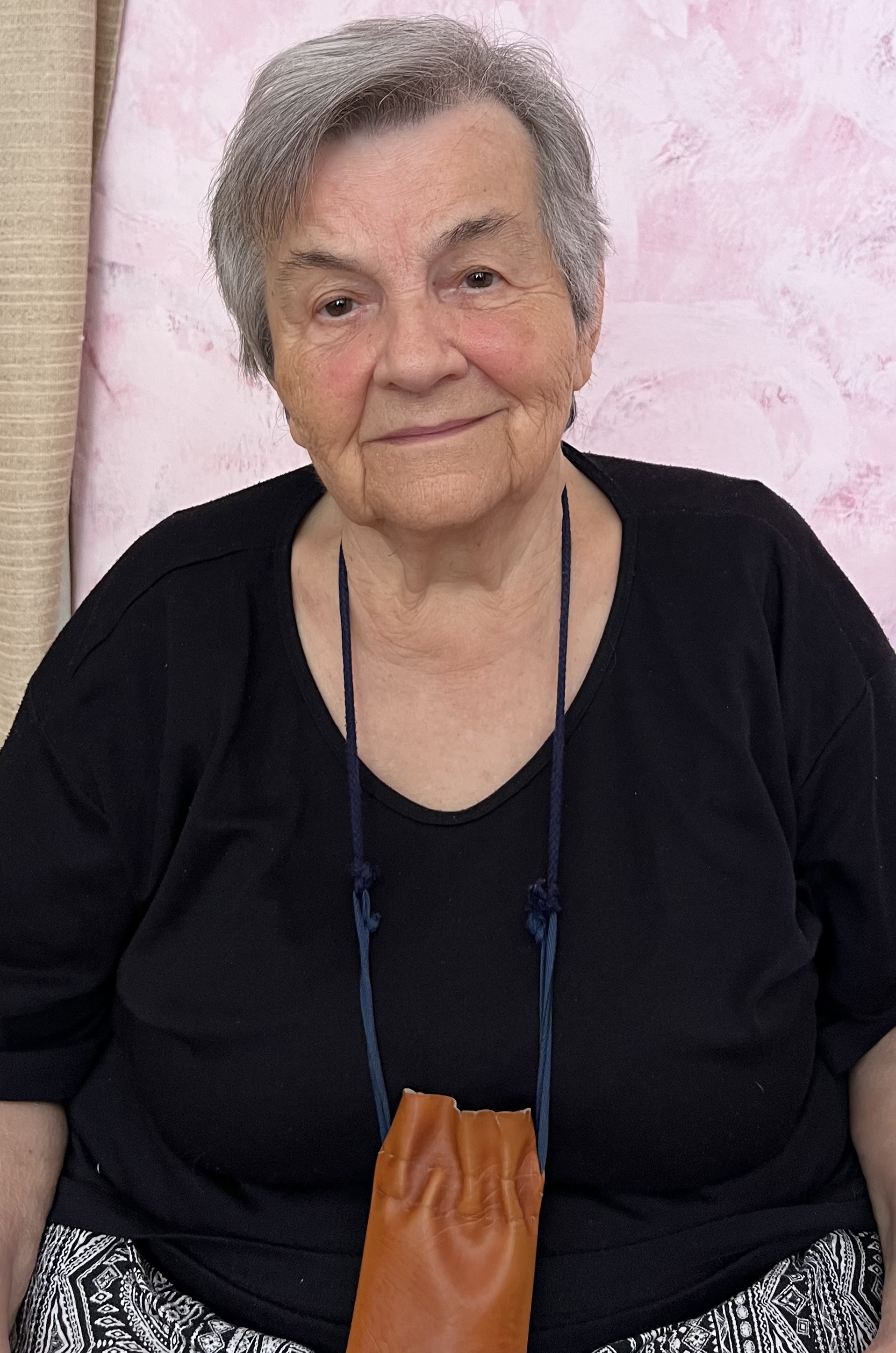
Marie Loucká, 2025
Marie Loucká, 2025
zdroj: Pavel Jungmann

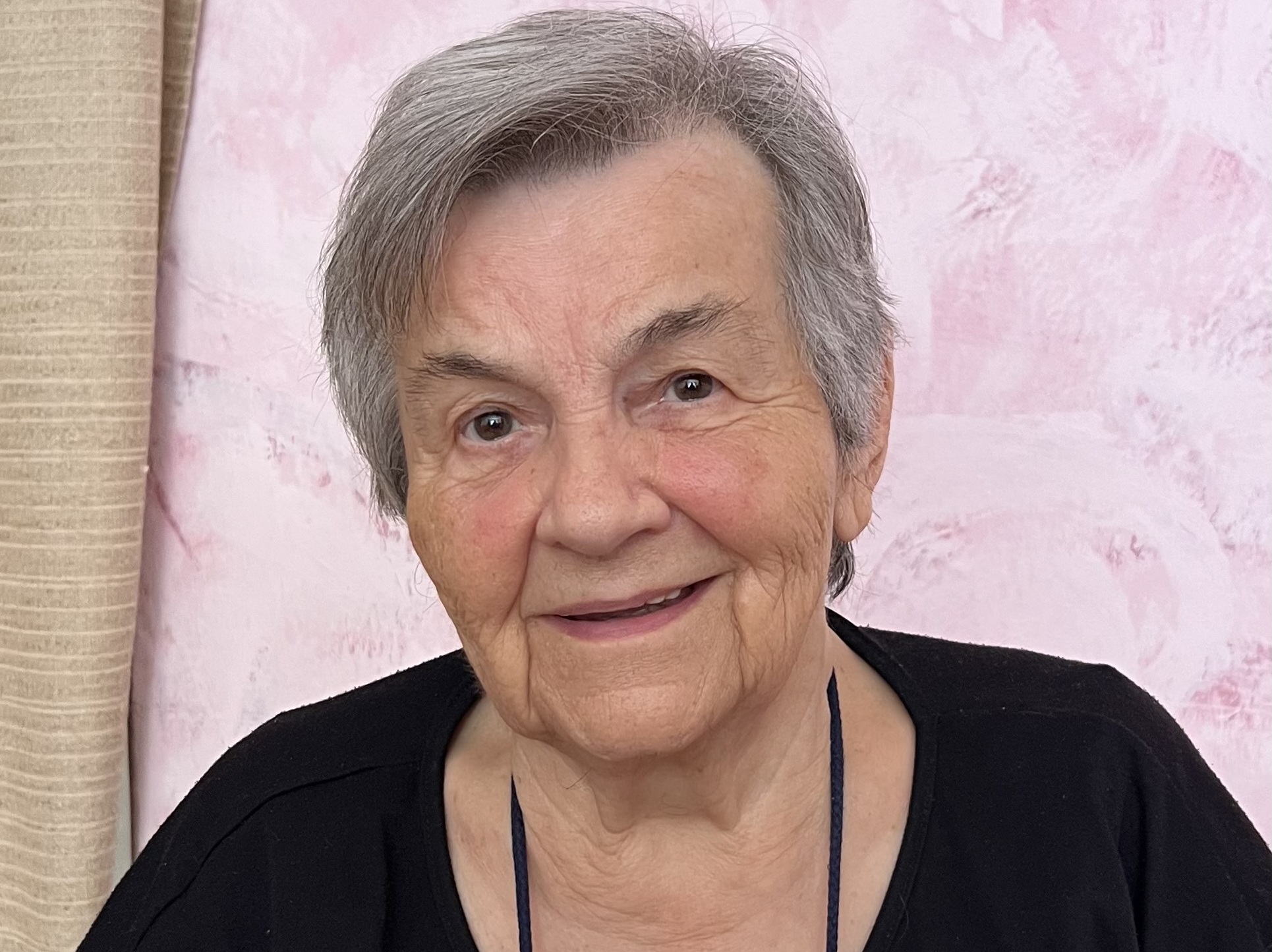
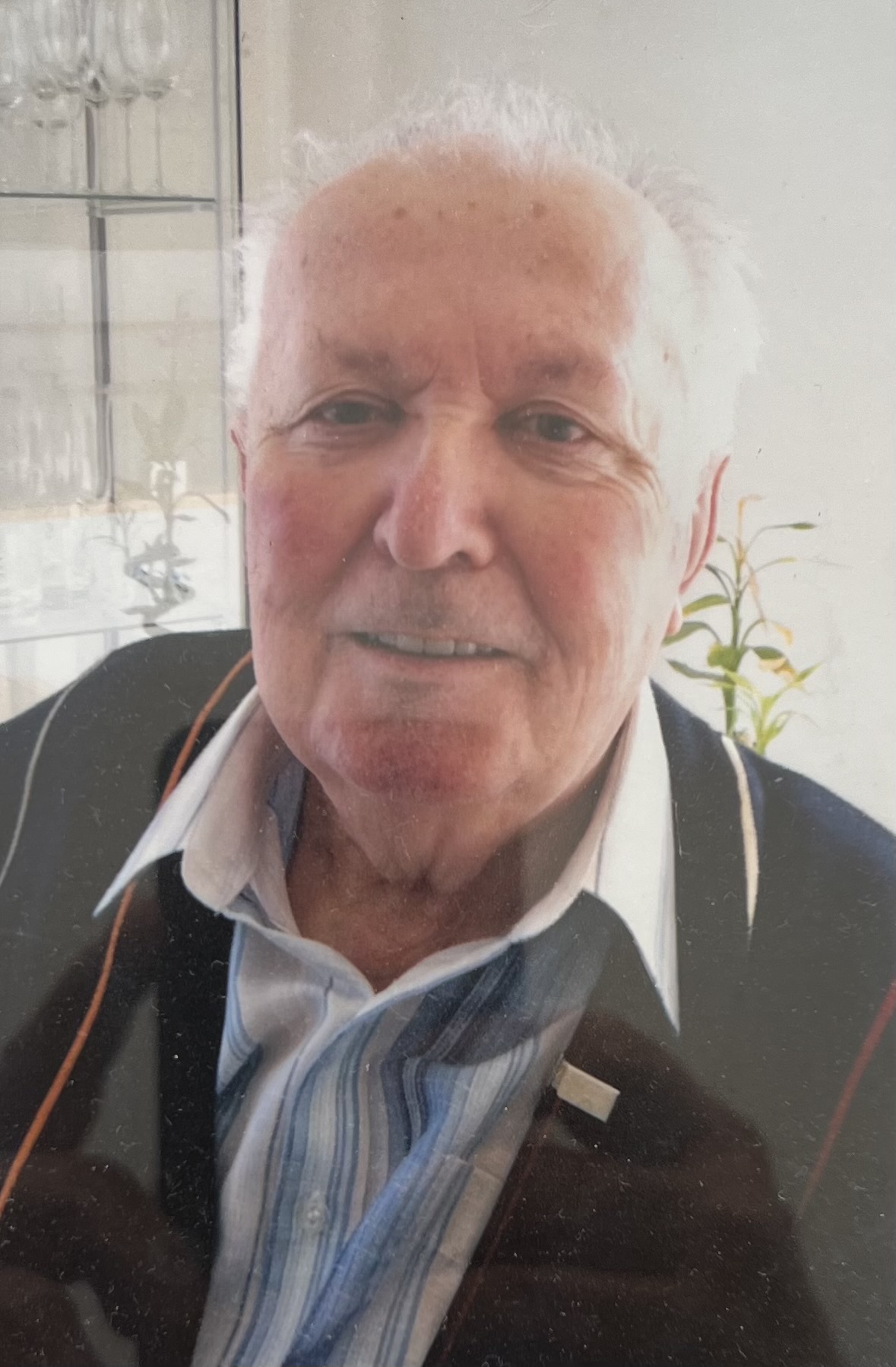
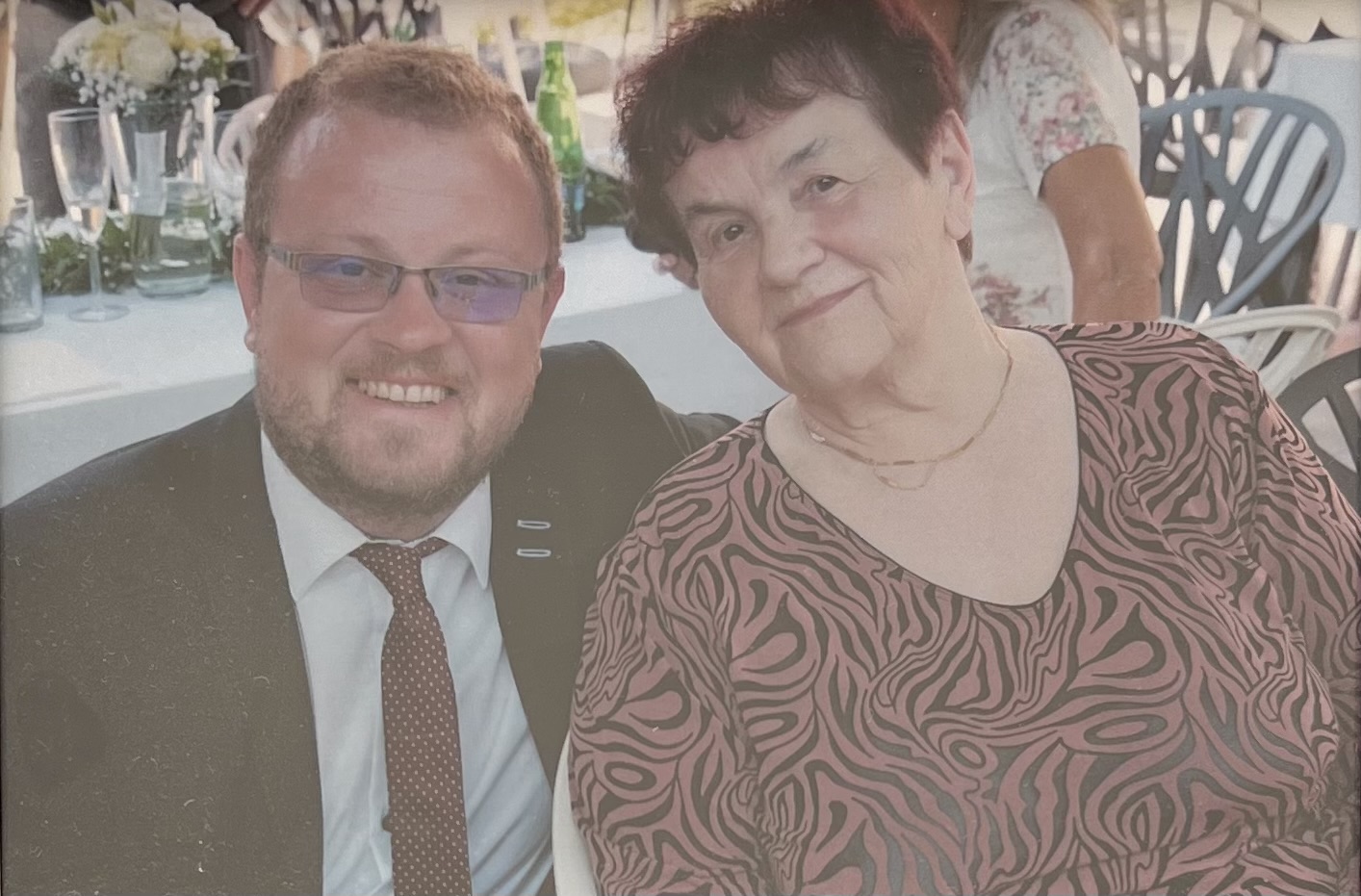
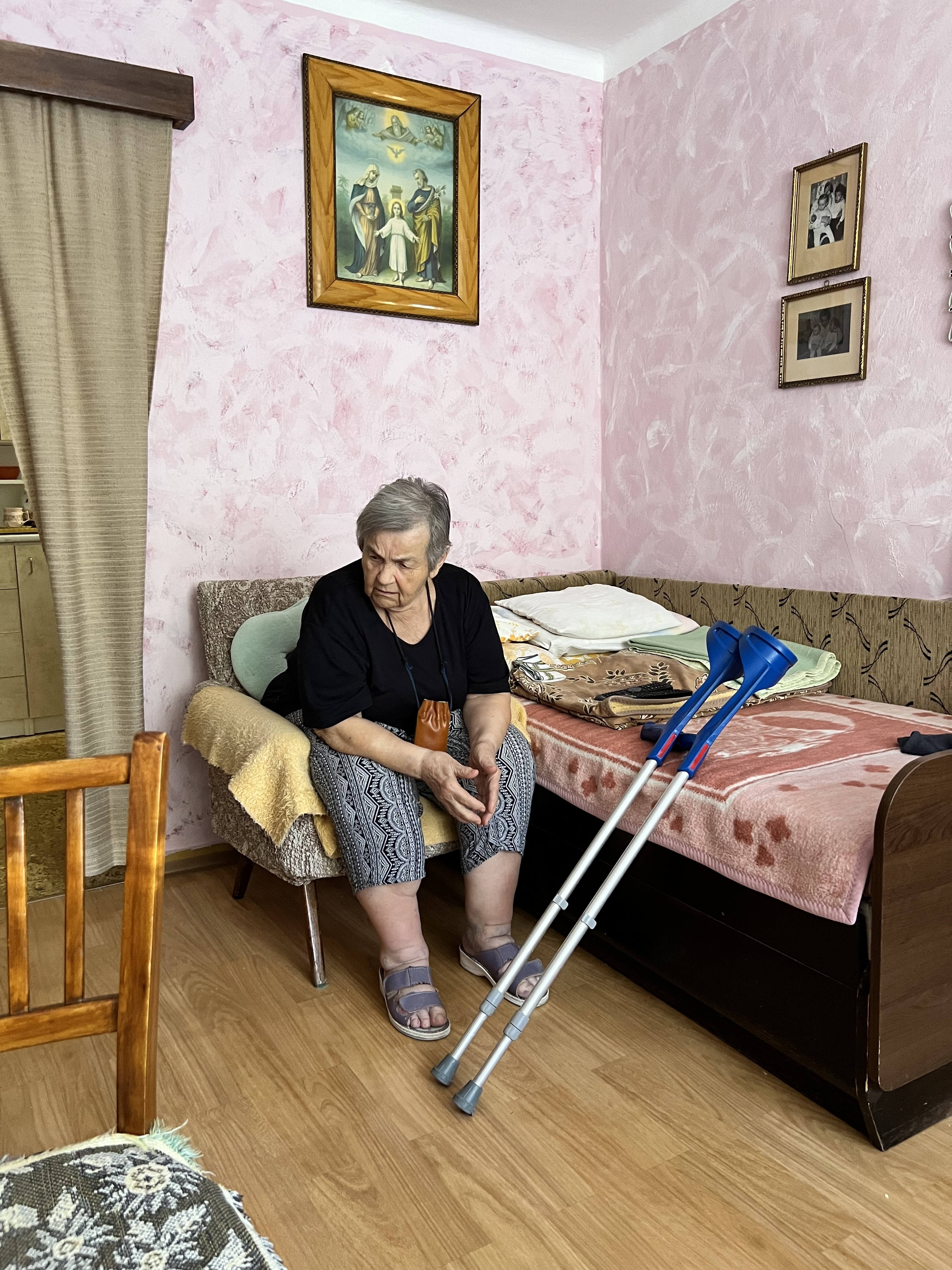
Marie Loucká was born on July 14, 1935 in Uherský Brod, but she lived her whole life in Vlčnov. She grew up in a traditional family environment and strong faith. Her father Josef Zemek was a tailor, her mother Anežka a cook. An important figure in her life was her uncle Antonín Zemek, a Dominican priest and political prisoner who spent 12 years in communist dungeons. Maria was expelled from the gymnasium after her first year of studies because of this. She trained as a dental laboratory technician, which later became her lifelong profession and mission. She worked for 40 years in health care, most of them as deputy head of the laboratory in Uherský Brod. She married Slávek Loucký, with whom she raised two children - a severely disabled daughter Evička, whom they took care of for 47 years, and a son Jaroslav. She lived her whole life with deep faith, humility and service to others. Even in her old age she remained active and helped those around her. At the time of the filming in 2025, she lived in her house in Vlčnov.