David Litvák

* 1967

  • "Sýkora [the dean of the Faculty of Education] was, of course, furious. Of course they threatened, they said no [strike]. We were barricaded in that first night from Monday 20 to Tuesday 21 [November]. And now there were people, crowds walking through those streets, shouting slogans of support, and everybody was still waiting for the soldiers to come and sweep us away. So we had escape routes ready. That was a big adventure, too. But [Sýkora] was, of course, strongly opposed. There was still the problem that there were the ten percent of us 'scum' who went in, and then there were the ninety percent of the teachers who were annoyed that, 'Damn, I was supposed to get a credit...' and 'When is there another term?' 'This strike of yours doesn't suit me at all...' and so on. But somehow it worked..." - "How did you influence them?" - "Of course it helped... [Other times] when there was a demonstration, some official news came out. And we used to say, 'No, actually it was like this.' And now it was such that even in the official media it was clear that it was not as much fun as it always had been. Because there were a lot of witnesses. And this impressed them when they found out that even their friends who went [to Národní Street] because they thought it wasn't a political event, got beaten by batons. Everybody already knew somebody who had been there, even if they weren't politically involved, they had direct contact through one, two, three people, usually, with somebody who described to them what had been happening [on Národní třída], right."

  • "I'm sure it was that 17th [November] was a Friday, on Saturday we were playing [with the band] and suddenly on Sunday 19th [November] I found out that something was happening - that there were some meetings going on at the Činoherák [činoherní klub Theatre] and that we were going on strike from Monday. And then on that very Sunday, 19 [November], the Democratic Initiative was meeting at Mrs. Tomková's, and there were already policemen around, so it was hastily moved to our place. Only it didn't meet." - "Like at your flat?" - "At my home. In Letná Street. At Mrs. Štolbová's. I said Tomková, but she was [Mrs. Štolbová's] daughter, so at Mrs. Štolbová's down - she lived down there below [the street] Dukelských hrdinů, we [lived] up. And so it was supposed to meet at our place, but only a handful of people arrived there, because [the police] picked it up, on the way to our place. So I had the absolute ultimate adventure there, where we acted like 'big guys' - when it looked like they were going to come and pick us up, we ran across the backyards and left the women behind. 'We're going to save the world and you just get arrested here.' So we ran across [the walls] and then I went to sleep at a friend's place. I picked ones that I didn't interact with very often at all, so that the enemy wouldn't think of [looking for me there]. I spent the night with them and then in the morning I went to Prague 8 in front of the faculty to tell the students that there was no school, that we were on strike, and that was that."

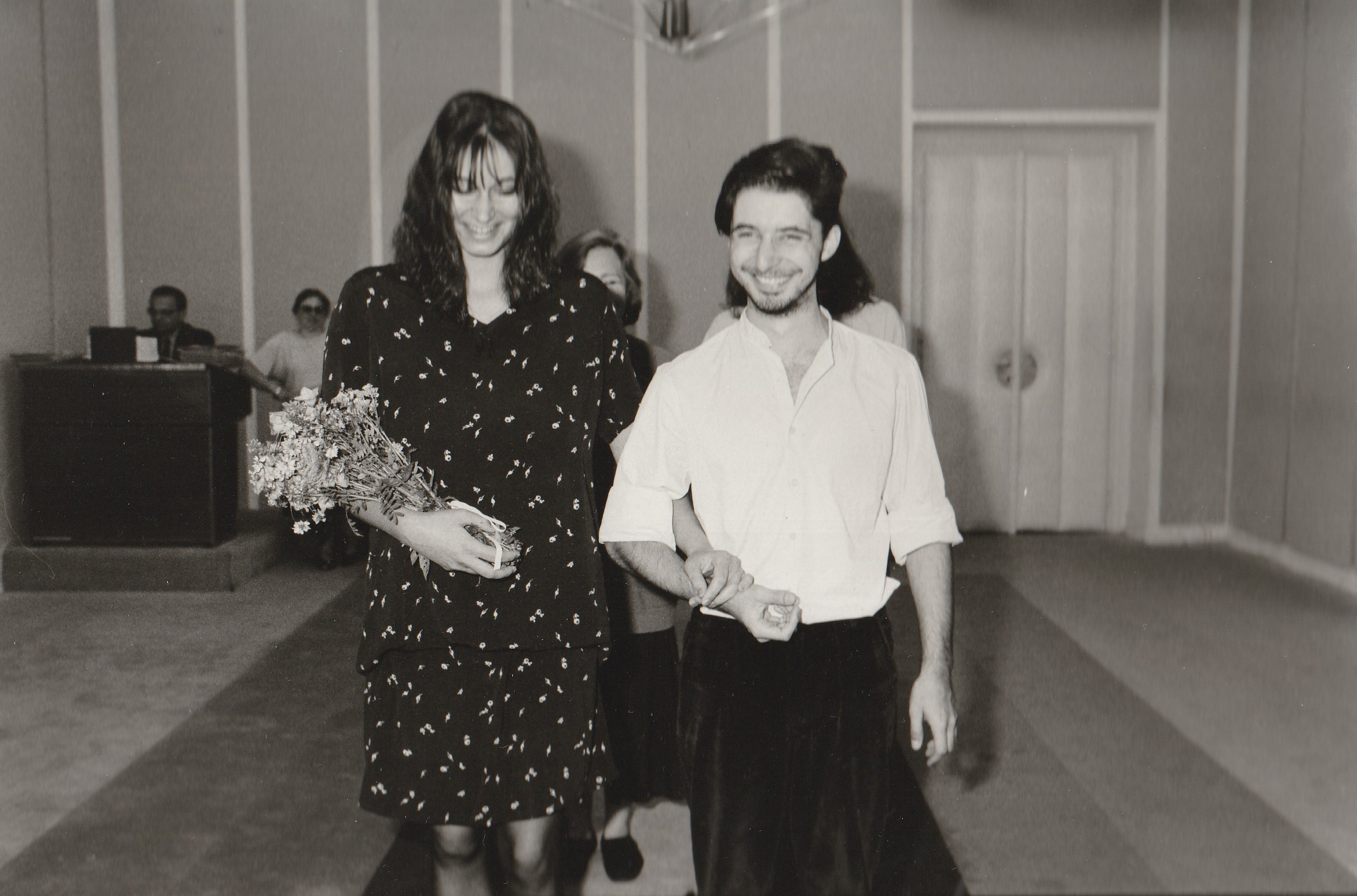
  • "The student section - we were strict, but also [the student march on 17 November] was about the fact that there was democratisation going on all around, and that [democratisation] should also take place in terms of study, in terms of access to materials, in terms of getting sources of information and so on. And then I'm not talking about that also in the framework of travel, gathering experience. Of course, it was also supposed to be about all the things that constrained student life. It wasn't about the occupation, it was about the fact that everything here is not O.K." - "And then you also got to the Národní Street..." - "I did. I was arrested there, so by some miracle they didn't drag me down that proverbial alley, but before that they ran at me with a dog, which didn't bite me, but barked at me. But terribly." - "Were you scared?" - "Not really... well, I guess I was. But anyway, some people [detained] us and took us to Školská - I was in custody there. Or rather in detention - we were sitting in the corridors. And we didn't know what was going on. And after some - I don't know, it seems to me now after six hours, or it was after three hours - they let us go again. But I think it was sometime during the night. By that time I was living alone, or rather not with my parents, I was already married. And so I went home."

  • Celé nahrávky
  • 1

    Praha, 24.06.2025

    (audio)
    délka: 01:45:09
    nahrávka pořízena v rámci projektu Stories of the 20th Century TV
Celé nahrávky jsou k dispozici pouze pro přihlášené uživatele.

Resistance to totalitarian absurdities was not an act of heroism, but of common sense
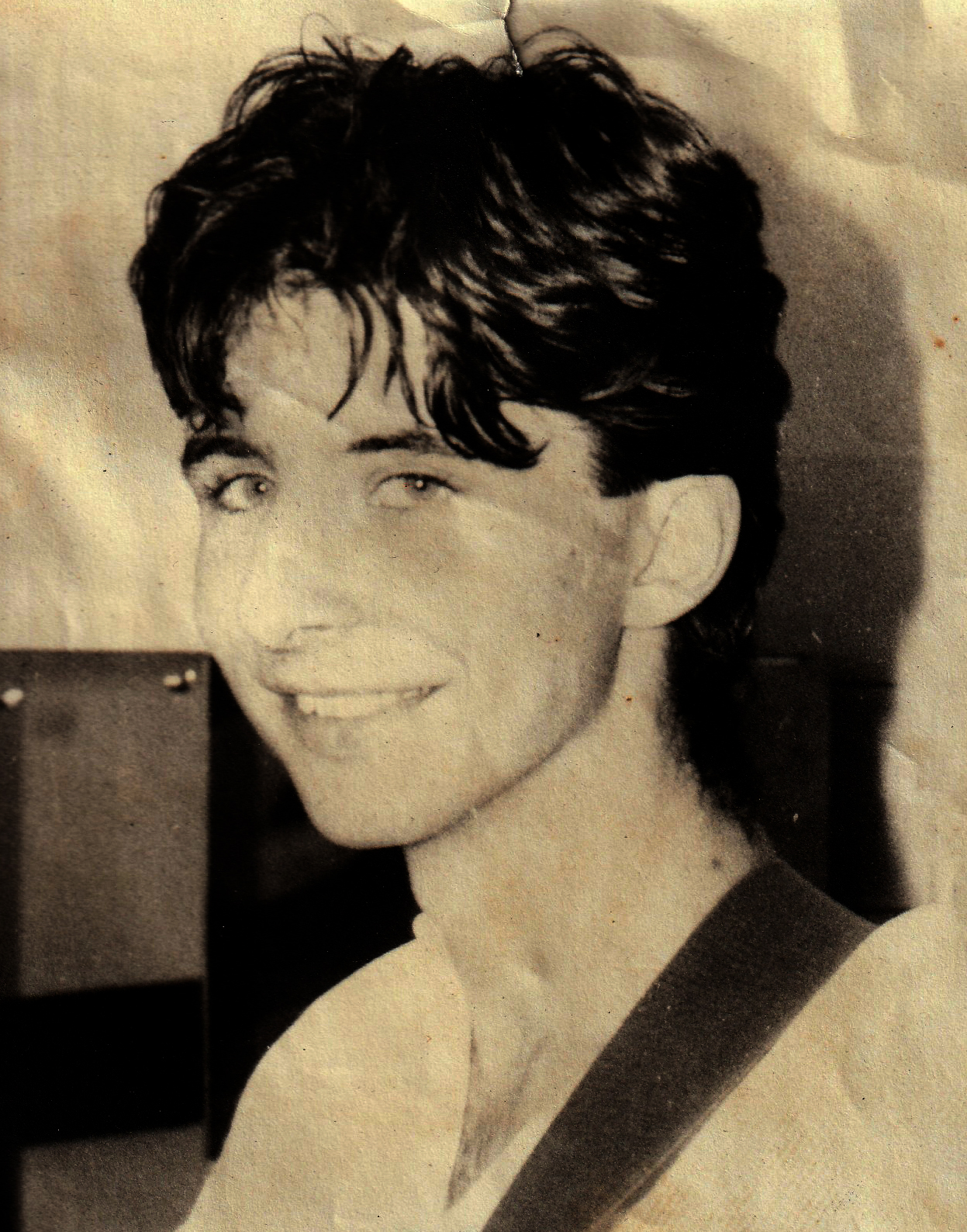
David Litvák, grammar school pupil
zdroj: witness´s archive

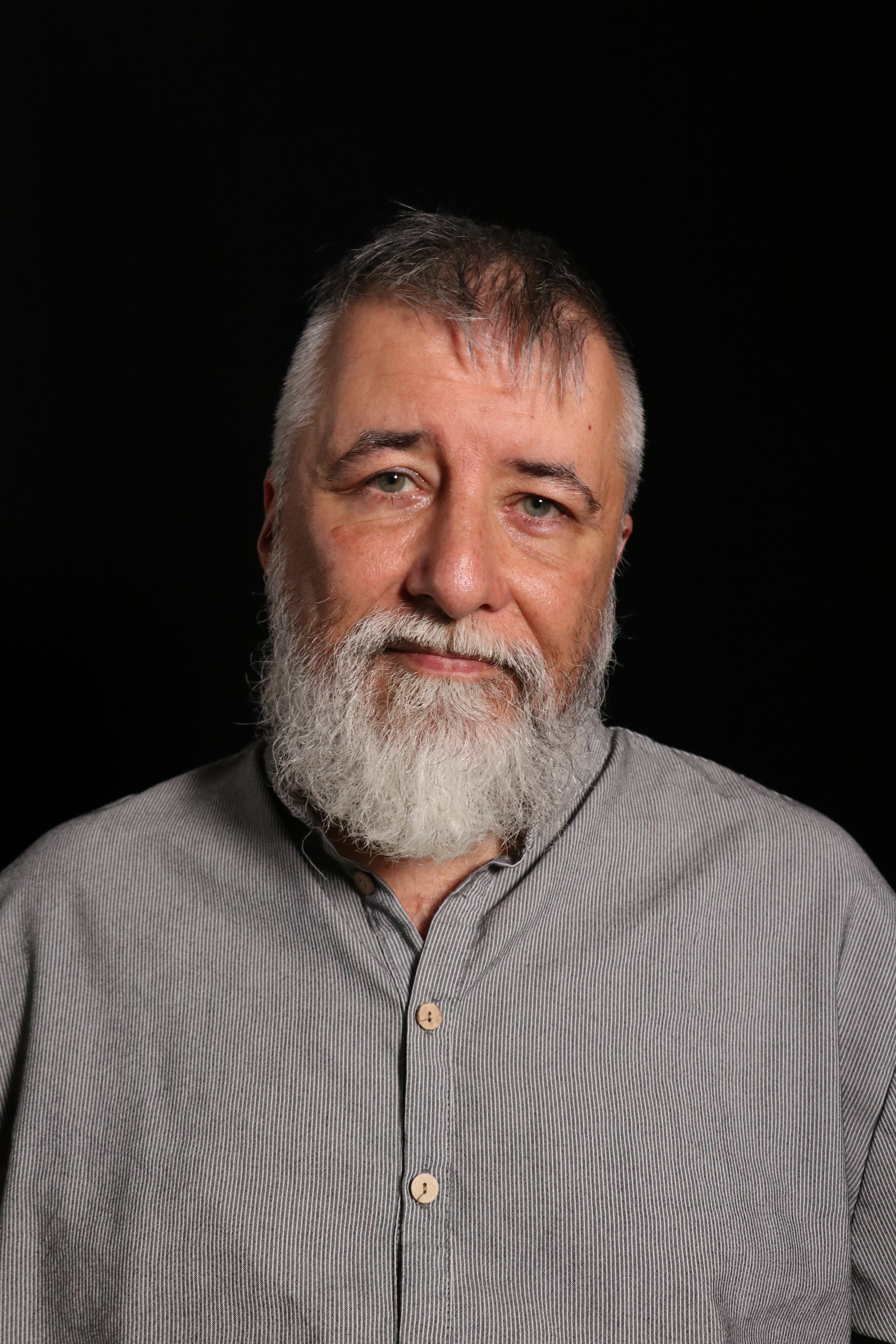
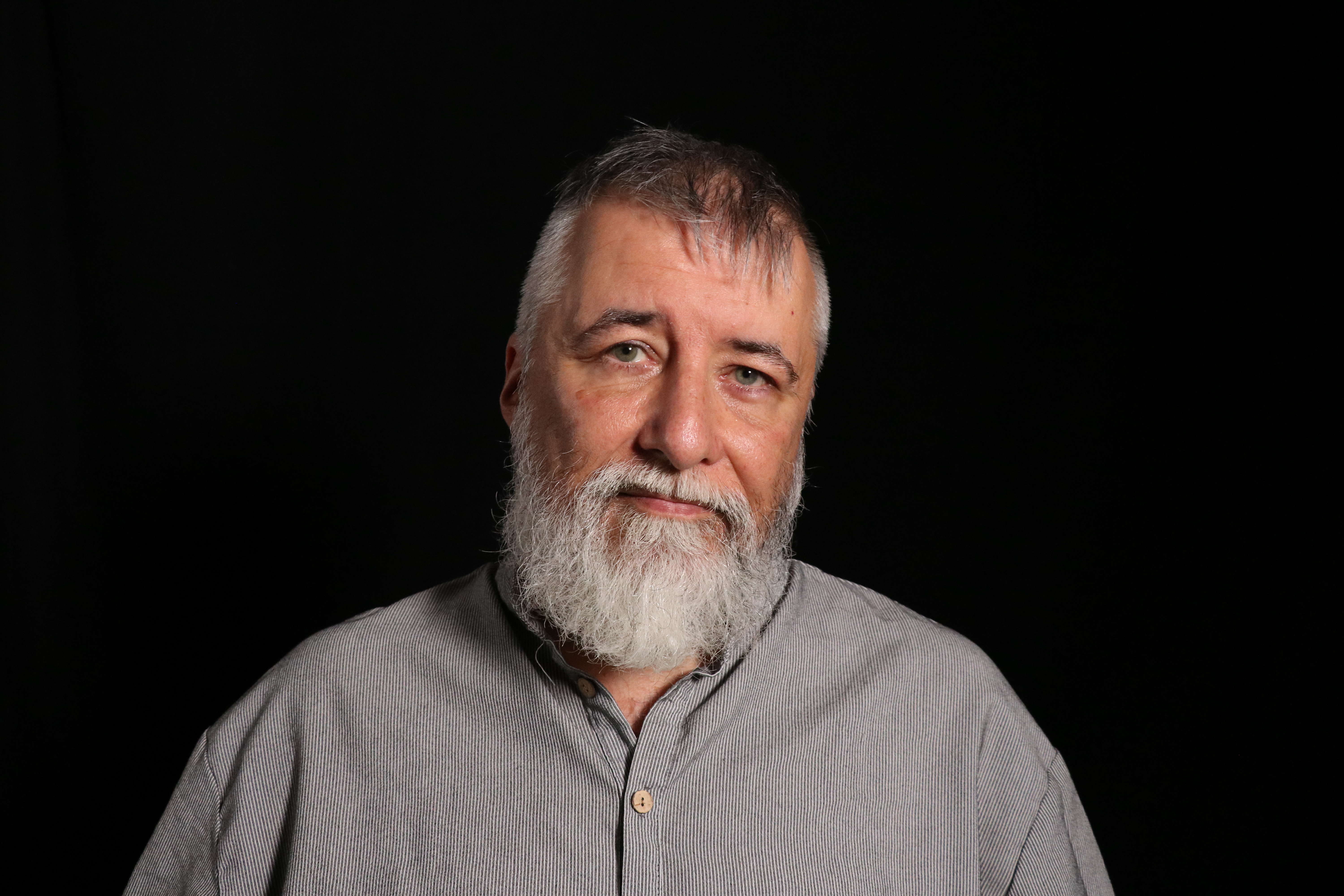
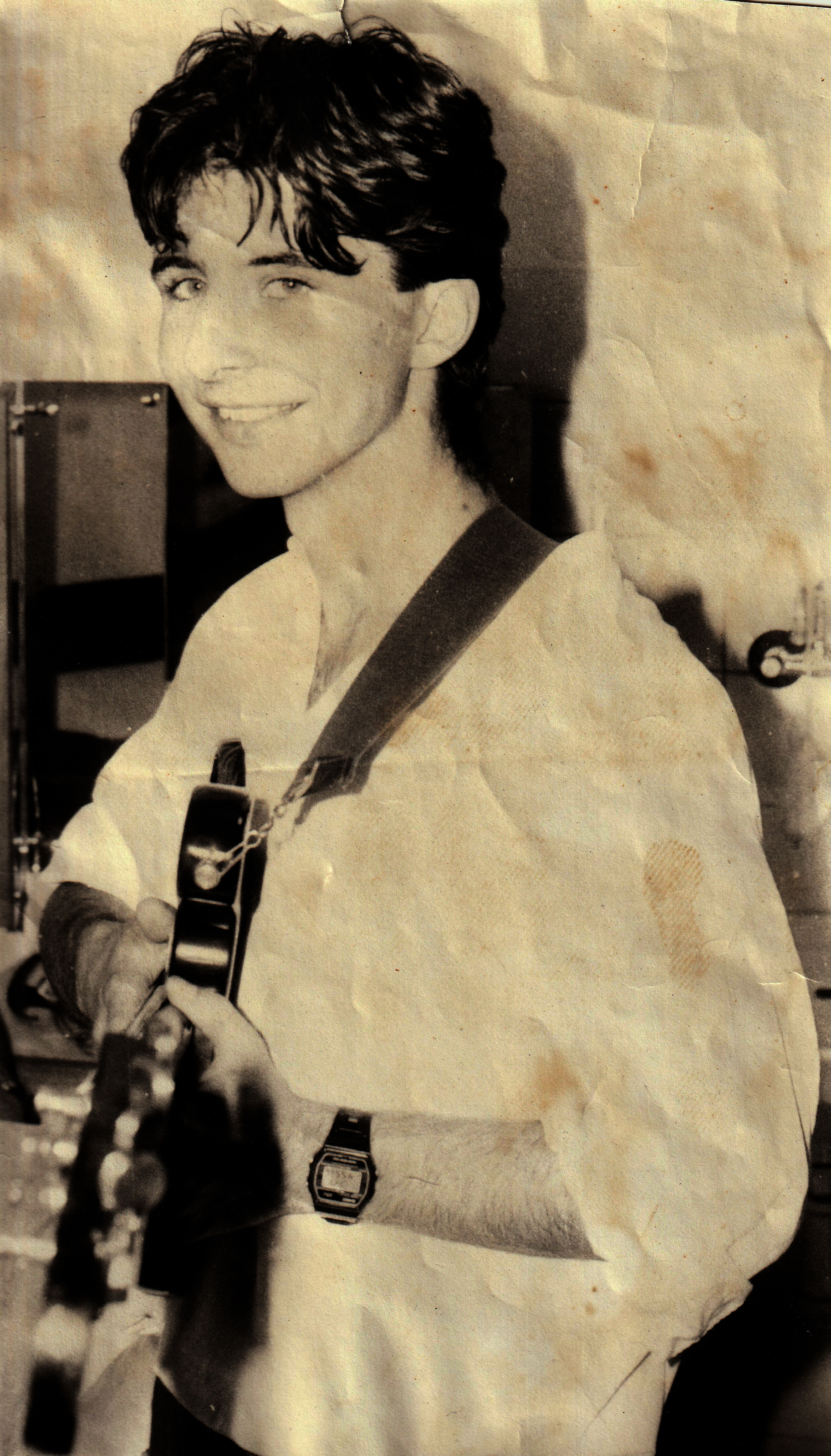
David Litvák was born on 16 July 1967 in Prague. His mother Hana worked as a TV costume designer, his father Jiří Litvák was a photographer. His parents lived a tumultuous bohemian life and their relationship ended in divorce. After his father moved to France and acquired French citizenship, his son lost contact with him. David Litvák attended primary school with a focus on foreign languages. At grammar school he got in touch with samizdat and became interested in social events. His first protest was a petition against the ban on concerts by the band Pražský výběr. After graduating from secondary school, he was accepted to the Faculty of Education at Charles University, majoring in Czech language - pedagogy. Together with Michal Semín, he founded the student section of the Democratic Initiative. Their calls for the democratisation of education were broadcast on Free Europe. After two students were expelled from school during Palach Week in January 1989, they created a petition that eventually made the school change the expulsion to probation. A week before 17 November 1989, Semín and Litvák were also expelled from the faculty for anti-regime activities. But the fall of the regime revoked the decision. David Litvák was at the birth of the Stuha movement (Ribbon), whose first event was to be the student march on 17 November 1989, which became an unplanned key event in the fall of the regime. He participated in the organisation of the student strike at the Faculty of Education and played an active role in mobilising support for the election of Václav Havel as president. After the revolution he worked in the press department of the federal government. In 1990 he was physically attacked by an unknown man for working in the government, which he saw as the end of illusions about the general enthusiasm for regime change. In the early 1990s, he co-founded independent Radio 1. In 1992, he worked briefly at Point 91.9, then at Stereo & Video magazine and other technology magazines. Since 2009 he has been working on television series. He watches politics from a distance and is disturbed when former co-fighters from November 1989 express views that threaten democracy. David Litvák has been awarded the 3rd Resistance Award by the Ministry of Defence of the Czech Republic for his actions. He was living in Prague at the time of recording in 2025.