Karel Lang

* 1947

  • "And now I'll tell you that we were really scared, because we arrived at the Czech border, there were red flashlights, he came to our car, pushed a machine gun through the window. The first thing was: a certificate of handing in the military book. I hadn´t been at the military service, but I had my blue book with me. I was scared. Really. He was looking, looking. 'Wait,' he stepped back, the other one unlocked this big steel barrier inside the republic, they let us go, and then only in the dark after another two kilometres or so did we arrive at the customs house where our customs officers were. Terrible monsters. Really morons who, if they had said no, we'd have turned back again. Well, just questioning: 'What about this, what are you carrying, what are you not carrying, where have you got..., where are you hiding...?' 'We haven't got anything.' 'Let's see. Take your clothes off.' It was really bad."

  • "So they started bringing in this bus and there were these cars and dogs and cops on motorcycles and we didn't know what was going on. So we loaded it up, they were checking them in, the ones that didn't have the IDs, and we headed to the city. At the local station we were stopped, a patrol of policemen, saying to the driver, 'Mr. Driver, where's your permit, who's on the bus, have you got your IDs?' And we arrived here in this square where we used to rehearse, there was a swarm of policemen and radios, right on that floor they were calling out, 'Here's a soap calling a towel' - I don't remember what the announcements were, and we were carrying our exuipment between them to our room where we were actually living. And then we only learned unofficially that this one local drunk, a comrade, had reported that there were youngsters urinating on the monument to the Red Army, in the local park..."

  • "Well, I picked myself up and went to the station. And it was sometime in the morning at ten o'clock. There were hundreds of people at the station. Hundreds of people were commuting from there to Prague for work and stuff. Of course, the trains weren't running, and when the train dispatcher came out some long time afterwards, a train came, packed with people - they were still wooden cars - so whoever could, they crammed into that train. The train dispatcher begged the people, 'Don't peek out of the windows, there are Russians on the track below Šibeňák, it's a hill here behind the station, they'll shoot.' So the train moved out of the station, we went two hundred metres, and there were Russians on the tracks with heavy machine guns, sandbags, and the train wasn't moving. Well, there was a big negotiation, somebody from the railroad probably negotiated it and the train started and we got to Prague by leaps and bounds until we stopped at what is now the Rajská zahrada stop. The train didn't go any further and on the horizon to the south around Prague we could see one tank next to another. They stood pointing, surrounded by Prague. The Russians started to come through the carriage and really started to steal watches, documents, valuables. People, hide everything you can and don't tell them anything, if they want it, give it all to them."

  • Celé nahrávky
  • 1

    Praha, 05.01.2026

    (audio)
    délka: 02:00:28
    nahrávka pořízena v rámci projektu Stories of 20th Century
Celé nahrávky jsou k dispozici pouze pro přihlášené uživatele.

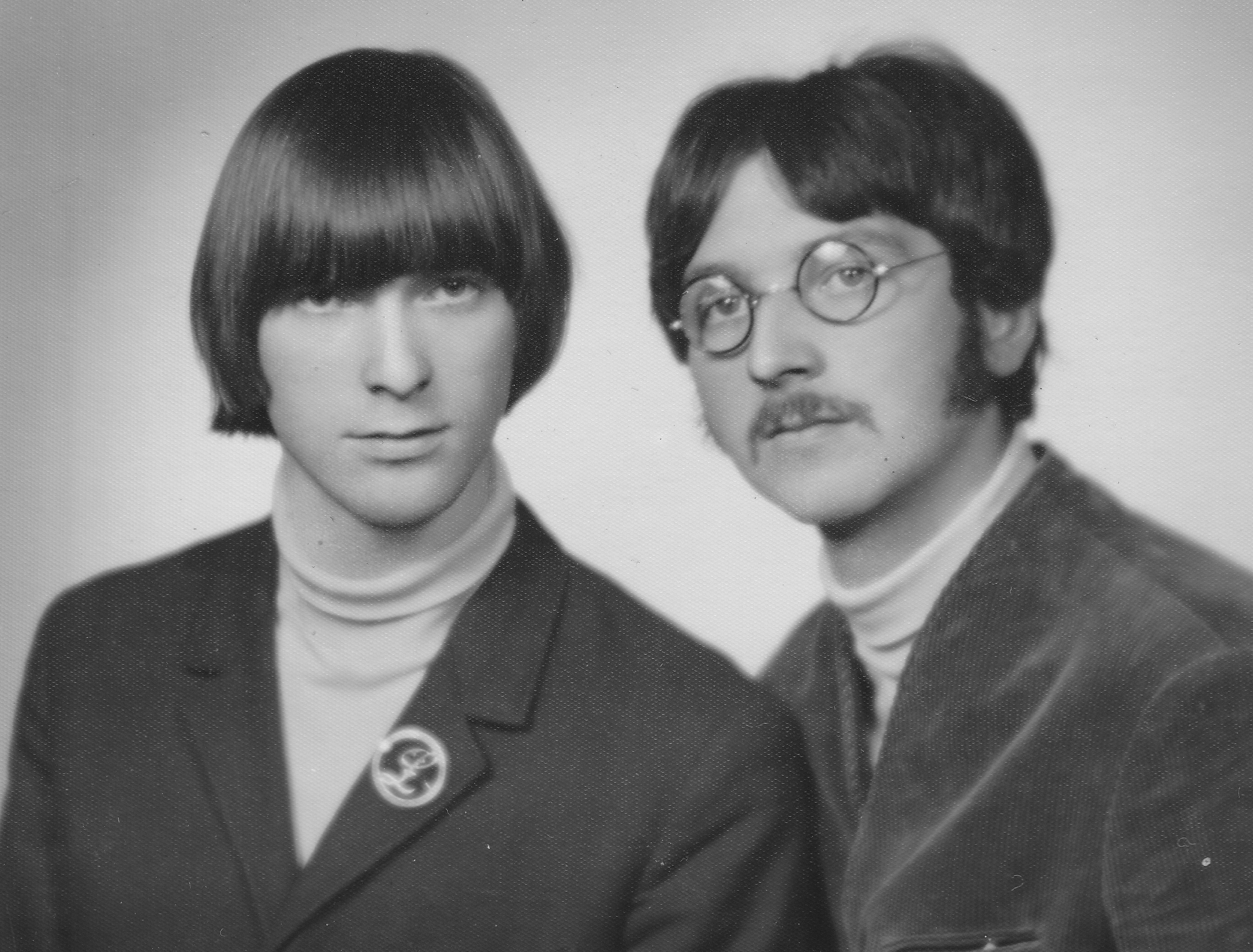
In 1965, I promised myself I would never go to the barber again, and I haven‘t since
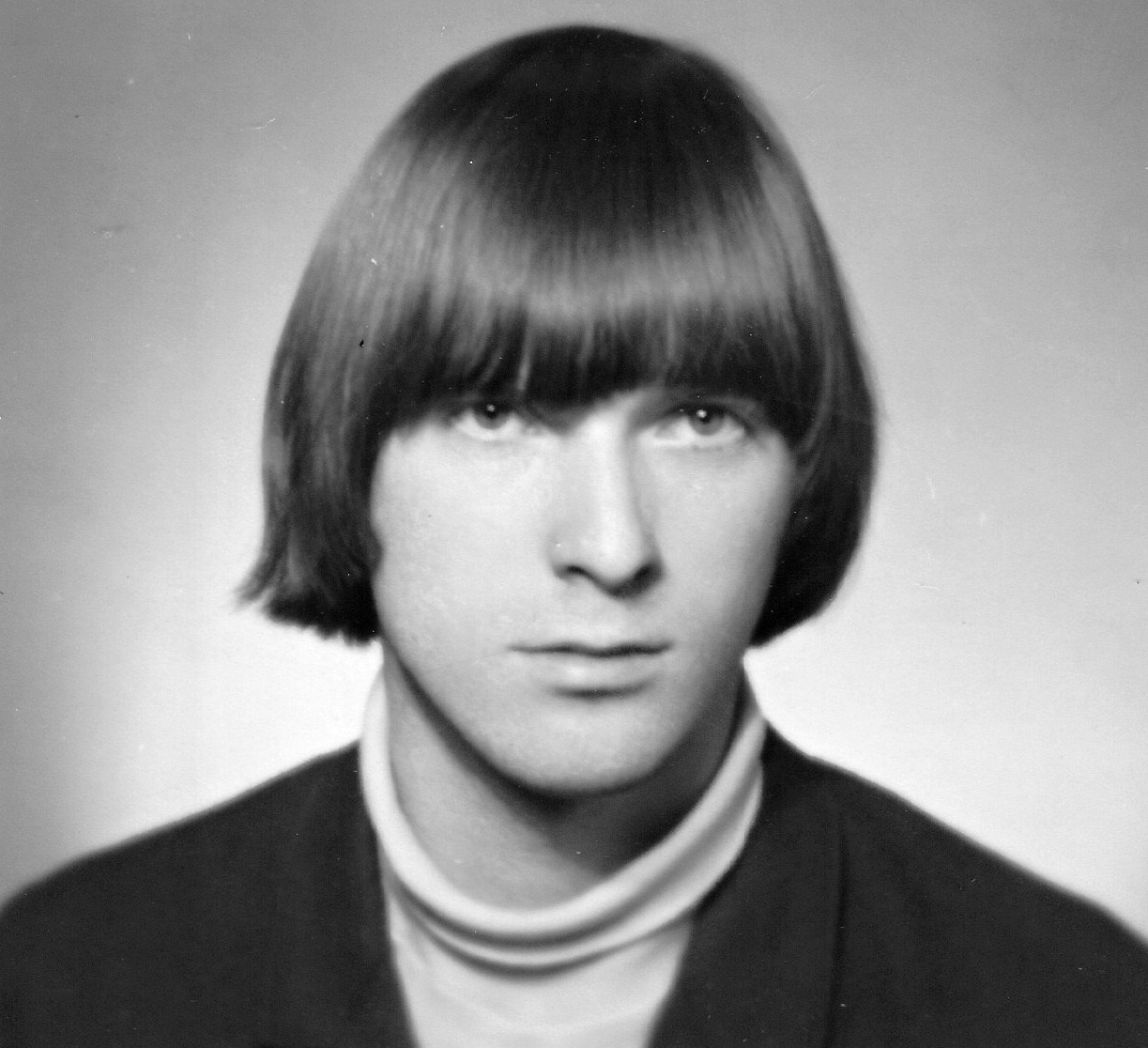
Karel Lang, nineteen years old
zdroj: Witness´s archive

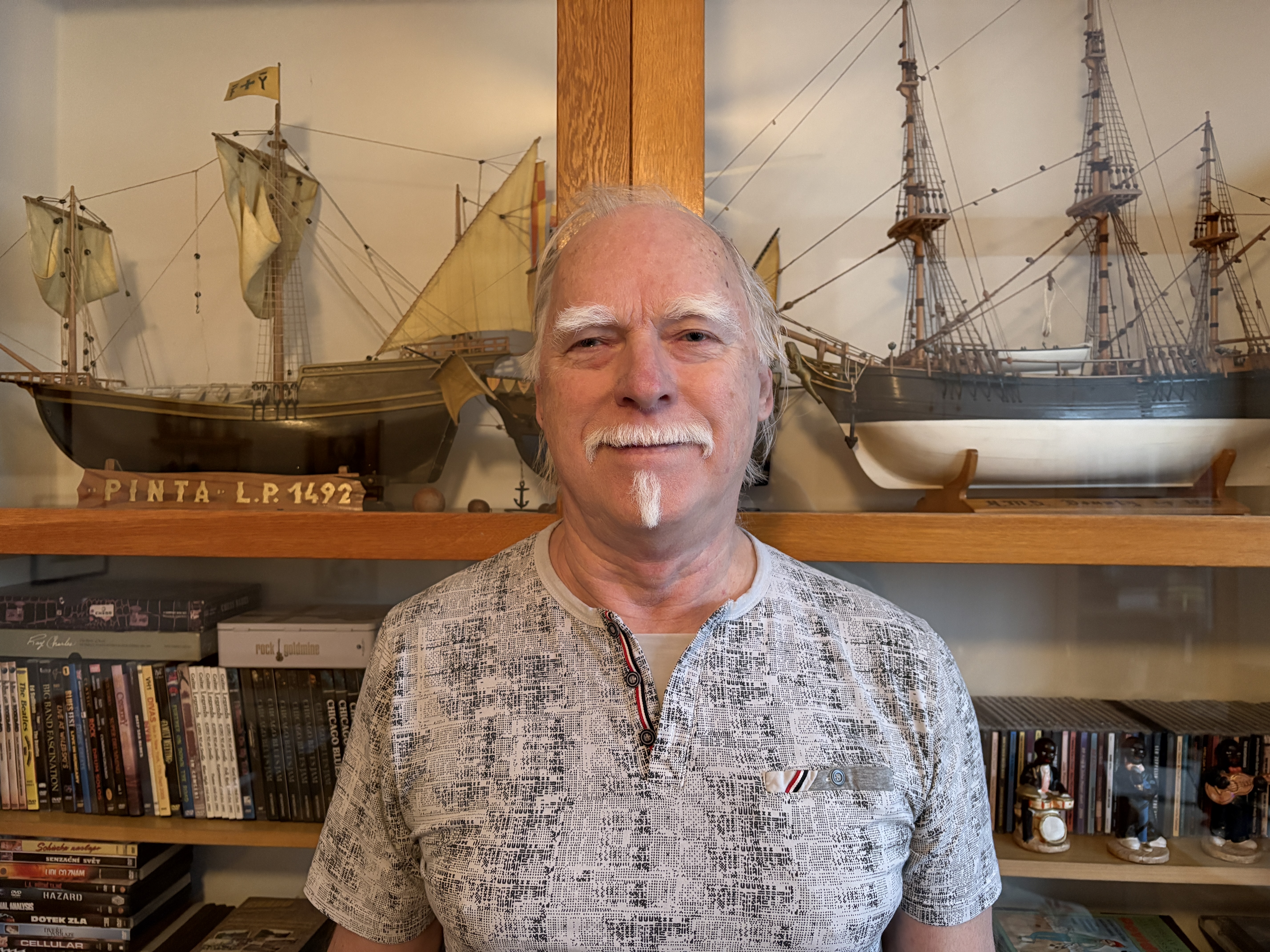
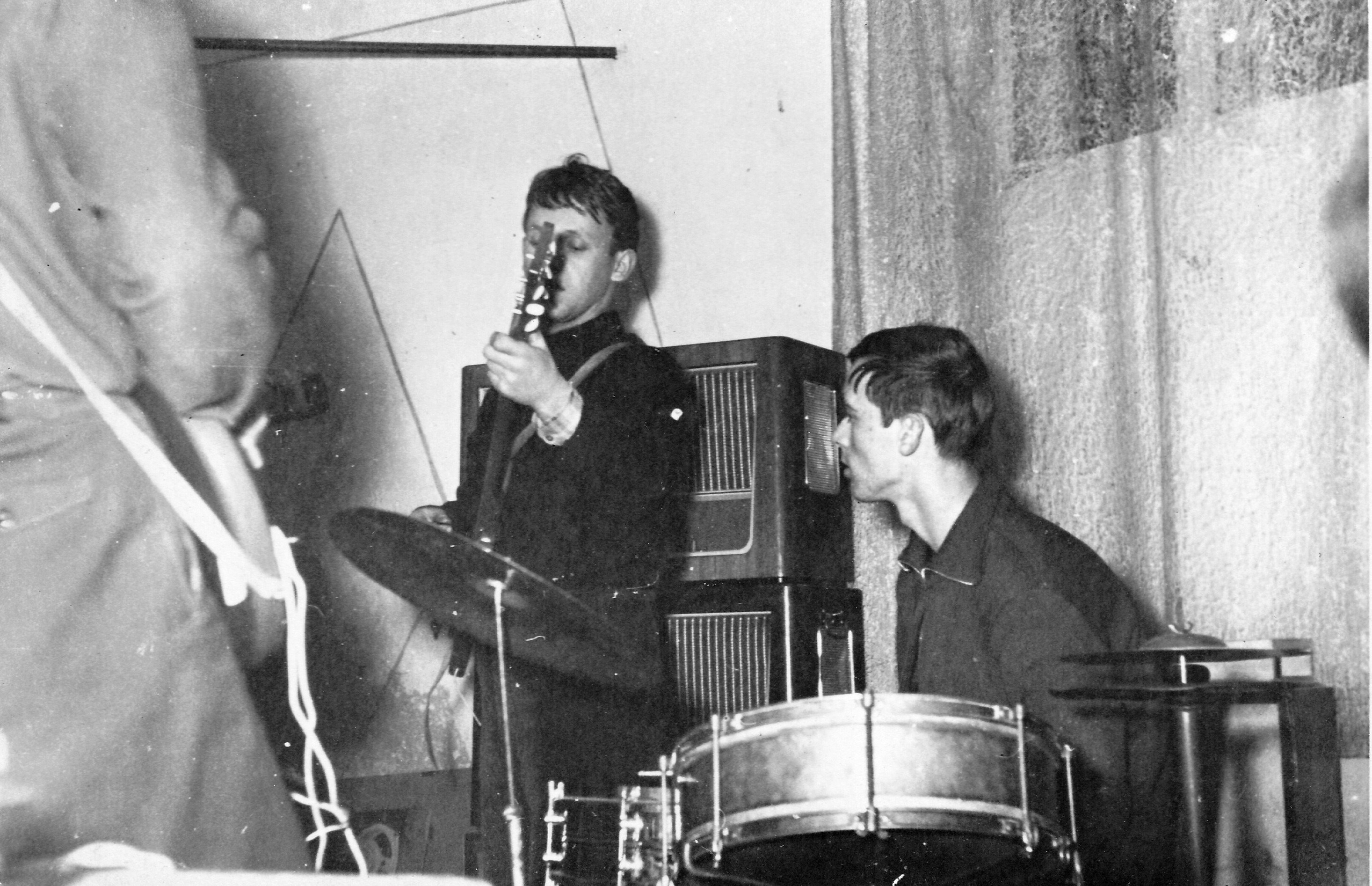
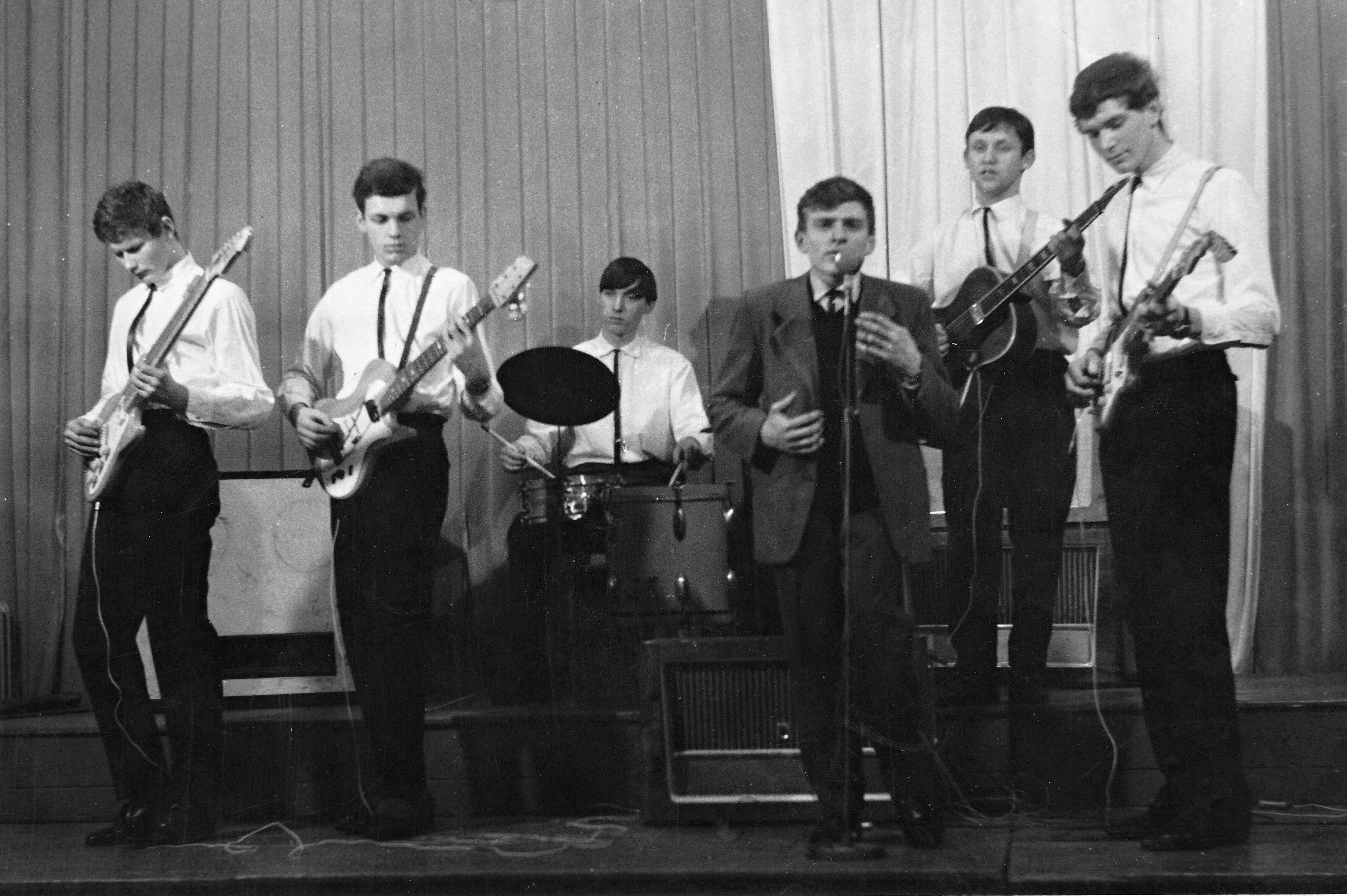
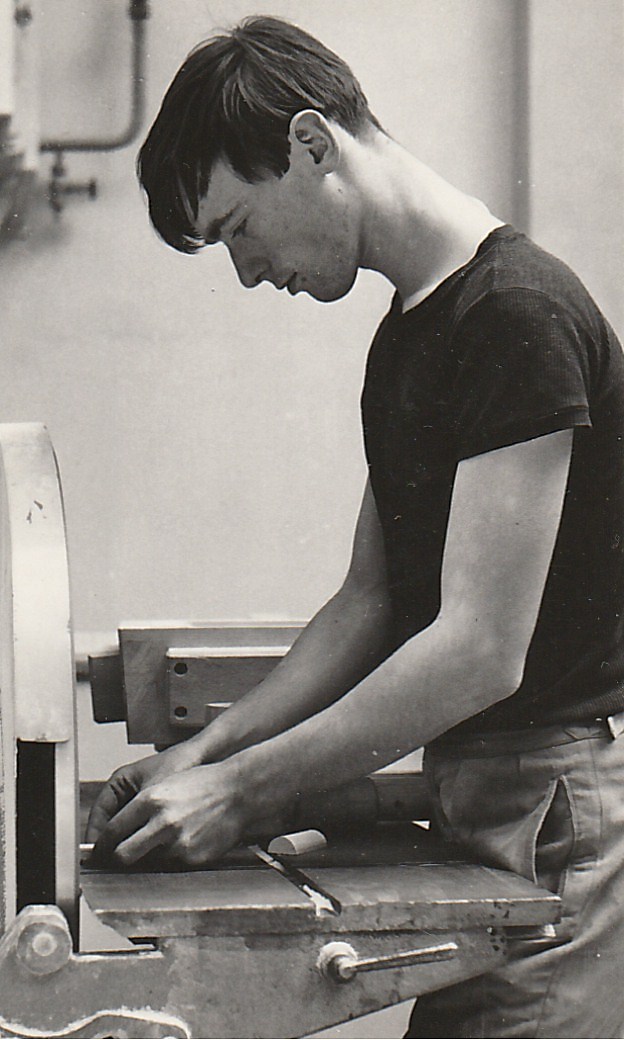
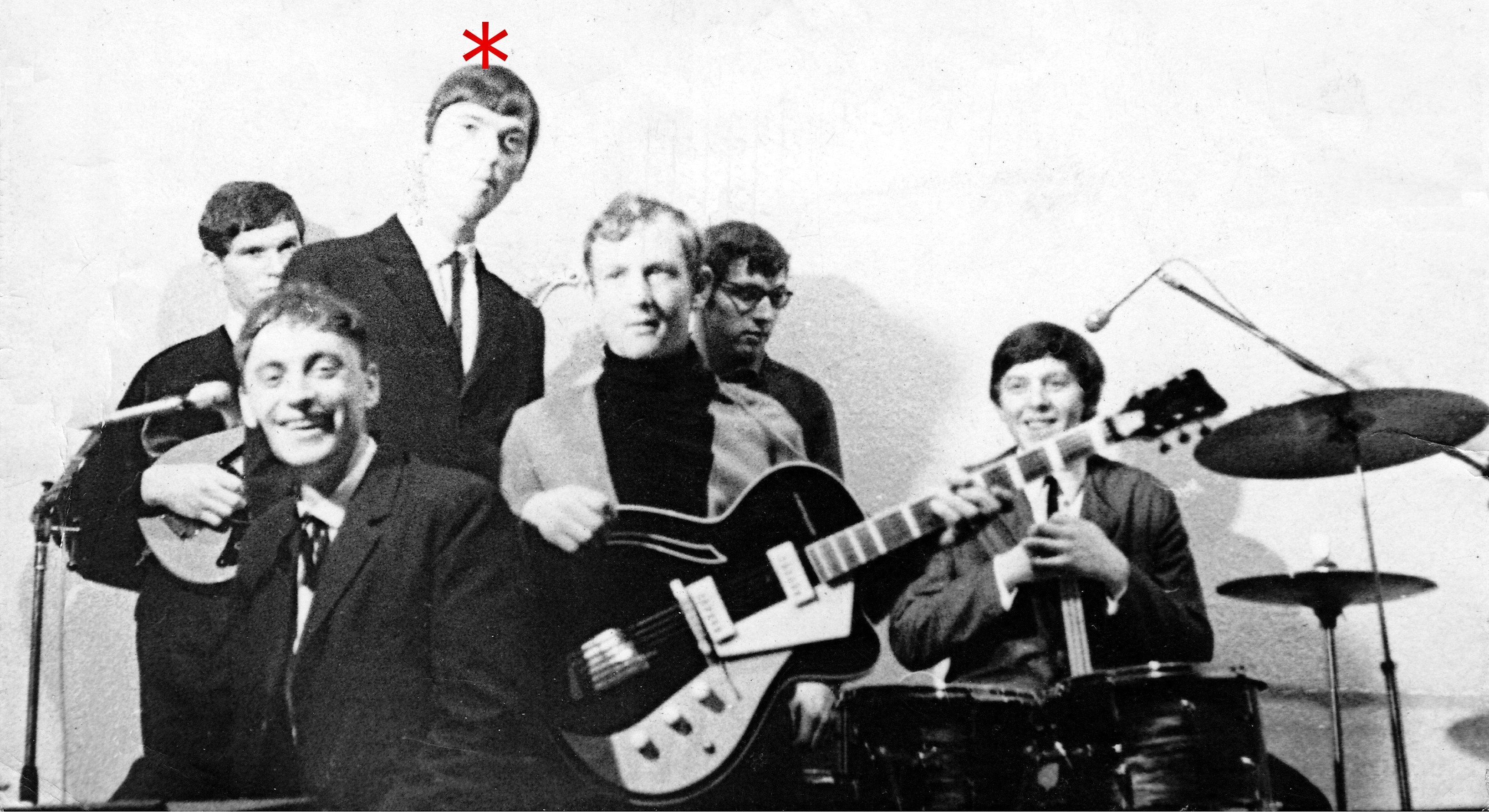
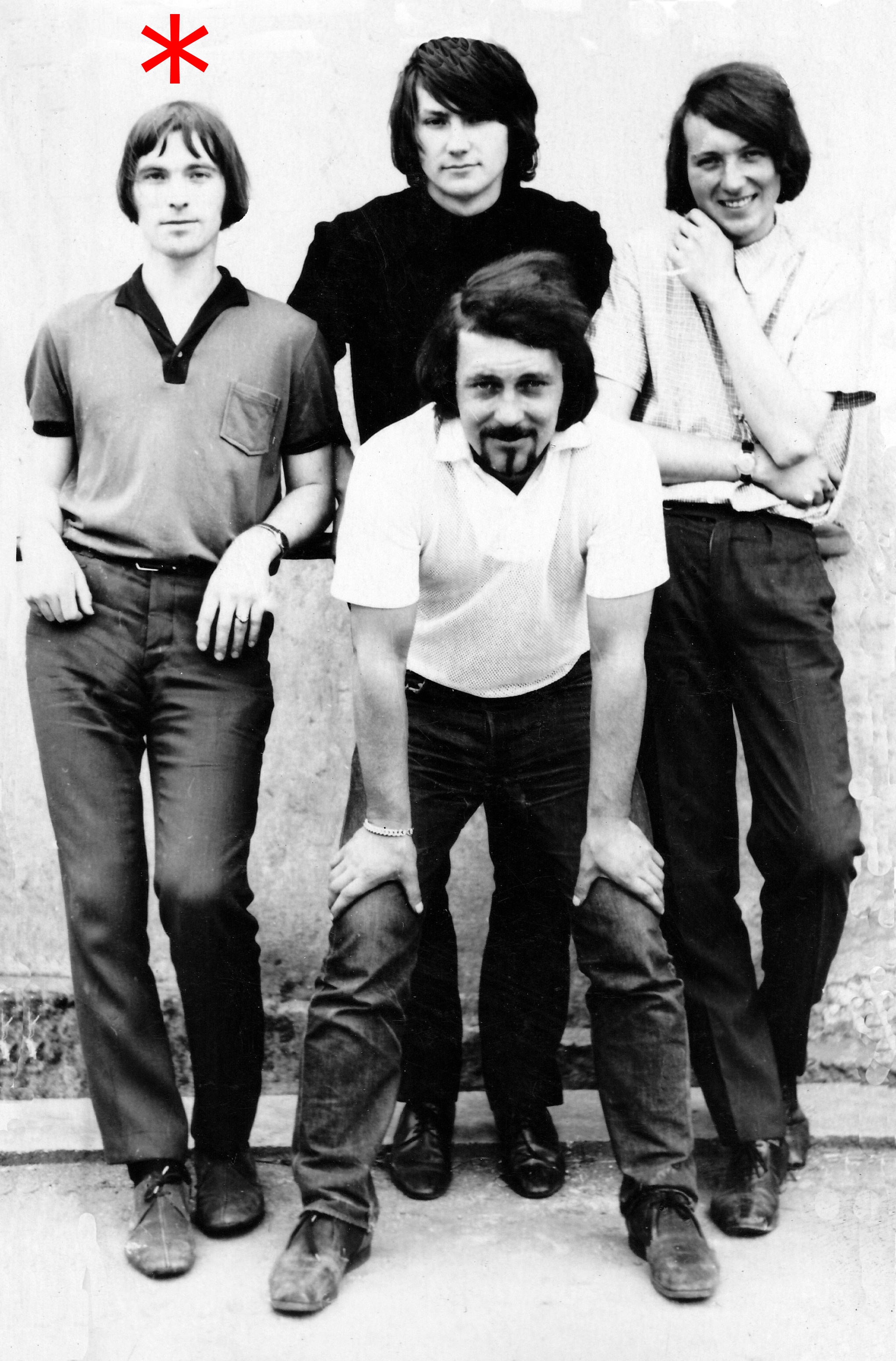
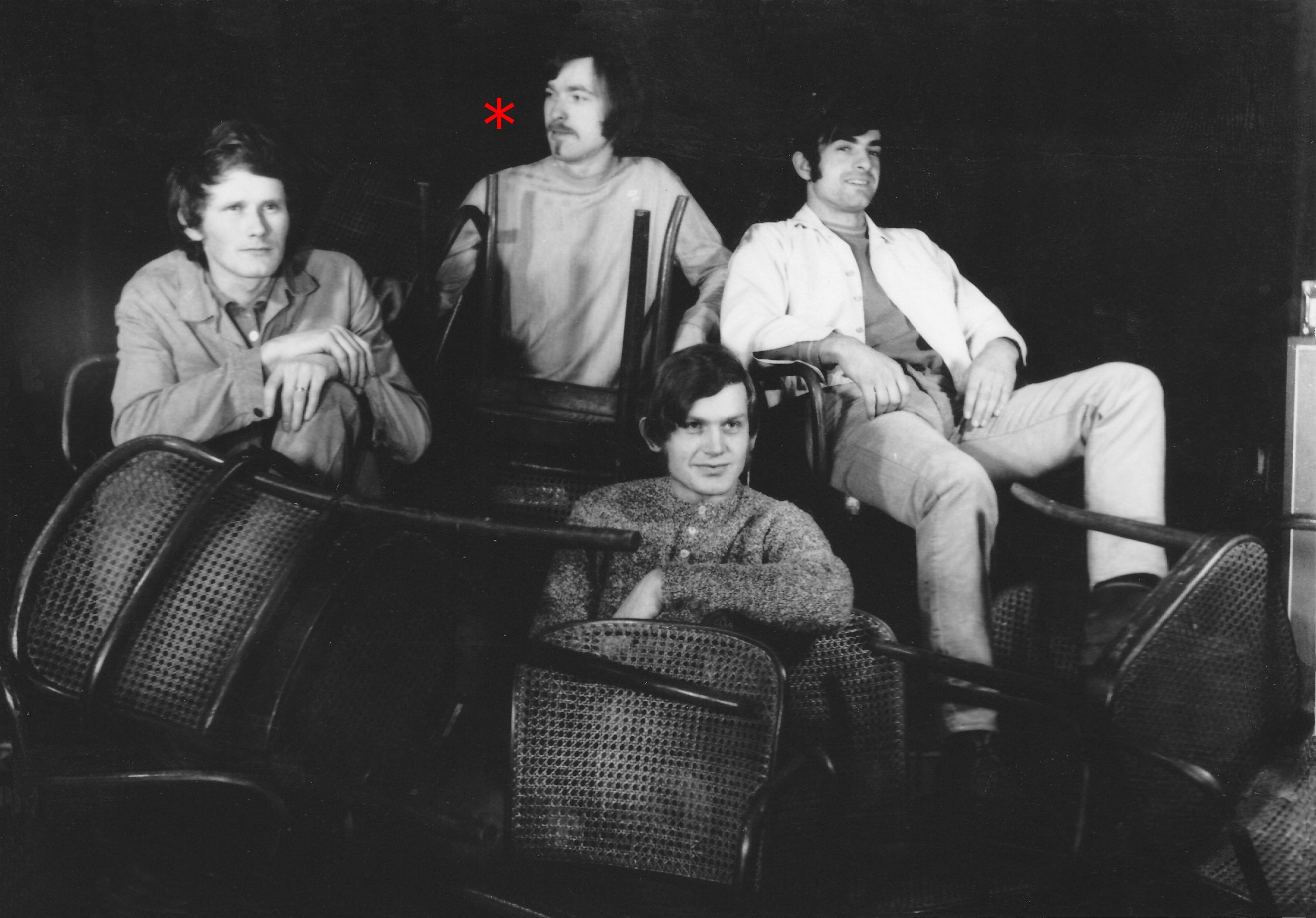
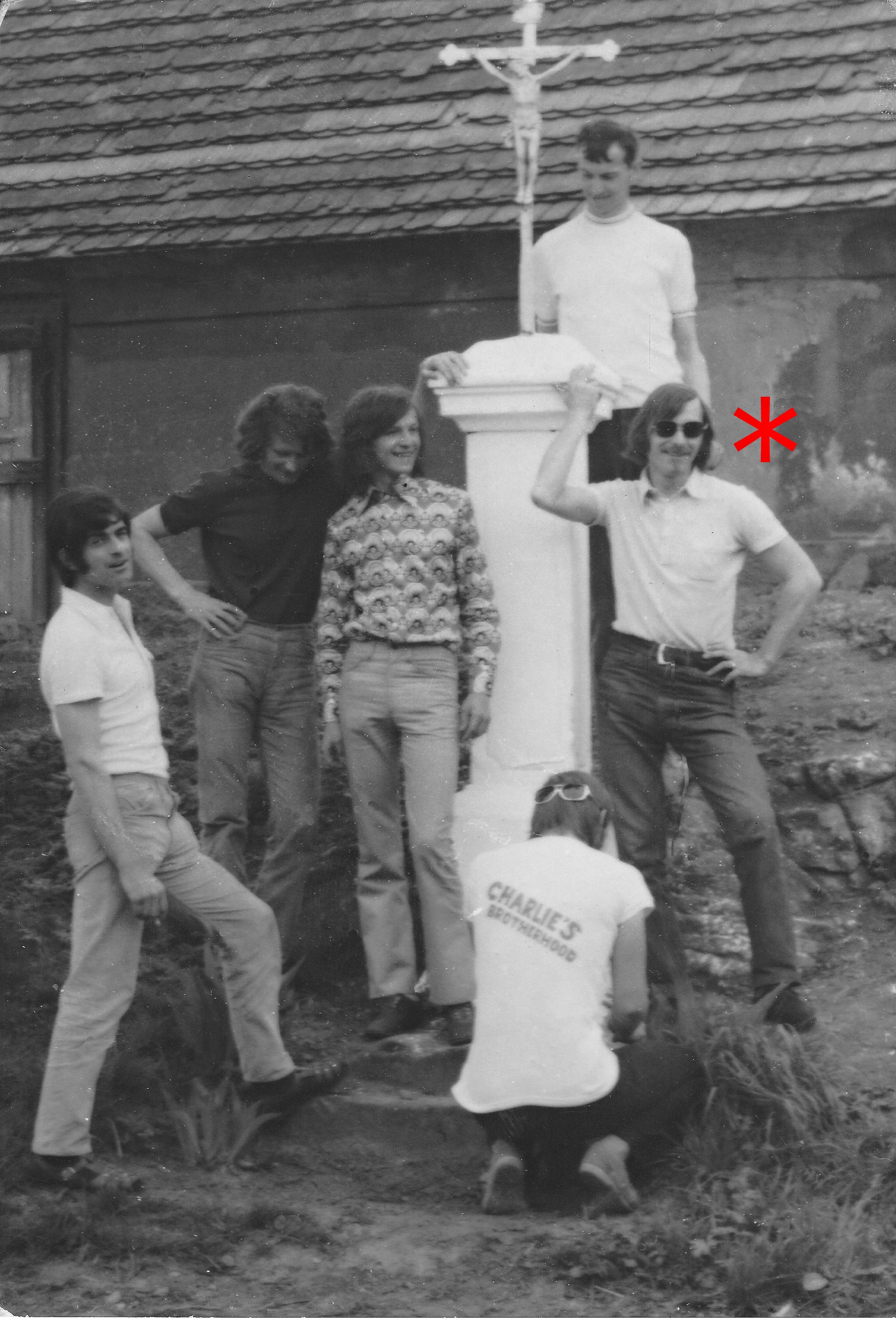
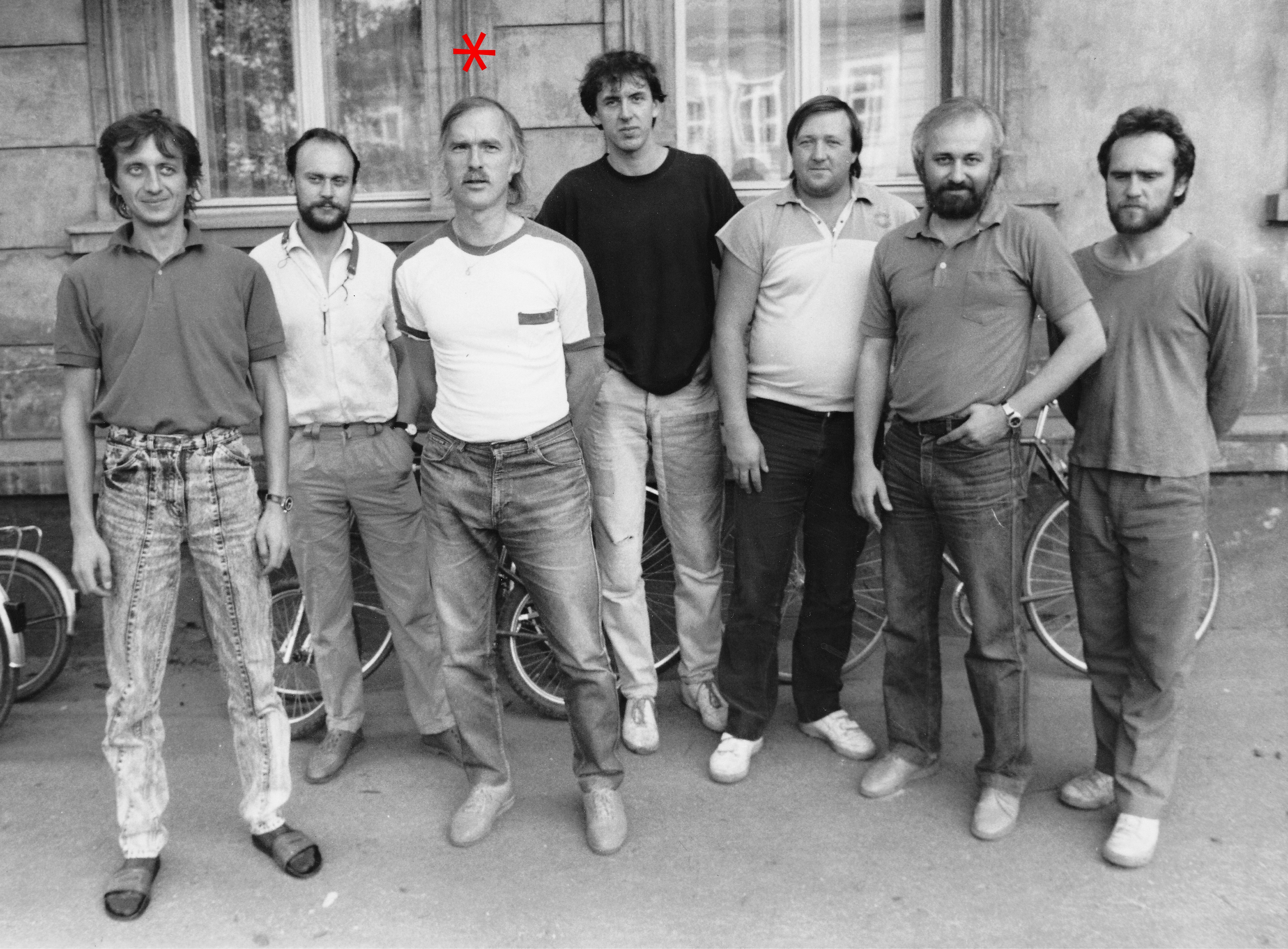
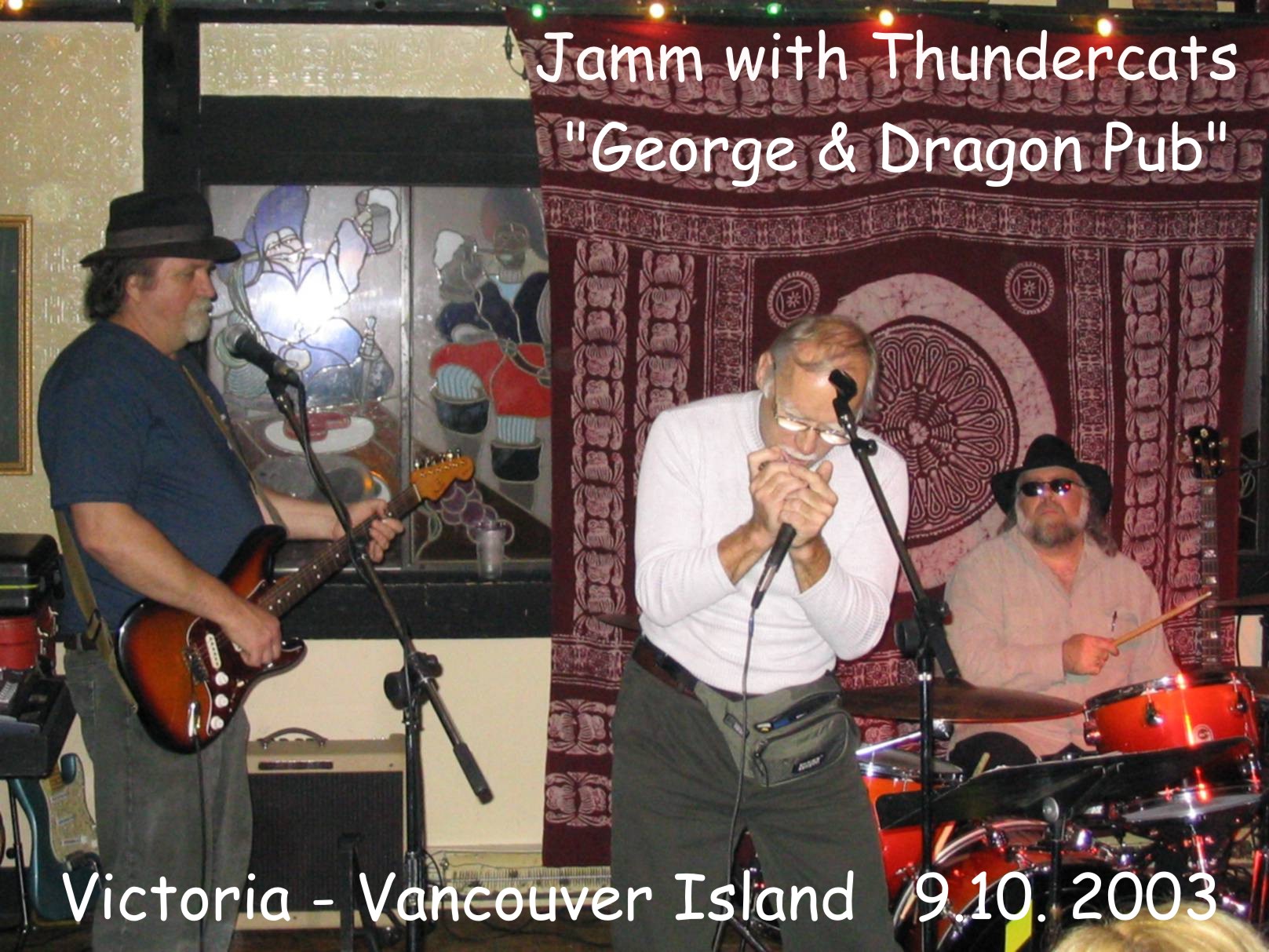
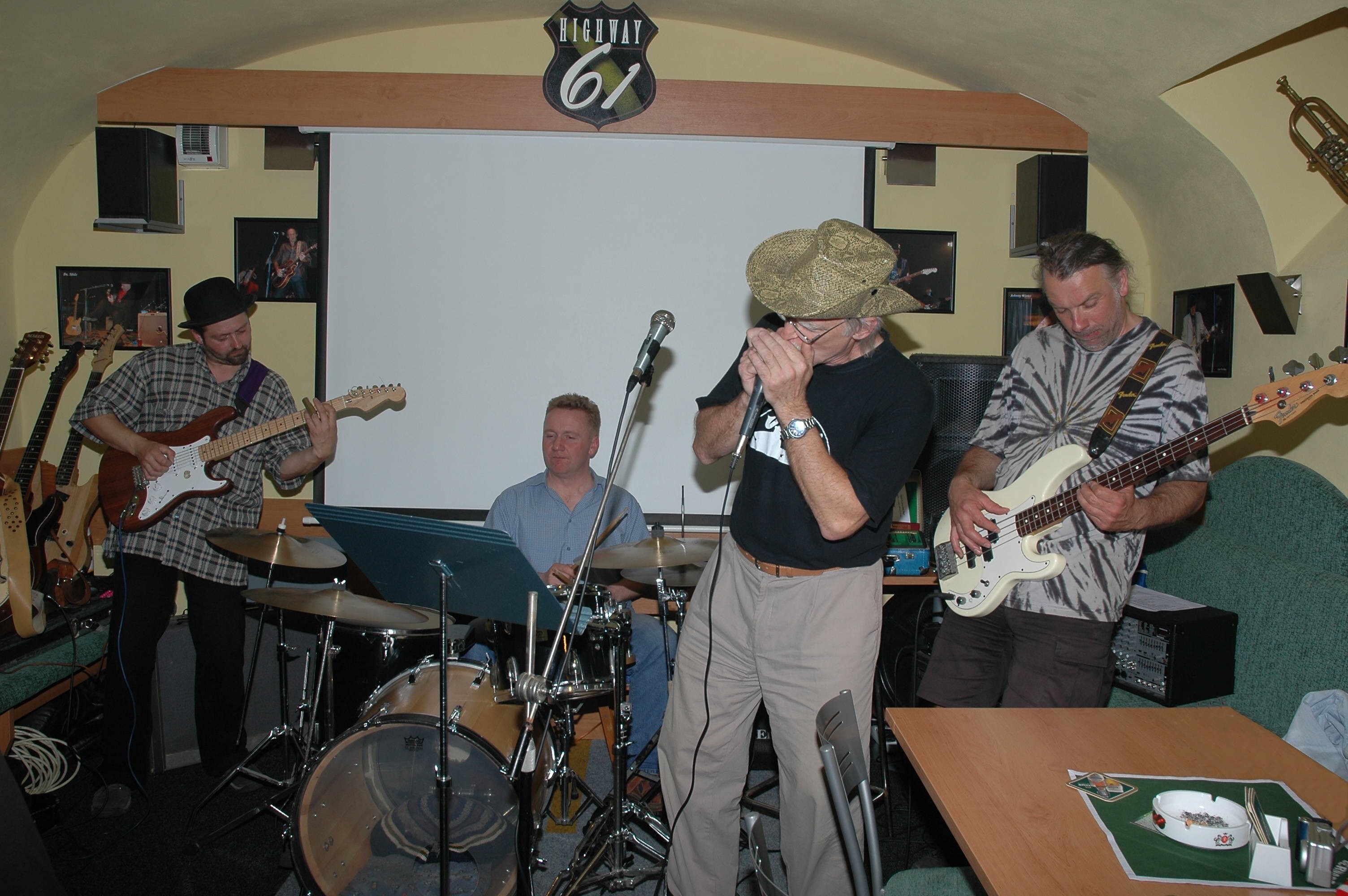
Karel Lang was born on 5 March 1947 in Čelákovice. He grew up in a family marked by post-war changes. His grandfather, Antonín Štok, had his fur trade nationalized by the communists and both grandparents had to work in the heavy plants of the TOS. The witness‘s father, Karel Lang Sr., joined the Communist Party after the war, a conviction he retained throughout his life, although he did not benefit from membership. The family acquired an apartment in the so-called Marx Houses, built according to the original plans of the industrialist Volman. At primary school, which Karel attended from 1953, he experienced strong political indoctrination and automatic membership in Pioneer. Karel Lang trained as a wood modeller at TOS in Čelákovice, the former factory of Josef Volman. In the 1960s he began listening to Western radio and devoted himself mainly to Anglo-American rock music. Music became his escape and his passion - he played drums, later added singing, performed in Prague and Central Bohemia and adopted the nickname Charlie. His long hair was an expression of defiance against the regime, and he had it cut only once, and for the last time before his apprenticeship exams. He experienced August 1968 in a dramatic way - on the train to Prague he witnessed chaos and looting by Soviet soldiers. He worked at TOS for twenty years, from 1982 he worked in the workshops of the National Theatre, and after two years he began to travel as an assembler at Building Insulation. During the Velvet Revolution he acted as a liaison between the Civic Forum (OF) in Čelákovice and Prague. After 1989 he became self-employed and continued to produce furniture until he was seventy-four. He published on his own cost, among other things, a book about Volman‘s Villa and music in Čelákovice. In 2026 he lived in Čelákovice and was engaged in local history and writing.