In 1950 he tried to emigrate to West Berlin via the Ore Mountains
Stáhnout obrázek
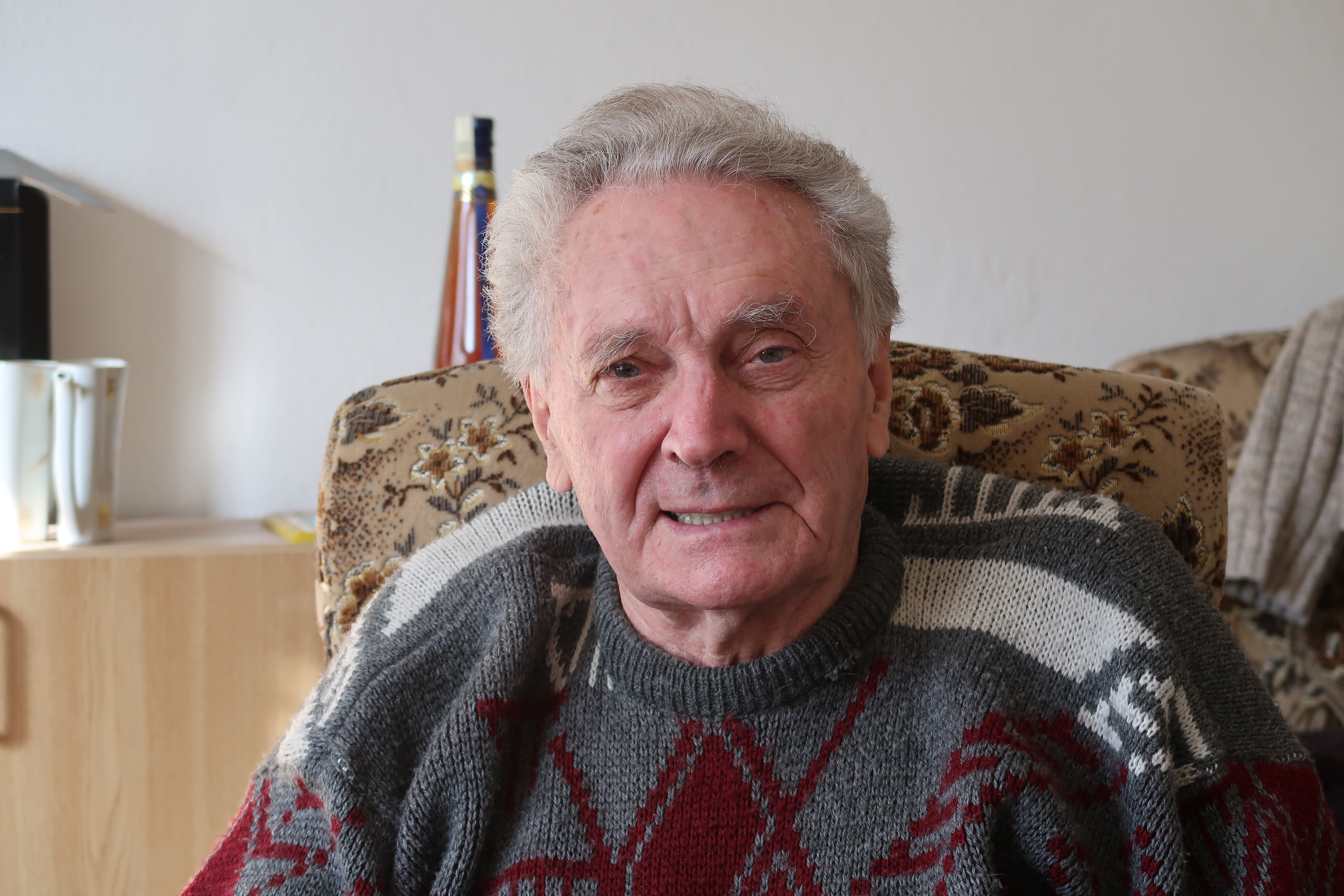
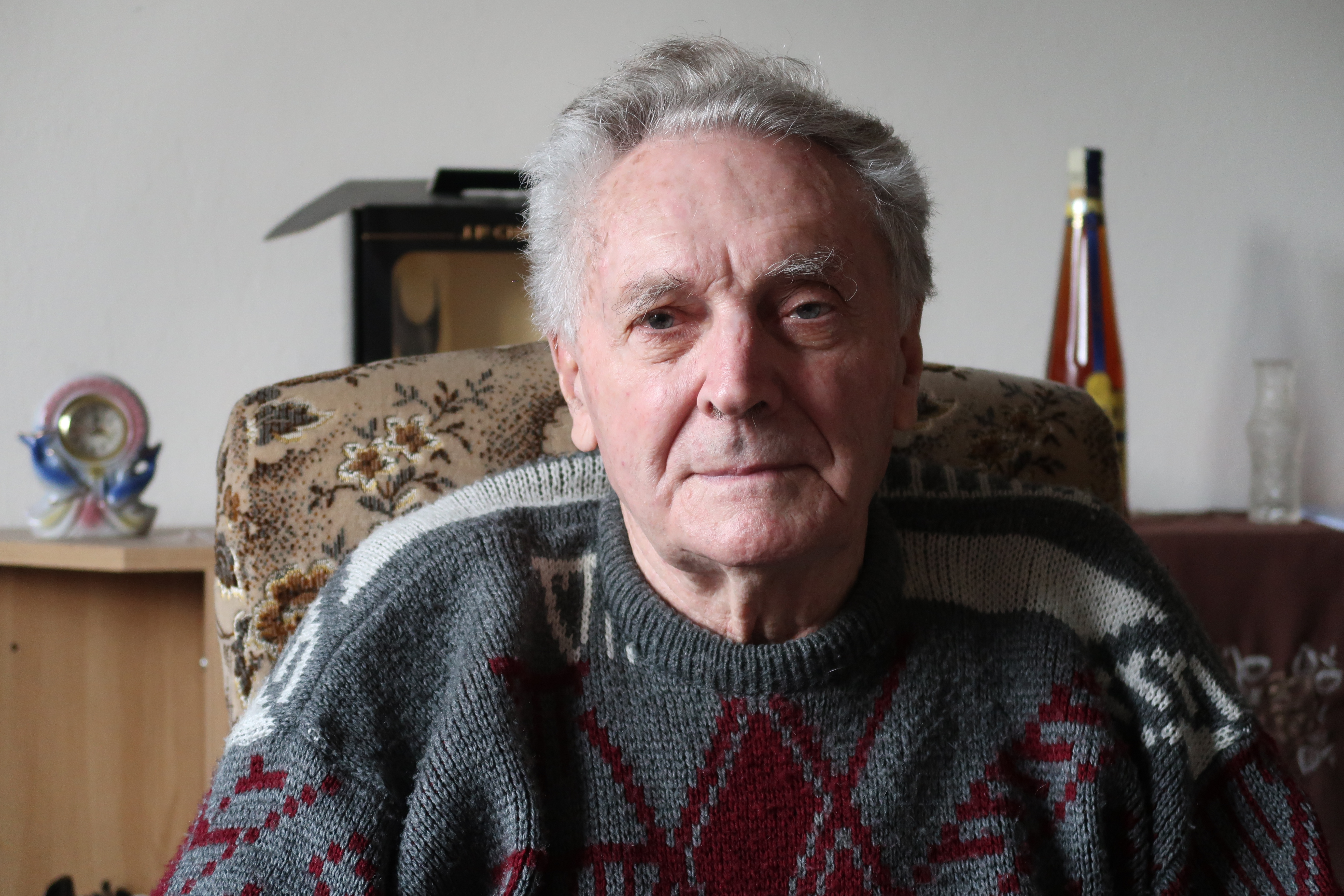
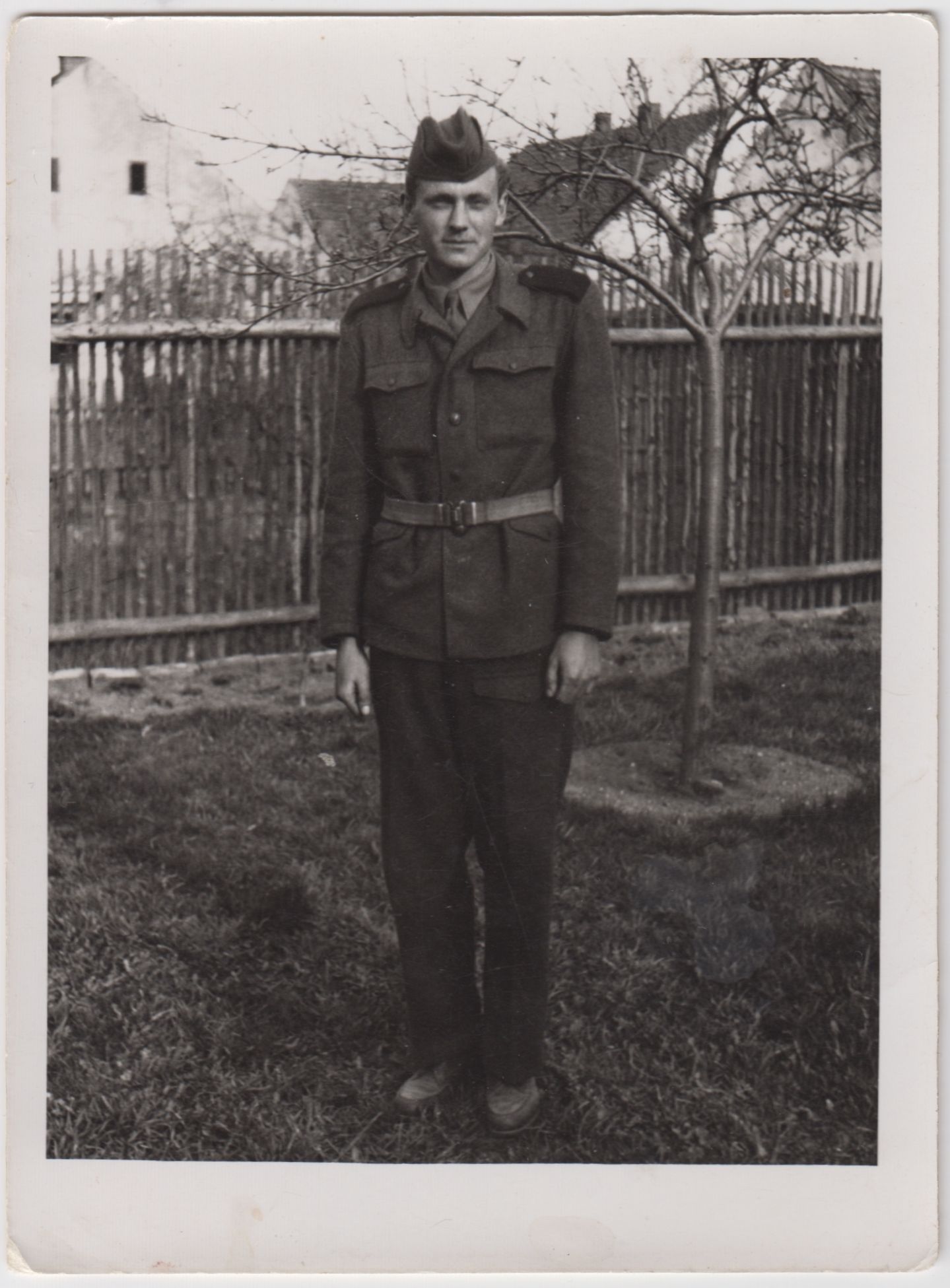
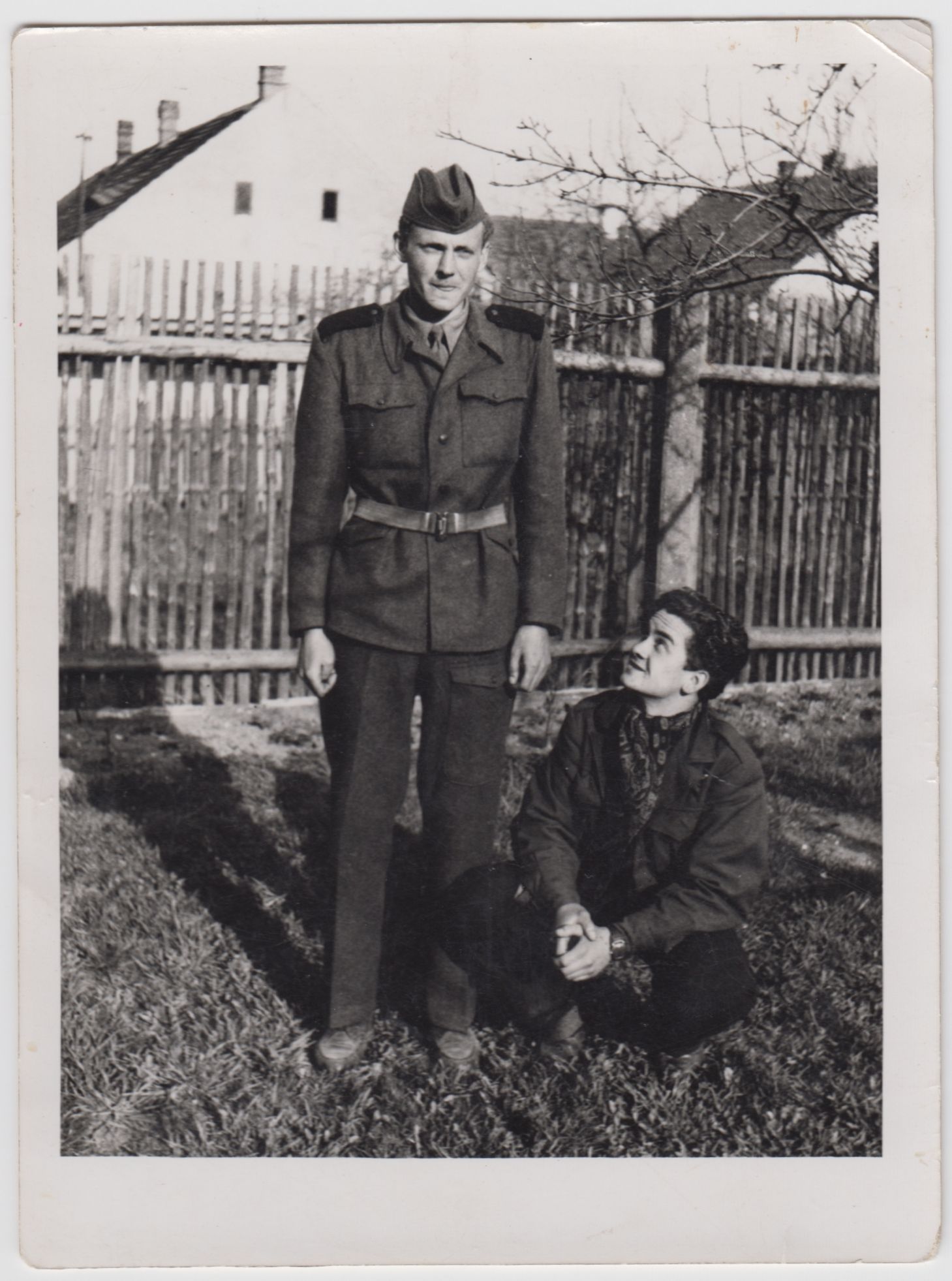
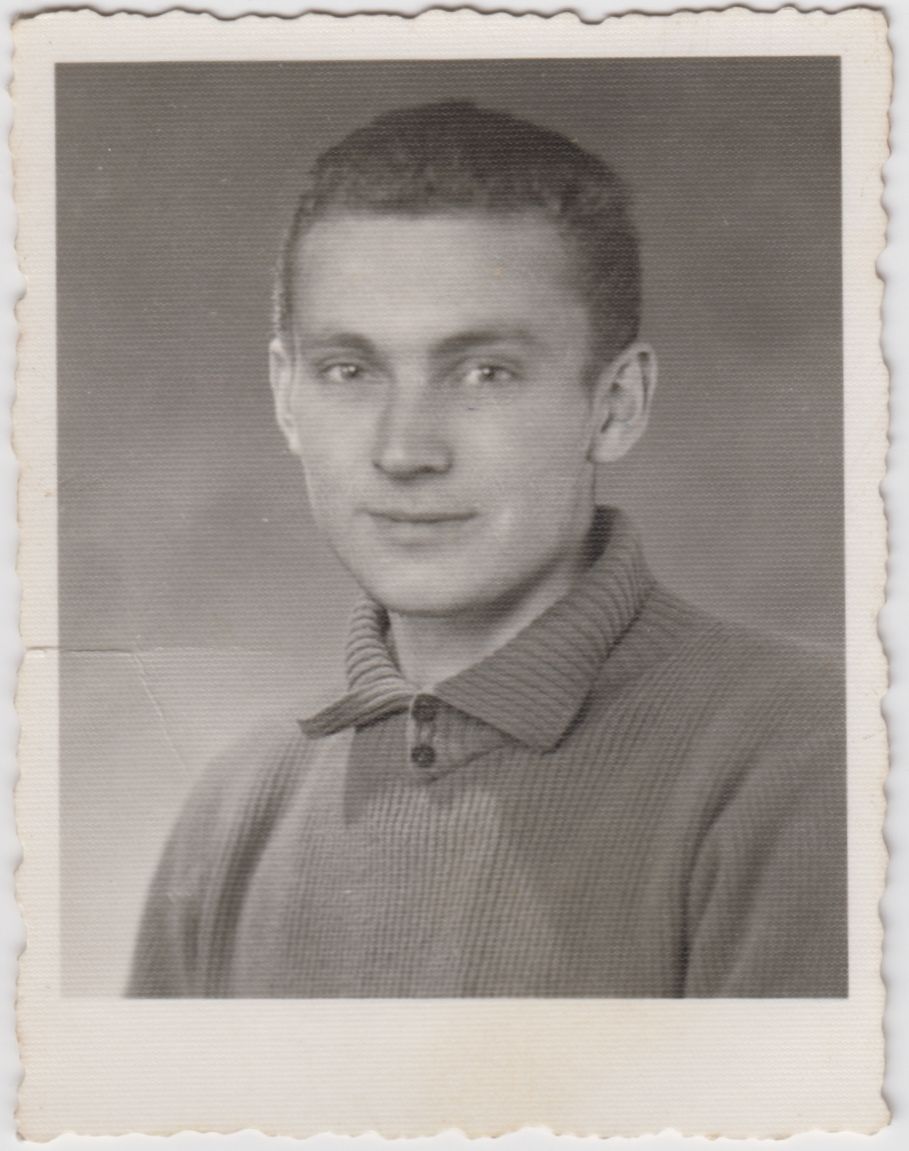
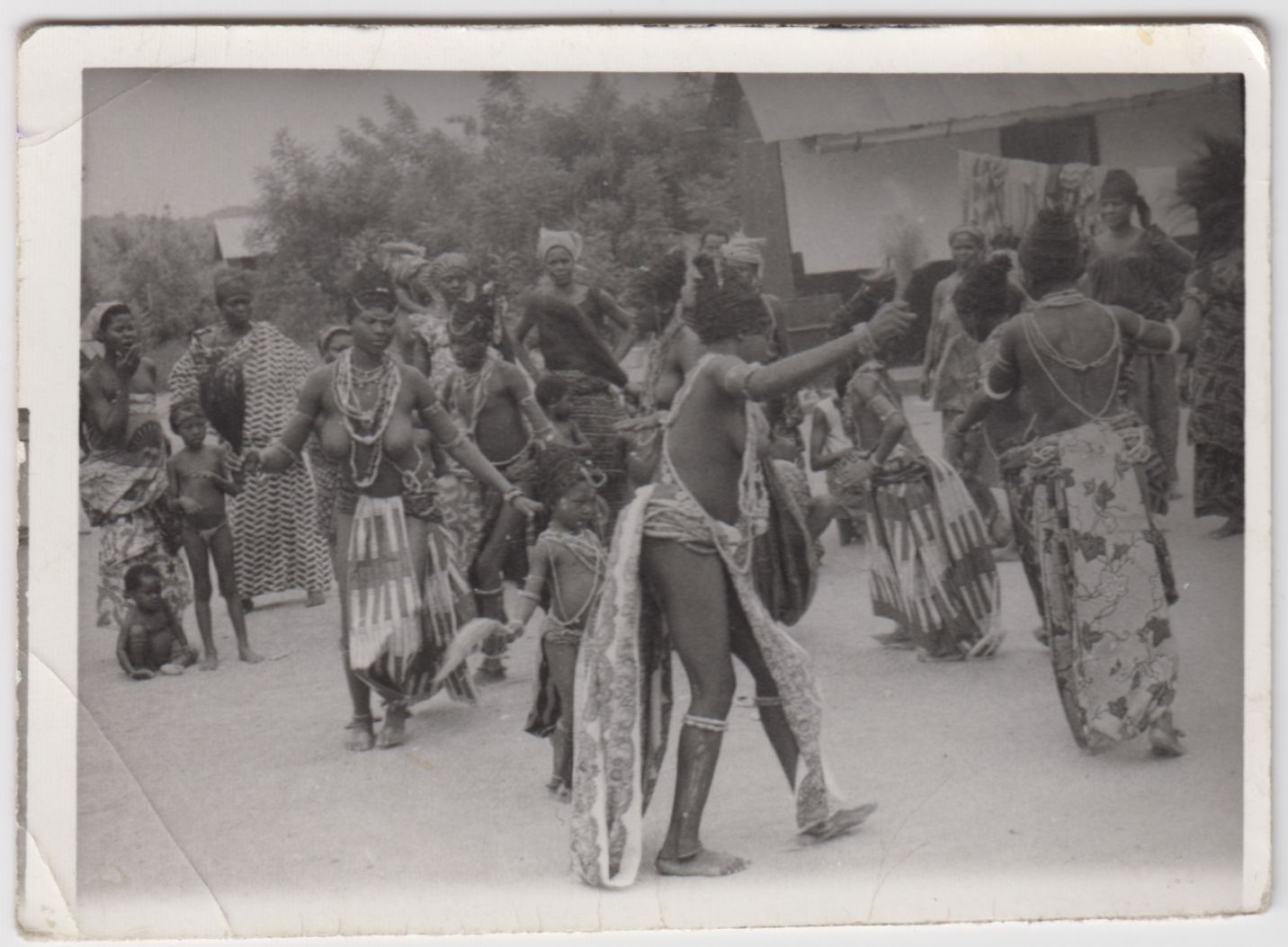
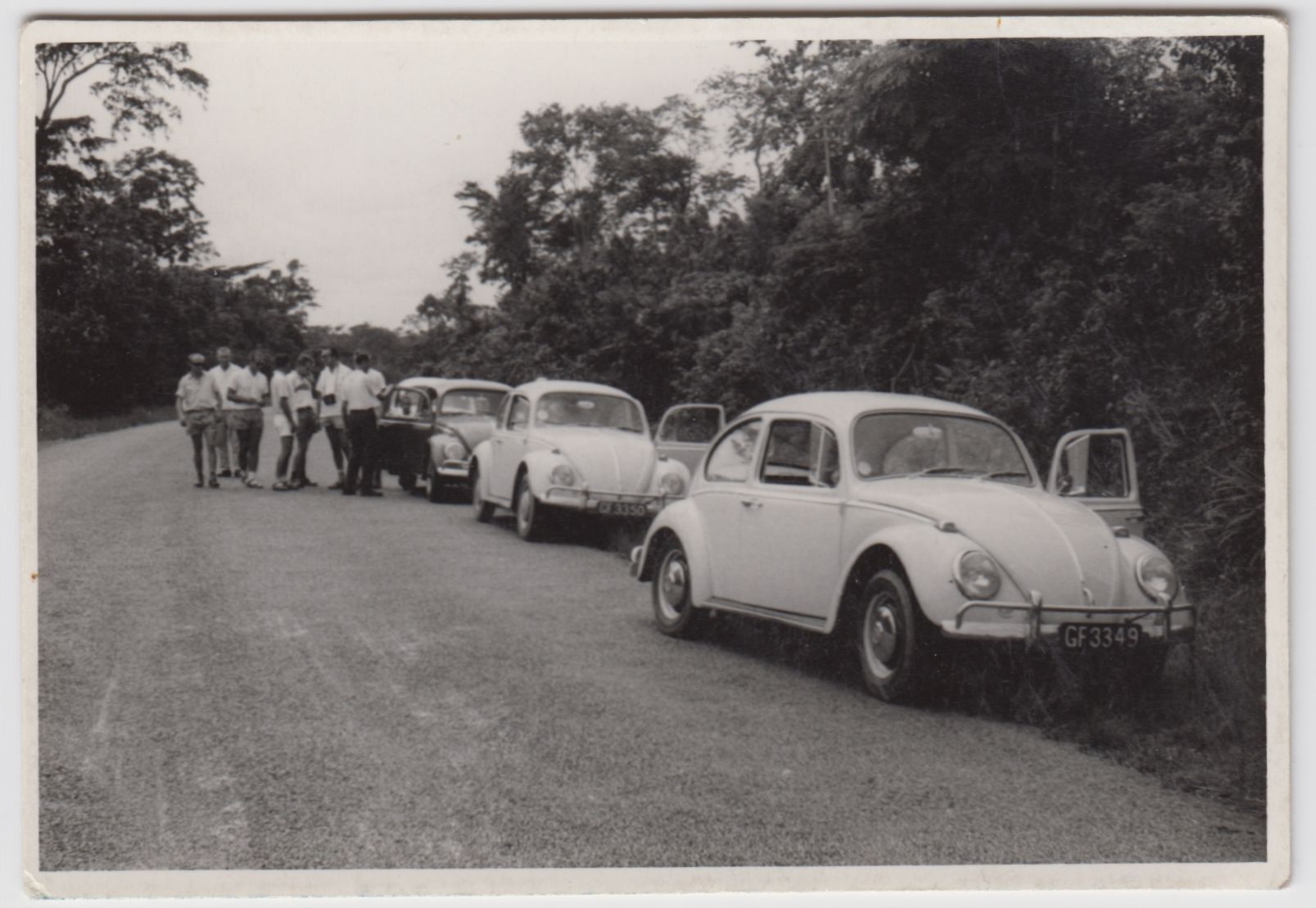
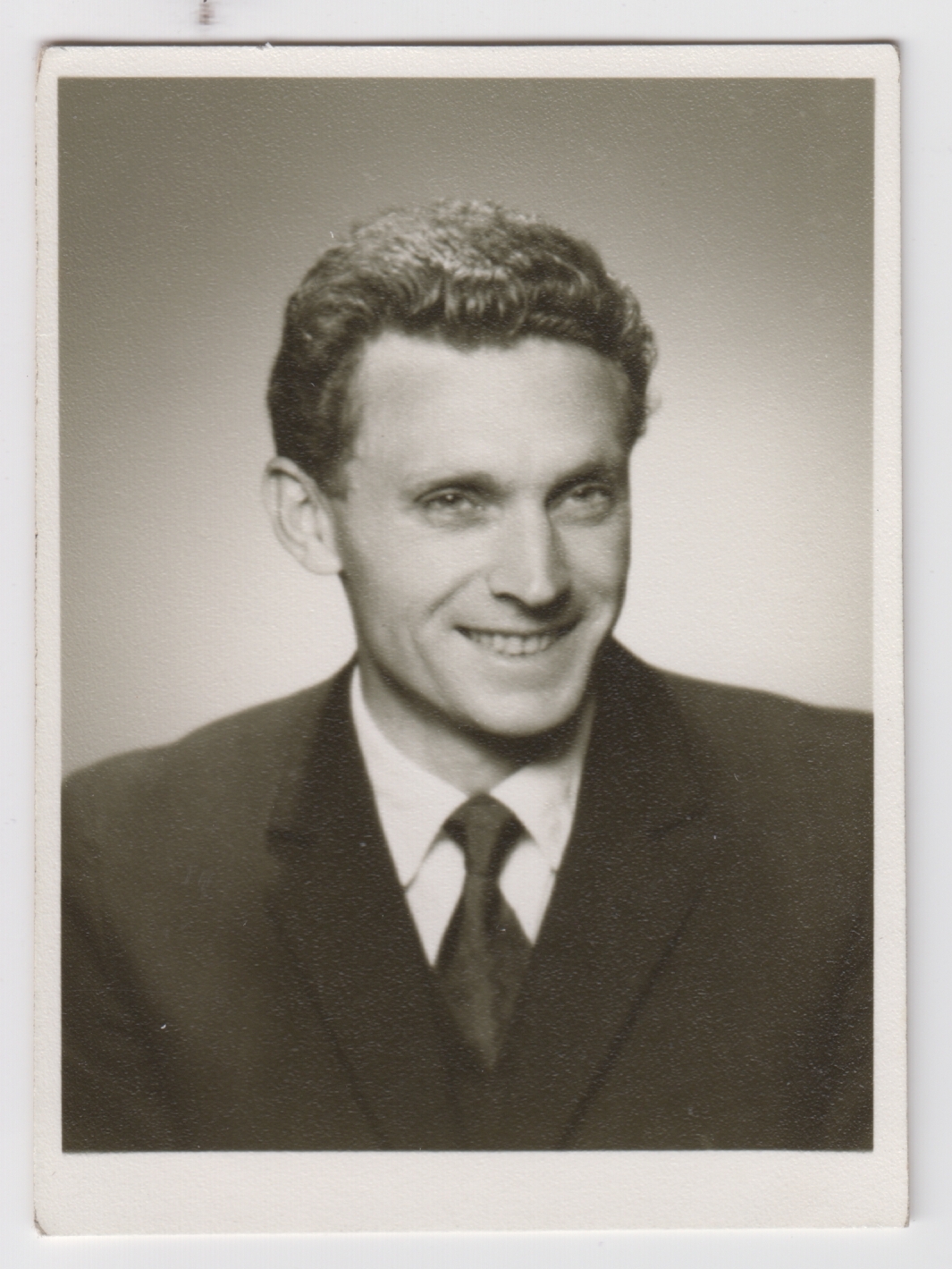
Vojtěch Kympergr, originally named Vyhnánek, was born on August 21, 1932 in the village of Stod in the Pilsen region. His father was a miller, later a station keeper, his mother a housewife. Both parents were members of the Social Democrats, but after the merger of the parties in 1948, his father remained in the Communist Party of Czechoslovakia. Vojtěch had two siblings, an older sister and a younger brother. In 1938, the family moved from the occupied Sudetenland to the Czech village of Sedlecko near Pilsen. Vojtěch Kymperg thus experienced the Allied bombing of Pilsen, the liberation by the American army, and the thousands of German soldiers who tried to get captured by the Americans. After the war, the family returned to Stod. In 1947, after finishing primary school, Kympergr passed the exams for the trade academy, but for financial reasons he preferred to learn to become a knitter at the Tosta Aš company. It was then that he brought the first post-Flood emigrants across the border. He left Aš after a year to study knitting in Jihlava. Since he did not receive a recommendation for university studies, he worked at the Bonex company in Teplice from 1950. In the autumn of the same year, Kympergr and his friend Jaroslav Zůcha tried to emigrate. The reason was dissatisfaction with the conditions in the factory and the desire to see the world. They crossed the border on September 18, 1950 in the Ore Mountains with the aim of reaching West Berlin. However, they were soon intercepted by a German patrol with a Soviet officer and interrogated for several days in Pirna. They were handed over to the Czechoslovak authorities on September 26, and both ended up in detention in Děčín. The trial of the fugitives took place on October 25, 1950 in Teplice. Both received 15-month sentences for attempting to leave the republic illegally. Kympergr was sent to the Mariánská camp in the Jáchymov region, where he worked as a driller in uranium mining. Two SS officers were with him, as well as the captain of the national basketball team, Milan Fráňa, and famous Czechoslovak hockey players from the world champion team. He also experienced the attempted mass escape of prisoners at Mariánská on May 1, 1951. He was released after 10 months in July 1951 on the basis of a pardon from the President of the Republic, arranged by his father through his acquaintances, members of the Communist Party. In civilian life, he worked in the Holýšov engineering plant, then enlisted for two years of military service with the PTP in Olomouc. In 1955 he married and took the name Vyhnánek after his wife. He worked as a construction technician at Prefa, and from 1966 at Dopravni stavby Olomouc. In 1968 he received a passport and permission to travel to Yugoslavia via Austria. He and his co-worker Jan Richter stayed in Vienna. First they managed to find work in West Germany, then in February 1969 they made their way to Ghana, where they worked for a Swiss construction company. However, after disagreements with the owner of the company, Kympergr returned to Switzerland in May, where he found work as a cop for a construction company. In September 1969, Vojtěch Kympergr managed to return to Czechoslovakia before the expiry of the amnesty for post-Spring refugees, so that he was not punished for leaving the republic on the basis of a resolution of the Federal Ministry of the Interior of February 4, 1971. Until his retirement, he worked for Transport Constructions Olomouc. After 1989 he became a member of the ODS and the Confederation of Political Prisoners. Vojtěch Kympergr died on August 16, 2024.