Ilja Květoň

* 1955

  • "I passed even at the National. They opened it - part of it. They opened a part by the Metro, so I left peacefully. But then they pulled it in. They pulled it back, they were there as far as Voršilská and Spálená. And there they opened it. I don't know. I walked from Reduta to the other side and they opened it there. One mustn't run away. Once you start running, it's suspicious - and immediately someone... so I was leaving so calmly, and an officer was running towards me and yelling at them, 'Close it.' So they closed it behind me, and then they massacred them."

  • "So for a year there were various investigations. I remember that. I am going home, there's this Volha car in front of my house on Hradešínská Street, and I knew they had come for me. I´m walking into that street. They probably knew what I looked like. They must have been watching me for some time before that. They get out of the car and say, 'Hello. Mr. Květoň?' I say, 'Yeah, yeah. Mr. Květoň.' 'You're coming with us.' 'Sure, I'll just drop my bag off at home and come over.' They were surprised. I was very calm at the time. I wasn't at all, somehow I didn't... I don't know, I was just ready for it. There were interrogations going on. I have to say, I think one of my State Security men was really decent. I met him later, he was in a country band. So they were playing in this Fučík Culture Park, as I was talking about. So we talked. And I was already in dissent, and he told me that he had left State Security. So he interrogated me. Of course, the classic: there was one bad guy and one good guy. You try to stick to the truth, to remember, but you don't want to say the basic things. I let slip something once. He looks at me like this, the State Security man - his name was Hora - I don't know if that was his code name or his real name - he looks at me and says: 'Well, we'd better not write that down. Better not, then.‘ I don't know if we were likeable or if he liked me. They were watching me before. That's the worst part. When I was talking about the friend who signed them up, he was coming in and telling them information about me. And they knew everything about me. That's when you go to State Security and they say, 'What about the girls? What about that one? What about tennis? Are you still skiing over there? Do you still have those paintings at home?' Then you feel that they live with you, that they know everything about you. And that's what's dangerous about it. He didn't say anything bad about me - like he's doing some activity over there and handing out flyers and stuff. He said just normal, everyday things. But when you're sitting there in front of them and they start telling you about how they know everything about you - they don't know everything about you, of course, but they start like that, you suddenly get defensive. What to say, what not to say? What can I say that I can't say?"

  • "At the time, a guy who worked on the border came through some people. He supplied some sort of device to open the iron ones... there were passages on the border. But you had to sign in and there was a special key to open it. Well, that's what he gave. So we copied it all, or my friend did. I assisted him in that, I helped him in that. Then we went to some... I think it was June too, maybe it was at that time, I know it was very hot... so we went to Železná Ruda. That was, I think, Friday. Somehow we wanted to cross over, and somehow it didn't quite work out, there was something ... and so we came back, we were going to go the next day. And the next day we got there. I basically had the job of driving them there and the car, because it was with his car, and then returning the car to his wife. So we drove there and he and one other successfully crossed the border and nobody knew anything. Wait, that was, I think, Sunday, actually. It was a nice, quiet Sunday. They crossed peacefully, and then they wrote in the German newspapers that two people had crossed. And of course, they were furious, here at the border. They could have gone crazy because they didn't know which way, who, where crossed'. Then, of course, they found it because there were these plowed fields, so they could see the tracks, so they could see which way they crossed. Well, a year later they came at us after that."

  • Celé nahrávky
  • 1

    Praha, 26.06.2025

    (audio)
    délka: 02:12:57
    nahrávka pořízena v rámci projektu Stories of the 20th Century TV
Celé nahrávky jsou k dispozici pouze pro přihlášené uživatele.

Freedom is everything to me
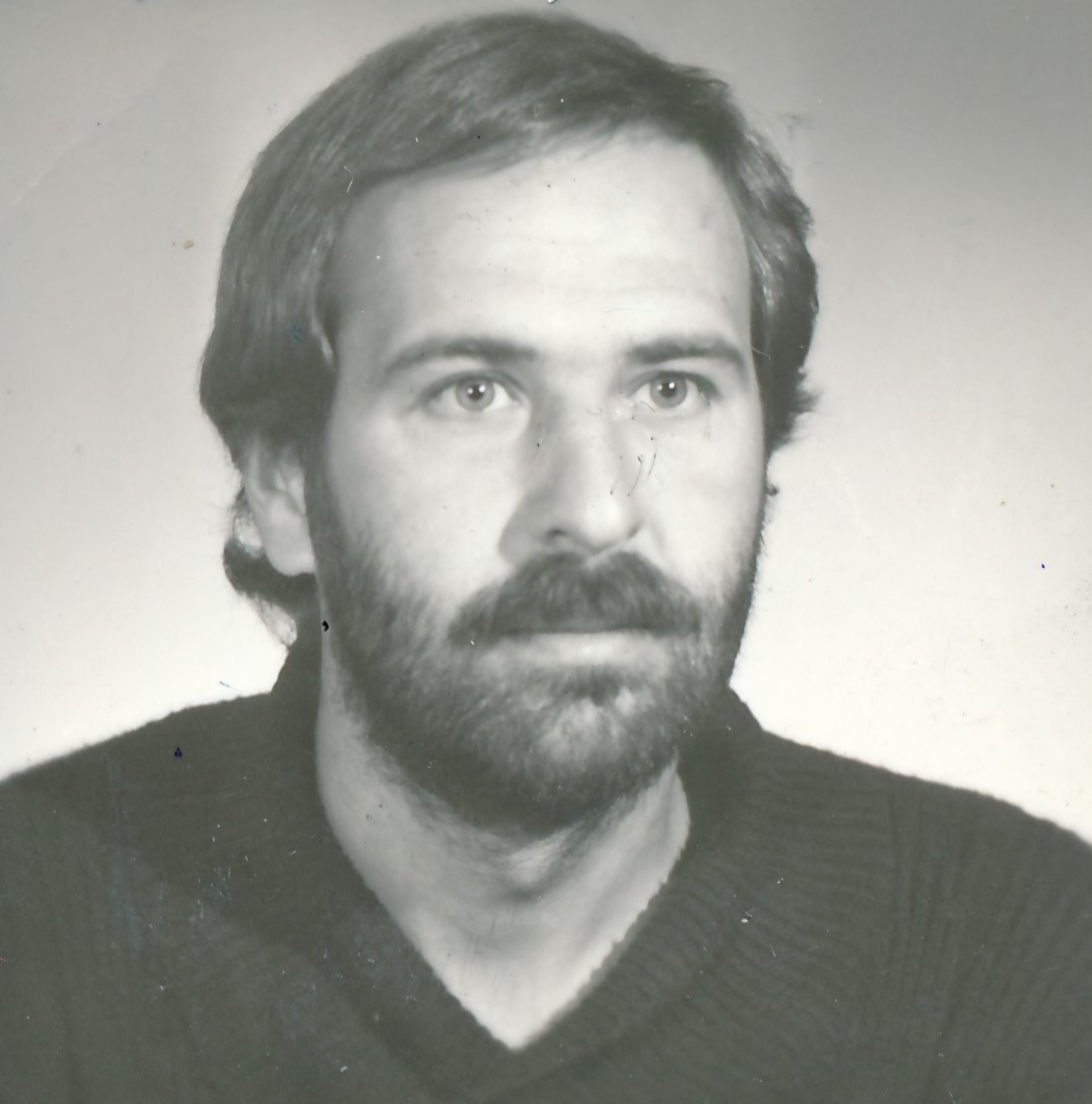
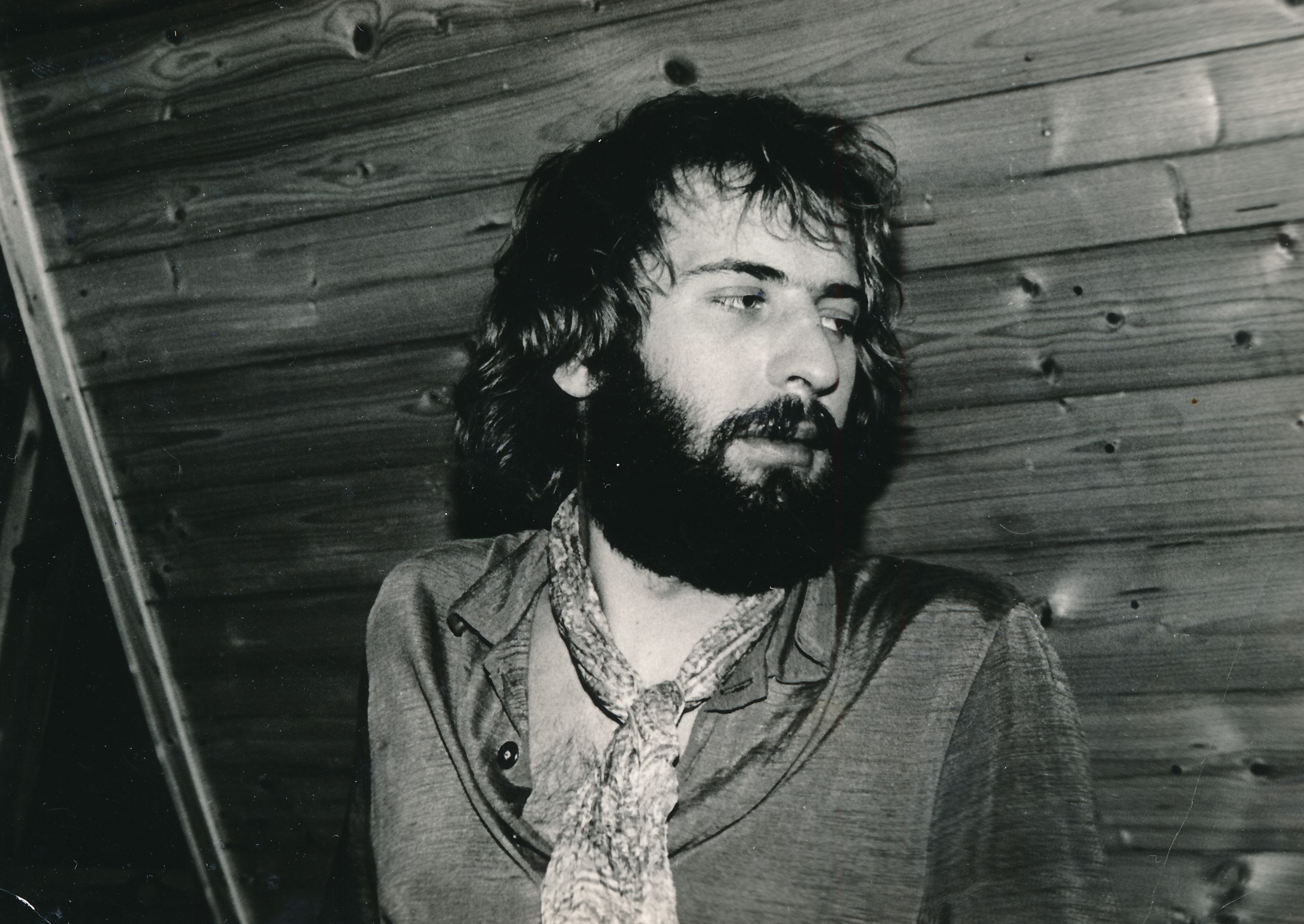
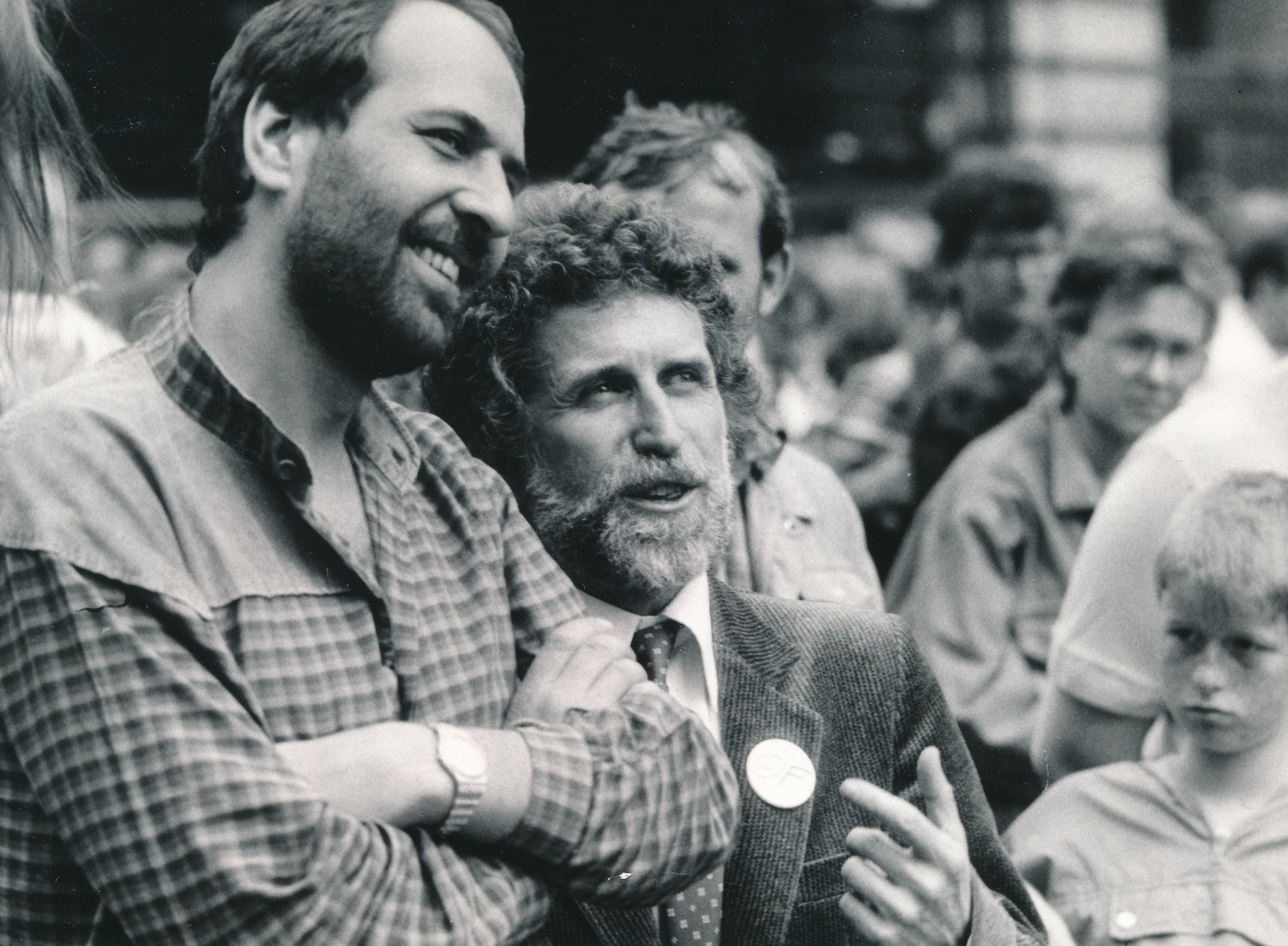
Ilja Květoň in the 1980s
zdroj: Witness´s archive

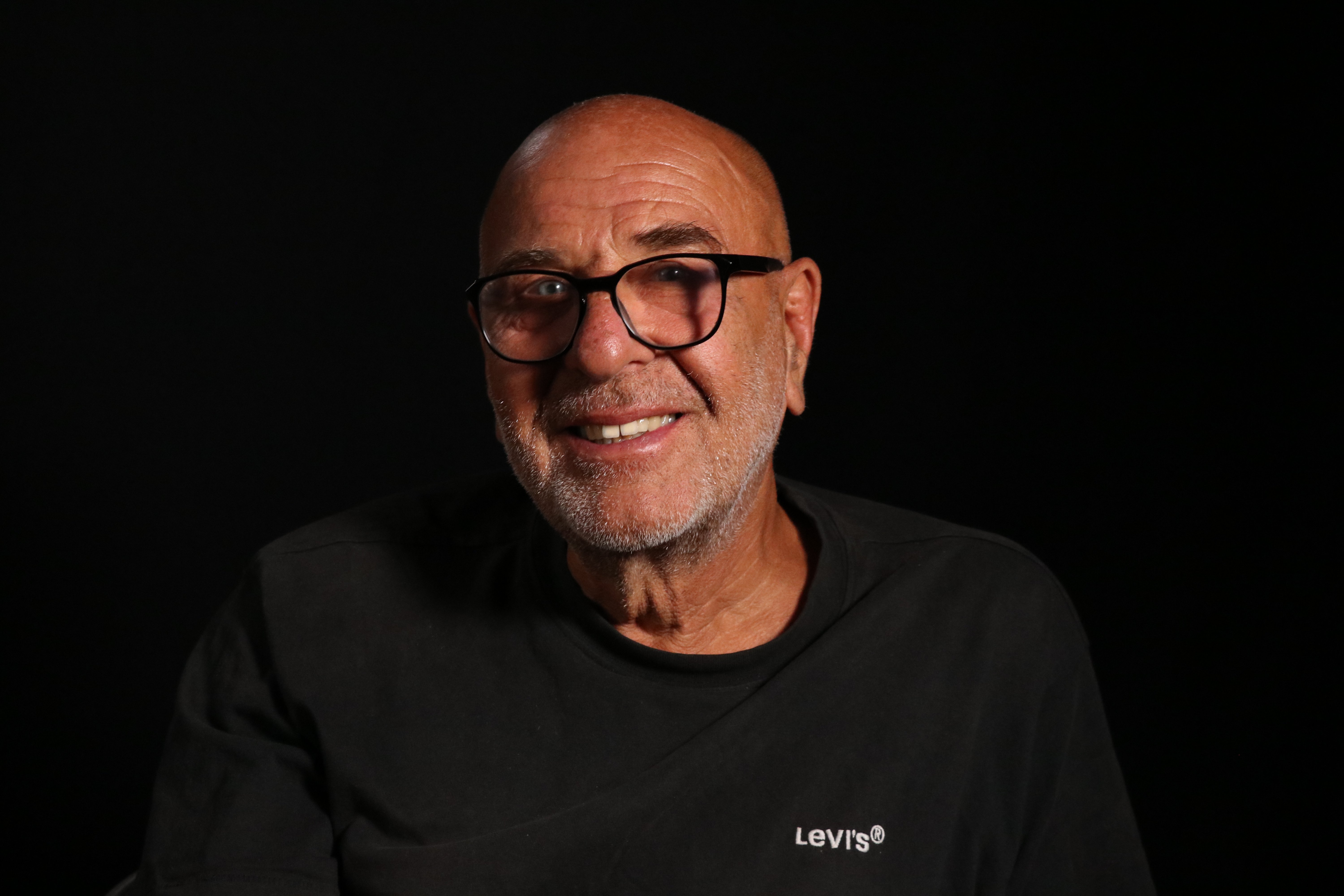
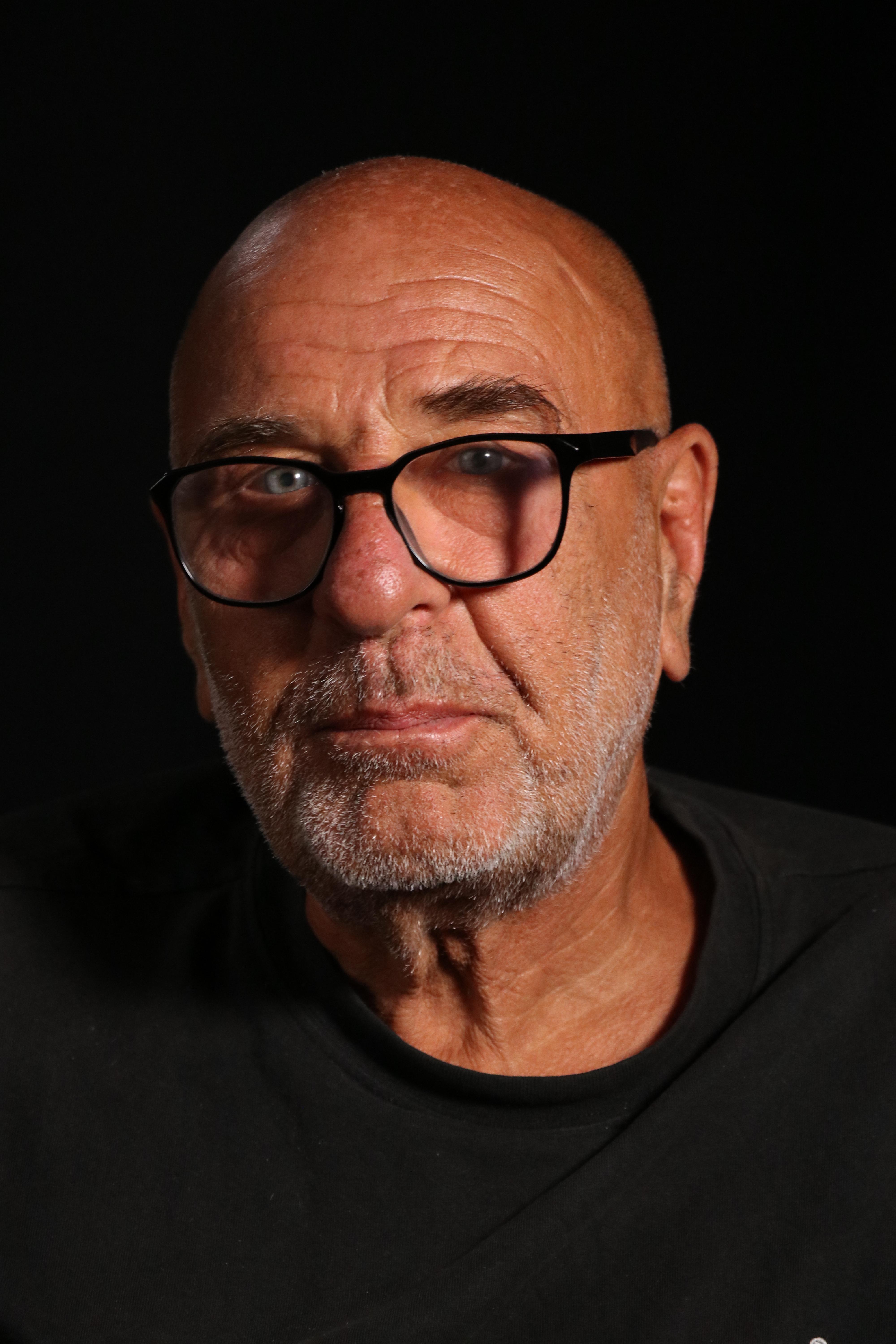
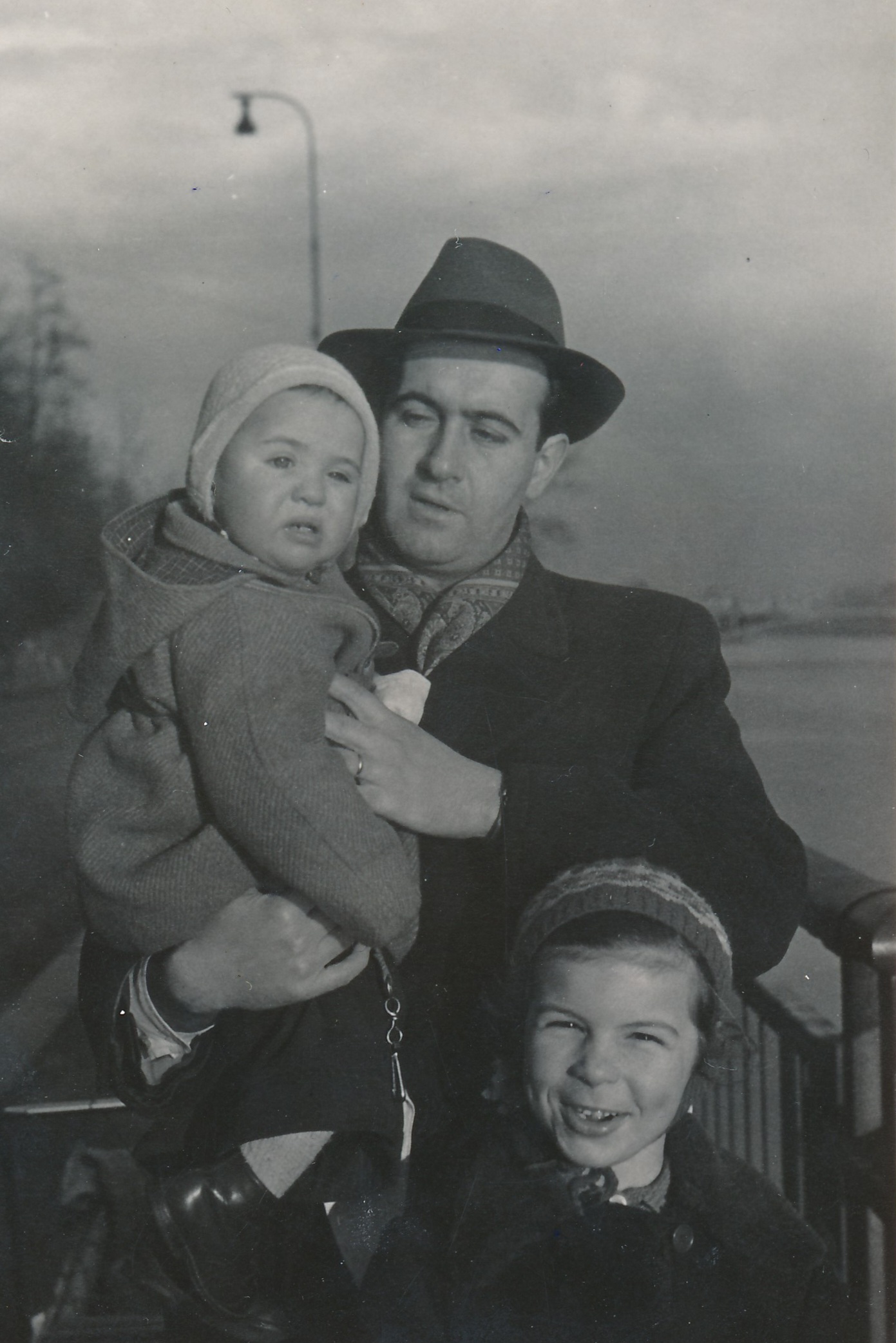
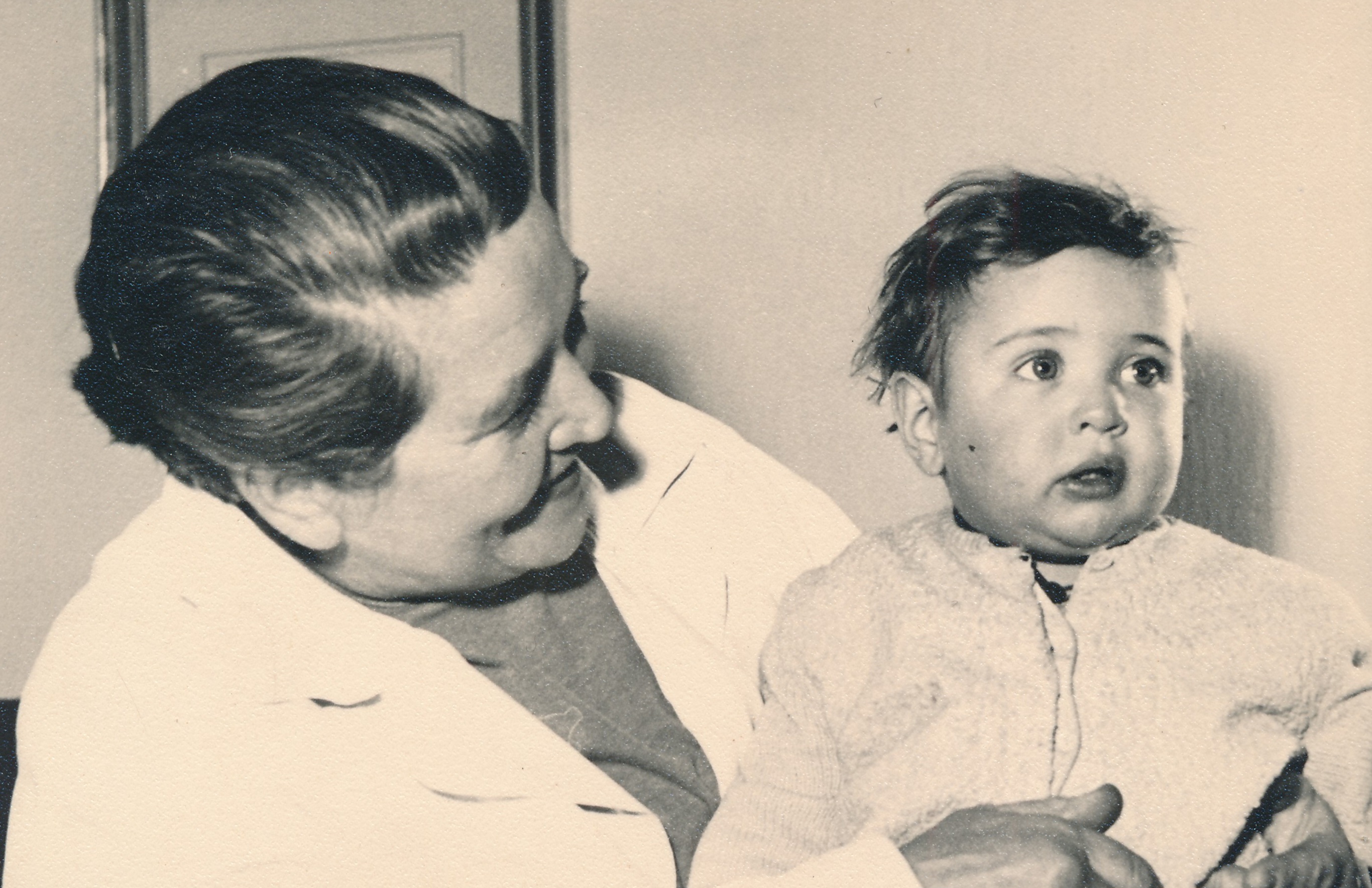
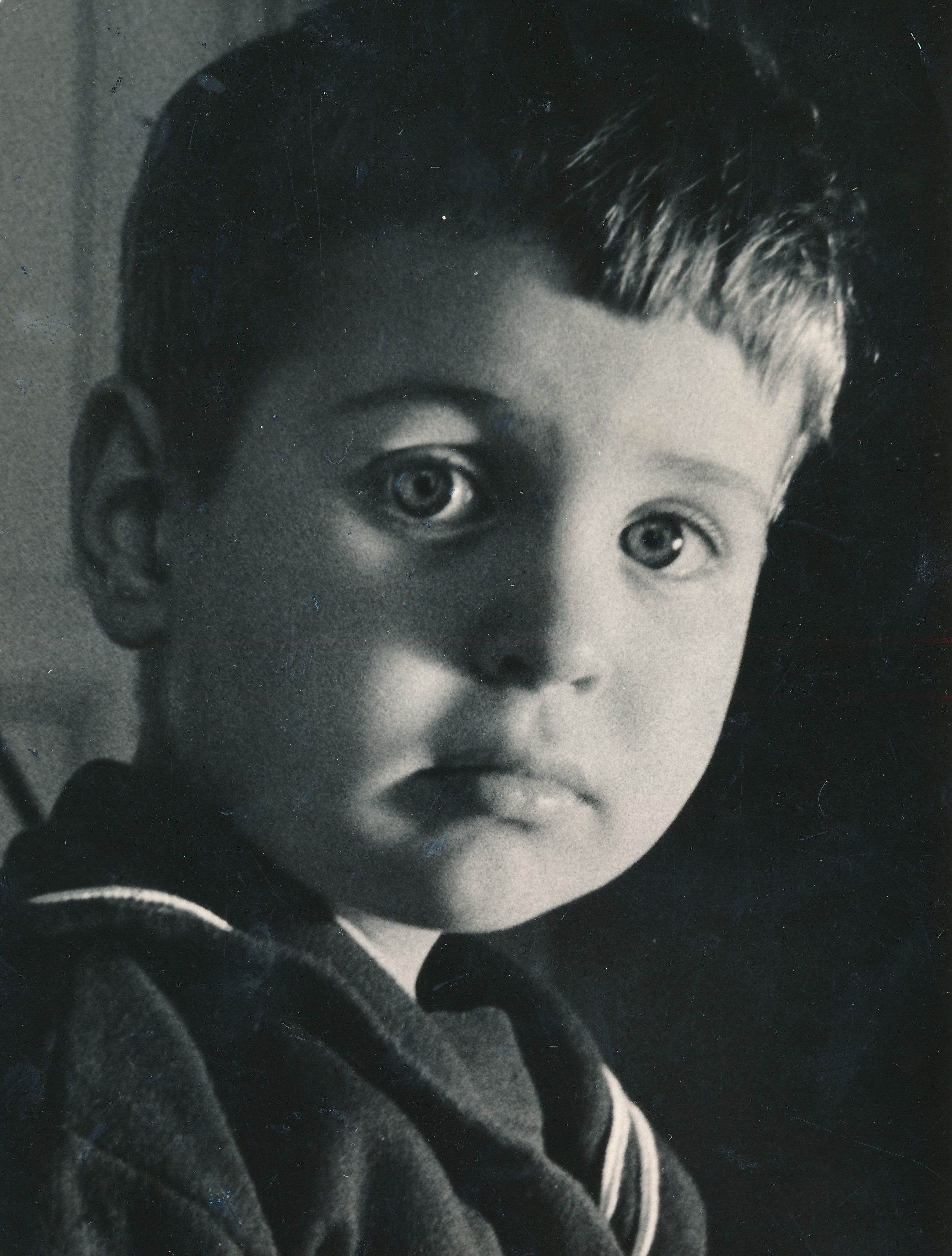
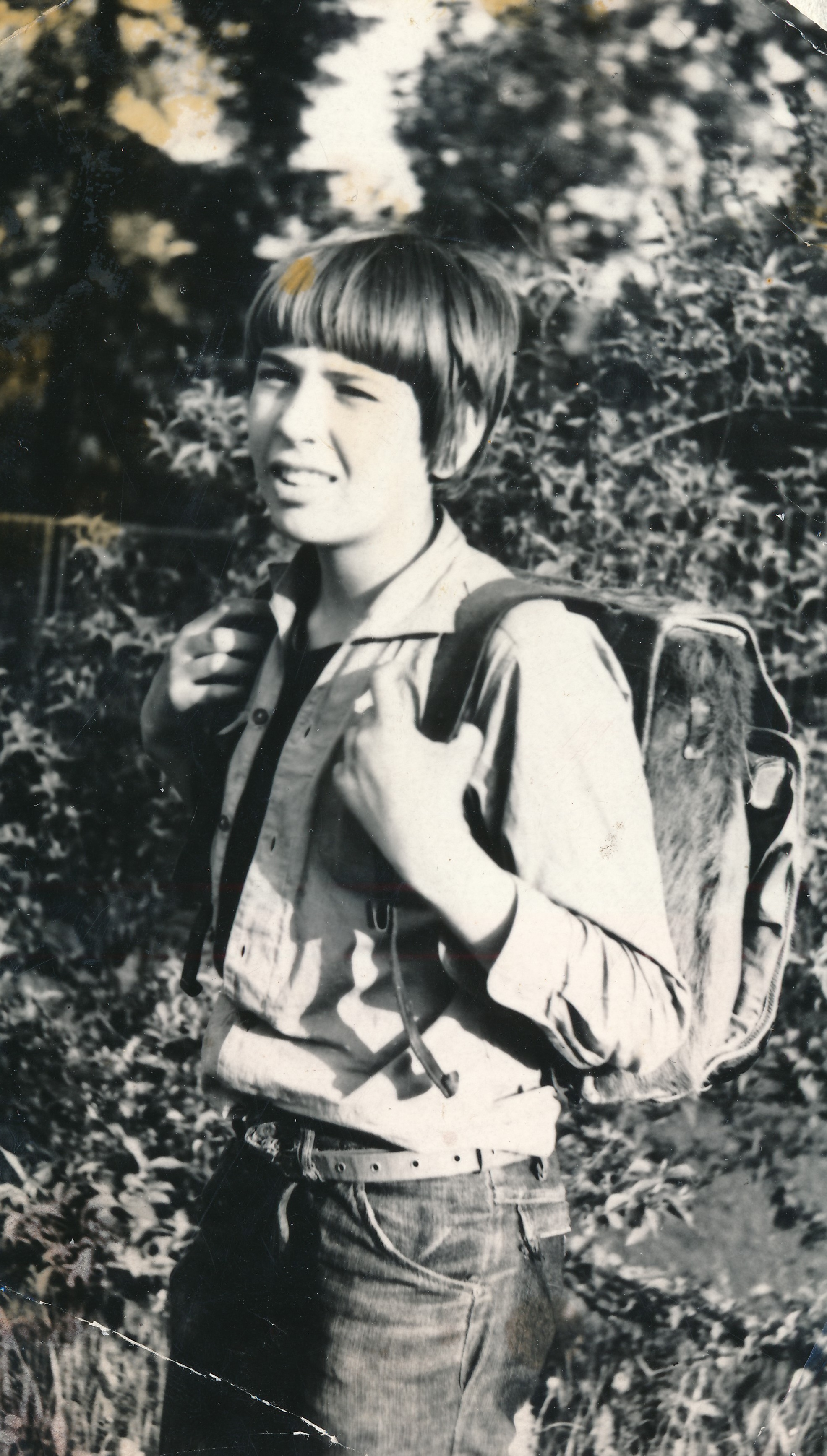
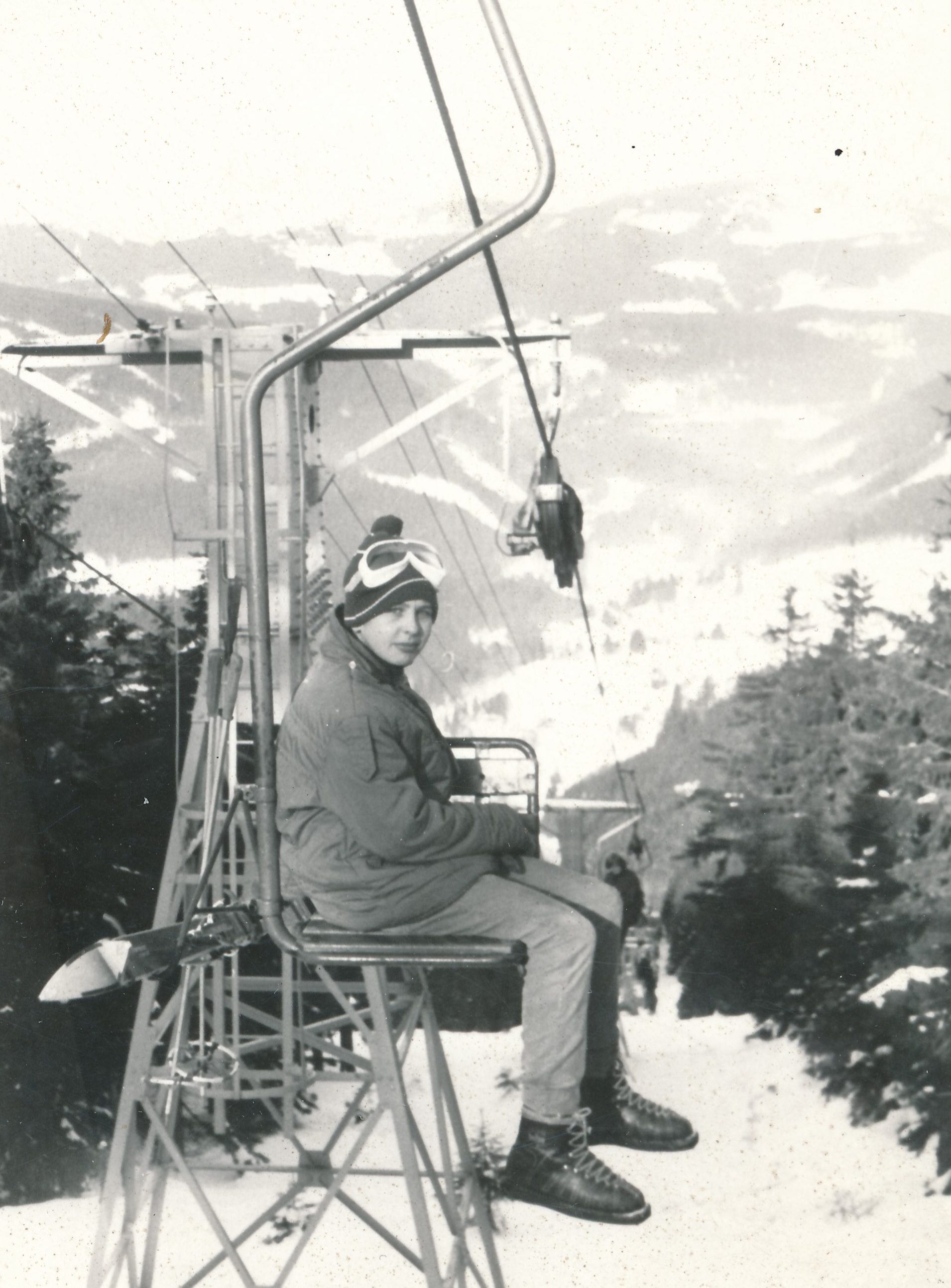
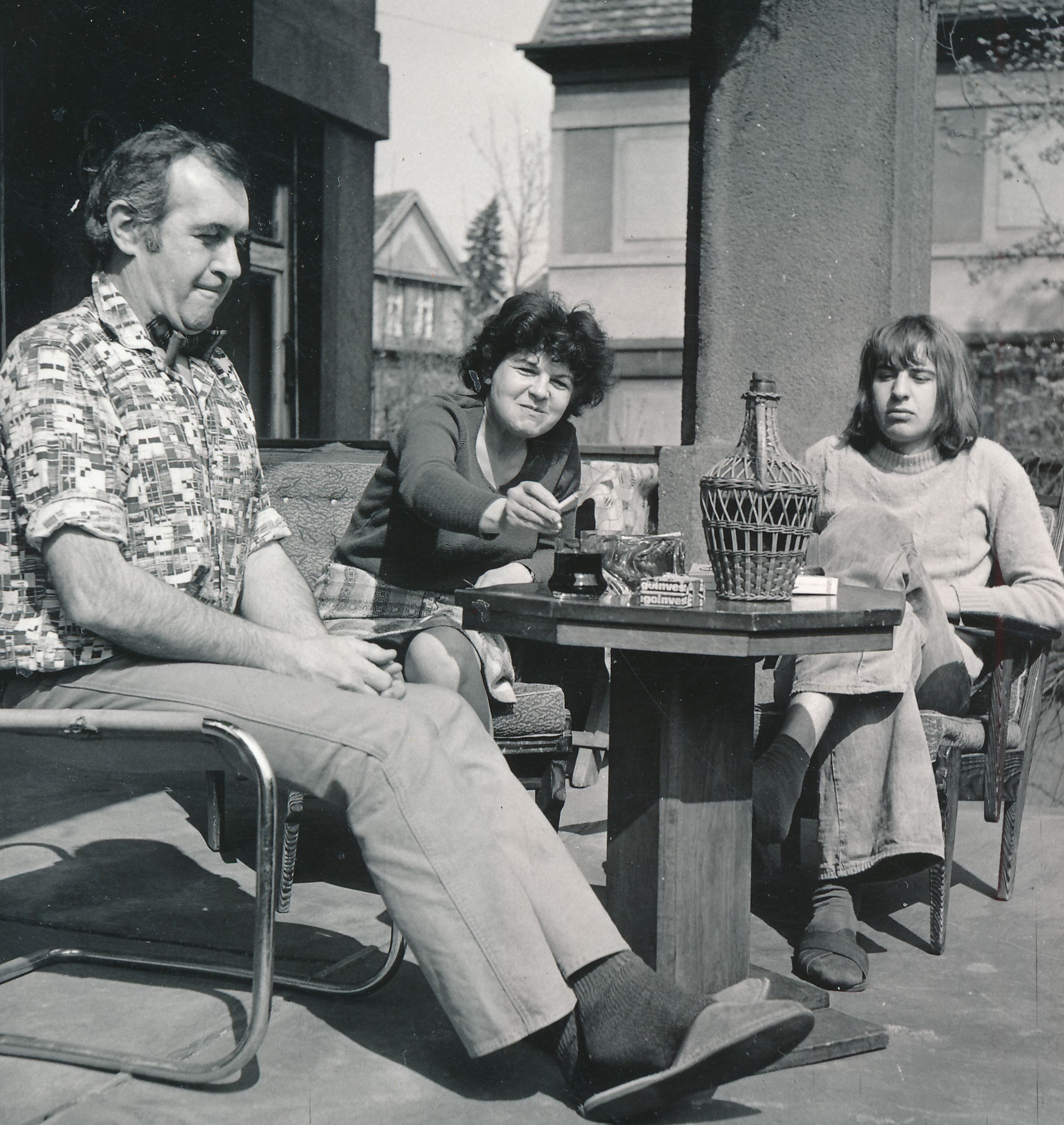
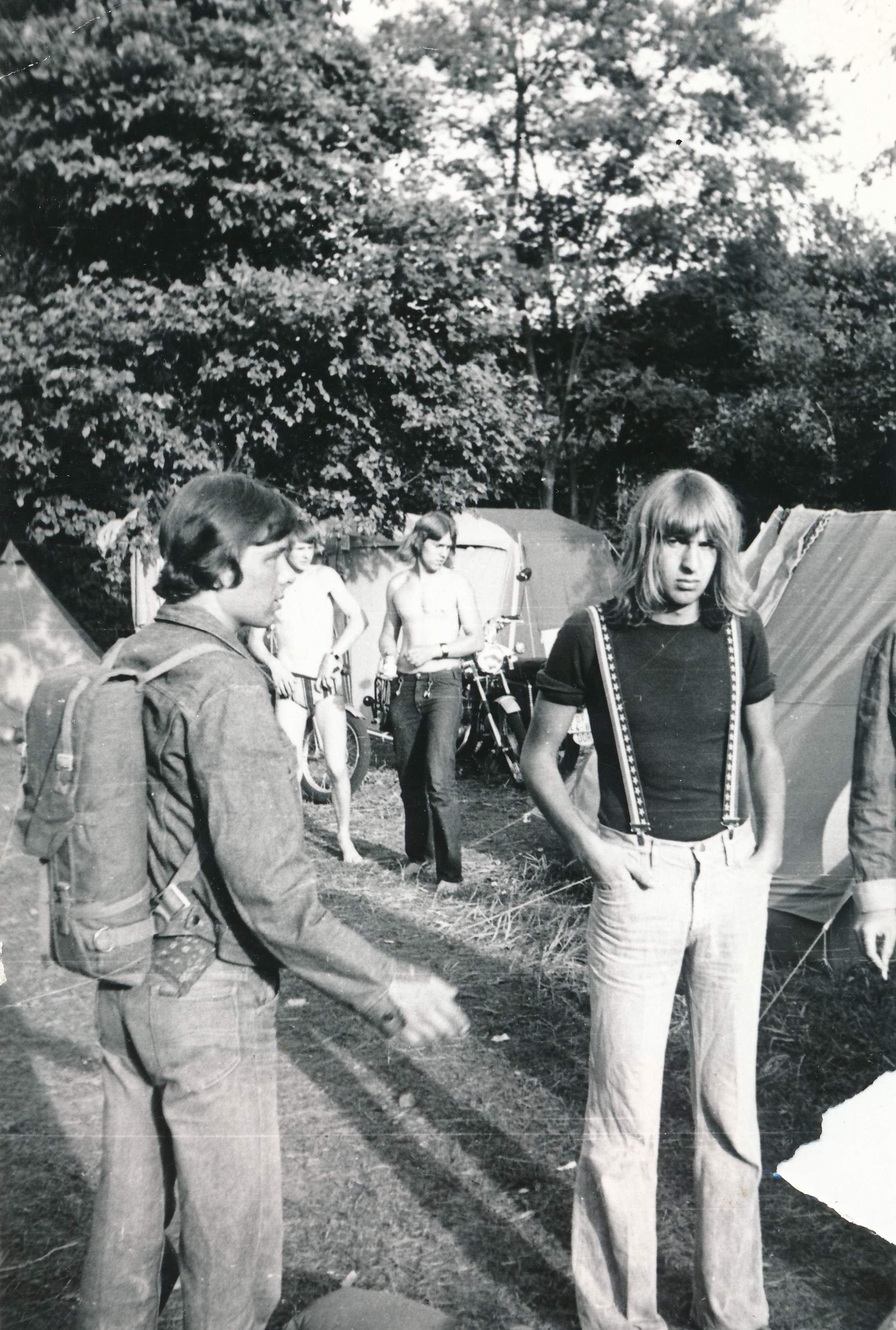
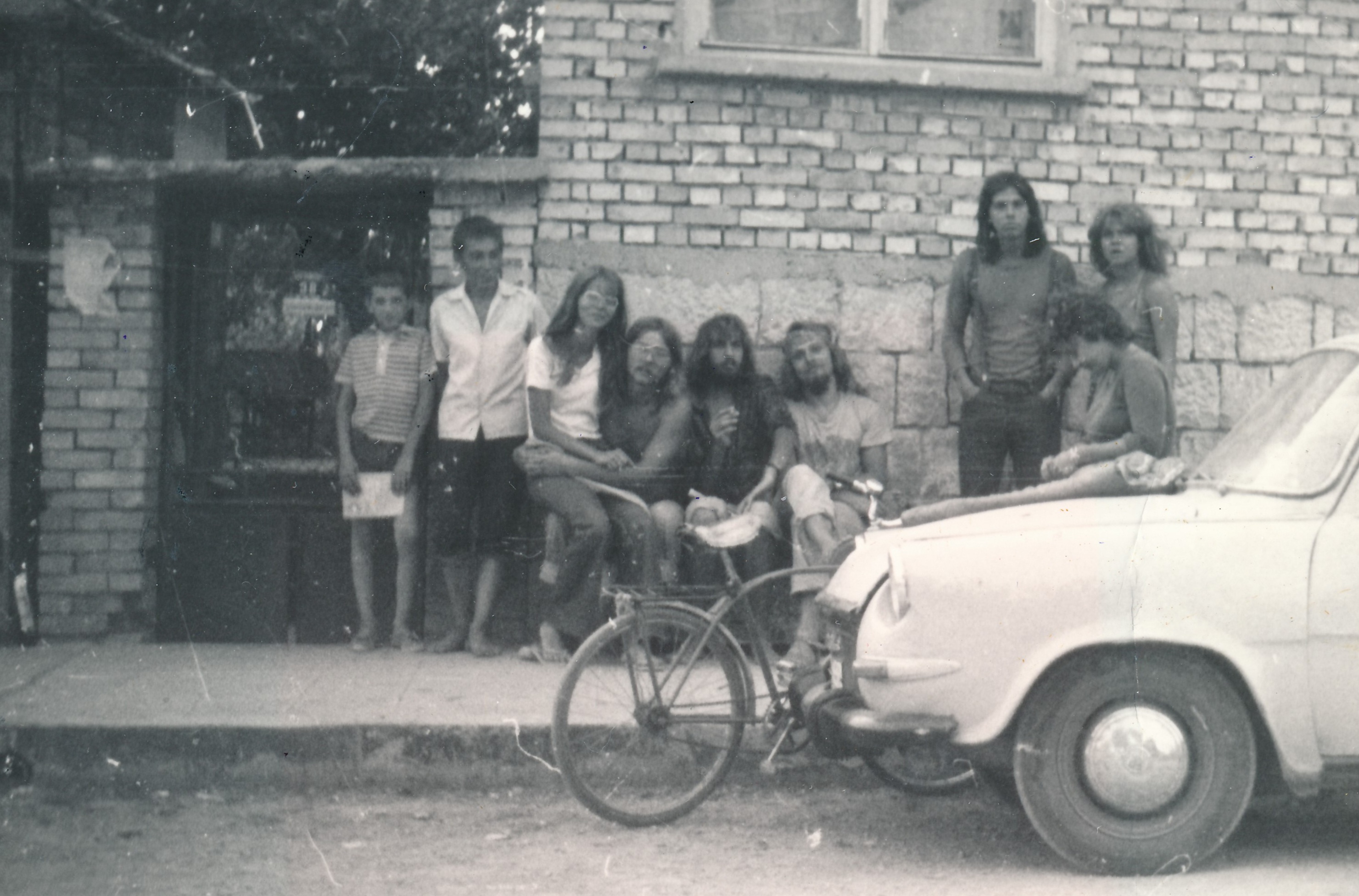
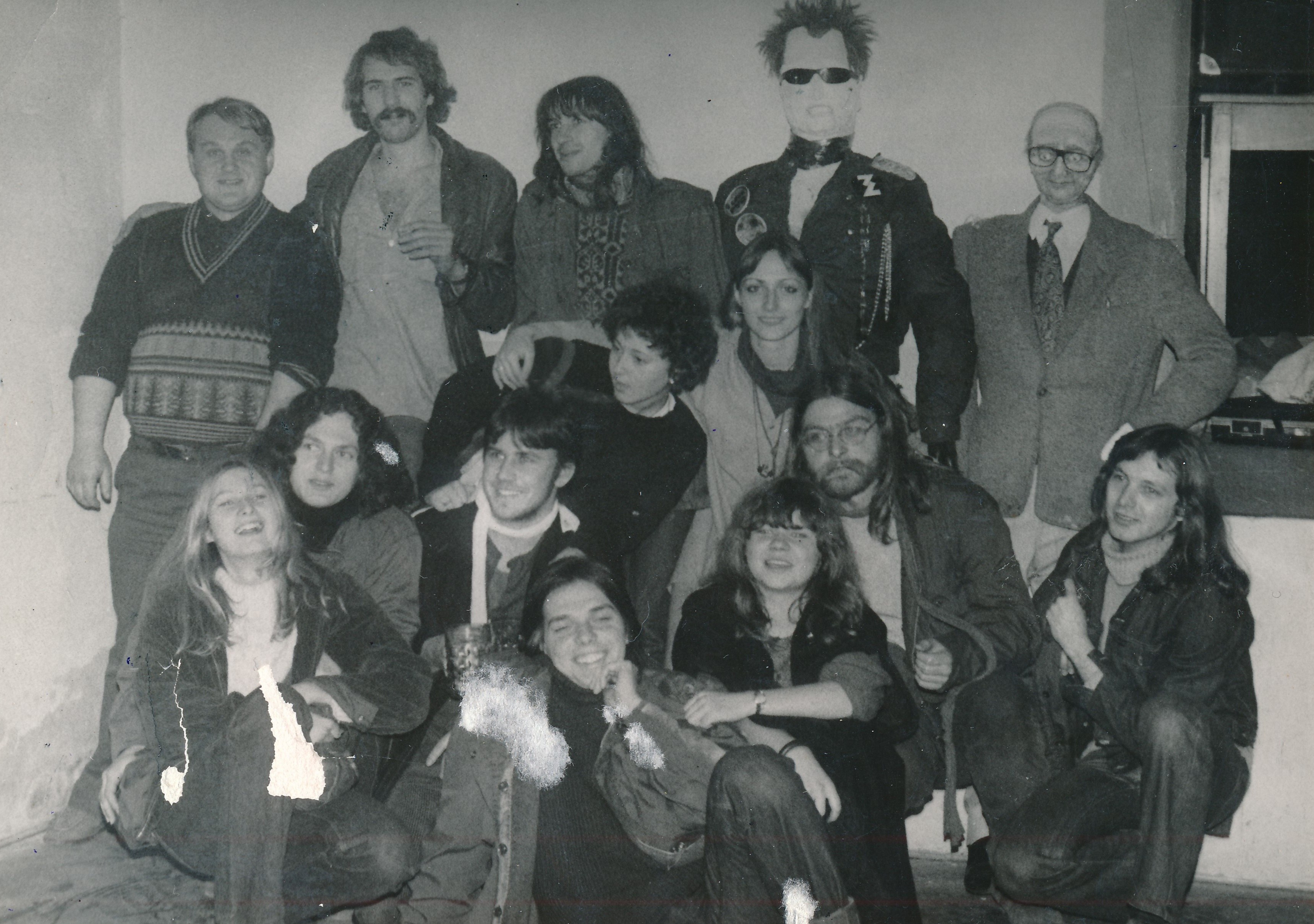
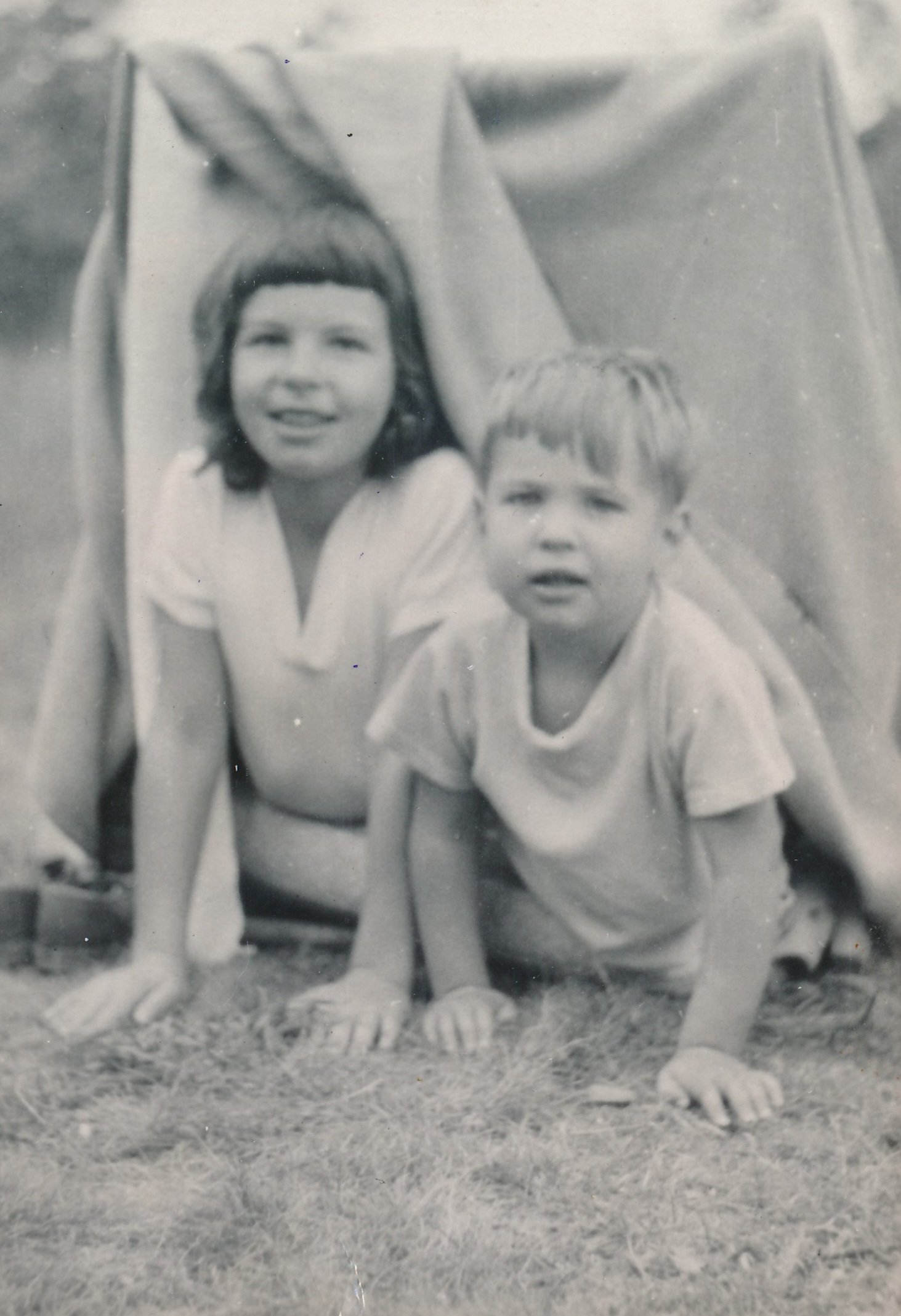
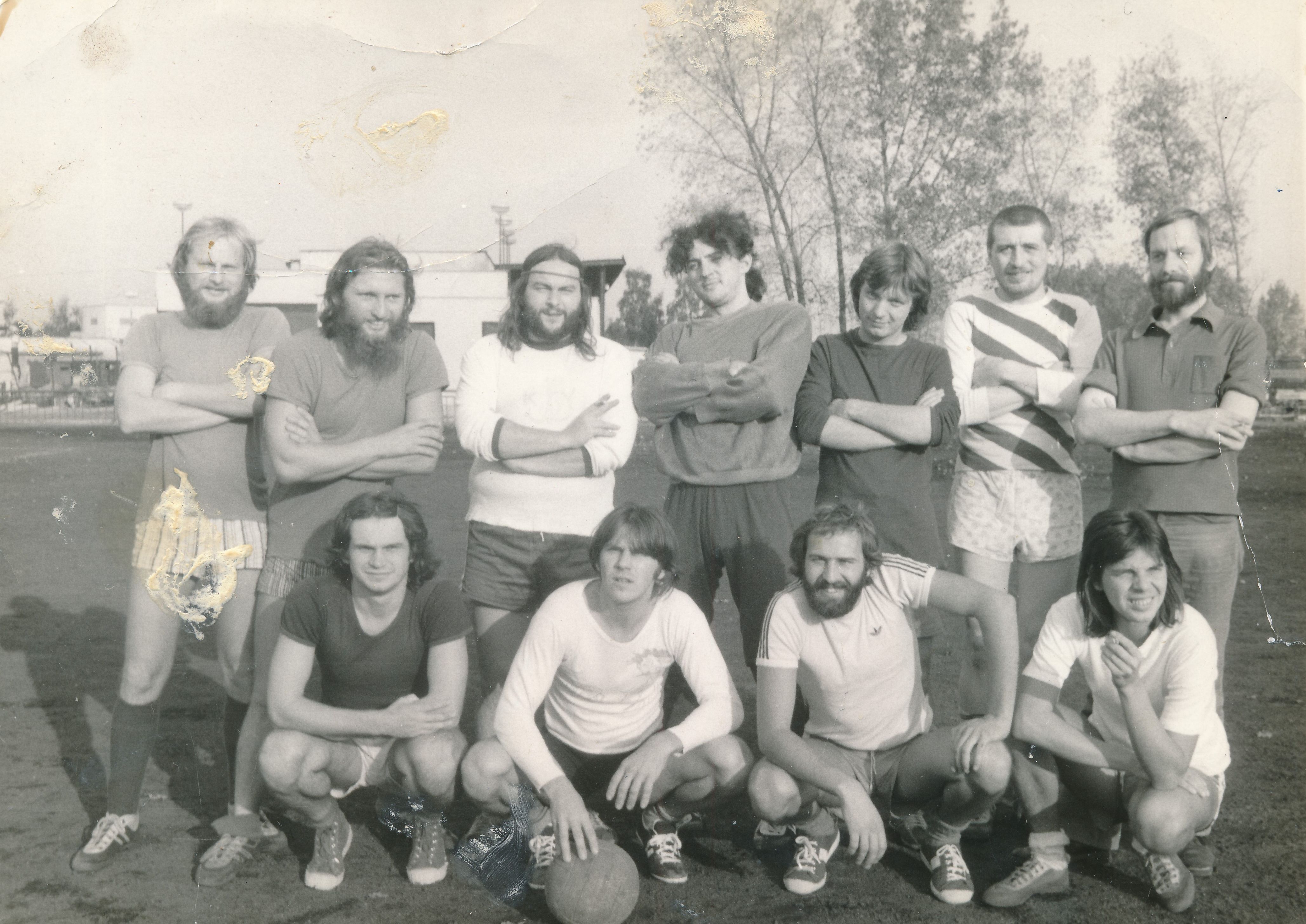
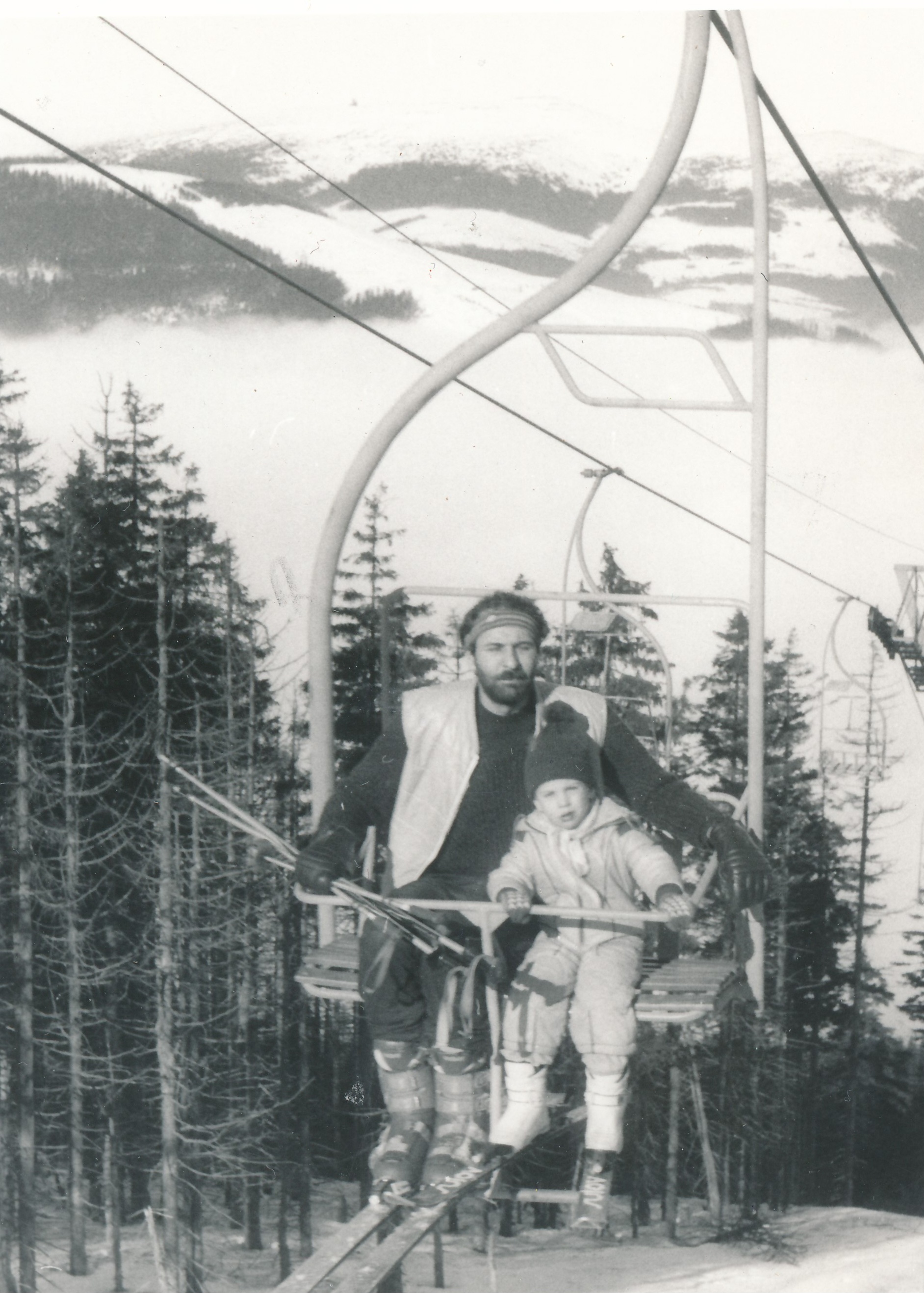
Ilja Květoň was born on 7 December 1955 in Prague. His father, originally a gynaecologist, worked as a military doctor and later held a position at the Ministry of Health. His mother was a midwife. The free-spirited and irrepressible child began to perceive the world around him in the late 1960s under the influence of his sister, mainly through music. During the invasion of Czechoslovakia by Warsaw Pact troops on 21 August 1968, the whole family was on holiday in Yugoslavia. After a week‘s reflection, they returned to Prague. The parents fell out of favour because of their opposition to the invasion, and the father had to leave his medical profession for two years. Ilja Květoň could not go to secondary school, he did not enjoy apprenticeships. So he joined a research institute as a laboratory technician and graduated from medical school while working. At that time, he hung around with other long-haired friends in pubs and came into contact with the drug scene of the time. In 1979, he had the opportunity to travel to the West to visit his sister, who had emigrated seven years earlier. In the 1980s, he started a family. He also helped several people cross the border to the West, for which he was prosecuted. In 1988, he joined the Movement for Civil Society. In addition to his work at the geodesy, during the summer months he worked at a stall in the Julius Fučík Park of Culture and Recreation, now the Exhibition Grounds, where he had visitors sign the Several Sentences statement. He actively participated in both Palach Week in 1989 and the demonstration on Národní třída on 17 November of the same year. Then he was absorbed in work for the newly formed Civic Forum, and was its head of public relations. The Civic Forum subsequently sent him to the privatisation commission that was selling off state property. In parallel with this engagement, he co-owned the legendary Prague rock club Bunkr. He remained in state service in the National Property Fund until the end of the millennium. Then he moved into the private sphere and started a business in hazardous waste management. For his activities in the Civil Society Movement, he was certified as a participant in the 3rd Resistance. In 2025 he was living in Prague.