Jarmila Kuklová

* 1923

  • "Daddy once said, 'That's a terrible way how it´s happennig. Nobody knows you here, you're from Litovel. I work... no, we have a society that doesn't want to be in the Sudetenland, within the Sudetenland. You know what, they're too wild... We'll go to Hradiště, we'll meet there. I'll show you which bench to sit on in the square. You'll have a newspaper, and in the newspaper I'll give you a plan of the Vašišatka - the Bojkovice arms factory. An old lady will sit next to you, and both of you will be reading read the newspaper, so it won't be so obvious. Then I'll nod to you from the street. Take a good look. As soon as I nod, you´ll exchange newspapers. She'll take yours, there'll be a map of the Vašišatka we want to destroy - sabotage. So do it this way.‘ When the lady sat down next to me, she was dressed in an old Wallachian costume, a kind of village costume. I could see she was a young girl. We parted, she took my newspaper with the plan of Vašišatka and left. I went to my father. It was done discreetly, I would say that maybe nobody even noticed. It was kind of secret, you know? And then Vašišatka blew up."

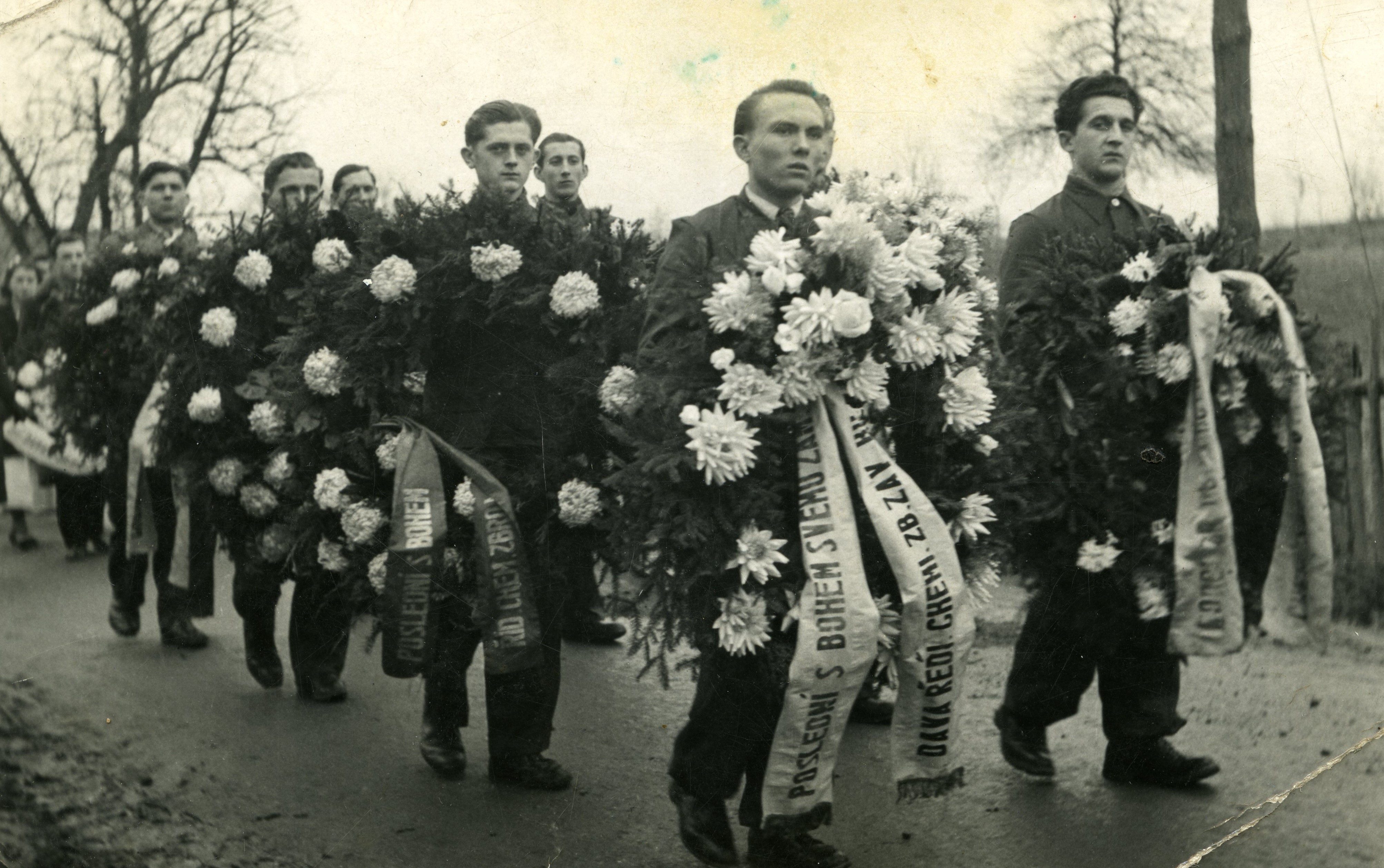
  • "A terrible transport of prisoners who walked around, even through Litovel. Poor, unclothed, shabby... it was... I remember the crowds of mothers with children in their arms. It was terrible. As a girl, I used to throw textile bags to them - I sewed little bags made of canvas, and put sugar cubes in them so that the sugar wouldn't get dirty. We used to throw it to them... I can tell you that when they passed through Litovel and then stopped for the night in Nasobůrky - that's less than a kilometre from Litovel - the farmers there killed pigs for them, cooked them, roasted them. They did what they could so that the prisoners could eat in that processionb . And those who drove them, ate with them, they were hungry too."

  • "A girl - Erika Svobodová - went to the last grade of municipal school in Litovel with me. I didn't know who she was, girls' and boys' schools were separate, you know? She came when our men, the army, started to march towards the Sudetenland. The class teacher Bouda sent Erika to the office. He said: 'Erika, here are my keys, go and get me something, I can't find it.' She took them and went. Meanwhile, he told us that we had to be quiet, be careful what we did, and how it was before the war, you know... Erika came out of the study, brought it to the class teacher - Bouda was his name - and put it on the table. He said: 'Thank you, Erika, sit down!' She stood. He told her again, 'Sit down, thank you.' And she was still standing. When he told her the third time, Erika stood up and said, 'Teacher, I know why you sent me to the study, but my daddy and I don't agree with Hitler!" - "That was brave." - "That was brave! What can I tell you..." - "Well, huge courage." - "I realised that Erika was something else. Then I asked a classmate. She said, 'She's the daughter of a German who teaches in Litovel, you know', and I said, 'She goes to a Czech school' - 'Yes, he wants his children to speak Czech'." - "Were you a Czech school?" - "And Erika said it boldly in class. The kids in the class were fine, but suddenly they were so weird. The teacher was standing, then he came up to her, and he was petting her and saying, 'Erika, thank you, thank you so much for that.' I realized that Erika was actually... wait... a hero."

  • Celé nahrávky
  • 1

    Šternberk, 21.07.2025

    (audio)
    délka: 30:49
    nahrávka pořízena v rámci projektu Field reports
  • 2

    Šternberk, 06.08.2025

    (audio)
    délka: 01:28:17
    nahrávka pořízena v rámci projektu Stories of the region - Central Moravia
  • 3

    Šternberk, 29.08.2025

    (audio)
    délka: 02:04:50
    nahrávka pořízena v rámci projektu Stories of the region - Central Moravia
  • 4

    Šternberk, 11.09.2025

    (audio)
    délka: 01:46:47
    nahrávka pořízena v rámci projektu Stories of the region - Central Moravia
Celé nahrávky jsou k dispozici pouze pro přihlášené uživatele.

I worked hard all my life, there was no time for fear and worry during the war
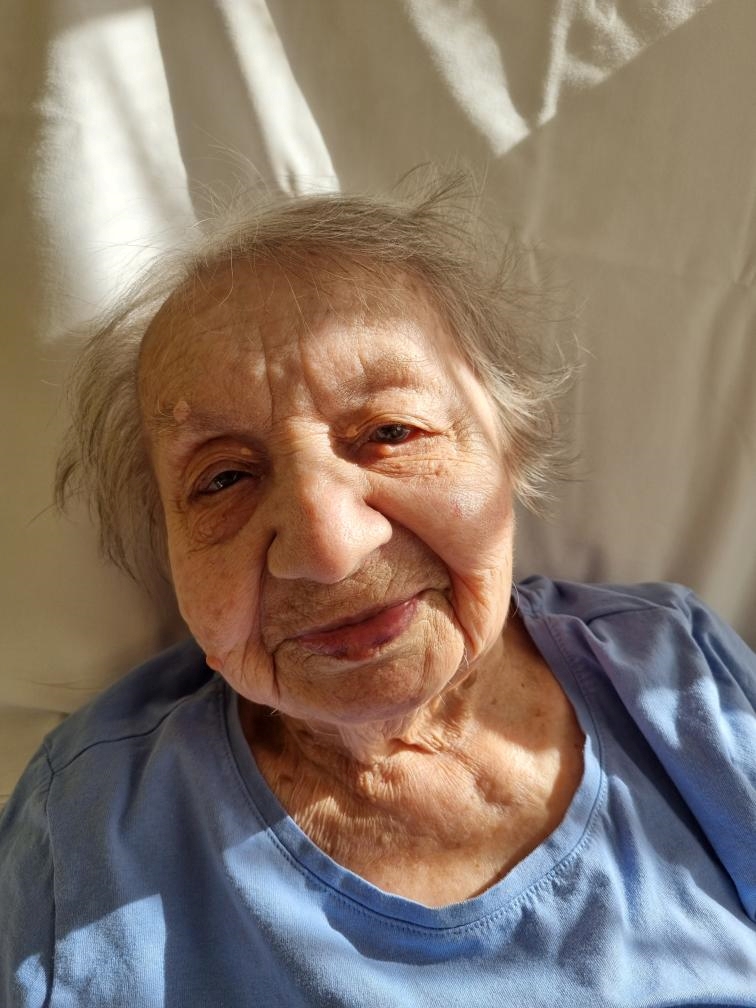
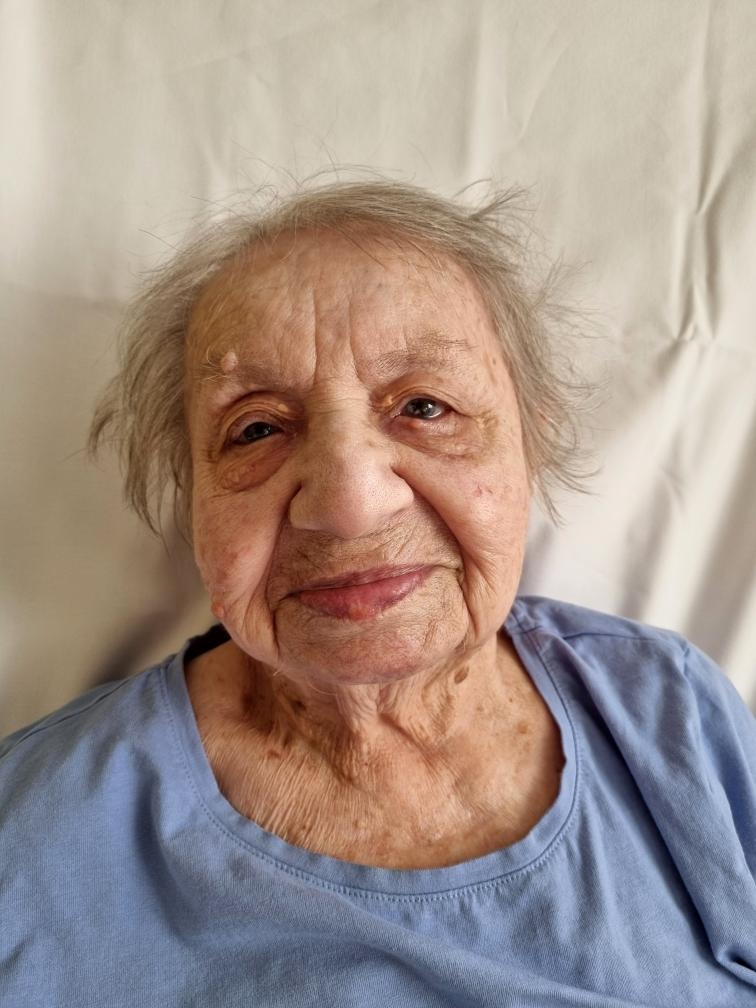
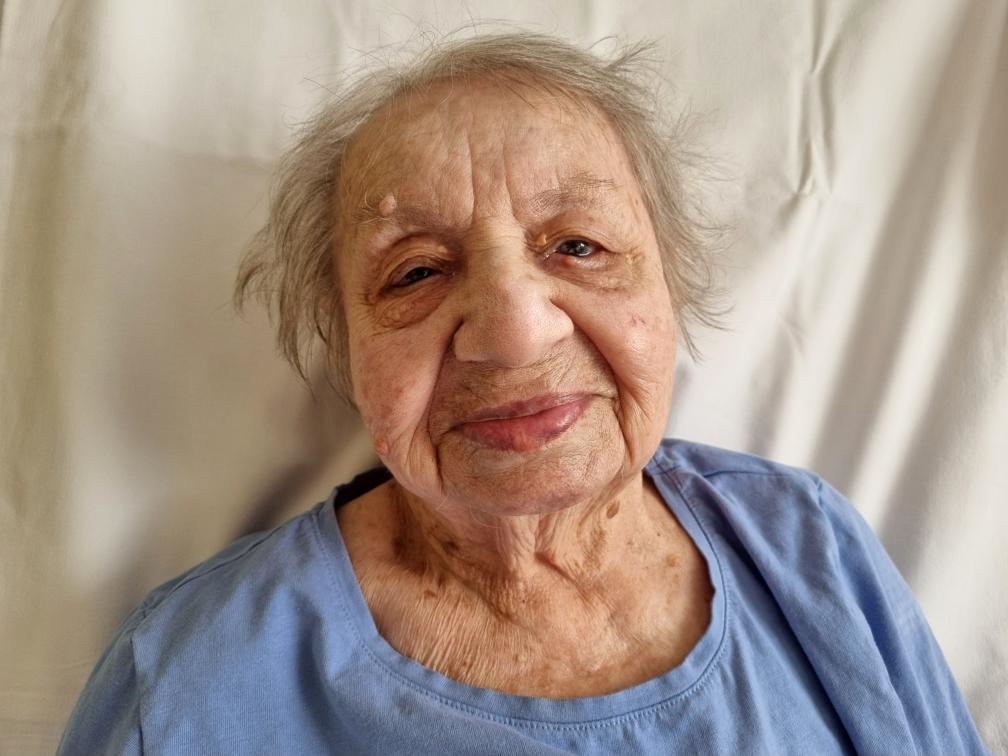
Jarmila Kuklová during the recording for Memory of Nations, 21 July 2025, Šternberk
zdroj: Memory of Nations

Jarmila Kuklová, née Remešová, was born on 2 November 1923 in the village of Nevšová, near Luhačovice, as the first of four children. Her parents, Adéla, née Raková, and Matouš Remeš, had a farm there. Daddy, a veterinary surgeon, worked in Litovel and mummy took care of her terminally ill brother in the hospital until Jarmilla was three years old. Jarmila was brought up by her great-grandmother Veronika, and after her death by her grandmother Matylda Raková. Her parents moved with her sisters to Litovel when she was seven. Before the war, her mother returned to Nevšová with her children, Jarmila went to her father in Litovel, where she lived through the war and she used to return to Nevšová. She witnessed the air battle over the White Carpathians in August 1944, and in January 1945 she saw a procession of Soviet prisoners of war passing through Litovel. Her father and a cousin, Alois Remeš, joined the resistance during the war, and at her father‘s request, she secretly handed over the plan of the Bojkovice arms factory to an unknown woman. She trained as a seamstress and cook in Litovel, then graduated from a two-year tailoring and clothing school in Prostějov. In 1947 she married Bohumil Kukla, a railwayman and later a textile shop manager. They lived in Lipová u Jeseníku, where Jarmila Kuklová witnessed the aftermath of the deportation of German families. She raised two sons - Pavel (1948) and David (1955). Her husband was briefly imprisoned in the 1950s for criticism of the regime. She worked, among other things, at the apprenticeship school in Lipová as a catering manager or as a cutter in the clothing factories in Jeseník. Later she moved to Litovel, where she ran the canteen of the grammar school. In 2025 Jarmila Kuklová lived in Šternberk.