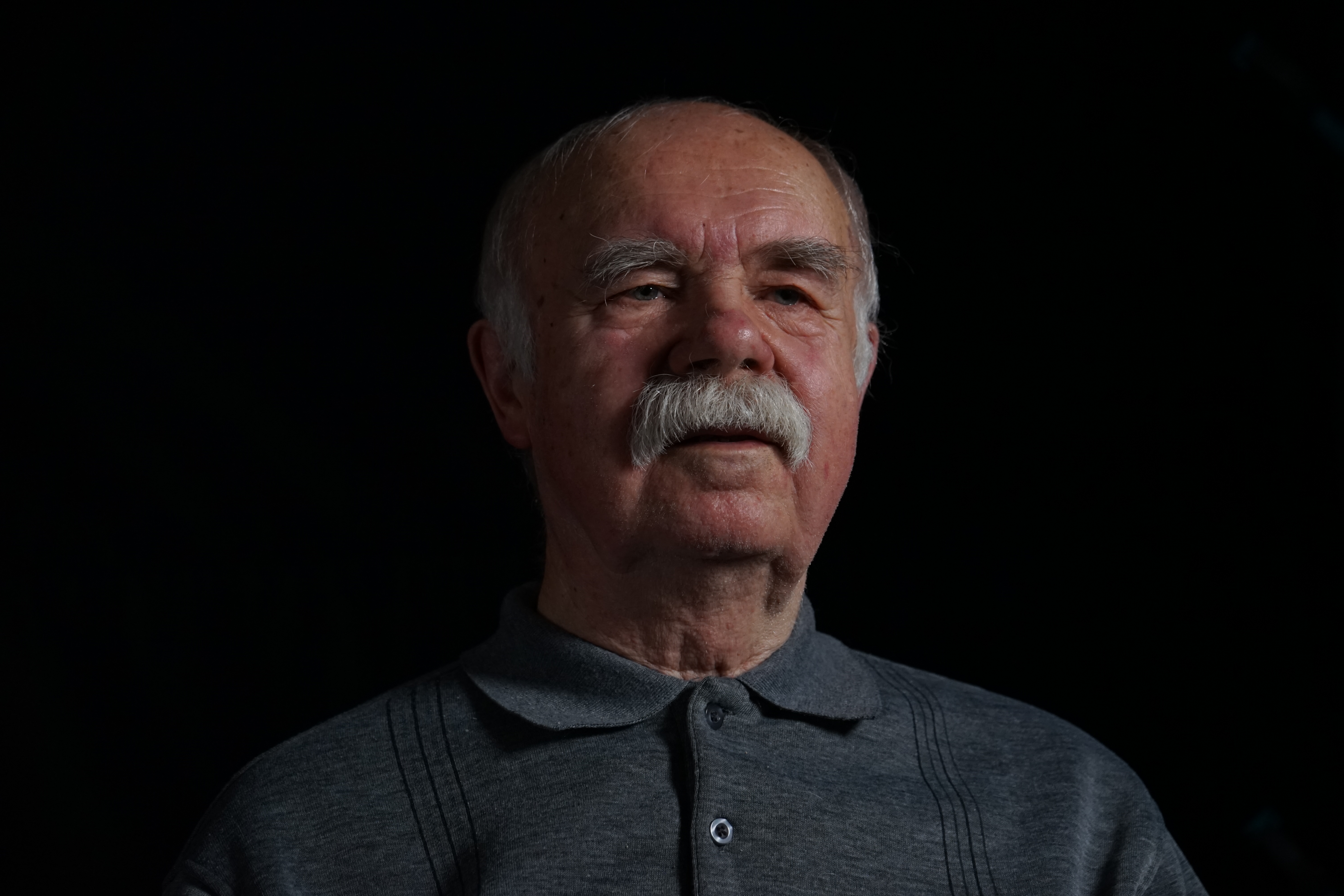
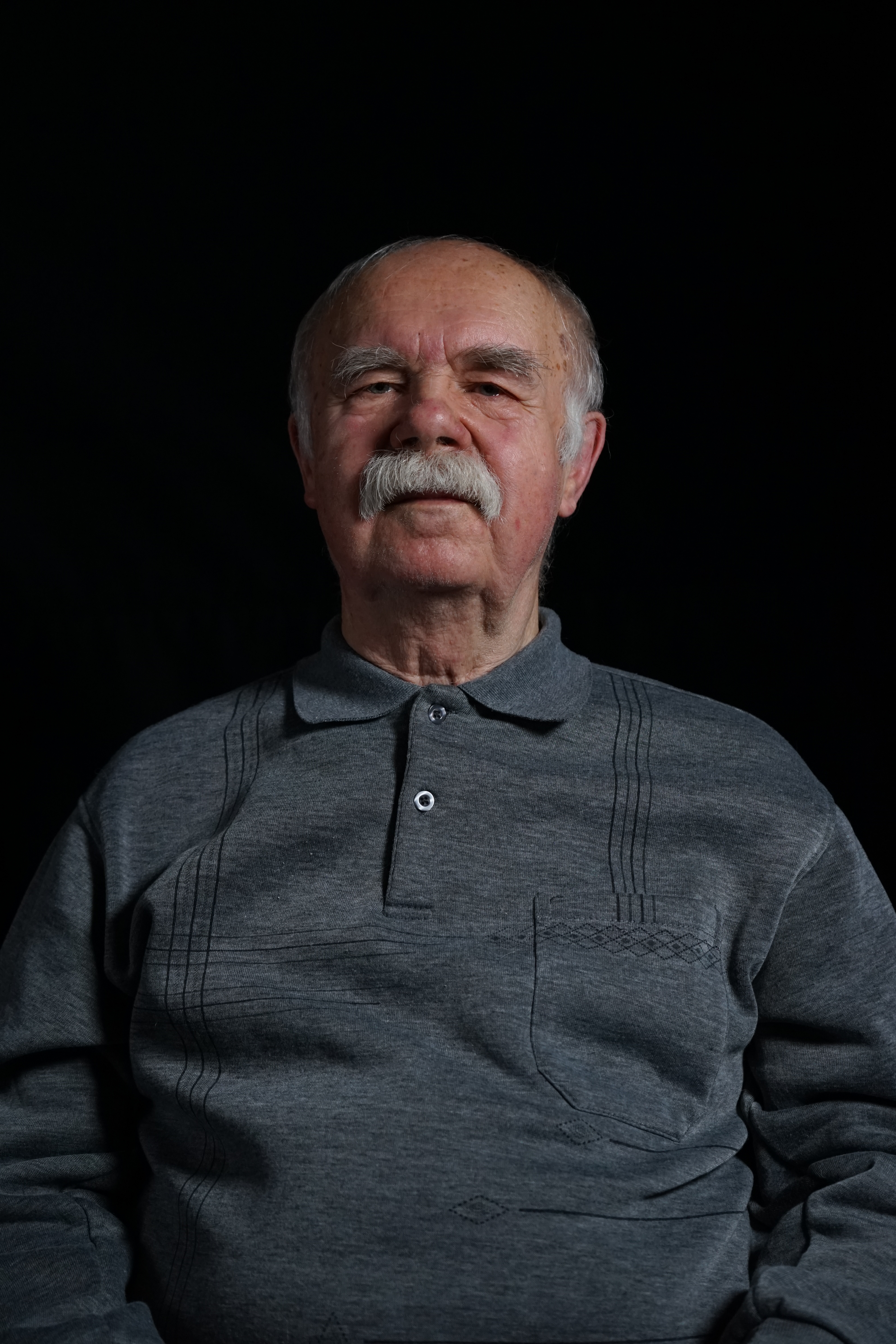
Vladimír Kučera

* 1946

  • "Jeschke had a ribbon factory in Kuks. And so that the Czechs wouldn't have to go to 'Rajch' to work, he employed them there. And then when the war ended after '45, they denounced him for being German and for promoting the war. Well, I don't know, he was fighting somewhere in Morocco and he came to Kuks on leave, and so he told what was going on there. And then when the war was over, some of the employees told on him that he was promoting Germany, the German army, and so they confiscated everything, they moved them out. He still said later that they managed to get some paper, and they went to the American zone."

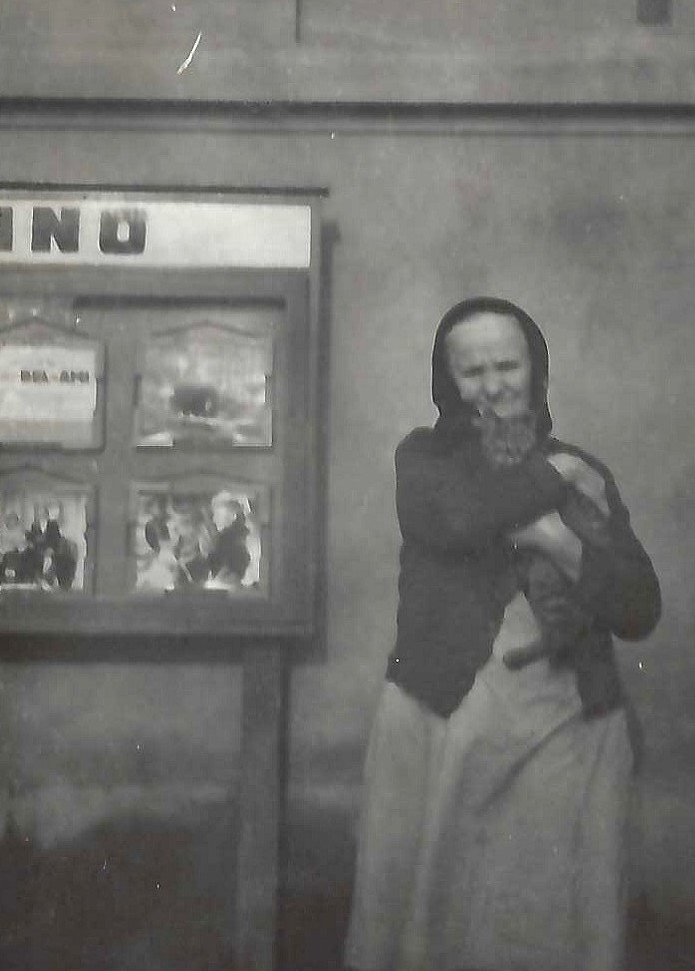
  • "I think there were a few Germans left after the war. I know there was a countess who lived in the hospital during the war. But she was quite seriously ill by the time she was forty-five, so they had to move her out. Those people walked or some wagons were loaded. So they ordered them one morning at seven o'clock to be ready - a small baggage. And those who could walk, walked, and those who couldn't, they went on a wagon to Jaroměř, and there they were wagoned. Finally it was arranged that they left the Countess there. And the wife of Peter Špork stayed there with her. That was a grandson, I guess. She took care of her, and the Countess died in '46. But there was another incident. Before the Russians came, the Countess' daughter, the Countess' daughter, was living in that hospital. She was afraid of the Russians, so she jumped in front of a train. It killed her, and my mother said that because she jumped in front of the train like a murderess, they didn't bury her in the family tomb, but in the hospital cemetery. And when she died in '46, if it was her mother, she was buried in the same grave. So I had a dad who died in my fifties-I wasn't six years old- , and so we would go to the cemetery with flowers, and my mom would always put flowers on this countess's grave."

  • "There in Kuks only the older ones remained, as my mother said. We were afraid of Slaboch - he was the head of the NSDAP and lived somewhere at the hospital. And he was really the only somewhat younger one. My grandmother said that the 'partisans' came, and Slaboch had to dig his own grave and they shot him. Which is true. After the war it was like everywhere else. In those first days, as she put it, they stormed in and looted everything they could. Slaboch was shot, and I think his wife cut her throat. At the hospital during the war there had been an institution for incorrigible young Germans. And so I know they also shot one of the attendants, and maybe another one as well. They’re buried somewhere there. Then, after the war, when the Russians came through - they were moving from Jaroměř toward Trutnov, or the other way around - they camped for the night above the village. By coincidence, some Czechs or Poles were fleeing toward Poland and also camped on the other side. The Russian soldiers stormed in, raped the women, and shot those who tried to defend them. I know for sure they shot one man and buried him there somewhere."

  • Celé nahrávky
  • 1

    Hradec Králové, 21.02.2025

    (audio)
    délka: 02:01:07
    nahrávka pořízena v rámci projektu Příběhy regionu - HRK REG ED
Celé nahrávky jsou k dispozici pouze pro přihlášené uživatele.

Coexistence with the German inhabitants of Kuks was normal even during the war
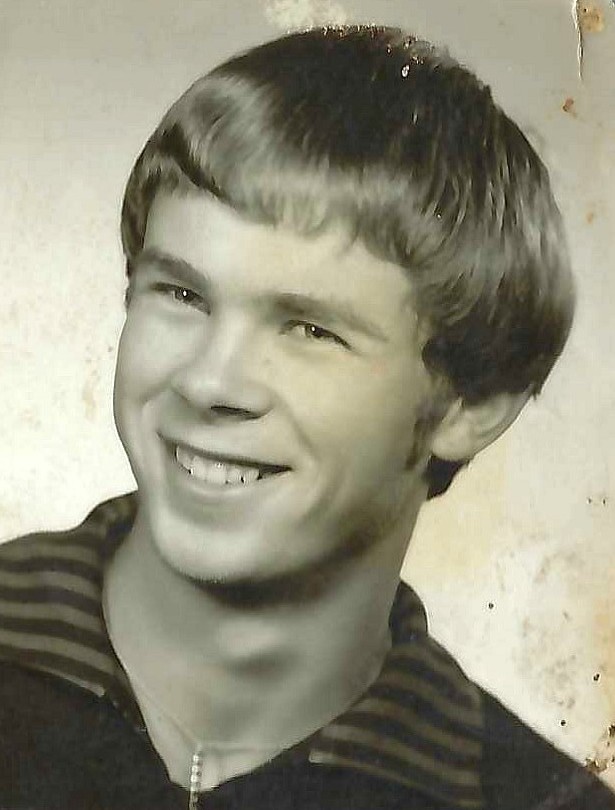
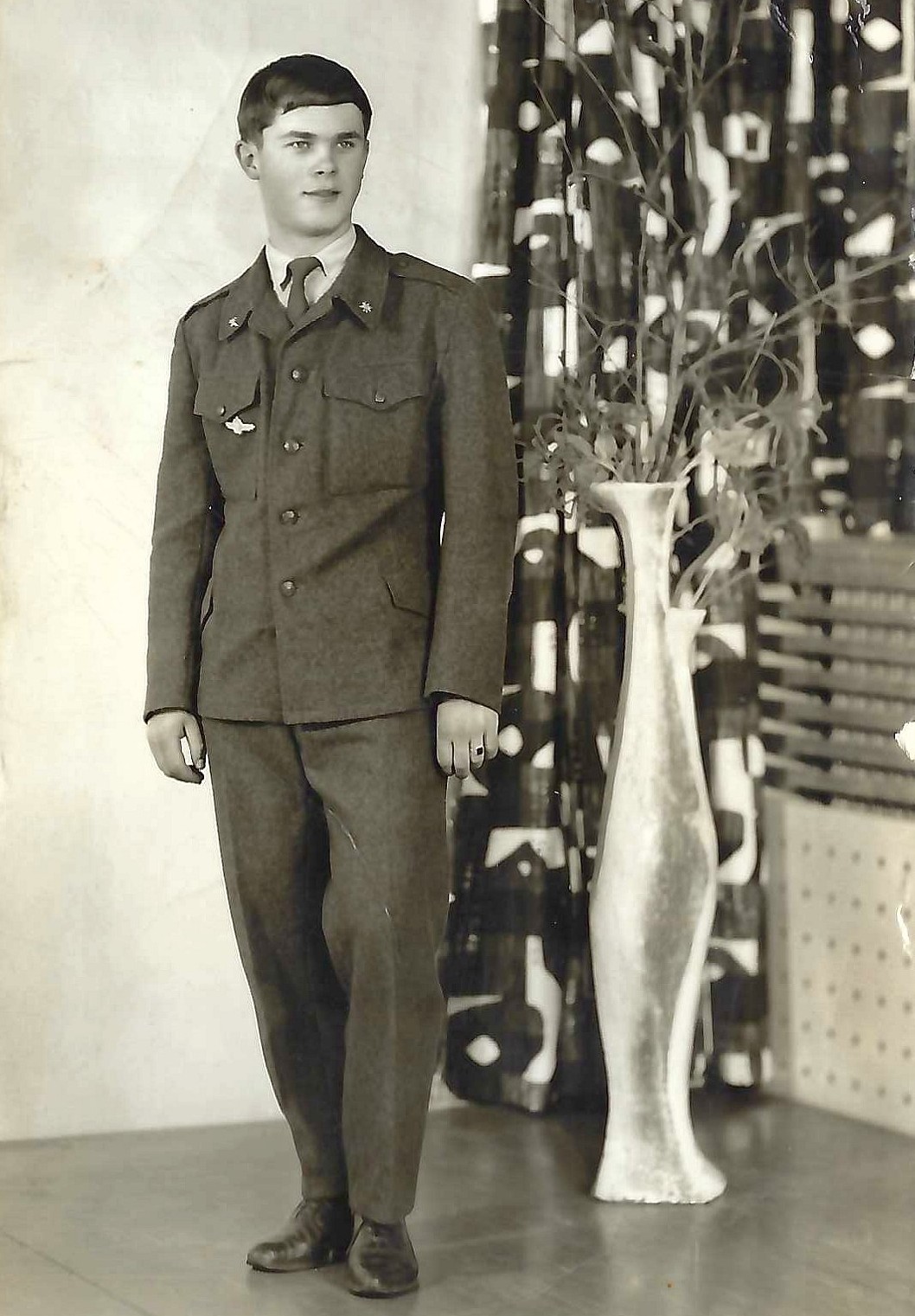
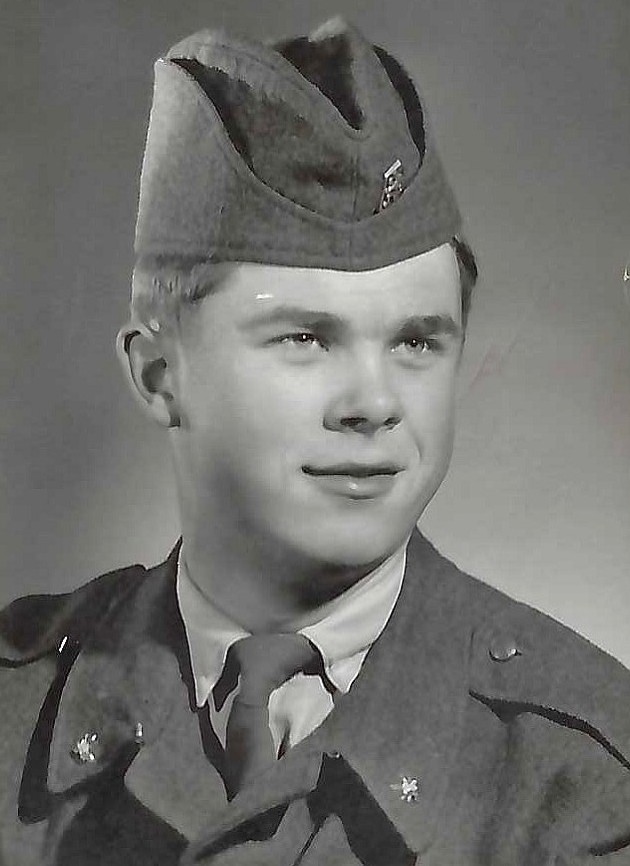
Photographs from military service, November 21, 1965
zdroj: Archive of the witness

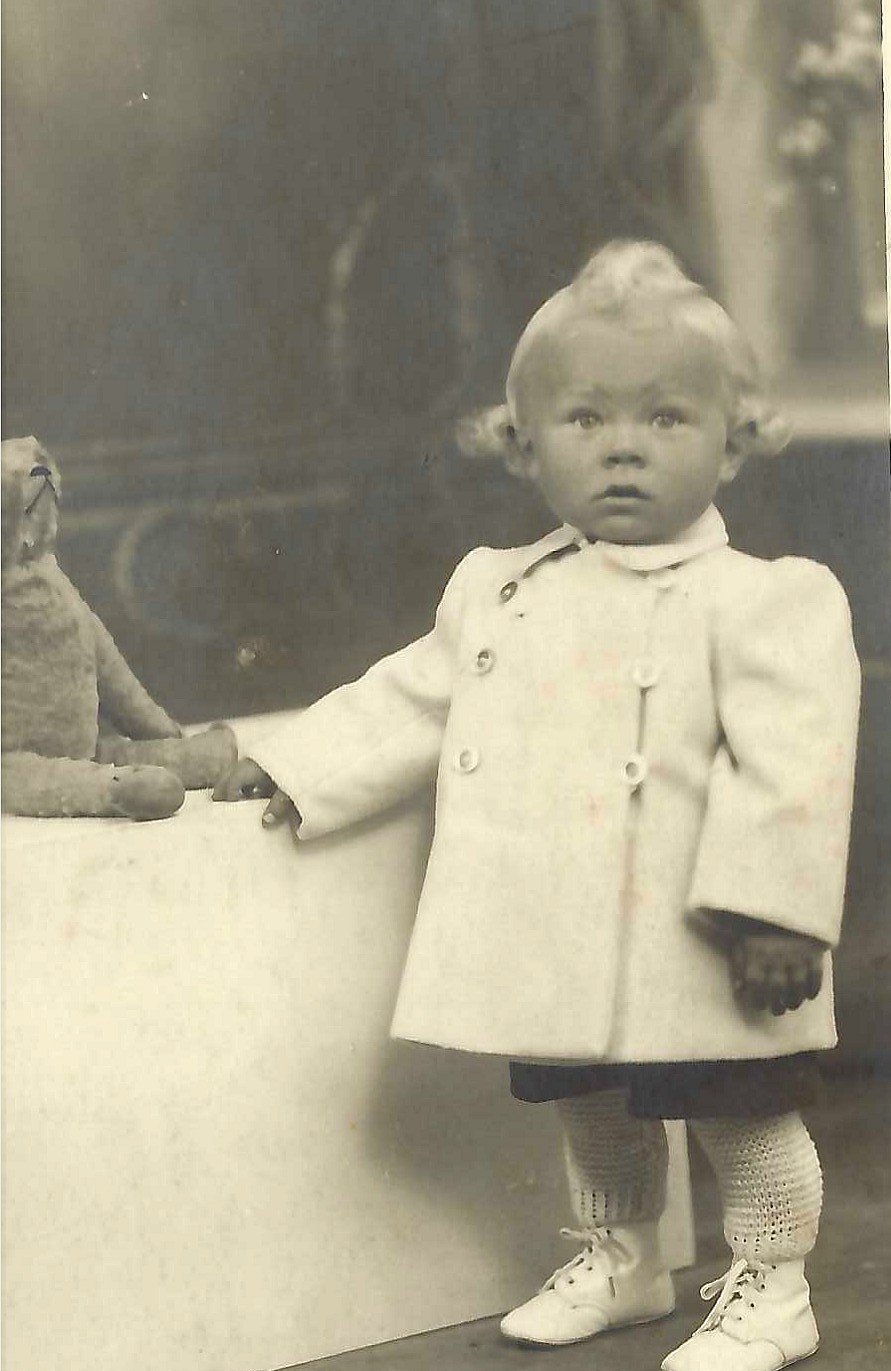
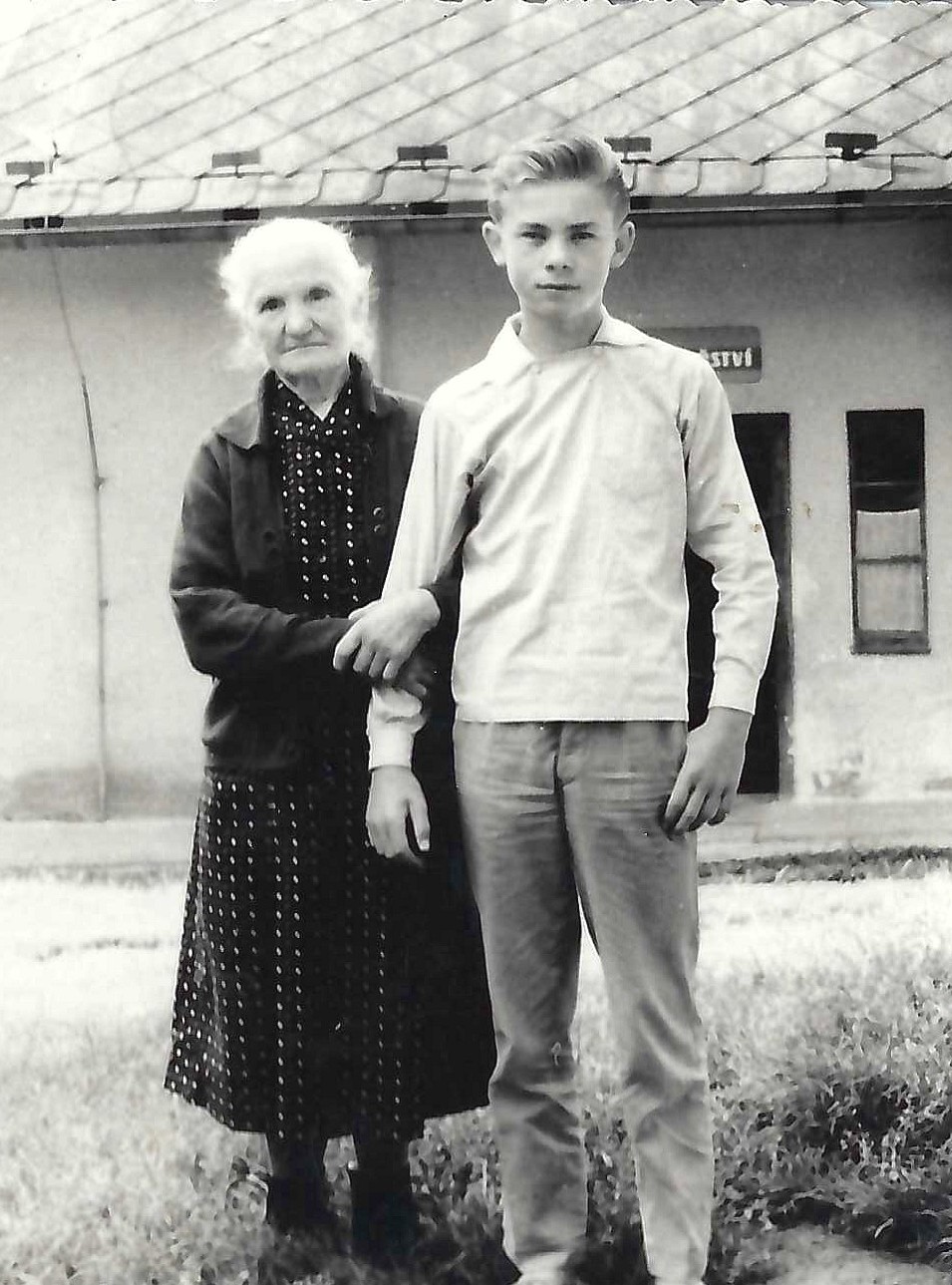
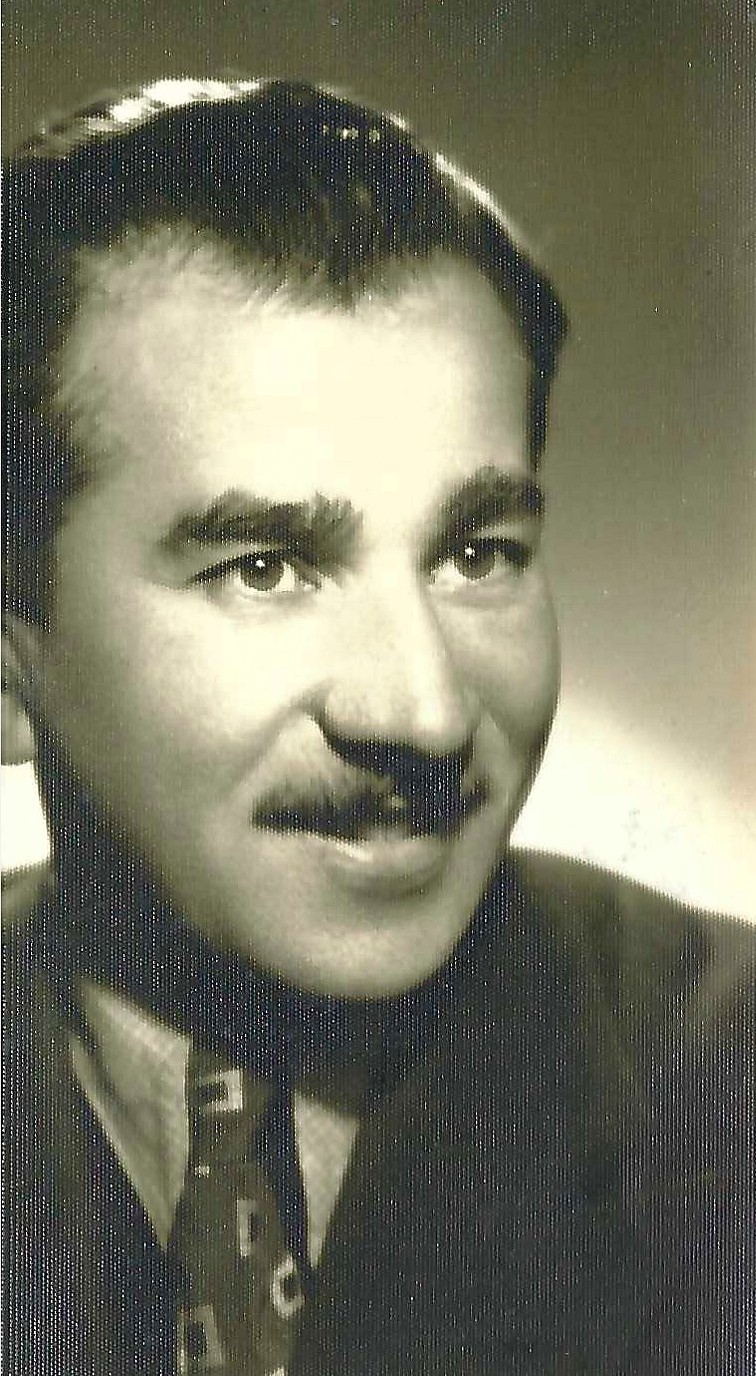
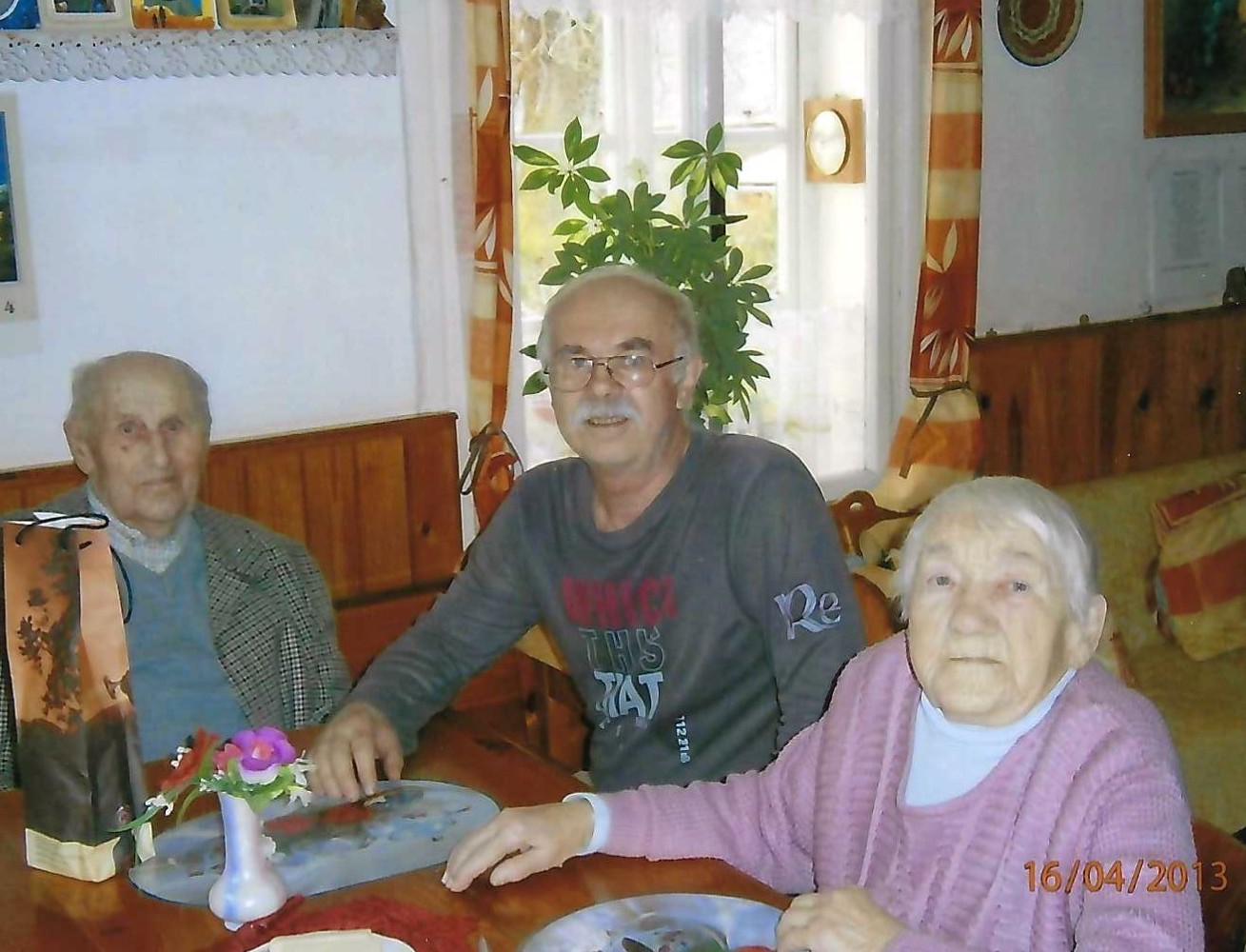
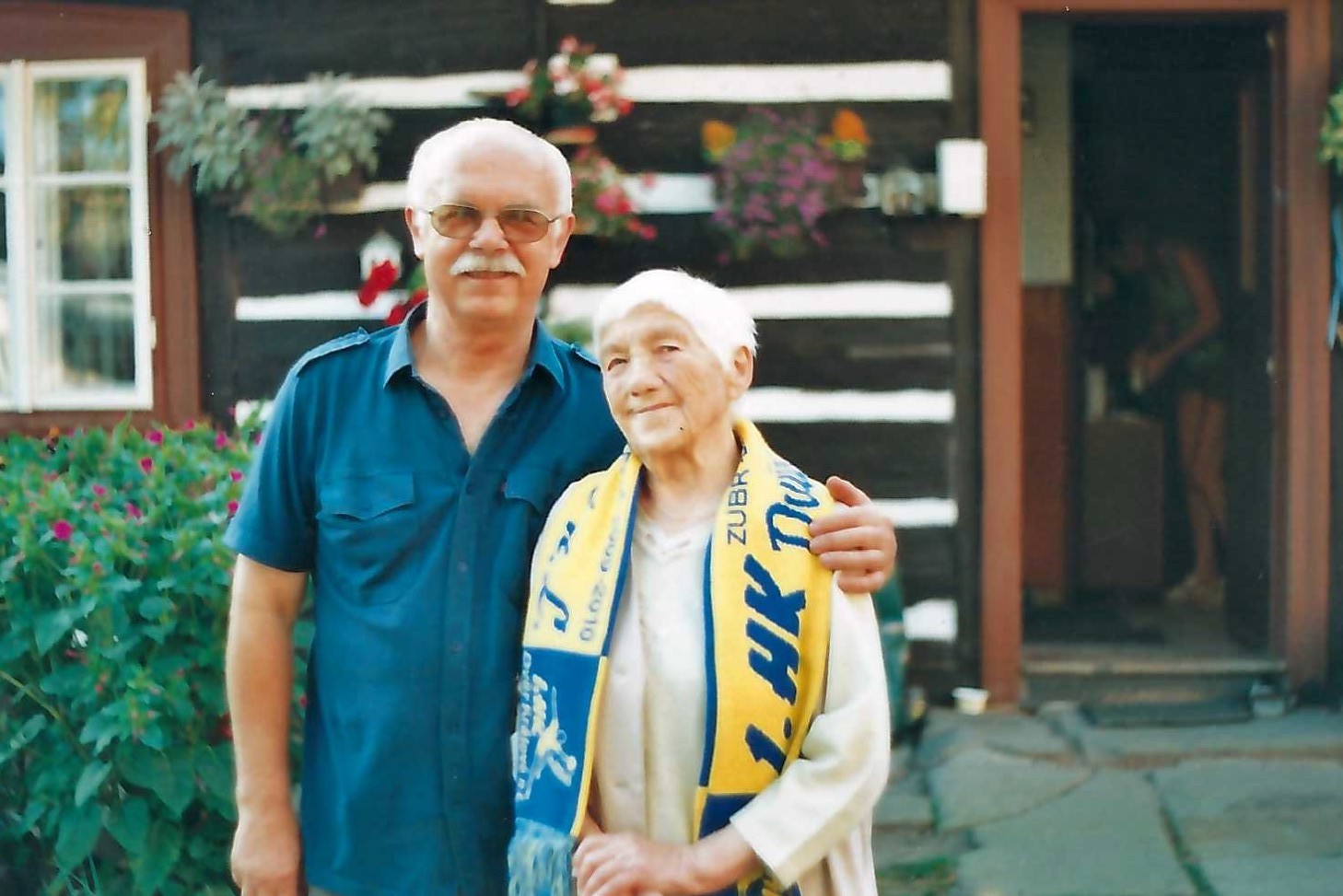
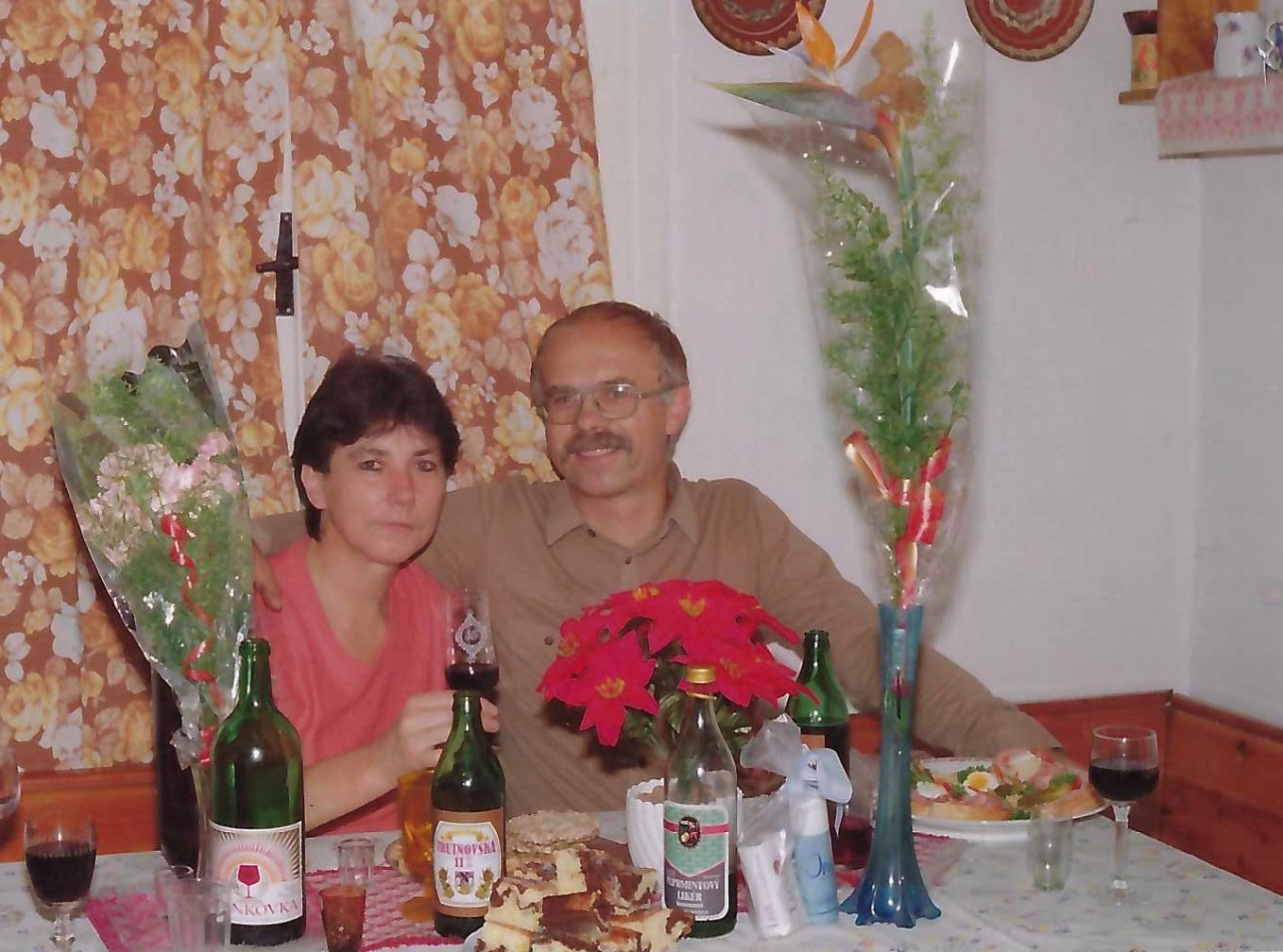
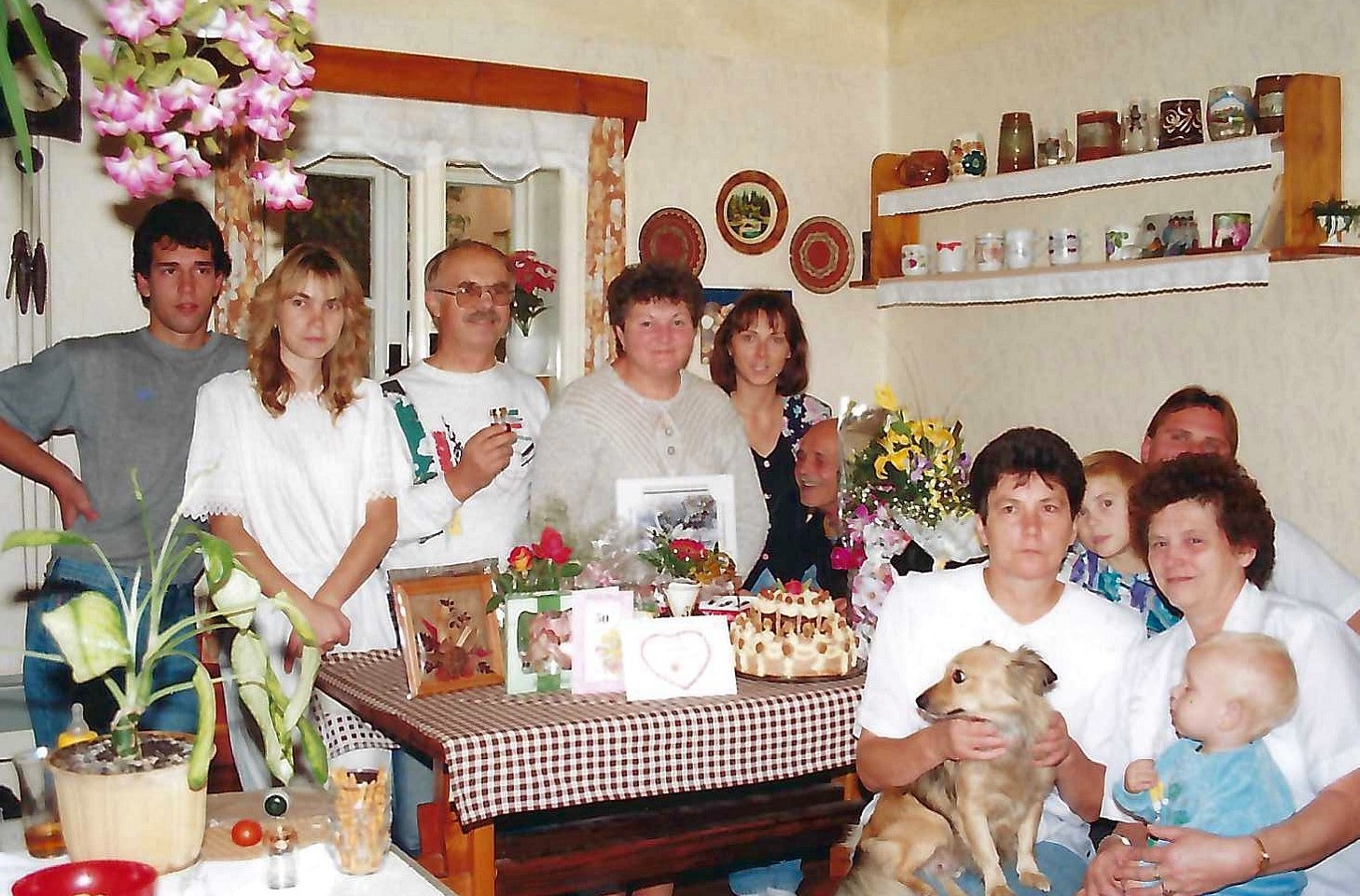
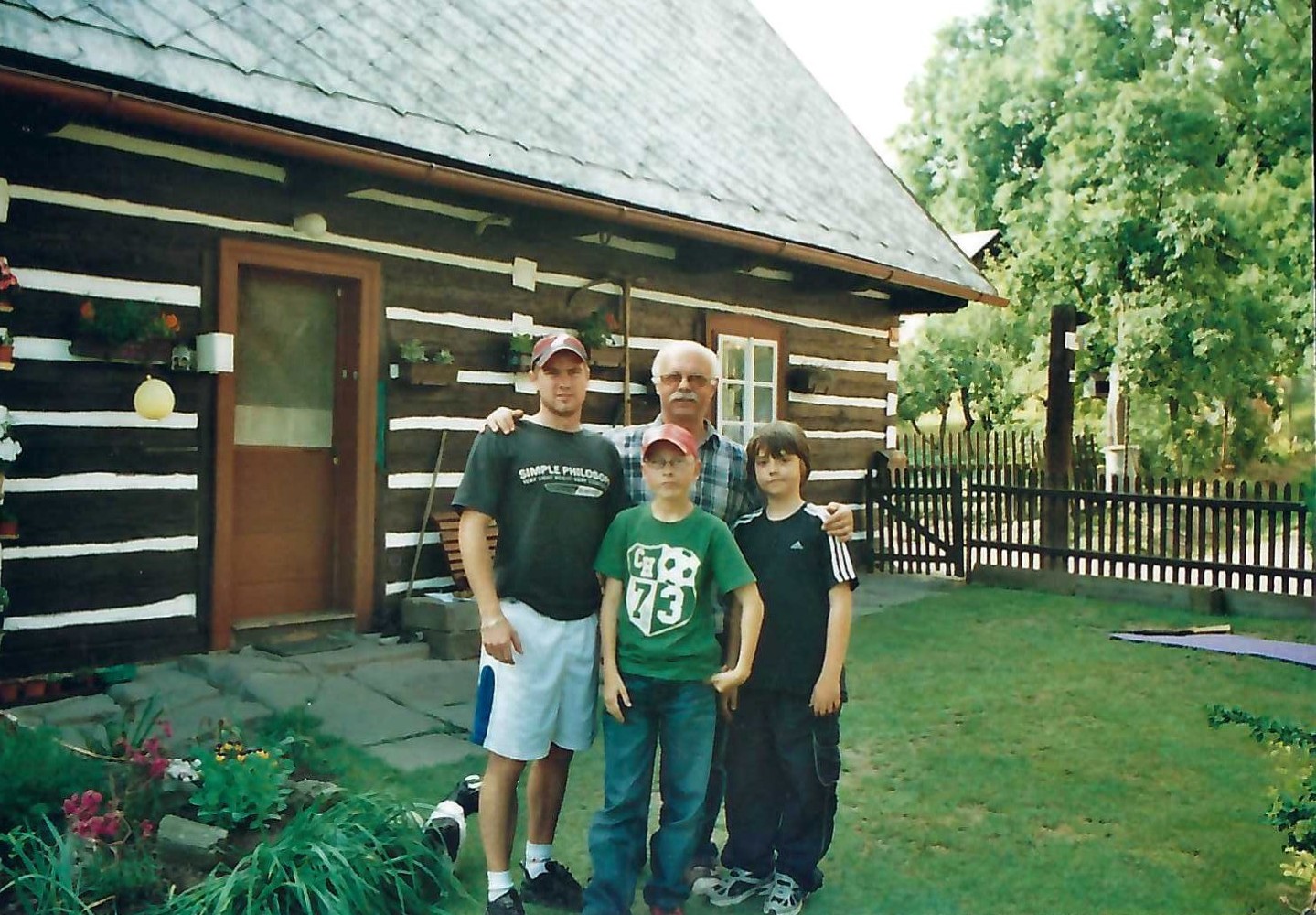
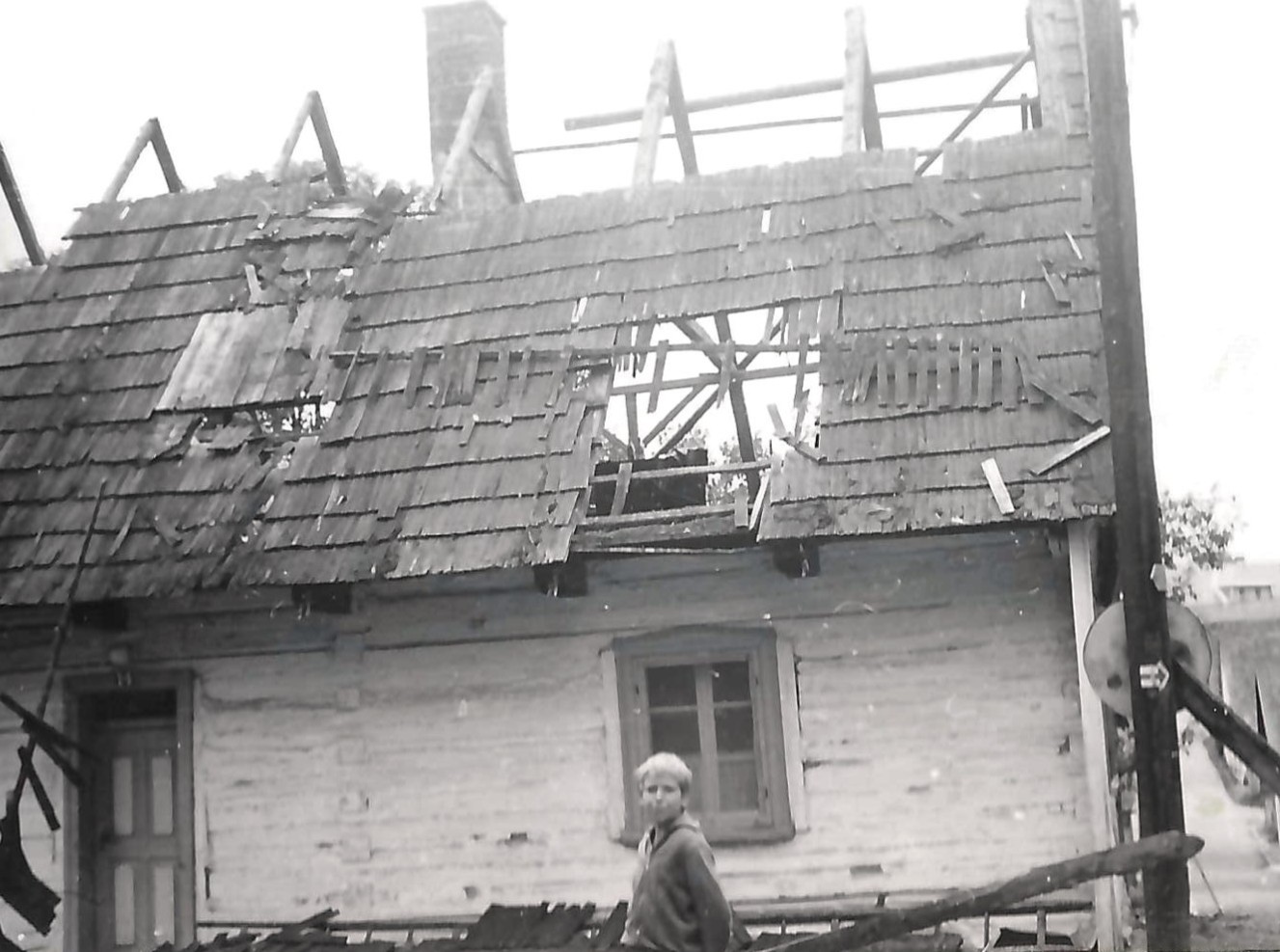
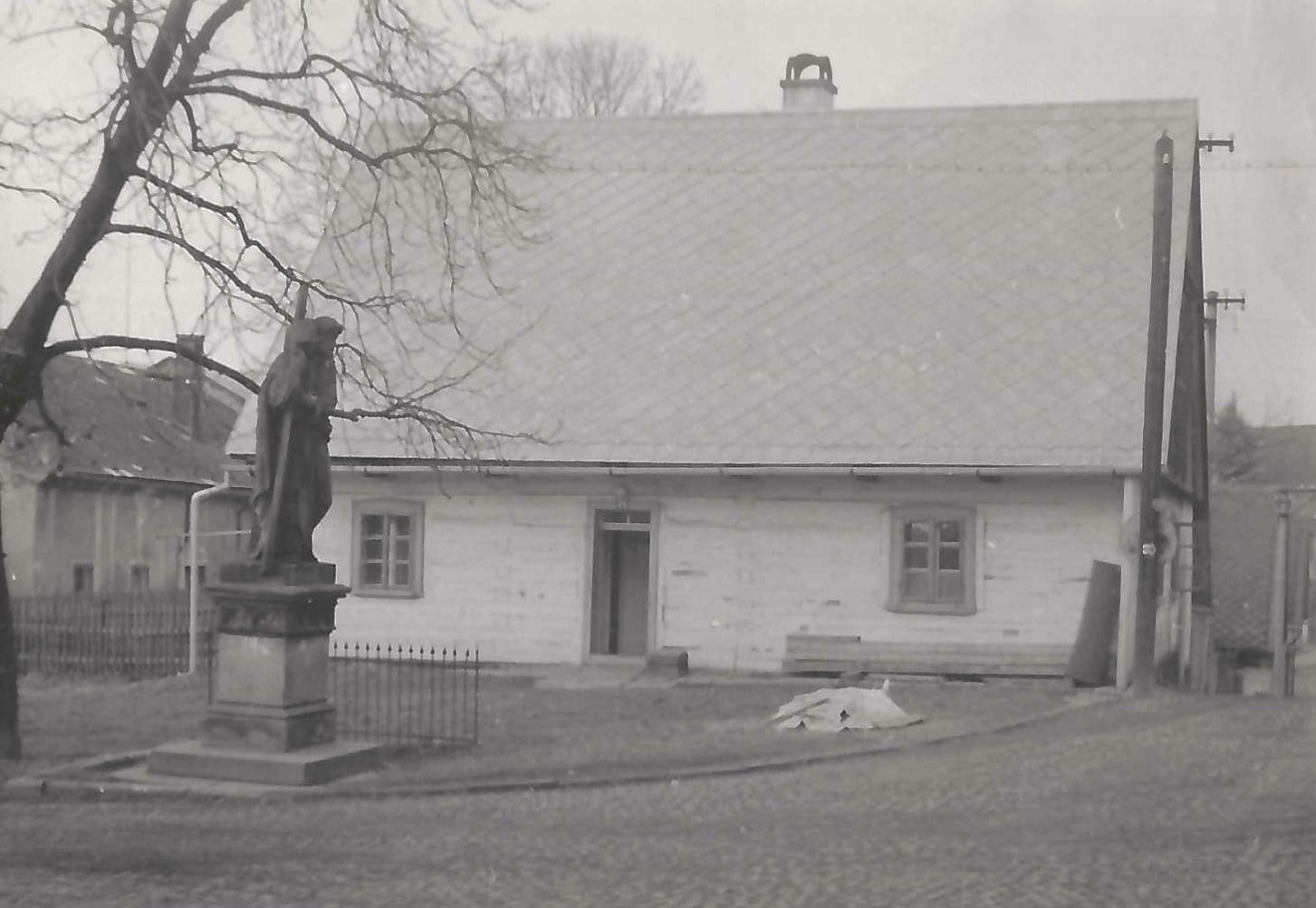
Vladimír Kučera was born on September 19, 1946 in Jaroměř. He lived all his life in Kuks, where his family had lived since 1926. Kuks was settled by Germans before World War II. His mother Anna also married a German named Hlavaczek. Vladimír Kučera was therefore originally called Hlavaczek, although he was not his biological father and probably died in a battlefield somewhere as a soldier of the Wehrmacht. Vladimír Kučera took his father‘s name after the war. He graduated from primary school in Kuks and then entered the secondary agricultural school in Hořice, where he also graduated. He worked in agriculture all his life. First in the state farm in Smiřice and after military service in the State Breeding Farm in Hradec Králové. He worked in several places in eastern Bohemia. In 1966 he got married and with his wife he has two daughters, Pavlína and Jitka. In 1989 he co-founded the Civic Forum in Kuks. In 1990, he became vice-mayor of Kuks for two terms until 1998. For forty-two years he served as chronicler of the village and wrote a publication about the history of Kuks. At the time of the filming (2024) he was still living in the family cottage from 1705.