Jaroslav Krupička

* 1946

  • "It's an incredible coincidence, because those tracks still exist today, and on the left side there used to be two or three tennis courts. And behind them, my grandfather and my father had large warehouses. It said: Krupička Hardware Store. And one of the boys said, 'Hey, Krupe, isn't that a relative of yours?' So I said, 'Yeah, a very close relative.'"

  • "Then Václav Roziňák came and said, 'Hey, there's a scout here, and they're starting a new league in America called the WHA, and I told them about you, that you're a pretty good skater and you keep your head up high. Do you want to give it a try? A scout from America is coming to see me tomorrow—should I send him to you or not?' At that time, I hadn't signed with Zurich for the next year, so I was tempted because it was a very quick decision and I thought I would get to see a bit of the world. What about English? I had a pilot there, and I quickly persuaded him to give me a few lessons in English, the ninth in the plane, and I landed in LA."

  • "We had to go, it was the only option with Litvínov, because we didn't have our passports with us. Those were the ones... I had to wait to leave with the team. And at that moment, it was around February 1969, when I finished the season – I was still playing here in Prague, I think even against Sparta. The next day, I got married here because we needed papers proving that we were married. Because in Switzerland at that time, it was not possible to live together, i.e., cohabit, if you were not married. So I said, OK, they have to send us those papers somehow. We got married the day before. The next day, my wife flew to Vienna, Austria, to get a visa, which she had from the ensemble at the time. I left with the team via Bad Nauheim to Germany, where I played another game. I asked, because I had already studied a little German with my grandfather, so I explained to the hotelier that I simply needed an express train to Munich, Konstanz, towards Switzerland. Of course, he helped me and took me to the station and wished me a good trip, good health, etc. I left my luggage with him – I couldn't take a normal suitcase, so I just took two or three shirts. At that time, I exchanged about 400 francs with a money dealer somewhere. That was all I had when I arrived in Switzerland."

  • Celé nahrávky
  • 1

    Praha, 13.03.2025

    (audio)
    délka: 01:37:23
    nahrávka pořízena v rámci projektu Tipsport for Legends
Celé nahrávky jsou k dispozici pouze pro přihlášené uživatele.

I wanted to live my life my way, not how someone else told me to
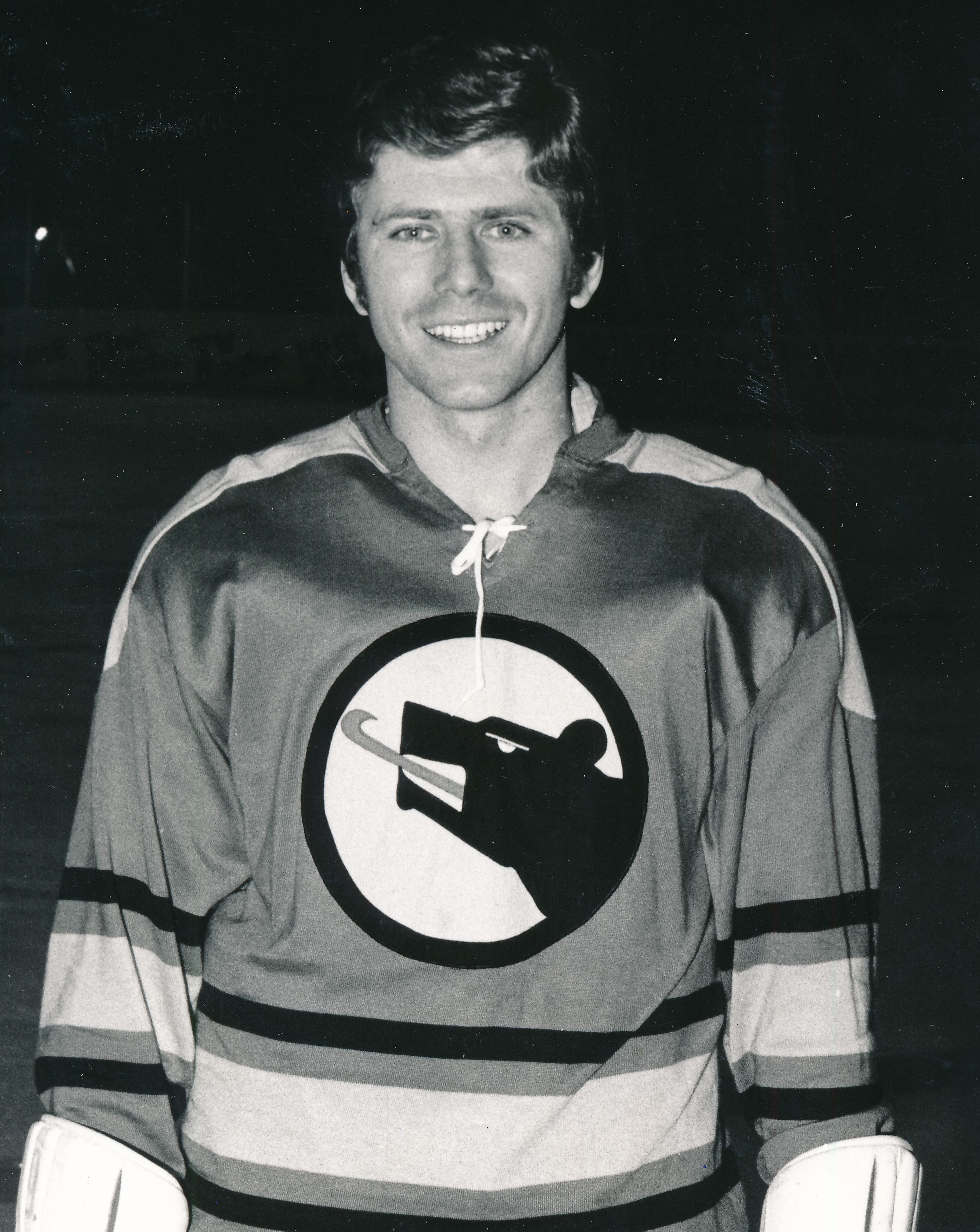
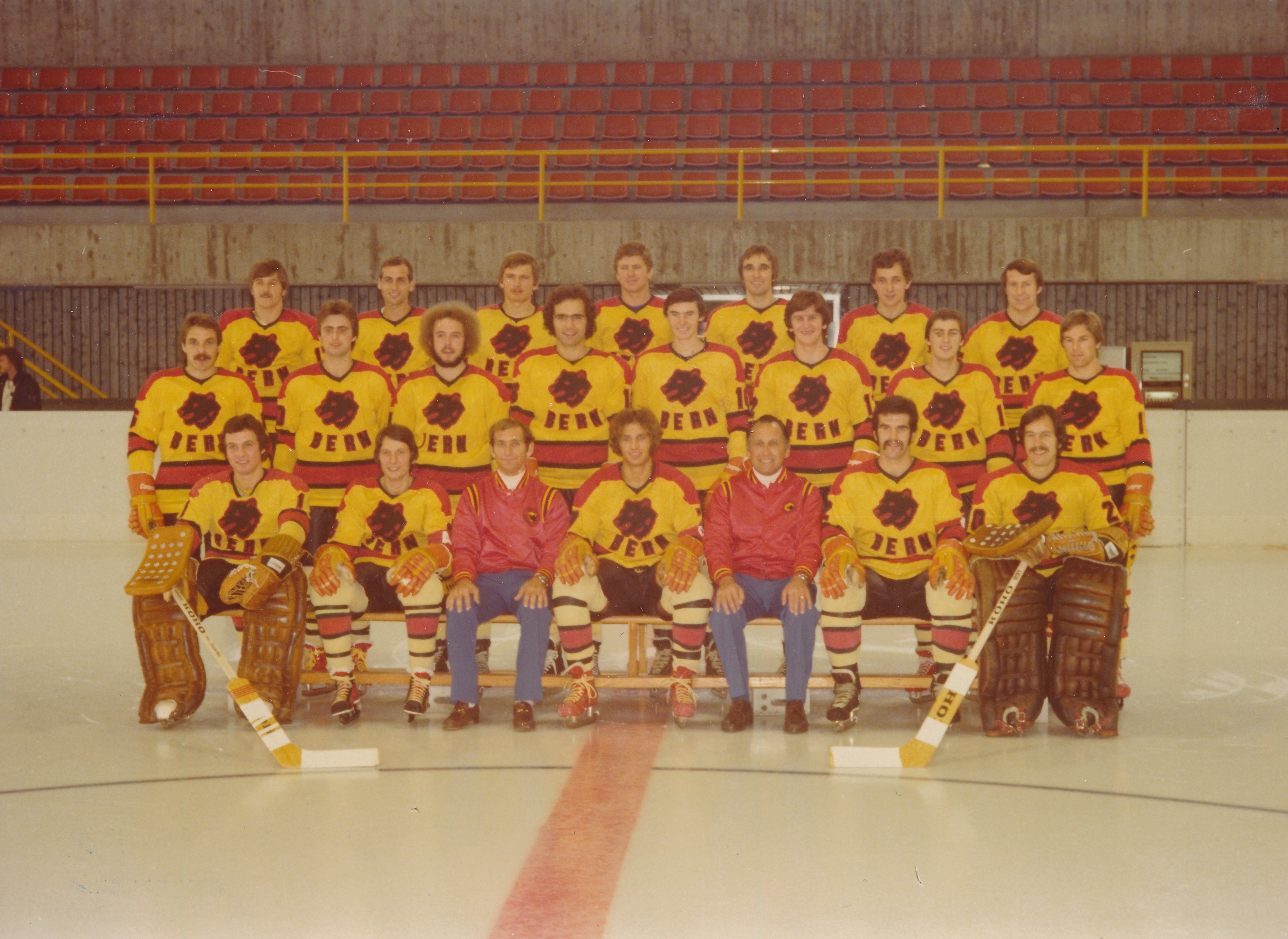
Jaroslav Krupička in SC Bern jersey, mid 70s
zdroj: Witness archive

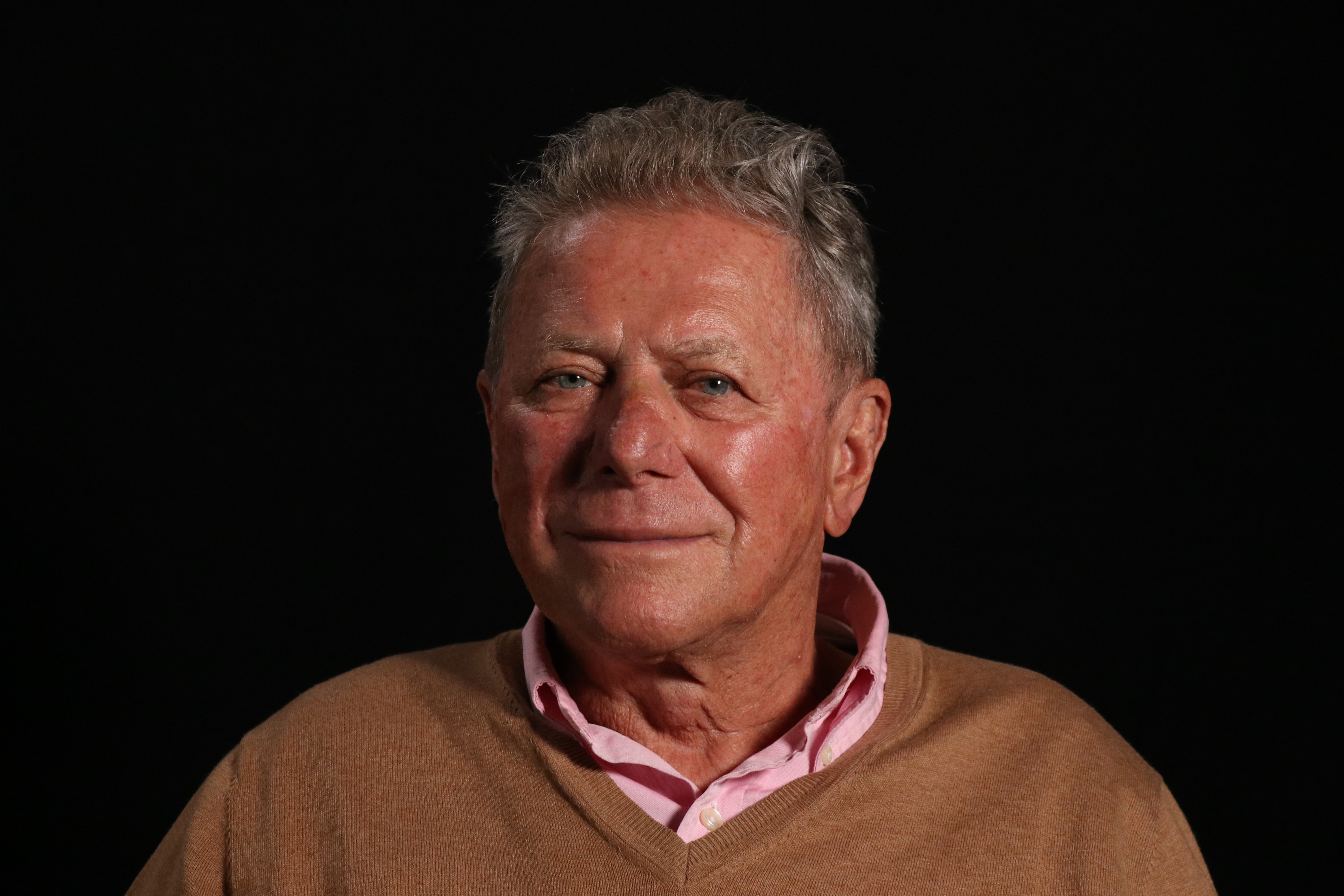
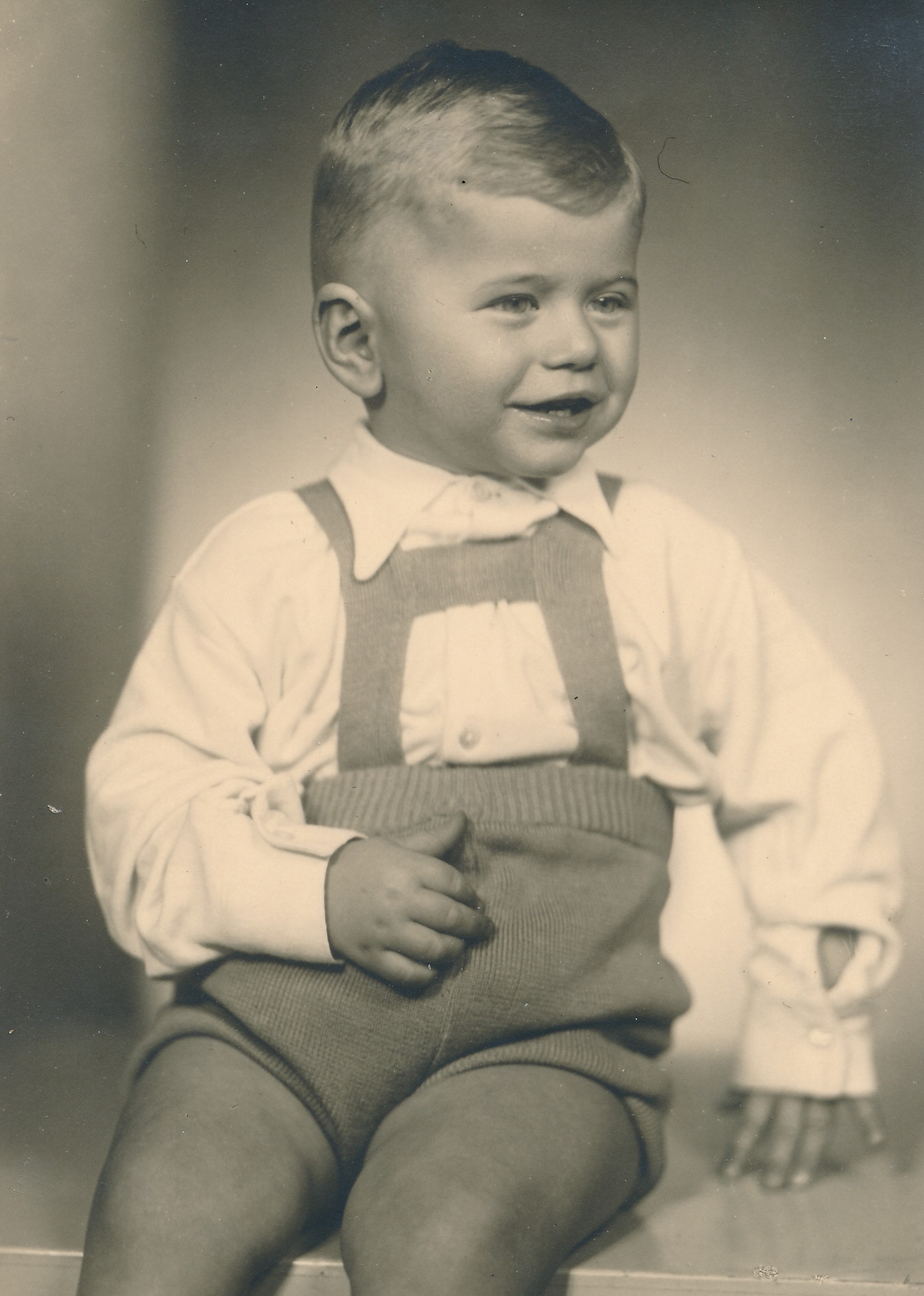
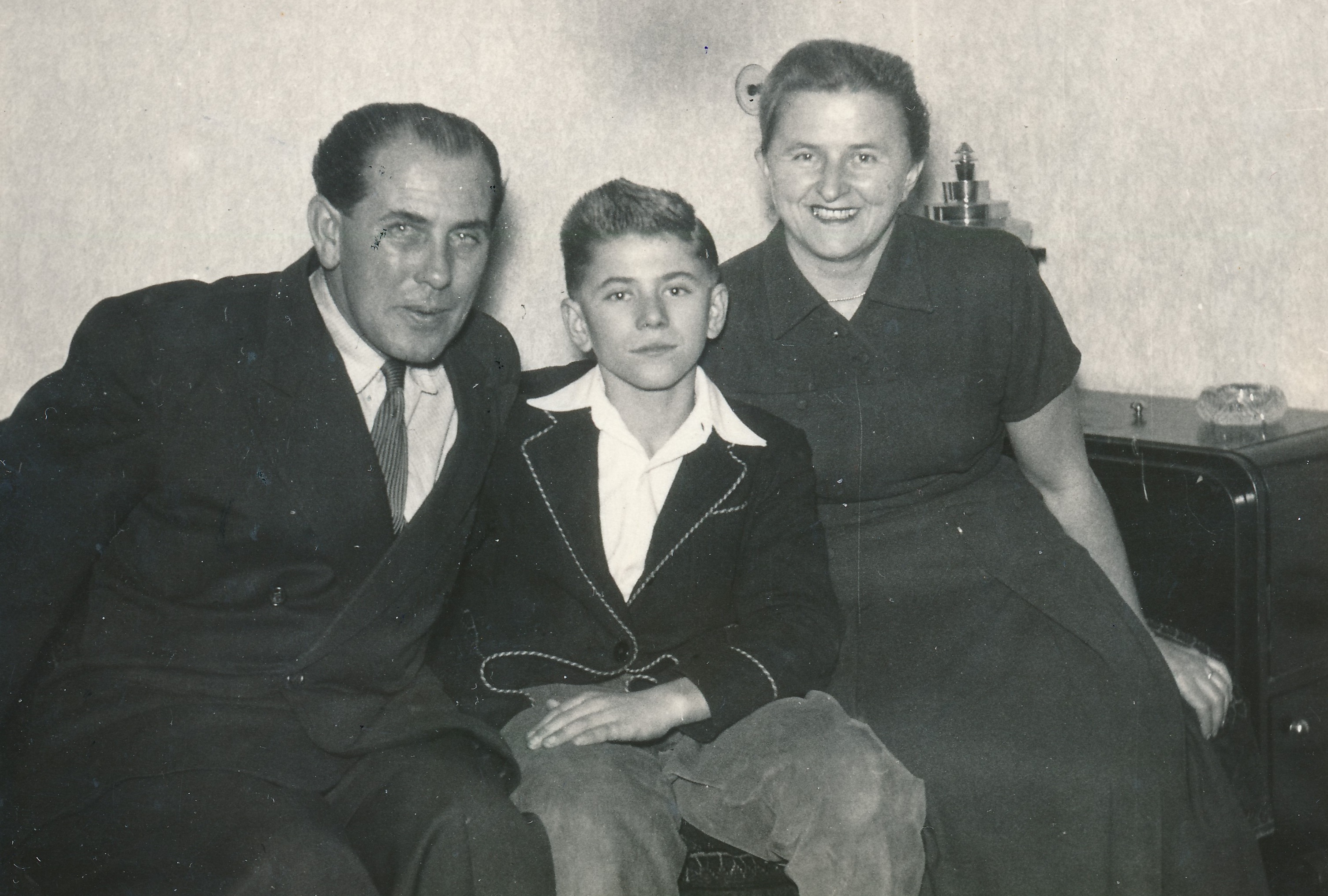
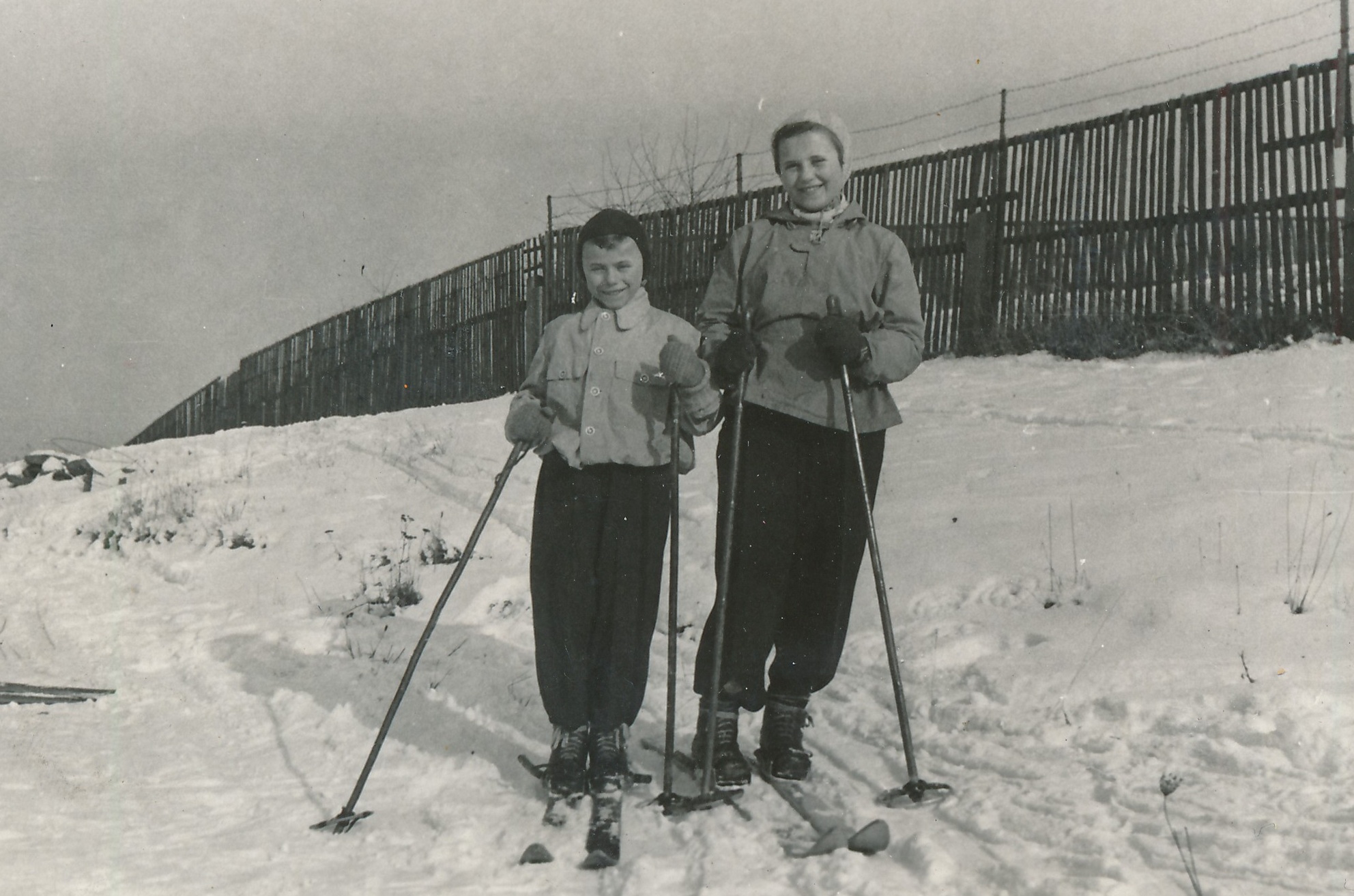
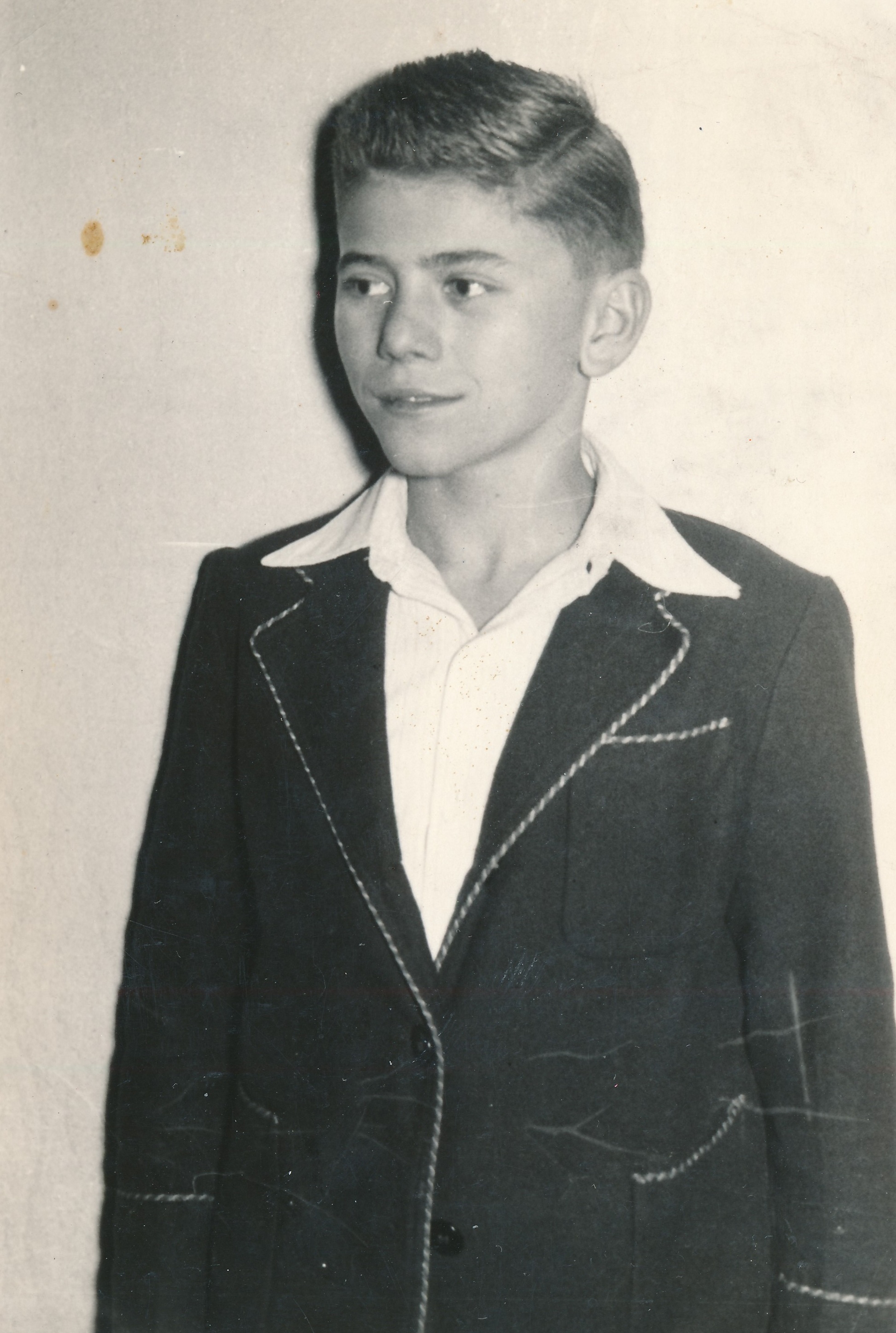
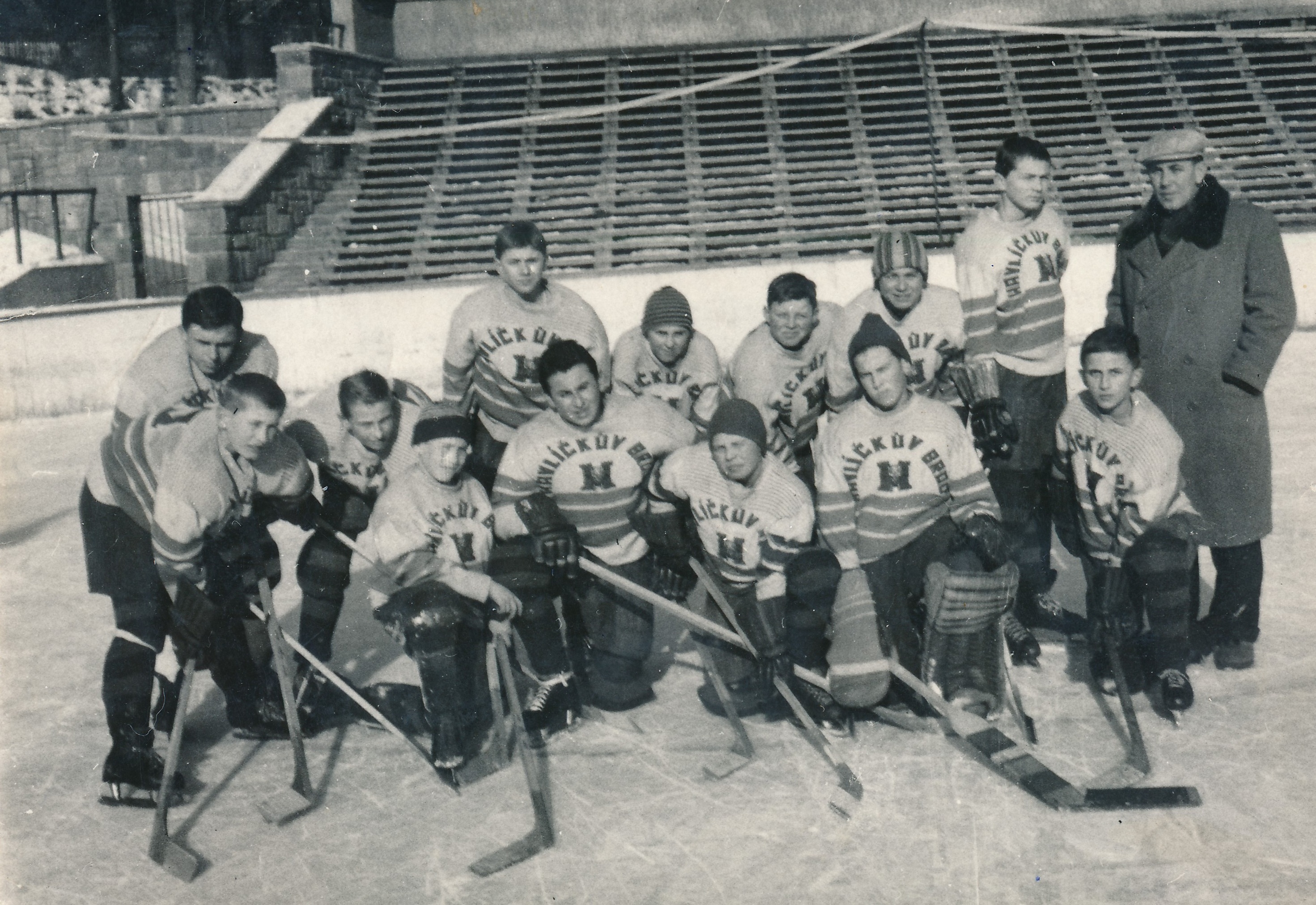
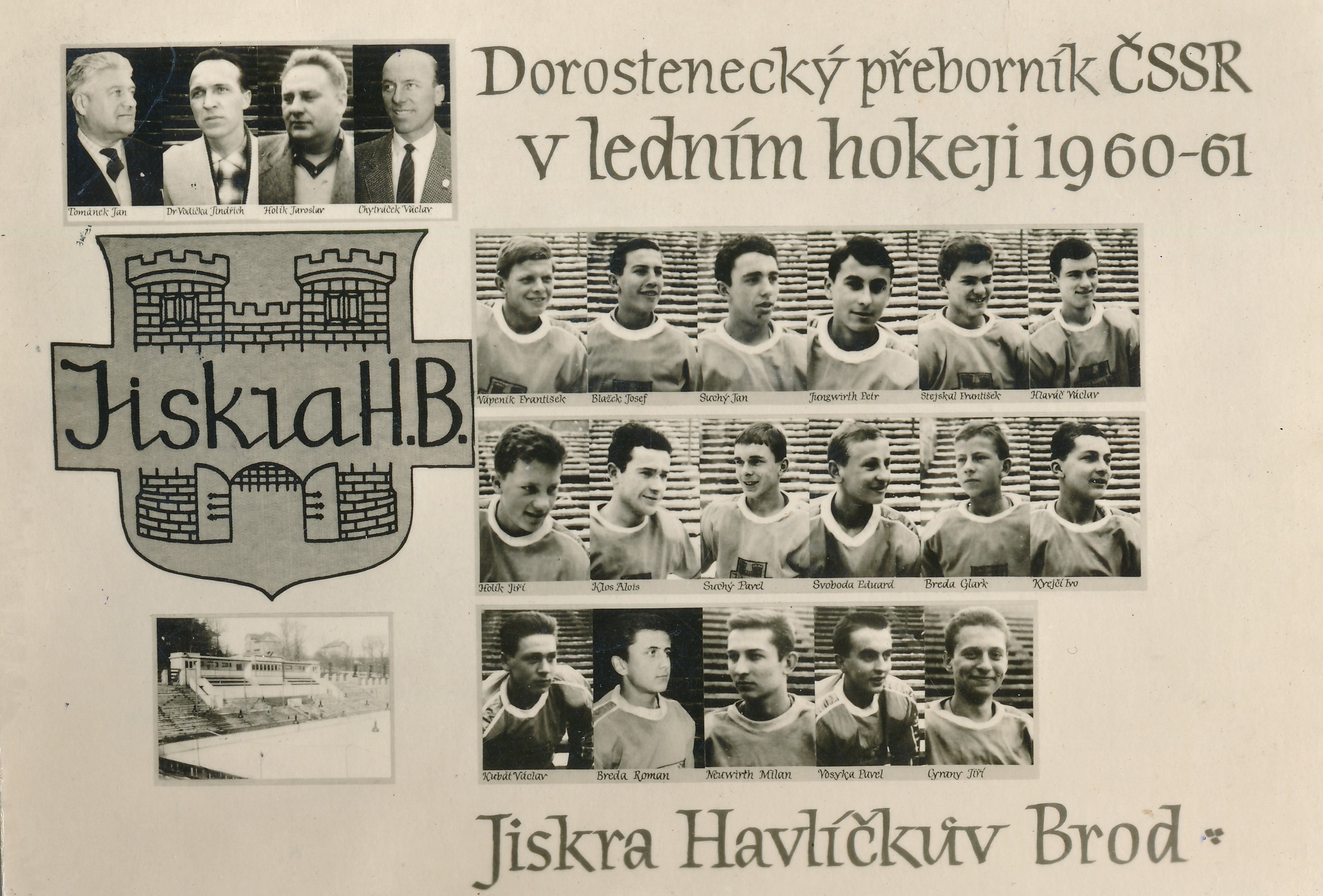
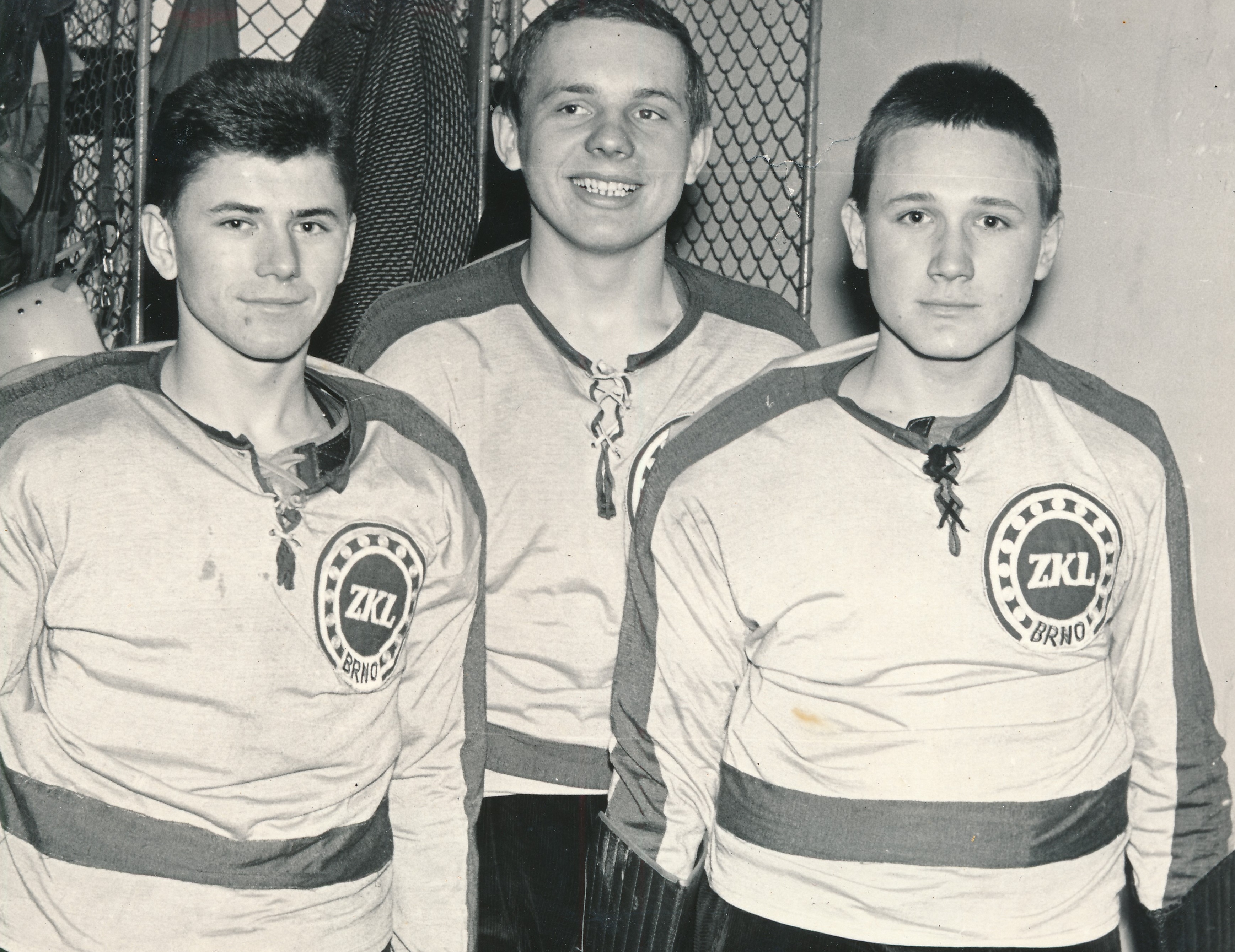
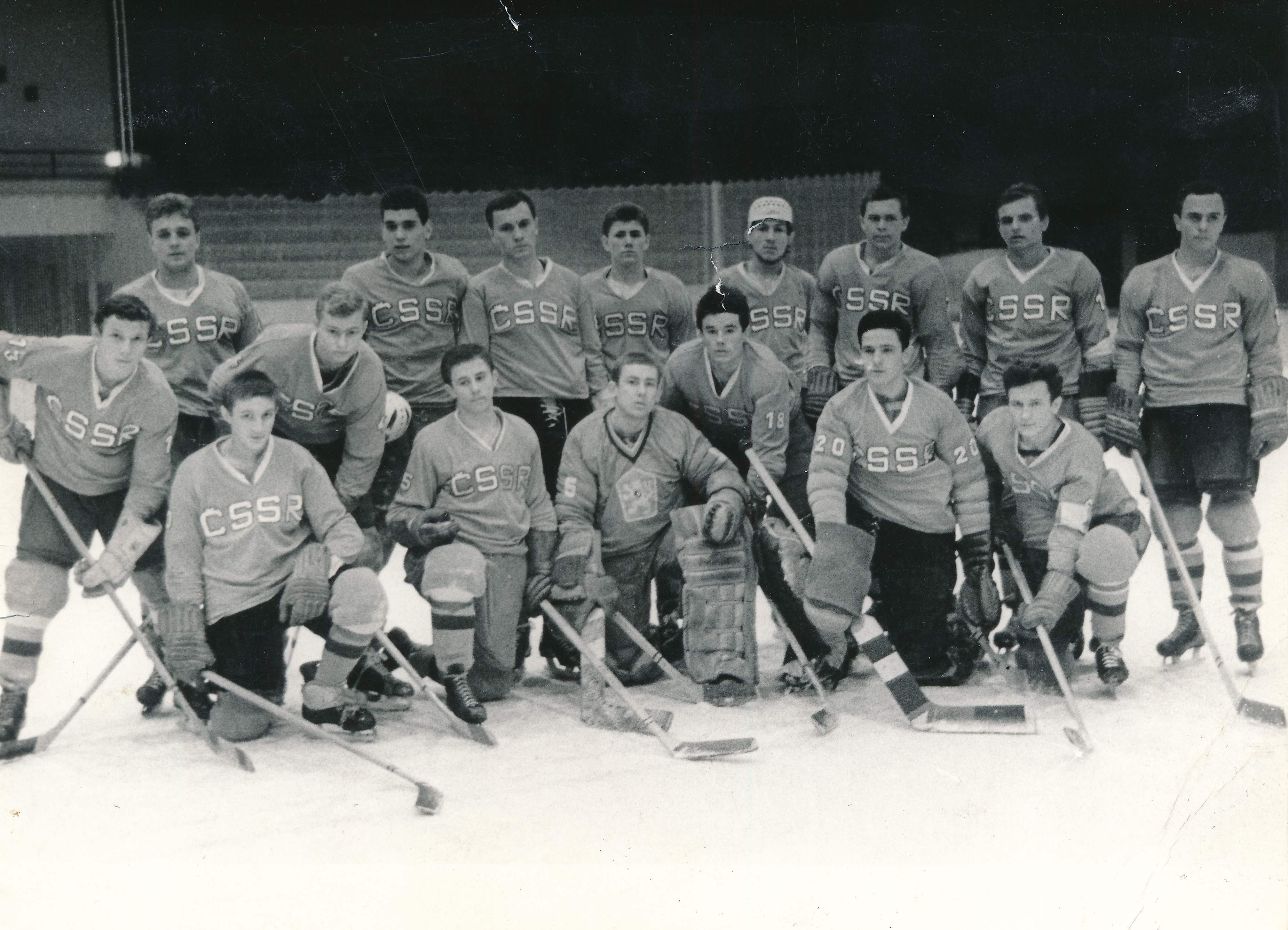
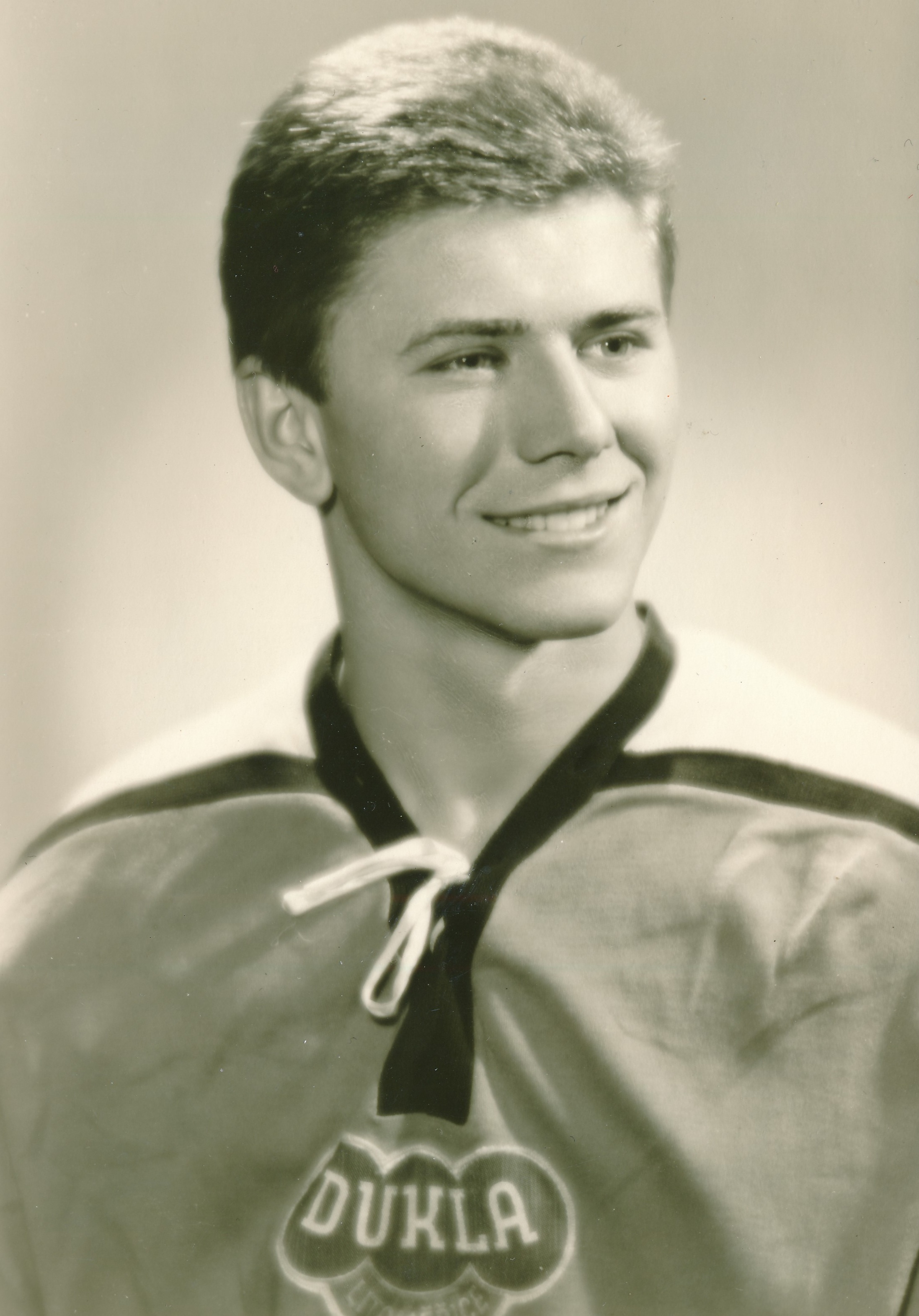
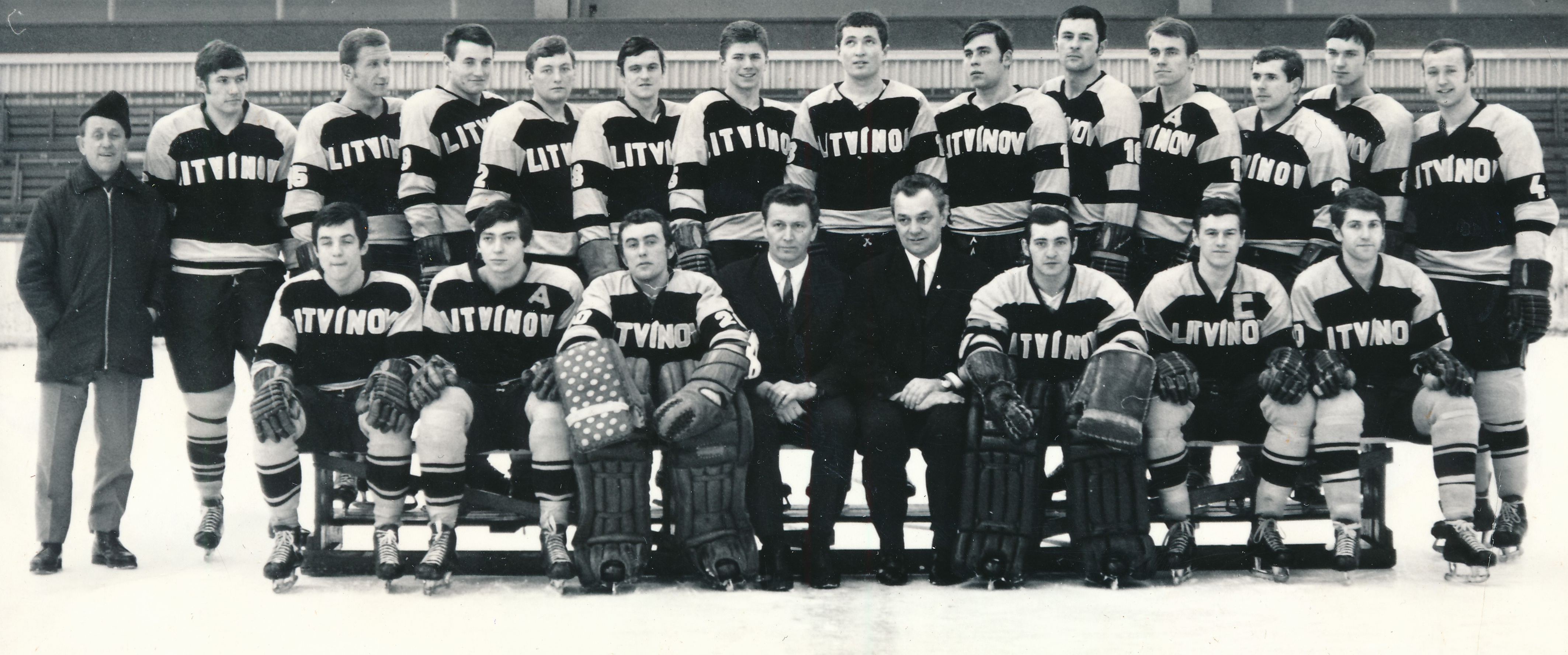
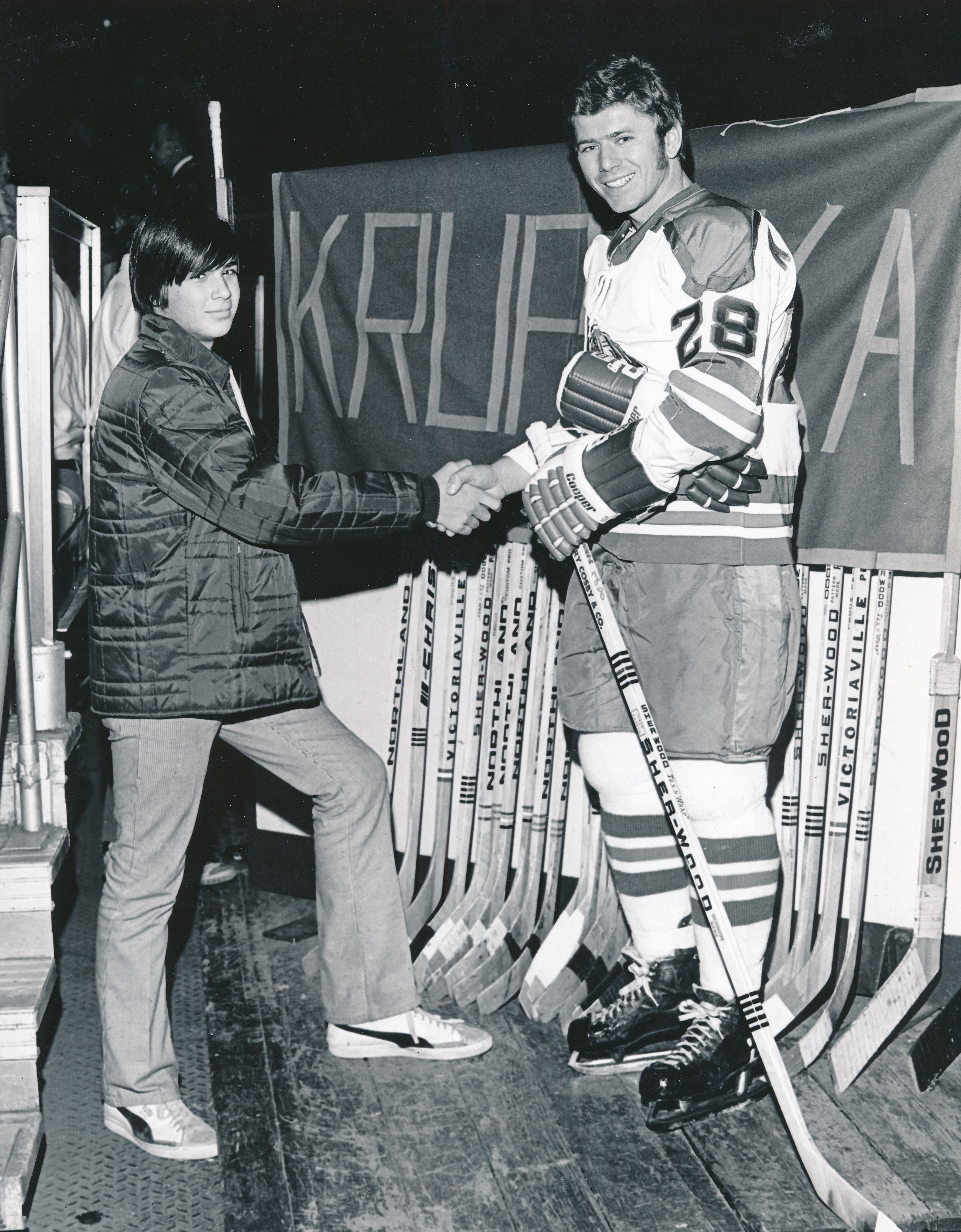
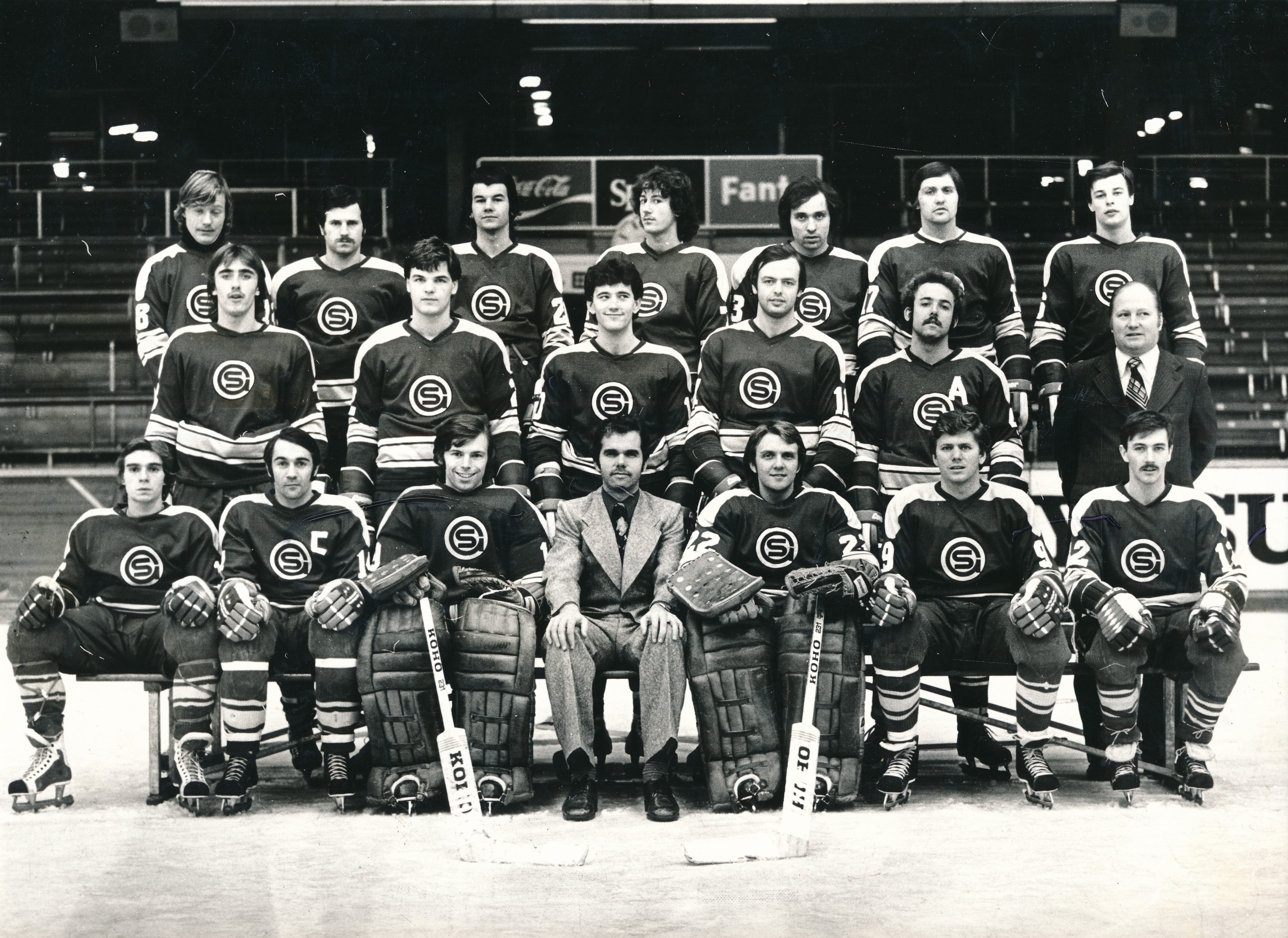
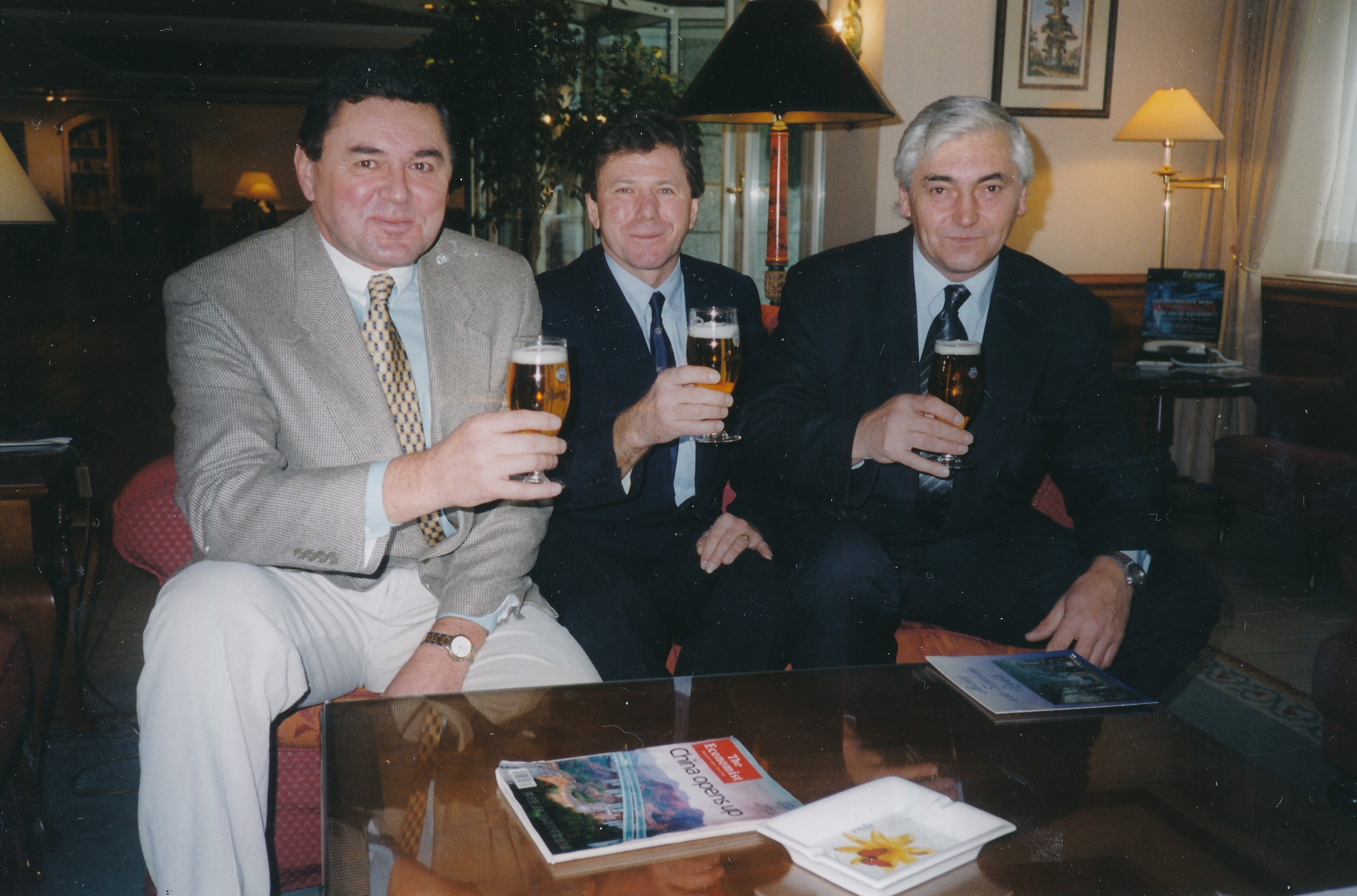
Jaroslav Krupička was born on March 15, 1946, in Havlíčkův Brod to Jaroslav Krupička and Miroslava Krupičková. Since childhood, he had a positive relationship with sports and began playing hockey as a young boy. He regularly played for the junior team Jiskra Havlíčkův Brod and later for TJ ZKL Brno. At the age of seventeen, he transferred to the Prostějov hockey team, from where he moved to the then renowned VTJ Dukla Jihlava, where he also served his military service. After leaving the barracks without permission, he was transferred to VTJ Dukla Litoměřice, where he spent the rest of his military service. In 1968, he transferred to the first league CHZ Litvínov, where he experienced the August occupation of Czechoslovakia. He went on a planned trip to Germany and Italy with this team, but in February 1969, he left the group and emigrated. He went to Switzerland, where he met his wife a few days later. They applied for asylum there and never returned to Czechoslovakia. After his emigration, he was banned from playing hockey for 18 months, during which time he actively trained, and after the expiry of the specified period, he joined the Swiss first division club EHC Kloten. In 1972, he received an offer to play in the newly founded North American hockey competition WHA – for the Los Angeles Sharks, and later transferred to the New York Raiders. After returning to Switzerland, he began playing for SC Bern, with whom he won the Swiss hockey league four times. During this time, he also helped hockey players Richard Farda and Václav Nedomanský emigrate. He spent the end of his hockey career playing for HC Servette Geneva in the first division and then for HC Sierre in the second division. After retiring from professional hockey, he began working for Budweiser and, thanks to this experience, he then opened his own company exporting Budweiser beer. At the time of filming (2025), he was living permanently in Switzerland.