She witnessed the liquidation of the family farm by the communist authorities
Stáhnout obrázek
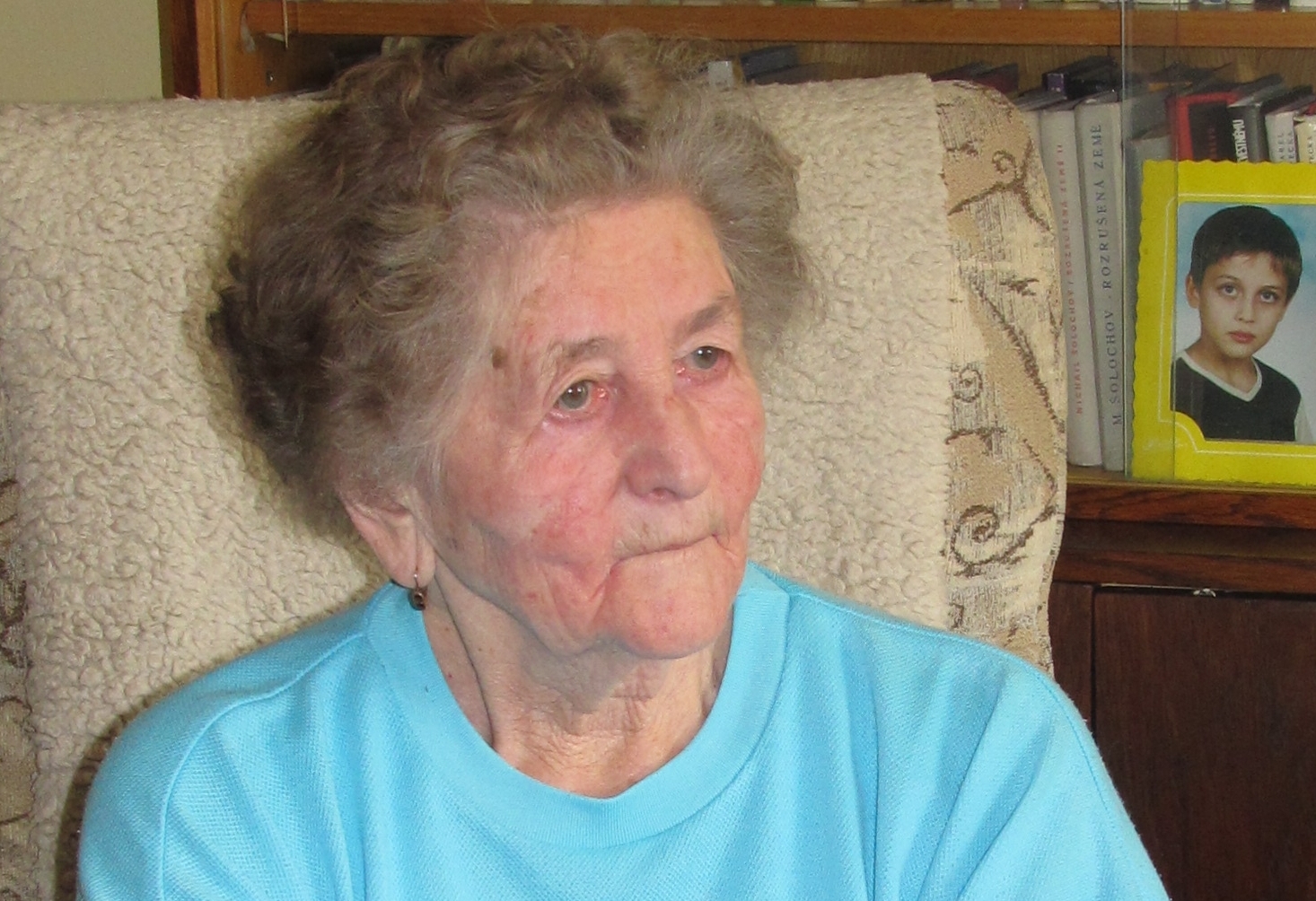
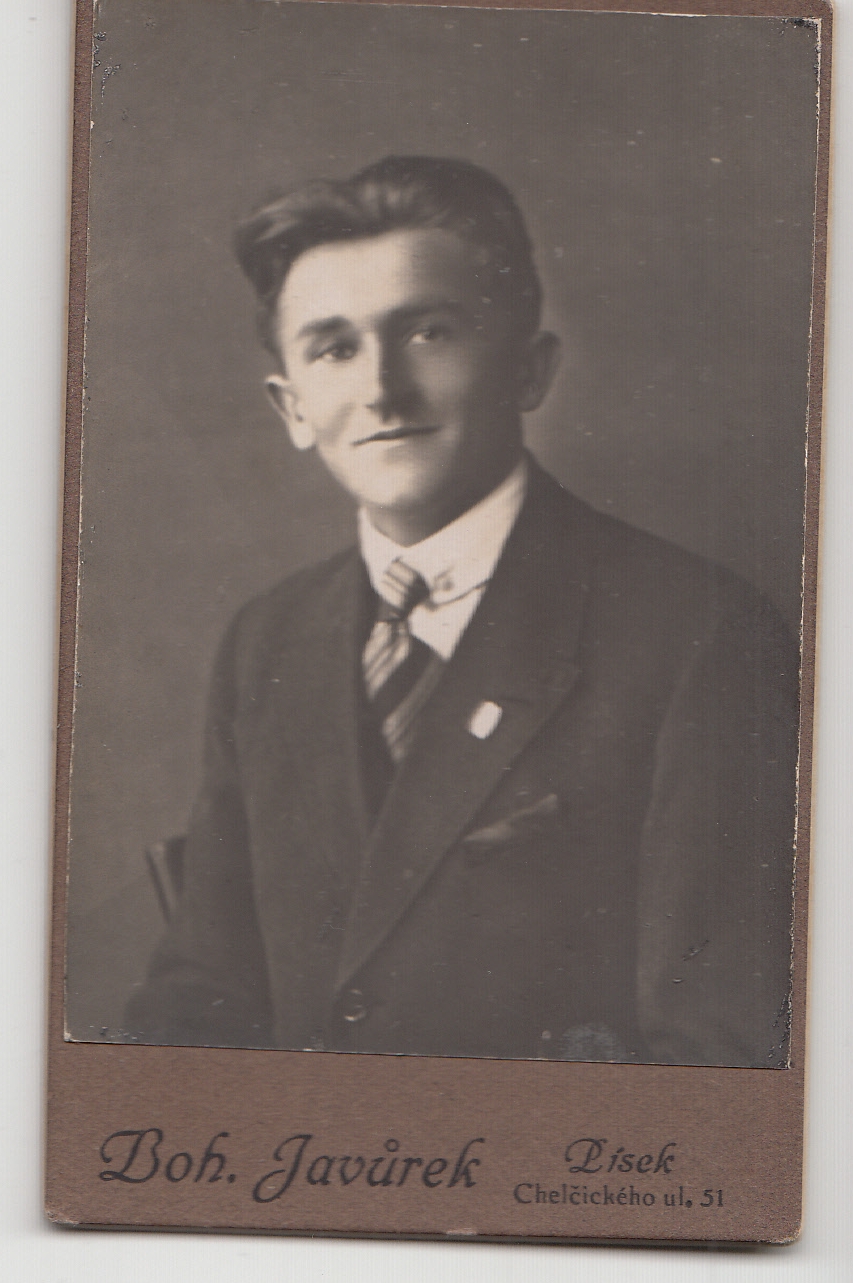
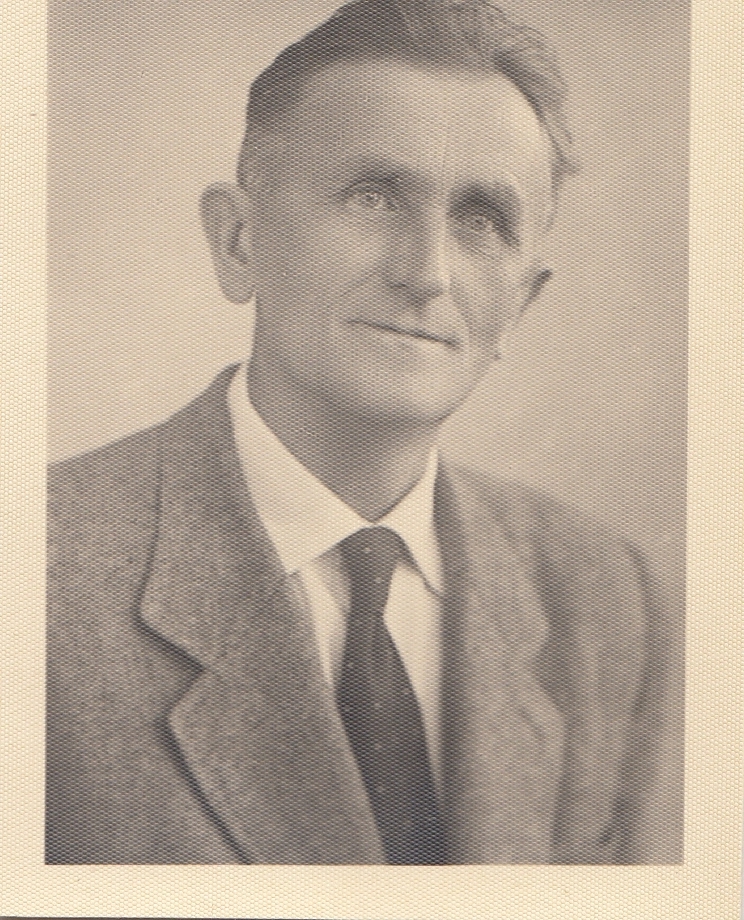
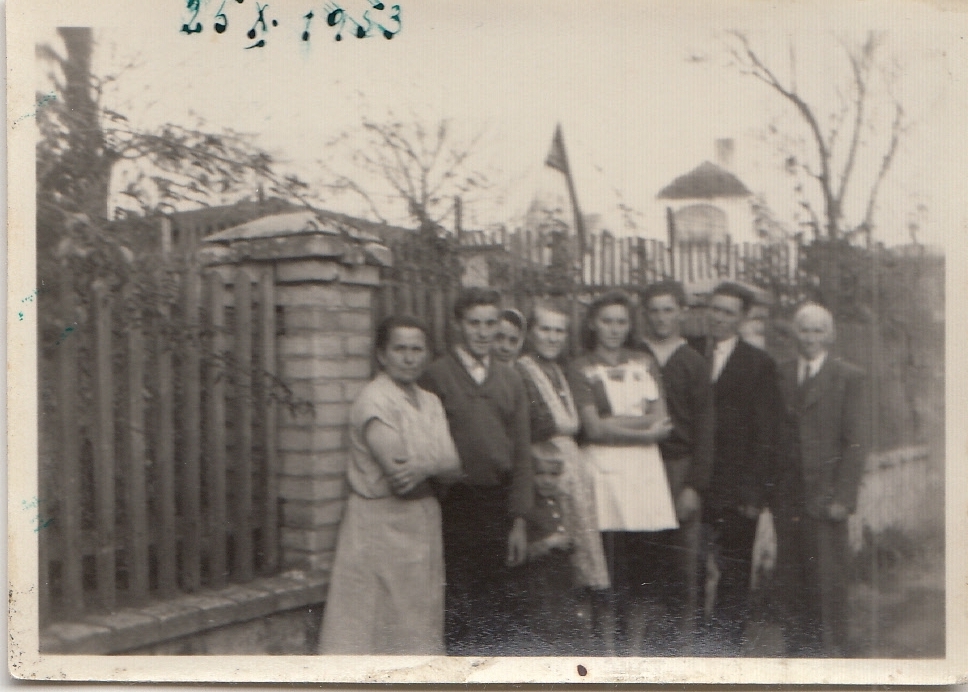
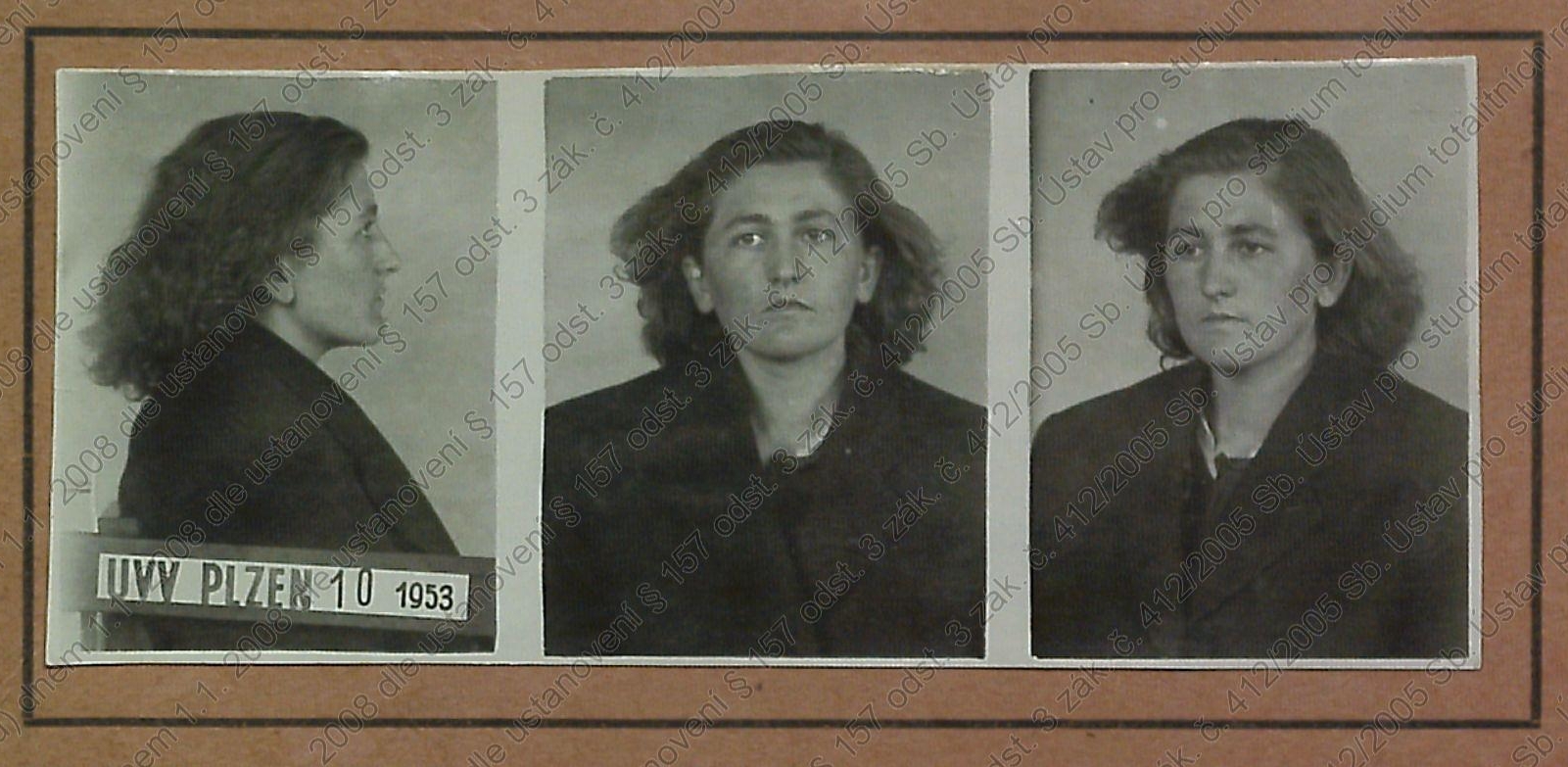
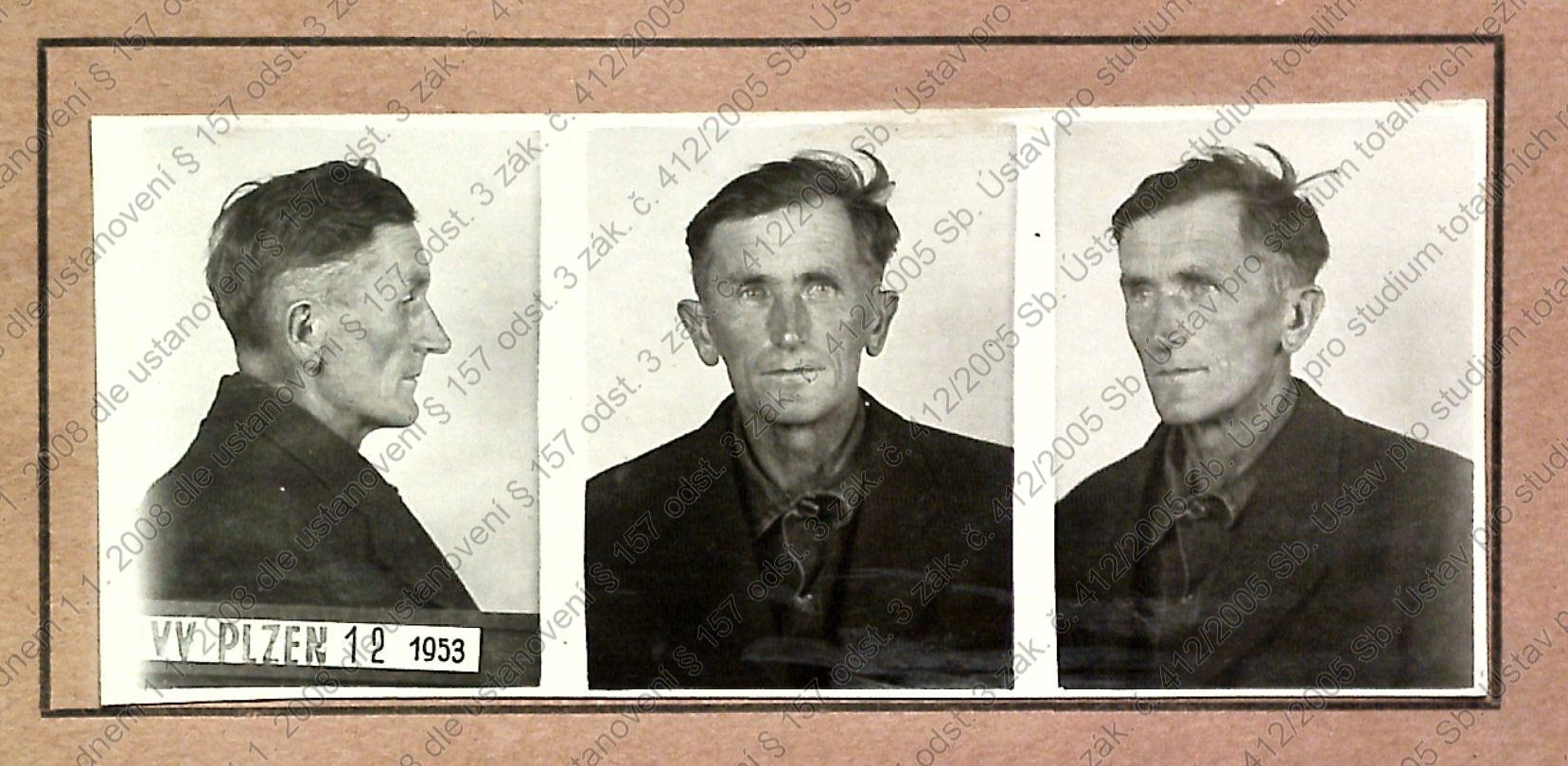
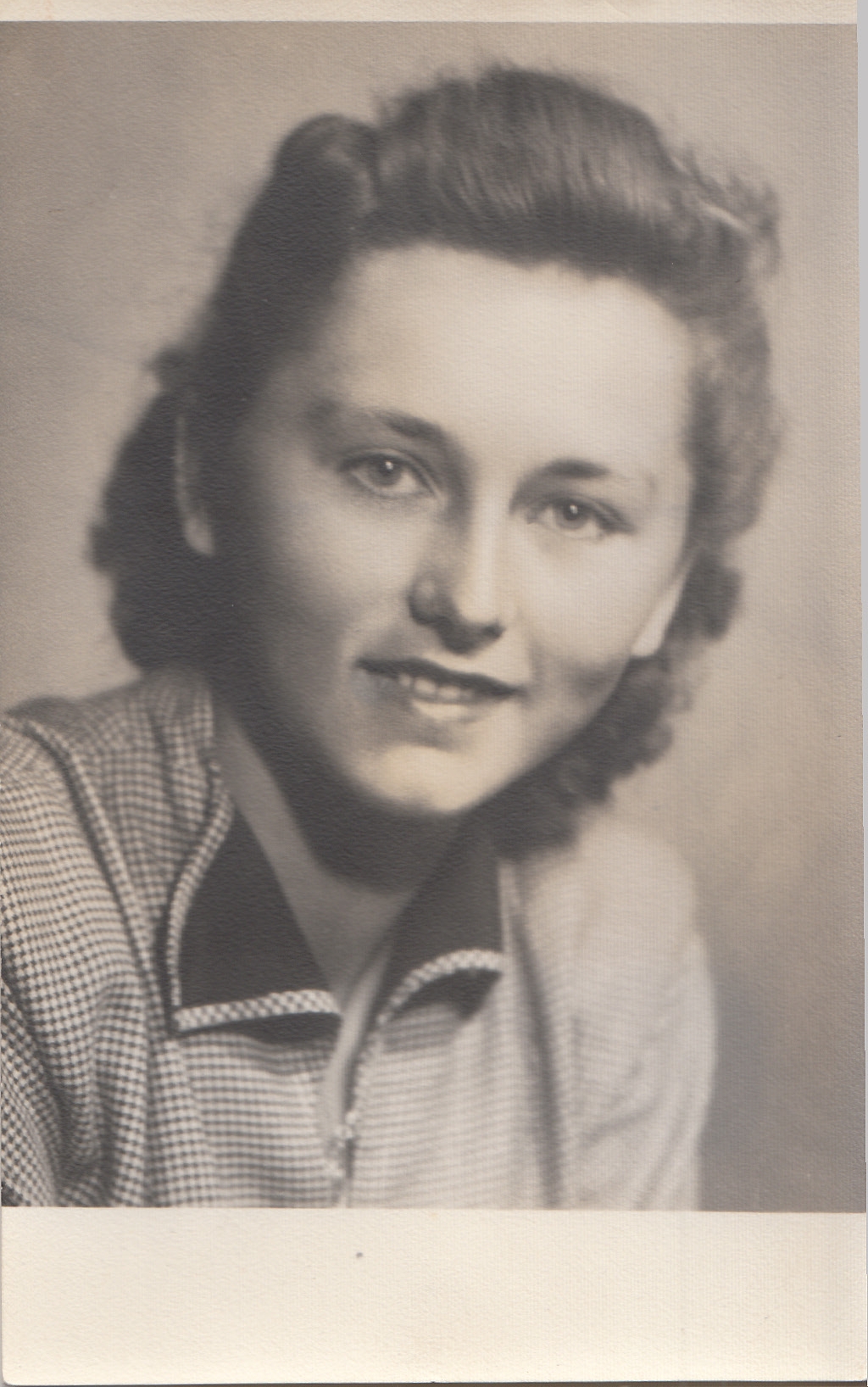
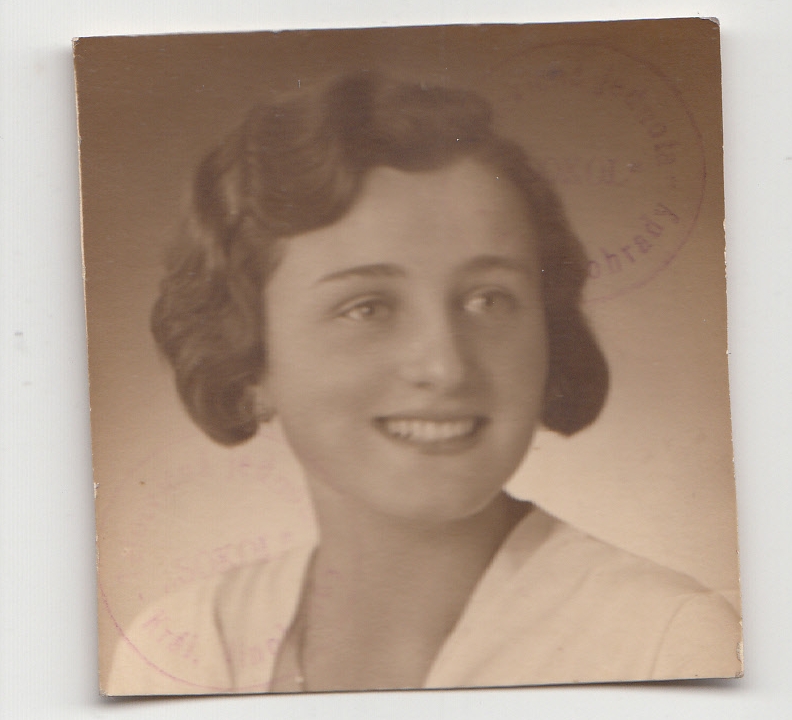
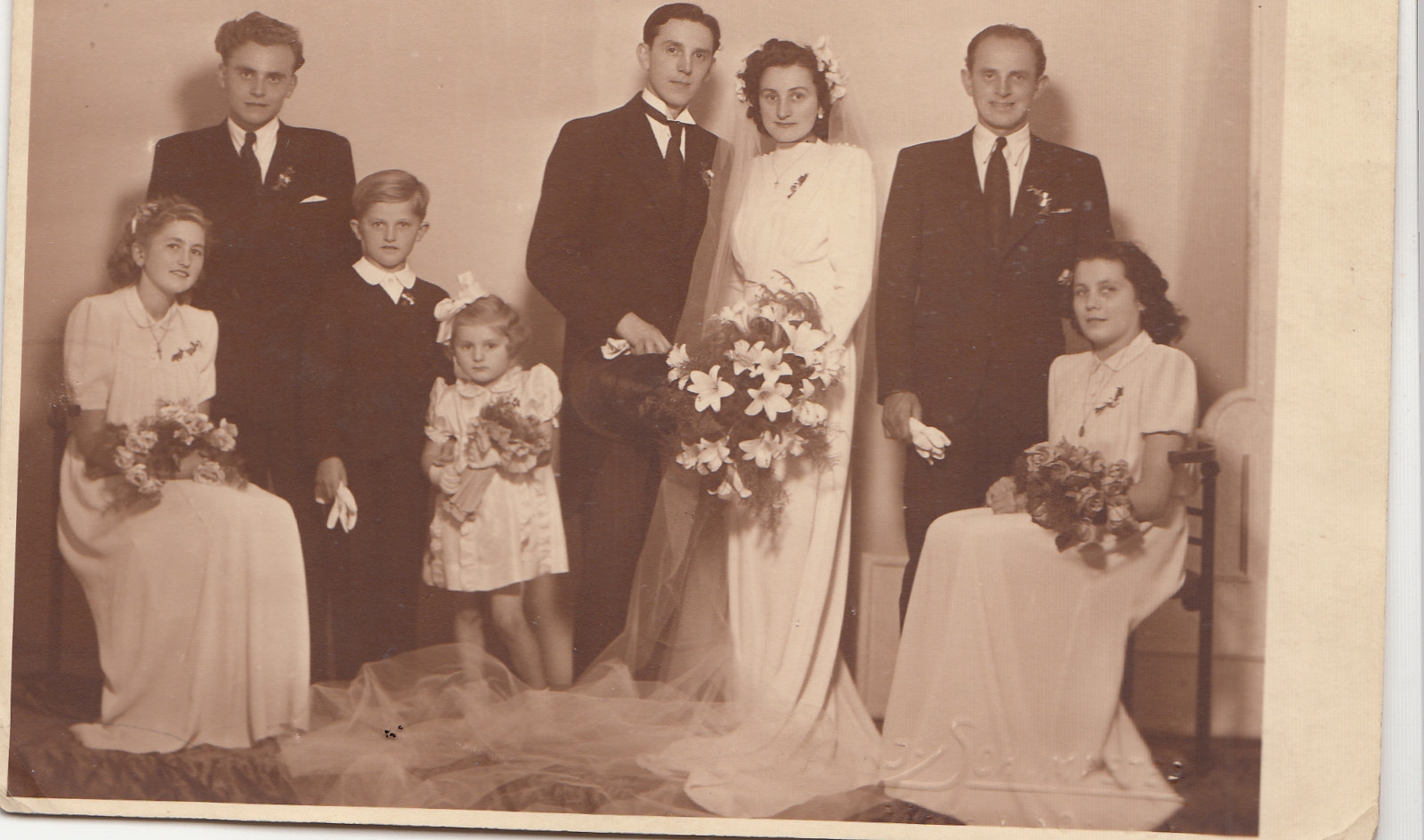
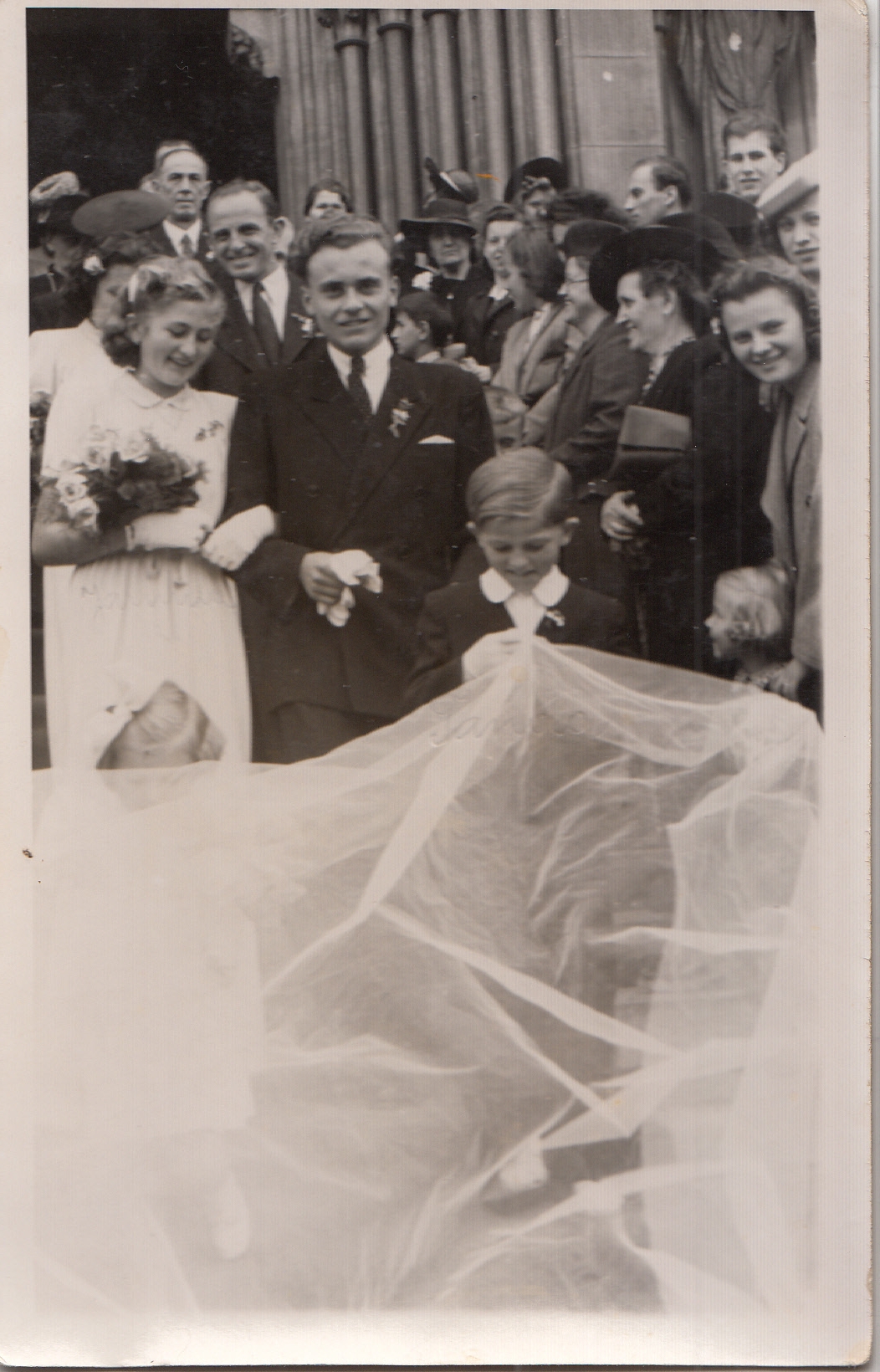
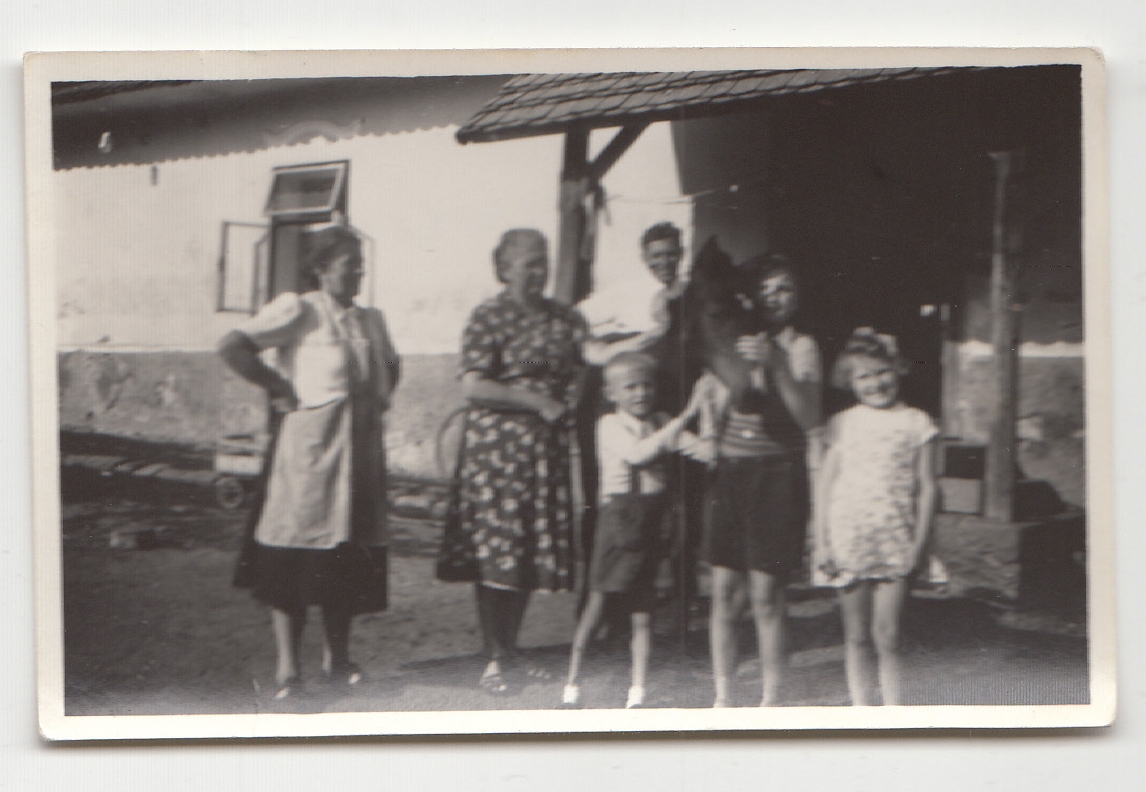
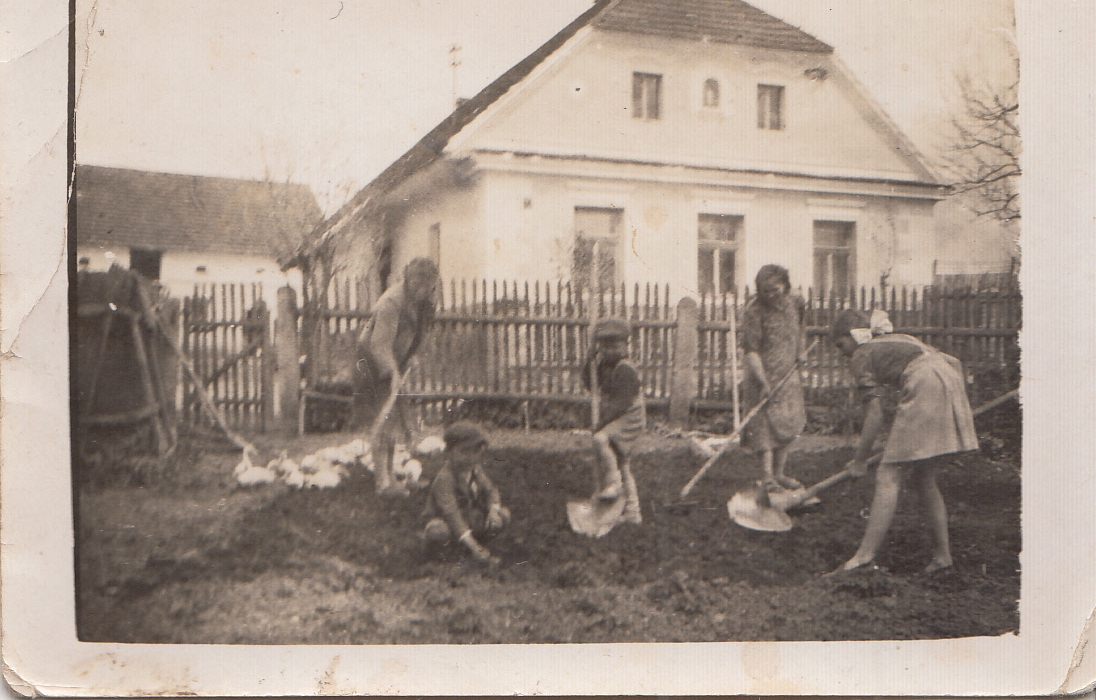
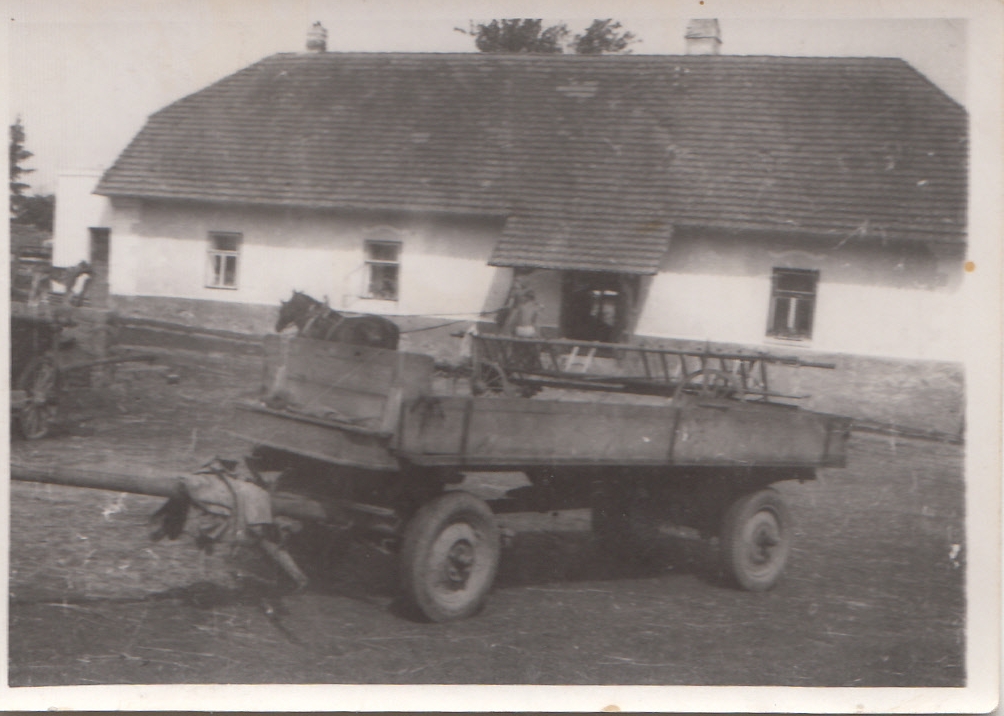
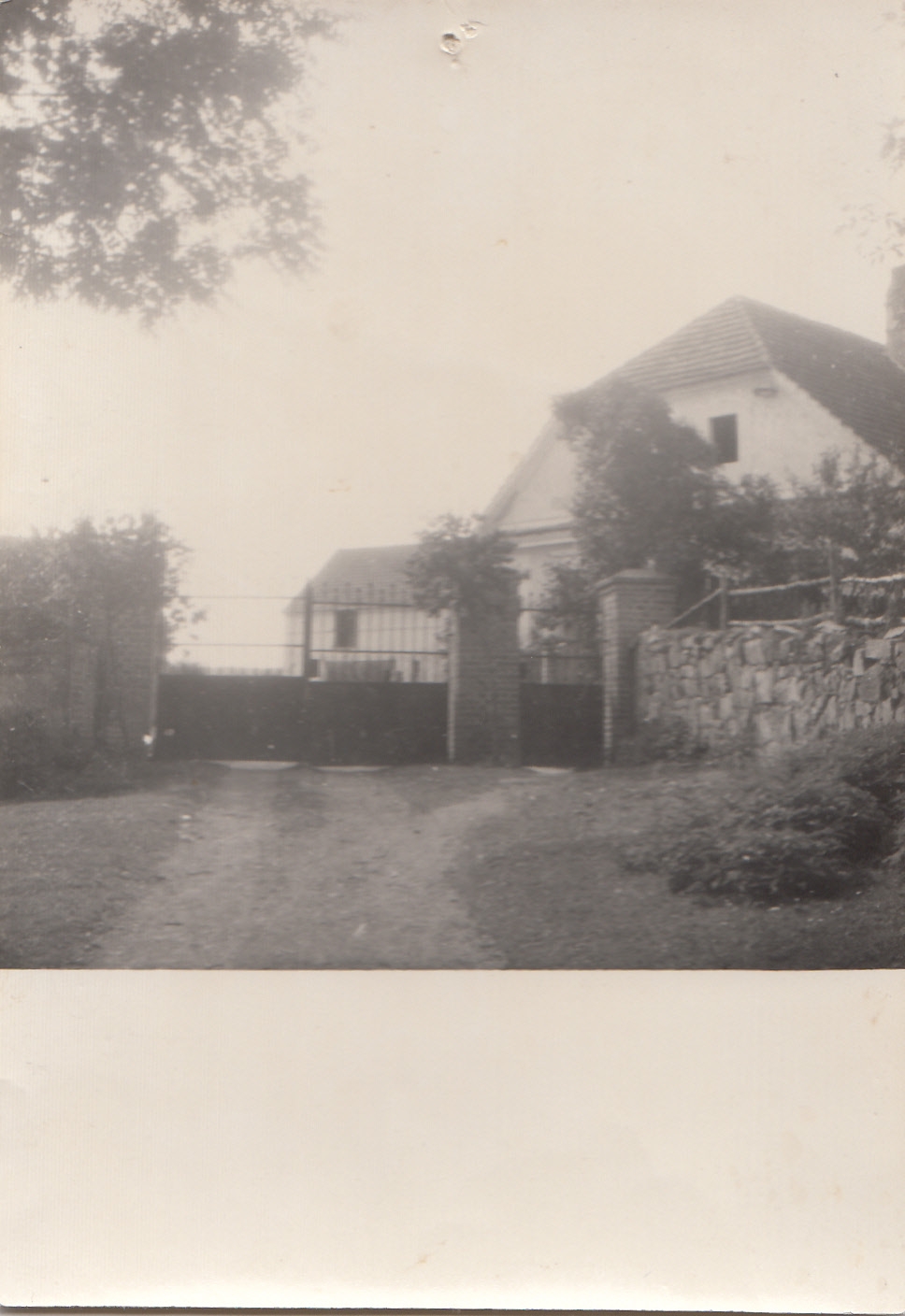
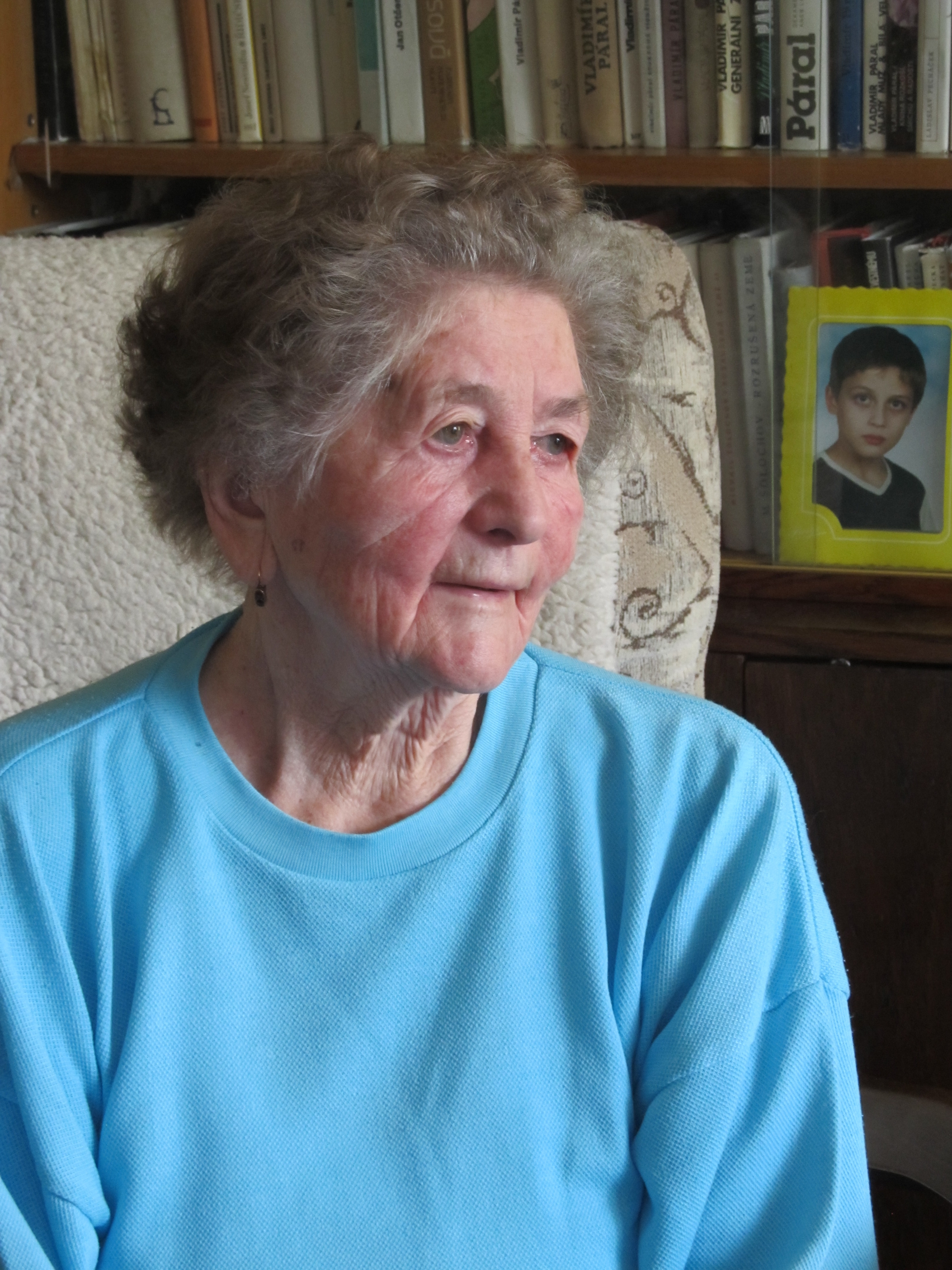
Jarmila Kovářová, née Švejdová, was born on October 13, 1930 in Přední Poříčí, Písek. She grew up with her younger sister and brother. Her father farmed the old family farm, which the Švejda family had owned since 1630. The family took care of 30 hectares of fields, cattle, horses, and employed labourers. During the war, the Švejd homestead was turned upside down twice by the Gestapo. On the basis of a tip-off, they searched for hidden stocks of wheat and meat. Jarmila Kovářová attended the family school in Prague for three years after graduating from the town school. She lived with her aunt and uncle, the Bezpalcový. In 1949, she returned home and witnessed the targeted liquidation of Švejda‘s farm by the communist authorities through the constant increase of compulsory levies, confiscation of agricultural machinery, tools and seeds, banning the breeding of more cattle, etc. A former village Protectorate informer, who became chairman of the MNV after February 1948, actively participated in the liquidation. In order to avoid compulsory work as a shoemaker in the brewery, Jarmila Kovářová accepted an offer from the Prague Building Design in 1950 to work as an assistant draughtswoman. On several trips to Prague, she took her father‘s notes about the violent methods and the course of collectivisation, which she passed on to Bezpalec. He was arrested by the State Security in May 1952. They came for Kovářová on April 22, 1953. Blindfolded, she was taken to Plzeň, where interrogations took place. In the Pilsen cell, a provocateur was put on her. Throughout her detention, she was not allowed to communicate with her relatives, and she did not see her ex officio lawyer until just before the trial, for which she had to memorize her testimony. The public trial took place on December 15-16, 1953 in Pilsen, with Marie Brožová-Polednová as the prosecutor. Jarmila Kovářová was sentenced to six years for treason and espionage, her father to 10 years in prison. She was transferred to the women‘s camp in Želiezovce, where she performed various agricultural works, via Pankrác and the Slovak prison in Ilava. After five years she was released. Her father spent seven years mining uranium in the Jáchymov region. During their absence, the remaining family members were evicted from the farm. After returning from prison, Kovářová married, had two children and worked at Jitex Písek until her retirement. In February 2015, she received the award of a participant in the anti-communist resistance.