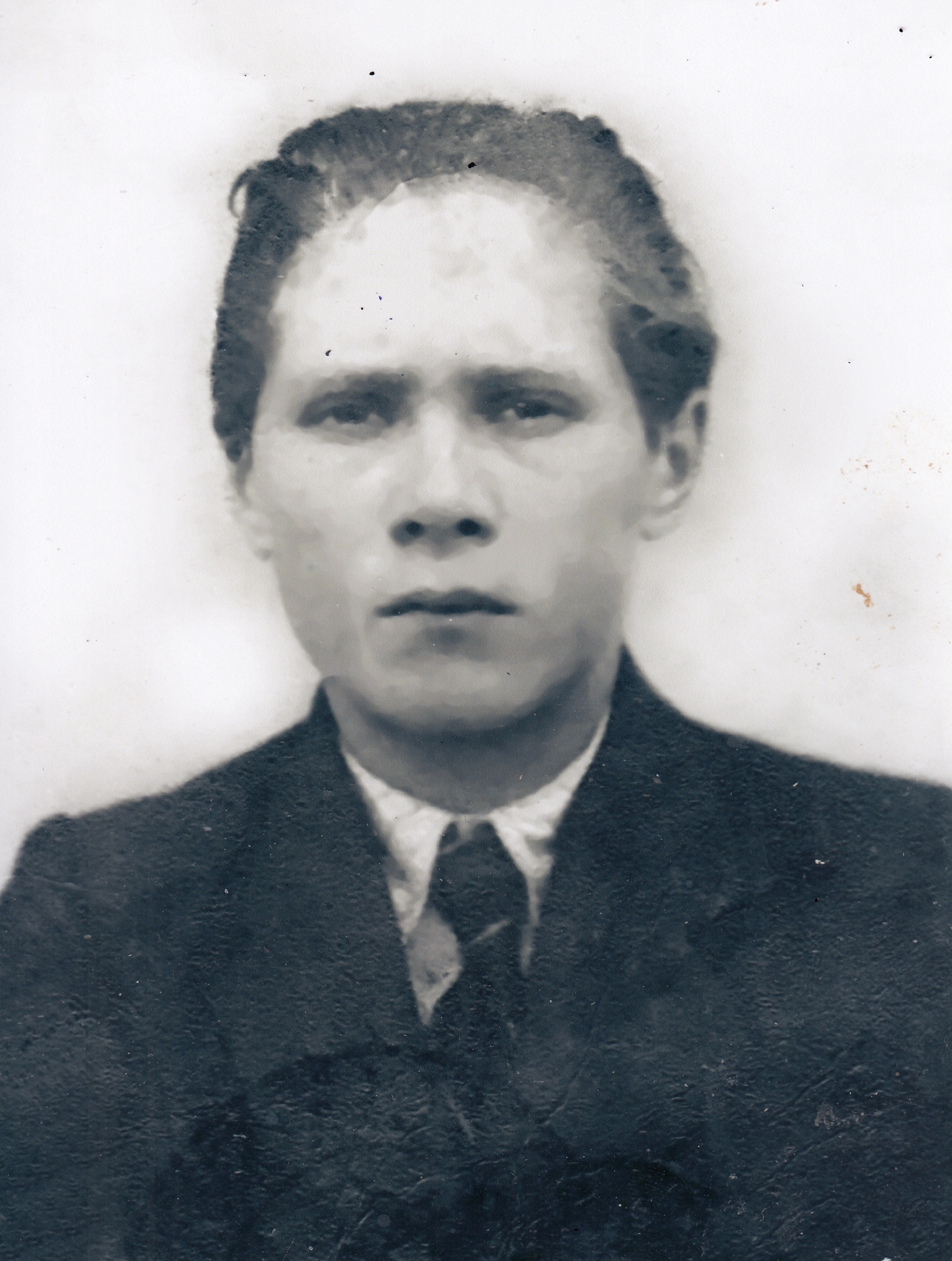
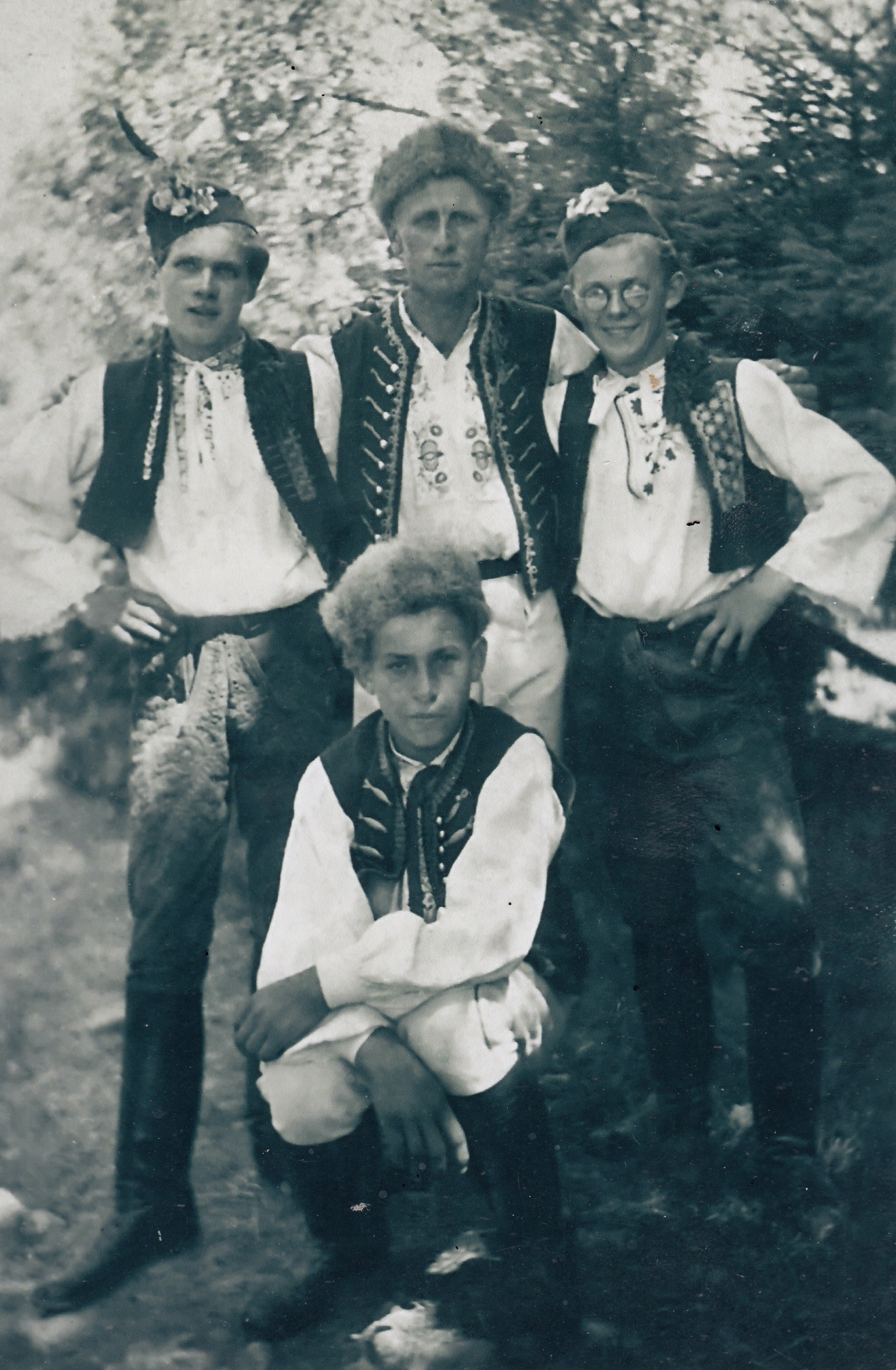
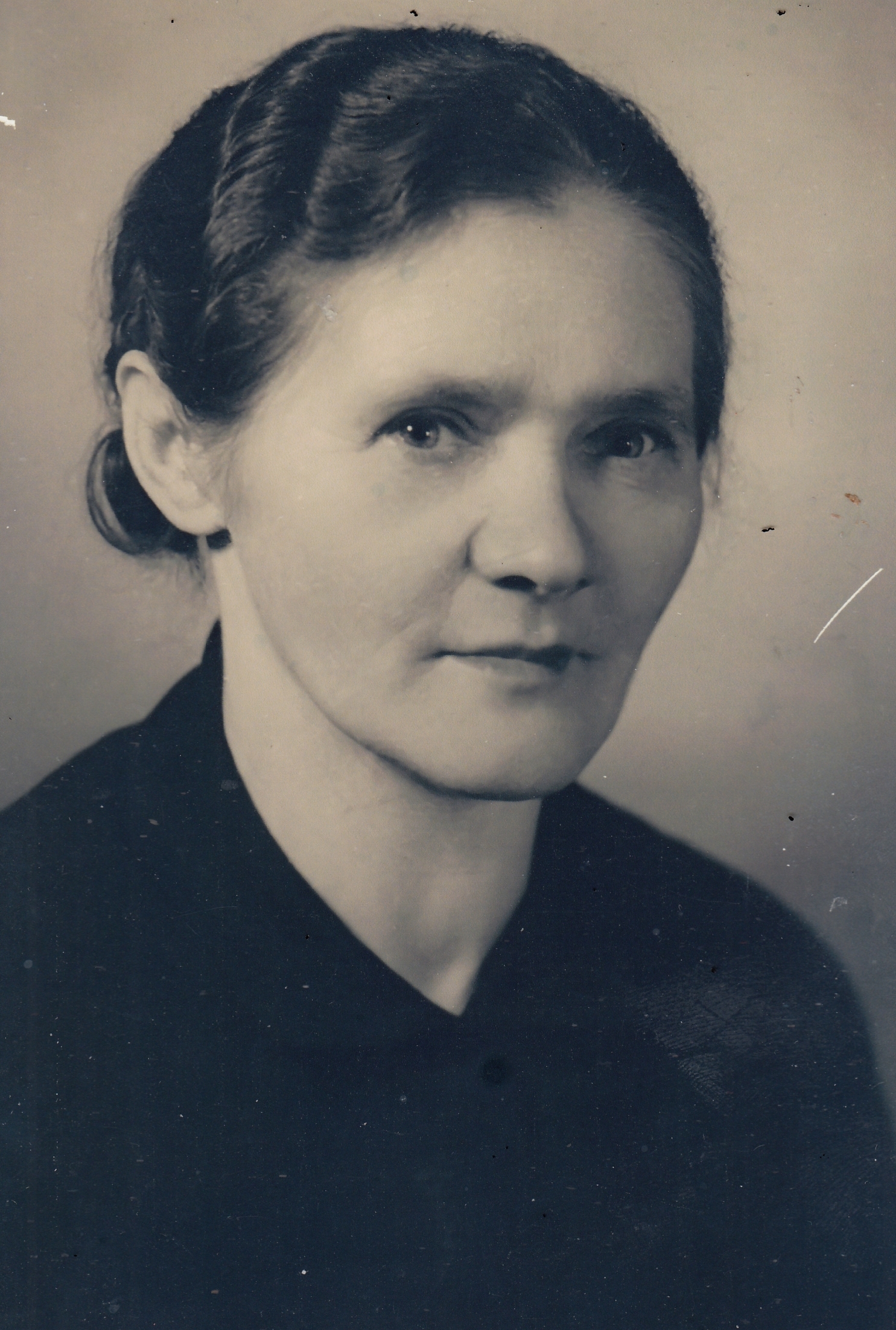
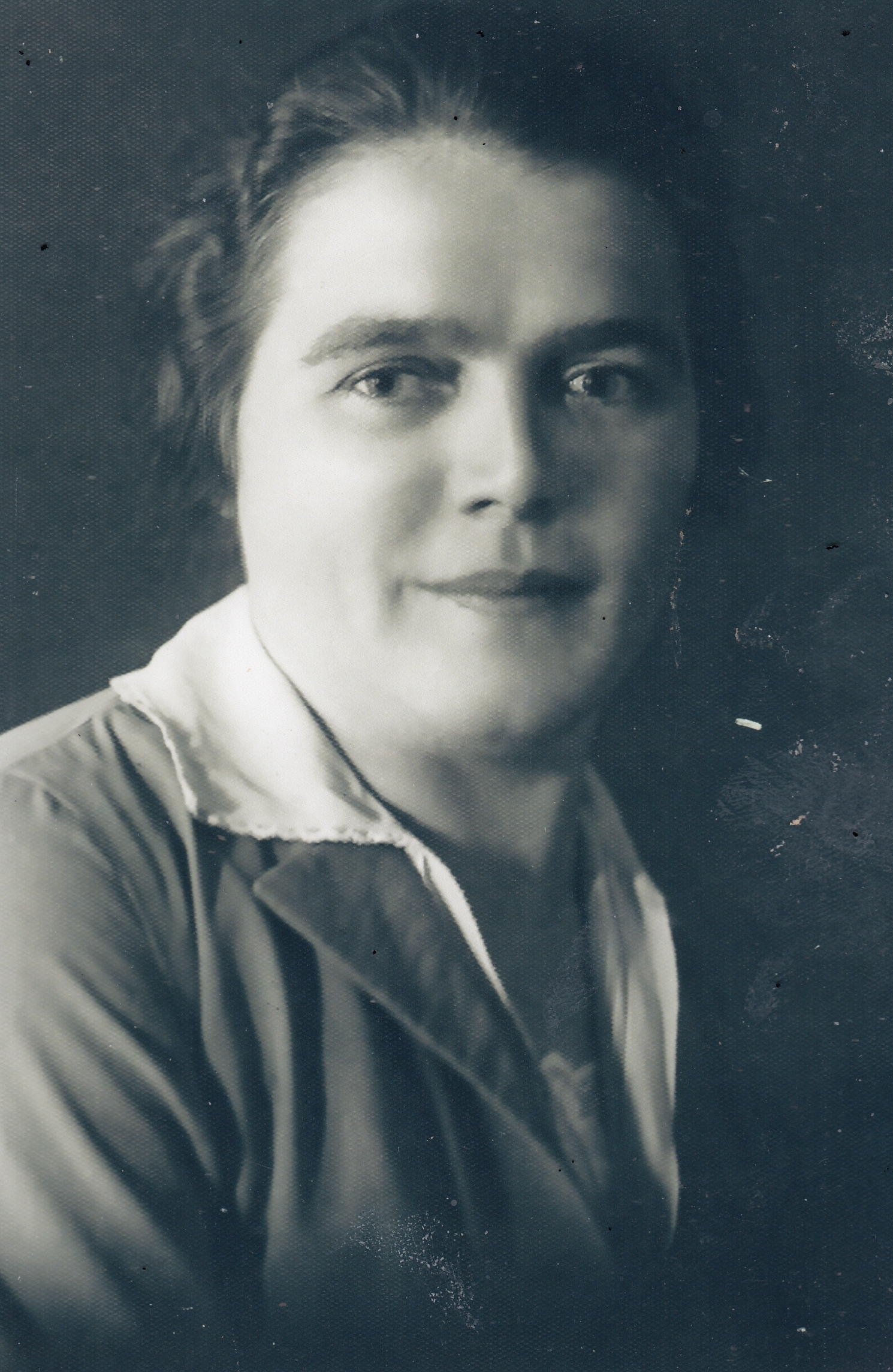
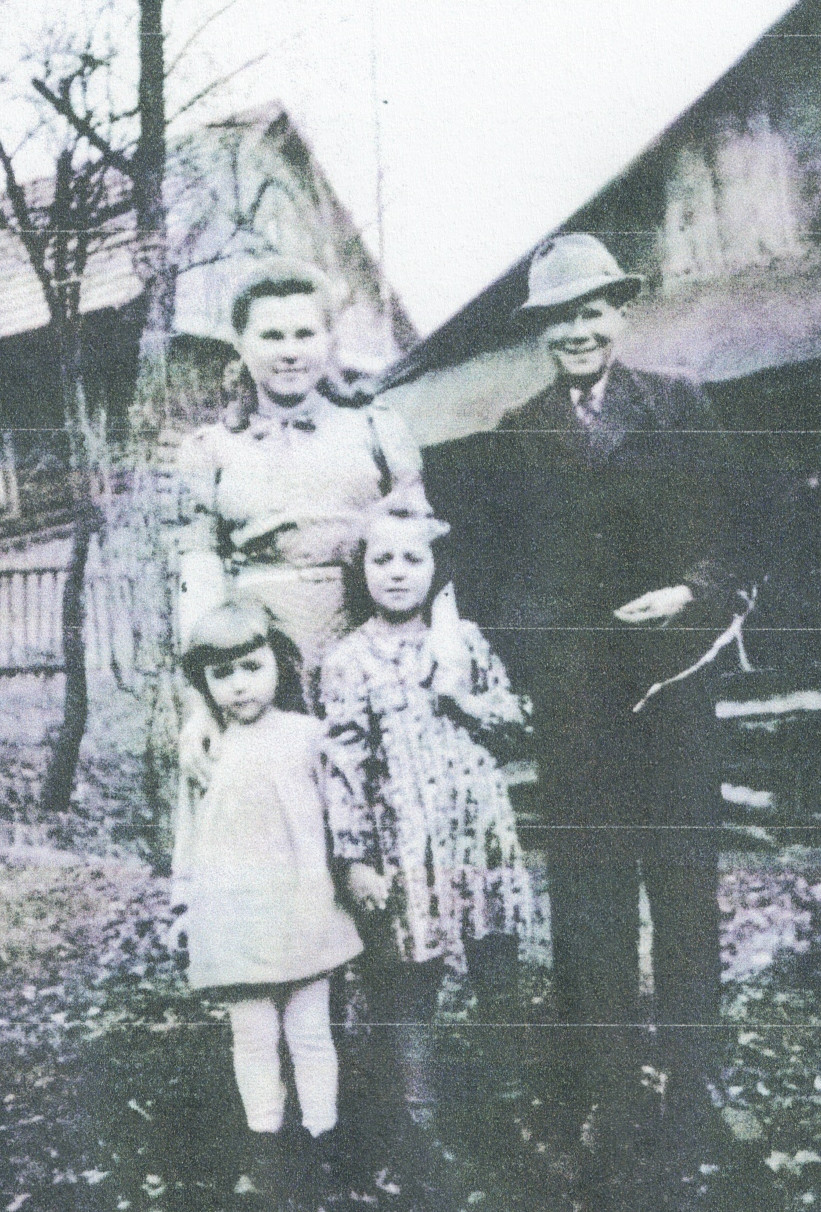
"Our father, when we were in Brňov, when they were shelling Meziříčí, my dad arrived in the afternoon and the Russians and partisans were already there. They were walking around the barracks, and they came to our aunt's house, they must have seen it. There was a barn, there was a stable, there was a cow, then the entrance to the cellar, the entrance to the kitchen and the room. And our dad came into the house, he didn't go in there much, he had a watch in his vest or in his side pocket, and the Russian came up to him and he had it in his hand in a second. My mother said, I don't know how he picked it up so quickly, it always took my dad a while to get it in his pocket and he had it in his hand right away. He said, 'Davaj časy.' Dad got mad and told him to give it back, how does he dare to do that. I guess he was curious about it. So he pointed a machine gun at him. If the others hadn't been there, he would have shot him. They weren't messing with anybody. So he started explaining to him to give it back, that it was his daddy's watch. When his backpack was full, that he had a lot of watches and alarm clocks in there, that he had enough, to give it back to him. So he gave it back to him and it calmed down again. I didn't claim it. But I thought, where is our Lída [cousin]? Well, she wasn't there, she wasn't there. Only after did I realize that she was hidden in the basement. She was 16 years old, so they were afraid they would do something to her. They didn't hesitate. Whoever they caught, they used."
"Well, it was interesting. We were at work, the Russians marched into the printing office, they went through the library and the machine room, the guys were printing newspapers, they were factory magazines, for the arms factory, for Deza, for Mez Vsetín, that's where it was printed. They saw how it was going there, so they said to turn off the machines and told the printer something like what he was doing there. I am a worker, I do what I am told. They ran the rate up and crossed it out. They had no idea what was being printed there and they took the manager to the post office. He was feeling pretty bad about it, the manager, he was from Hustopeč, he had worked in Zlín before and had some bad experience there too. So he wasn't happy about this either. We took it as it was."
"Gusta was with the partisans and they were in a bunker in Oznica. I don't know how many were there. But there was a lot of snow, that's what my folks said, that there was a lot of snow in the woods, so the guys walked in the woods to and from the bunker, so that there would be a lot of tracks, so that nobody would know who was where, who was walking where. But it was already compromised, there was a kind of a confederate who infiltrated among them. And so they [the Germans] said they would go after the partisans and now who was going to guard the bunker there. The partisans were arguing there, and Gusta said that he was at home here and he would guard. They all went away into the woods and he was guarding there, so he had ammunition and I don't know what possible things. He had so much that he fought with them for four hours. They [the Germans] were shooting at the bunker and they still couldn't get any closer. Then the last grenade, it was said that maybe he put it on his face, and again somebody said that he threw it in front of himself, the last one, that it bounced off a tree and flew on his head, on his face, so he was completely unrecognizable and torn. The Germans found him there like that. Then they searched everything, but found nothing. So they left him there and they didn't even watch it anymore, because at night they were afraid to go into these woods at all. The partisans came and took him away at night and buried him somewhere, somewhere at Láze. It was at Láze, some of them were already buried there, the comrades-in-arms, so they buried him at Láze."
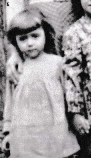
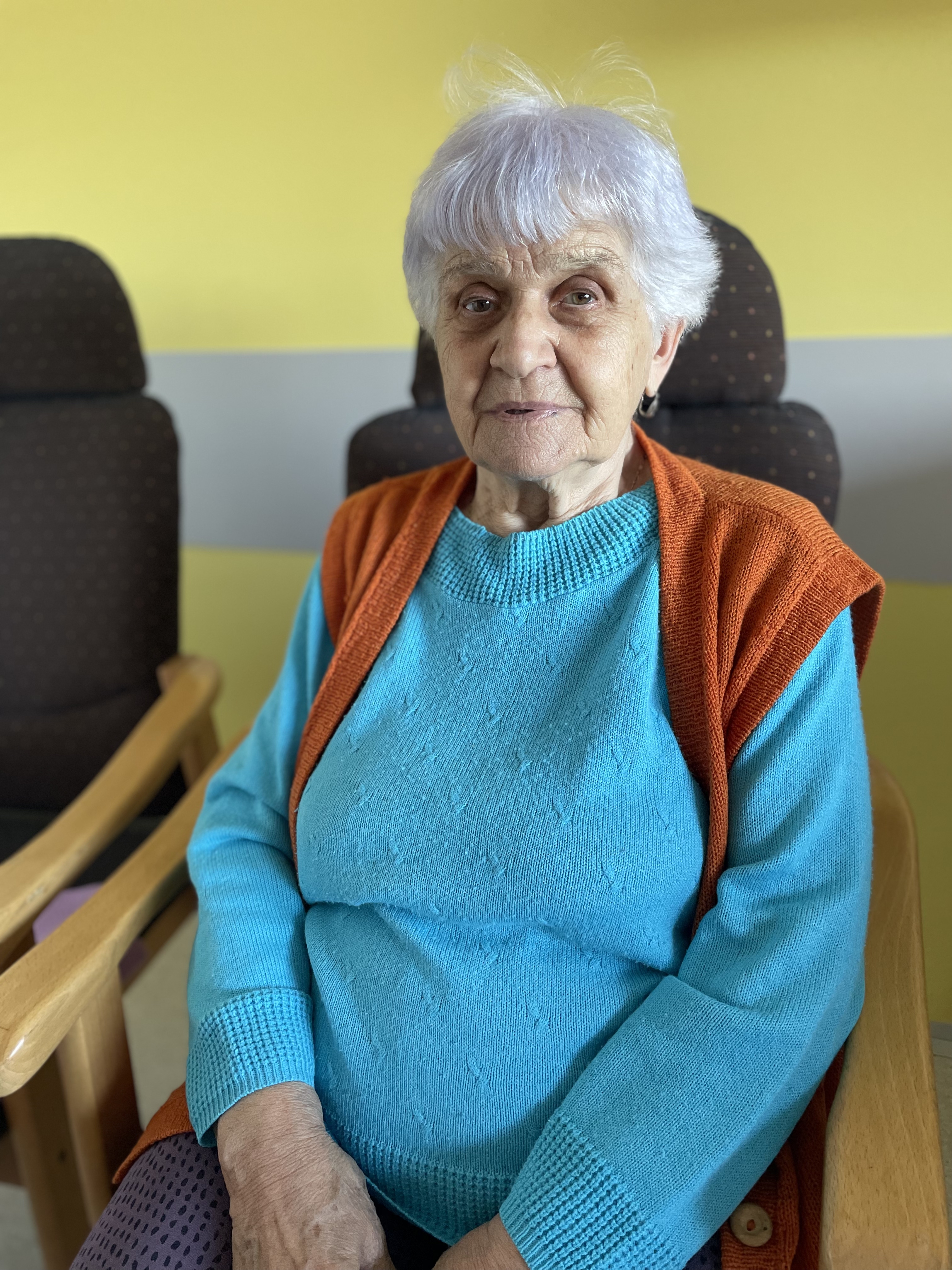
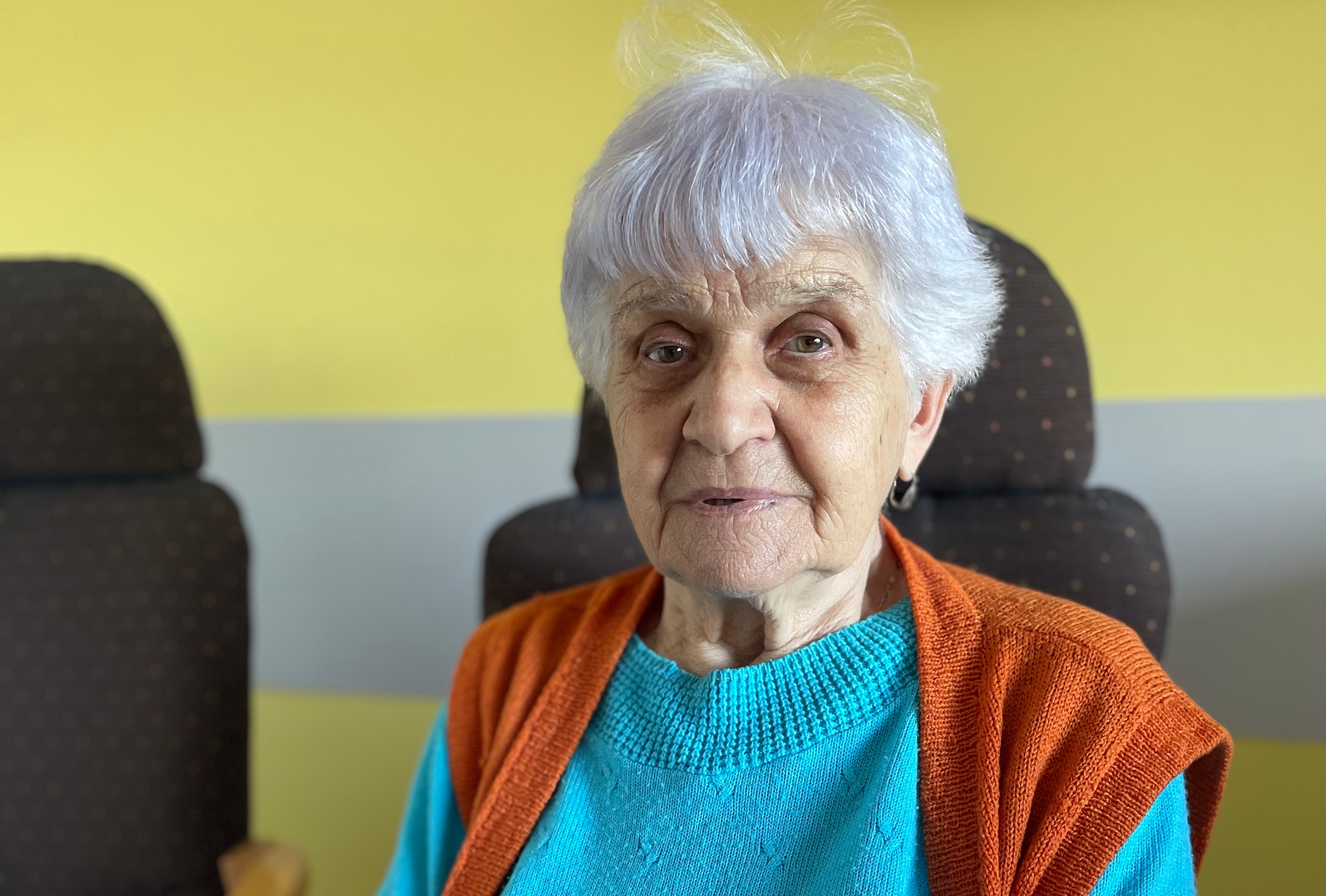
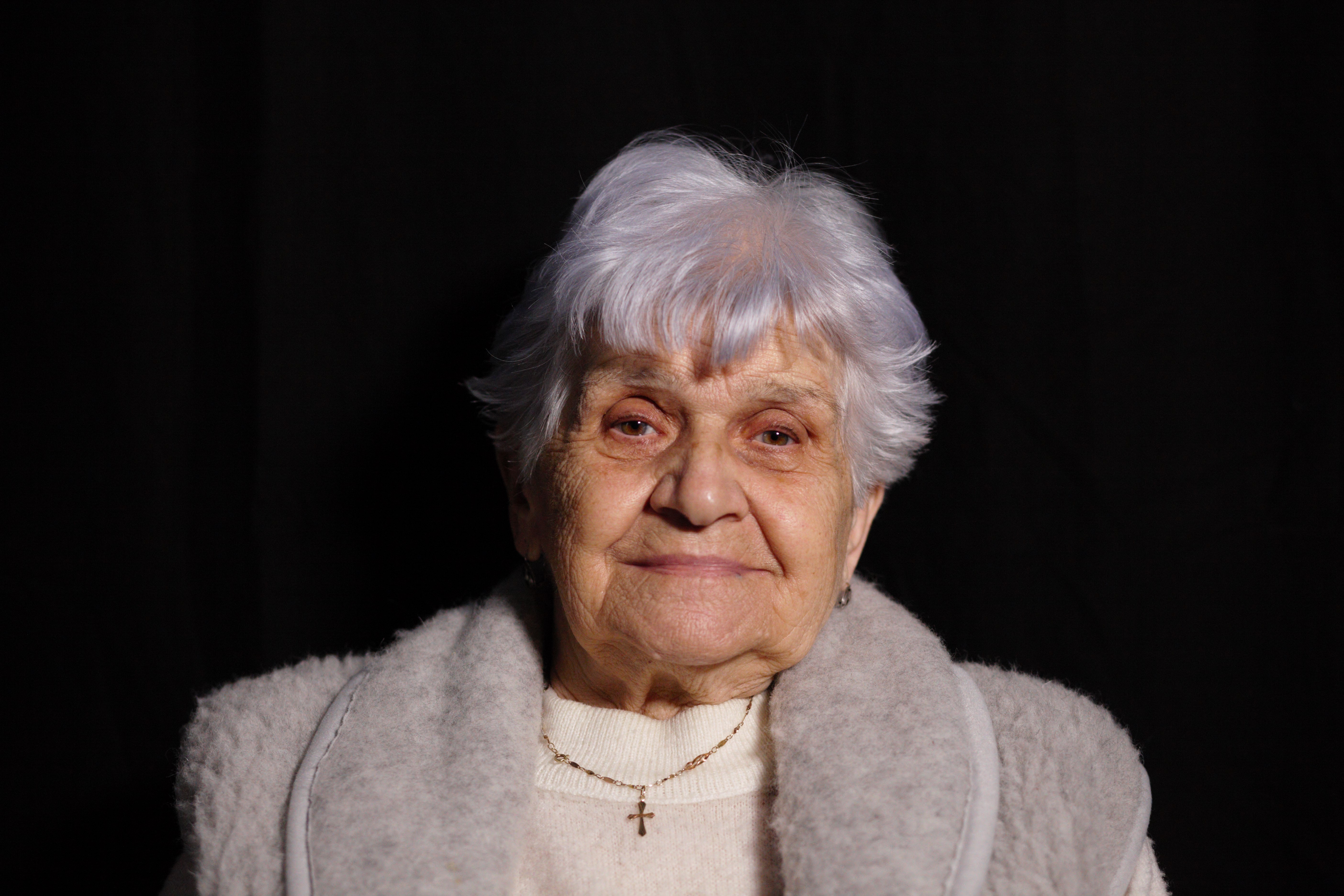
Jarmila Kovařčíková, née Macháčová, was born on 3 December 1938 in Hranice na Moravě. She spent her childhood with her mentally handicapped step-sister Zdena in Valašské Meziříčí in a family marked by war events, the resistance and the repression of the Nazi regime. The arrest of her father Jaroslav Macháč for illegally handling food stamps was a heavy blow. He was deported to the Dachau concentration camp, where he spent more than a year. The family was also deeply affected by the death of Jarmila‘s cousin Augustin Bártek, who joined the partisans operating in the region. He was the only one who stayed at the site after the bunker in Oznice was discovered and resisted the German attack for several hours. He was killed in a firefight and his body was mutilated by a grenade explosion. After the war he was buried in Valašské Meziříčí and later placed in a family grave. After finishing her schooling, Jarmila joined a local print shop. She started as a helper and gradually worked her way up and mastered most of the professions associated with printing and newer technologies. Together with her husband Jindřich, she raised three sons and lived a normal life as a working woman. At the time of filming in 2026, she lived in a home for the elderly in Valašské Meziříčí.