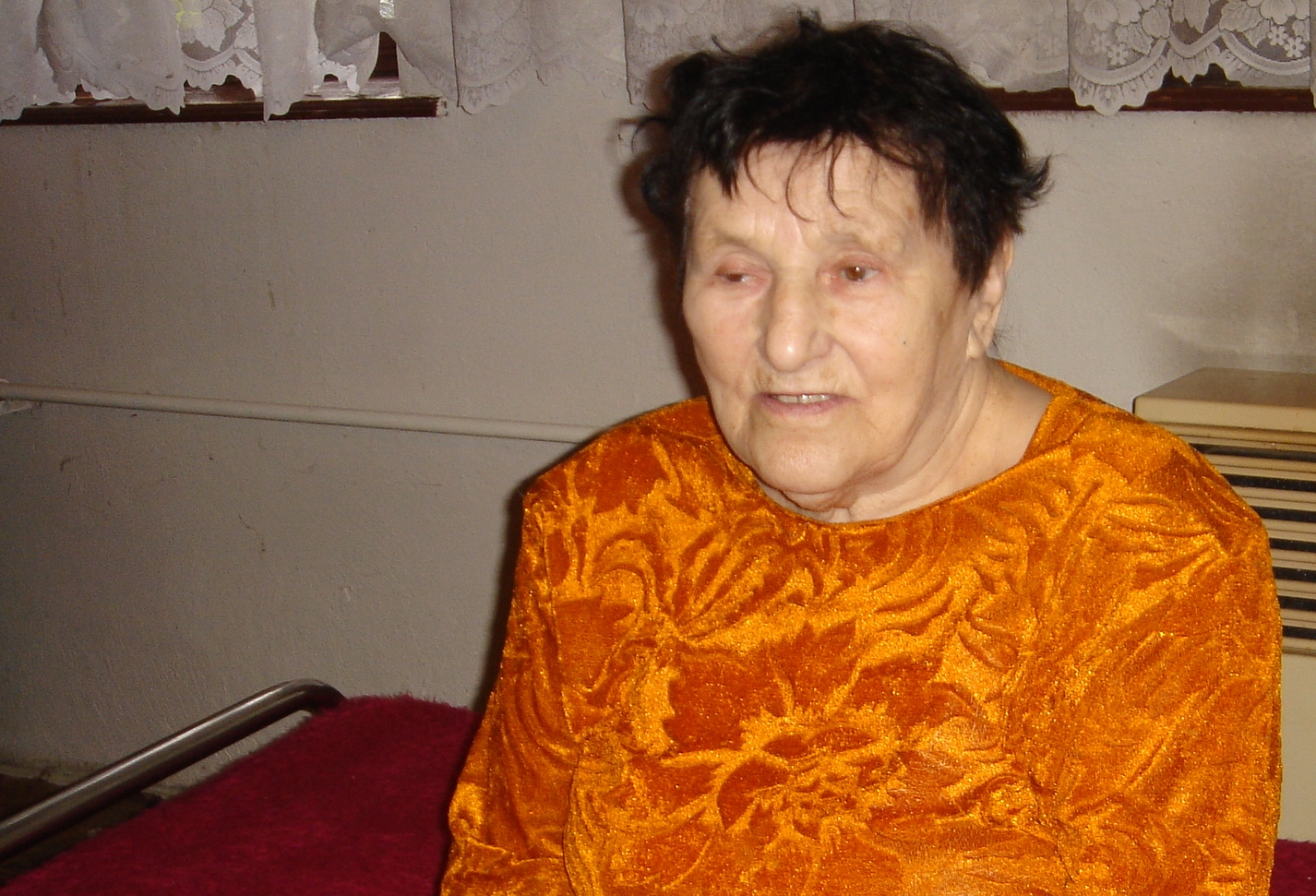
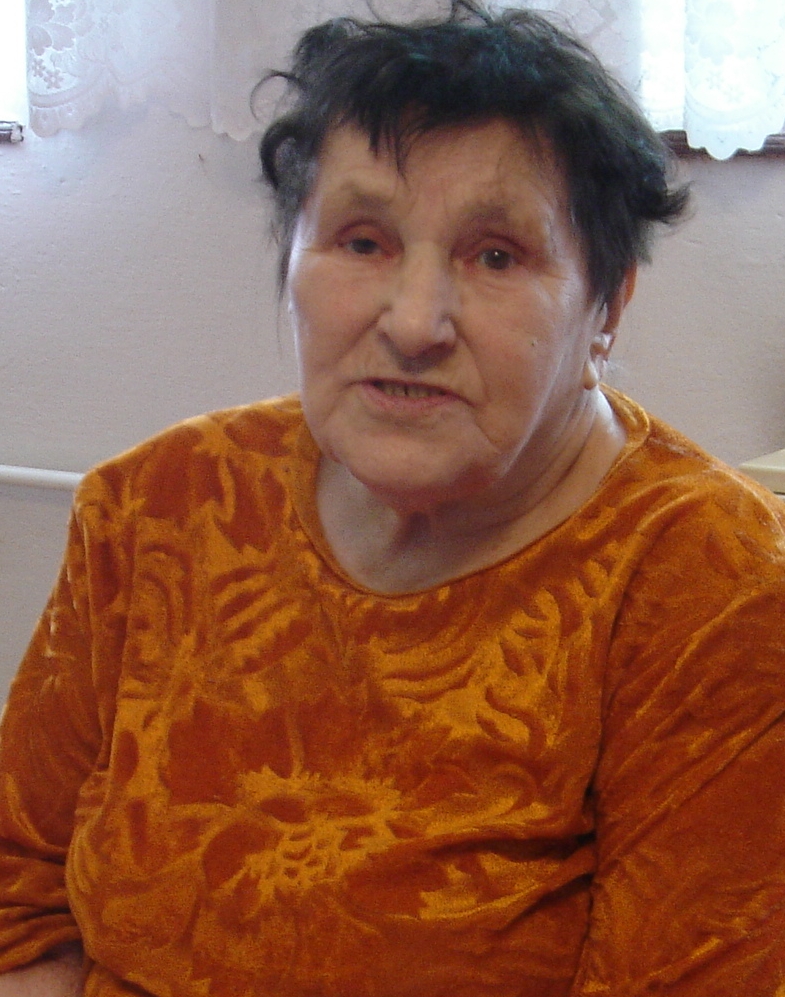
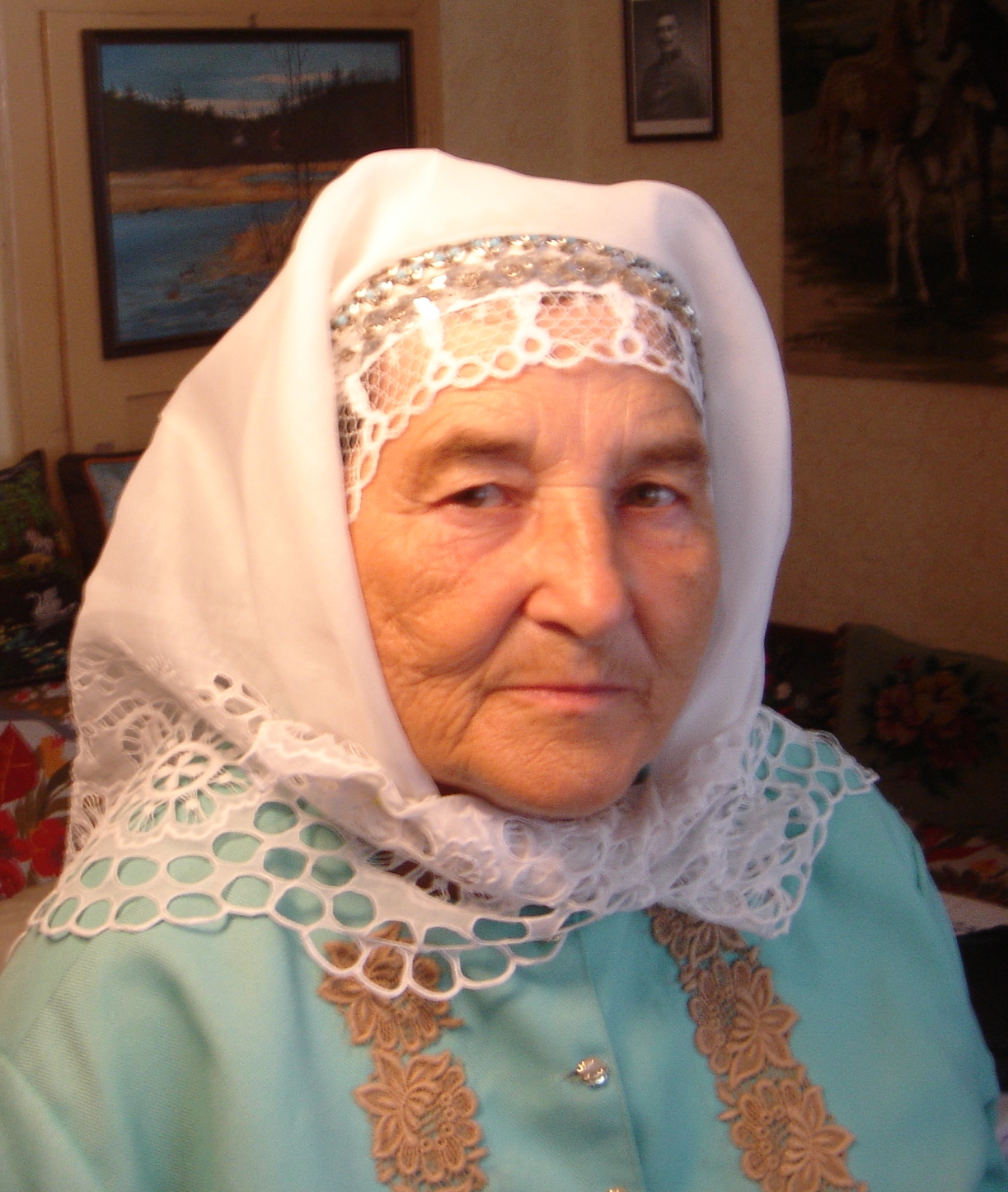
Sentenced to 18 years, her brother to 25 years, and her father to 15 years.
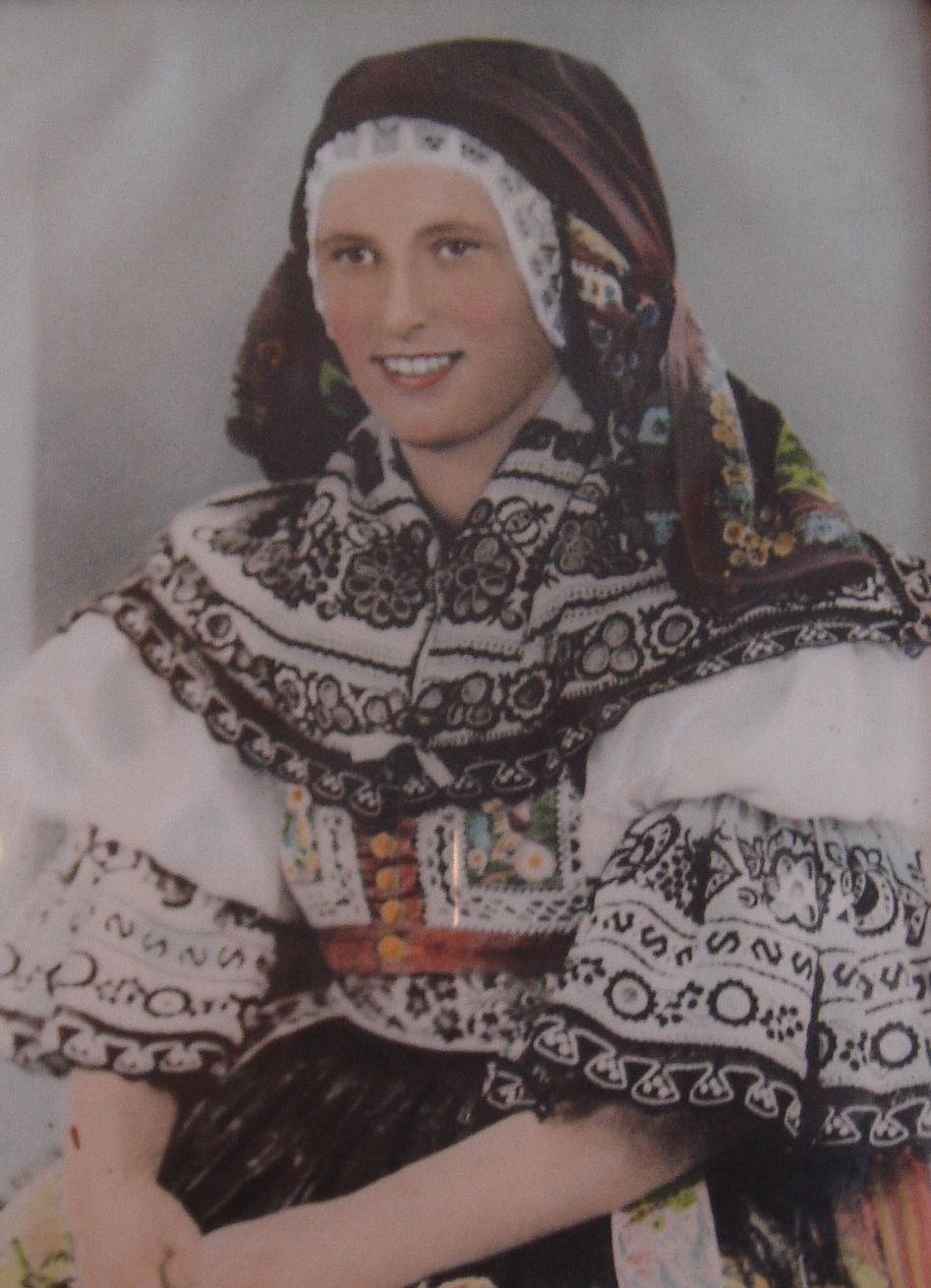
Stáhnout obrázek
Marie Koubíková, née Cichrová, was born on October 30, 1920, in Boršov near Kyjov. Her father was a farmer, an active member of the Sokol movement and a supporter of Masaryk’s Czechoslovak Republic, and he raised his three children in that spirit; her mother took care of the household. During the war, the entire family became involved in the activities of the resistance group Carbon, inspired by the successful parachute drop of Captain František Bogataj. The Cichra family also hid RAF pilot Pavel Svoboda and Canadian Vernon Bastable, who had escaped from German captivity. A radio transmitter was installed in the family home as well. After February 1948 and the start of the collectivization of the countryside, the Cichra family refused to join the cooperative. The regime retaliated, for example by confiscating agricultural machinery and increasing compulsory crop quotas. The State Security also installed listening devices in their house. In the early 1950s, members of the family were gradually accused of complicity in setting fire to a cooperative haystack and of harboring an escaped prisoner, the former border guide Štěpán Gavenda. In 1952, Marie Koubíková was the first of the family to be arrested. After eighteen months of pre-trial detention in Uherské Hradiště, where she experienced physical violence and from her cell was an indirect witness to executions in the prison yard, she was sentenced to eighteen years in prison. She served her sentence in the women’s prison in Pardubice alongside political prisoners such as Fráňa Zemínová, Dagmar Skálová, Jiřina Štěpničková, and Růžena Vacková. This was followed by imprisonment in the labor camp in Želiezovce, where she met Dagmar Šimková. In May 1960 she was released under an amnesty; however, in February 1961 she was arrested again and informed that the amnesty did not apply to her. She was finally released in 1963. Her brother Josef Cichra was arrested on June 30, 1953, despite suffering from severe pneumonia. Interrogations took place during detention in Uherské Hradiště, where he was frequently beaten with his eyes blindfolded and tortured with electric shocks. After a year of investigation, he was sentenced to twenty-five years in prison. Initially, he worked in the Rovnost camp near Jáchymov, from which he attempted to escape in 1956. After ten hours he was recaptured and punished with a year in solitary confinement in the prison in Ostrov nad Ohří. He spent the remainder of his sentence in Leopoldov Prison and was released on April 13, 1964. Their father, Josef Cichra, was also arrested and sentenced to fifteen years. Due to his failing health, he was released early in 1958, the year his wife died. Neighbors from the village protested against his early release. Josef Cichra Sr. died in 1962. All property of the Cichra family was confiscated by the state, and strangers moved into their house. After returning from prison, Marie Koubíková had to borrow money to buy the house back. In 1968, she and her brother Josef unsuccessfully sought rehabilitation. They achieved it only after 1989, when their farmland was also returned. At the age of seventy-two, Josef Cichra began farming again. He died on May 16, 2007. His sister Marie lived with her family in the family home in Boršov near Kyjov.