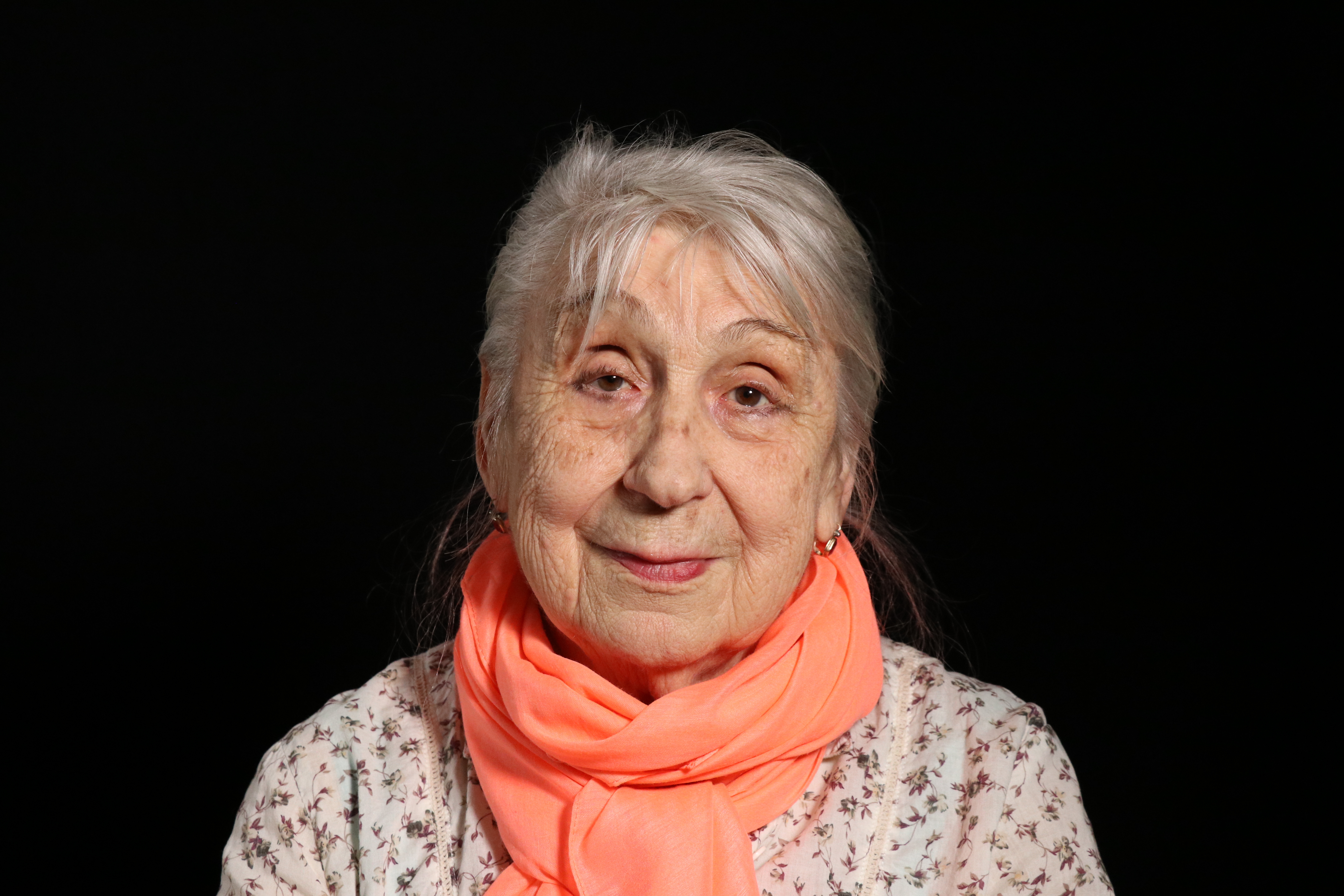
Věra Kopejsková

* 1942

  • "There was a little soldier coming towards us, in a terrible uniform, dirty. And he grabbed me and started kissing me. And my mother was just watching and he was talking and crying. That he had to leave a little girl like that at home. My mother told me later that he was a Vlasov´s army soldier (note: more likely a soldier of the Red Army). And the man was dirty, smelled awful, and I saw in the cemetery that there were about five of these shafts where they used to take the dead. Because just around that freight station then there were about five little monuments, and it always said, 'Unknown hero died here.' A lot of people also died on Pražacka. There the Germans drove them in front of the tanks and shot a lot of them."

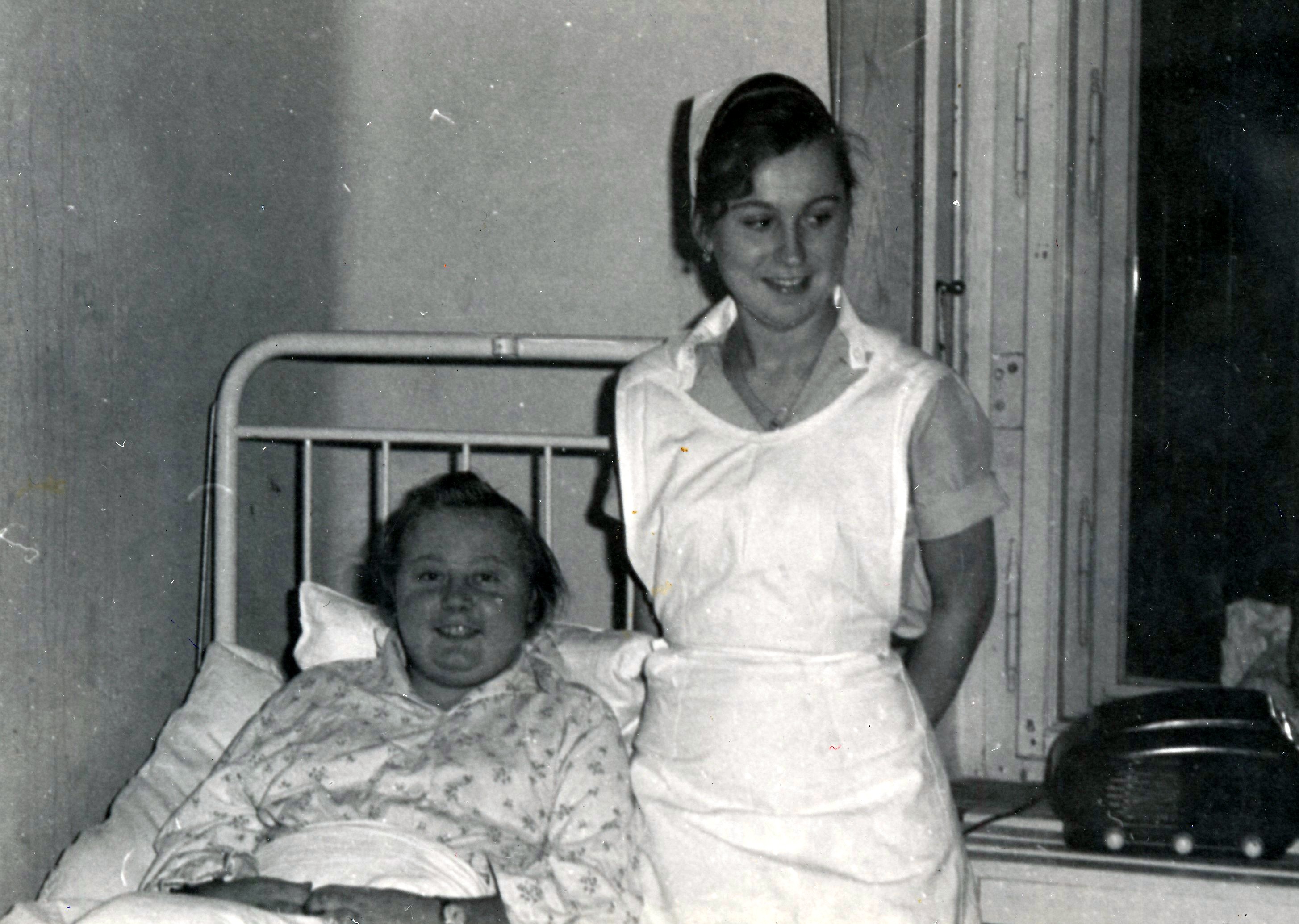
  • "My uncle from Unhošť was the greatest farmer, he married my father's cousin. I remembered him when we went to his farm after the war and he showed me his horses - and that he had just had a foal. He said, 'Come and see my foal.' That was about 1946. And then collectivisation came. But because he was the biggest landowner, they evicted him. He begged them, 'Take everything, take everything, just leave me the horse.' No, he had to take the horse to the execution. They moved them to Horoměřice and they lived there in a kind of a shack, almost like a bus stop waiting room. That's where he lived. Well, I didn't see my uncle for a long time. And then, when I started working as a nurse at the Military Hospital, I suddenly said in the operating theatre: 'Jesus, uncle, hello, you're here.' And he said: 'I'm working in a brickworks now as a builder and it's good.' So I said to him, "Say hello to my aunt." Then came the year sixty-eight, and those same communists remembered that they had stolen the Šimáček family farm. Because in the meantime the farm, there was a cooperative farm, so that they would give it back to them. So in 1968 they returned the farm. My aunt and uncle came back, the farmhouse was ransacked, empty, only her stove was still there. She said, 'I sat by that stove and I cried, I cried. My uncle said he would look around the farm. He went to look around the farm, but he didn't go home for a long time. My aunt went looking for him and found him. He had hanged himself in the barn."

  • "Suddenly we heard the stumping of the SS men, they had their boots on, so it was so audible. And they left us out, fortunately, but they went into the farmhouse next door, so that terrible wailing, screaming, I heard that for a long time as a child. And people from the next village went to help our people, but the SS shot them with a machine gun from the castle, from the turret. And Strejc, Mr. Strejc, the engineer, and another one, who wore a uniform, Czechoslovak uniform, and with a white flag, went to negotiate with them, so without mercy they put them there in an alley and shot them. So there were about eleven people who got killed unnecessarily."

  • Celé nahrávky
  • 1

    Praha, 17.12.2024

    (audio)
    délka: 01:32:48
    nahrávka pořízena v rámci projektu Stories of the 20th Century TV
  • 2

    Praha, 31.01.2025

    (audio)
    délka: 01:10:42
    nahrávka pořízena v rámci projektu Stories of the 20th Century TV
Celé nahrávky jsou k dispozici pouze pro přihlášené uživatele.

I couldn‘t forget that cry for a long time
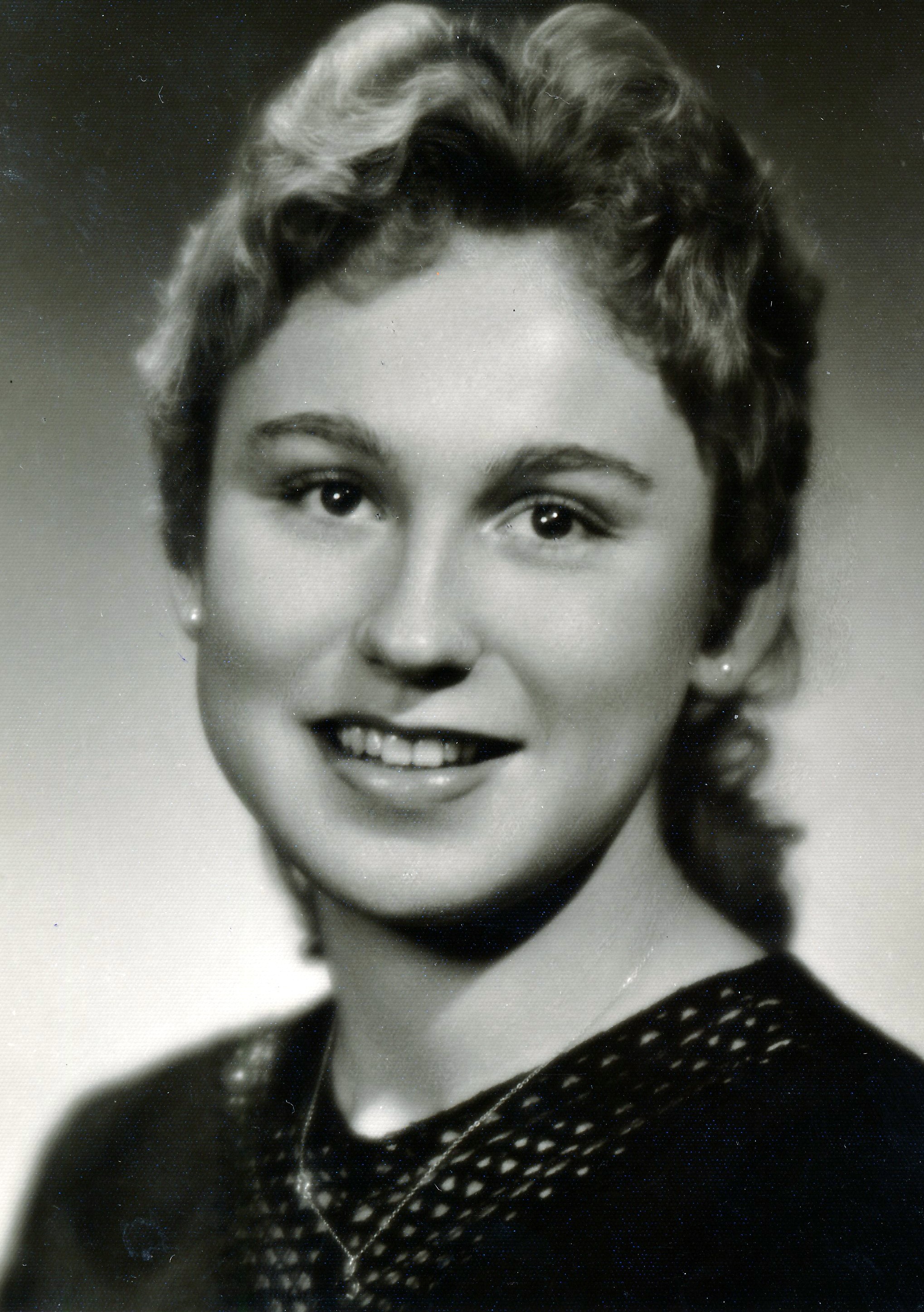
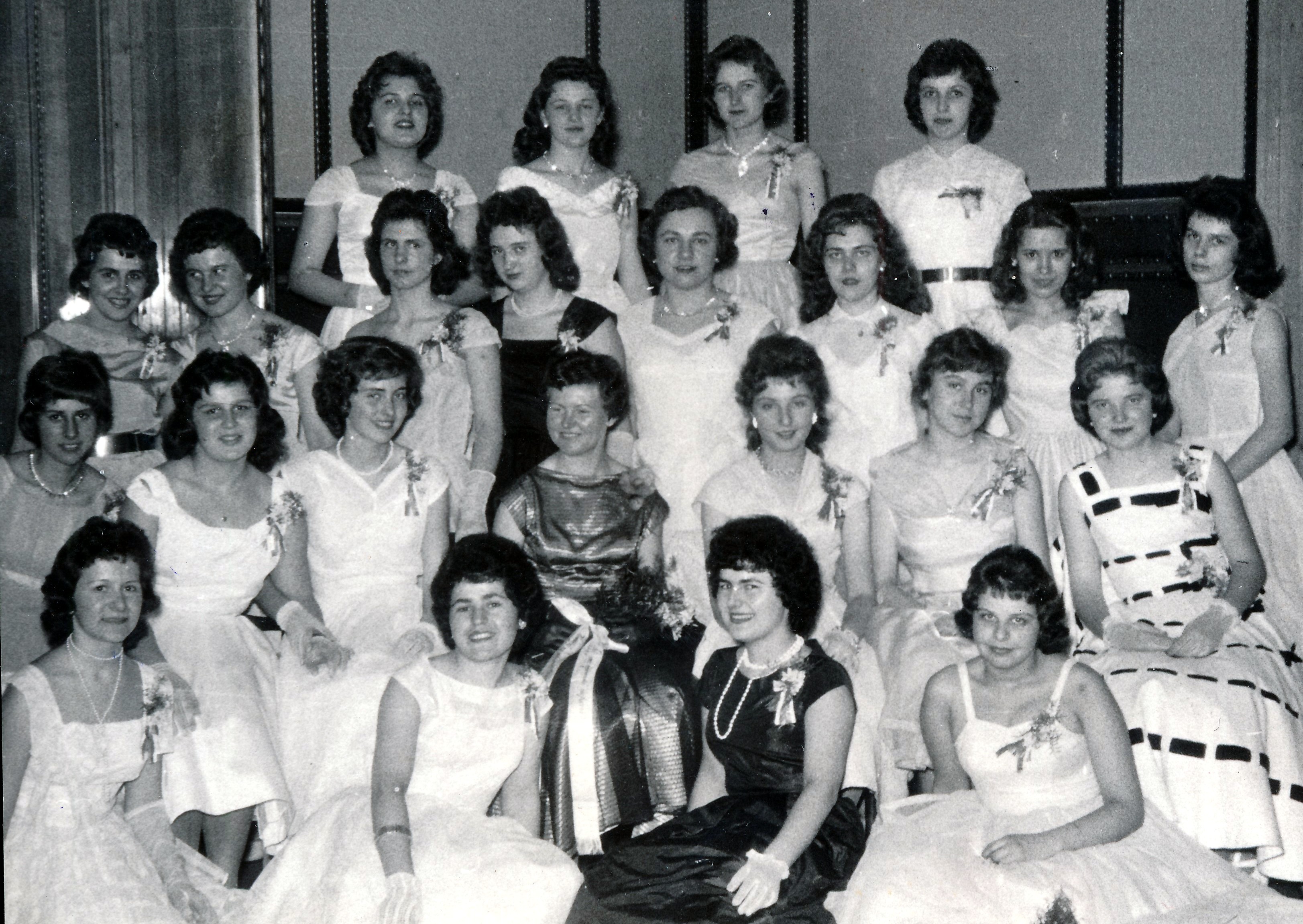
Věra Kopejsková, then Holubová, in the photo from the graduation photo board
zdroj: witness´s archive

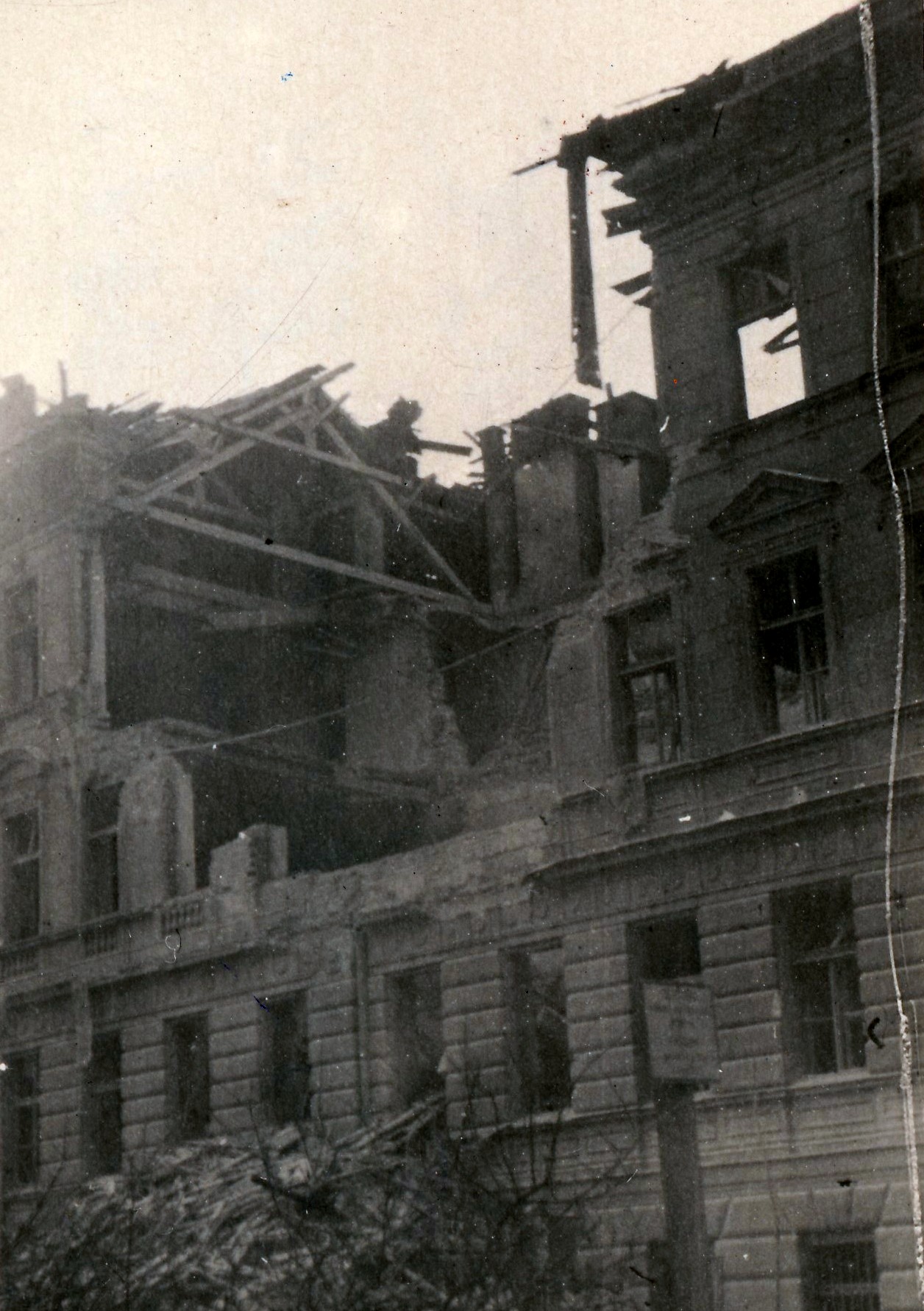
Věra Kopejsková, maiden name Holubová, was born on 15 April 1942 in Prague. She spent the first years of her childhood alternately in Prague-Vysočany and in the village of Pátek nad Ohří. Her father, Antonín Holub, was forced to work in one of the ČKD factories during the war, where weapons were produced for Nazi Germany at that time. At the end of the war, industrial Vysočany was repeatedly targeted by Allied bombers, and on 25 March 1945, a large part of the Vysočany factories was seriously damaged. The block of flats where Věra‘s family lived was also hit by an aerial bomb. Therefore, little Věra and her mother went to stay with relatives in the village of Pátek nad Ohří, where they stayed until the end of the war. On May 5, 1945, the Pátek rebels disarmed and imprisoned German soldiers from the local garrison. Instead of the expected liberators, however, a punitive expedition from the Wehrmacht garrison in Louny arrived in the village on May 7 and suppressed the uprising in blood. After the end of the war, Věra and her mother returned to Prague. She graduated from the secondary medical school and after graduation started working as a nurse. She devoted her whole life to this profession. Věra Kopejsková is married and lives (2025) in Prague.