Miloslav Komárek

* 1937

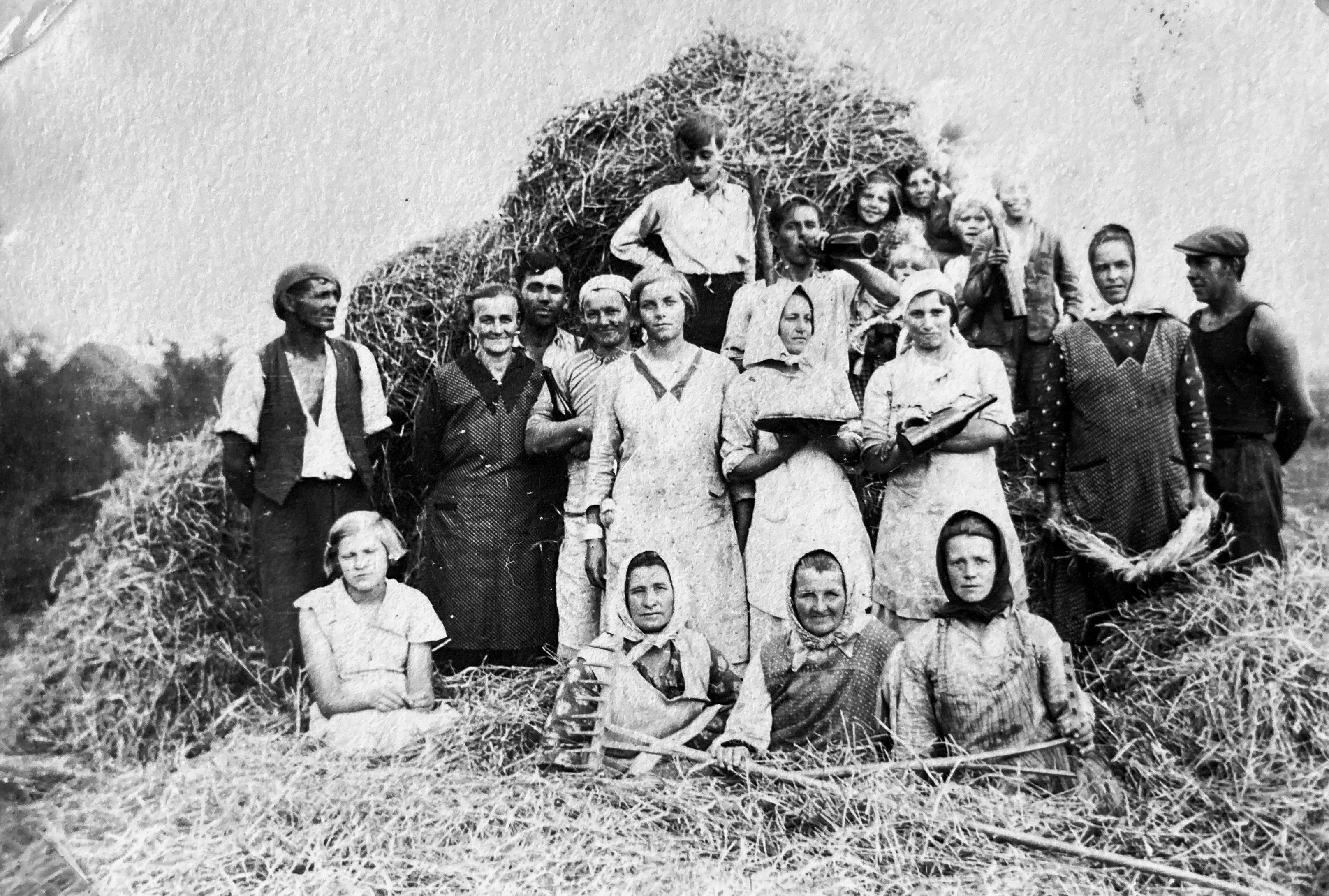
  • "When they said they were coming, we all left the house and waited on the edge of our village. A group of two or three carts were coming from Bochoř, with some soldiers riding on them completely drunk. They came to us, and there - poor souls - they were got plum brandy. Then the main convoy arrived. By that time, the lilacs were already blooming. So the women had bouquets of lilacs and threw them at the cars occupied by Russian soldiers. And the soldiers were so happy. They pulled my mother onto the car and wouldn't let her go."

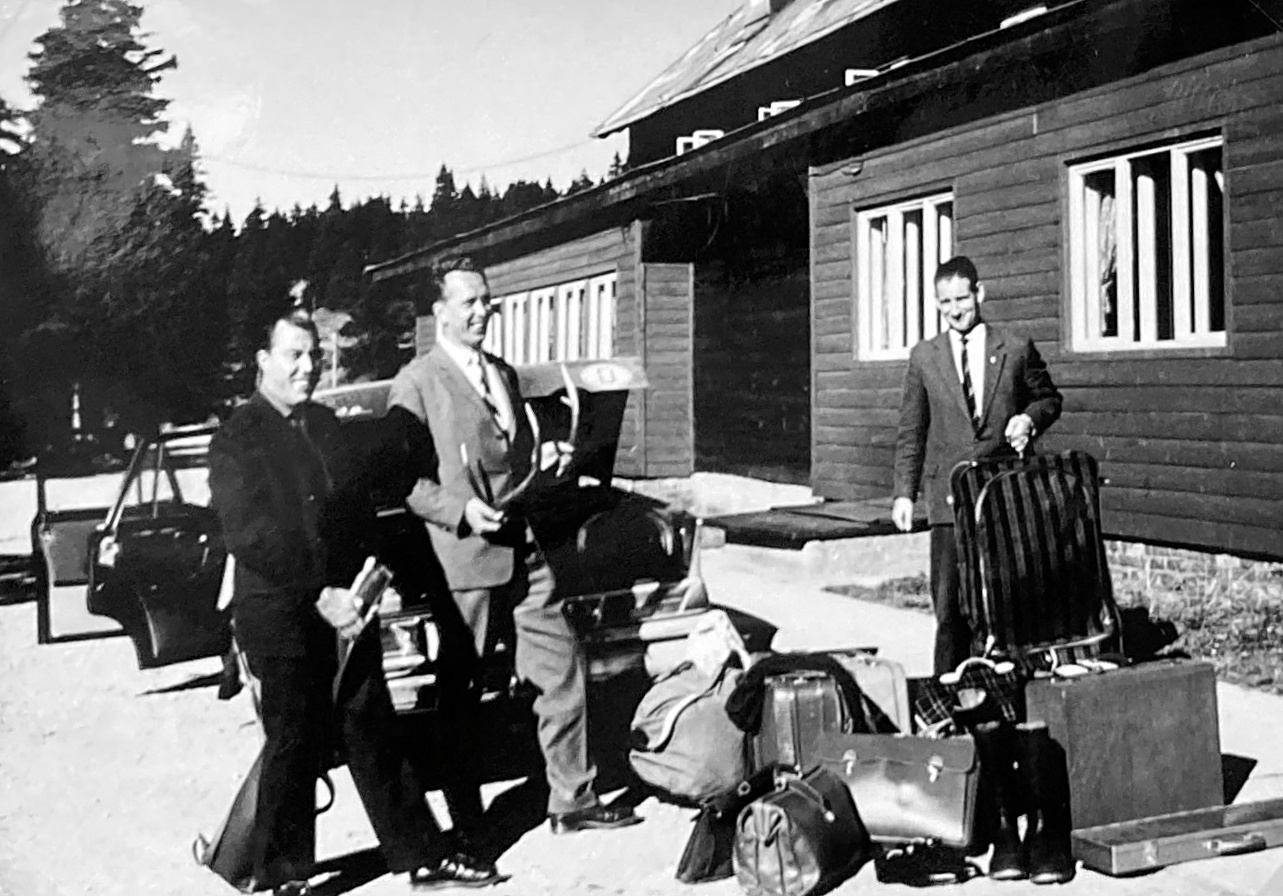
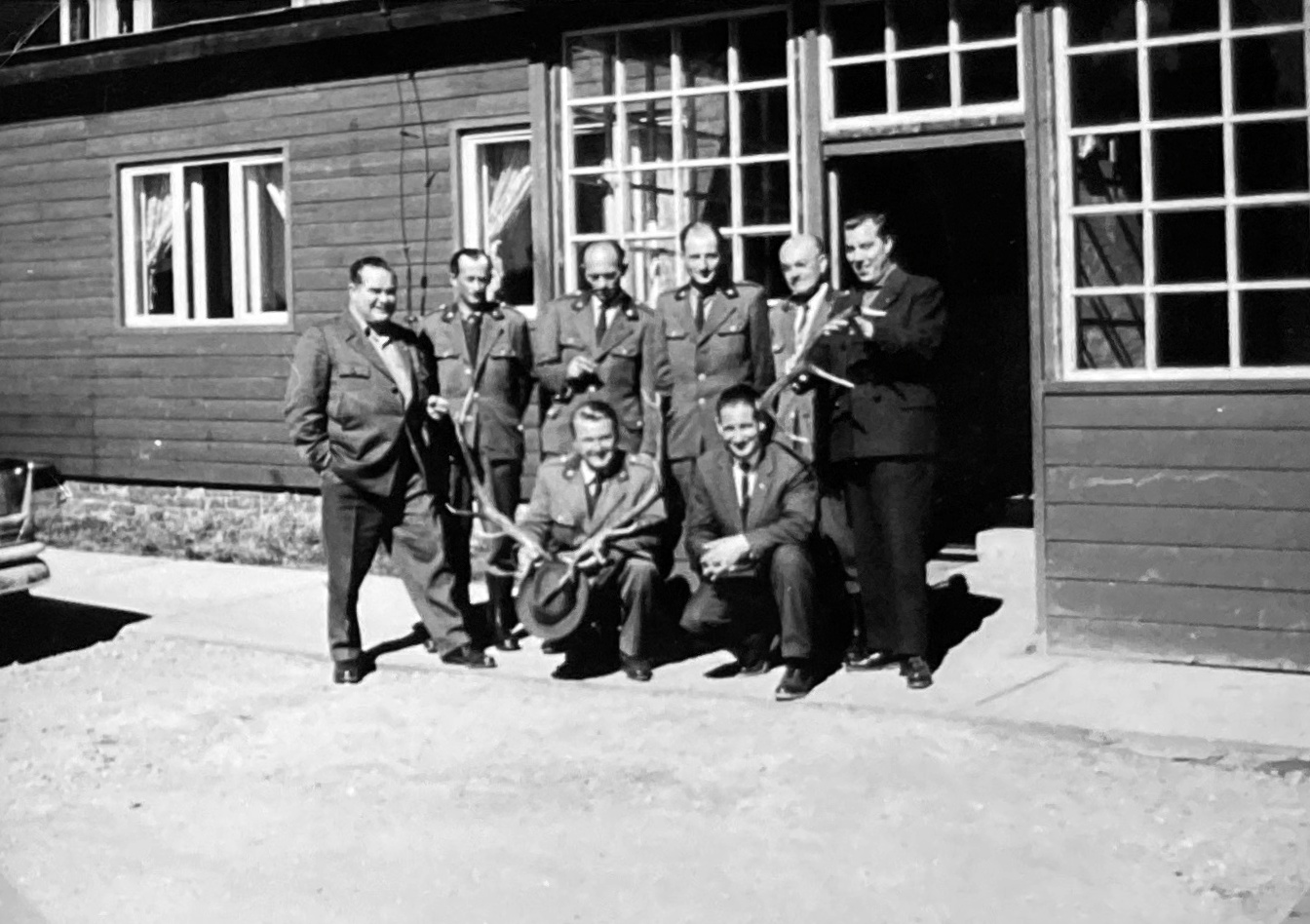
  • "How was it organized then? When a foreigner from Germany or somewhere else in Western Europe wanted to hunt a deer in the Jeseníky Mountains?" - "It was all done through Čedok. Čedok was connected with our forest directorate in Karlovice. They made the arrangements, and the gamekeeper had no idea that he was going to guide someone. Then they sent a message about it and did a little training on what we could and couldn't talk to them about. Which was completely unnecessary, because we didn't understand them and they didn't understand us." - "Who gave you the training?" - "The director of the forestry plant." - "And what did he tell you? What you can and can't tell them?" - "Like not to swear at the Russians and so on. To act like we're just here for the deer, but what's going on in the world around us we don't care. Or rather, we mustn't care."

  • "People who know Libava recalled that the original houses and villages often served as targets." - "Yes. Churches, too." - "You experienced that?" - "Because it was depopulated. The soldiers bought everything, people had to move out. That's how I experienced it. But I wasn't there long. Exercises lasted maybe one night, and in the whole war it was three or four nights of everything. It must have been very expensive for the army to fire the bigger guns. That's why they didn't waste it." - "So you remember that displaced objects were used as targets?!" - "Yes. But that's not abnormal. That's not abnormal. It's done everywhere. Wherever there was a military firing range, all these things were used as targets."

  • Celé nahrávky
  • 1

    Vrbno pod Pradědem, 17.06.2025

    (audio)
    délka: 01:52:23
  • 2

    Vrbno pod Pradědem, 19.06.2025

    (audio)
    délka: 01:57:55
Celé nahrávky jsou k dispozici pouze pro přihlášené uživatele.

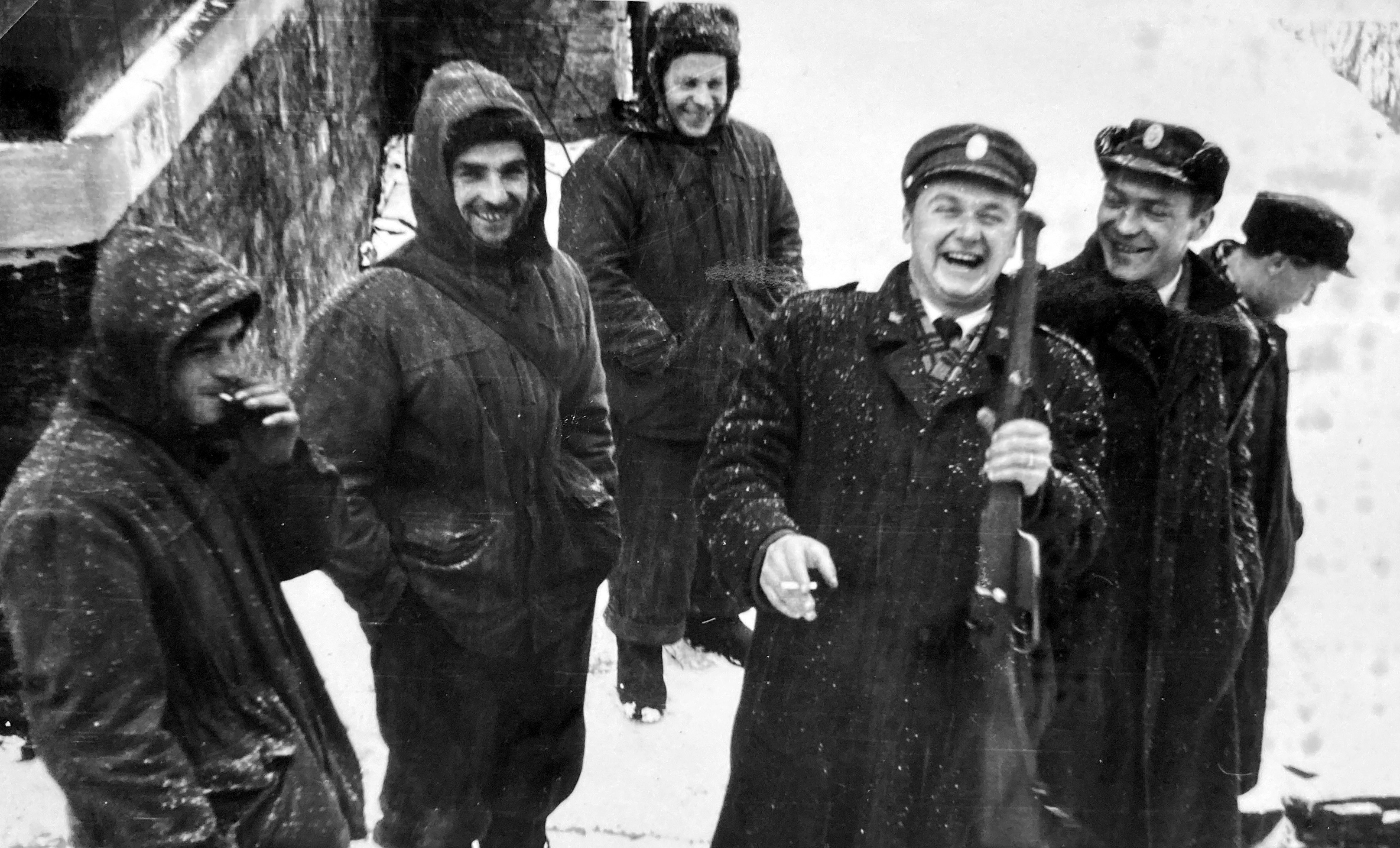
‘Good hunting!’ toasted both imperialists and regime elites in the land of the expelled Germans.
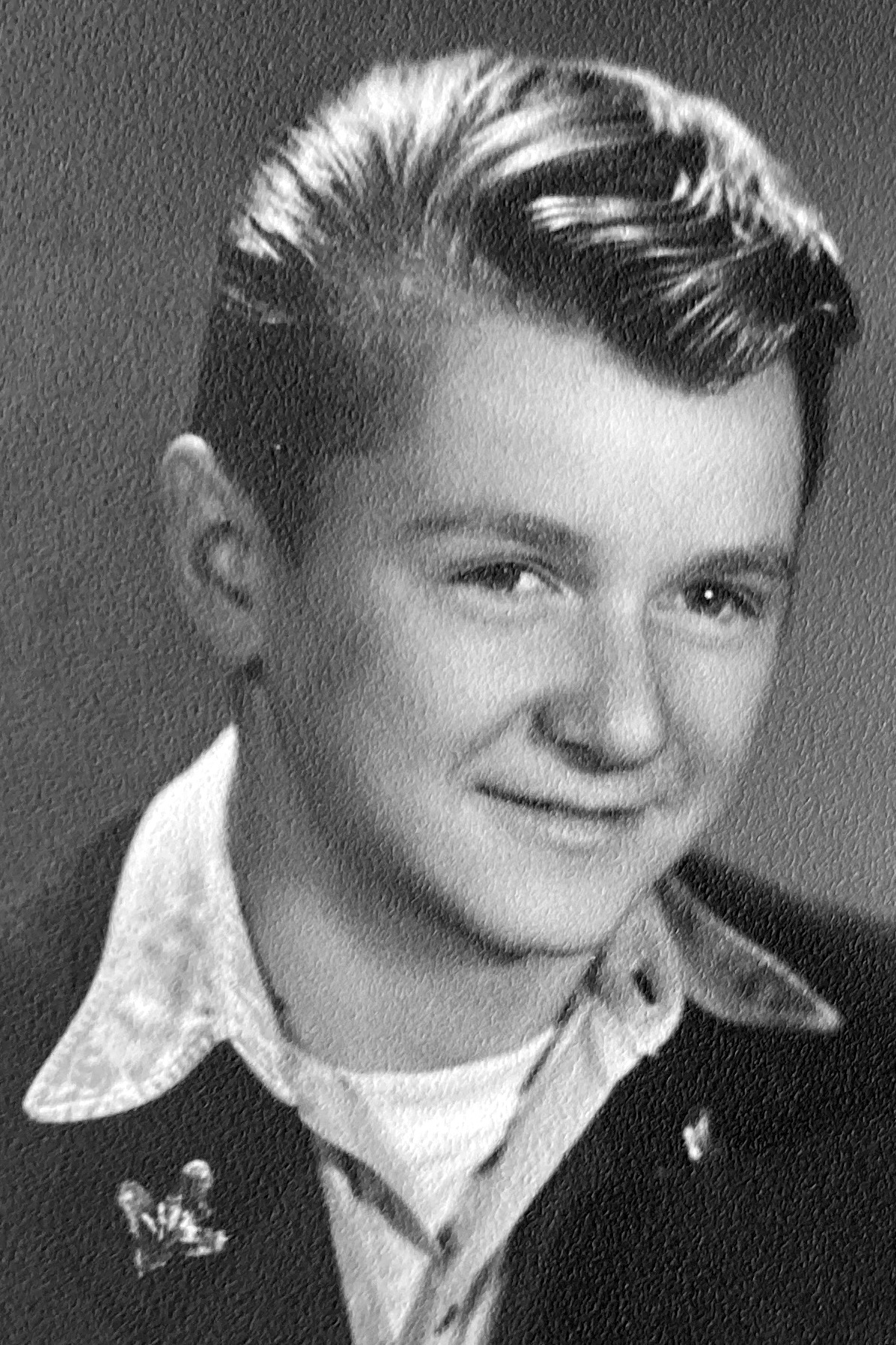
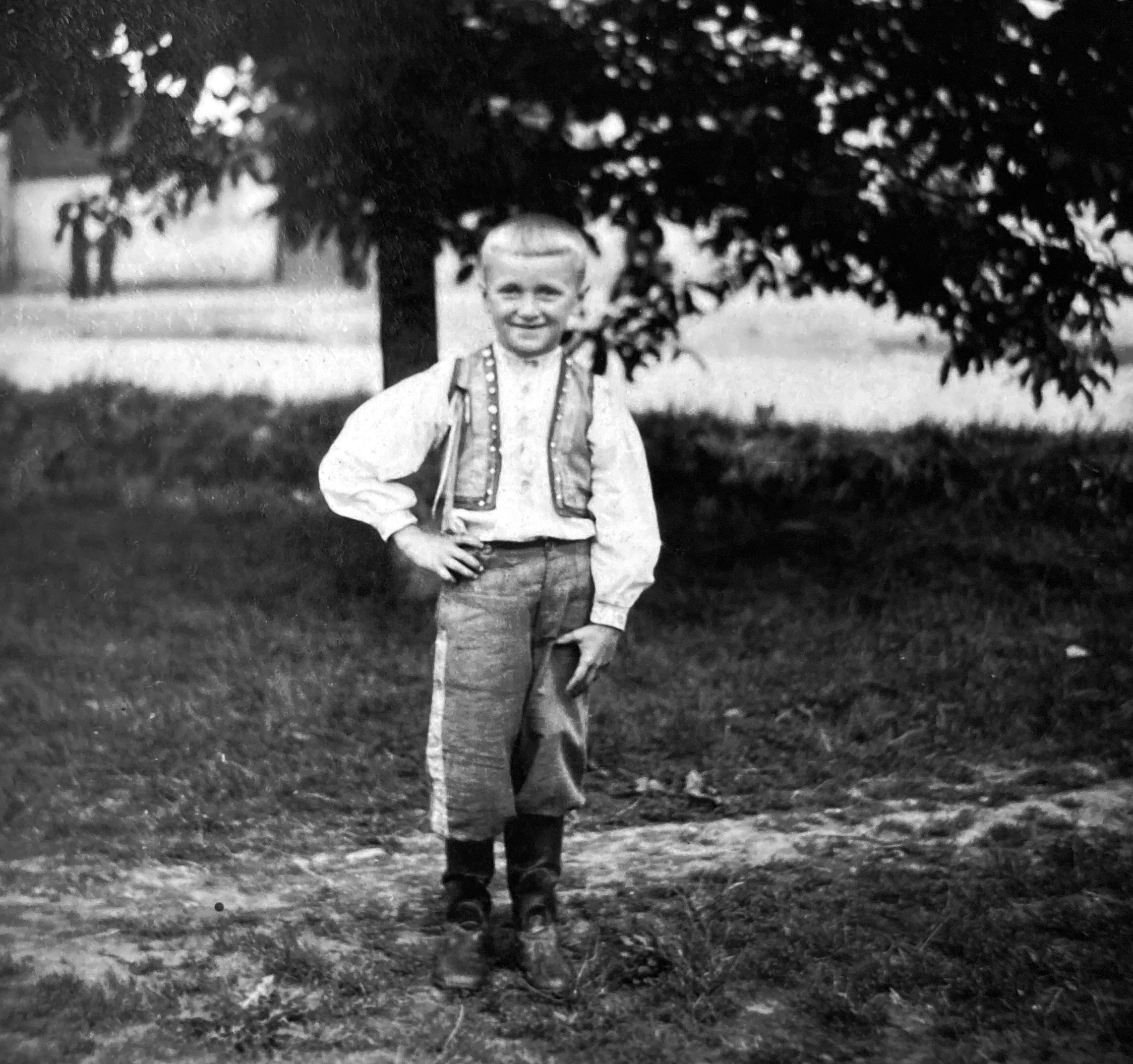
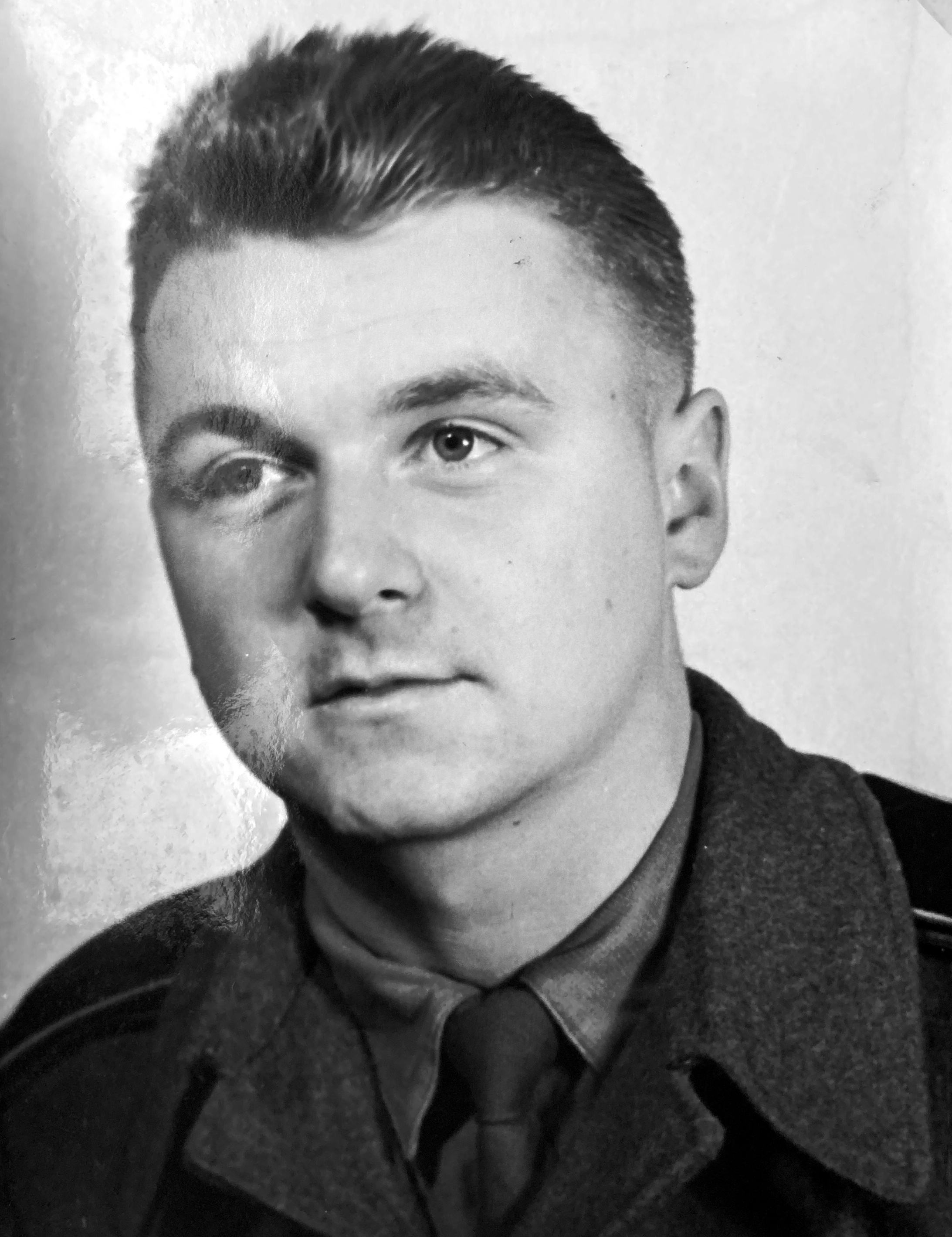
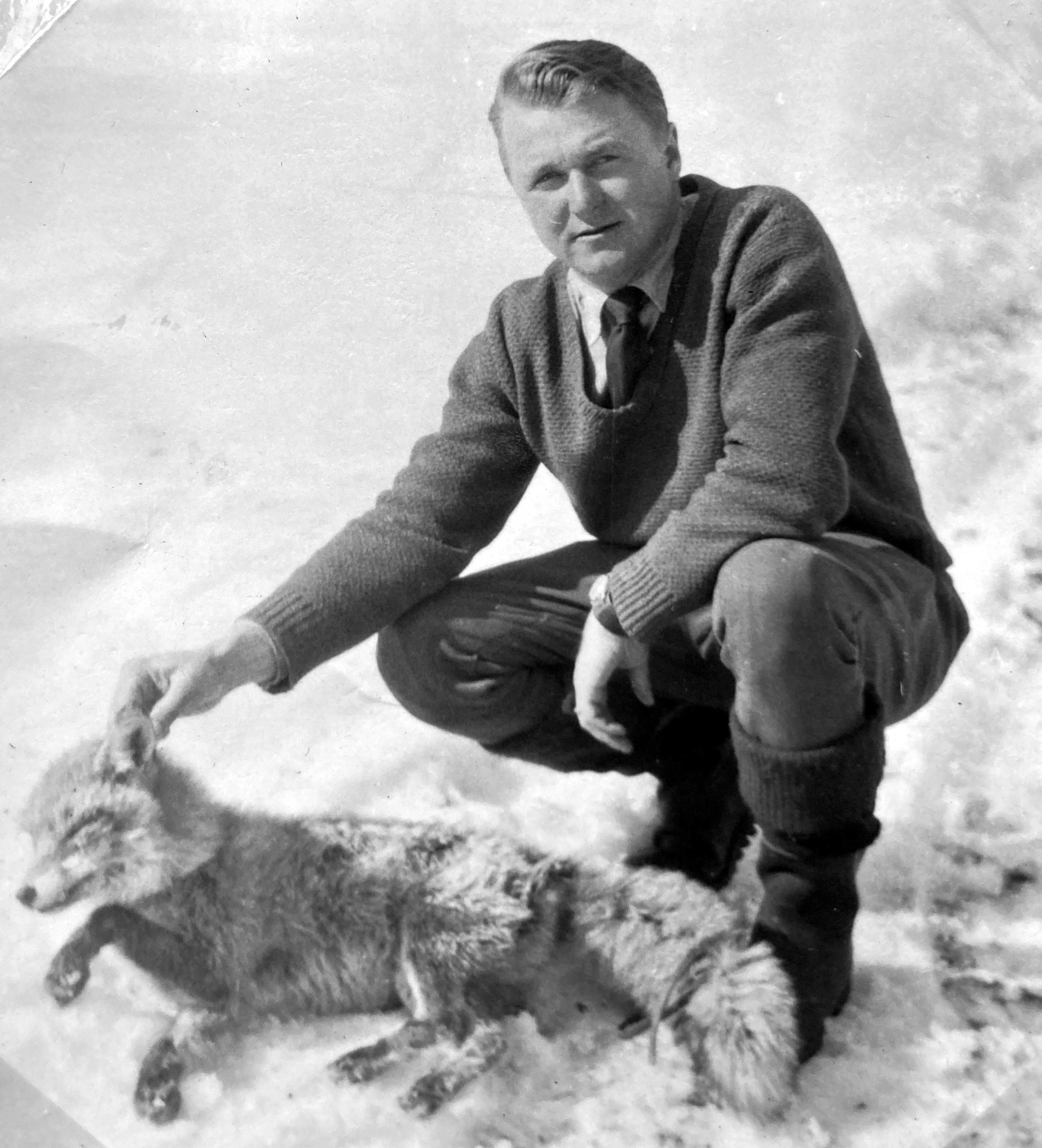
Miloslav Komárek, mid-1950s
zdroj: Miloslav Komárek´s archive

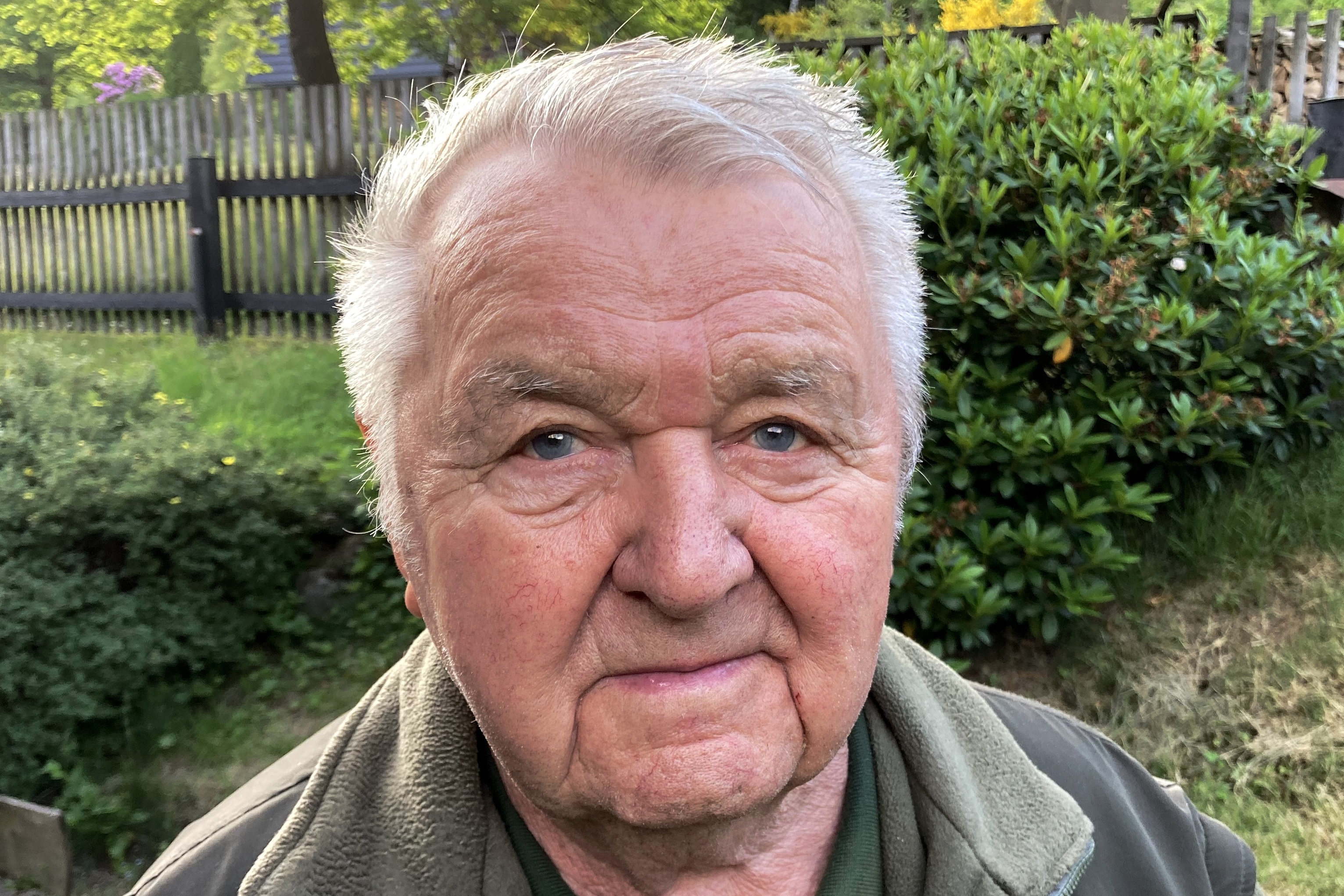
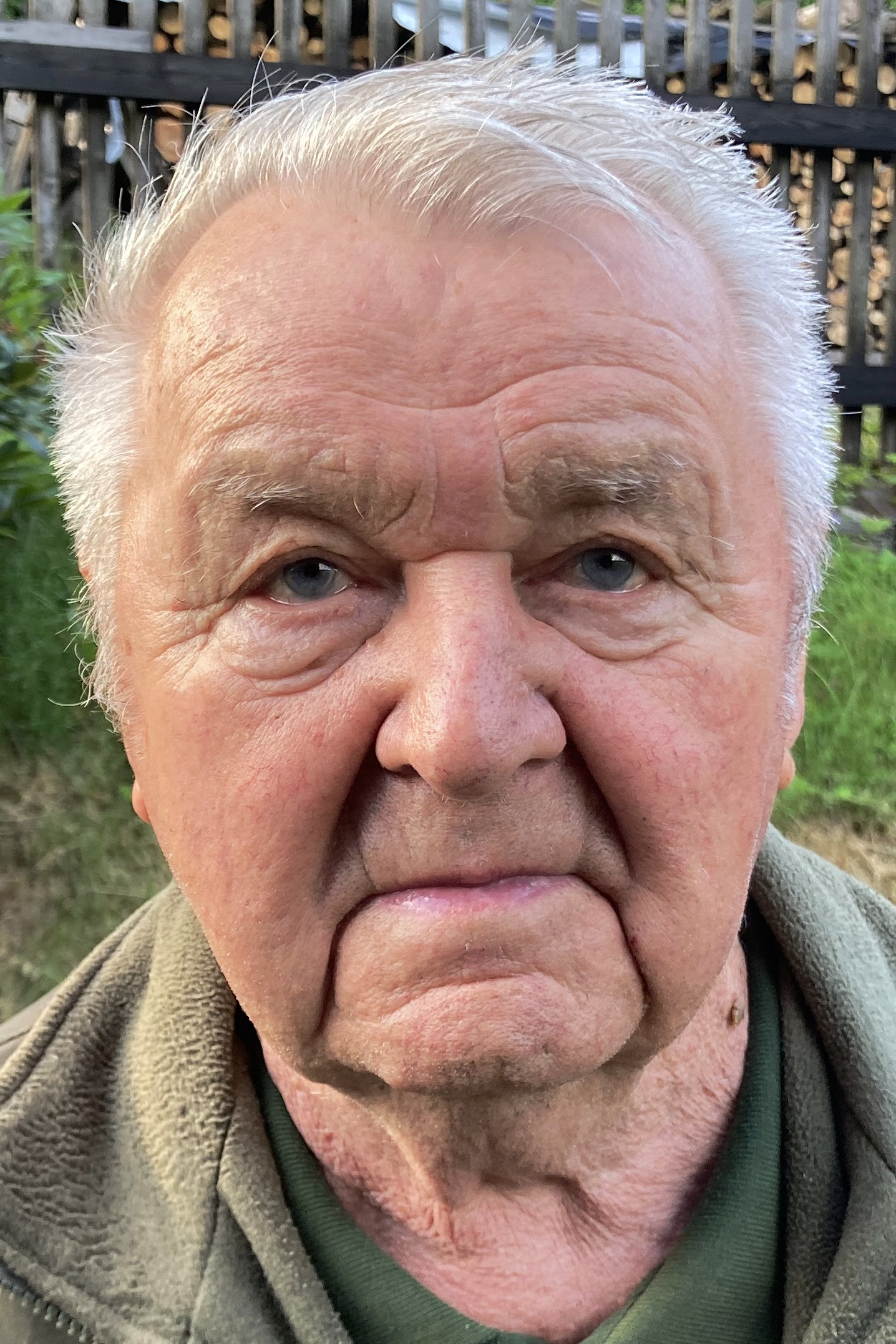
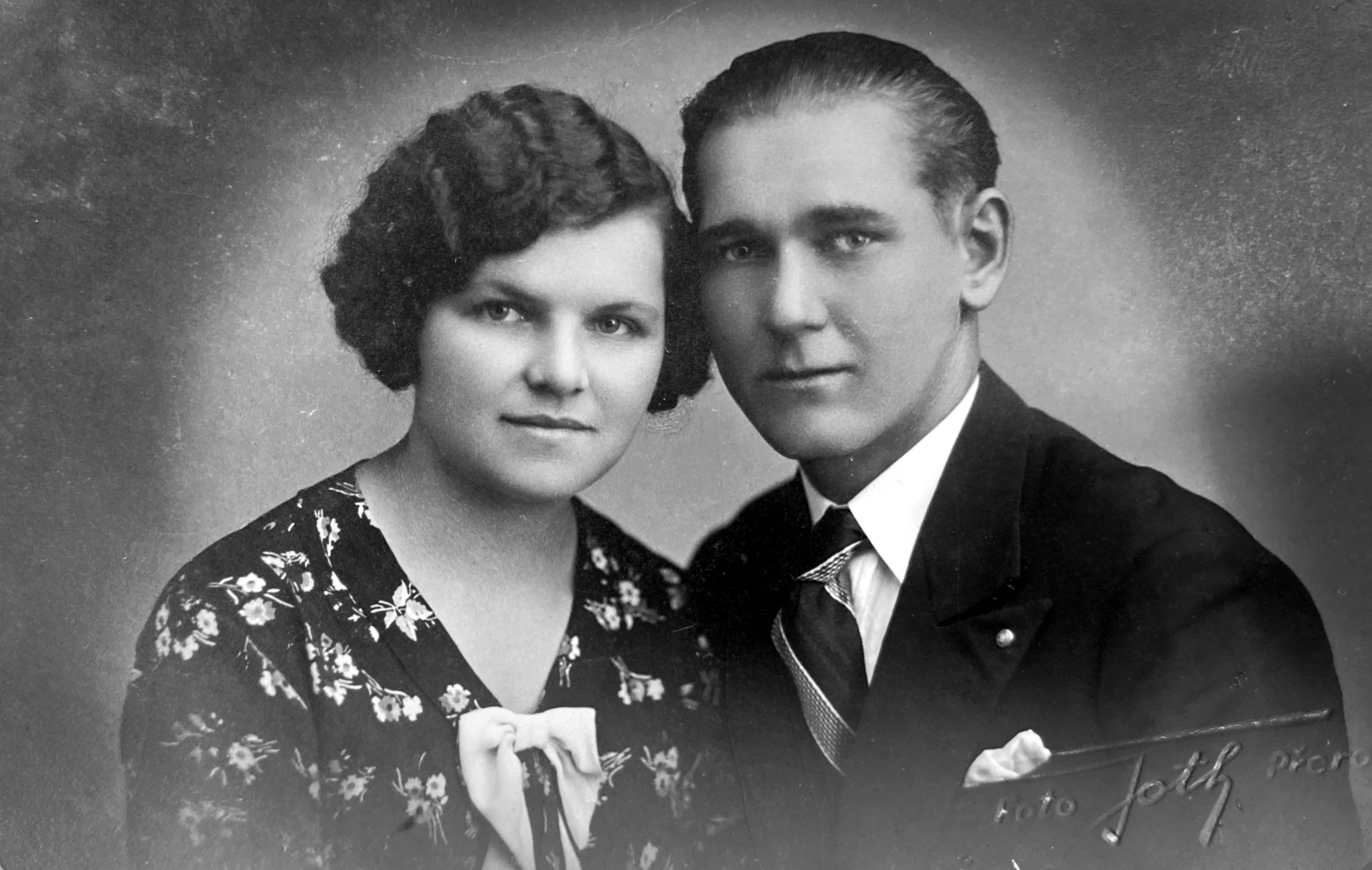
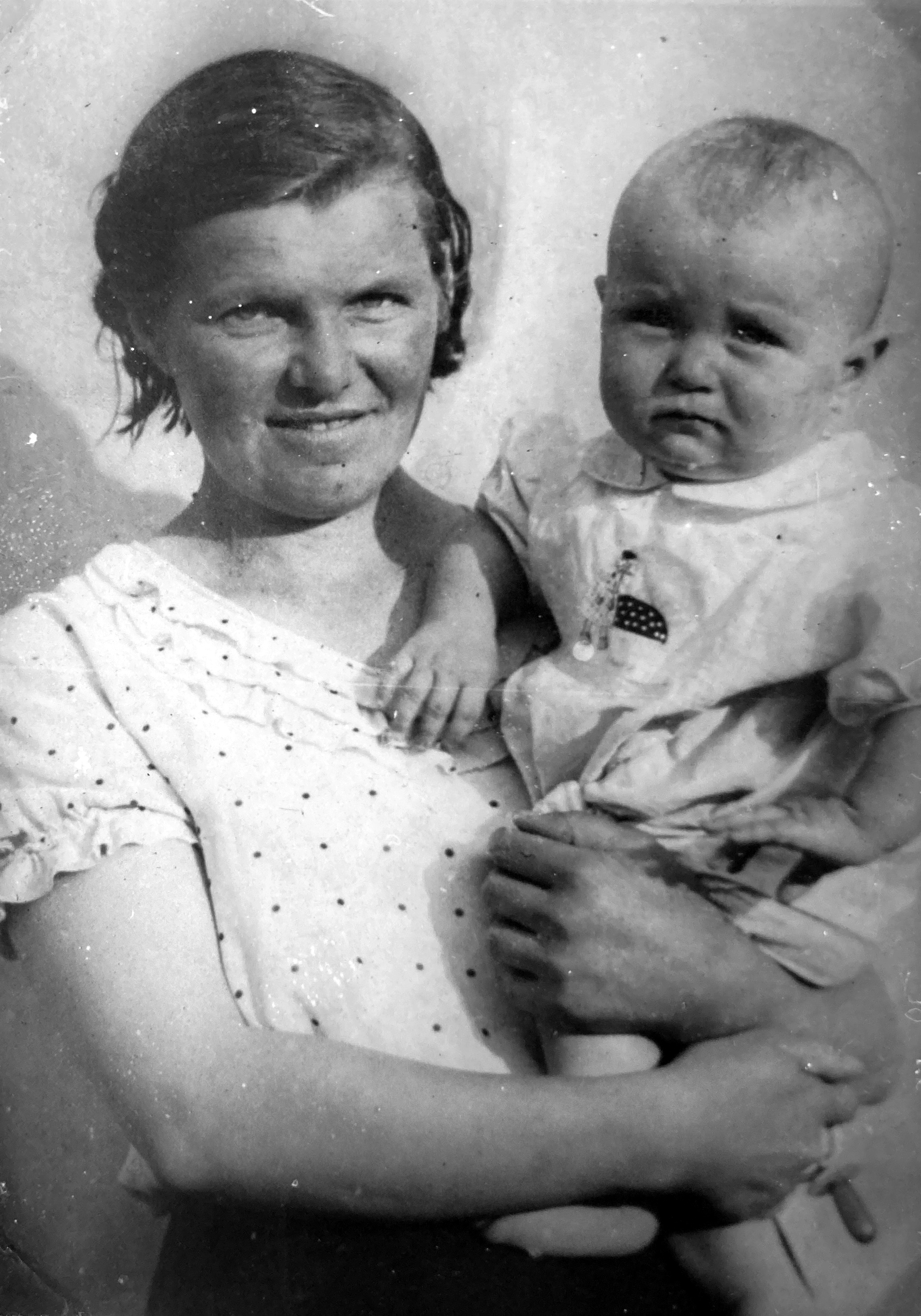
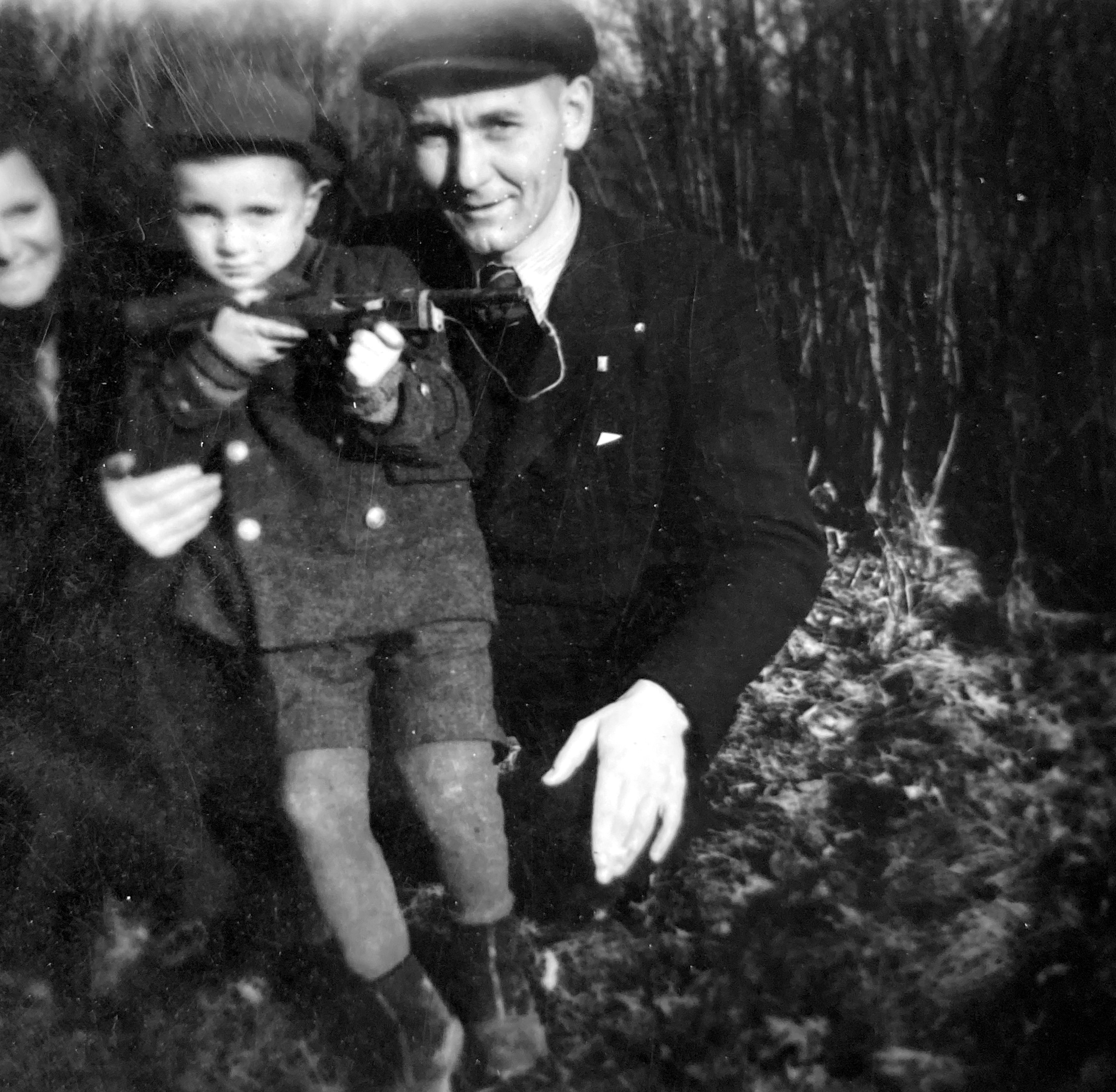
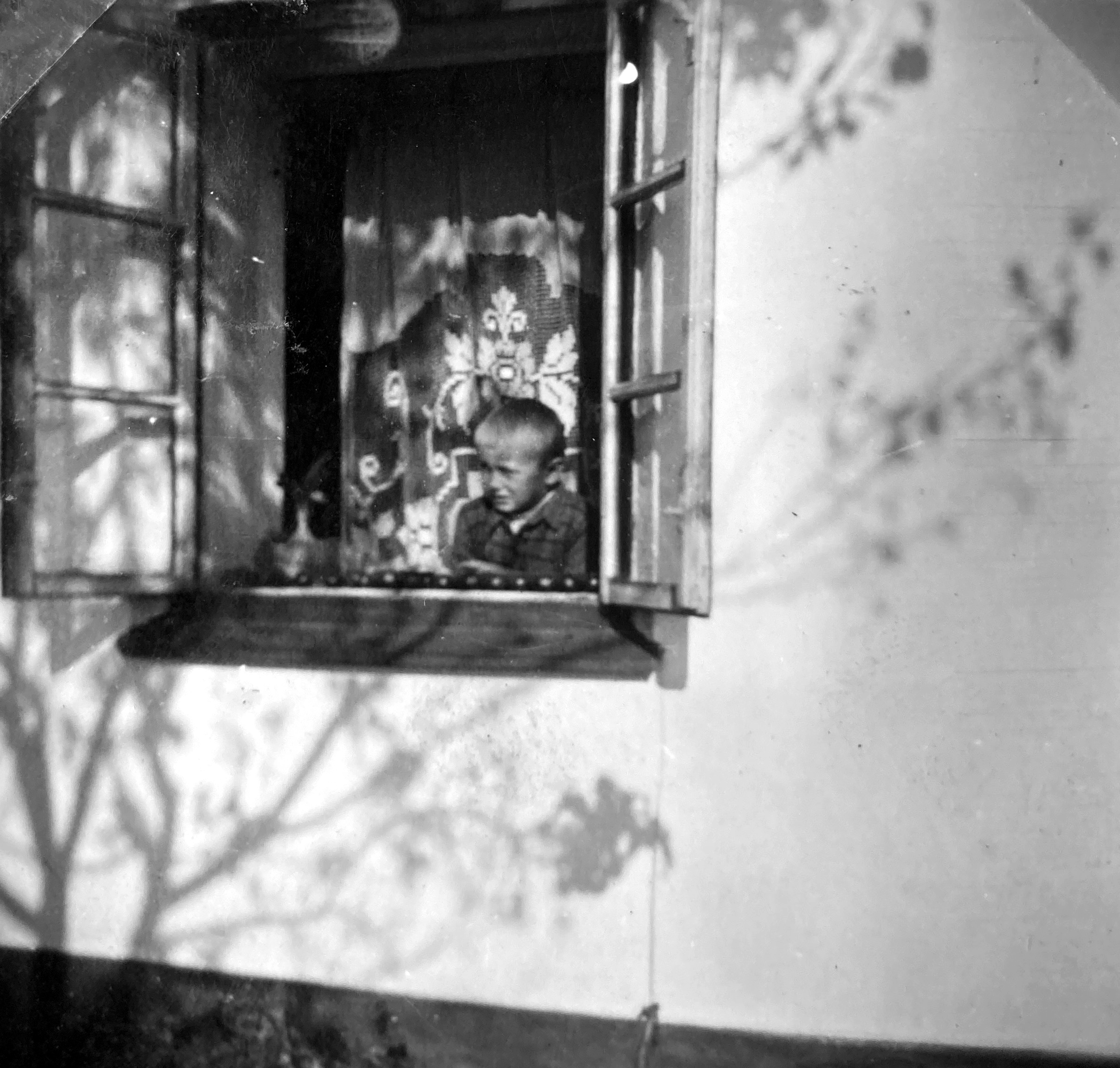
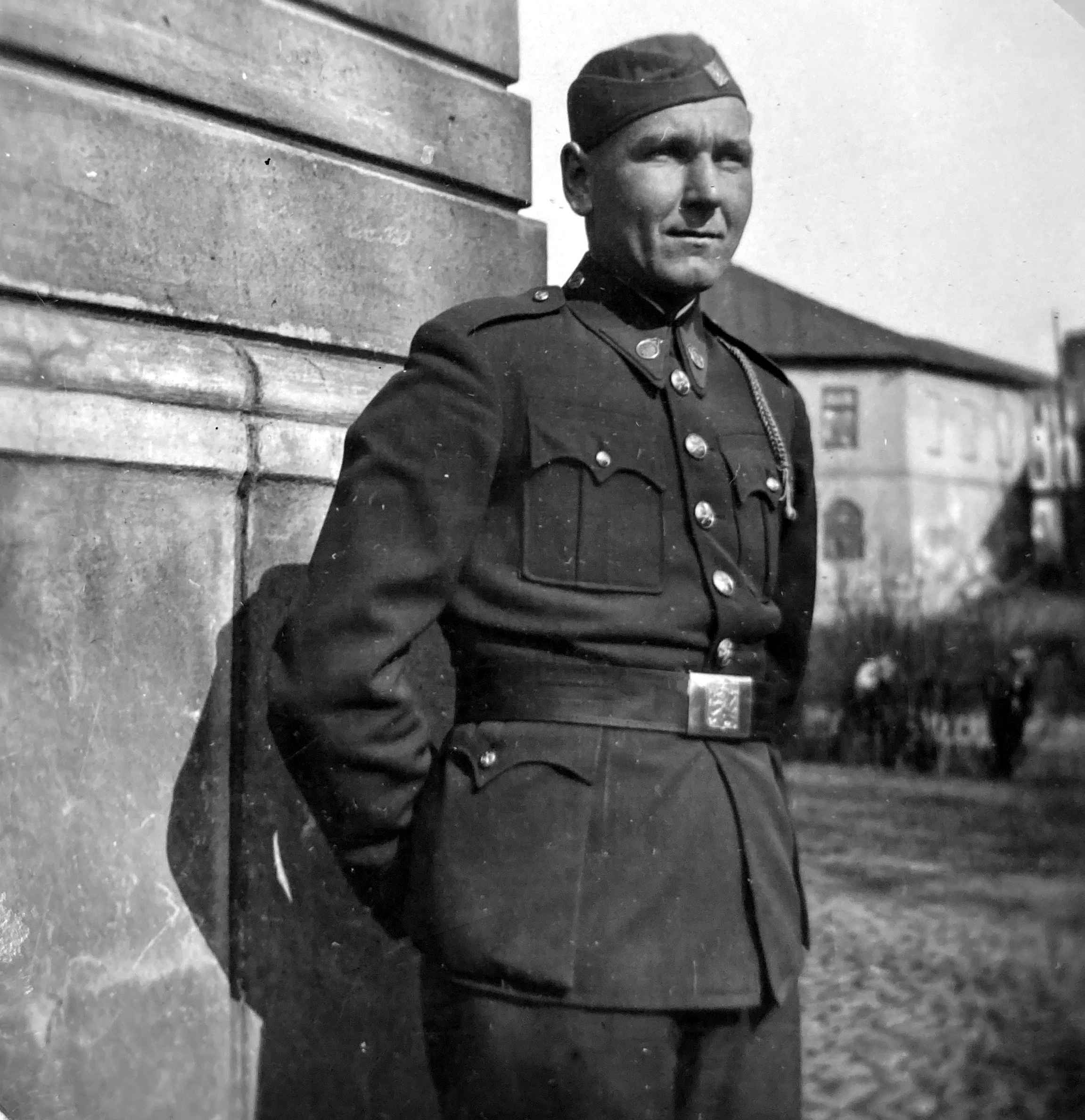
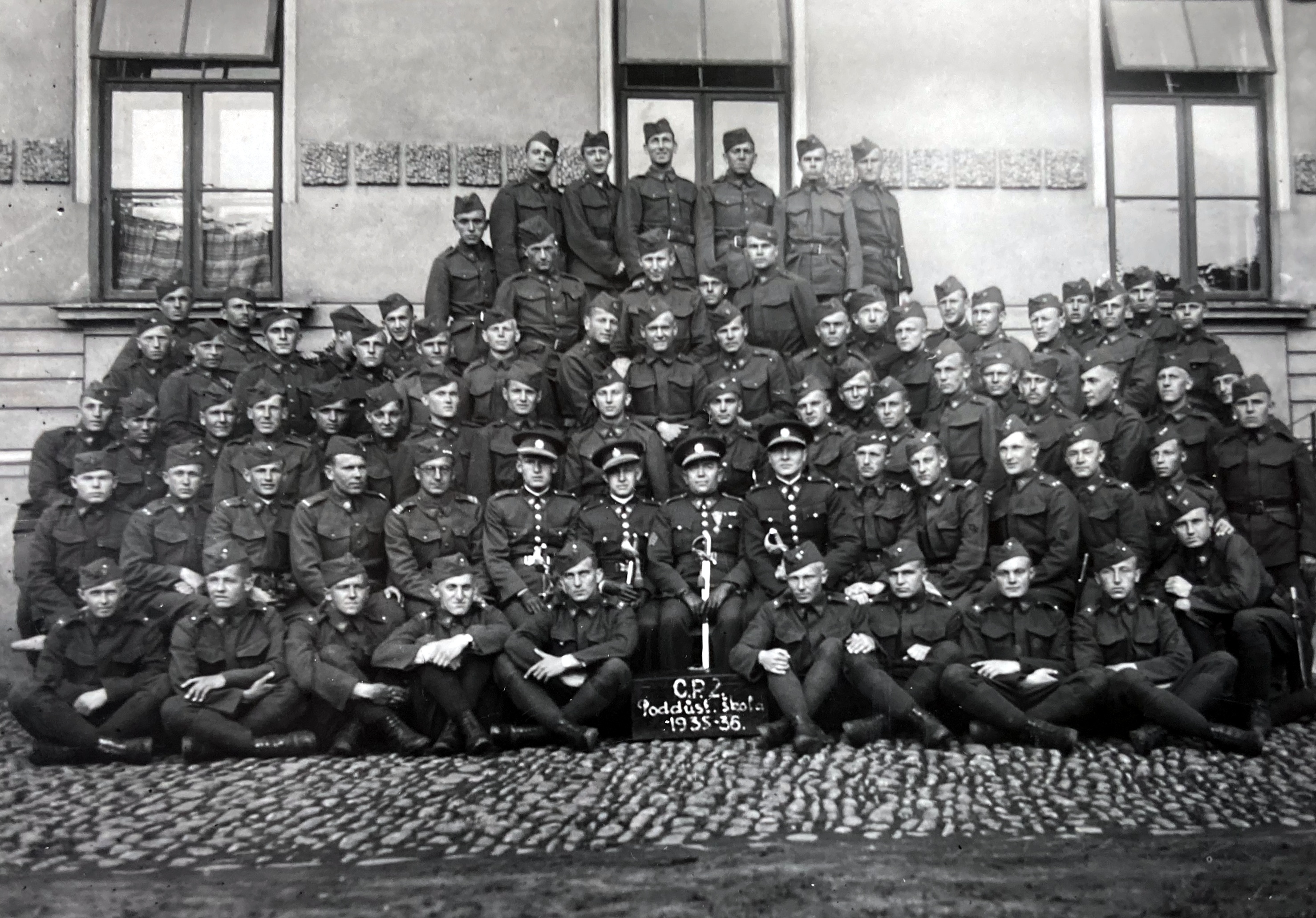
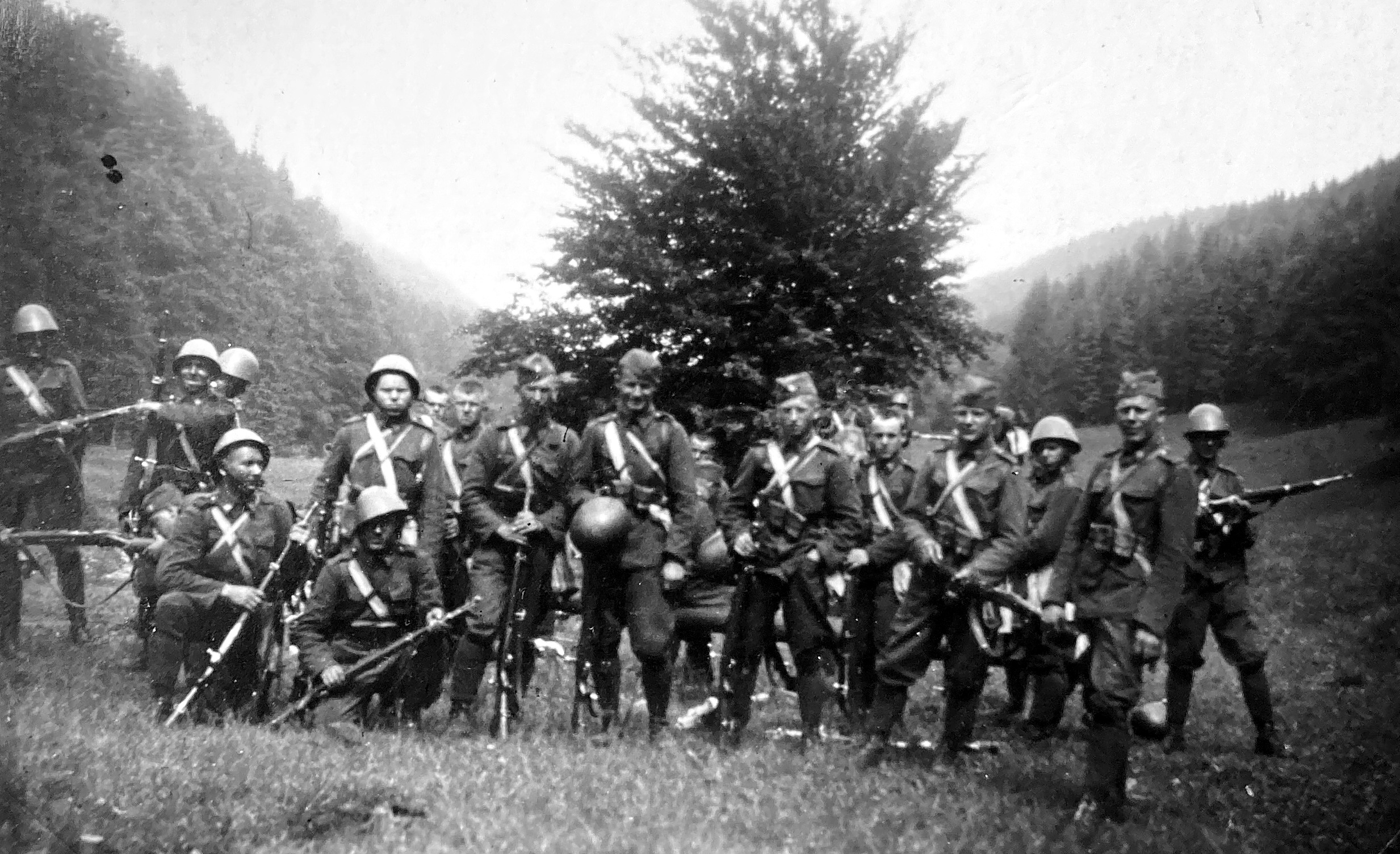
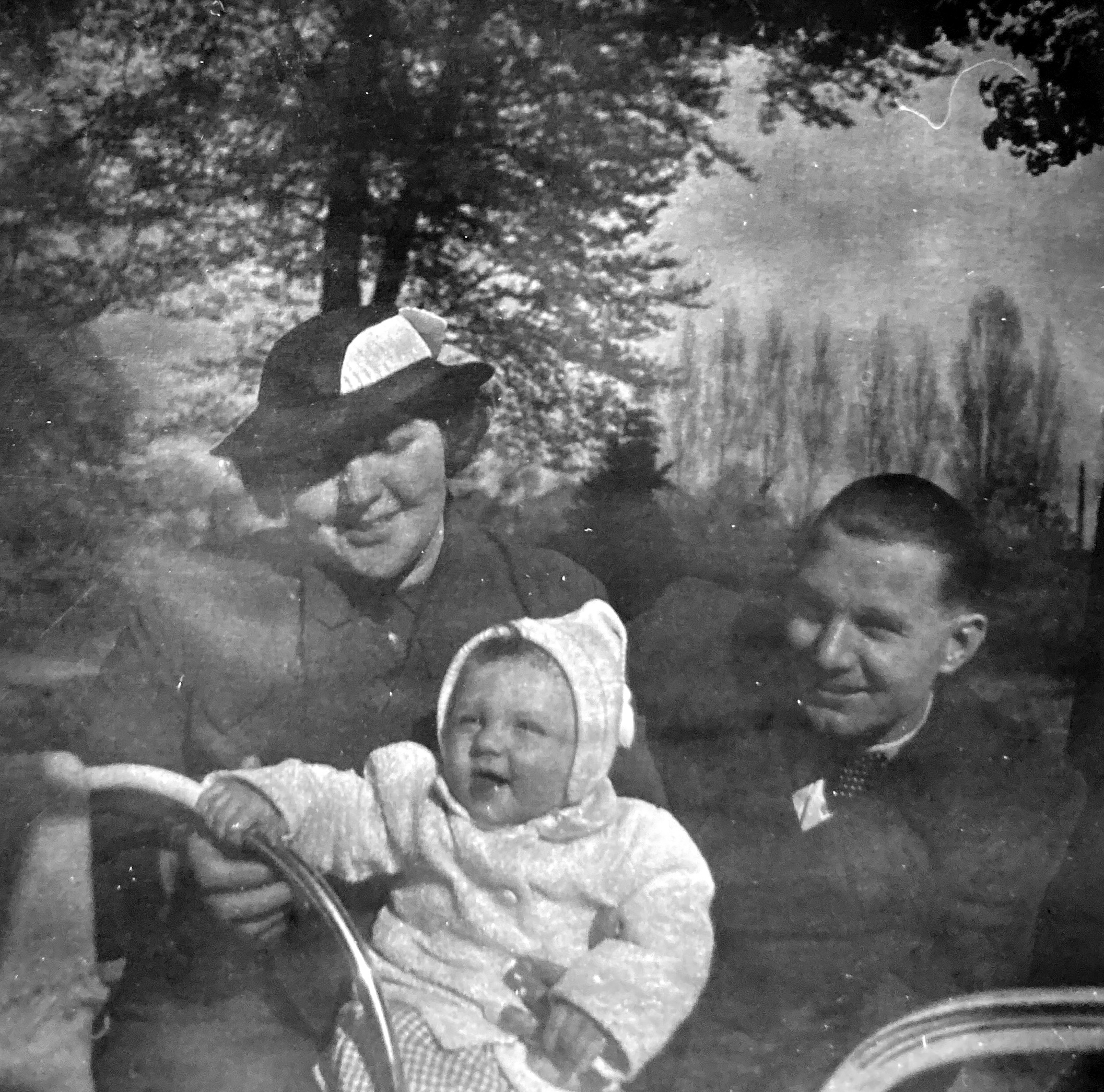
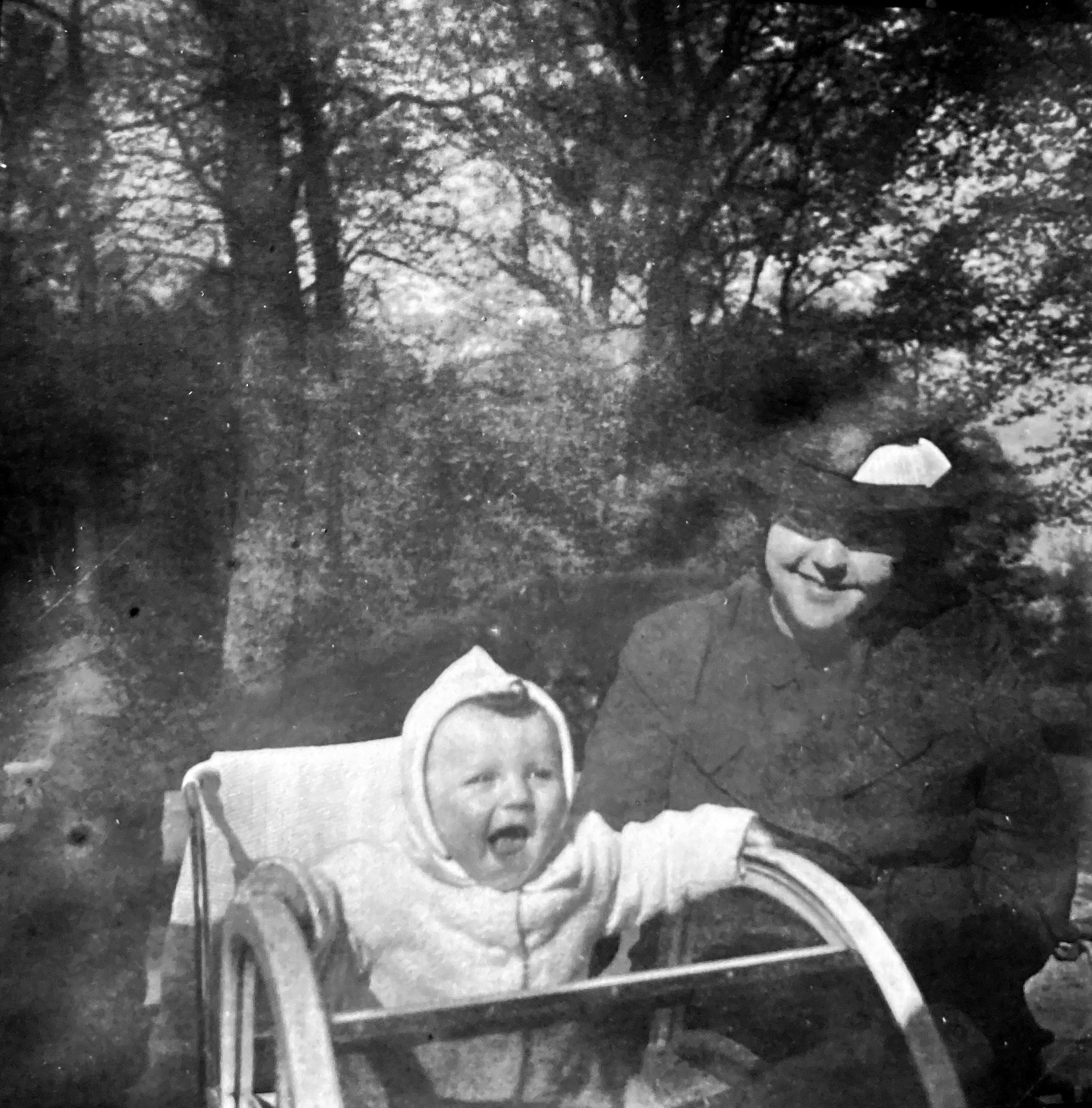
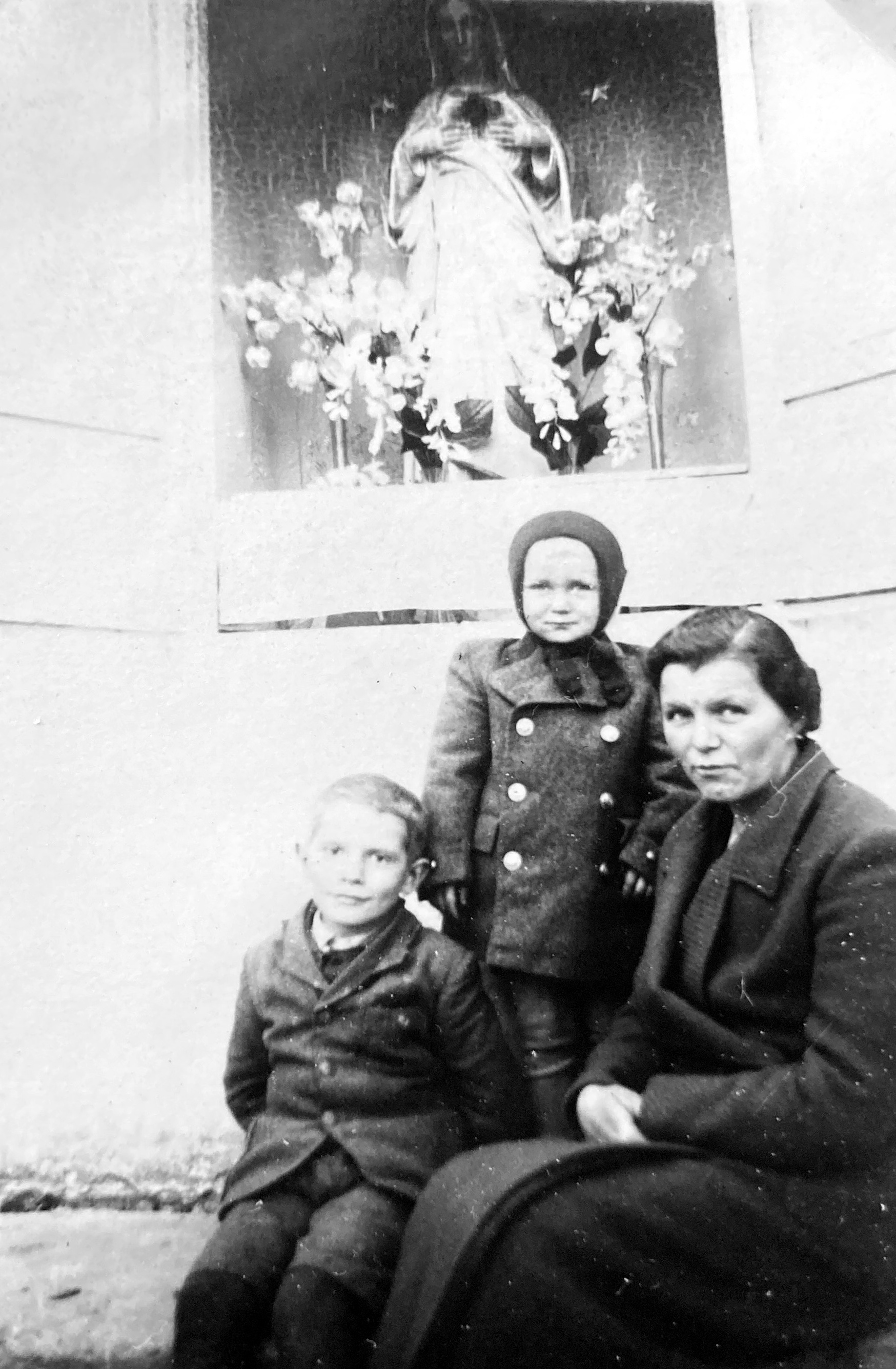
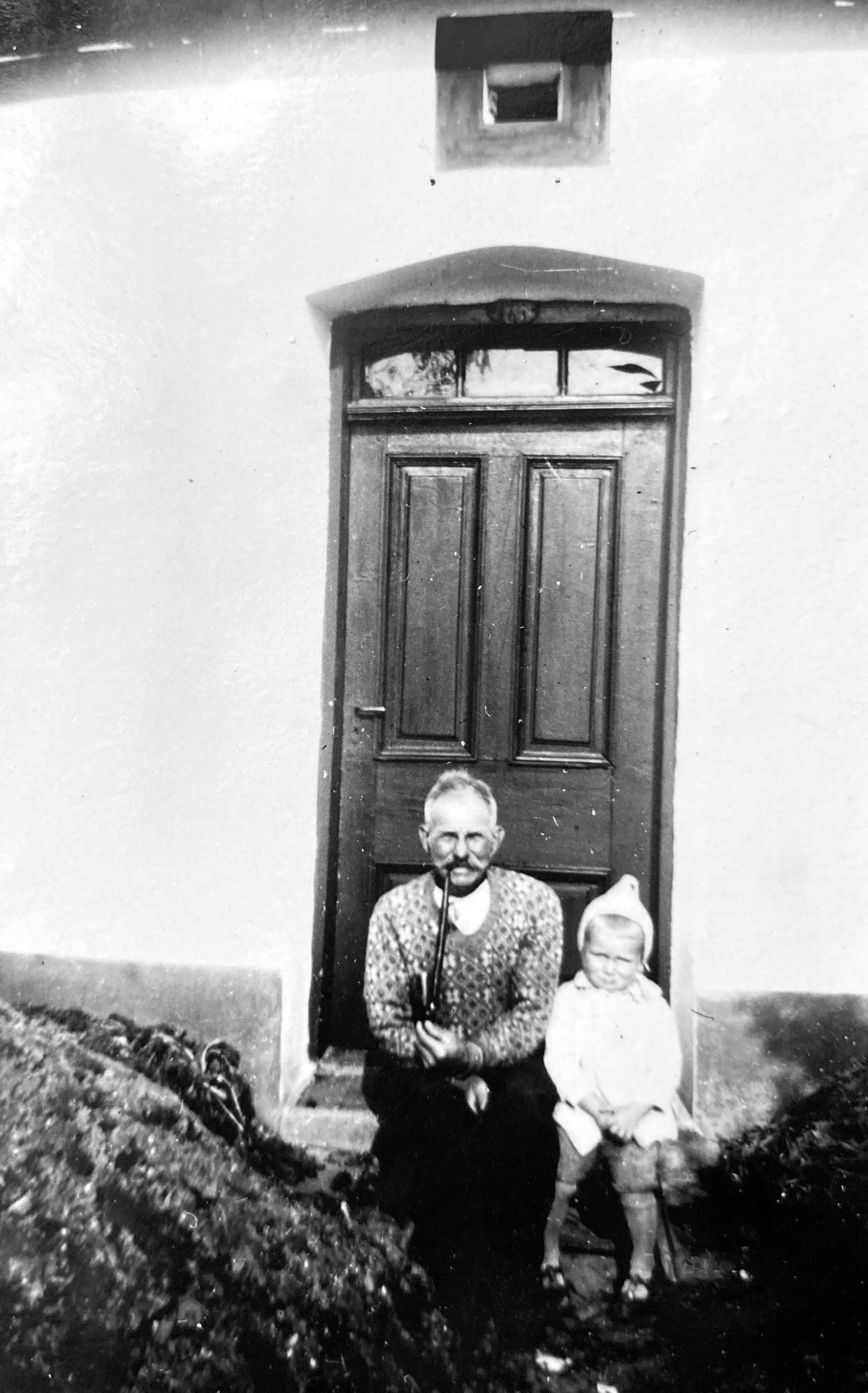
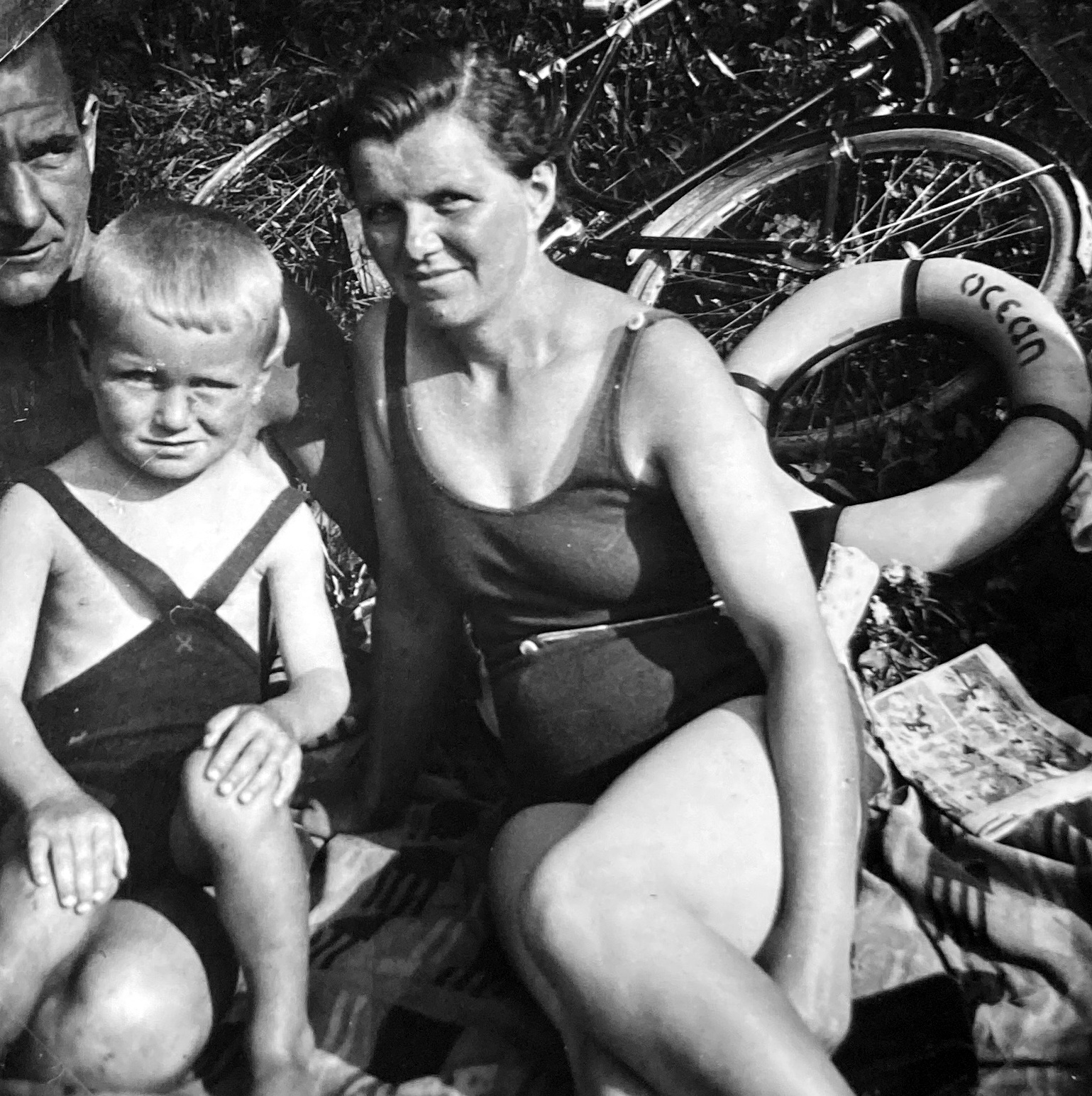
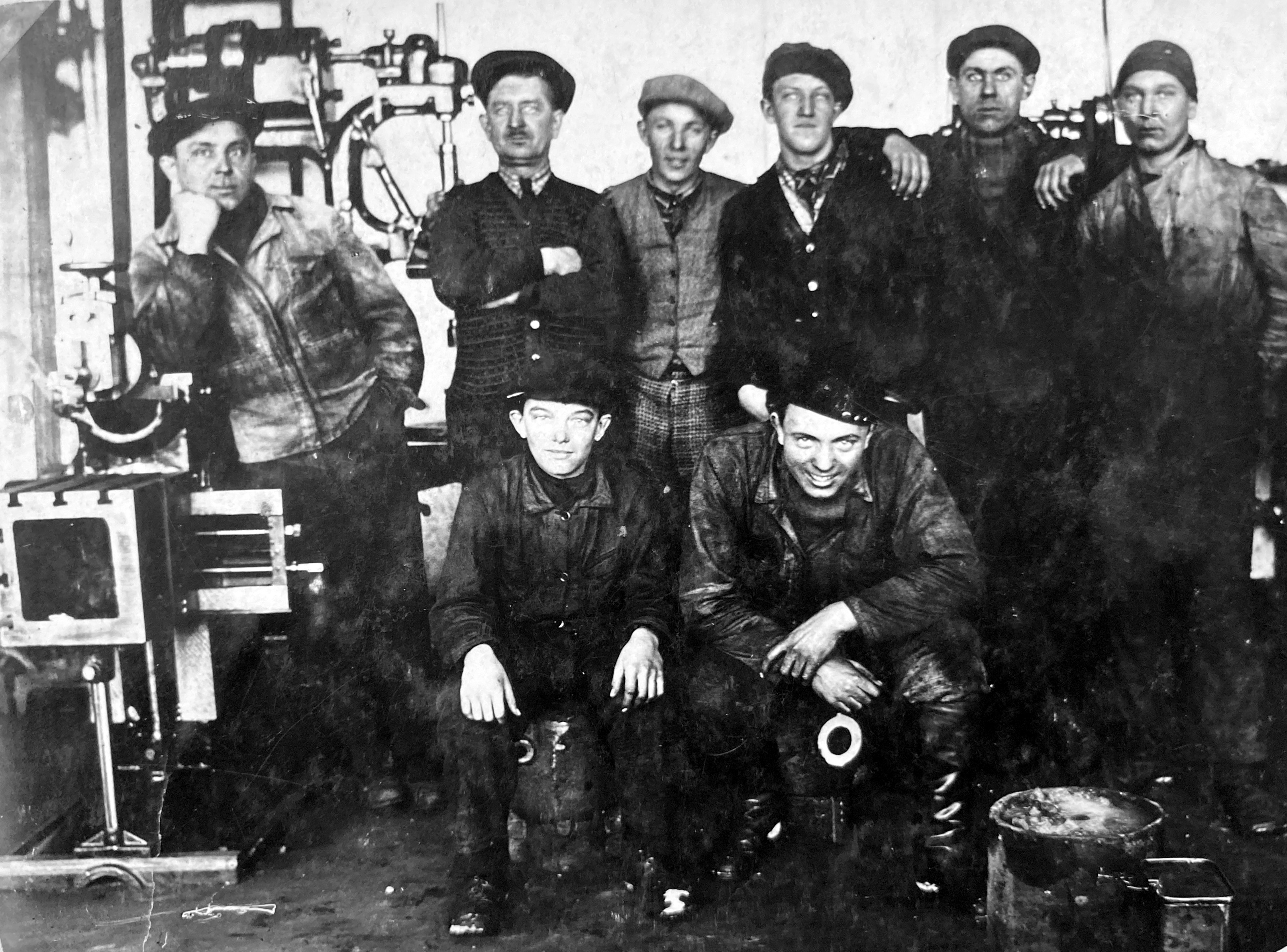
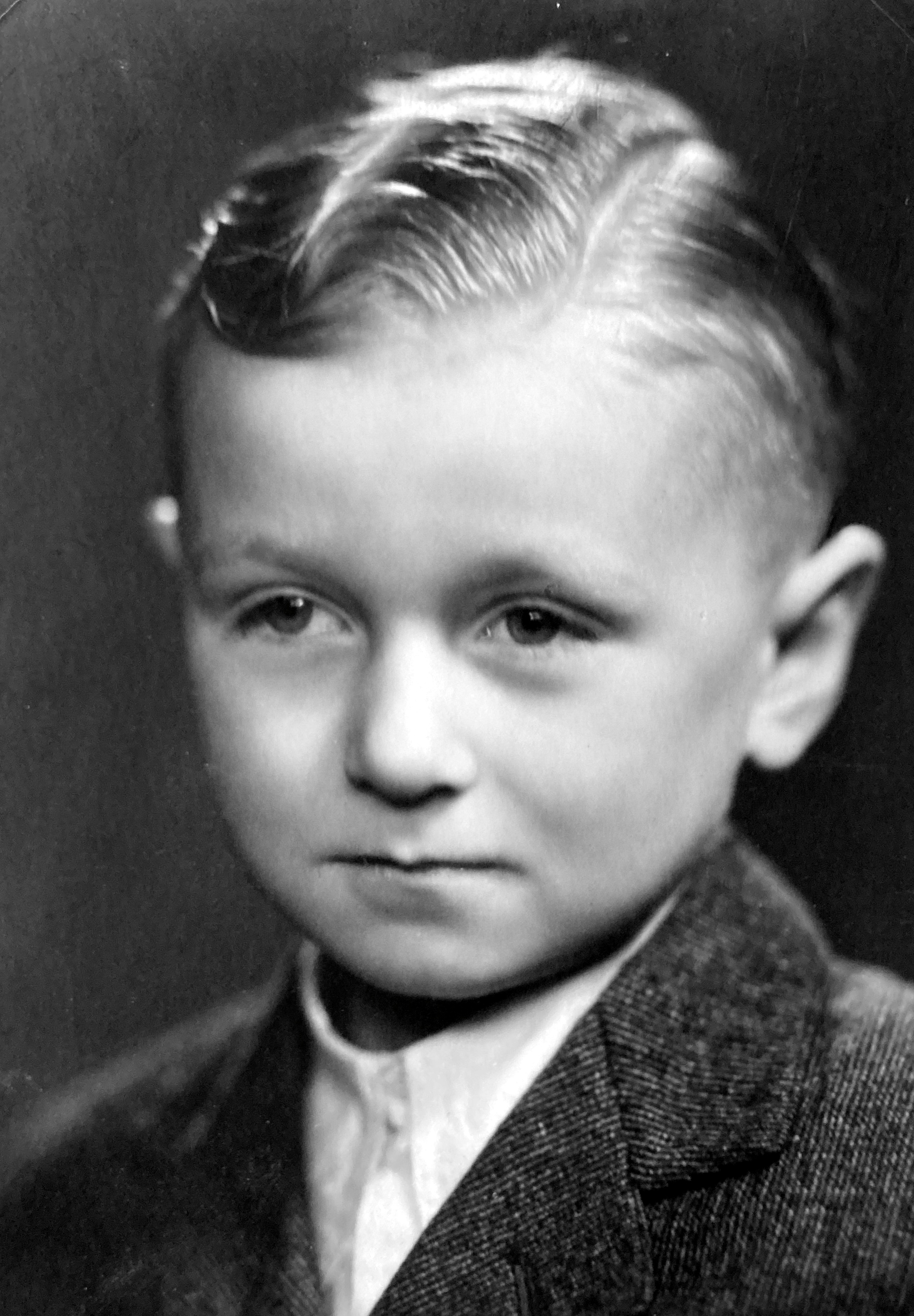
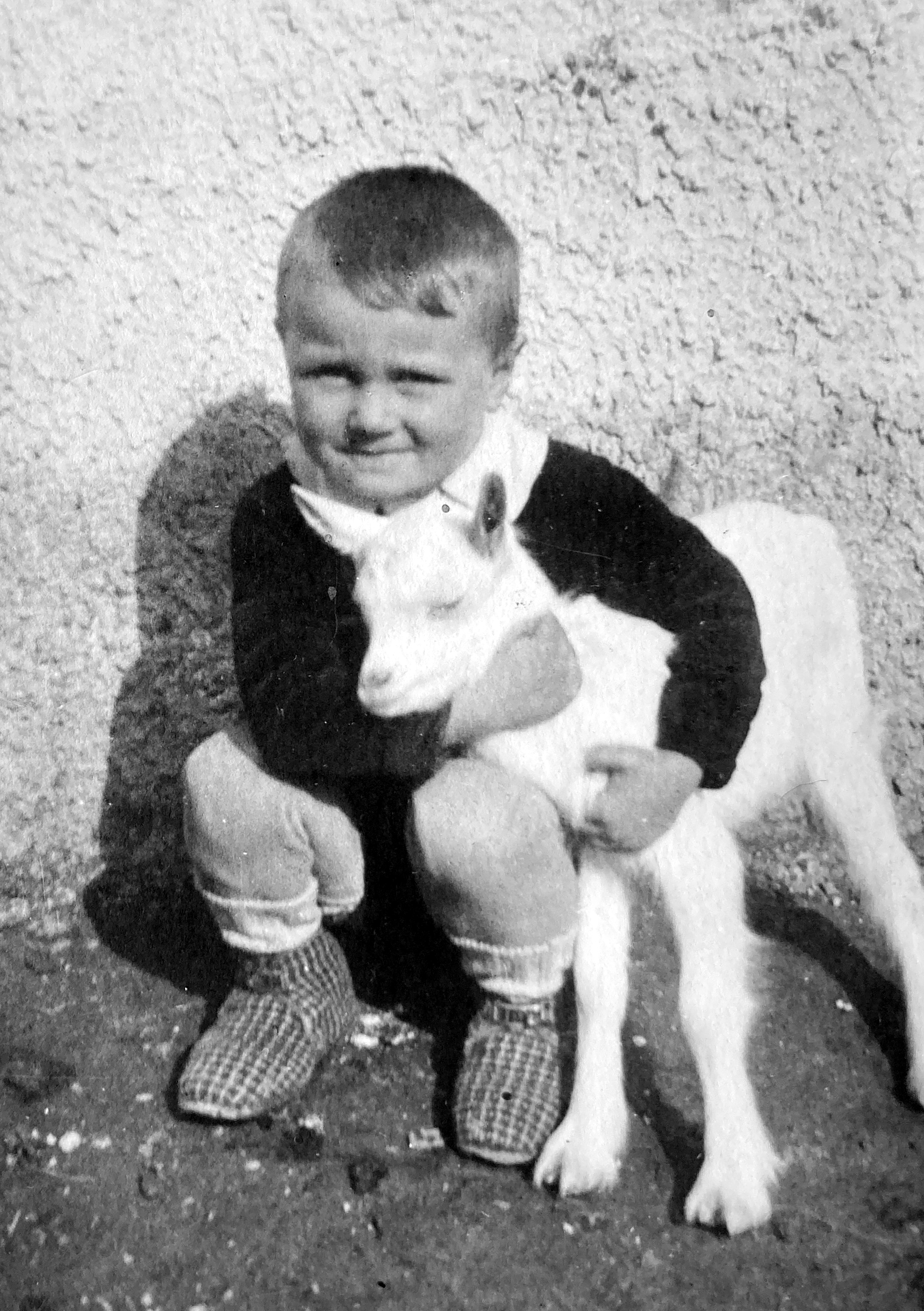
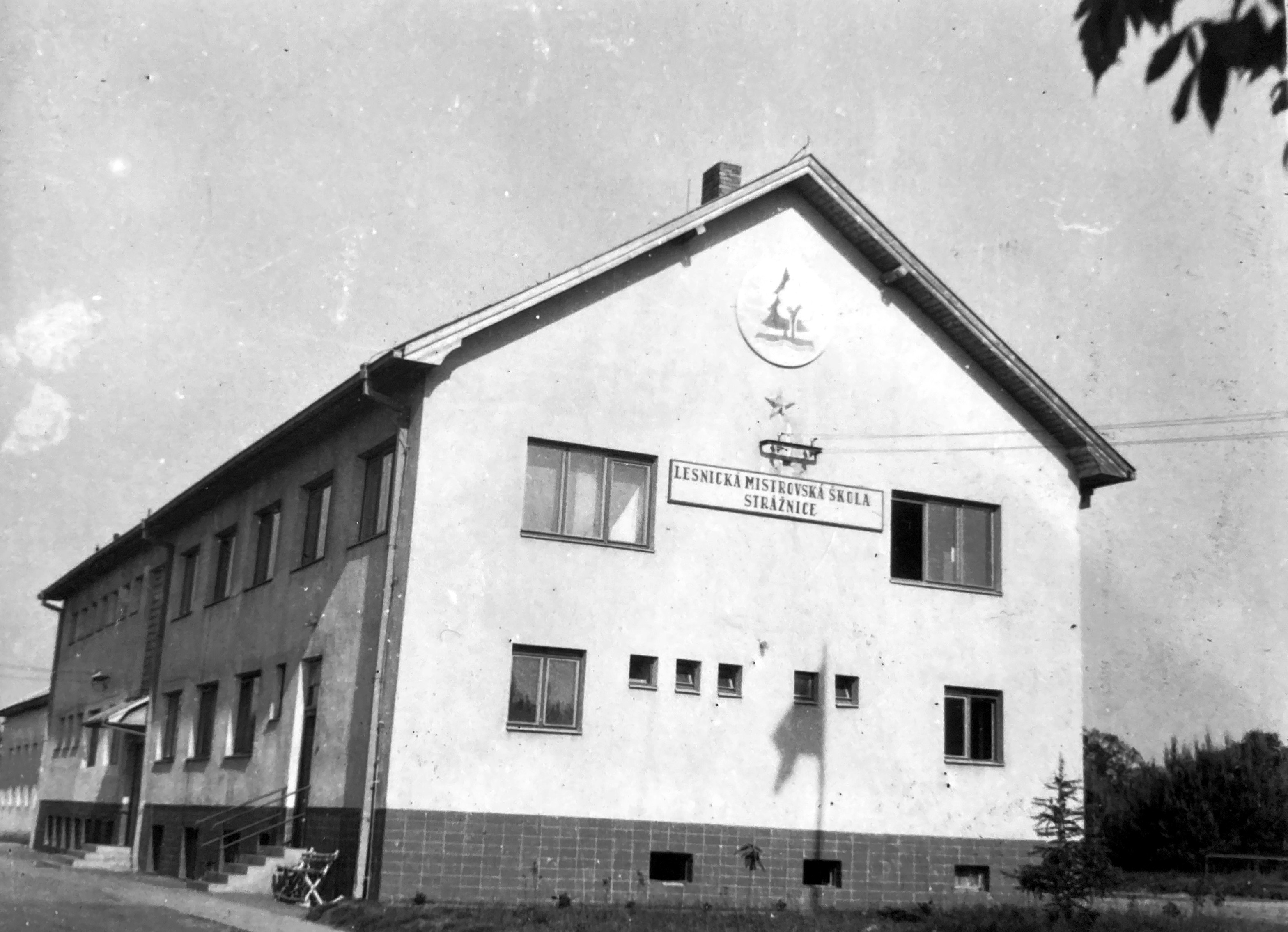
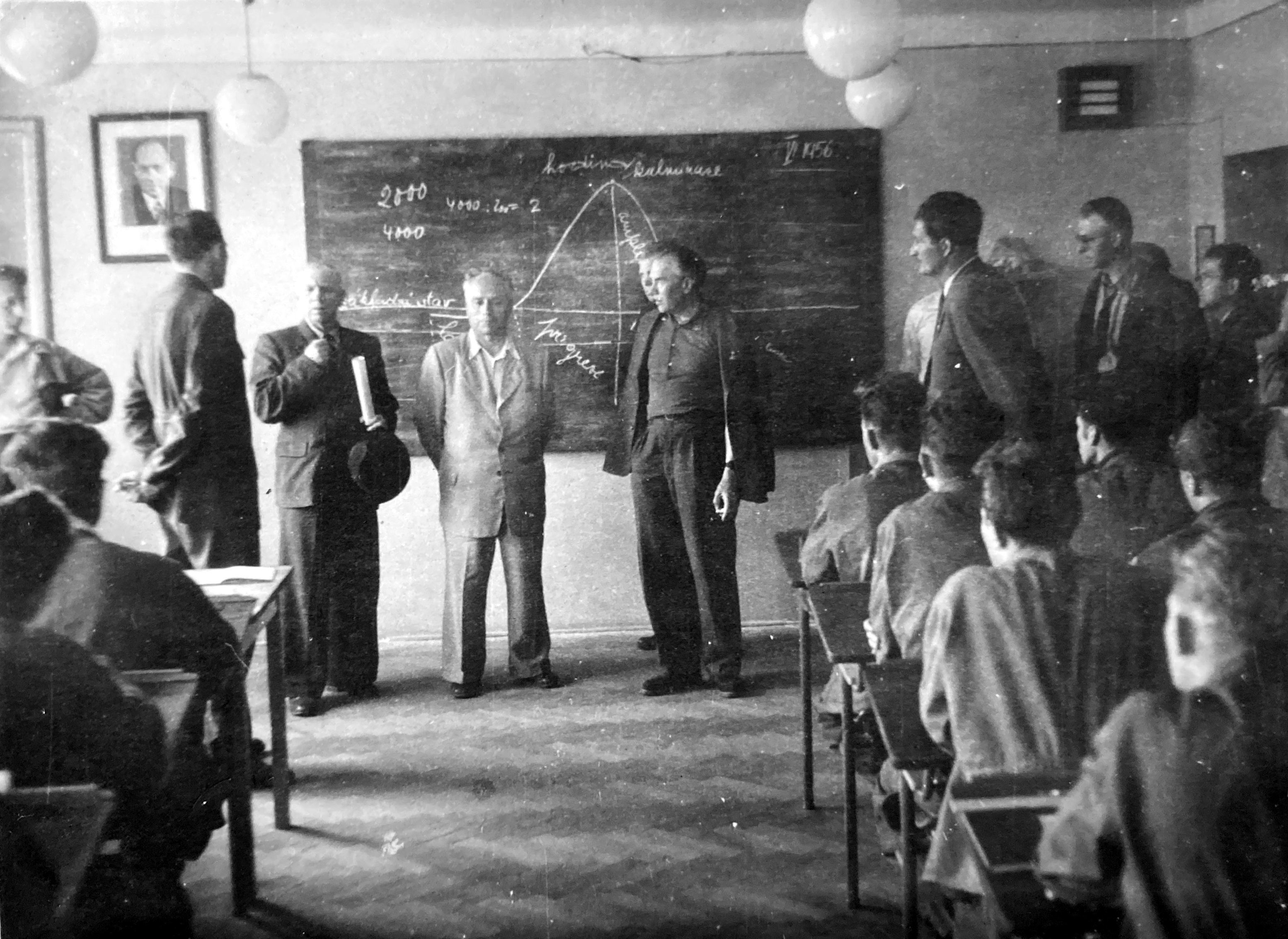
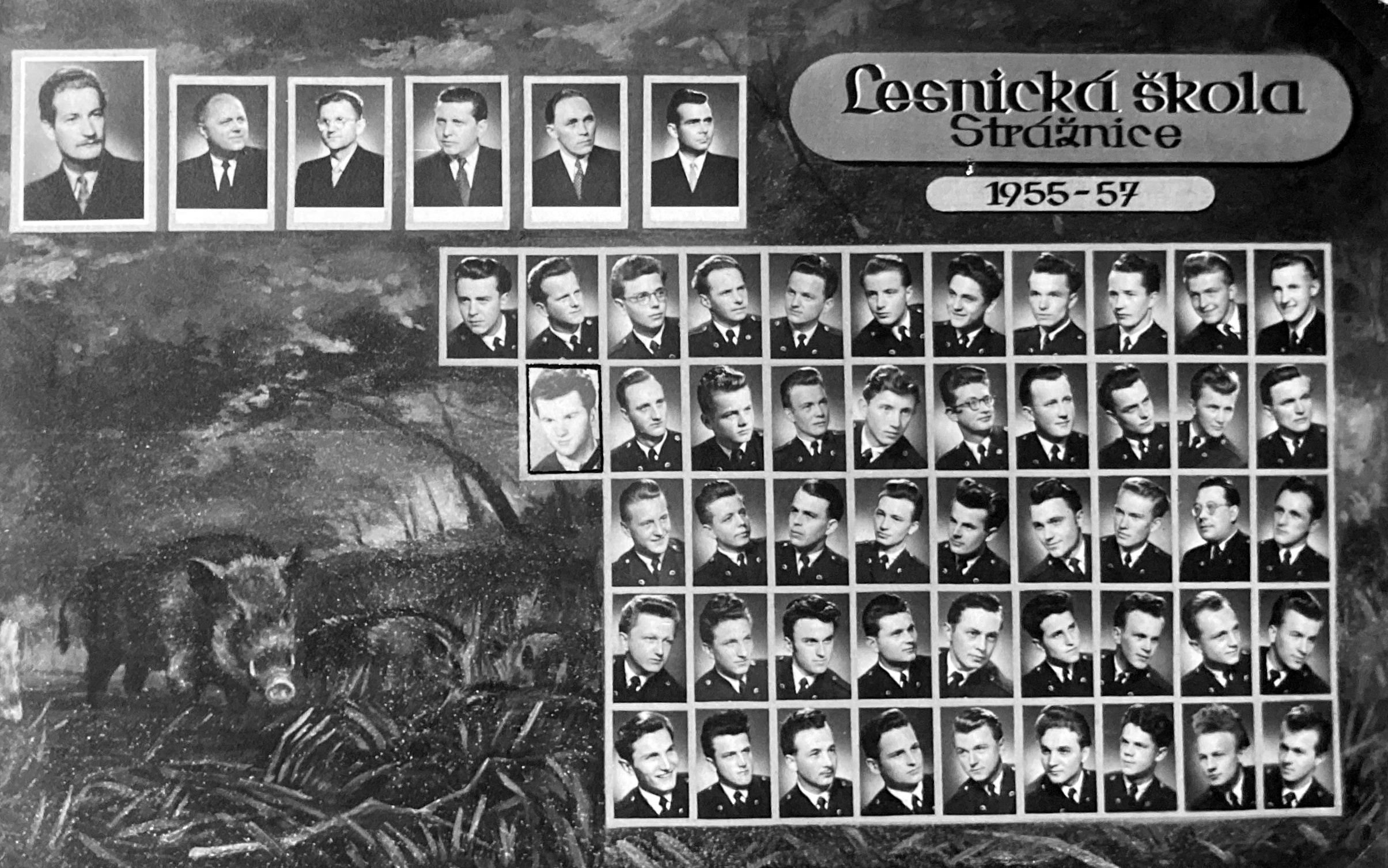
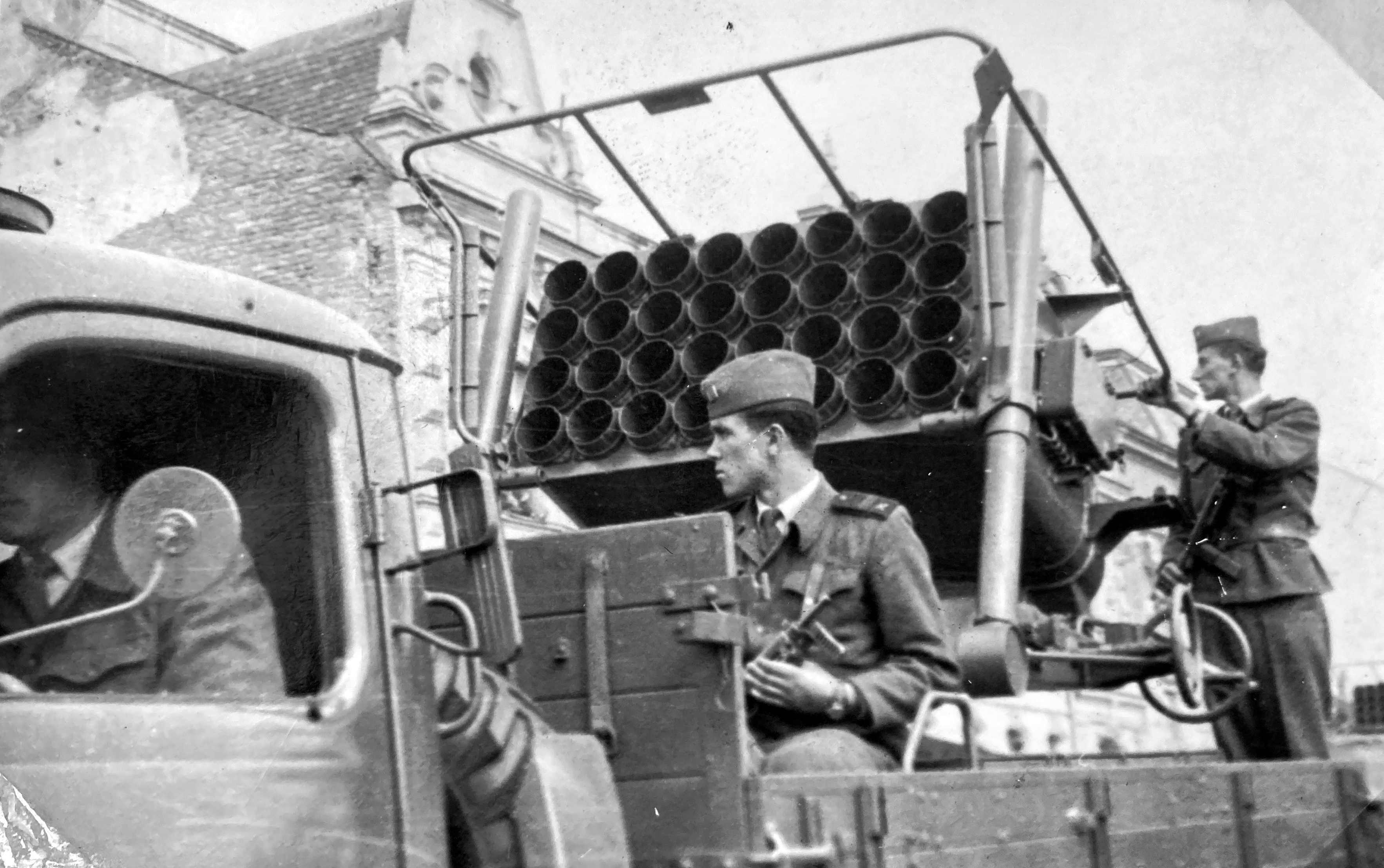
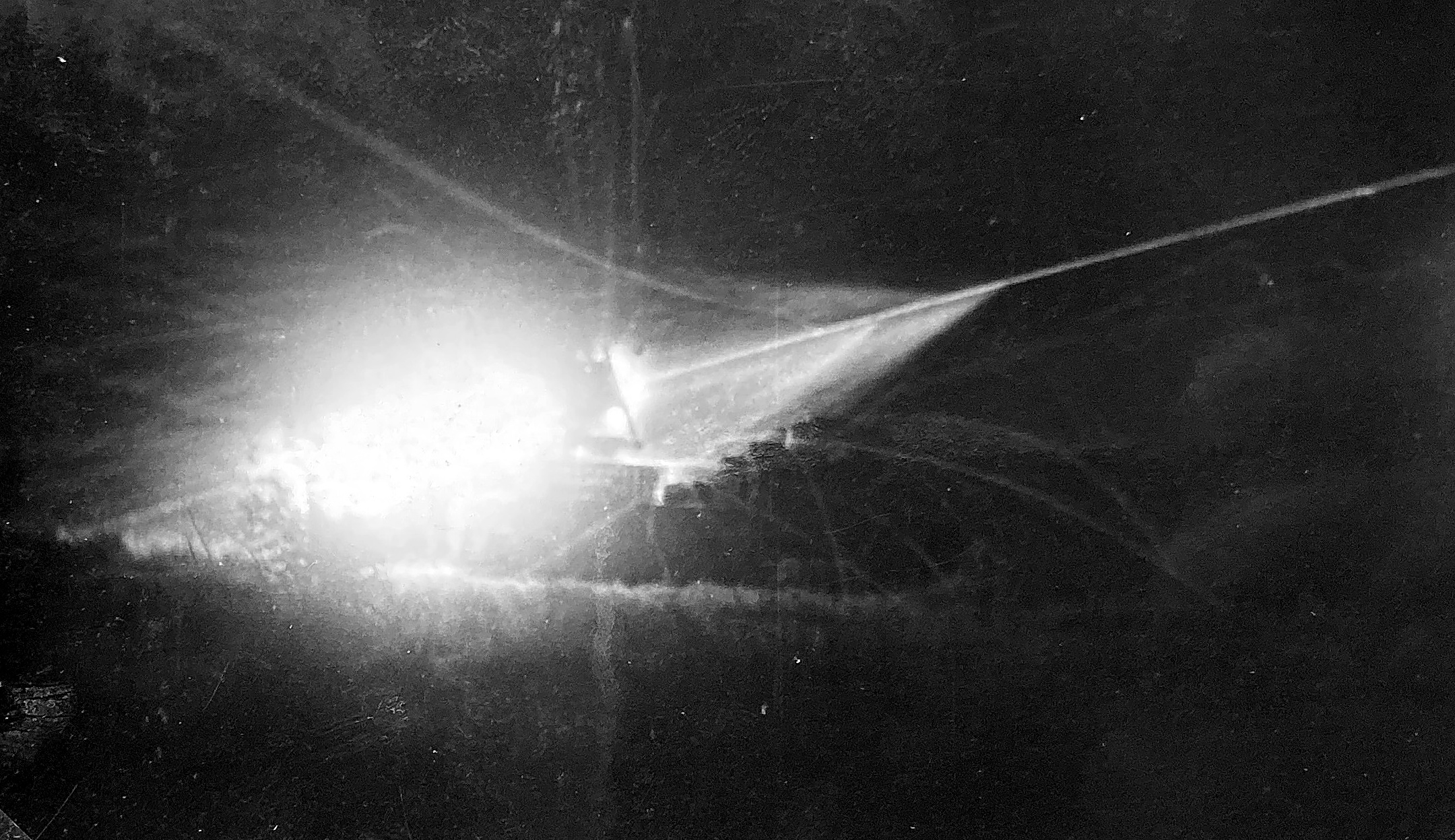
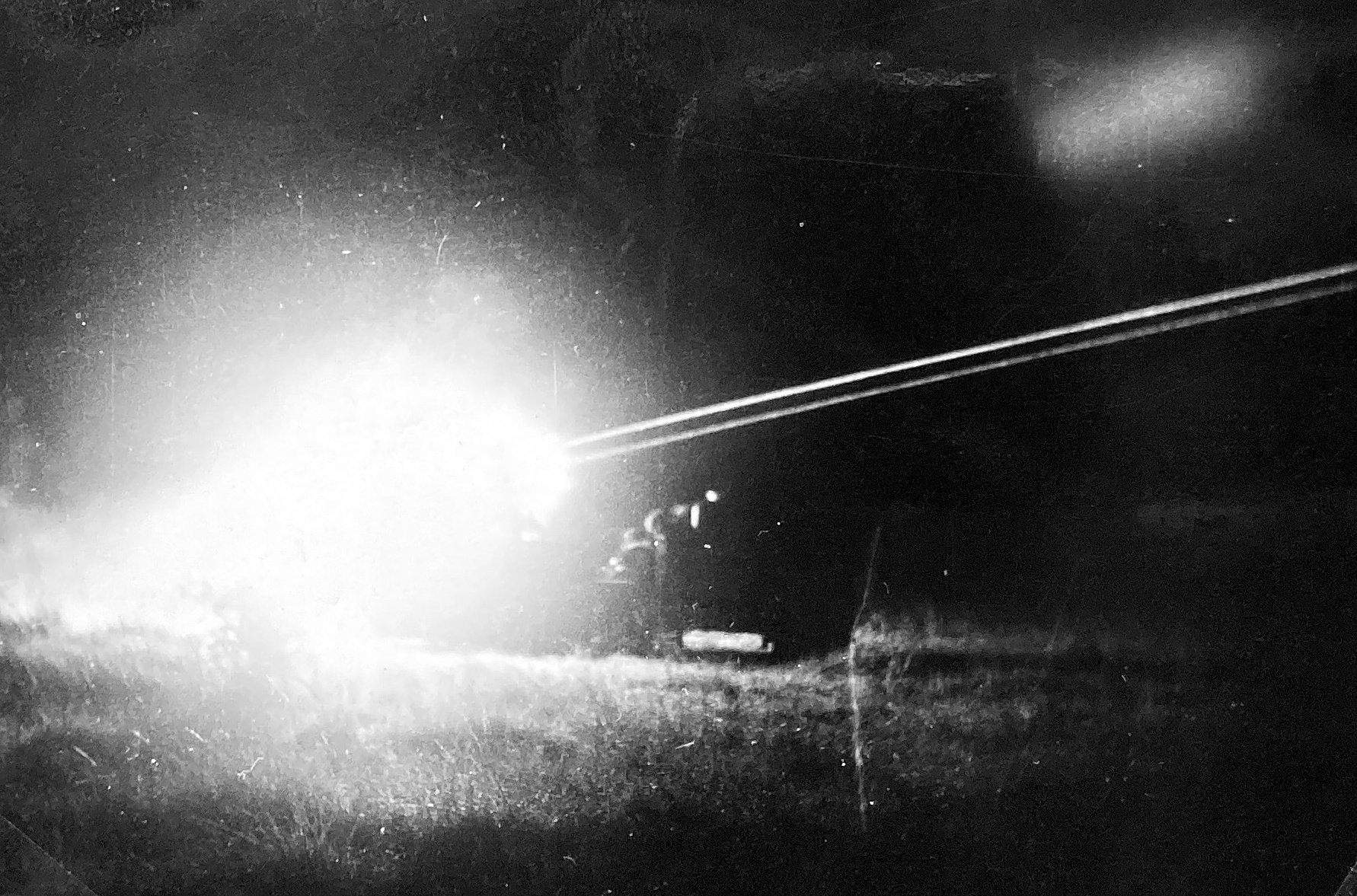
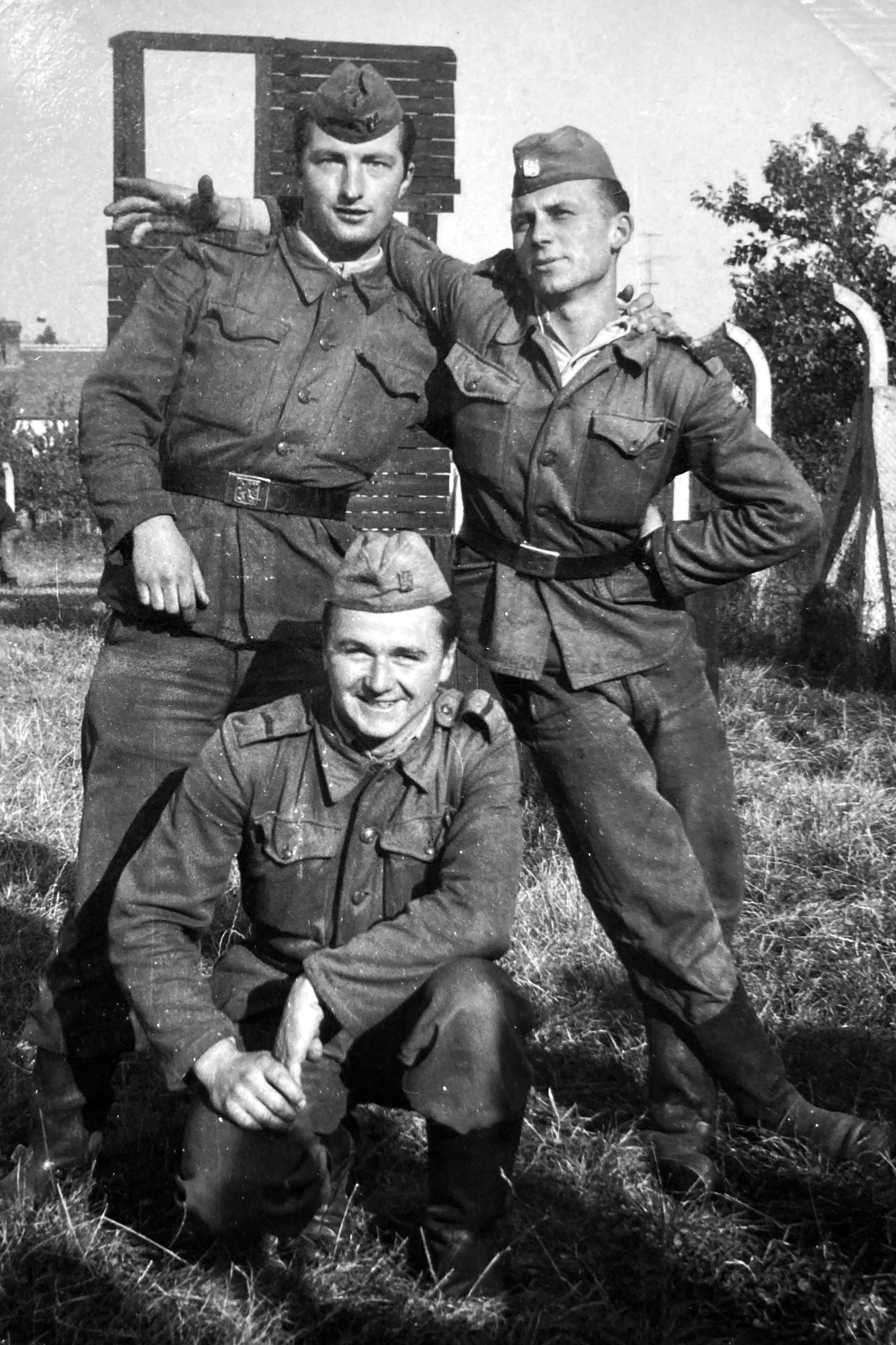
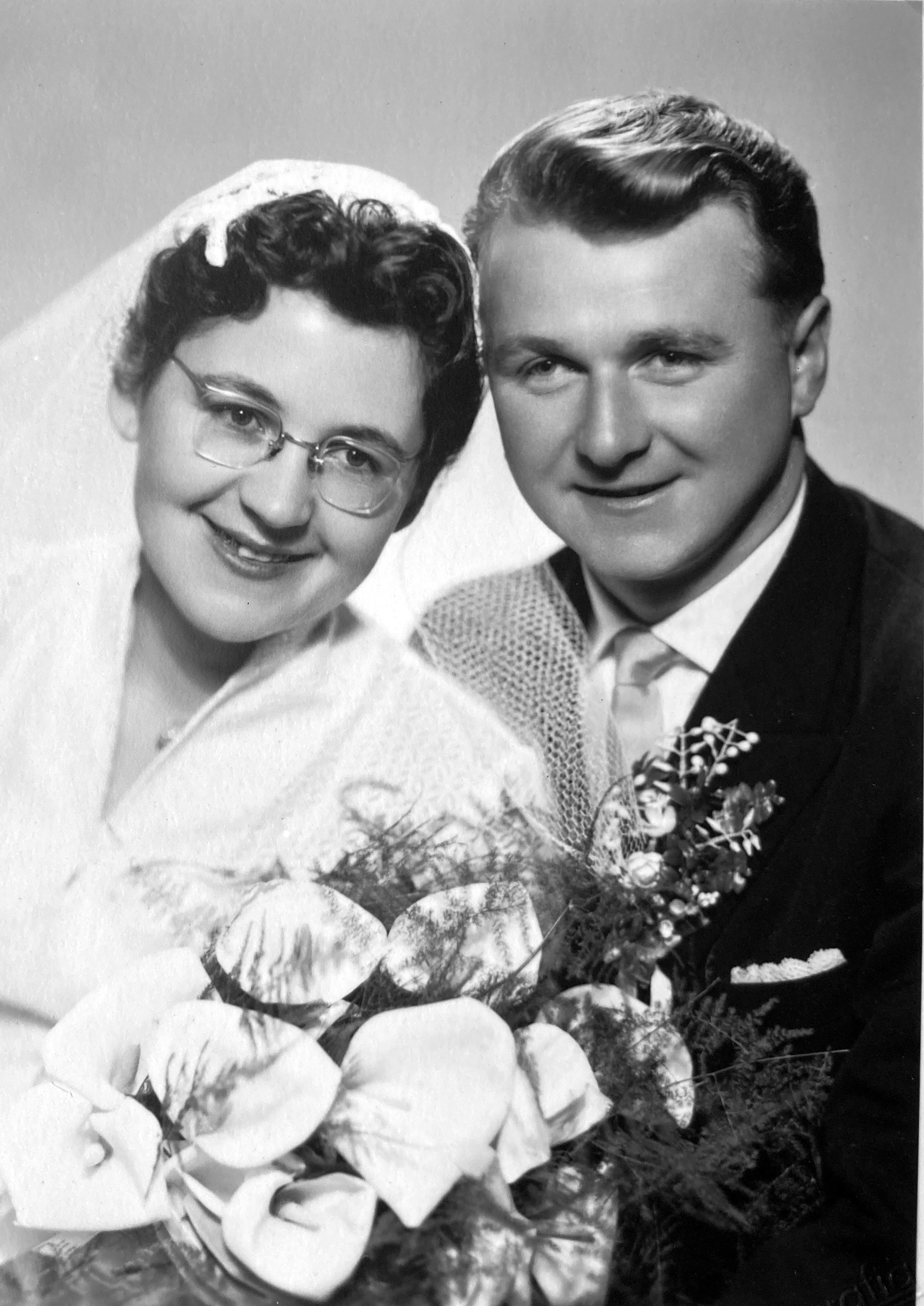
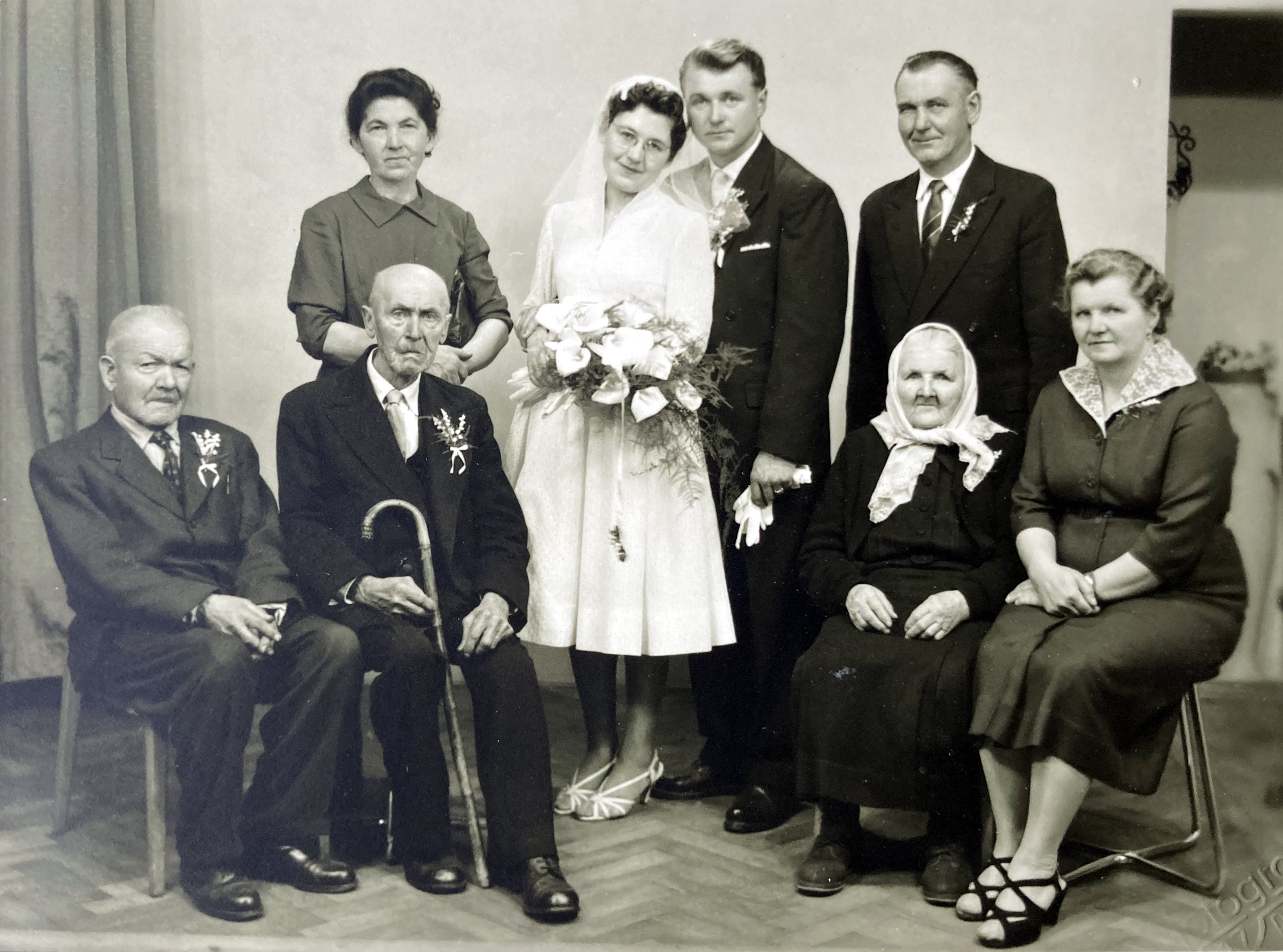
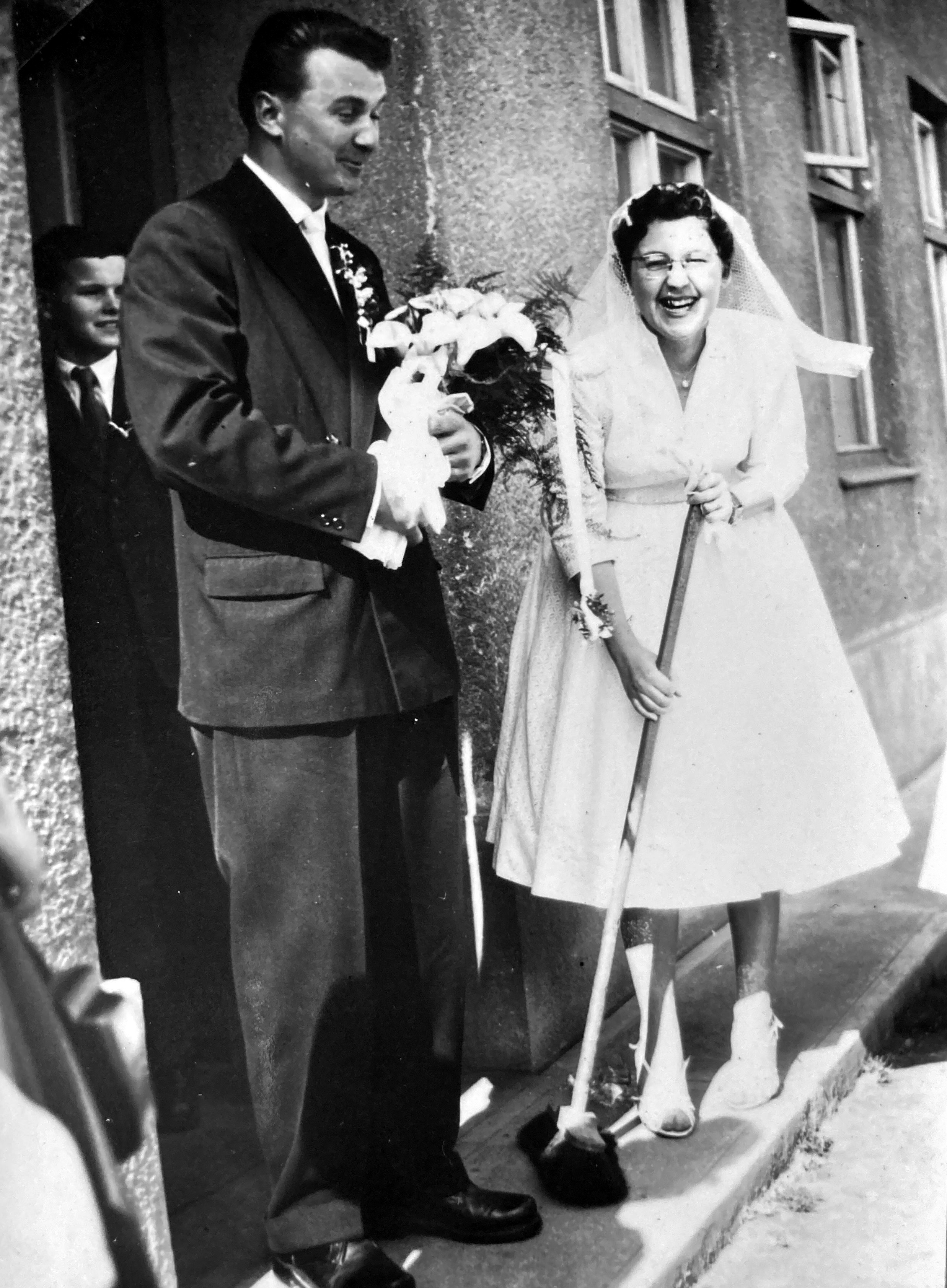
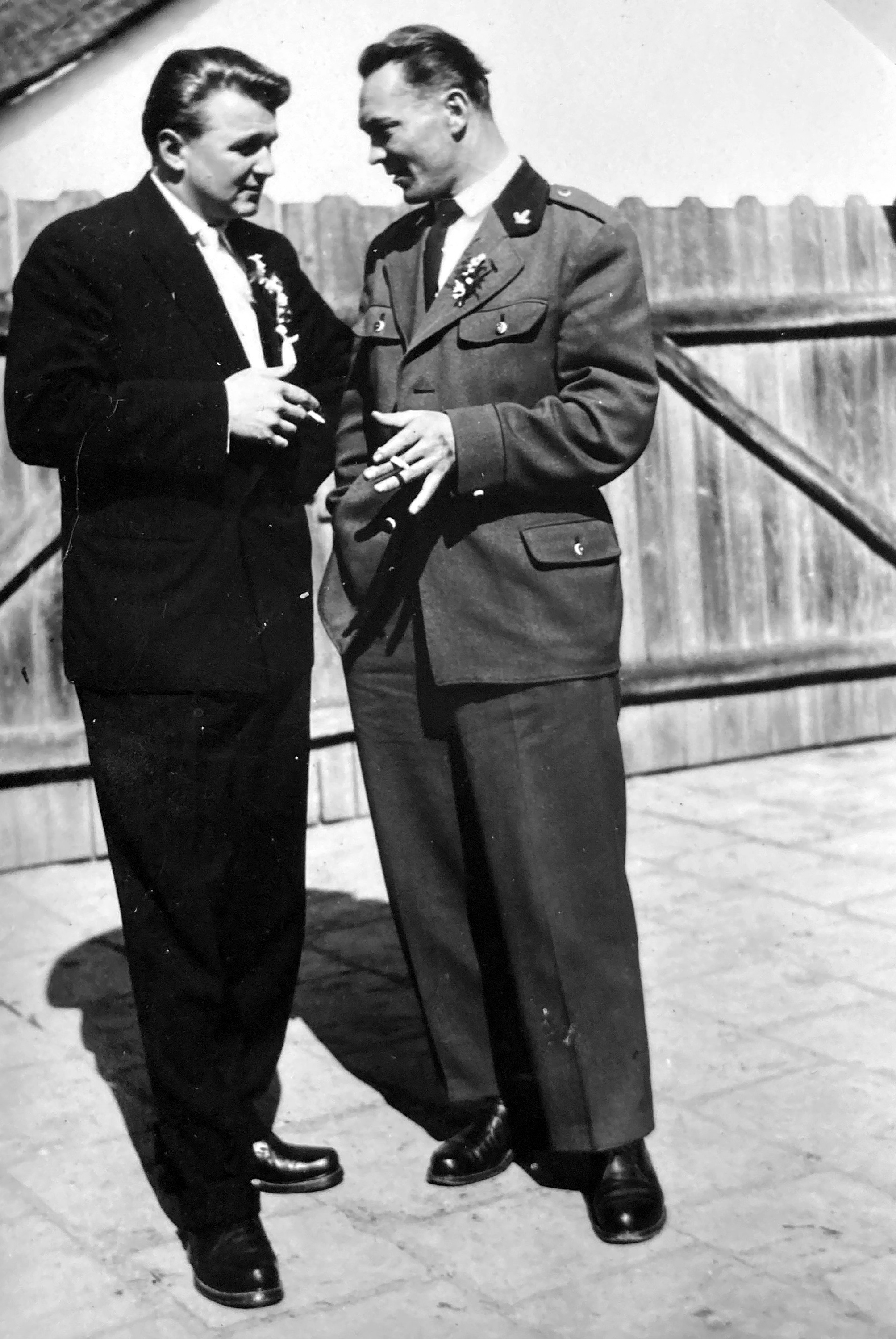
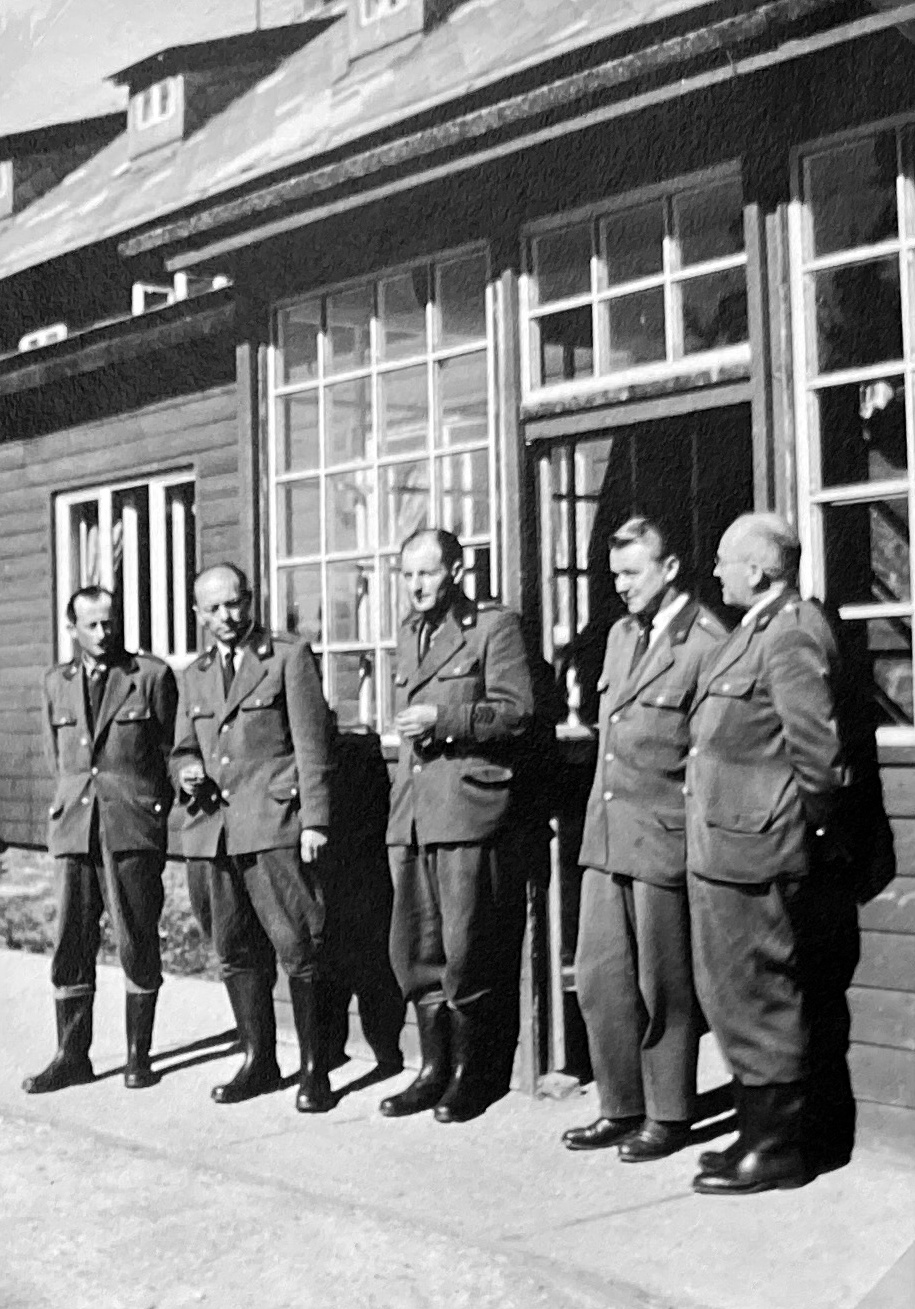
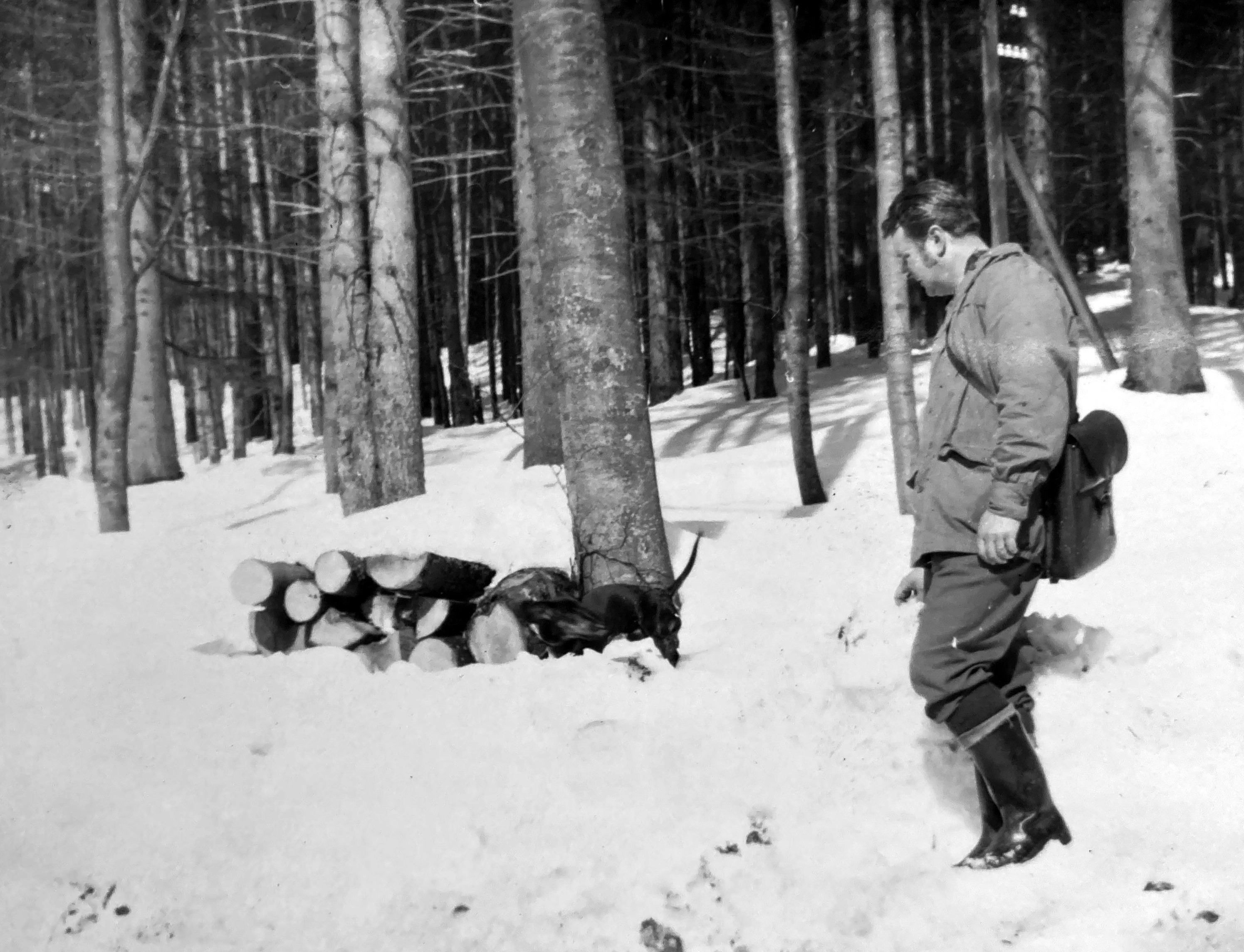
Miloslav Komárek was born on December 20, 1937 in the settlement of Včelín belonging to Bochoř near Přerov. His mother Františka née Vlčková worked for peasants and later in an agricultural cooperative. Her father Miloslav was an engine driver at the locomotive depot. At the beginning of May 1945, he witnessed the retreat of the Wehrmacht from Haná and the arrival of the Soviet army. He wanted to study at the secondary forestry school in Hranice, but was not accepted. The school recommended him to become a woodcutter. He entered an apprenticeship, then worked briefly in a timber transshipment yard, then attended a two-year master school in Strážnice. During his basic military service he served in the rocket army. Already before the war, he received a placement or official order to work as a forester of the state forests in the settlement of Vidly in the Jeseníky Mountains. He then worked there all his life and became a hunting guide for hunters from the West as well as prominent members of the Communist Party. During the filming in 2025, he lived in the settlement of Vidly.