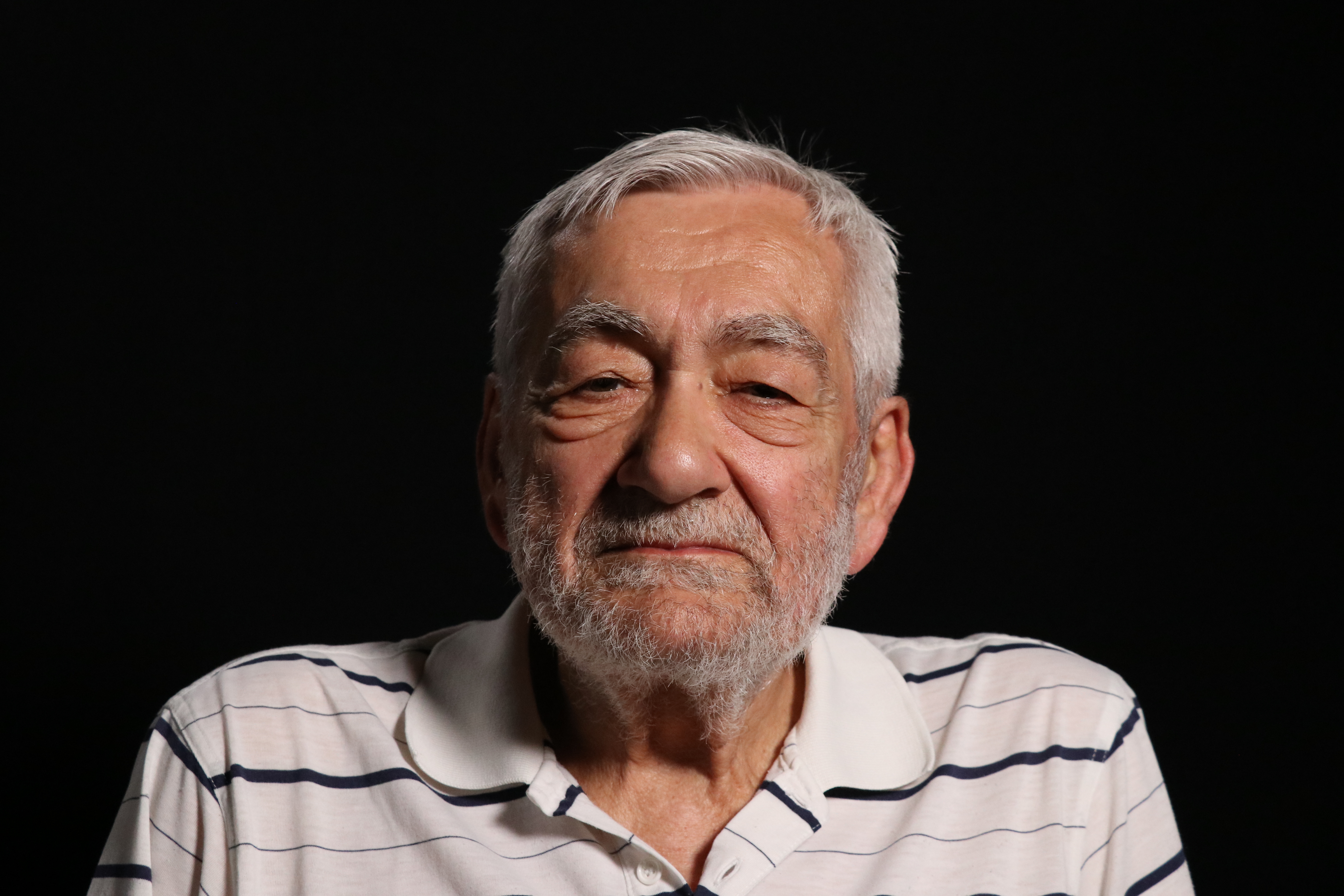
Petr Kautský

* 1948

  • "How did the personality of John Paul II impress you?" - "Fantastically. I'm not, I'm baptised, but I'm not a practising Catholic, but it was a brief encounter there, but then when he was here for the first time, I was actually by his side for three days all the time. I translated when he was going around the country as well, and I was like, just a few more days and he'd have me. He had tremendous charisma."-"When he came down here, it was the ninetieth?"-"I think it was the ninetieth, because the first time President Havel came down, he was just going to invite him. That was in the spring of '90, so I don't know if he came, I don't have the records now, but if it was right in the '90s or the '91s, but I think it was the '90s."

  • "So we were there for about five days. Practically for the whole period of the occupation, until our delegation arrived after the signing of the protocols from Moscow and all these broadcasts had to be cancelled, not only the Czech ones, but all these radios. And we were there, people were changing day and night, it was running all the time. And there were porters on standby in the gatehouse because sometimes, not a tank, but a Russian armored carwould come. That was a danger, because we didn't know all the time whether we were going to be caught, the transmission, because it went from there to somewhere, I mean to that Tehova just by cable and something by air. So there was a hole in the fence and it was arranged with the neighbours, with the neighbouring house, so several times when there was an alarm that something was coming, we ran through that fence and hid in their cellar. The car went over and we came back. Nothing ever happened."

  • "The morning of August 21, noise, planes, so my dad woke me up early to tell me what was going on. So I went straight to the radio, to the newsroom. We all met there, we were staring from the balcony, it was on the second floor, there's a balcony, what was going on down there. There were already crowds there and tanks were coming in. Then they went through the newsroom there, they didn't say anything to us yet, the soldiers, such greenhorns they were. They cut all the telephone wires so that we couldn't use the telephone. I think, if it were now, there would be more of those wires everywhere. Back then, there was only one phone cable and one radio cable. So we didn't know what was going on, and then, it was about ten o'clock, they came in with machine guns and drove us out. It wasn't as dramatic as in Madl's excellent film The Waves, because there it was the Czech editorial office, there it was something else. But they pushed us out and we went. So I went home and the next day I got a call from a colleague from the editorial office saying, 'Petr, come to the villa,' and he didn't say anything else. So I understood and I went there and there was already a foreign Radio Prague broadcast going on, and in a continuous broadcast, English, French, German, Italian, Spanish and Russian were alternating every ten minutes. And the Italians had a teletype machine there, and they listened to the news on the radio too, and they wrote those individual reports. The Italian always went there to read it when it was his turn."

  • Celé nahrávky
  • 1

    Praha, 27.06.2025

    (audio)
    délka: 01:28:50
    nahrávka pořízena v rámci projektu Pamětníci Prahy 4 vyprávějí
Celé nahrávky jsou k dispozici pouze pro přihlášené uživatele.

After the occupation, we illegally broadcasted all over Europe
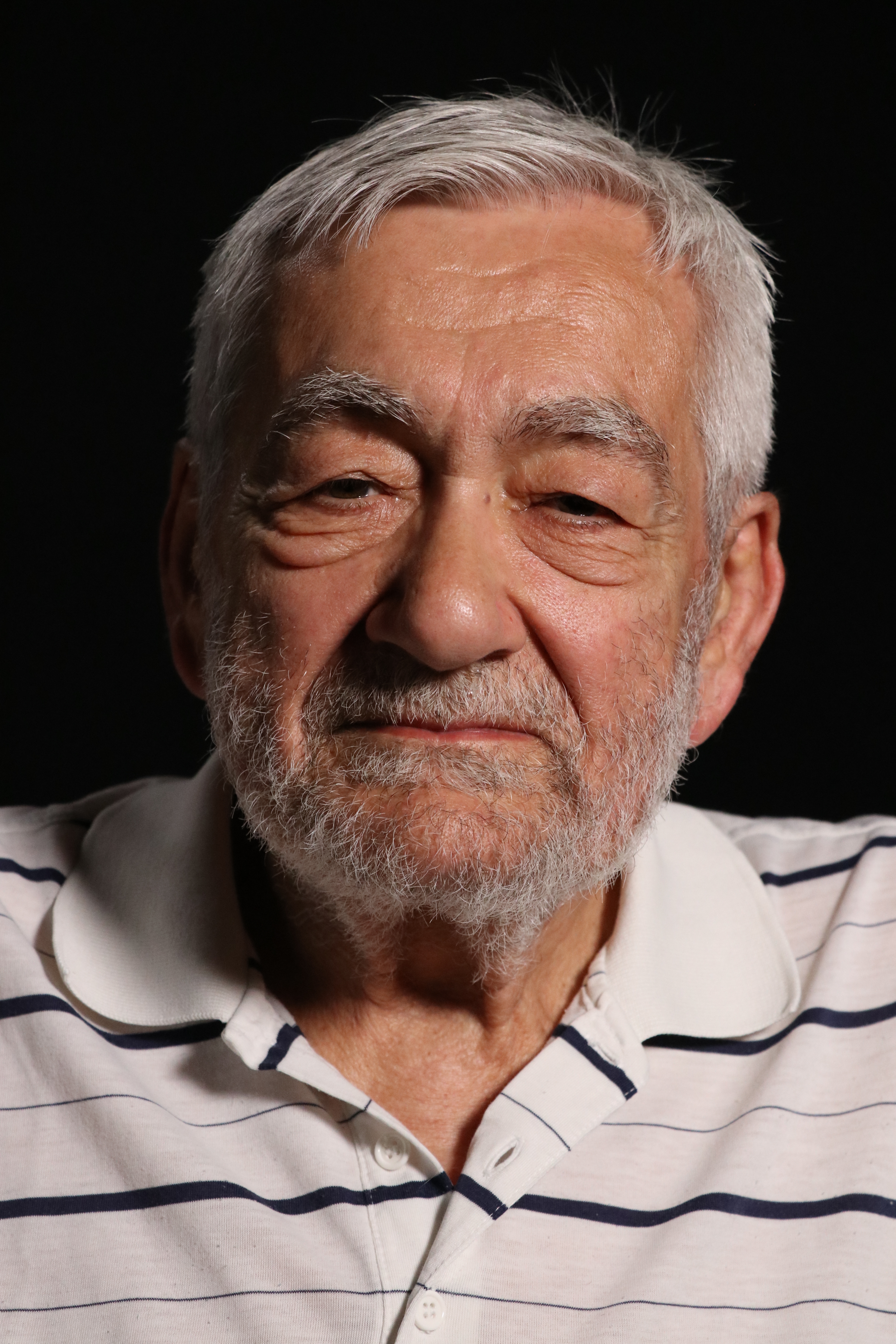
Petr Kautsky during filming, 2025
zdroj: Post Bellum Archive

Petr Kautský was born on 10 January 1948 in Prague into the family of translator and screenwriter Oldřich Kautský. Since childhood, his father tried to encourage him to take an interest in foreign languages, of which he himself spoke five. As a result, Petr Kautský was already fond of Italian as a child and was interested in Italy in general. His father took a year-long trip to the country after the Second World War to conduct an investigation into the film industry there under the auspices of UNESCO. After graduating from a secondary general education school (gymnasium), he applied to FAMU to study directing, but was not accepted. In 1968, he joined Czechoslovak Radio, where he worked as an administrative employee in the foreign broadcast of the Italian section at the detached office in Nusle. From there, immediately after the occupation in August 1968, he and other employees began to illegally broadcast news about the situation in Czechoslovakia to the whole of Europe. This broadcasting lasted only until the signing of the Moscow Protocol. Petr Kautský remained at Czechoslovak Radio, where he worked in the Italian editorial office of the foreign broadcaster „Radio Praga“. From 1977 he worked as a freelance interpreter and translator. As an interpreter, he also participated in the government expedition to Rome on the occasion of the canonization of St. Agnes of Bohemia. During the Velvet Revolution he was in Prague. After the fall of the regime, he became an interpreter from Italian for President Václav Havel and in 1990 acted as interpreter for Pope John Paul II during his tour of Czechoslovakia. At the time of filming (2025), Petr Kautský was living in Prague and continued to work as an interpreter. At the same time, he served as secretary of the Union of Interpreters and Translators and editor-in-chief of the journal ToP (Interpreting - Translation).