Petr Hromádka

* 1958

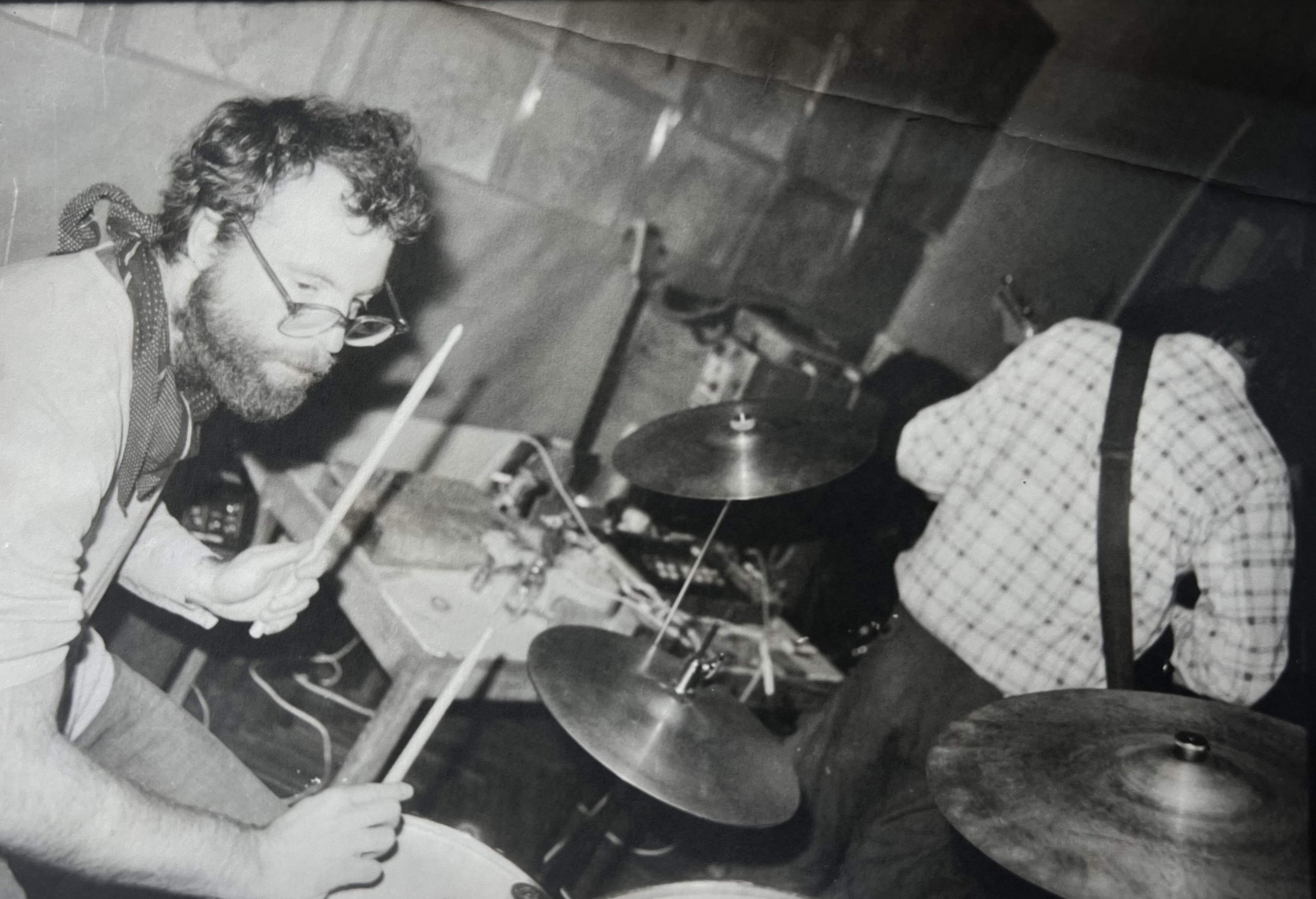
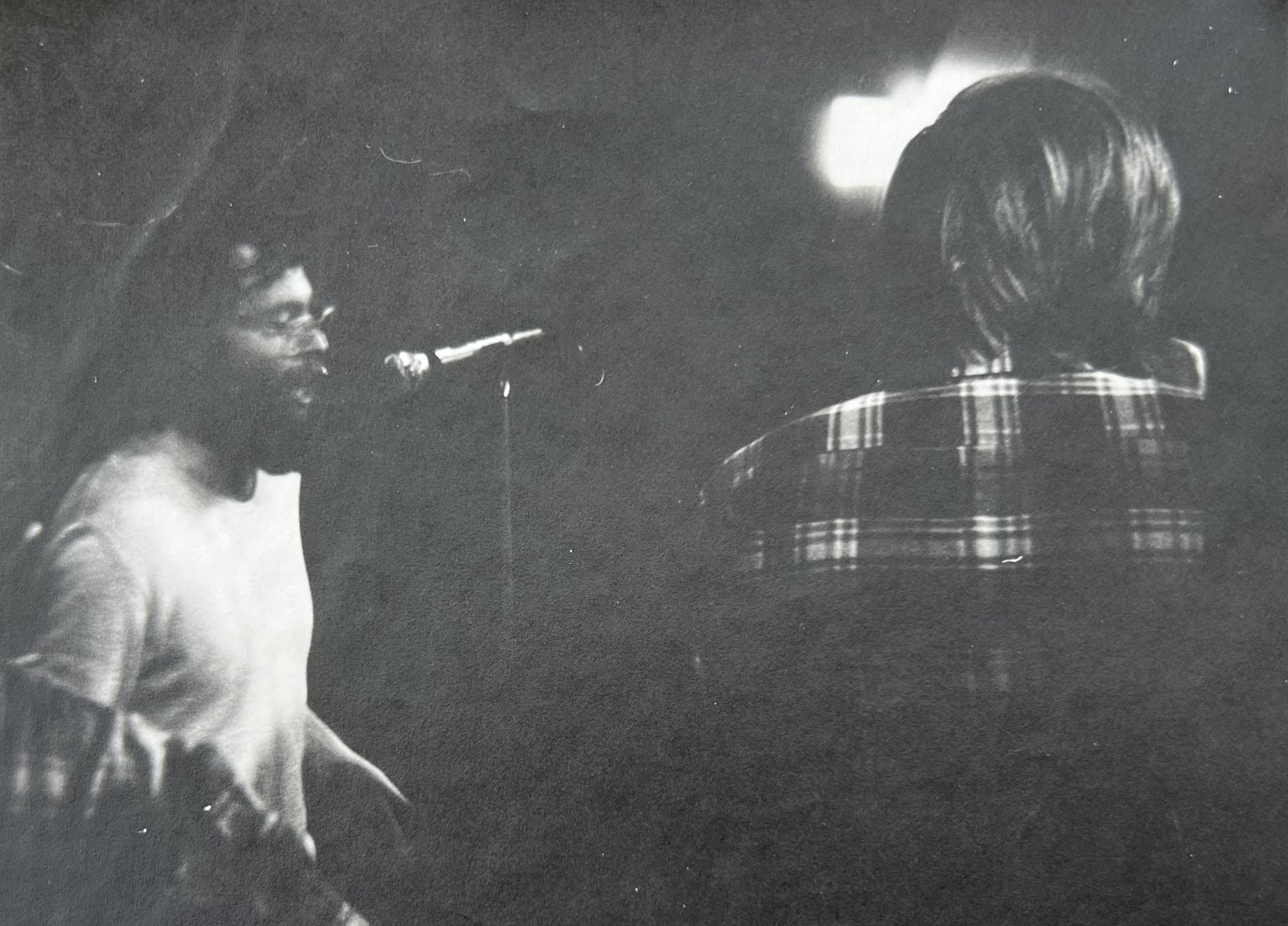
  • "That's how it started to emerge. And suddenly - why not form a band and why form a band. We were kind of guys - now I'm talking a little bit hyperbolically - kind of impractical, and we weren't like socially strong, we weren't the rockers that just come along... And so we thought it's easier to pick up a girl if you're in a band, which can work. But if you form a band - We Haven't Agreed Yet (Ještě jsme se nedohodli) or a band that plays that kind of music, you're not going to pick up a girl. We had a friend who was - how do you say it - socially stronger. He got us a gig in Benátky [Czech name for Venice, transl.], but not in Benátky nad Jizerou, not even in the famous Venice. It was a pub that had a small room like most pubs. And that's where we had our first performance. There was no equipment. It was more of a happening, artistic, musical, provocative. This friend had some girls who came there, but we were old guys, we were in our twenties. The girls didn't like it, of course, because there were already some of those lyrics and those intertwined melodies of the two guitars. Someone said it reminded him of Beefheart. Partly yes, partly no. That was our first show."

  • "They didn't want me to have longer hair. I was once forced to go to a barber from whom I ran away. They didn't want me to wear jeans. I didn't get jeans until I was about seventeen, in my third year of grammar school. Everybody had them, I was unhappy about it. I listened to music at home. That was a bit of an incident. Always, as my mother was into the tidiness of it, when I had those [Deep] Purple and all those bands, [I took] wooden spoons, pillows like that, which I tried to clean up afterwards. My father had this little briefcase and plastic foil. That's what I put on my bed where I slept. So it was a Hi-hat, the plastic was a rhythmic, the transition was a stuffed pillow. I had these slippers like a stepper. When my parents weren't home, when I came home from school, I would drum. And one time my mother came in, it was playing quite loud, so she banned it. She said I was whirling up dust. Nobody thought I was interested in it, I was just whirling dust. So I had to clean it up. The tape recorder was taken away from me and so on..."

  • "The biggest revelation for me was with Ondra Hájek, who lived one floor up, he had a friend named Jan Sobola. Then I found out that he actually wernt to our grammar school, he was in the same year, but he was more mature. He was the kind of person who could drink ten beers, he was extremely well-read. He ended up badly. He was an early mature person who didn't build, didn't develop, and who recommended books to us. And he said, 'Listen, I know a band that plays - there's a guy from Panama, there's a guy who's from England, there's an American, there's an Irishman, and there's a Czech. It's called Mahavishnu.' Mahavishnu Orchestra, with Jan Hammer, of course. He was right that John McLauglin is Welsh, Rick Laird is Irish, Jerry Goodman is American and Billy Cobham is Panamanian. When I heard that, he played me the recording, and I listened to it with Ondra. That was something so mysterious, that was my second year at secondary school, I was sixteen. It completely turned the panorama of my life around. That was something, even though it was instrumental, even though there was no singing, it was energetic, incredibly complicated, I didn't understand it. Rhythmically it had odd meters, odd rhythms. It was incredibly spiritual. McLaughlin studied Eastern religion. It was an unexplored world for me, combining ethnic music and jazz. Improvisation. Just very strictly written. The word irritation. There was an irritation and a mystery. That it was all behind that barrier of consciousness. It still has that effect on me to this day. That it's something that everyone can't go. That you have to claw your way to it. Then I had some of that stuff in my notes, and that's what I've learned through years of musical practice, of course. I've come to that, it was actually incredibly revolutionary."

  • Celé nahrávky
  • 1

    Brno Královo Pole, 22.07.2025

    (audio)
    délka: 02:13:34
    nahrávka pořízena v rámci projektu Stories of 20th Century
Celé nahrávky jsou k dispozici pouze pro přihlášené uživatele.

I‘ve always learned from the people I met and from the music that shaped me

Petr Hromádka in front of his flat, 1989
zdroj: witness´s archive

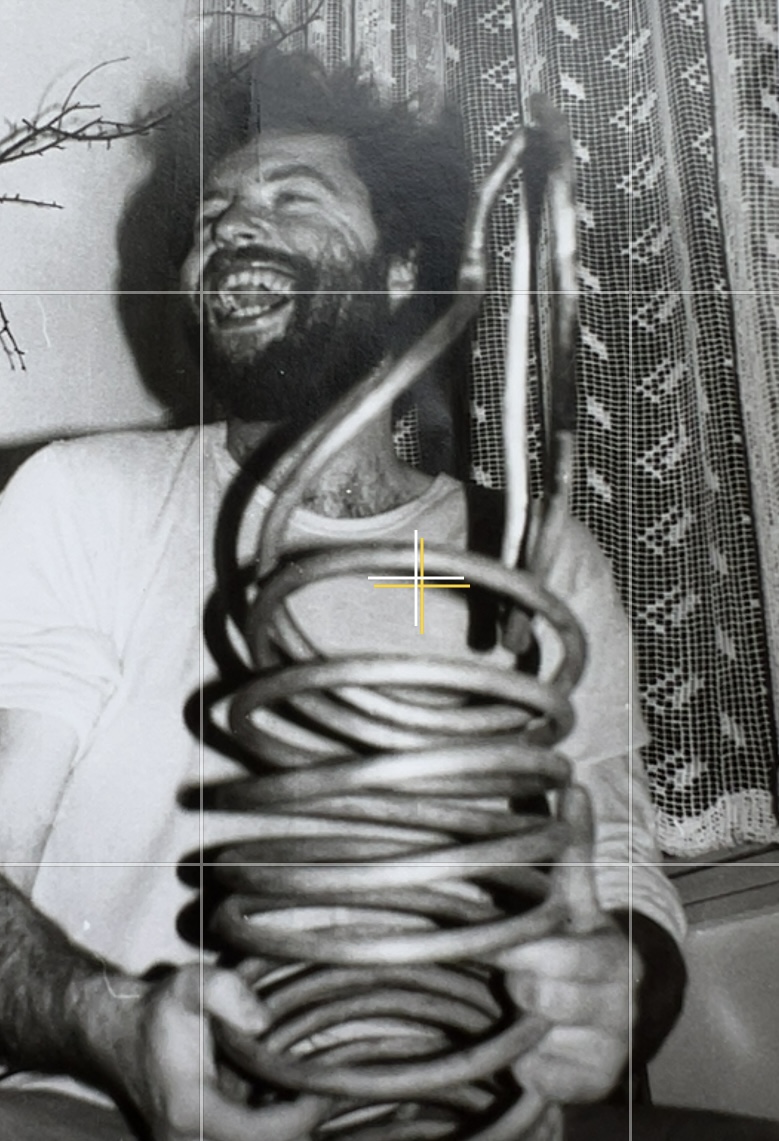
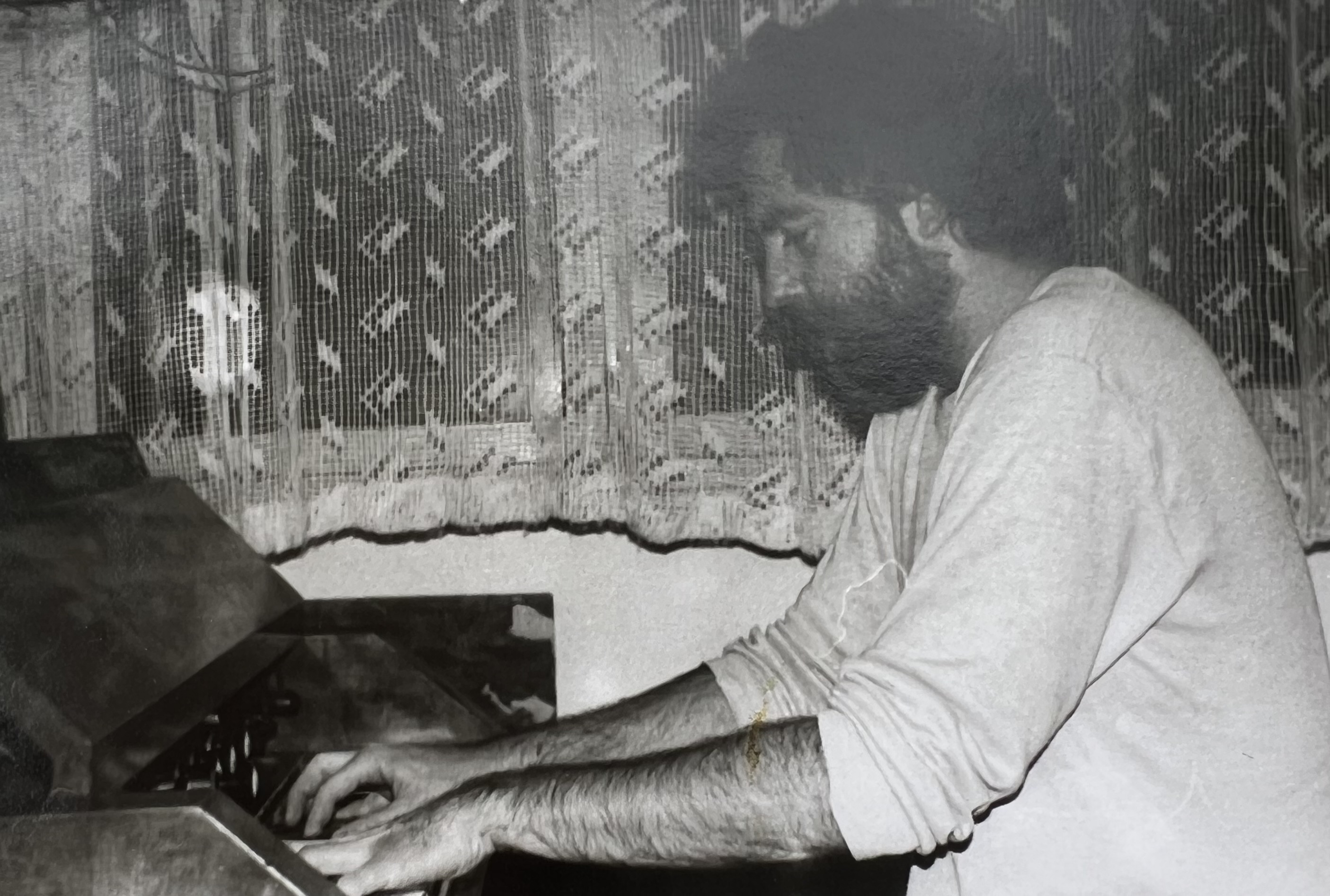
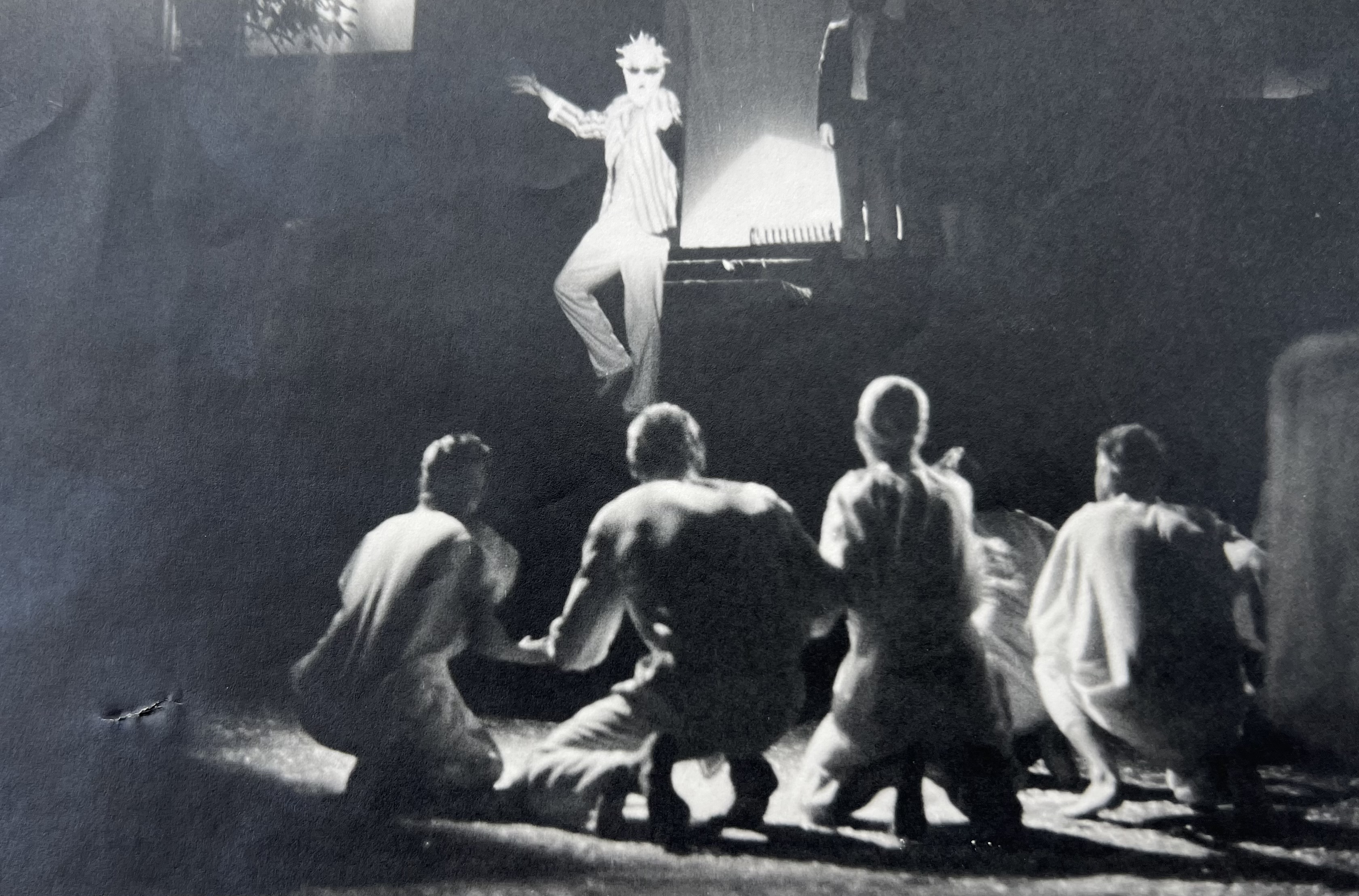
Petr Hromádka, musician, composer and co-founder of the Brno band Ještě jsme se nedohodli (We Haven´t Agreed Yet), was born on 31 August 1958 in Brno, where he spent his whole life. He came from a musical family - his great-grandfather Antonín Hromádka was a chorister at Petrov and a contemporary of Leoš Janáček, his grandfather Jaroslav Hromádka was a lawyer, singer-bassist and passionate pianist. His father Pavel worked as a civil engineer, his mother Lada née Świrková was a renowned ophthalmologist. He spent his childhood on Slovanské náměstí in Brno. He acquired the basics of music in his childhood, but his real interest in music was fully awakened at the age of 14, when he discovered rock and jazz recordings (Deep Purple, Led Zeppelin, Mahavishnu Orchestra). He was led to music by organist Stanislav Kostka Vrbka, with whom he studied improvisation and piano. In the 1970s, he studied at the grammar school on Slovanské náměstí, where he met his friends, with whom he formed the band Ještě jsme se nedohodli in 1980. The band became part of the Brno alternative scene, playing experimental rock and often having to perform under a different name to avoid interference from the authorities and police. The concerts at which the band played were often cancelled or banned. After graduating from secondary school, the witness briefly studied medicine and then the Faculty of Education, but did not finish either school. He worked as an orderly and in other professions and devoted himself to composing music. He worked with the theatre group Ochotnický kroužek, where he acted and for which he composed incidental music. After 1989 he continued to compose scenic music and occasionally performed with the band. He sees music as a personal statement and a lifelong passion. In his reminiscences he often recalls his family‘s musical heritage and the underground atmosphere of normalization. At the time of the interview, in July 2025, Petr Hromádka was living and working in Brno.