"There was excitement, many saw Fidel as a god, as the savior... I think today that the population was ignorant, I reflect on this today, after 80 years. It was never put up in my house, but people put black and red metal plaques on their front doors that said, ‘This is your house, Fidel.’ A small metal plaque screwed onto the houses, this became widespread. The glasses came with Fidel. For many poor Cubans, humble workers, Fidel Castro was a source of hope. What's more, my youngest brother was born in February 1961. I was already 16 and my sister was 18. My brother was born as a result of this excitement... However, my father had built our house and felt secure. He said that this brother was going to have a better life. He thought that our brother was going to be born into a better world, even though my mother did not agree with that. At her age, her belly was bothering her and she was suffering because of it...
"Apart from the black market, many ways emerged to alleviate the situation of restrictions on all products in Cuba. Change also came with socialist countries, and there was an improvement in stores, clothing, polyester pants in large quantities, those pullovers that came from Poland or Czechoslovakia... stores began to stock up on these products. The same was true for hardware stores, glasses were coming in... everything that was needed, because everything had been lost, but it was also restricted, because it came through the ration books. But it did become easier to buy these products. People felt a certain relief, they were getting married, they were starting to build homes. A period of improvement came. In addition, some workers were given the opportunity by the unions to travel to socialist countries. Germany, the Soviet Union... You could also buy refrigerators, and the best workers were offered Russian refrigerators, air conditioning, and trips to socialist countries. I was in the Soviet Union in 1983, in Moscow, Volgograd... That's how workers were rewarded. You had to pay for it, but at a modest price. This was discussed in the assemblies, where it was decided. There was a merit system, and those who accumulated merits were given the item they needed. I got a refrigerator and an air conditioner. And they also facilitated... that was through the unions at the national level... my trip to Russia, because it was said that Russia was the best country in terms of ophthalmology. That wasn't the case, I couldn't go, but that's another story. I was going to Moscow as part of the workers' tourism program. I was in Volgograd, Leningrad (St. Petersburg), and Kiev, the capital of Ukraine... that was the place I liked the most. Honestly, when I entered Russia, I saw Cuba. A queue in winter and I saw the exhaustion on the faces of foreigners. They were big stores, bigger than in Cuba. I saw a very pretty Russian woman, perfectly dressed, but in the underground passageways there were people kneeling, completely drunk, workers who had left work and were getting drunk."
"In May 1961, I was teaching literacy... the Bay of Pigs invasion had recently taken place... I was staying at the farmers' house, they were good people. At that time, the farmers welcomed the literacy teachers, and in this house, the neighbors and the people who lived in this house were taught to read and write. I think that each brigade member had a different experience, but there is one similarity—the work that was done. That is, some of us had more work than others, because some neighbors had more free time than others. In the house where I ended up, the farmer was a woodcutter; it was his only source of income. He had children who cut cane, agricultural workers who had no income. I taught them to read and write at night, when they came home from work, and in the end I was able to teach nine people to read and write, four adults from the house and the rest neighbors. This family was made up of decent, very poor people. I spent eight months in this house. I was disciplined with my lantern, which was always lit. I think that despite my youth and lack of experience, I did quite well. // We finished the campaign, wrote a letter of thanks to Fidel Castro, and in December we were already on our way down. They provided us with some cane carts, put on some guano roofs, and opened a hole in the iron floor for urinating and defecating, and they brought us to Havana."
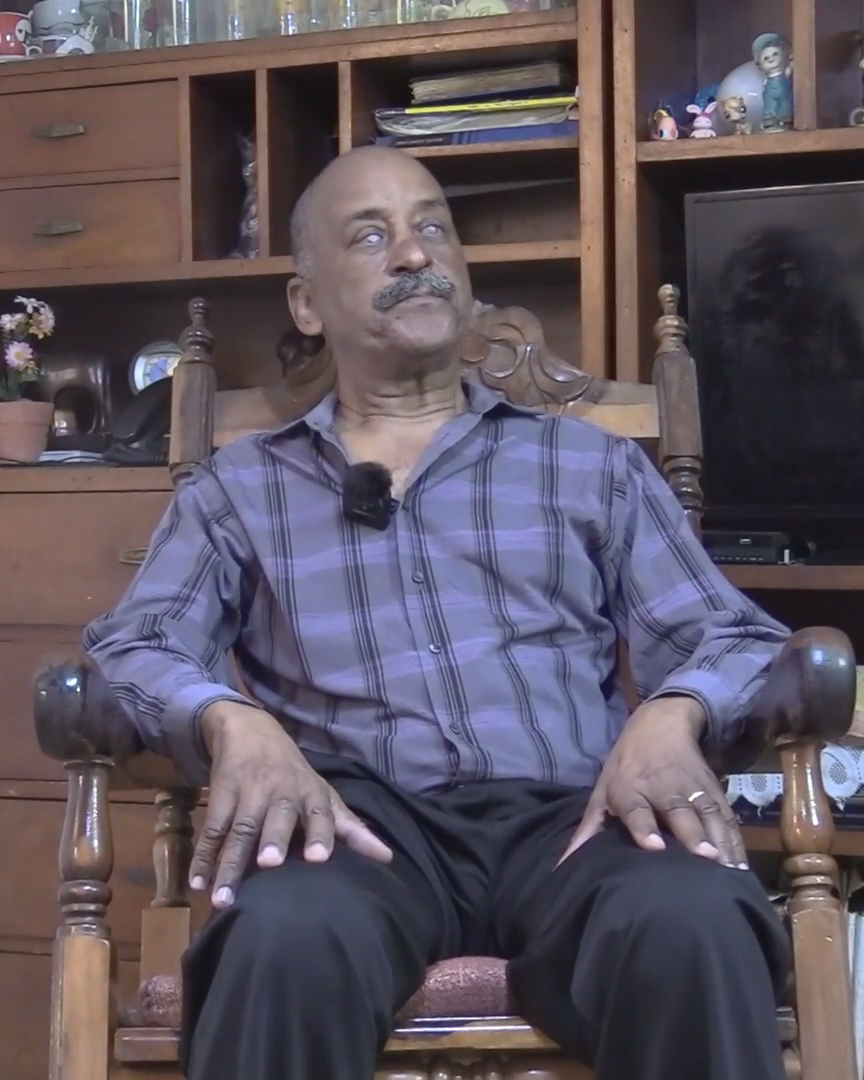
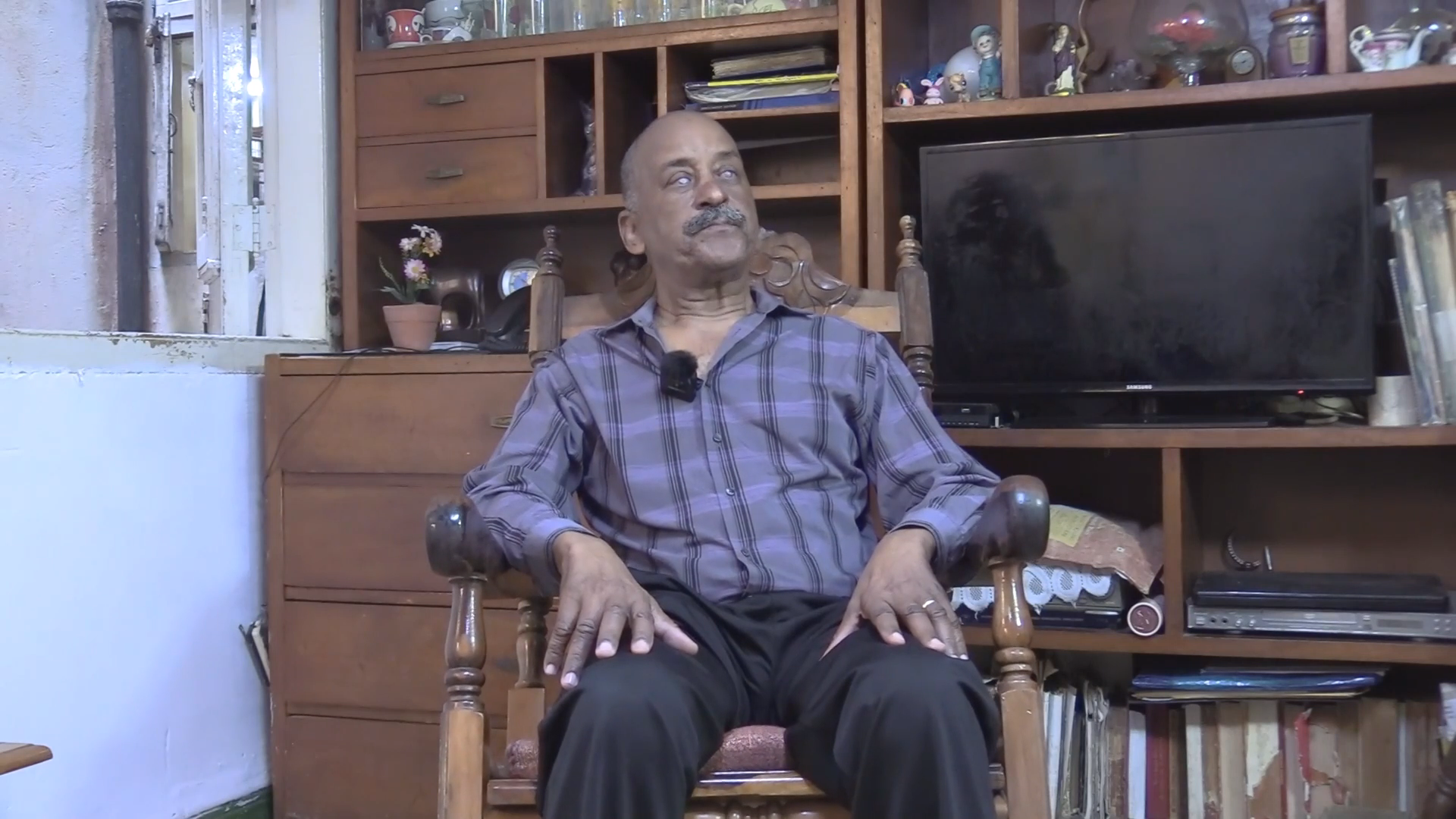
Juan del Pilar Goberna Hernández was born on October 12, 1945, in the city of Matanzas, located on the north coast of Cuba, about 100 kilometers from the capital. His family history includes people who fought for the independence of the Caribbean island in the late 19th century. Juan had an older sister and a younger brother. His childhood memories extend to the period of General Fulgencio Batista‘s rule, that is, before the triumph of the Cuban Revolution. Coming from a simple family, Juan attended a public school that was, however, characterized by a clean environment and, above all, respect in the relationship between students and teachers. At around the age of sixteen, he joined the Conrado Benítez Brigade and, as such, participated in the literacy campaign for Cuban peasants. He remembers the enthusiasm that was evident in society after the triumph of the Cuban Revolution. Juan‘s opinion was transformed by events such as the ten million ton sugar harvest and the exodus from the port of Mariel. At the same time, Juan had the opportunity to travel to the Soviet Union as part of a program to promote worker tourism. After the fall of the Soviet Union, Juan expanded his contacts with opposition groups and collaborated, for example, with the Varela Project. In 2012, he suffered total loss of vision and had to deal with harassment and abuse from state institutions that denied him any form of assistance. Based on his experience, he decided to found the independent organization Red de Cultura Inclusiva (Inclusive Culture Network), which provides assistance to people with disabilities in Cuba.